Artwork
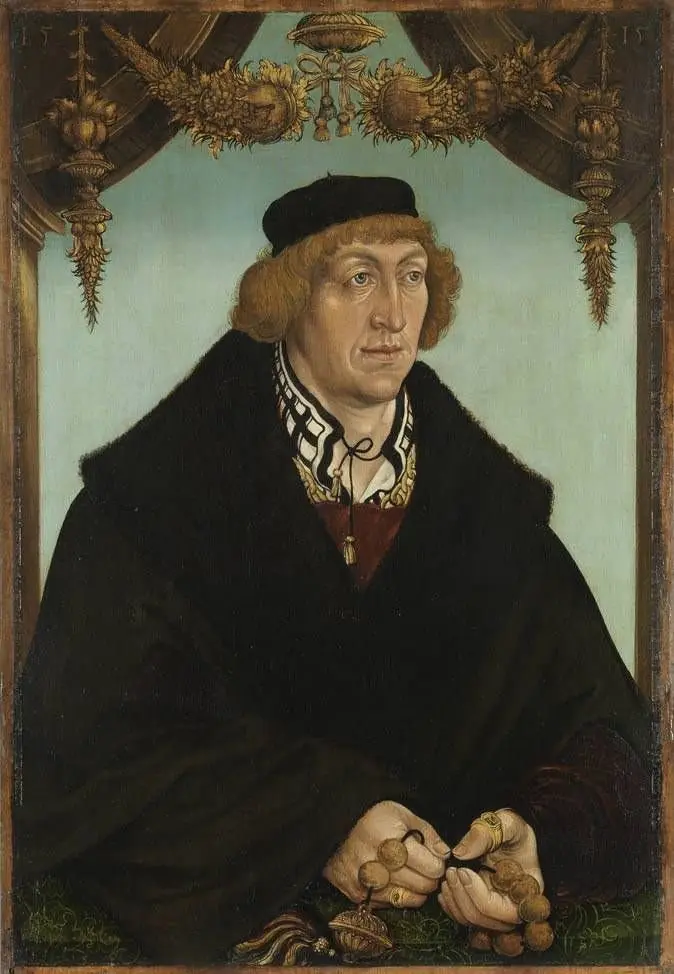
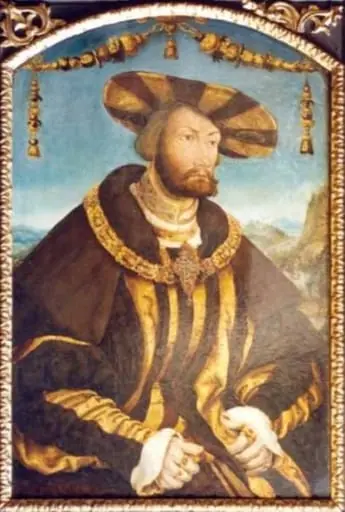
Portrait of William IV of Bavaria.
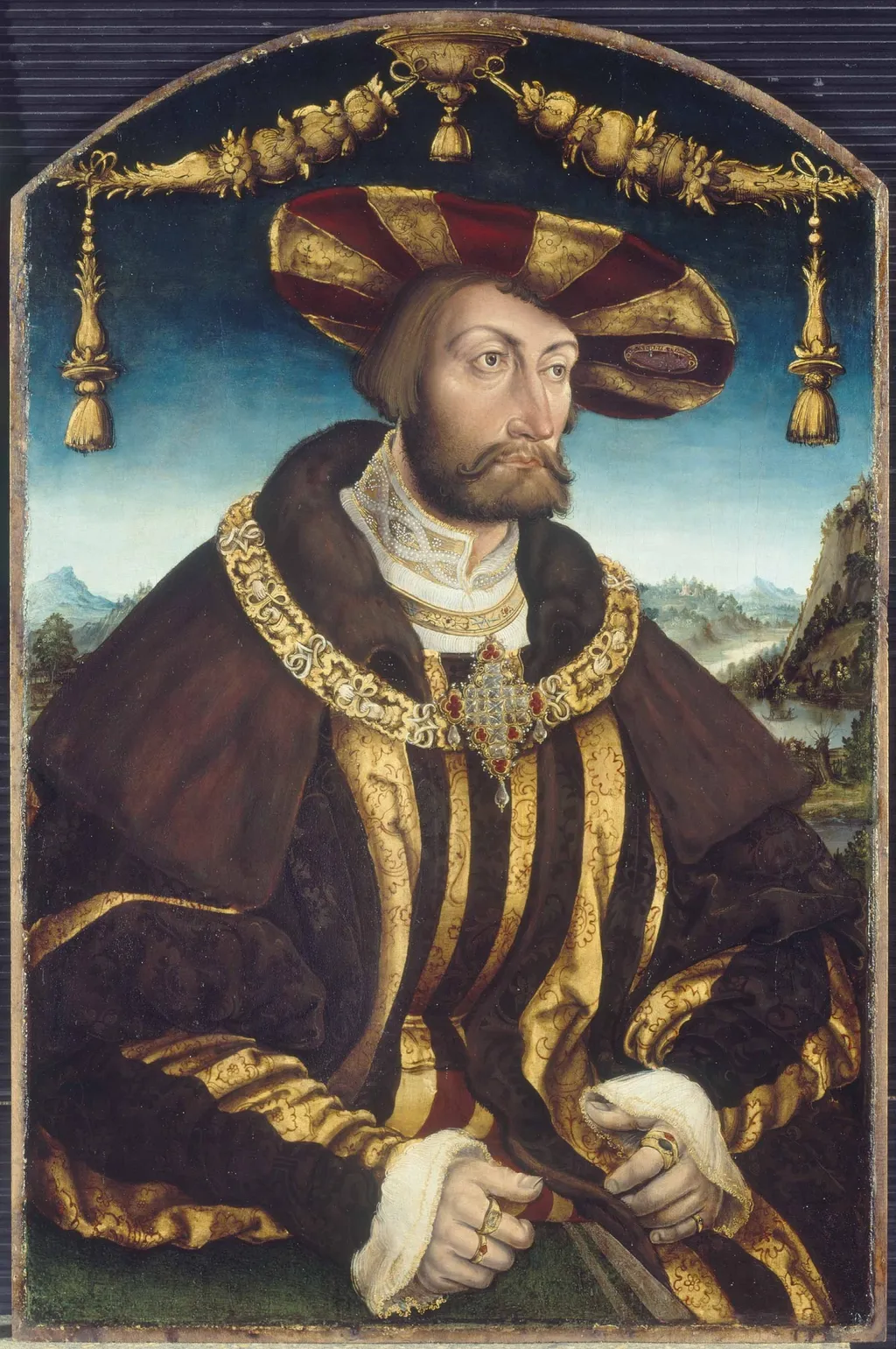
Portrait of William IV of Bavaria. is a wood painting by the Northern Renaissance artist Hans Wertinger. It dates from 1526 and is held in the collection of the Alte Pinakothek.
About this work
Subject & Meaning
The painting shows Wilhelm IV, Duke of Bavaria, depicted in regal attire against a dark background, emphasizing his authority as ruler.
The painting shows Wilhelm IV, Duke of Bavaria, depicted in regal attire against a dark background, emphasizing his authority as ruler. He holds a scepter, symbolizing political power, while the meticulous rendering of his clothing and accessories reflects the importance of status and lineage in early 16th‑century Bavarian court culture. The work belongs to the portrait genre and was created by Hans Wertinger in 1526 using wood as the support, underscoring its function as a devotional and commemorative image within the Alte Pinakothek collection.
Technique & Style
Executed in 1526 by Hans Wertinger, this portrait is a panel painting created on a wood support. The work measures 69.3 cm in height and 45.8 cm in width. As a formal likeness of Wilhelm IV, Duke of Bavaria, the piece adheres to the conventions of early sixteenth-century portraiture through its specific genre classification and material choices. The painting is currently held within the collection of the Alte Pinakothek.
History & Provenance
The portrait of William IV of Bavaria was created by Hans Wertinger in 1526, executed on wood. It depicts Wilhelm IV, Duke of Bavaria, and is held in the Alte Pinakothek as part of the Bavarian State Painting Collections.
No information is available regarding the circumstances of the commission, the original patron, or the chain of ownership prior to the work's acquisition by the Bavarian State Painting Collections.
Overview
This portrait of William IV of Bavaria is a wooden panel painting created by Hans Wertinger in 1526. It is now held at the Alte Pinakothek.
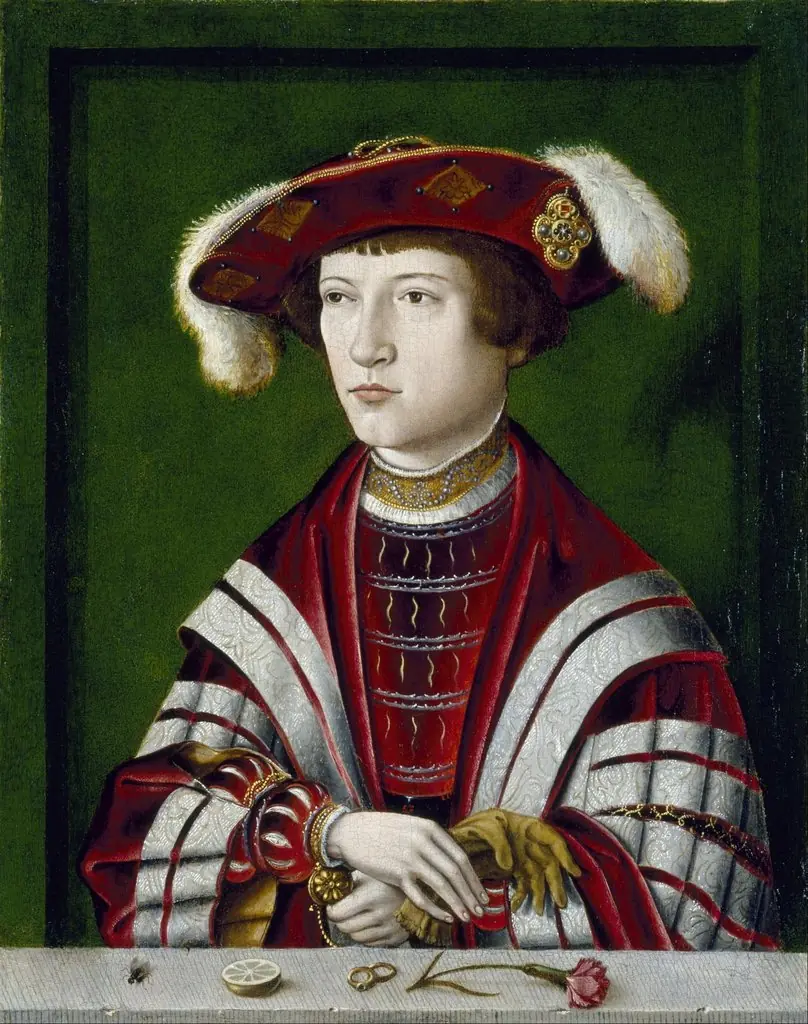
Own this work as a print
Artist & collection

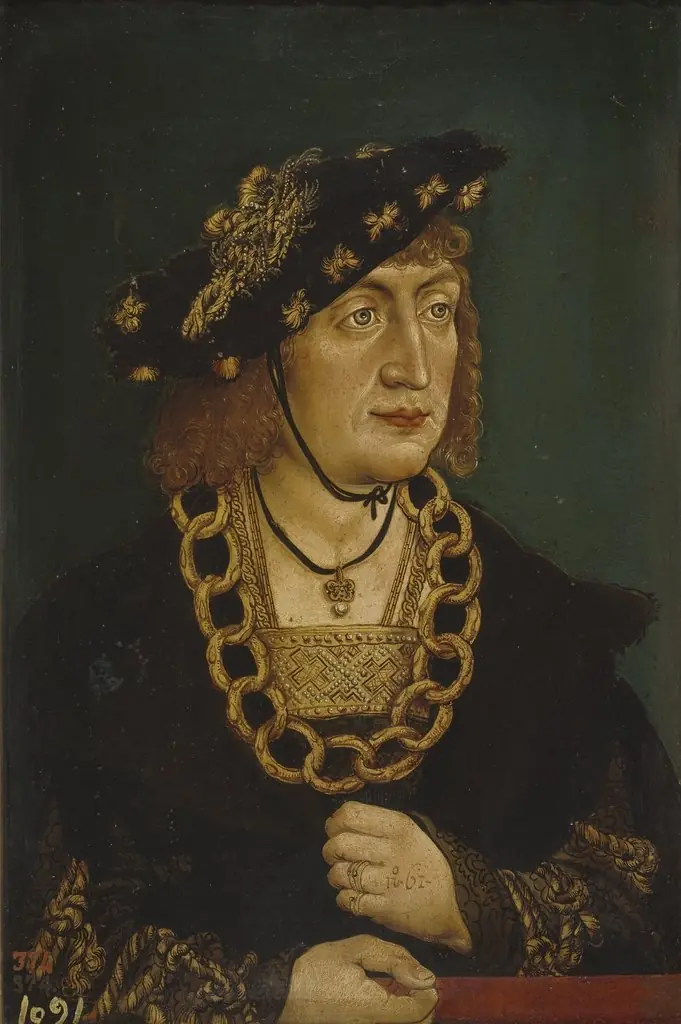
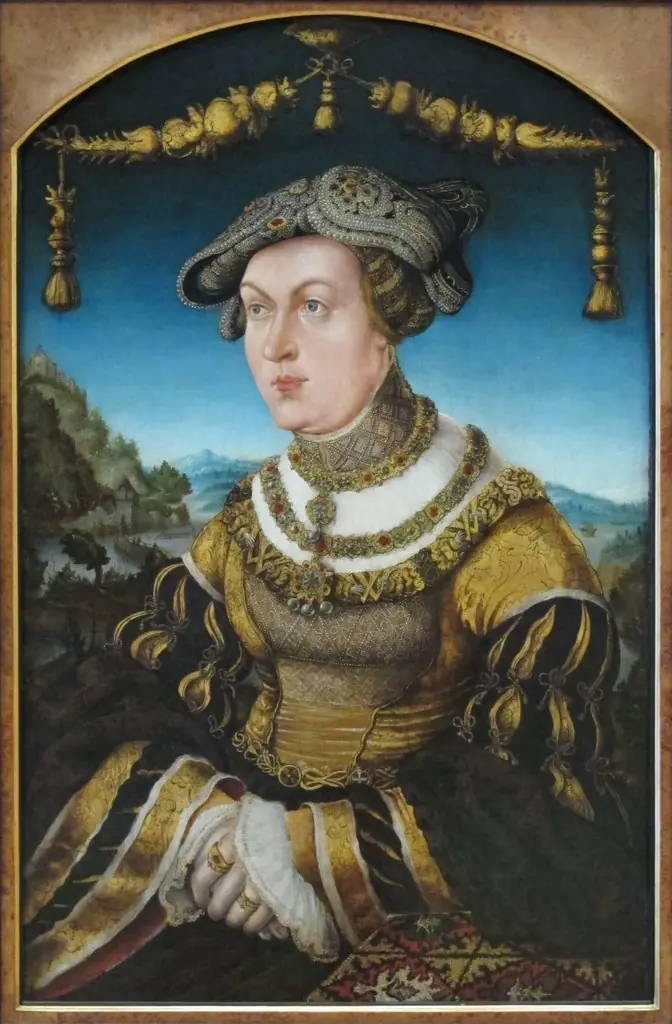
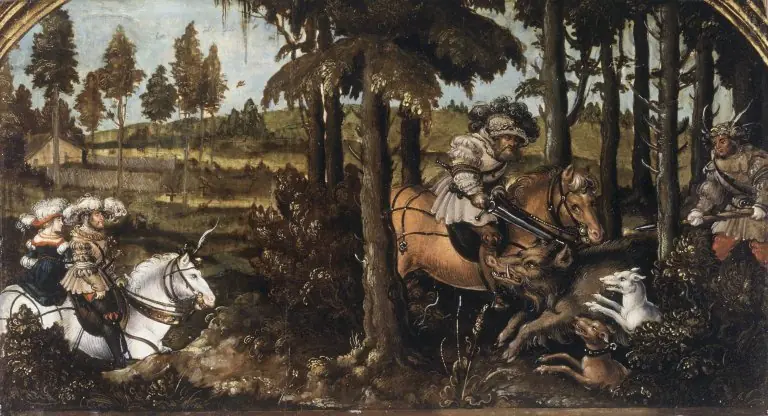
 Ducele Wilhelm al IV-lea de Bavaria (1493-1550)
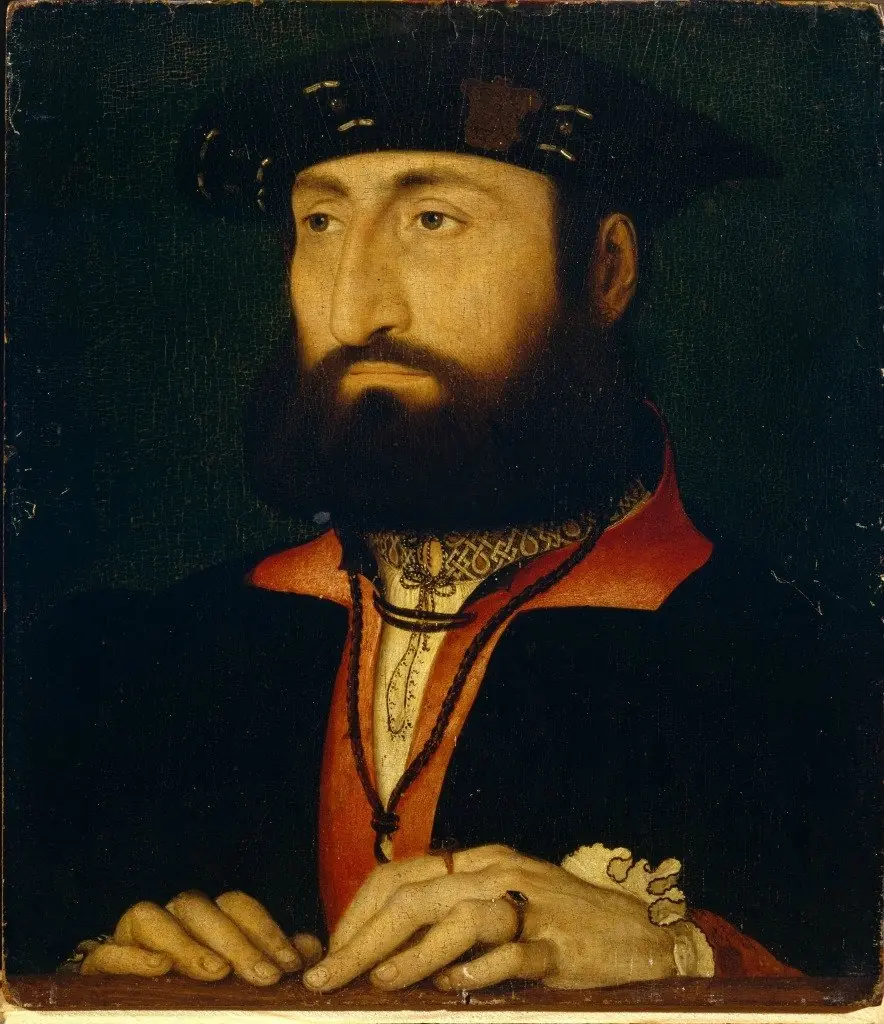 Portrait of Louis de Cleves
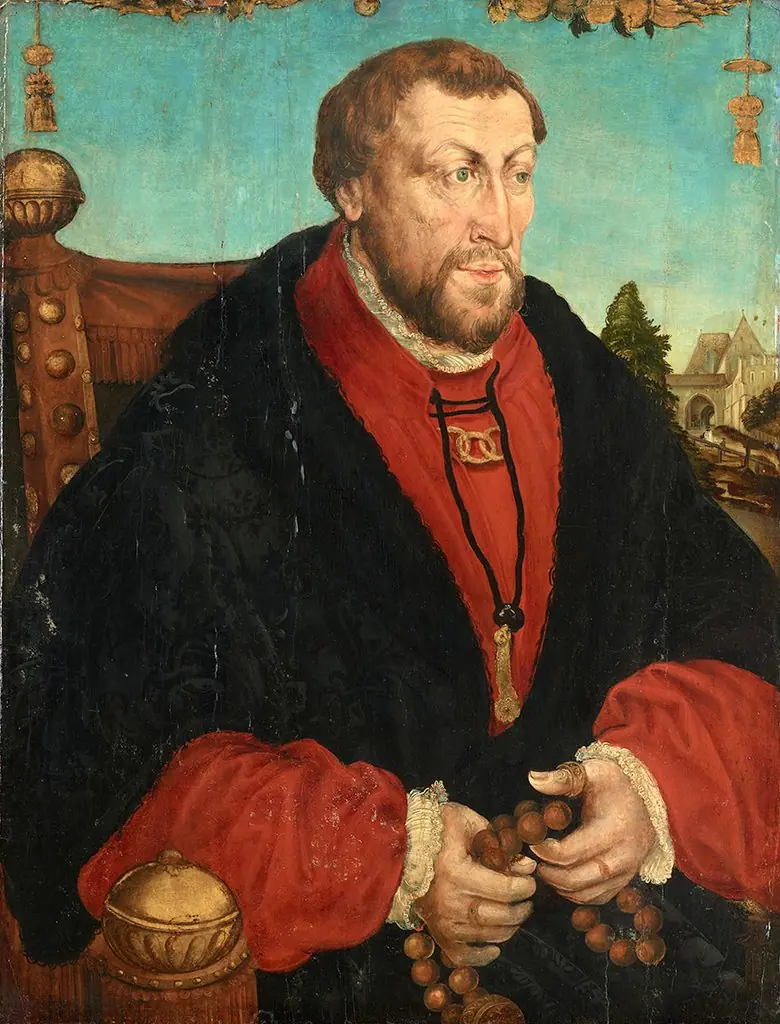 Pfalzgraf Wolfgang (1494-1558)
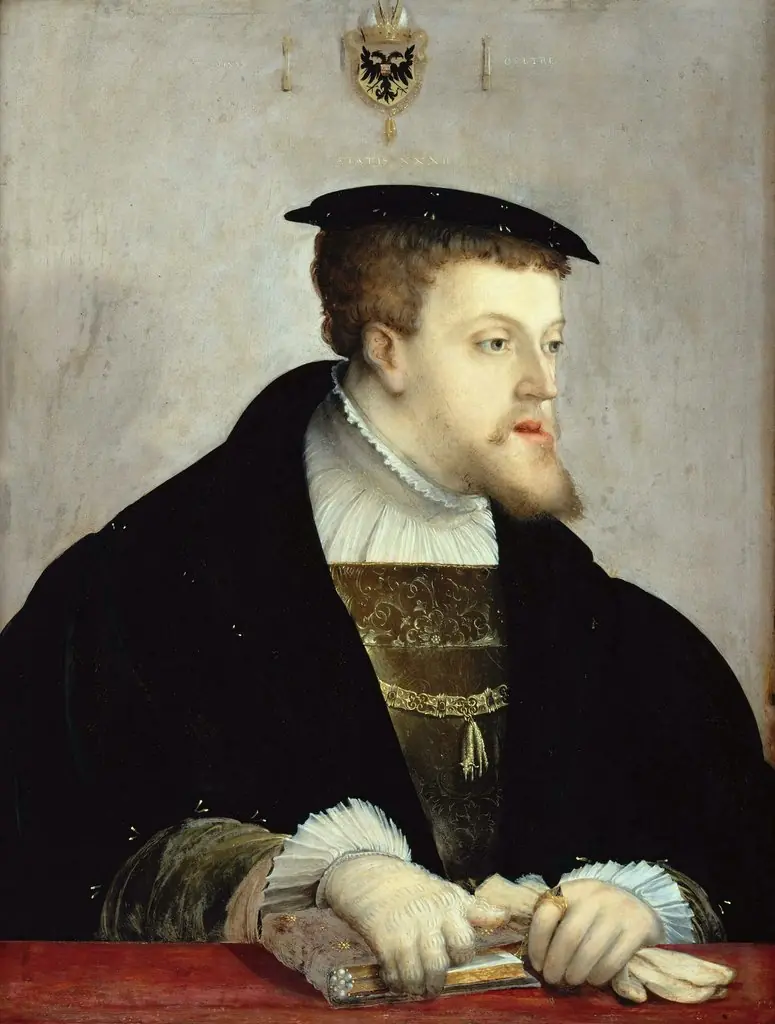 Portrait of Charles V (1500-1558)
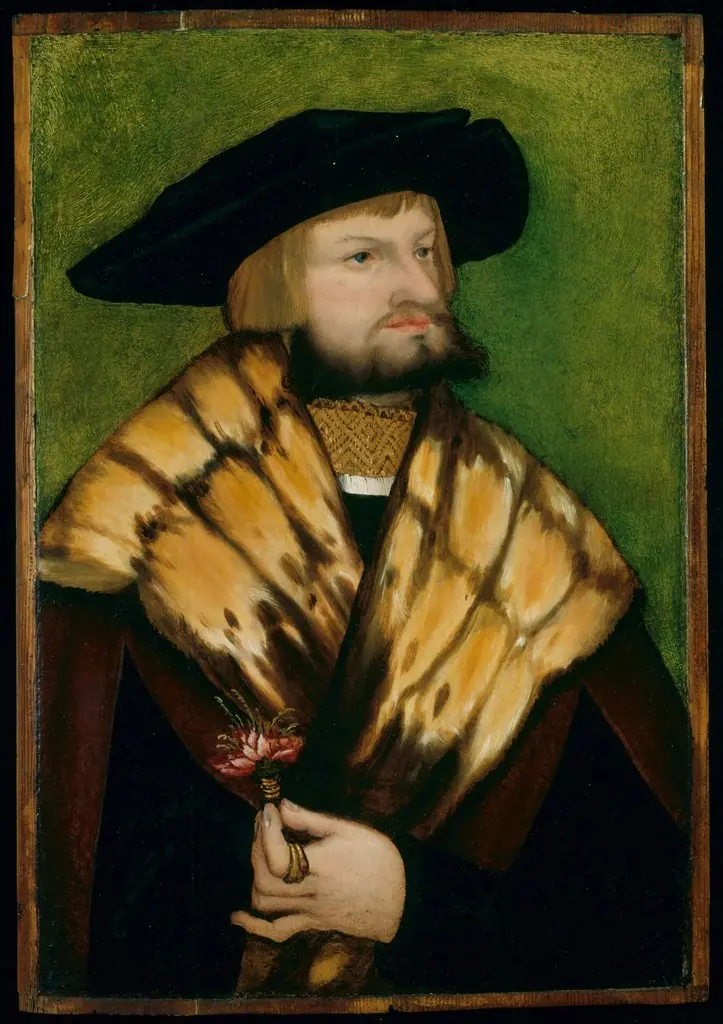 Portrait of Leonhard Fuchs
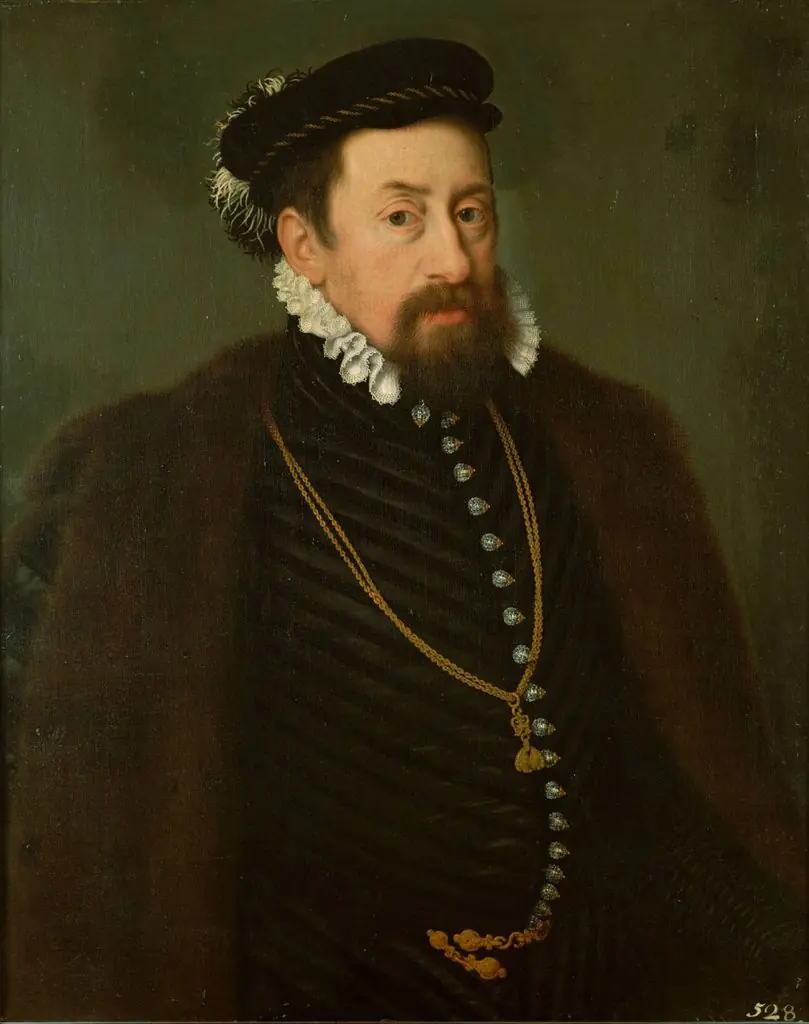 Kaiser Maximilian II. (1527-1576) als etwa Vierzigjähriger
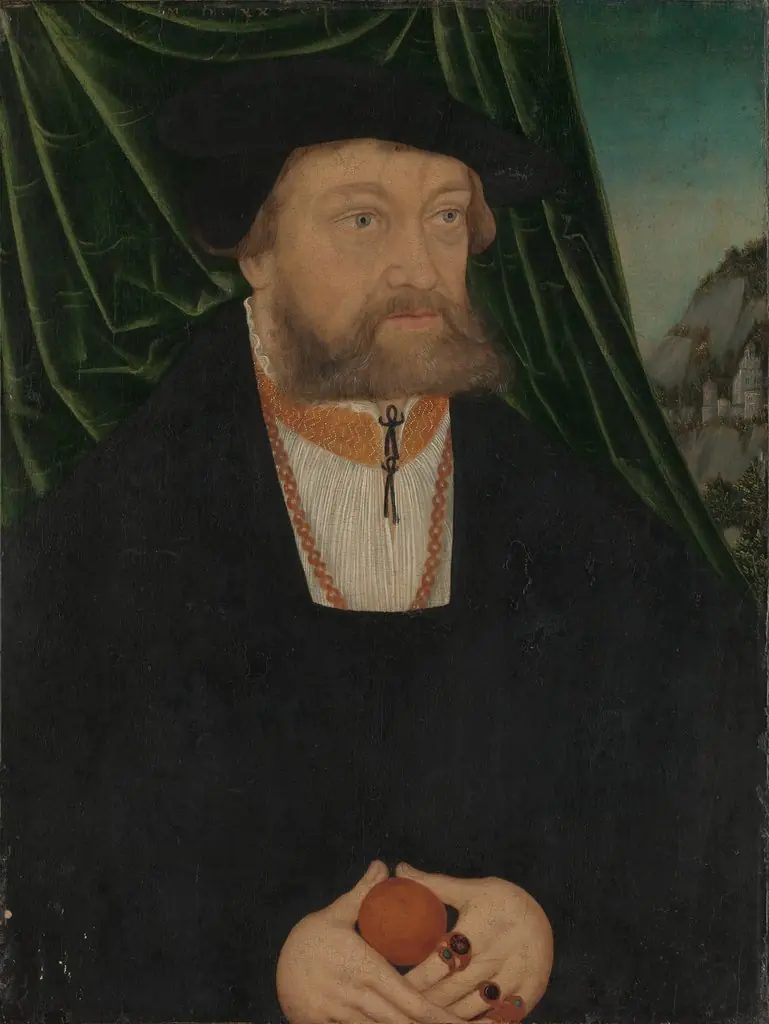 Portrait of a Man
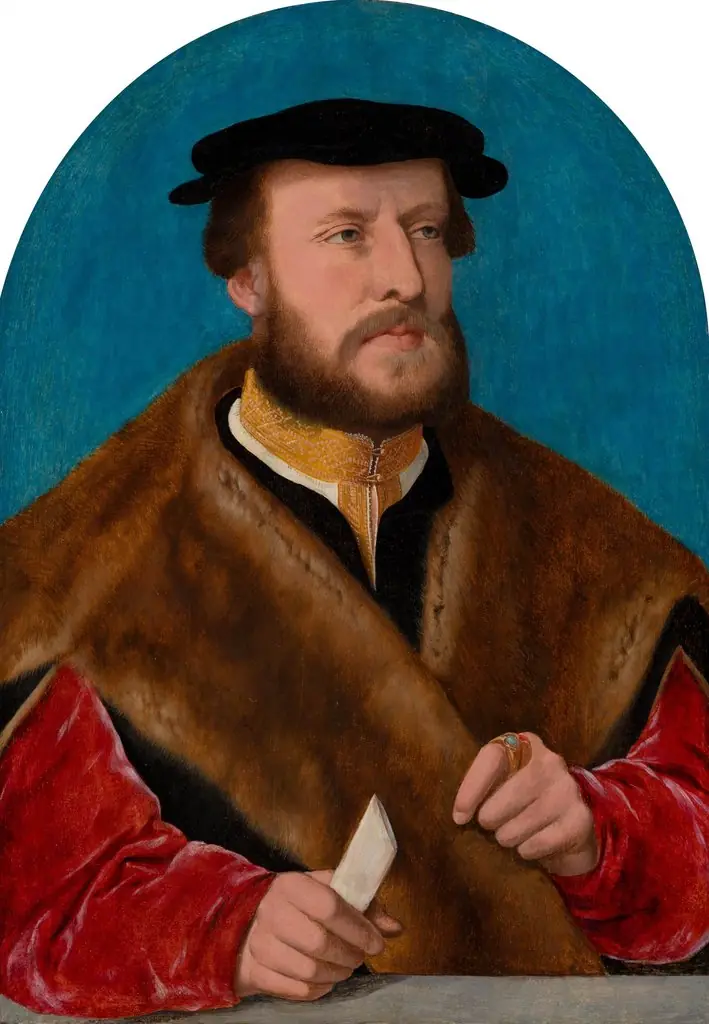 Portrait of Jakob Omphalius
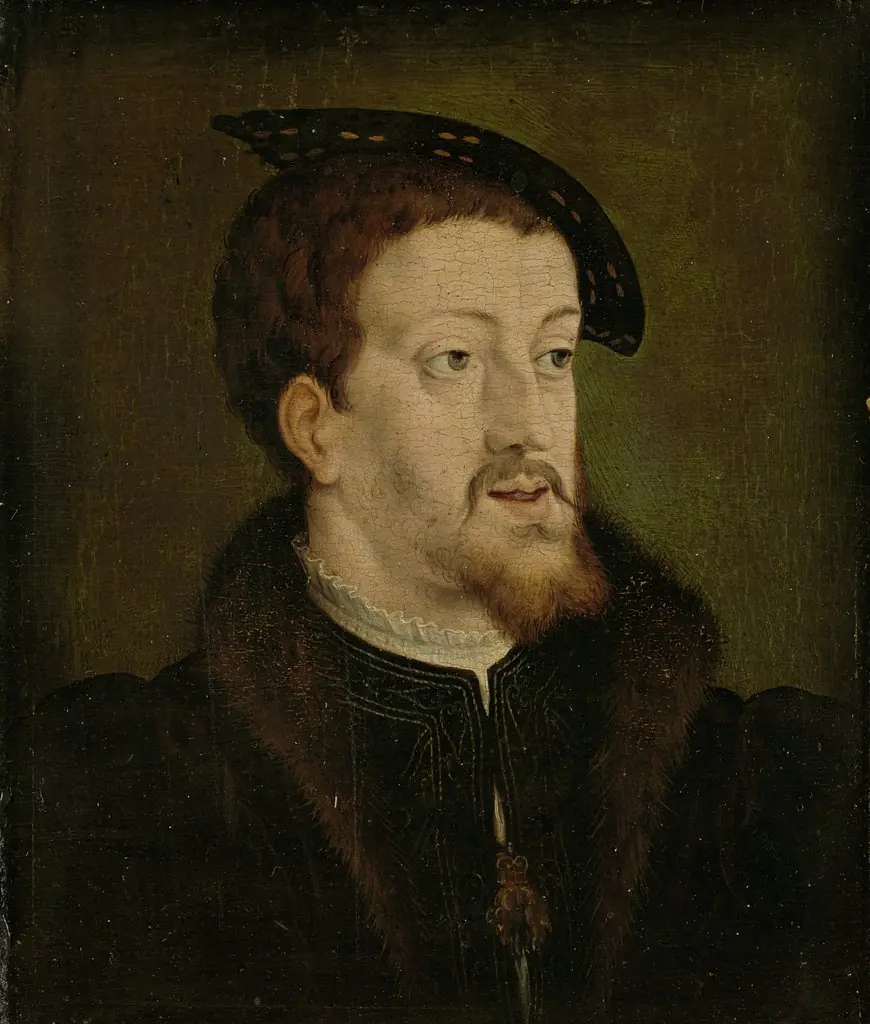 Portrait of Charles V (1500-58), emperor of the Holy Roman Empire