Artwork
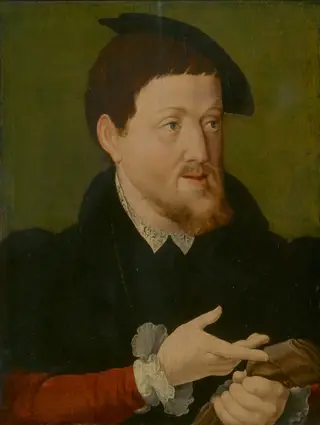
Portrait of Charles V (1500-58), emperor of the Holy Roman Empire
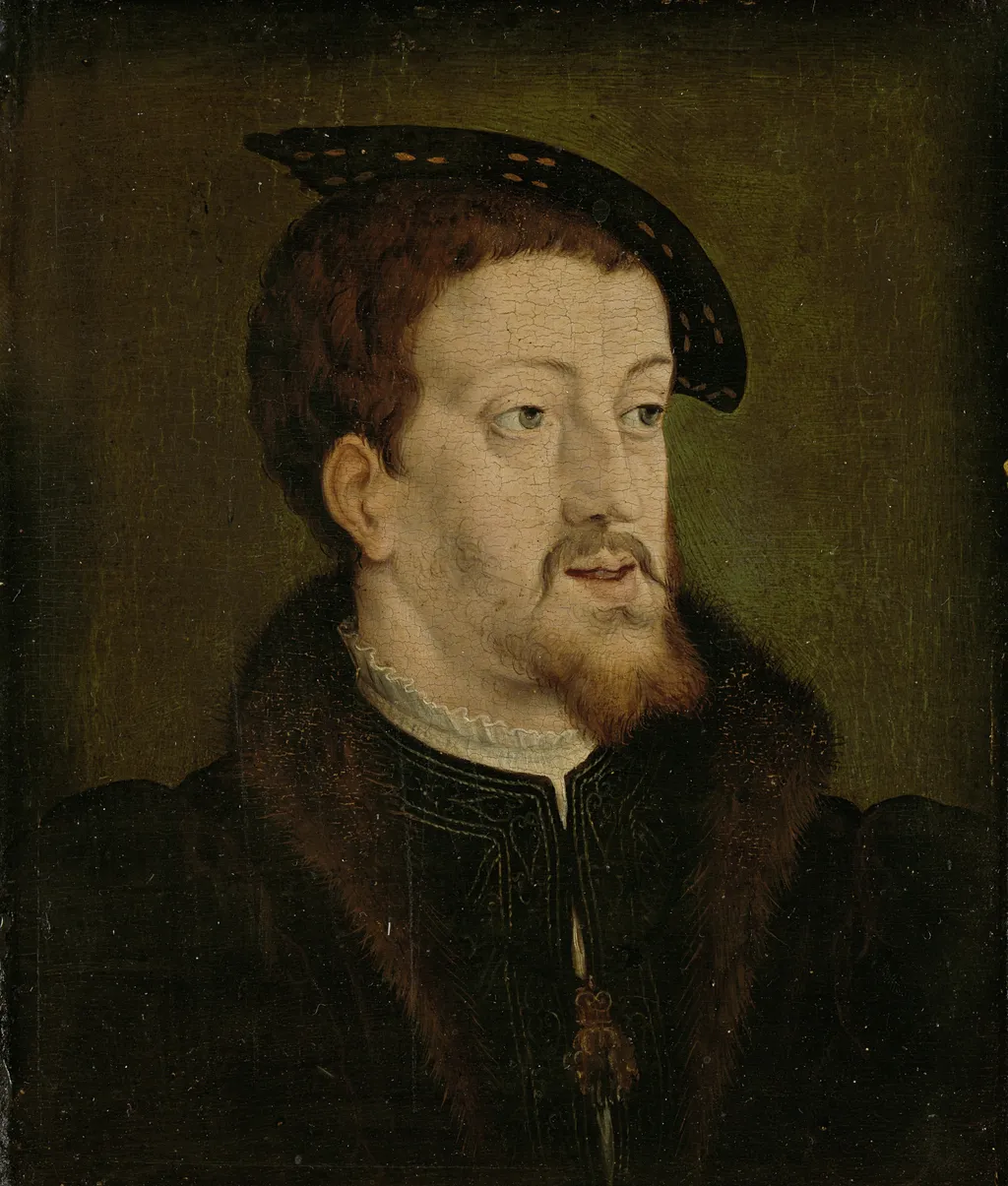
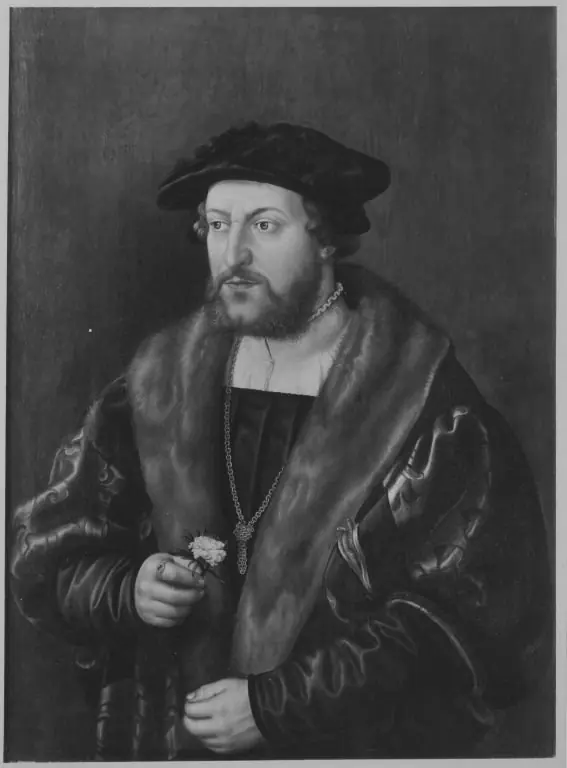
Portrait of Charles V (1500-58), emperor of the Holy Roman Empire is an oil painting. It dates from 1530 and is held in the collection of the Rijksmuseum. The portrait presents Charles V, Holy Roman Emperor, rendered in oil on canvas.
About this work
Technique & Style
The portrait is executed in oil paint on a wooden panel, a support consistent with Northern European practice of the early sixteenth century.
The portrait is executed in oil paint on a wooden panel, a support consistent with Northern European practice of the early sixteenth century. The work is modest in scale, measuring 16.4 cm in height by 14 cm in width, suggesting an intimate format rather than a formal state commission. Dated to 1530, it is classified as a portrait painting and is attributed to the circle or style of Jan Cornelisz.
Vermeyen. The Rijksmuseum holds the work in its collection. The small panel format and oil medium would have allowed for the fine, controlled handling typical of Netherlandish portraiture of the period, suited to a closely observed likeness of the emperor.
No information on current condition, specific pigment analysis, or detailed stylistic analysis is provided in the available sources.
History & Provenance
Created in 1530, this oil painting on panel depicts Charles V, the Holy Roman Emperor. The work is attributed to the style of Jan Cornelisz. Vermeyen rather than being a direct autograph piece.
It entered the collection of the Rijksmuseum, where it remains housed. The panel measures 16.4 cm in height and 14 cm in width. No further details regarding the original commission, intermediate ownership history, or specific acquisition date by the museum are provided in the available records.
Overview
The portrait presents Charles V, Holy Roman Emperor, rendered in oil on canvas. The composition isolates the ruler against a dark, unadorned backdrop, directing attention to his facial features and attire. Dressed in a black velvet coat over a white shirt trimmed with lace, he wears a flat‑brimmed black hat and a distinctive red beard and moustache, conveying a solemn presence.
Subject & Meaning
As a visual record of imperial authority, the painting emphasizes the emperor’s dignified bearing and mature age. The restrained setting and sober clothing underscore his role as a unifying figure of the empire, while the vivid red of his facial hair provides a subtle focal point, hinting at personal identity within the broader political persona.
Context
Created during a time of religious upheaval and territorial expansion, the portrait reflects the visual language of power prevalent in early 16th‑century Europe. Its sober palette and emphasis on individual likeness align with contemporary trends in court portraiture, which sought to convey stability and personal virtue amid political turbulence.
Artist & collection

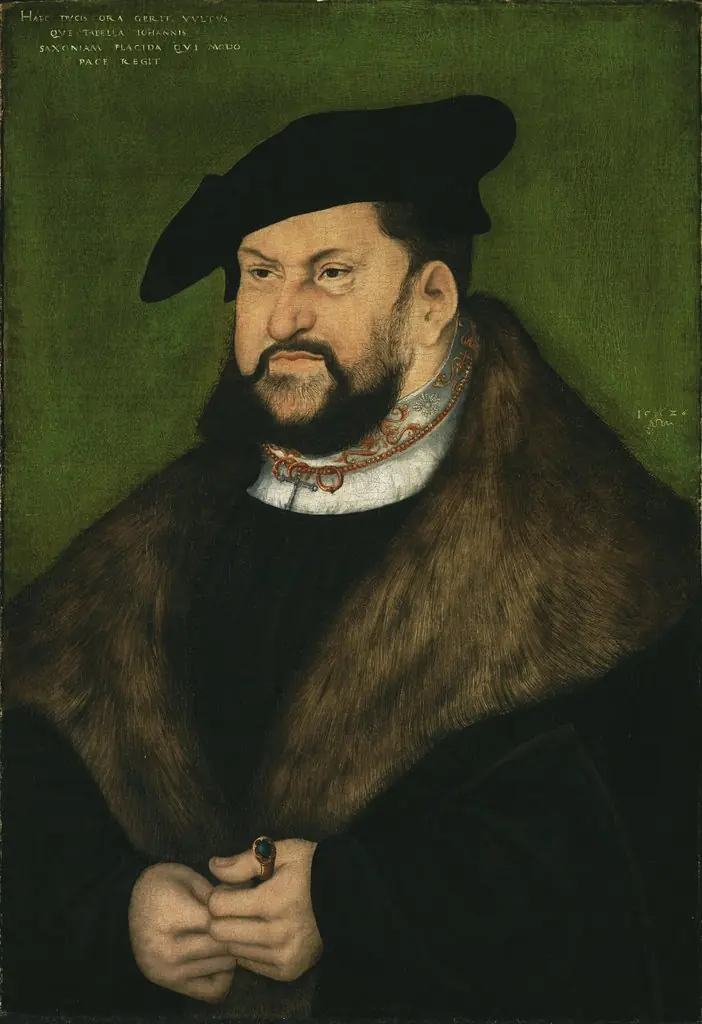 Portrait of Johannes the Steadfast, Elector of Saxony
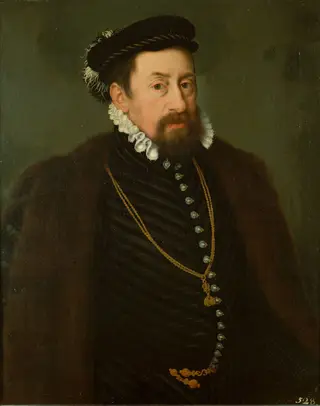 Kaiser Maximilian II. (1527-1576) als etwa Vierzigjähriger
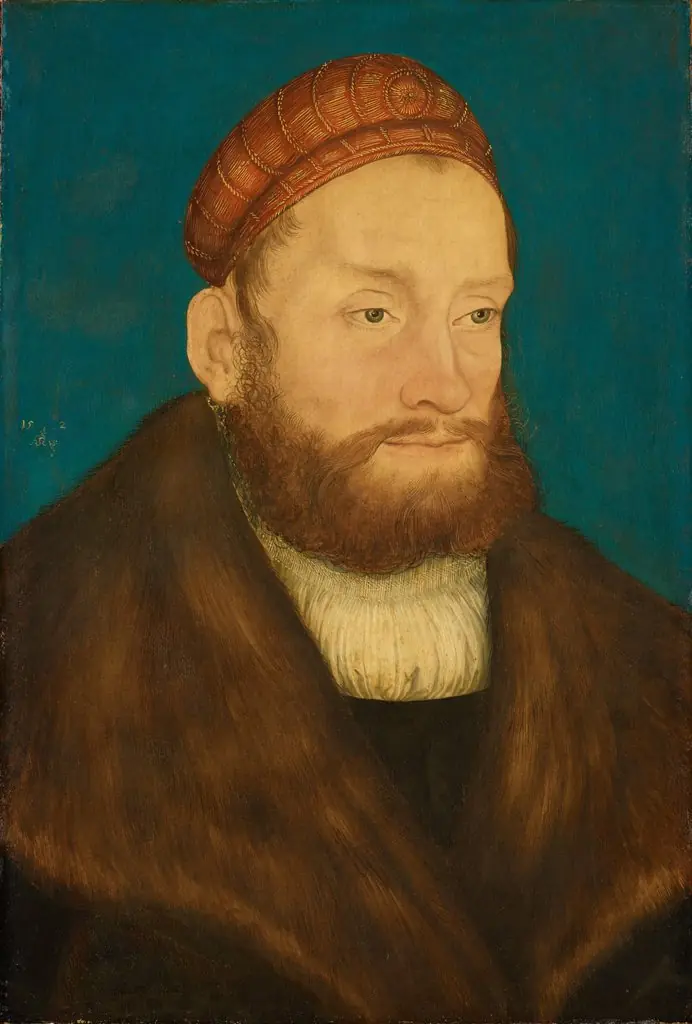 Portrait Margrave Casimir of Brandenburg-Kulmbach
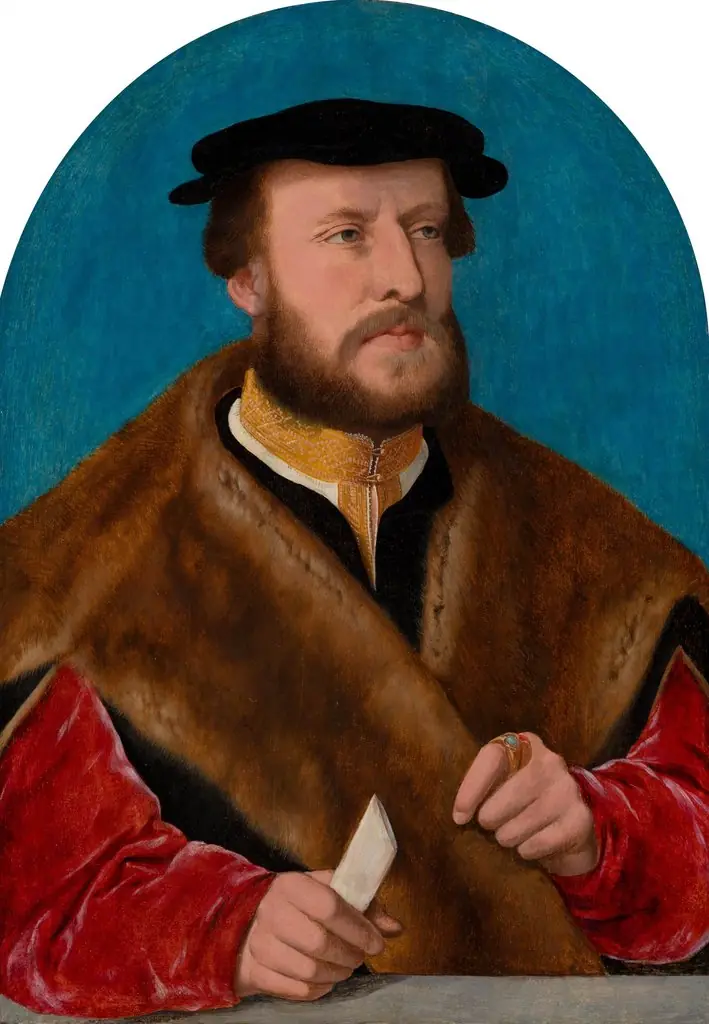 Portrait of Jakob Omphalius
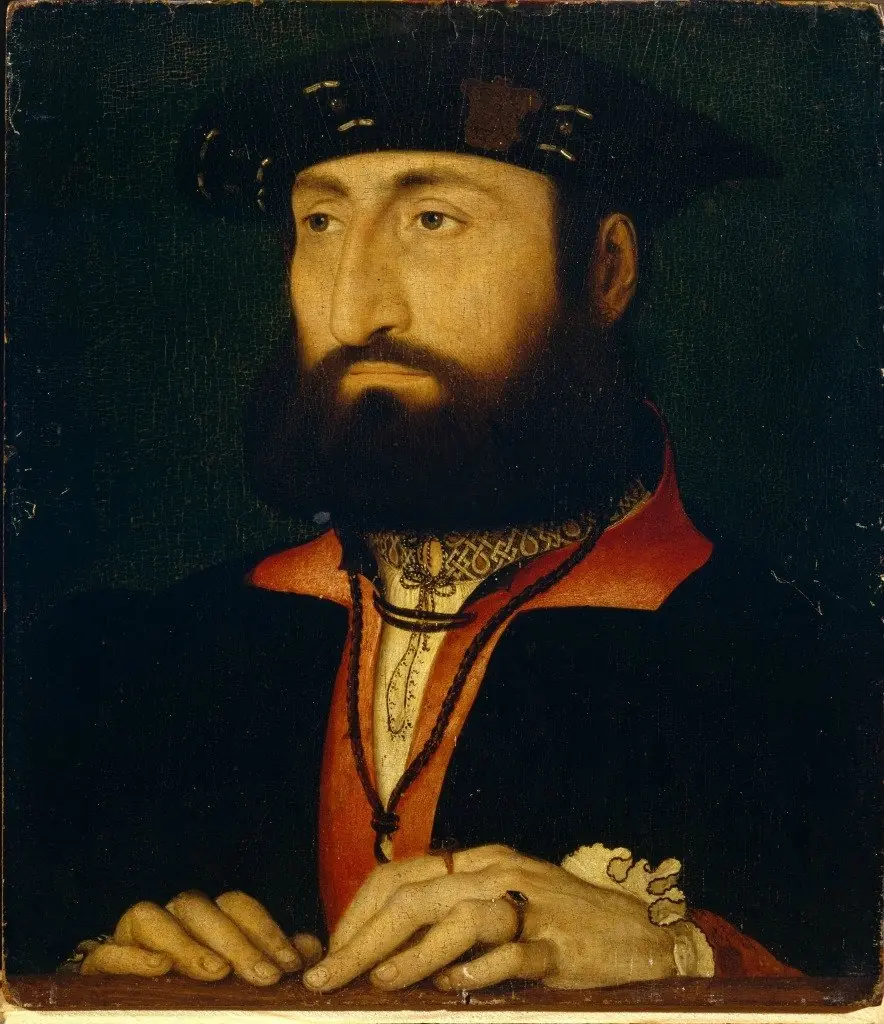 Portrait of Louis de Cleves
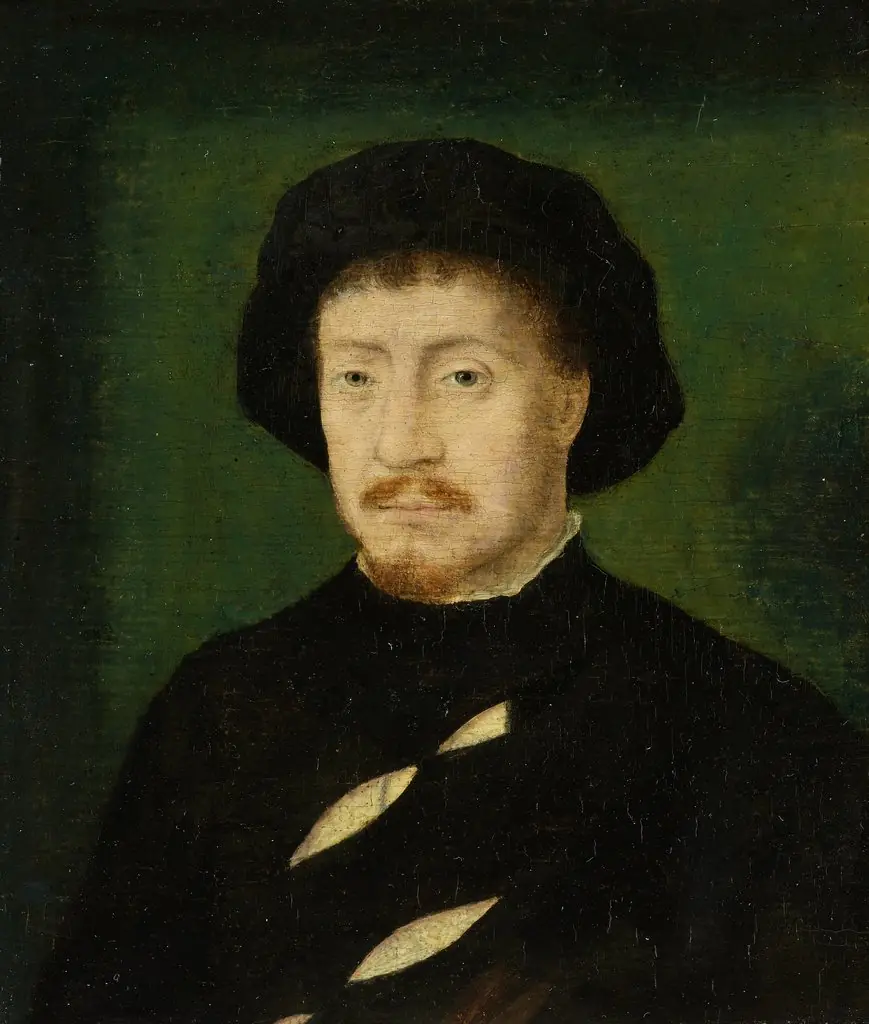 Portrait of a Man
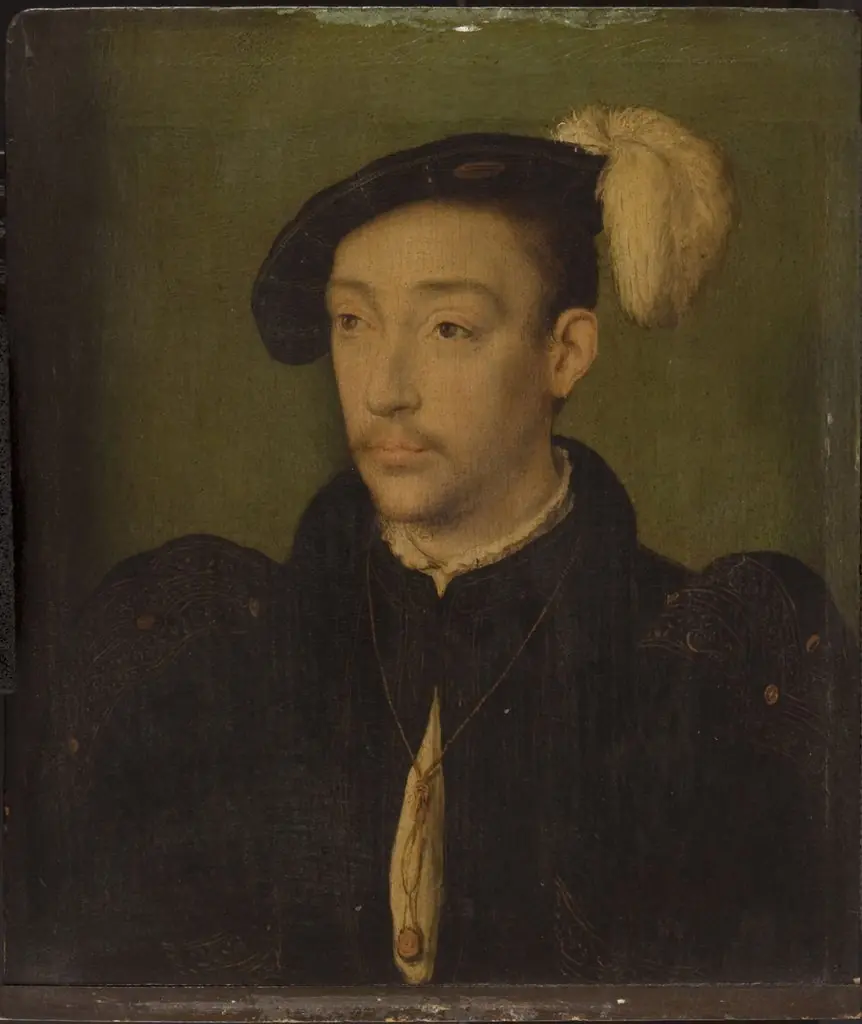 Portrait of the Dauphin Francis, Son of Francis I
 Portrait of Herzog Johann III, Paltzgraf bei Rhein (1488-1538)