Artwork
Moși
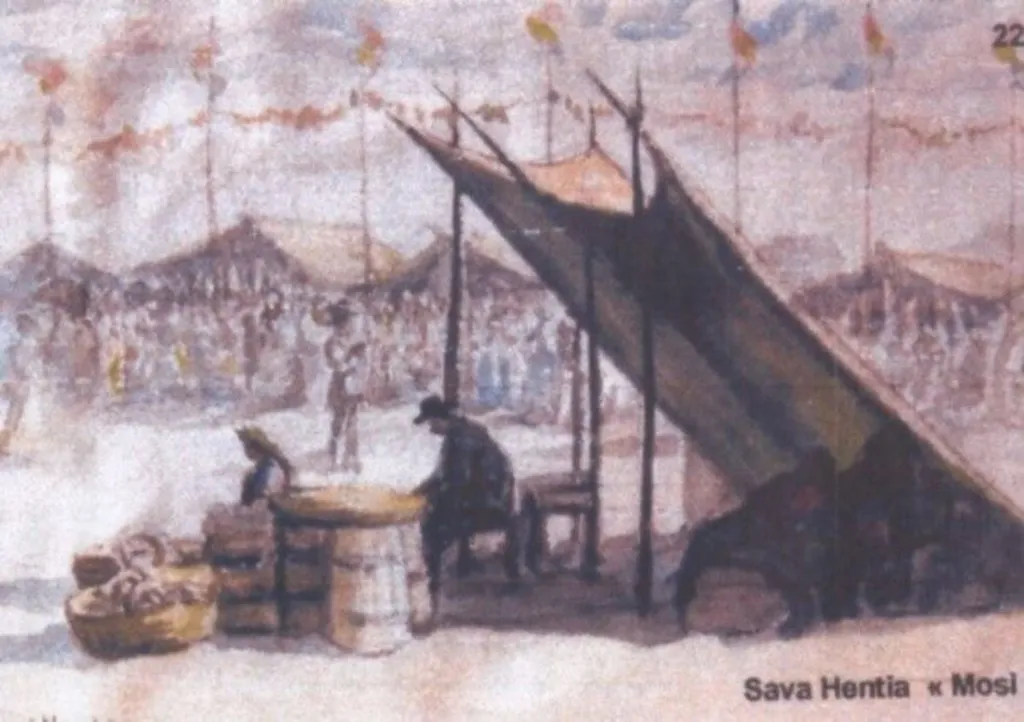
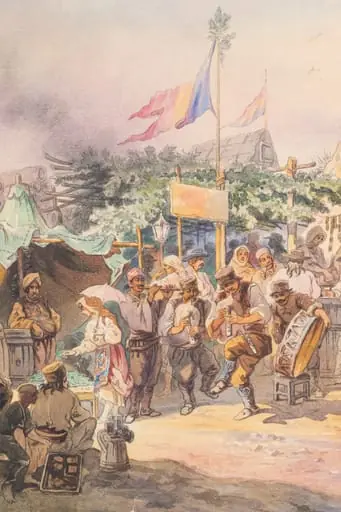
Moși is an unspecified painting by the Byzantine icon painting artist Sava Henția. It dates from 1900 and is held in the collection of the Museum of Vojvodina.
About this work
Overview
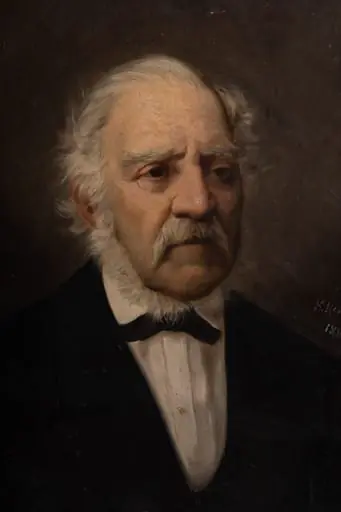
Sava Henția, an artist born in the Austrian Empire and active in Romania, produced Moși in 1900 as part of his exploration into spiritual and folk subjects. The painting captures a solitary elderly man in a moment of stillness, rendered with quiet intensity. Though rooted in religious visual traditions, the work avoids overt iconography, focusing instead on human presence and atmosphere.
Subject & Meaning
The figure, an elderly man with a long white beard, sits motionless at a plain wooden table, his hands resting gently before him. His identity is unspecified, inviting interpretation as a patriarch, a monk, or an archetype of wisdom. The absence of narrative detail emphasizes introspection, suggesting a meditation on age, solitude, and inner life rather than a specific religious story.
Technique & Style
Henția employs a restrained palette and strong chiaroscuro to isolate the figure against a near-black background.
Henția employs a restrained palette and strong chiaroscuro to isolate the figure against a near-black background. A single lamp casts directional light, sculpting the face and hands with soft gradients and deep shadows. The brushwork is precise yet unembellished, avoiding idealization; the texture of skin and wood is rendered with quiet realism, enhancing the sense of quietude and physical presence.
History & Provenance
Created in 1900, Moși emerged during a period when Henția was deeply involved in ecclesiastical decoration and illustration, often drawing from Orthodox visual culture. While the painting’s early ownership is undocumented, it aligns with his broader output in religious and domestic interiors, reflecting a personal turn toward intimate, contemplative subjects amid his public commissions.
Context
In early 20th-century Romania, artists were redefining national identity through depictions of rural life and spiritual tradition. Henția’s work, though influenced by Byzantine aesthetics, diverged from formal iconography by focusing on ordinary moments. Moși reflects this shift, a secularized reverence for the individual, grounded in the quiet dignity of everyday existence.
Legacy
Though not widely exhibited, Moși exemplifies Henția’s unique synthesis of religious sensibility and realist observation. It stands as a quiet counterpoint to the grand historical narratives of his contemporaries, offering a model of introspective portraiture that influenced later Romanian artists seeking emotional depth over symbolic spectacle.
Artist & collection
Artist
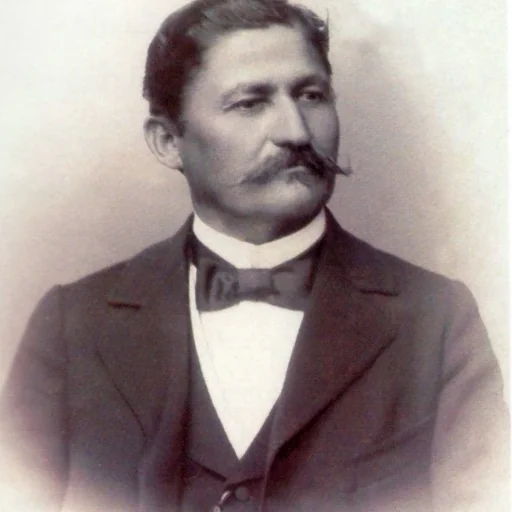
Sava Henția (1 February 1848, Sebeșel - 21 February 1904, Sebeșel) was an Imperial Austrian-born Romanian painter, decorator and illustrator.