Artwork
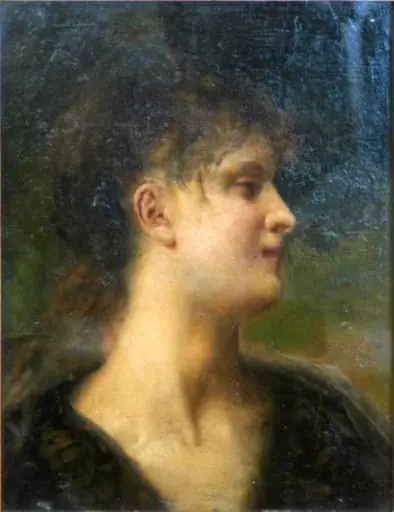
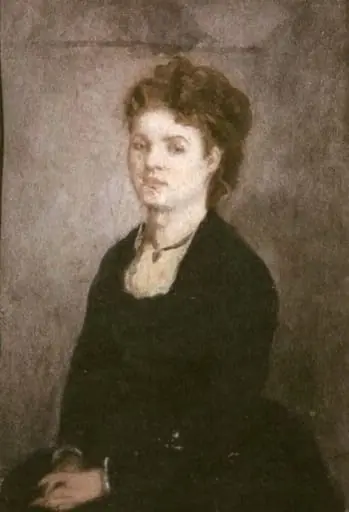
Portret de femeie
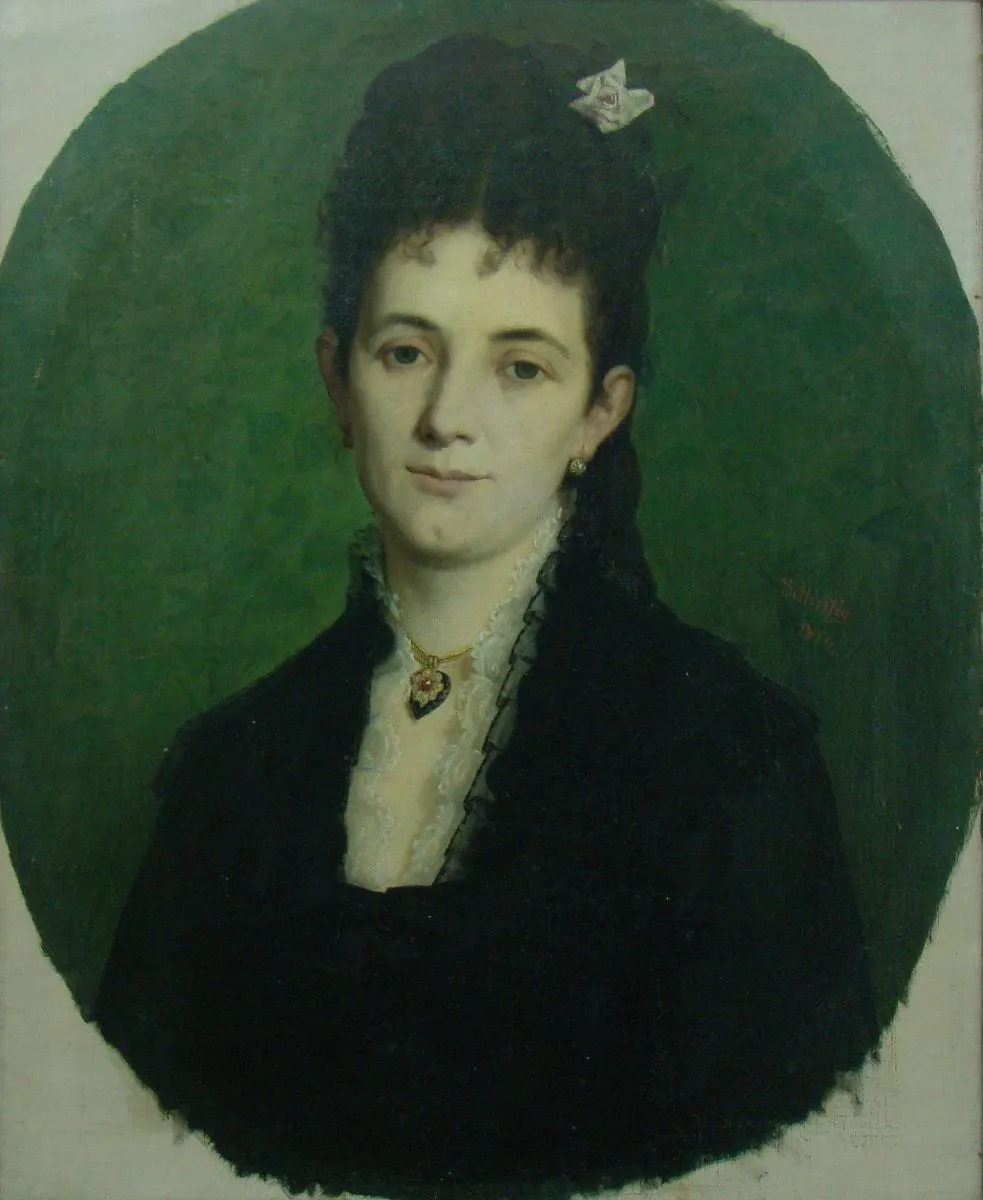
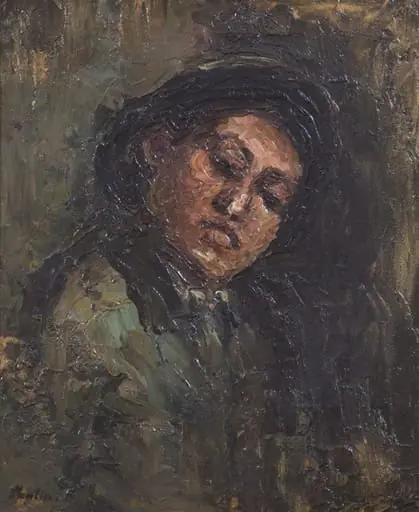
Portret de femeie is an unspecified painting by the Academic Art artist Sava Henția. It dates from 1874 and is held in the collection of the Iulian Antonescu Bacău Museum Complex.
About this work
Overview
It resides in the Museum of Ethnography, where it contributes to a broader collection of domestic and personal imagery from 19th-century Romanian life.
Painted in 1874 by Sava Henția, a Romanian artist trained in the Austrian imperial tradition, this portrait captures a woman in quiet repose. Executed in oil, the work reflects the principles of realism, emphasizing unembellished observation over idealization. It resides in the Museum of Ethnography, where it contributes to a broader collection of domestic and personal imagery from 19th-century Romanian life.
Subject & Meaning
The subject is a woman depicted with calm directness, her gaze level with the viewer. Her attire, a black jacket, white lace collar, and heart-shaped pendant, suggests modest personal adornment rather than aristocratic display. The white flower in her hair adds a subtle, transient note, possibly indicating a moment of private ritual. The neutral expression and restrained setting convey dignity without narrative, inviting contemplation over interpretation.
Technique & Style
Henția employs a muted, earth-toned palette dominated by soft greens, blacks, and whites, reinforcing the painting’s quiet atmosphere. Brushwork is precise but unobtrusive, with attention to texture in the lace and the smoothness of skin. The oval, tonally subdued background isolates the figure without distraction, focusing attention on her presence. The composition follows a classical vertical structure, grounding the figure in a sense of stillness.
History & Provenance
Created during Henția’s early career, the portrait was likely painted in Romania, where he settled after training in Vienna. It entered the Museum of Ethnography’s collection in the 20th century, possibly through donation or institutional acquisition. Its inclusion among ethnographic materials suggests its value as a record of everyday appearance and social nuance rather than as a commissioned portrait of prominence.
Context
In 1870s Romania, realism emerged as a response to national identity formation, with artists turning to ordinary subjects to reflect cultural authenticity. Henția, influenced by Austrian academic training, adapted these methods to local contexts. This portrait aligns with a broader trend of depicting non-elite individuals with dignity, contributing to a visual archive of domestic life during a period of social transition.
Legacy
Though not widely exhibited beyond regional collections, the portrait remains a representative example of Henția’s contribution to Romanian realism. It illustrates how artists of the period balanced formal training with local subject matter, creating works that document social norms without overt sentimentality. Its preservation in an ethnographic museum underscores its role as a cultural artifact rather than a celebrated artwork.
Artist & collection
Artist
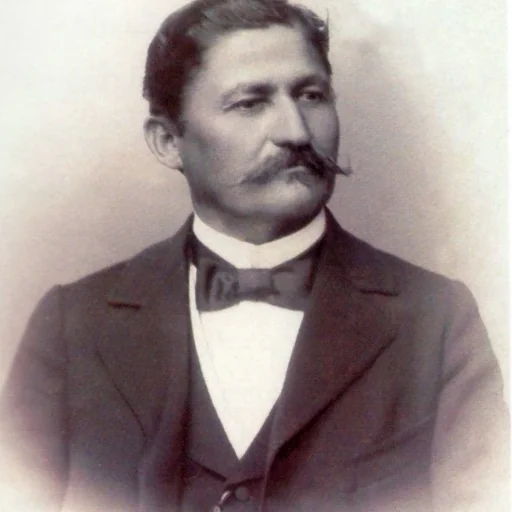
Sava Henția (1 February 1848, Sebeșel - 21 February 1904, Sebeșel) was an Imperial Austrian-born Romanian painter, decorator and illustrator.
Museum
Iulian Antonescu Bacău Museum Complex
Continue through works from the same source collection.
- Portret de femeie
 Portret de femeie
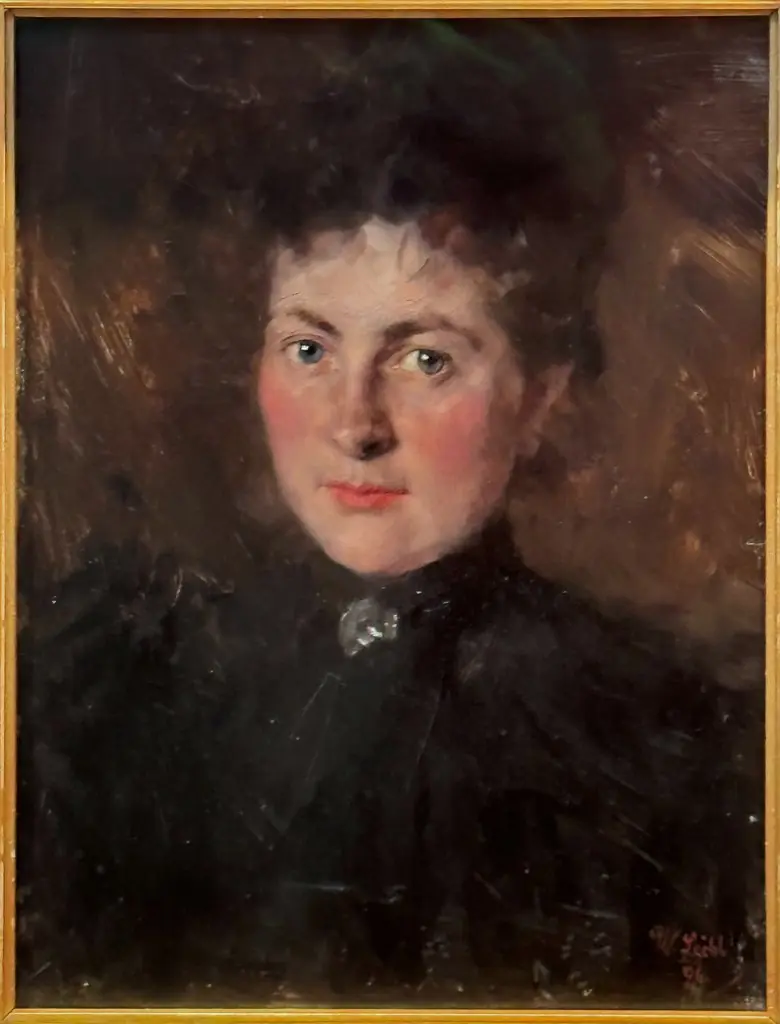 Felicia Kirchdorffer, die Nichte des Künstlers
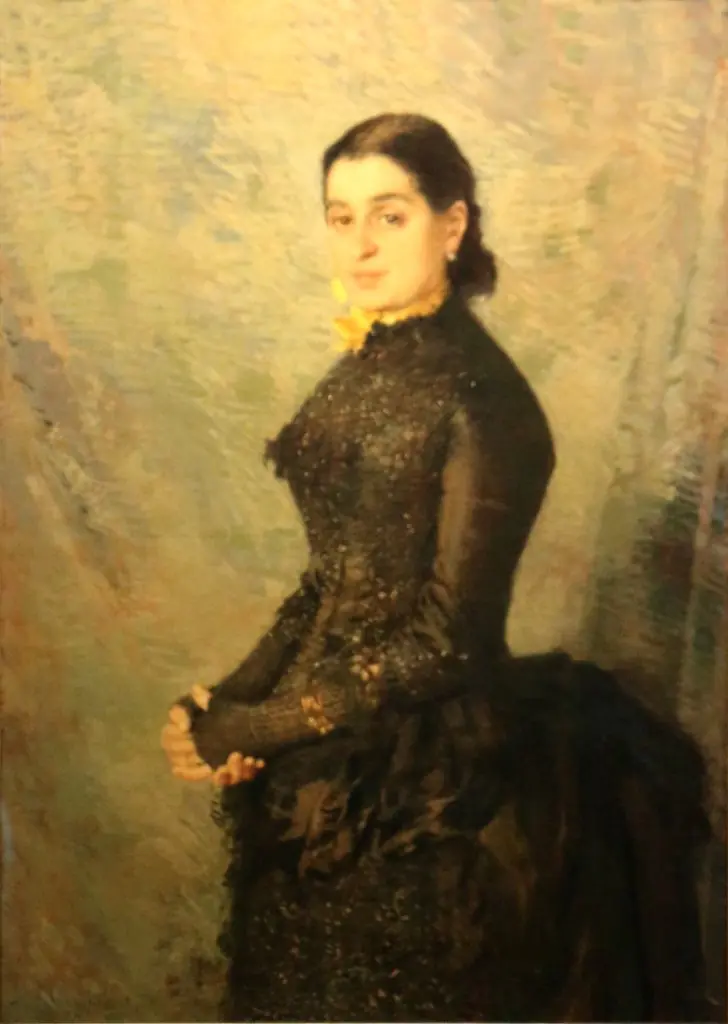 portrait of Mrs Wiener
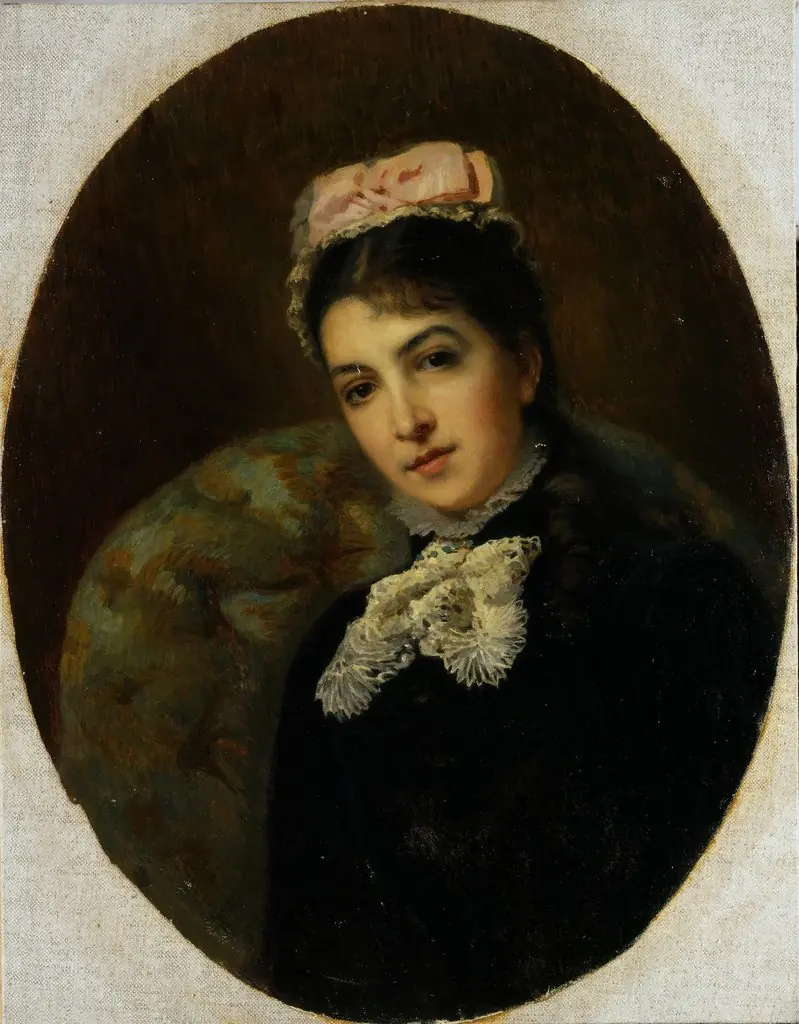 Portrait of M.G. Savina
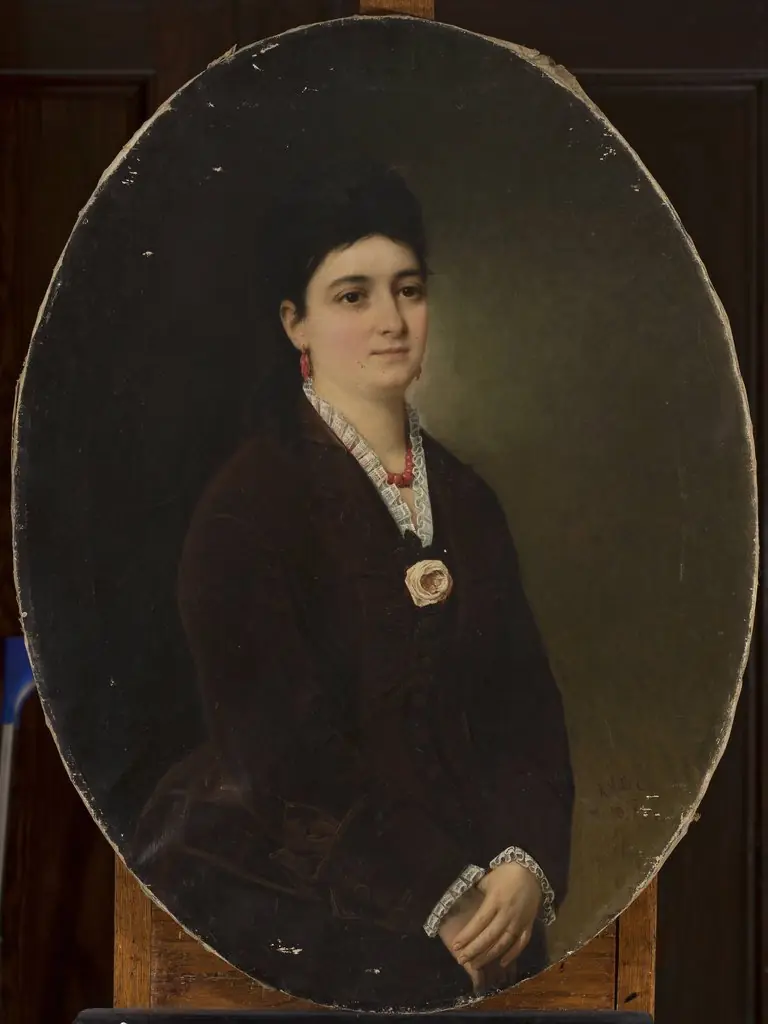 Portrait of Maria Sędziak née Żyżniewska
 Portret de femeie
 Portrait of Vera Kharitonenko
 Portrait of a woman
 Προσωπογραφία της Ελίζα Νικ. Λουριώτη
 Portretul Doamnei Grant
 Portrait of Marina Derviz