Artwork
Old Woman Selling Eggs
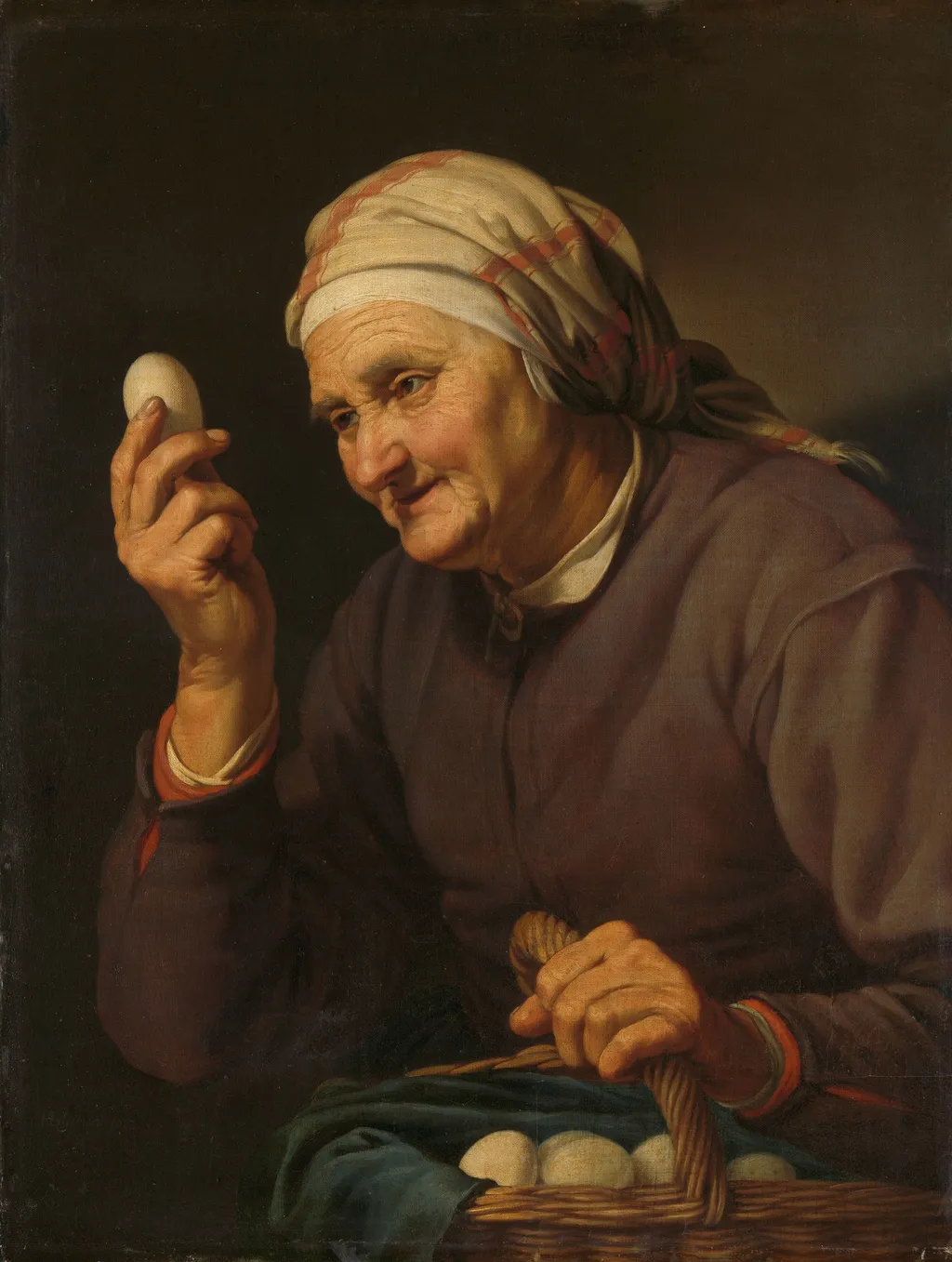
Old Woman Selling Eggs is an oil painting by the Dutch Golden Age artist Hendrick Bloemaert. It dates from 1632 and is held in the collection of the Rijksmuseum.
About this work
Subject & Meaning
In the sixteenth and seventeenth centuries, eggs represented male potency, and consuming them was believed to enhance virility.
The painting depicts an elderly, wrinkled woman in a violet-grey coat and striped headscarf holding an egg up to the light to check its fertility, while resting her other hand on a basket of eggs. Her mischievous smile has led art historians to interpret the scene as containing erotic symbolism. In the sixteenth and seventeenth centuries, eggs represented male potency, and consuming them was believed to enhance virility. This motif often appeared in market scenes to allude to infidelity or sexual dynamics.
Scholars suggest the woman may be mocking a lover's potency or alluding to an imaginary affair. Some propose the work originally formed a pendant with a painting of an old man feeling a hen, a task considered women's work that symbolized either a henpecked husband or a man seeking extramarital adventure. While the pendant theory is debated, both potential works satirize elderly individuals displaying inappropriate lust.
Technique & Style
Executed in oil paint on canvas, this 1632 work measures 76.5 by 58 units. The composition features an elderly, wrinkled woman clad in a violet-grey overcoat and a white headscarf with red stripes. She holds an egg aloft in her right hand to inspect it against a light source originating from the upper left, while her left hand rests on the handle of a wicker basket containing additional eggs upon a green cloth.
The figure displays a mischievous smile, characteristic of the 'tronie' or character head genre popular in the seventeenth century. The artist signed and dated the piece 'HBloemaert·1632·' in the lower left corner.
History & Provenance
The painting Old Woman Selling Eggs by Hendrick Bloemaert is signed and dated 1632 on the lower left.
It was documented in the collection of Boelen van Hensbroek before entering the holdings of Adriaan van der Hoop, who acquired it in 1834 from the dealer Cornelis François Roos for 110 Dutch guilders. After Van der Hoop’s death in 1854, the work passed to the City of Amsterdam and was initially housed in the Museum Van der Hoop from 1855 to 1885. On 30 June 1885 it was loaned to the Rijksmuseum, Amsterdam, where it remains in the collection.
The painting is held in the Rijksmuseum, Amsterdam, accessioned as part of the legacy of Adriaan van der Hoop.
It entered the Amsterdam municipal collection in 1855 and was transferred on long-term loan to the Rijksmuseum on 30 June 1885.
Context
The painting Old Woman Selling Eggs by Hendrick Bloemaert, created in 1632, was received with limited contemporary scholarly attention but has been analyzed for its symbolic use of eggs. Thomas Döring notes that eggs in the 16th and 17th centuries symbolized male potency, often appearing in genre scenes such as the 'boerenpaar op de markt' motif found in prints by Albrecht Dürer, Pieter Aertsen, and Joachim Beuckelaer. These motifs were sometimes accompanied by satirical texts, as seen in Erhard Schön's houtsnede and Cornelis Massijs's engraving, which portray older women denigrated as 'old wives' while men are depicted as comically foolish.
Döring further suggests the work may carry an erotic subtext, possibly mocking a man's fertility, a theory supported by Josua Bruyn's speculation about a pendant piece, Oude man with hens (Nationalmuseum, Stockholm), which reflects contemporary views on gender roles and sexuality. The pendant theory has been contested by Marcel Georges Roethlisberger, though Joachim Wtewael's etching Eierboerin en Hennetaster presents them as counterparts, with the former now held in Museo de Arte de Ponce and the latter in Staatliche Kunsthalle Karlsruhe. The painting was signed and dated 'HBloemaert·1632·' in the lower left corner.
Legacy
The painting’s later reception has centered on its coded eroticism and its place within a broader Dutch tradition of "boerenganres" that juxtaposed old age with sexual potency. Art historians such as Thomas Döring have interpreted the old woman’s scrutiny of the egg as a knowing, almost mischievous commentary on male virility, aligning the work with satirical prints of the period that equate eggs with male seed and conjugal imbalance. This reading has prompted comparisons to pendant imagery, most notably the lost pendant Oude man met hen, whose surviving impression suggests a shared critique of aged desire.
While Marcel Georges Roethlisberger rejected the pendant thesis, later scholarship has continued to probe the painting’s programmatic wit, positioning it within a lineage of moralizing genre scenes that stretch from Albrecht Dürer’s engravings to works by Pieter Aertsen and Joachim Beuckelaer.
Overview
Hendrick Bloemaert’s 1632 oil painting presents a quiet domestic scene centered on an elderly woman engaged in the modest trade of selling eggs. The composition isolates the figure against a muted backdrop, drawing attention to the simple act of handling the fragile commodity. The work resides in the collection of the Rijksmuseum, where it exemplifies the artist’s interest in everyday life.
Own this work as a print
Artist & collection

 En amagerkone
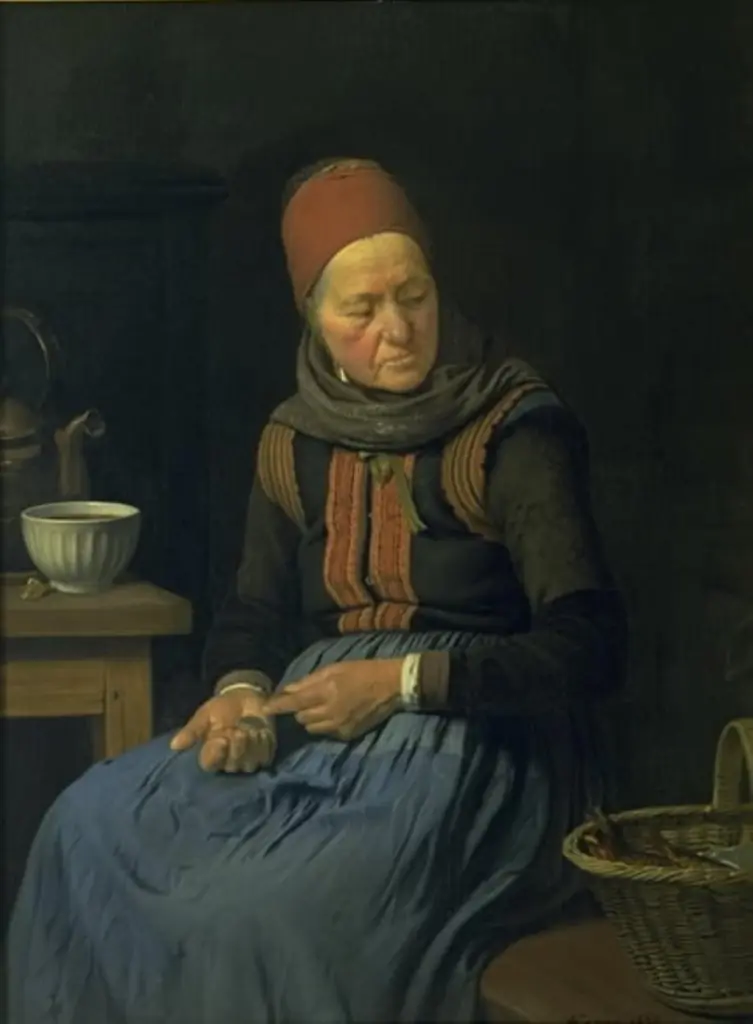 En amagerkone
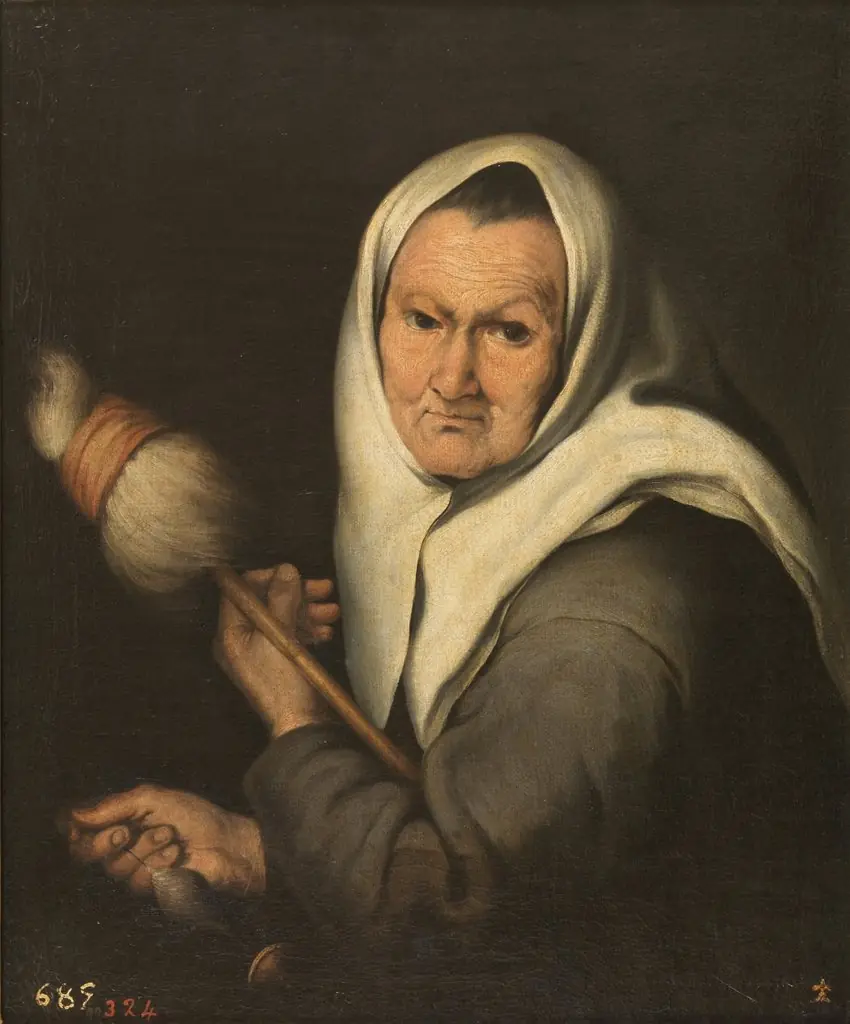 An Old Woman Spinning.
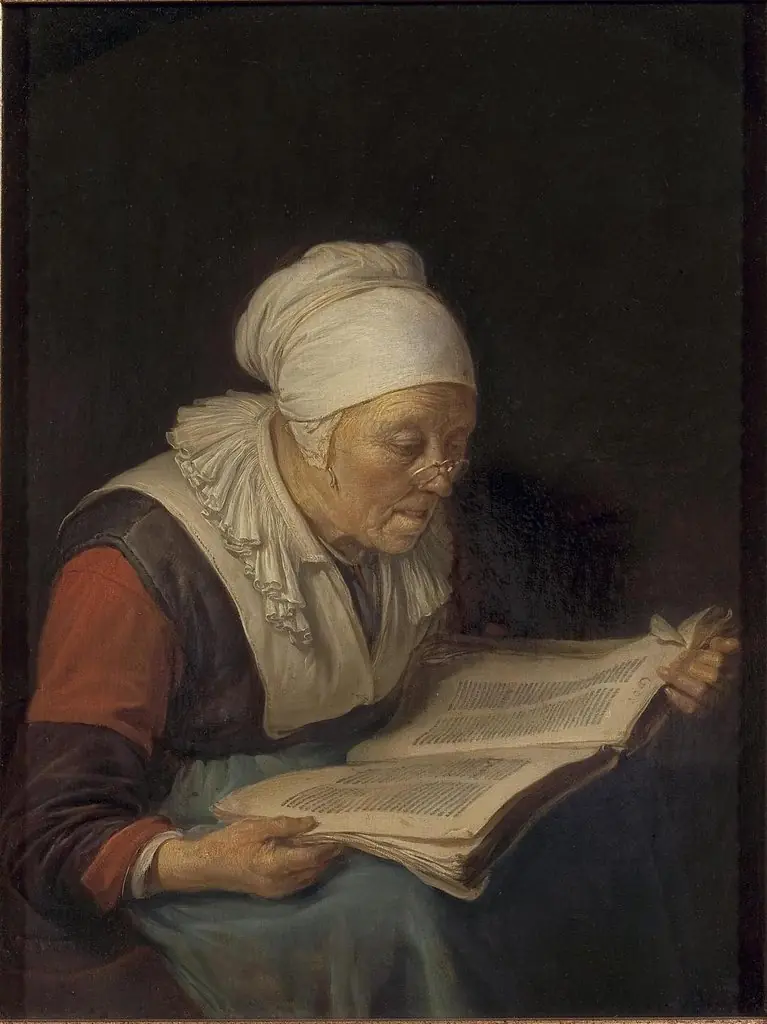 Old Woman Reading a Book
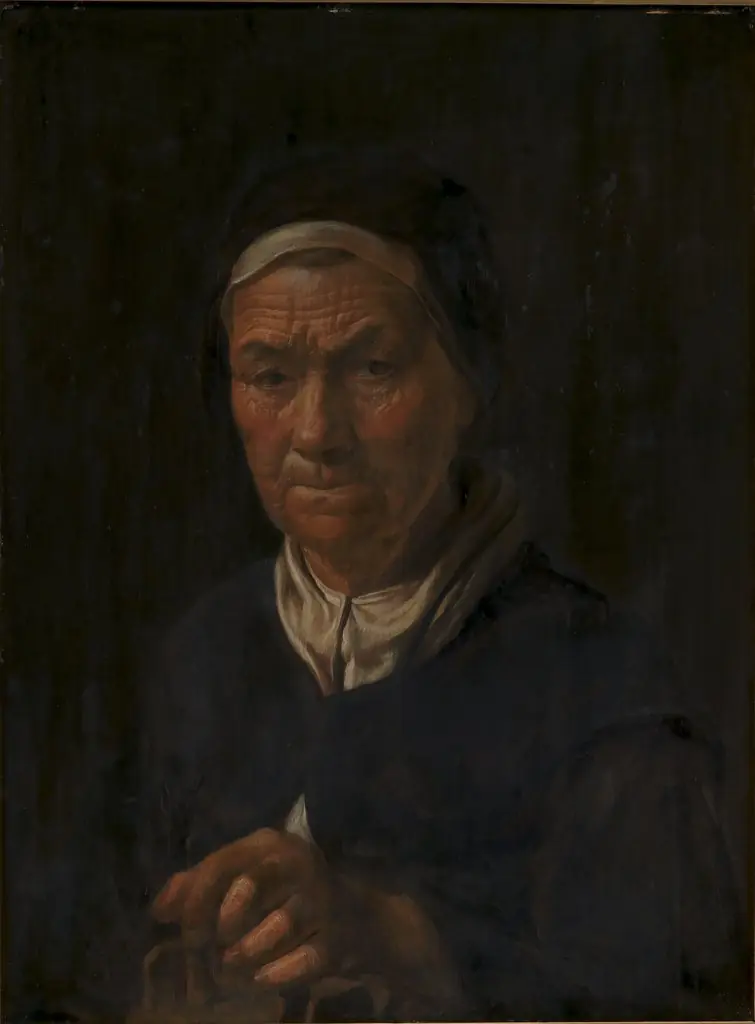 Portrait of an Old Woman, Wife of Christian Jacobsen Drakenberg, née Bagge (?)
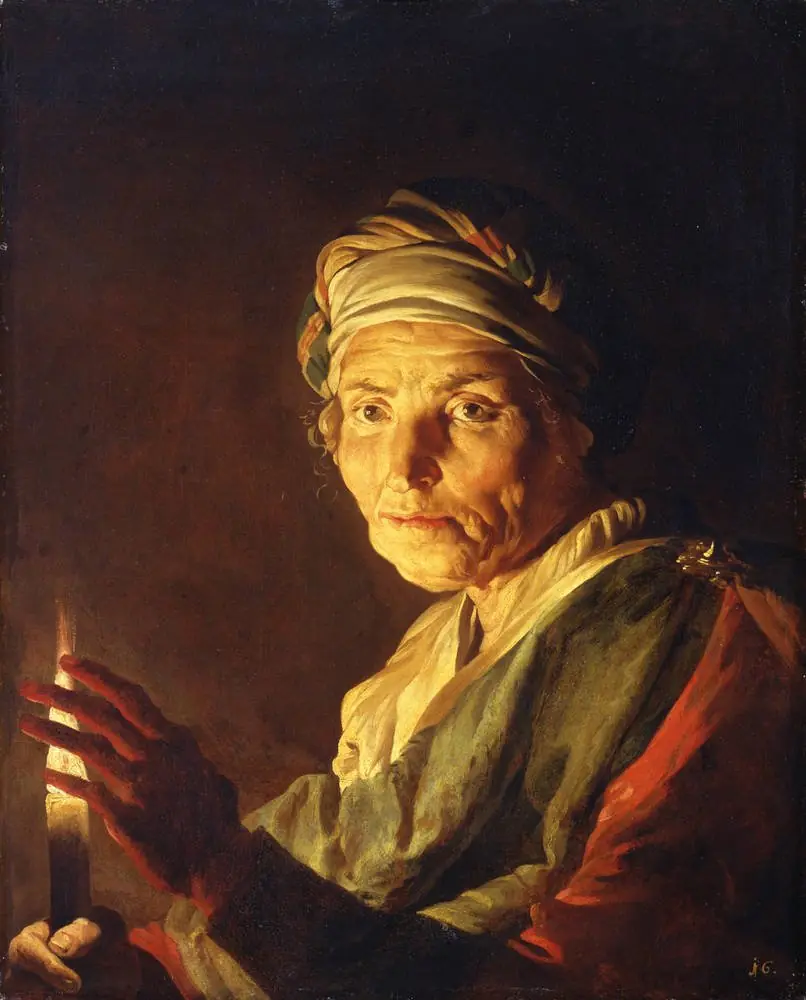 The Elder with a Candle
 Portrait of an Old Woman, Wife of Christian Jacobsen Drakenberg, née Bagge (?)
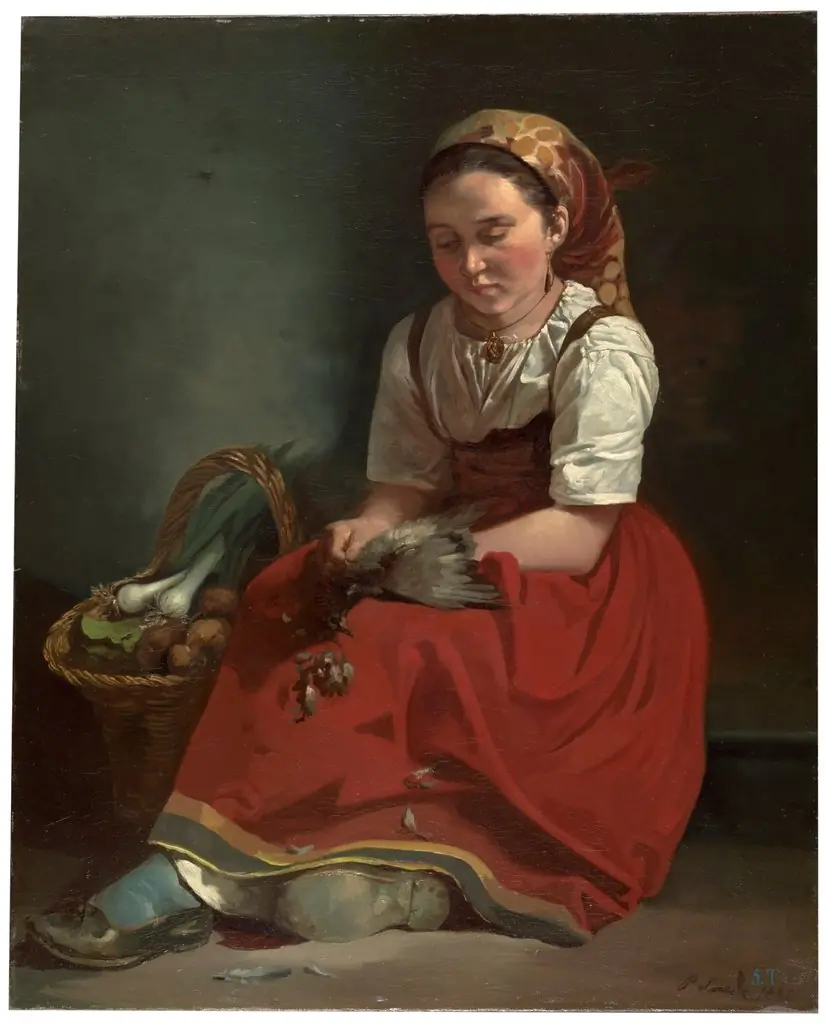 Una asturiana desplumando un pichón
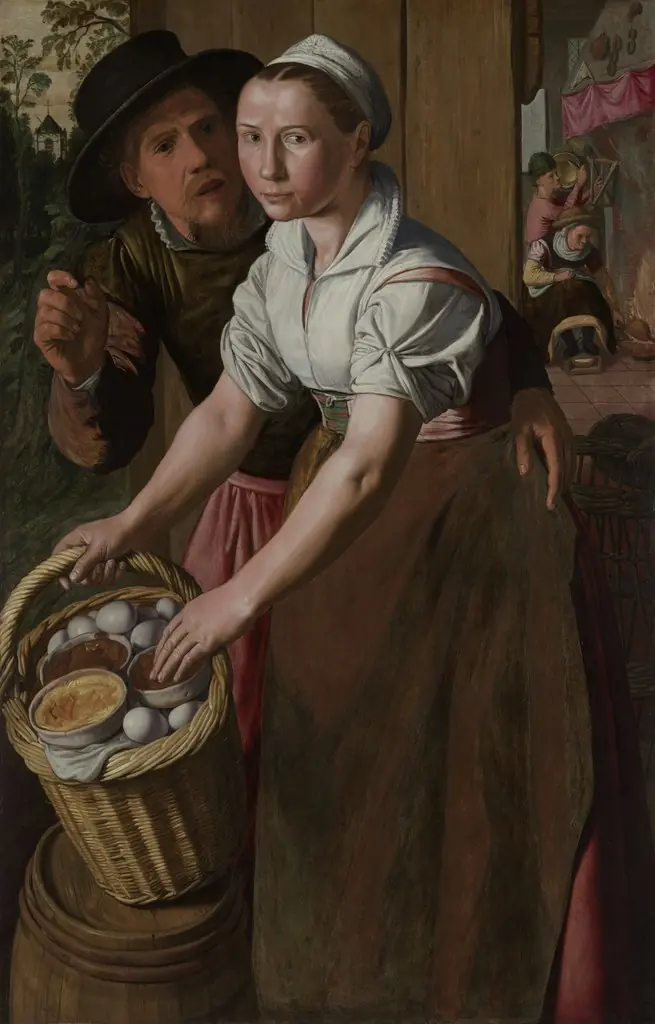 The Egg-girl
 Woman with a Pearl Necklace