Artwork
Portrait of a woman
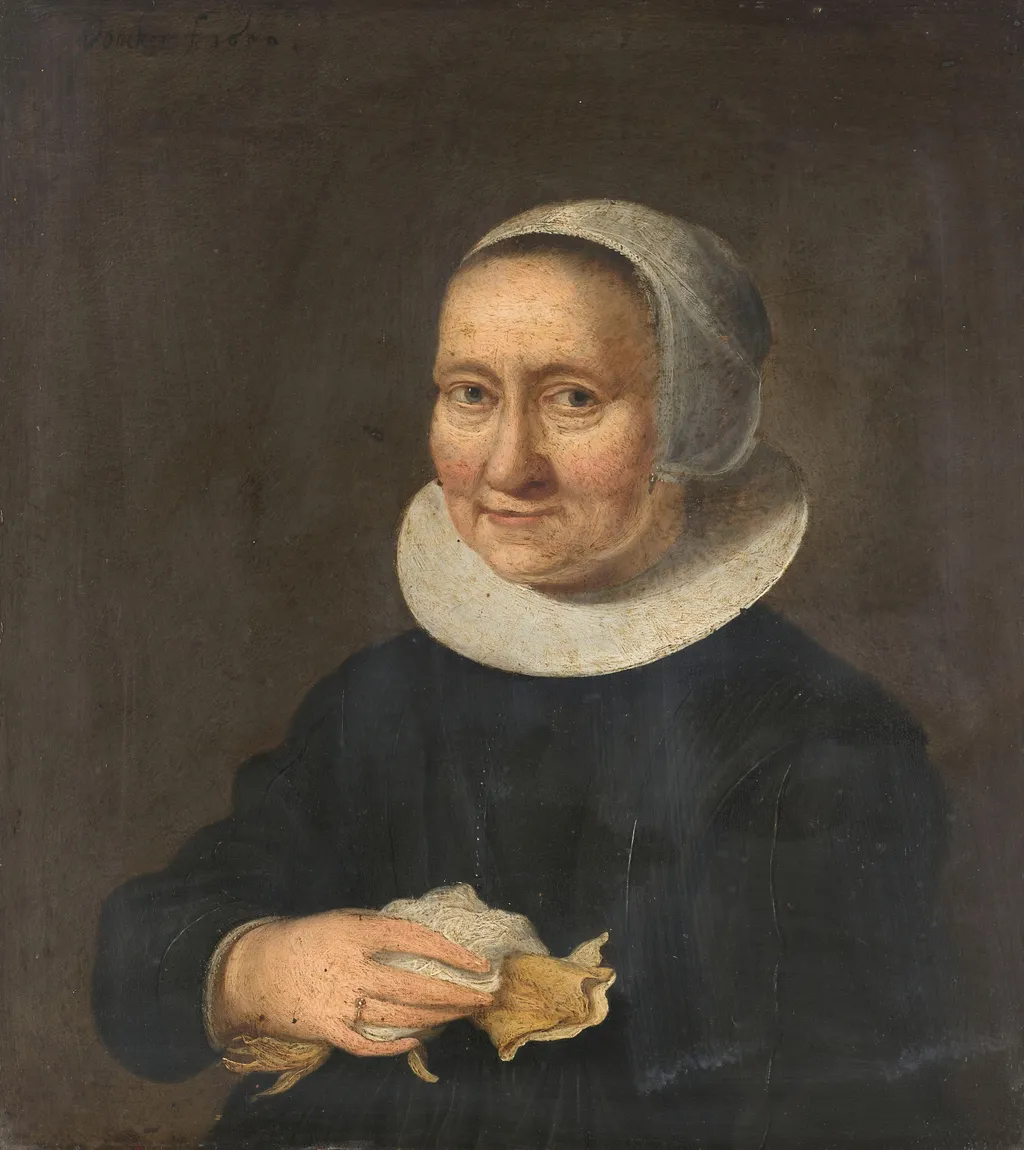
Portrait of a woman is an oil painting by the Dutch Golden Age artist Herman Doncker. It dates from 1650 and is held in the collection of the Rijksmuseum. Created around 1650, this portrait depicts a woman rendered on a copper panel.
About this work
Technique & Style
The painting is executed in oil on a copper support, a choice associated with durability and fine detail in 17th-century Dutch portraits.
The painting is executed in oil on a copper support, a choice associated with durability and fine detail in 17th-century Dutch portraits. The small scale (32 × 28 cm) and smooth copper surface likely enabled meticulous handling, consistent with the period’s preference for sharply observed, closely rendered features. Stylistically, the work reflects the restrained clarity and restrained modeling typical of mid-17th-century Dutch portraiture, emphasizing a lifelike yet restrained presence without overt idealization.
The handling appears precise, with careful transitions in light and shadow across the face and costume, suggesting a technique aimed at clarity over painterly bravura.
History & Provenance
The Portrait of a woman was created by Herman Doncker in 1650. Executed in oil paint on a copper support, the work measures 32 cm in height and 28 cm in width. The painting is currently held in the collection of the Rijksmuseum.
While the specific commission details and the full chain of ownership prior to its museum acquisition are not detailed in the available sources, the work is definitively dated to the mid-17th century by the artist Herman Meynderts Doncker.
The painting is held in the collection of the Rijksmuseum. Created in 1650 by Herman Doncker, the work depicts a woman and is executed in oil paint on copper. The provided sources confirm its location within this institution but do not list a specific inventory number or detail any past exhibitions.
Context
Herman Doncker's 1650 Portrait of a woman exemplifies Dutch Golden Age portraiture, executed in oil on copper and housed in the Rijksmuseum. The work reflects contemporary Dutch interest in individual character studies, aligning with genre conventions of the period. Scholarship emphasizes its technical mastery and role within Doncker's broader oeuvre, situating it amid 17th-century Dutch portrait trends.
Overview
Created around 1650, this portrait depicts a woman rendered on a copper panel. The figure is presented against a muted, dark background, drawing attention to her face, hands, and the delicate white collar of her attire. The composition is restrained, emphasizing the sitter’s calm demeanor and subtle smile, characteristic of mid‑seventeenth‑century Dutch portraiture.
Subject & Meaning
The sitter is shown wearing a dark dress with a white collar and a modest cap, holding a small folded cloth or paper in her hands. The restrained pose and gentle expression suggest a private, perhaps domestic, identity rather than a public or ceremonial role, reflecting the period’s focus on individual character and modest virtue.
Own this work as a print
Artist & collection
Artist
Herman Meindertsz. Doncker (c. 1600 – c. 1666), was a Dutch Golden Age painter. He worked in Haarlem during the years 1633–1640, and signed his works 'H. Doncker', or 'HD'. He dated portraits from 1627–1640. He painted…

- Portrait of a Woman
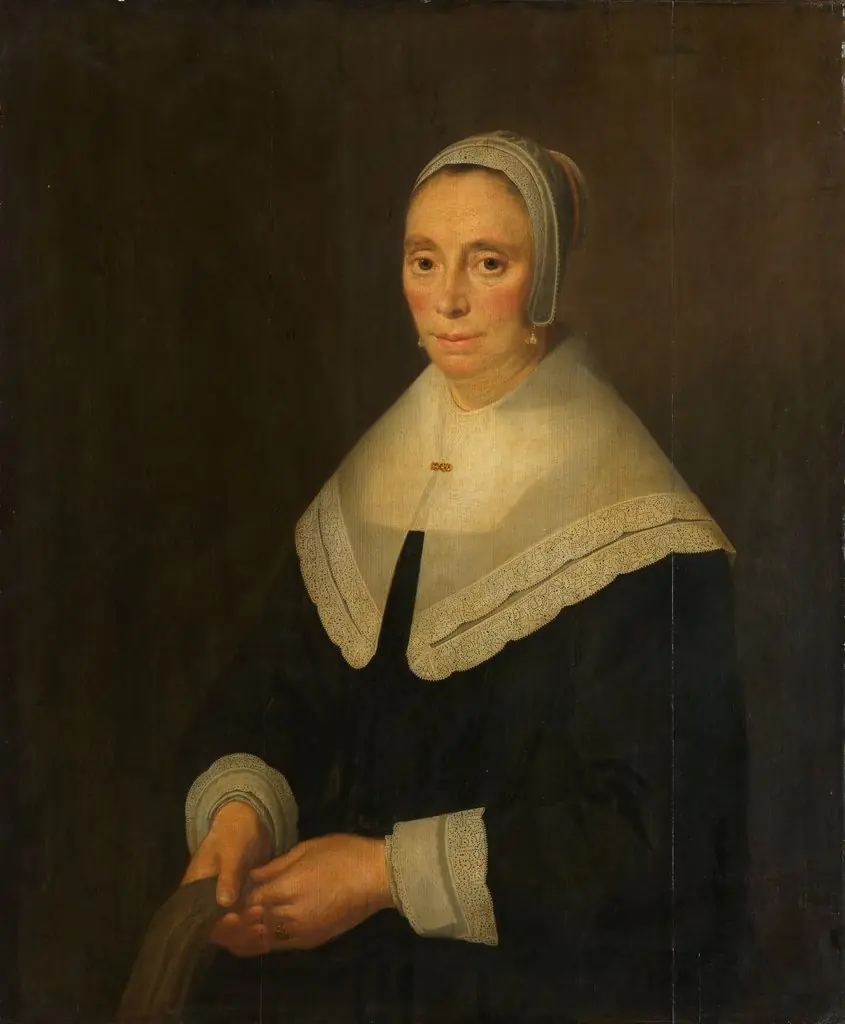 Portrait of a woman
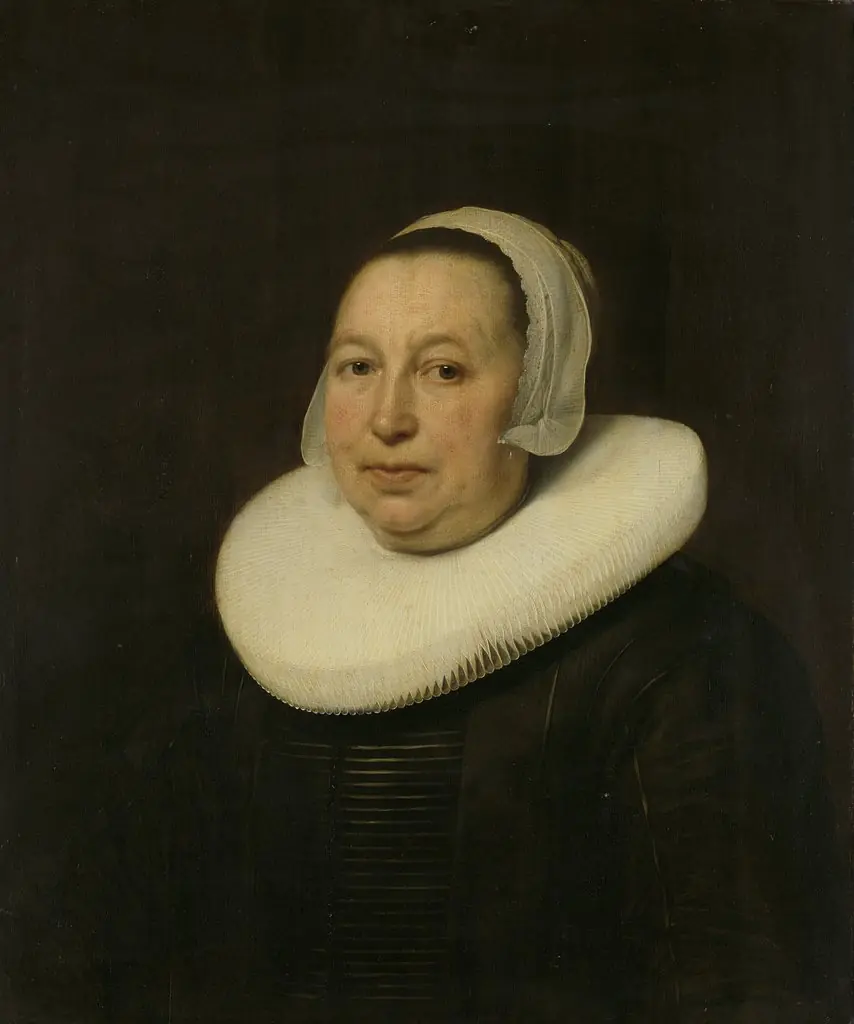 Maria Pietersdr de Leest (d 1652). Wife of Samuel van Lansbergen
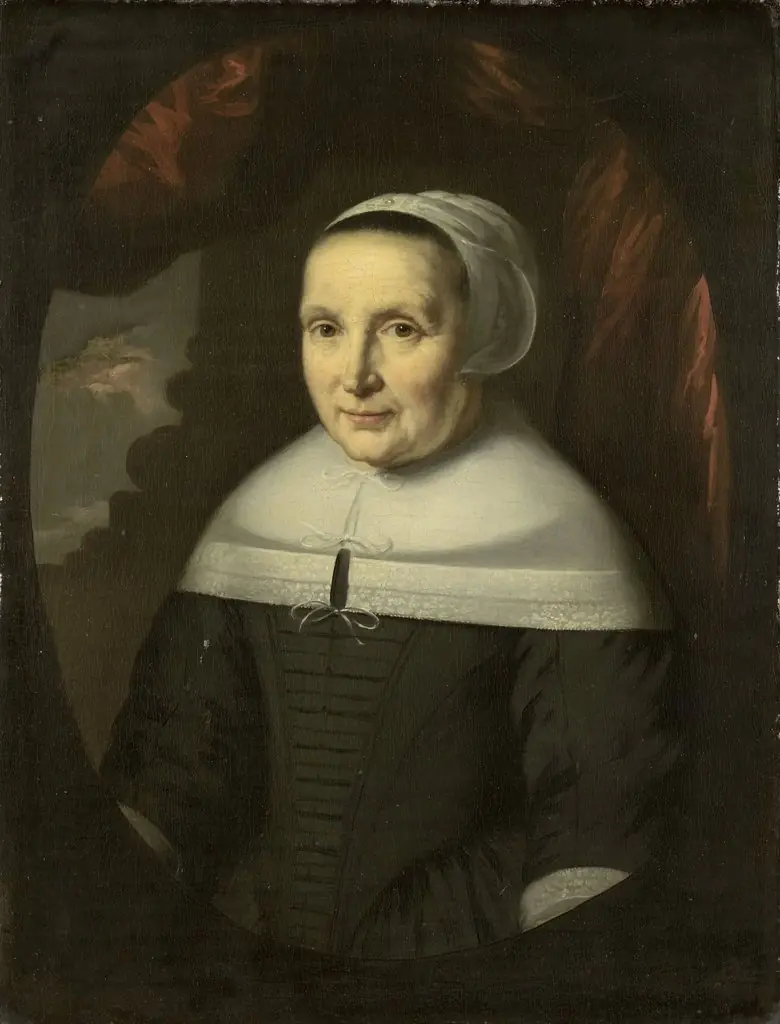 Portrait of Aeltje Denijs (b. 1598/99), wife of Hendrick Wijnands and mother of Dionijs Wijnands
 Portrait of a Woman
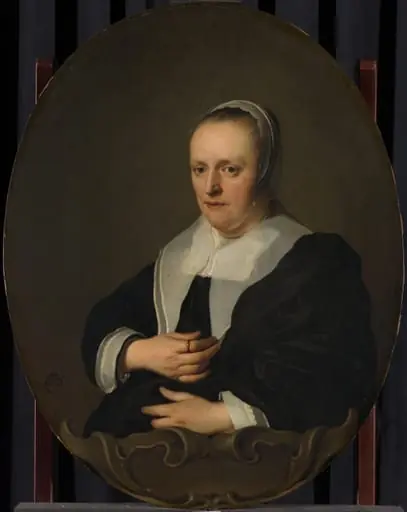 Portrait of Sara de Bie
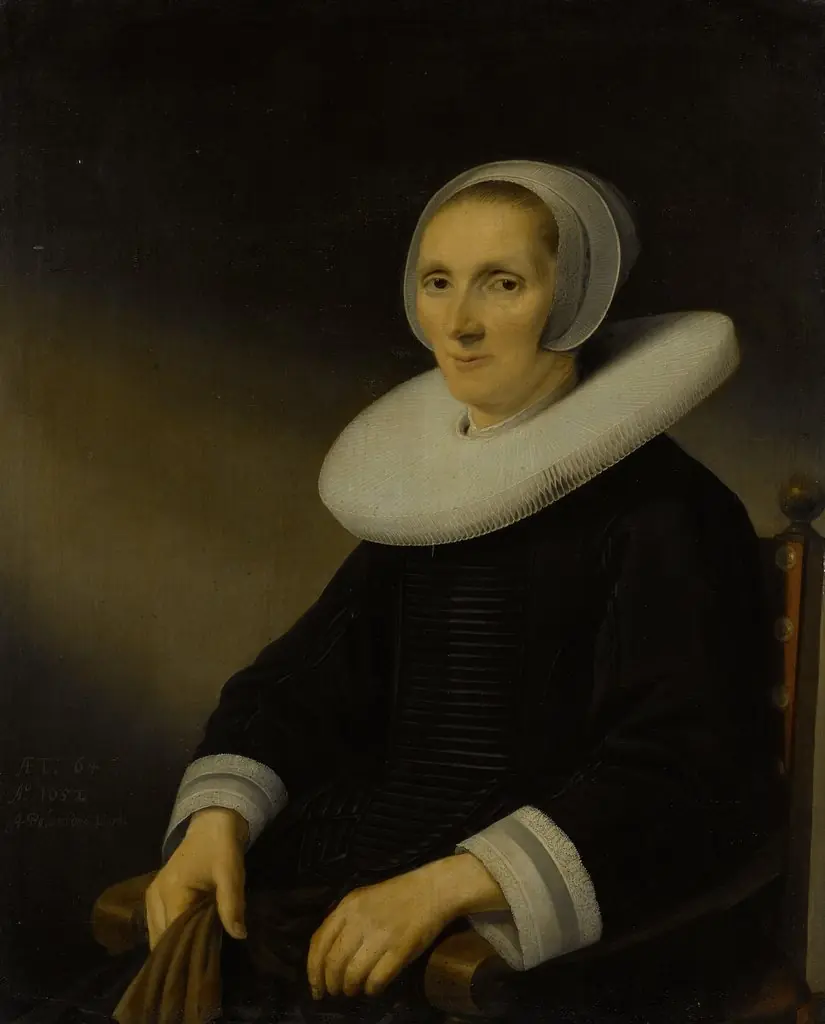 Portrait of a woman, probably Jacobmina de Grebber (? -1666)
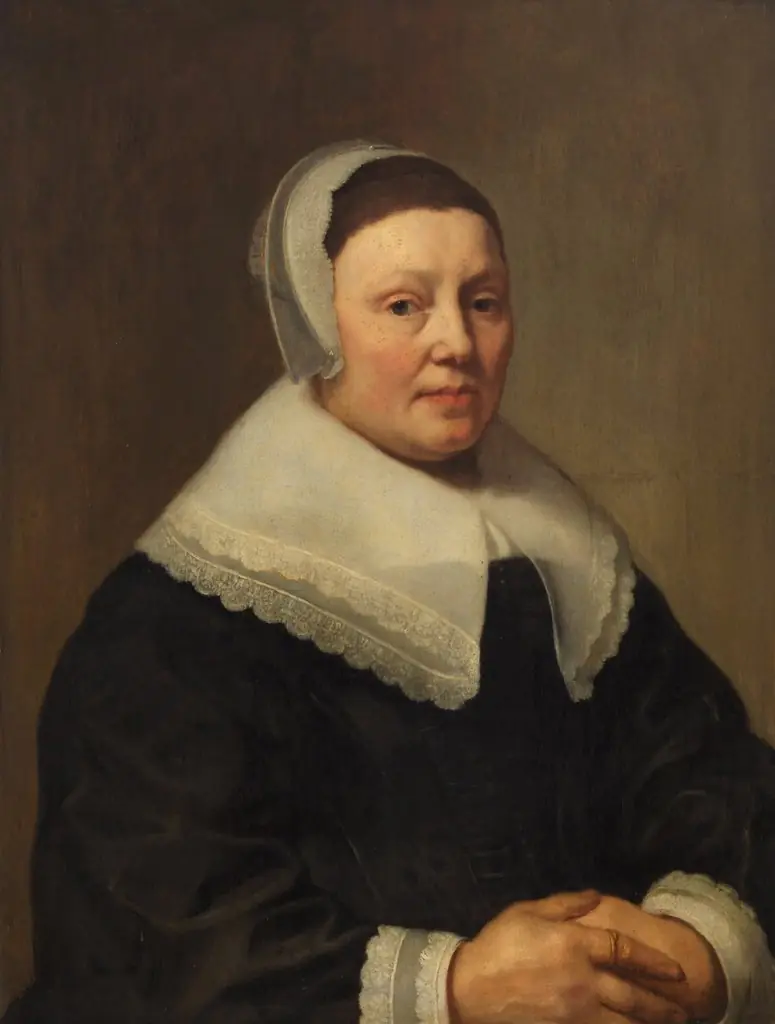 Portrait of a Lady
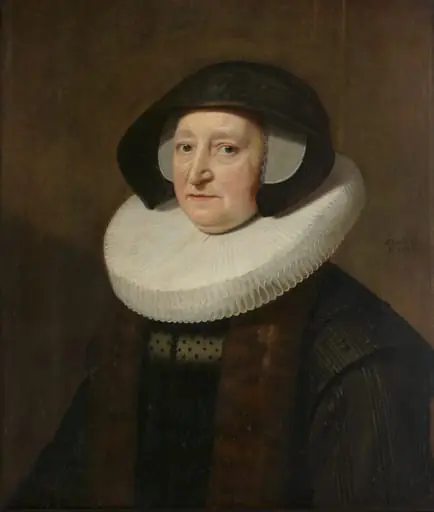 Portrait of Maria Petitpas, second Wife of Johannes Wttenbogaert (Jan Uytenbogaert)
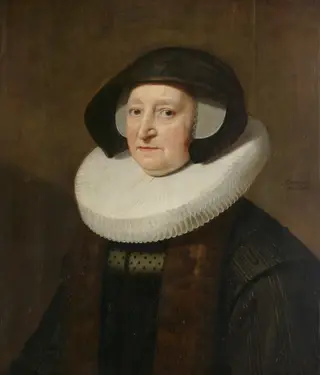 Portrait of Maria Petitpas (?-1640)
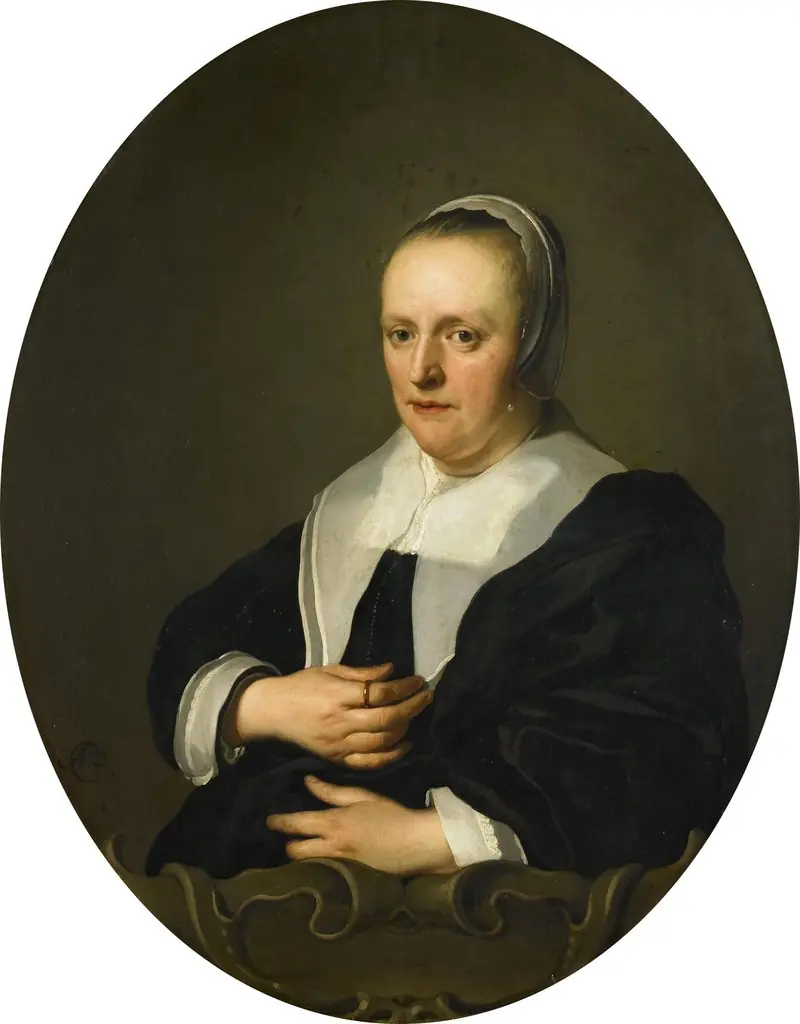 Sara de Bie. Jan Lutma's second wife (1638)
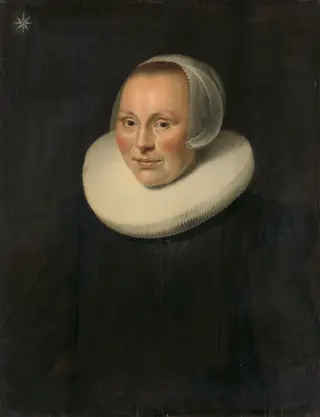 Portrait of a woman