Artwork
Sara de Bie. Jan Lutma's second wife (1638)
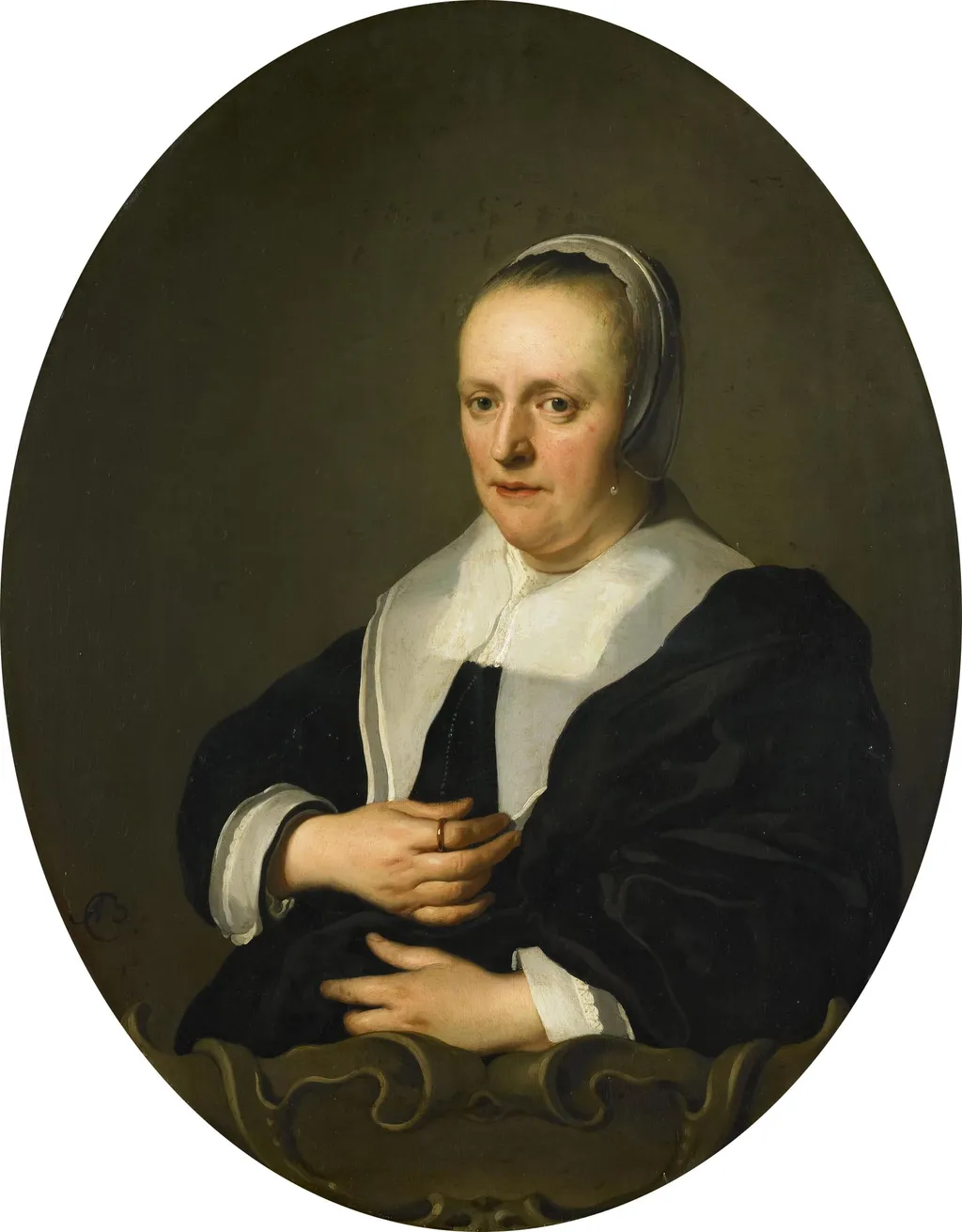
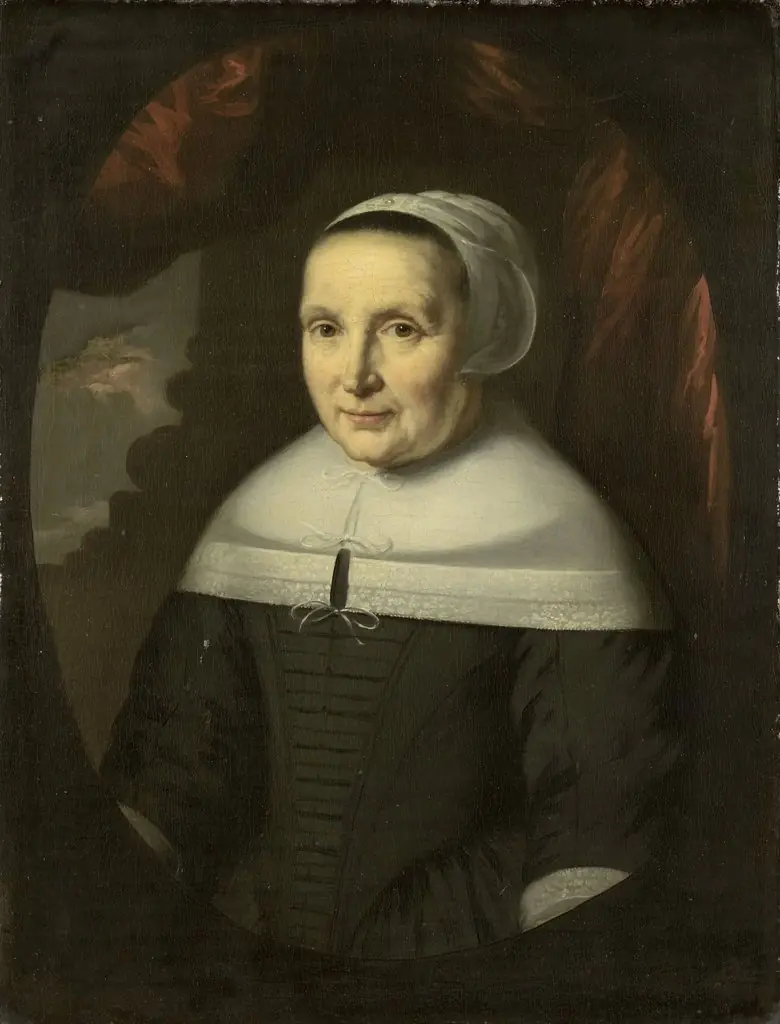
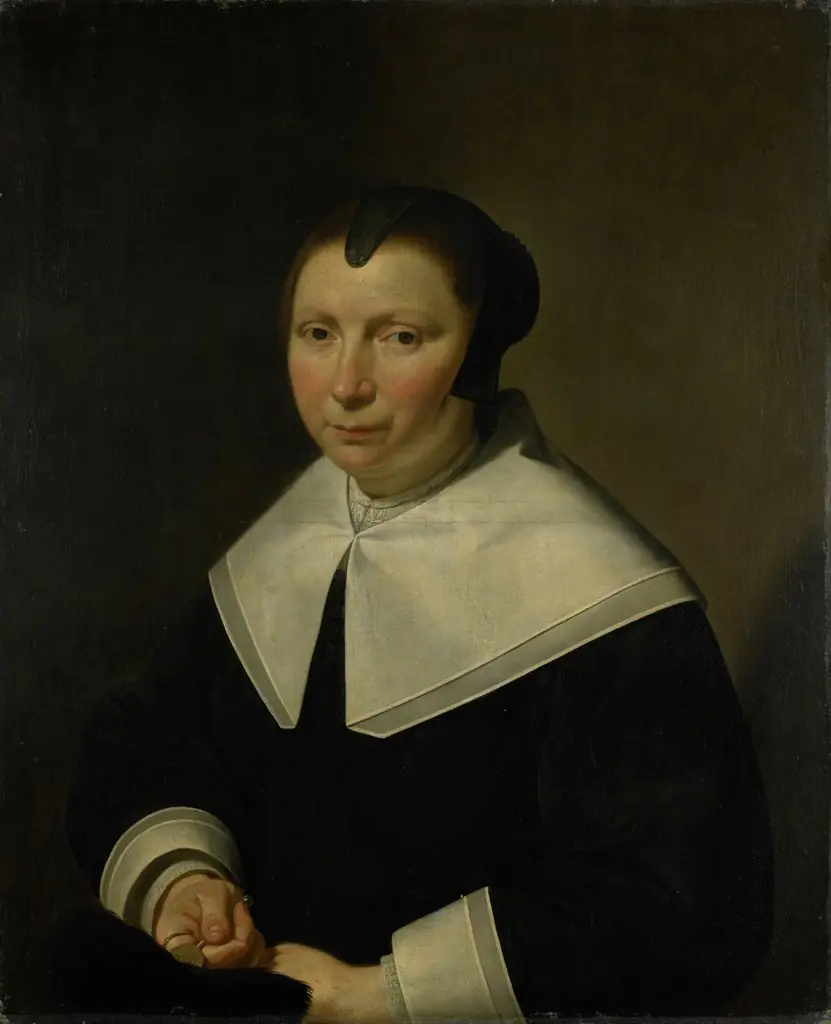
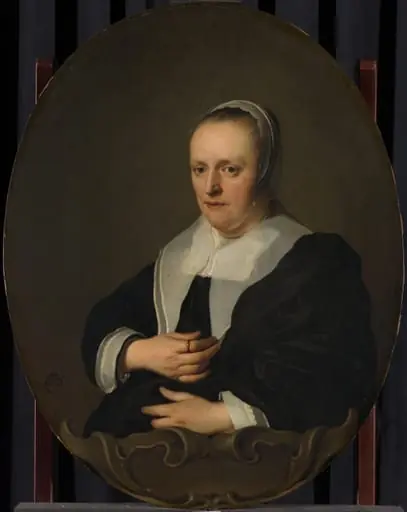
Sara de Bie. Jan Lutma's second wife (1638) is an oil painting by the Dutch Golden Age artist Jacob Adriaensz Backer. It dates from 1645 and is held in the collection of the Rijksmuseum. This oil portrait from 1645 depicts Sara de Bie, the second wife of Amsterdam silversmith Jan Lutma.
About this work
Subject & Meaning
Its composition and execution align with Jacob Adriaensz Backer's documented skill in capturing bourgeois subjects with dignity and psychological nuance.
The portrait shows Sara de Bie, identified as Jan Lutma's second wife, rendered in a conventional manner typical of 17th-century Dutch portraiture. The work emphasizes her social standing through precise rendering of attire and jewelry without overt symbolic attributes. The painting functions as a record of marital alliance within elite circles, reflecting contemporary portrait conventions that prioritized status display over personal narrative.
Its composition and execution align with Jacob Adriaensz Backer's documented skill in capturing bourgeois subjects with dignity and psychological nuance. The subject's direct gaze and restrained pose suggest an emphasis on virtue and domestic propriety rather than allegorical meaning. The portrait's significance lies in its documentation of a specific marital relationship within the social networks of the Dutch Republic's elite, preserved within the Rijksmuseum's collection.
The subject's direct gaze and restrained pose suggest an emphasis on virtue and domestic propriety rather than allegorical meaning.
The portrait's significance lies in its documentation of a specific marital relationship within the social networks of the Dutch Republic's elite, preserved within the Rijksmuseum's collection.
Technique & Style
Jacob Adriaensz Backer executed this 1645 portrait using oil paint applied to a panel support. The work measures 93 cm in height and 73 cm in width, presenting the sitter within the formal conventions of mid-seventeenth-century portraiture. As a classified painting, the piece relies on the artist's handling of the oil medium to define the figure and attire against the rigid panel base. The physical dimensions and material composition align with the standard practices of Backer's portraiture during this period.
History & Provenance
The portrait of Sara de Bie was painted by Jacob Adriaensz Backer in 1645 while she served as the second wife of Jan Lutma. The work entered the collection of Andrzej Jerzy Mniszech before passing through several private hands, including August de Ridder, Hans Ludwig Larsen, and Johanna Elisabethe Louise May. It was subsequently acquired by the Rijksmuseum in Kronberg im Taunus, where it remains on public display. The painting measures 93 cm in height and 73 cm in width, executed in oil on panel.
Although the artwork is cataloged under the title "Sara de Bie. Jan Lutma's second wife" (1638), its creation date is recorded as 1645, reflecting the year of its execution rather than the year of the marriage itself.
Overview
This oil portrait from 1645 depicts Sara de Bie, the second wife of Amsterdam silversmith Jan Lutma. Created by Jacob Adriaensz Backer during the Dutch Golden Age, the painting now resides in the Rijksmuseum collection. Backer was active in Amsterdam during the mid-17th century and worked across multiple genres including portraiture, religious scenes, and mythological subjects.
Own this work as a print
Artist & collection
Artist
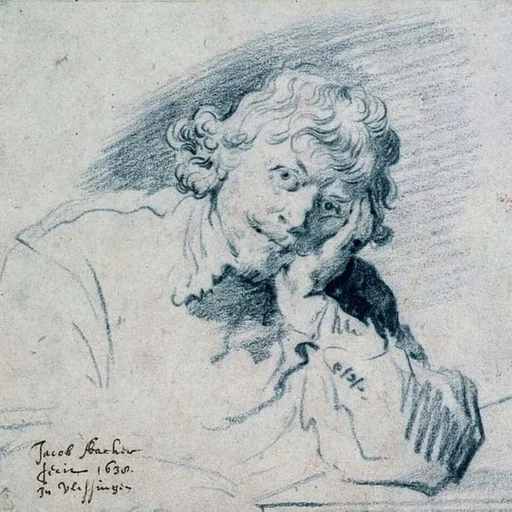
Jacob Adriaensz Backer (1608 – 27 August 1651) was a Dutch Golden Age painter. He produced about 140 paintings in twenty years, including portraits, religious subjects, and mythological paintings. In his style, he was…

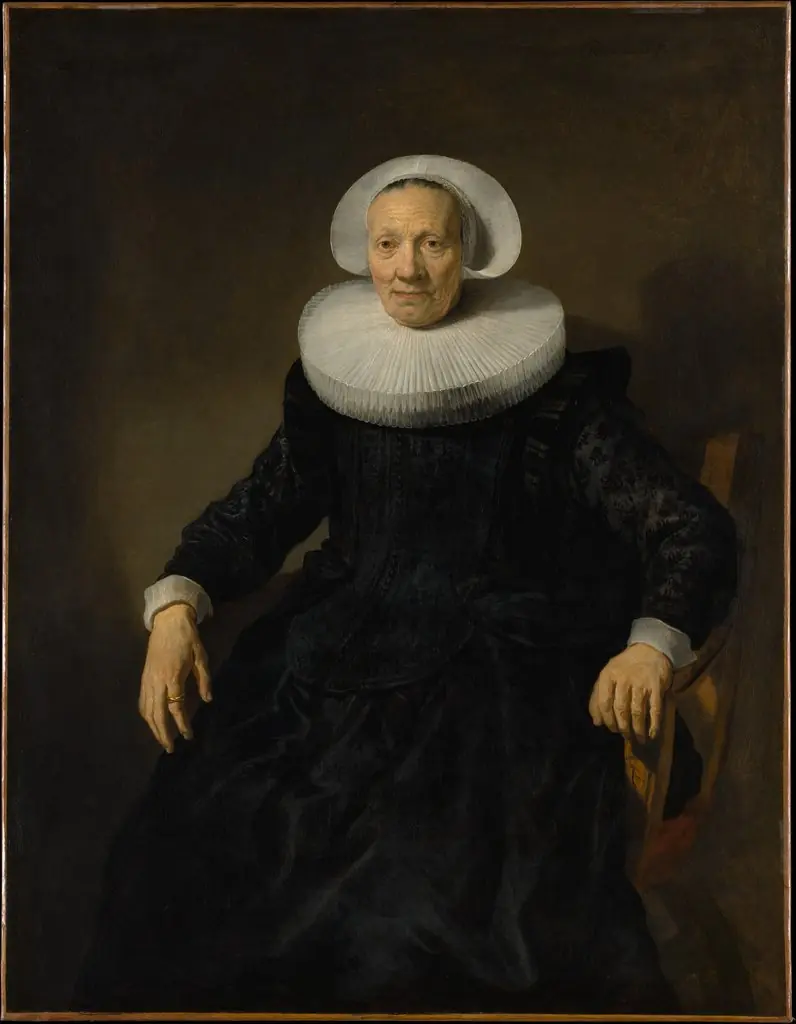 Old Woman in an Armchair
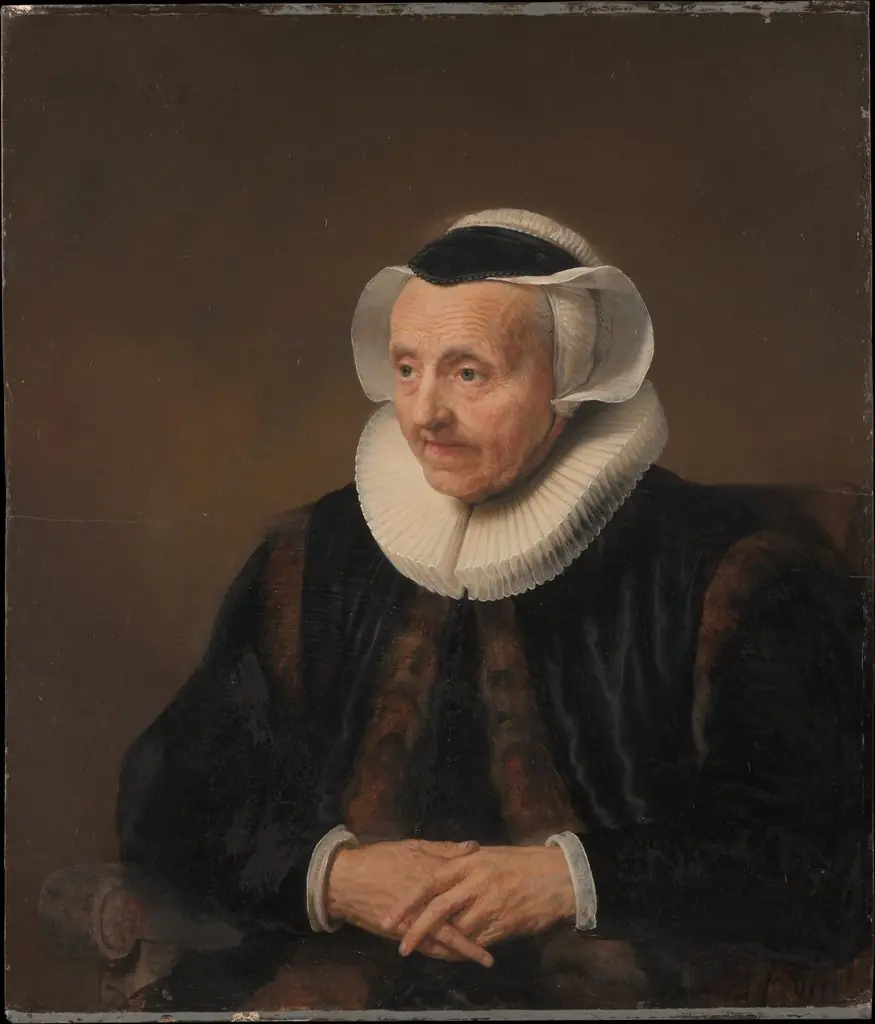 Portrait of an Old Woman
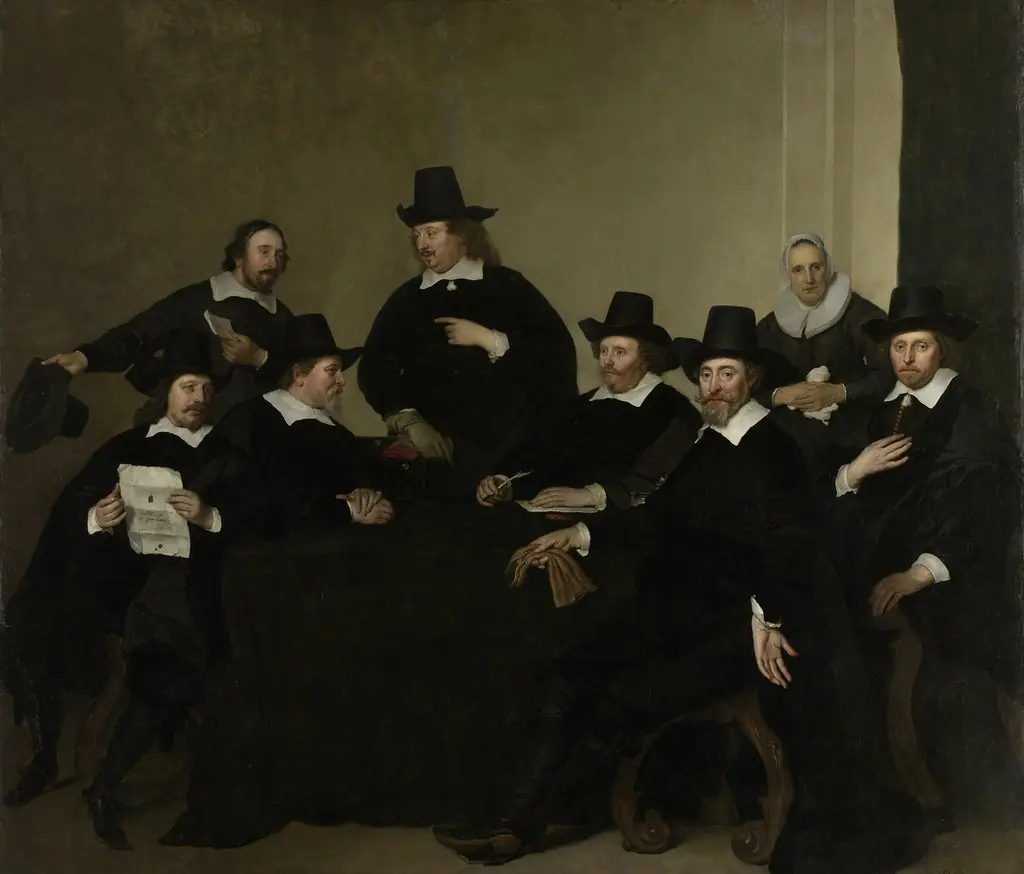 The regents of the Nieuwe Zijds institute for the outdoor relief of the poor, Amsterdam, ca 1650
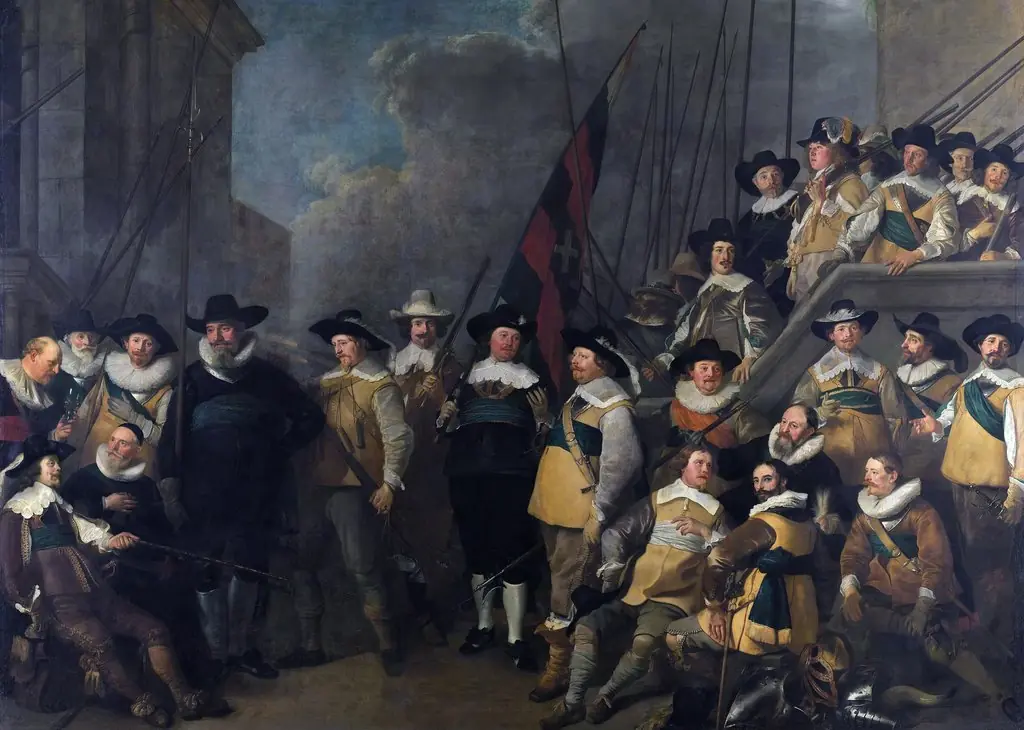 Officers and other Civic Guardsmen of the V District in Amsterdam under the command of Captain Cornelis de Graeff and Lieutenant Hendrick Lauwrensz
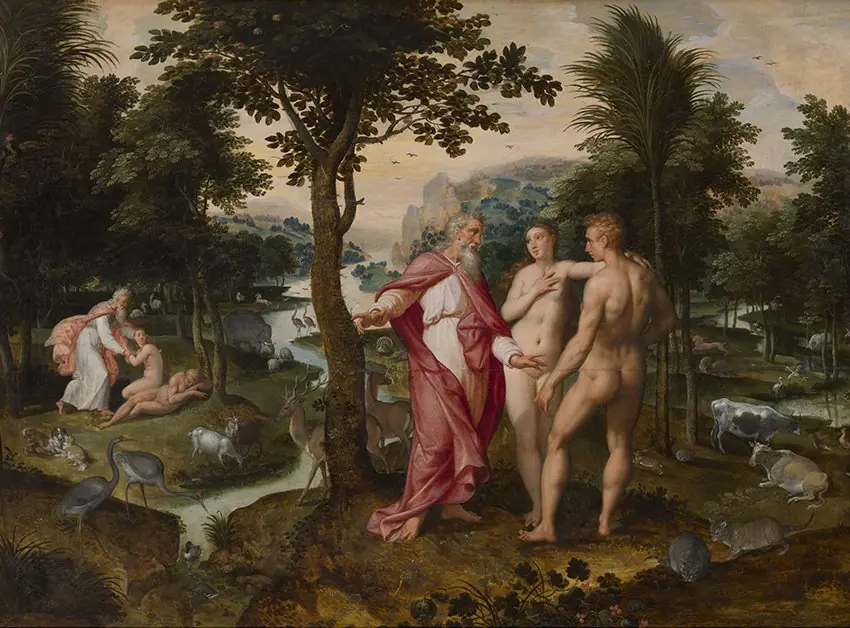 The Garden of Eden
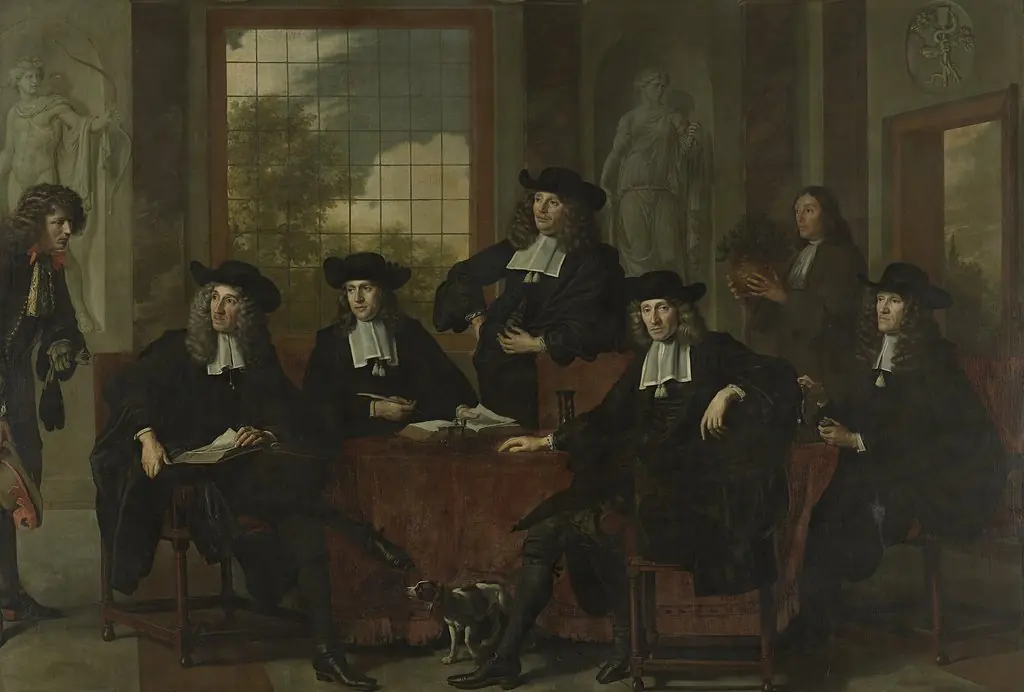 The superintendents of the Collegium Medicum in Amsterdam
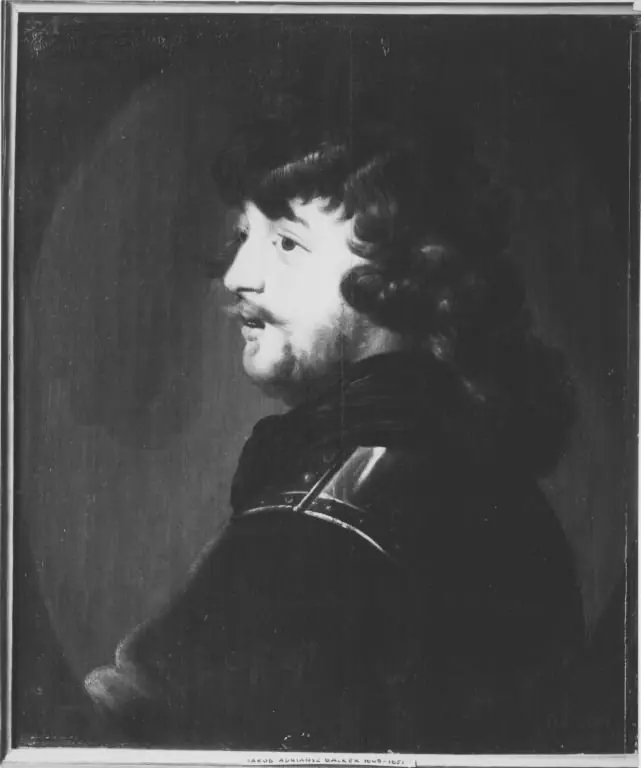 Portrait of a man in armor (self-portrait)
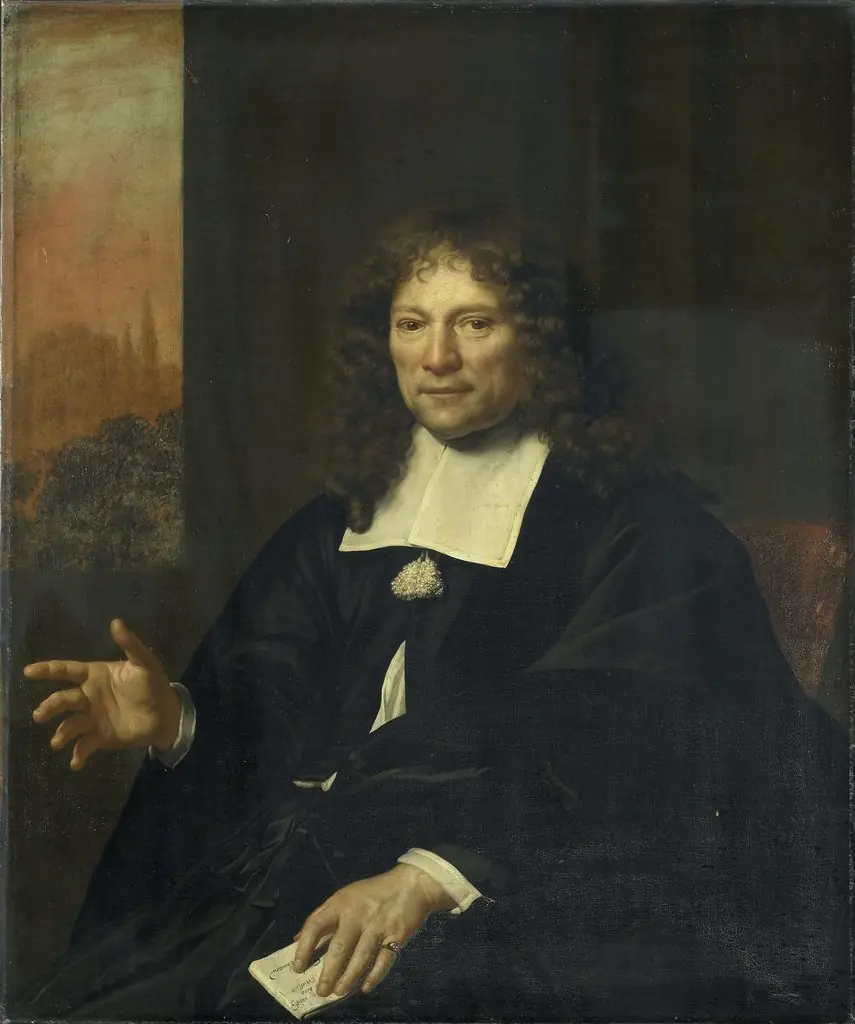 Portrait of Daniel Nellius, elder of the Remonstrant church and sampling official of Alkmaar