Artwork
Interior of a Peasant Hut
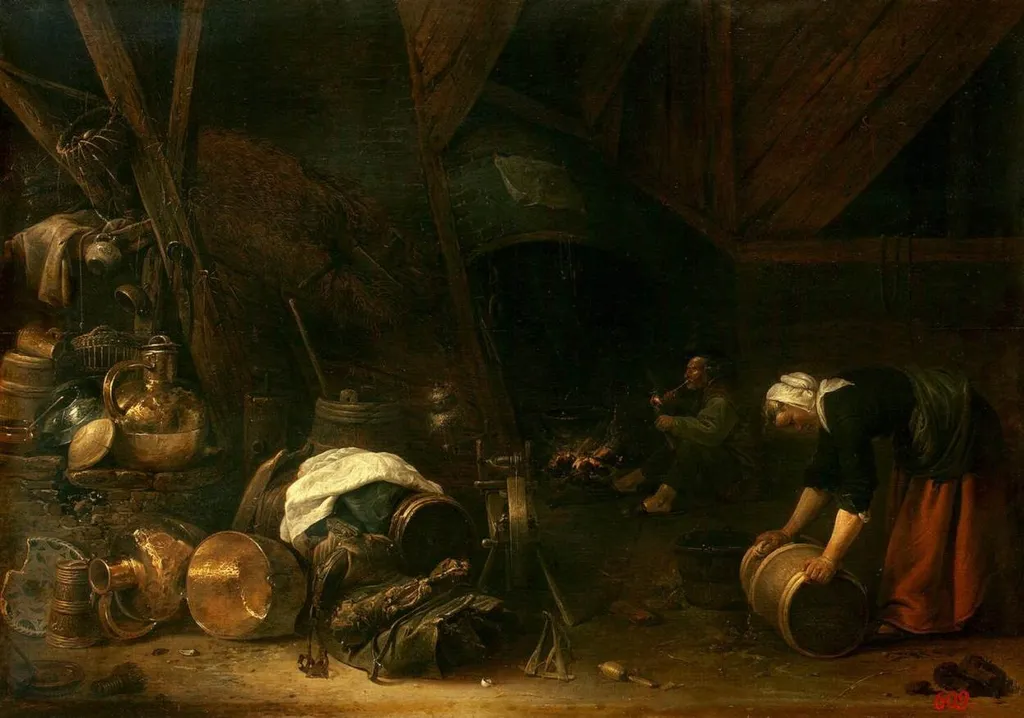
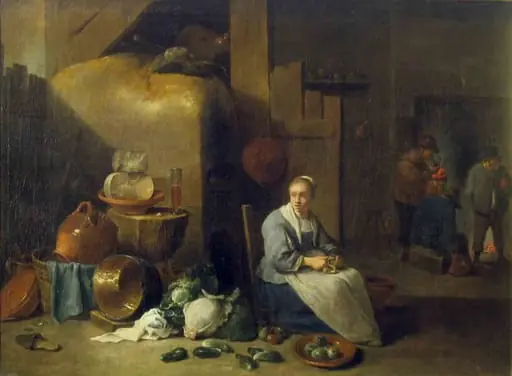
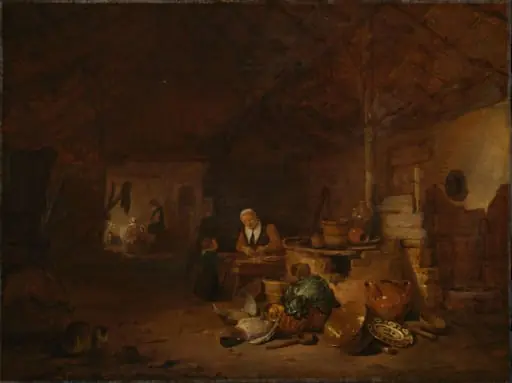
Interior of a Peasant Hut is an oil painting by the Dutch Golden Age artist Herman Saftleven. It dates from 1634 and is held in the collection of the Hermitage Museum.
About this work
Subject & Meaning
Executed in oil on panel in 1634, the work was created in the Netherlands and later entered the collection of the Hermitage Museum, where it remains on display.
The painting shows a modest interior of a rural dwelling, where a woman is positioned beside a wooden barrel, emphasizing everyday domestic activity. This scene exemplifies the genre of genre_scene, portraying ordinary life without overt allegorical meaning, and reflects the realist tradition of 17th‑century Dutch interiors.
The presence of a woman and a barrel functions as symbolic markers of household economy and sustenance, suggesting themes of labor and domestic stability within a peasant context.
Executed in oil on panel in 1634, the work was created in the Netherlands and later entered the collection of the Hermitage Museum, where it remains on display.
Technique & Style
Herman Saftleven executed Interior of a Peasant Hut in 1634 using oil paint applied to a wooden panel support. The work measures 42 cm in height and 60 cm in width. Classified as a genre scene, the painting depicts an interior space containing specific figures and objects, including a woman and a barrel. Created in the Netherlands, the piece exemplifies the artist's approach to domestic subjects within the Baroque tradition.
History & Provenance
Interior of a Peasant Hut was created in 1634 by the Dutch artist Herman Saftleven. The work is an oil painting on panel, measuring 42 cm in height and 60 cm in width, and depicts a woman beside a barrel within a modest interior. As a genre scene, it exemplifies Saftleven’s focus on everyday peasant life.
After its completion in the Netherlands, the painting entered the collection of the Hermitage Museum, where it remains today.
Herman Saftleven's oil-on-panel painting Interior of a Peasant Hut, created in 1634, is held in the collection of the Hermitage Museum in St. Petersburg. The work measures 42 cm in height and 60 cm in width. While the source identifies the museum as the current location, no specific inventory or accession number is provided in the available records. Additionally, the documentation does not list any exhibition history for this specific piece.
Legacy
The painting's presence in the Hermitage Museum has cemented its status as a representative example of Dutch Golden Age genre scenes, influencing later interpretations of rural domestic interiors. Its detailed depiction of peasant life contributed to the historiographical understanding of 17th-century Netherlands, though specific later exhibitions or market records are not documented in the provided sources.
Overview
Painted in 1634, Herman Saftleven's Interior of a Peasant Hut is a quintessential example of Dutch Golden Age genre painting, focusing on the domestic life of the rural lower class. The composition centers on a dimly lit, rustic interior where a woman, clad in a long skirt and headscarf, bends over a large barrel in the foreground, her attention fixed on her labor. Saftleven employs a restricted palette of earth tones and deep shadows to evoke the atmosphere of a humble dwelling, utilizing chiaroscuro to guide the viewer's eye through the cluttered space.
The room is densely populated with everyday objects, including hanging pots, pans, and woven baskets, which serve not only as narrative details but also as demonstrations of the artist's meticulous attention to texture and material. This work reflects Saftleven's early career shift from landscape and architectural studies toward intimate interior scenes, a genre that gained significant popularity in the Netherlands during the 17th century. By depicting the unidealized reality of peasant life with dignity and precision, the painting aligns with the broader cultural interest in moralizing domestic virtues and the tangible details of daily existence that characterized the period's art.
Context
The scene reflects the Dutch tradition of depicting peasant life with a focus on modest interiors, a popular subject in the early 1600s that offered moral and social commentary through everyday moments.
Artist & collection

Artist
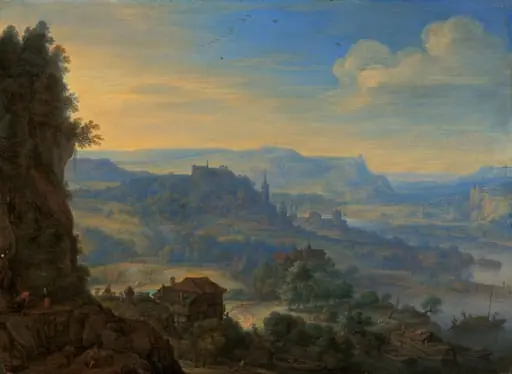
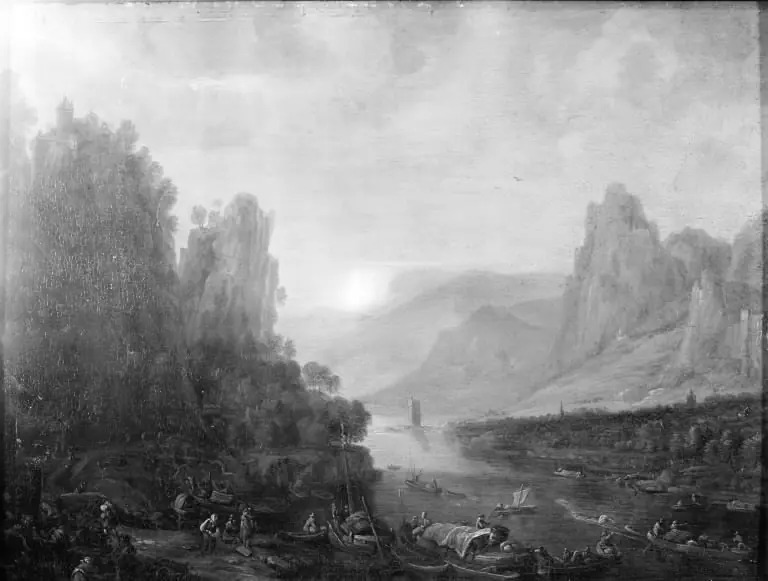
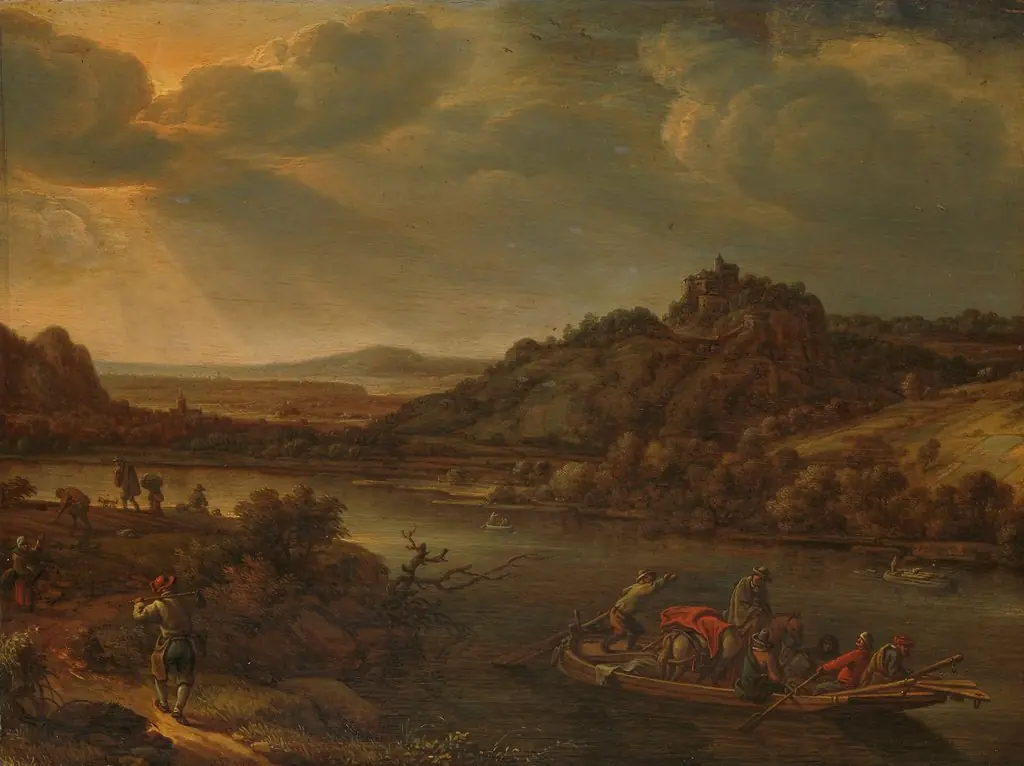
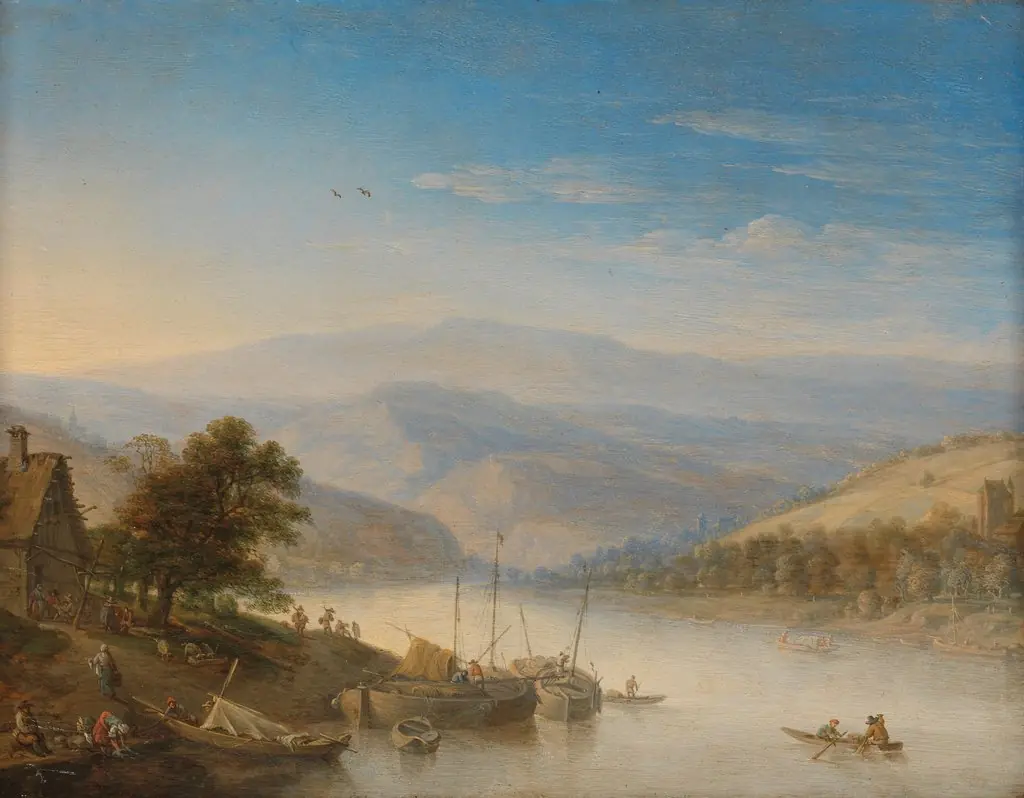
Dutch painter Herman Saftleven specialized in river and landscape scenes during the 1600s.