Artwork
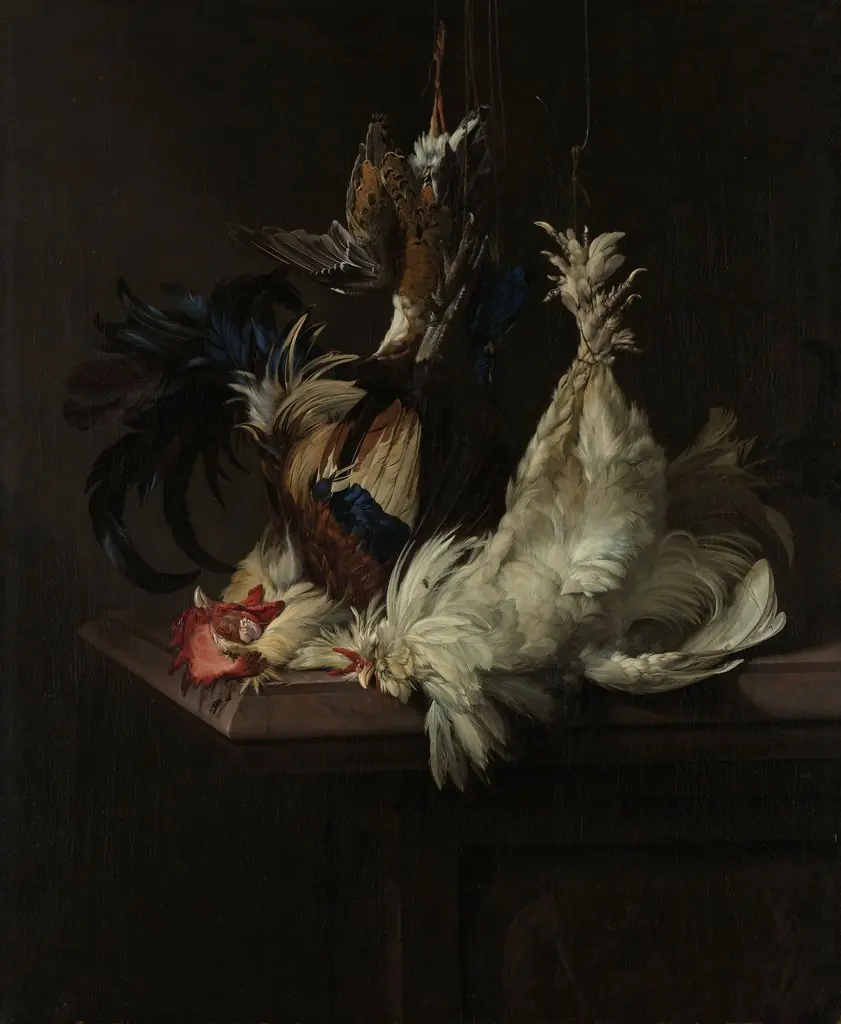
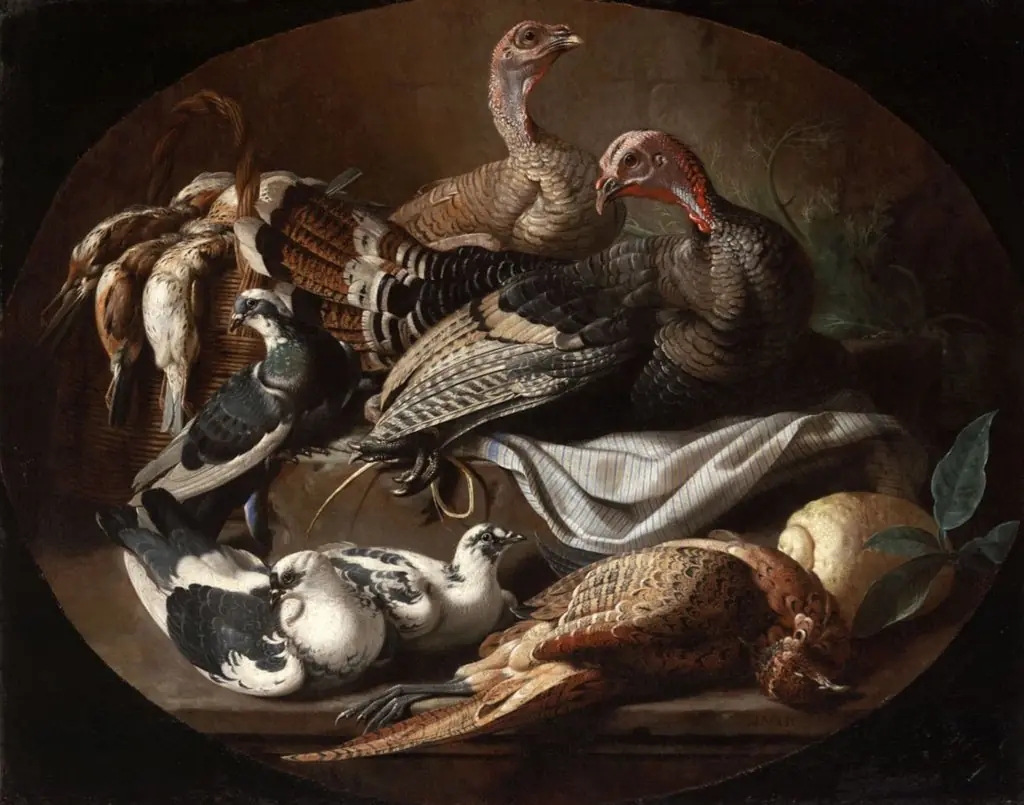
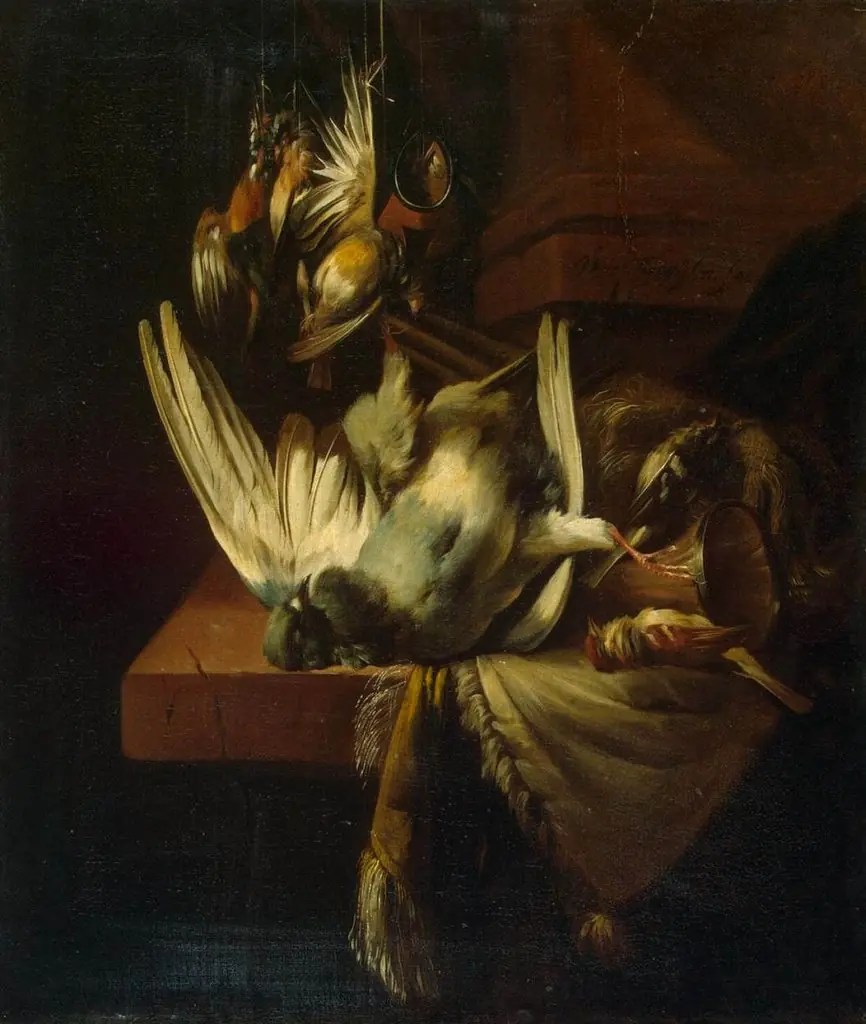
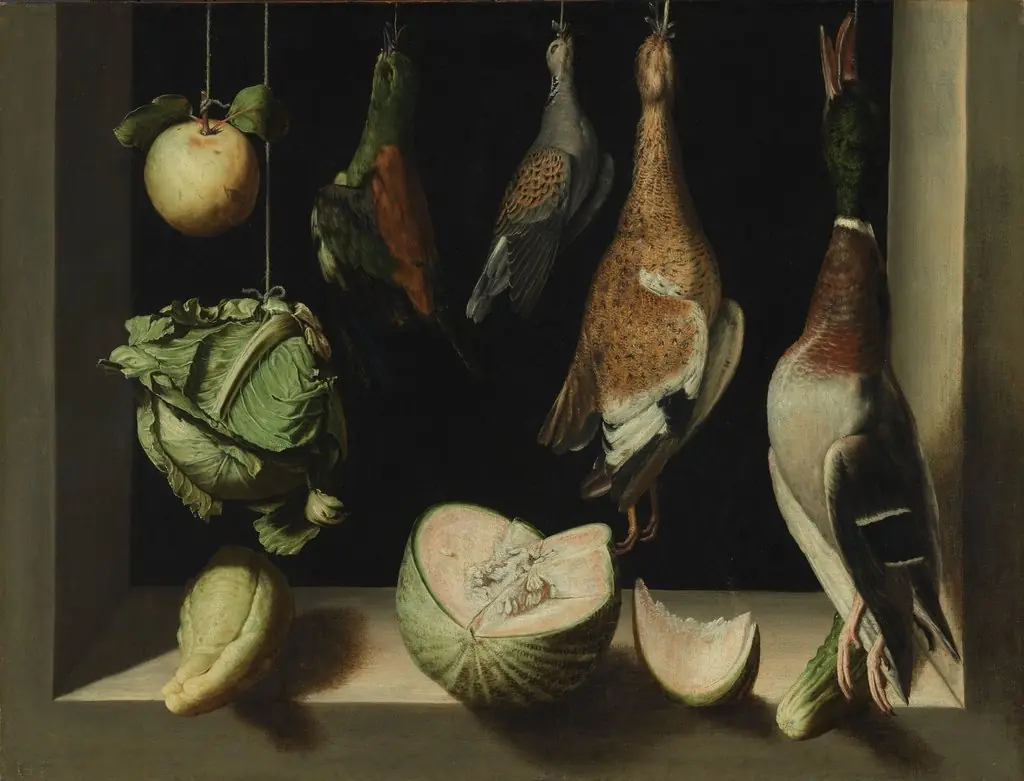
Still Life with Game Fowl
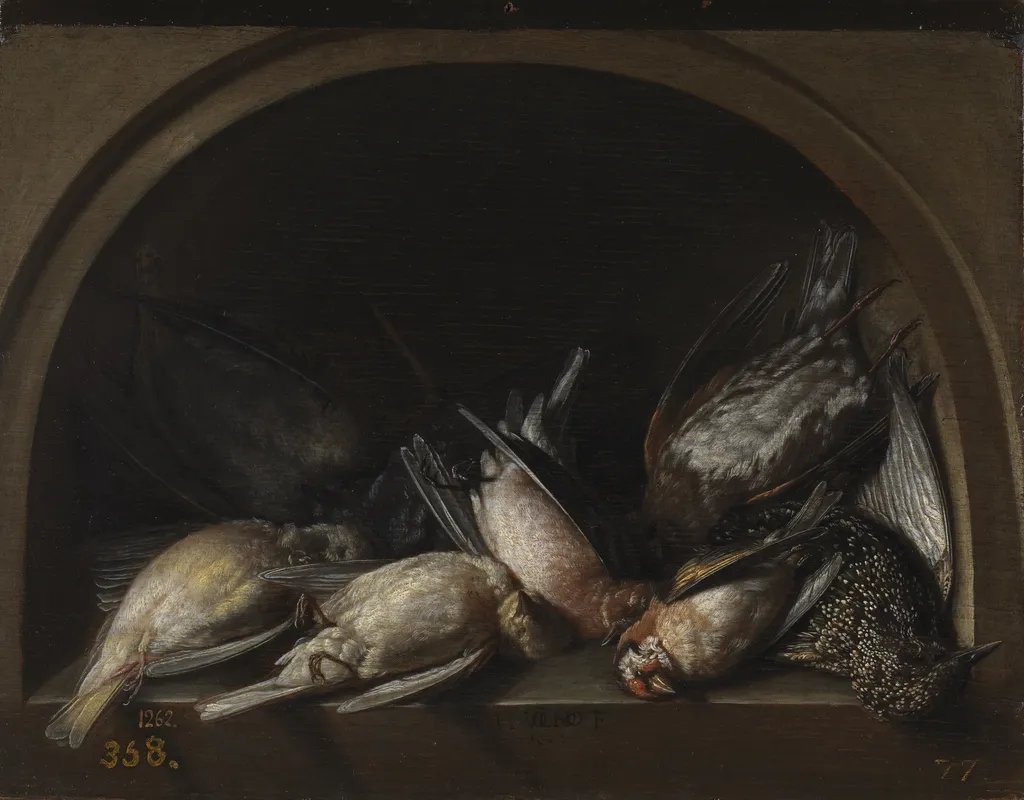
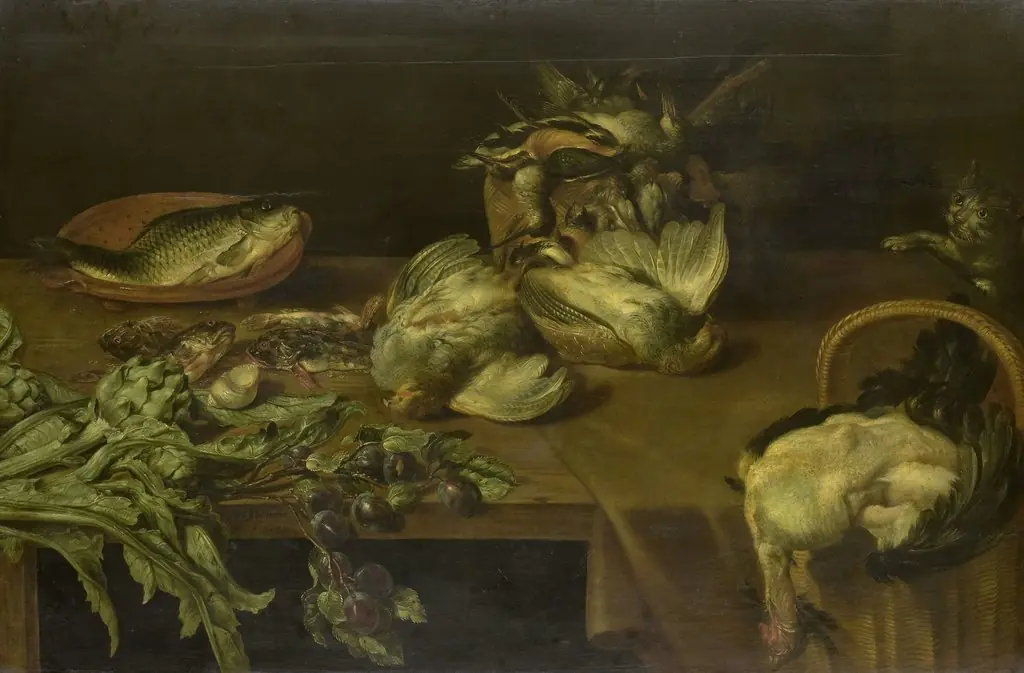
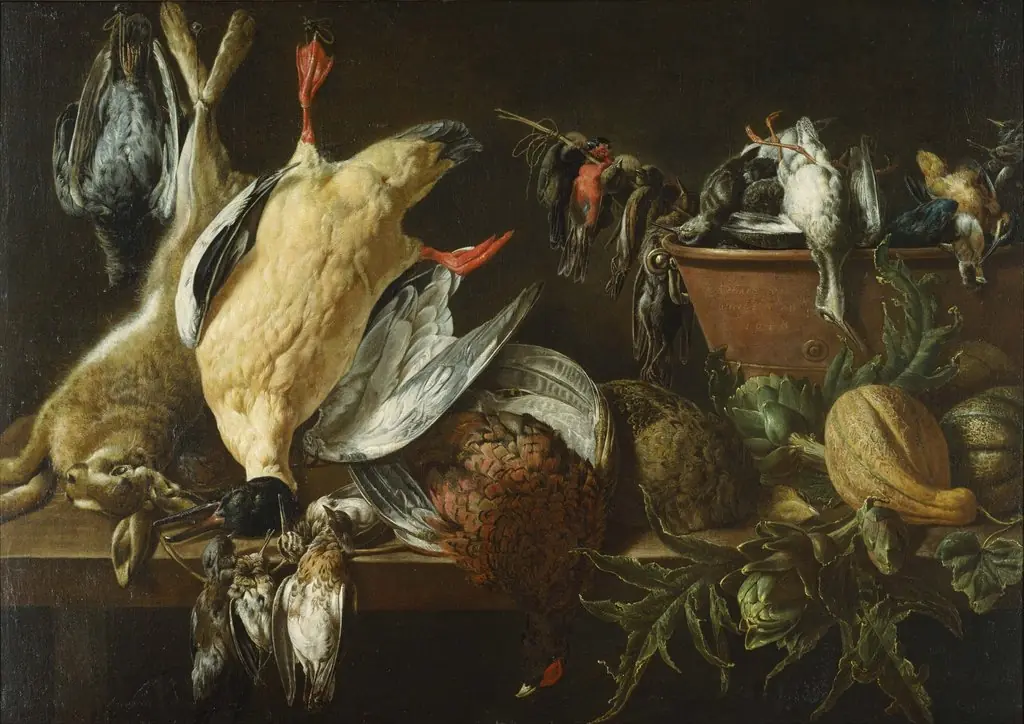
Still Life with Game Fowl is an unspecified painting by the Dutch Golden Age artist Herman van Vollenhoven. It dates from 1615 and is held in the collection of the Museo del Prado.
About this work
Subject & Meaning
The composition is housed in the Museo del Prado, where it remains part of the museum's collection of 17th‑century still‑life works.
The painting presents a modest arrangement of game fowl on a tabletop, a subject that underscores themes of abundance and the fleeting nature of material pleasures. Symbolic elements such as the birds' plumage and the surrounding tableware reference both the prosperity of the Dutch Golden Age and the transitory character of earthly possessions. Herman van Vollenhoven's work captures a moment of domestic tranquility, inviting viewers to contemplate the interplay between nature's bounty and the impermanence of life.
The composition is housed in the Museo del Prado, where it remains part of the museum's collection of 17th‑century still‑life works.
Technique & Style
The work is classified as a painting, depicting a still life genre scene centered on a table. It is held in the Museo del Prado collection. Recorded dimensions are 26 cm in height by 36 cm in width, indicating a small-scale panel or canvas format typical of early seventeenth-century Dutch still life production.
The available sources confirm only the broad classification, modest dimensions, and subject matter; they do not specify the medium (oil versus another binder), the support (panel, canvas, or copper), pigment handling, brushwork, or current condition. Consequently, no further claims about technique, materials, surface preparation, stylistic manner, or state of preservation can be grounded in the provided evidence.
History & Provenance
Still Life with Game Fowl was created by the Dutch artist Herman van Vollenhoven. The work dates to 1615, a year confirmed by internal records, though some datasets suggest a broader creation window extending to 1619. The painting currently resides in the collection of the Museo del Prado in Madrid.
No specific details regarding its original commission, early ownership history, or the chain of custody prior to its arrival at the Prado are provided in the available sources.
Still Life with Game Fowl is held in the collection of the Museo del Prado, where it is recorded under the inventory number P00968. The work was painted in 1615 by Herman van Vollenhoven, a detail confirmed by both the corpus entry and the Wikidata record. Its exhibition history includes a presentation in the Prado’s Spanish Baroque galleries in 2004 and inclusion in the 2010 exhibition "Baroque Mastery: Dutch and Flemish Paintings," both documented in the museum’s provenance notes.
Overview
Created in 1615, this oil painting by Dutch artist Herman van Vollenhoven presents a quiet tableau of avian remains arranged on a tabletop. The work belongs to the still‑life genre, focusing on inanimate objects rendered with careful observation. It is part of the collection of the Museo del Prado, where it is displayed among other early‑17th‑century Dutch pieces.
Own this work as a print
Artist & collection