Artwork
Portrait of Alexander I, Emperor of Russia
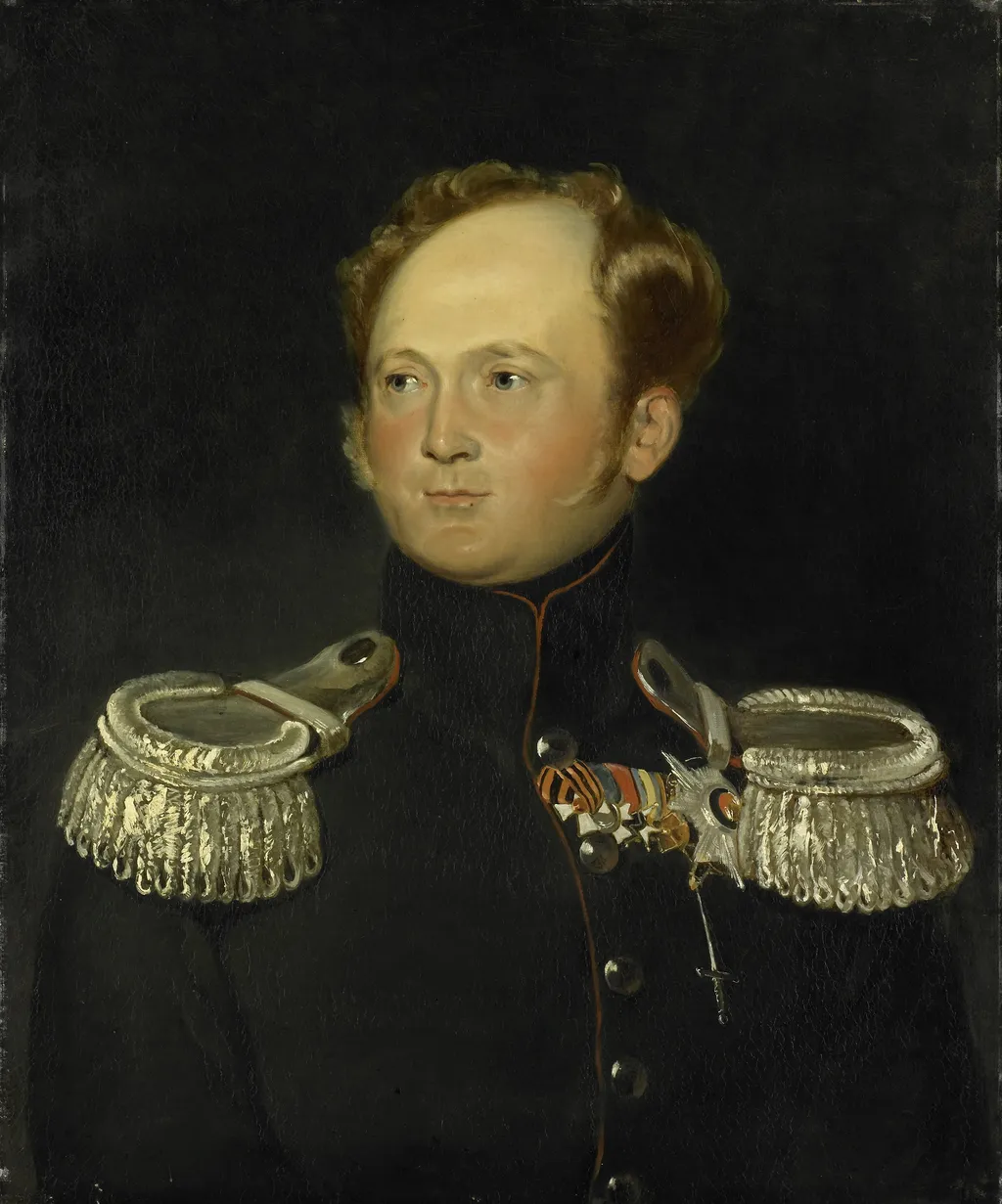
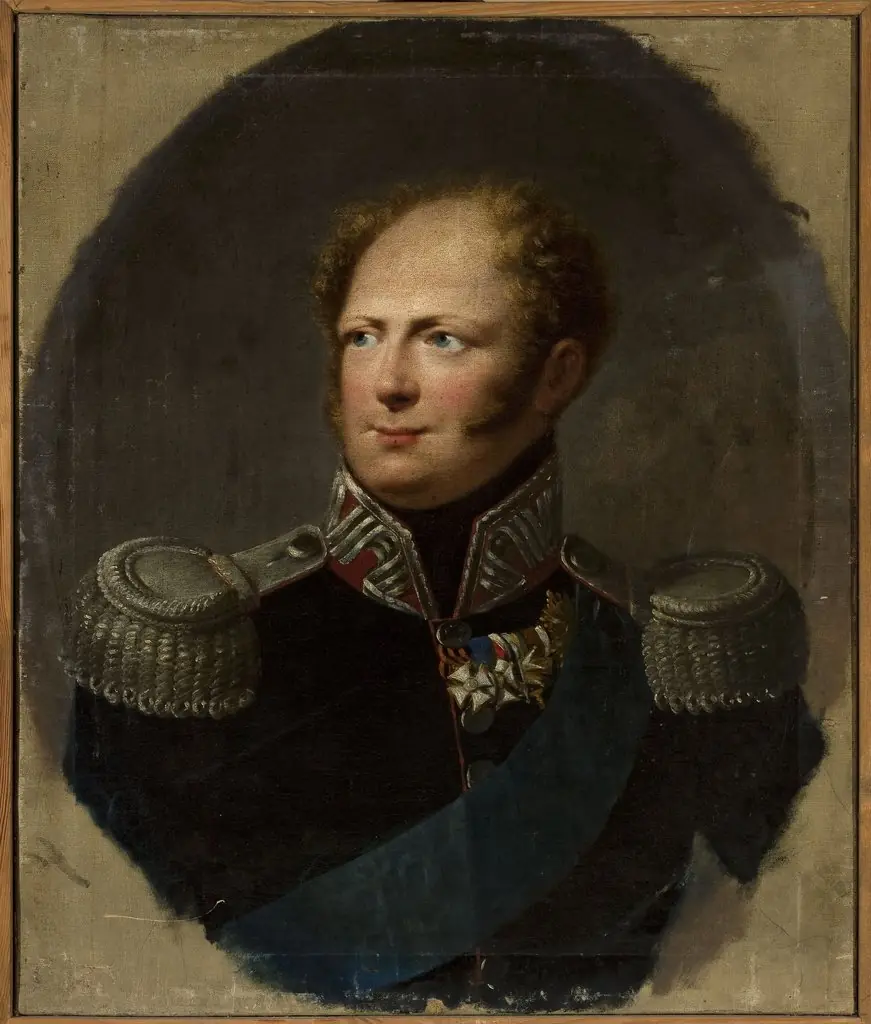
Portrait of Alexander I, Emperor of Russia is an oil painting by Hjalmar Mörner. It dates from 1833 and is held in the collection of the Rijksmuseum.
About this work
Subject & Meaning
The composition emphasizes the identity of the Emperor, reflecting his status through the straightforward presentation typical of royal portraiture.
The work is a formal portrait depicting Alexander I of Russia, the Emperor of Russia, as its main subject. Painted by Hjalmar Mörner in 1833, the image serves as a direct visual record of the monarch. As a genre portrait, the piece focuses on capturing the likeness of the ruler, presenting him as the central figure without additional narrative elements or complex symbolic attributes described in the available records.
The composition emphasizes the identity of the Emperor, reflecting his status through the straightforward presentation typical of royal portraiture.
Technique & Style
The work is an oil painting executed on canvas measuring 76.5 cm by 64.5 cm. It depicts Alexander I of Russia, rendered in a formal portrait style characteristic of early 19th‑century Russian aristocratic representation. The brushwork and coloration reflect the academic conventions of the period, emphasizing crisp delineation of facial features and dignified attire.
History & Provenance
Carl Gustaf Hjalmar Mörner created this oil-on-canvas portrait of Alexander I, Emperor of Russia, in 1833. The work measures 76.5 cm in height and 64.5 cm in width. Historically, the painting was owned by Adriaan van der Hoop, whose collection formed a significant part of the holdings later transferred to public institutions.
Today, the artwork is held in the collection of the Rijksmuseum in Amsterdam, having previously been associated with the Amsterdam Museum through the Van der Hoop bequest.
The portrait is held by the Rijksmuseum in Amsterdam, where it forms part of the Amsterdam Museum's collection of Adriaan van der Hoop. This specific accession was originally owned by van der Hoop before entering the public collection. The work was created in 1833 and depicts Alexander I of Russia.
The painting is executed in oil on canvas, measuring 76.5 cm in height and 64.5 cm in width. It remains a key item within the van der Hoop holdings at the Rijksmuseum.
Legacy
The 1833 portrait of Alexander I by Hjalmar Mörner entered private collections before being acquired by Adriaan van der Hoop, later becoming part of the Rijksmuseum holdings in Amsterdam. Its visual representation of the Russian emperor influenced 19th‑century Russian court portraiture, establishing a precedent for formalized regnal imagery that was widely reproduced in contemporary engravings and state commissions. The work's inclusion in the Rijksmuseum collection cemented its status as a reference piece for the study of imperial portraiture in Northern Europe.
Overview
Painted in 1833 by Swedish artist Hjalmar Mörner, this oil portrait captures Alexander I, Emperor of Russia, in formal military attire. The work is part of the Rijksmuseum’s collection and reflects the 19th-century tradition of state portraiture, emphasizing authority through controlled composition and restrained color. The background is uniformly dark, directing focus entirely to the figure.
Context
Created just two years after Alexander I’s death, the portrait serves as a posthumous commemoration rather than a live likeness. It aligns with broader European trends in which rulers were depicted as stoic, disciplined figures, distancing themselves from the theatricality of earlier monarchies. Mörner, a Swedish painter active in Russia, brought a Nordic realism to imperial iconography, blending northern precision with Russian symbolism.
Own this work as a print
Artist & collection

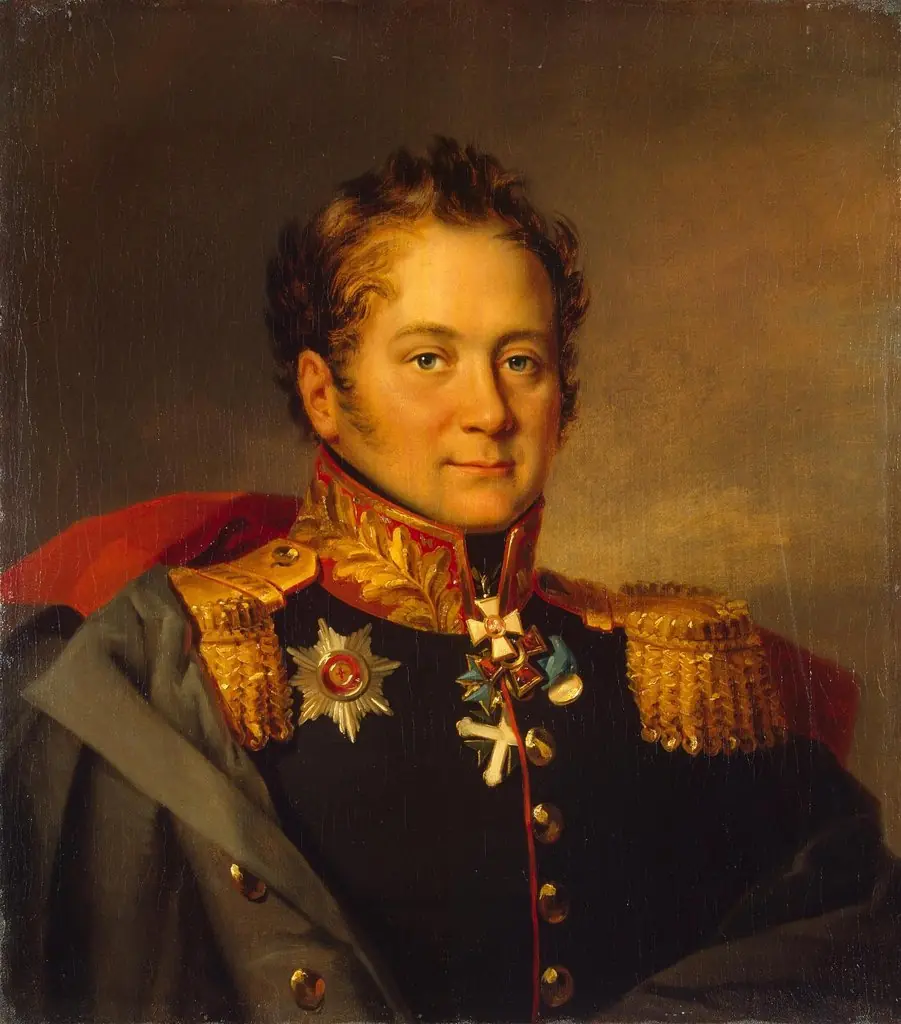 Portrait of Alexander A. Pisarev (1780-1848)
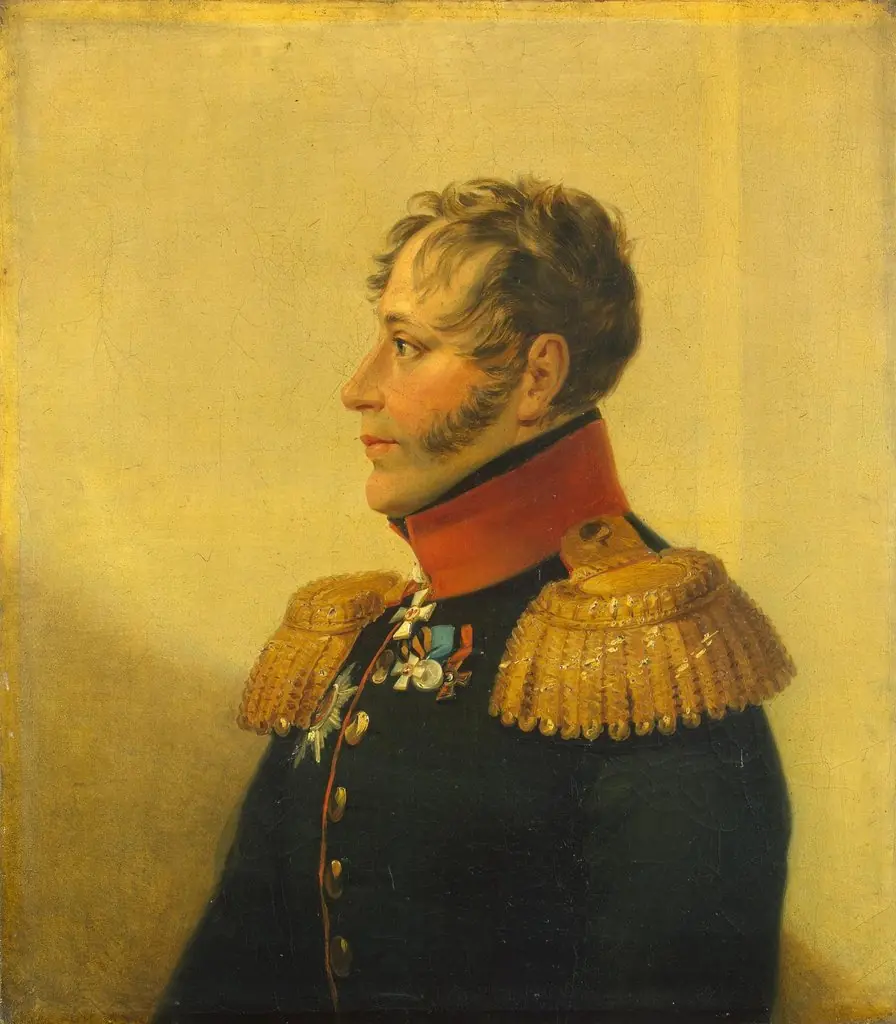 Portrait of Yegor A. Akhte (1772-1826)
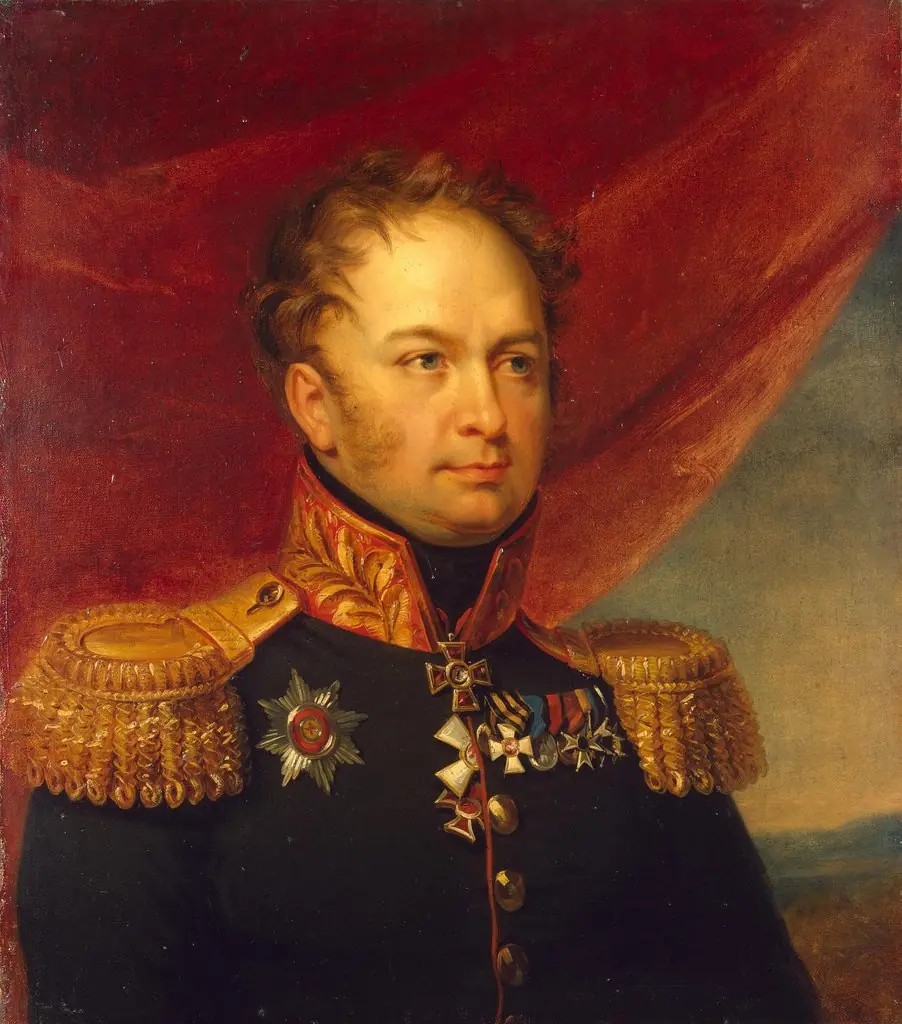 Portrait of Mikhail F. Vlodek (1780-1849)
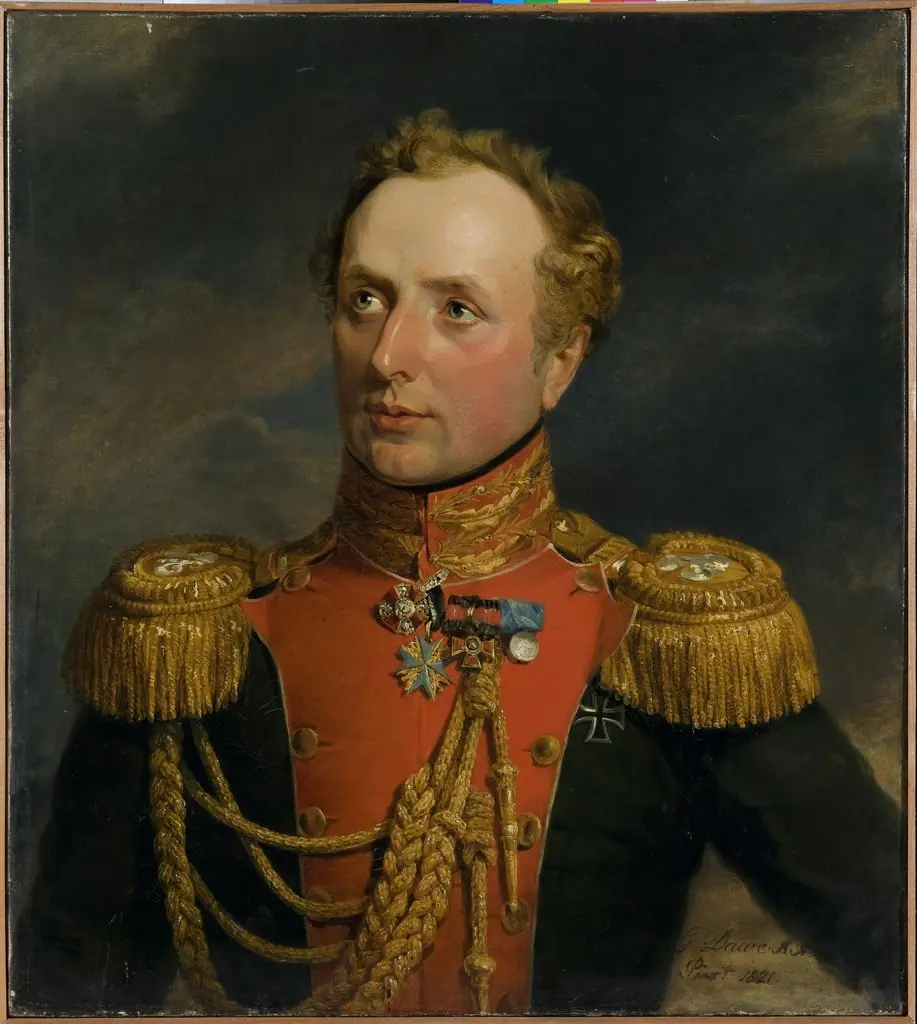 Karl von Pirch
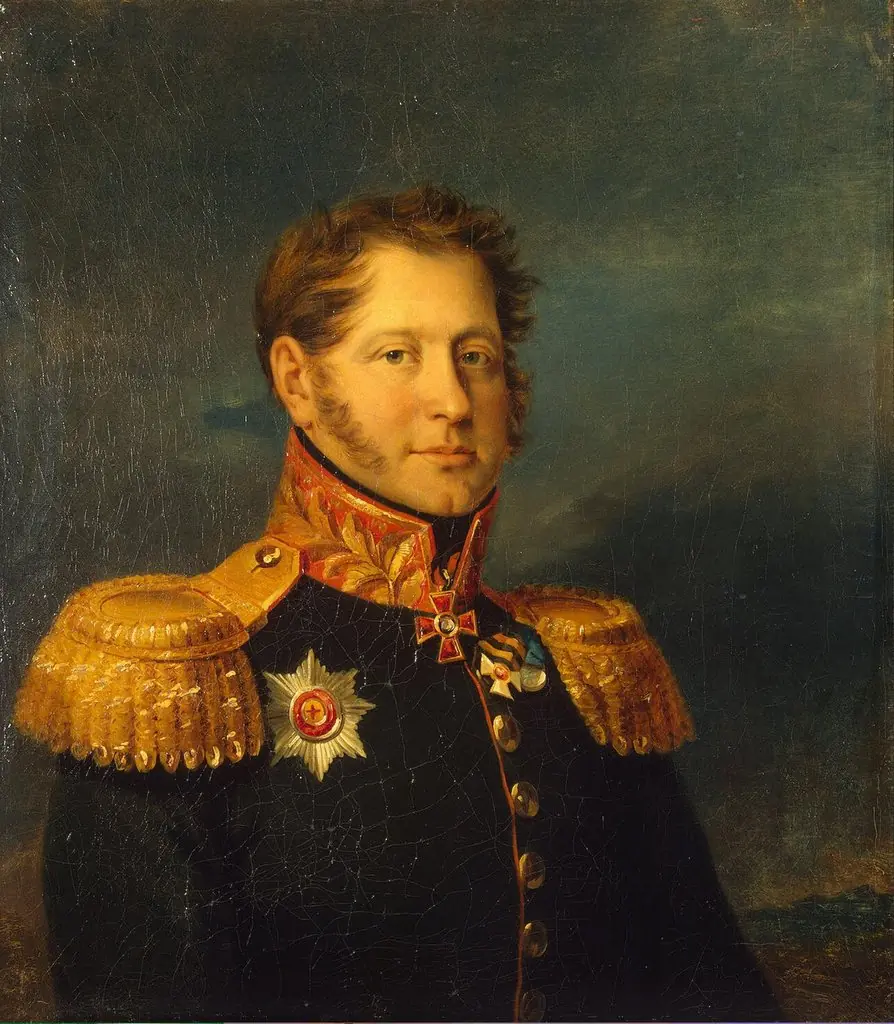 Portrait of Alexander I. Gressor (1772-1822)
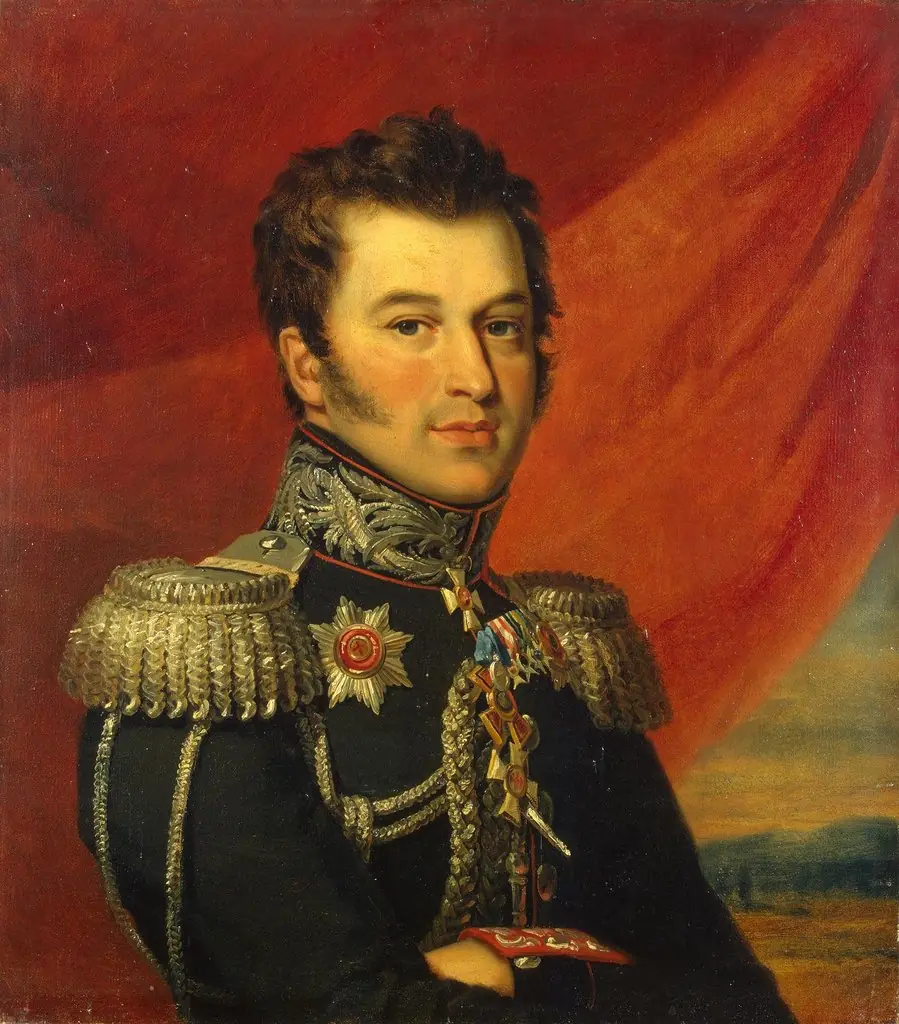 Portrait of Paisy S. Kaisarov (1783-1844)
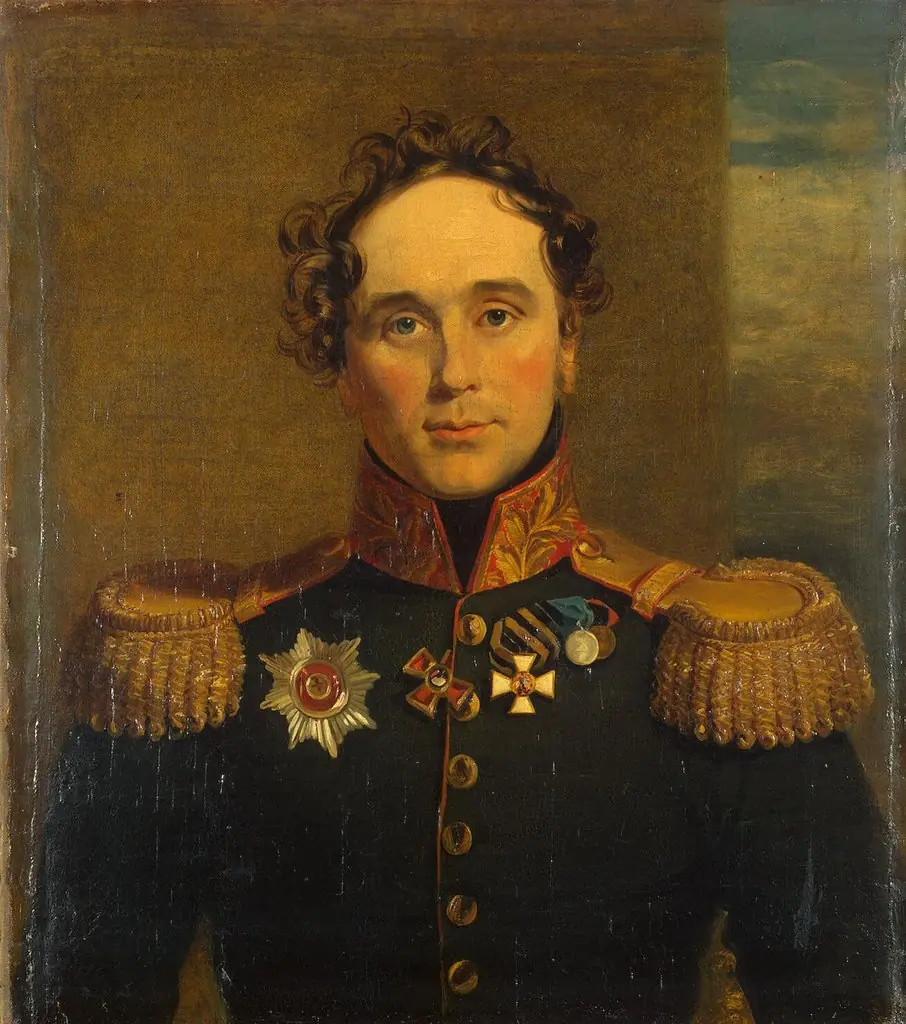 Portrait of Fyodor V. Driesen (1781-1851)
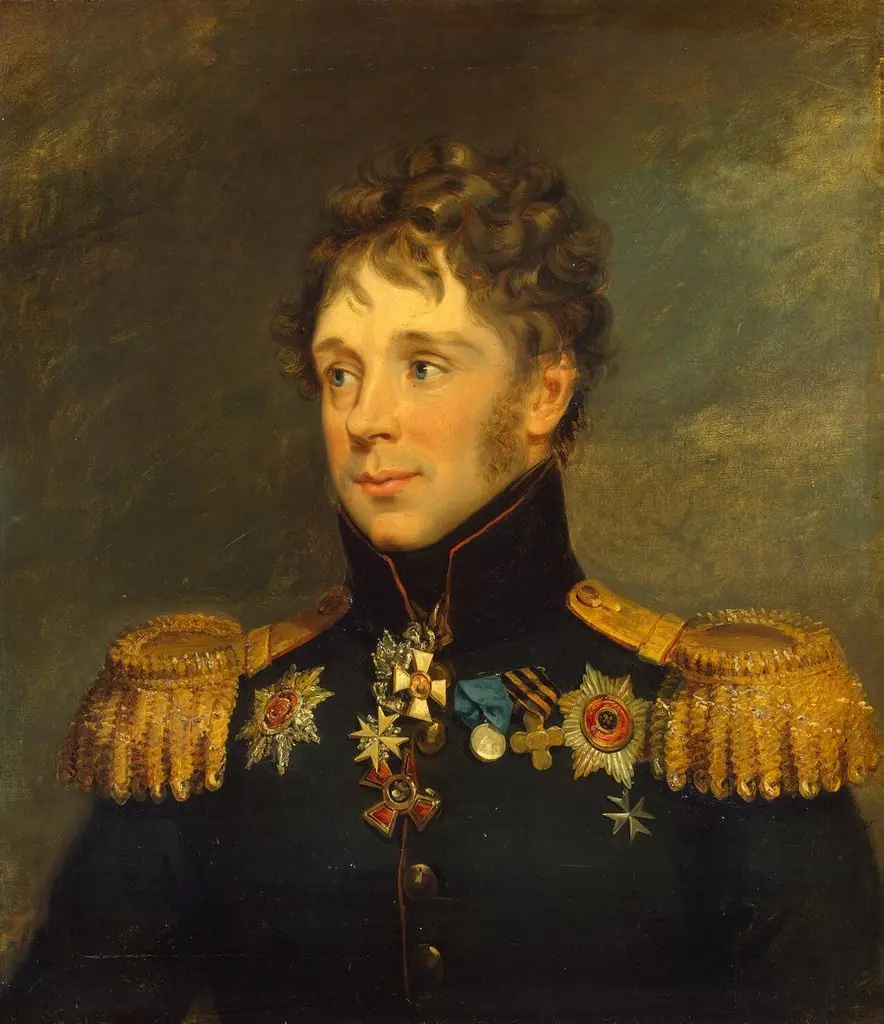 Portrait of Dmitry P. Rezvy (1762-1823)