Artwork
Portrait of Alexander I Romanov (1777-1825)
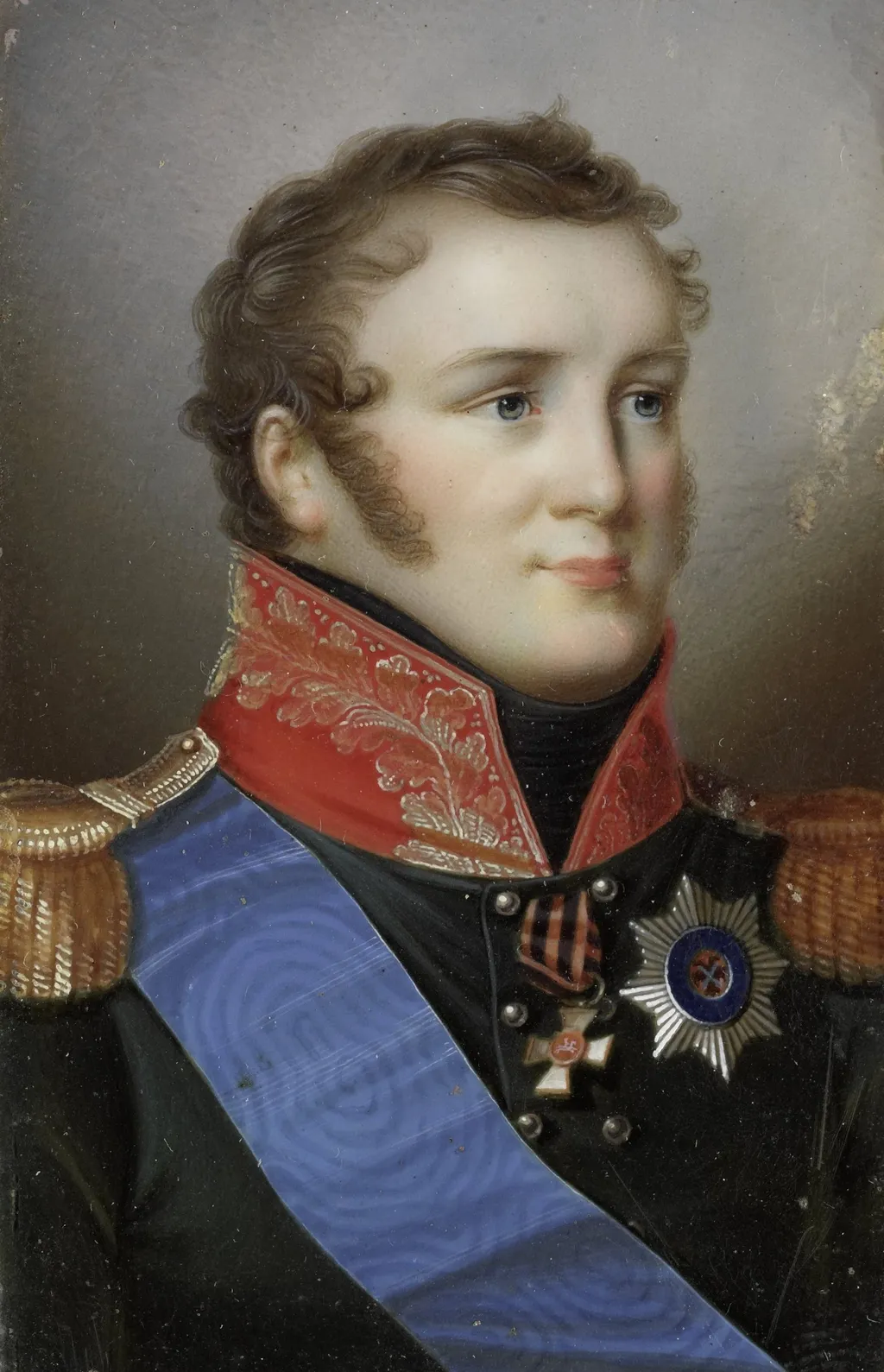
Portrait of Alexander I Romanov (1777-1825) is an ivory painting by the Neoclassicist artist Johann Dominik Bossi. It dates from 1810 and is held in the collection of the Rijksmuseum.
About this work
Technique & Style
Created in 1810, this portrait of Alexander I was executed by Johann Dominik Bossi on an ivory support.
Created in 1810, this portrait of Alexander I was executed by Johann Dominik Bossi on an ivory support. The work is classified as a painting, distinguishing it from traditional oil or watercolor canvases by utilizing the smooth, lustrous surface of the mineral material. The finished object measures 7.4 cm in height and 4.5 cm in width, resulting in a small-scale, intimate format typical of miniature portraiture on ivory. The piece currently resides in the collection of the Rijksmuseum in Amsterdam.
History & Provenance
The ivory portrait of Alexander I of Russia was created by Johann Dominik Bossi in 1810. This work, measuring 7.4 cm in height and 4.5 cm in width, depicts the Russian emperor and is classified as a portrait painting. The piece is currently held in the collection of the Rijksmuseum in Amsterdam, formerly known as the Nederlandsch Museum voor Geschiedenis en Kunst.
No specific details regarding the original commission, the patron who ordered the work, or the intermediate ownership chain are provided in the available records.
Overview
Johann Dominik Bossi created a miniature portrait of Emperor Alexander I of Russia in 1810, rendering the image on a carved piece of ivory. The work exemplifies the neoclassical aesthetic favored in early‑19th‑century portraiture, presenting the ruler in a composed, dignified pose.
Subject & Meaning
The sitter is Alexander I, shown in a red military coat edged with gold embroidery, a blue sash, and an array of medals that denote his imperial and military status. His short, neatly arranged dark hair and steady gaze convey a sober, authoritative presence rather than personal warmth.
Context
In the early 1800s, miniature portraits on ivory were prized for their portability and intimate scale, often serving as diplomatic gifts or personal keepsakes. Depicting a reigning monarch in such a format underscores both the prestige of the sitter and the artist’s reputation among European courts.
Legacy
The work remains a representative example of Bossi’s skill in miniature painting and of the neoclassical portrait tradition. Its survival on ivory provides insight into the material preferences and artistic networks that linked Russian imperial patronage with Western European artists of the period.
Own this work as a print
Artist & collection
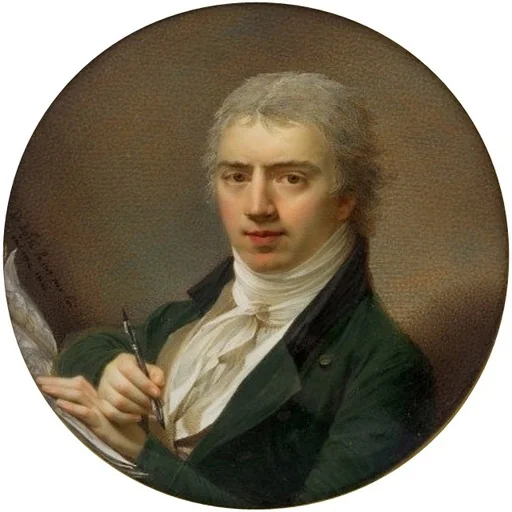
Artist
Johann Dominik Bossi (1767–1853), also known as Domenico Bossi, was a painter. Bossi, a student of Giovanni Domenico Tiepolo, was born in Trieste and worked primarily as a miniaturist in Germany, Austria, Sweden and…

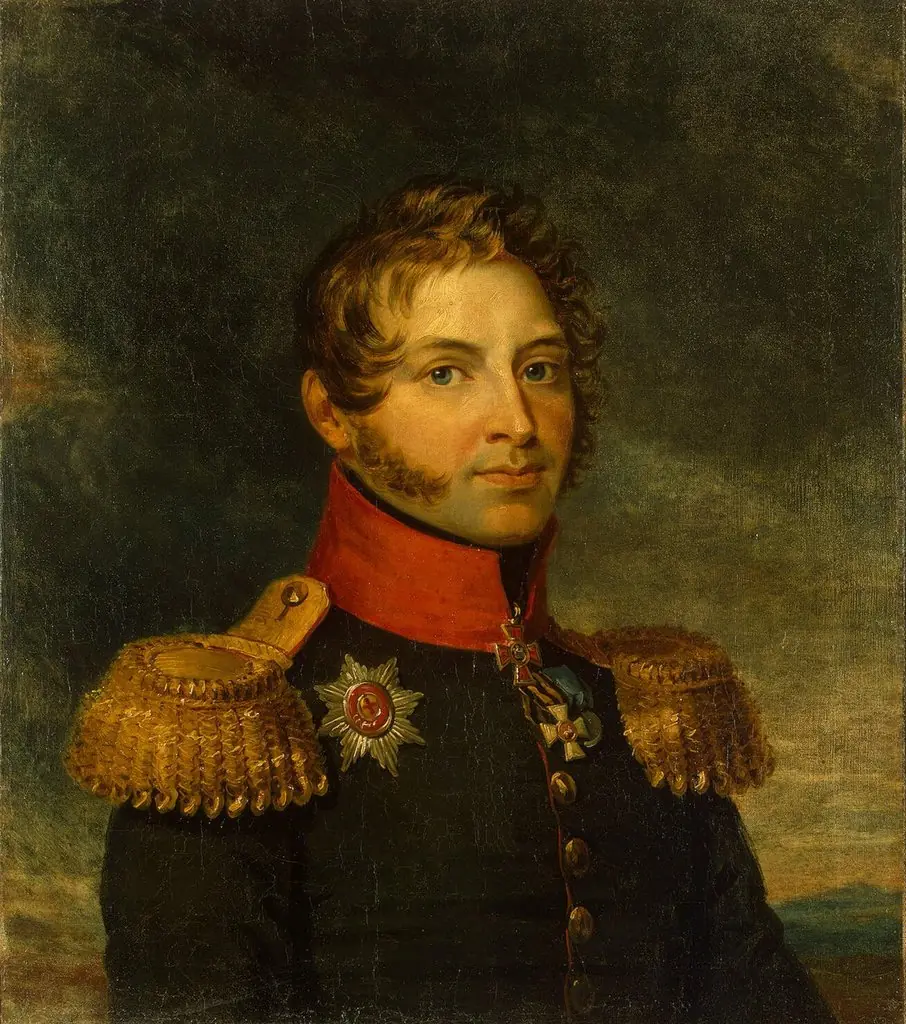
- Portrait of Alexander P. Kutuzov (1777-1817)
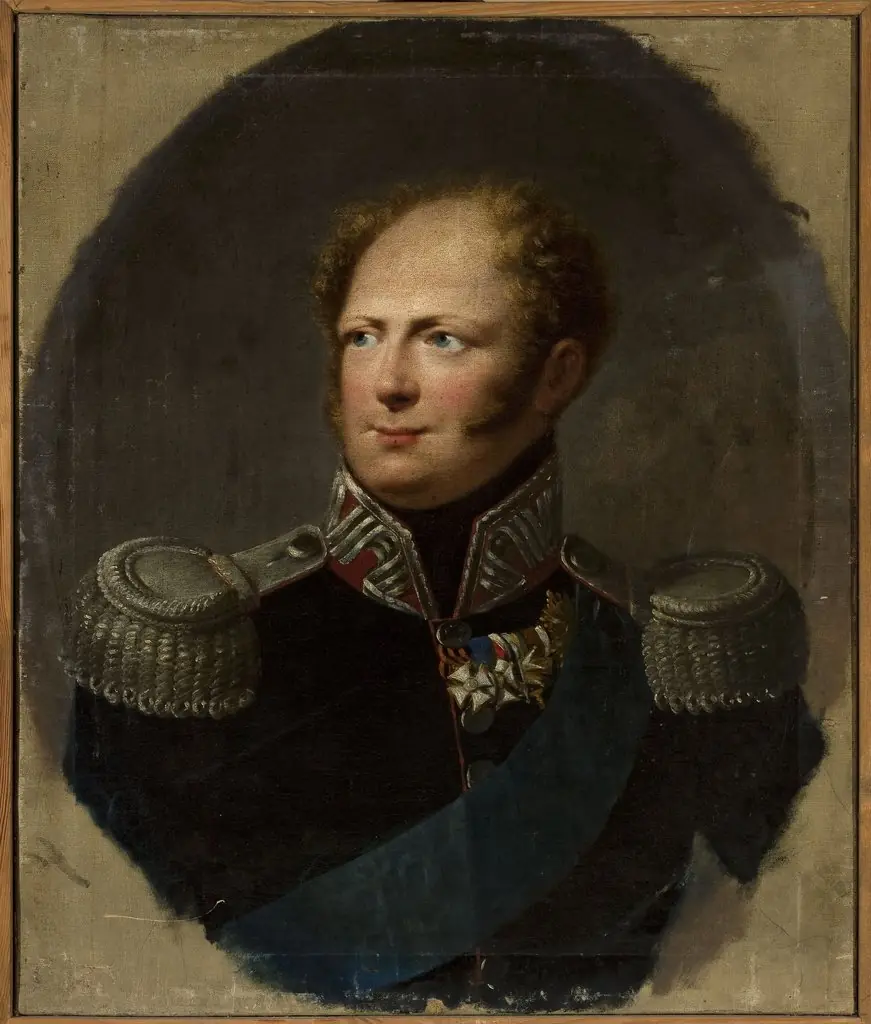 Portrait of Tsar Alexander I
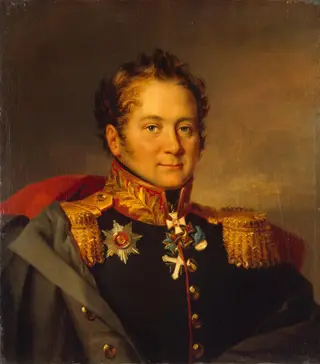 Portrait of Alexander A. Pisarev (1780-1848)
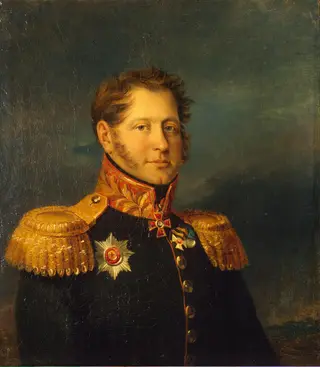 Portrait of Alexander I. Gressor (1772-1822)
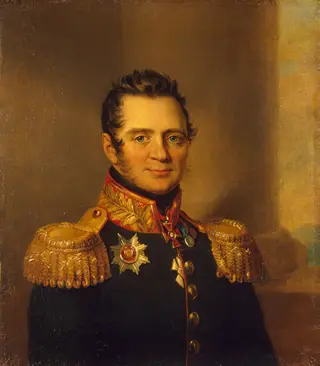 Portrait of Alexander P. Urusov (1768-1835)
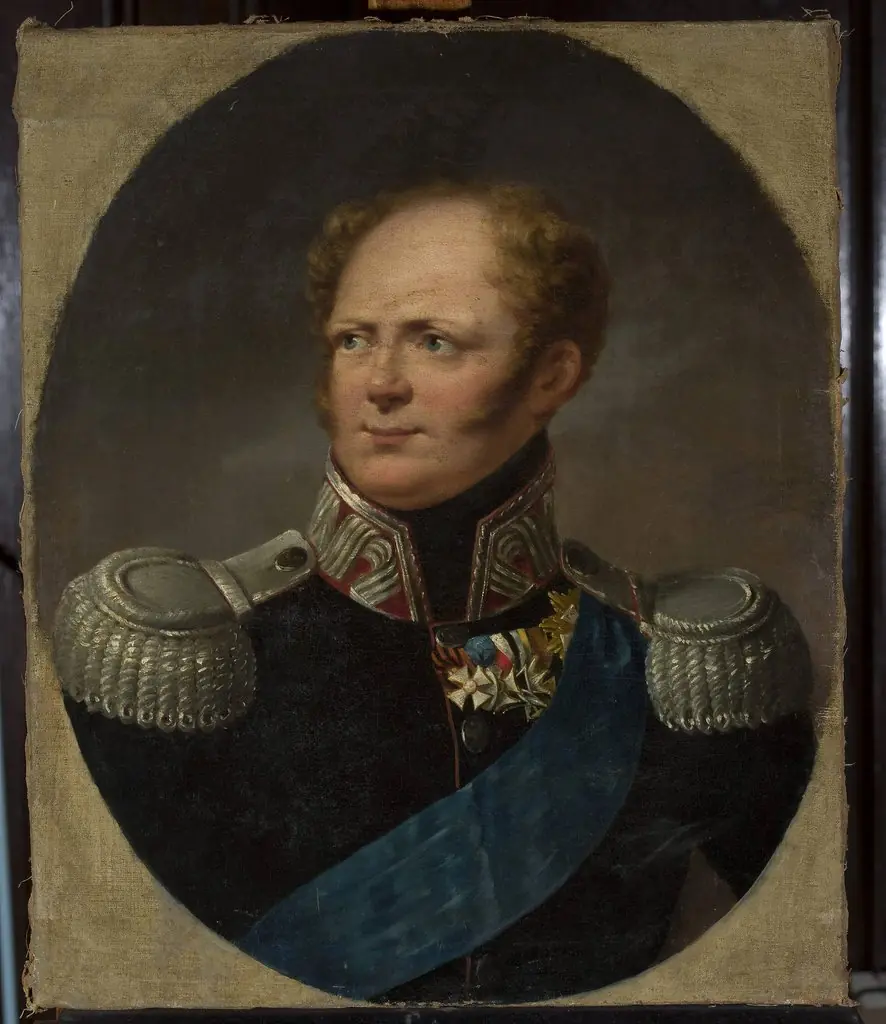 Portrait of Tsar Alexander I
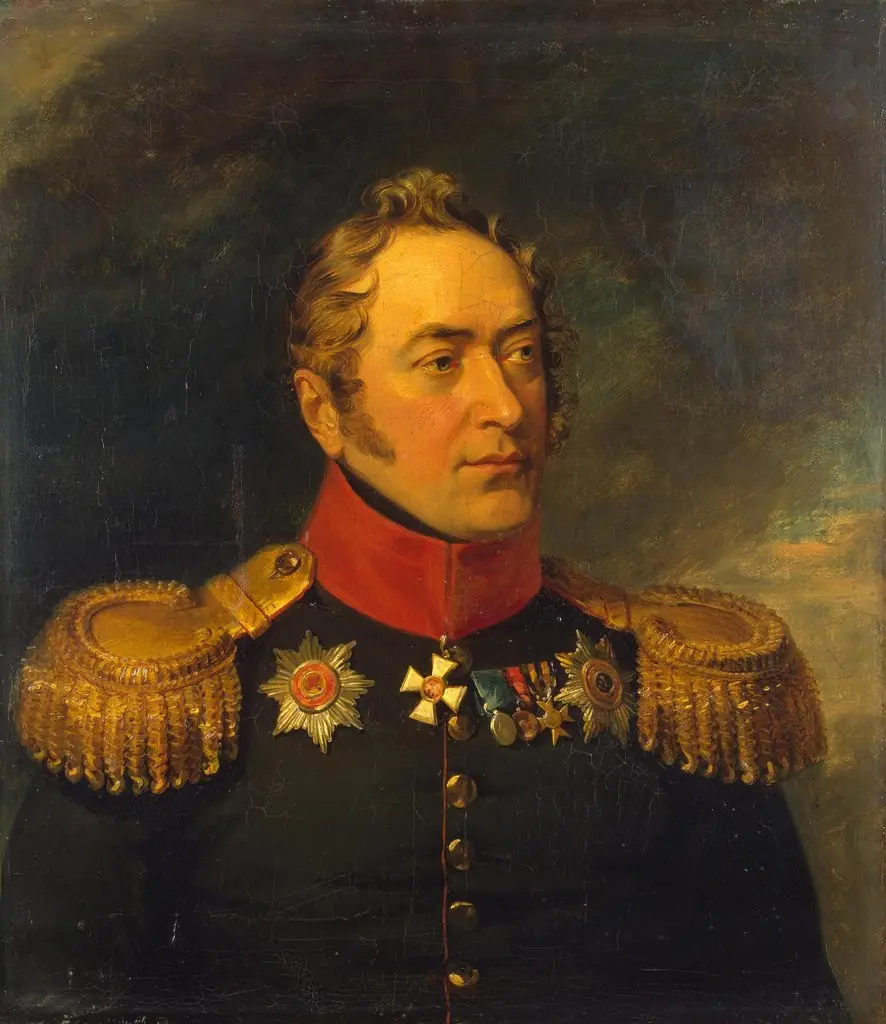 Portrait of Nikolai N. Khovansky (1777-1837)
 Portrait of Tsar Nicholas I
 Portrait of Alexander I. Yushkov (1781 - after 1839)