Artwork
Portrait of Alexander I. Gressor (1772-1822)
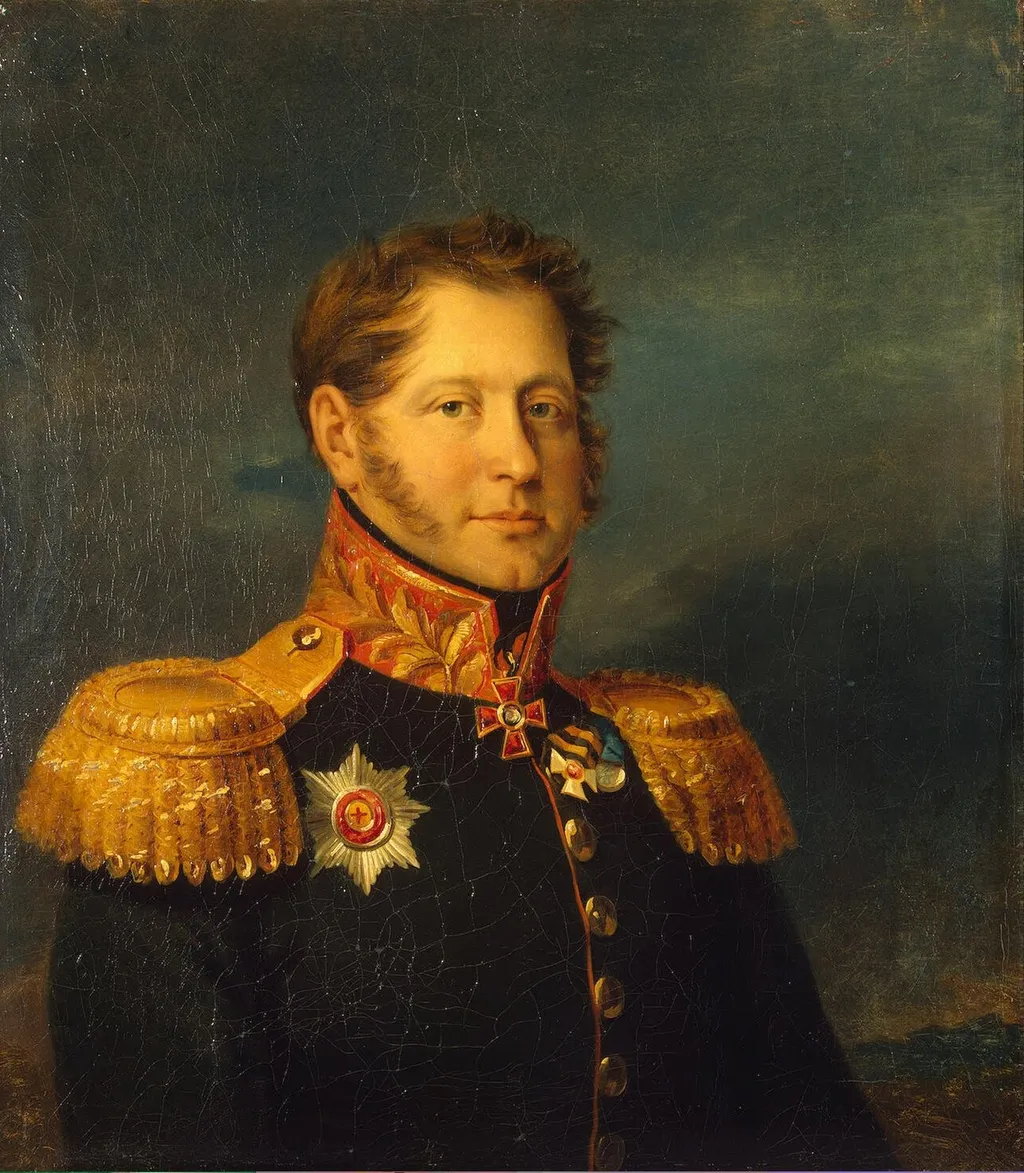
Portrait of Alexander I. Gressor (1772-1822) is an oil painting by the French Romanticist artist Unknown. It dates from 1823 and is held in the collection of the Hermitage Museum. This oil painting presents a formal portrait of Alexander I.
About this work
Overview
This oil painting presents a formal portrait of Alexander I. Gressor, a military figure active in the late 18th and early 19th centuries. Dressed in a dark uniform with gold embellishments and a red collar, he is rendered with restrained elegance. The muted background and solemn posture emphasize his rank and composure, avoiding decorative distraction to focus on his presence and status.
Subject & Meaning
Alexander I. Gressor is depicted as a decorated officer, his attire signaling service and distinction. The red-cross medal and star-shaped badge denote honors received, likely for military or civic merit. His serious expression and direct gaze convey duty and gravitas, reflecting the values of discipline and honor expected of his position in the era’s military hierarchy.
Technique & Style
The artist employs a traditional academic approach, using precise brushwork to define textures of fabric, metal, and skin. The dark, neutral background isolates the figure, enhancing the contrast of gold and red elements. Lighting is even and subtle, avoiding dramatic chiaroscuro to maintain a sense of quiet authority and controlled realism.
History & Provenance
The painting’s origins are tied to Gressor’s lifetime, likely commissioned by his family or military institution. Its survival suggests continued recognition of his service. While specific ownership records are limited, the portrait’s condition and style align with early 19th-century portraiture practices in Central or Eastern Europe, where such formal military depictions were common.
Context
Created during a period of military reorganization across Europe, this portrait reflects the era’s emphasis on institutional loyalty and visible rank. Uniforms and medals served as public markers of service, and portraiture was a key medium for affirming social standing. Gressor’s image fits within a broader trend of dignified military representation in post-Napoleonic societies.
Legacy
The portrait endures as a record of an individual whose public role was defined by service and decorum. Though Gressor is not widely known today, the painting preserves the visual language of military identity in his time. It contributes to the historical documentation of lesser-known officers who upheld the structures of their era’s armed forces.
Artist & collection









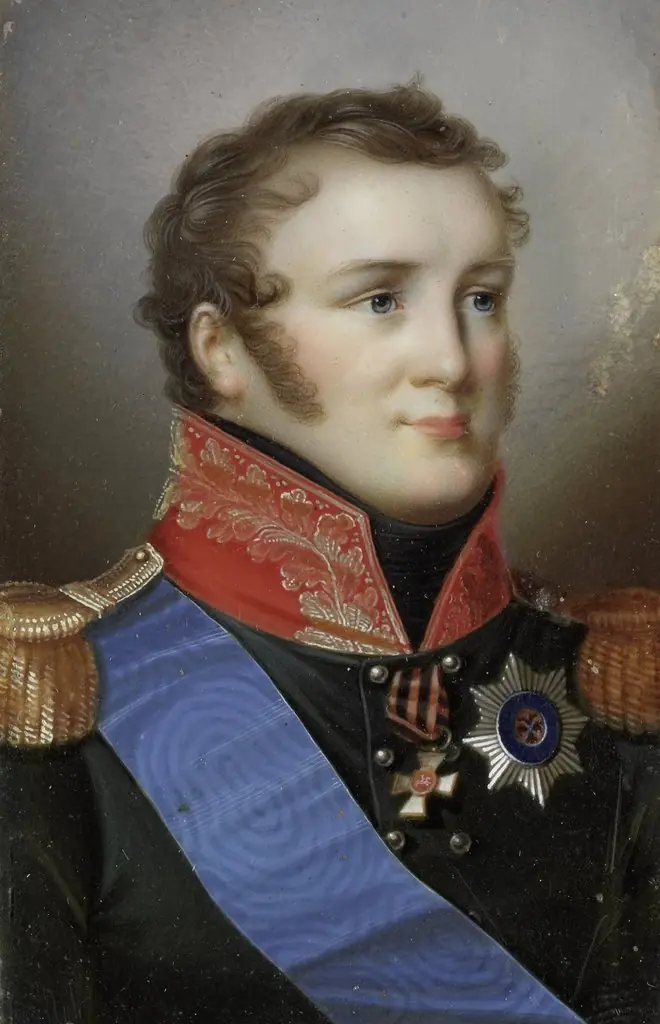
- Portrait of Alexander I Romanov (1777-1825)
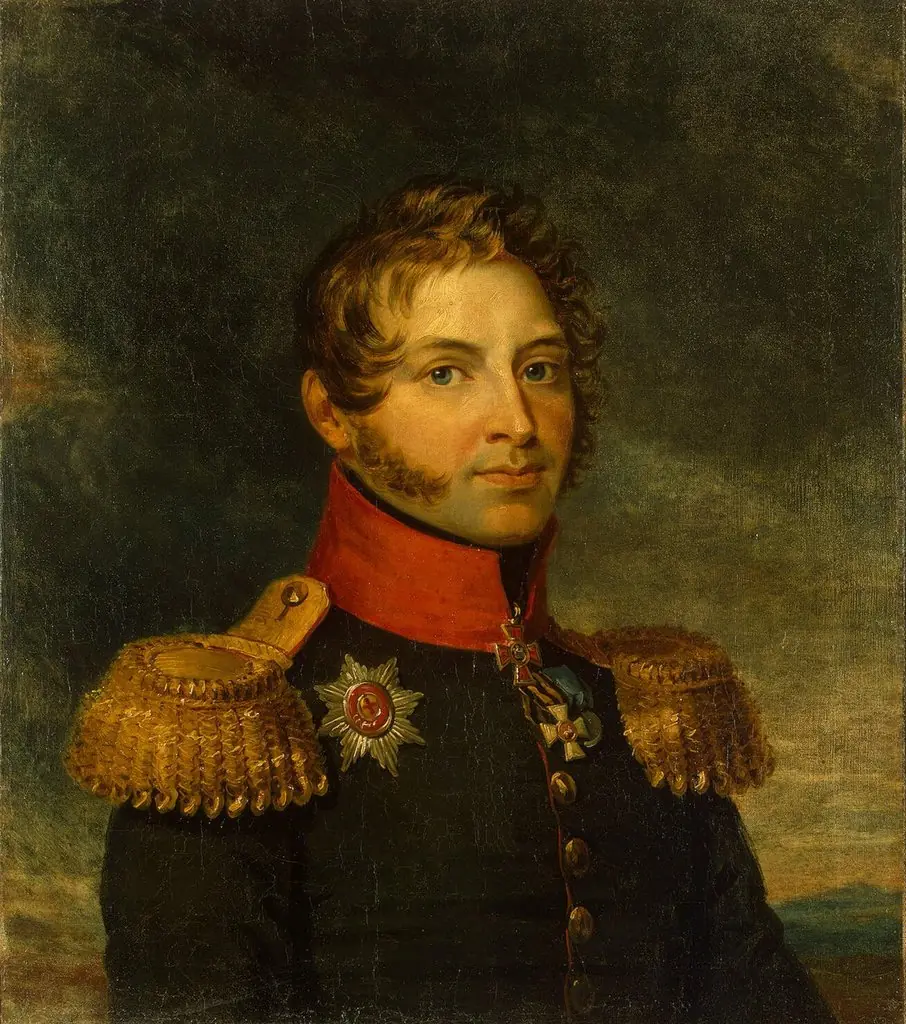 Portrait of Alexander P. Kutuzov (1777-1817)
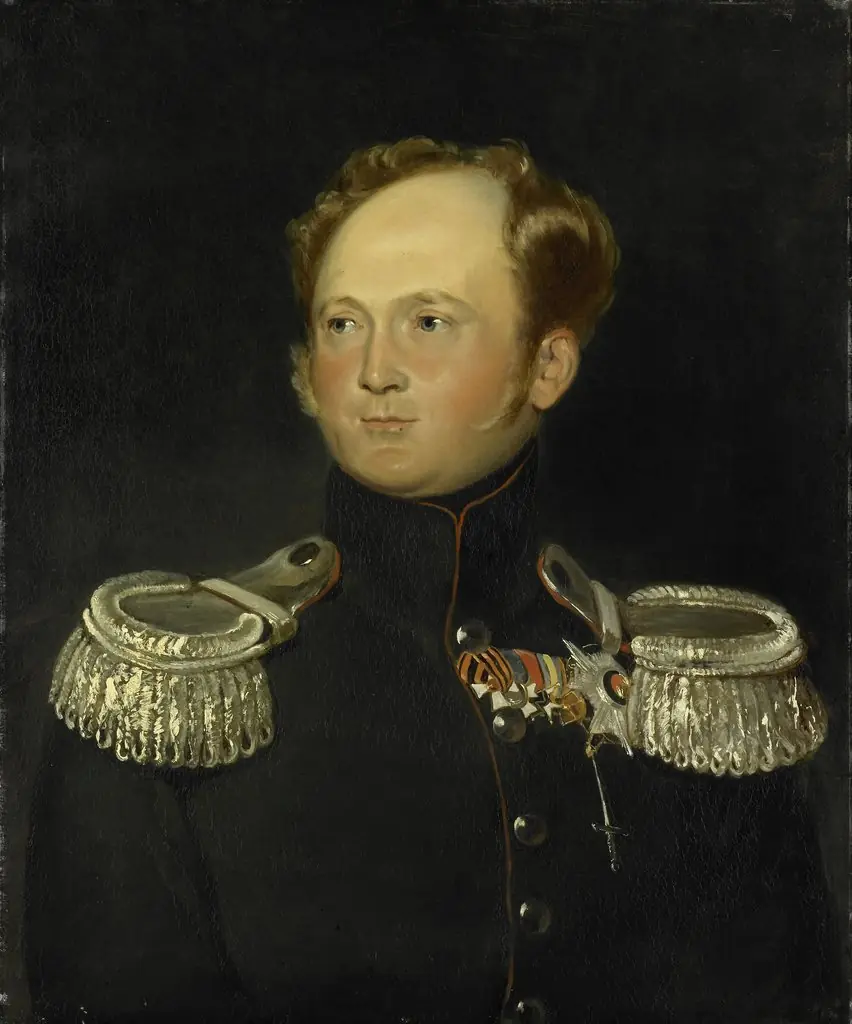 Portrait of Alexander I, Emperor of Russia
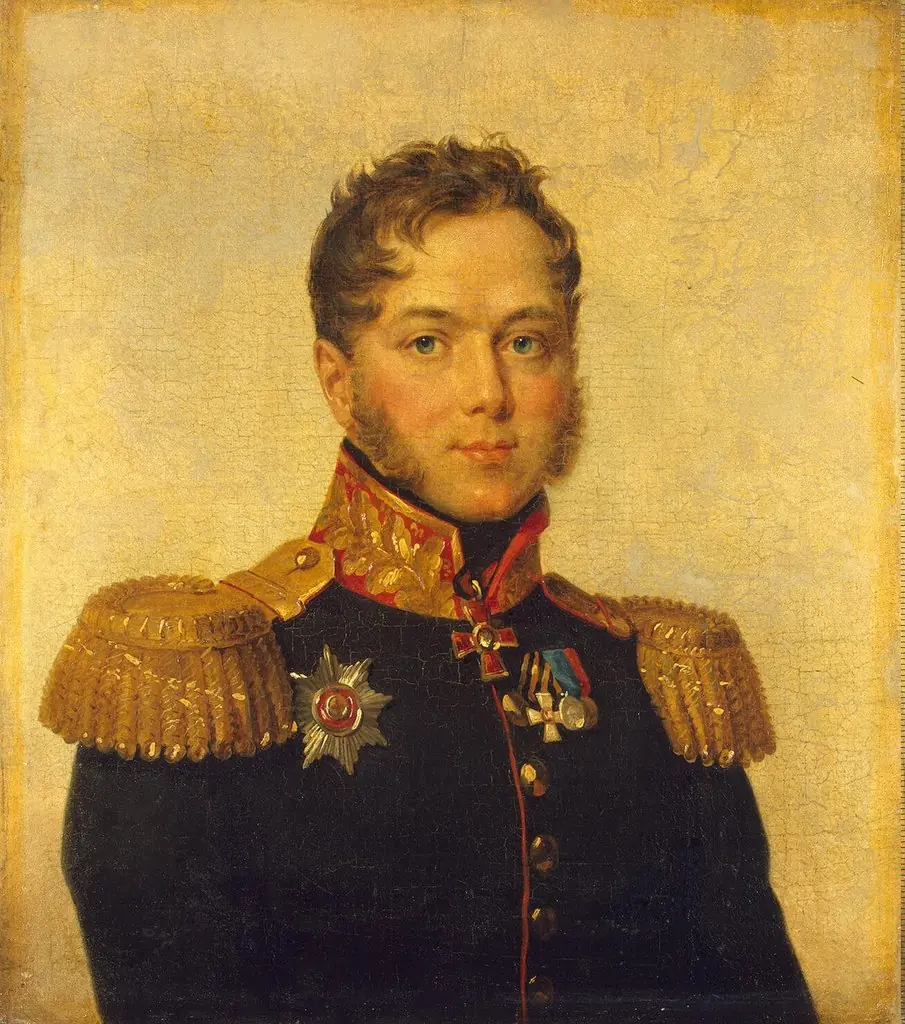 Portrait of Alexander N. Berdyayev (1778-1824)
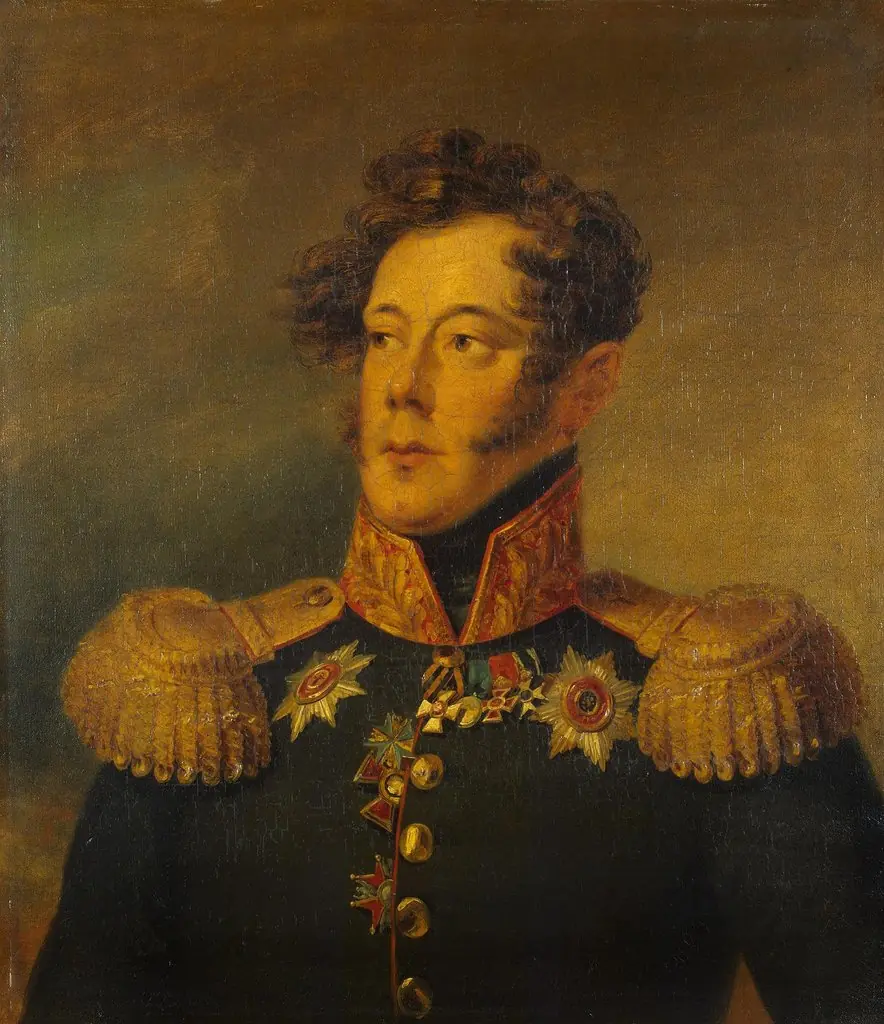 Portrait of Alexander I. Albrecht (1788-1828)
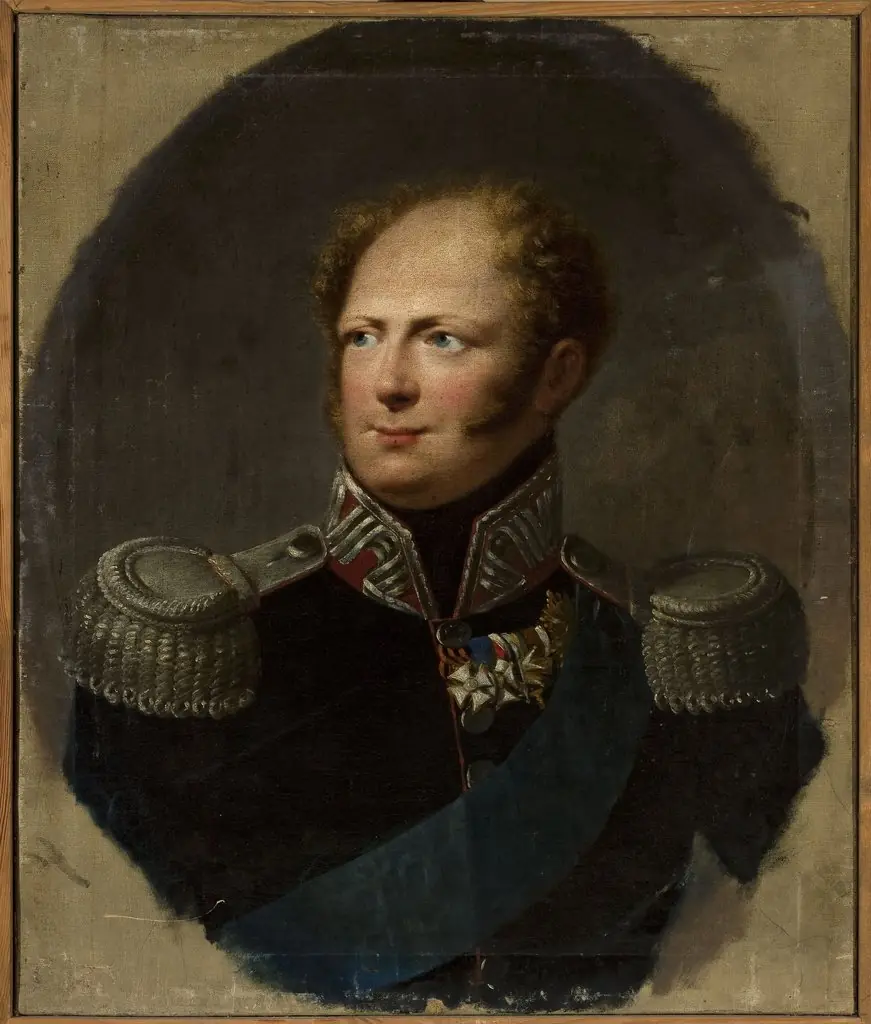 Portrait of Tsar Alexander I
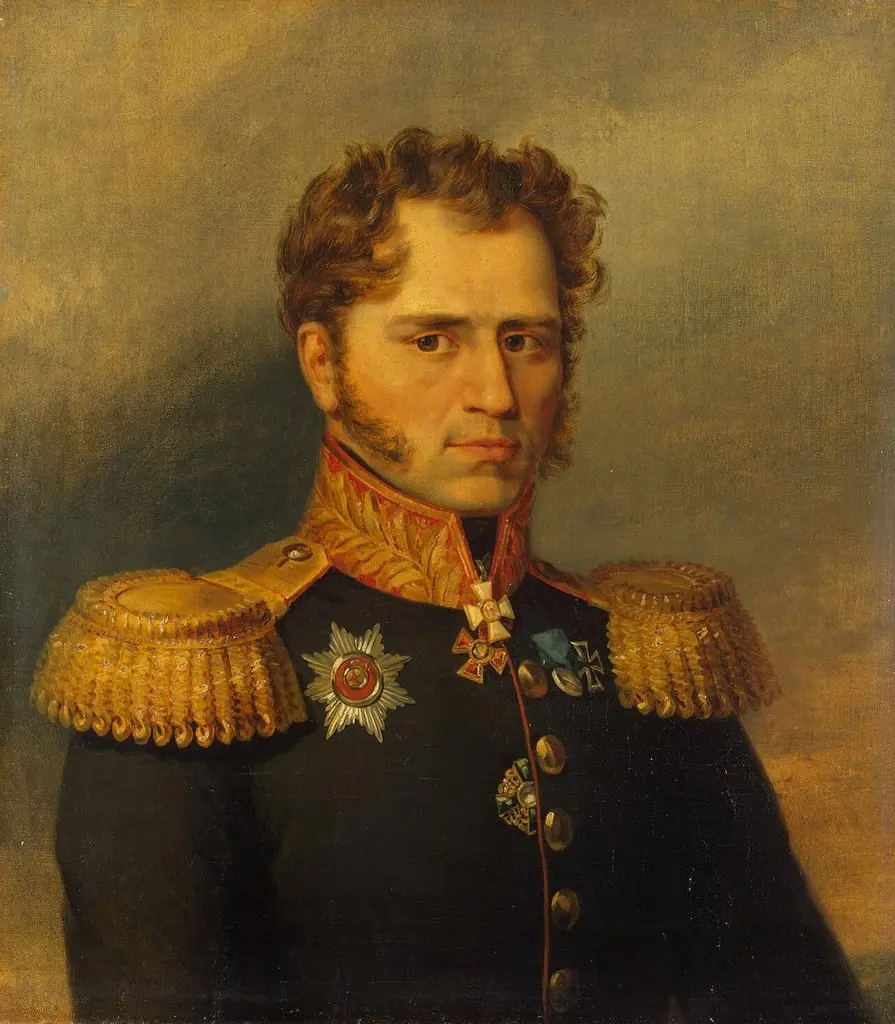 Portrait of Alexander I. Yushkov (1781 - after 1839)