Artwork
The Bruiser
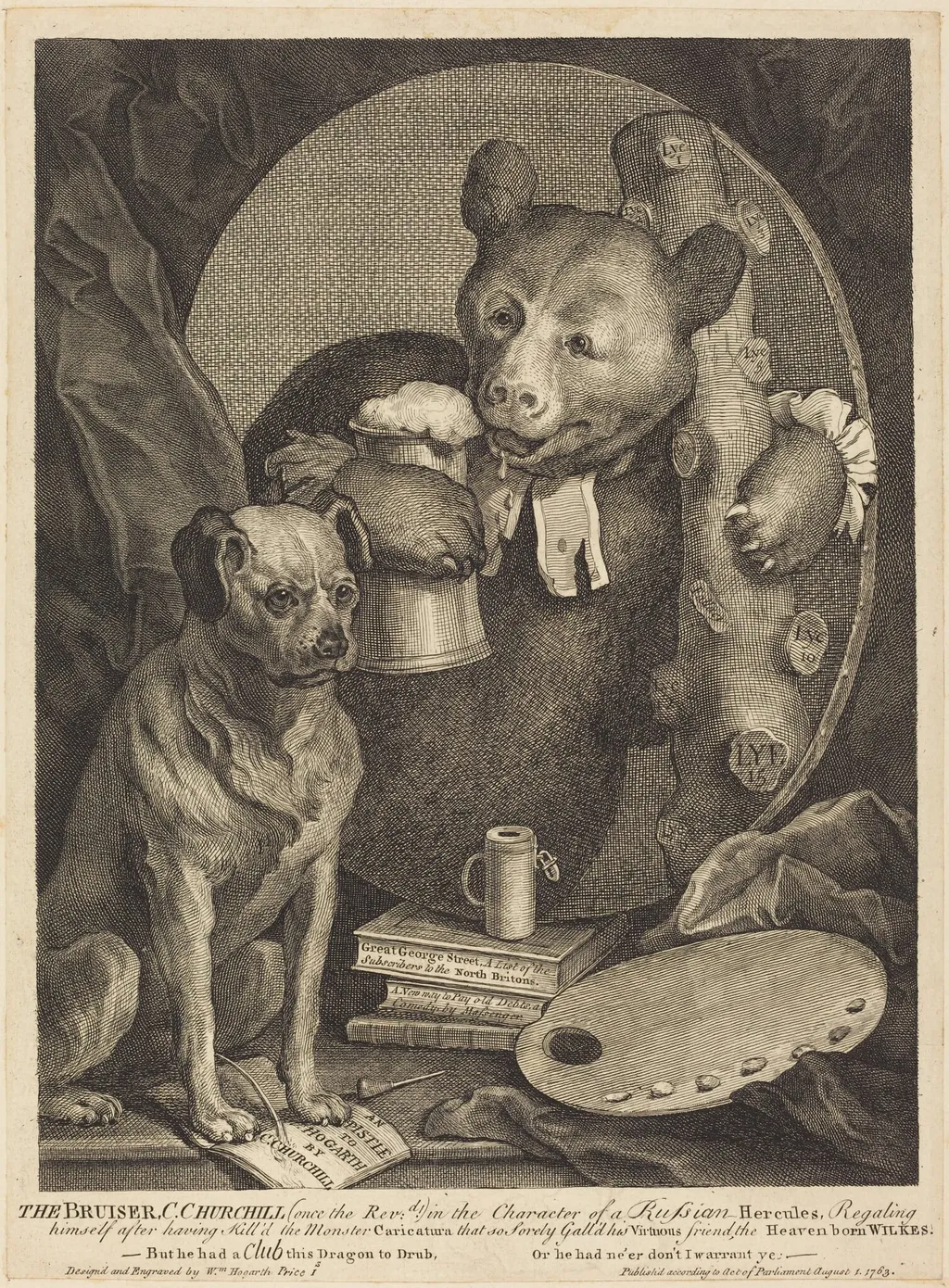
The Bruiser is an ink print by the Romanticist artist William Hogarth. It dates from 1763 and is held in the collection of the National Gallery of Art.
About this work
Overview
Created in 1763, The Bruiser is a print by the English artist William Hogarth, executed through a combination of etching and engraving. The image presents a coarse‑looking figure, distinguished by a pronounced nose and a scowling expression, embodying the rough vigor suggested by its title.
Subject & Meaning
The central figure is rendered as a tough, unrefined man, his posture and grimace communicating a sense of brute force. Hogarth often employed such characters to critique social types, and the work’s visual emphasis on hardness aligns with his broader interest in moral and societal commentary.
Technique & Style
Hograil’s process merges etched lines with engraved details, allowing both delicate shading and sharp contour. This hybrid approach, typical of his printmaking, creates a textured surface where the figure’s features emerge with a blend of line work and tonal variation, enhancing the impression of physicality.
Context
Produced during the later stage of Hogarth’s career, the print reflects the artist’s established reputation for narrative satire. By the 1760s, his visual language, often labeled "Hogarthian", had become a familiar vehicle for exposing vices and follies within contemporary English society.
Legacy
The Bruiser illustrates Hogarth’s capacity to encapsulate a story within a single frame, a technique that influenced subsequent generations of satirical illustrators. The work’s focus on a single, expressive character demonstrates the enduring power of print media to convey complex social observations without accompanying text.
Own this work as a print
Artist & collection
Artist
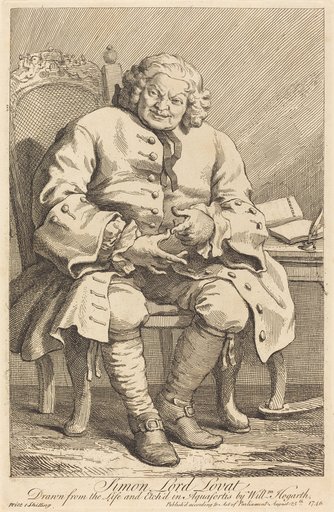
William Hogarth (; 10 November 1697 – 26 October 1764) was an English painter, engraver, satirist, cartoonist and writer.

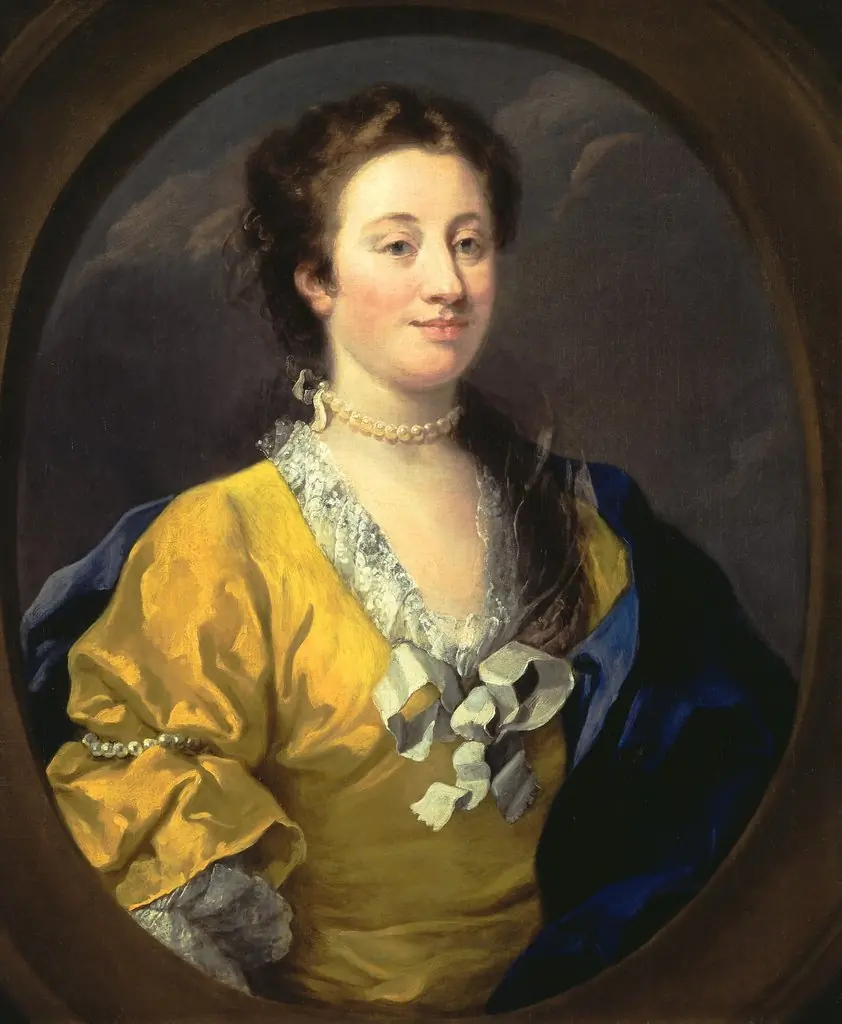
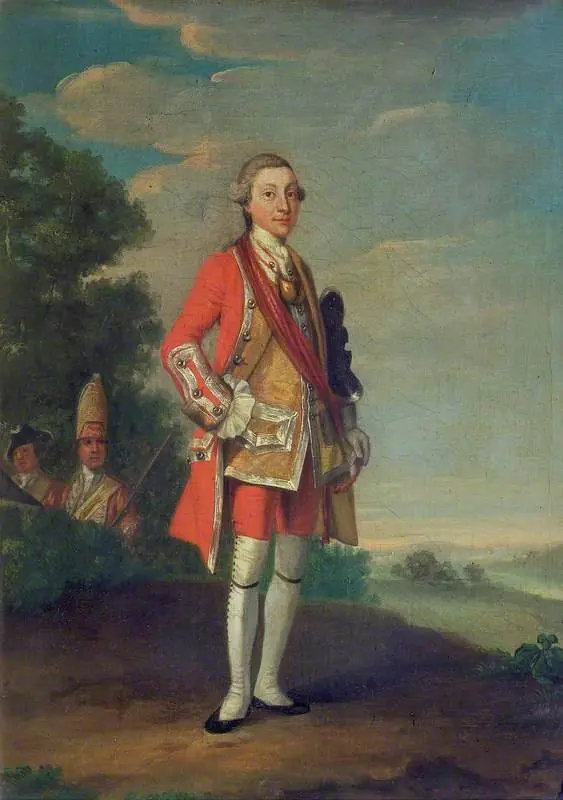
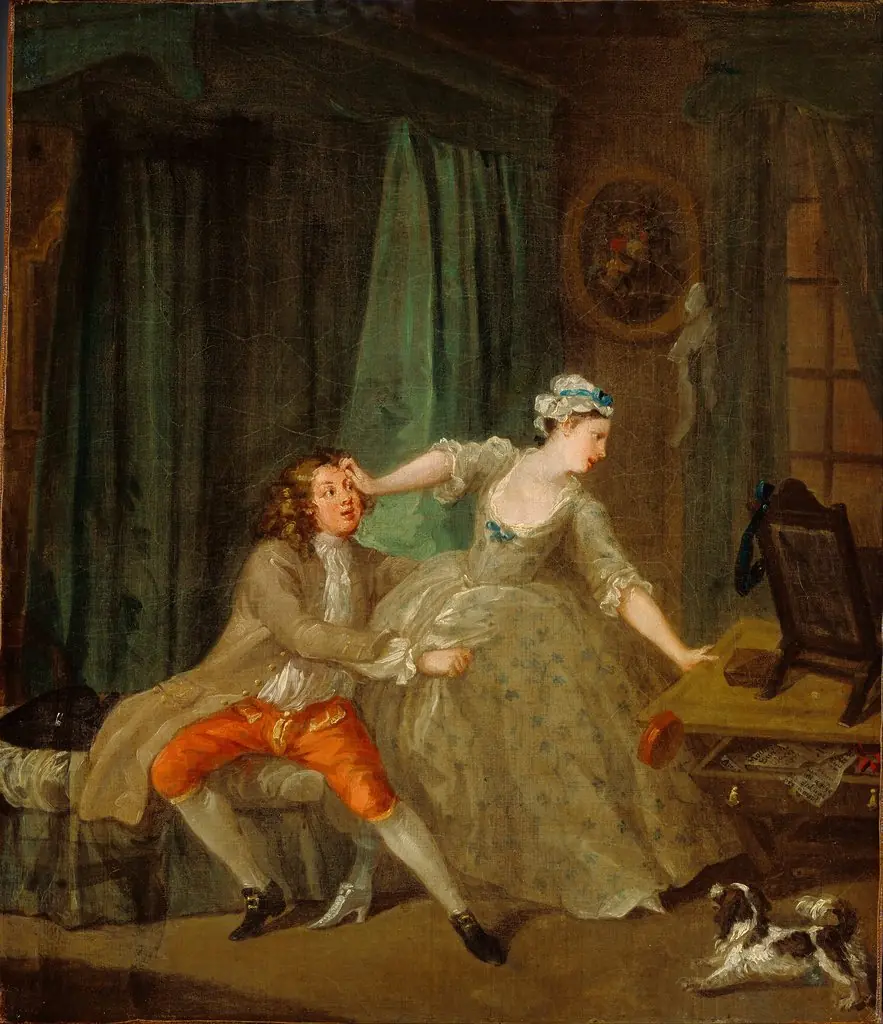
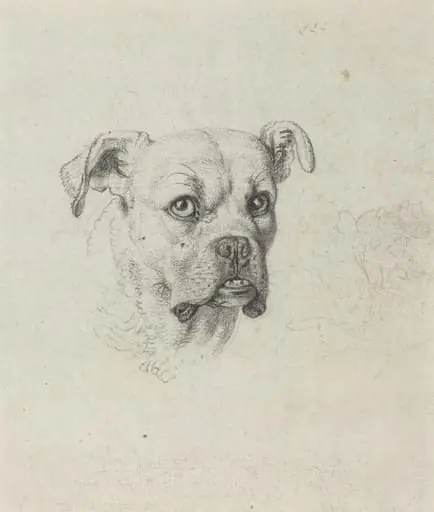
- A Boxer
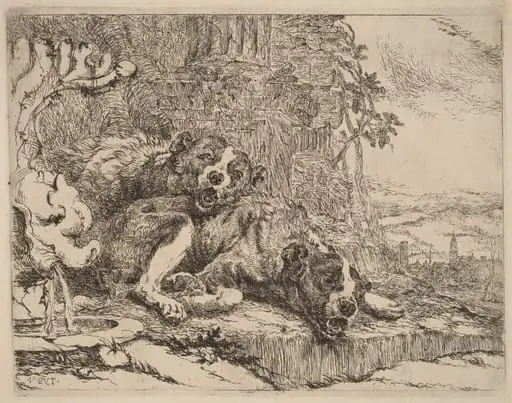 Two Mastiffs beside a Fountain
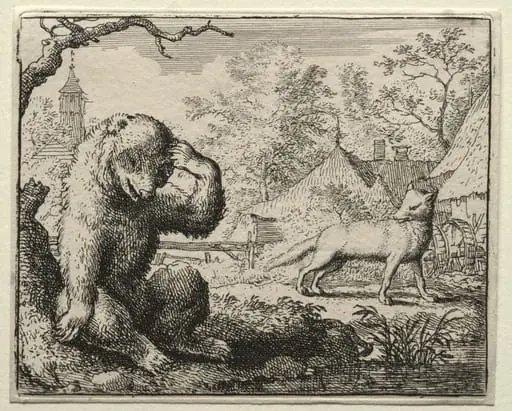 Reynard the Fox: Reynard Chides the Injured Bear
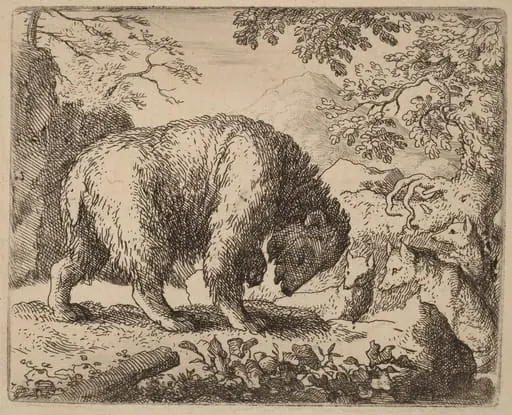 The Bear Distracted with Talk of Honey
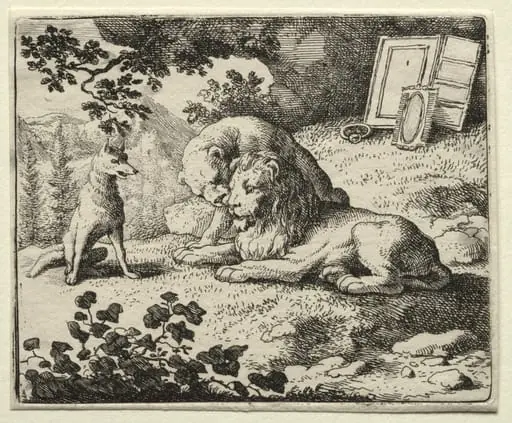 Reynard the Fox: Reynard Promises Gifts to the Lion
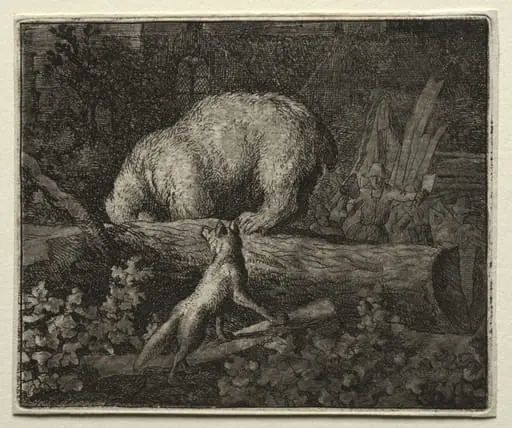 Reynard the Fox: Trapping the Bear
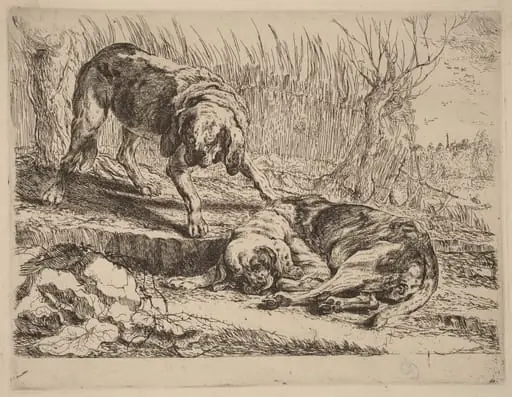 Two Beagles, One Sleeping
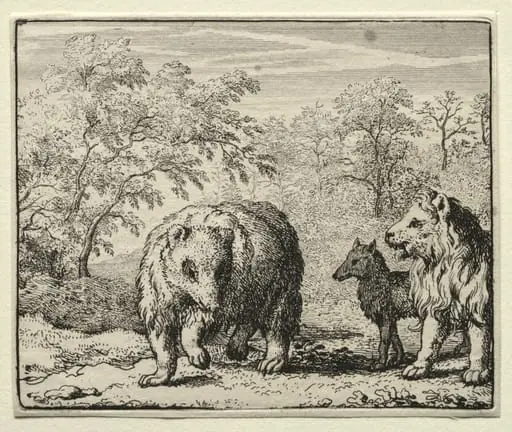 Reynard the Fox: The Freeing of the Wolf and the Bear
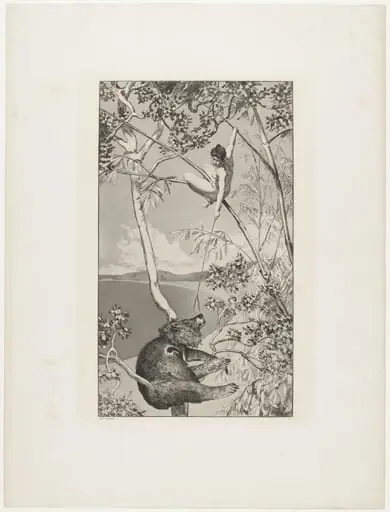 Untitled
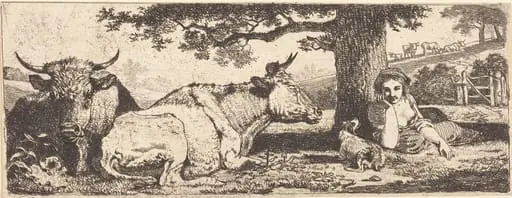 Two Cows and a Woman Lying Down
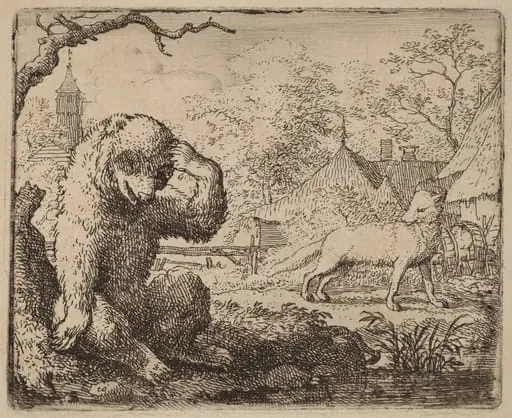 Reynard Mocks the Woeful Bear
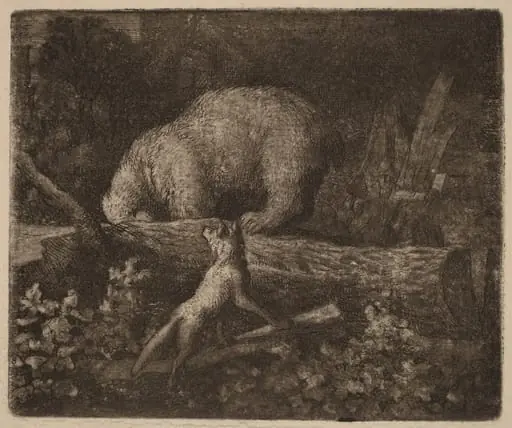 The Bear Trapped