Artwork
Taste in High Life
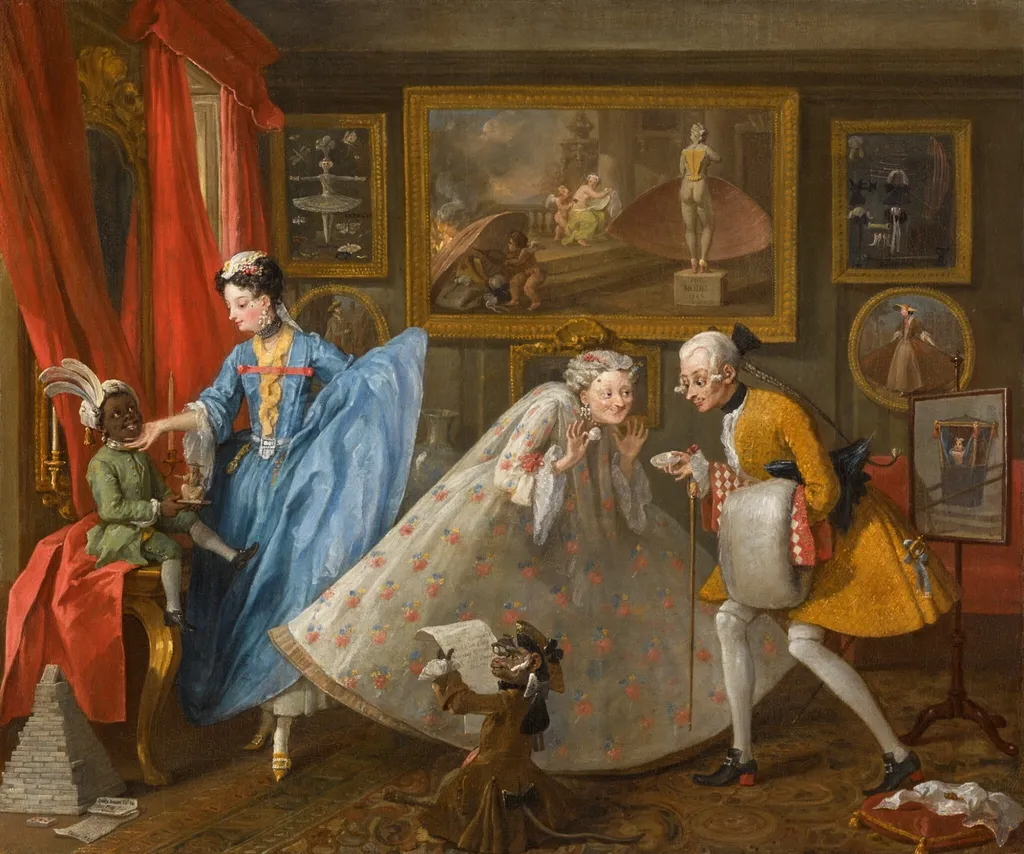
Taste in High Life is an unspecified painting by the Rococo painting artist William Hogarth. It dates from 1742 and is held in the collection of the Metropolitan Museum of Art.
About this work
Subject & Meaning
William Hogarth's 1742 painting satirizes the superficiality and extravagant fashion of the aristocracy.
William Hogarth's 1742 painting satirizes the superficiality and extravagant fashion of the aristocracy. The composition features an elderly woman in a rose-covered sacque with an enormous hoop skirt and an opulently dressed man, identified as the 2nd Earl of Portmore, both admiring a minute porcelain cup. Their company includes a woman holding the chin of a black page boy, likely modeled after Ignatius Sancho, who ironically holds a Chinese figure while mocking his masters' frivolity. A monkey in a robe examines an auction list in the foreground.
Symbolism reinforces the critique of transient trends: cupids in a background painting burn discarded wigs and petticoats, while a sculpture contrasts classical form with the absurdity of whalebone-stiffened hoops. A vignette on a fire-screen depicts a lady trapped in a sedan chair by her oversized skirt. Commissioned by Mary Edwards to mock the very class that had ridiculed her, the work serves as a humorous indictment of upper-class indulgence and female adornment.
Technique & Style
Taste in High Life is an oil-on-canvas painting executed around 1742 by William Hogarth. The composition is built around heavily caricatured renditions of 1740s fashion, with figures rendered in opulent dress and exaggerated proportions. A central visual device is the enormous hoop underskirt stiffened with whalebone, whose cutaway rear view is juxtaposed against a classical female sculpture to underscore the artificiality of contemporary taste.
Hogarth extends the satire to accessories and props, including a minute porcelain cup and saucer, a Chinese porcelain figure held by a black page in a turban, and a monkey dressed in a flowing, cuffed robe examining an auction list. Within the painted interior, a picture-within-a-picture shows cupids using a bellows to fan a fire of discarded petticoats and wigs, while a vignette on the fire-screen depicts a lady trapped in a sedan chair by her own hoops. The work is held by the Metropolitan Museum of Art.
History & Provenance
Taste in High Life is an oil-on-canvas painting created in 1742 by William Hogarth, who was commissioned by Mary Edwards of Kensington to produce the work as a satirical commentary on contemporary aristocratic fashion. Edwards, an eccentric patron who inherited over £50,000 annually, reportedly commissioned the piece as an act of vengeance after being ridiculed by the social circle depicted. Hogarth accepted the commission for sixty guineas but expressed reluctance toward producing works on specific orders.
The painting satirises the superficiality of 1740s elite tastes, featuring caricatured figures such as an elderly woman in an exaggerated hoop skirt adorned with roses, the fashionable Beau Colyear, and a black page boy possibly modelled on Ignatius Sancho. A monkey in a cuffed robe examines auction lists, while cupids blowing fire of discarded wigs symbolise the transience of fashion. Hogarth incorporated symbolic elements, including a sedan chair trapped by a lady’s hoops, later referenced in Beer Street (1752).
The work was later engraved by Samuel Phillips in 1798 under commission from John Boydell for a posthumous edition of Hogarth’s works, with the third state published in 1808.
Context
Taste in High Life, painted by William Hogarth in 1742, satirizes 1740s aristocratic fashion and social pretensions through caricatured figures and symbolic details. An elderly woman in a hoop skirt adorned with exaggerated roses and a man identified as Beau Colyear, 2nd Earl of Portmore, exemplify the era's excesses. The painting also features a Black servant boy possibly modeled on Ignatius Sancho, a freed slave and man of letters, alongside a monkey in a robe, underscoring themes of class and irony.
A wall vignette depicts fashion's transience via cupids inflating a fire of discarded wigs and hoops, contrasting classical sculpture with impractical hoop skirts. Commissioned by Mary Edwards, a wealthy patron, the work emerged from her personal vendetta against elitism, paying Hogarth sixty guineas despite his reluctance toward commissioned pieces.
The painting's legacy extends to Hogarth's broader critique of moral and social decay, influencing later works like Beer Street (1752), which shares thematic and compositional elements. It remains a key example of 18th-century satirical art, reflecting contemporary anxieties about consumerism and superficiality.
Overview
William Hogarth’s oil on canvas, Taste in High Life, dates to roughly 1742. The work depicts an opulent interior populated by elegantly dressed figures, a servant, and decorative objects that together convey the affluence of an eighteenth‑century gathering.
Legacy
Through the later engraving, the composition reached a broader audience, influencing how Hogarth’s social commentary was perceived in the decades after his death, and providing a visual record of elite domestic interiors of the period.
Own this work as a print
Artist & collection
Artist
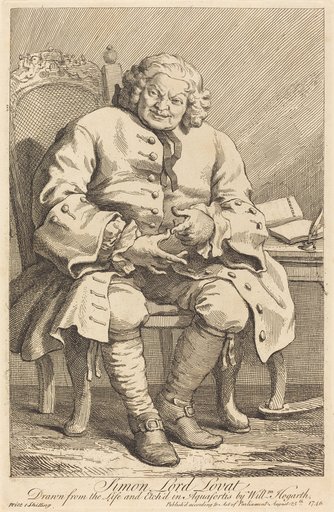
William Hogarth (; 10 November 1697 – 26 October 1764) was an English painter, engraver, satirist, cartoonist and writer.

- After
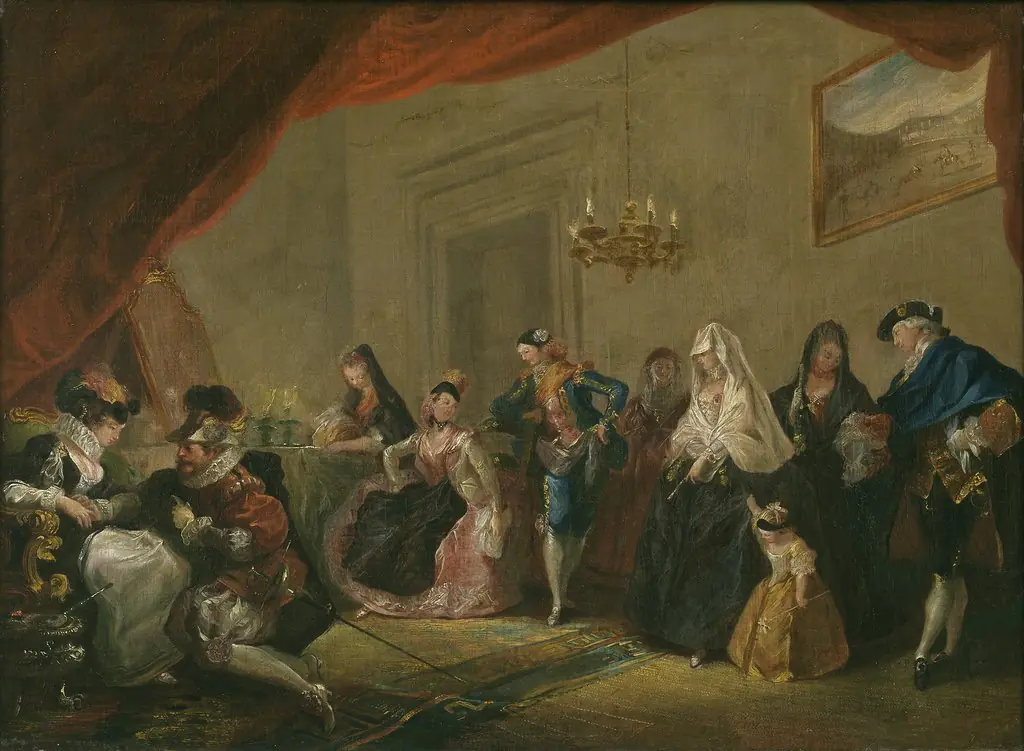 Rehearsal for a Play
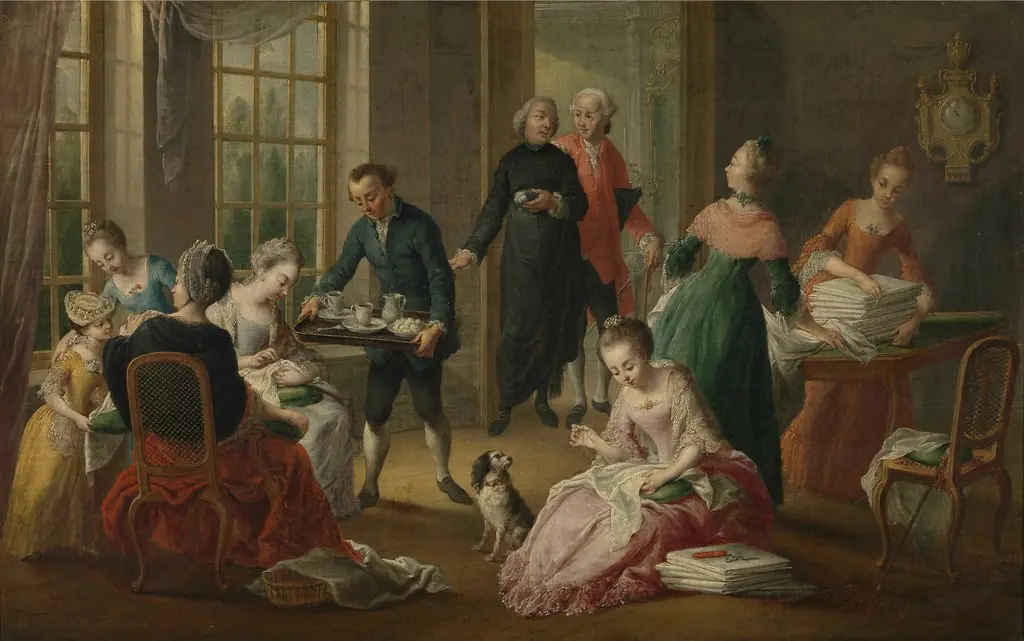 Afternoon Tea
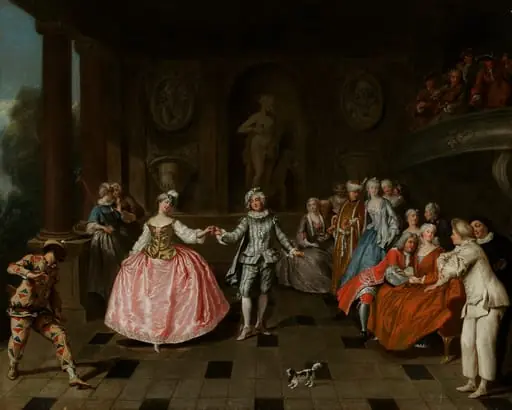 Naamiaistanssiaiset
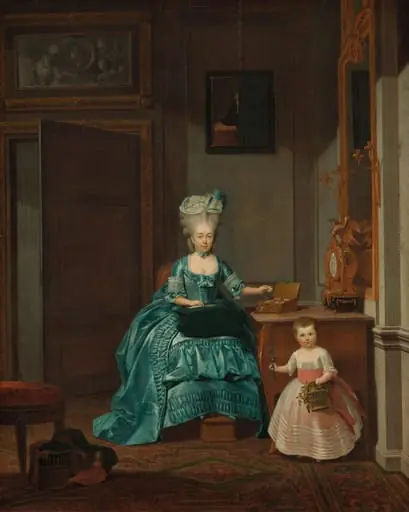 Portrait of Suzanna Cornelia Mogge and her Daughter Johanna Ferdinanda van Collen
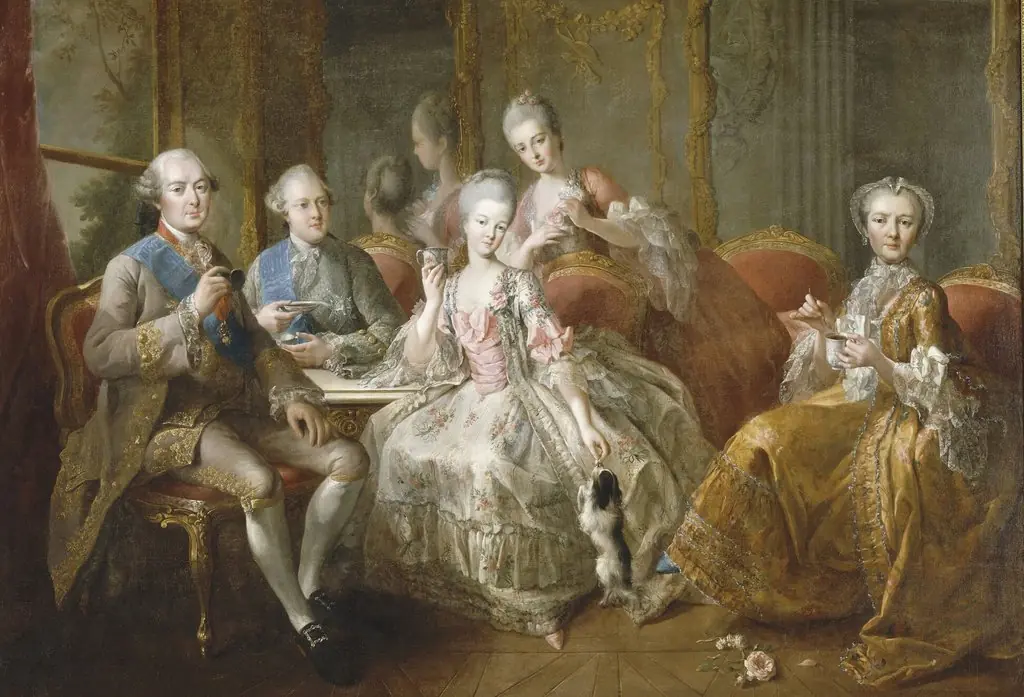 The family of the Duke of Penthièvre called la tasse de chocolat
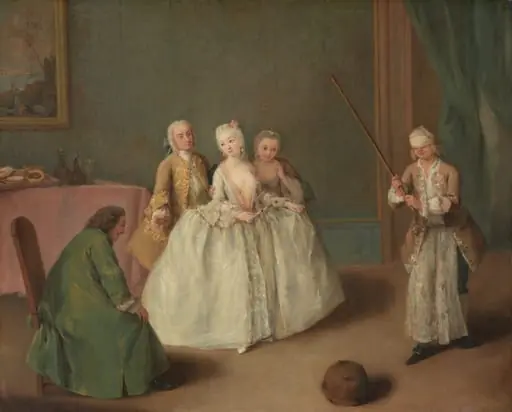 The Game of the Cooking Pot
 John, Fourteenth Lord Willoughby de Broke, and his Family
 From Ludvig Holberg's "Jean de France", Act 1, Scene 6
 Before
 Pamela tells a nursery tale