Artwork
Călăreț pe căluț
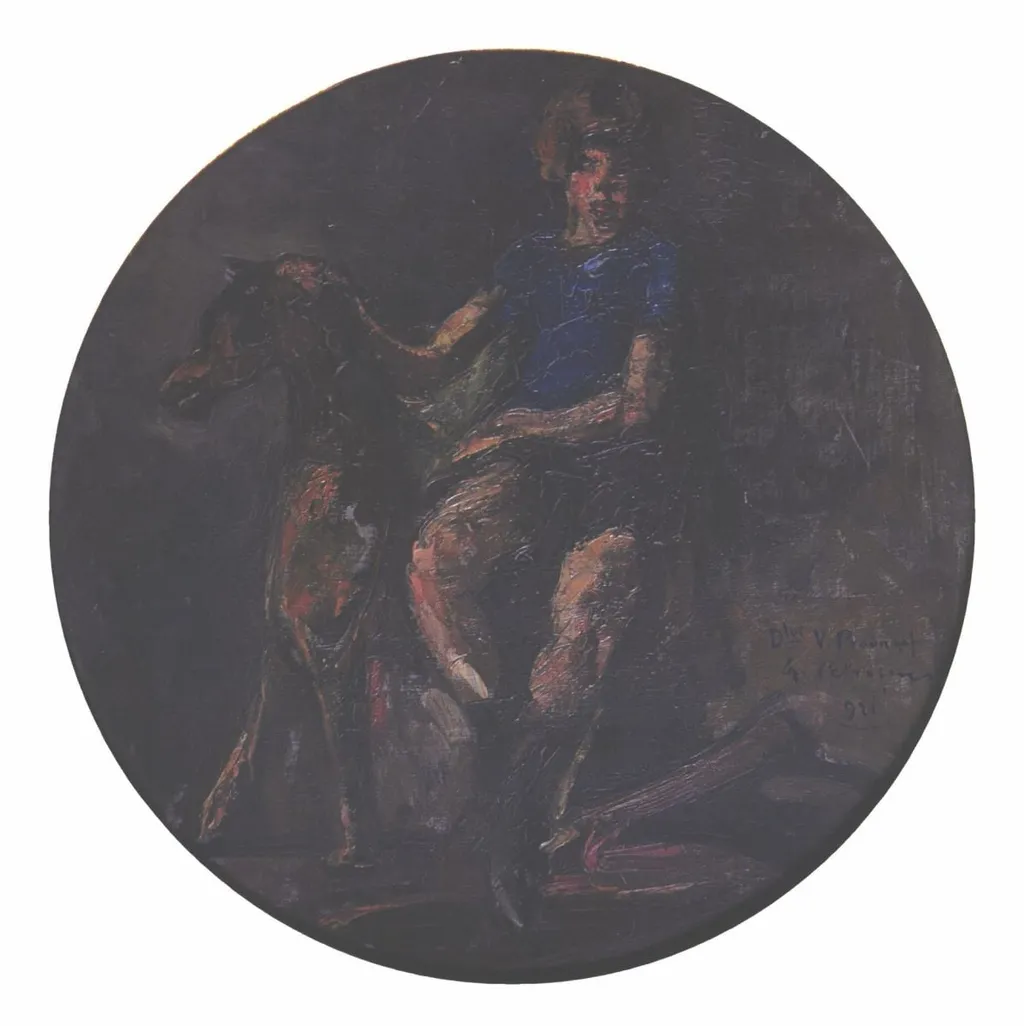
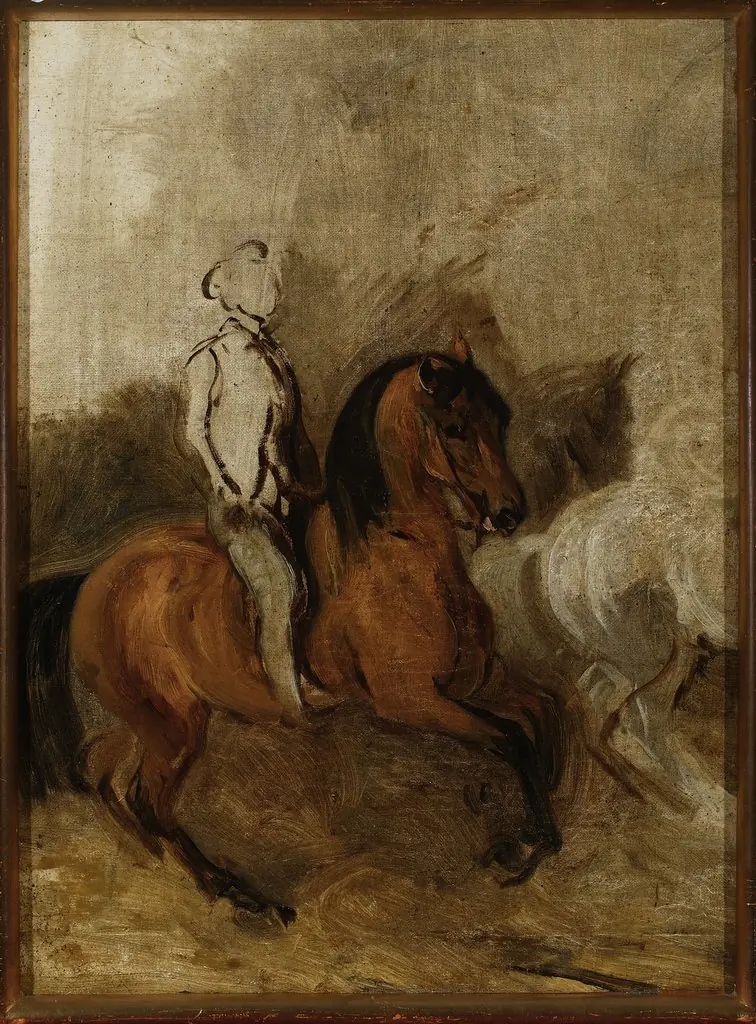
Călăreț pe căluț is an unspecified painting by Gheorghe Petrașcu. It dates from 921 and is held in the collection of the Bucharest Municipality Museum.
About this work
Overview
Its composition centers on movement and presence, with minimal environmental detail.
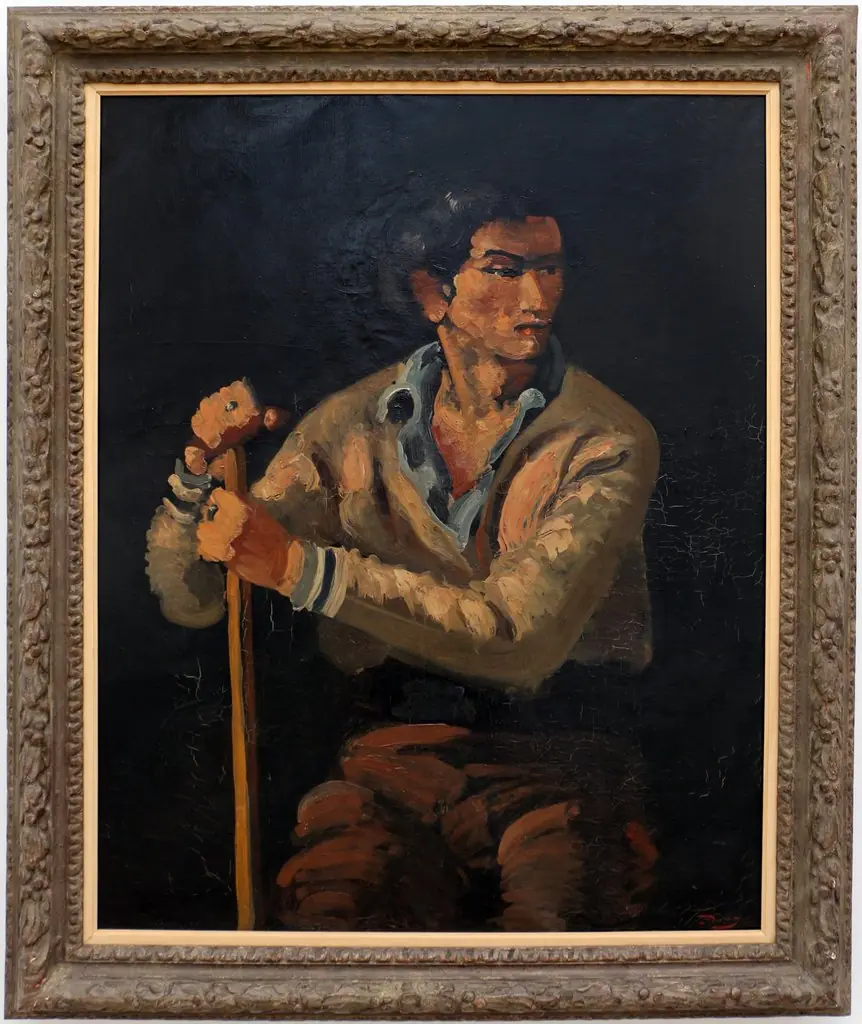
Călăreț pe căluț is a painting by Romanian artist Gheorghe Petrașcu, dated to 1921. It portrays a solitary equestrian figure against a deep, shadowed background. The work is part of the collection at the Museum of Ethnography in Romania, where it is preserved as an example of early 20th-century Romanian figurative painting. Its composition centers on movement and presence, with minimal environmental detail.
Subject & Meaning
The painting captures a rider on a horse, likely representing rural Romanian life or a symbolic journey. The rider’s blue shirt and the horse’s brown coat are rendered with clarity, suggesting everyday attire rather than ceremonial dress. The absence of context or narrative cues invites interpretation as a quiet meditation on solitude, tradition, or the relationship between human and animal in agrarian society.
Technique & Style
Petrașcu employs bold, energetic brushwork and saturated pigments to define form. The dark background intensifies the luminosity of the figures, creating strong tonal contrast. Rather than precise detail, the artist favors expressive strokes that convey motion and texture. This approach aligns with post-impressionist tendencies, prioritizing emotional resonance over realism, while retaining a grounded, folk-inspired subject.
History & Provenance
Created in 1921, the painting entered the collection of the Museum of Ethnography shortly after its completion. Its acquisition reflects institutional interest in documenting regional cultural expressions during Romania’s interwar period. The work has remained in public custody since, with no documented private ownership or significant exhibition history beyond institutional displays.
Context
In early 20th-century Romania, artists like Petrașcu sought to reconcile modern European styles with native themes. Călăreț pe căluț emerges from this tension—its subject matter draws from rural life, while its technique reflects broader trends in post-impressionism. The work does not idealize its subject but presents it with directness, aligning with a national movement to affirm local identity through art.
Legacy
Though not widely reproduced or critically analyzed in international circles, the painting holds significance within Romanian art history as a representative example of Petrașcu’s figurative work. It contributes to the understanding of how regional artists adapted modernist techniques to depict everyday subjects, preserving visual records of cultural life during a period of national consolidation.
Artist & collection
Artist
Gheorghe Petrașcu painted quiet scenes of buildings, streets, and still lifes in the 1920s and ’30s Romania.