Artwork
La Belle Ferronnière
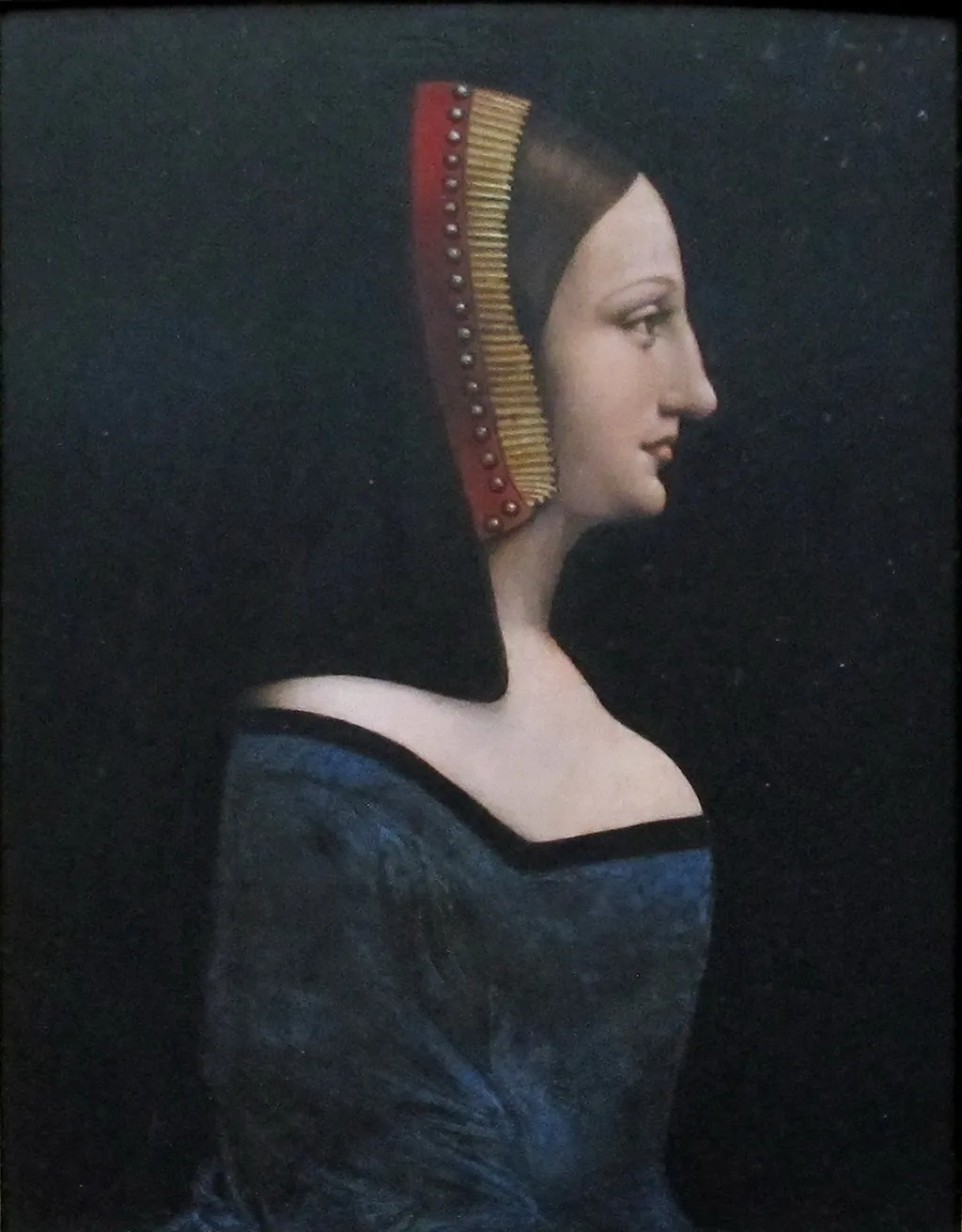
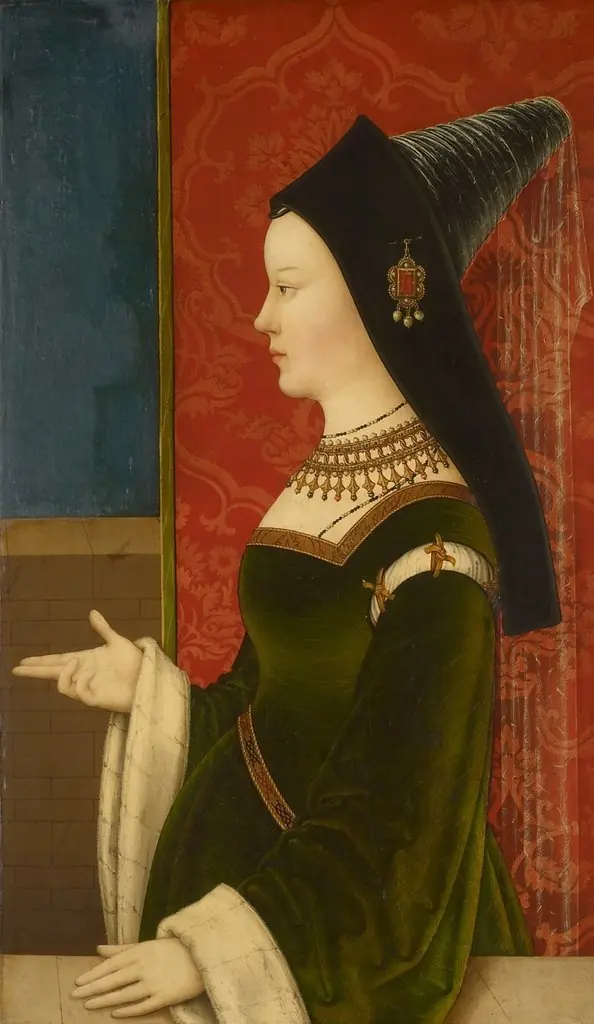
La Belle Ferronnière is an oil painting by the High Renaissance artist Unknown. It dates from 1500 and is held in the collection of the Department of Paintings of the Louvre. This oil painting presents a woman in profile, turned slightly to the right, rendered with meticulous attention to detail.
About this work
Overview
The background is a deep, uniform tone that isolates and elevates the figure, emphasizing her presence without distraction.
This oil painting presents a woman in profile, turned slightly to the right, rendered with meticulous attention to detail. Her attire includes a blue gown edged in black and an ornate headdress of red and gold. The background is a deep, uniform tone that isolates and elevates the figure, emphasizing her presence without distraction. The work demonstrates advanced handling of light and texture, characteristic of high Renaissance portraiture.
Subject & Meaning
The identity of the woman remains uncertain, though she has been historically associated with members of the French court, including a mistress of Francis I. Her composed demeanor and refined dress suggest nobility, but no definitive inscription or documented link confirms her name. The portrait’s quiet intensity invites contemplation rather than narrative, focusing on status and presence over storytelling.
Technique & Style
The artist employed glazing to build luminous skin tones and subtle transitions between light and shadow, enhancing the three-dimensionality of the face. Chiaroscuro defines the contours of her features with soft gradations, while fine brushwork captures the texture of fabric and metallic threads in the headdress. The technique avoids harsh lines, favoring atmospheric blending to achieve realism.
History & Provenance
The painting entered the Louvre’s collection in the 18th century, attributed during that time to Leonardo da Vinci. While stylistic elements align with his workshop, scholarly debate continues regarding authorship. Some experts suggest it may be the work of a close follower, possibly Francesco Melzi, though no conclusive documentation resolves the question.
Context
Created in the early 16th century, the portrait reflects the French court’s fascination with Italian Renaissance ideals of elegance and restraint. Portraits of noblewomen during this period often emphasized modesty and refinement, using rich materials and controlled composition to signal social standing. The subdued palette and intimate scale align with private commissions rather than public display.
Legacy
Though not widely exhibited as a central work, La Belle Ferronnière remains a key example of Leonardo’s influence on French portraiture. Its technical precision and psychological subtlety continue to inform studies of Renaissance painting techniques. The painting’s attribution debates highlight the complexities of workshop practices and the difficulty of distinguishing master from pupil in early modern art.
Artist & collection

Museum
Department of Paintings of the Louvre
Continue through works from the same source collection.
 Domestic Scene
 Giacomo and Cardinal Marco, investing Andrea, Abbot of San Zeno, with his Benefice
 The Nymph of Fontainebleau
 Portrait of a Woman
 Madonna and Child with Saints in the Enclosed Garden
 Venus and Minerva
 Family Group of Four on Sofa
 Wall painting from Room H of the Villa of P. Fannius Synistor at Boscoreale
 Portrait of a young woman facing left
 Bildnis einer jungen Frau
 Portrait of a young Woman
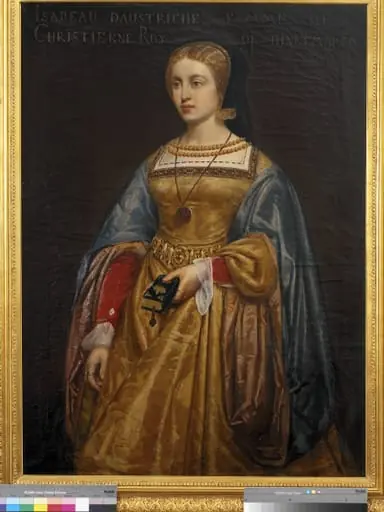 Elisabeth, Christian II's dronning
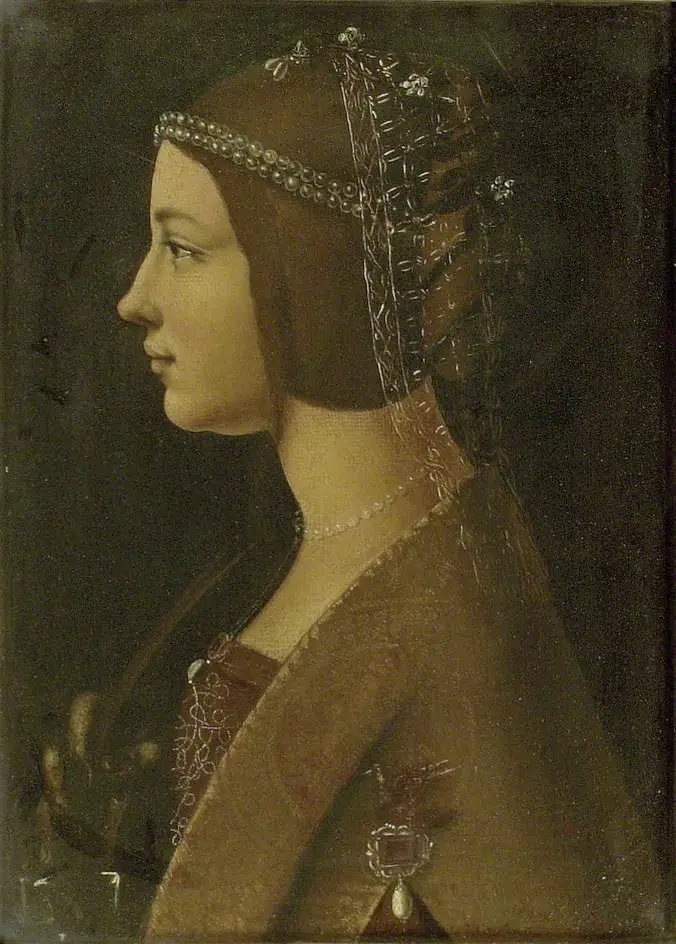 Portrait of an unknown Woman
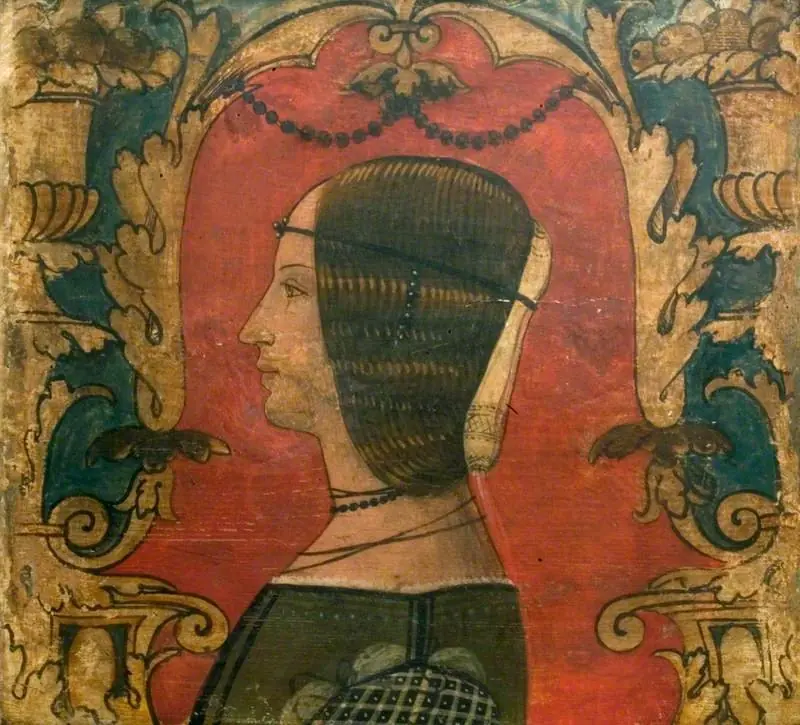 Profile Bust of a Lady Facing Left (one of 29 painted panels from a frieze)
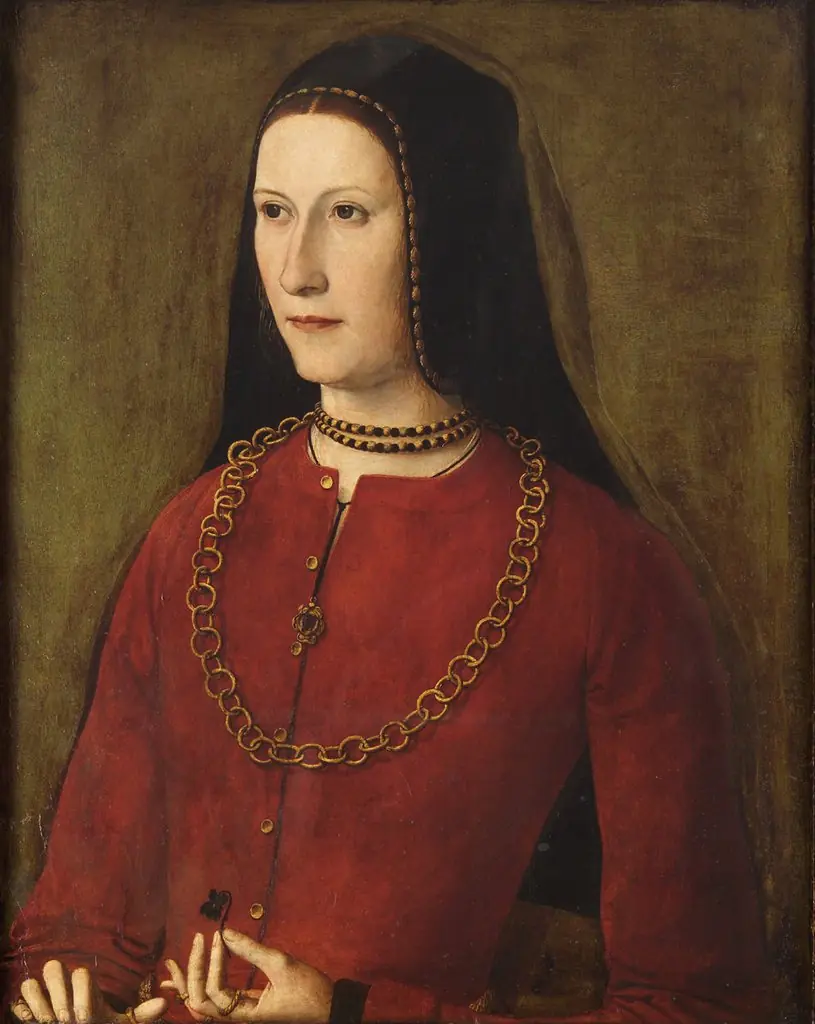 Portrait of a woman
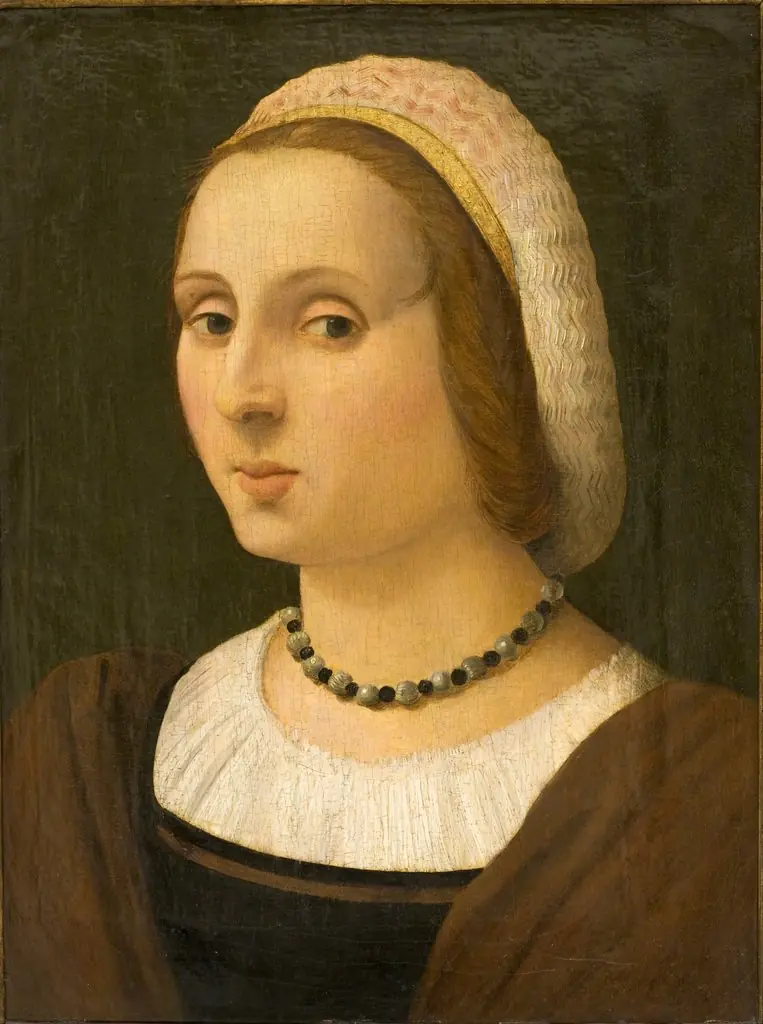 Portrait of a Lady
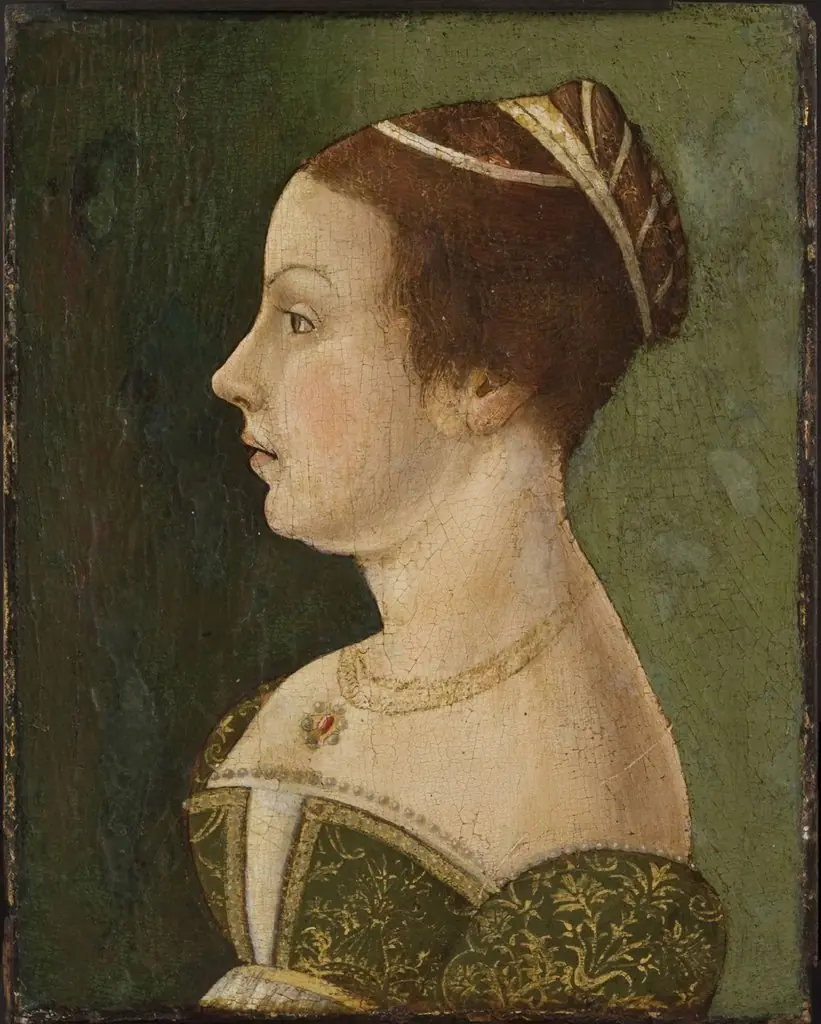 Portrait of a Lady
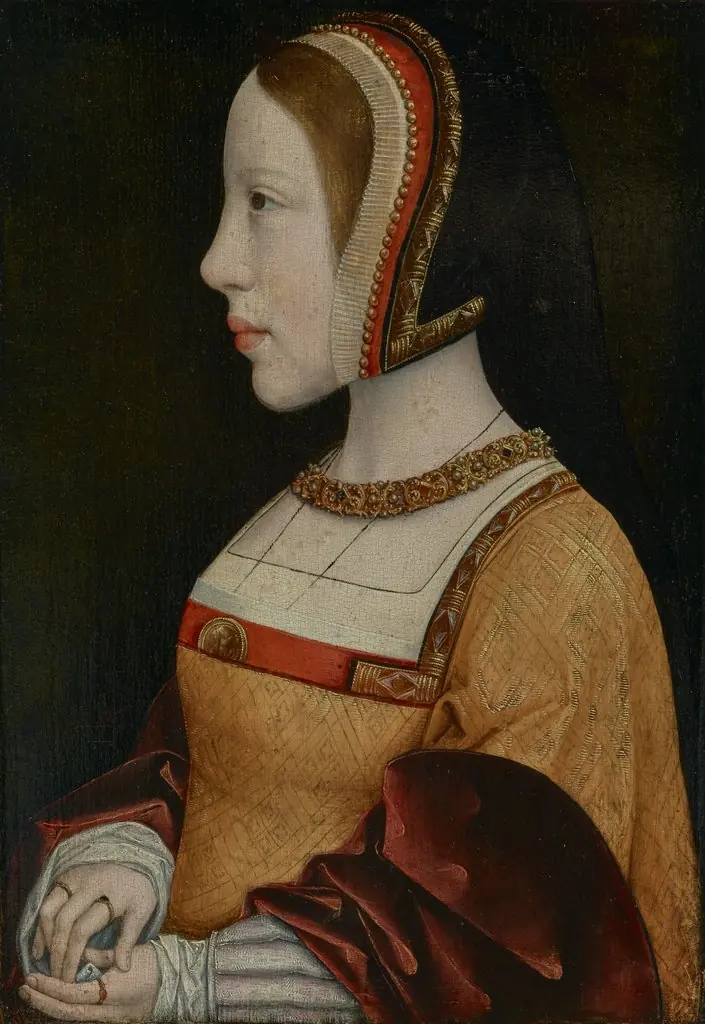 Portrait of Isabella of Austria (1501–1526)
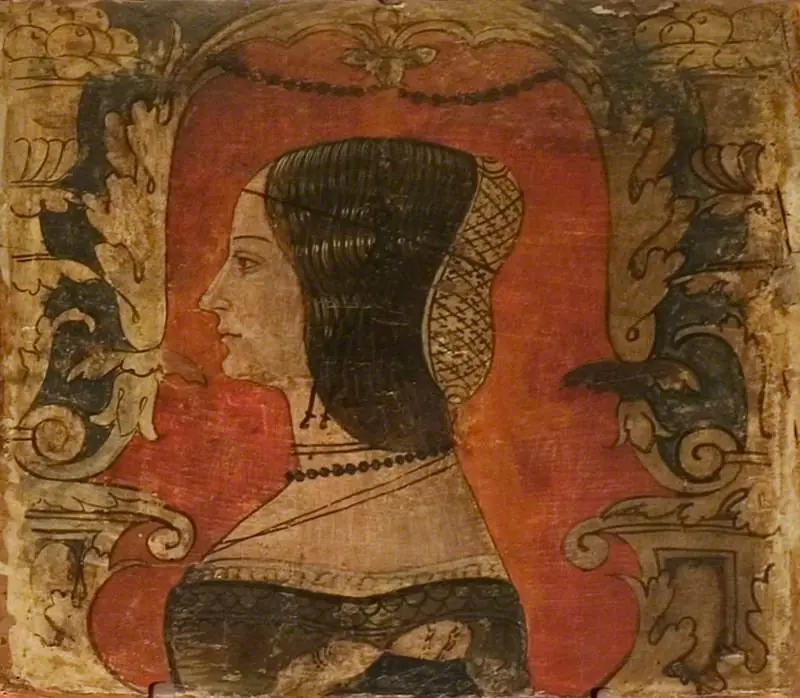 Profile Bust of a Lady Facing Left (one of 29 painted panels from a frieze)
 Mary Duchess of Burgundy