Movement
High Renaissance
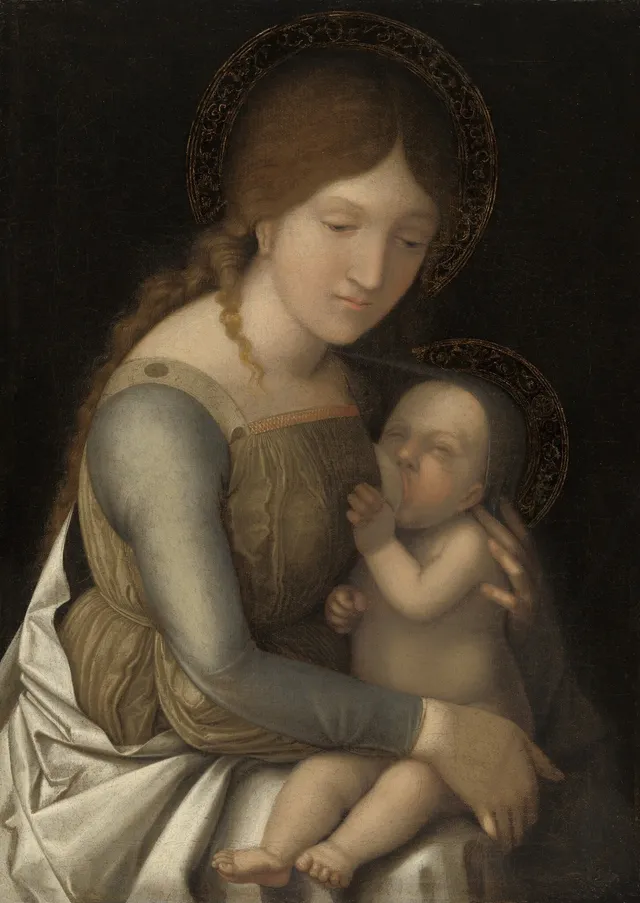
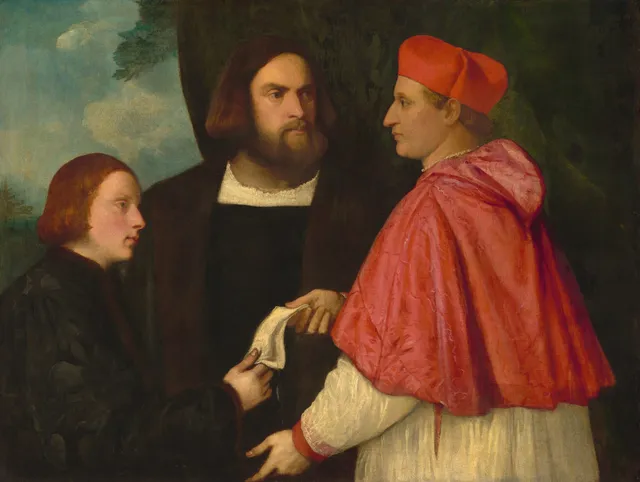
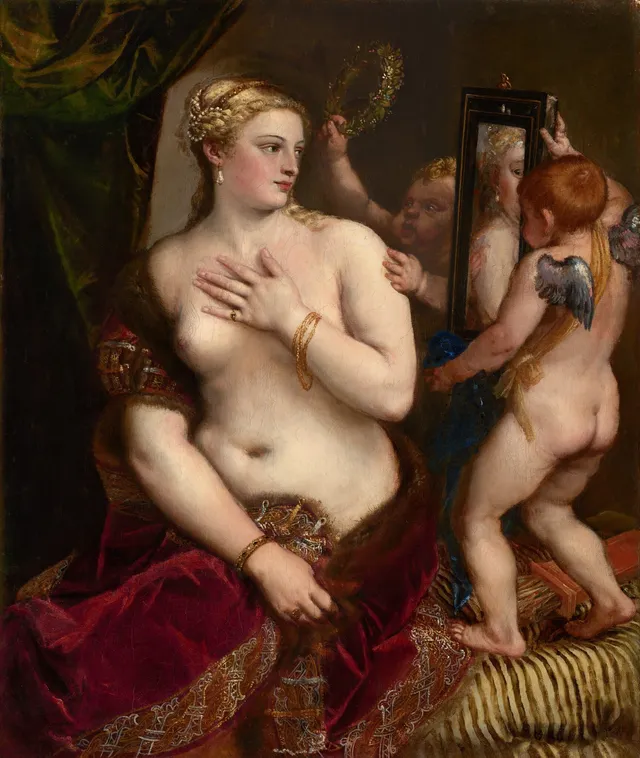
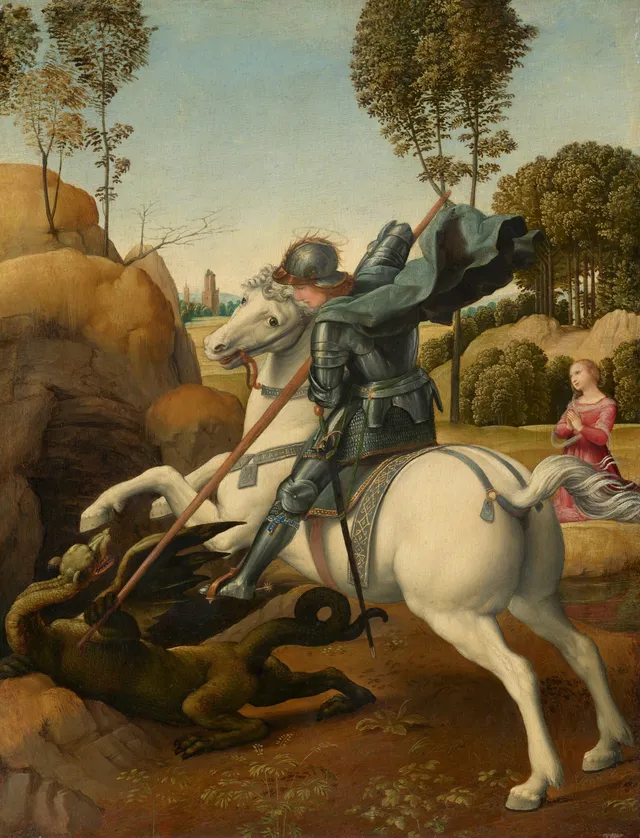
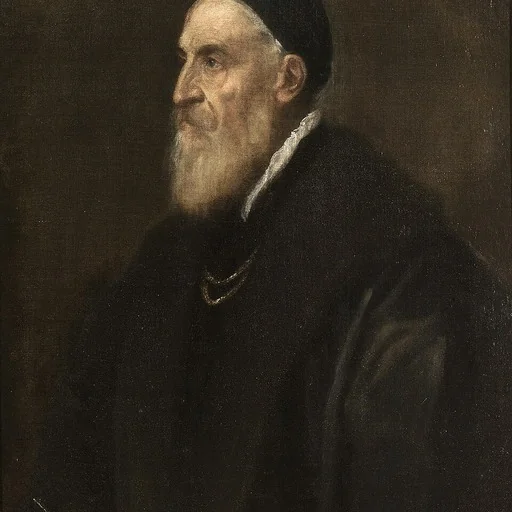
High Renaissance is an art movement of the 1494–1527 period. The gallery holds 1,015 works in this movement, including works by Titian, Paolo Veronese and Lorenzo Lotto. Browse High Renaissance paintings, portraits, pictures and artworks from the world's public-domain museum collections.
The High Renaissance names the brief, incandescent climax of Italian Renaissance art, conventionally dated from the late 1490s—often pegged to Leonardo da Vinci's *Last Supper* in Milan (c. 1495–98)—to the catastrophic Sack of Rome in 1527. It grew out of the achievements of the Early Renaissance in Florence, but its centre of gravity shifted decisively to papal Rome, where ambitious popes turned the Vatican into the era's greatest workshop. Above all, Pope Julius II (reigned 1503–1513), the most powerful patron of his age, summoned the finest talents to glorify the Church, fusing Christian devotion with the rediscovered grandeur of classical antiquity.
Stylistically, the movement pursued an ideal of balanced perfection. Building on linear perspective and anatomical study, artists sought harmonious composition, monumental yet graceful figures, and a serene equilibrium between naturalism and idealisation. Leonardo's *sfumato*—the smoky, almost imperceptible blending of tone—lent figures unprecedented psychological depth, while pyramidal compositions and unified, atmospheric space gave pictures a calm, ordered authority. The human body, conceived as a vessel of the divine, became the supreme vehicle of emotional and spiritual expression.
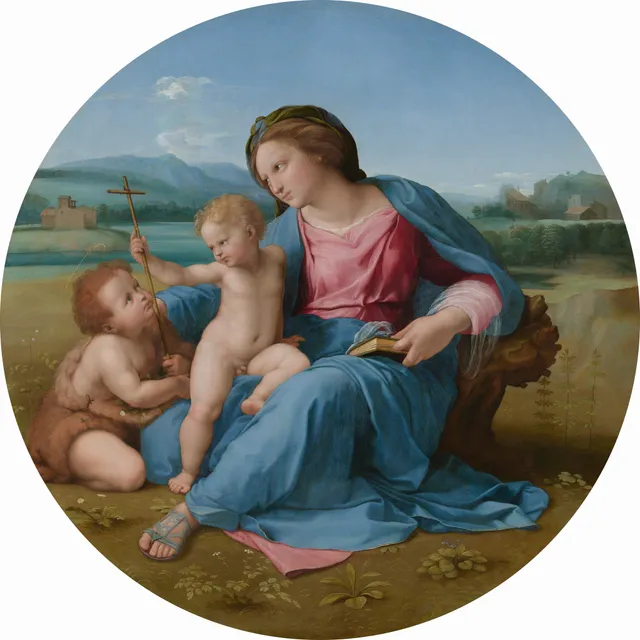
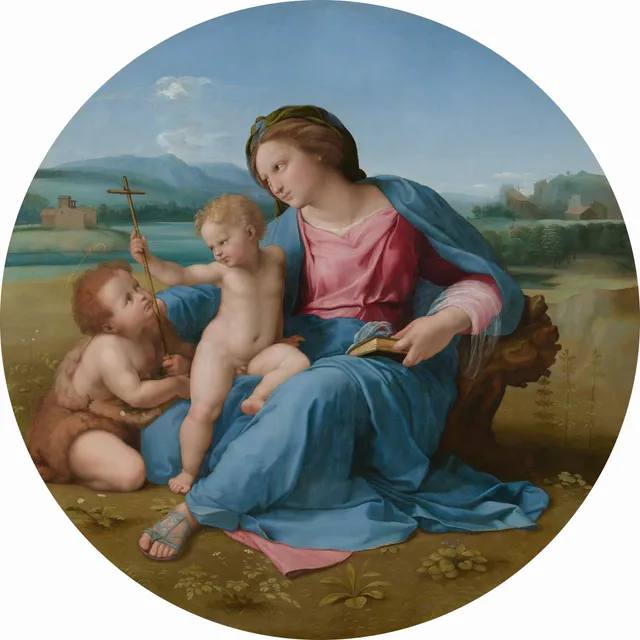
Three masters dominate the canon: Leonardo da Vinci (1452–1519), the universal genius; Michelangelo (1475–1564), whose Sistine Chapel ceiling (1508–12) marshalled the body into superhuman drama; and Raphael (1483–1520), whose *School of Athens* (1509–11) in the Vatican Stanze epitomised classical clarity and grace. Our collection holds several Raphaels, including the tondo *The Alba Madonna* (c. 1510) and the jewel-like *Saint George and the Dragon* (c. 1505–06). In Venice a parallel tradition flourished under Giovanni Bellini, Giorgione, and Titian (c. 1488–1576), prizing *colorito*—form built through luminous colour and light—over Florentine *disegno*; Titian's sensuous *Venus with a Mirror* (c. 1555) shows that lineage at full maturity.
The High Renaissance proved astonishingly short but disproportionately influential, setting a standard of "correct" classicism that European academies revered for centuries. Its own internal tensions—Michelangelo's restless energy, the elongations and unstable poses that strained ideal balance—fed directly into Mannerism, the self-conscious, artificial style that succeeded it. Thus the period stands as a hinge: the culmination of everything the Early Renaissance had pursued, and the seedbed of the more troubled, expressive art that followed.
Key artists
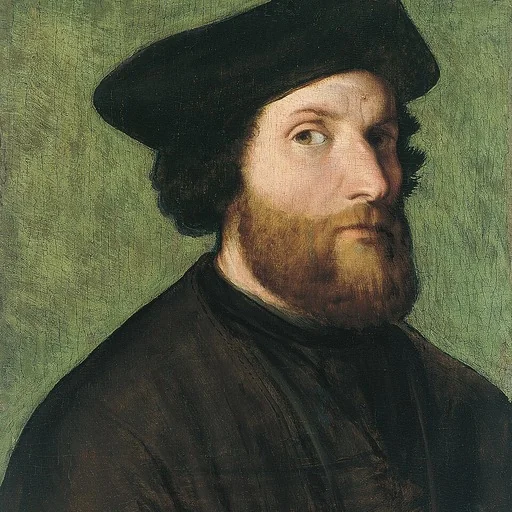
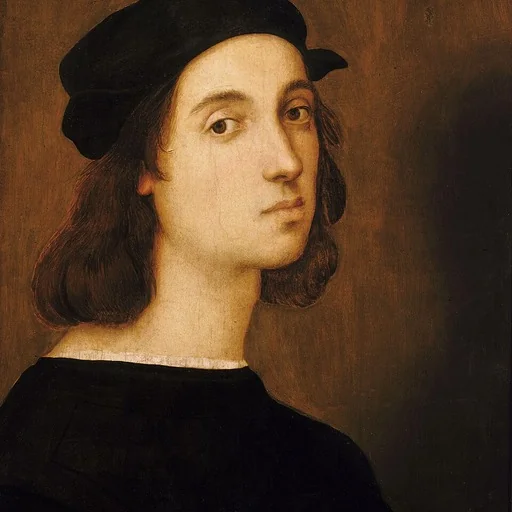
Works
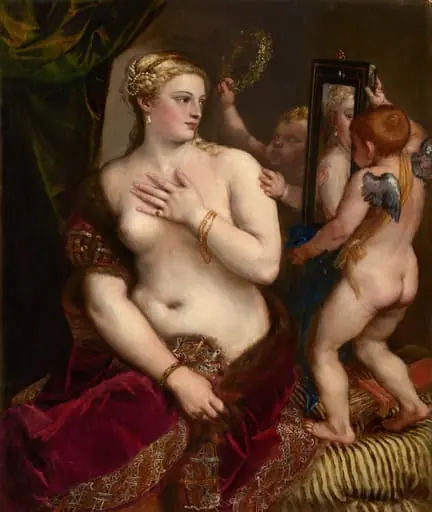 Venus with a Mirror
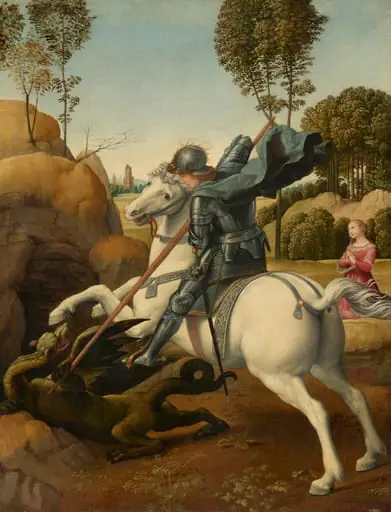 Saint George and the Dragon
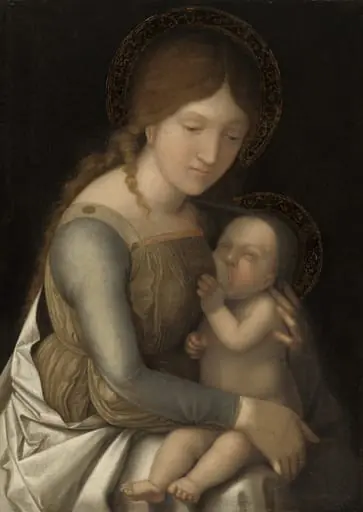 Madonna and Child
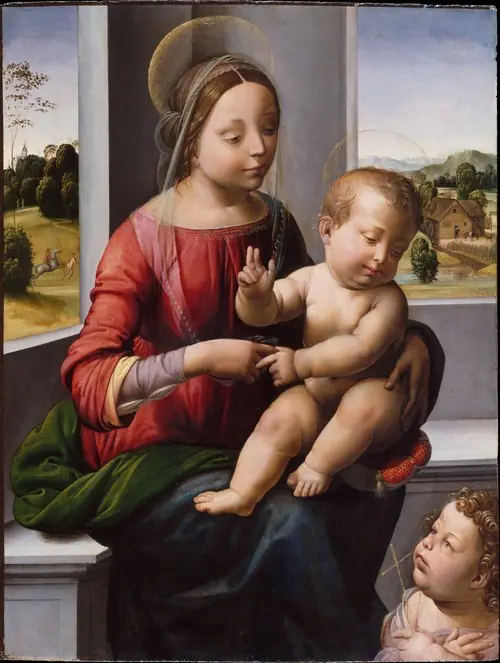 Madonna and Child with the Young Saint John the Baptist
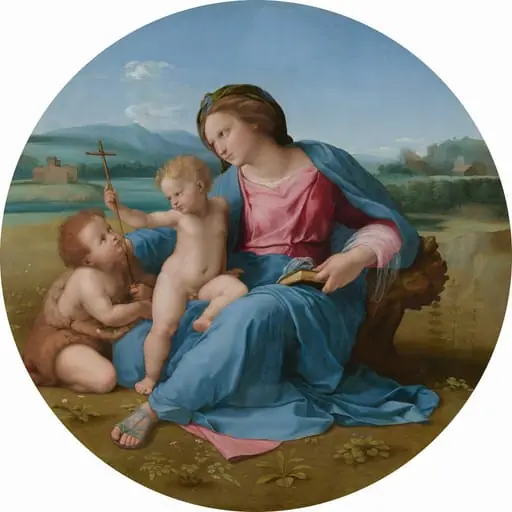 The Alba Madonna
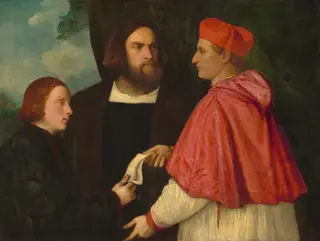 Giacomo and Cardinal Marco, investing Andrea, Abbot of San Zeno, with his Benefice
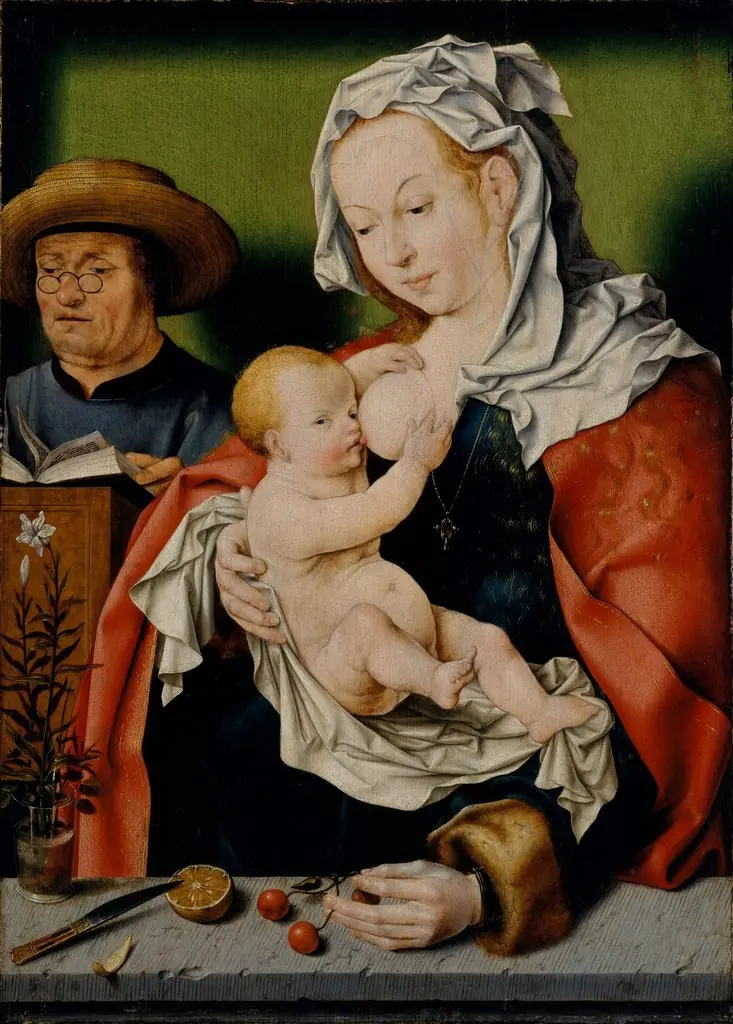 The Holy Family
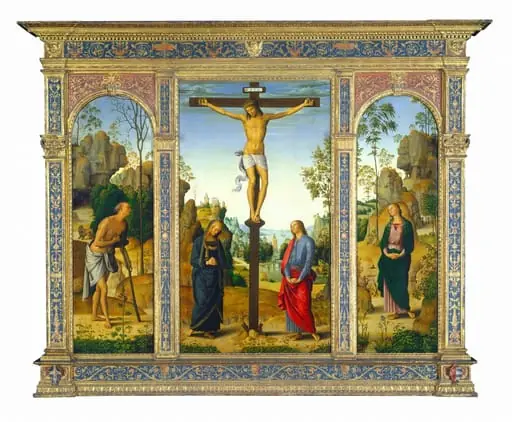 The Crucifixion with the Virgin, Saint John, Saint Jerome, and Saint Mary Magdalene
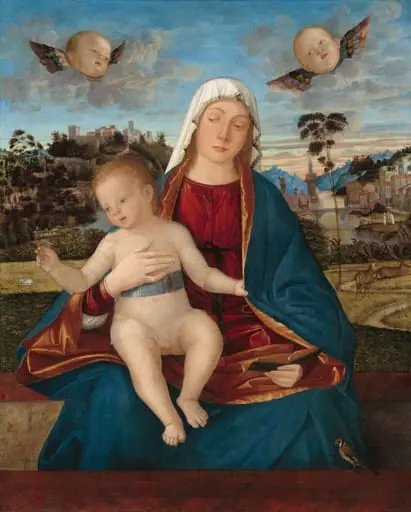 Madonna and Child
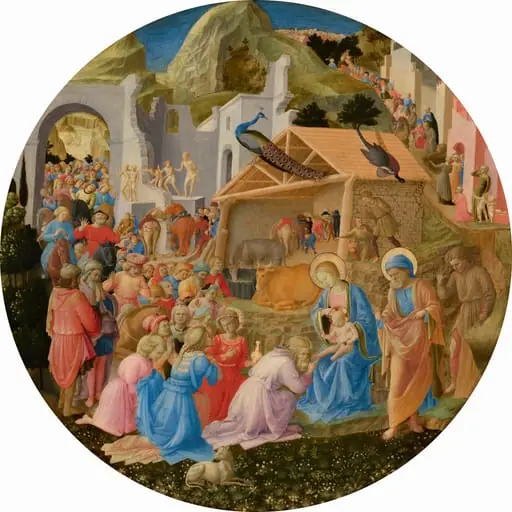 The Adoration of the Magi
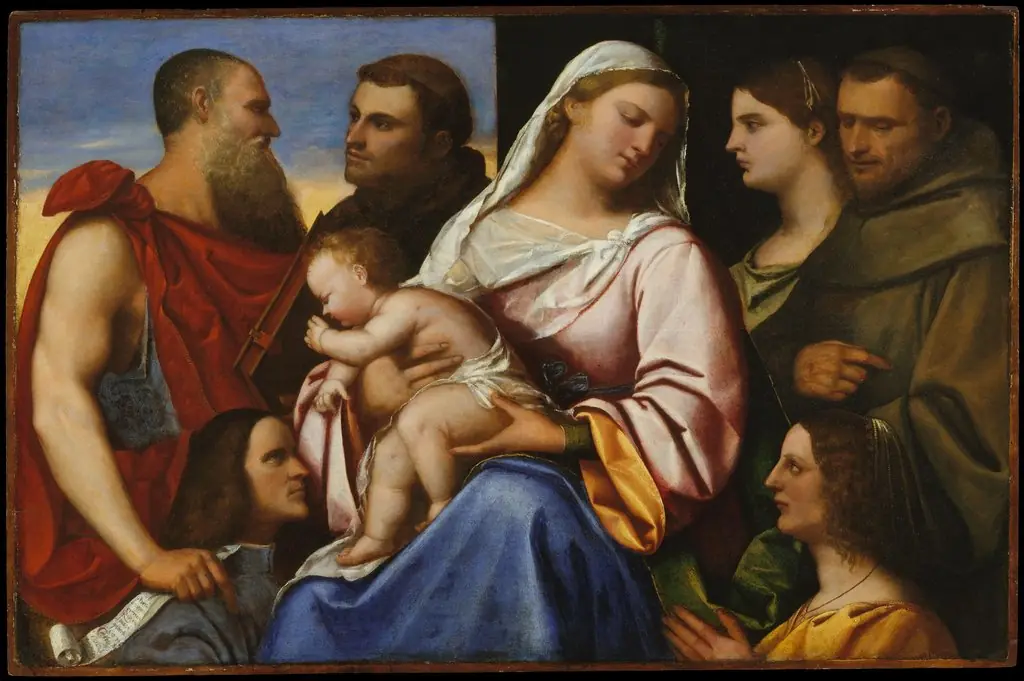 Madonna and Child with Saints and Donors
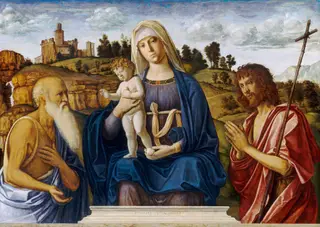 Madonna and Child with Saint Jerome and Saint John the Baptist
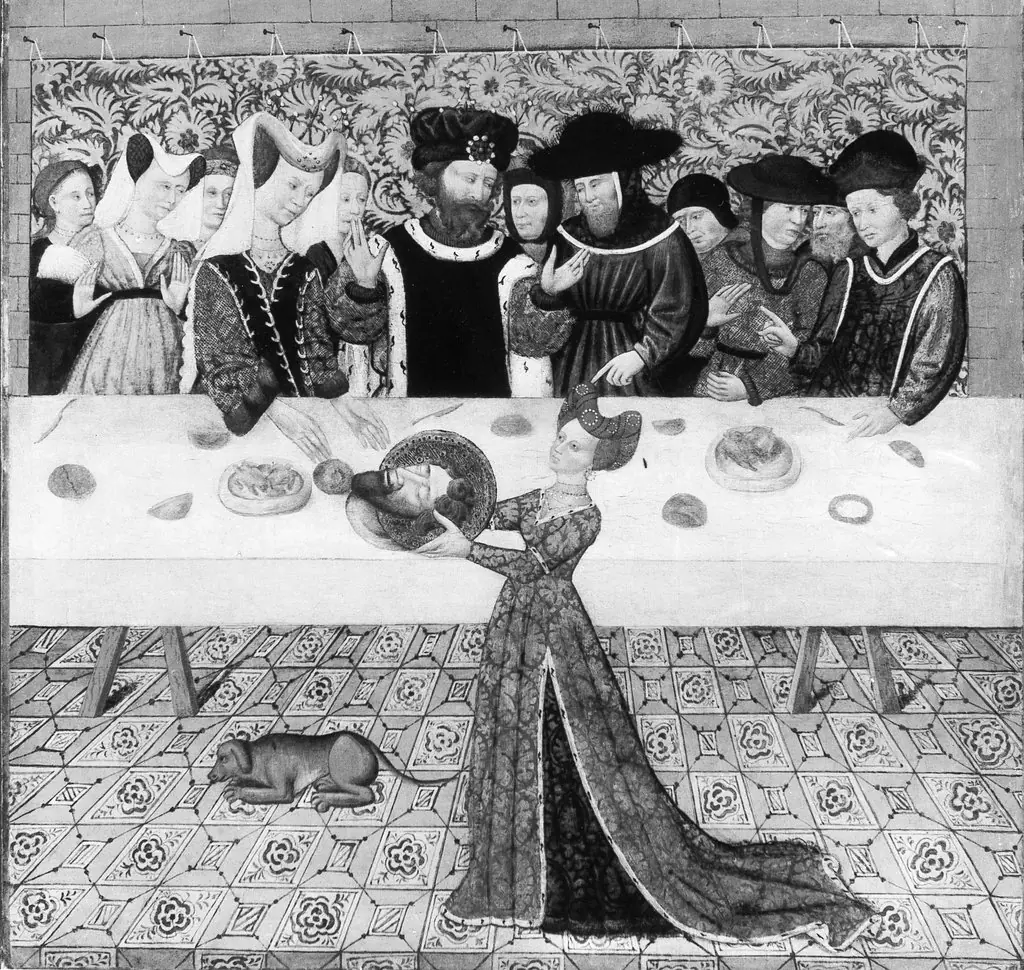 Salome with the Head of Saint John the Baptist
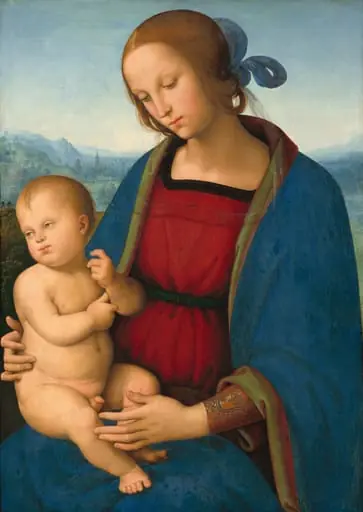 Madonna and Child
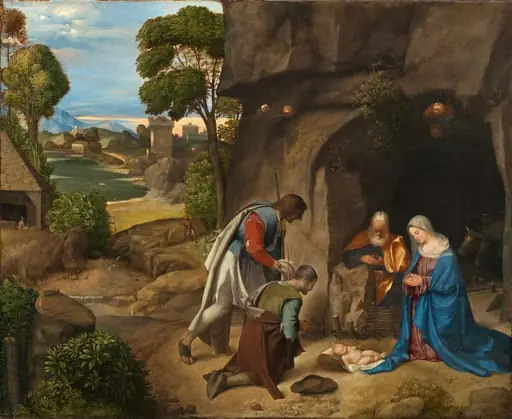 The Adoration of the Shepherds
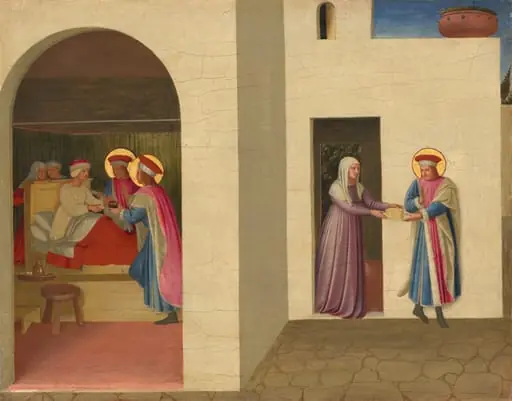 The Healing of Palladia by Saint Cosmas and Saint Damian
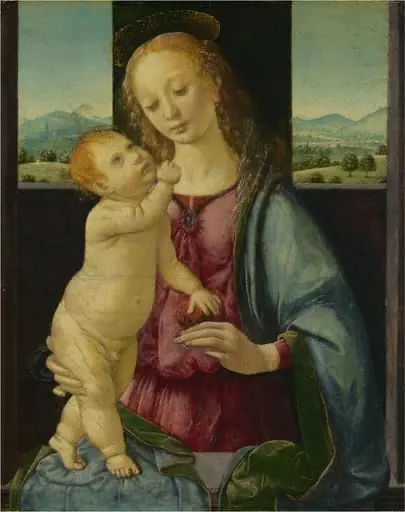 Madonna and Child with a Pomegranate
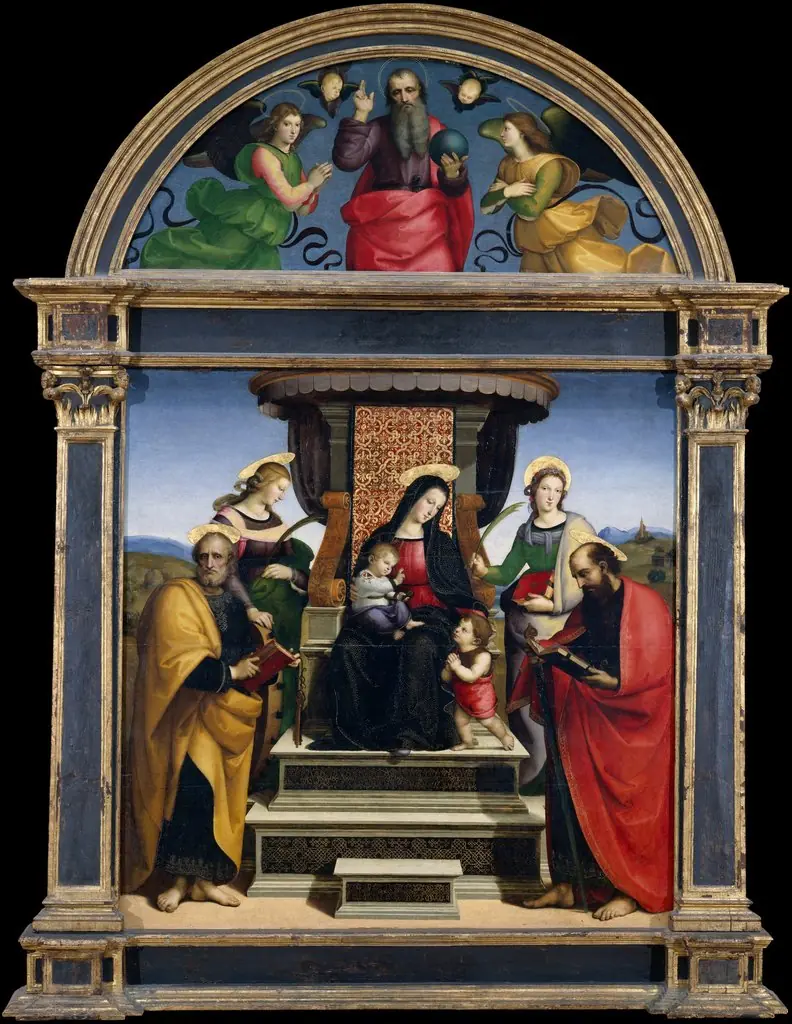 Madonna and Child Enthroned with Saints
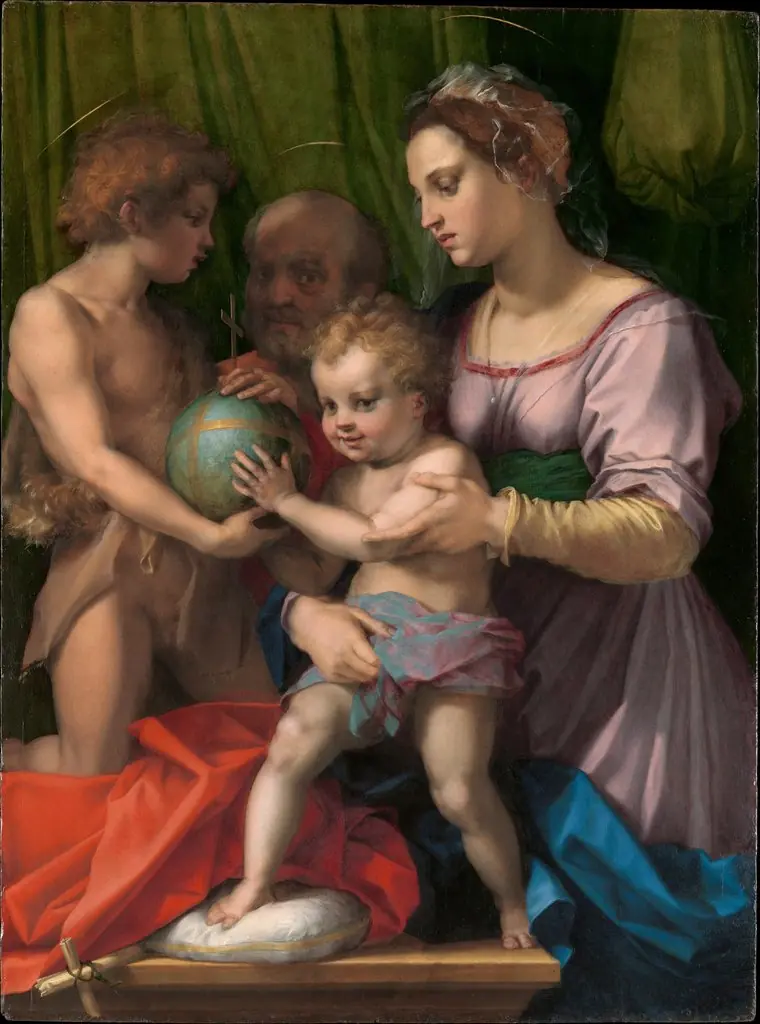 The Holy Family with the Young Saint John the Baptist
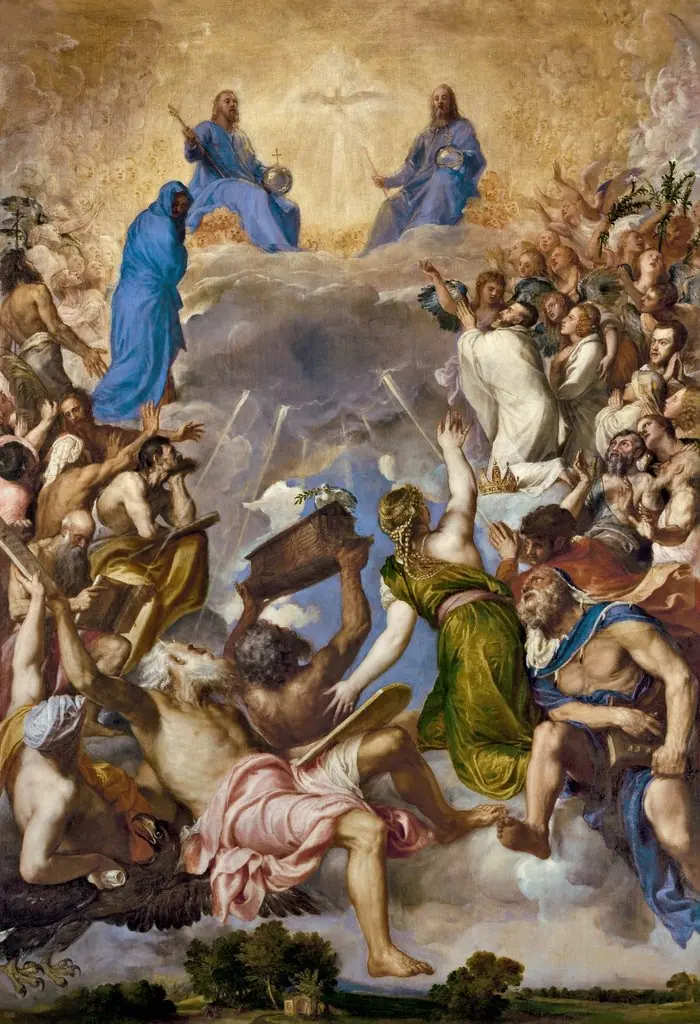 La Gloria
 Portrait of a Venetian Gentleman
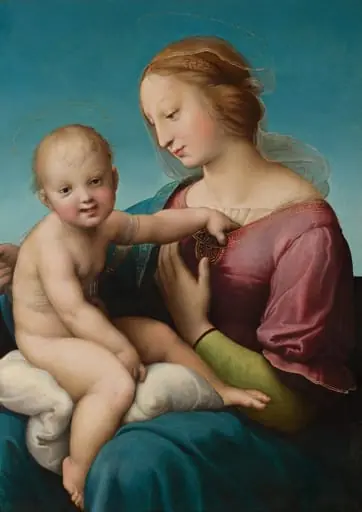 The Niccolini-Cowper Madonna
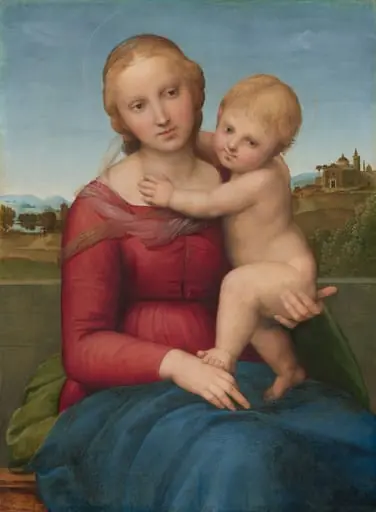 The Small Cowper Madonna
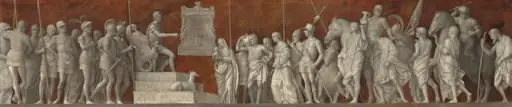 An Episode from the Life of Publius Cornelius Scipio
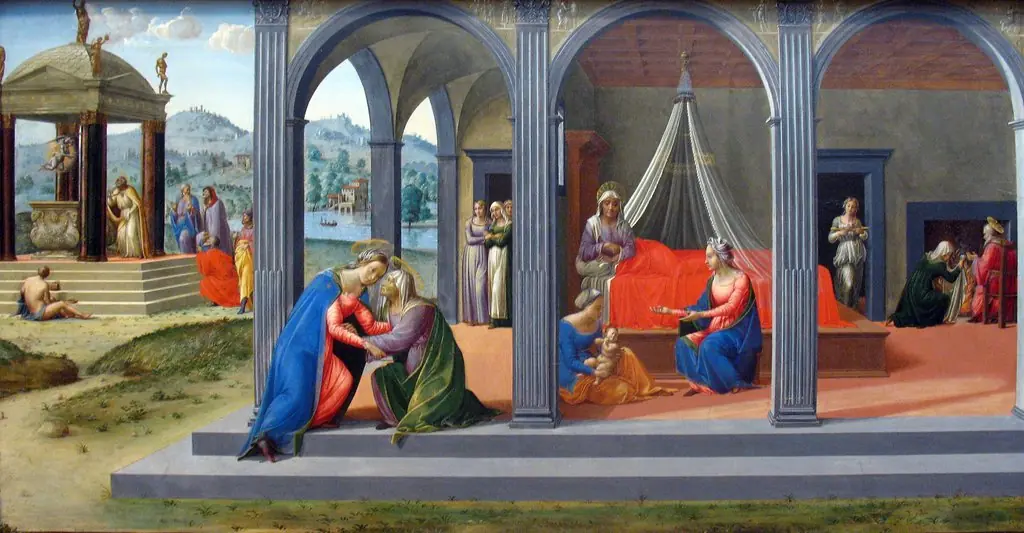 Scenes from the Life of Saint John the Baptist
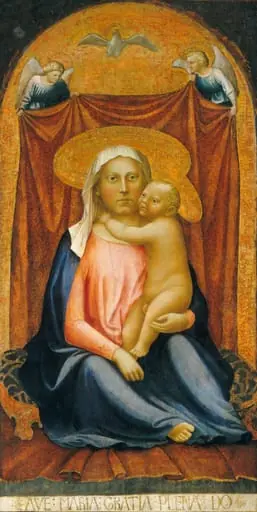 The Madonna of Humility
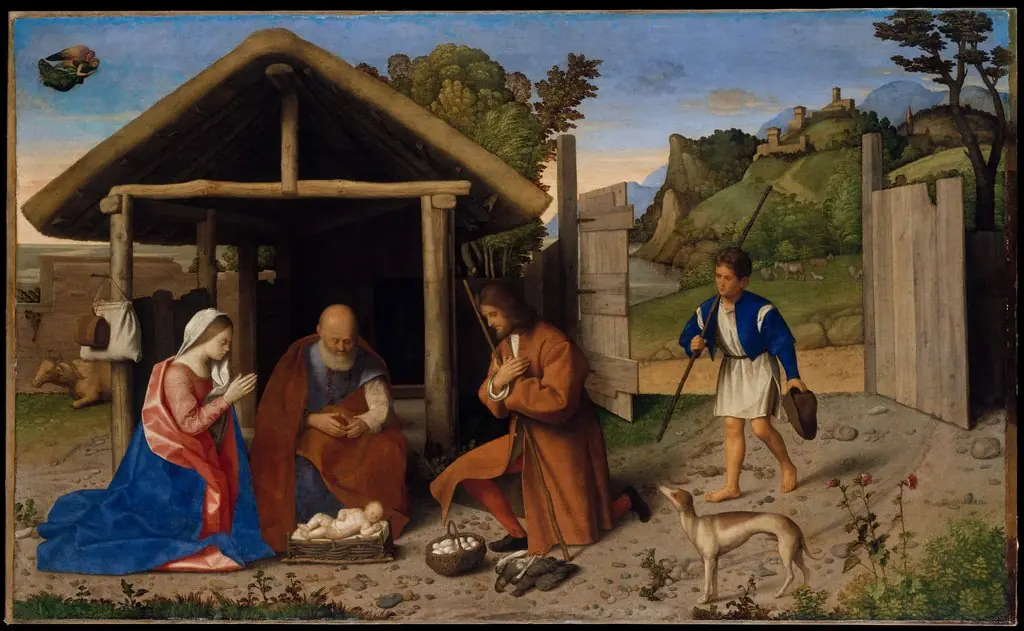 The Adoration of the Shepherds
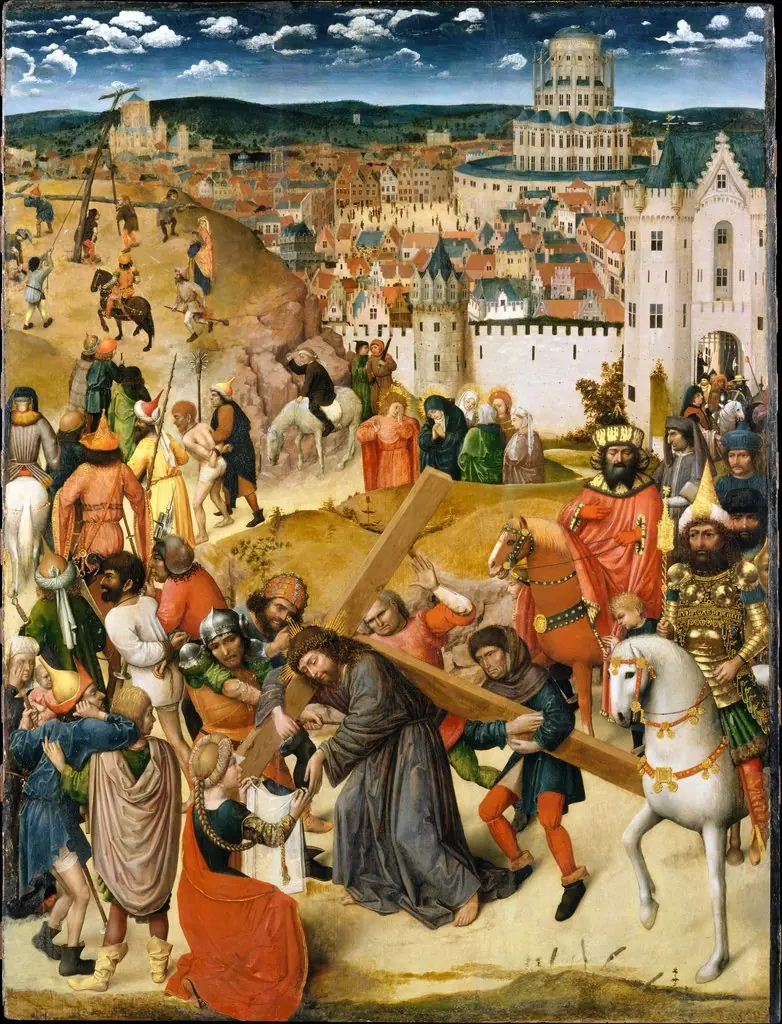 Christ Bearing the Cross
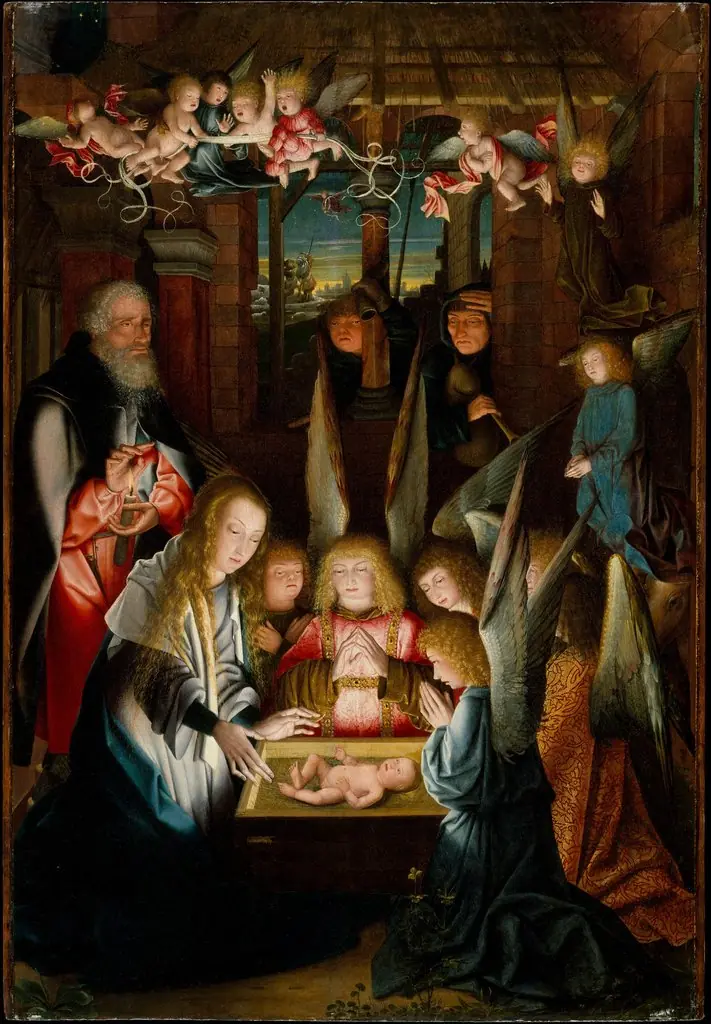 The Adoration of the Christ Child
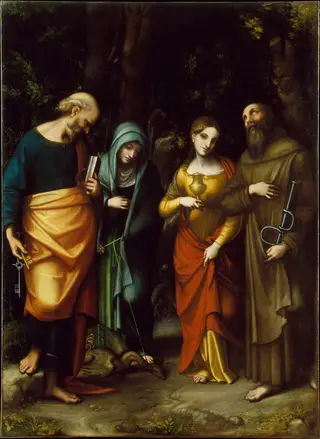 Saints Peter, Martha, Mary Magdalen, and Leonard
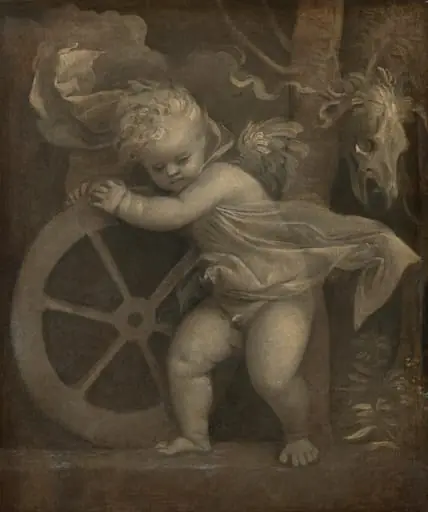 Cupid with the Wheel of Time
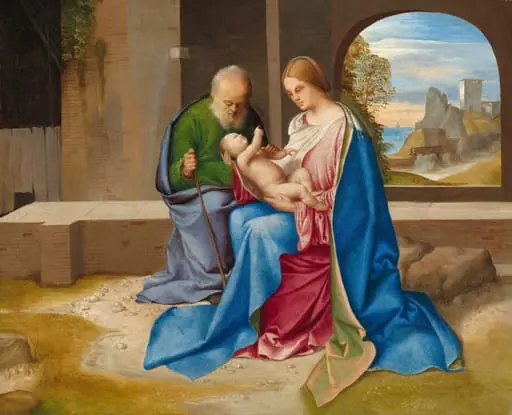 The Holy Family
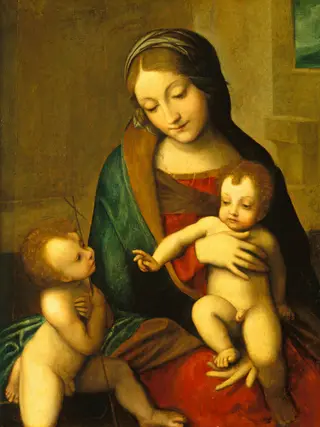 Madonna and Child with the Infant Saint John
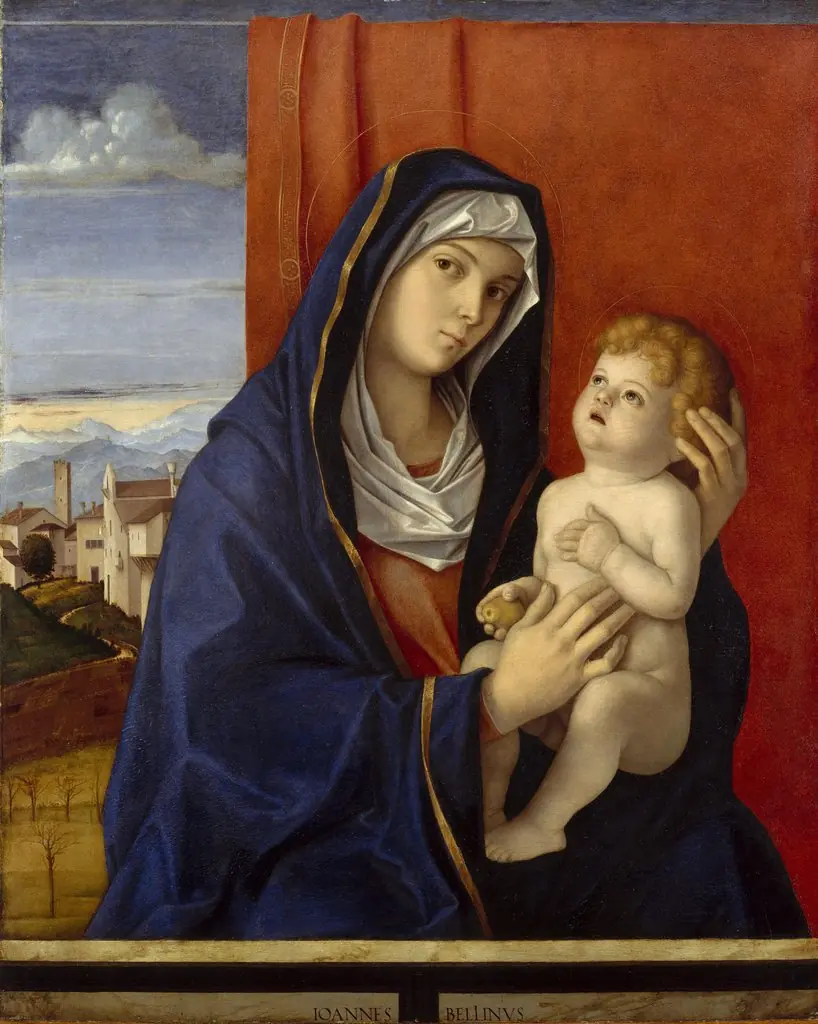 Madonna and Child
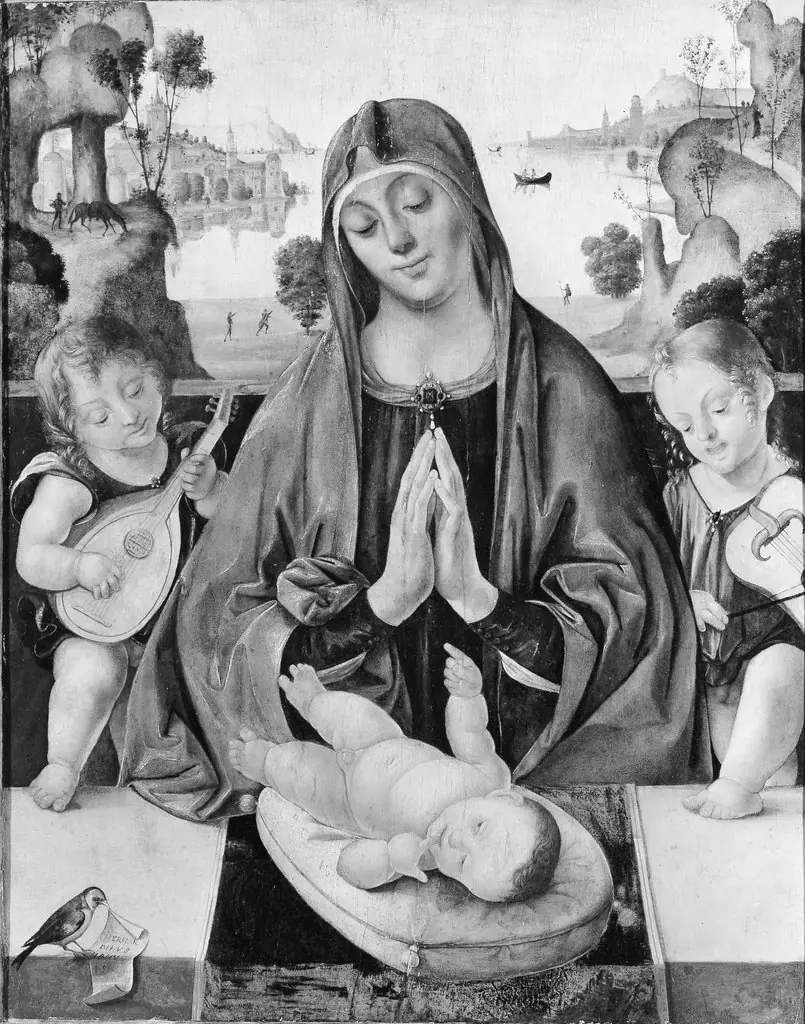 Madonna and Child with Angels
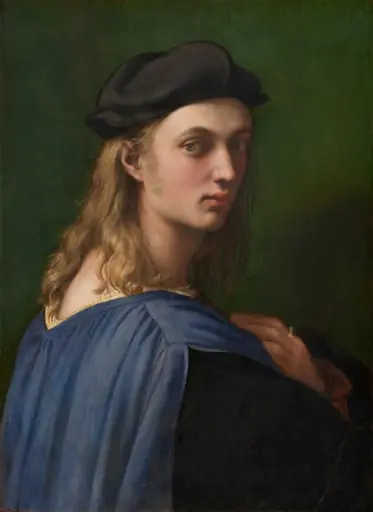 Bindo Altoviti
![Wreath of Laurel, Palm, and Juniper with a Scroll inscribed Virtutem Forma Decorat [reverse], by Leonardo da Vinci, 1476](https://artifactworldgallery.com/img/leonardo-da-vinci--wreath-of-laurel-palm-and-juniper-with-a-scroll-inscribed-vi--4cdfe8467ad2438a-w320.webp) Wreath of Laurel, Palm, and Juniper with a Scroll inscribed Virtutem Forma Decorat [reverse]
Wreath of Laurel, Palm, and Juniper with a Scroll inscribed Virtutem Forma Decorat [reverse]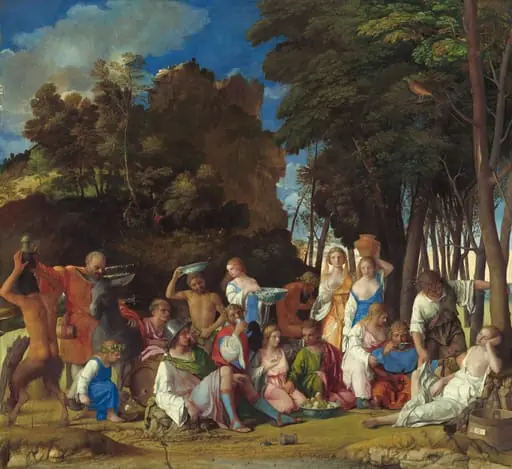 The Feast of the Gods
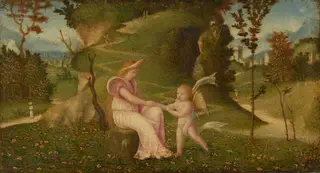 Venus and Cupid in a Landscape
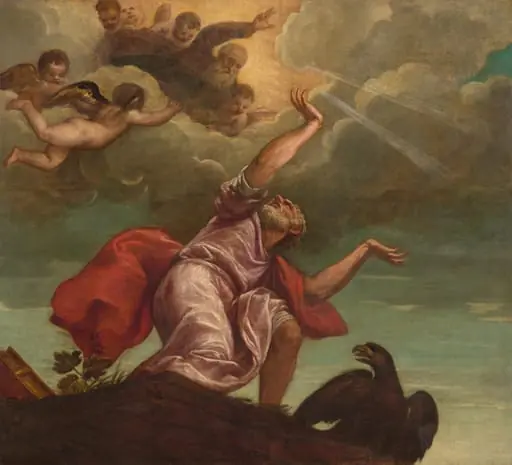 Saint John the Evangelist on Patmos
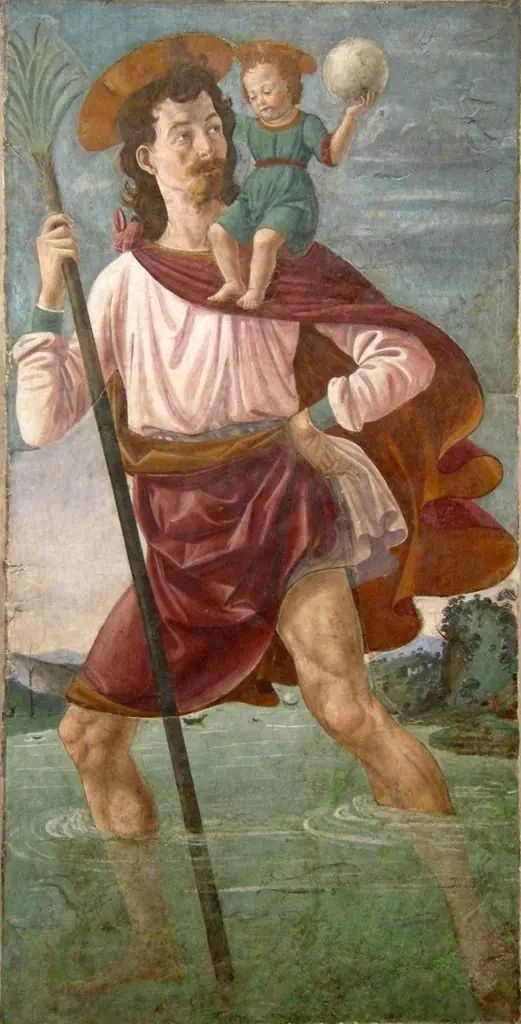 Saint Christopher and the Infant Christ
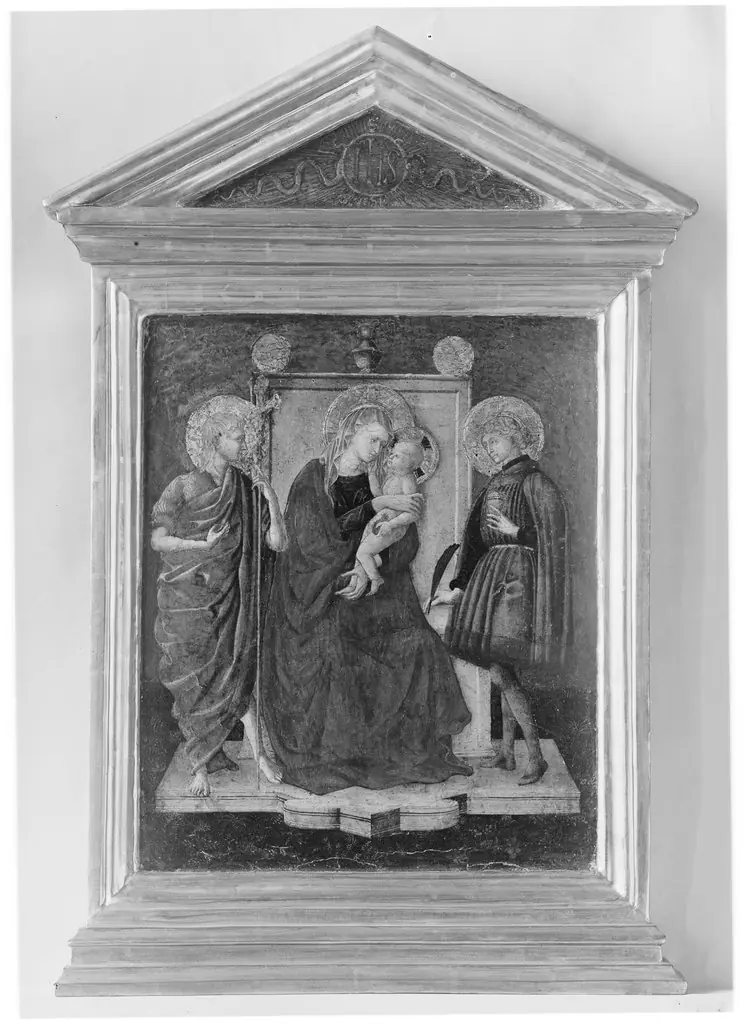 Madonna and Child Enthroned with Saint John the Baptist and Another Saint
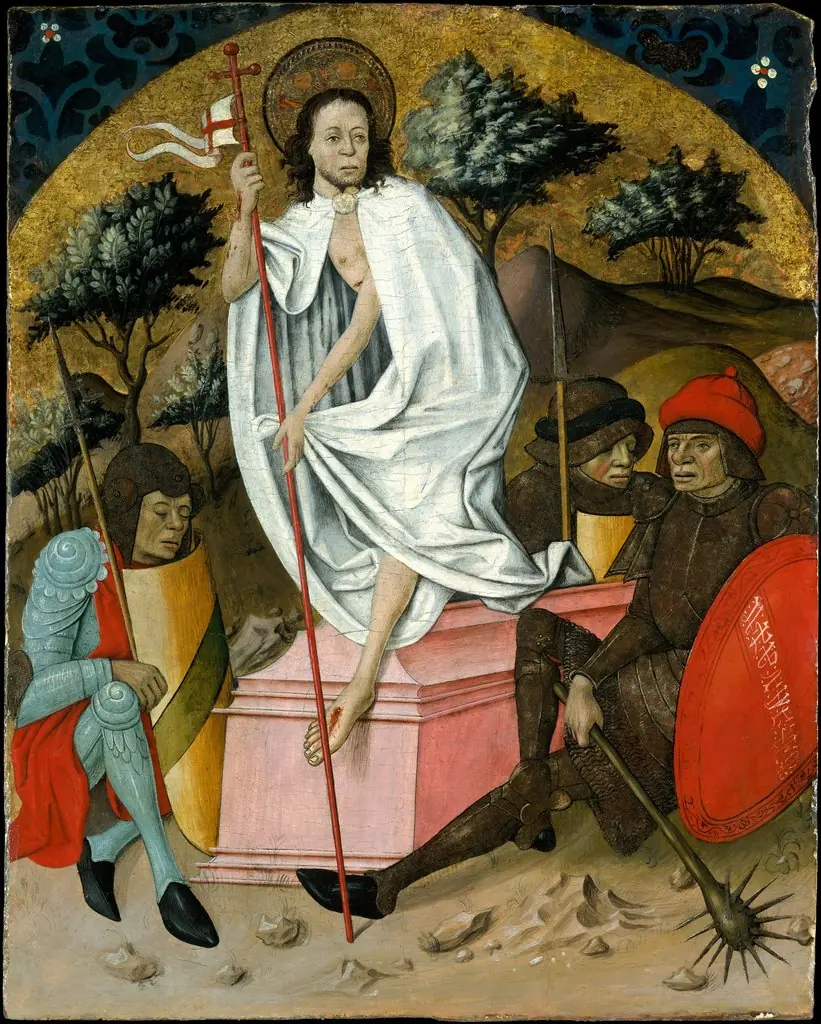 The Resurrection
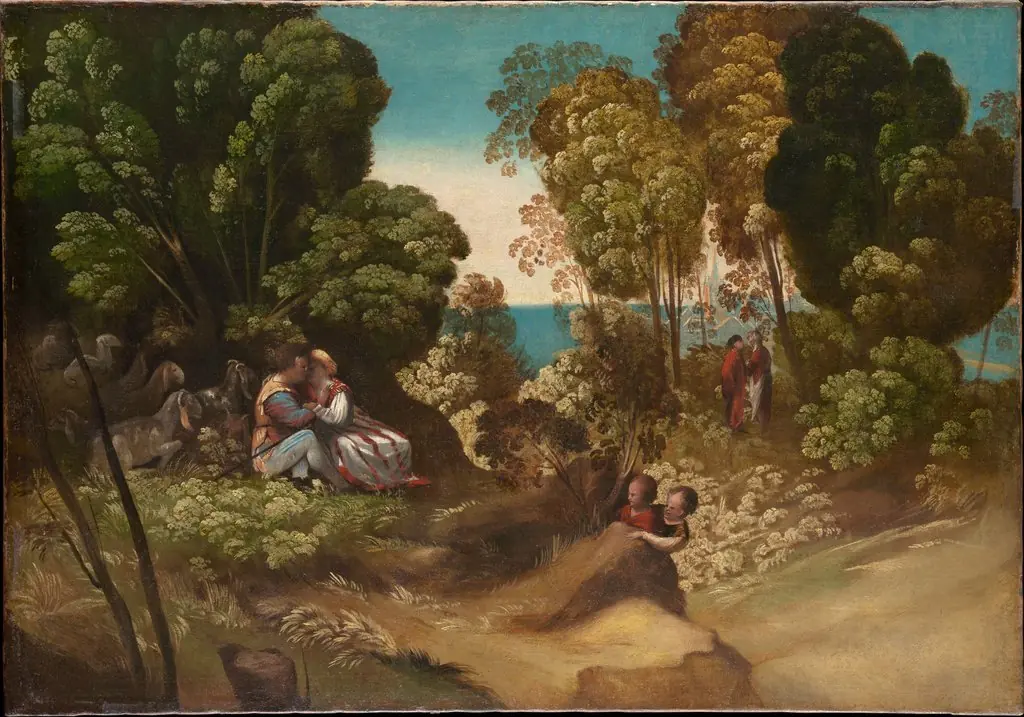 The Three Ages of Man
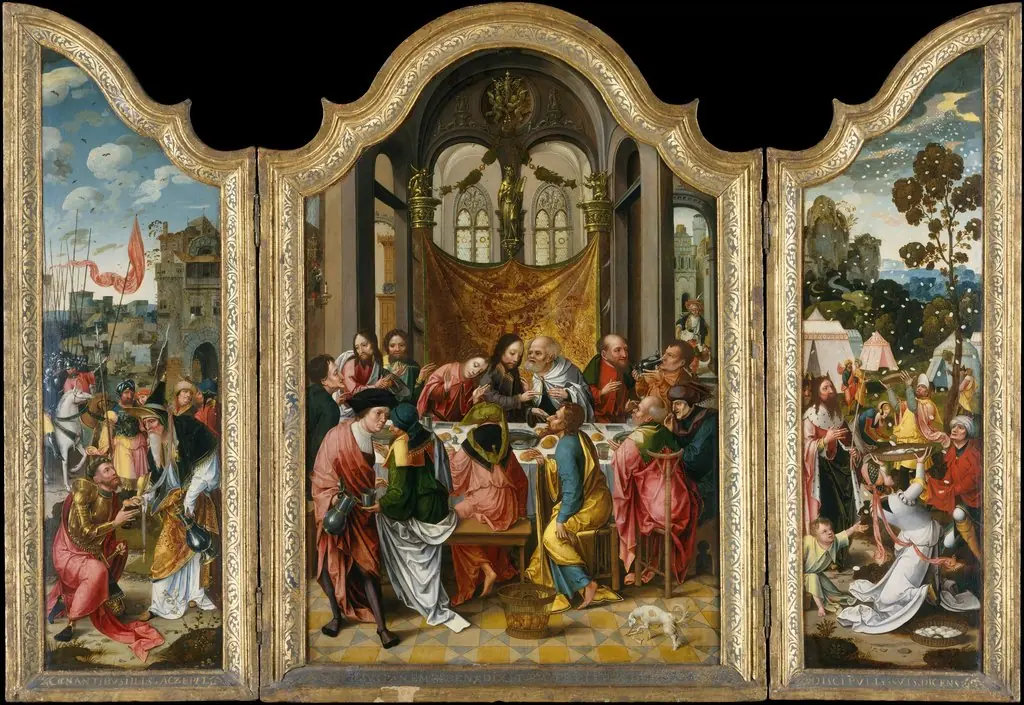 The Last Supper
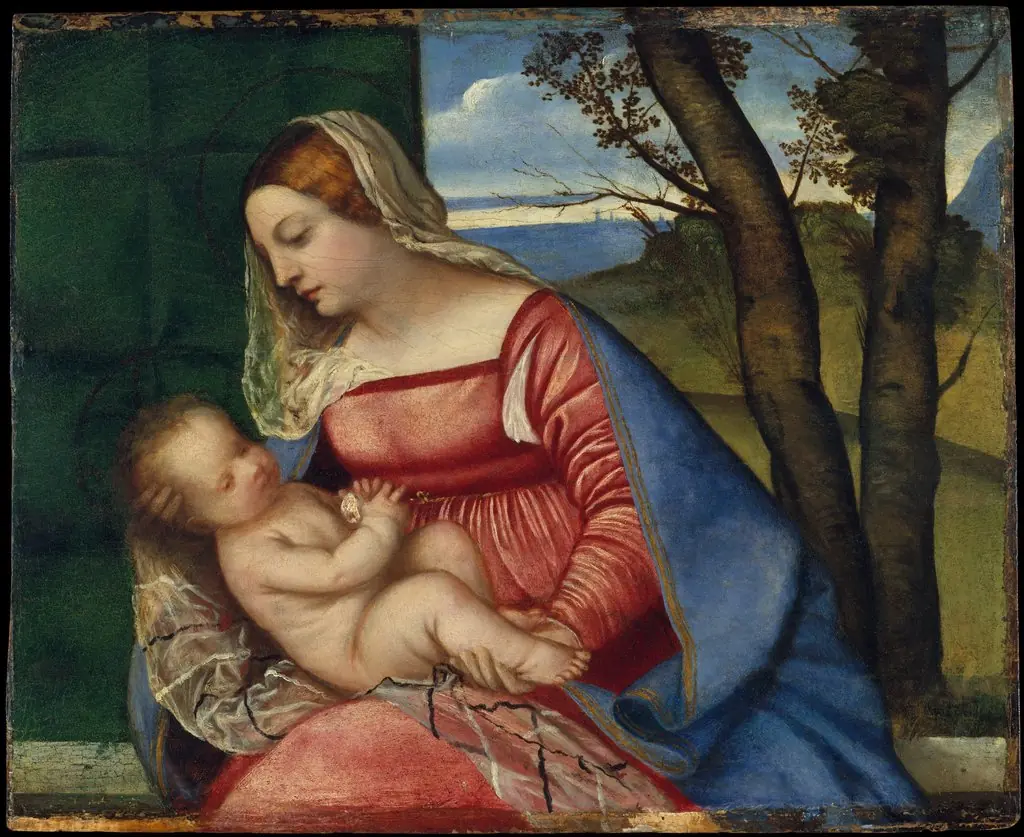 Bache Madonna
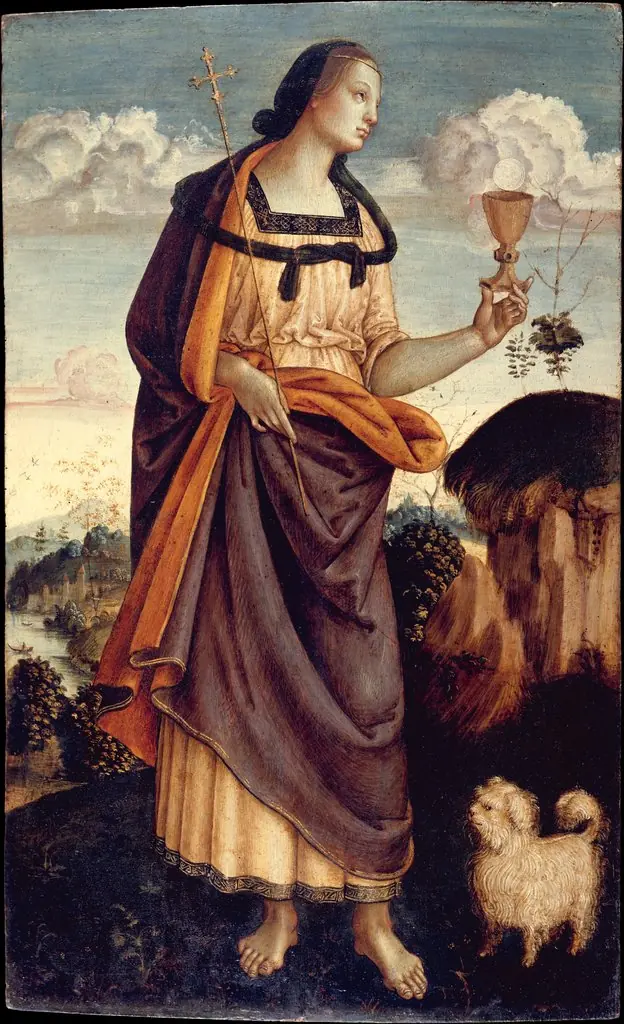 The Theological Virtues: Faith, Charity, Hope
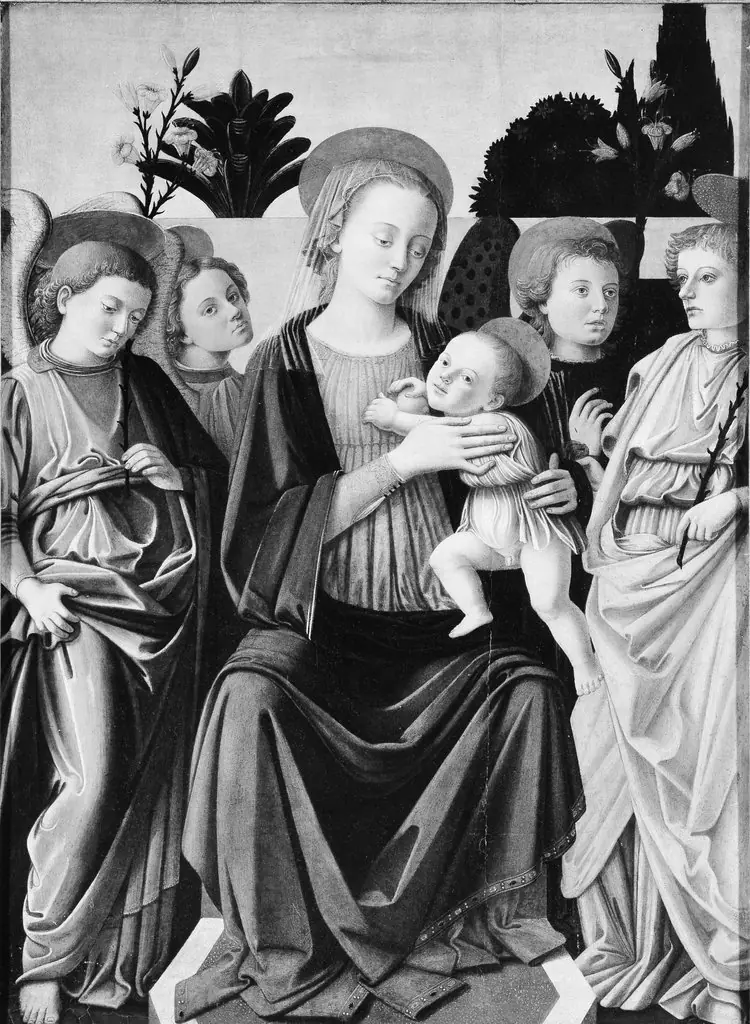 Madonna and Child with Angels
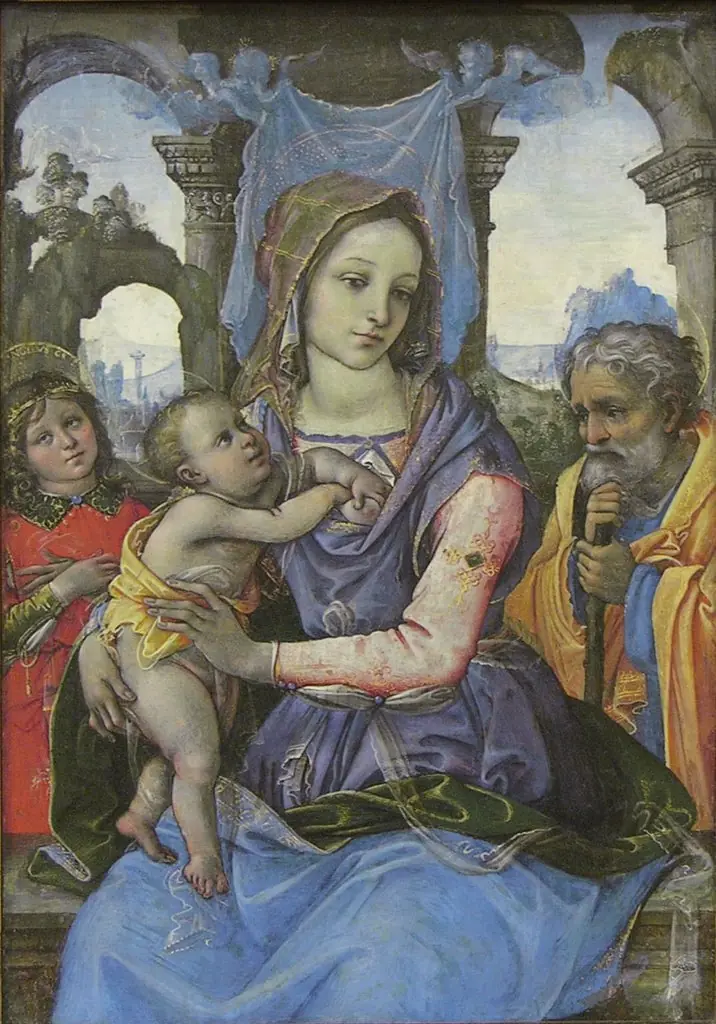 Madonna and Child with Saint Joseph and an Angel
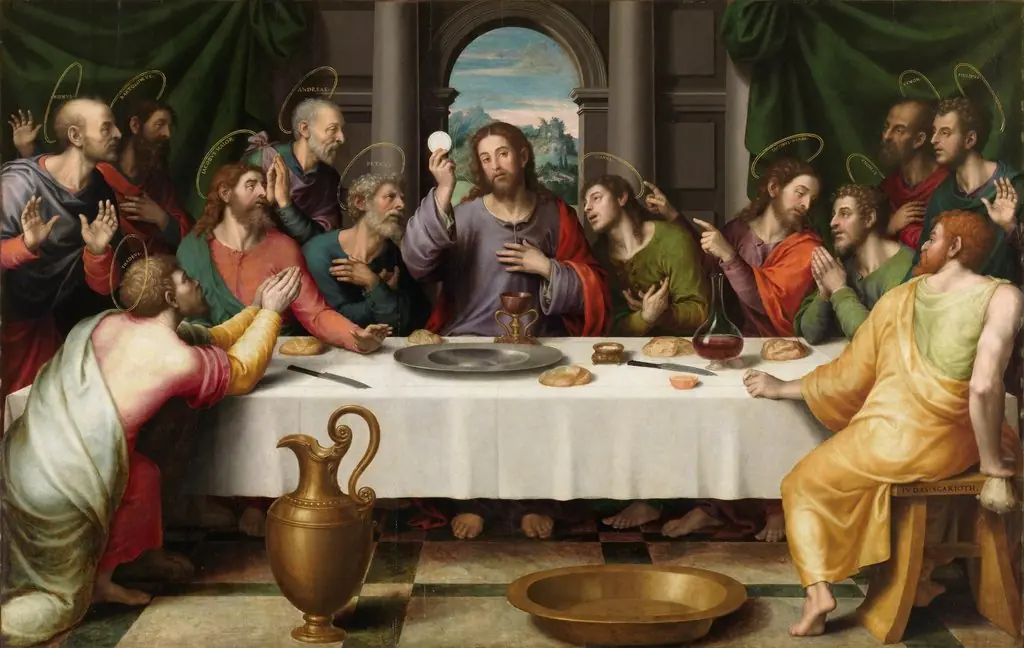 The Last Supper
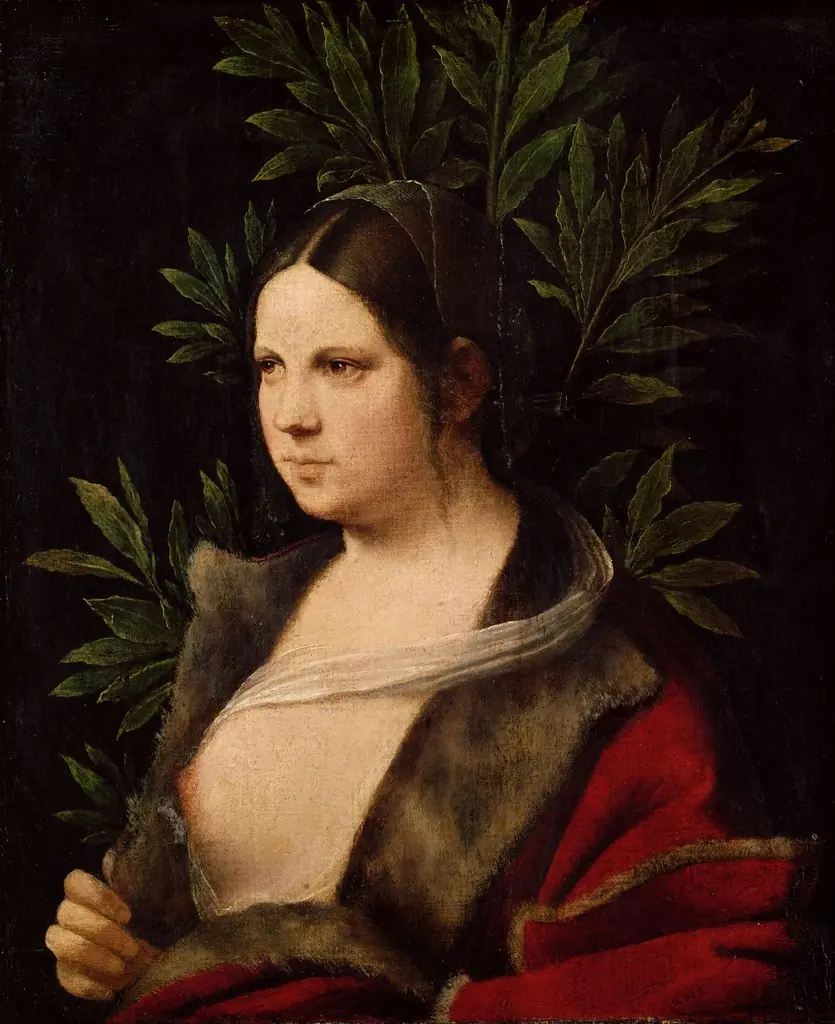 Laura
Laura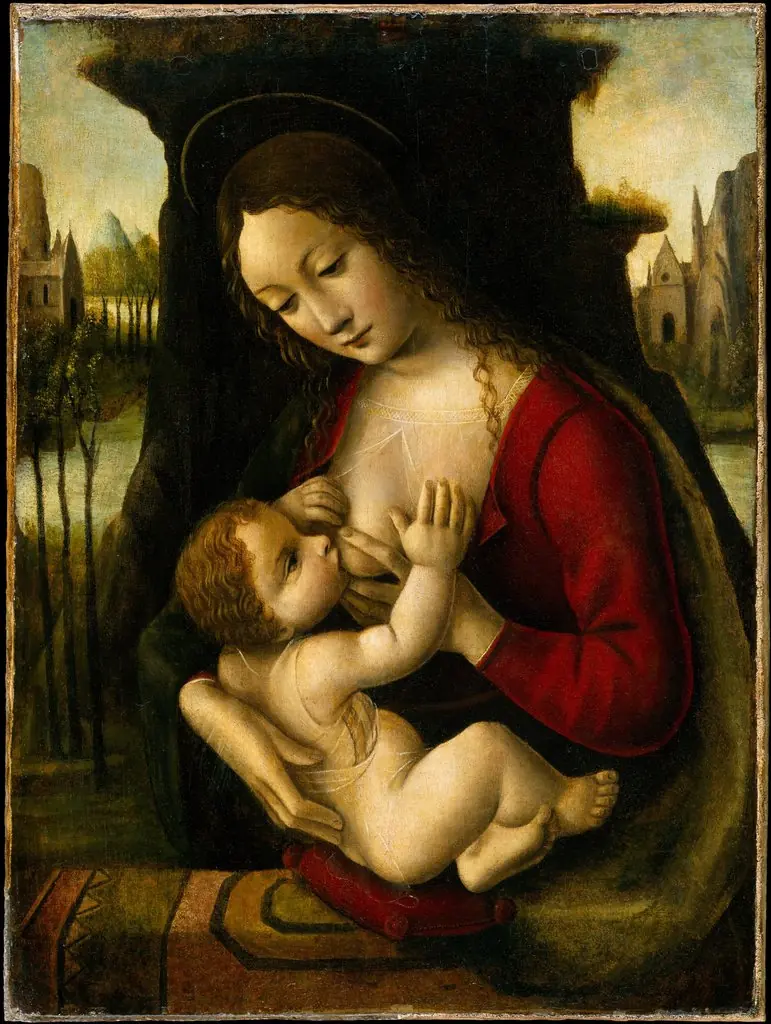 Madonna and Child
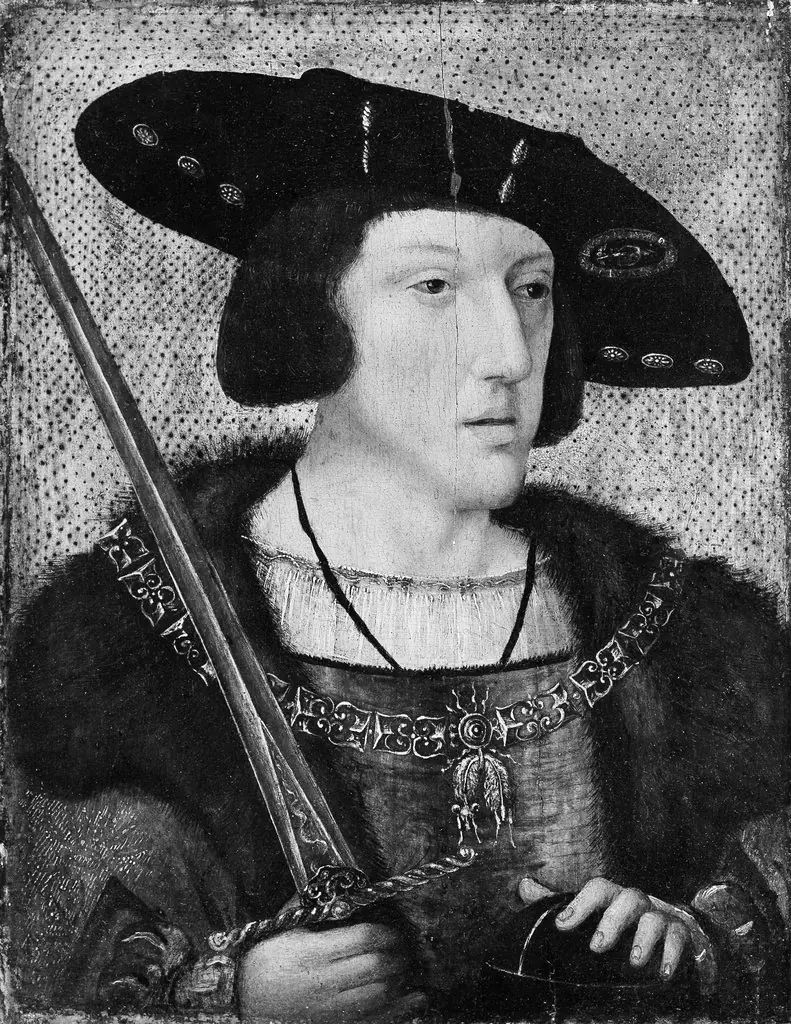 Charles V (1500–1558), Holy Roman Emperor
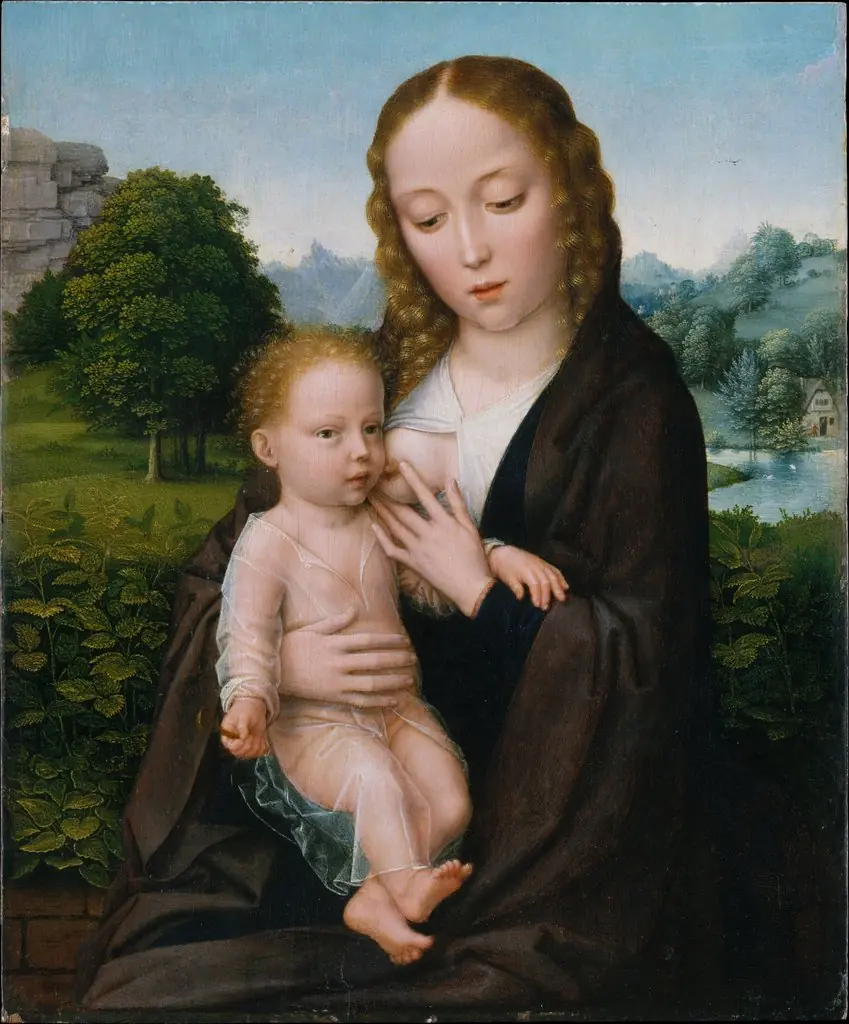 Virgin and Child
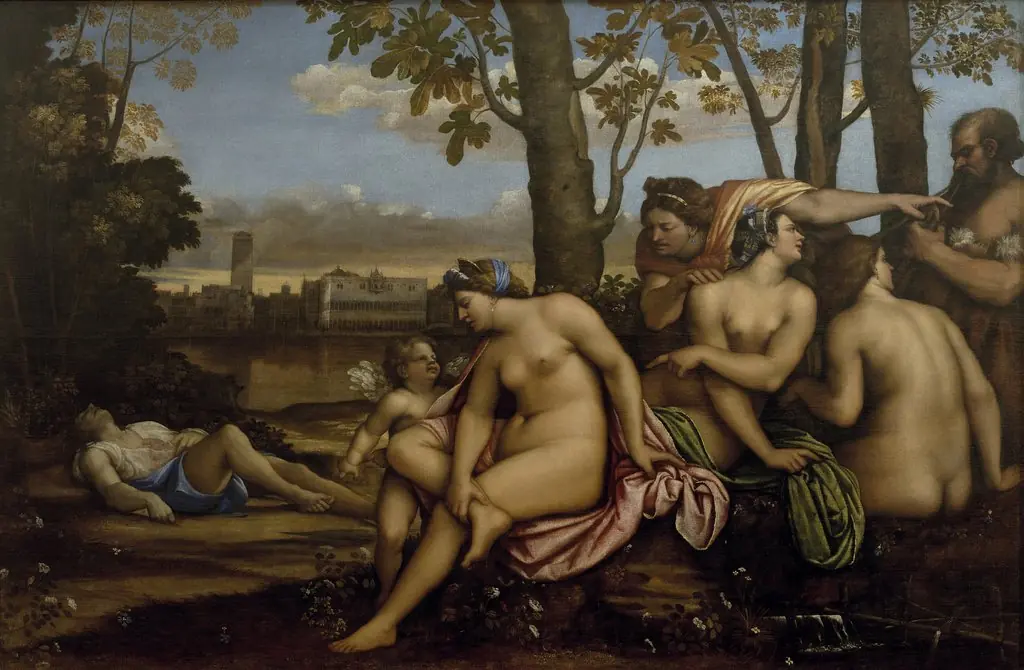 Death of Adonis
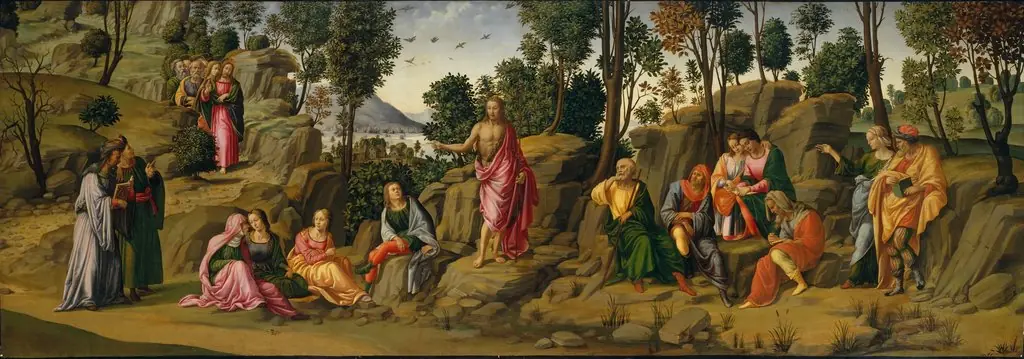 Saint John the Baptist Bearing Witness
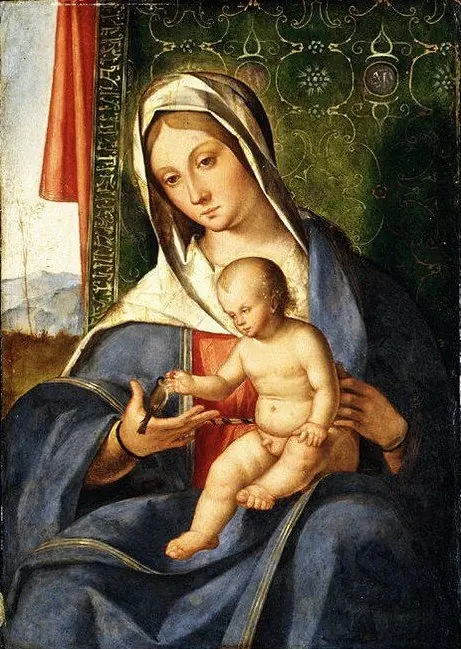 Madonna and Child
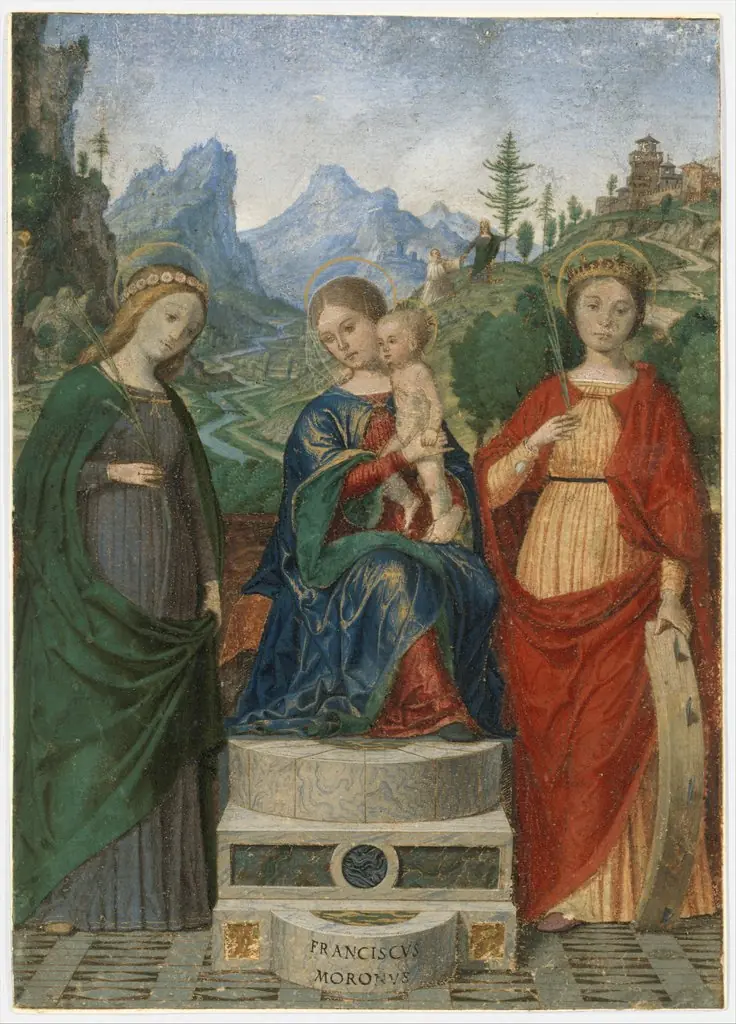 Virgin and Child Enthroned between Saints Cecilia and Catherine of Alexandria
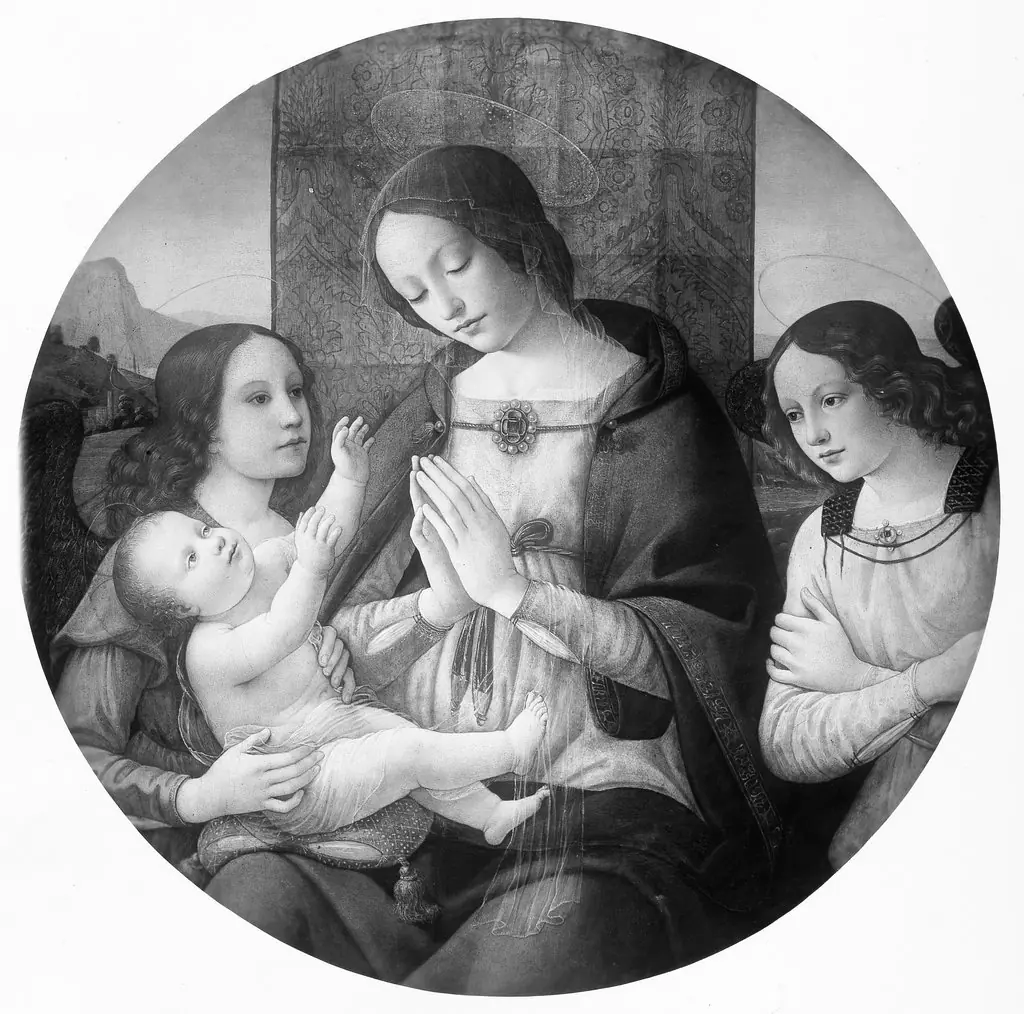 Madonna and Child with Angels
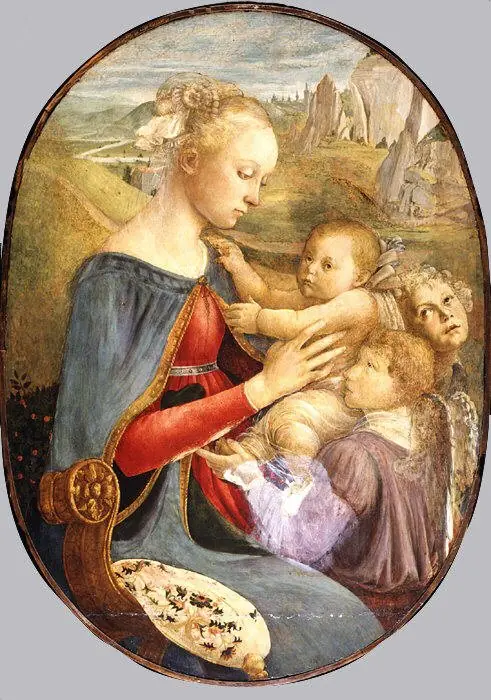 Madonna and Child with Two Angels
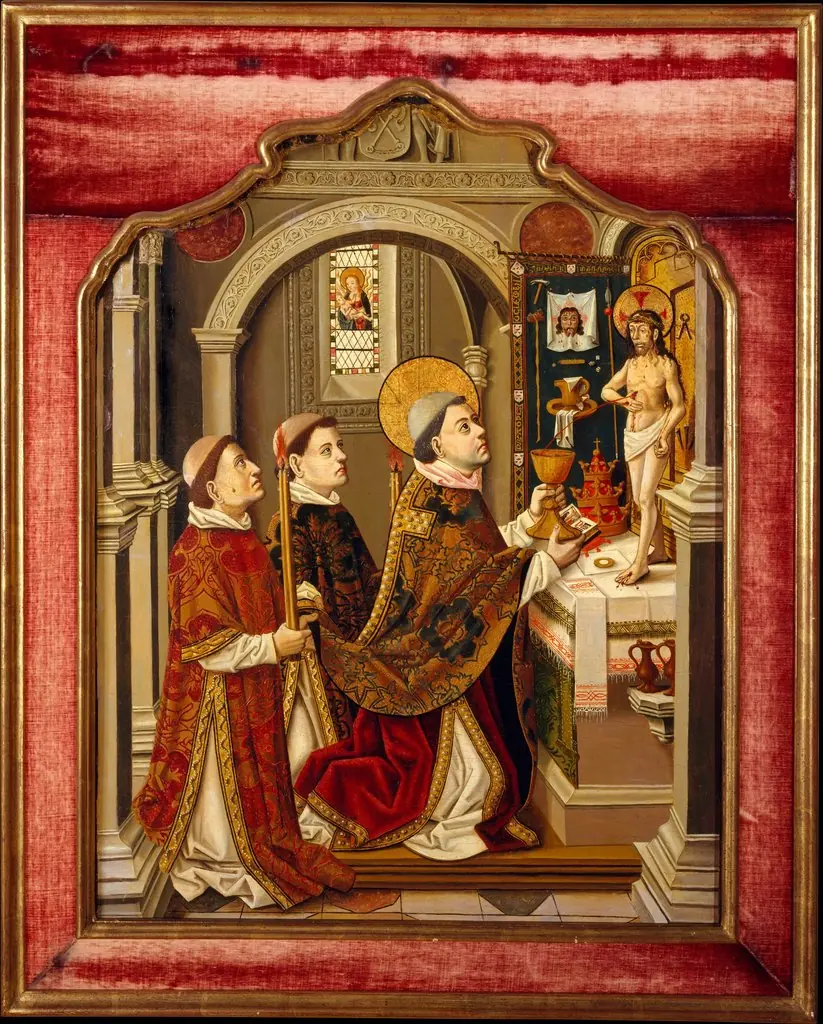 The Mass of Saint Gregory
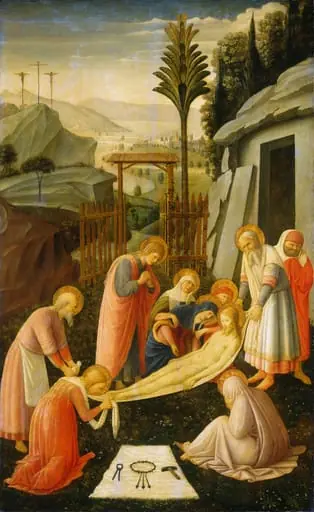 The Entombment of Christ
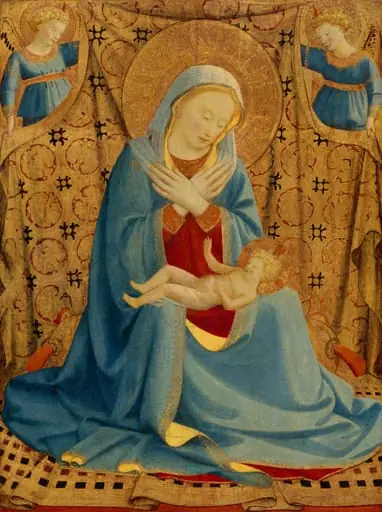 The Madonna of Humility
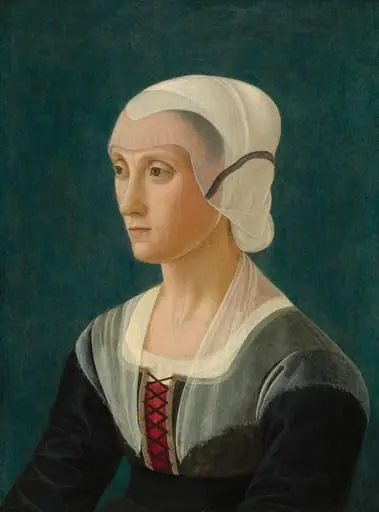 Lucrezia Tornabuoni
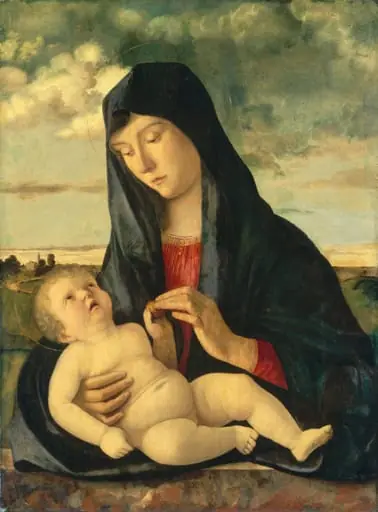 Madonna and Child in a Landscape
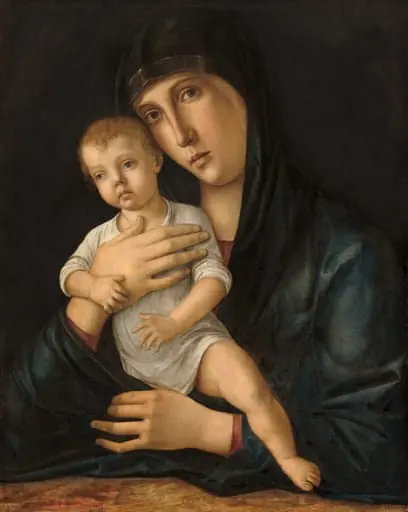 Madonna and Child
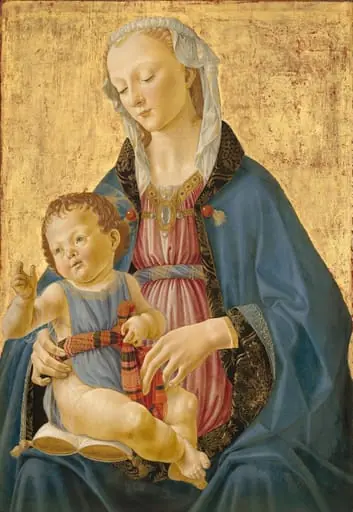 Madonna and Child
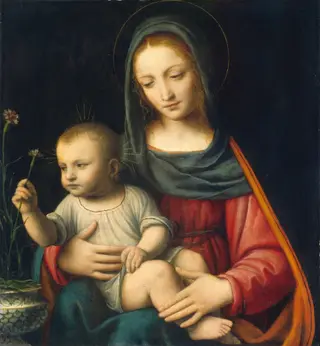 The Madonna of the Carnation
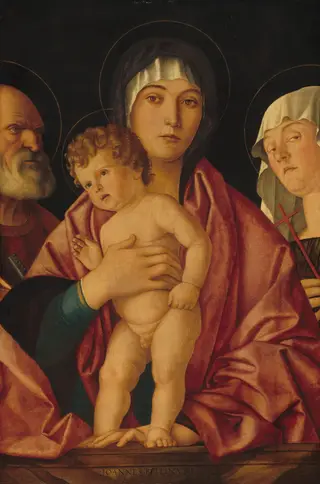 Madonna and Child with Saints
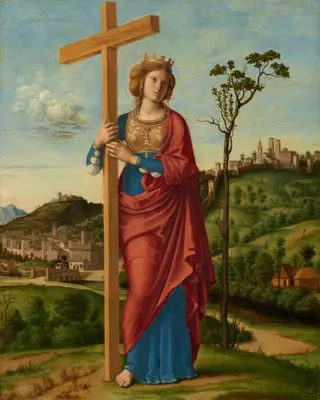 Saint Helena
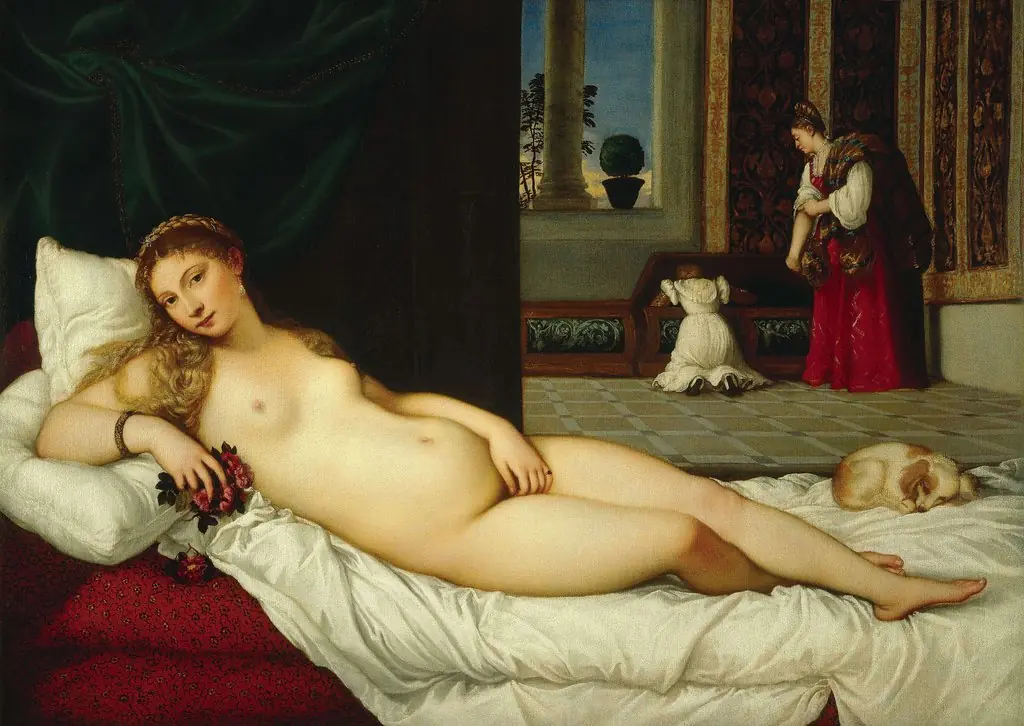 Venus of Urbino
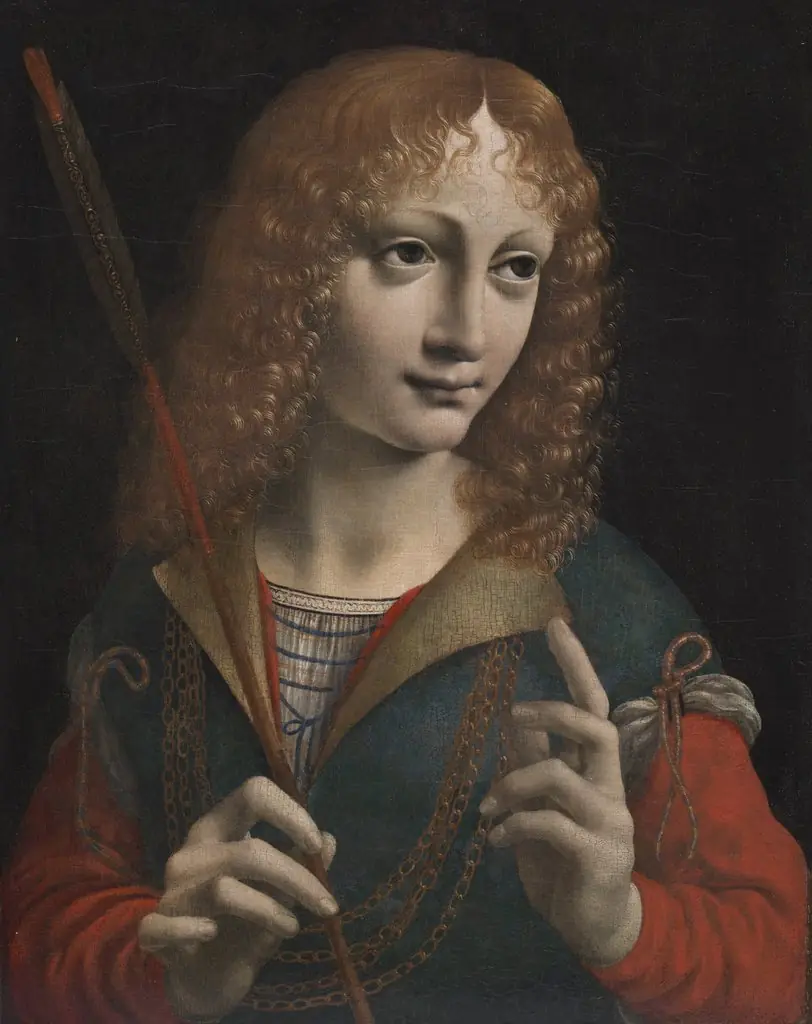 Portrait of a Youth as Saint Sebastian
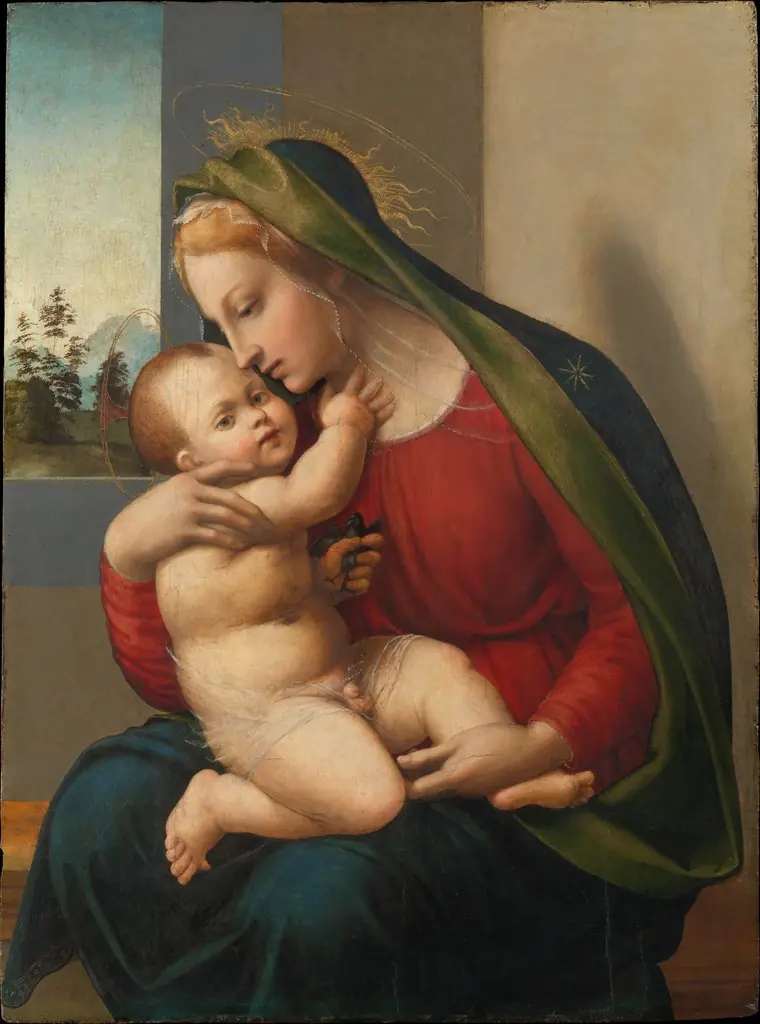 Madonna and Child
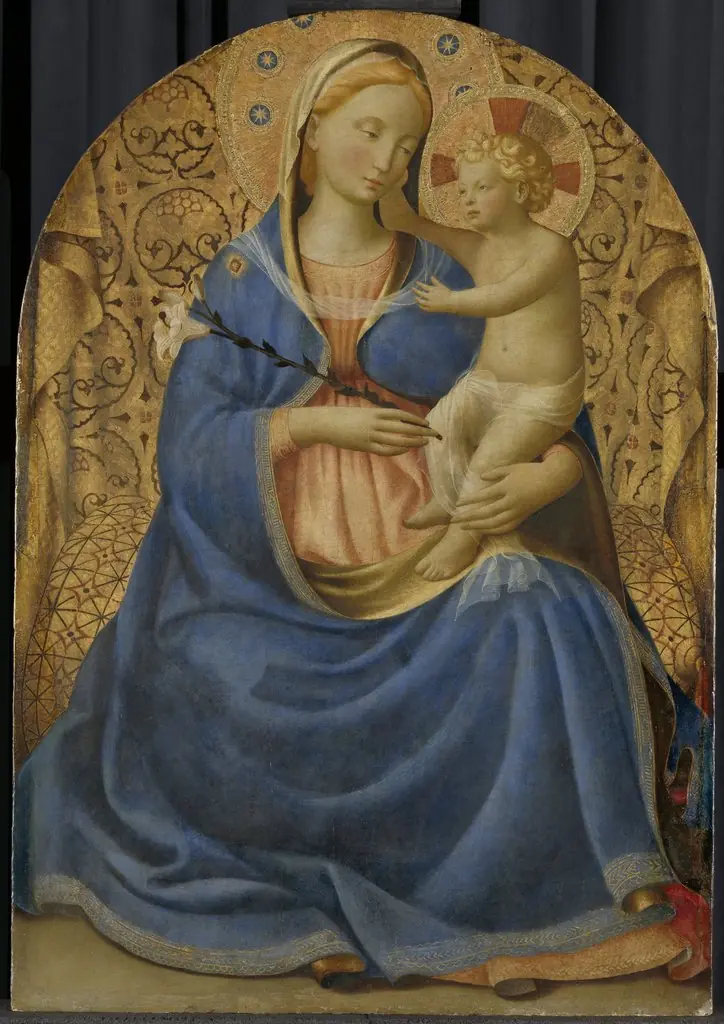 Madonna of Humility
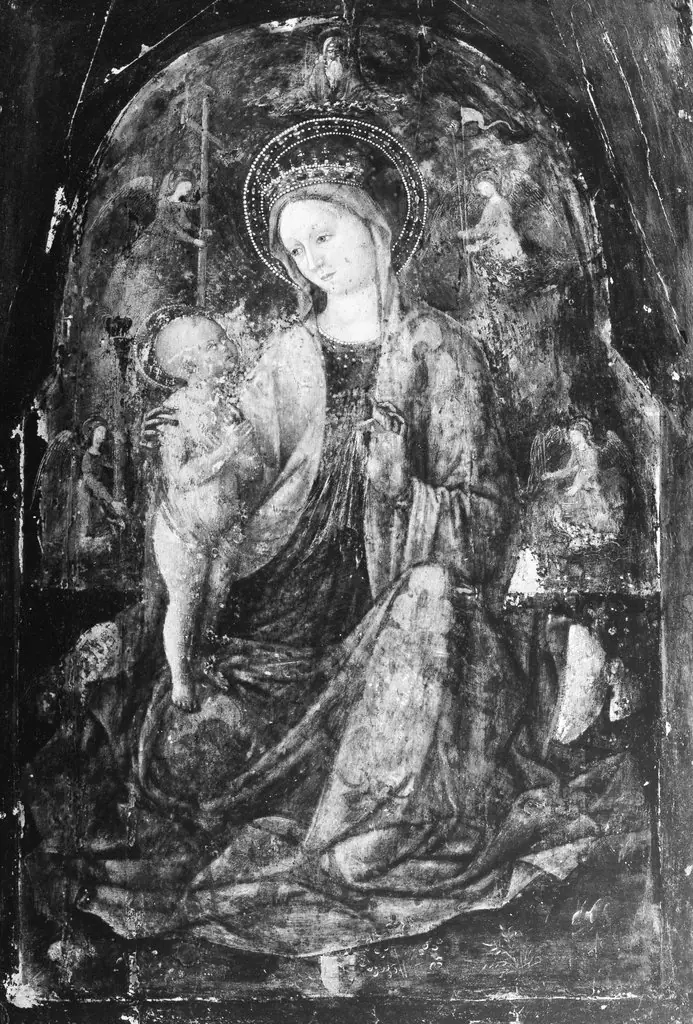 Madonna and Child
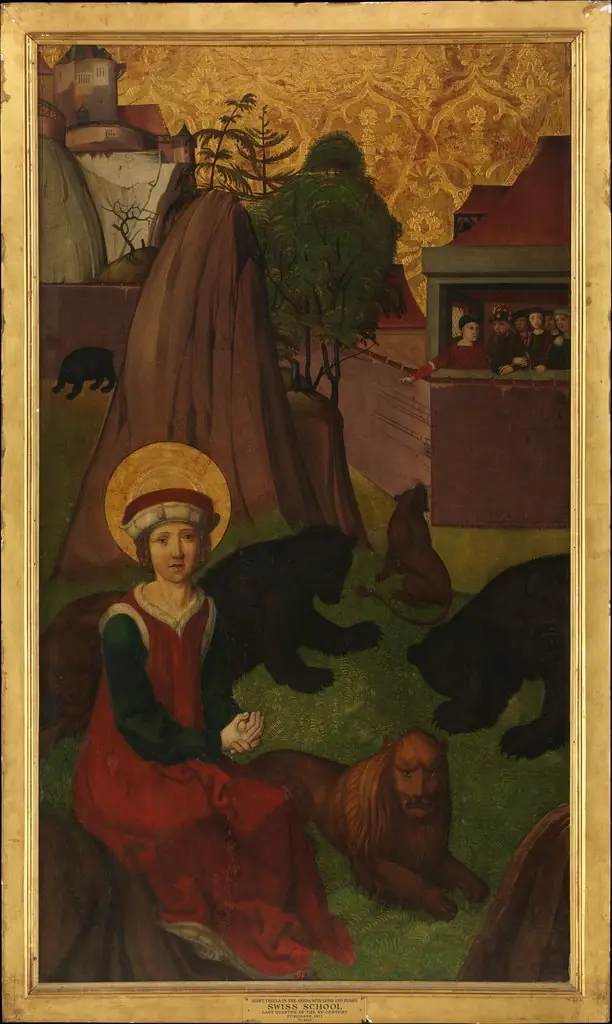 Saint Agapitus of Praeneste in the Arena; (interior) The Beheading of Saint Agapitus of Praeneste
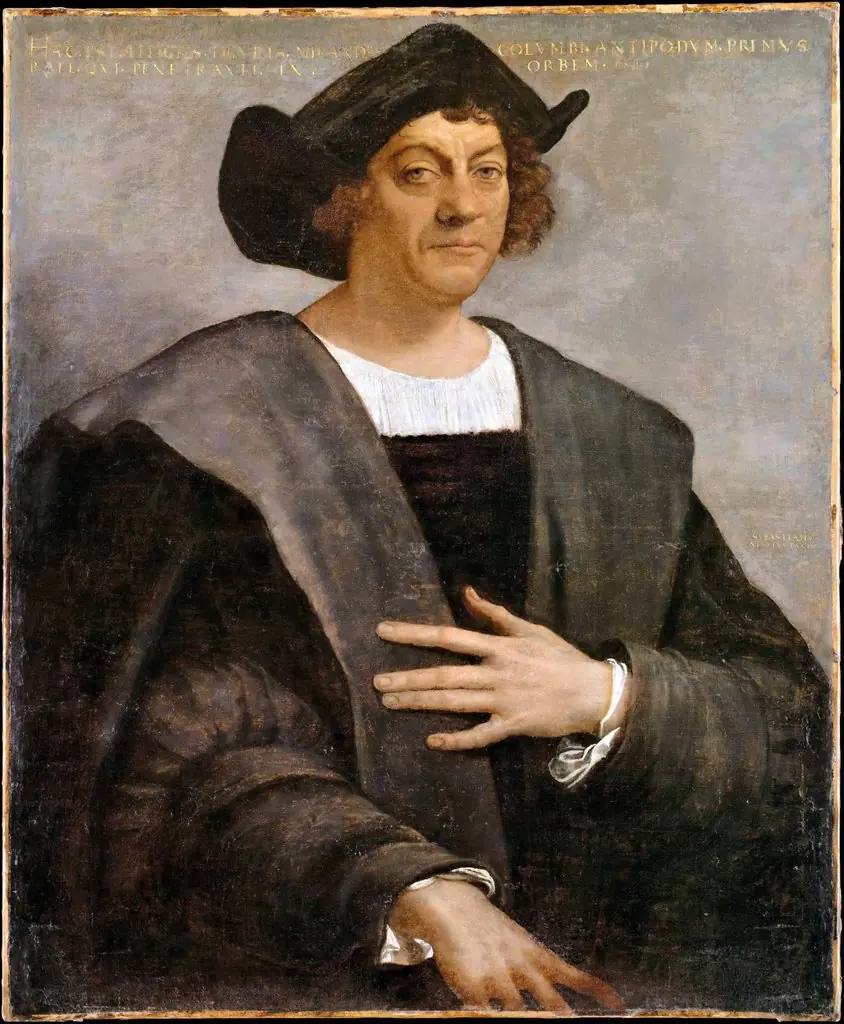 Portrait of a Man, Said to be Christopher Columbus (born about 1446, died 1506)
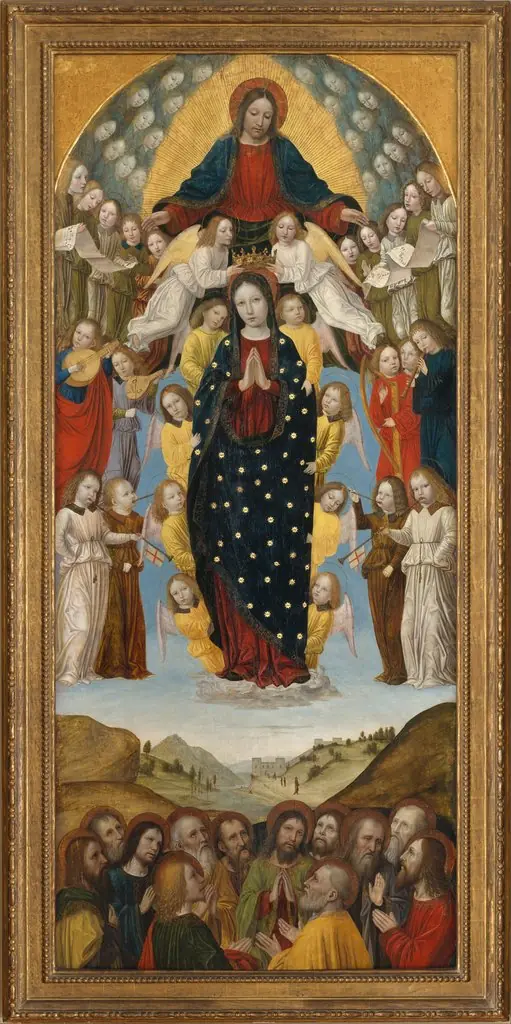 The Assumption of the Virgin
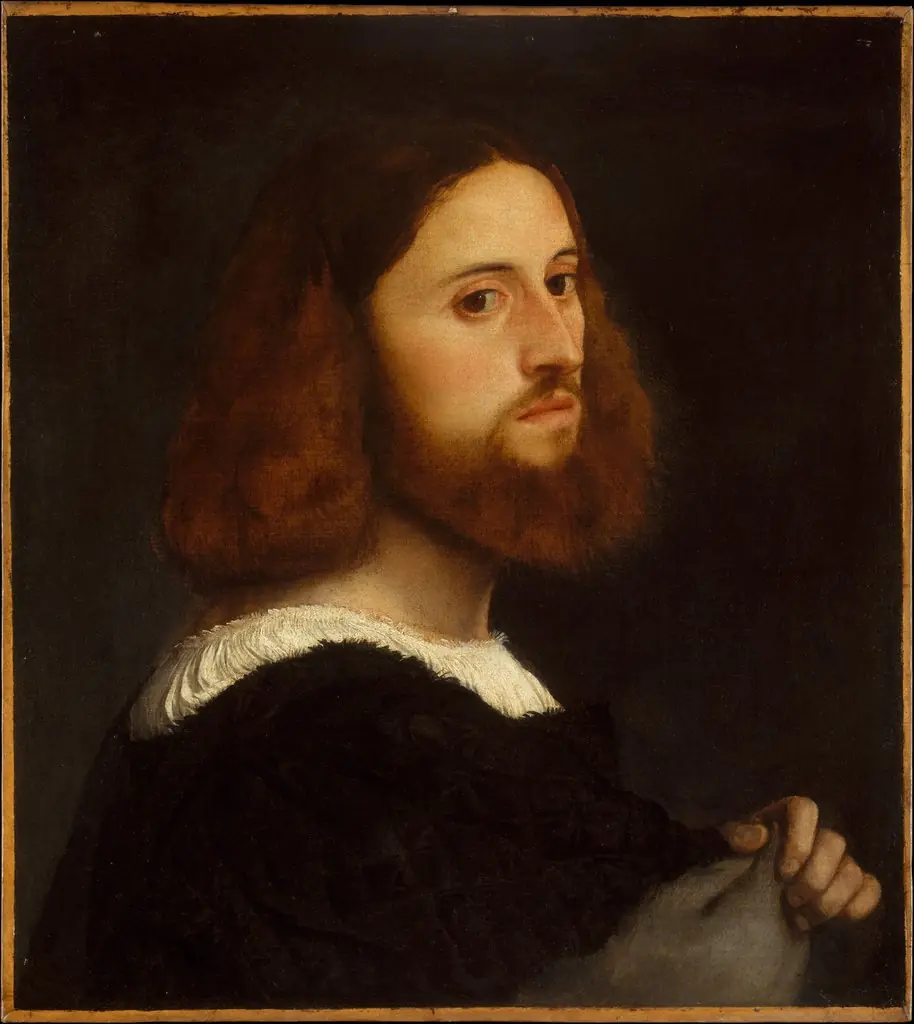 Portrait of a Man
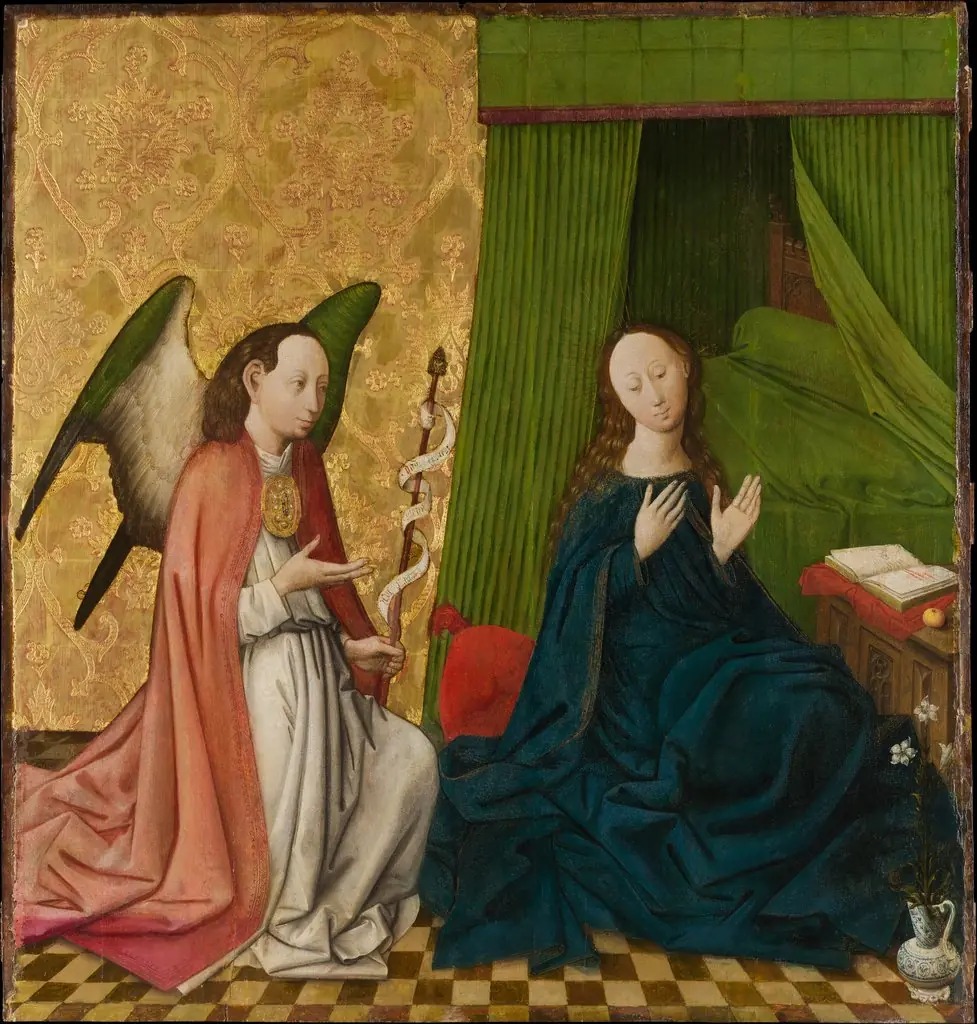 The Annunciation
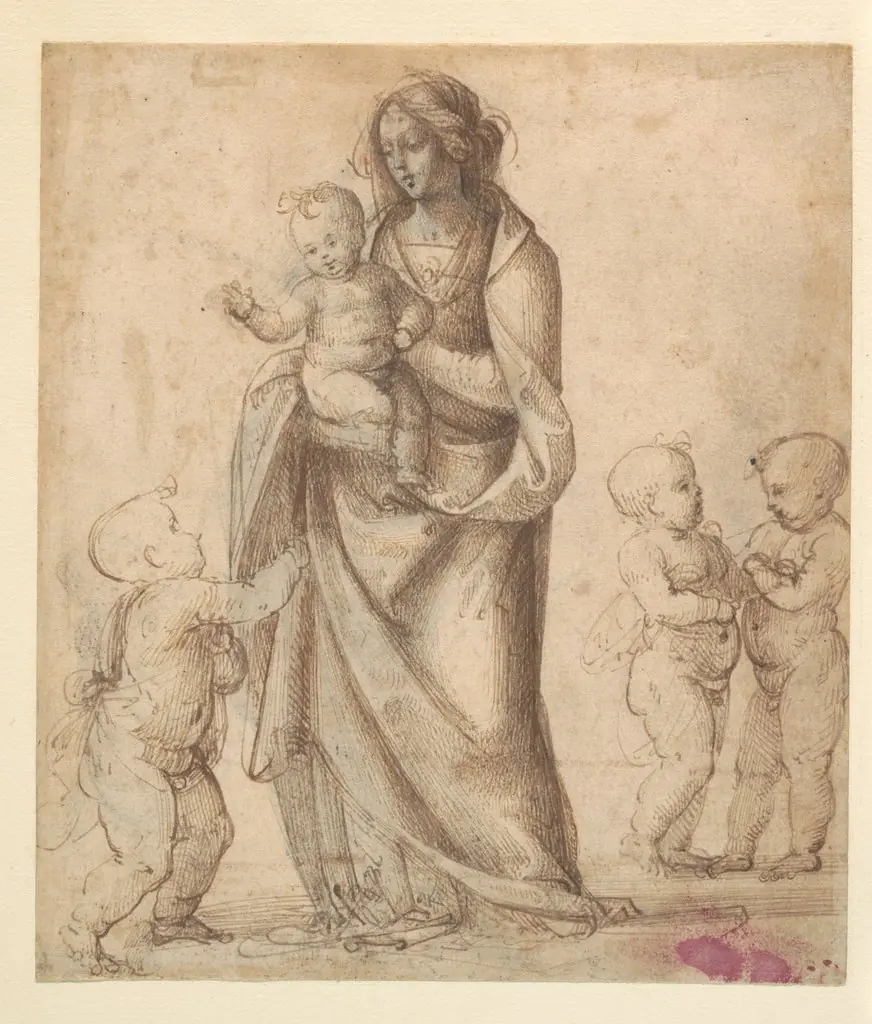 Madonna and Child with the Infant Saint John the Baptist and Two Putti (recto); Madonna and Child with the Infant Saint John the Baptist and a Putto (verso)
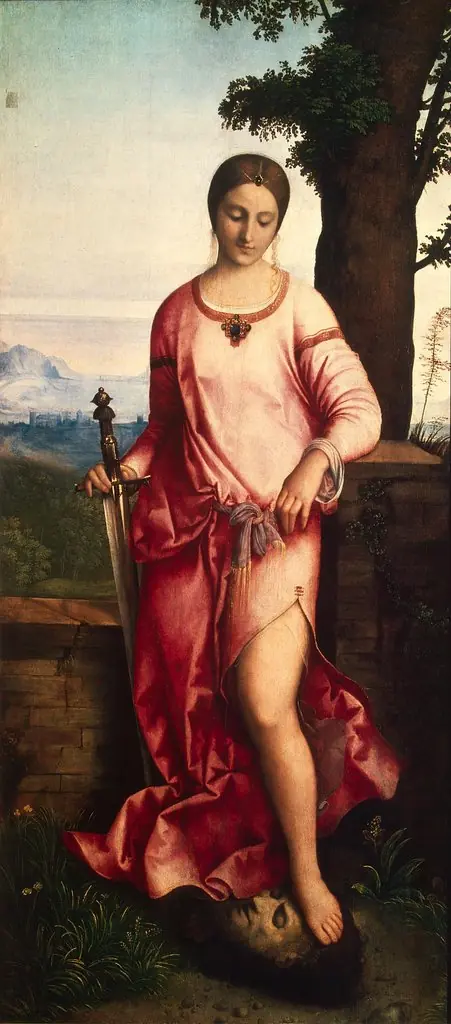 Judith
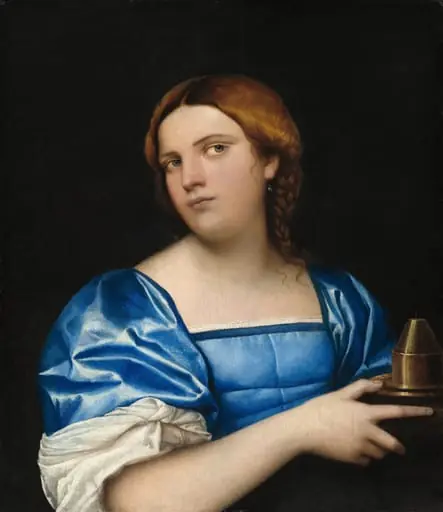 Portrait of a Young Woman as a Wise Virgin
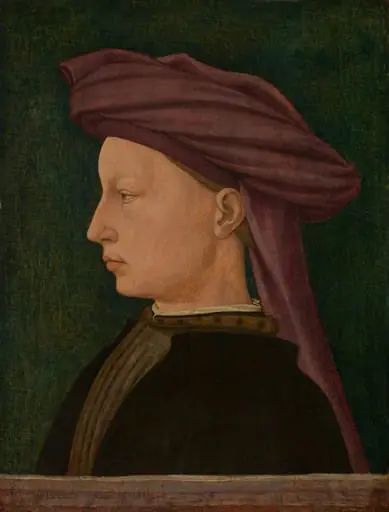 Profile Portrait of a Young Man
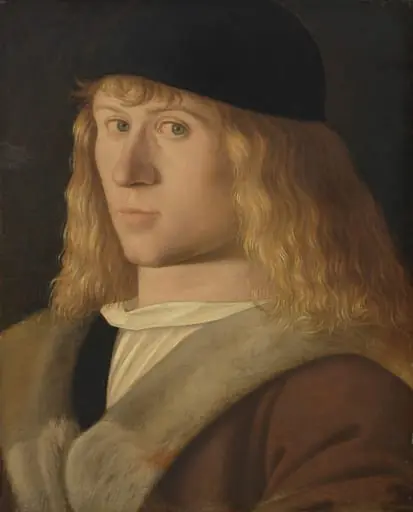 Portrait of a Young Man
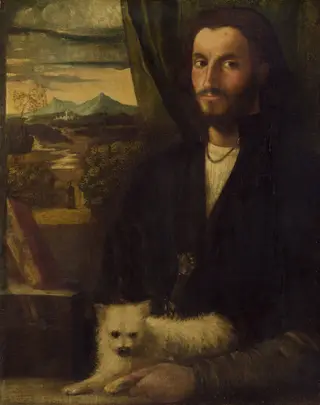 Portrait of a Man with a Dog
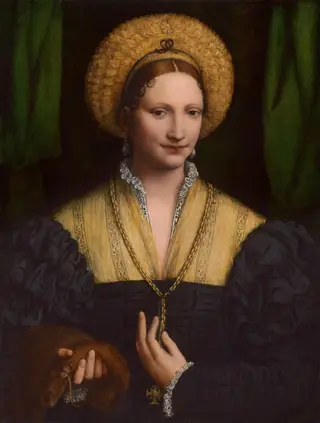 Portrait of a Lady
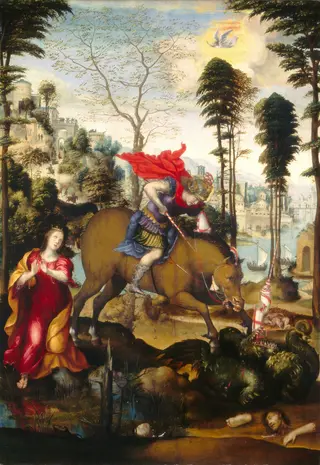 Saint George and the Dragon
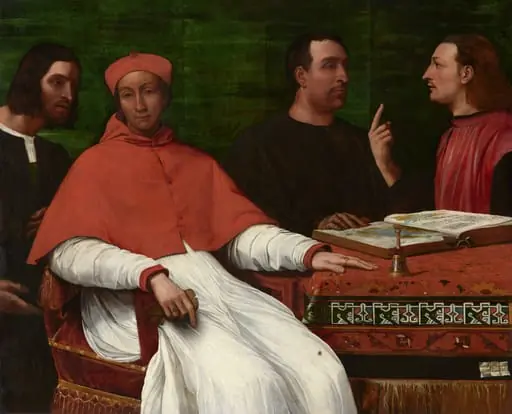 Cardinal Bandinello Sauli, His Secretary, and Two Geographers
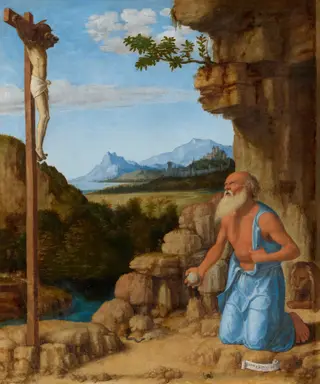 Saint Jerome in the Wilderness
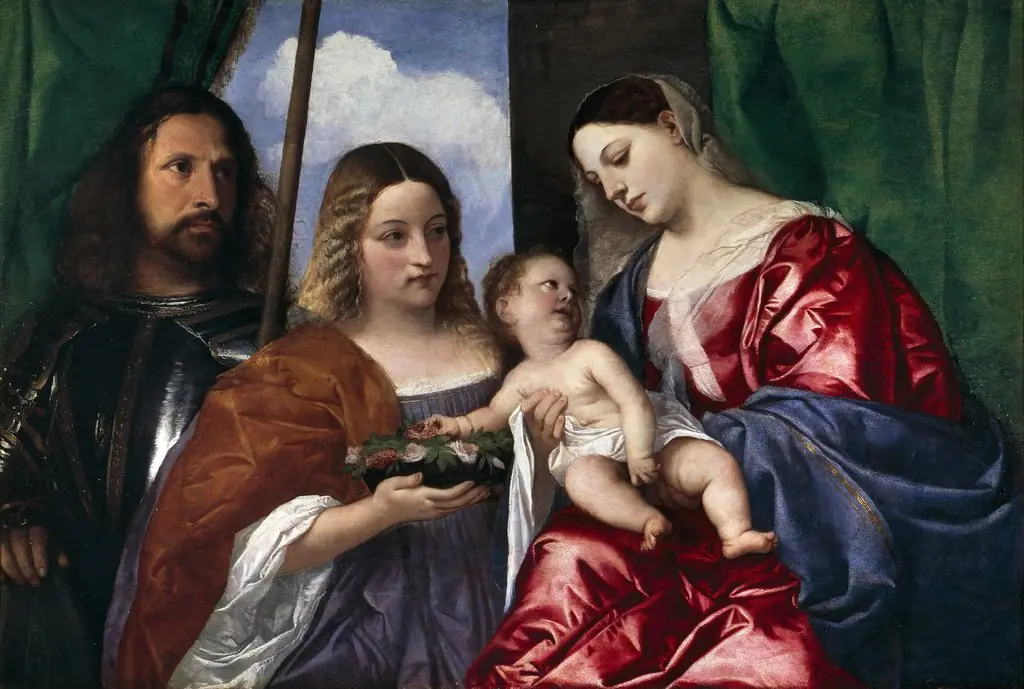 Madonna and Child with Saints Dorothy and George
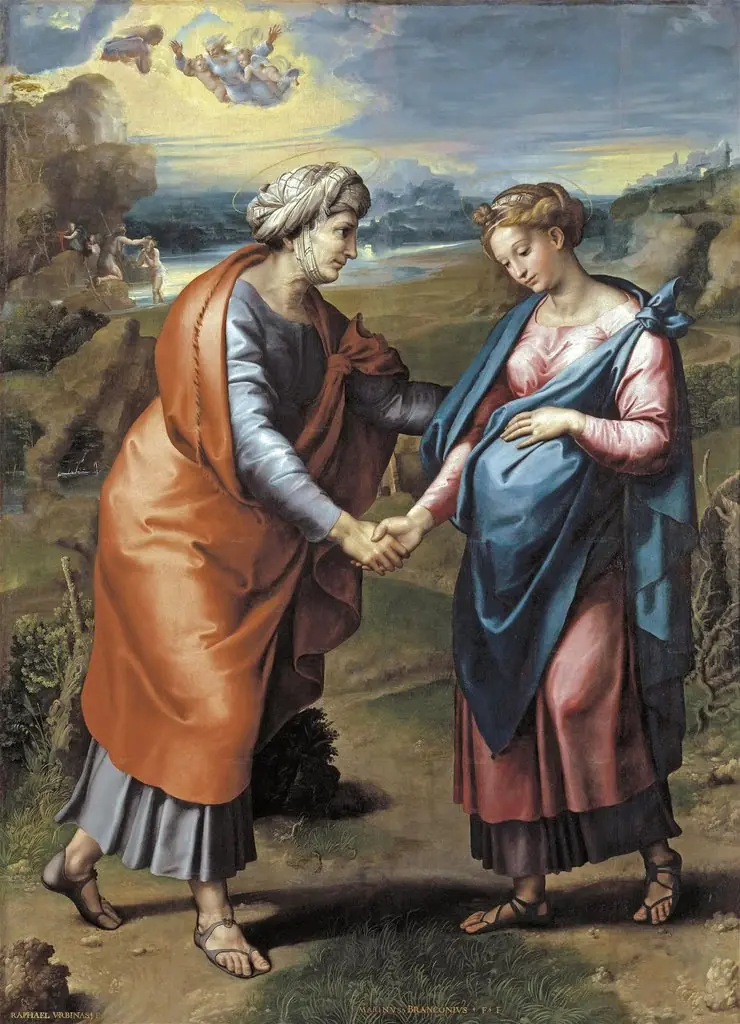 Visitation
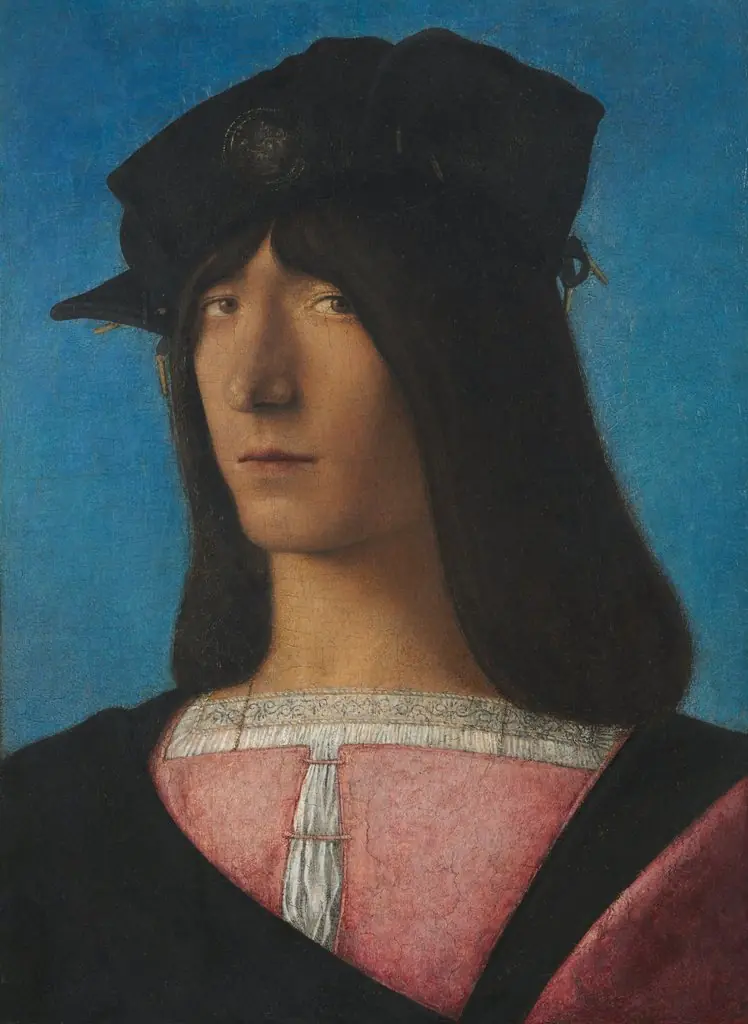 Portrait of a Man
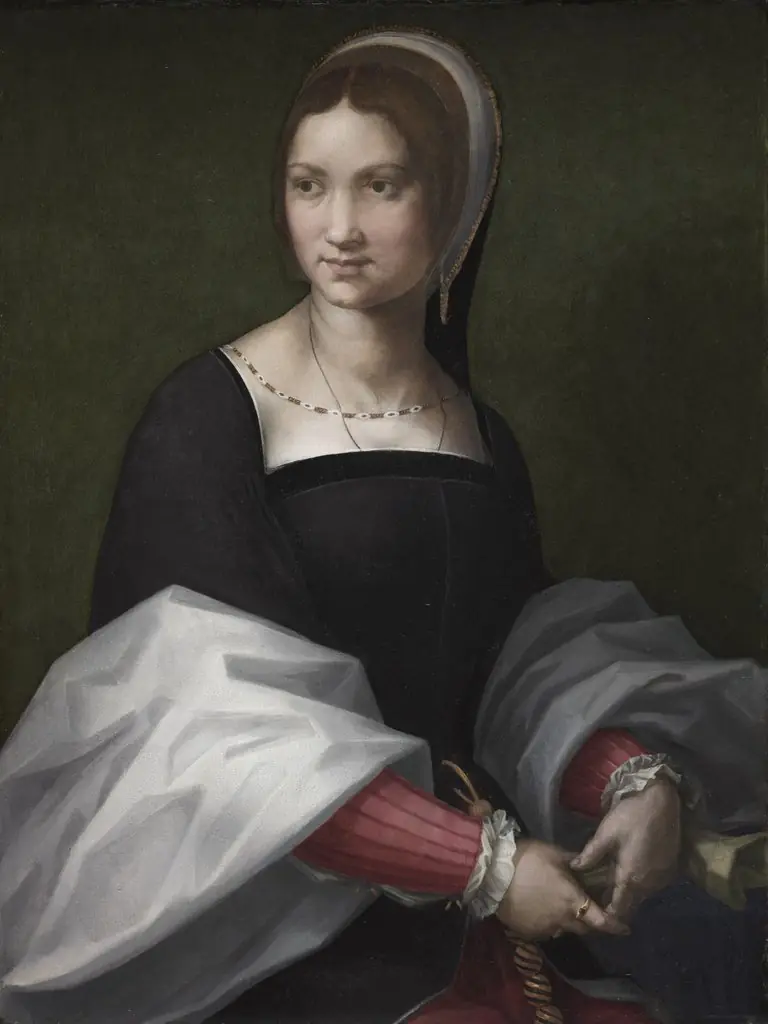 Portrait of a Woman
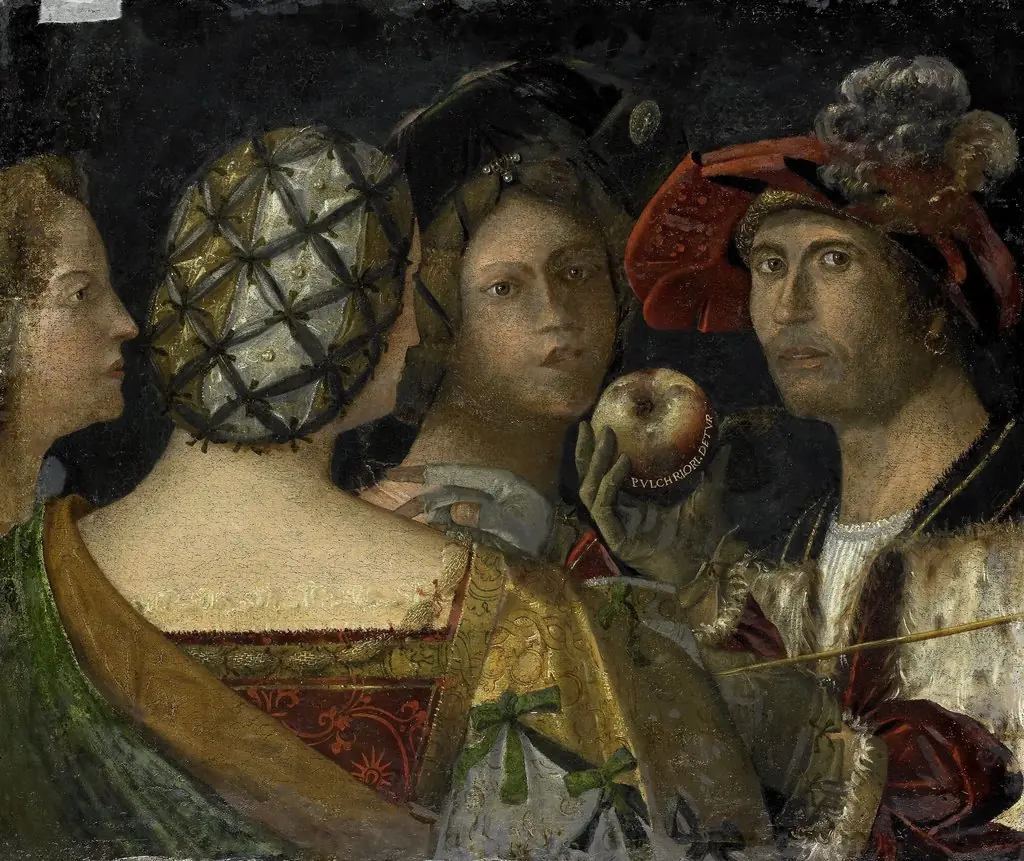 Judgment of Paris
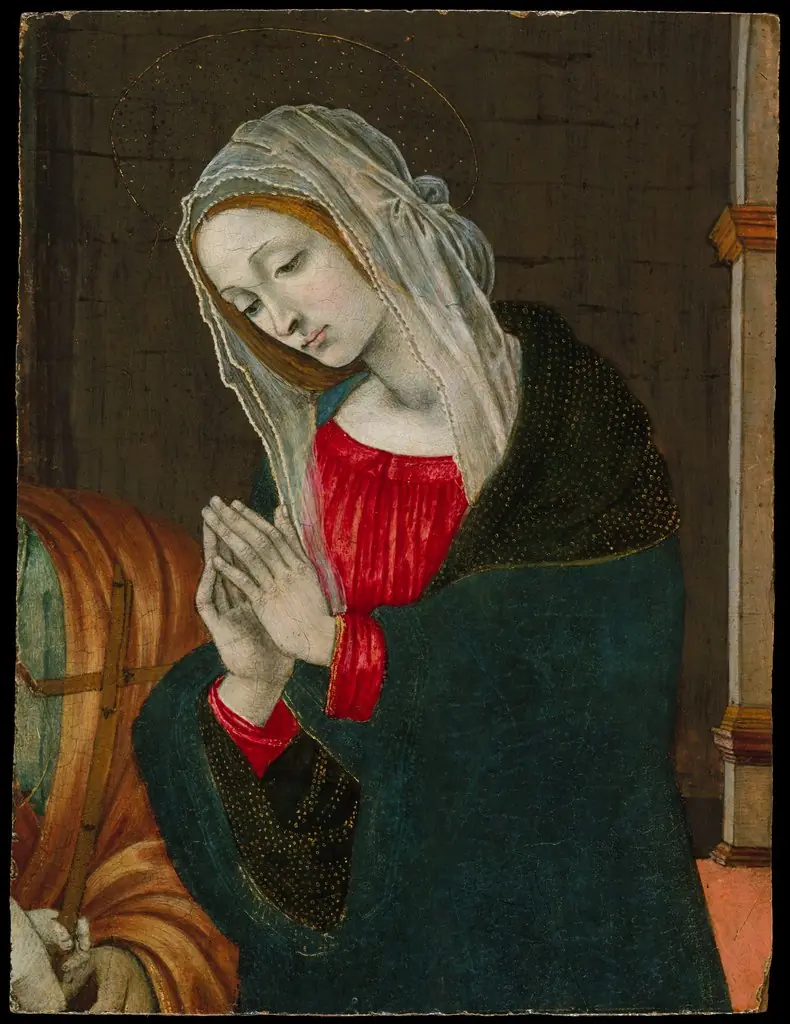 The Virgin of the Nativity
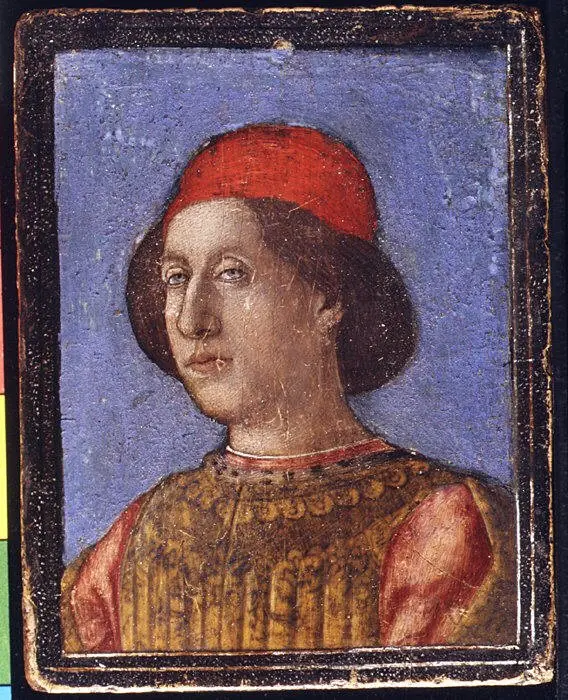 Rodolfo Gonzaga (1451–1495)
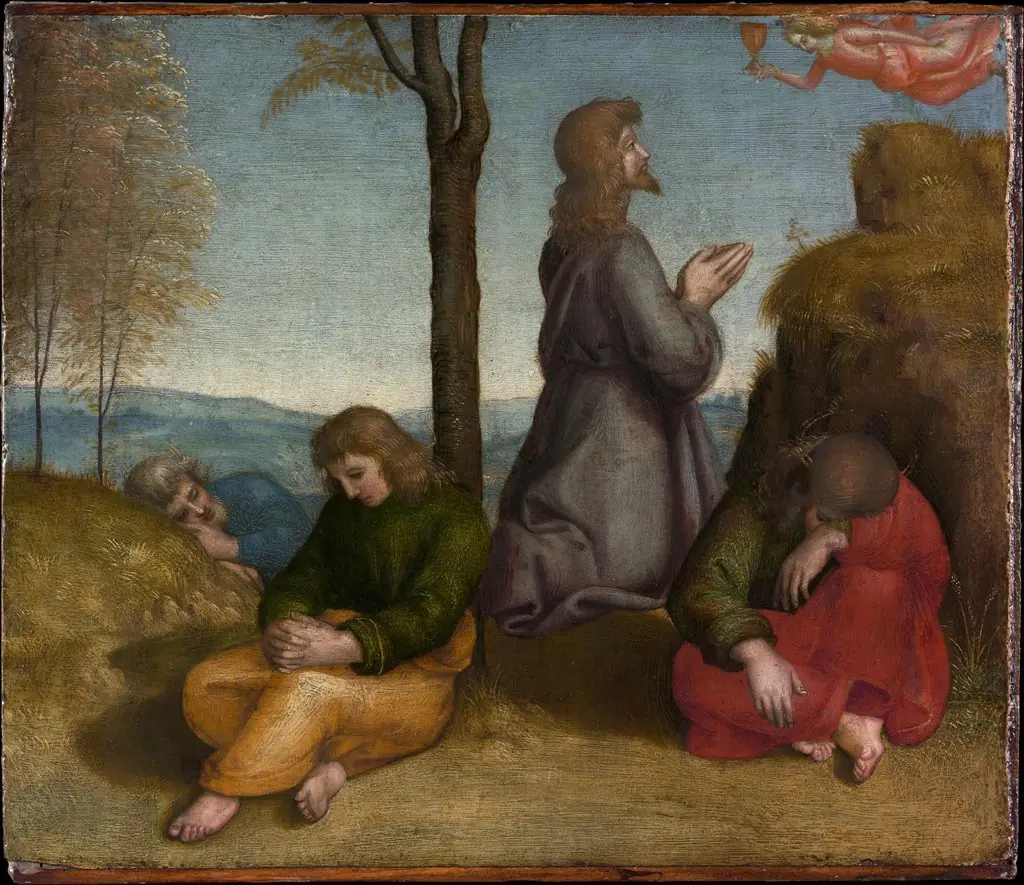 The Agony in the Garden
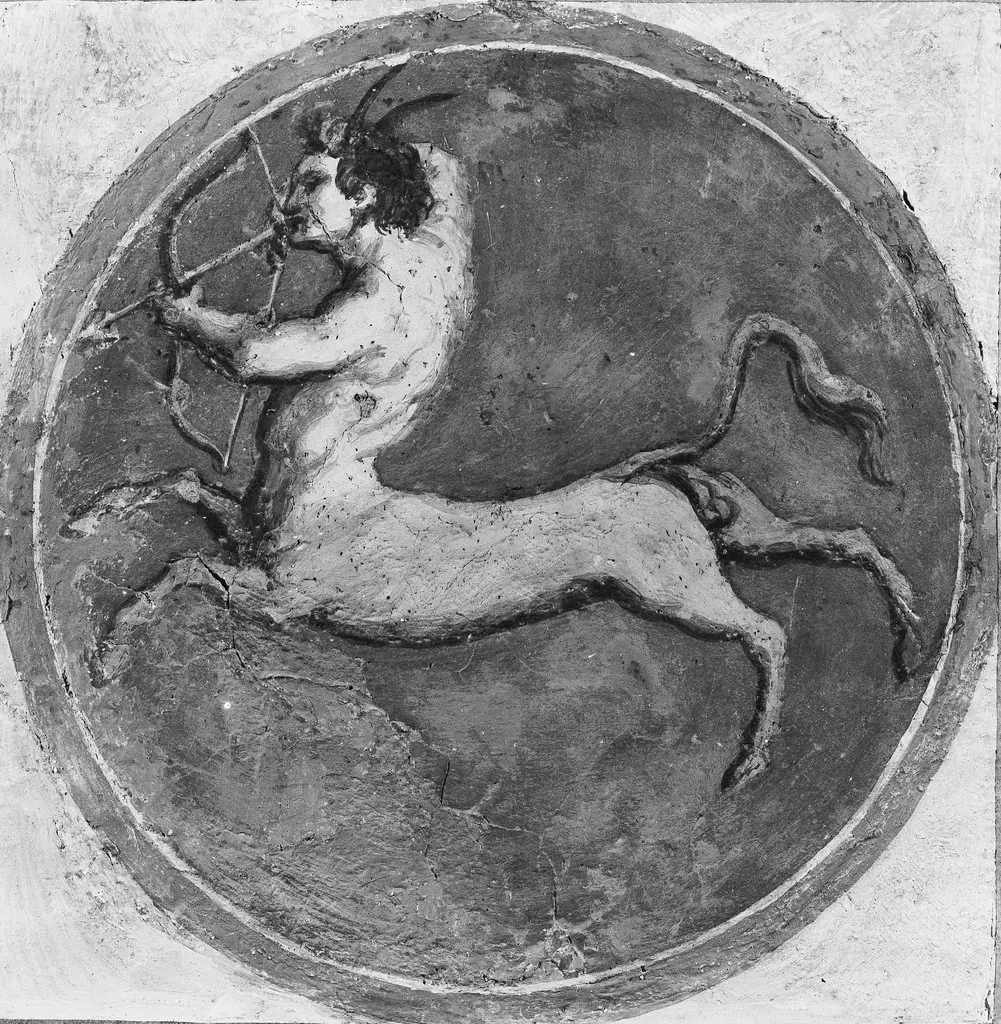 Frescoes from the Villa Stati-Mattei
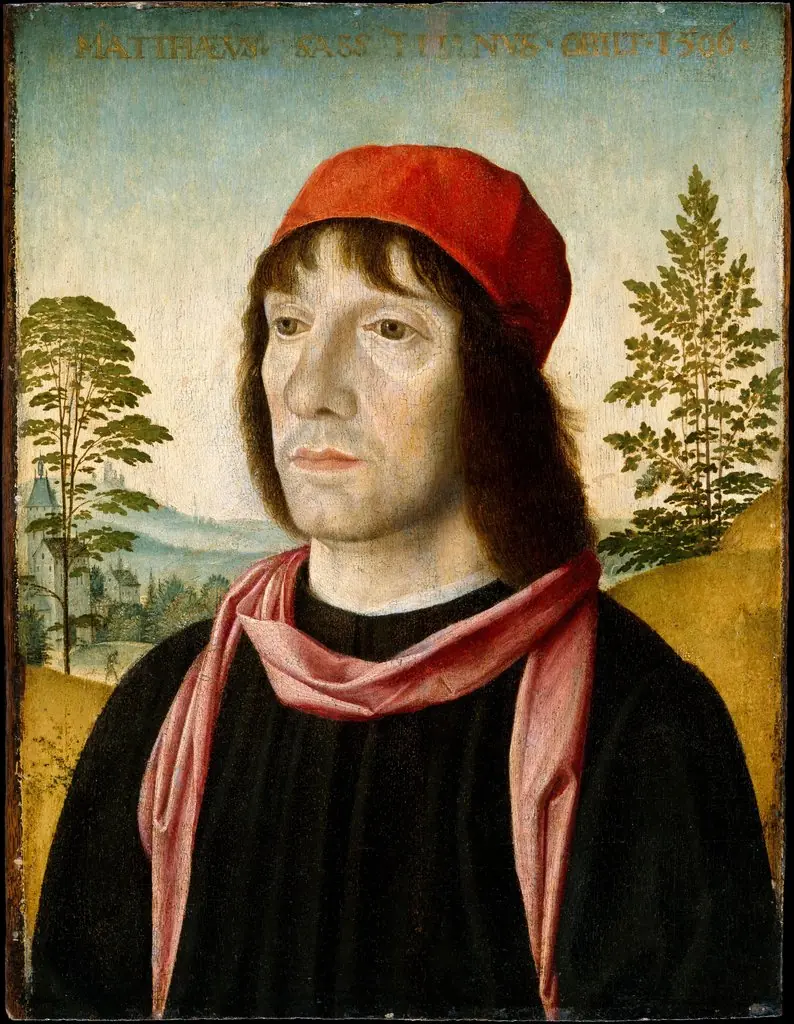 Portrait of a Man
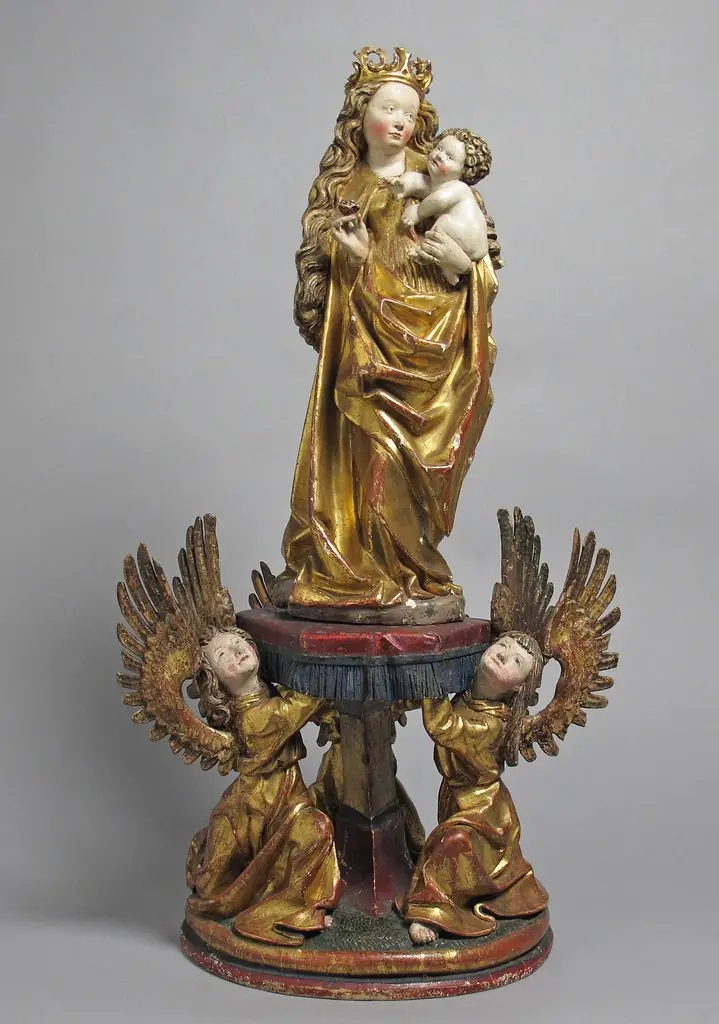 Virgin and Child Supported by Angels
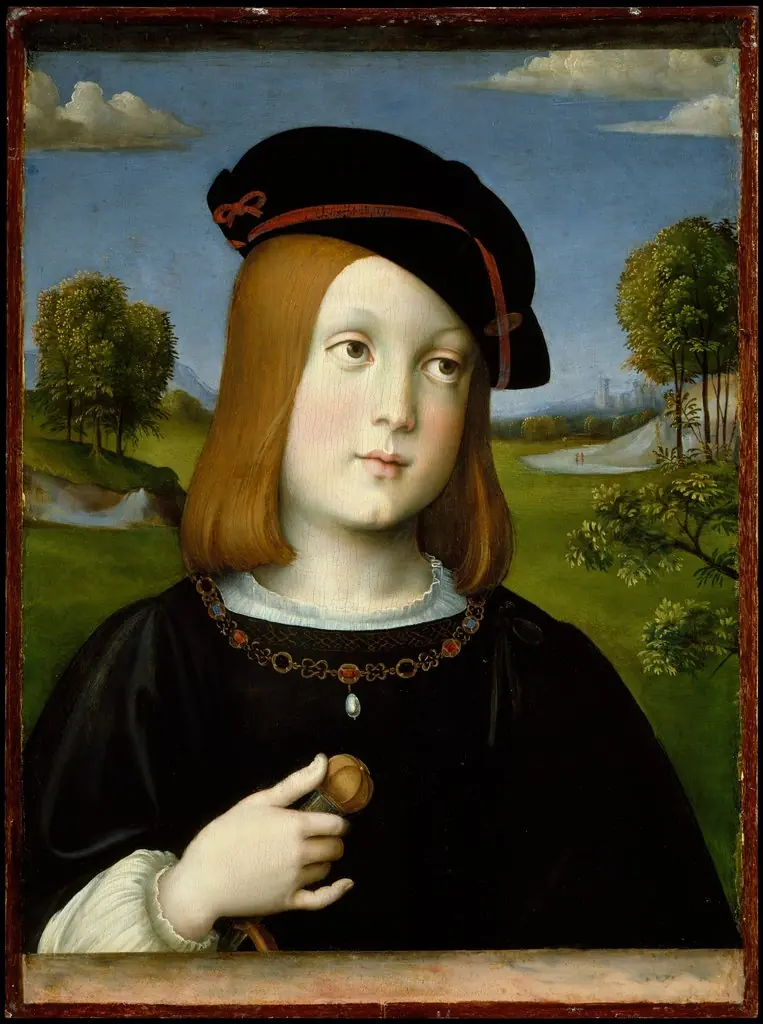 Federigo Gonzaga (1500–1540)
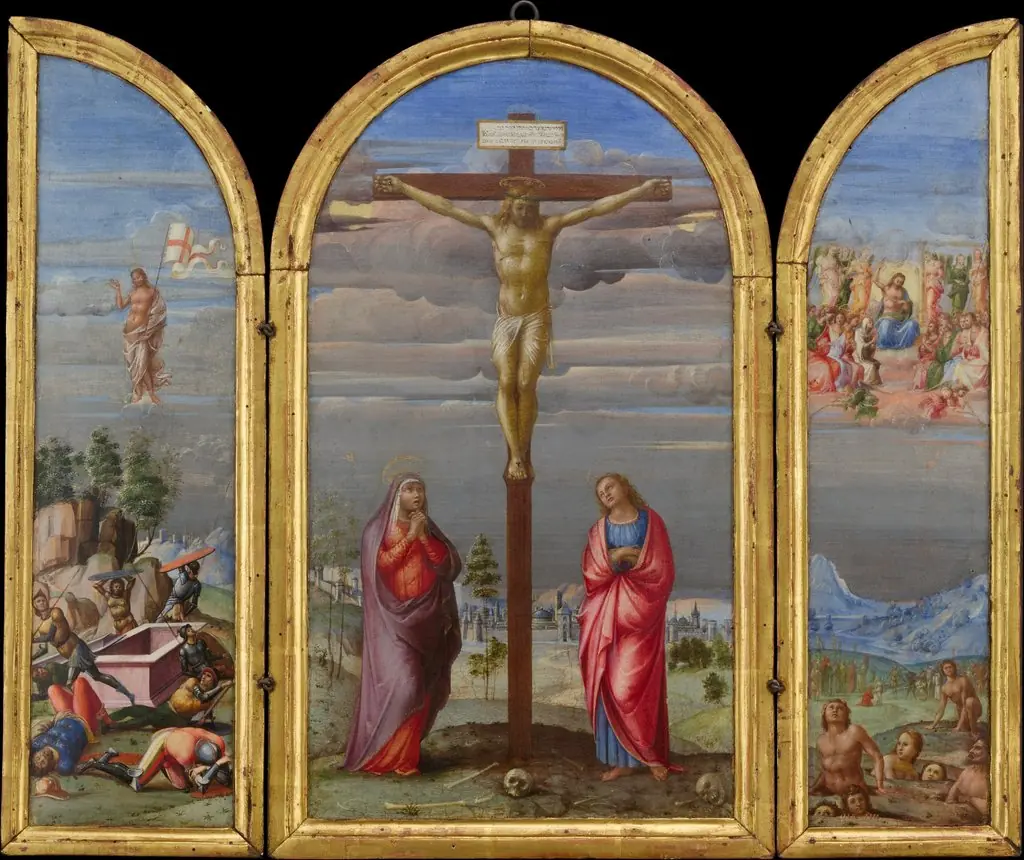 The Crucifixion
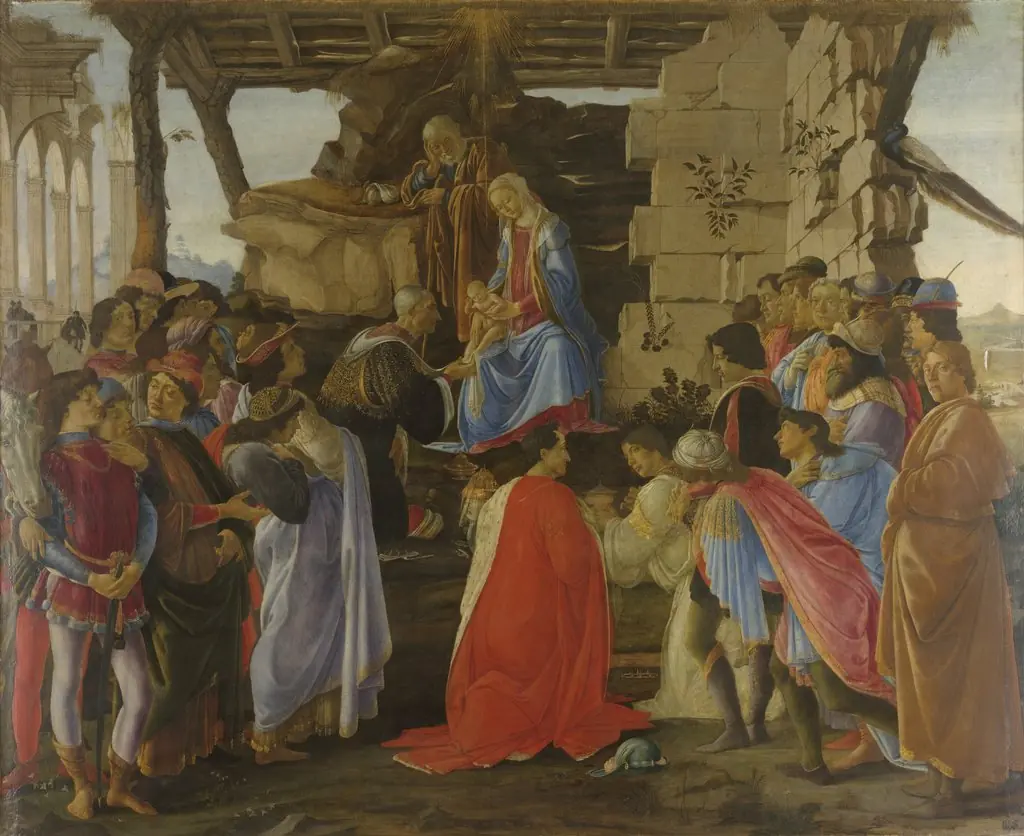 Adoration of the Magi
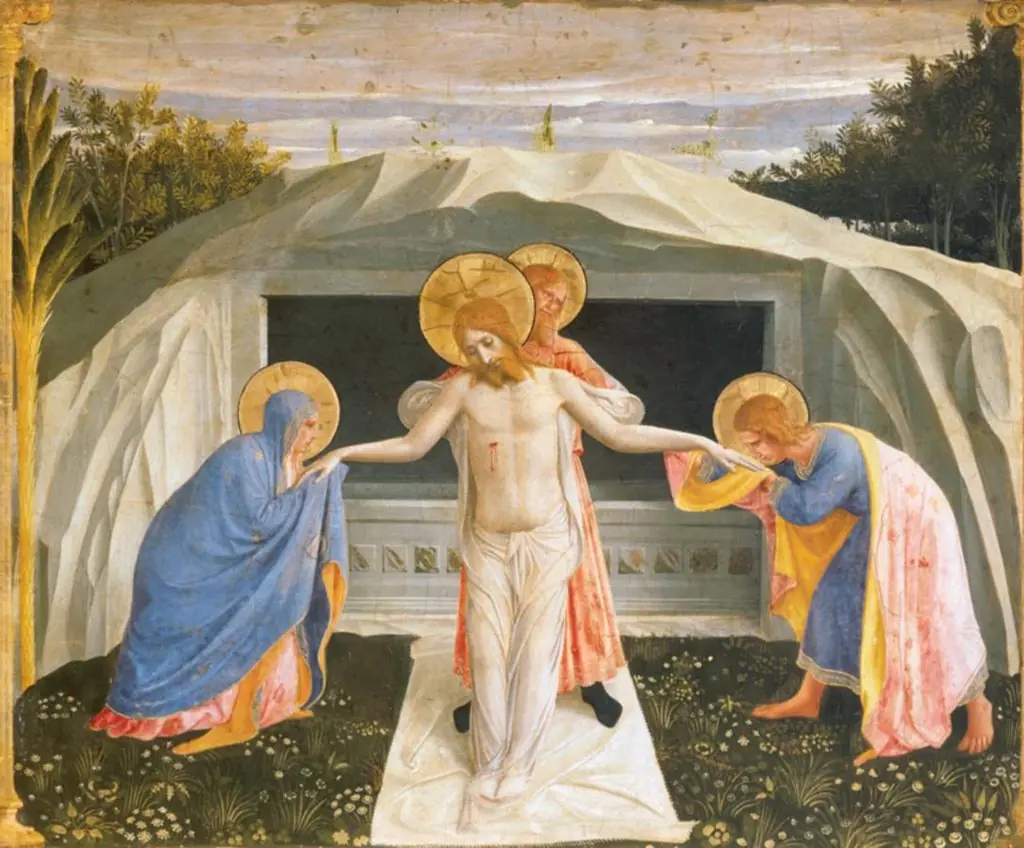 Entombment of Christ
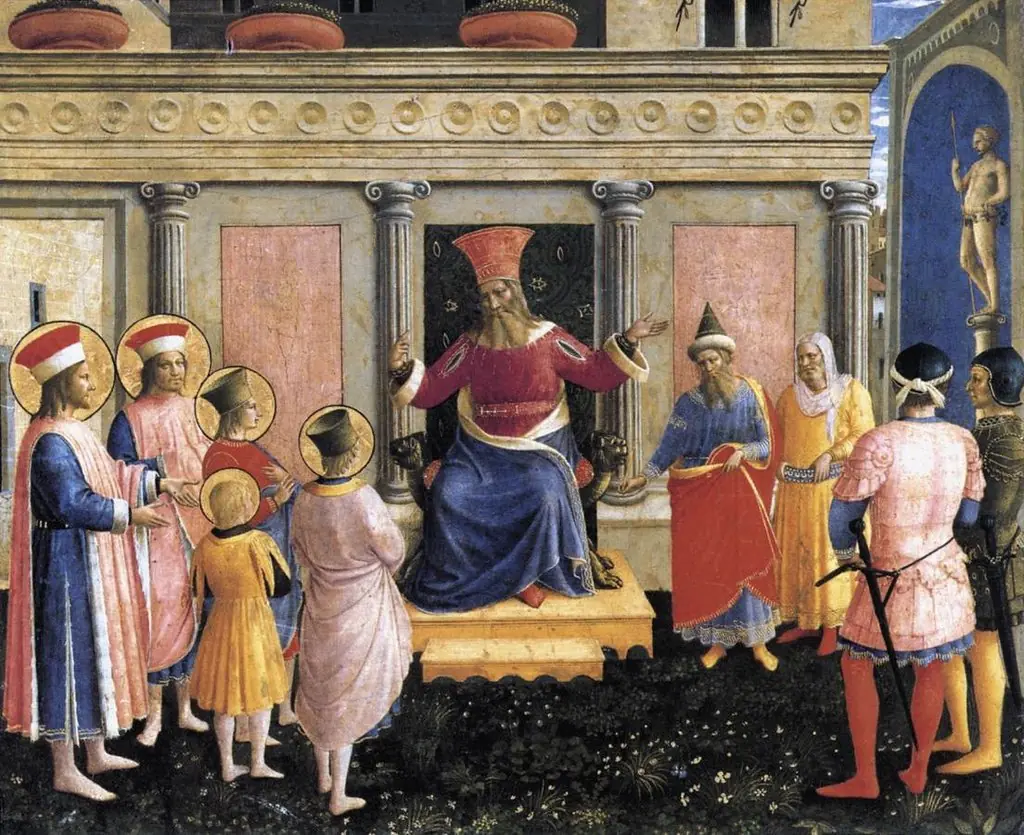 The Saints Cosmas and Damian with their Brothers before the Proconsul Lysias
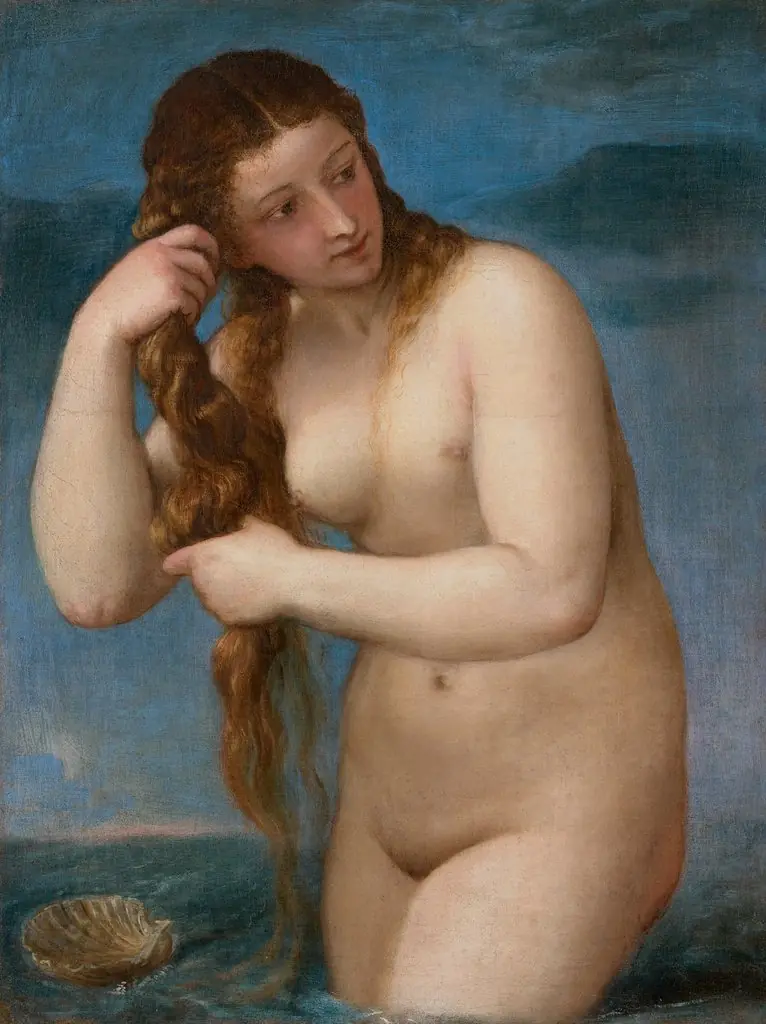 Venus Anadyomene
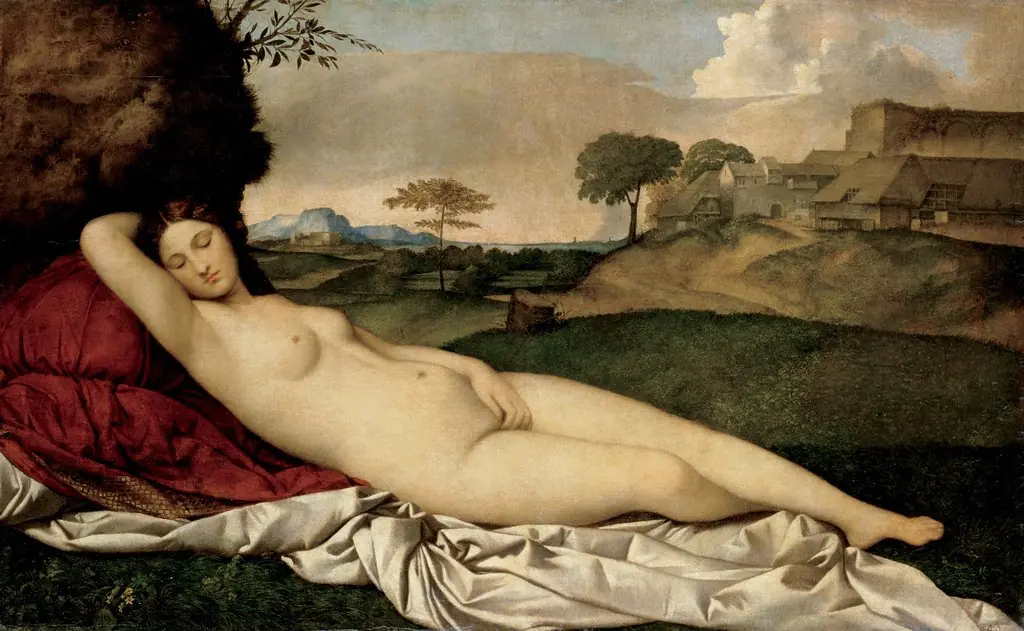 Sleeping Venus
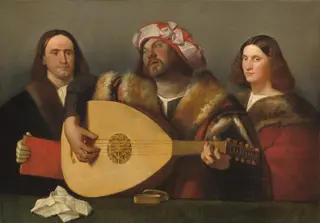 A Concert
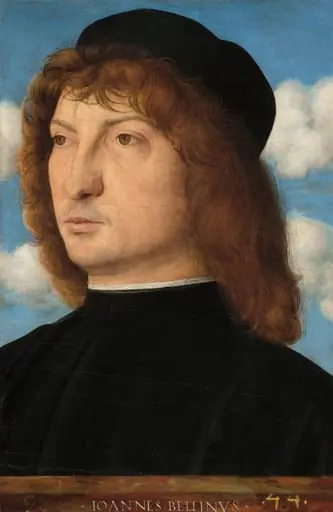 Portrait of a Venetian Gentleman
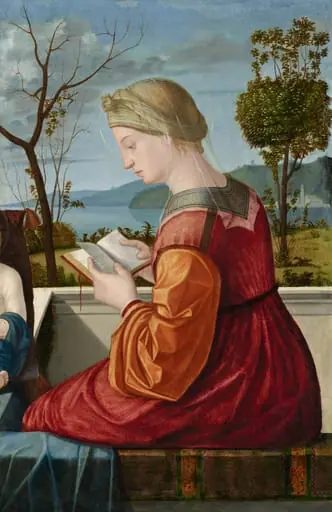 The Virgin Reading
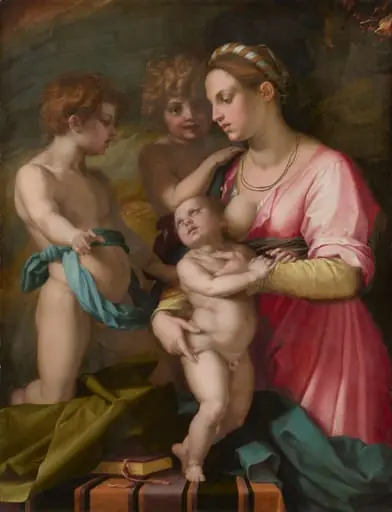 Charity
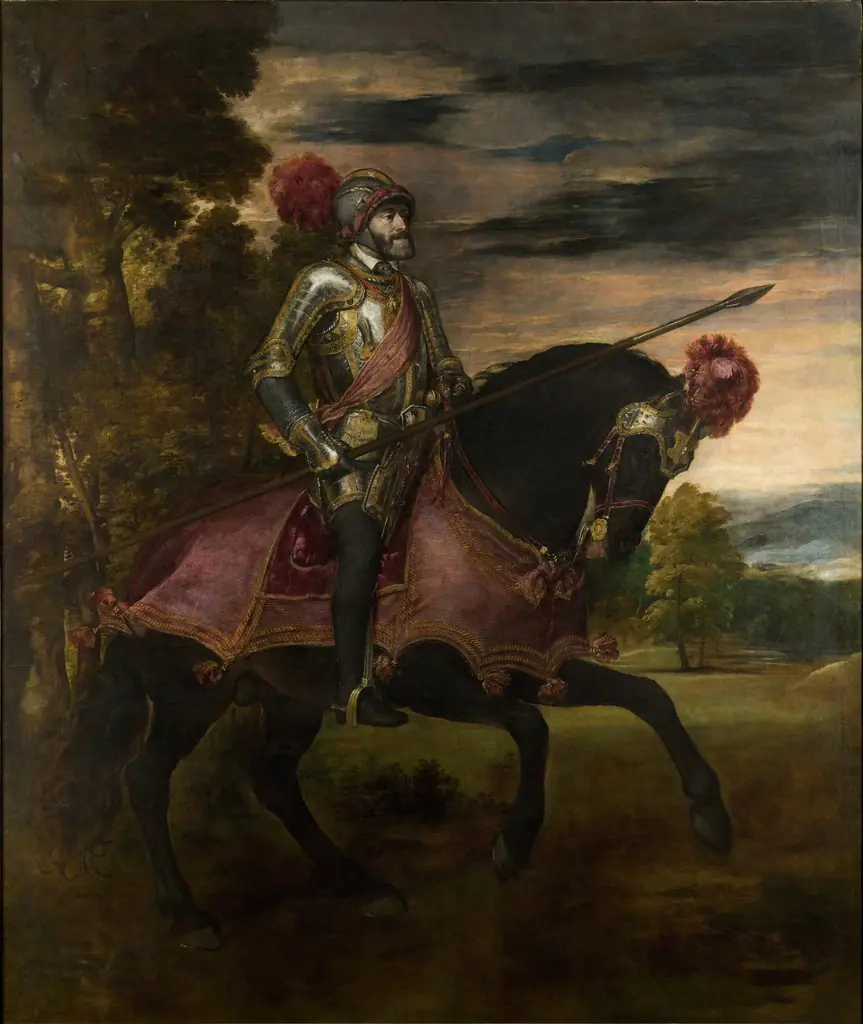 Equestrian Portrait of Charles V
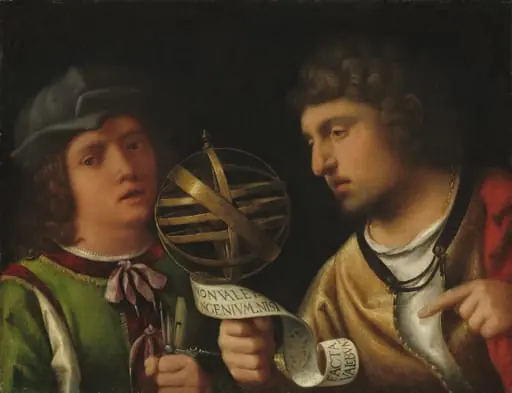 Giovanni Borgherini and His Tutor
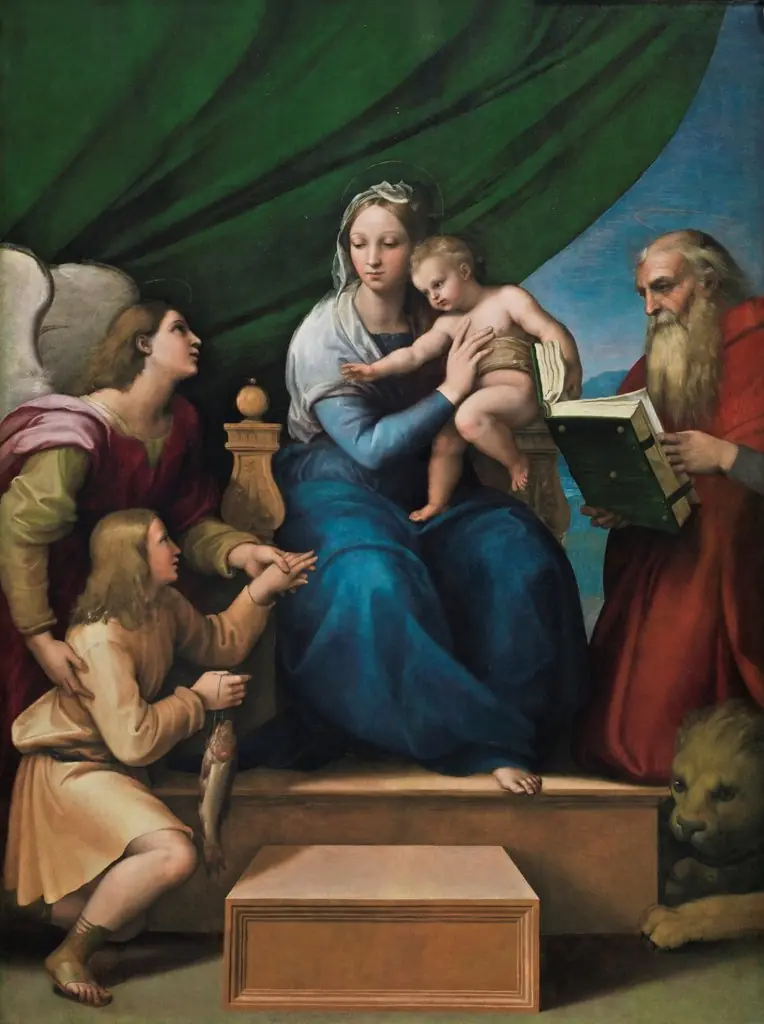 Madonna with the Fish
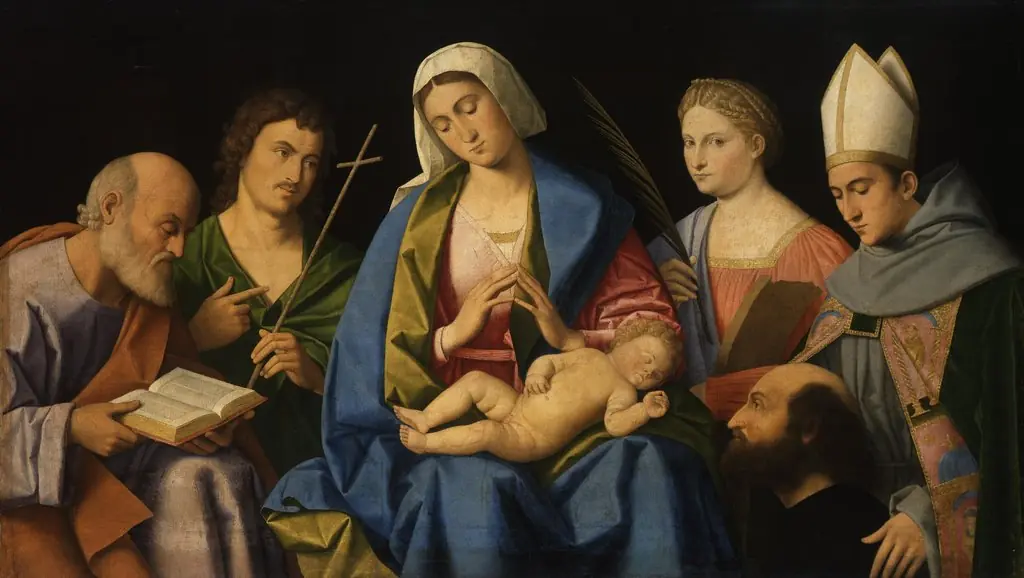 Madonna and Child with Saints and Donor
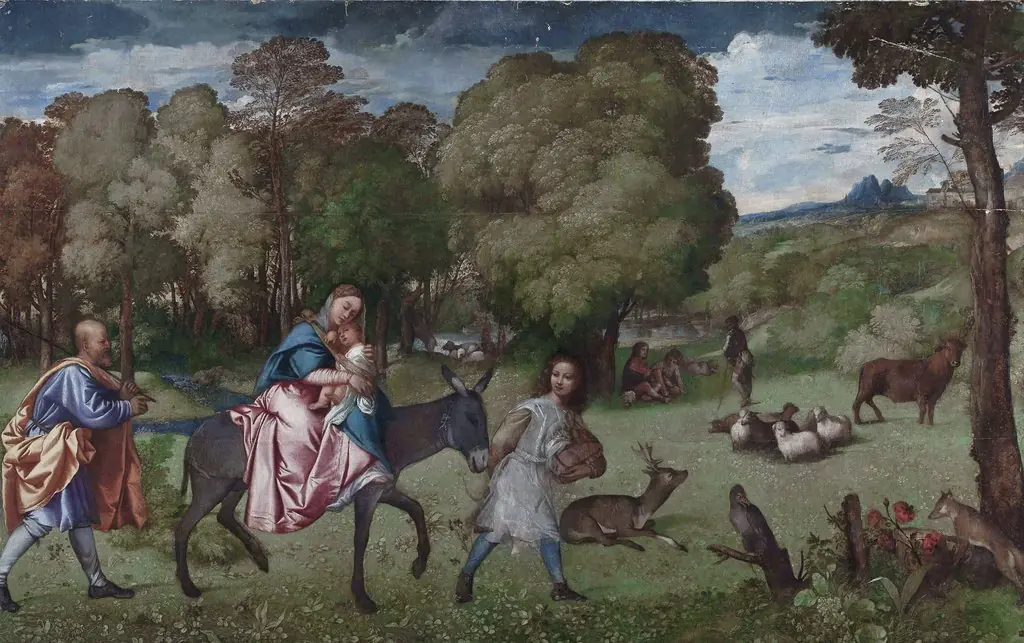 Flight into Egypt
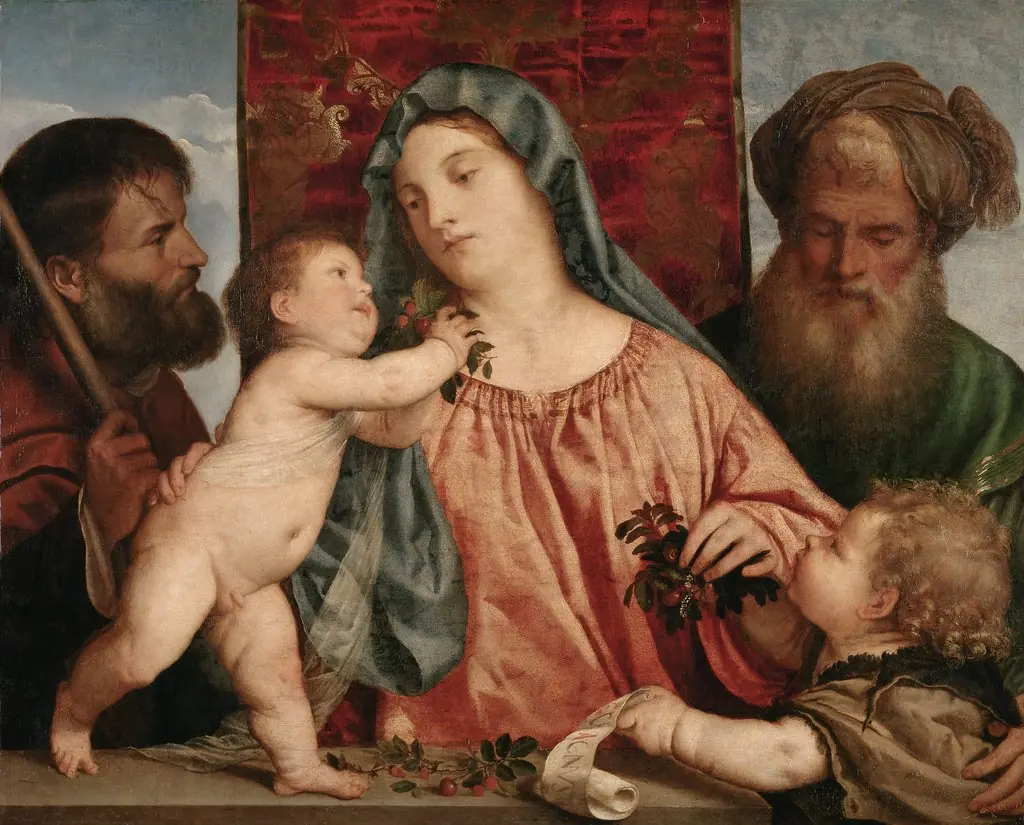 Madonna of the Cherries
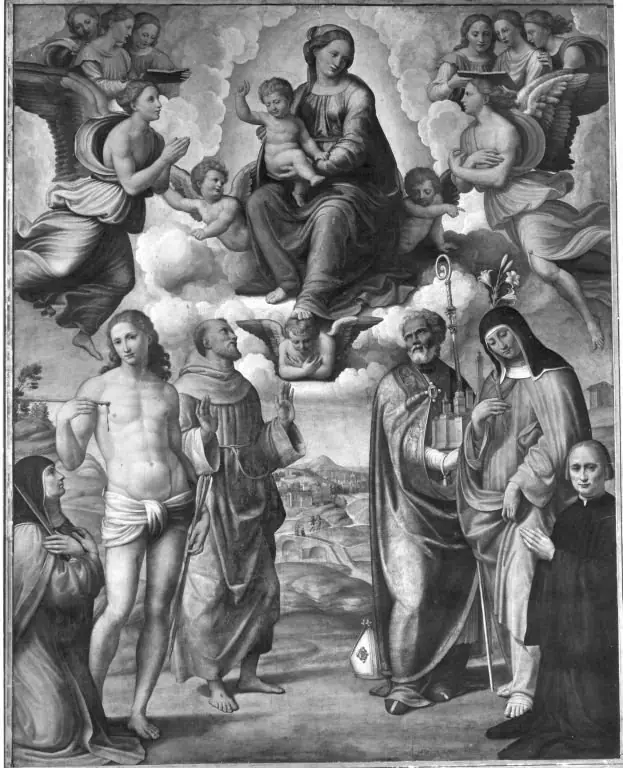 Maria mit Kind und den hll. Katharina von Siena, Sebastian, Franziskus, Petronius, Klara und Stifter
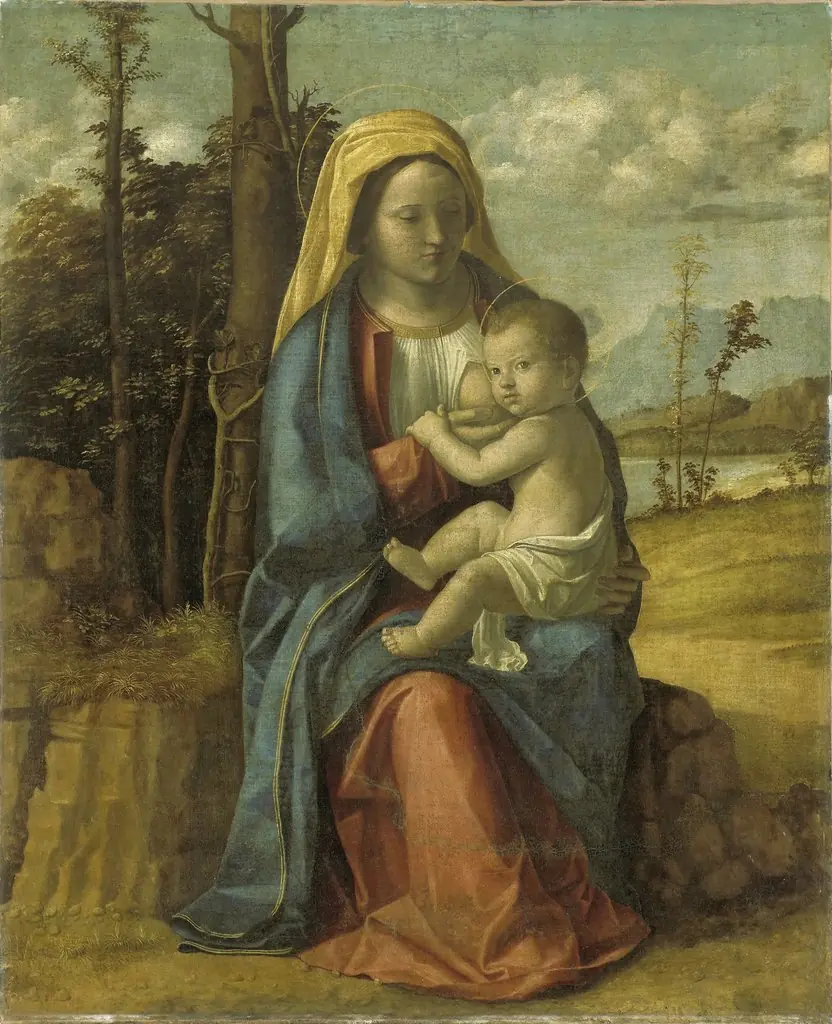 Madonna and Child
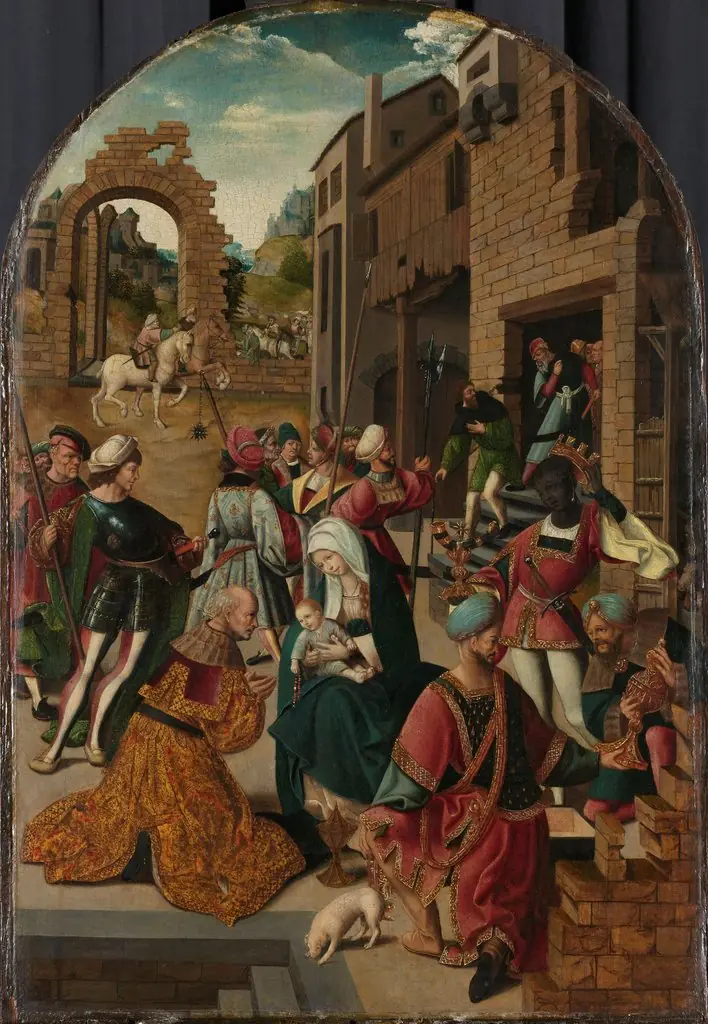 The adoration of the magi
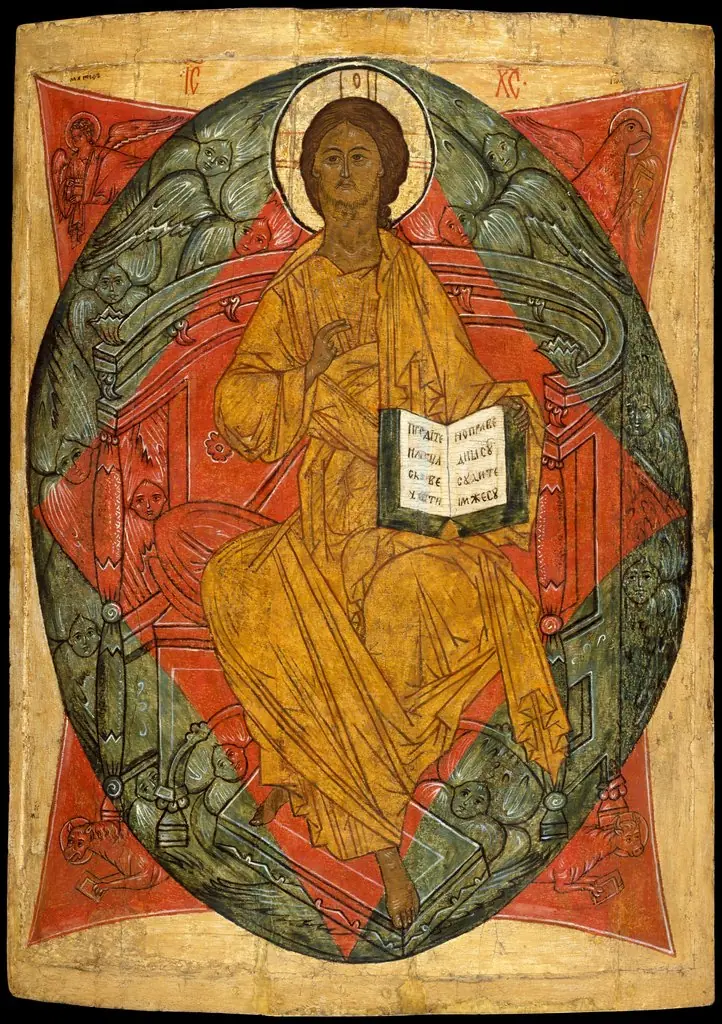 Christ in Glory
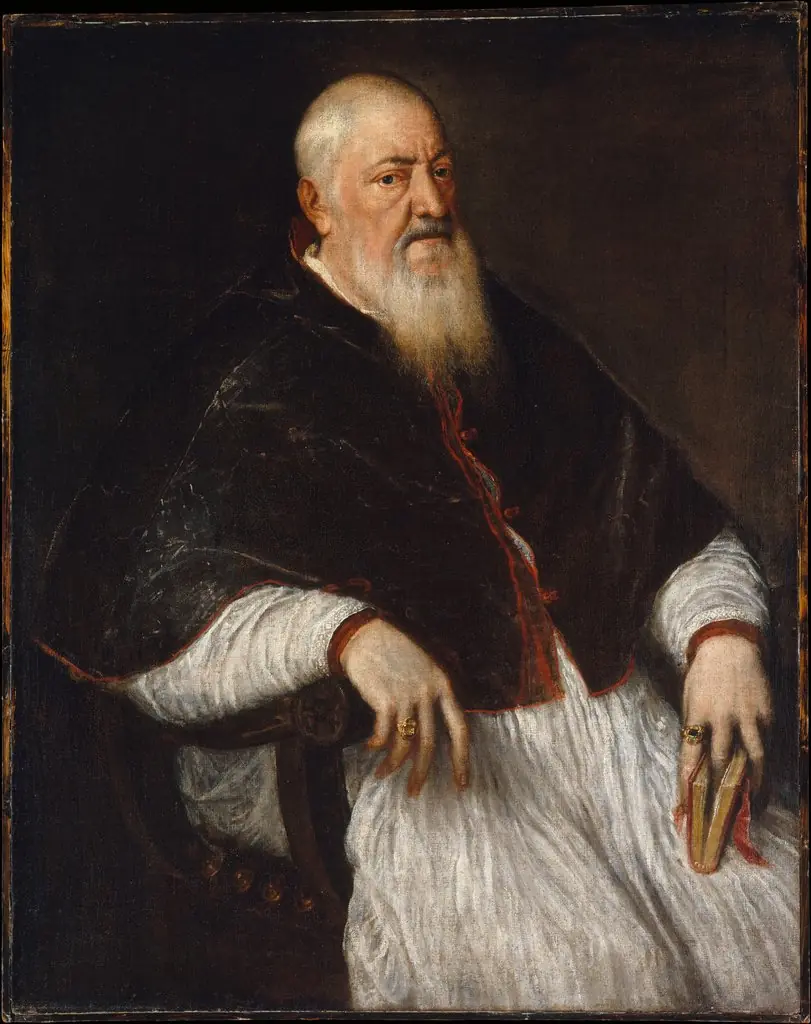 Portrait of Cardinal Filippo Archinto
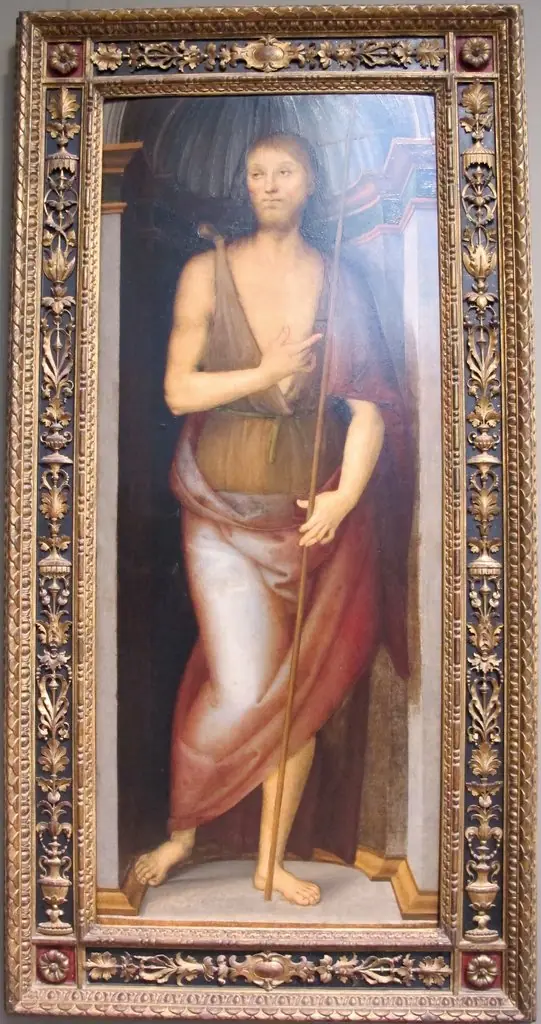 Saint John
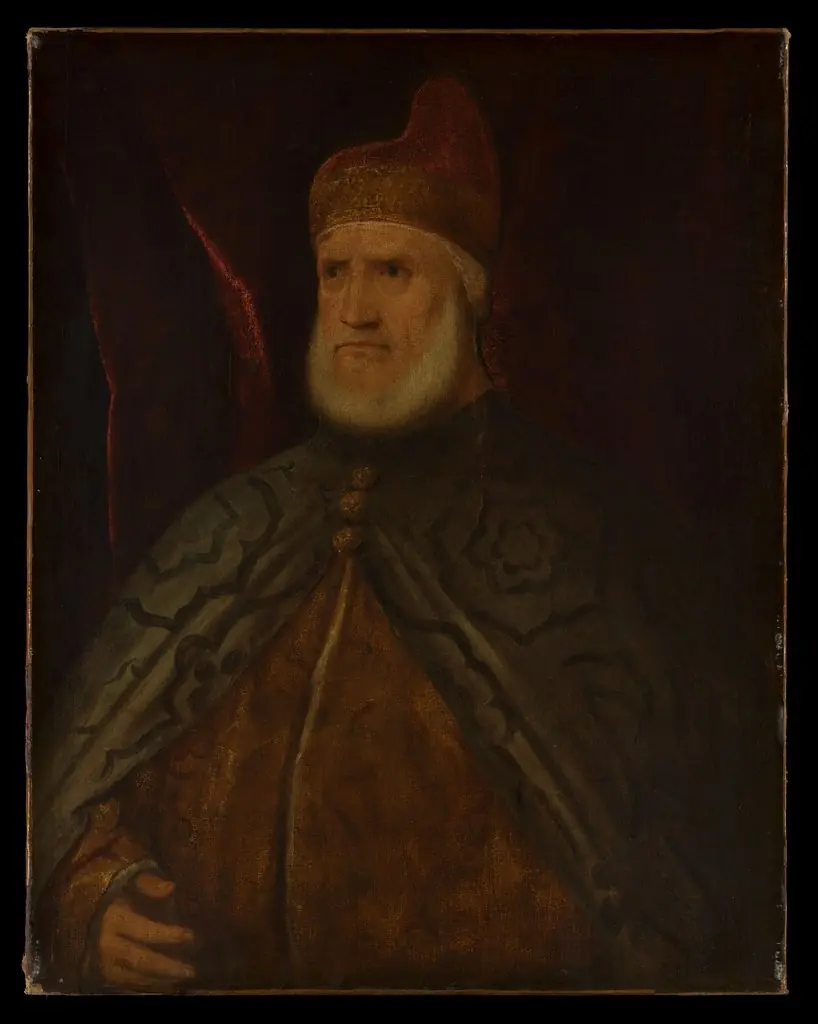 Doge Andrea Gritti (1455–1538)
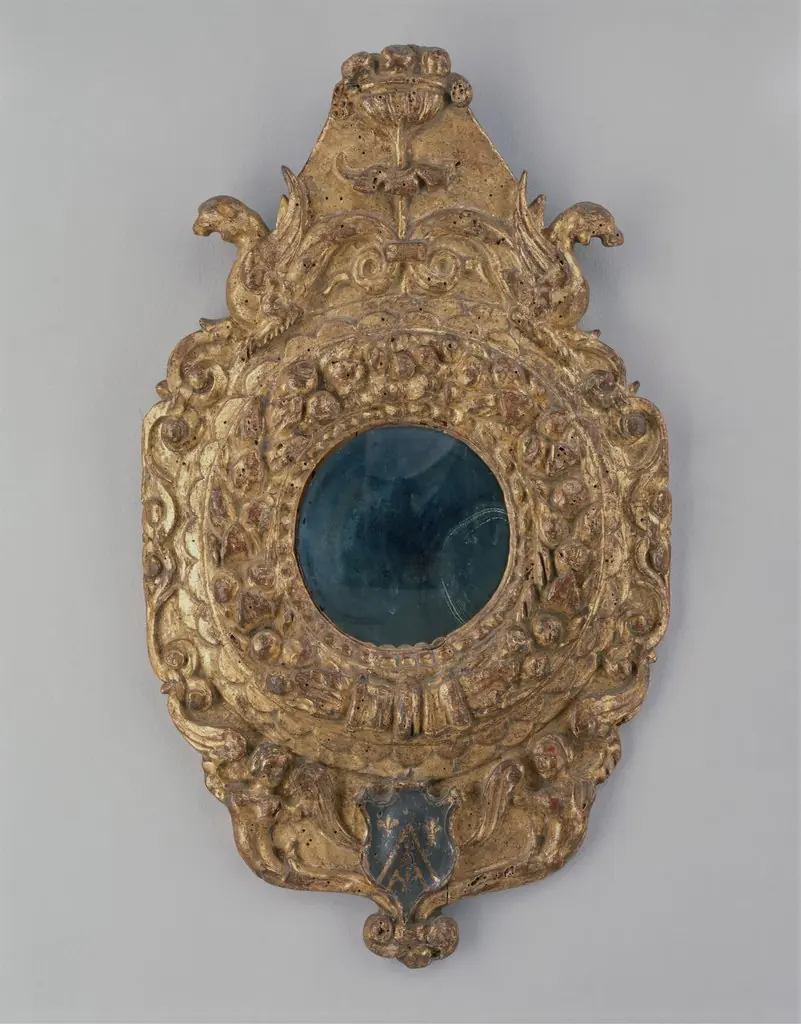 Tondo mirror frame
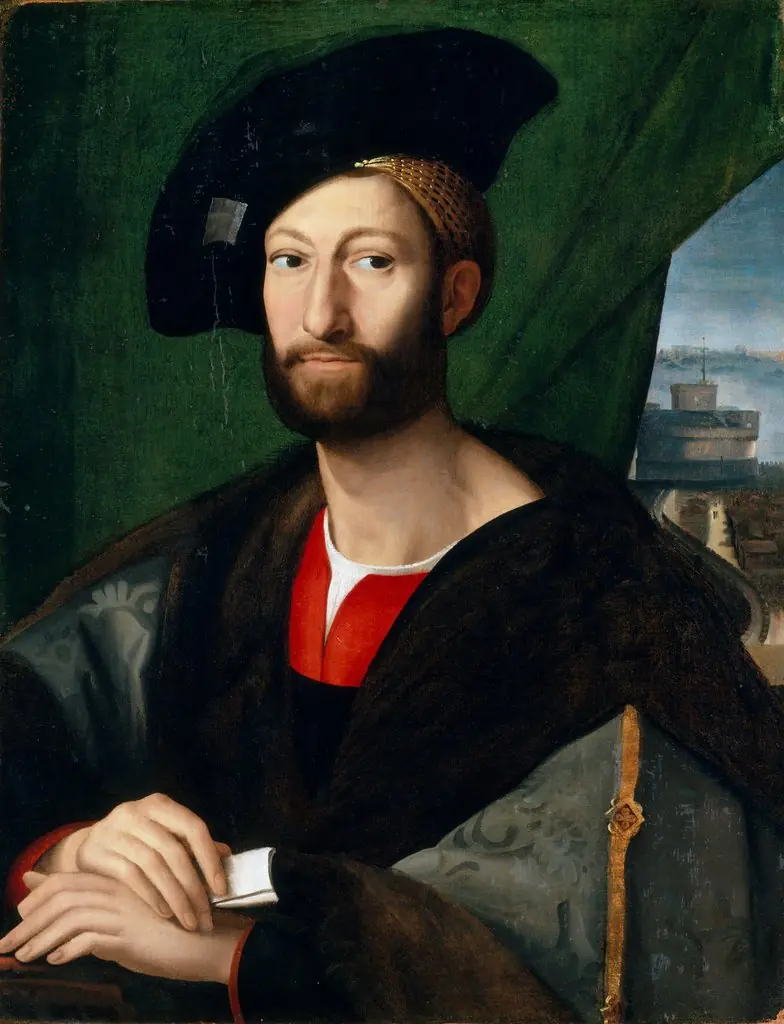 Giuliano de' Medici (1479–1516), Duke of Nemours
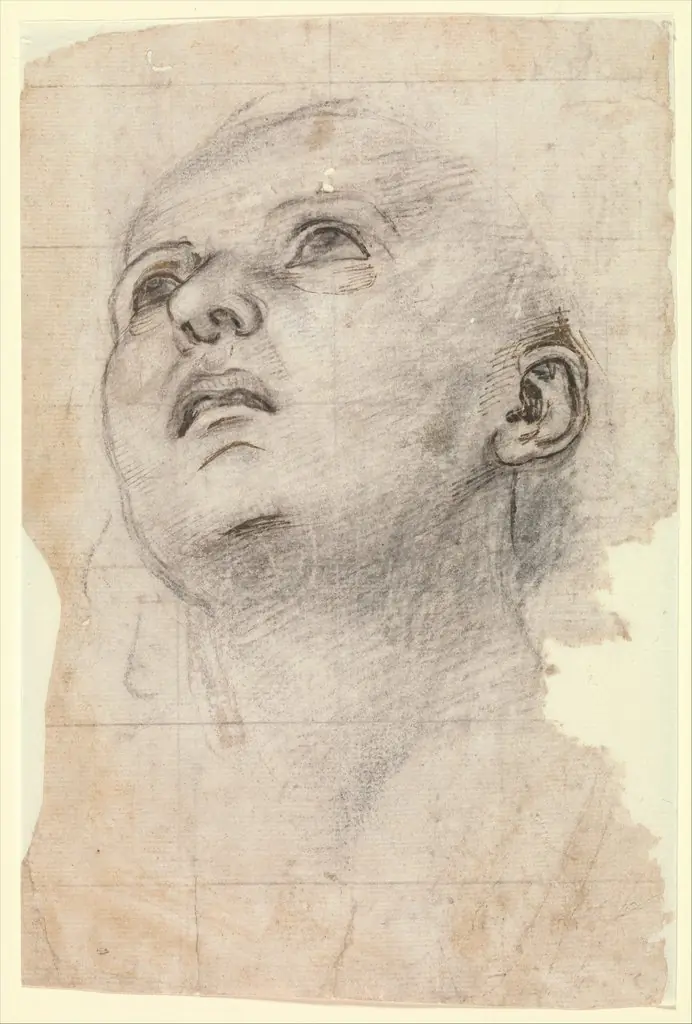 Study of the Head of a Youth Gazing Upward
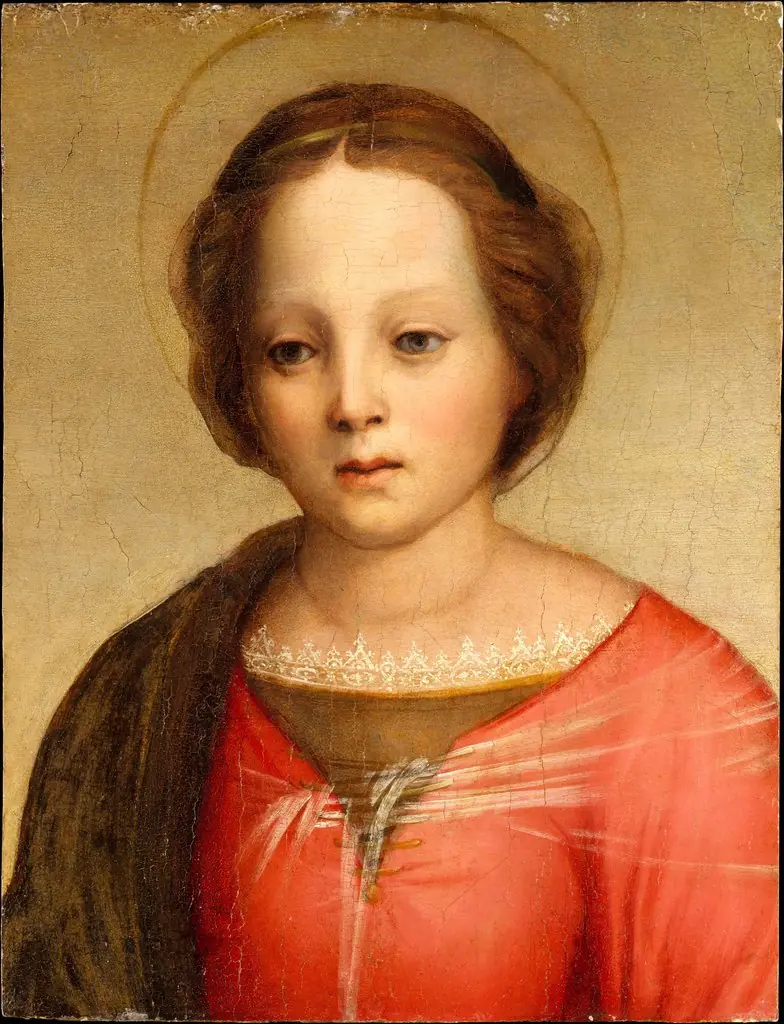 Head of the Madonna
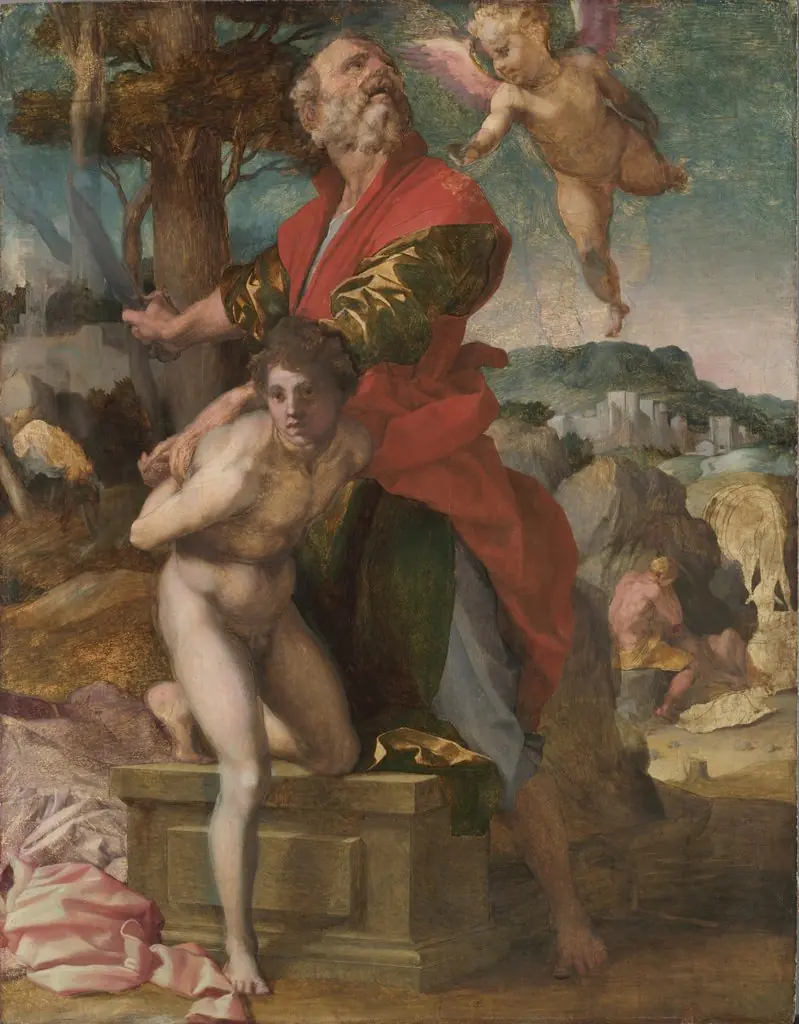 The Sacrifice of Isaac
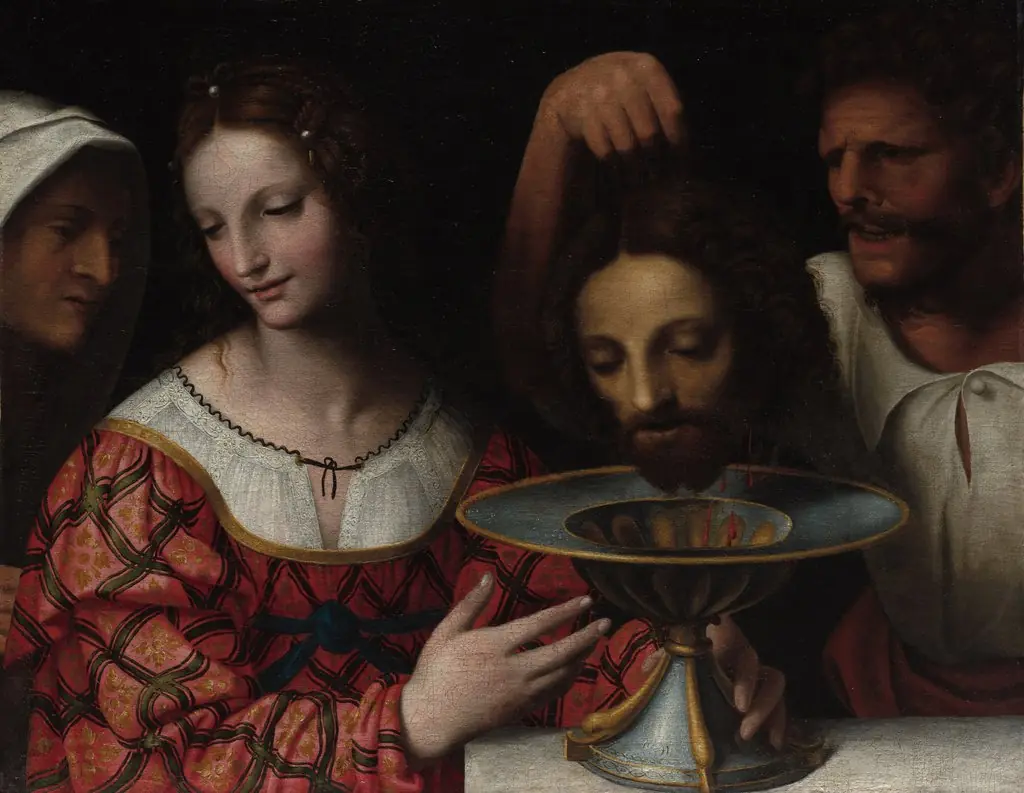 Salome with the Head of Saint John the Baptist
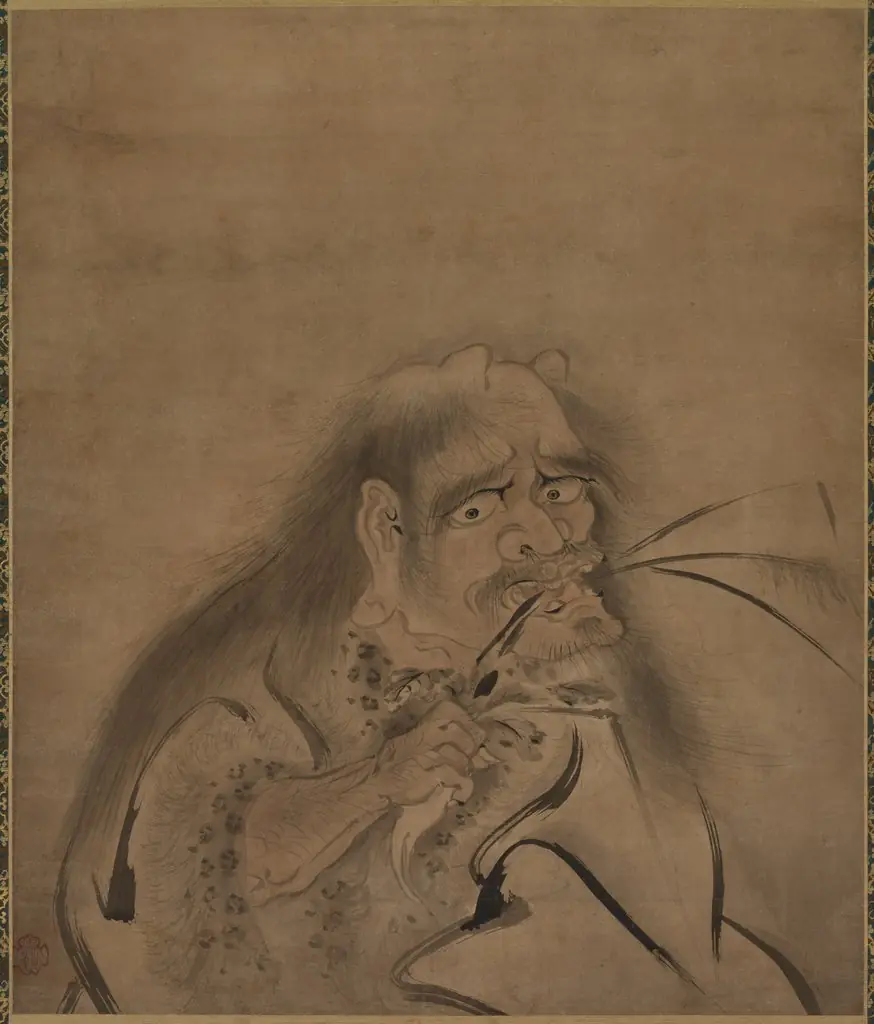 Shennong (Shinnō)
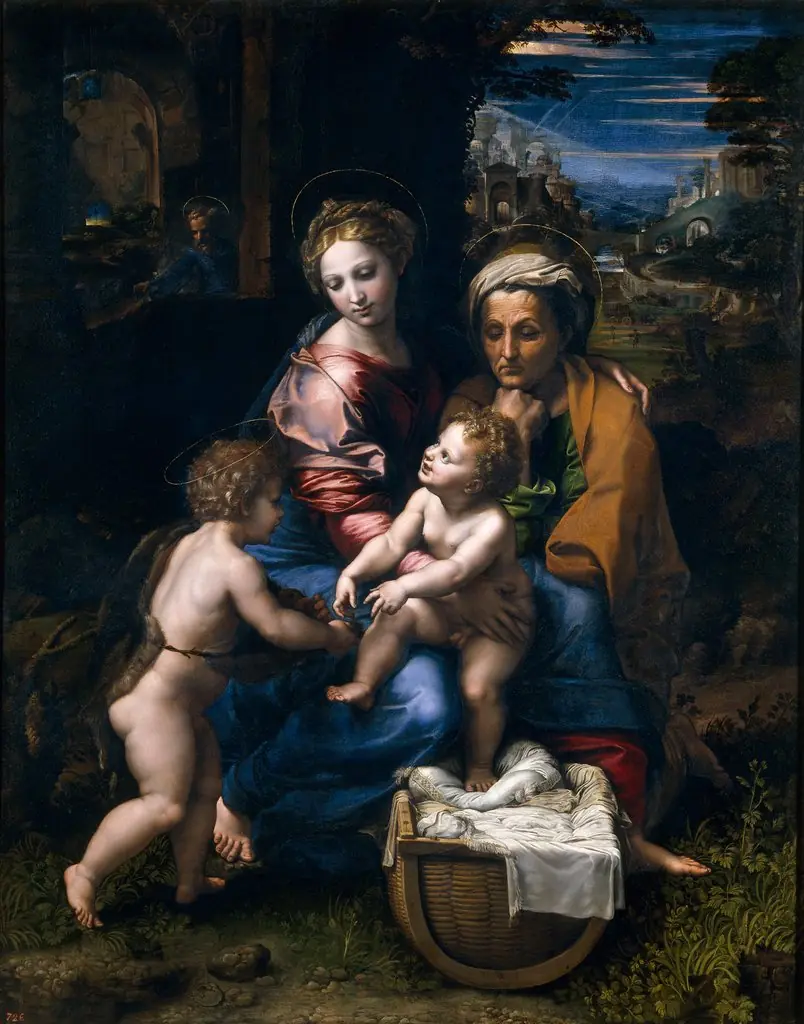 The Holy Family
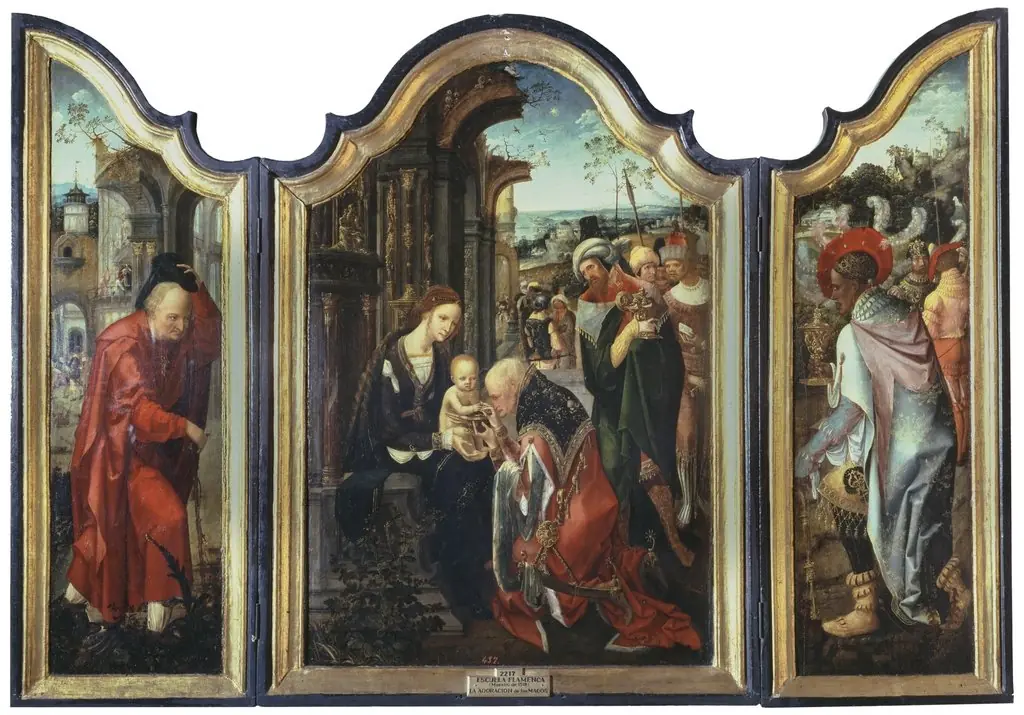 Adoration of the Magi
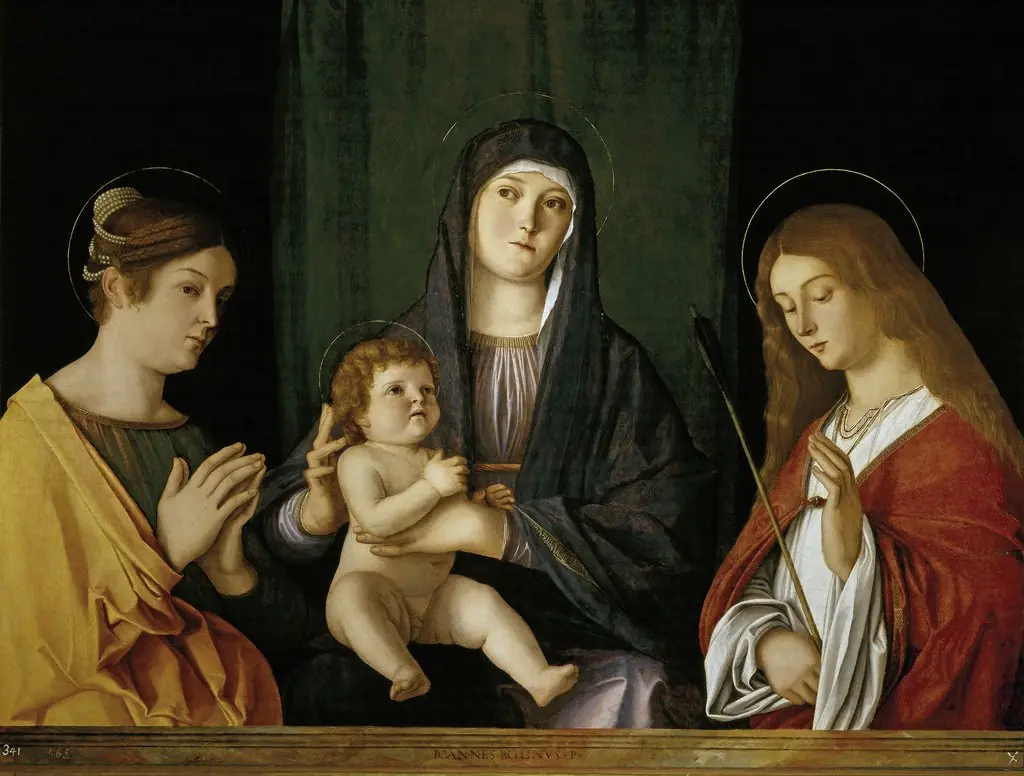 The Virgin and Child between two Saints
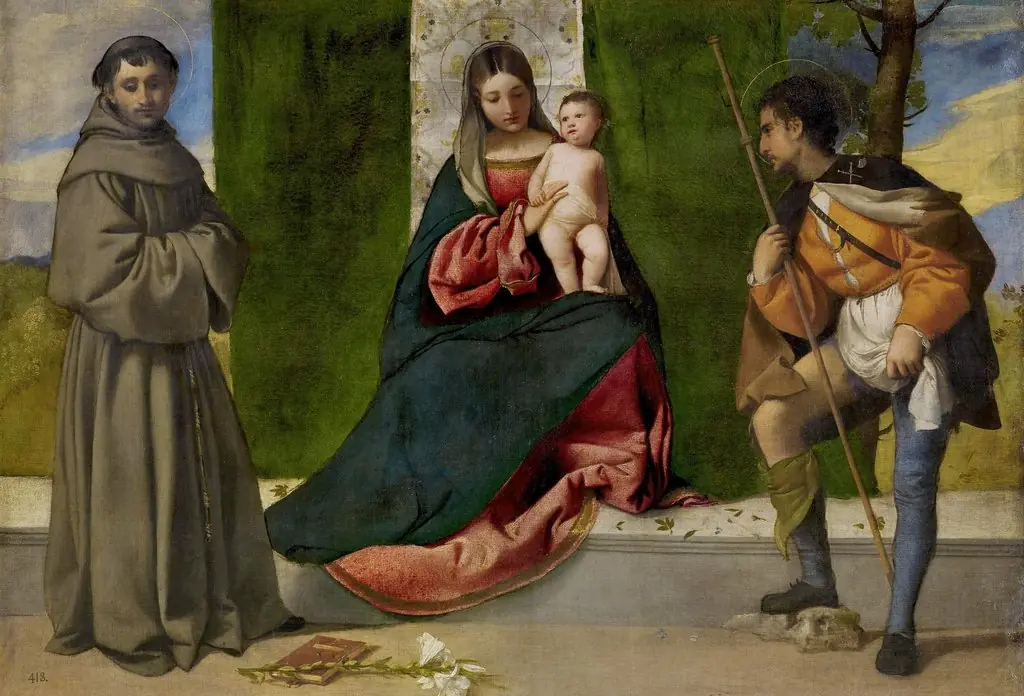 The Virgin and Child between Saint Anthony of Padua and Saint Roch
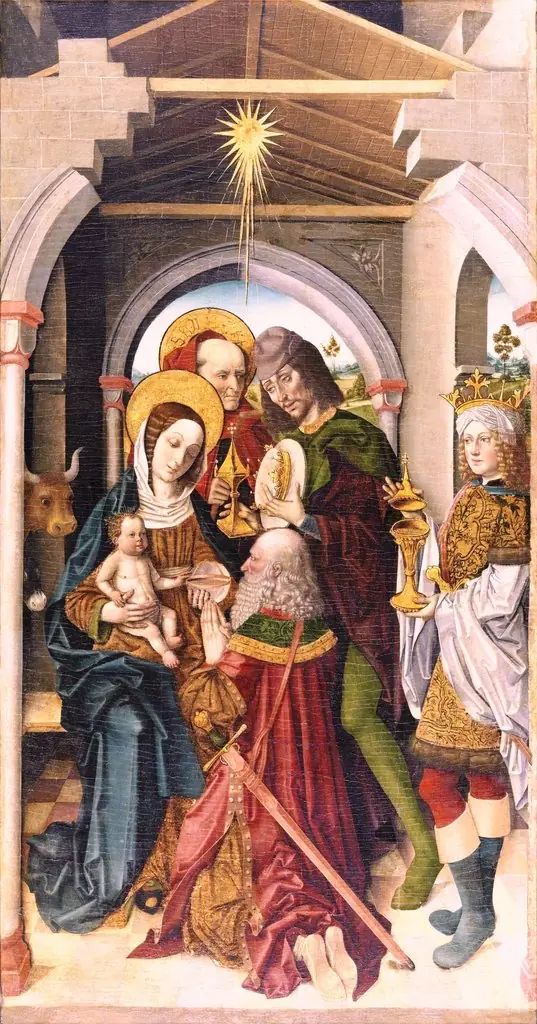 The Adoration of the Magi
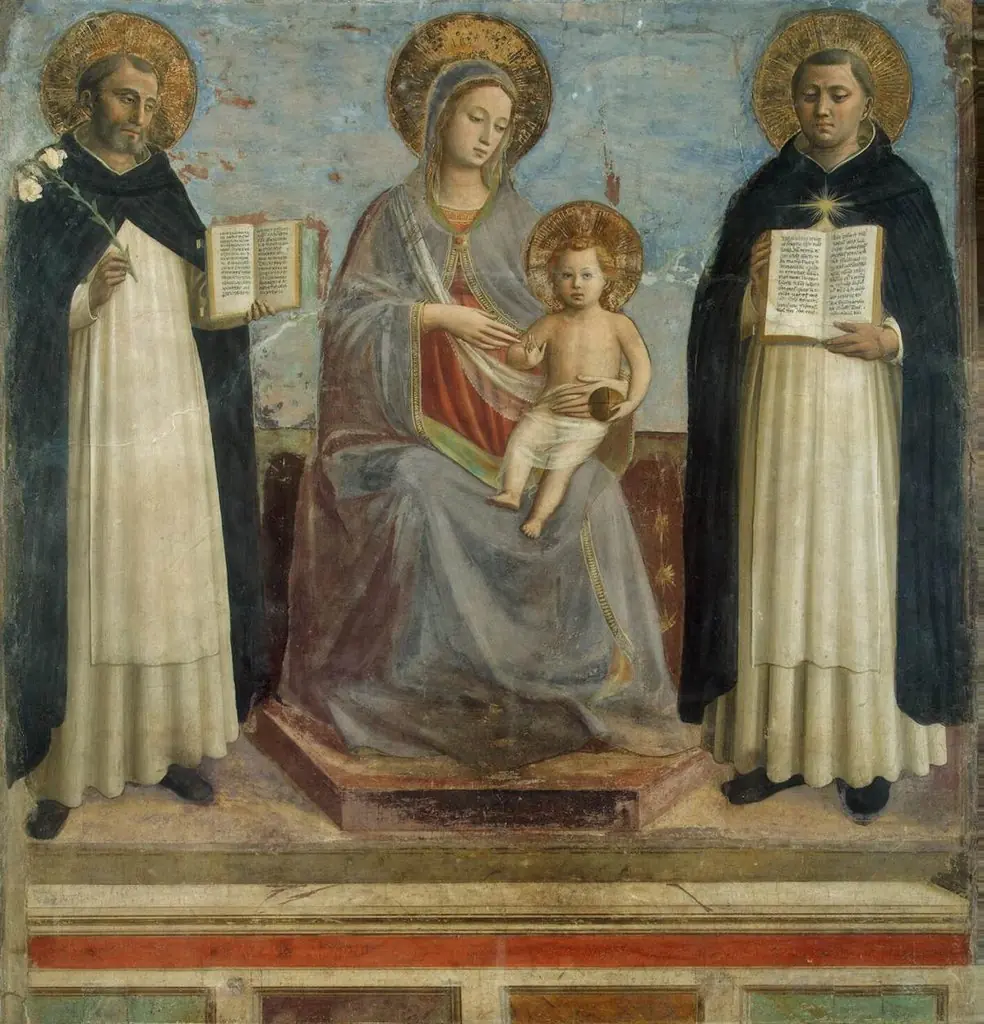 Madonna and Child
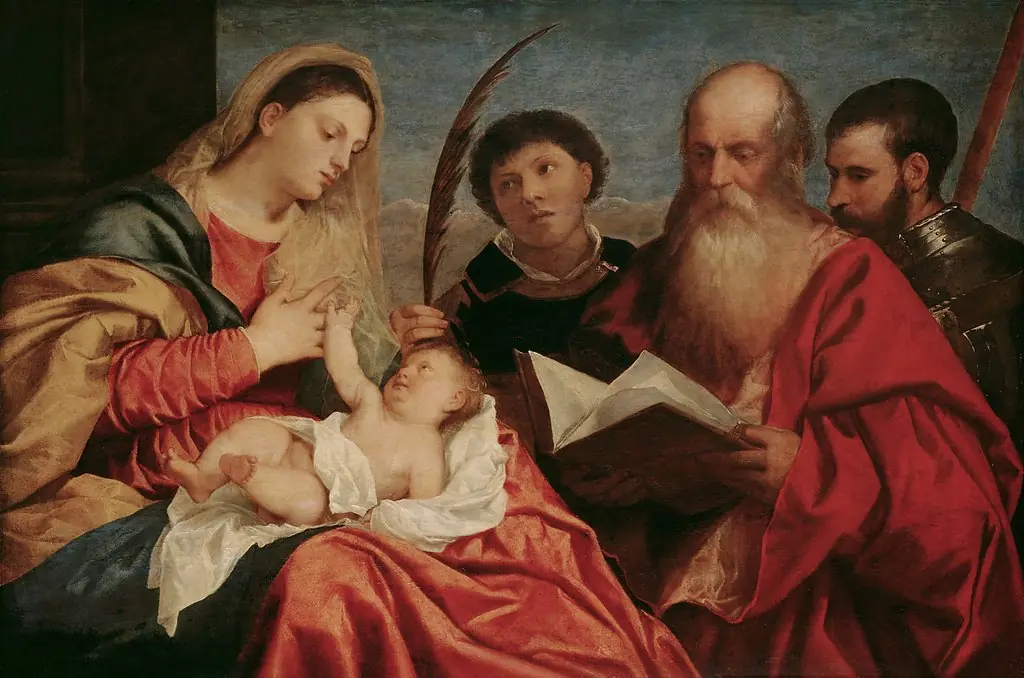 Virgin and Child with Saints Stephen, Jerome and Maurice
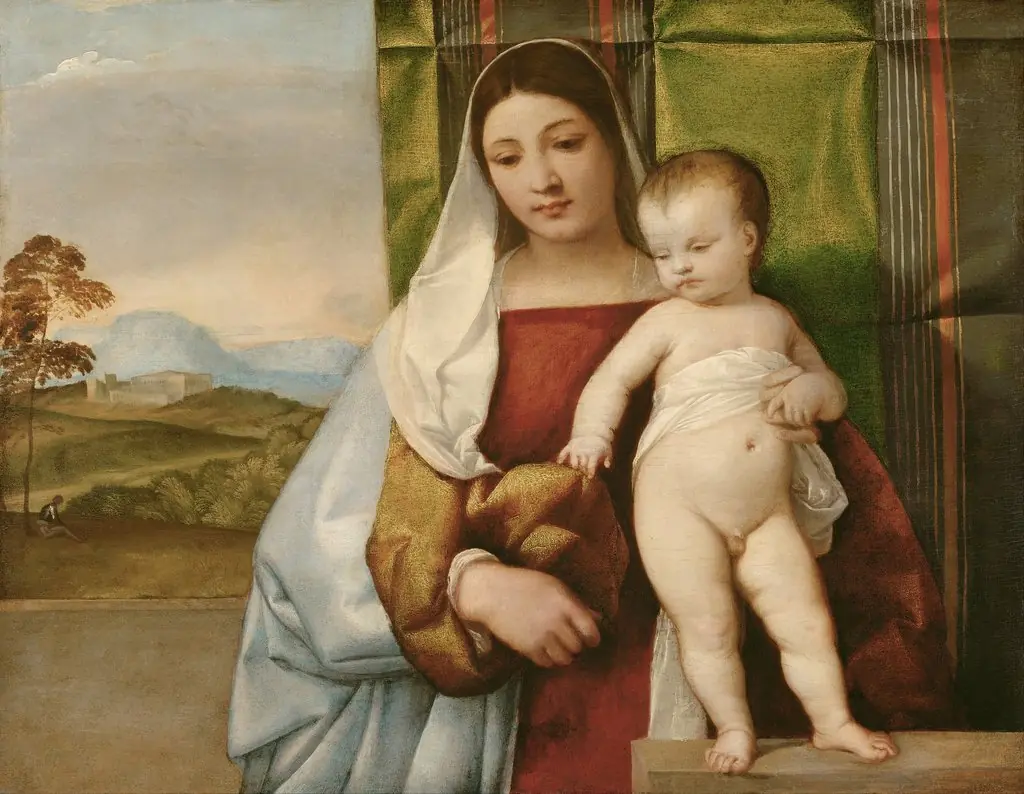 The Gypsy Madonna
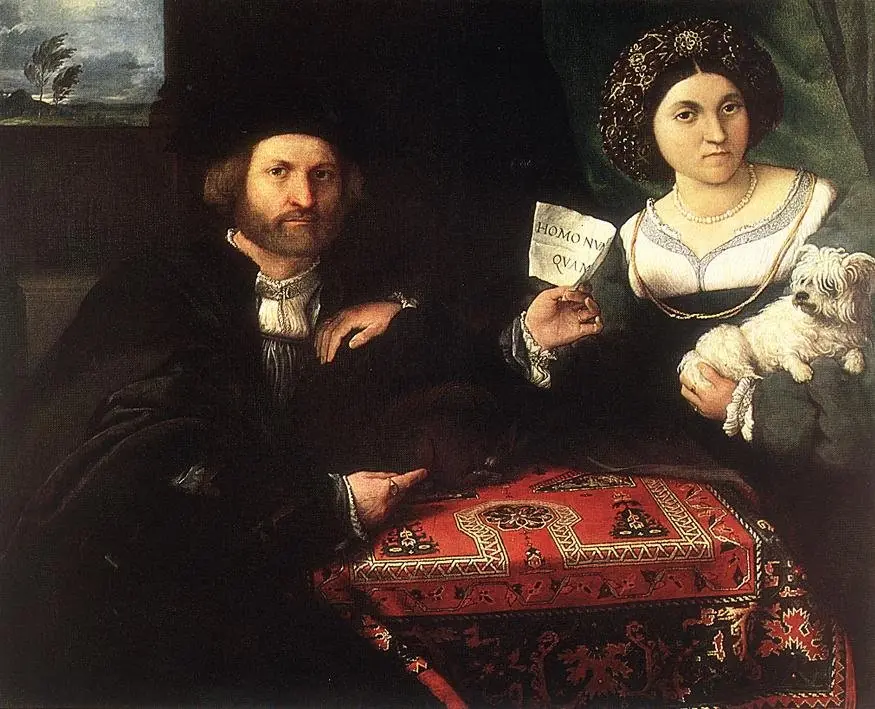 Husband and Wife
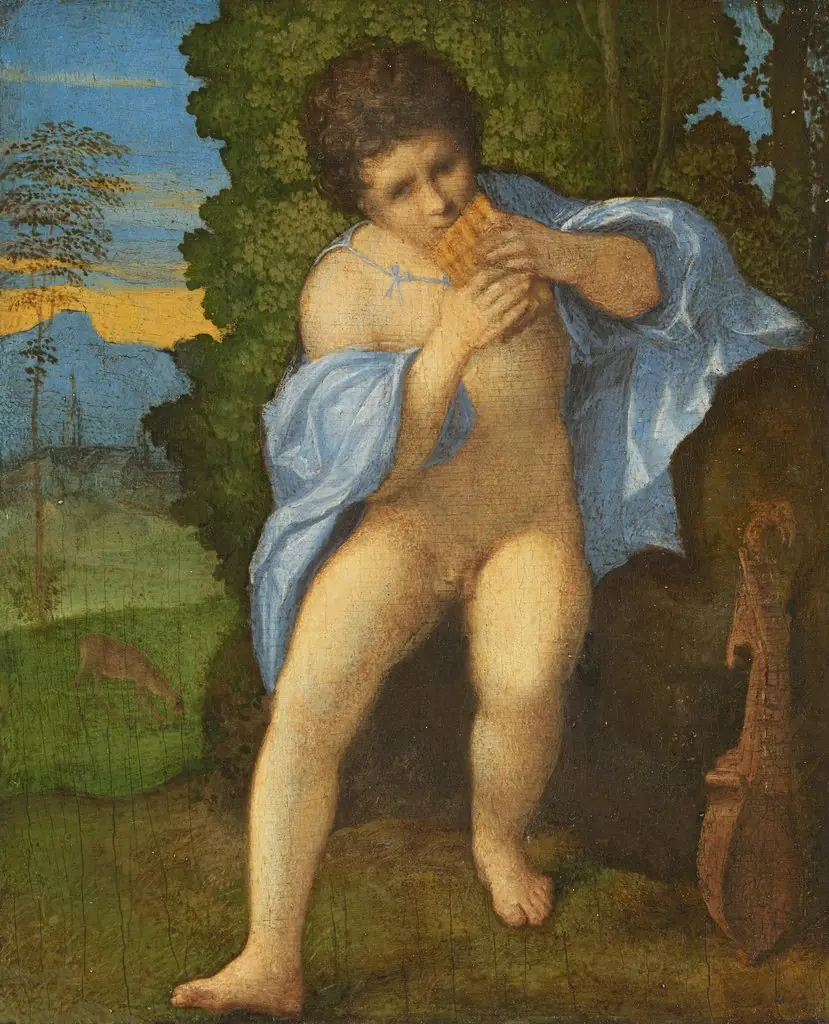 Daphnis
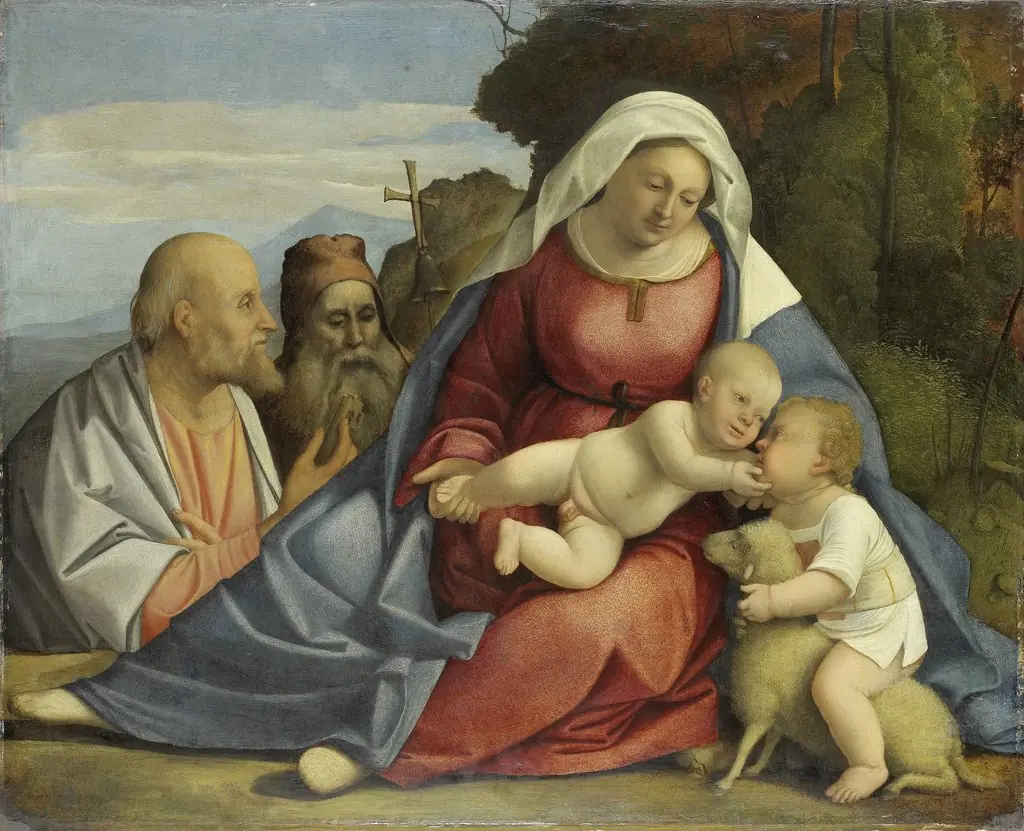 Virgin and Child with young John the Baptist, Saints Peter and Antony Abbot
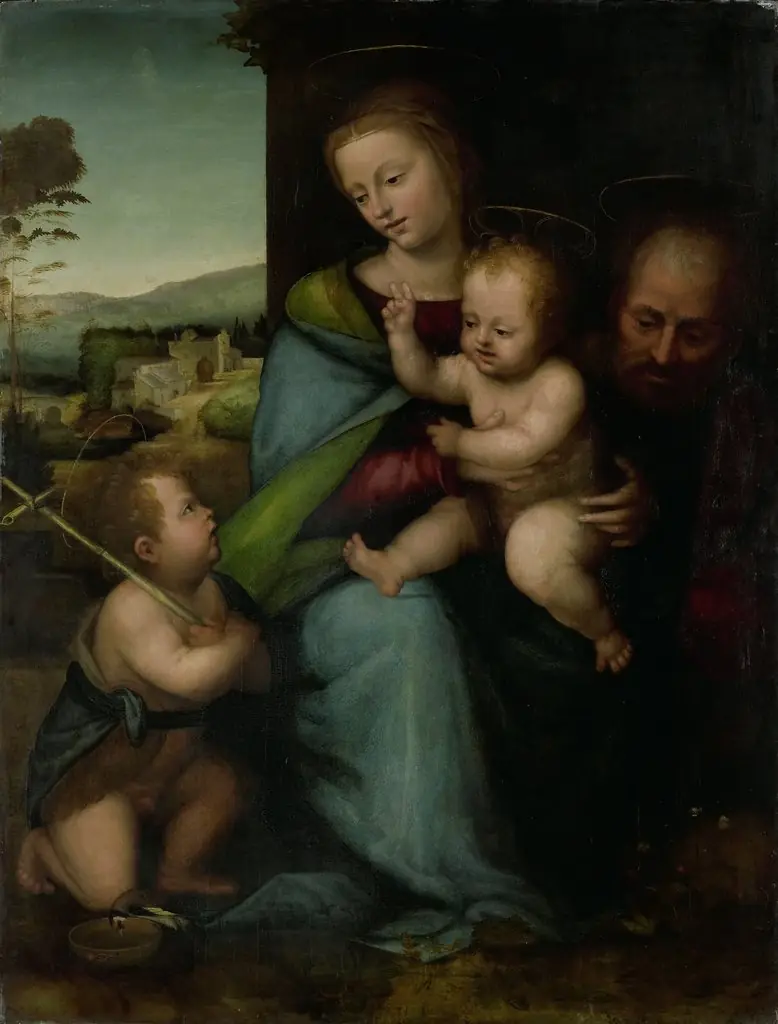 The Holy Family with the Infant John the Baptist
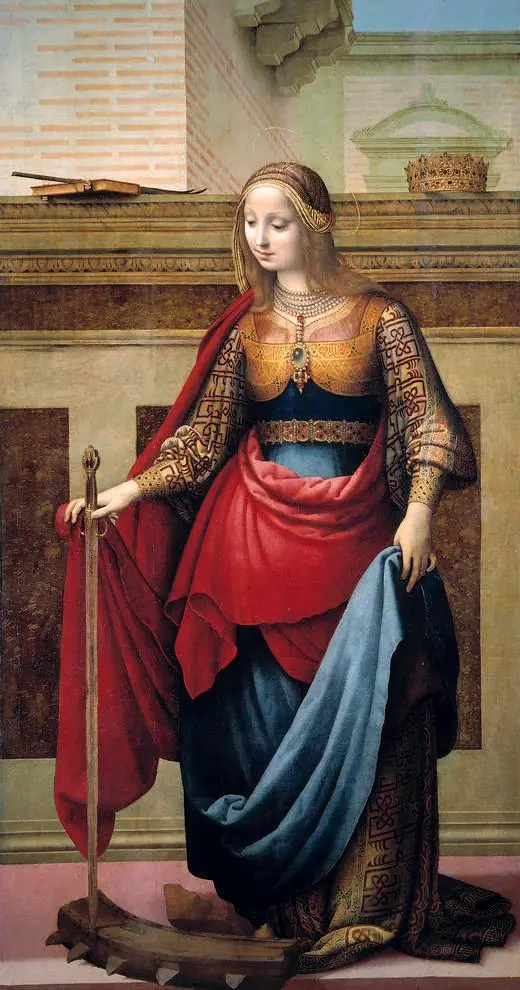 Saint Catherine
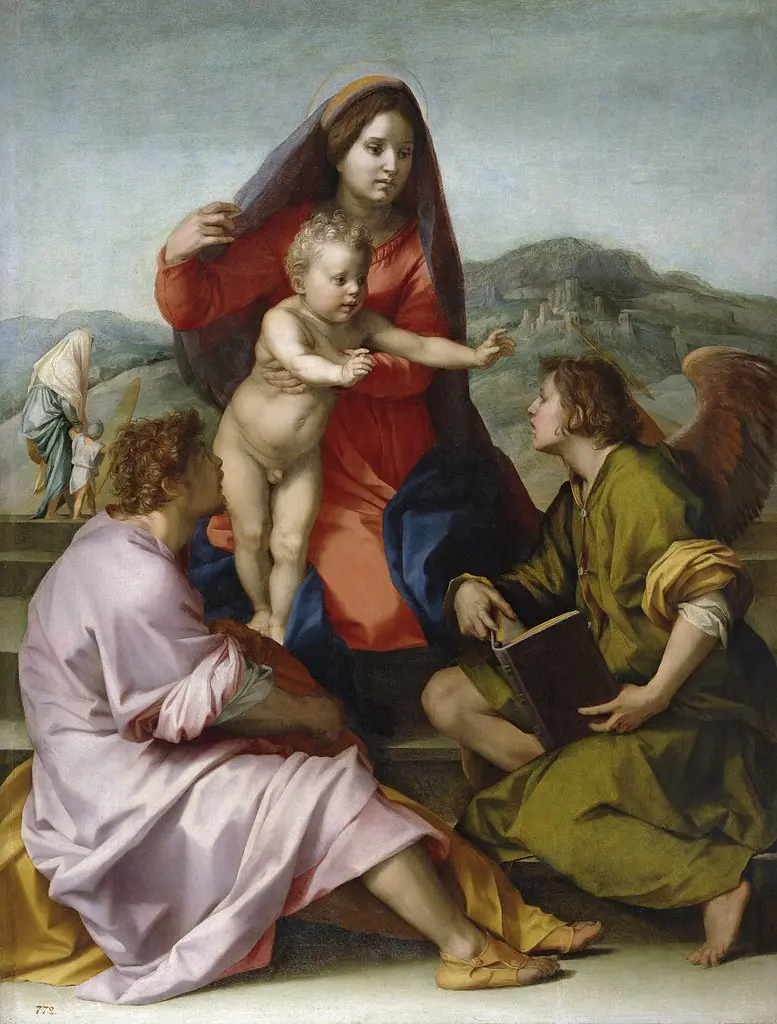 Virgin of the Stairs
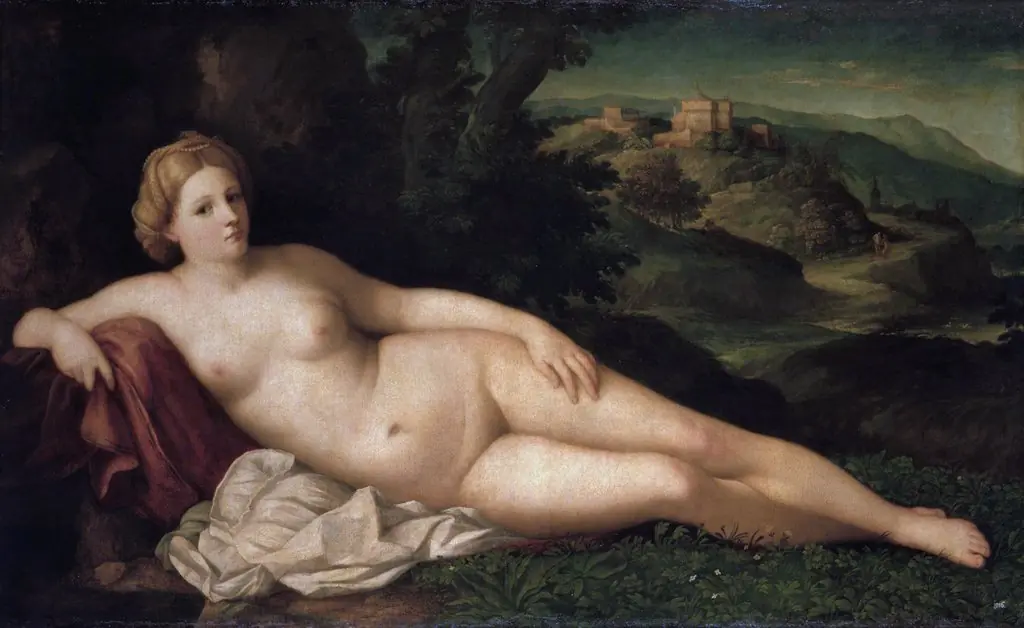 Resting Venus
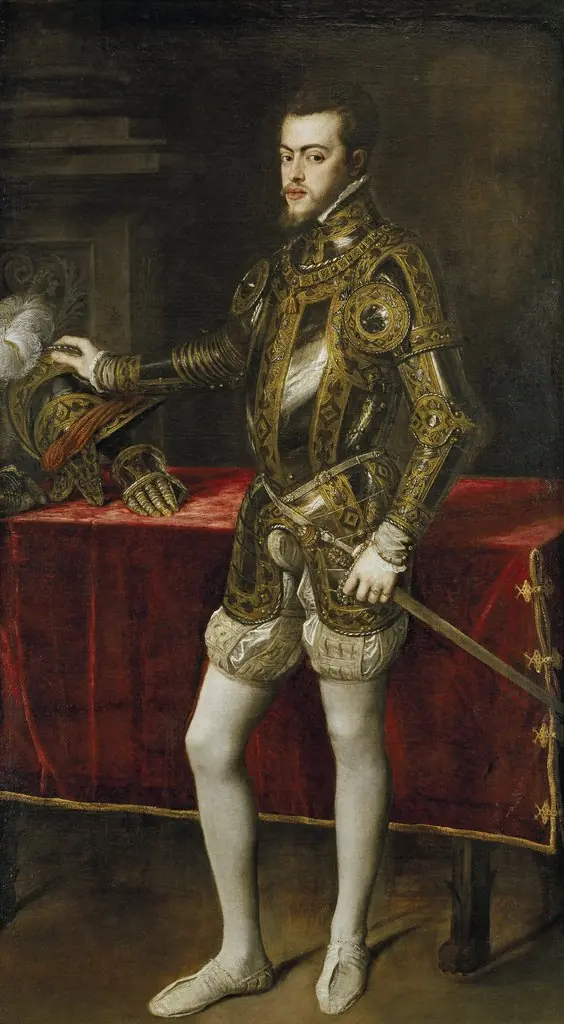 Philip II in Armour
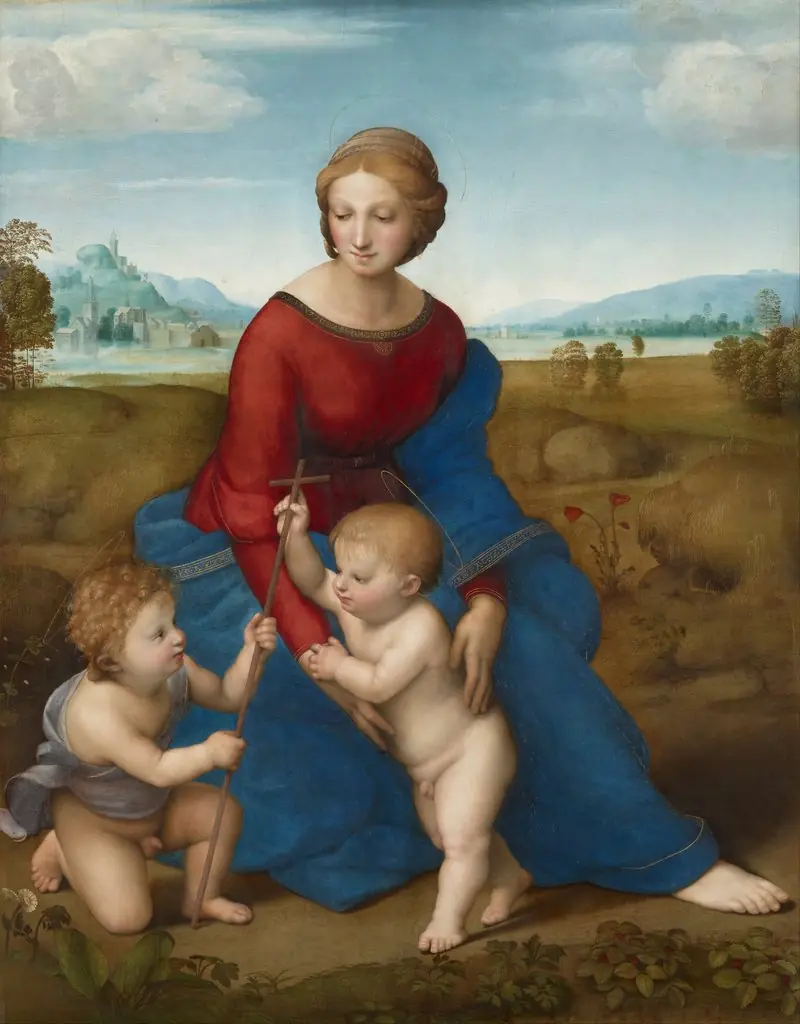 Madonna del Prato
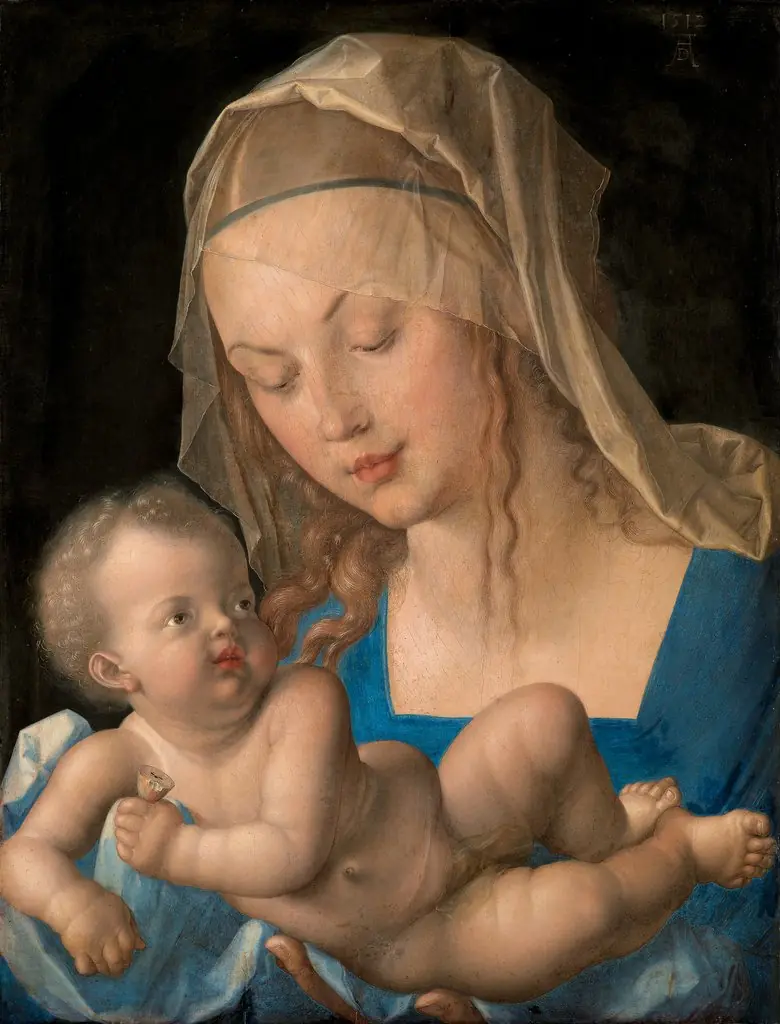 Mary and Child
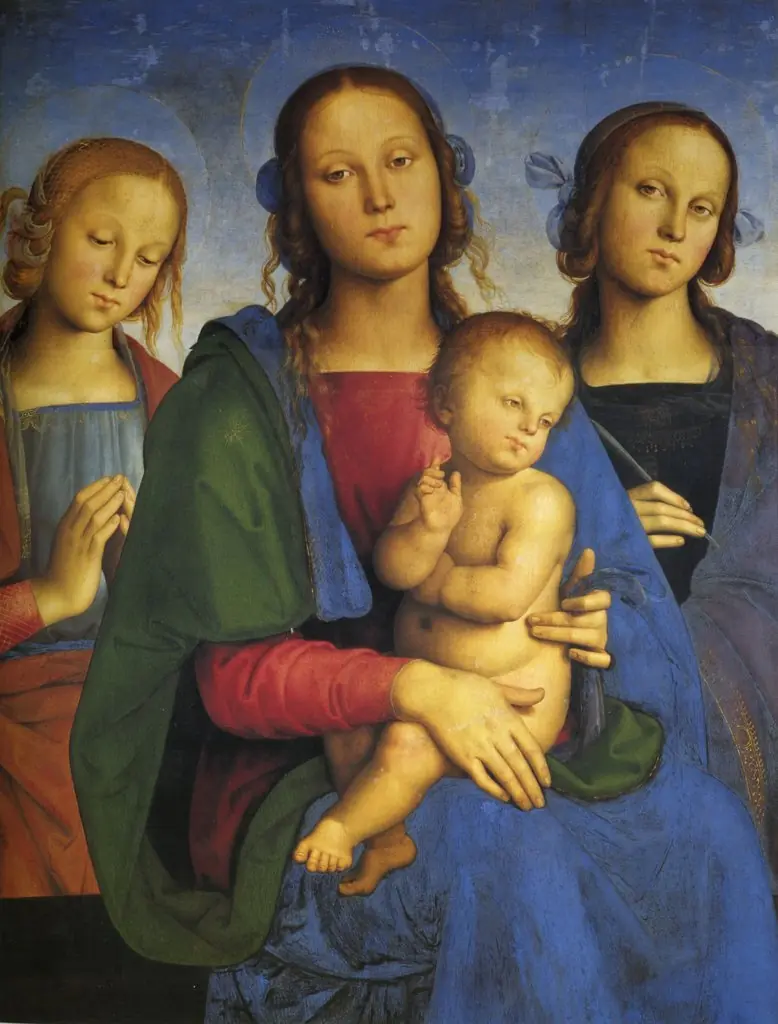 Madonna with child and two female saints
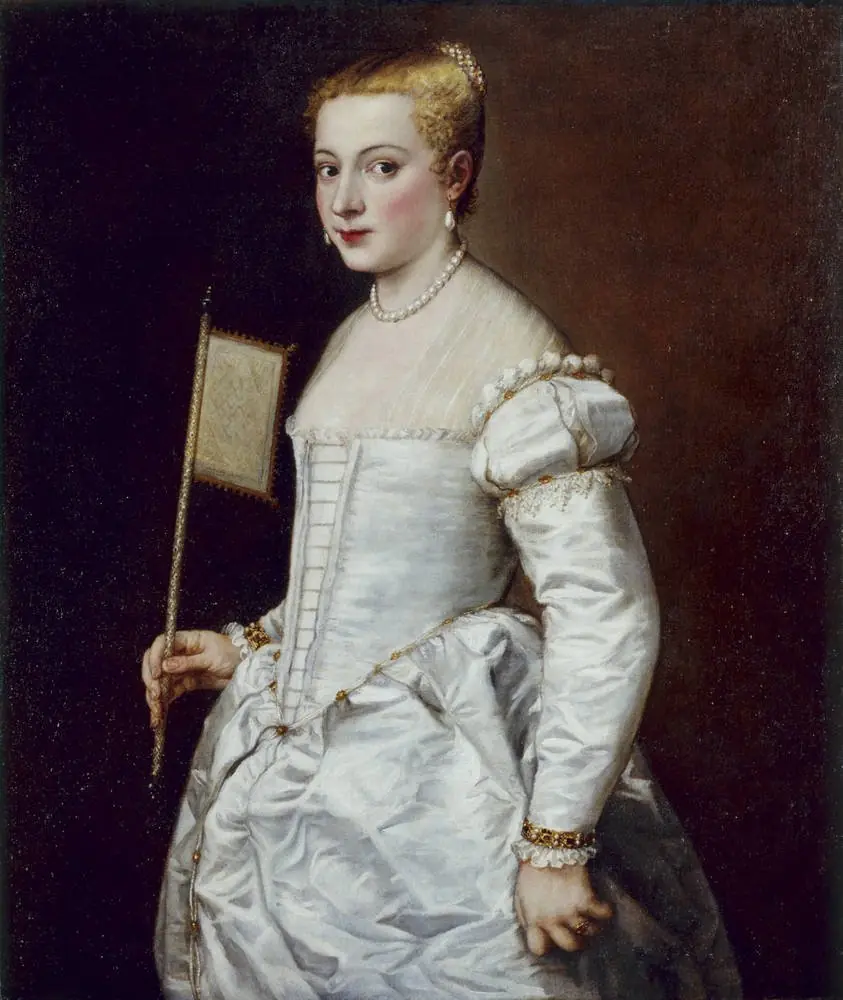 Portrait of a Lady in White
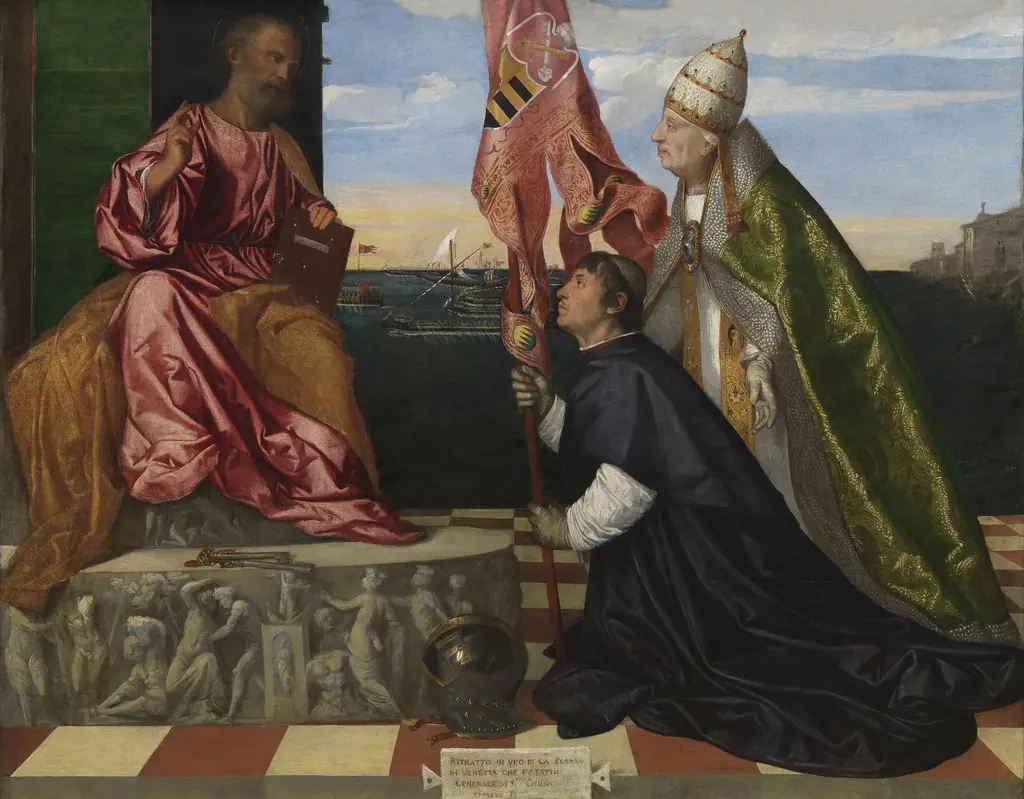 Jacopo Pesaro, Bishop of Paphos, being presented by Pope Alexander VI to Saint Peter
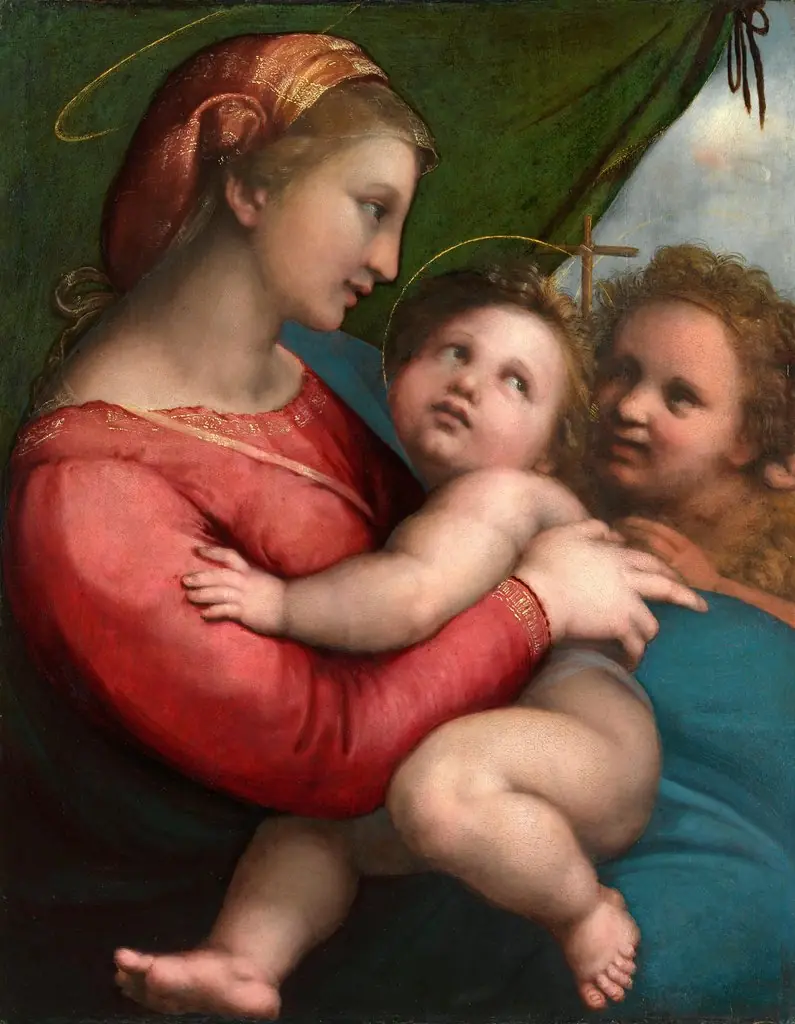 Madonna della tenda
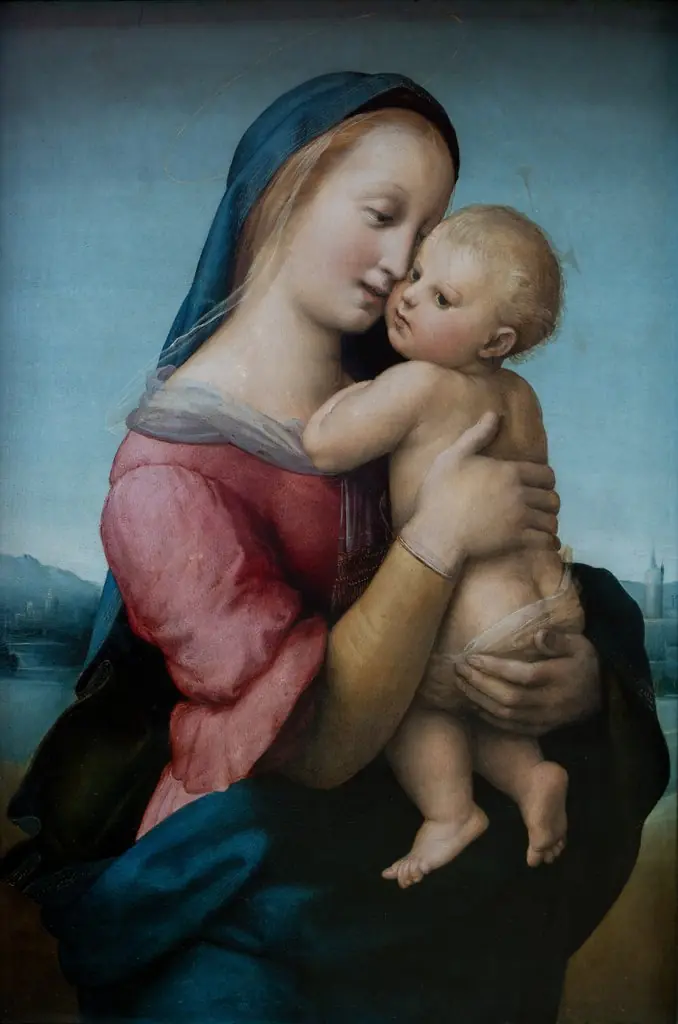 Tempi Madonna
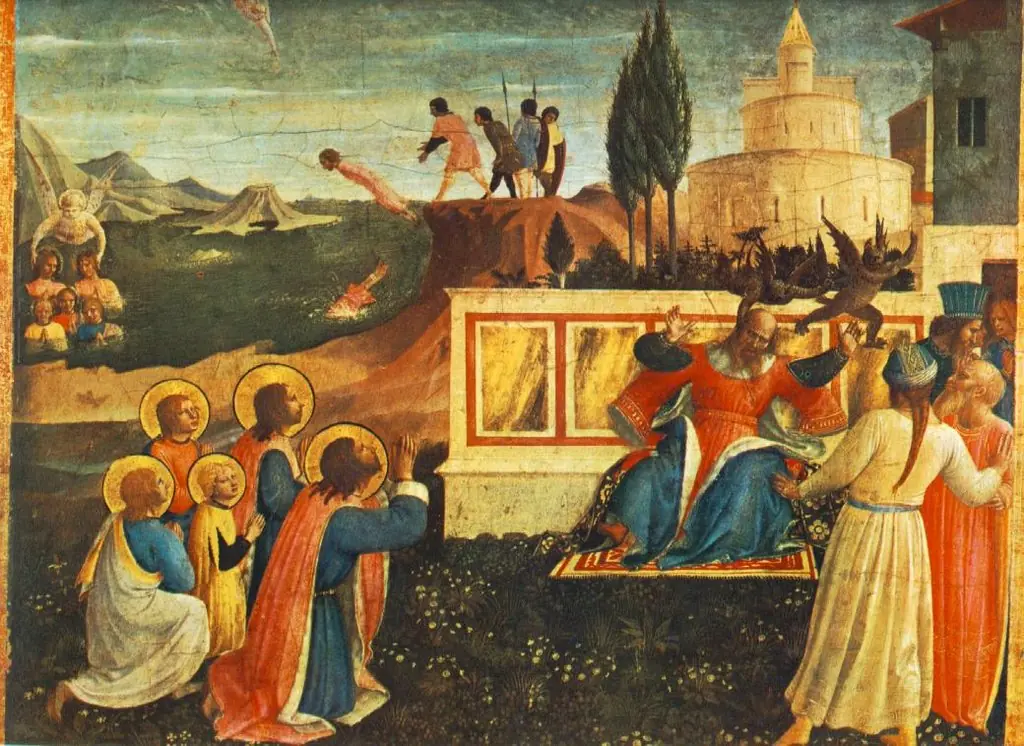 Saint Cosmas and Saint Damian Salvaged
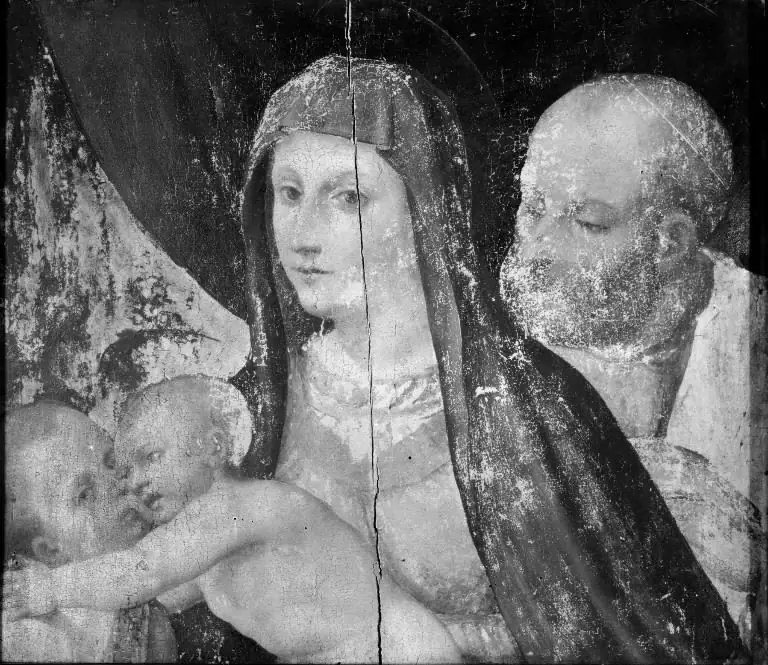 The Holy Family
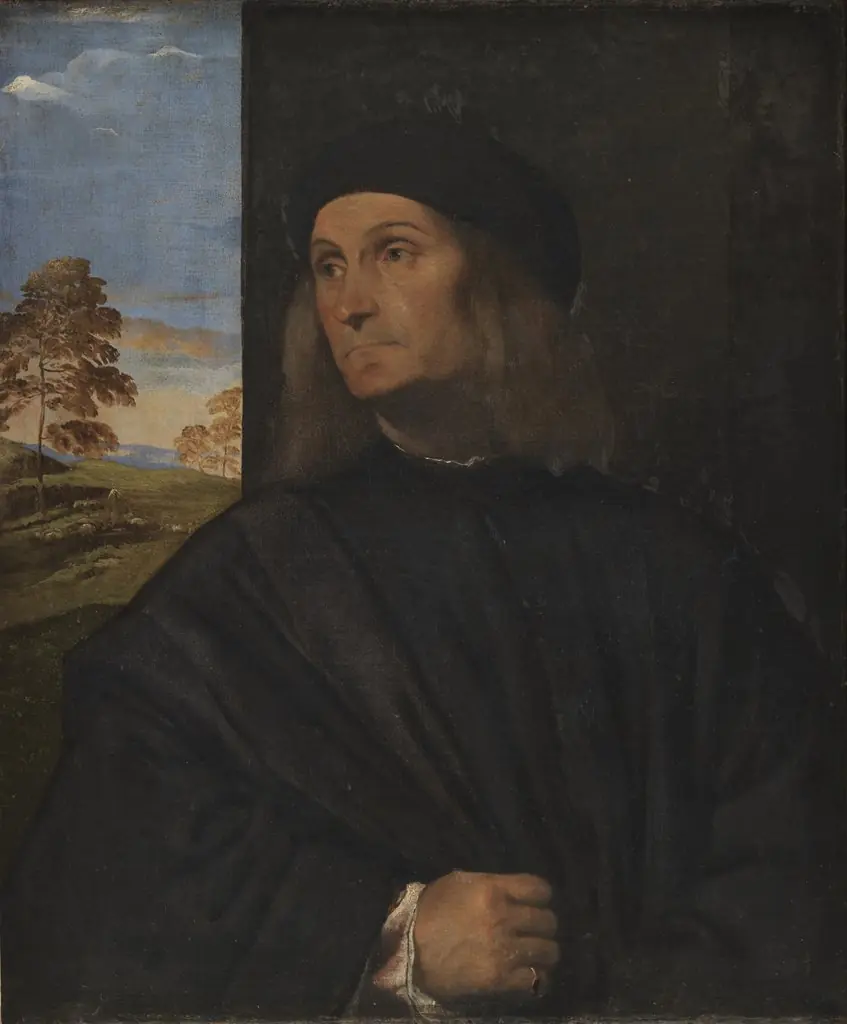 Portrait of the Venetian Painter Giovanni Bellini (?)
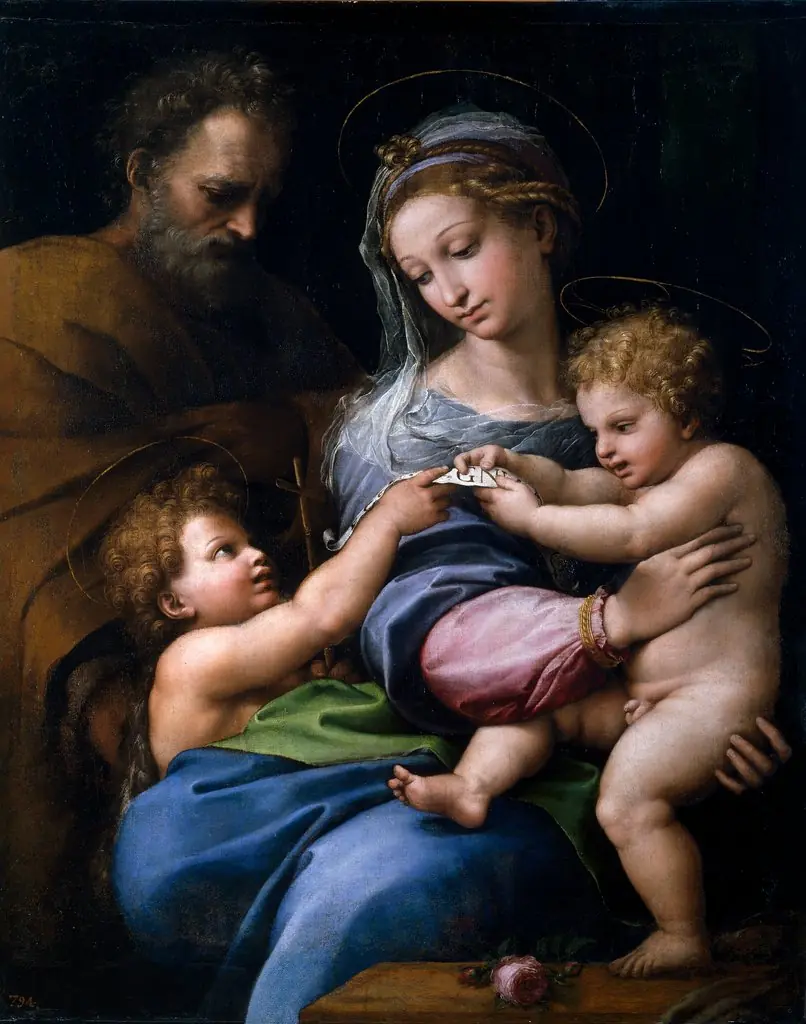 Madonna of the Rose
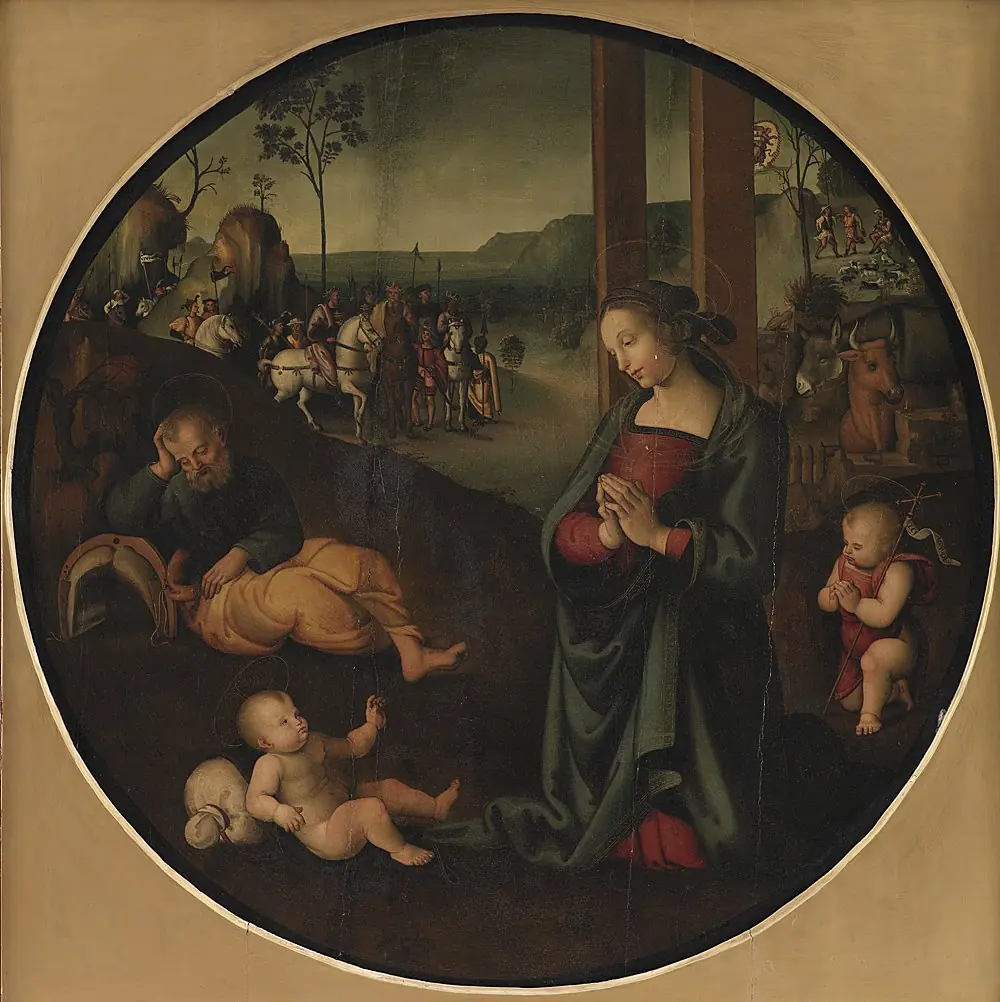 The Holy Family
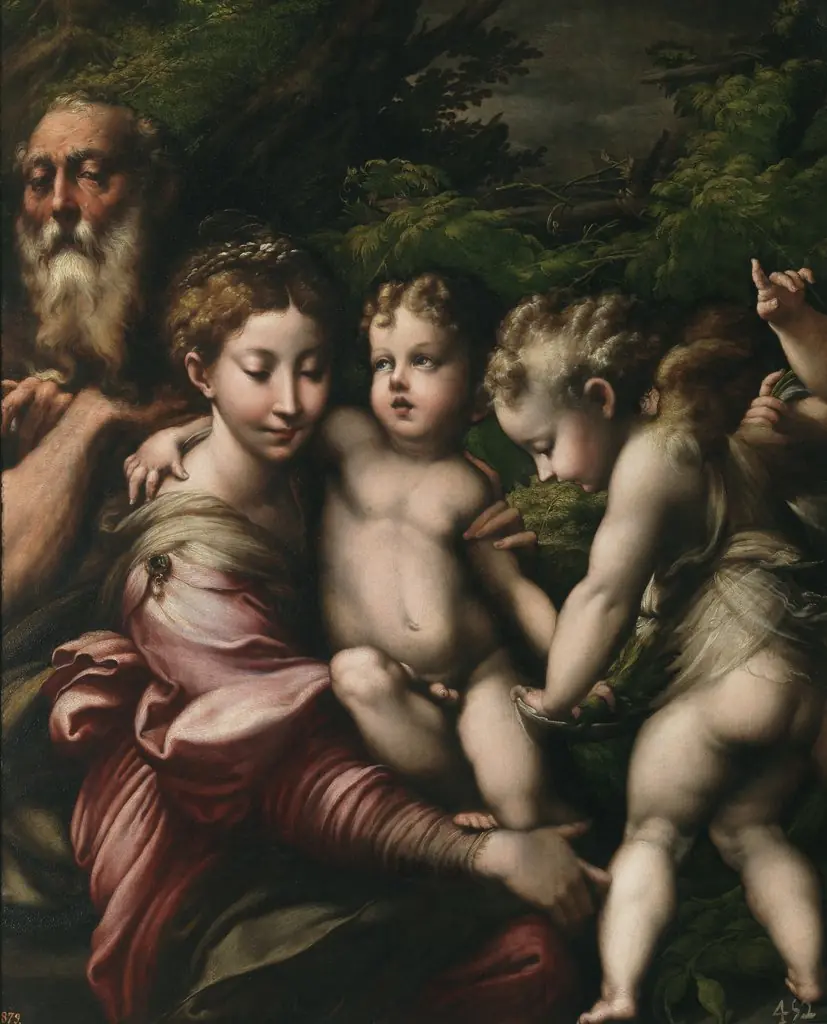 The Holy Family with Angels
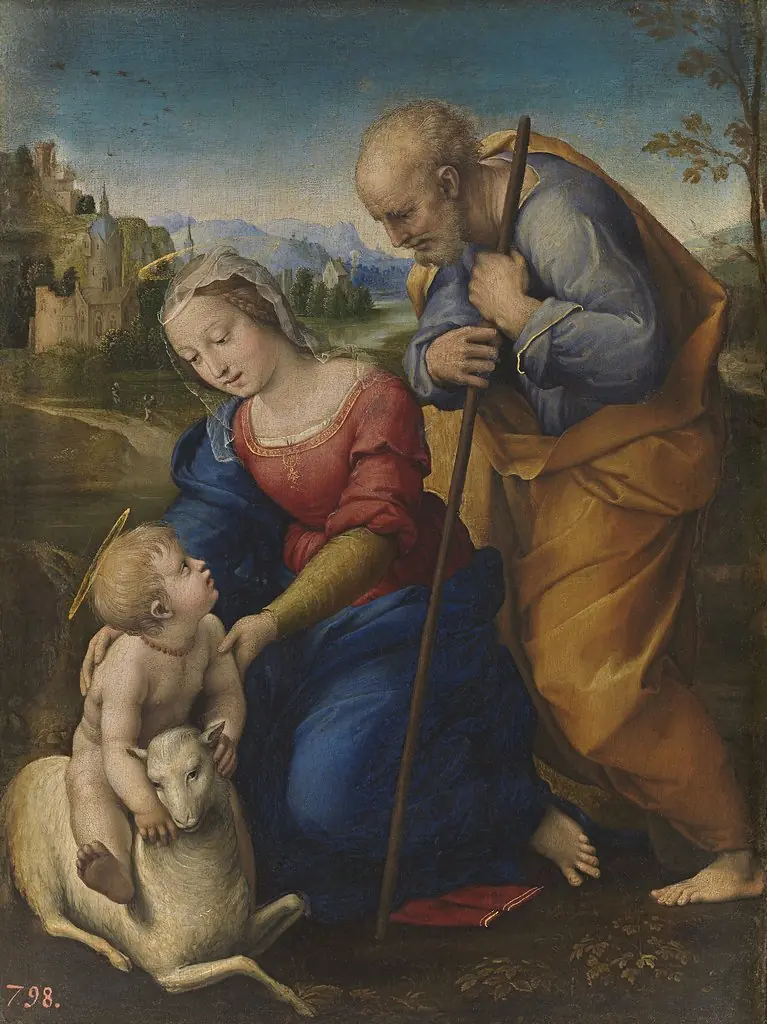 The Holy Family with a Lamb
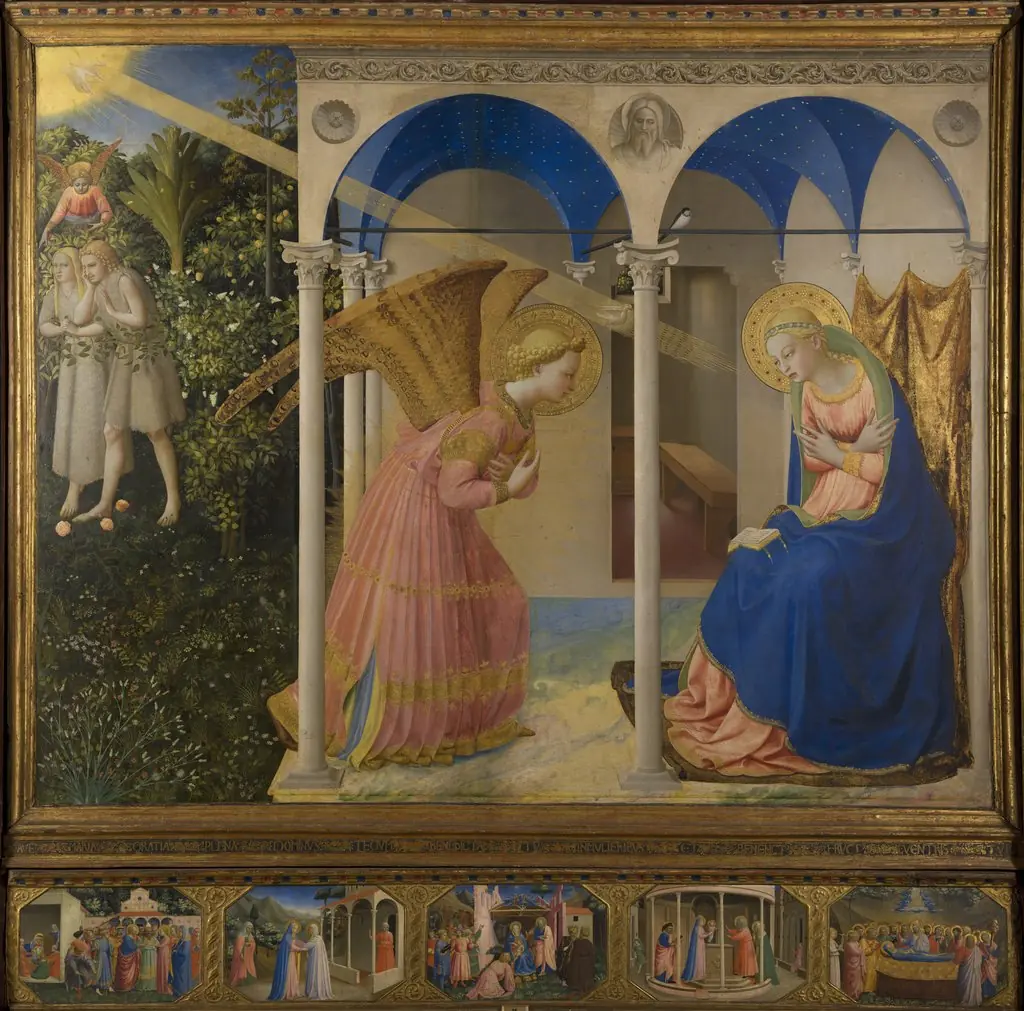 Annunciation
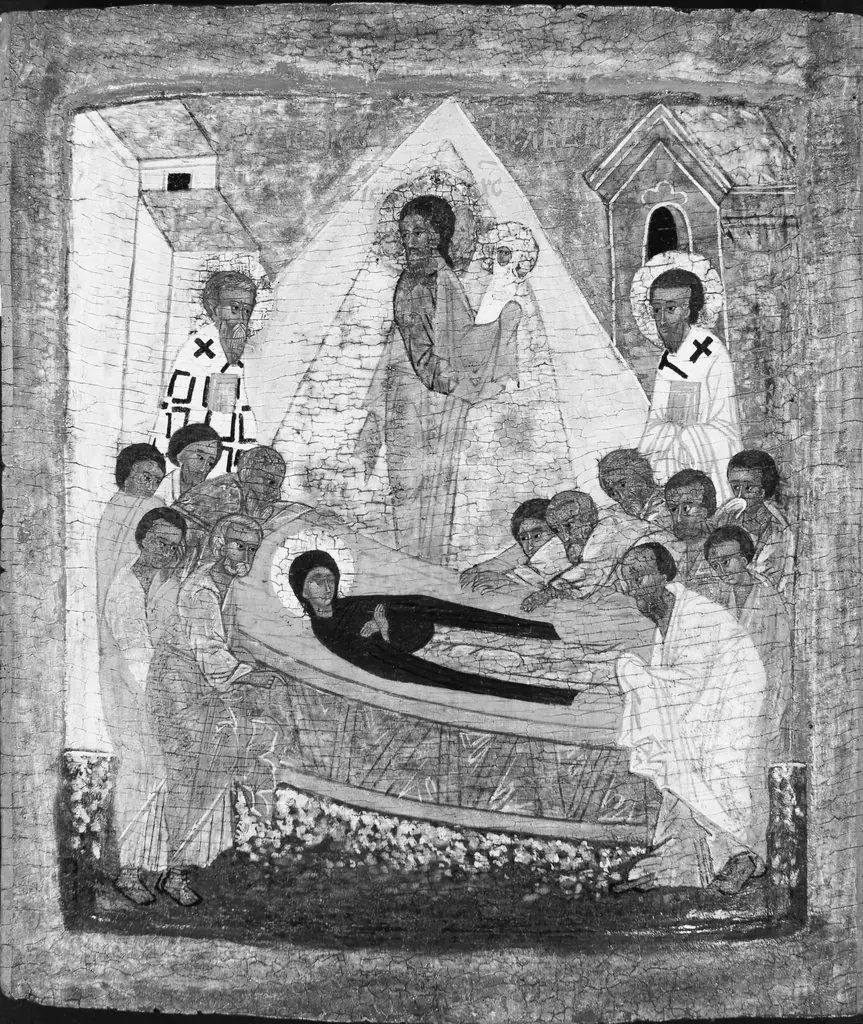 The Dormition of the Virgin
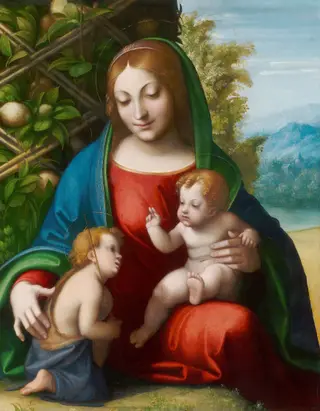 Virgin and Child with the Young Saint John the Baptist
 Ceiling
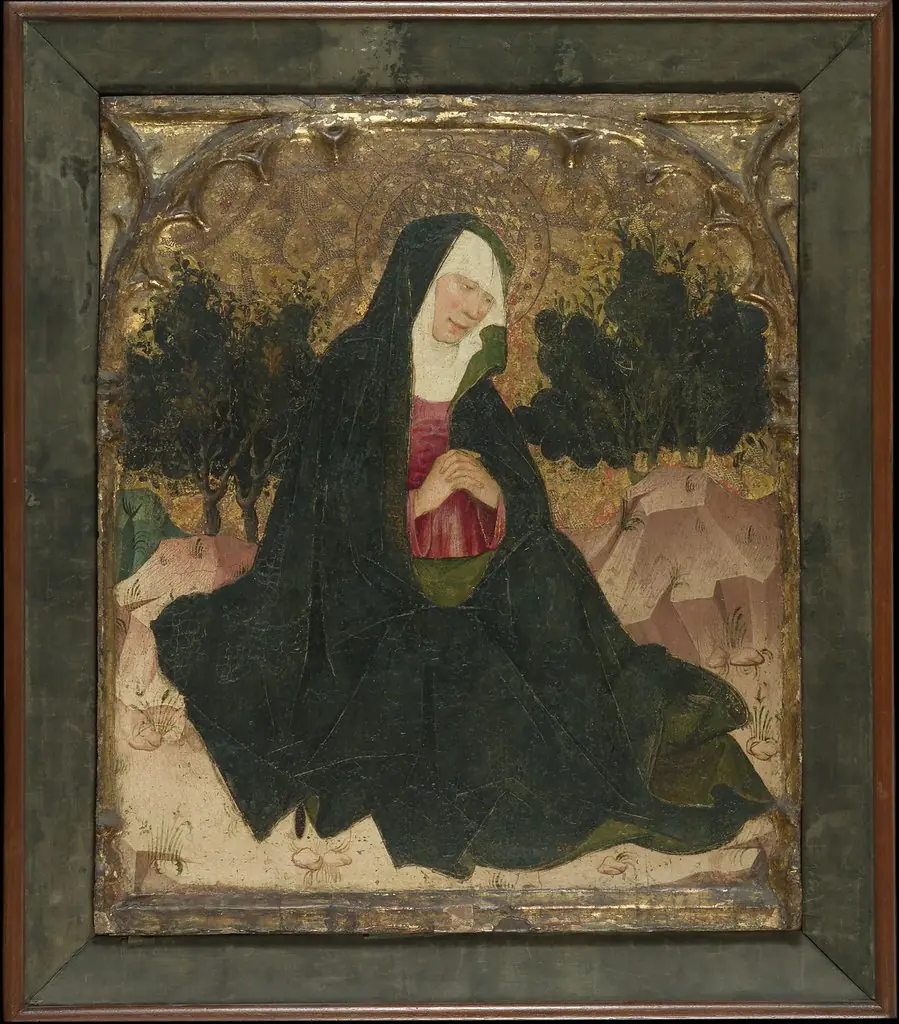 The Virgin
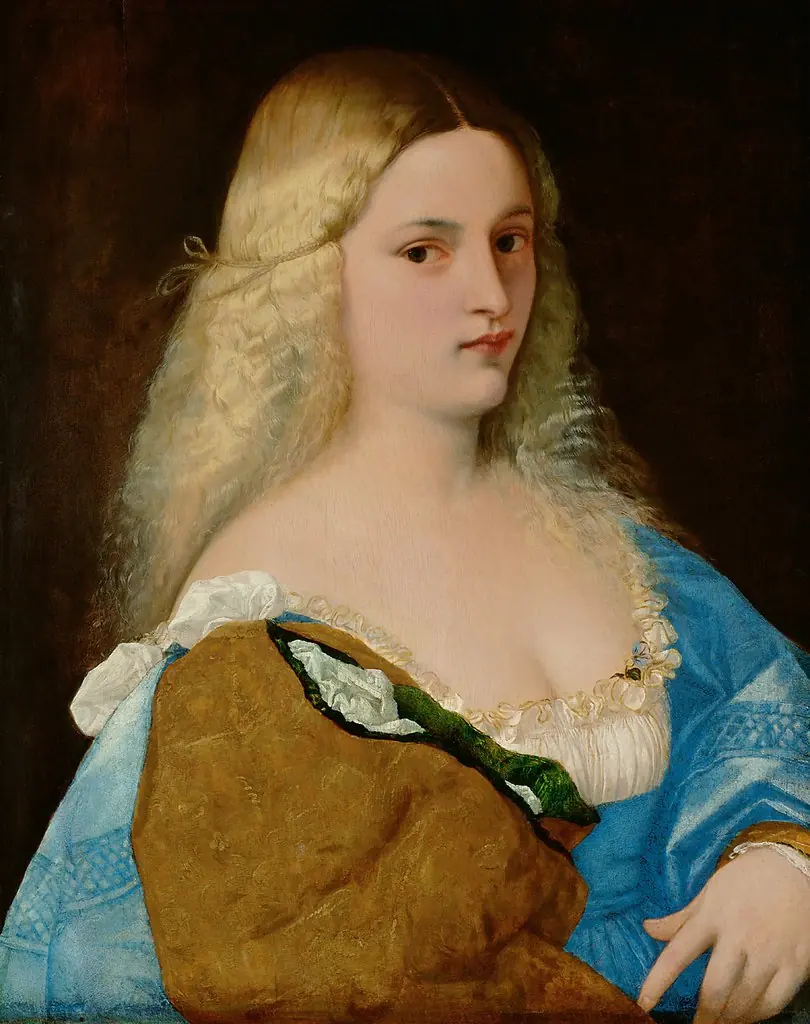 Violante
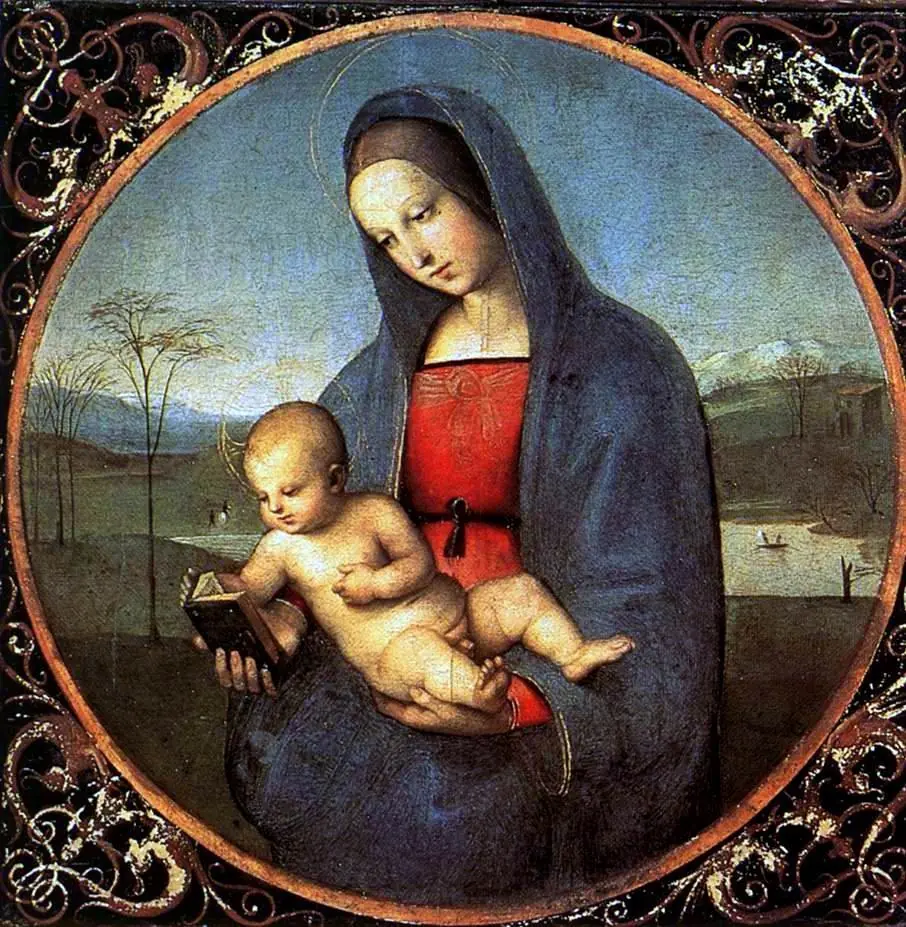 Madonna and Child (The Conestabile Madonna)
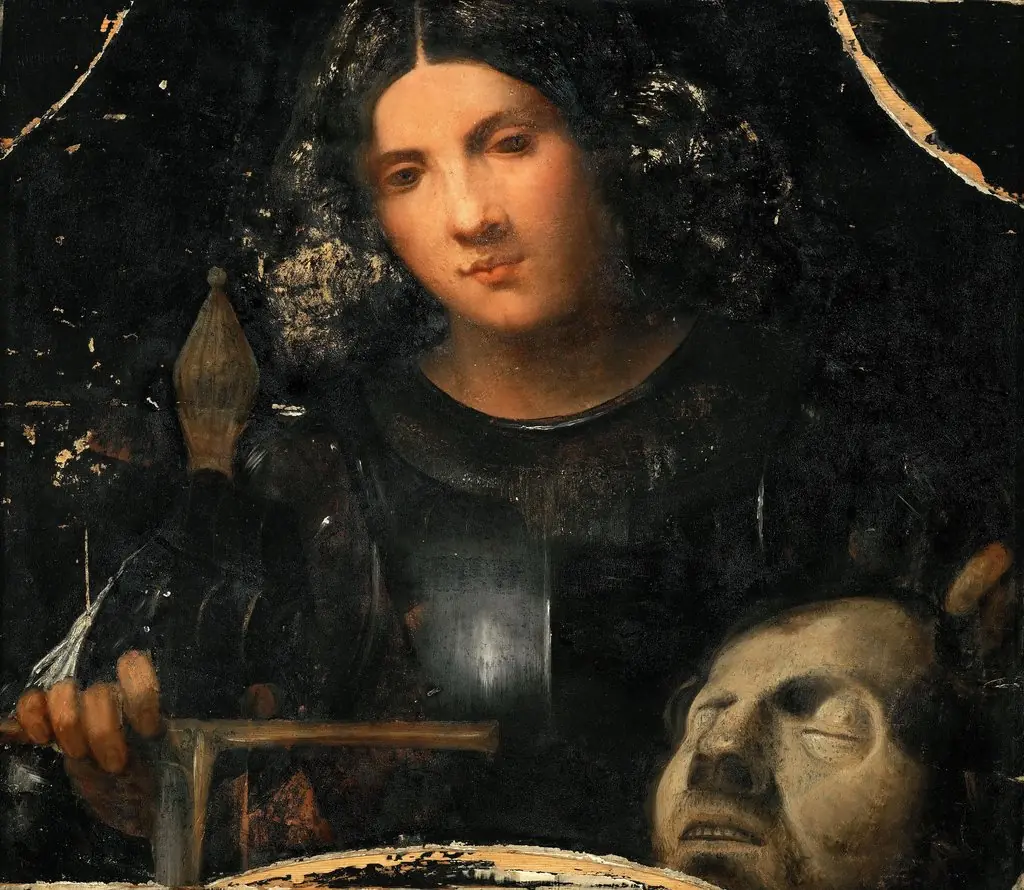 David with the Head of Goliath
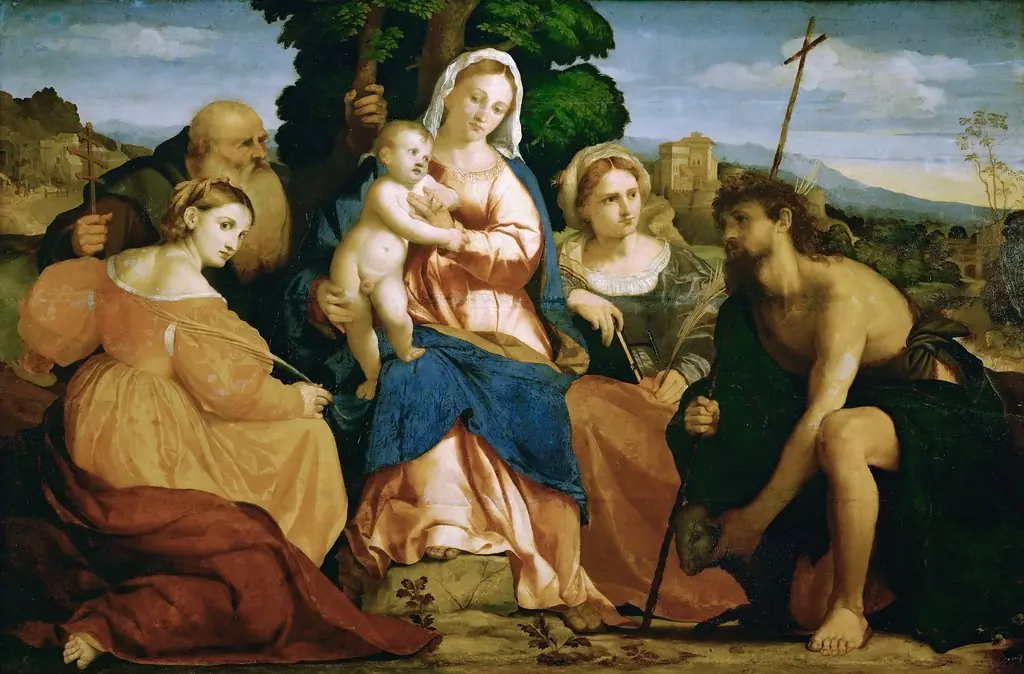 Sacred conversation
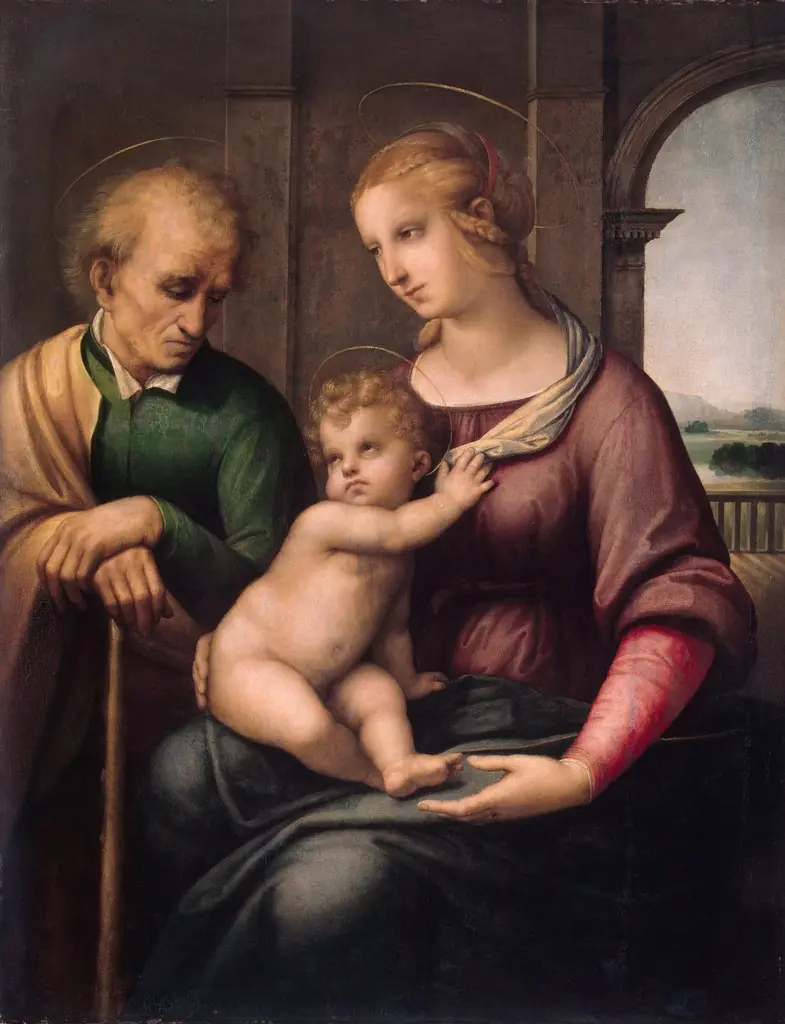 Madonna with Beardless Saint Joseph
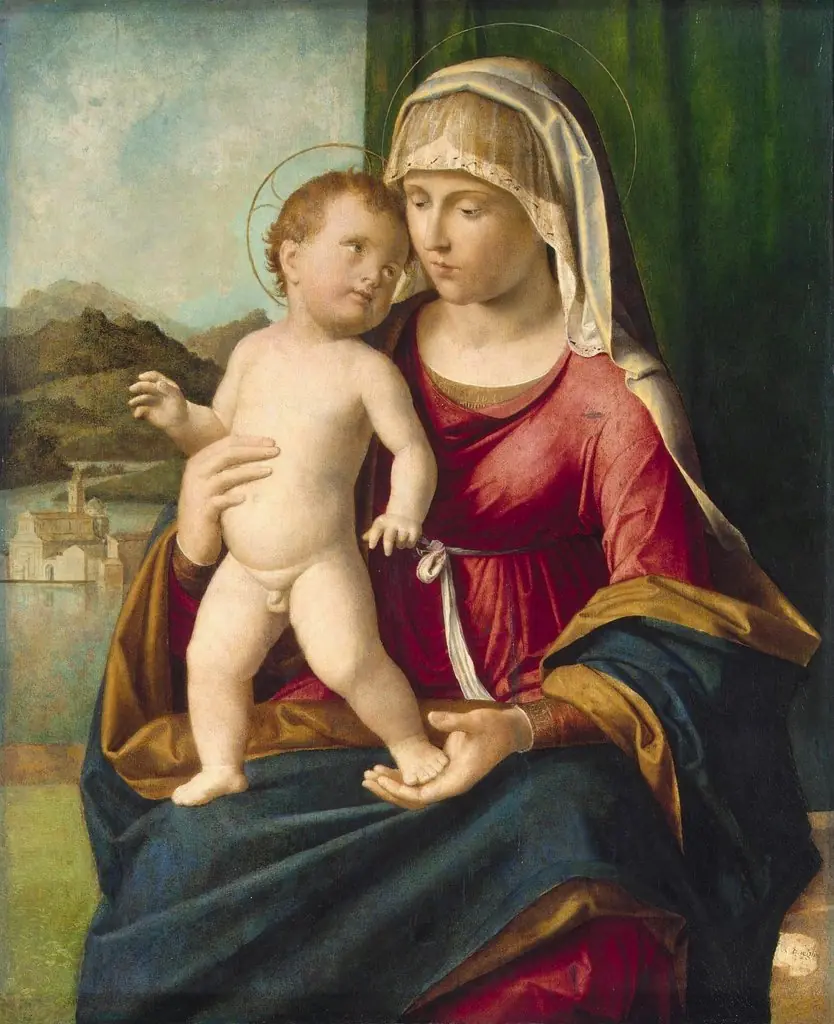 Madonna and Child
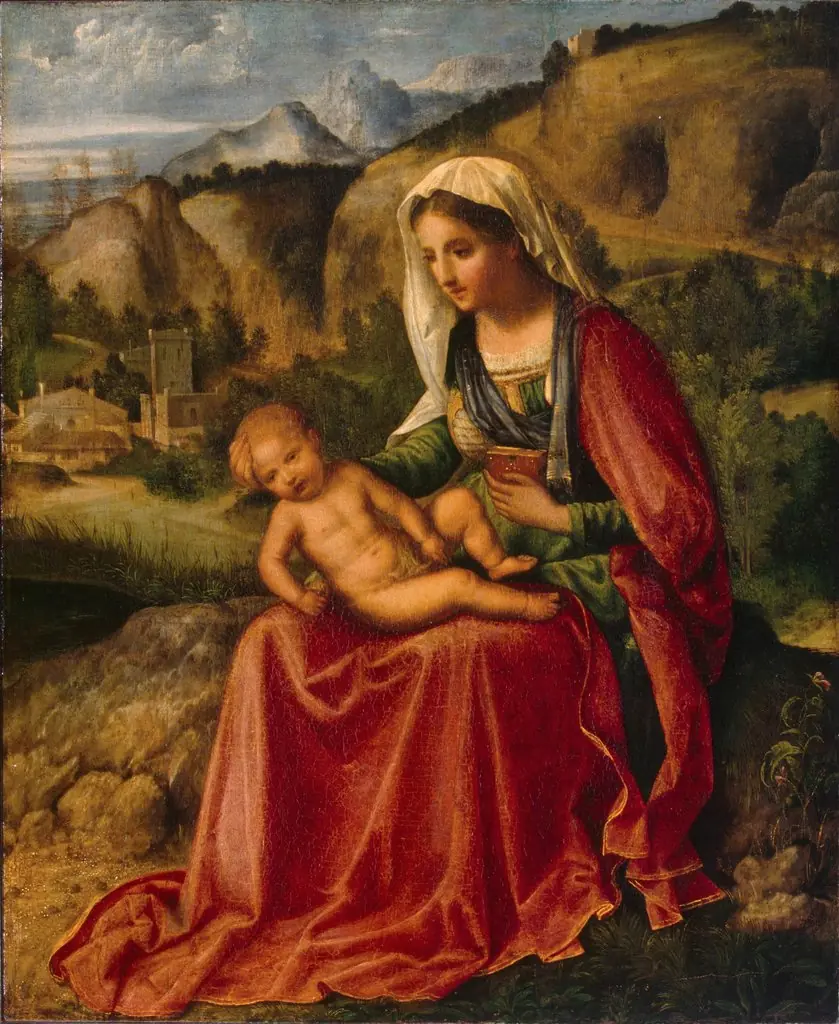 Virgin and Child in a Landscape
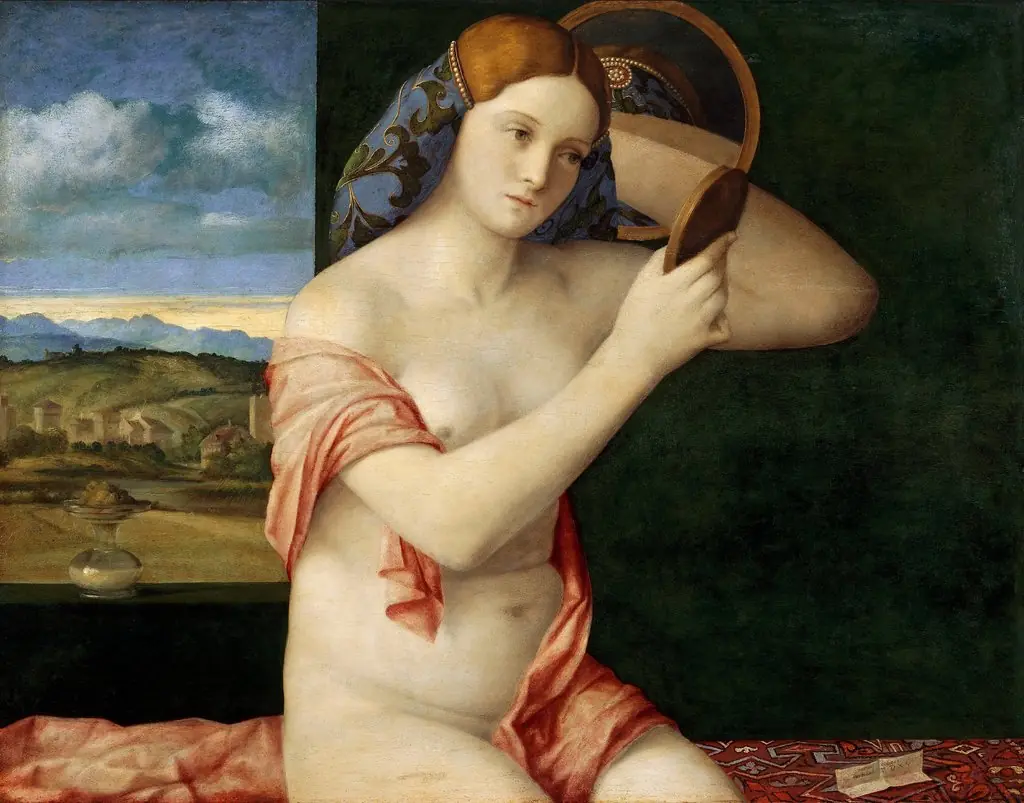 Naked Young Woman in Front of the Mirror
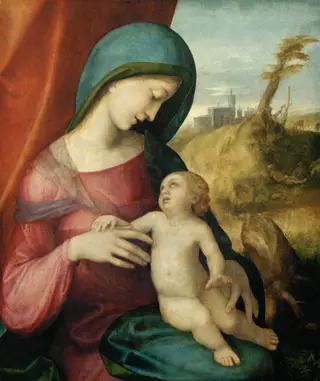 Mary and Child
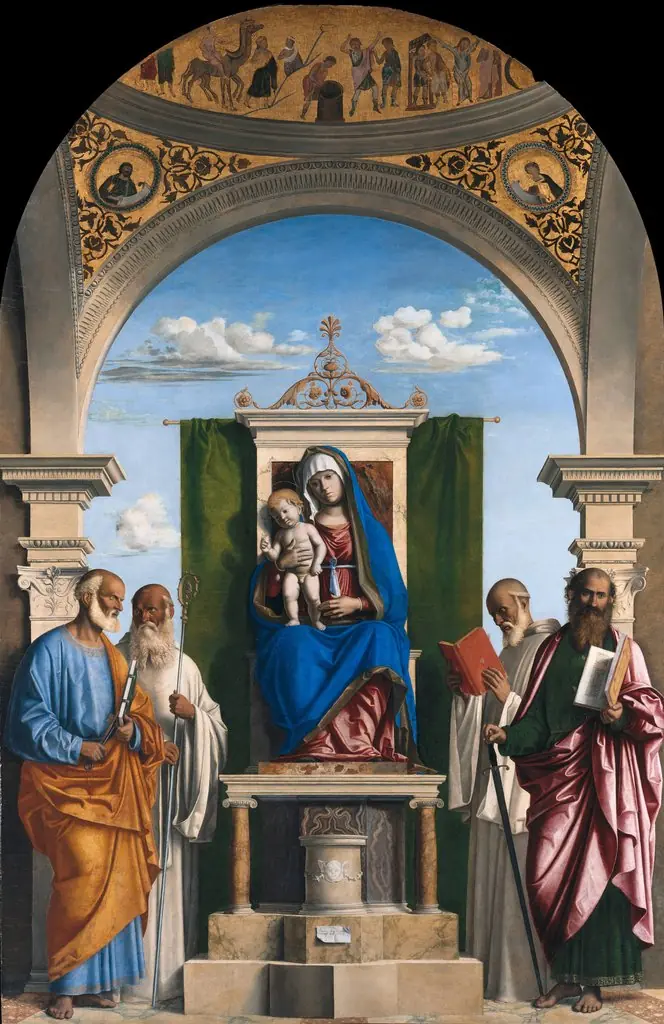 Madonna and Child Enthroned with Saints
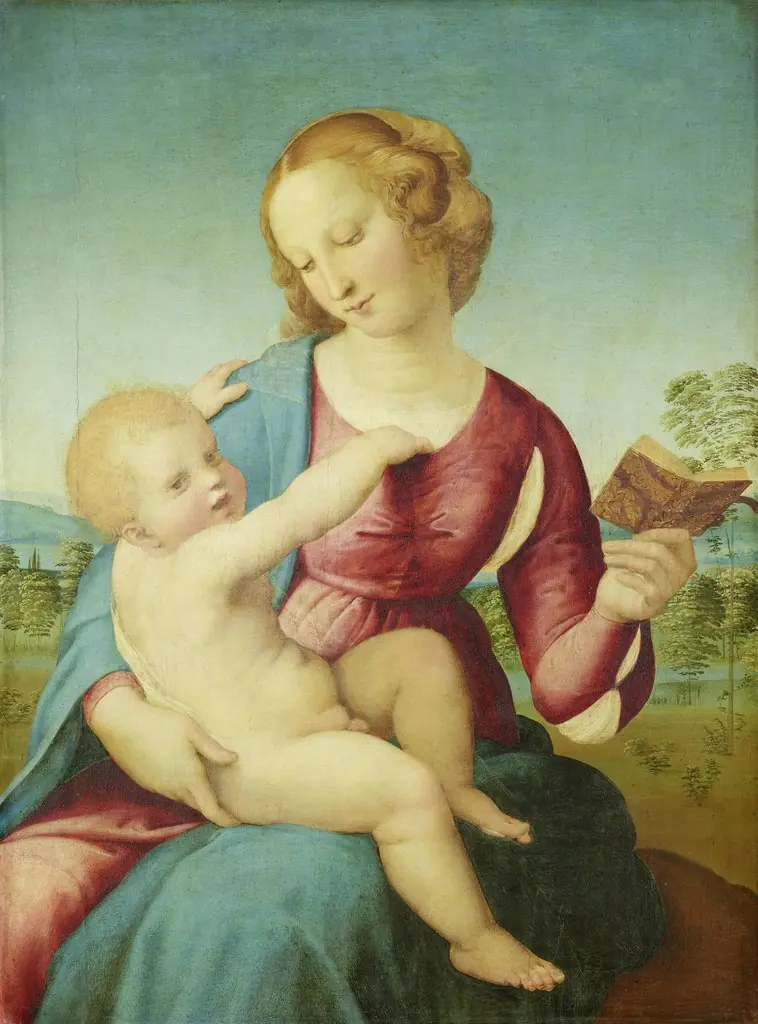 Colonna Madonna
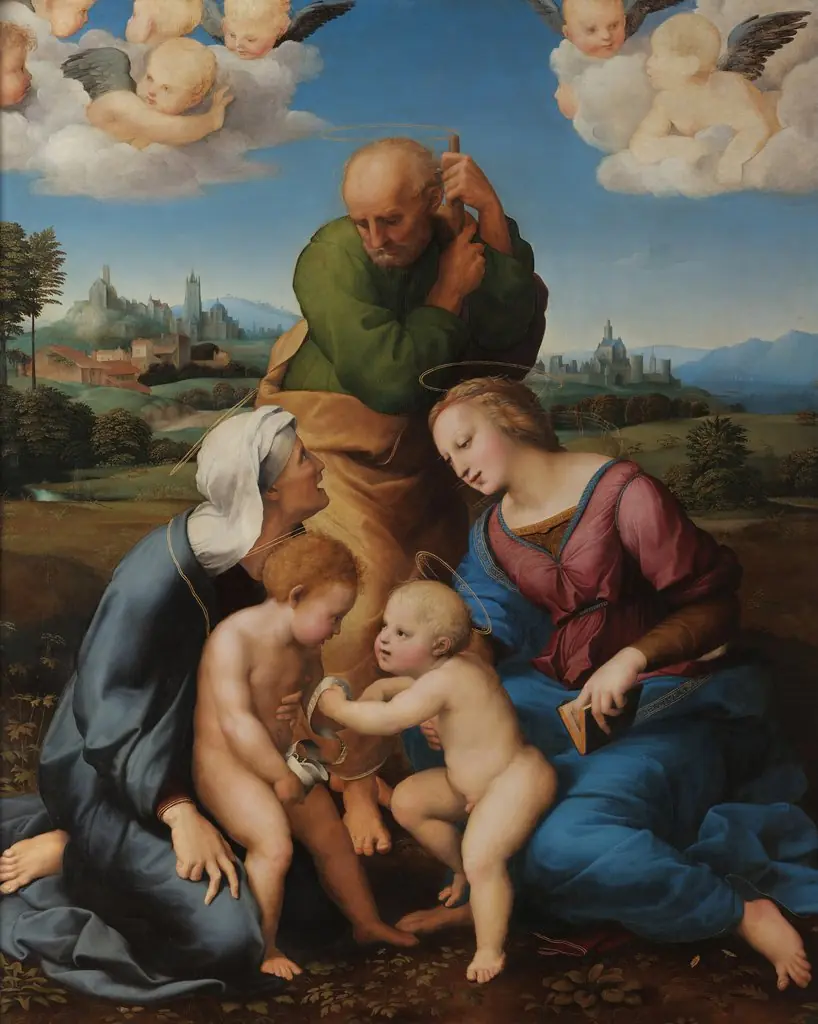 Canigiani Holy Family
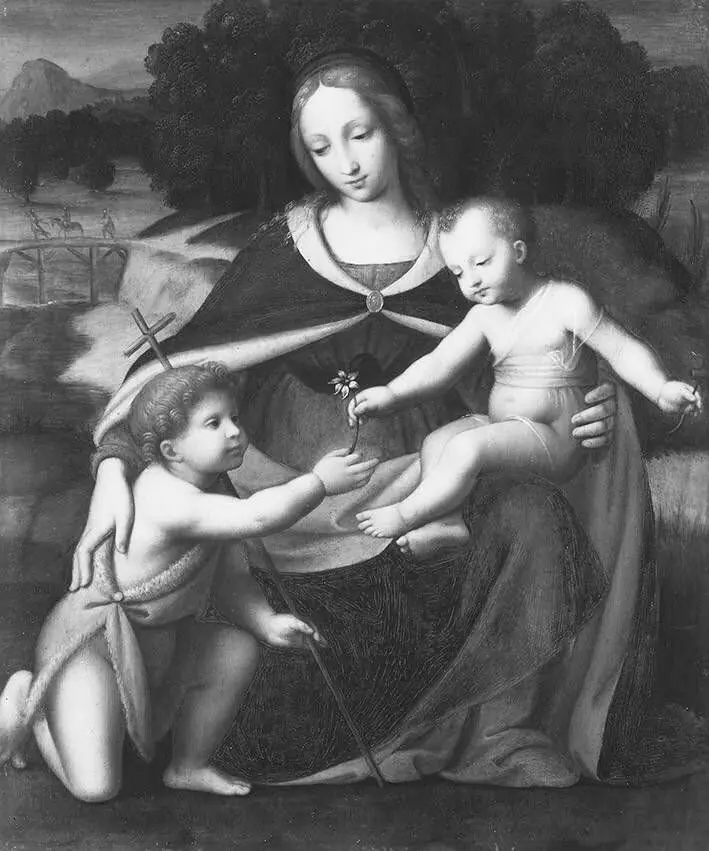 Madonna and Child with St John
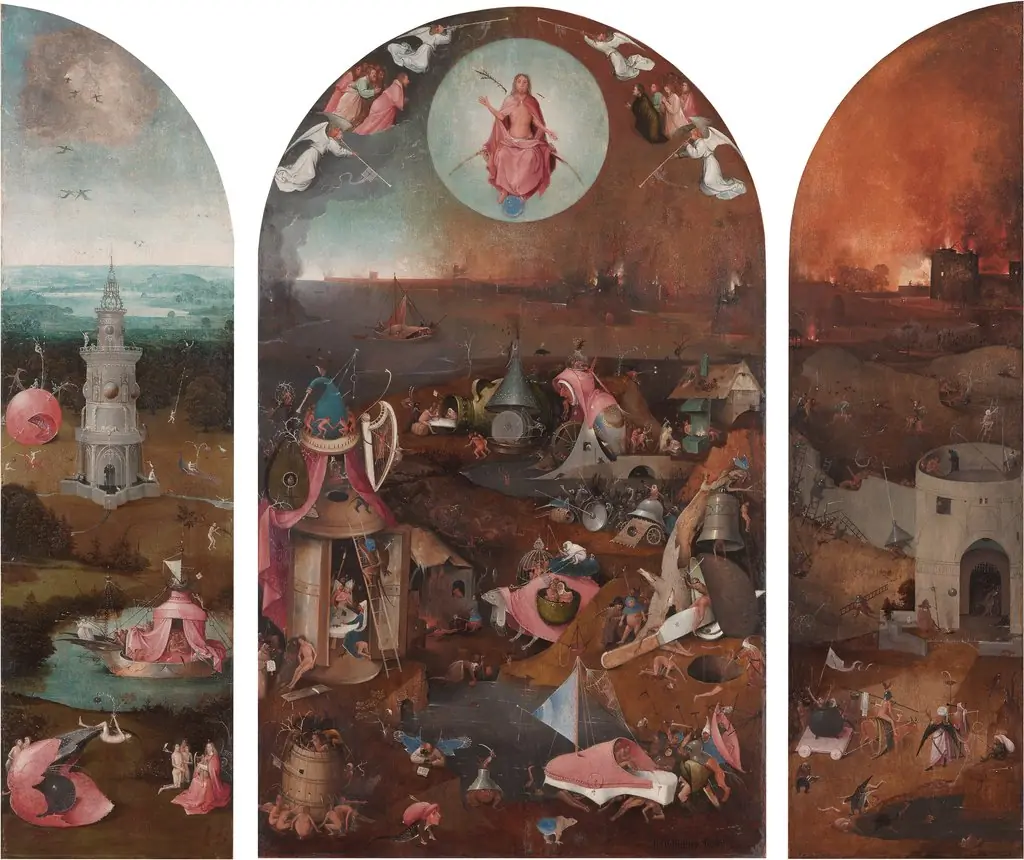 Last Judgement
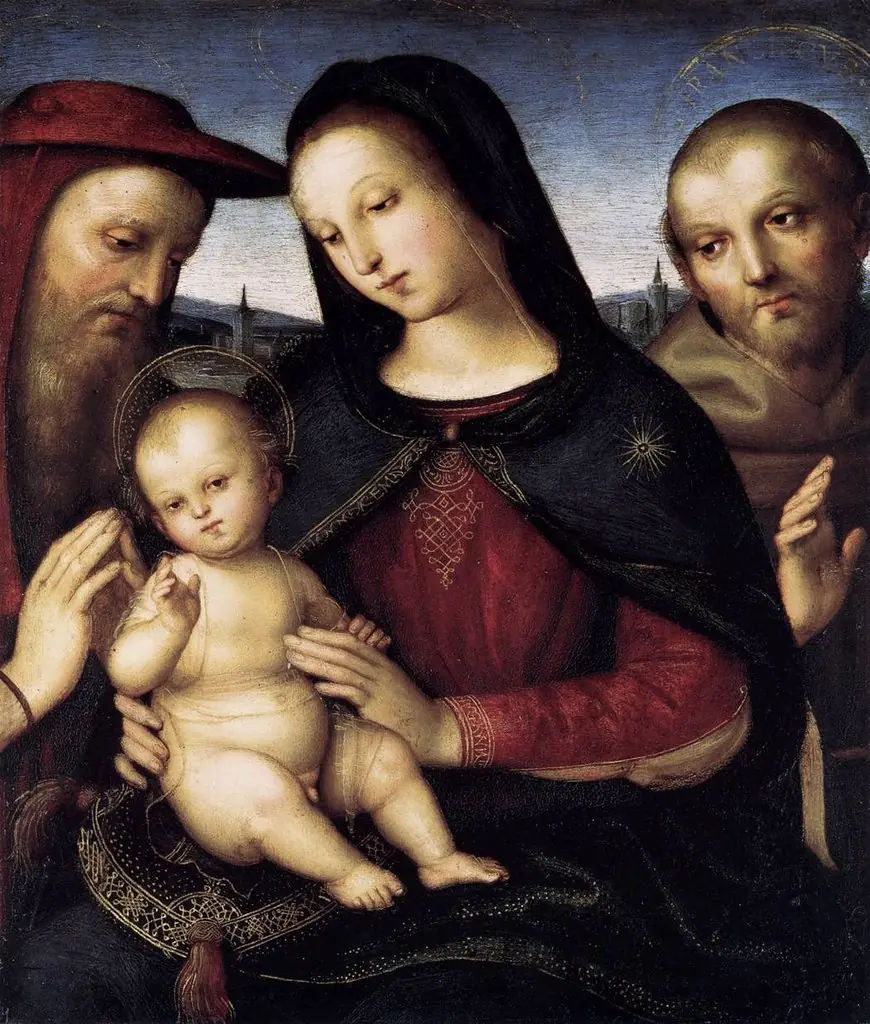 Von der Ropp Madonna
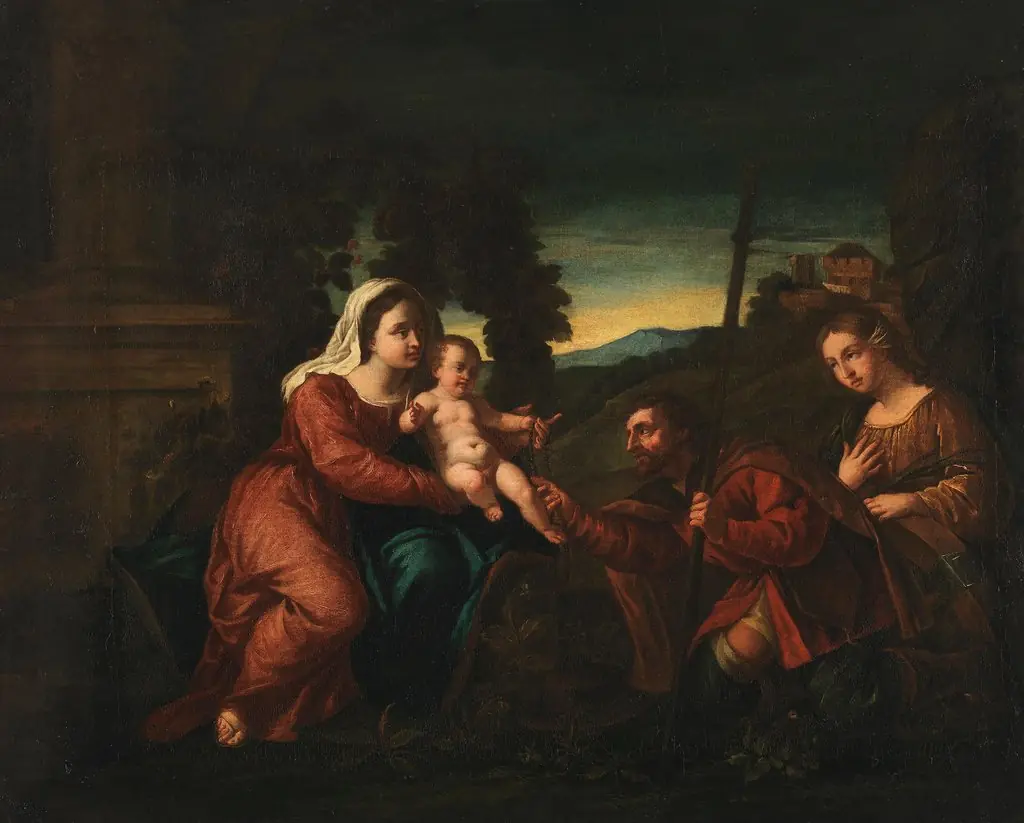 Madonna and Child with Saints Roche and Mary Magdalene
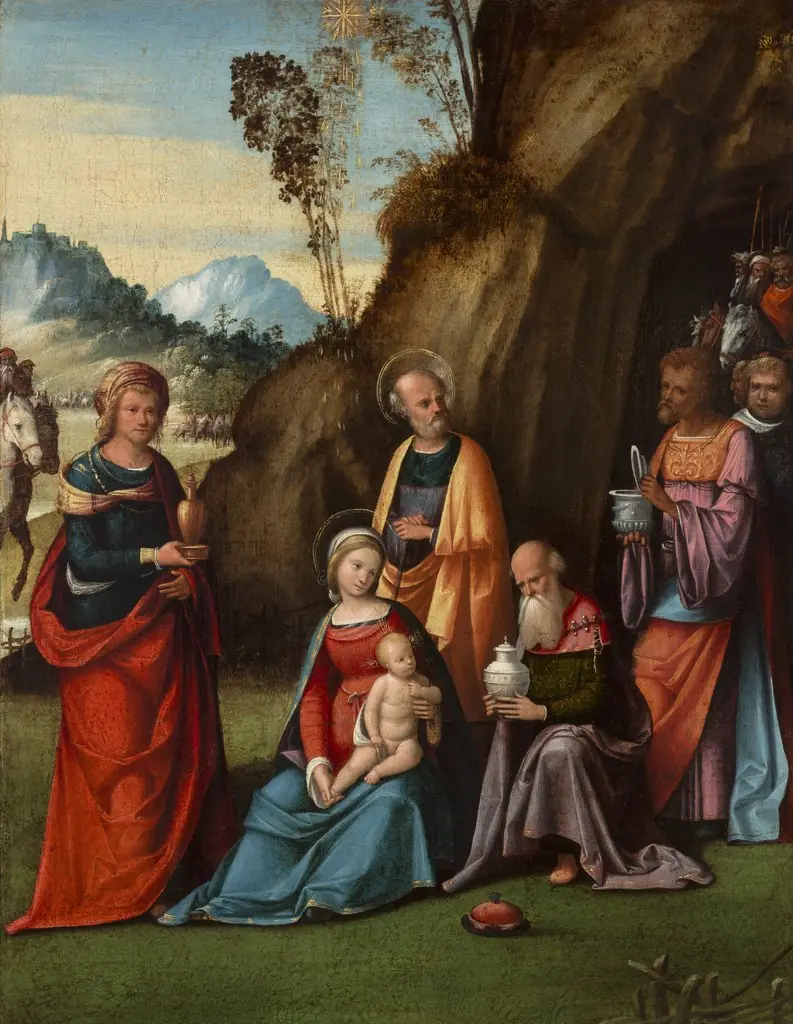 Adoration of the Magi
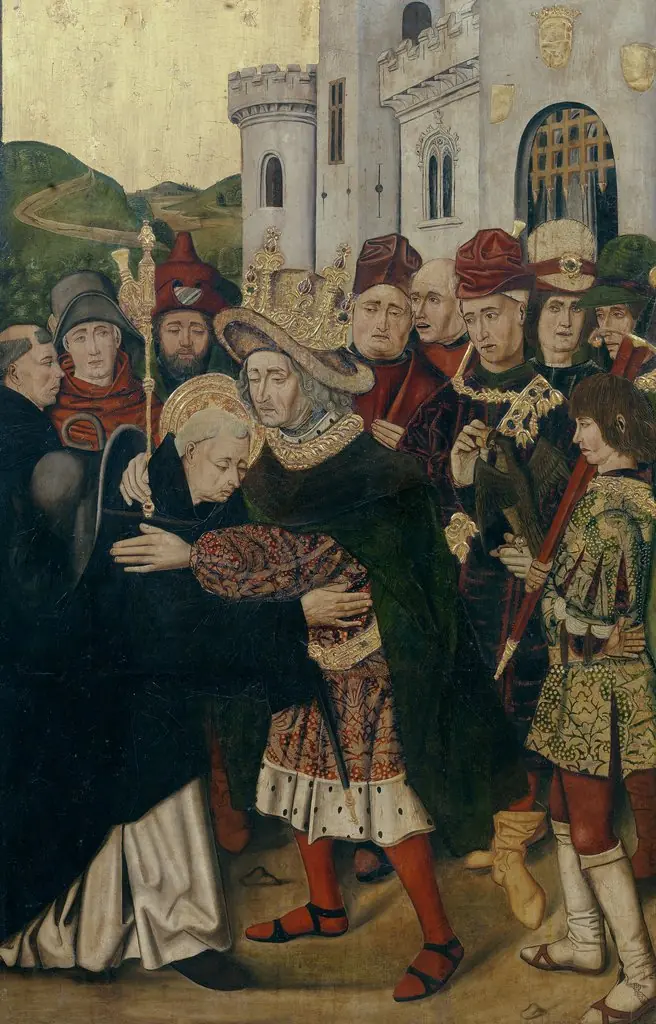 Ferdinand I of Castile welcoming Saint Dominic of Silos
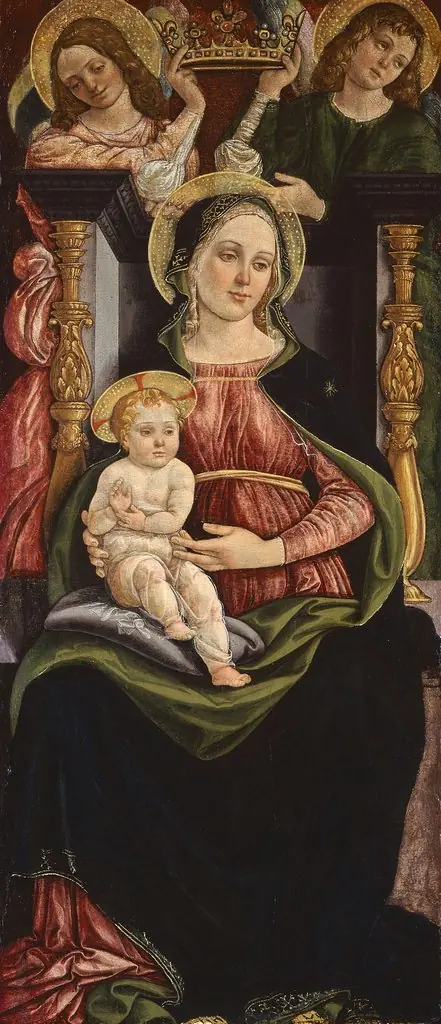 Virgin and Child Enthroned with Two Angels Holding a Crown
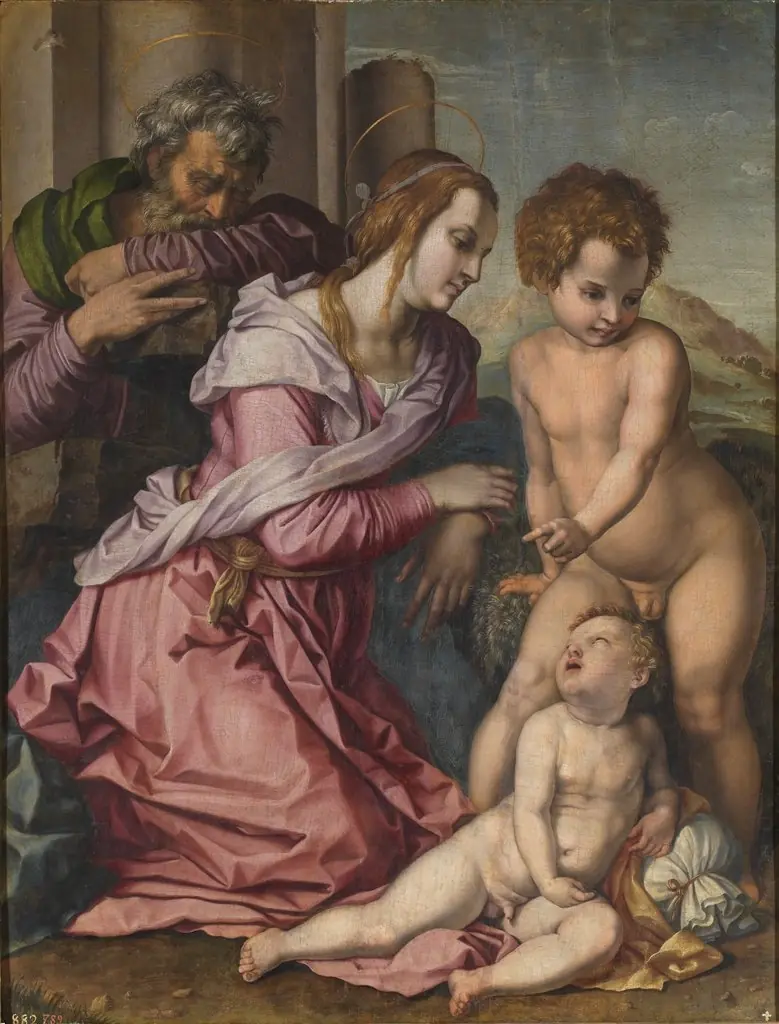 The Holy Family with the Infant Saint John the Baptist
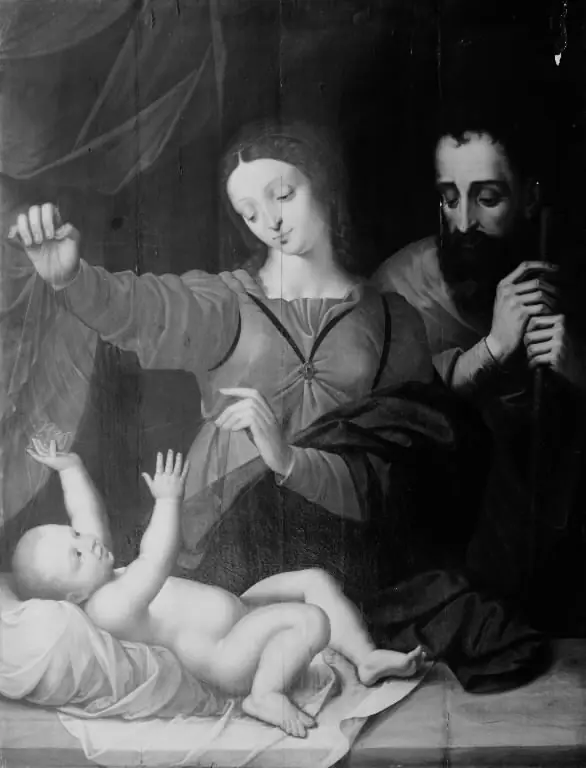 The Holy Family
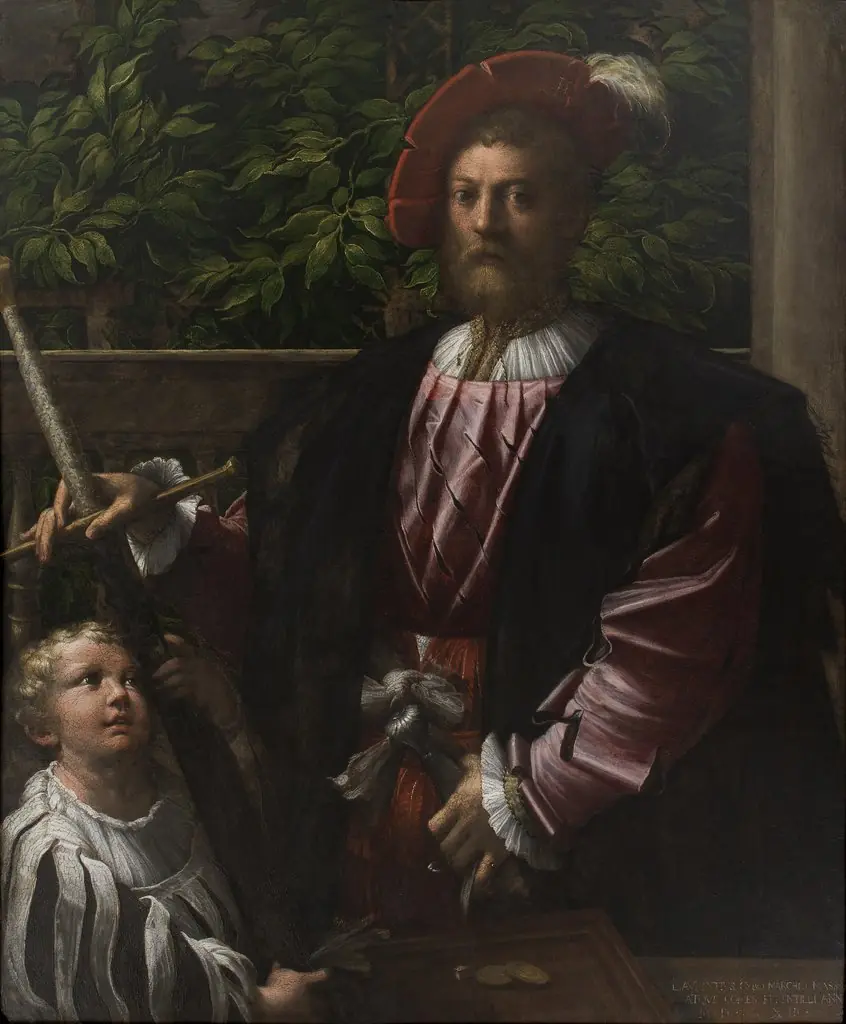 Portrait of Lorenzo Cybo
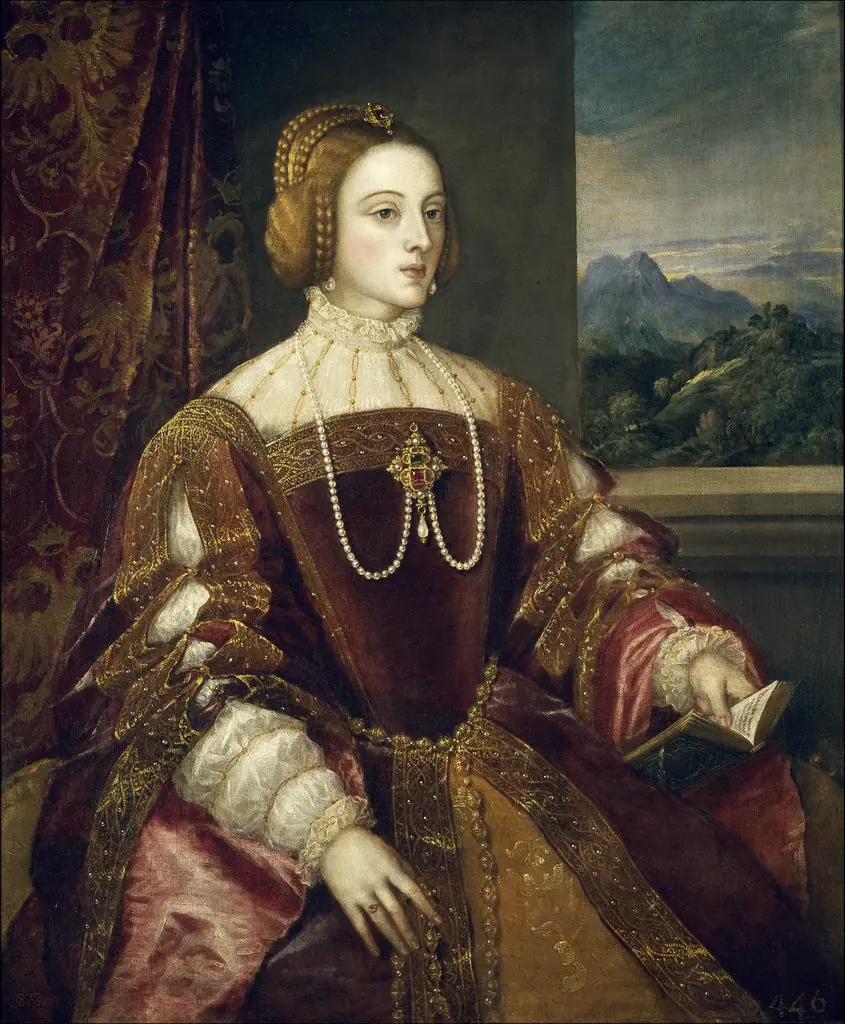 Portrait of Isabella of Portugal
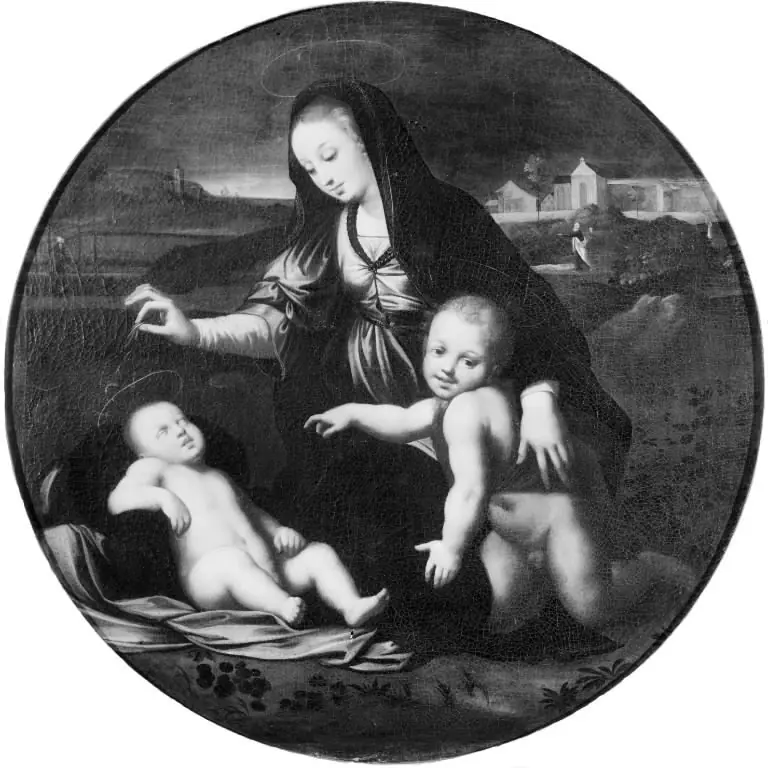 Virgin and Child with the Infant St John
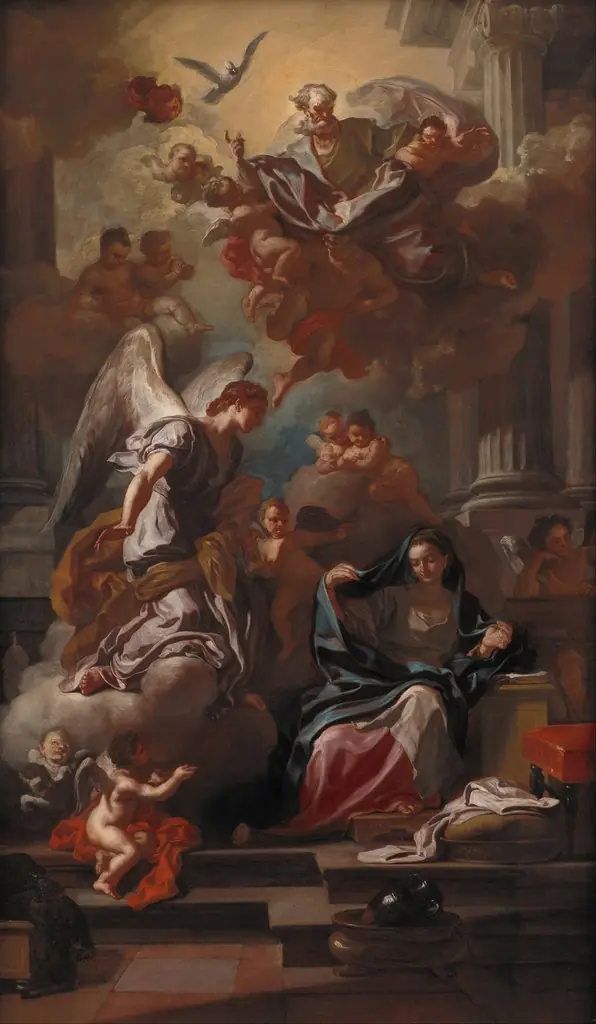 The Annunciation
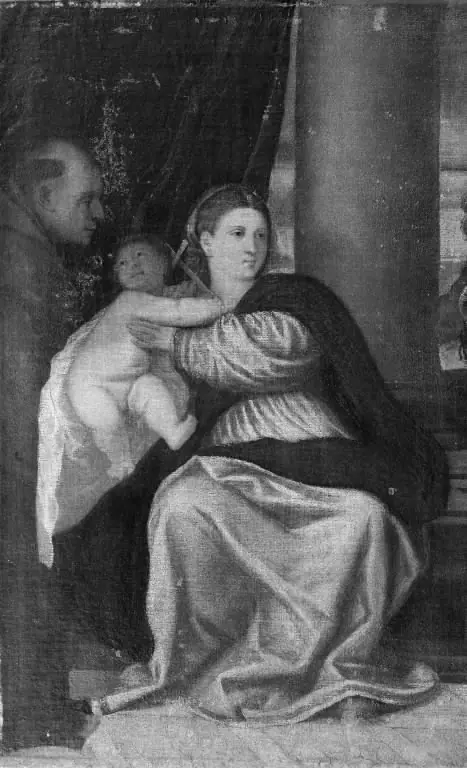 The Virgin and Child with St Francis
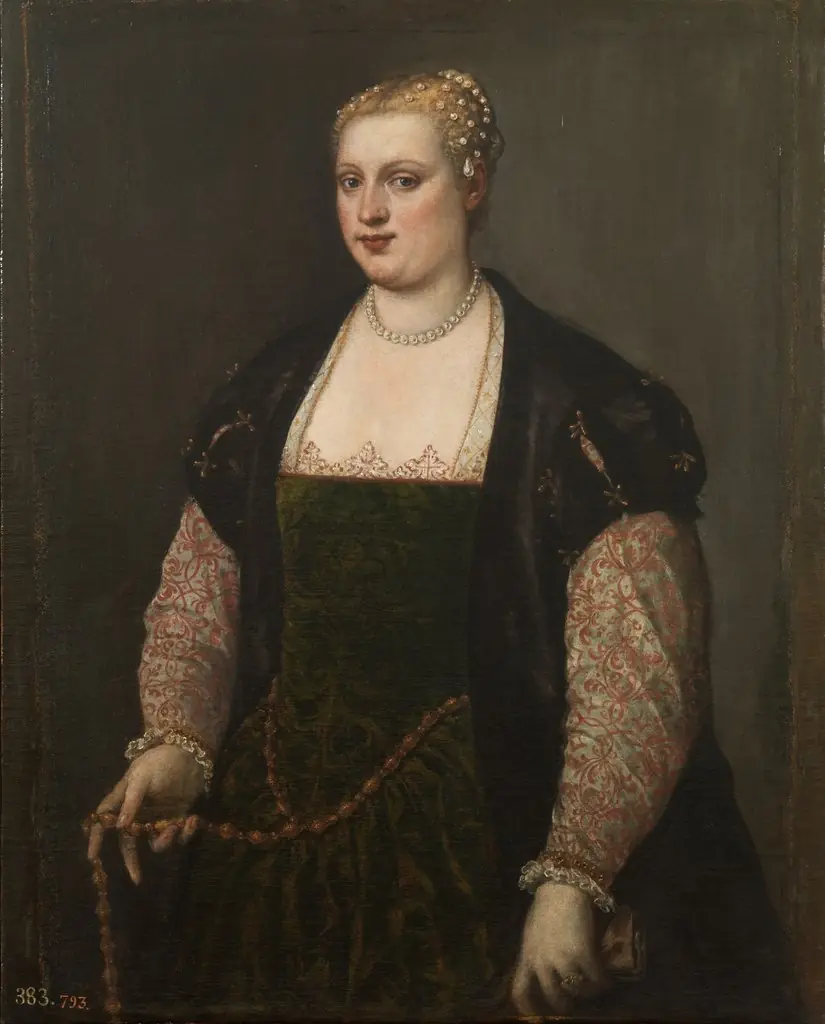 Portrait of a Woman
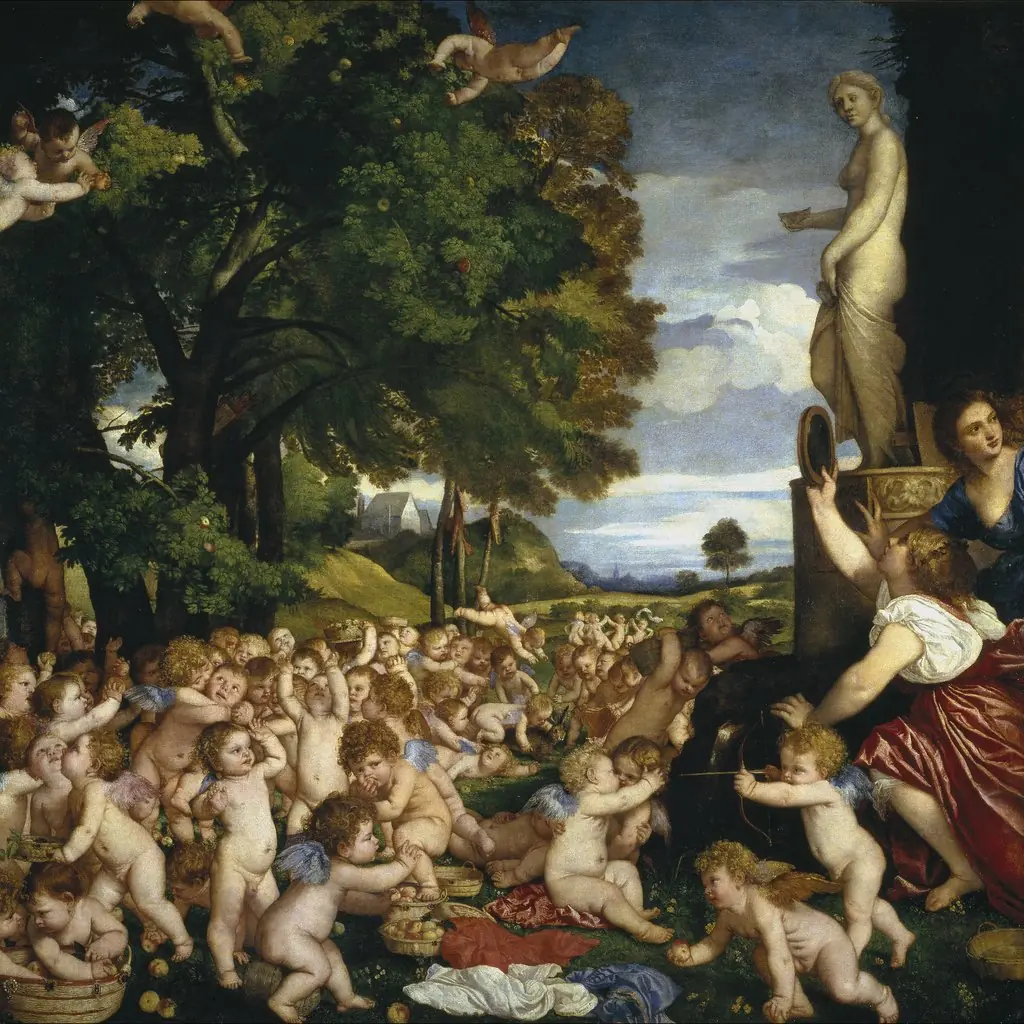 The Worship of Venus
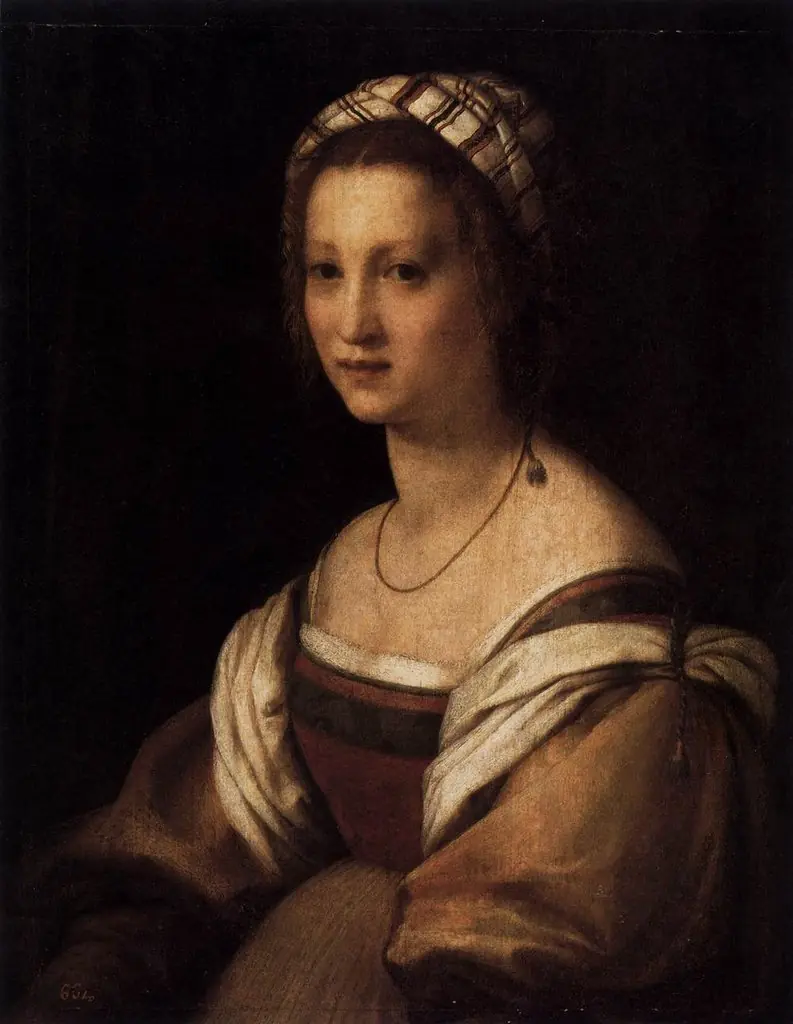 Portrait of a Woman
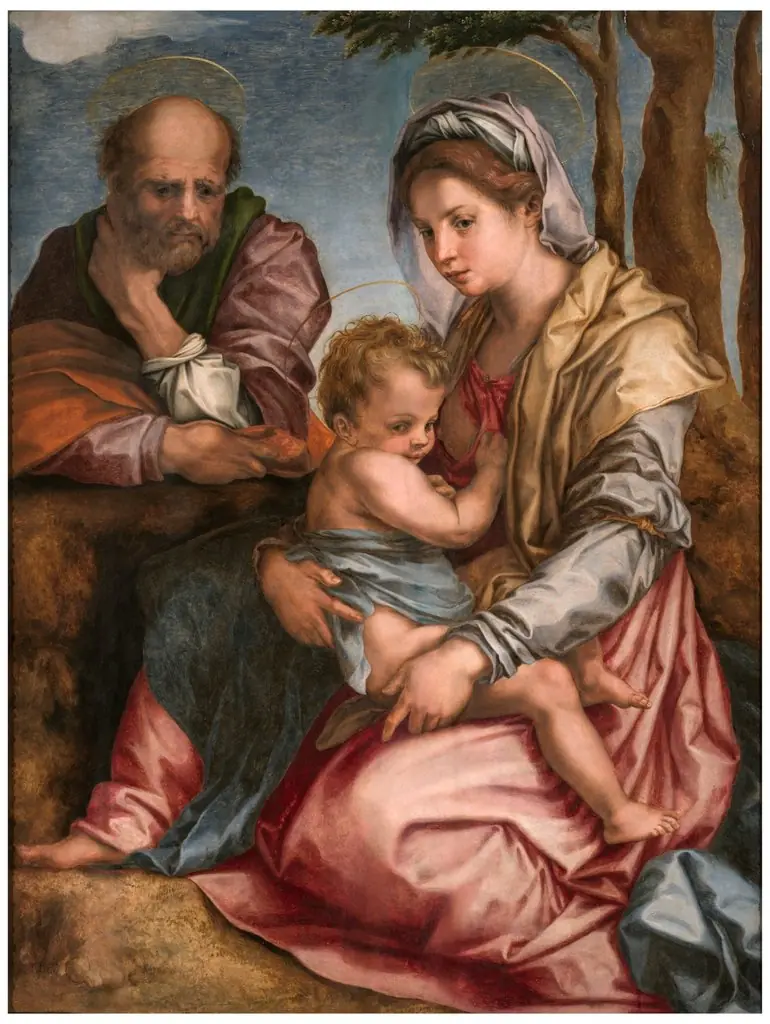 The Holy Family
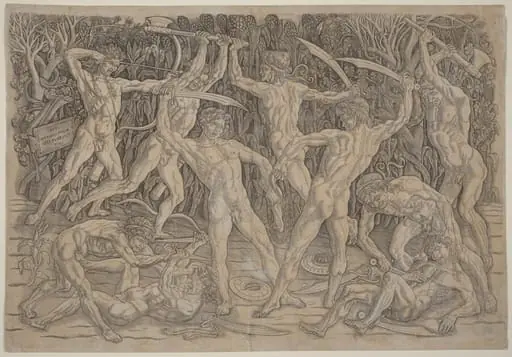 Battle of the Nudes
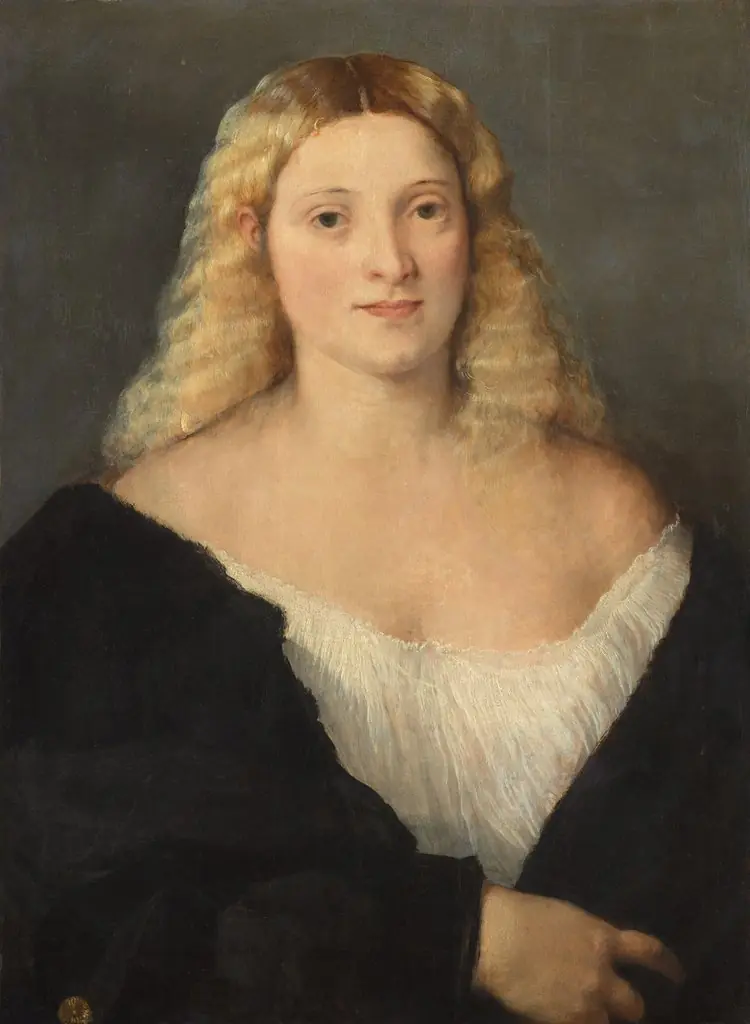 Young Woman in a Black Dress
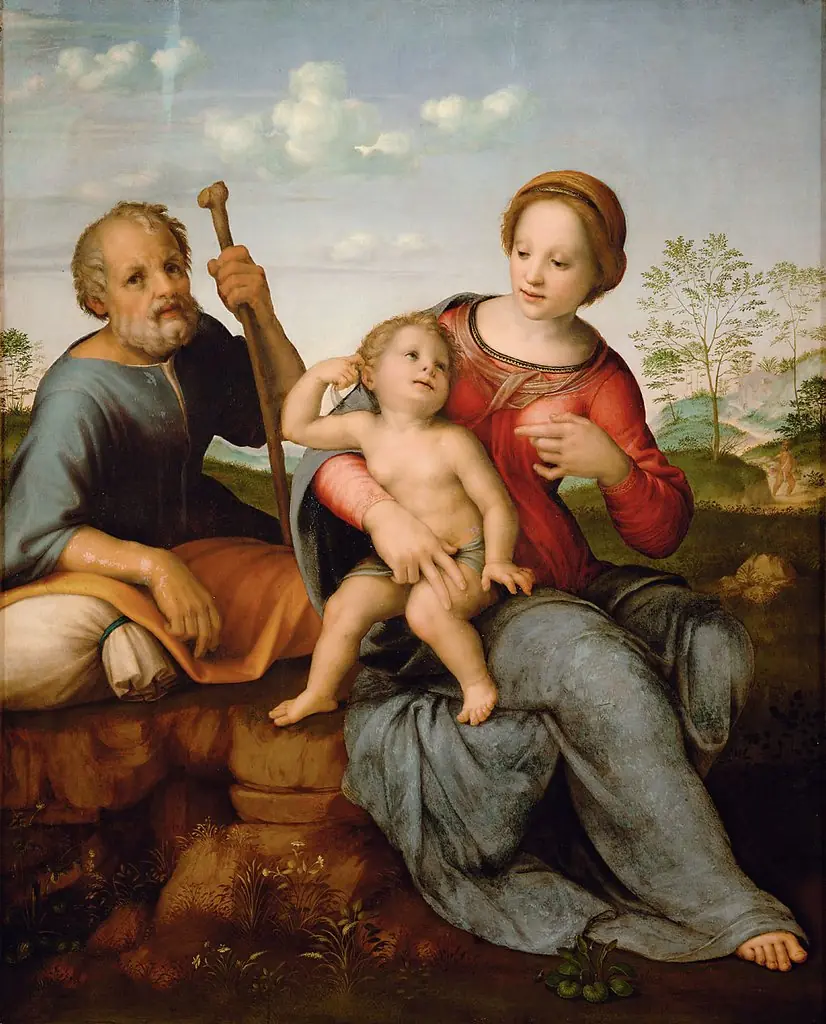 Holy Family in a Landscape
Groups & collectives
Learn this movement
Frequently asked questions
What is High Renaissance?
High Renaissance is an art movement. The brief, luminous peak of Italian Renaissance achievement, roughly 1490–1527.
How many High Renaissance works does Artifact World Gallery have?
Artifact World Gallery holds 1,015 public-domain High Renaissance works, all free to view and download.
Who are the key High Renaissance artists?
Key High Renaissance artists in the collection include Titian, Paolo Veronese and Lorenzo Lotto.
When did High Renaissance take place?
High Renaissance dates from 1494–1527.
Where can I see High Renaissance works?
High Renaissance works in the collection are held by Gemäldegalerie Berlin, Kunsthistorisches Museum and Uffizi Gallery.