Artwork
Embroidered picture
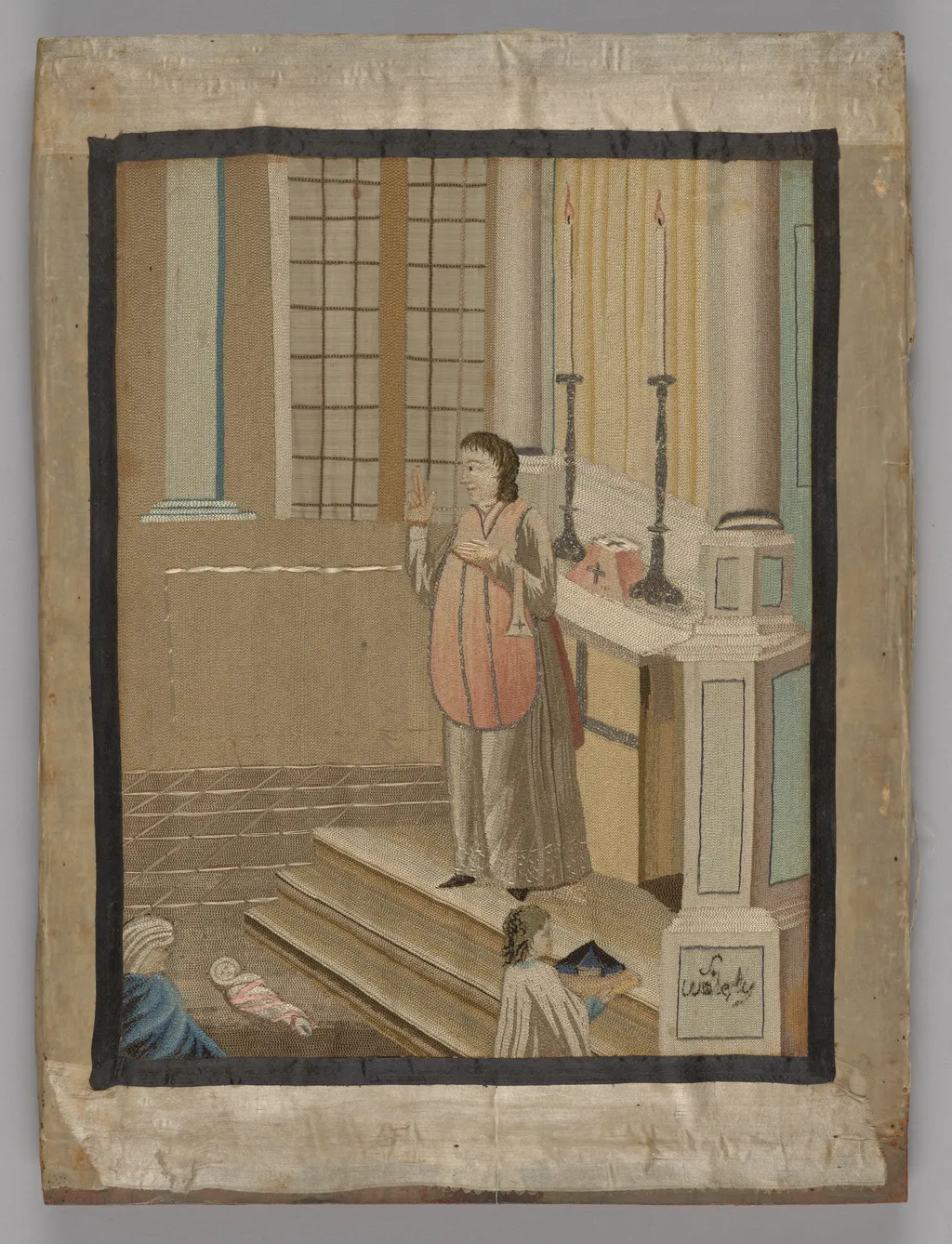
Embroidered picture is an unspecified painting by Unknown. It dates from 1812 and is held in the collection of the National Museum in Kraków.
About this work
Overview
A central male figure stands on a raised dais, dressed in a long robe and red sash, holding a book as if in prayer or instruction.
This embroidered picture presents a quiet religious scene, rendered with the precision of textile art rather than brushwork. A central male figure stands on a raised dais, dressed in a long robe and red sash, holding a book as if in prayer or instruction. Two smaller figures in the foreground, one seated and one standing, frame the composition. The palette is restrained, dominated by earth tones, enhancing the solemn mood.
Subject & Meaning
The central figure, likely a clergyman, suggests a moment of spiritual authority or ritual. The book he holds may represent scripture, reinforcing the setting as a place of worship or teaching. The subdued postures of the foreground figures imply reverence or attentiveness, reinforcing the scene’s contemplative nature. The composition invites quiet reflection rather than dramatic narrative.
Technique & Style
Though labeled a painting, the work is executed in embroidery, using thread to mimic the effects of oil painting. Subtle gradations of tone and careful shading create chiaroscuro, lending volume to the figures and depth to the space. The muted color scheme and fine stitching suggest a deliberate restraint, aligning with the subject’s solemnity and the medium’s domestic associations.
History & Provenance
Embroidered pictures like this were often made in private homes or convents during the 17th and 18th centuries, particularly in Protestant regions where religious imagery was simplified. This piece likely originated in a domestic or devotional context, created by a skilled needleworker rather than a trained painter, reflecting the intersection of piety and craft.
Context
In an era when public religious art was restricted in some regions, embroidered devotional images provided an acceptable alternative for private worship. The use of embroidery, typically associated with women’s domestic labor, elevated craft into spiritual expression. The architectural details—windows, tiled floor—hint at a chapel or home altar, grounding the scene in everyday sacred space.
Legacy
This work exemplifies how religious devotion was expressed through non-traditional media in early modern Europe. It challenges distinctions between fine art and craft, revealing how spiritual meaning could be conveyed through meticulous handwork. Such pieces remain valuable for understanding the role of gender, domesticity, and material culture in religious life.
Artist & collection

 Domestic Scene
 Giacomo and Cardinal Marco, investing Andrea, Abbot of San Zeno, with his Benefice
 The Nymph of Fontainebleau
 Portrait of a Woman
 Madonna and Child with Saints in the Enclosed Garden
 Venus and Minerva
 Family Group of Four on Sofa
 Wall painting from Room H of the Villa of P. Fannius Synistor at Boscoreale
![Church of the Stigmata (Chiesa delle Stimmate) [plate M], by Jacopo Ligozzi](https://artifactworldgallery.com/img/jacopo-ligozzi--church-of-the-stigmata-chiesa-delle-stimmate-plate-m--255dd75981bd30e3-w320.webp) Church of the Stigmata (Chiesa delle Stimmate) [plate M]
Church of the Stigmata (Chiesa delle Stimmate) [plate M]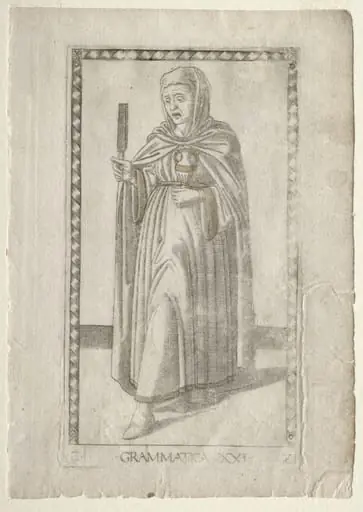 Grammar (from the Tarocchi, series C: Liberal Arts, #21)
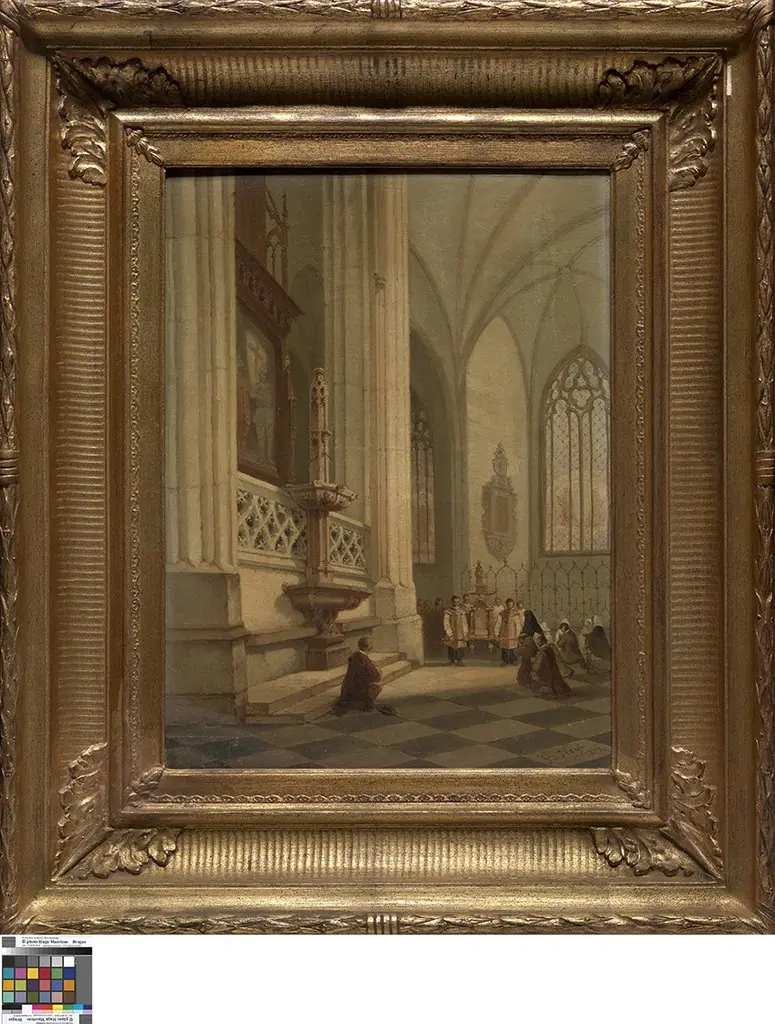 Absis van de kathedraal van Freiburg
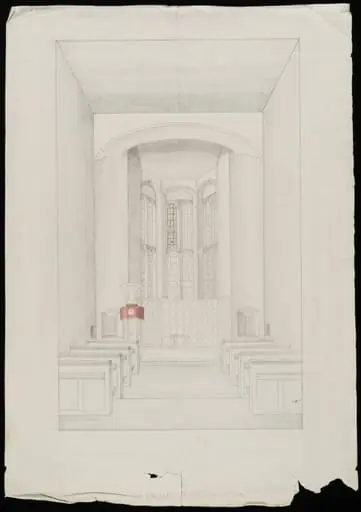 Interior of Chapel.
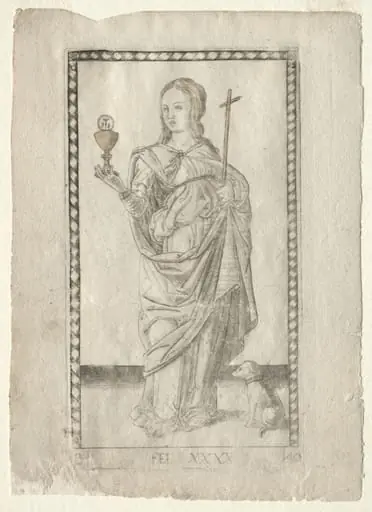 Faith (from the Tarocchi, series B: Cosmic Principles & Virtues, #40)
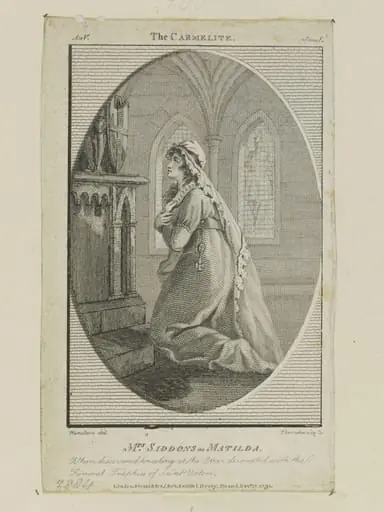 Mrs. Siddons as Matilda in the 'Carmelite'
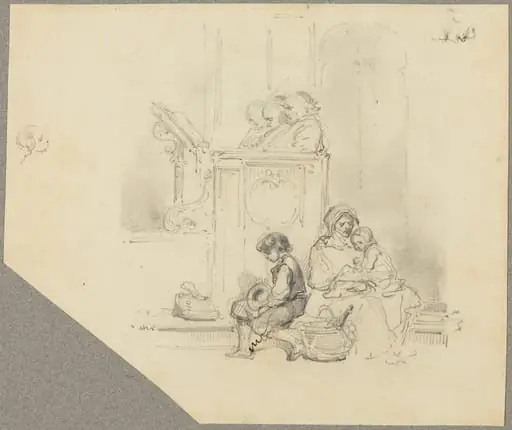 Figures at a Church Service
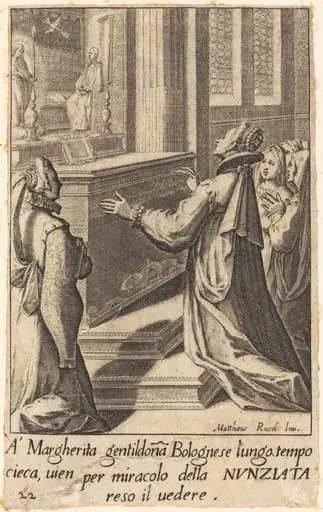 Margherita
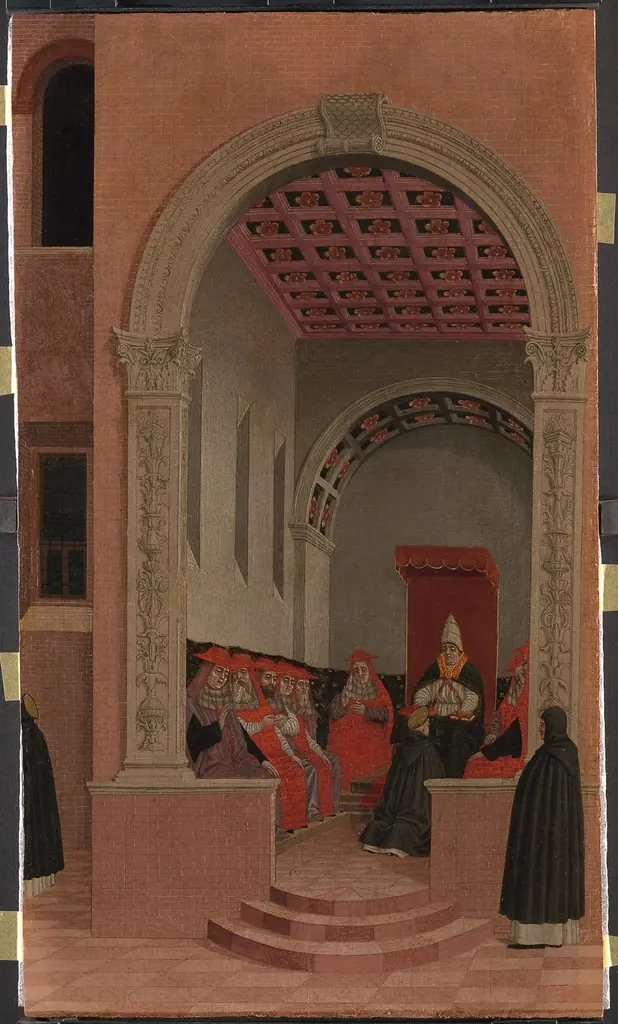 Szene aus dem Leben des Hl. Vinzenz Ferrer: Der Heilige erhält vom Papst die Erlaubnis, das Evangelium überall durch Predigt zu verkünden
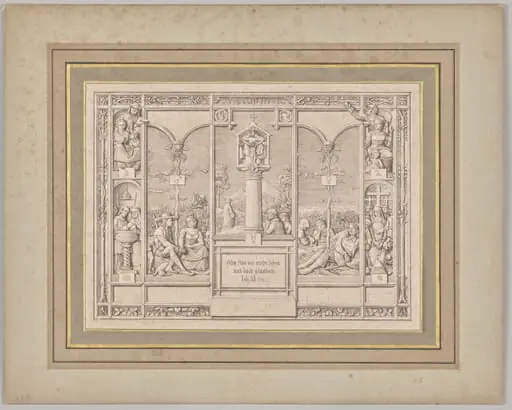 Capstone. John XX, 29
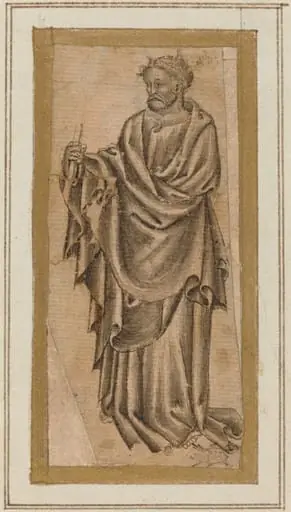 Standing Apostle
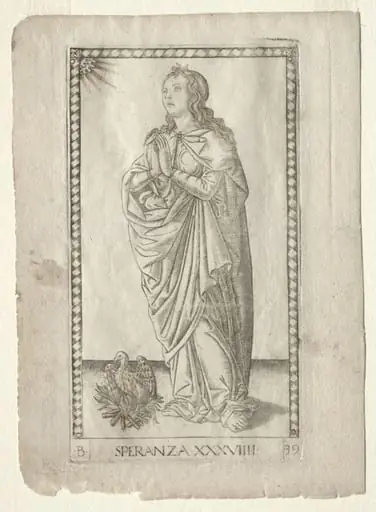 Hope (from the Tarocchi, series B: Cosmic Principles & Virtues, #39)