Artwork
Tantric Manuscript "Sangrahani Sutra"
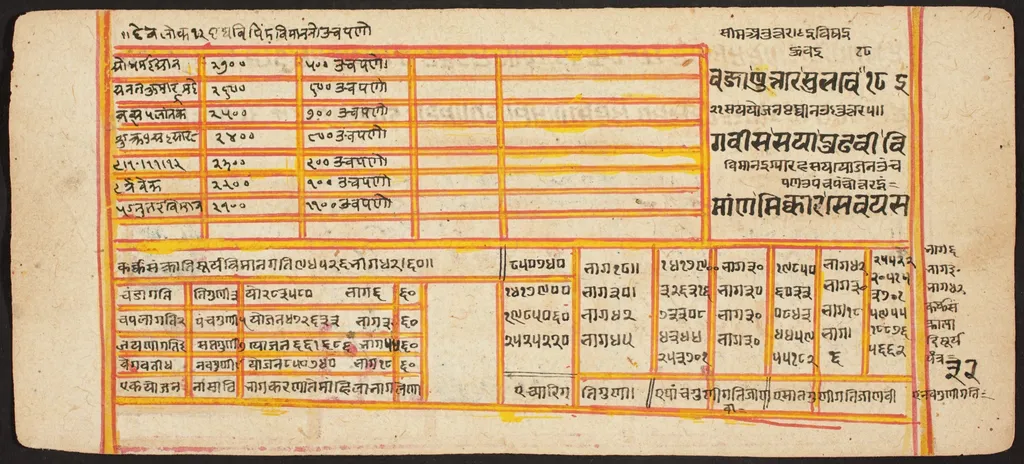
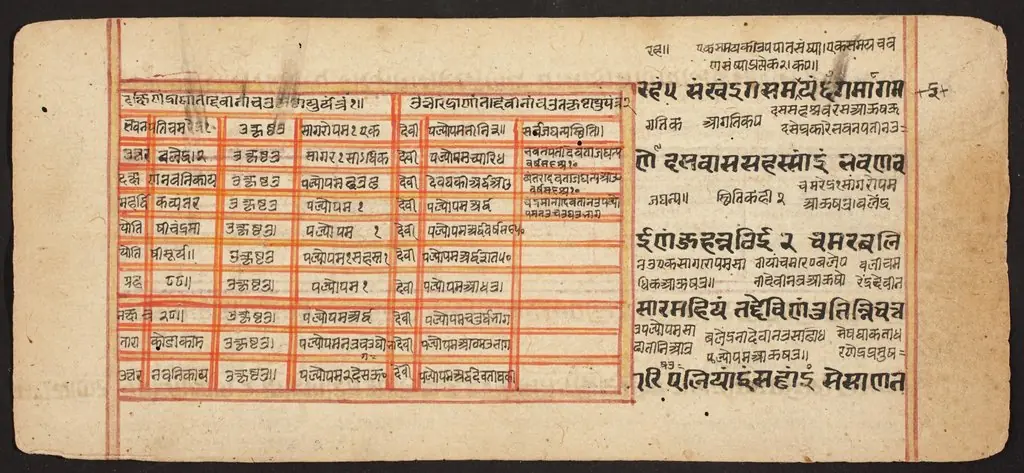
Tantric Manuscript "Sangrahani Sutra" is an unspecified painting by Unknown. It is held in the collection of the Detroit Institute of Arts. This painted manuscript page, labeled 'Sangrahani Sutra,' is a fragment of a devotional text likely produced in South Asia.
About this work
Overview
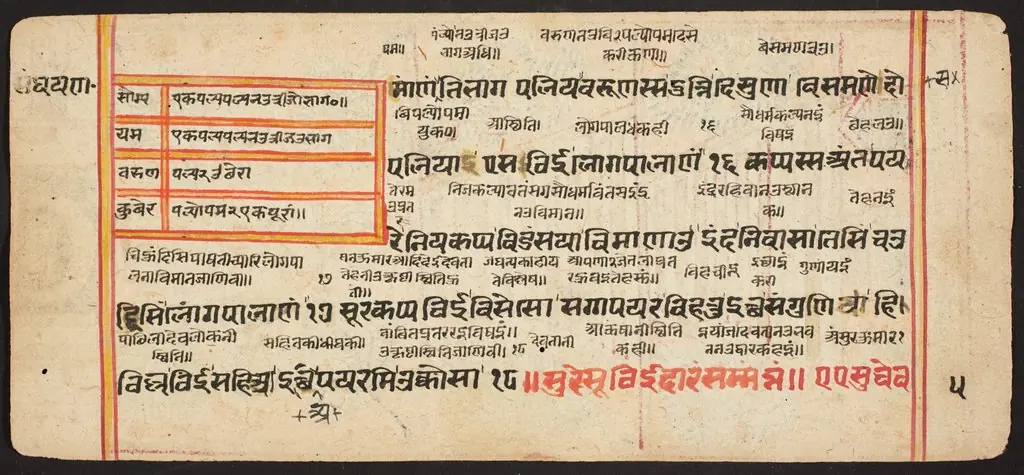
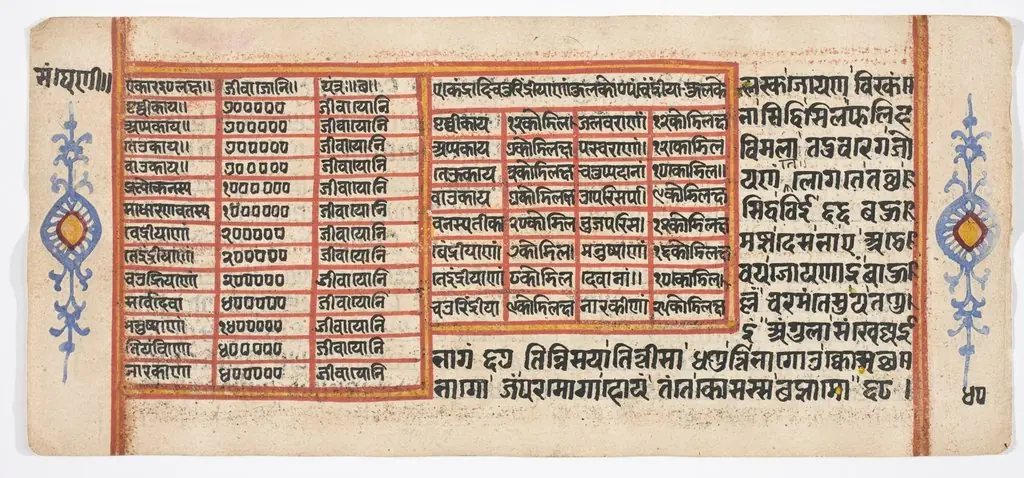
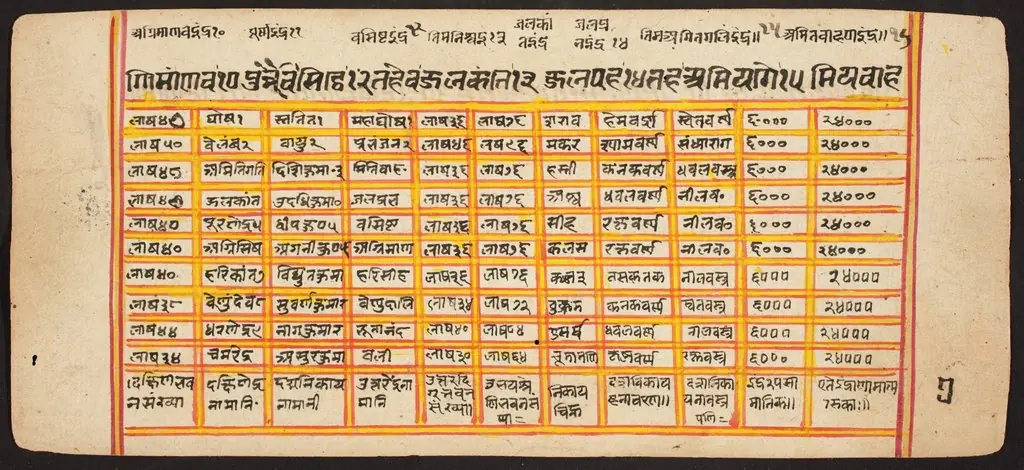
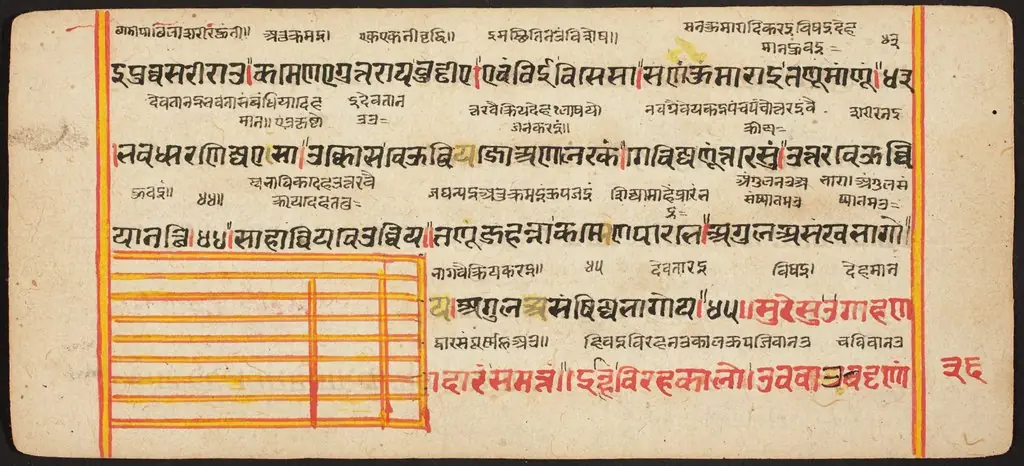
It features black ink script in a flowing, formal cursive hand, arranged within compartments defined by thin red and yellow lines.
This painted manuscript page, labeled 'Sangrahani Sutra,' is a fragment of a devotional text likely produced in South Asia. It features black ink script in a flowing, formal cursive hand, arranged within compartments defined by thin red and yellow lines. The layout suggests a liturgical or instructional purpose, with emphasis placed on certain passages through enlarged characters. The work is held in the collection of the Detroit Institute of Arts, though its origin and creator remain unidentified.
Subject & Meaning
The 'Sangrahani Sutra' appears to be a doctrinal or meditative text used in esoteric Buddhist or Hindu traditions. Its structured layout, with segmented fields and highlighted glyphs, implies a methodical approach to spiritual instruction. The use of color-coded divisions may guide the reader’s focus during ritual recitation or contemplative practice, reinforcing the text’s sacred function through visual organization rather than illustration.
Technique & Style
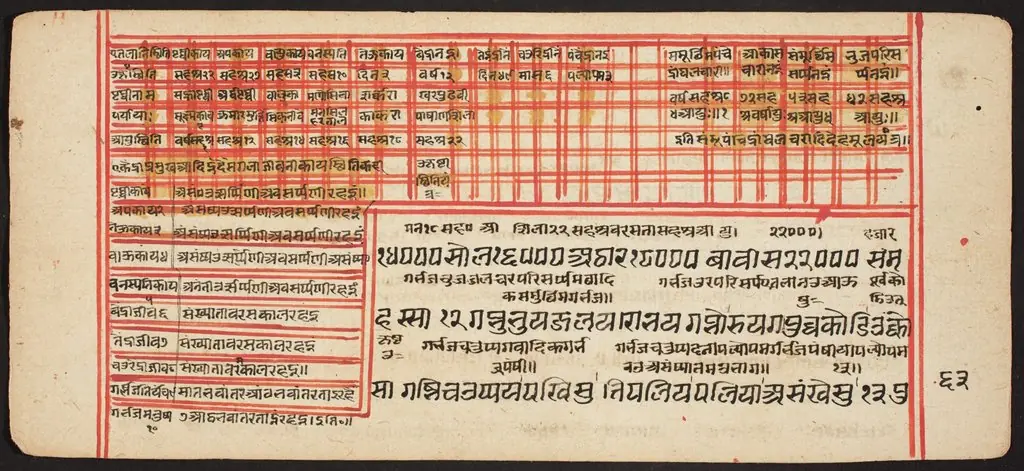
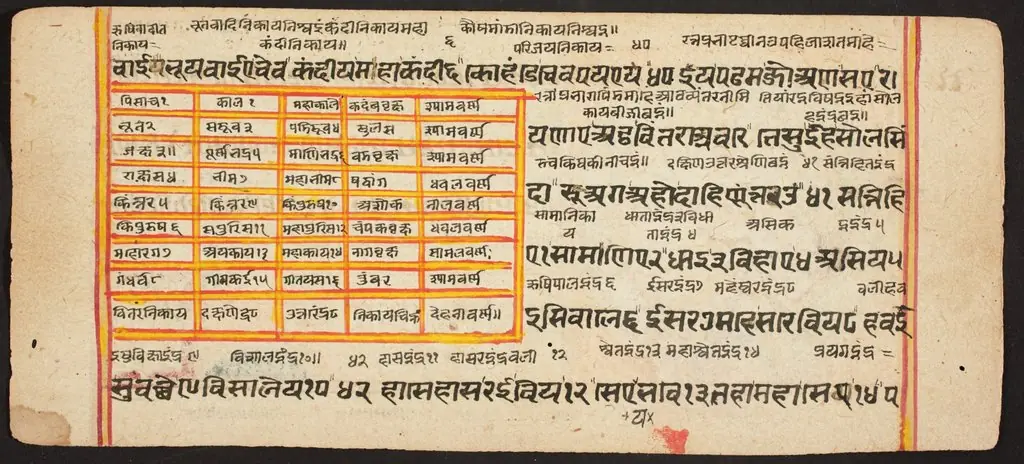
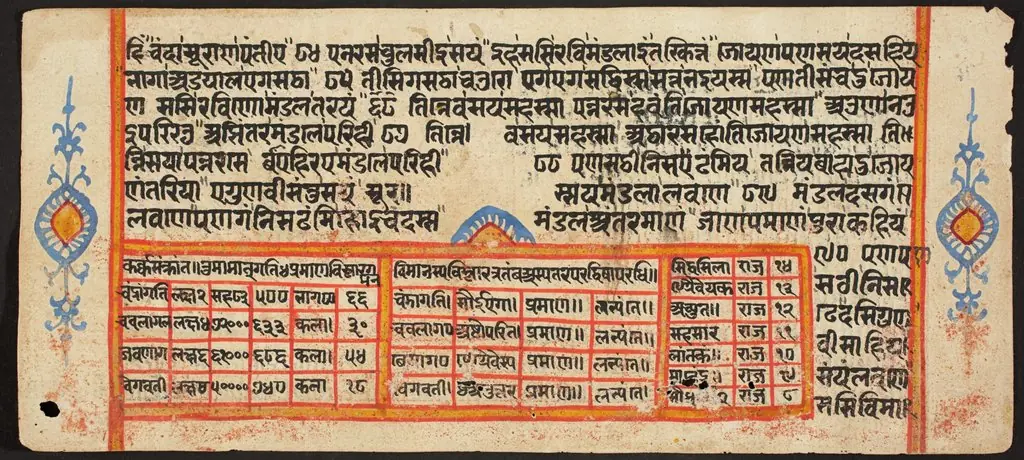
The script is rendered in fine, consistent brushwork, typical of handwritten religious manuscripts from the region. Yellow and red ink lines, applied with precision, partition the surface into orderly sections, framing the text without distracting from it. Larger characters are rendered with slightly heavier strokes, signaling emphasis or structural markers. No figural imagery is present; the aesthetic is purely textual, prioritizing legibility and ritual clarity over ornamentation.
History & Provenance
The manuscript’s exact date and place of origin are undocumented, though its stylistic features align with South Asian tantric traditions from the medieval period. It entered the Detroit Institute of Arts’ collection without a detailed provenance trail. Its survival suggests it was preserved within a monastic or scholarly context before being acquired by a Western institution, though the circumstances of its transfer remain unclear.
Context
This page belongs to a broader tradition of handwritten tantric texts, where the physical form of the manuscript was as significant as its content. Such manuscripts were often used in ritual settings, with their layout aiding memorization and meditative recitation. The absence of imagery reflects a focus on the power of the written word, a hallmark of certain esoteric Buddhist and Hindu lineages that valued textual precision over visual representation.
Legacy
As a surviving example of a non-figurative tantric manuscript, it contributes to scholarly understanding of how sacred knowledge was physically encoded and transmitted in pre-modern South Asia. Its preservation in a Western museum underscores the global movement of religious artifacts, while its anonymity reminds us of the many unnamed scribes who sustained spiritual traditions through meticulous craftsmanship.
Artist & collection

 Domestic Scene
 Giacomo and Cardinal Marco, investing Andrea, Abbot of San Zeno, with his Benefice
 The Nymph of Fontainebleau
 Portrait of a Woman
 Madonna and Child with Saints in the Enclosed Garden
 Venus and Minerva
 Family Group of Four on Sofa
 Wall painting from Room H of the Villa of P. Fannius Synistor at Boscoreale
 Tantric Manuscript "Sangrahani Sutra"
 Tantric Manuscript "Sangrahani Sutra"
 Tantric Manuscript "Sangrahani Sutra"
 Tantric Manuscript "Sangrahani Sutra"
 Tantric Manuscript "Sangrahani Sutra"
 Tantric Manuscript "Sangrahani Sutra"
 Tantric Manuscript "Sangrahani Sutra"
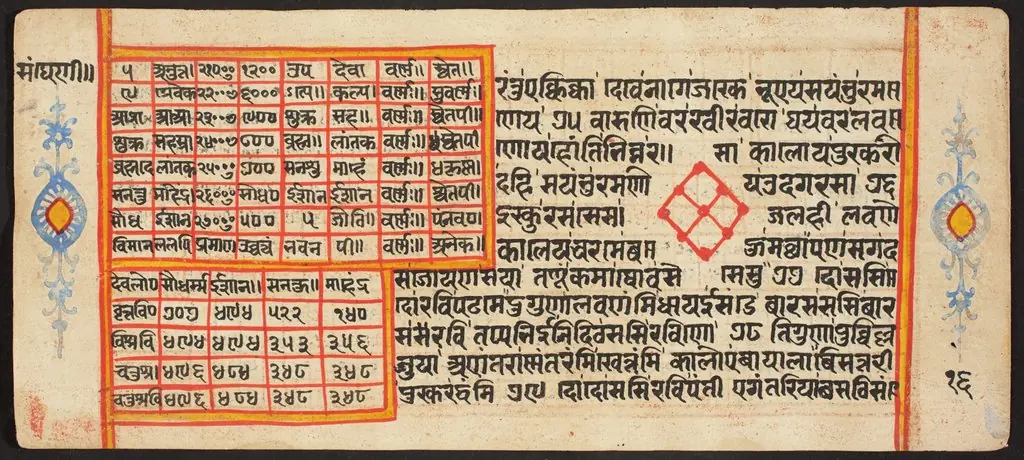 Tantric Manuscript "Sangrahani Sutra"
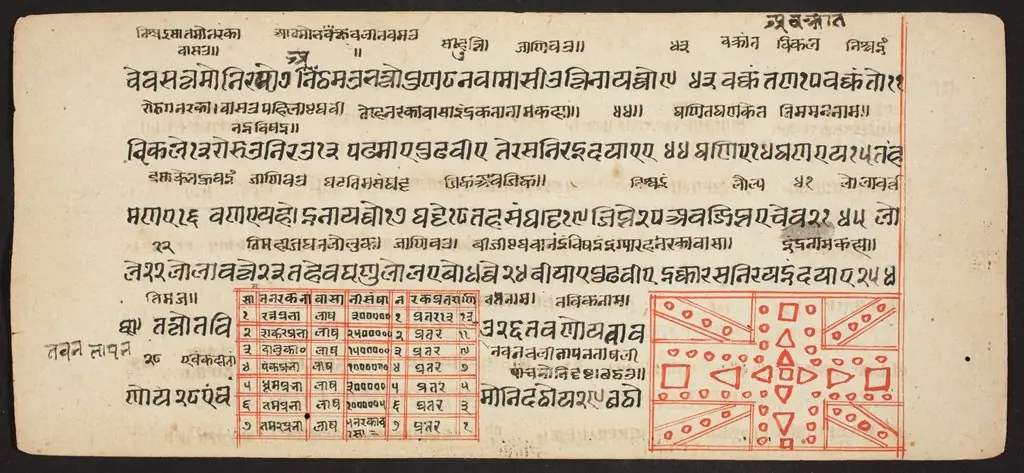 Tantric Manuscript "Sangrahani Sutra"
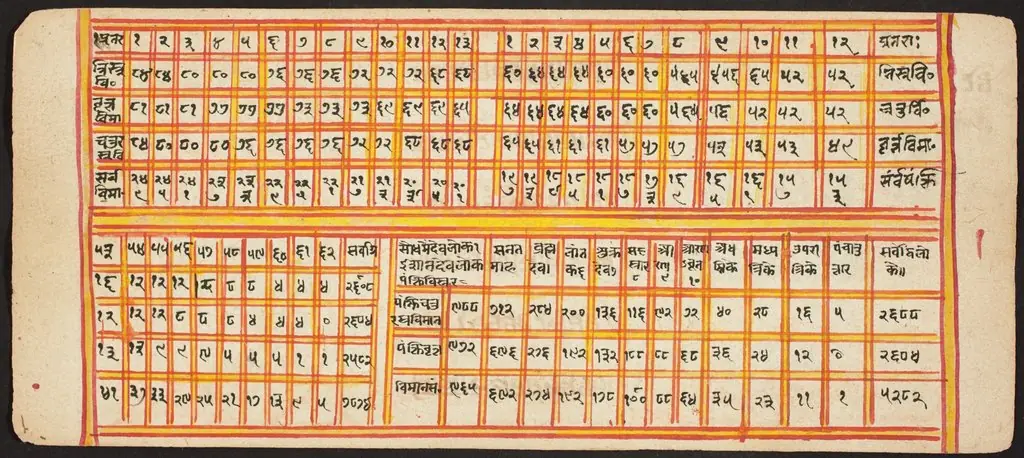 Tantric Manuscript "Sangrahani Sutra"
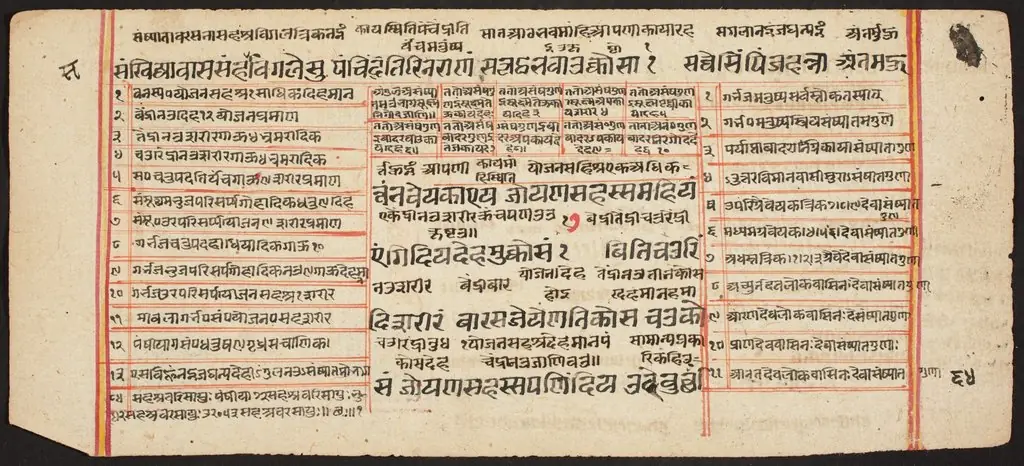 Tantric Manuscript "Sangrahani Sutra"
 Tantric Manuscript "Sangrahani Sutra"