Artwork
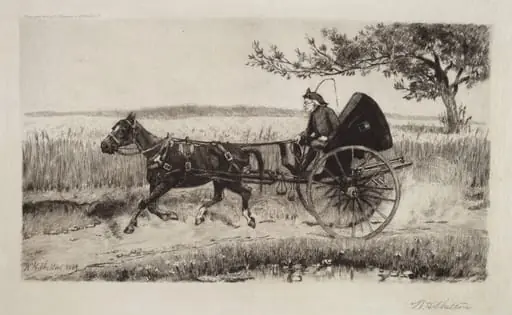
The Trotter
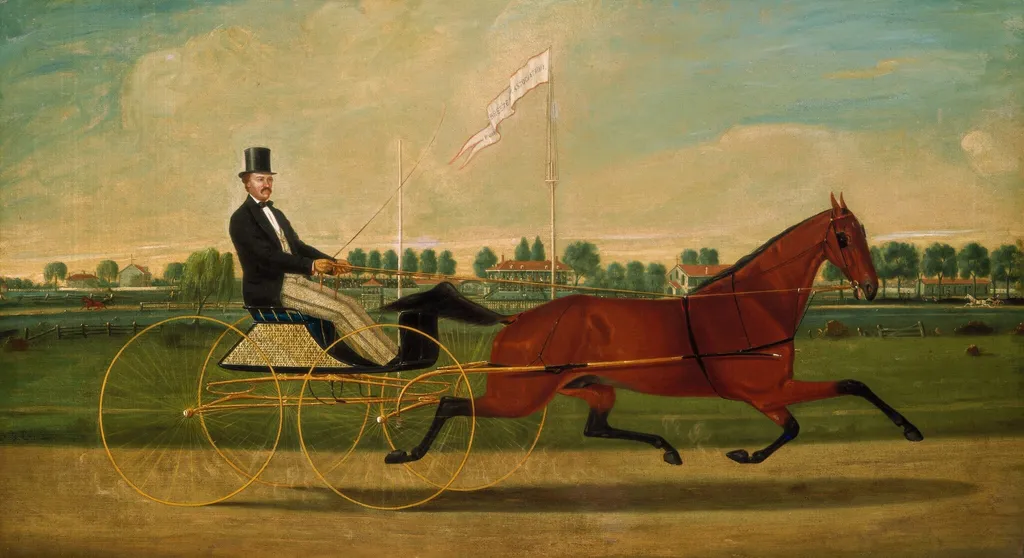
The Trotter is an oil painting by the Impressionist artist Charles S. Humphreys. It dates from 1860 and is held in the collection of the National Gallery of Art.
- Inscription
- Inscribed:on banner: POIN[T] BREEZE [PAR]K ASSOCIATION.
About this work
Subject & Meaning
Its depiction emphasizes kinetic energy and realism, aligning with contemporary artistic efforts to capture movement in naturalistic settings.
The Trotter is a 1860 oil on canvas painting by Charles S. Humphreys, portraying a trotting horse in motion. The work's subject, a harness horse mid-stride, reflects 19th-century American interest in equestrian sport and the cultural significance of trotting as a popular pastime. Its depiction emphasizes kinetic energy and realism, aligning with contemporary artistic efforts to capture movement in naturalistic settings.
The painting entered the National Gallery of Art collection through a 1950 purchase by Edgar William and Bernice Chrysler Garbisch, who later gifted it to the institution in 1953.
Technique & Style
The Trotter is an oil painting executed on canvas, a medium consistent with mid-nineteenth-century American portrait and animal painting practice. The work measures 50.8 cm in height by 91.6 cm in width, giving it a horizontal orientation suited to its equine subject. Its classification as a painting and its oil-on-canvas support place it within the standard easel-painting tradition of the period.
Stylistically, the broad horizontal format and modest scale are typical of genre and animal paintings intended for domestic display rather than grand institutional settings. No additional information on handling, condition, or specific stylistic qualities is documented in the available sources.
History & Provenance
The work is held by the National Gallery of Art, Washington, D.C., where it is recorded as accession number 1953.5.3.
It entered the Gallery’s collection in 1953 as a gift of Edgar William and Bernice Chrysler Garbisch, who had purchased it in 1950.
Legacy
The painting's inclusion in the National Gallery of Art's collection since 1953 has ensured its continued scholarly attention and public display, contributing to sustained recognition of Charles S. Humphreys as an important 19th-century American genre painter. Its provenance through the Garbisch family, noted collectors active in the mid-20th century, further elevated its historical significance within American art circles.
The Trotter remains on view at the National Gallery of Art in Washington, D.C., where it is part of the permanent collection, allowing ongoing engagement with the work.
Overview
The Trotter, executed in oil on canvas around 1860, presents a solitary figure guiding a horse along a tranquil rural lane. The composition isolates the man and animal against a softened, indistinct backdrop, drawing attention to their quiet interaction and the subtle play of light across the scene.
Artist & collection


- Budd Doble Driving Goldsmith Maid at Belmont Driving Park
 Portrait of a Gentleman in a Carriage
 George Franklin Archer and the Archer Residence
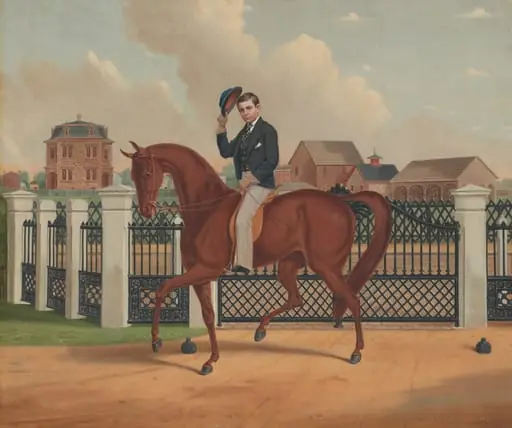 George Franklin Archer and the Archer Residence
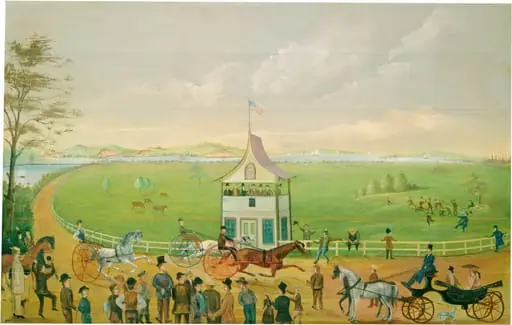 The Finish
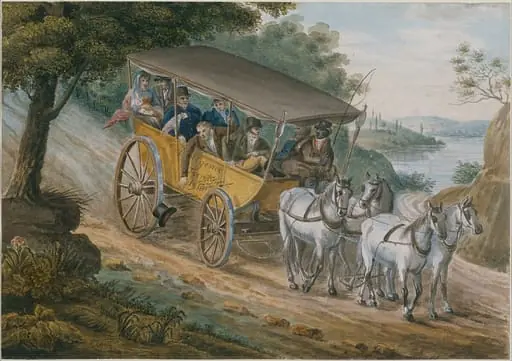 Travel by Stagecoach Near Trenton, New Jersey
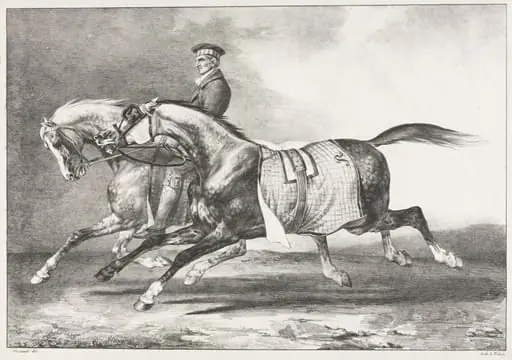 Two Dappled Horses Exercising
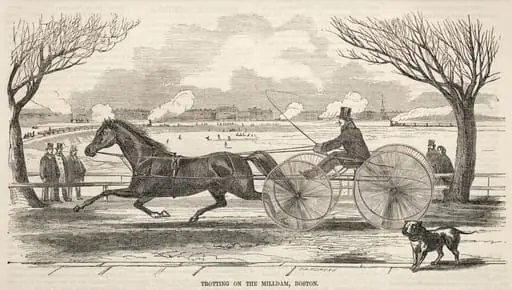 Trotting on the Mill Dam, Boston
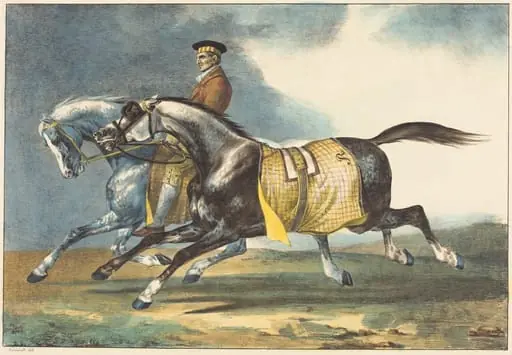 Two Dapple-Gray Horses Exercising (Deux chevaux gris pommele que l'on promene)
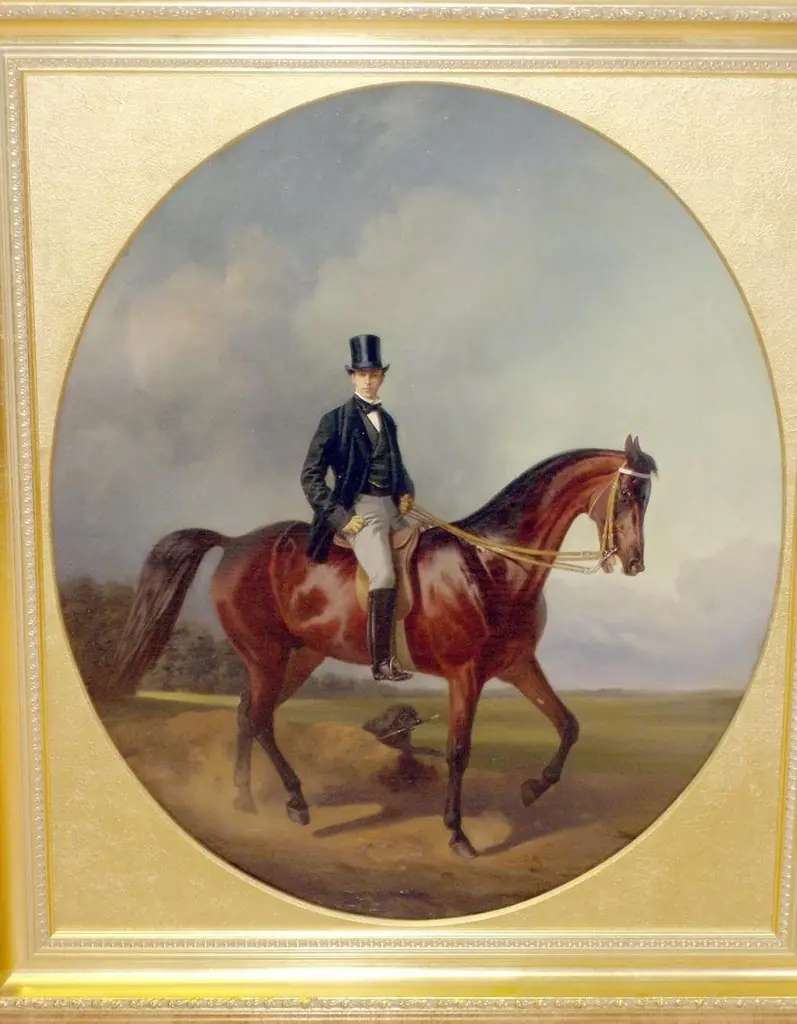 Portrait of I.P. Novosiltsev
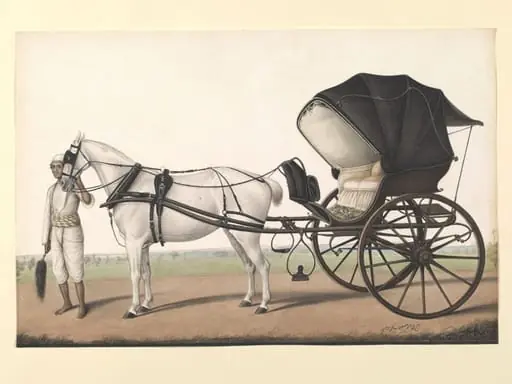 A groom with a horse and carriage
 The One Hoss Shay