Artwork
Print Collection
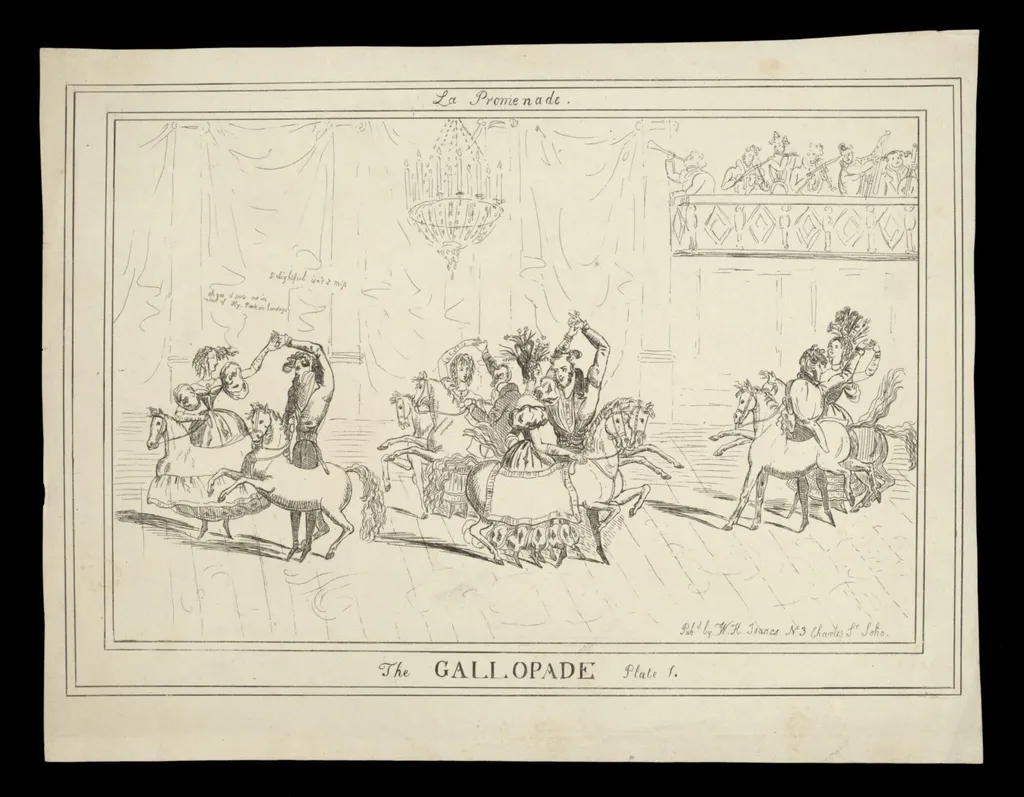
Print Collection is a print by W.H. Isaacs. It dates from 1850 and is held in the collection of the Victoria and Albert Museum.
About this work
Overview
The work stands out for its unusual subject matter, presenting human figures transformed into horse-like forms in a communal setting.
This print, titled 'The Gallopade' and cataloged under the Print Collection, features a group of individuals dressed in equine costumes engaged in a lively dance. Published by W.H. Isaacs, it captures a whimsical, theatrical scene that blends costume, movement, and social performance. The work stands out for its unusual subject matter, presenting human figures transformed into horse-like forms in a communal setting.
Subject & Meaning
The figures, clad in stylized horse costumes, move in rhythmic unison, suggesting a festive or satirical performance. The scene may reflect carnival traditions, masked balls, or public entertainments of the period, where costume and mimicry blurred social boundaries. The choice of horses, animals associated with labor and status, invites interpretation as commentary on class, mimicry, or the absurdity of ritual.
Technique & Style
Rendered in a clear, linear style typical of 19th-century commercial prints, the image uses defined outlines and minimal shading to emphasize the figures' postures and costumes. The composition is crowded yet balanced, with dancers arranged in a circular or processional formation. Details in the costumes suggest handmade or theatrical attire, reinforcing the work’s connection to performance culture.
History & Provenance
Published by W.H. Isaacs, a known printer of illustrated broadsides and popular prints, the work likely circulated as a novelty item in the mid-1800s. Its survival in a print collection suggests it was preserved as a curiosity rather than a fine art object. No definitive record of its original audience or distribution exists, but its theme aligns with contemporary street entertainments and seasonal festivities.
Context
In the 19th century, public spectacles involving costume and animal impersonation were common at fairs, carnivals, and theatrical events. This print reflects a broader cultural fascination with disguise and performance, particularly in urban centers where such entertainments attracted diverse crowds. The image may have been inspired by real events or served as a humorous illustration for a printed broadside.
Legacy
Though not attributed to a major artist, 'The Gallopade' endures as a rare visual record of folk performance and social play. It contributes to the study of popular visual culture, offering insight into how ordinary people engaged with costume, movement, and public spectacle. Its preservation highlights the value placed on ephemeral, non-elitist imagery in historical collections.
Own this work as a print
Artist & collection
Artist
Isaacs spent his life carving small wooden blocks in a London attic, inking them himself, then hand-printing just enough copies to pay the rent.

 Print Collection
 H Beard Print Collection
 H Beard Print Collection
 H Beard Print Collection
 H Beard Print Collection
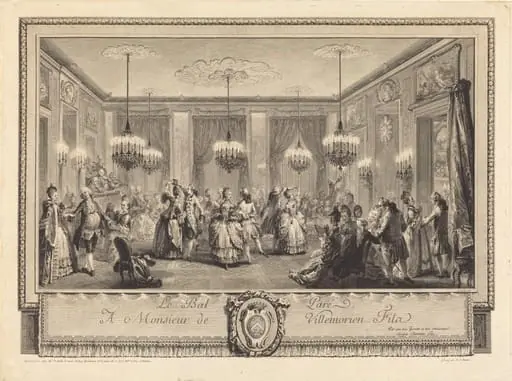 Le bal paré
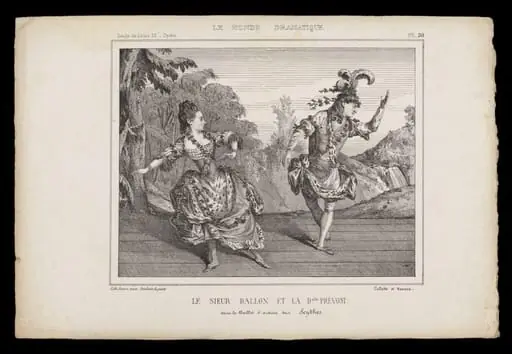 H Beard Print Collection
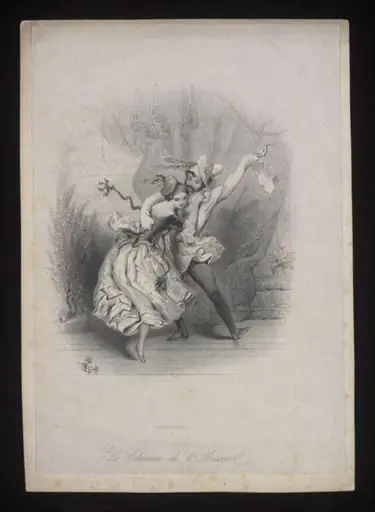 "Le Chemin de l'Amour."
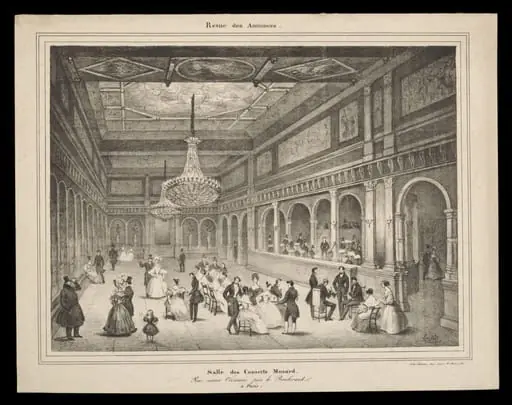 H Beard Print Collection
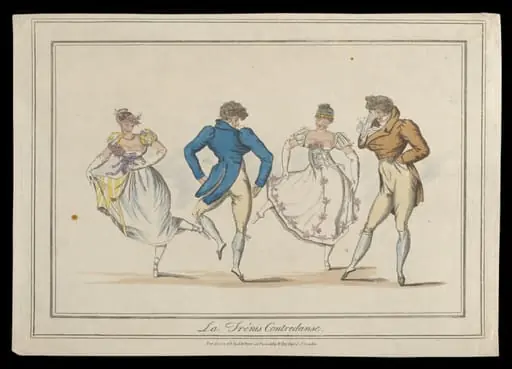 H Beard Print Collection
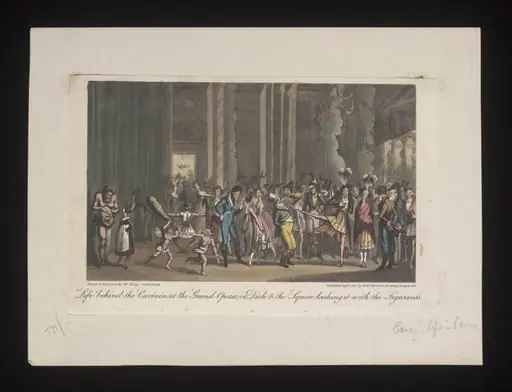 Life behind the Curtain at the Grand opera; or, Dick and the Squire larking it with the Figurants
- Print Collection