Subject
Horse
Horse is a subject in art. The gallery holds 200 works in this subject in art, including works by Titian, Paolo Veronese and Thomas Cole.
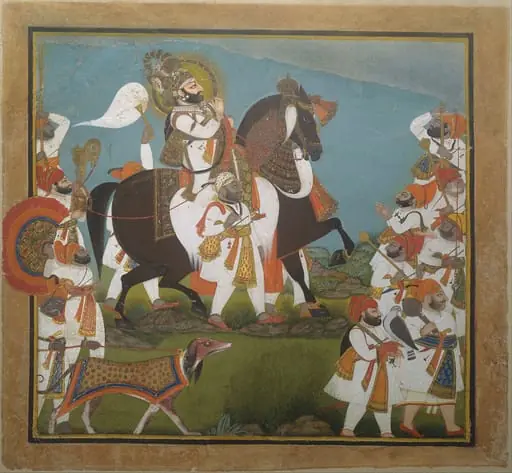
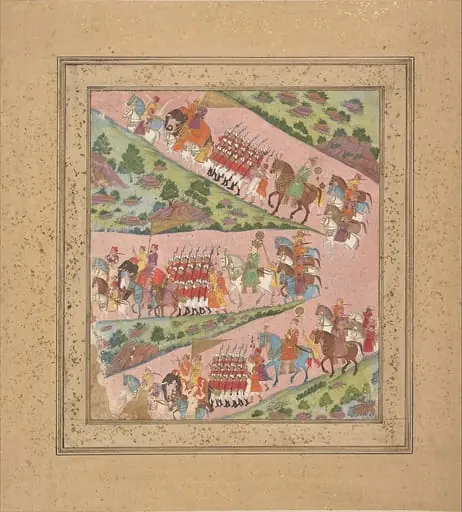
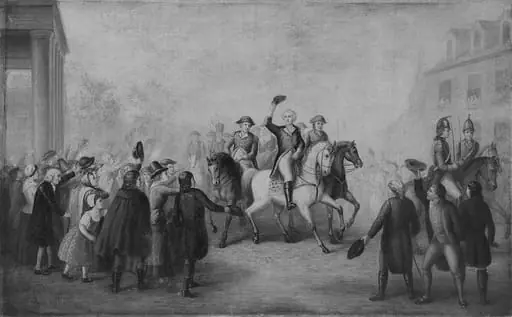
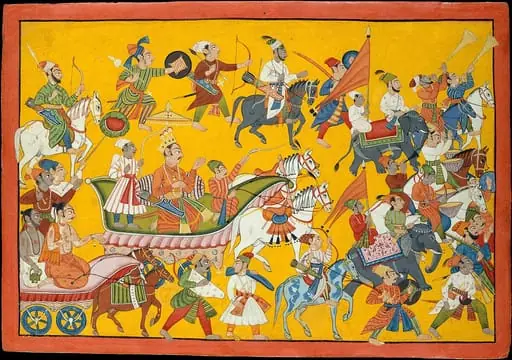
Few animals have shadowed human art as persistently as the horse. Some of the oldest surviving images made by humans are equine: the overlapping, shaded horses on the Panel of Horses at Chauvet-Pont-d'Arc in southern France date back roughly 32,000 years, while at Lascaux, painted around 17,000–15,000 BCE, the horse is the single most frequently depicted animal among more than 600 painted figures. The motive was rarely decorative. Across antiquity the horse signified speed, war, status, and divine favour—drawing the chariots of gods and pharaohs, carrying the cavalry of the Parthenon frieze, and, in China, embodying imperial power: the sancai or "three-colour" glazed horses of the Tang dynasty (618–907), traded along the Silk Road, were buried with the elite as emblems of wealth and military might.
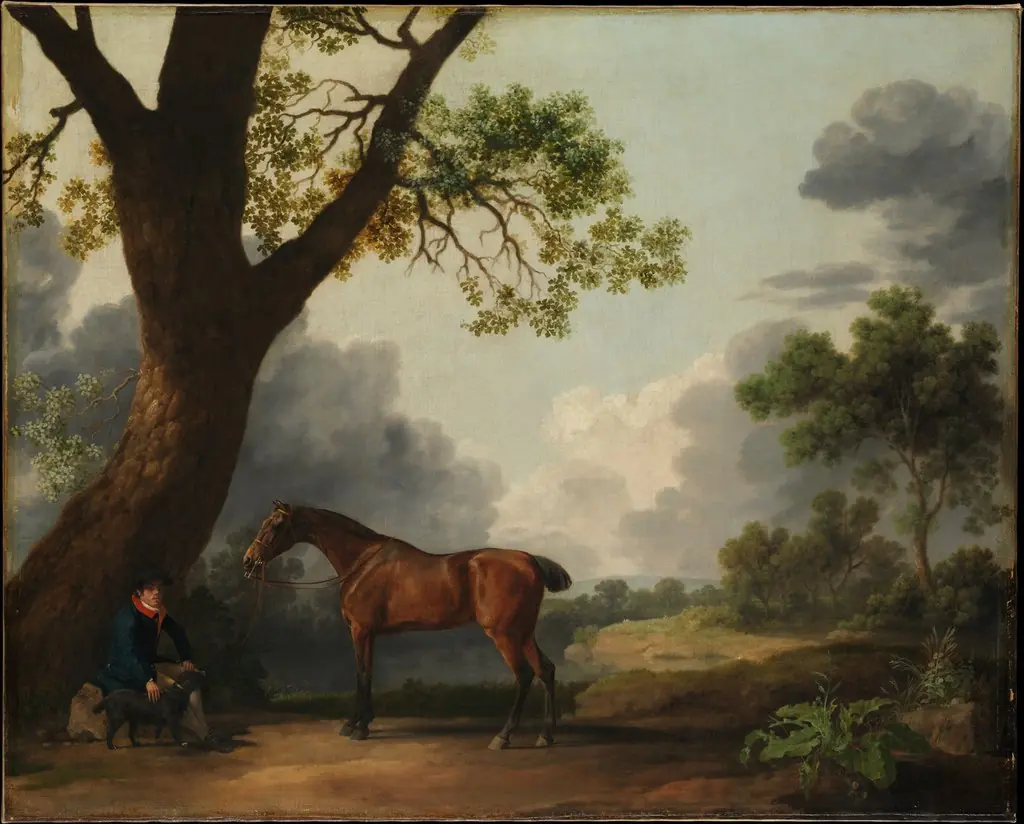
Rendering a horse convincingly is one of art's enduring technical tests. The animal's articulated limbs, deep chest, and arched neck demand acute anatomical understanding, and its motion long defied the eye. The single most influential figure here is the English painter George Stubbs (1724–1806), who spent some eighteen months dissecting carcasses in a Lincolnshire barn before publishing The Anatomy of the Horse (1766); his Whistlejacket (c. 1762), a life-size thoroughbred rearing against a bare ground, remains the canonical horse portrait. The equestrian portrait itself descends from a single survivor of antiquity, the bronze Marcus Aurelius in Rome, revived by the Renaissance and brought to baroque magnificence by Diego Velázquez at the Spanish court.
The horse also drove a revolution in seeing. Romantic painters such as Théodore Géricault—who studied animals at the imperial stables—conveyed raw energy through the convention of the "flying gallop," as in his The 1821 Derby at Epsom. That pose was overturned in 1878, when Eadweard Muybridge, financed by Leland Stanford, arrayed trip-wire cameras along a Palo Alto track to photograph the mare Sallie Gardner, proving all four hooves leave the ground only when tucked beneath the body. Edgar Degas absorbed these stop-action images into his racecourse scenes, producing dozens of oils, pastels, and bronzes of jockeys and thoroughbreds.
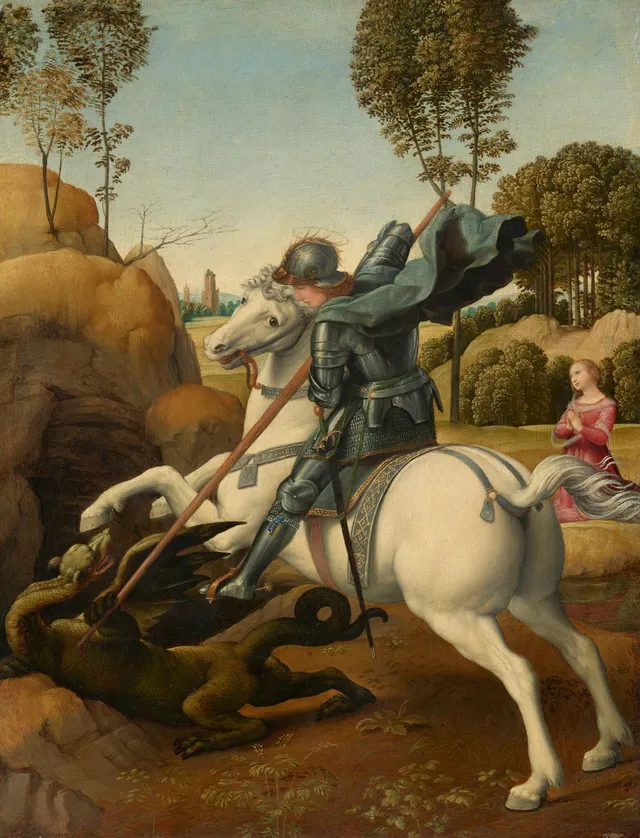
The horse threads through nearly every tradition our collection holds—the rearing mount beneath Raphael's Saint George, the parade ground of Manet's Mademoiselle V… in the Costume of an Espada—a measure of how completely this one domesticated, one-toed mammal of the family Equidae shaped the visual imagination of war, sport, and power.
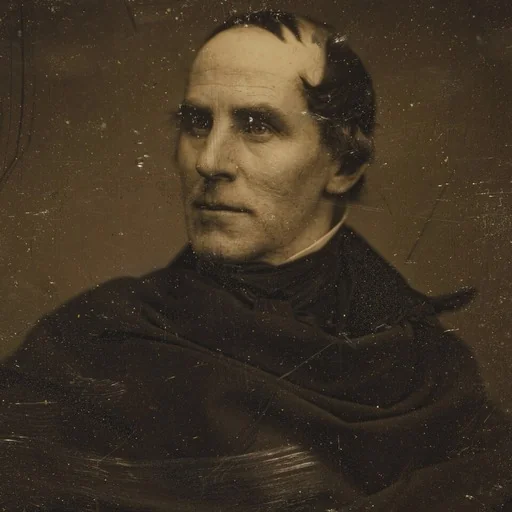
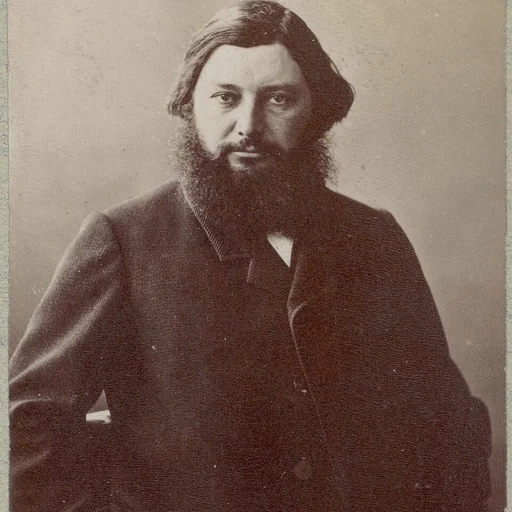
Key artists
Overview
The horse (Equus ferus caballus) is a domesticated, one-toed, hoofed mammal belonging to the taxonomic family Equidae. As one of two extant subspecies of Equus ferus, it has served as one of the most recurrent and significant motifs in art history, appearing in 1,109 works in the collection. The horse's prominence in visual culture stems from its deep integration into human civilization since domestication began around 4000 BCE in Central Asia, with widespread use by 3000 BCE. Its roles in warfare, agriculture, transportation, sport, and companionship have made it a versatile symbol across cultures and periods, while its physical power, grace, and distinctive form have offered artists enduring formal challenges and expressive possibilities.
Iconography & meaning
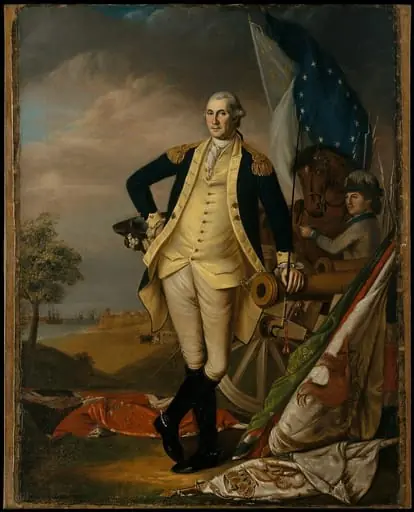
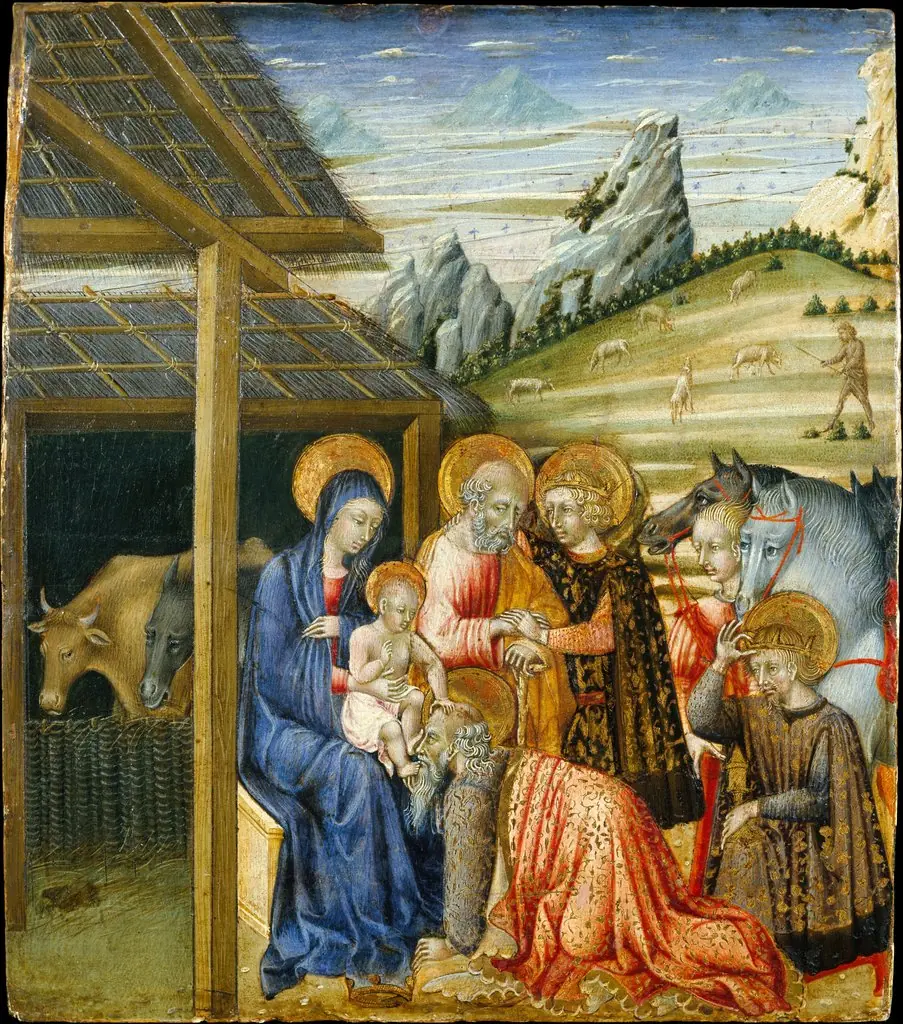
In art, the horse carries multivalent symbolic weight. Its association with warfare and chivalry links it to power, nobility, and heroism, as seen in depictions of Saint George and the Dragon. The horse's speed and strength have made it an emblem of conquest and civilizational expansion, earning it the designation in French culture as "la plus noble conquête de l'Homme." In mythological contexts, horses appear in narratives of gods and heroes, while in religious art they may signify divine intervention or the triumph of good over evil. The animal's capacity for both wildness and domestication allows it to represent untamed nature or disciplined human control. Color, posture, and accoutrements further nuance meaning: rearing horses suggest rebellion or energy; mounted figures imply authority; and specific breeds or types signal regional identity or social status. The extensive specialized vocabulary surrounding horses, from anatomy to life stages and breeds, reflects the cultural depth of human-equine relationships that artists have drawn upon for millennia.
Legacy
The horse's afterlife in visual culture extends well beyond individual works. Its continued presence in the collection, across 1,109 works, testifies to persistent artistic and institutional interest. The animal's role in enabling commerce, warfare, and civilizational expansion has made it a privileged subject for narratives of human progress and its discontents. In modern and contemporary practice, the horse persists as a motif even as its practical necessity has diminished in industrialized societies, suggesting that its symbolic and formal resonances outlast its utilitarian functions. The specialized vocabulary and knowledge systems surrounding horses, from breeds to equipment to riding techniques, continue to inform artistic representation and its interpretation. Museums and collections that preserve and display equine imagery participate in maintaining this cultural legacy, while scholarly attention to the horse in art addresses questions of power, gender, colonialism, and human-animal relationships that remain urgent. The horse thus stands as a case study in how a single motif can accumulate and transform meaning across centuries of artistic practice.
Works
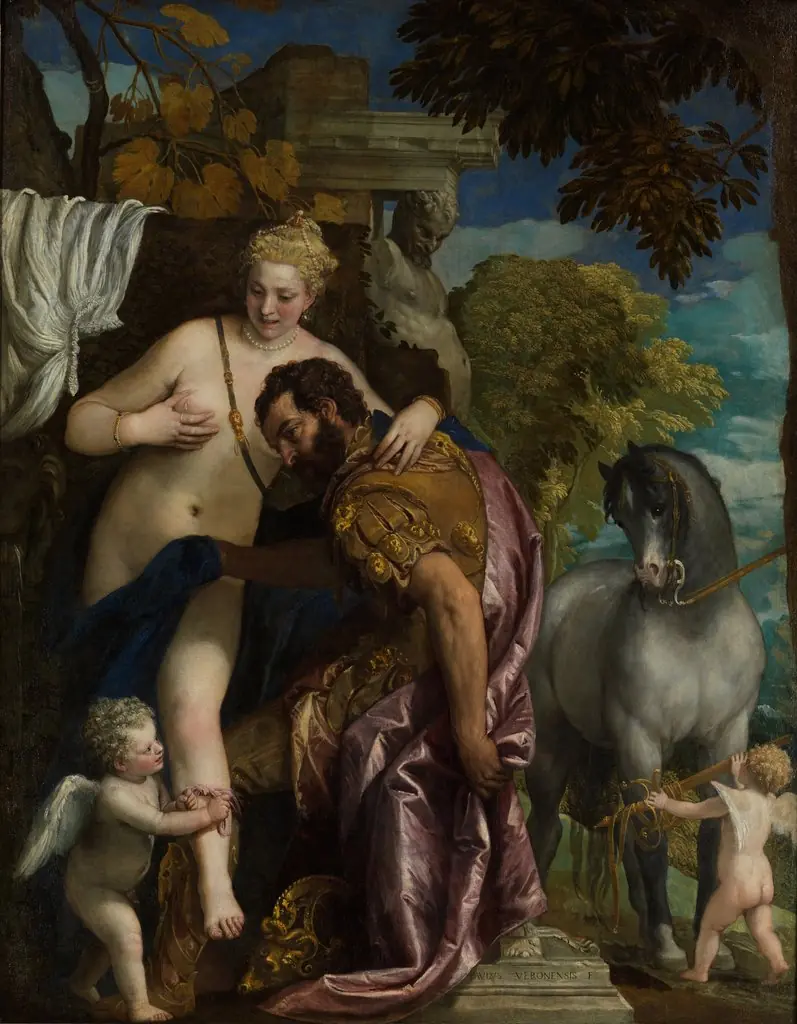 Venus and Mars
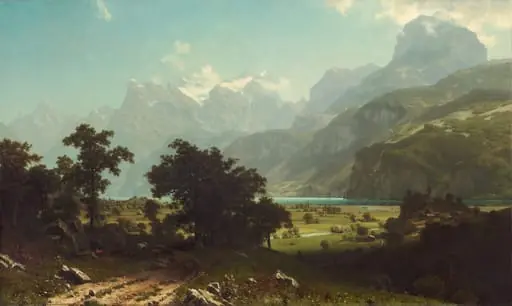 Lake Lucerne
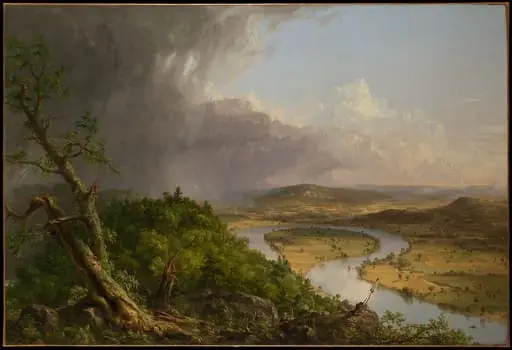 View from Mount Holyoke, Northampton, Massachusetts, after a Thunderstorm—The Oxbow
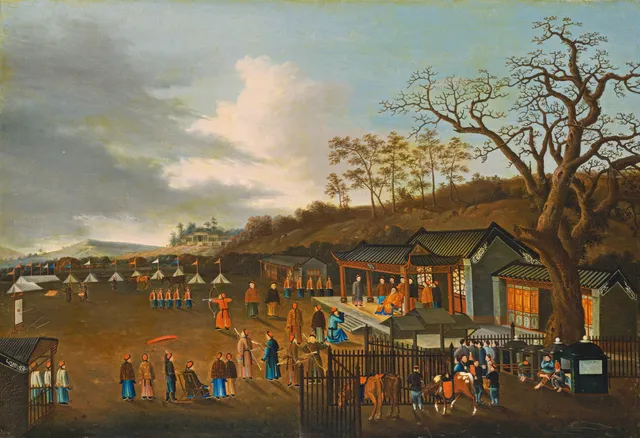
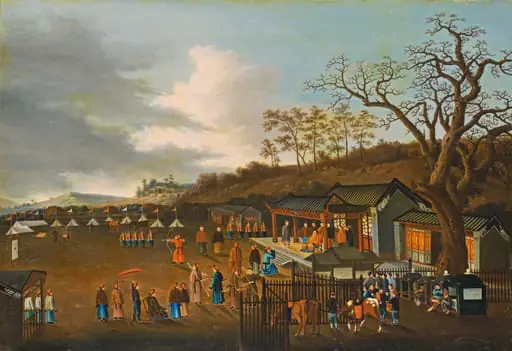 Archery Contest
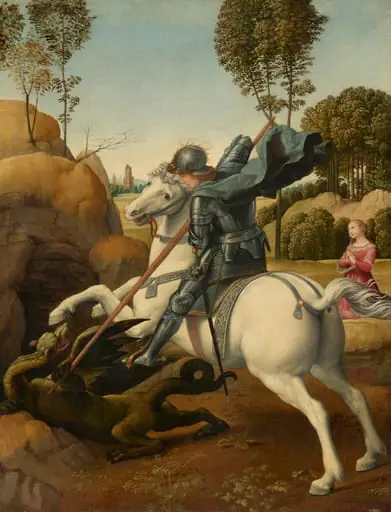 Saint George and the Dragon
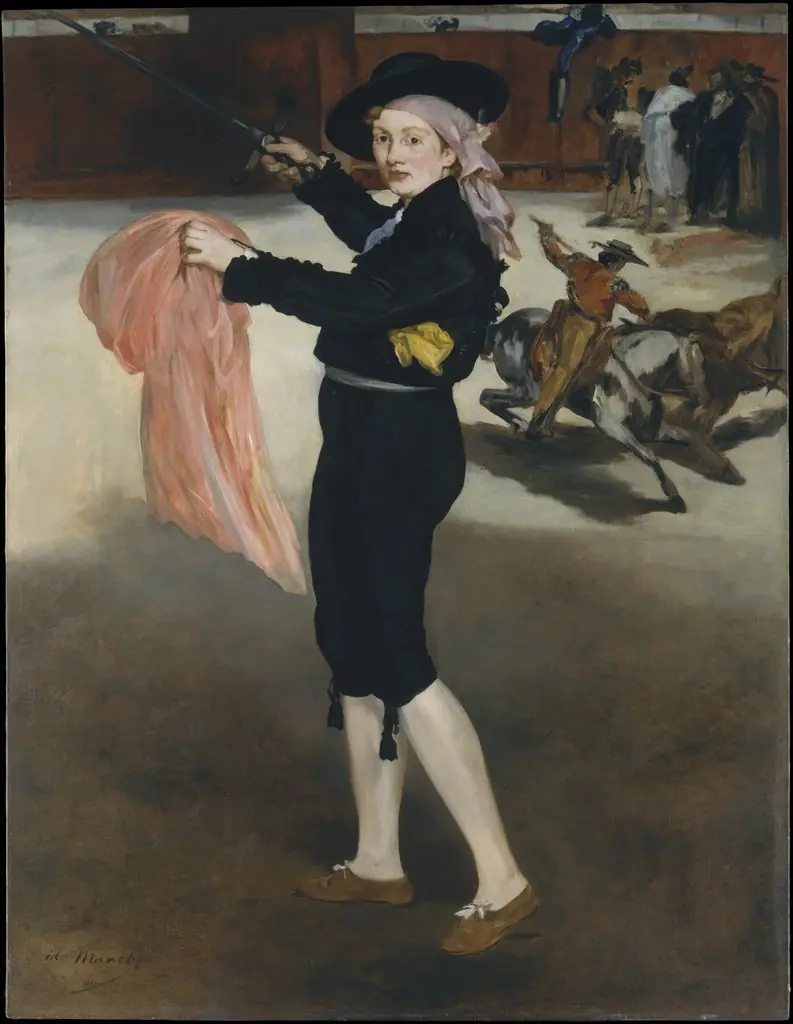 Mademoiselle V. . . in the Costume of an Espada
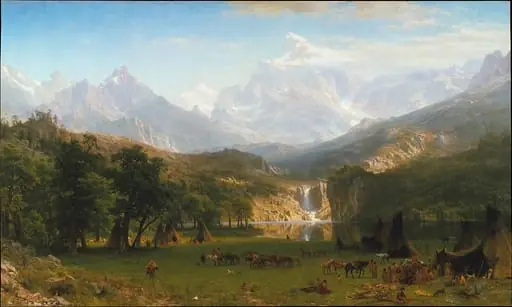 The Rocky Mountains, Lander's Peak
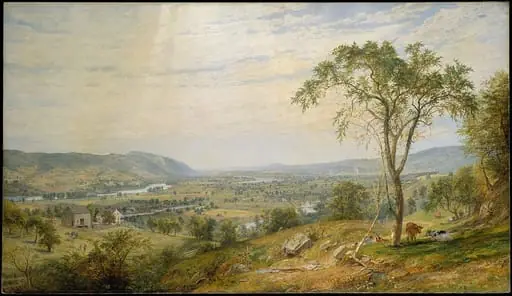 The Valley of Wyoming
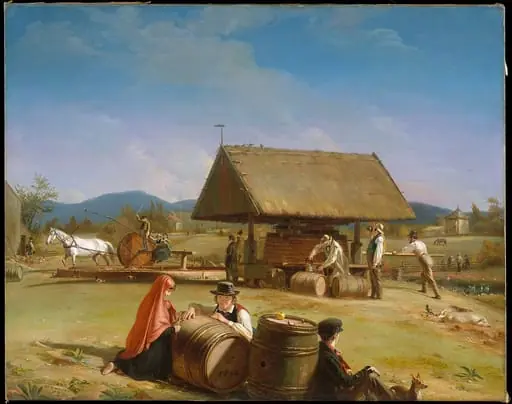 Cider Making
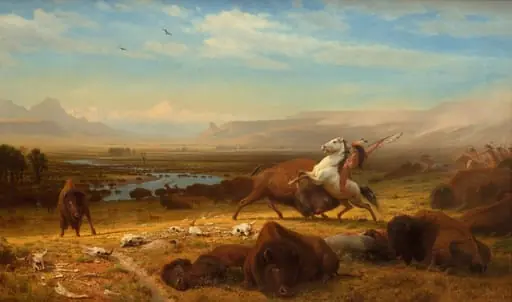 The Last of the Buffalo
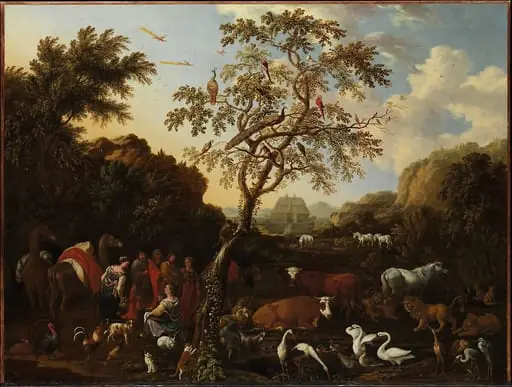 The Ark
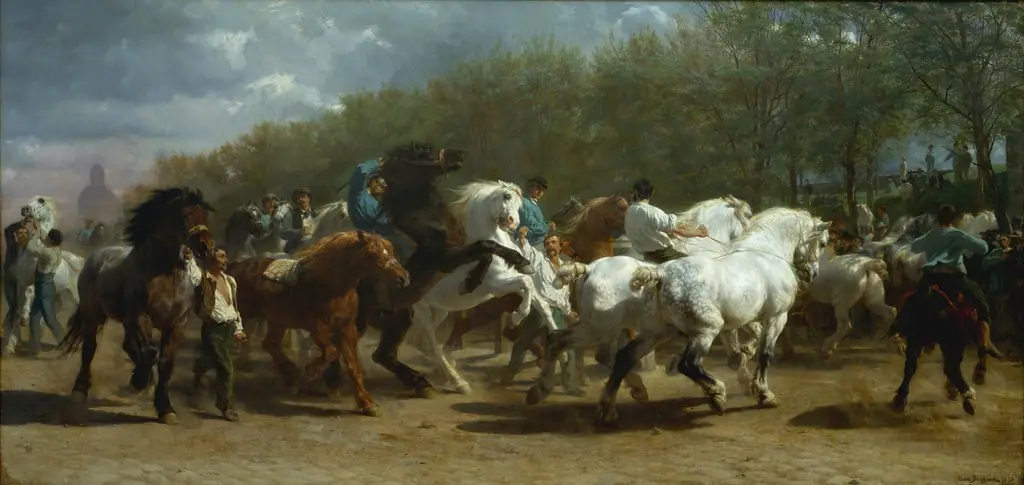 The Horse Fair
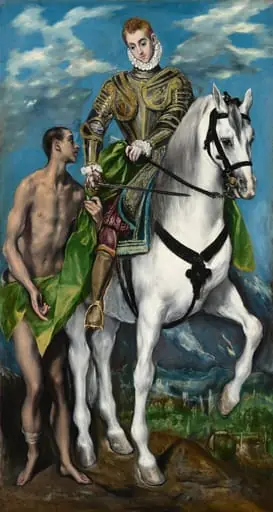 Saint Martin and the Beggar
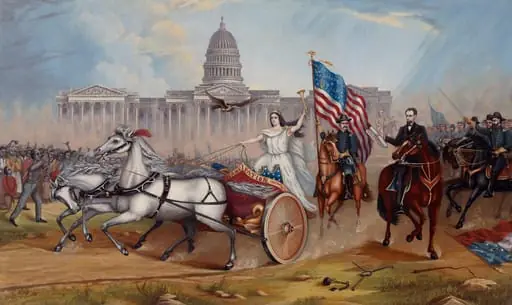 Emancipation Proclamation
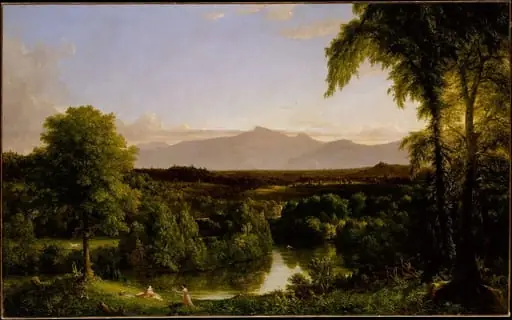 View on the Catskill—Early Autumn
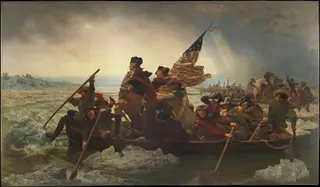 Washington Crossing the Delaware
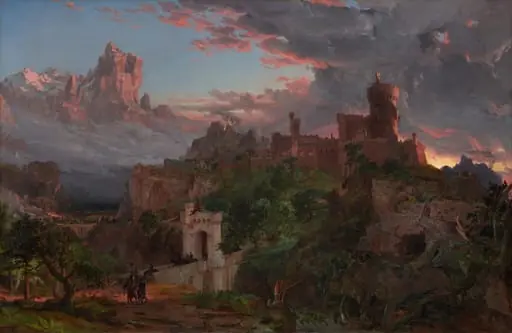 The Spirit of War
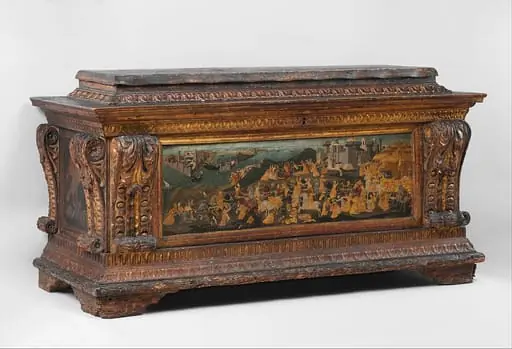 Cassone with painted front panel depicting the Conquest of Trebizond
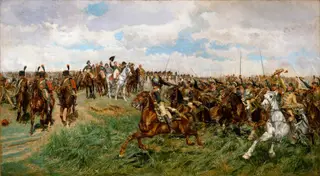 1807, Friedland
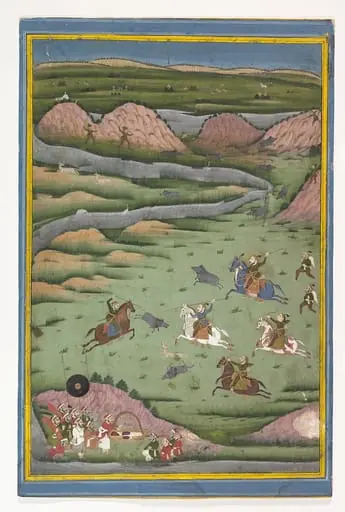 Untitled
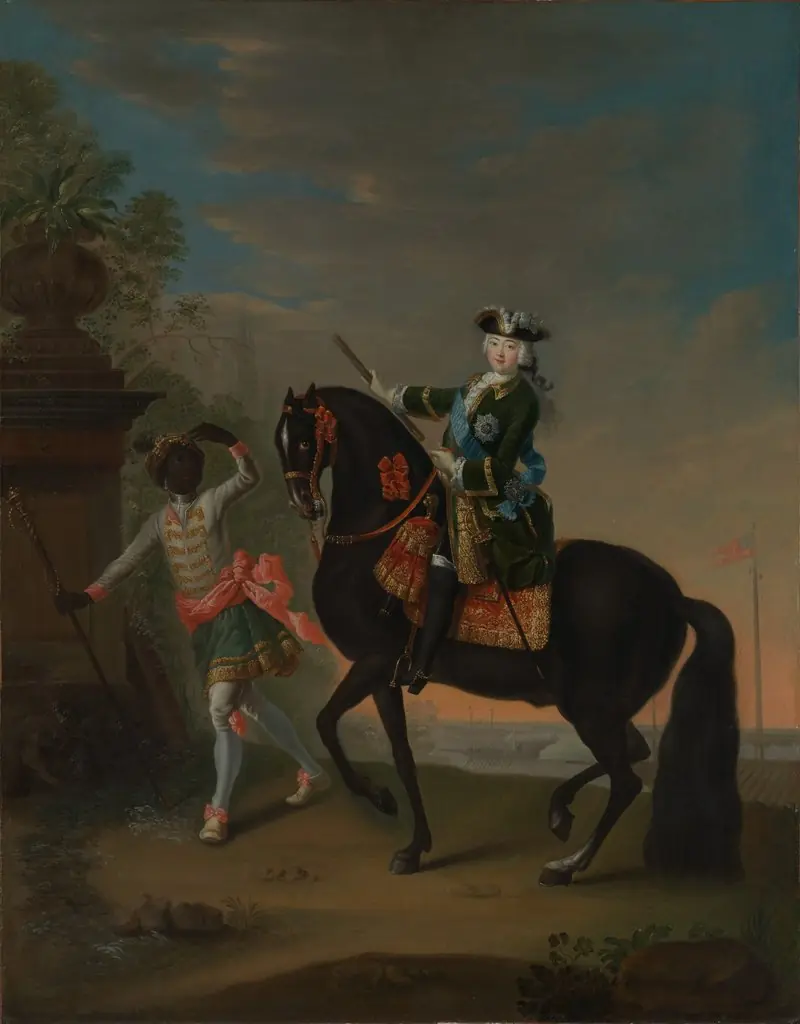 The Empress Elizabeth of Russia (1709–1762) on Horseback, Attended by a Page
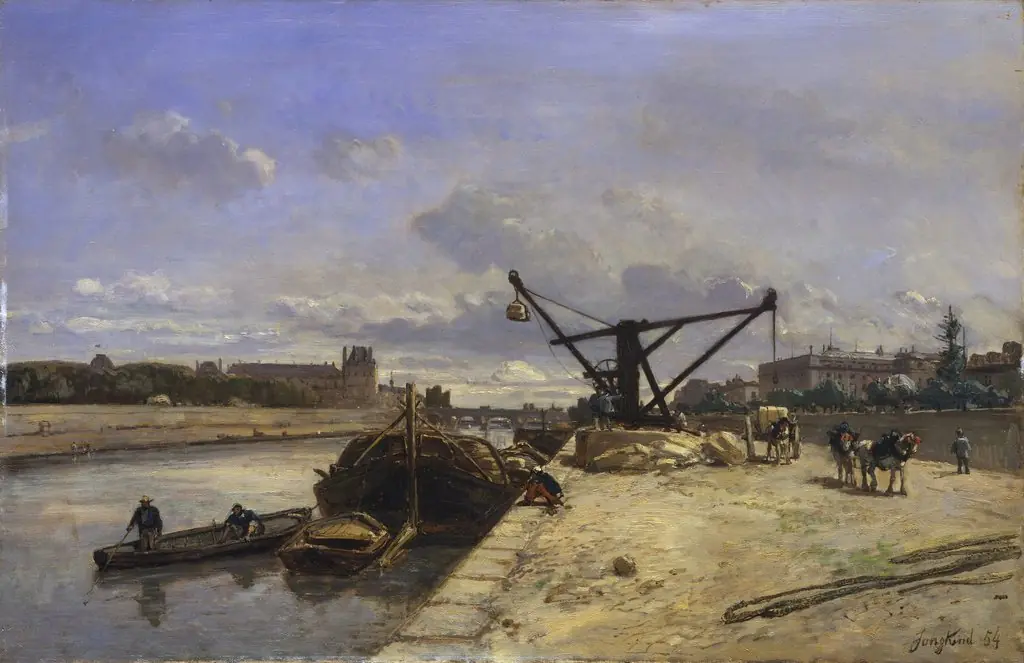 View from the Quai d'Orsay
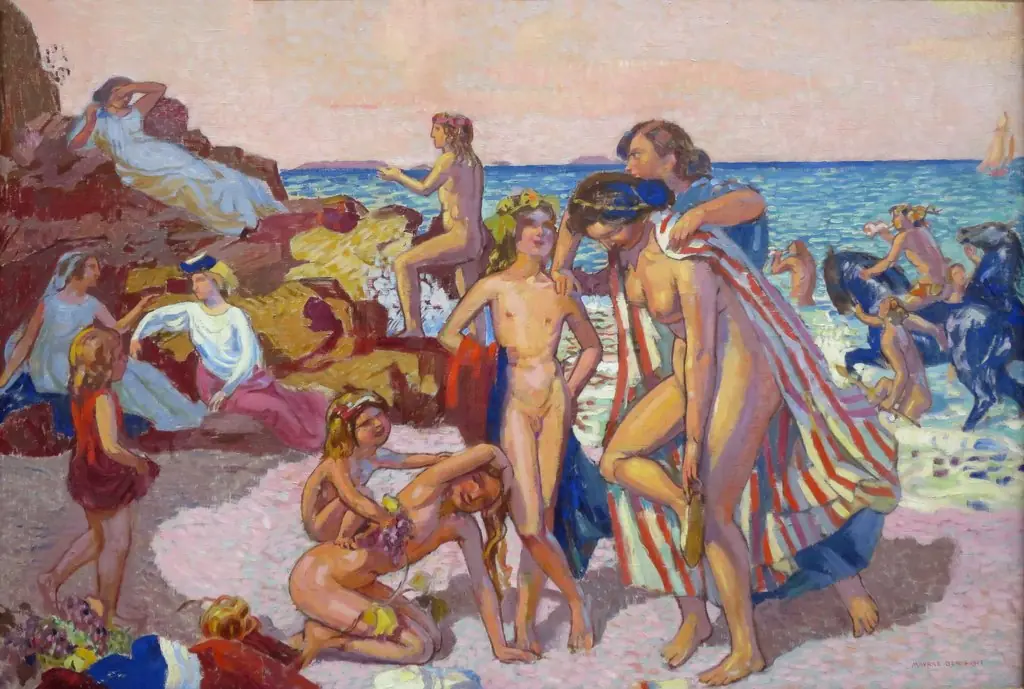 Bacchus and Ariadne
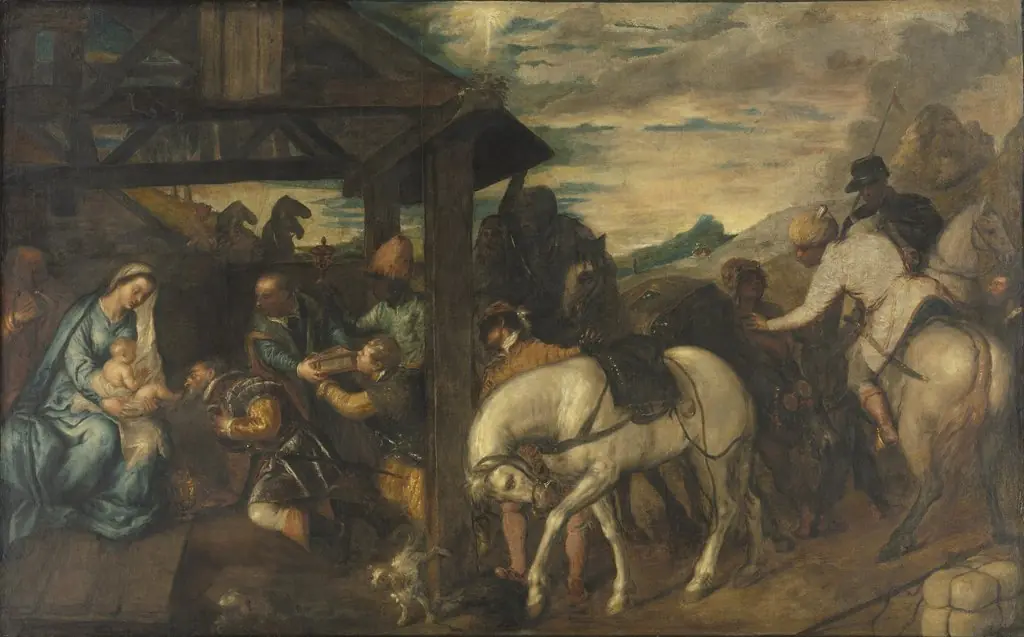 Adoration of the Magi
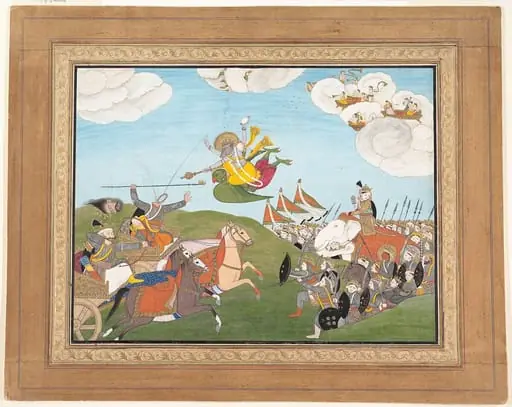 Untitled
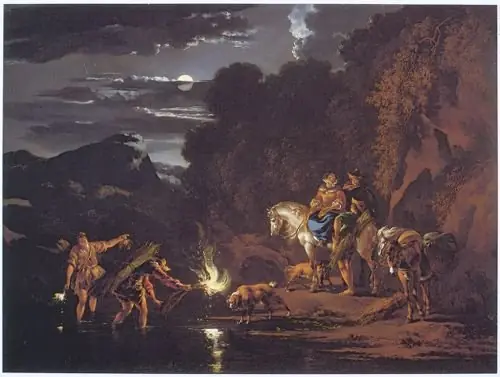 Moonlight Landscape with Crab Fishermen
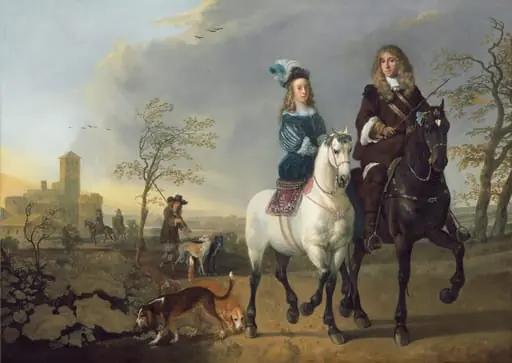 Lady and Gentleman on Horseback
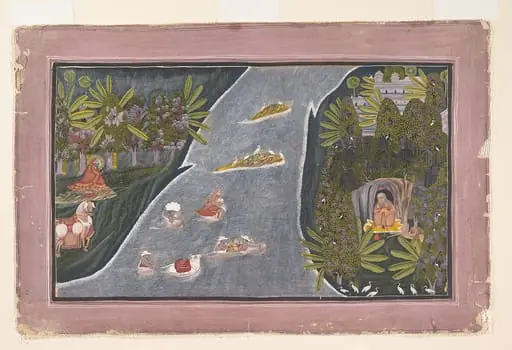 Untitled
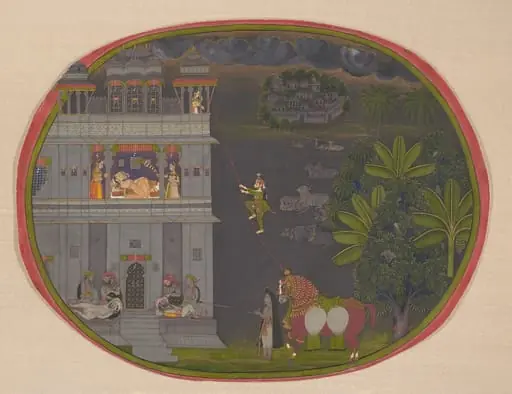 Untitled
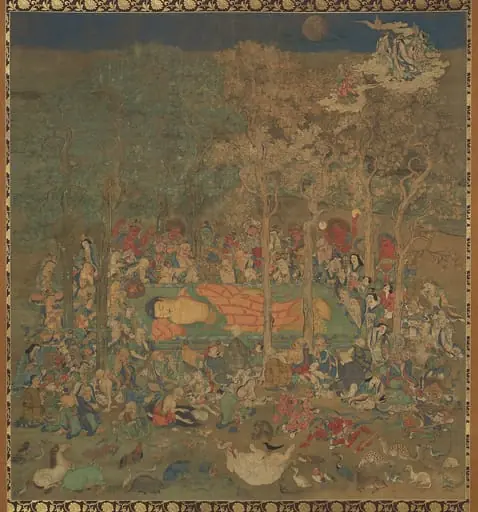 涅槃図|Death of the Historical Buddha (Nehan-zu)
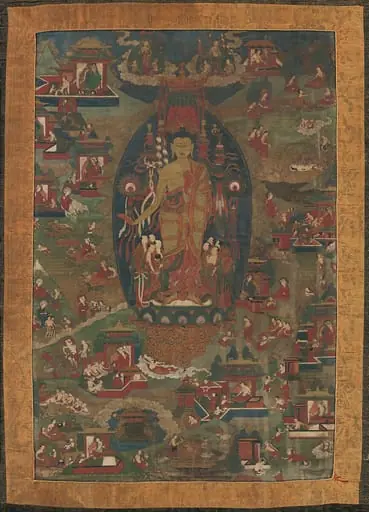 Untitled
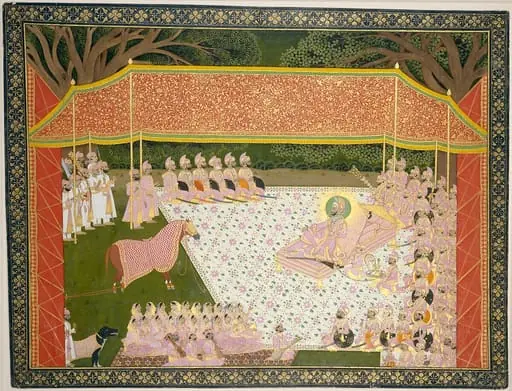 Untitled
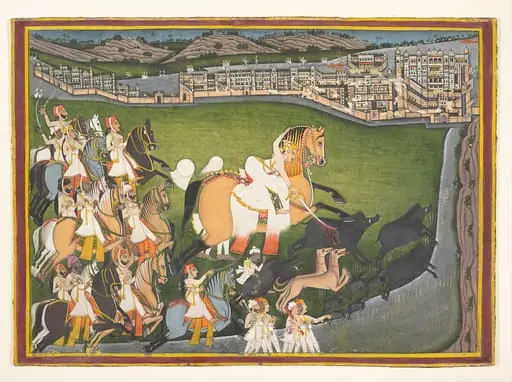 Untitled
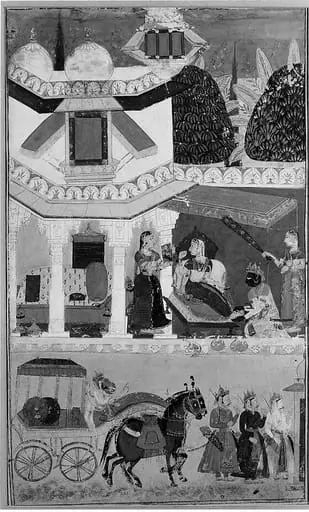 Untitled
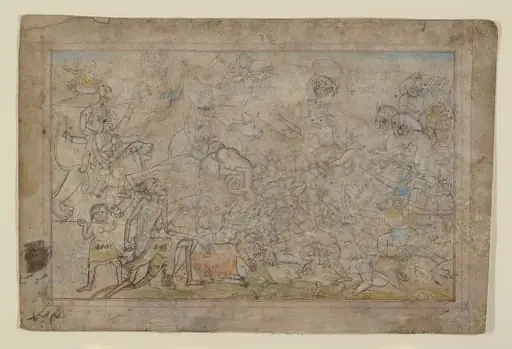 Untitled
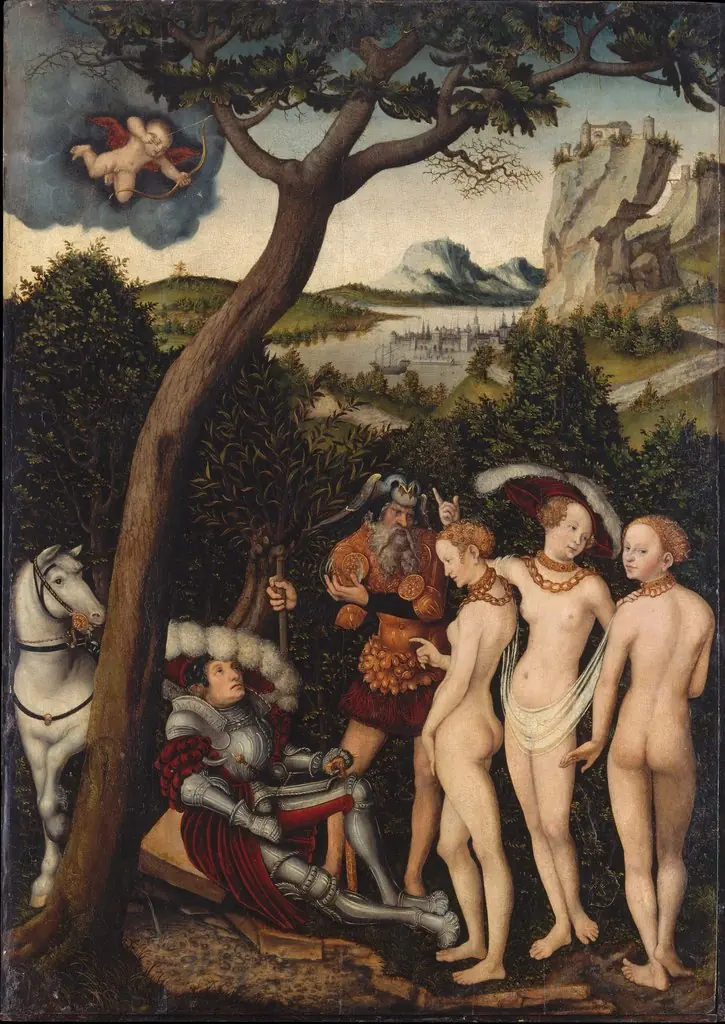 The Judgment of Paris
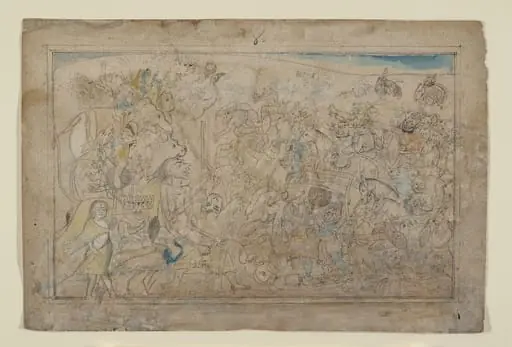 Untitled
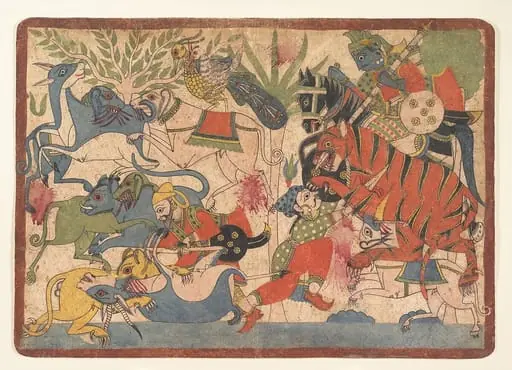 Untitled
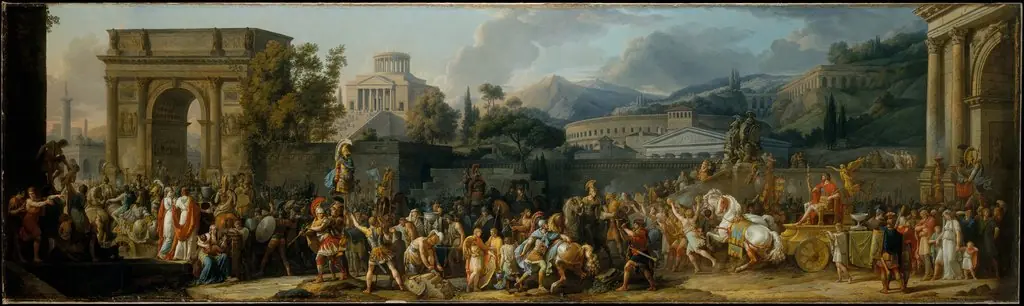 The Triumph of Aemilius Paulus
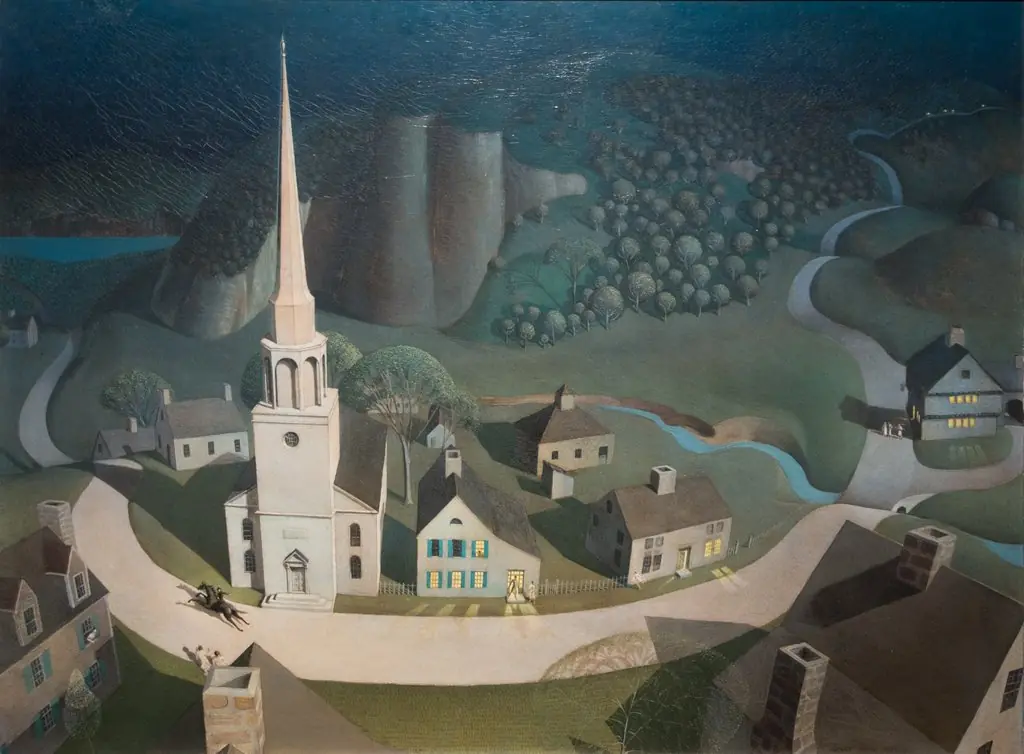 The Midnight Ride of Paul Revere
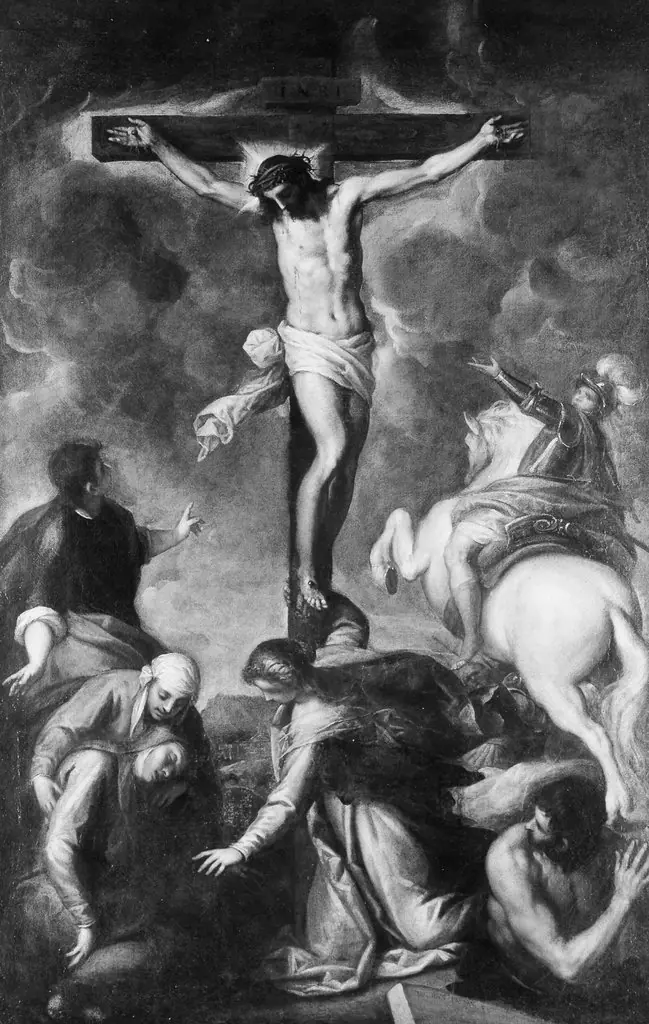 The Crucifixion
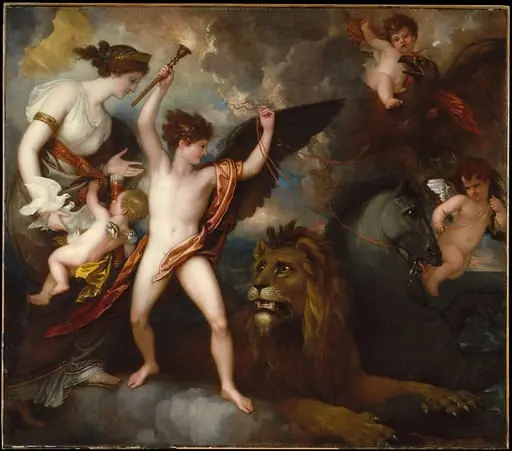 Omnia Vincit Amor, or The Power of Love in the Three Elements
 Untitled
 George Washington
 Untitled
 The Adoration of the Magi
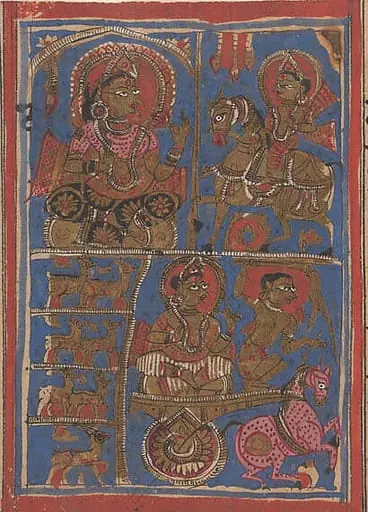 Untitled
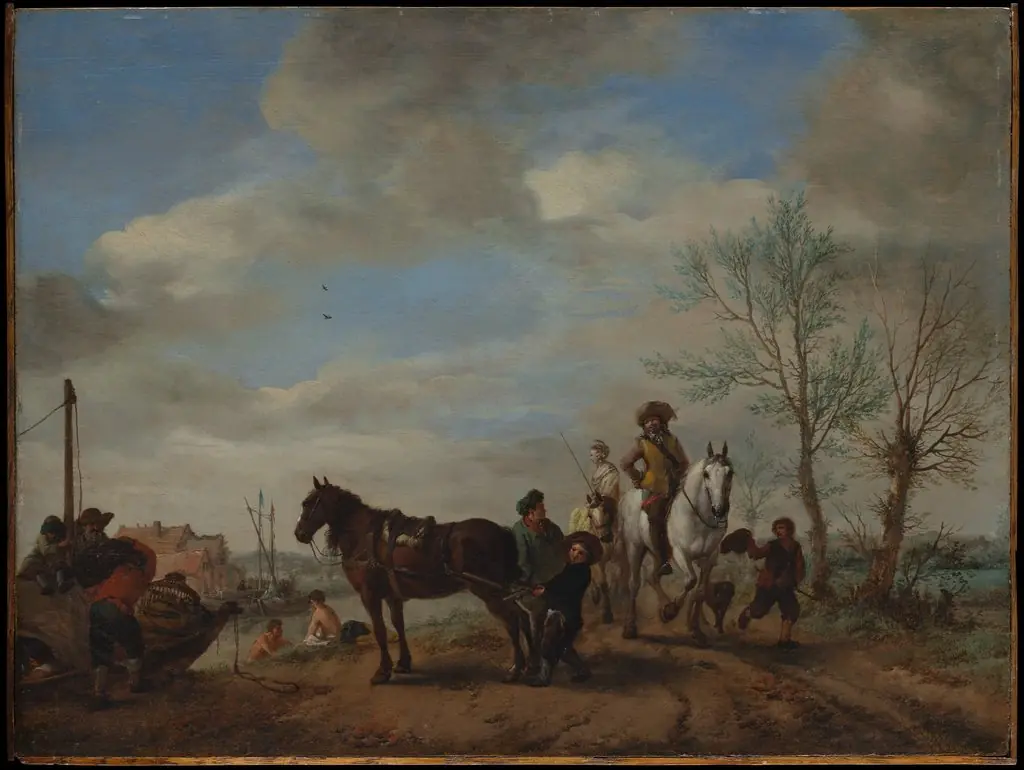 A Man and a Woman on Horseback
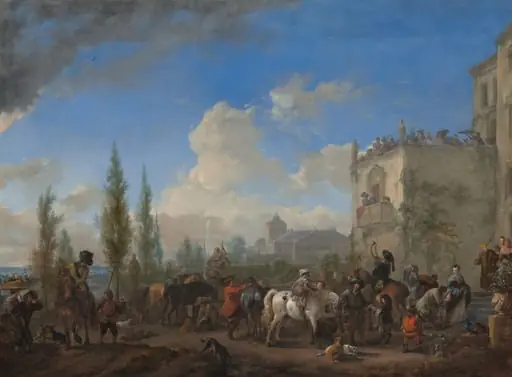 The Departure for the Hunt
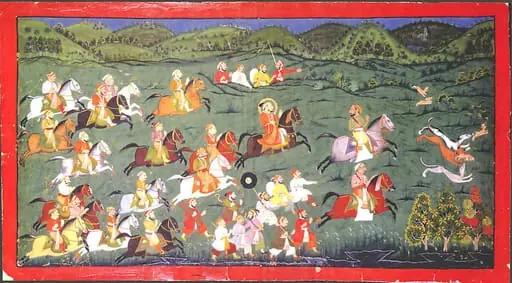 Untitled
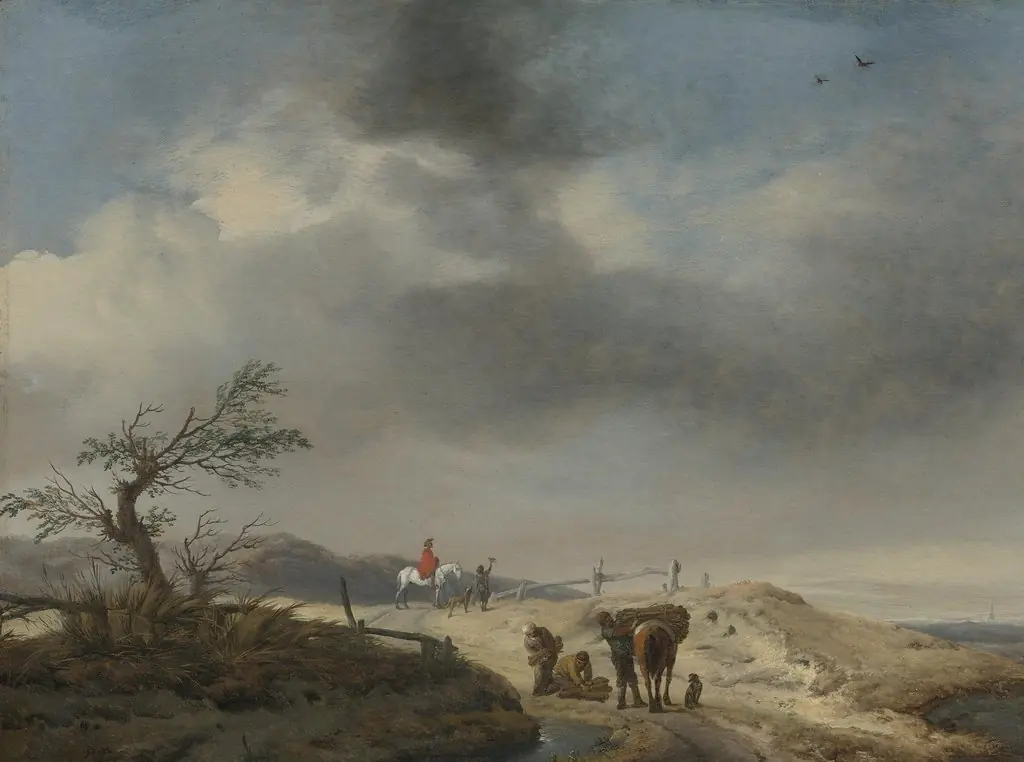 Dune Landscape with Figures
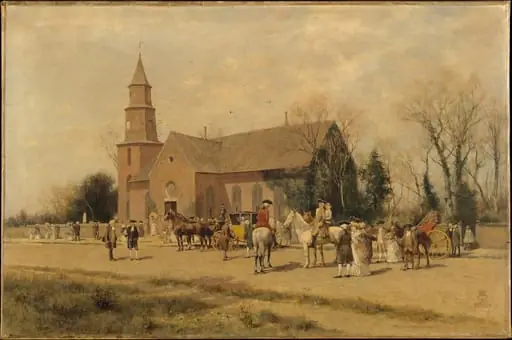 Old Bruton Church, Williamsburg, Virginia, in the Time of Lord Dunmore
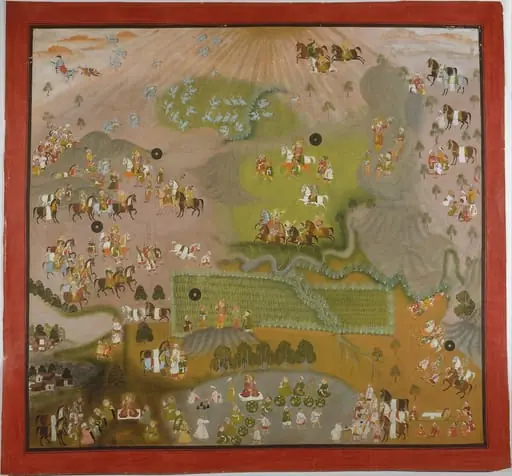 Untitled
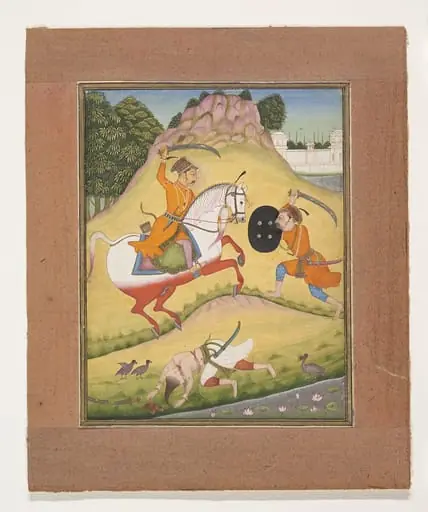 Untitled
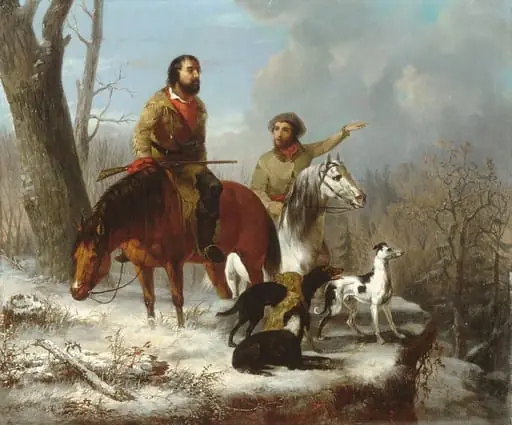 Trappers
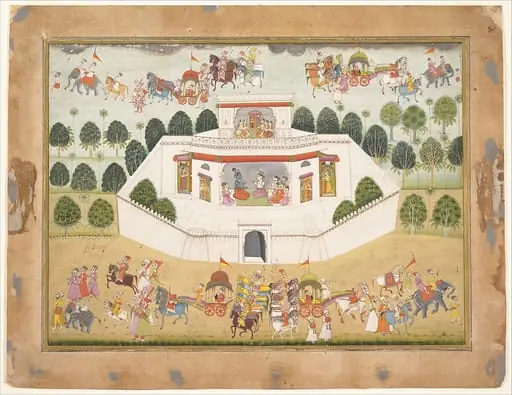 Untitled
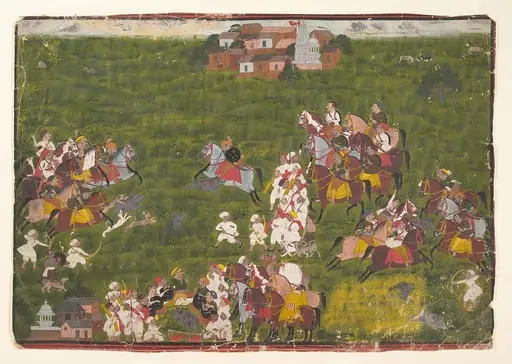 Untitled
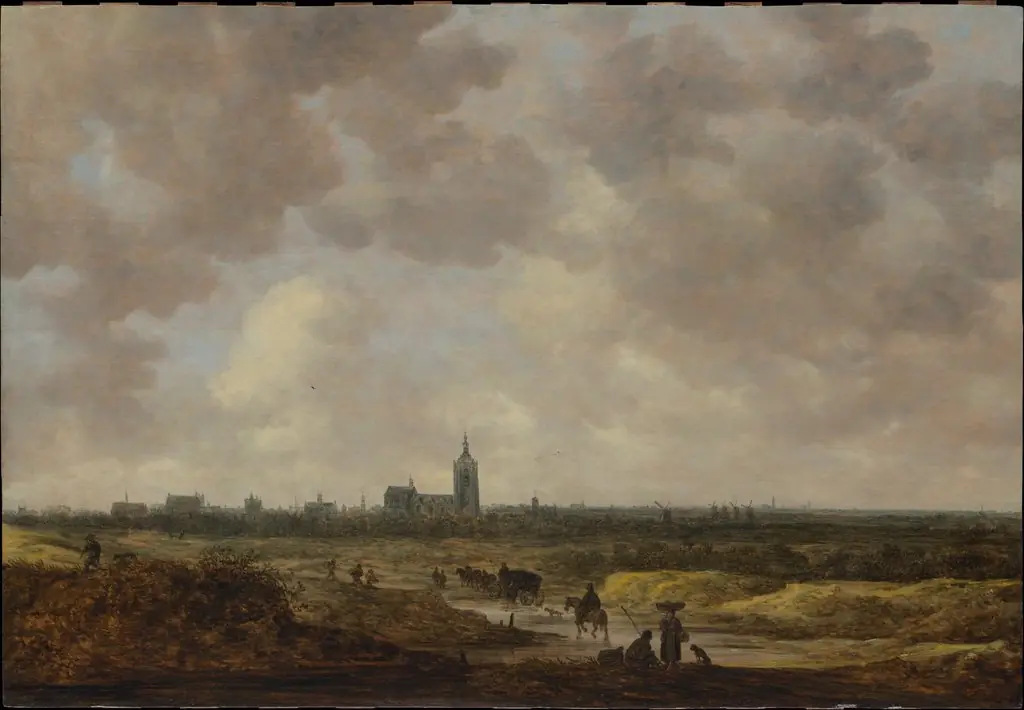 A View of The Hague from the Northwest
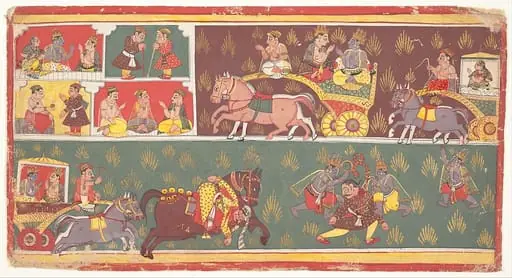 Untitled
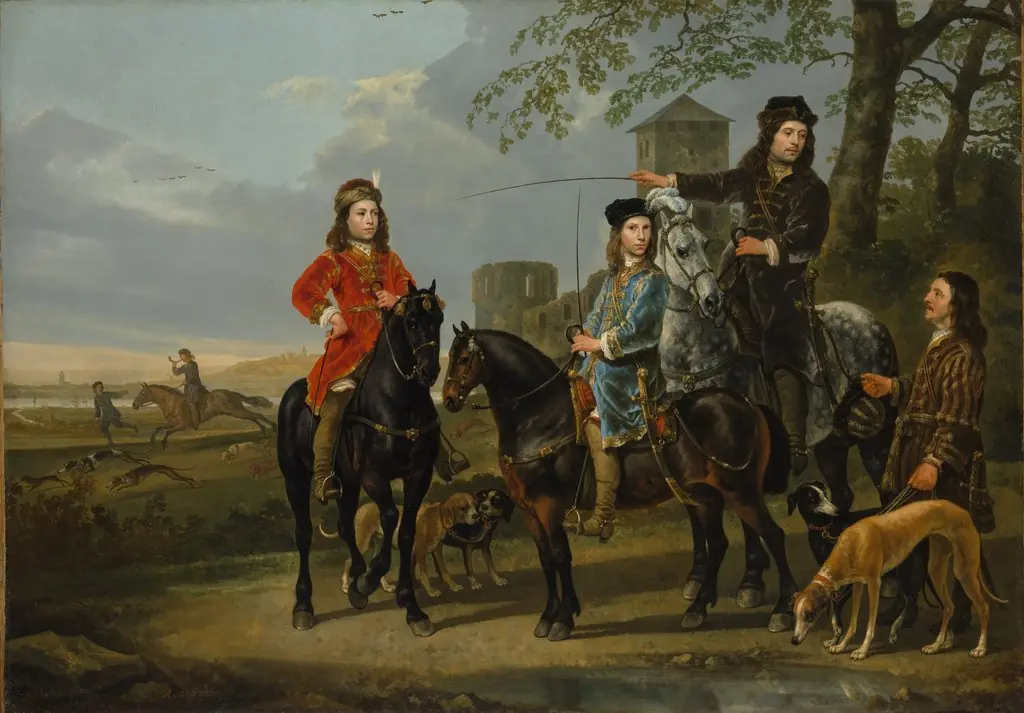 Equestrian Portrait of Cornelis (1639–1680) and Michiel Pompe van Meerdervoort (1638–1653) with Their Tutor and Coachman ("Starting for the Hunt")
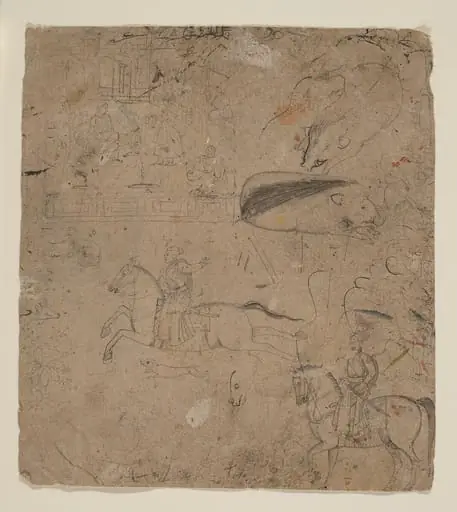 Untitled
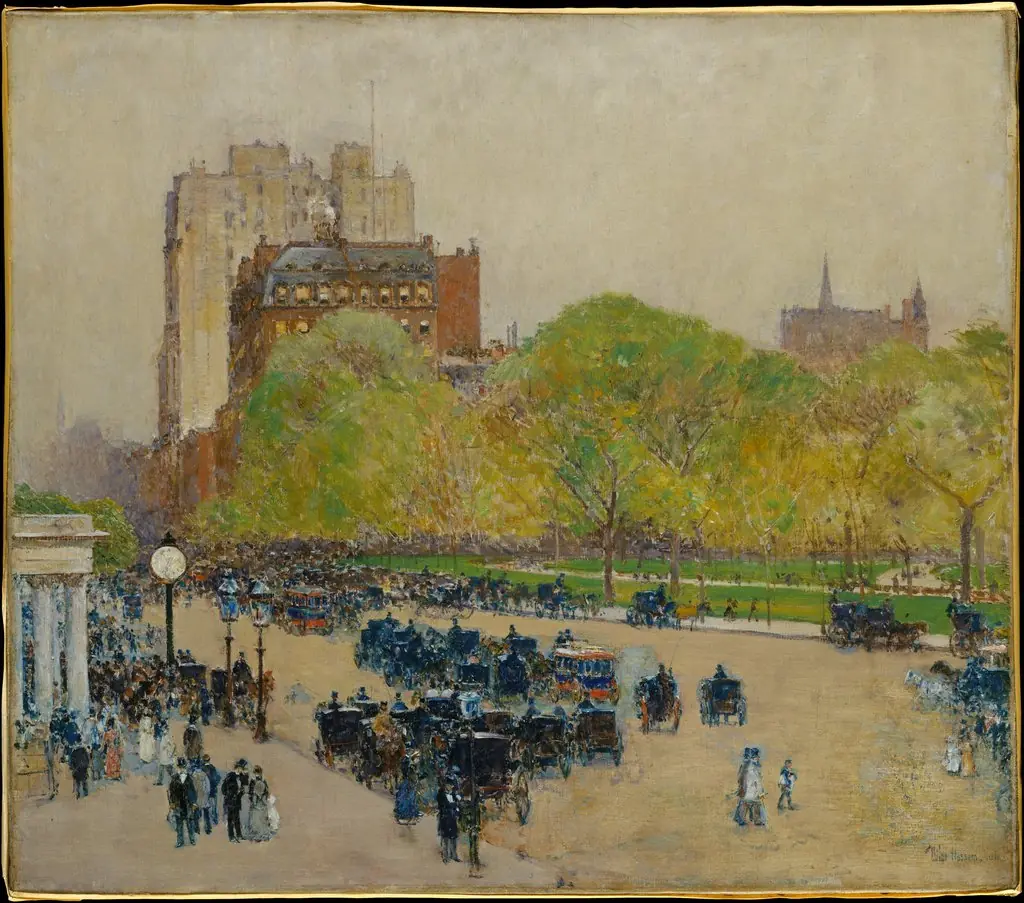 Spring Morning in the Heart of the City
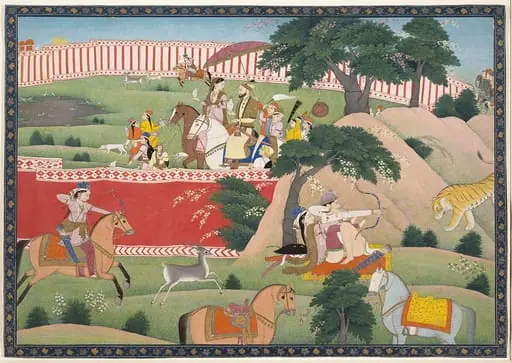 Untitled
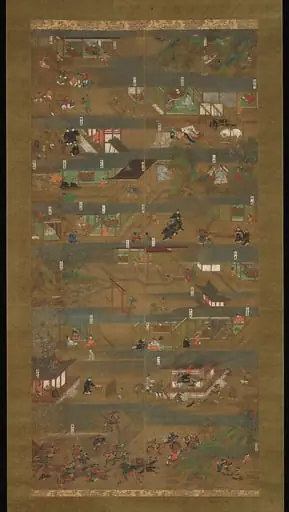 聖徳太子絵伝図|Illustrated Biography of Prince Shōtoku (Shōtoku Taishi e-den)
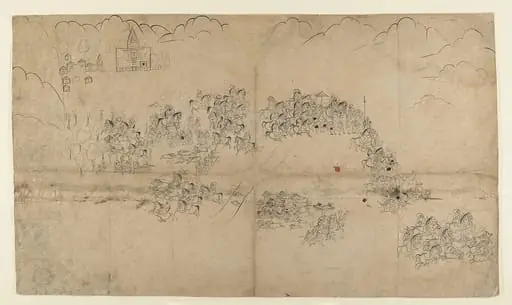 Untitled
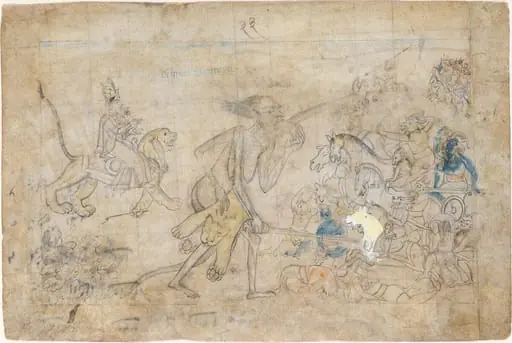 Untitled
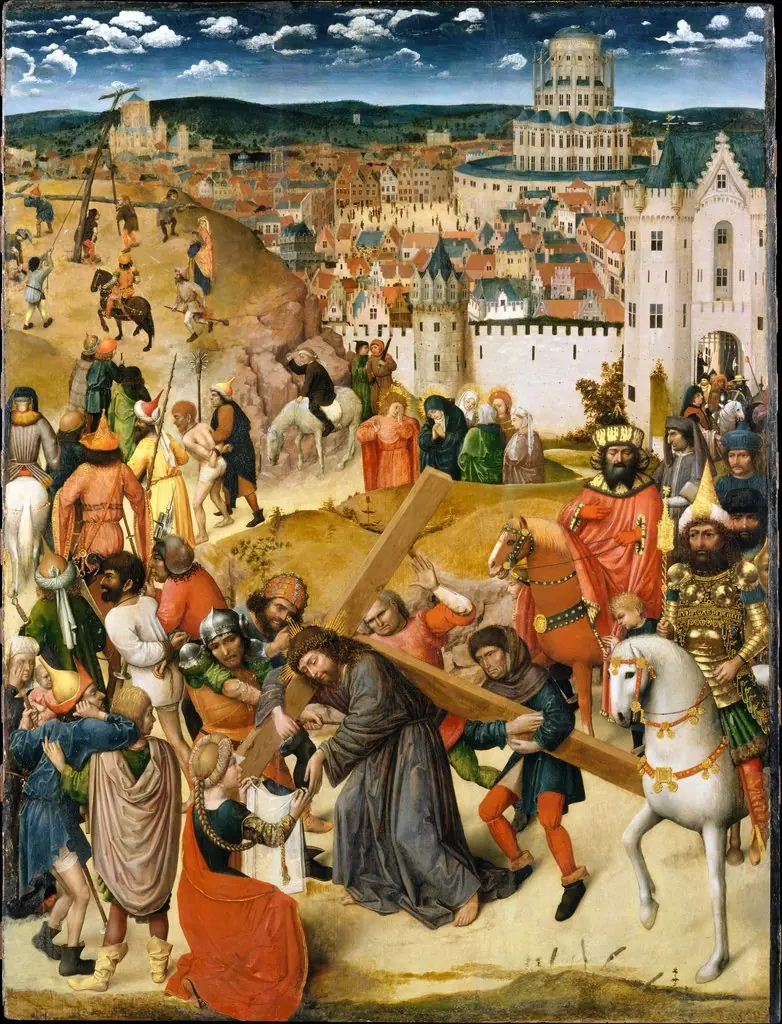 Christ Bearing the Cross
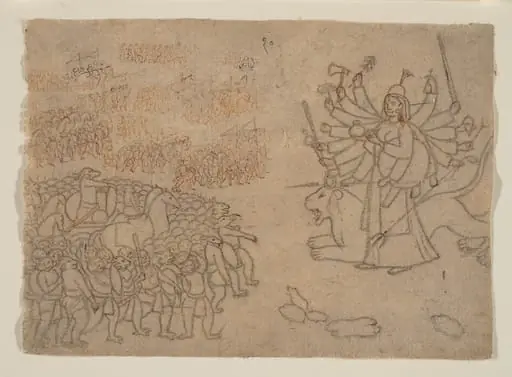 Untitled
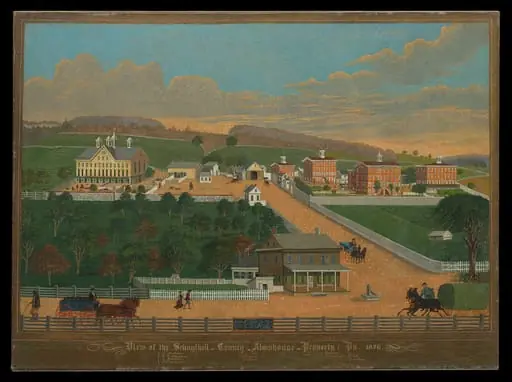 View of the Schuylkill County Almshouse Property
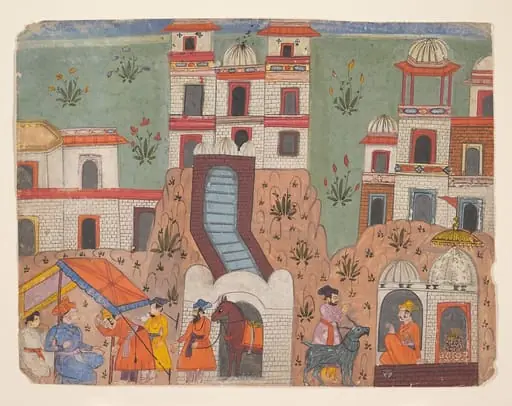 Untitled
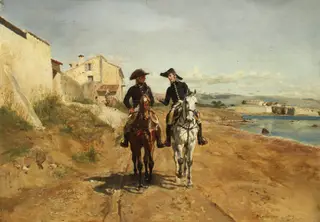 A General and His Aide-de-camp
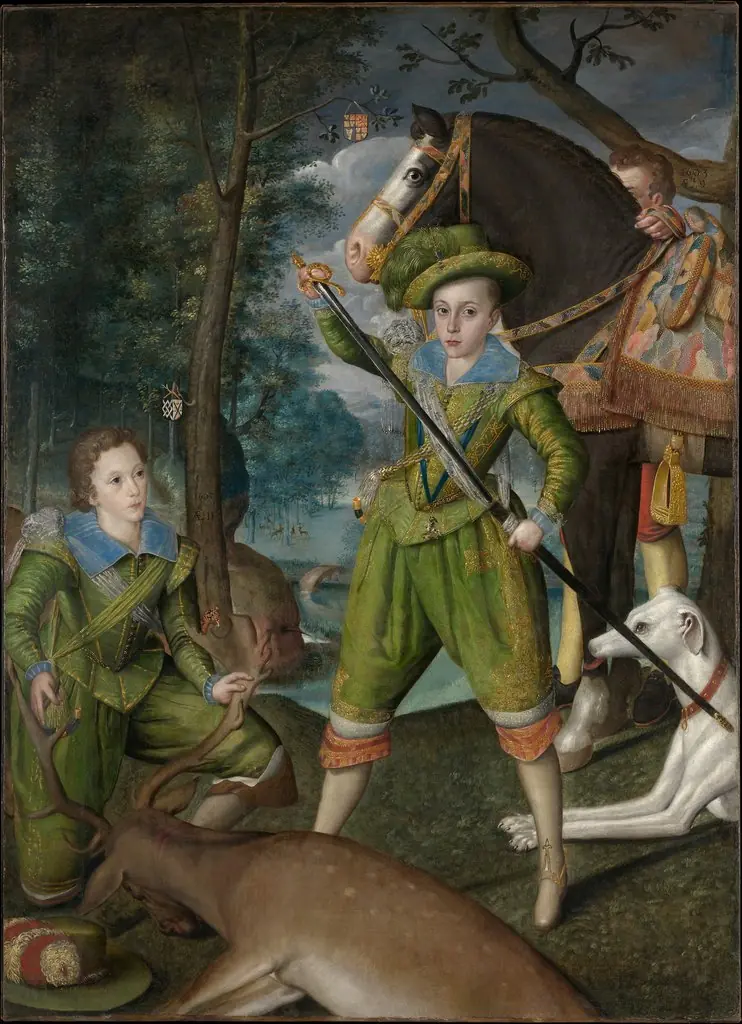 Henry Frederick (1594–1612), Prince of Wales, with Sir John Harington (1592–1614), in the Hunting Field
 Untitled
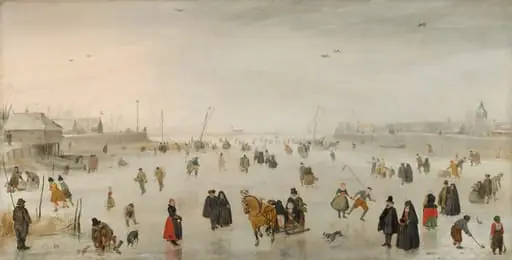 A Scene on the Ice
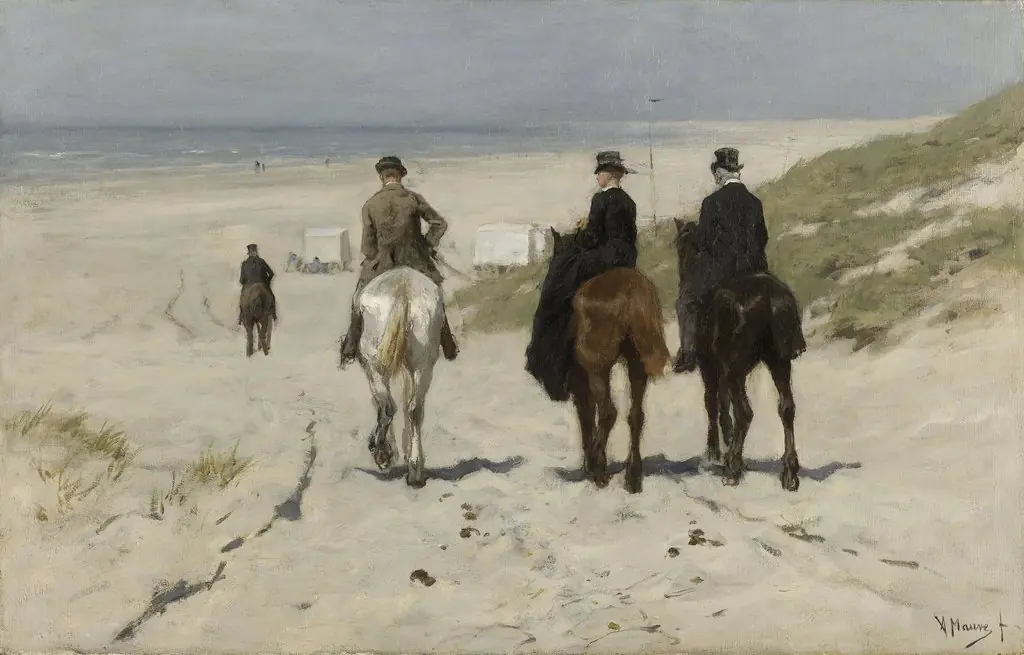 Morning Ride on the Beach
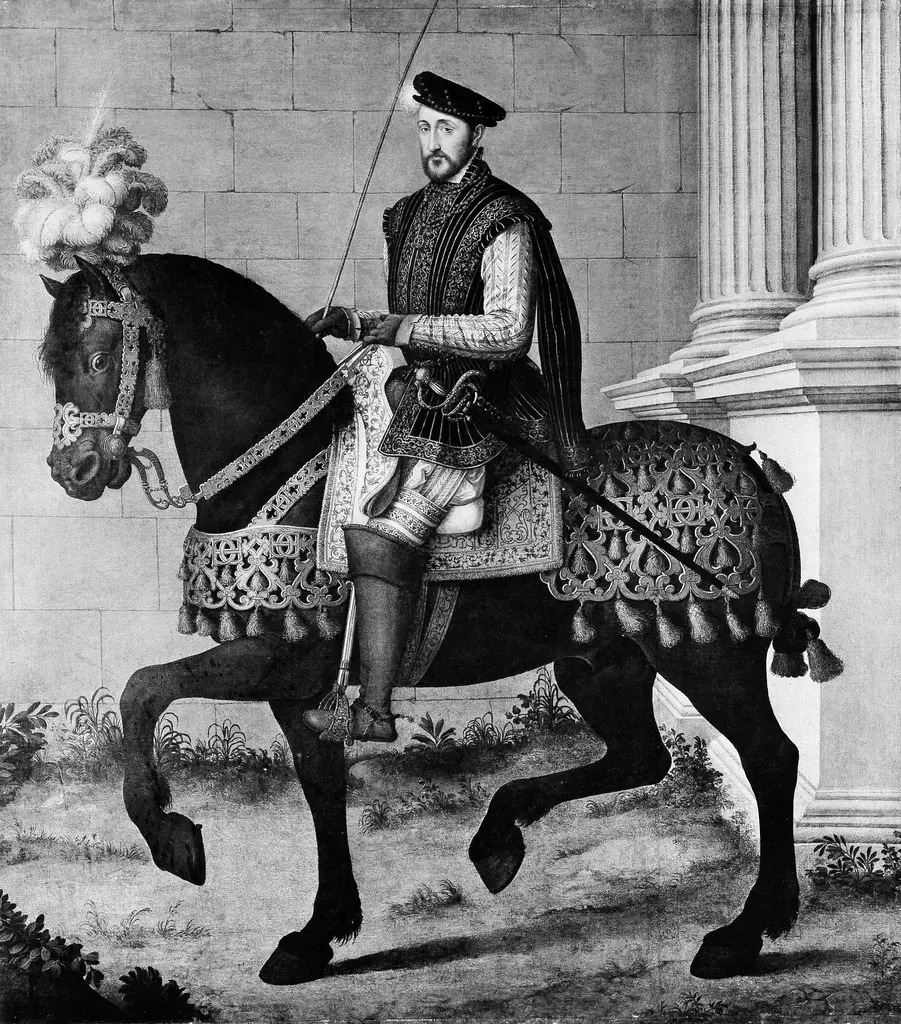 Henry II (1519–1559), King of France
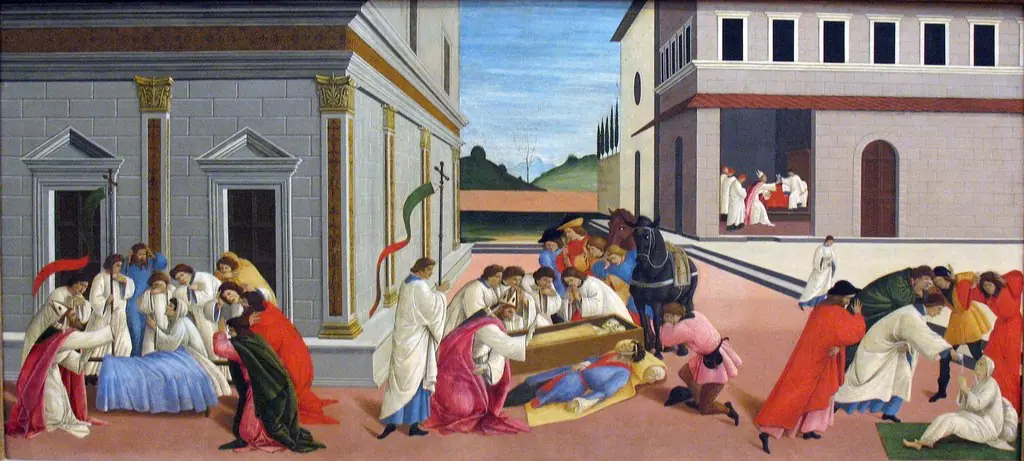 Three Miracles of Saint Zenobius
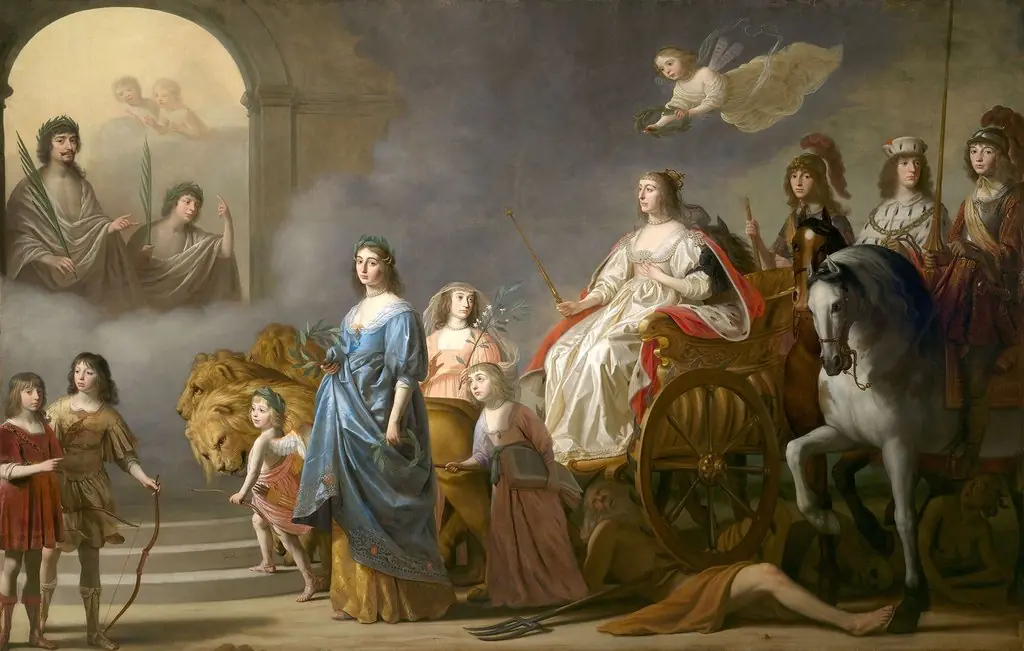 The Triumph of the Winter Queen: Allegory of the Just
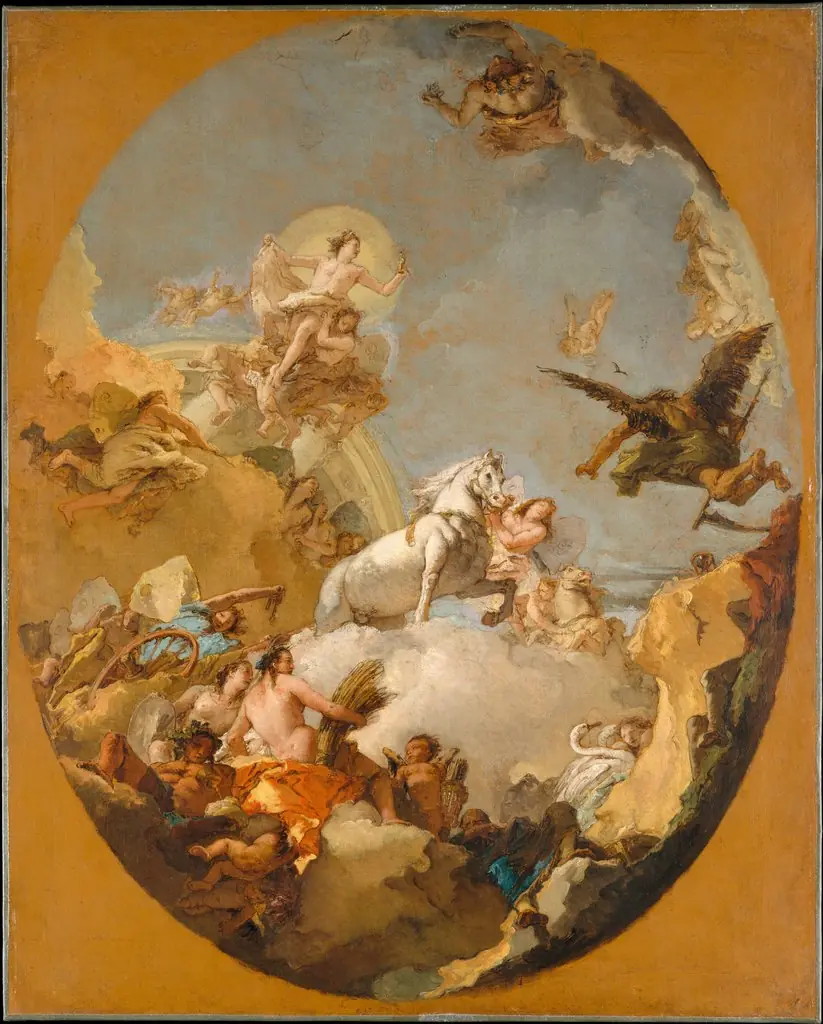 The Chariot of Aurora
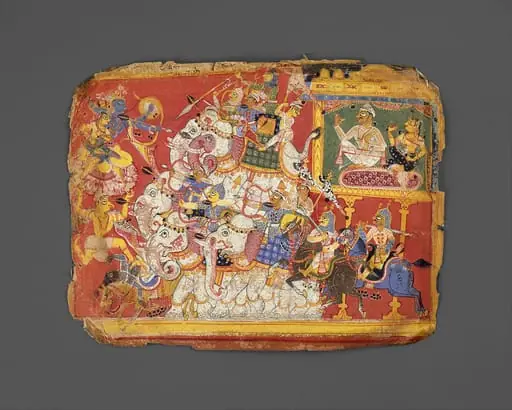 Untitled
 On the Beach at Trouville
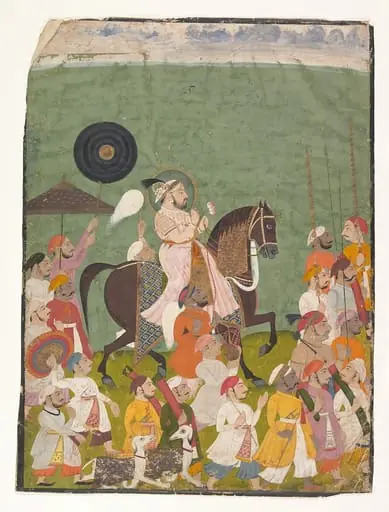 Untitled
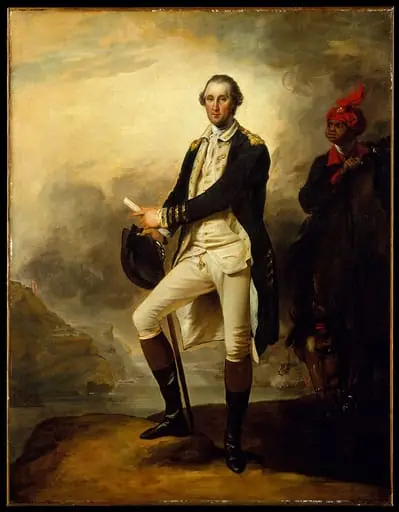 George Washington and William Lee
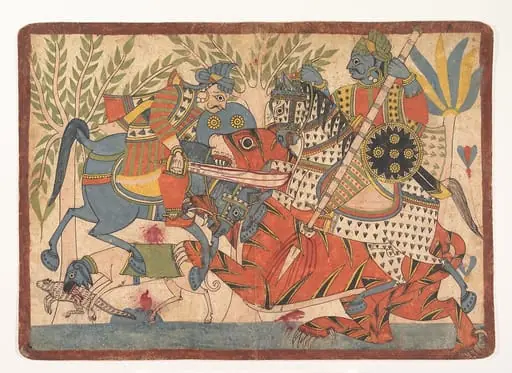 Untitled
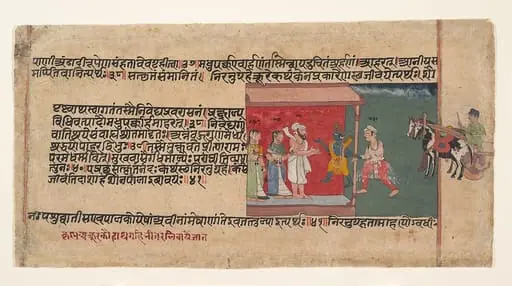 Untitled
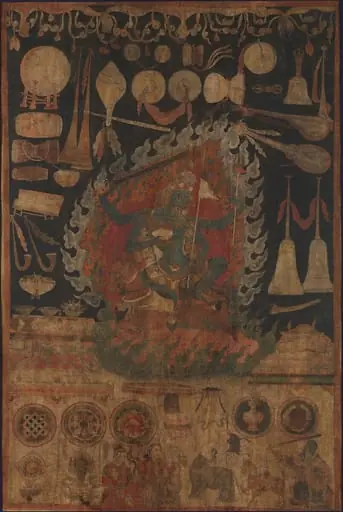 Untitled
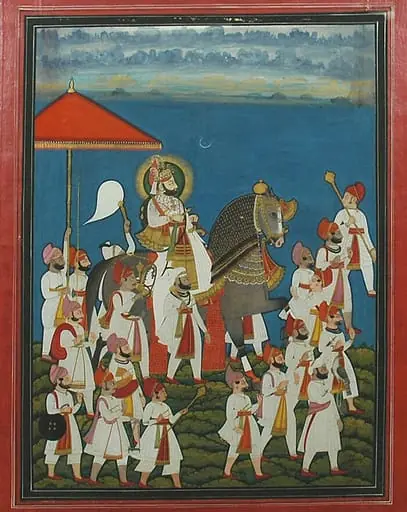 Untitled
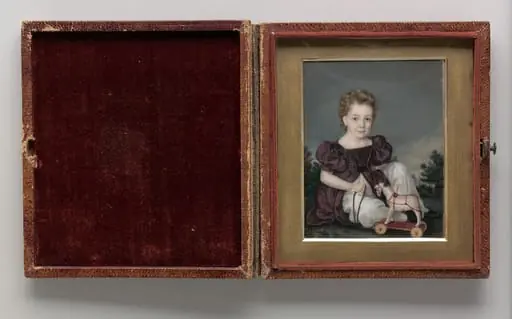 Portrait of a Boy
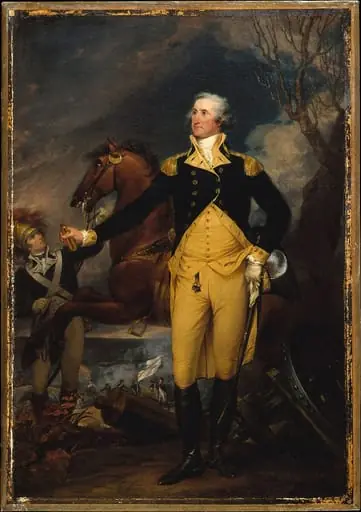 George Washington before the Battle of Trenton
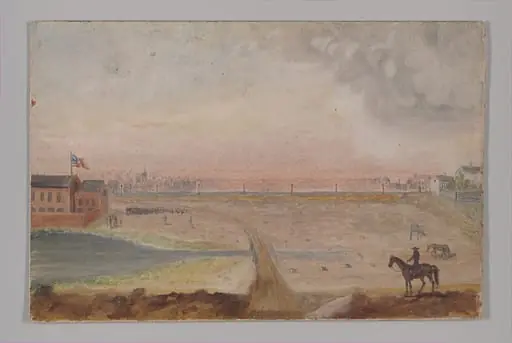 Militia Drilling
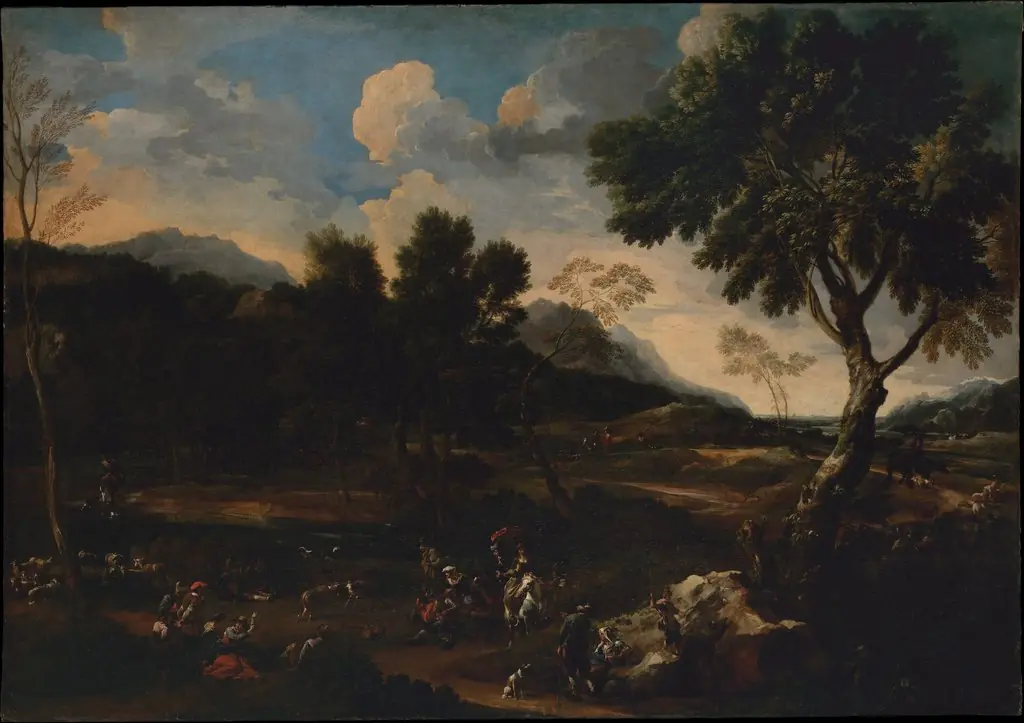 Landscape with a Battle between Two Rams
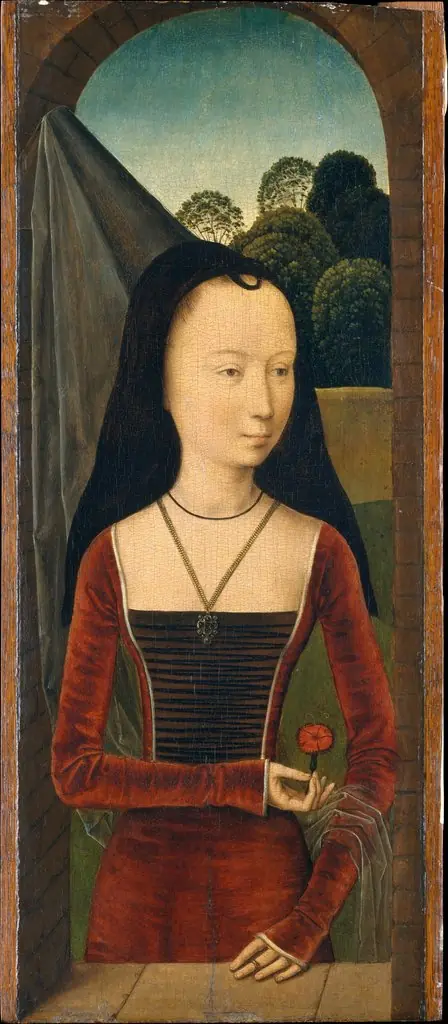 Young Woman with a Pink
 Hunting Scene
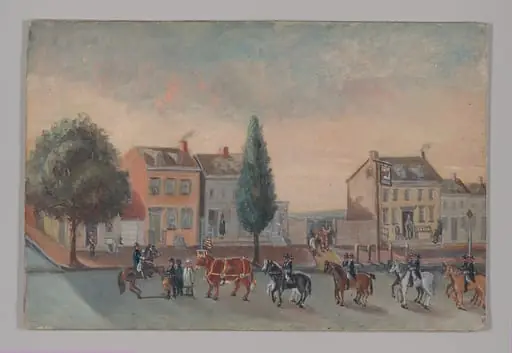 Bull's Head Tavern
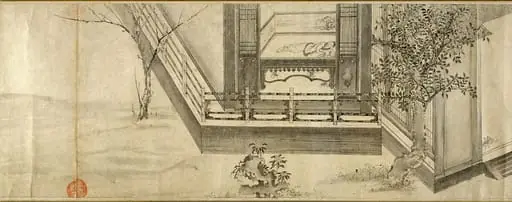 南宋 佚名 傳李公麟 豳風七月圖 卷|Odes of the State of Bin
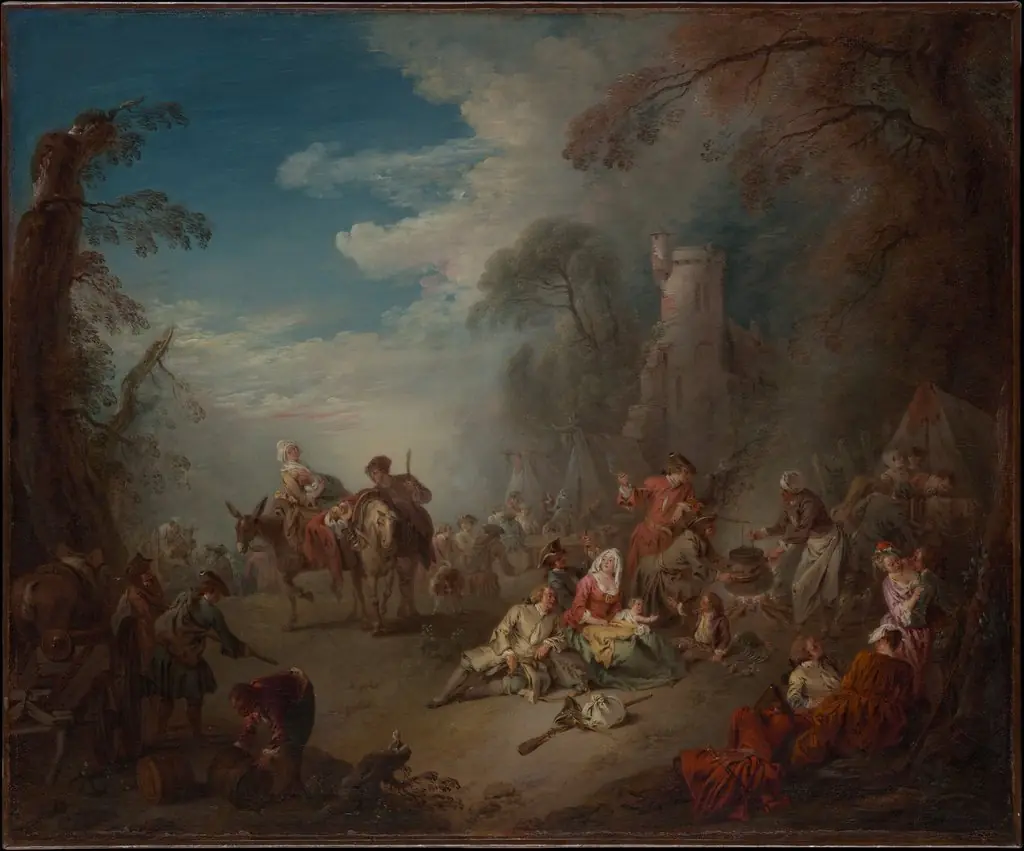 Troops at Rest
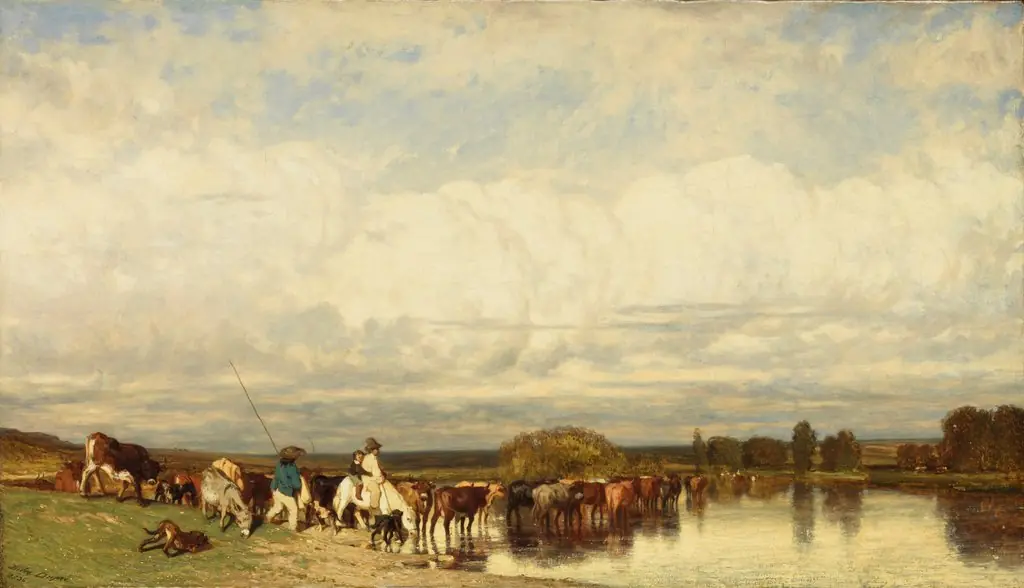 Cows Crossing a Ford
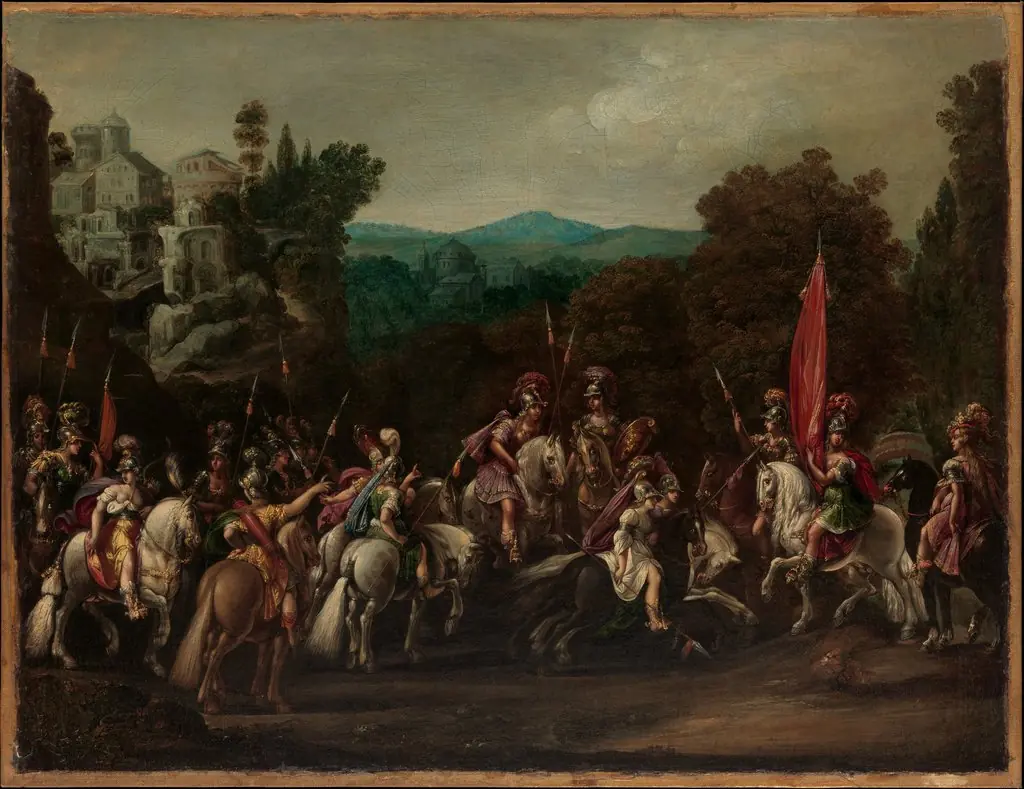 Departure of the Amazons
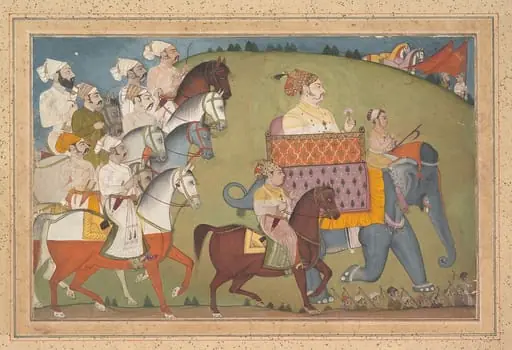 Untitled
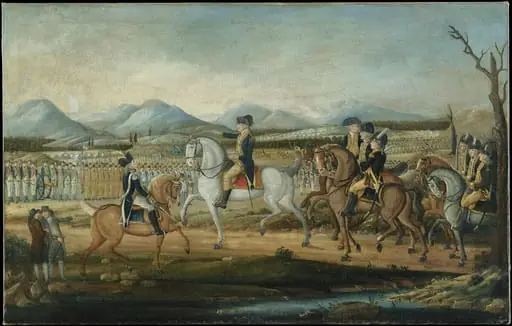 Washington Reviewing the Western Army at Fort Cumberland, Maryland
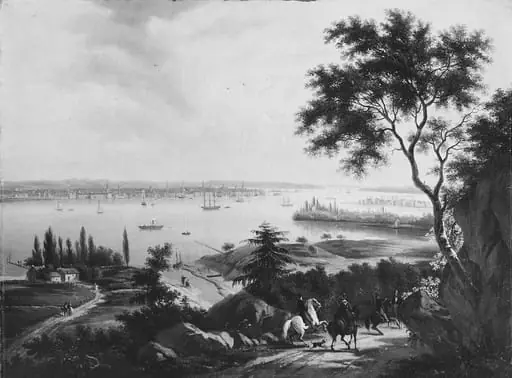 View of New York from New Jersey
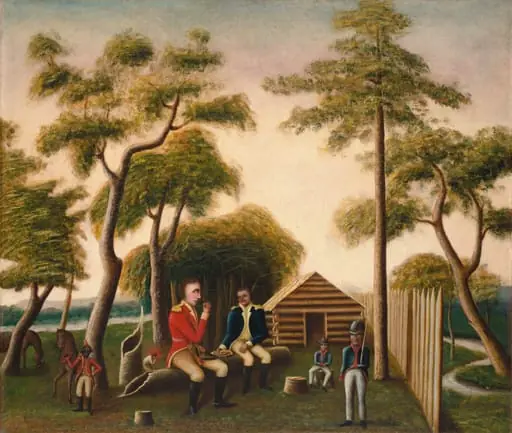 Marion Feasting the British Officer on Sweet Potatoes
 Untitled
 Washington's Triumphal Entry into New York
 The Third Duke of Dorset's Hunter with a Groom and a Dog
 Untitled
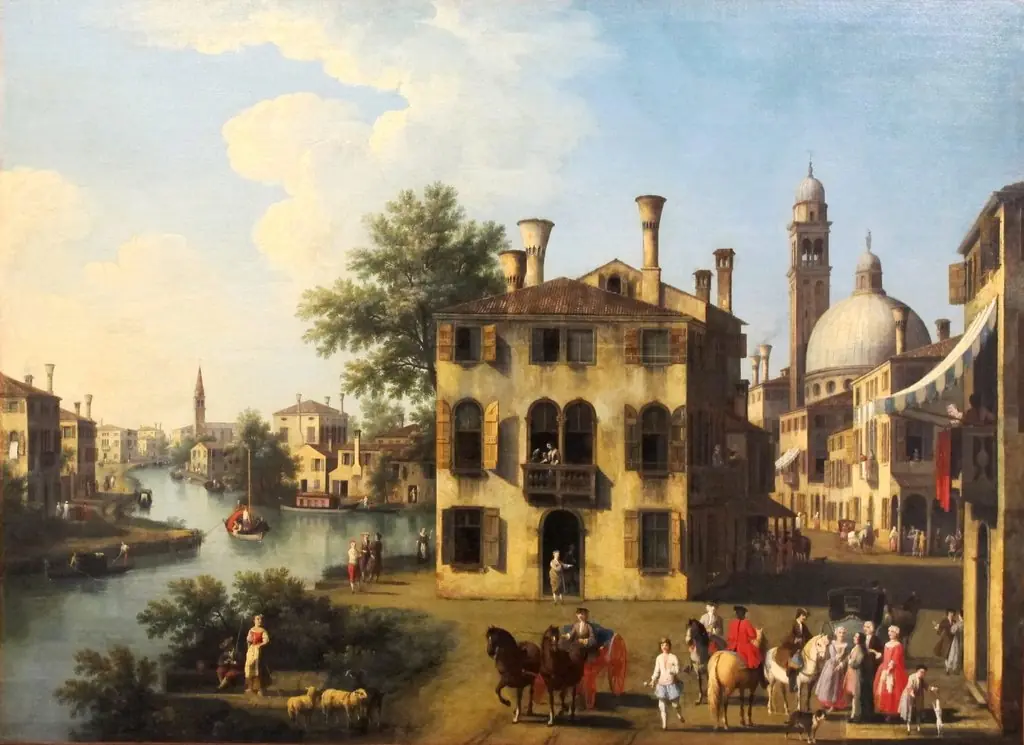 View of the Brenta, near Dolo
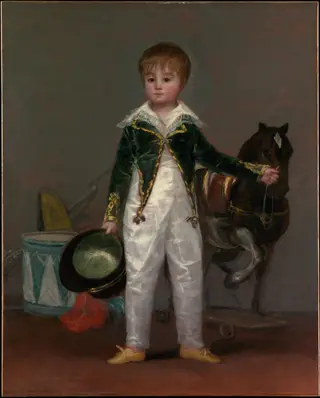 José Costa y Bonells, Called Pepito
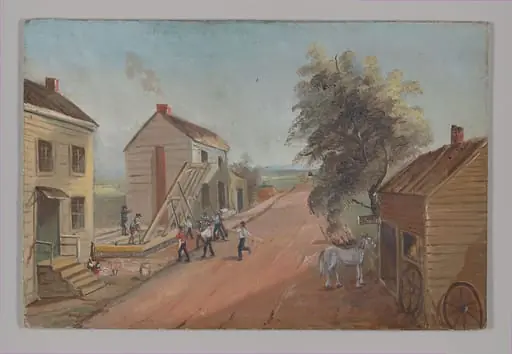 House Raising
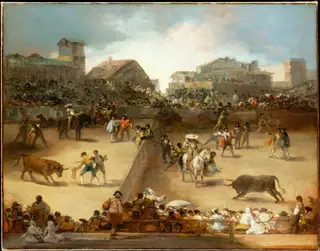 Bullfight in a Divided Ring
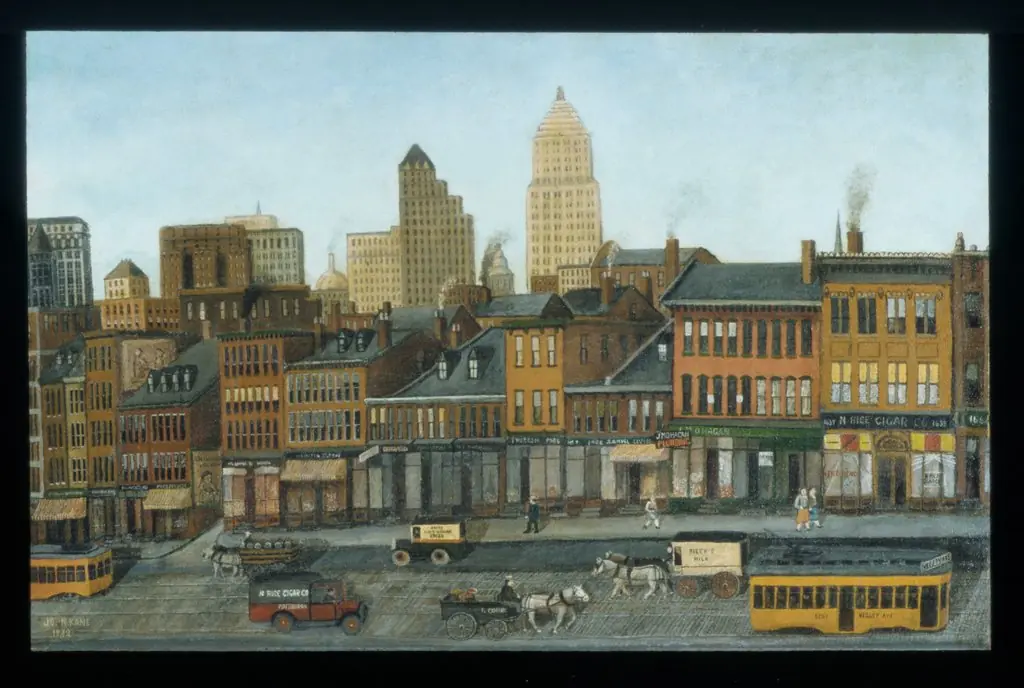 From My Studio Window
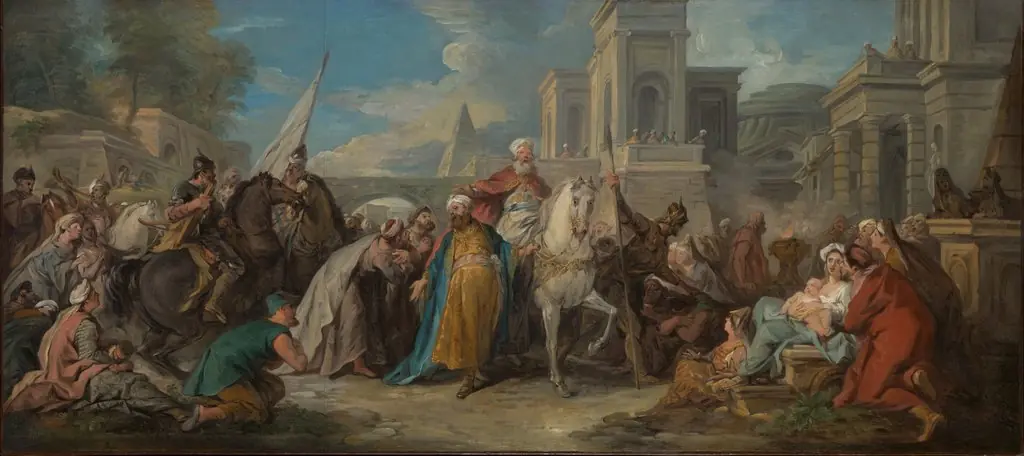 The Triumph of Mordecai
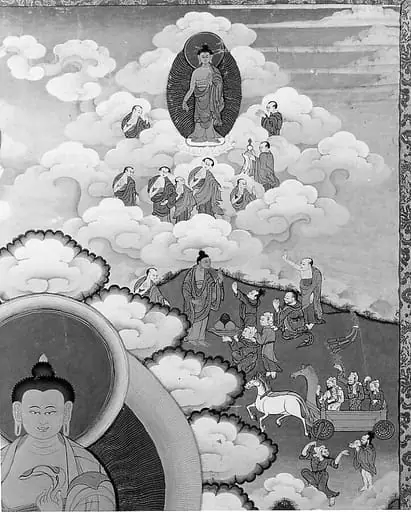 Untitled
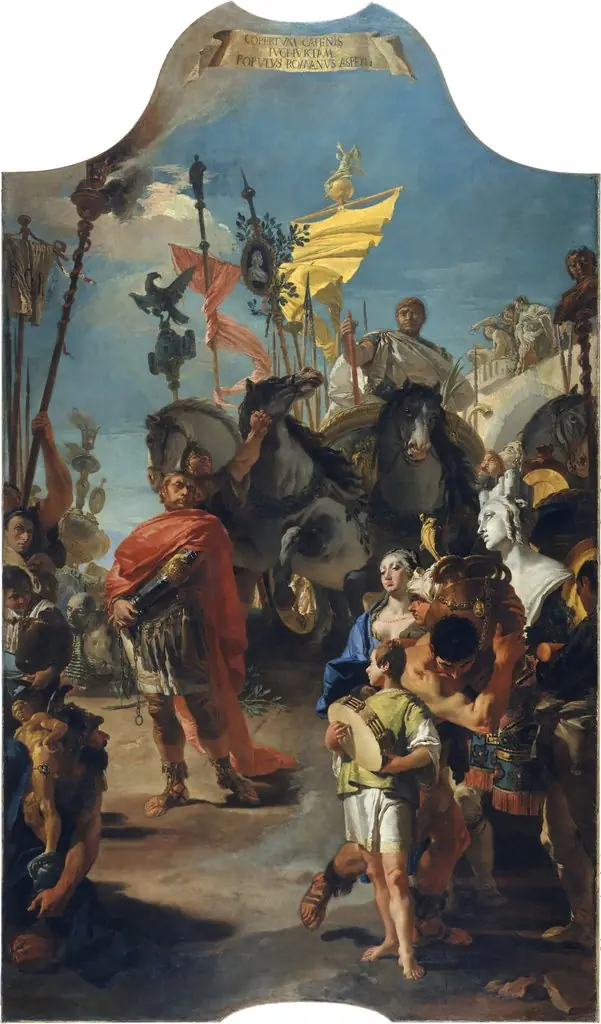 The Triumph of Marius
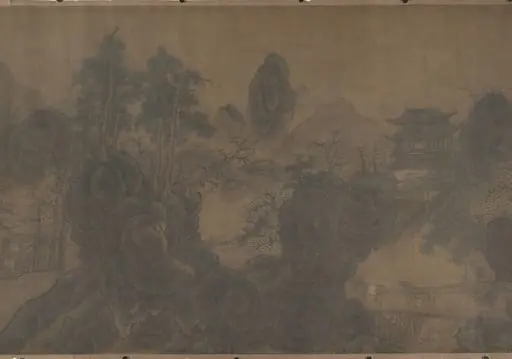 明/清 佚名 舊傳郭煕 關山行旅圖 卷|Traveling amid Mountains
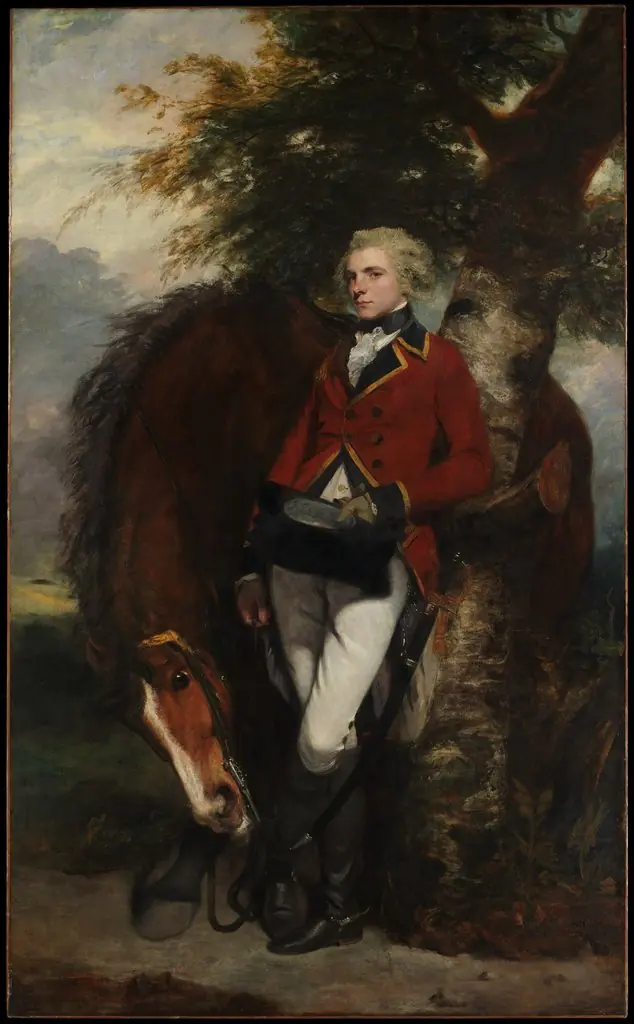 Captain George K. H. Coussmaker
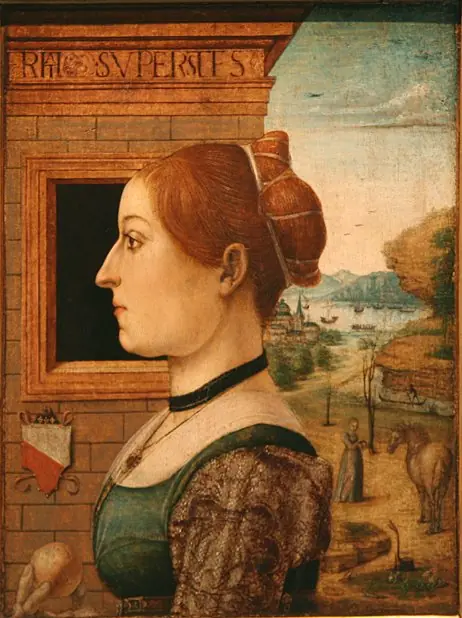 Portrait of a Woman, possibly Ginevra d'Antonio Lupari Gozzadini
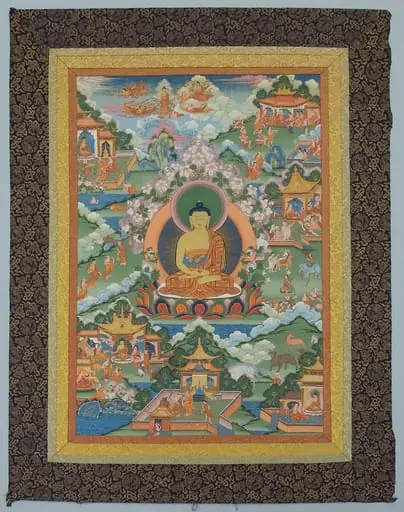 Untitled
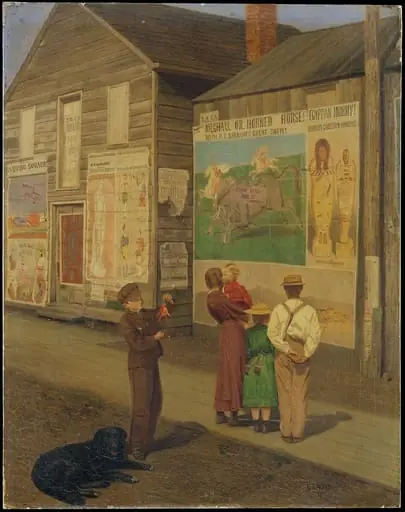 Coming Events Cast Their Shadows Before
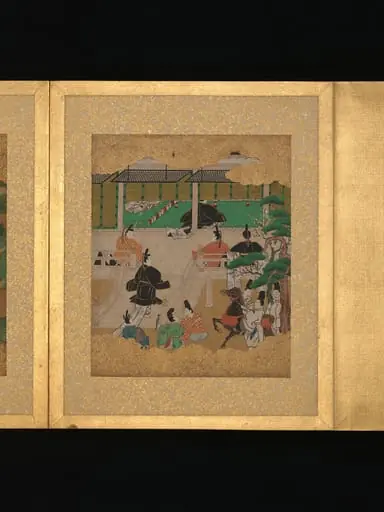 Untitled
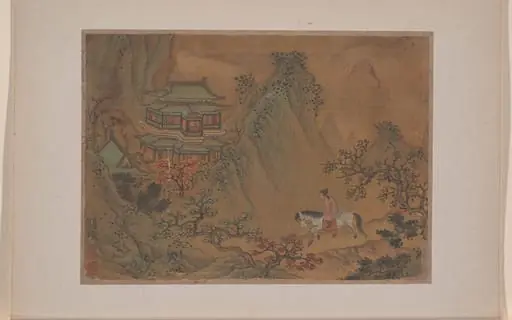 Untitled
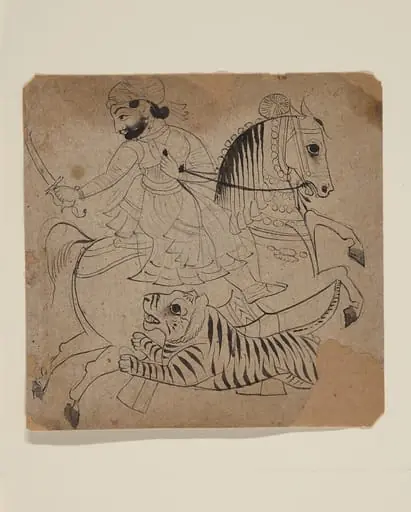 Untitled
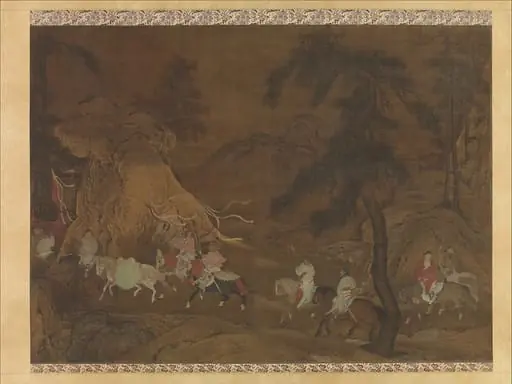 南宋 佚名 明皇幸蜀圖 軸|Emperor Xuanzong's Flight to Shu
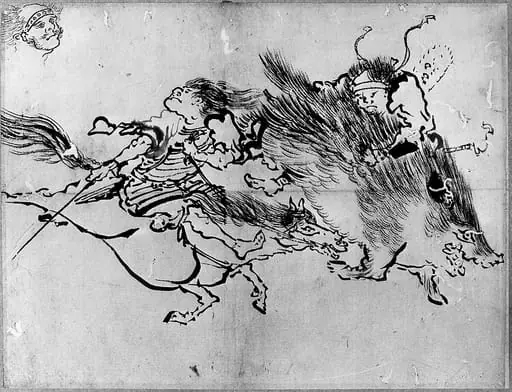 Untitled
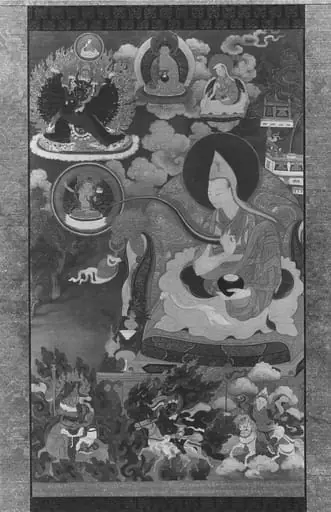 Untitled
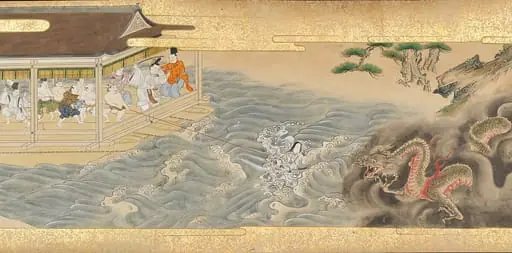 『大織冠』|The Great Woven Cap (Taishokkan)
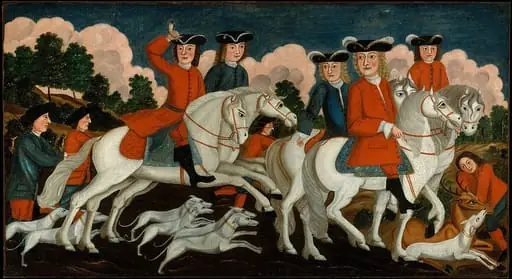 The Hunting Party—New Jersey
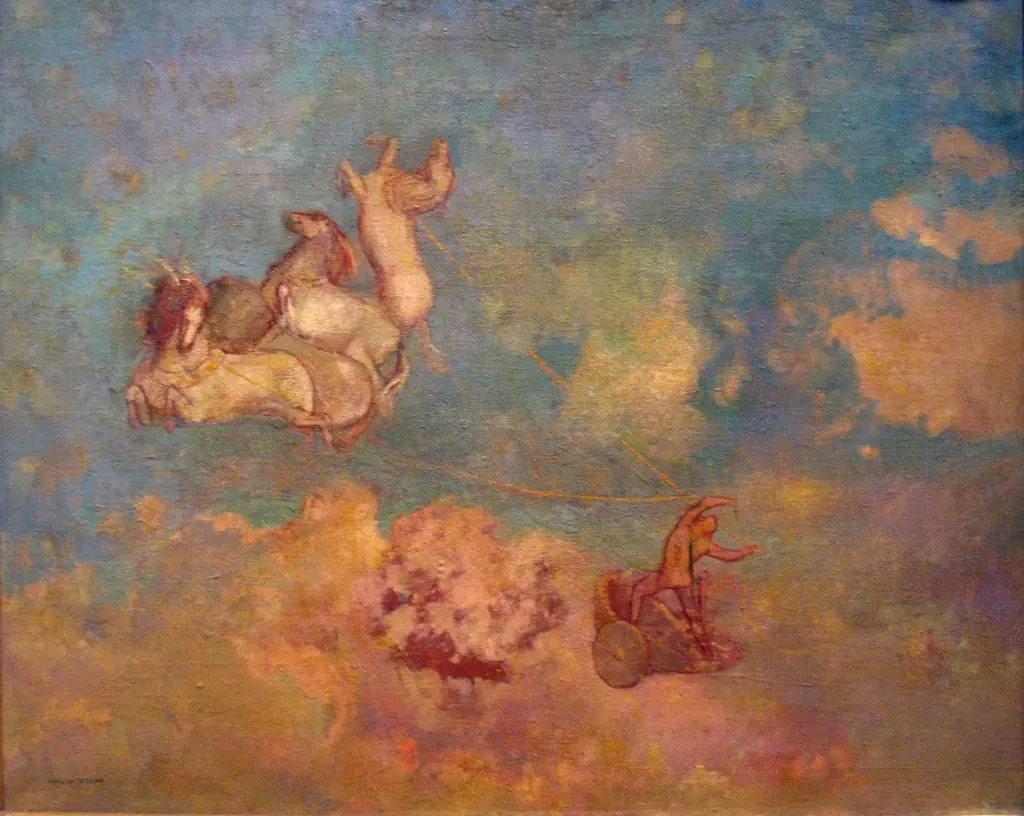 The Chariot of Apollo
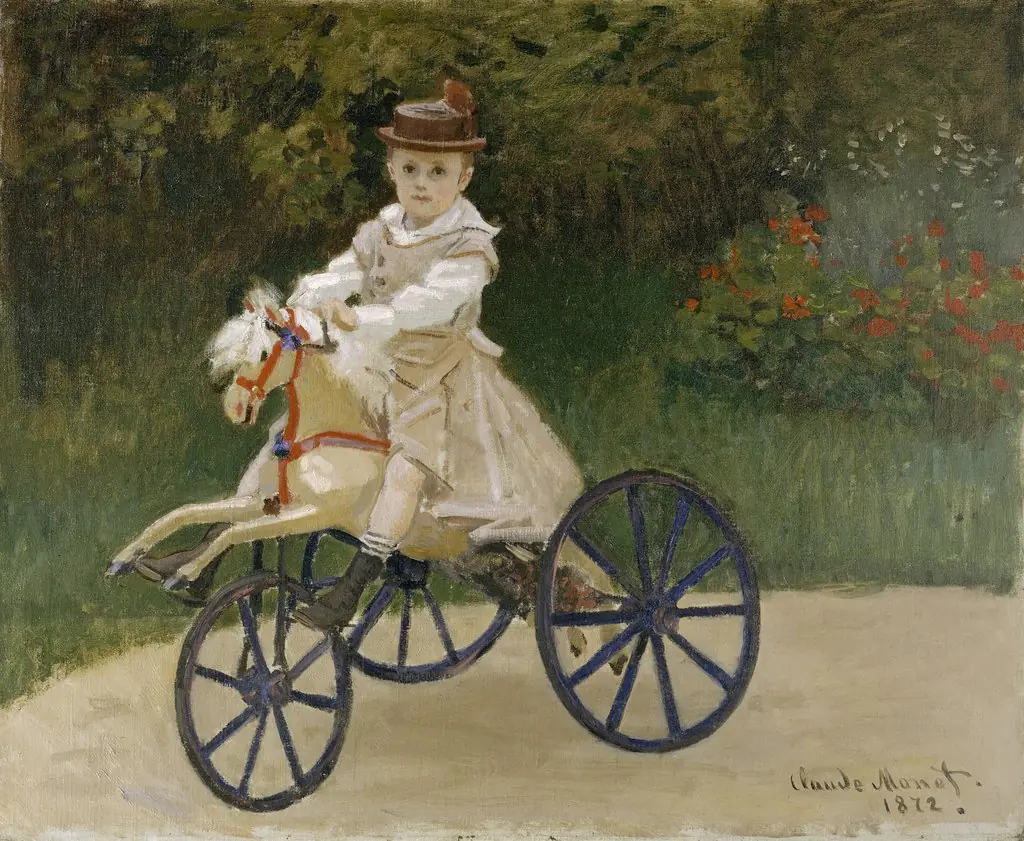 Jean Monet (1867–1913) on His Hobby Horse
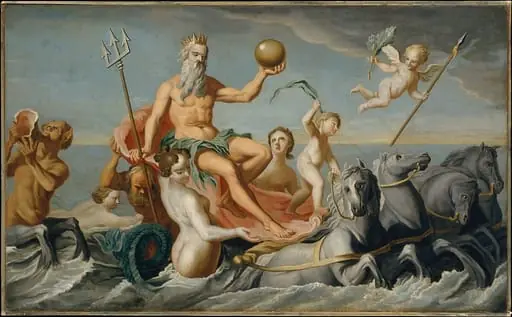 The Return of Neptune
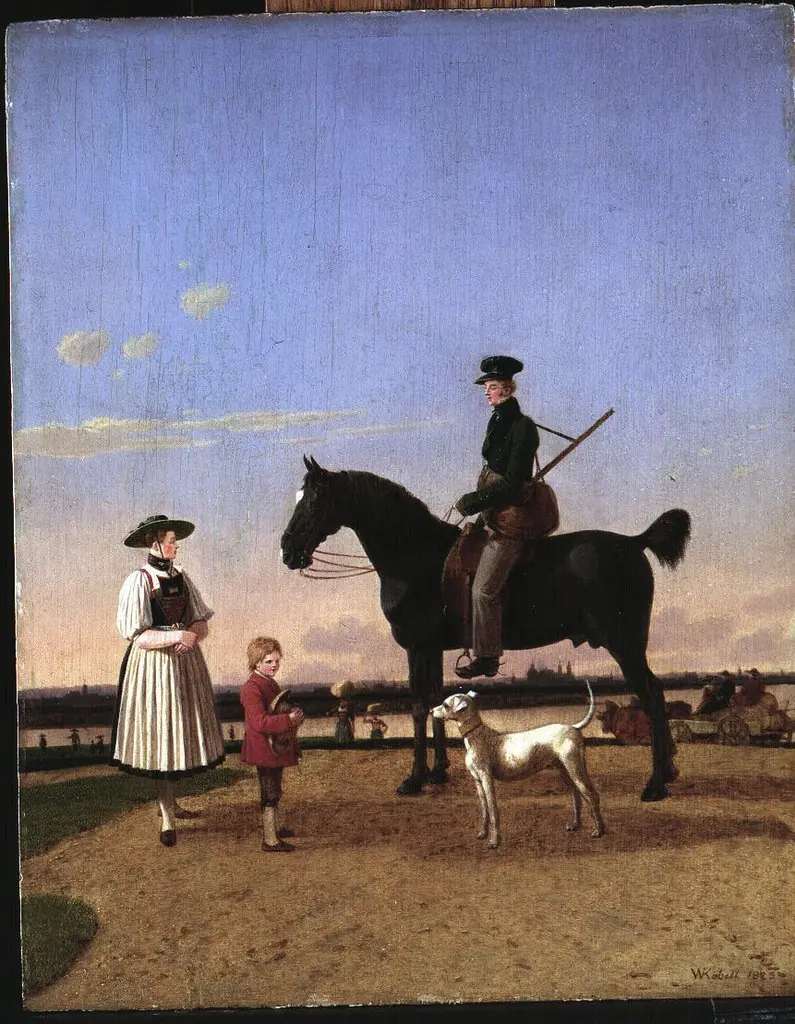 A Huntsman and a Peasant Woman by the Isar River with a View of Munich
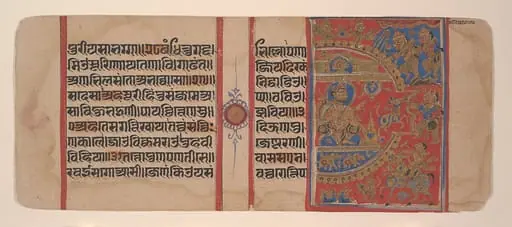 Untitled
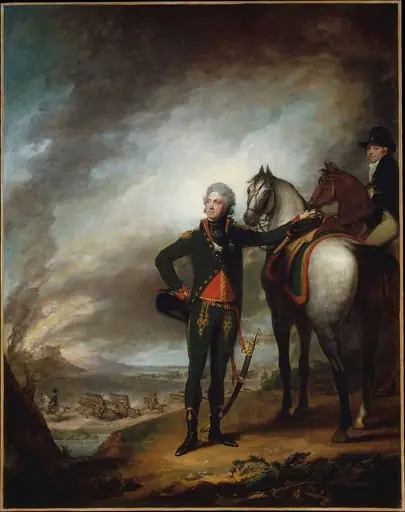 Louis-Marie, Vicomte de Noailles
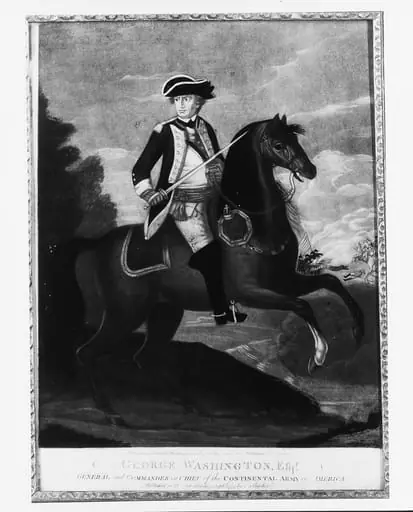 George Washington
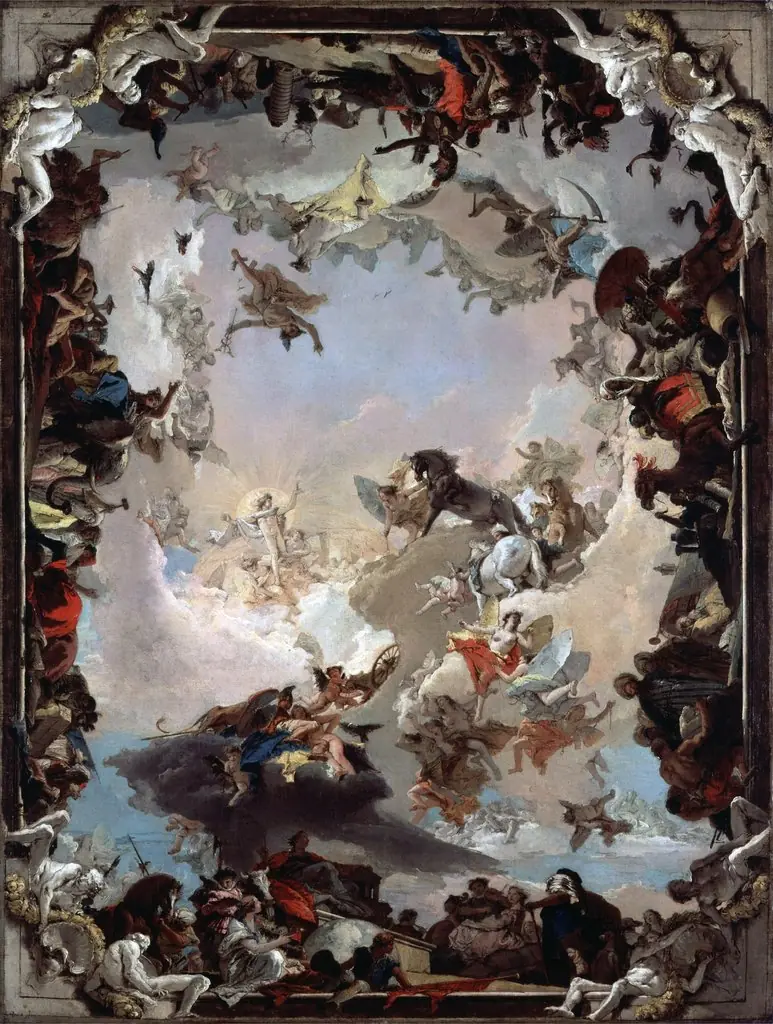 Allegory of the Planets and Continents
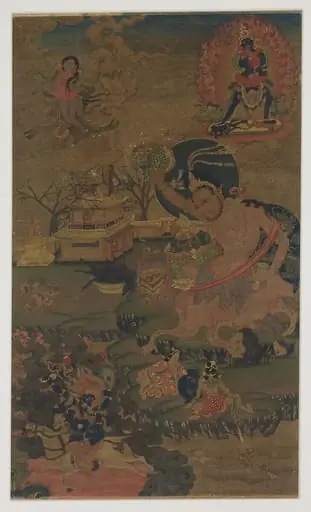 Untitled
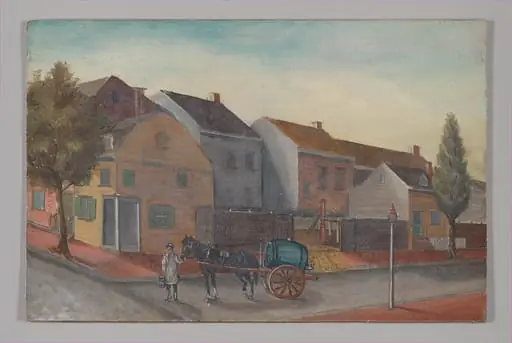 Tea water pump
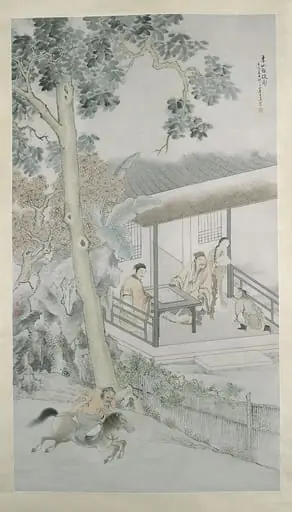 清 王素 東山報捷圖 軸|Bringing the Message of Victory to Dongshan
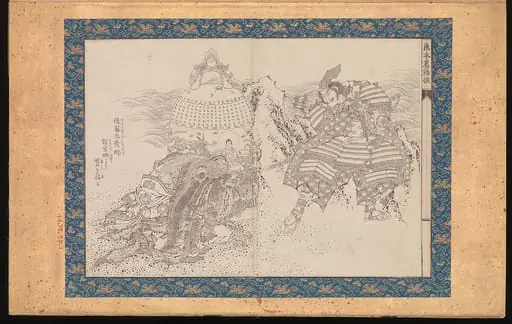 『画本葛飾振』|Picture Book in the Katsushika Style (Ehon Katsushika-buri)
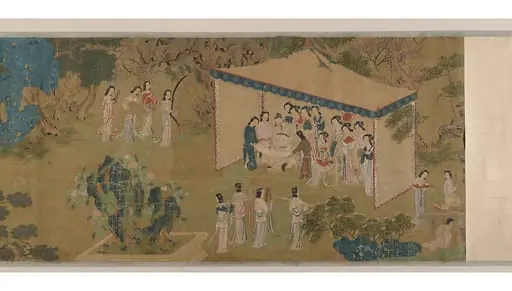 清 佚名 蘇蕙璇璣圖 卷|Lady Su Hui and Her Verse Puzzle
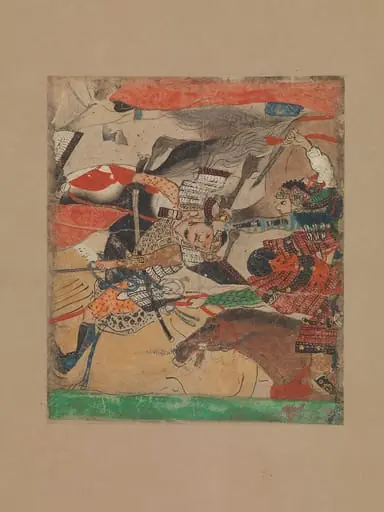 六波羅合戦 平治物語絵巻 断簡|Battle at Rokuhara, from The Tale of the Heiji Rebellion
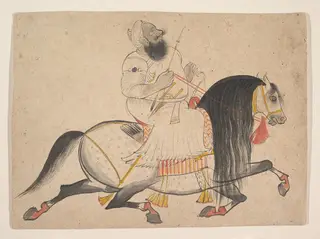 Untitled
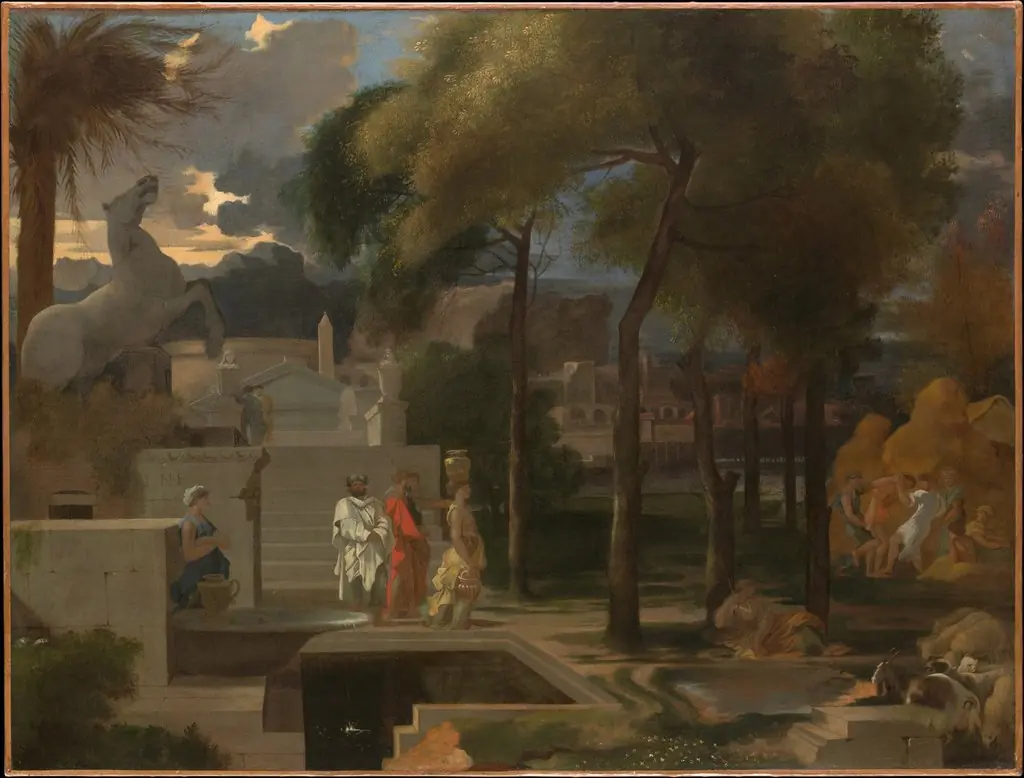 A Classical Landscape
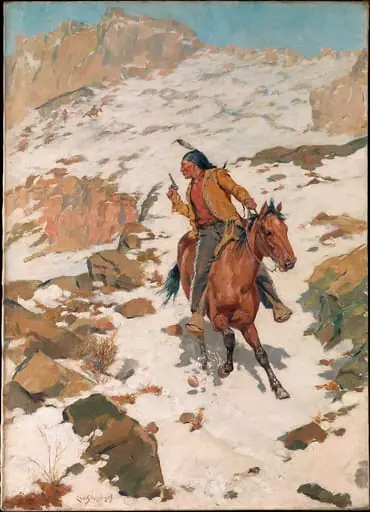 In Hot Pursuit
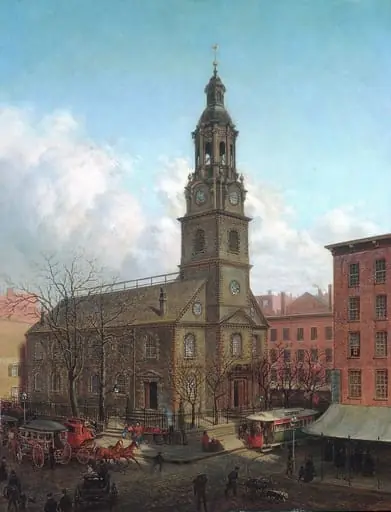 The North Dutch Church, Fulton and William Streets, New York
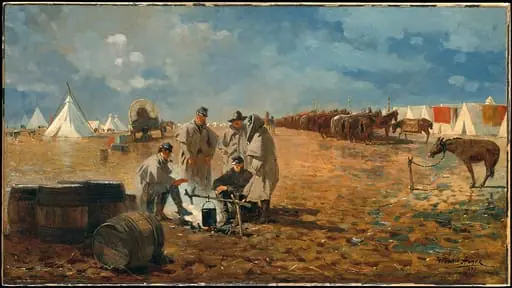 Rainy Day in Camp
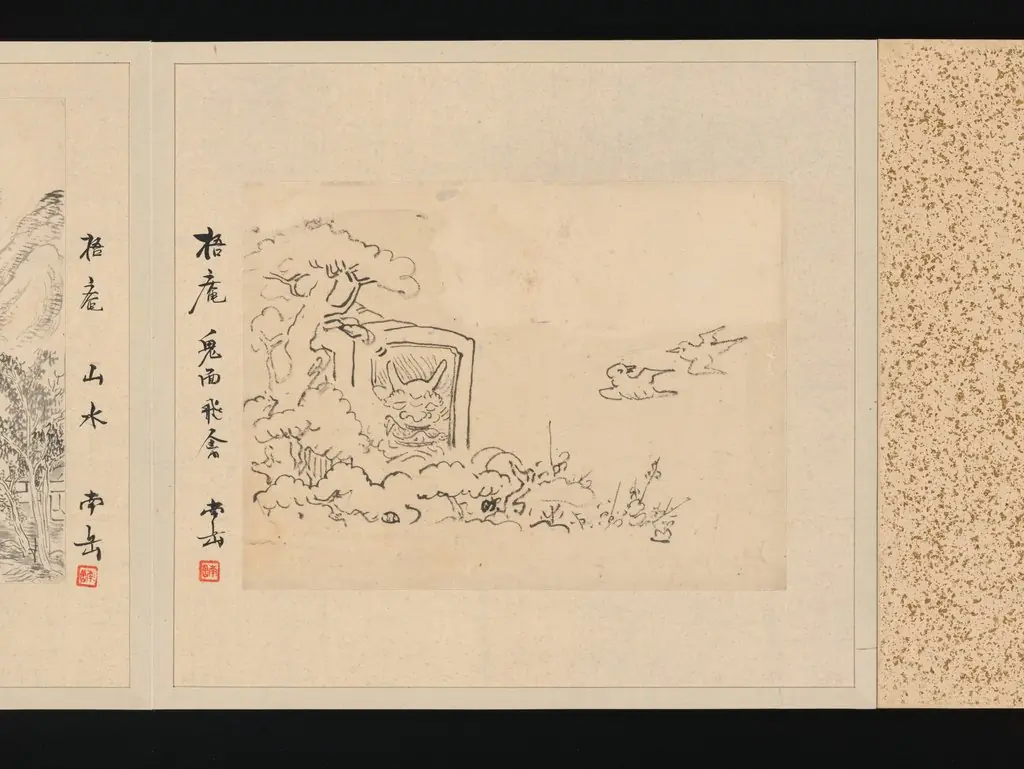 Album of Fifty-four Sketches
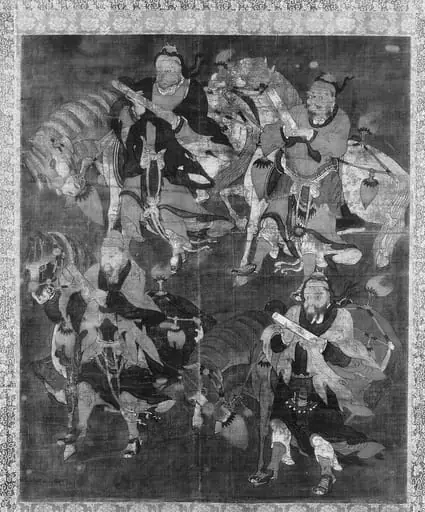 Untitled
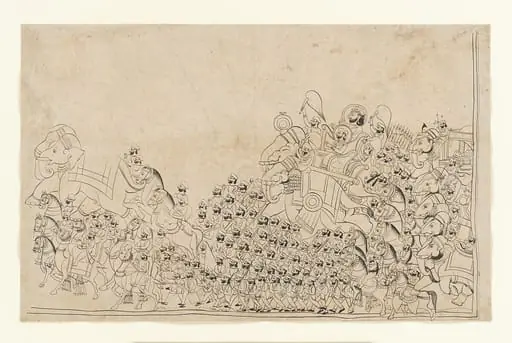 Untitled
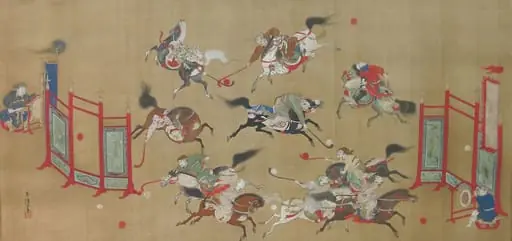 Untitled
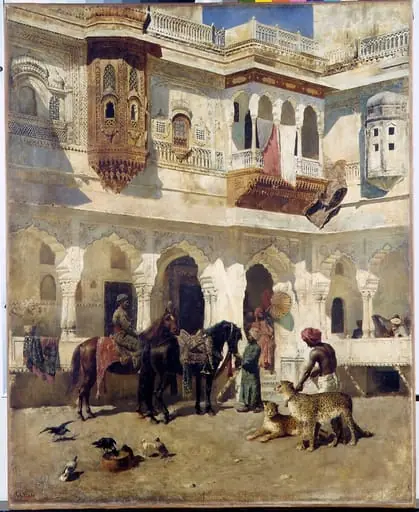 The Rajah Starting on a Hunt
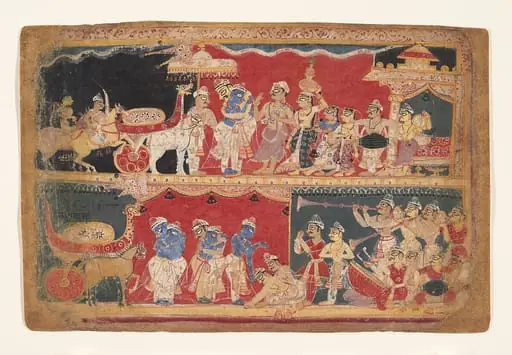 Untitled
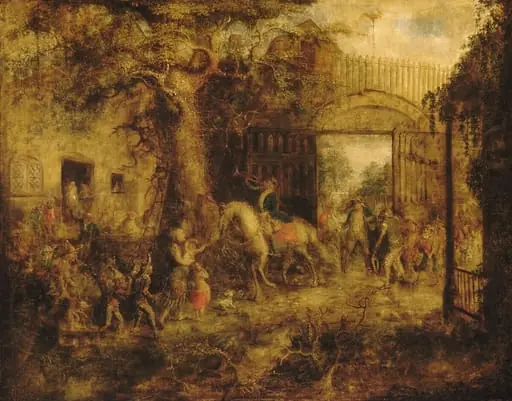 The Vigilant Stuyvesant's Wall Street Gate
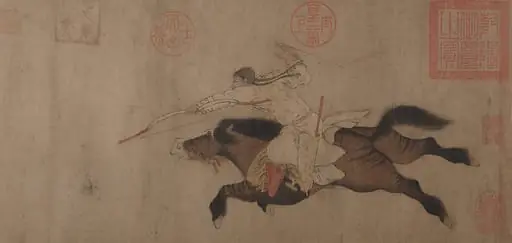 北宋/金 傳黃宗道 舊傳李贊華 獵鹿圖 卷|Stag Hunt
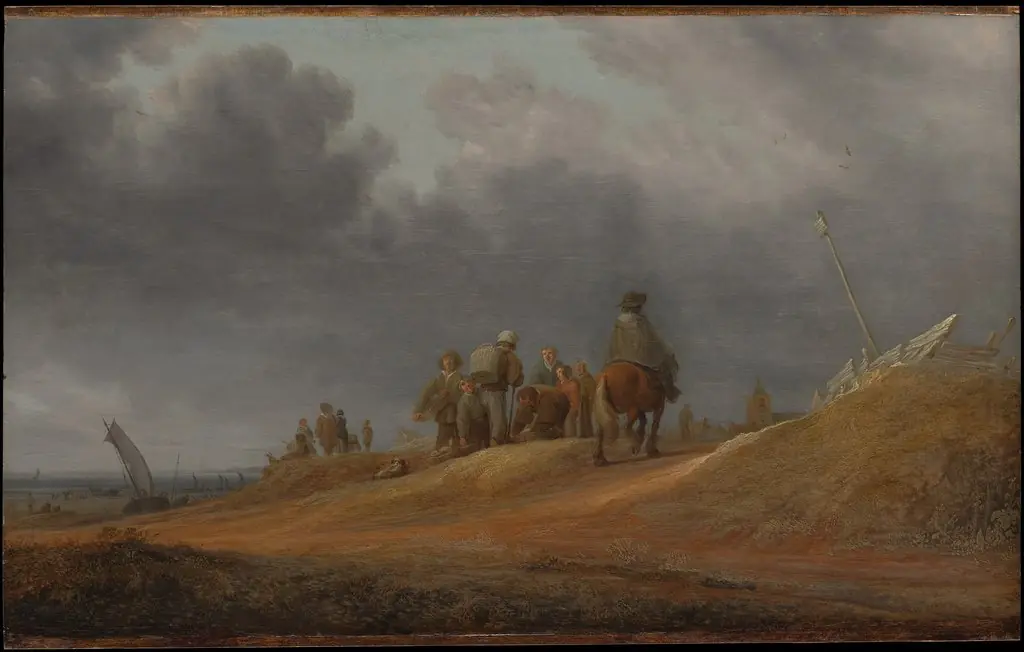 Market by the Seashore
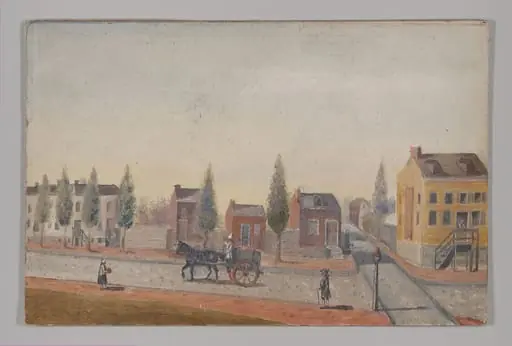 The Garbage Cart
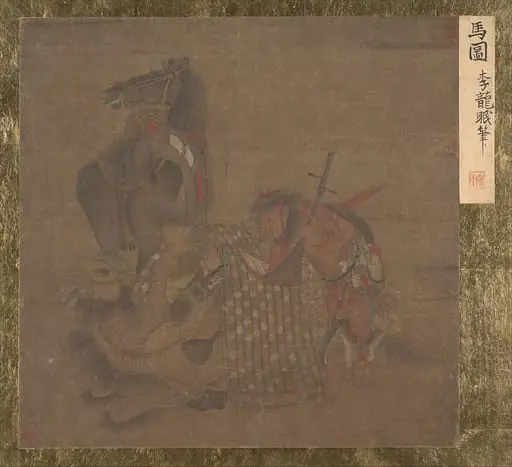 元? 佚名 仿李公麟 人馬駱駝圖 冊頁|Mongol with Horse and Camel
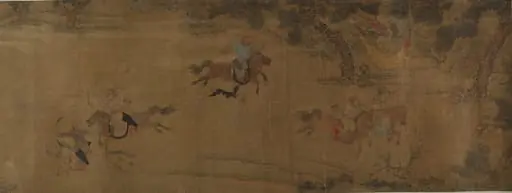 Untitled
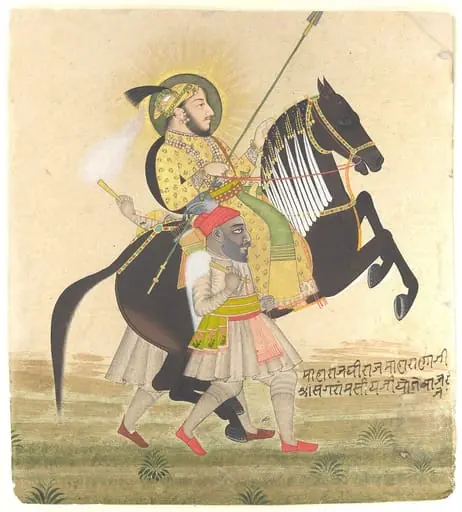 Untitled
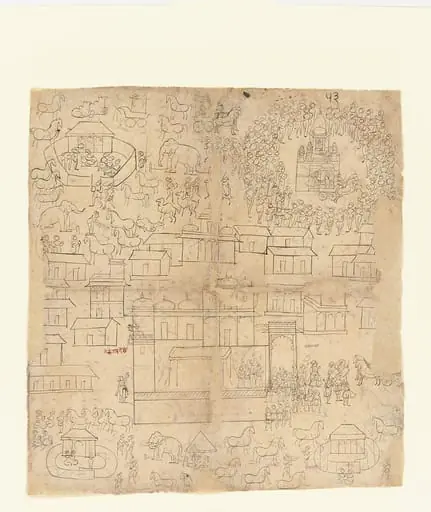 Untitled
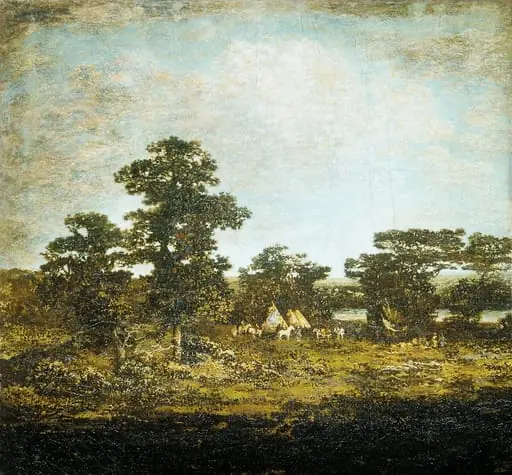 An Indian Encampment
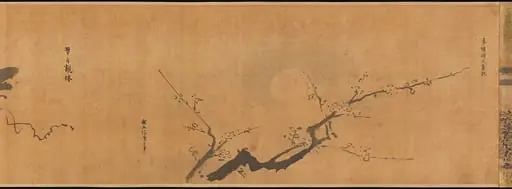 狩野探幽筆 『画苑』|Famous Themes for Painting Study Known as “The Garden of Painting” (Gaen)
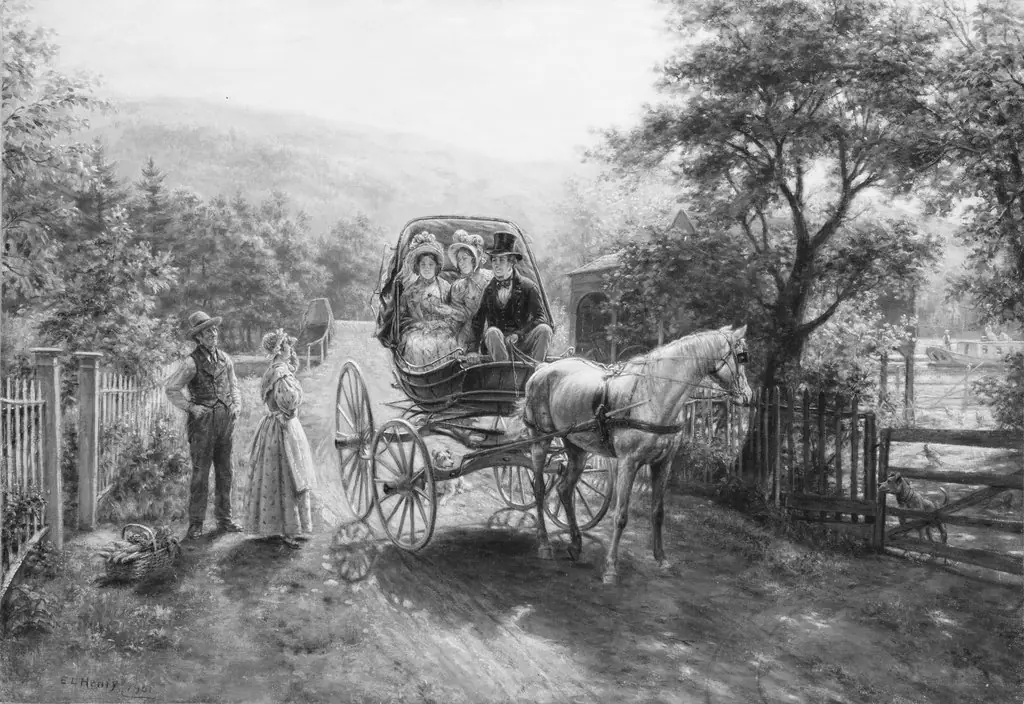 A Carriage Ride
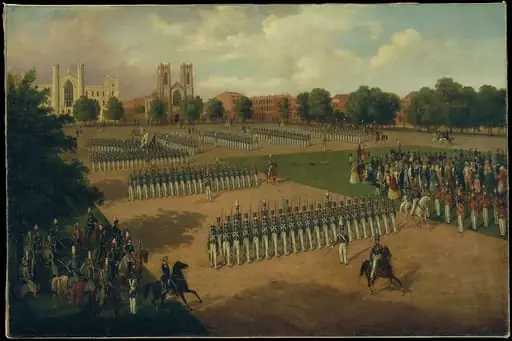 Seventh Regiment on Review, Washington Square, New York
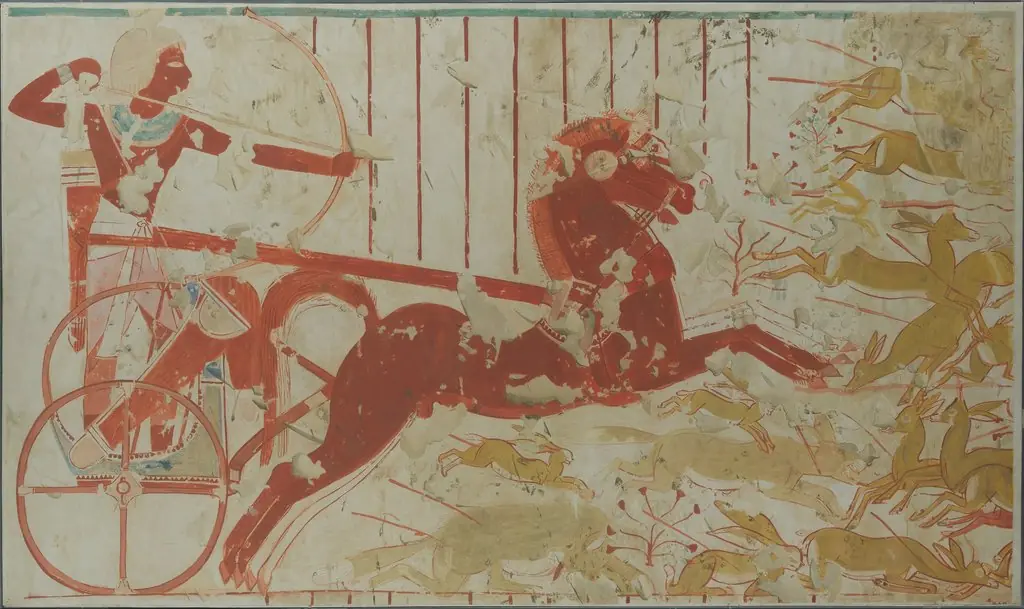 Hunting from a Chariot, Tomb of Userhat
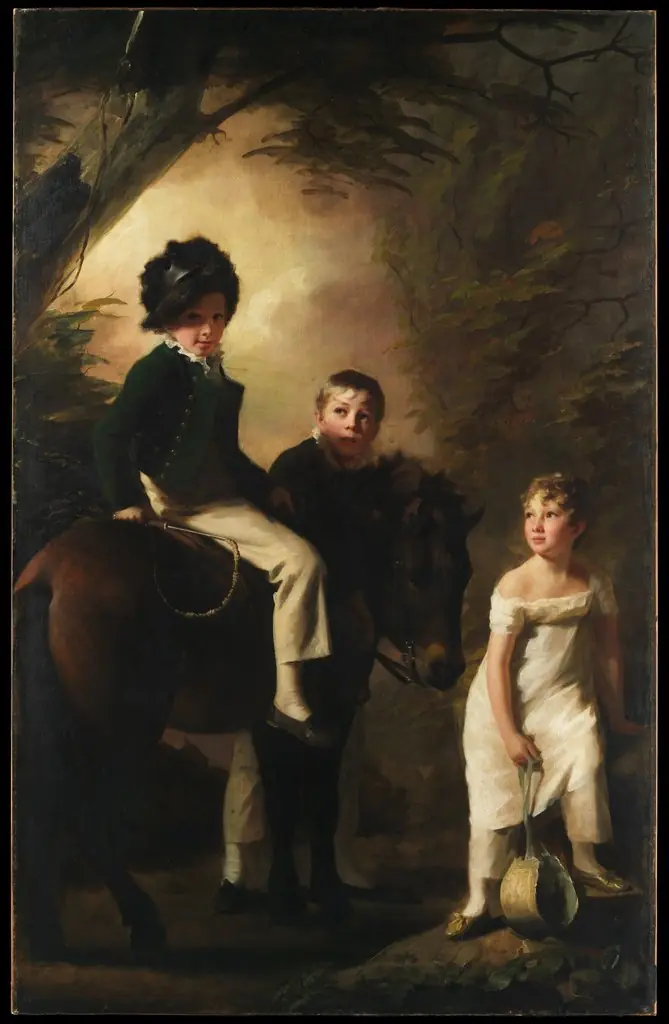 The Drummond Children
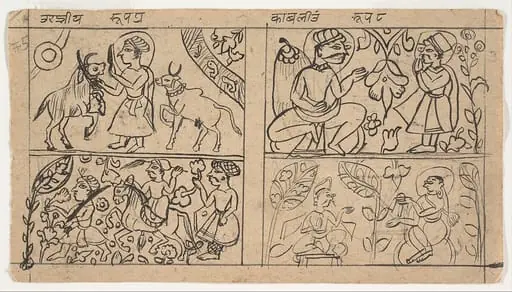 Untitled
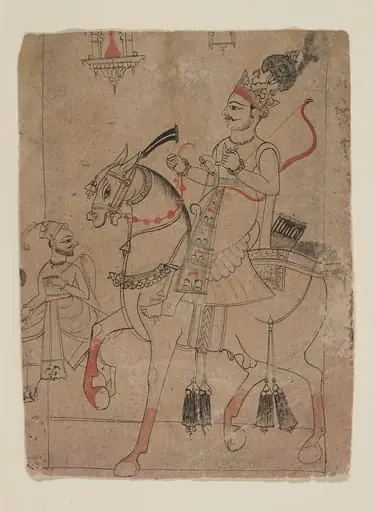 Untitled
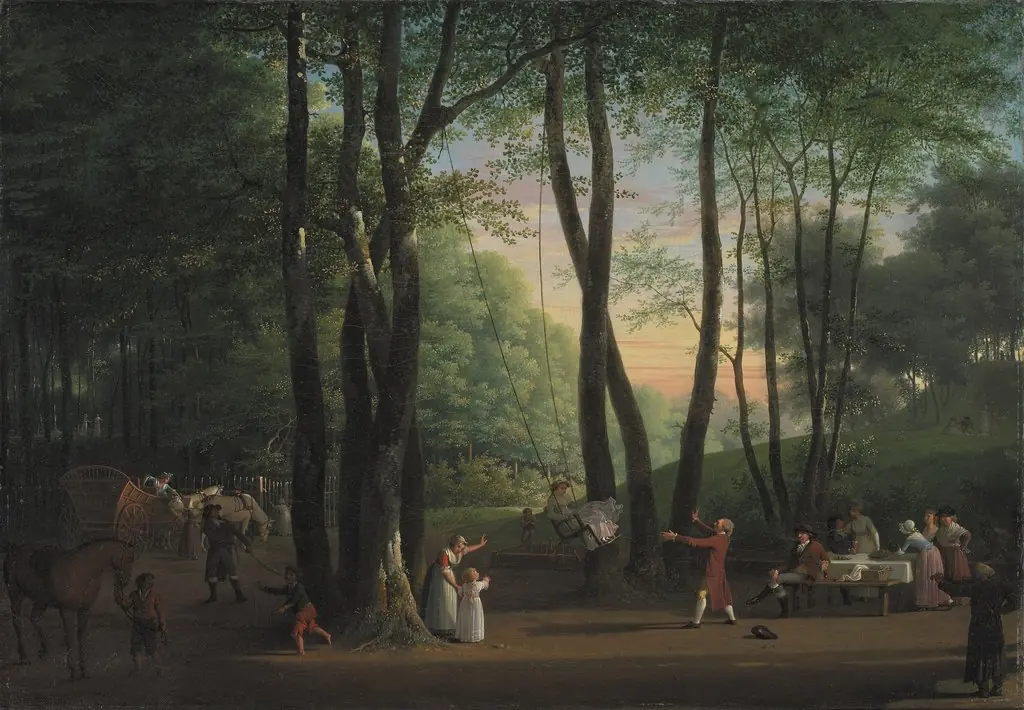 The Dancing Glade at Sorgenfri
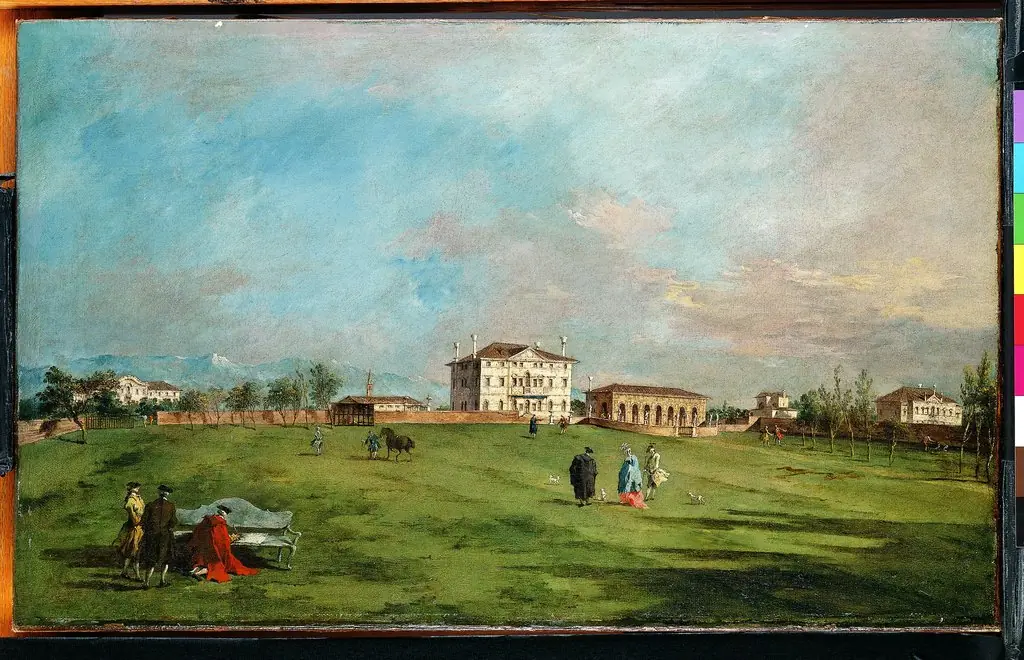 The Villa Loredan, Paese
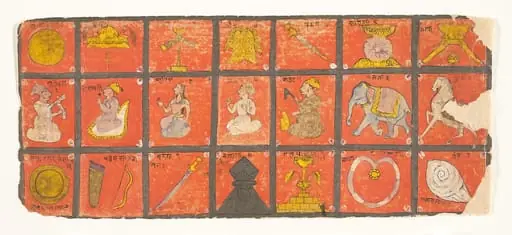 Untitled
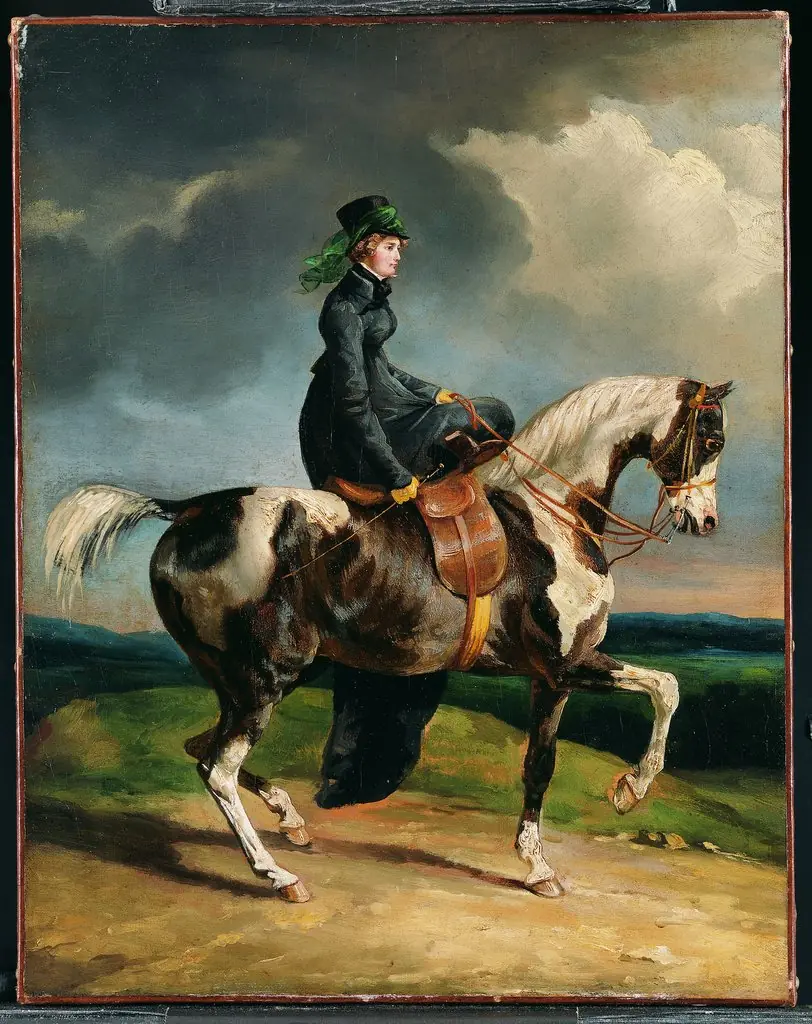 Horsewoman
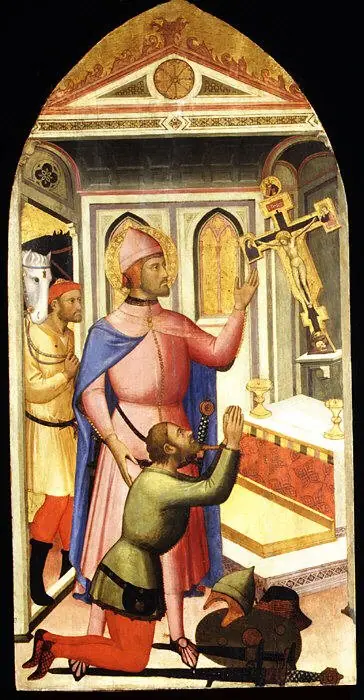 An Episode from the Life of Saint Giovanni Gualberto
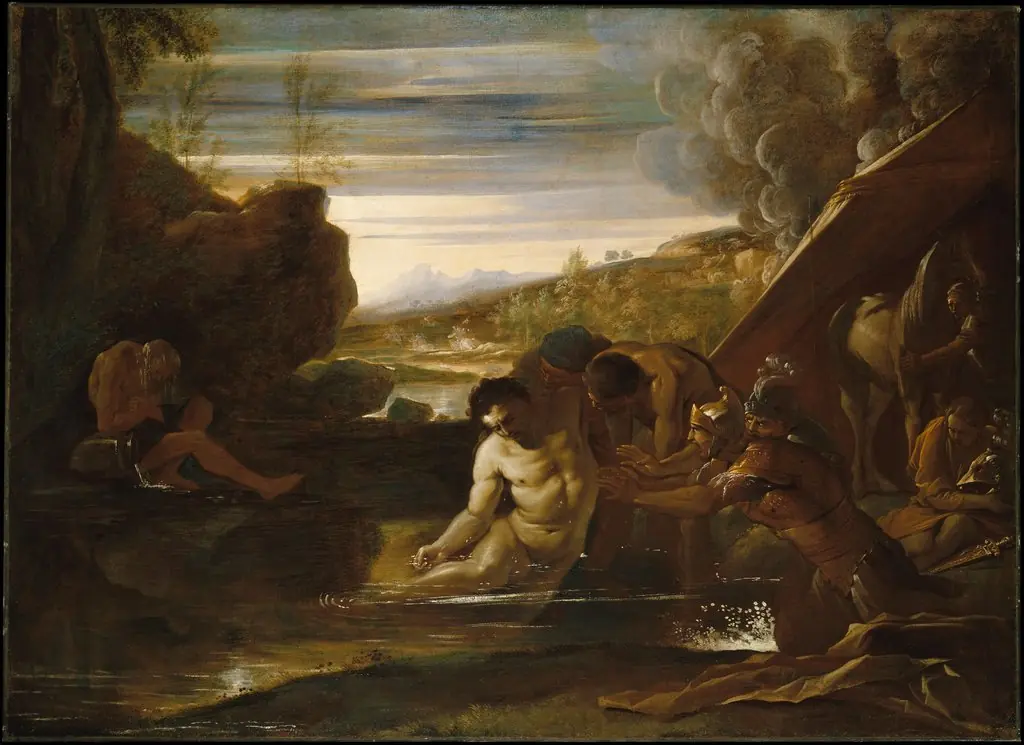 Alexander the Great Rescued from the River Cydnus
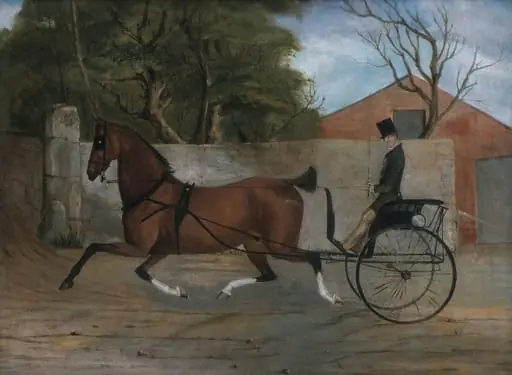 Portrait of a Gentleman in a Carriage
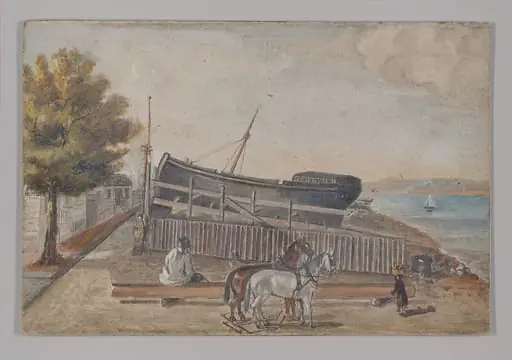 Berg's Ship Yard
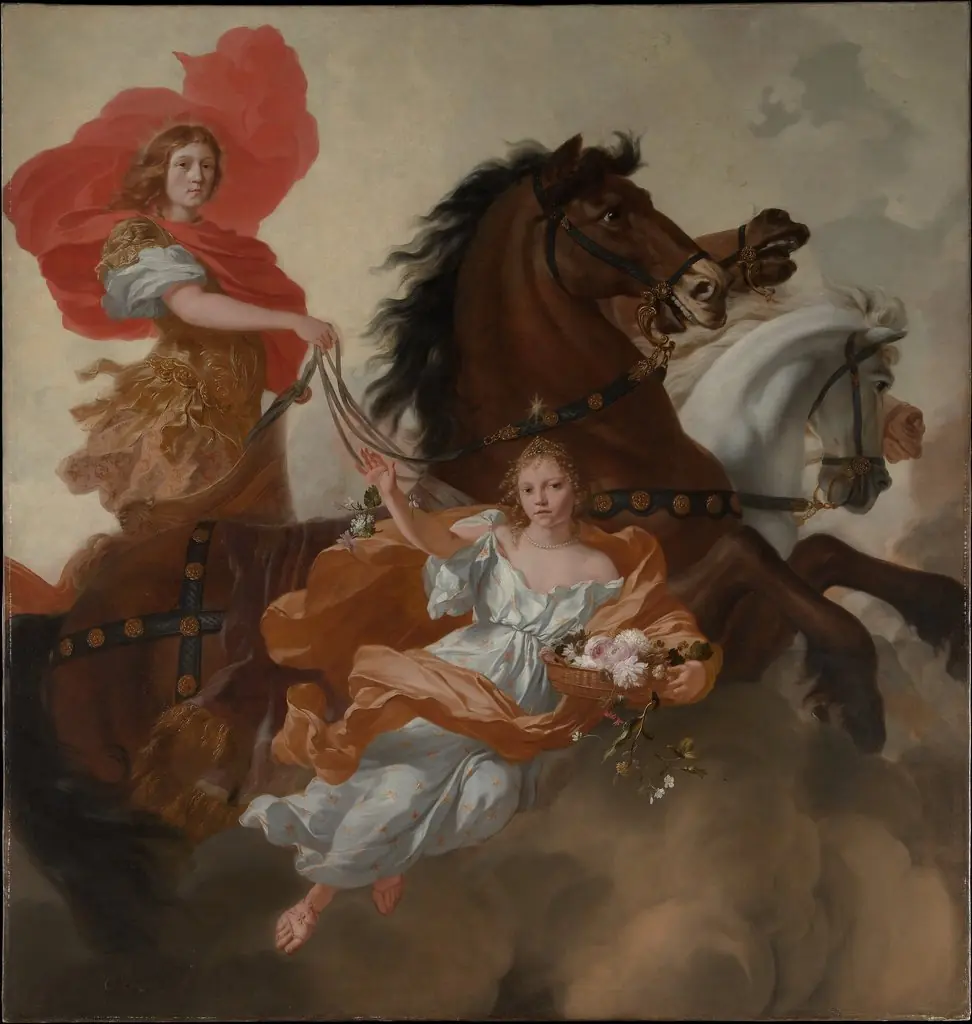 Apollo and Aurora
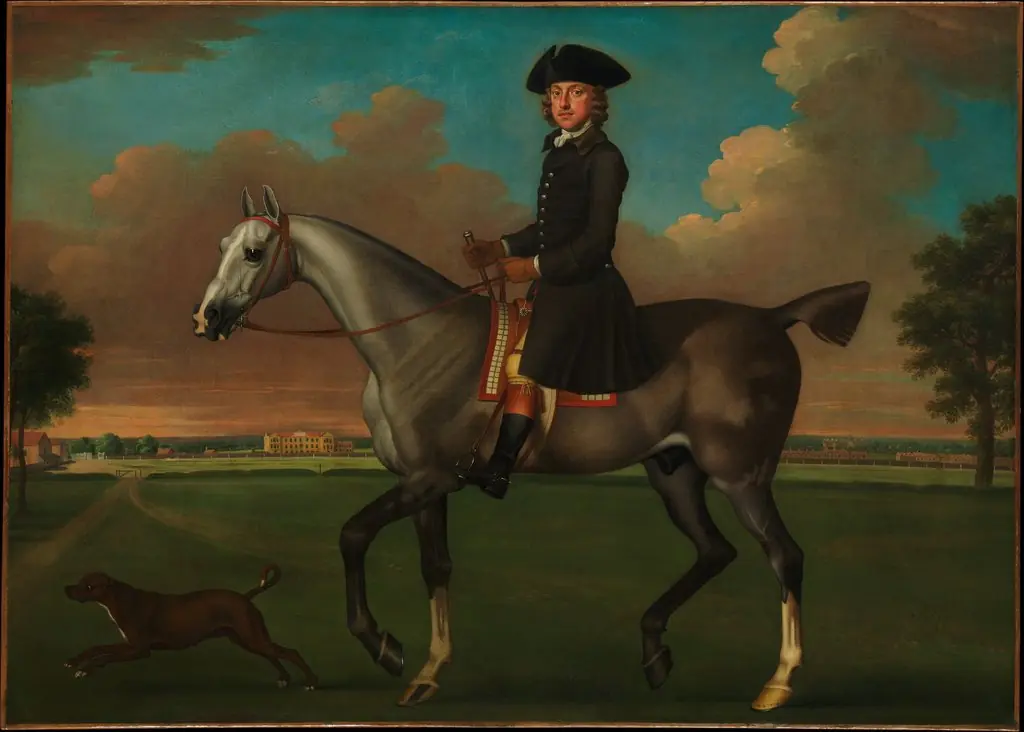 Portrait of a Horseman
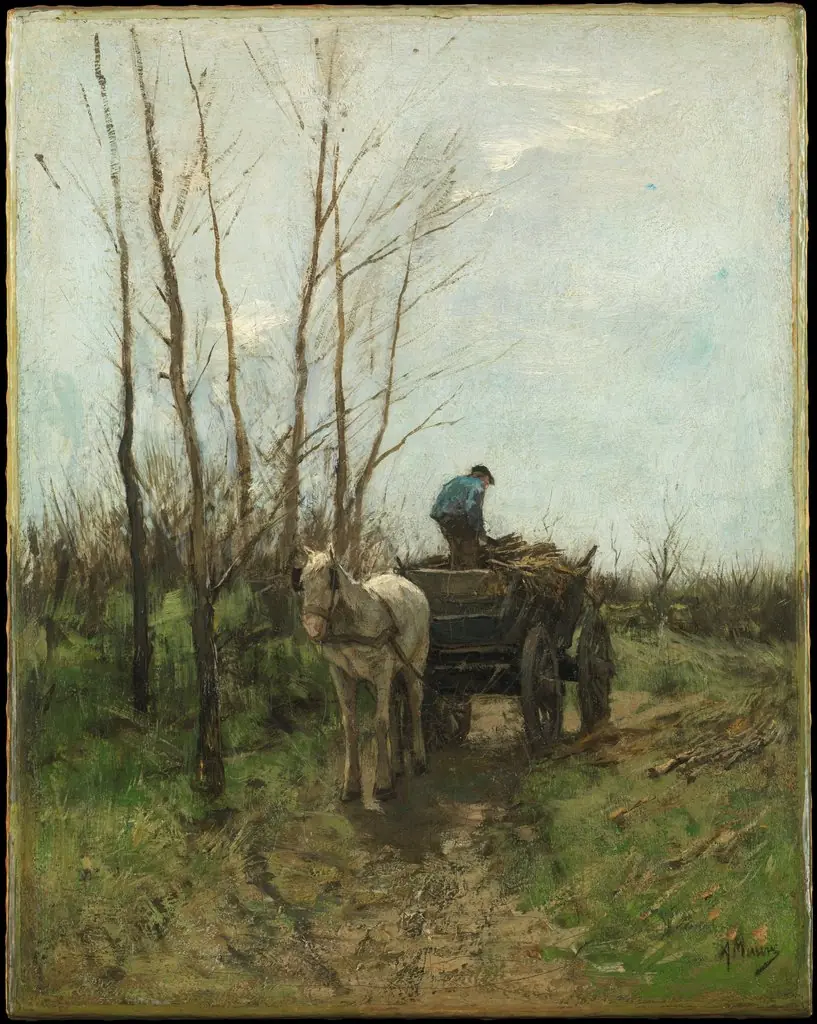 Gathering Wood
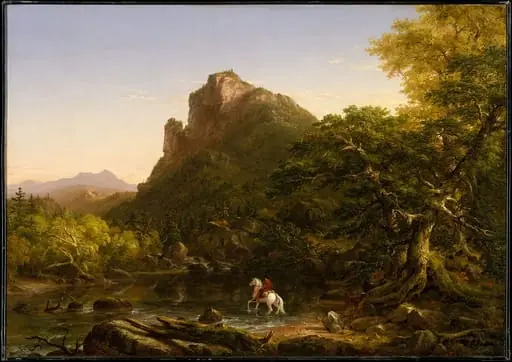 The Mountain Ford
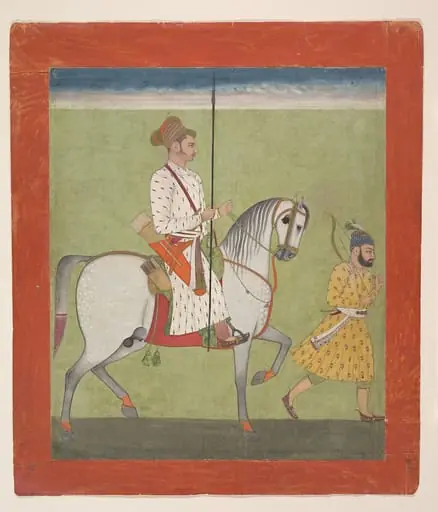 Untitled
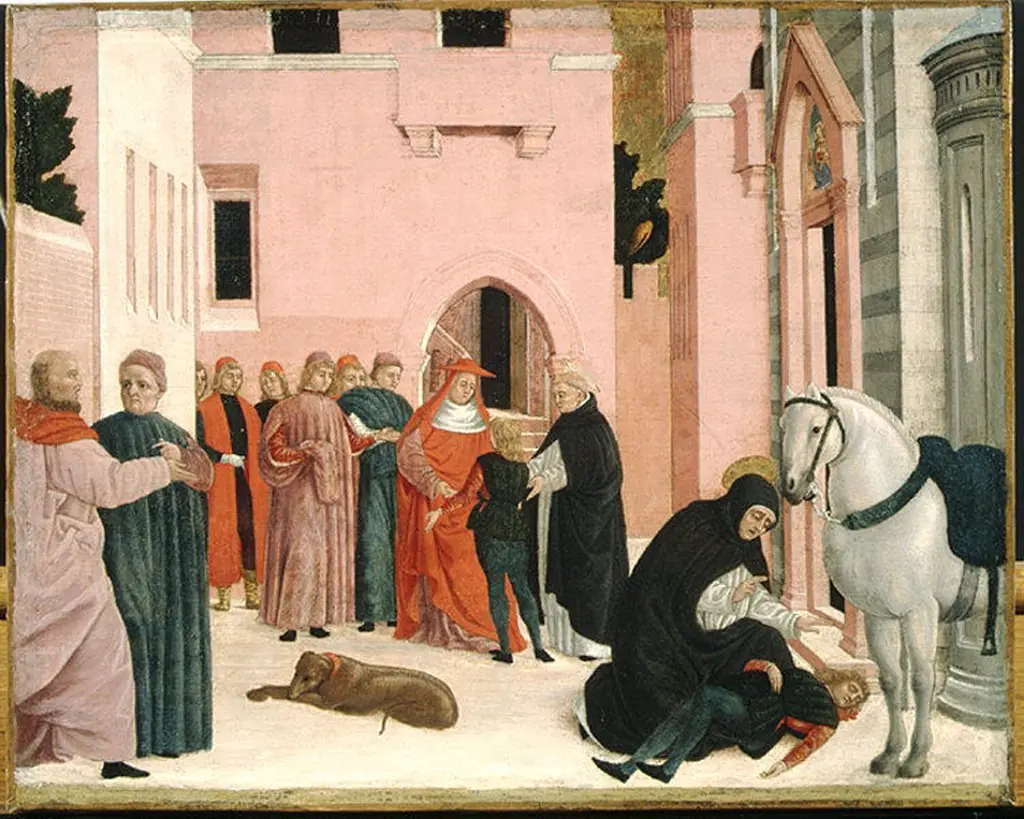 Saint Dominic Resuscitating Napoleone Orsini
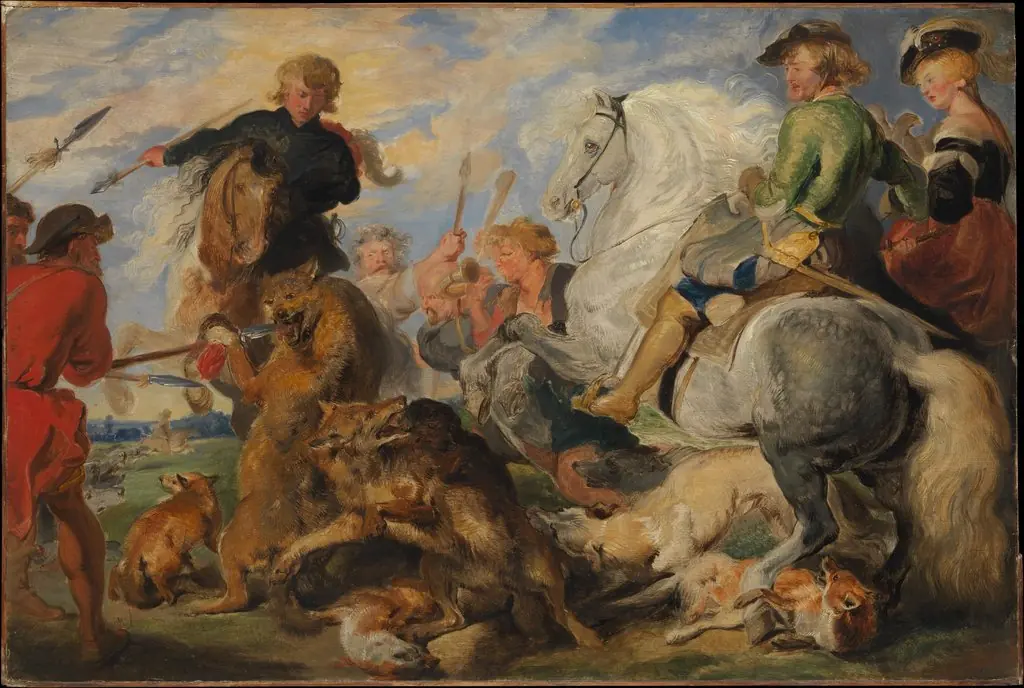 Copy after Rubens's "Wolf and Fox Hunt"
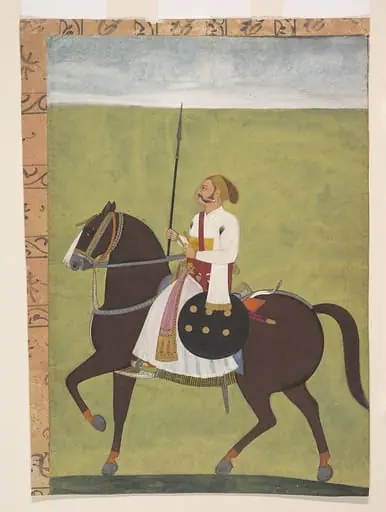 Untitled
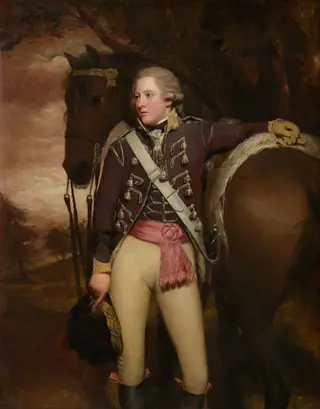 Captain Patrick Miller
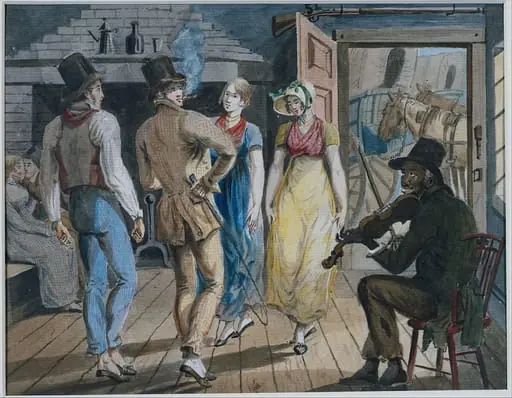 Merrymaking at a Wayside Inn
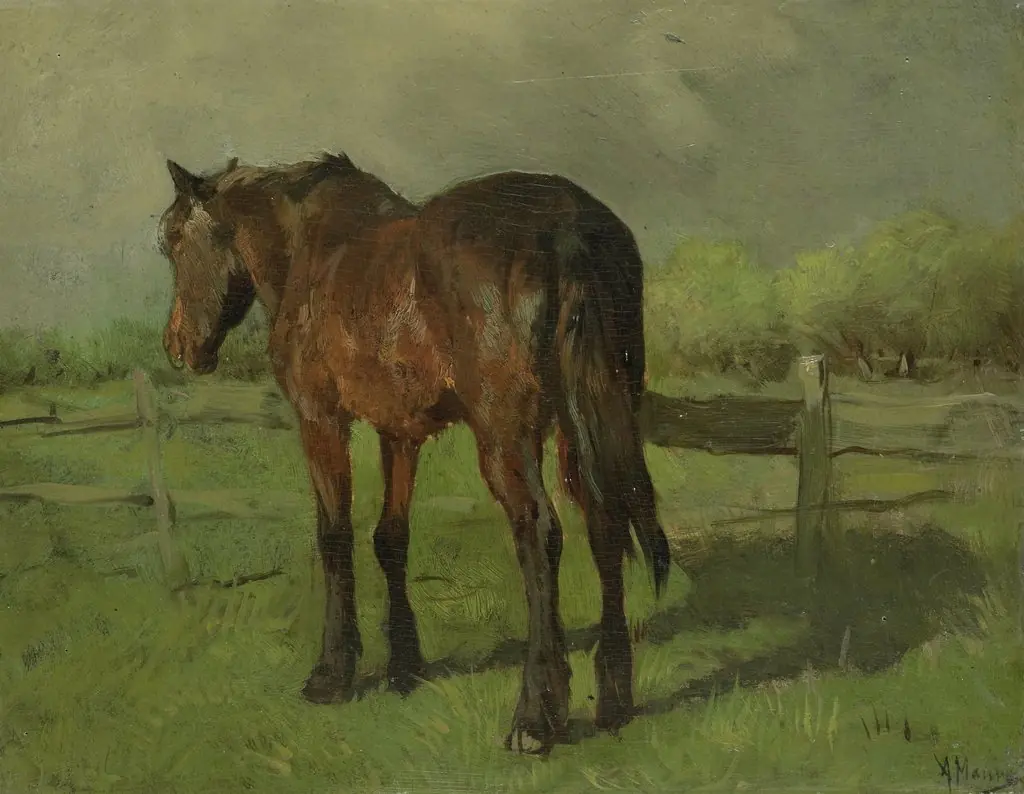 Horse
Horse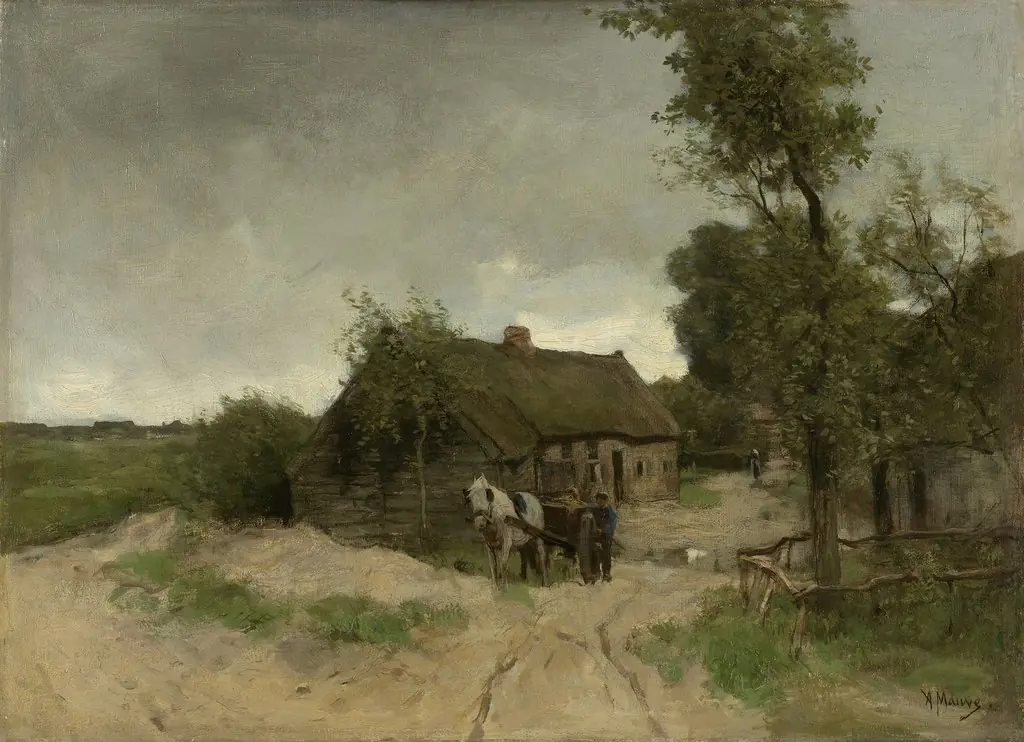 Cottage on the dirt road
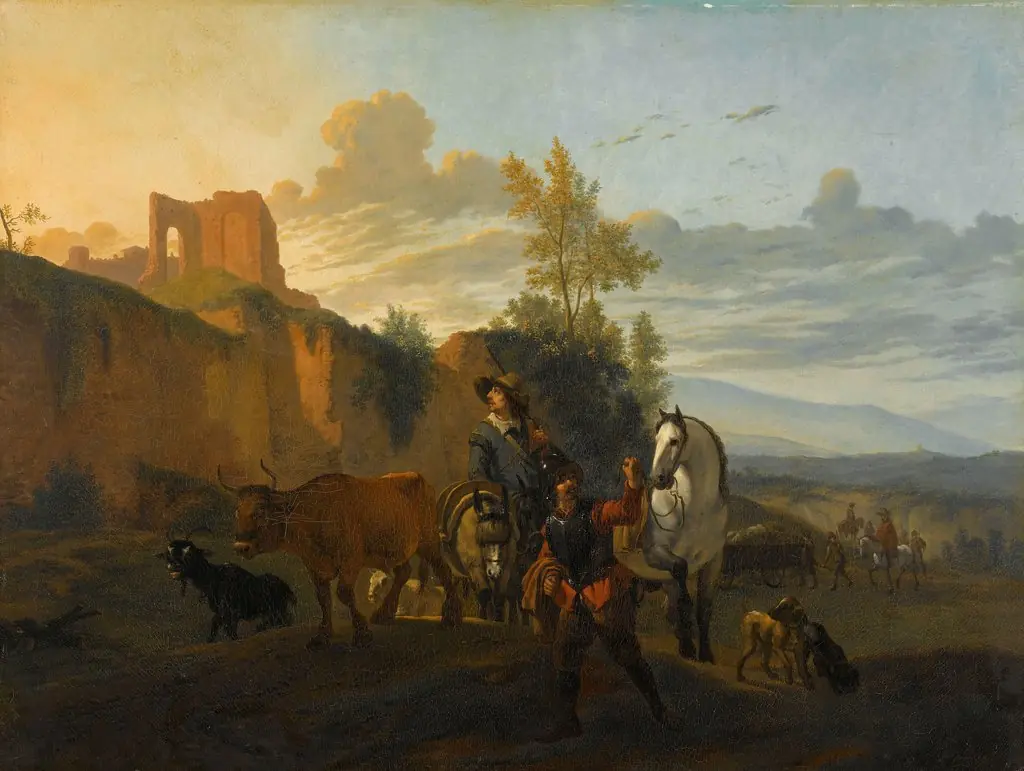 Italian landscape with soldiers
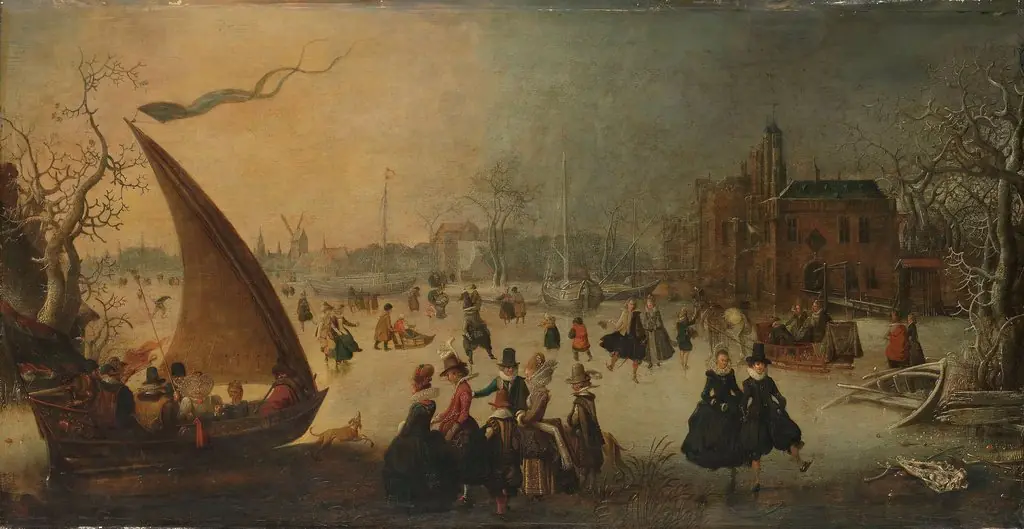 Landscape with frozen canal, skaters and an ice-boat
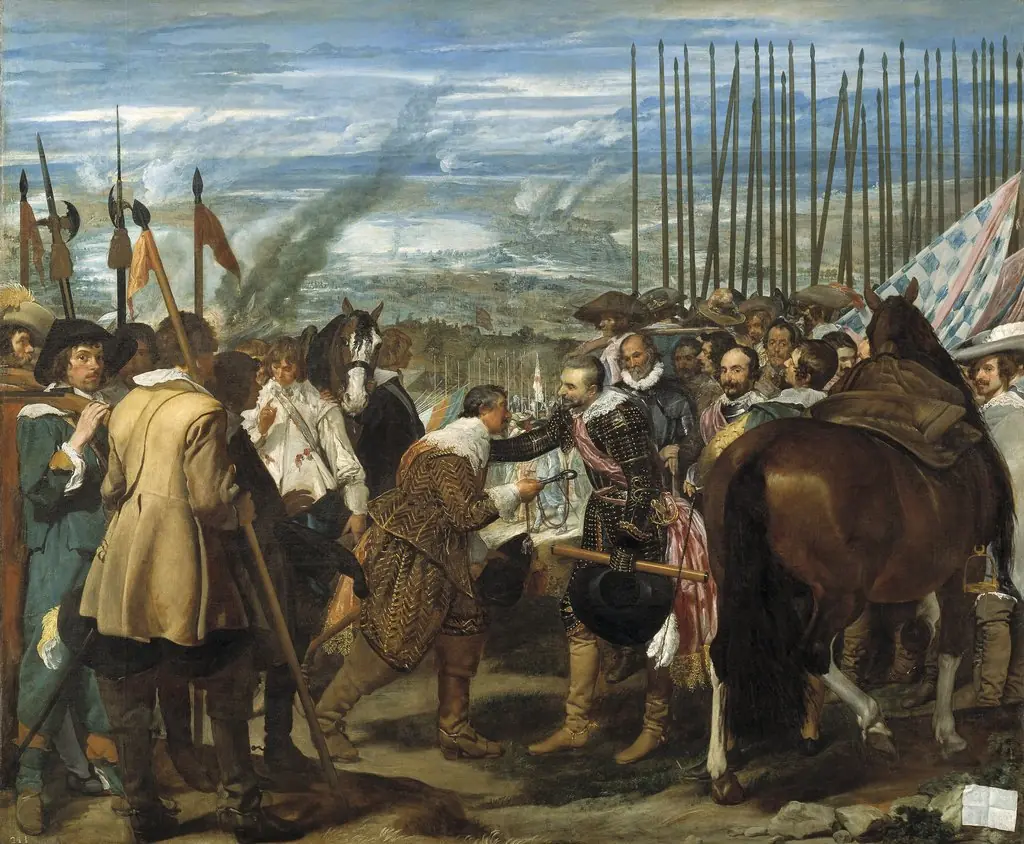 The Surrender of Brea
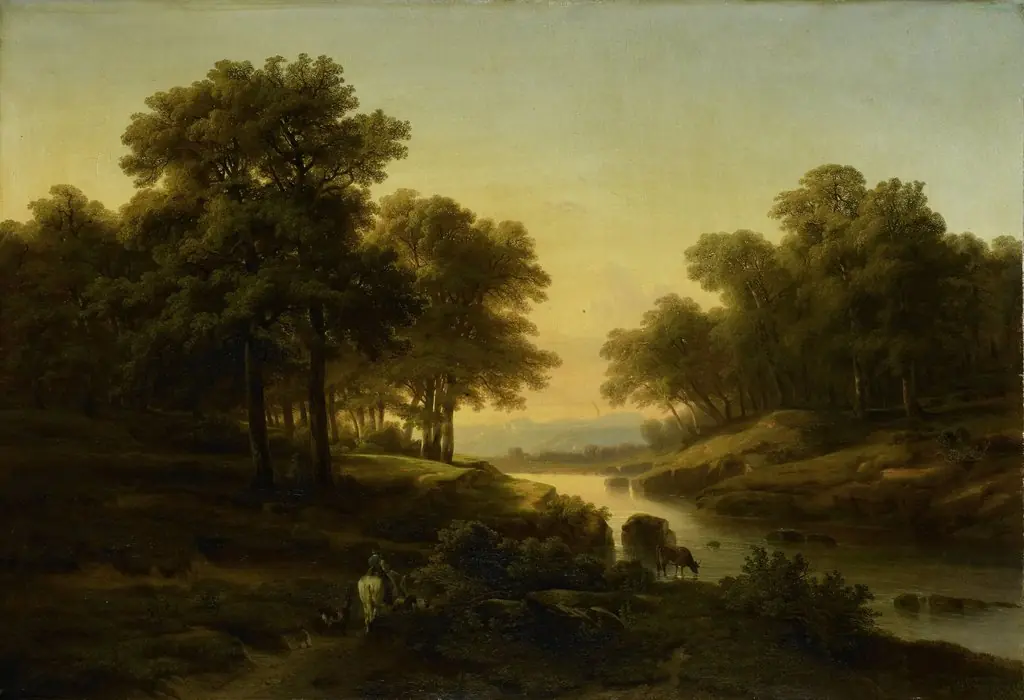 Landscape
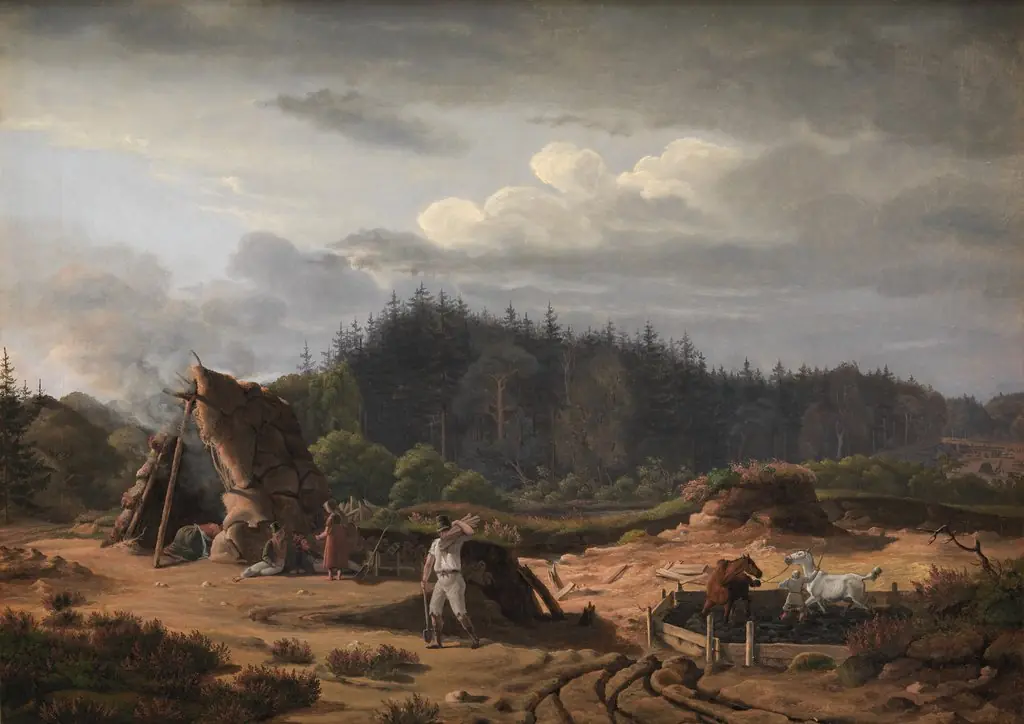 A Bog with Peat Cutters. Høsterkøb, North Zealand
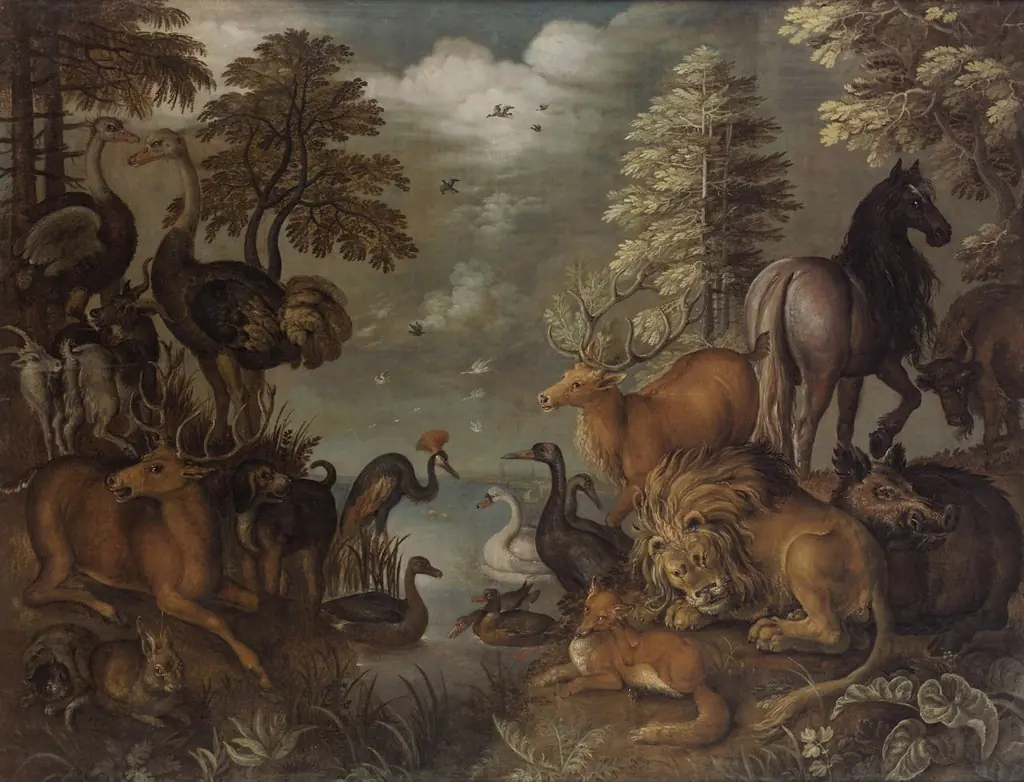 Große Landschaft mit Tieren
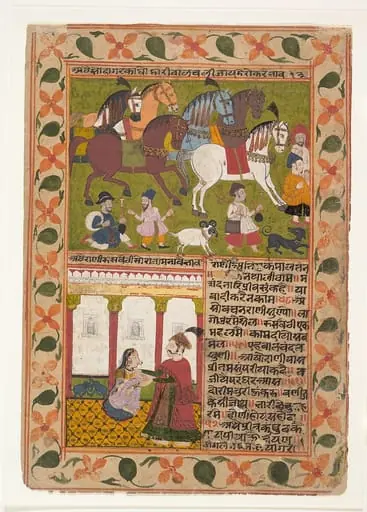 Untitled
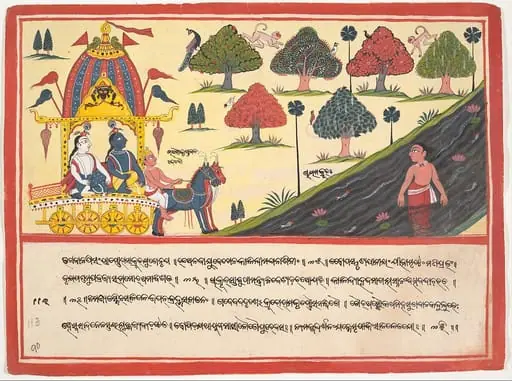 Untitled
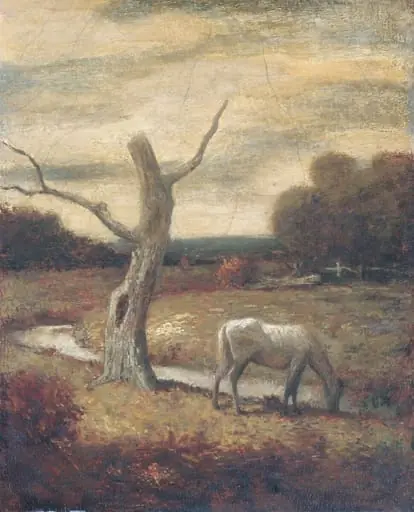 Autumn Meadows
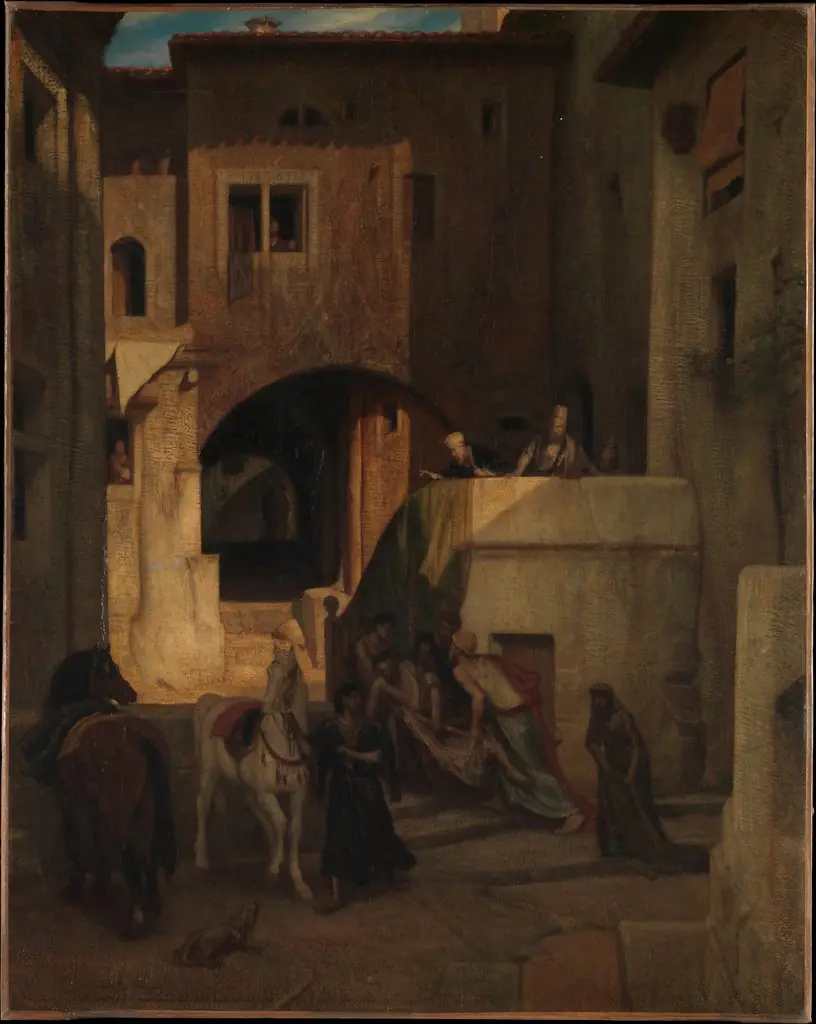 The Good Samaritan
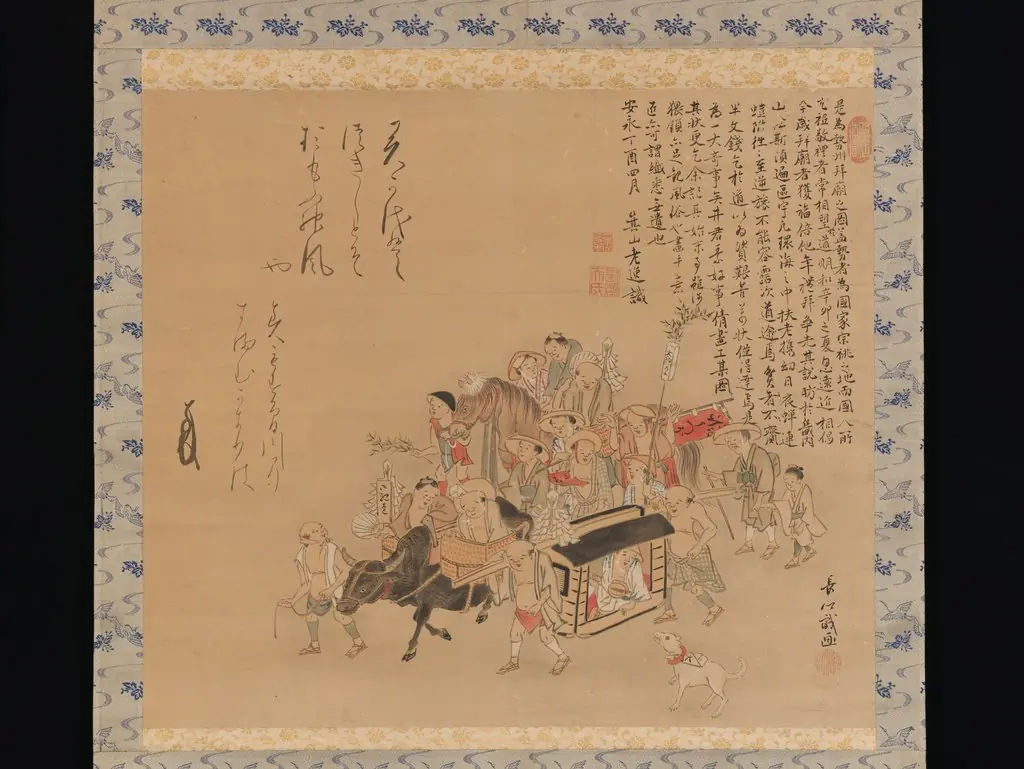 Pilgrims Travelling to Ise
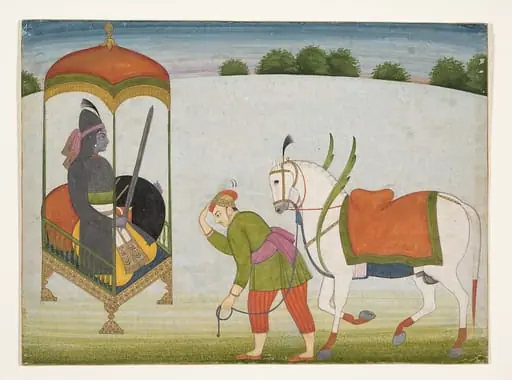 Untitled
Frequently asked questions
What is Horse?
Horse is a subject in art. The horse (Equus ferus caballus) is a domesticated, one-toed, hoofed mammal.
How many Horse works does Artifact World Gallery have?
Artifact World Gallery holds 200 public-domain Horse works, all free to view and download.
Who are the key Horse artists?
Key Horse artists in the collection include Titian, Paolo Veronese and Thomas Cole.
Where can I see Horse works?
Horse works in the collection are held by Metropolitan Museum of Art, Rijksmuseum and Groeningemuseum.