Artwork
Pieter Cnoll, Cornelia van Nijenrode, their Daughters and Two Enslaved Servants
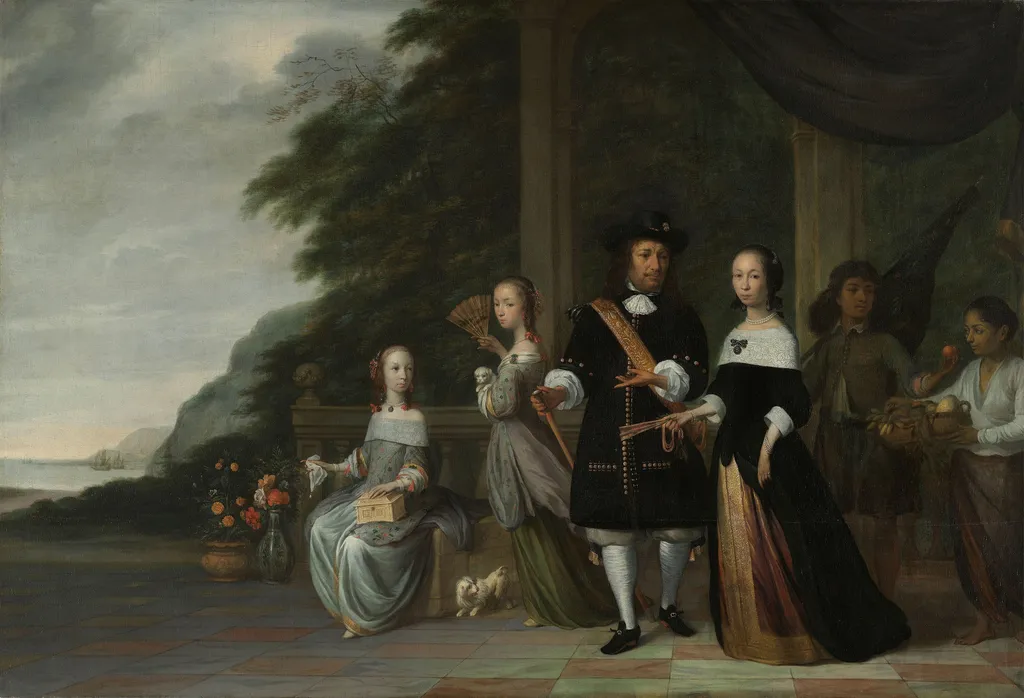
Pieter Cnoll, Cornelia van Nijenrode, their Daughters and Two Enslaved Servants is an oil painting by the Dutch Golden Age artist Jacob Jansz. Coeman. It dates from 1665 and is held in the collection of the Rijksmuseum. Jacob Jansz.
About this work
Technique & Style
The handling reflects the conventions of Amsterdam portraiture, with smooth blending of flesh tones and carefully rendered textiles that convey status.
The portrait is executed in oil paint on canvas, a standard support for Dutch group portraits of the mid-seventeenth century. The handling reflects the conventions of Amsterdam portraiture, with smooth blending of flesh tones and carefully rendered textiles that convey status. Formal qualities include a symmetrical composition centered on the seated couple, flanked by their daughters and the two servants, one of whom is identified as Untung Surapati. The scale of the figures and the measured arrangement emphasize hierarchy and social order within the household.
History & Provenance
The painting, titled Pieter Cnoll, Cornelia van Nijenrode, their Daughters and Two Enslaved Servants, was created in 1665 by Jacob Jansz. Coeman, with attribution also given to Johannes Leemans in some records. Executed in oil on canvas, the work measures 132 cm in height and 190.5 cm in width.
It depicts the family of Pieter Cnoll and his wife Cornelia van Nijenroode, along with two enslaved servants, one of whom is identified as Untung Surapati. The artwork is currently held in the collection of the Rijksmuseum in Amsterdam, having previously been associated with Museum De Lakenhal. The creation date is firmly established as 1665, marking it as a mid-17th-century Dutch colonial family portrait.
The painting is currently held by the Rijksmuseum in Amsterdam. It is also associated with Museum De Lakenhal, indicating a shared or historical connection to that institution as well. The work, dated to 1665, is cataloged as a family portrait depicting Pieter Cnoll, his wife Cornelia van Nijenrode, their daughters, and two enslaved servants.
Specific inventory or accession numbers are not provided in the available sources, nor is there recorded exhibition history for the piece in the given materials.
Overview
Jacob Jansz. Coeman created this oil painting in 1665, depicting Pieter Cnoll, his wife Cornelia van Nijenrode, their daughters, and two enslaved individuals. This work offers a glimpse into a prominent family's life in Batavia during the Dutch Golden Age, a period of significant colonial expansion.
The portrait, now housed at the Rijksmuseum, exemplifies the genre of family representation common in the era, while also documenting the complex social structures of the time.
Subject & Meaning
The composition features five figures positioned before a house and garden. Pieter Cnoll and Cornelia van Nijenrode, dressed in formal attire, occupy the center with their two daughters. One girl holds a small box, while the other carries a fan.
At the periphery, two individuals in simpler clothing, identified as enslaved servants, stand holding fruit, visually indicating their subordinate status within the household. A small dog rests near the family, adding a domestic detail to the scene.
Context
Created in Batavia, the capital of the Dutch East Indies, this portrait provides insight into the colonial society of the mid-17th century. The inclusion of enslaved servants, one of whom is identified as Untung Surapati, underscores the economic and social realities of the Dutch Golden Age, which relied heavily on forced labor in its overseas territories. The painting thus serves as a document of both familial representation and the broader historical context of Dutch imperial expansion and its human cost.
Own this work as a print
Artist & collection
Artist
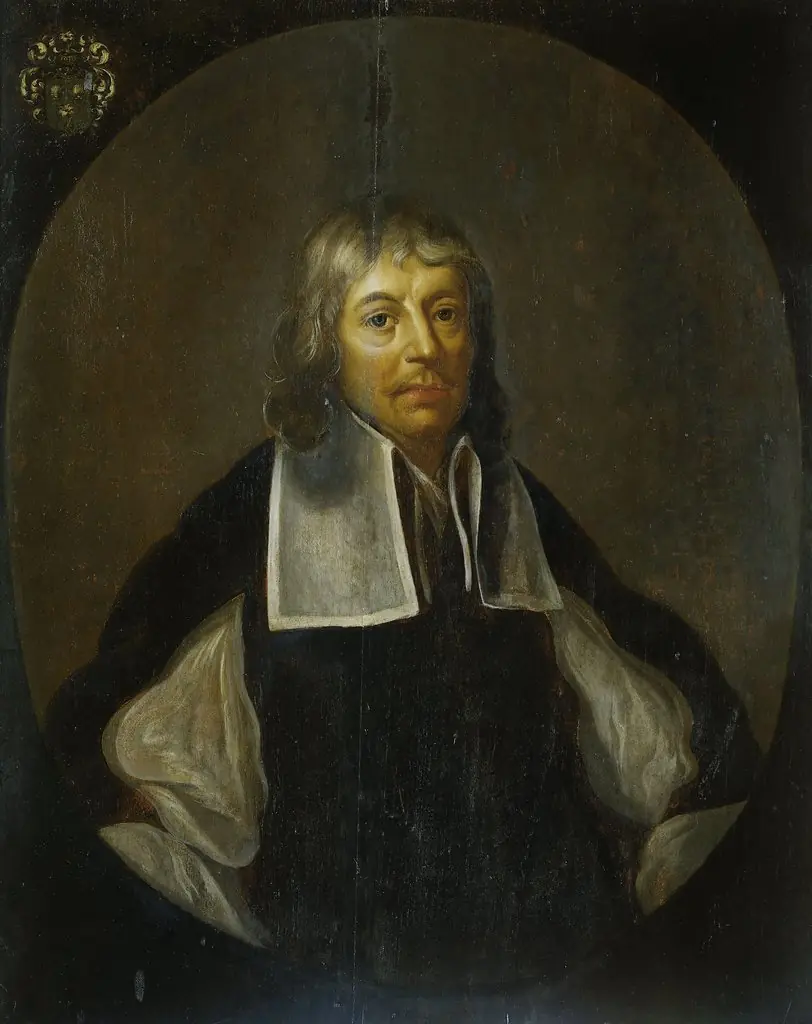
Jacob Jansz. Coeman (Amsterdam? ca 1632- 9 April 1676, Batavia, Dutch East Indies) was a Dutch painter of portraits. Coeman worked in the style of Thomas de Keyser. In 1655 he married Hester Wils, either from Haarlem…

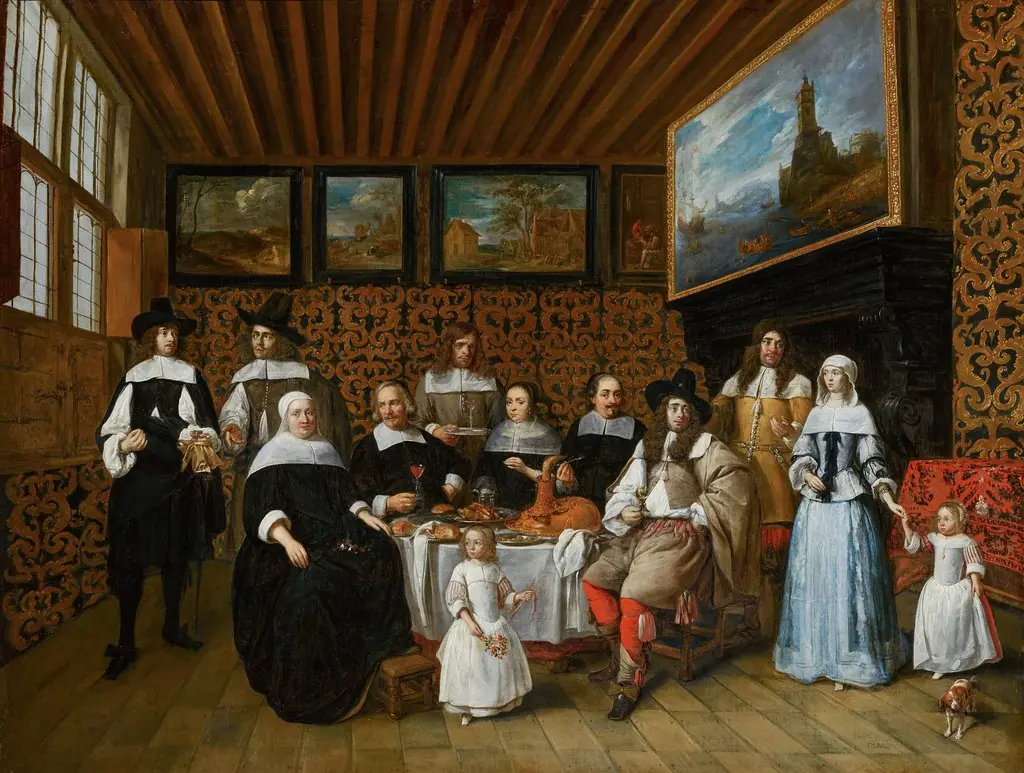 Family Portrait
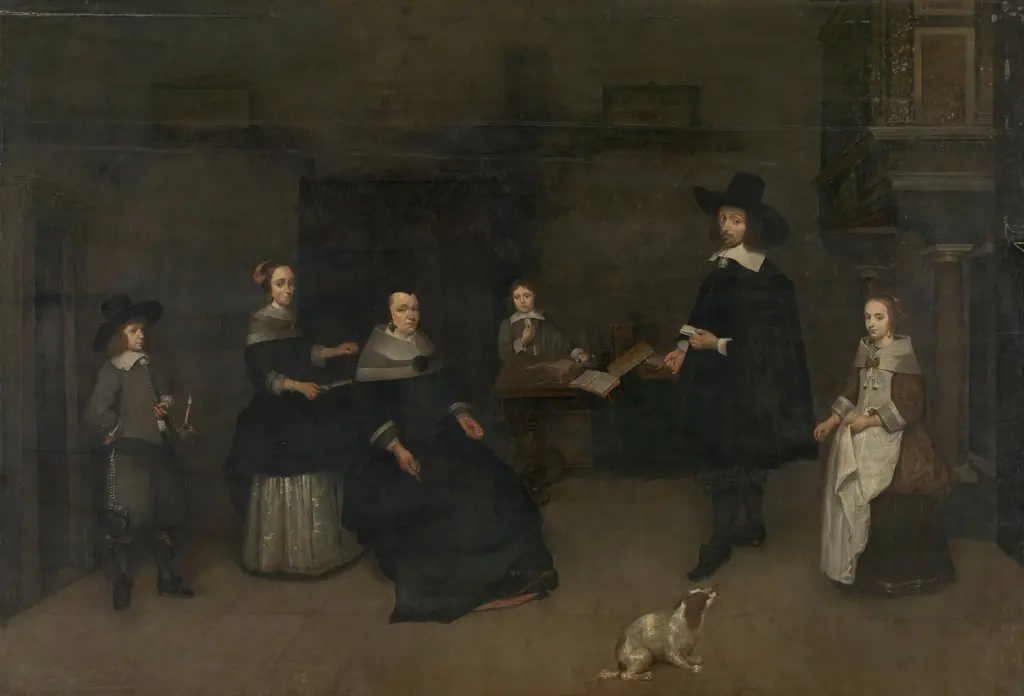 Family scene
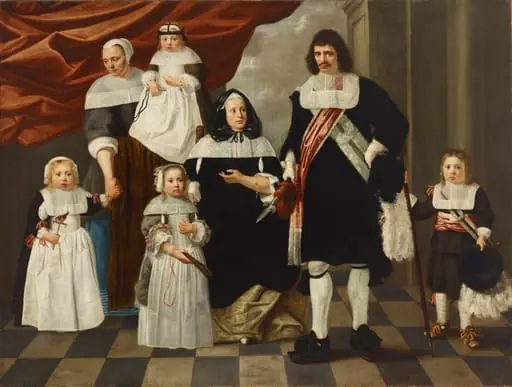 Perhemuotokuva
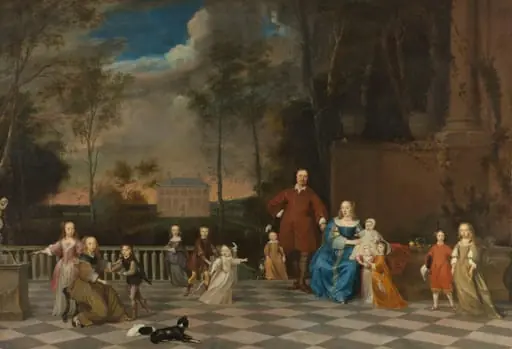 The Amsterdam Merchant Jeremias van Collen (1608-1676), with his Wife and their Twelve Children
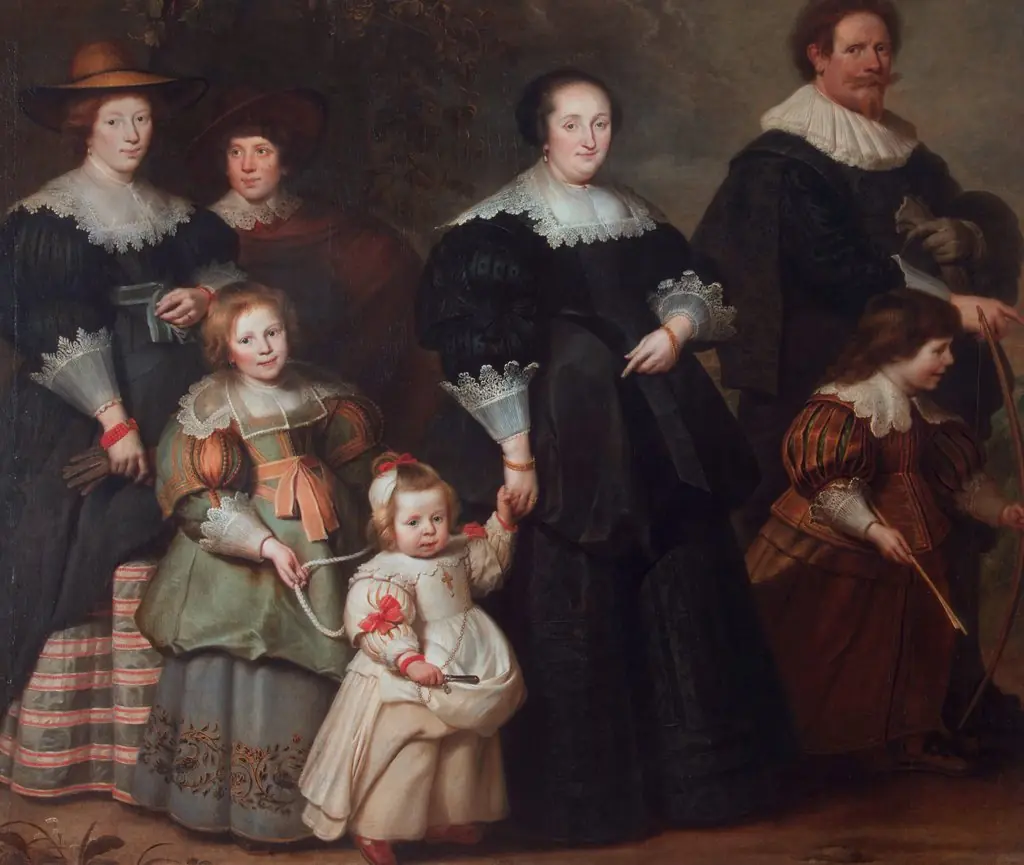 Self-Portrait of the Artist with his Wife Suzanne Cock and their Children
 Reyer Reyersz van der Burch (1630-1695), Ammunition Officer attached to the Arsenal of the States-General, Delft, with his Wife Geertruid Graswinckel and their Children Frank, Cornelis, Reyer, Maria and Alida
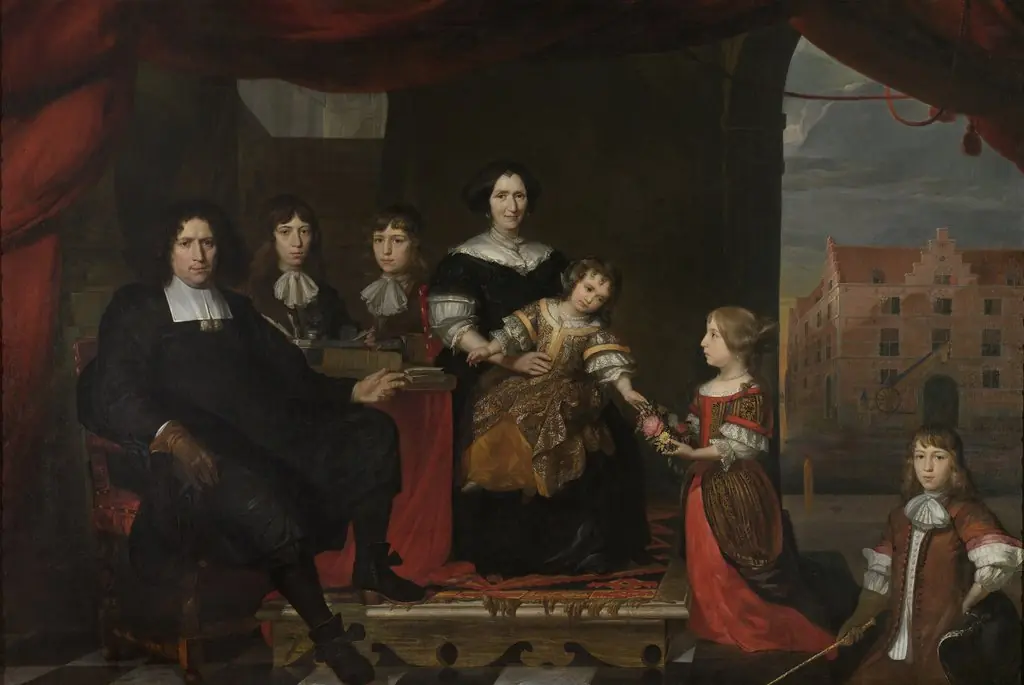 Reyer Reyersz van der Burch (1630-95), ammunition officer attached to the arsenal of the states-general, Delft, with his wife Geertruid Graswinckel and their children
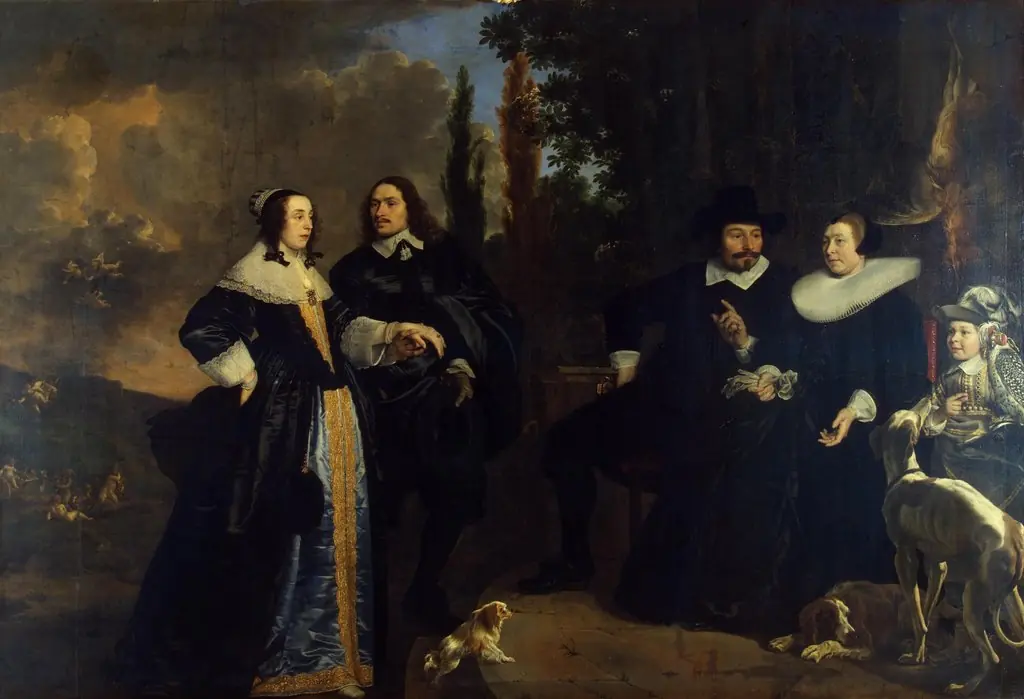 Family Portrait
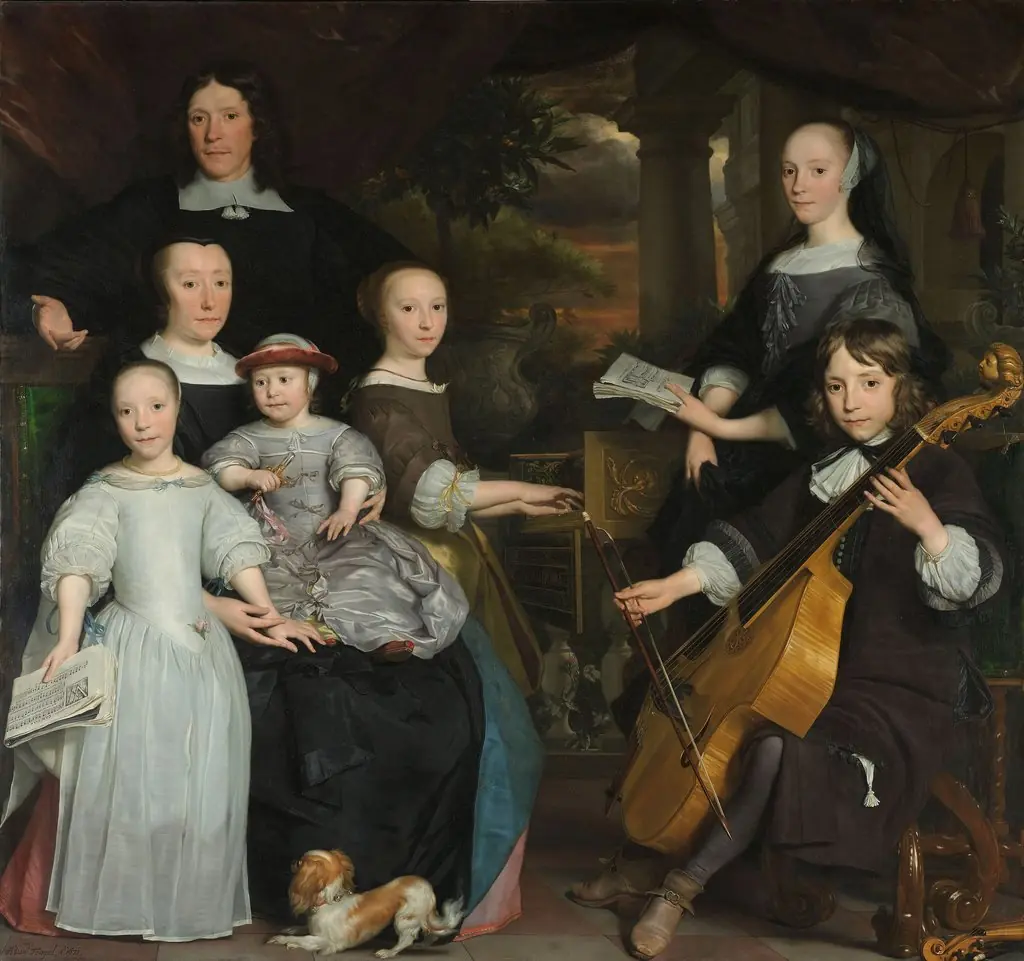 David Leeuw with his Family
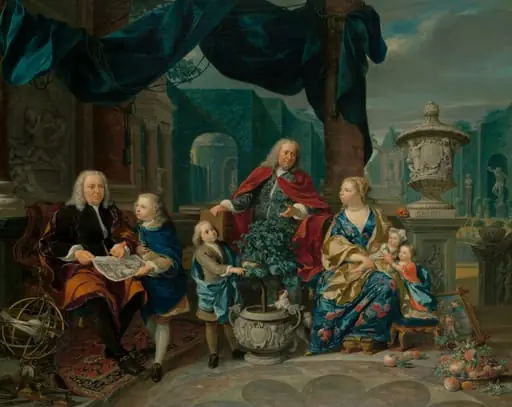 Portrait of David van Mollen and Son-in-Law Jacob Sydervelt with his Family
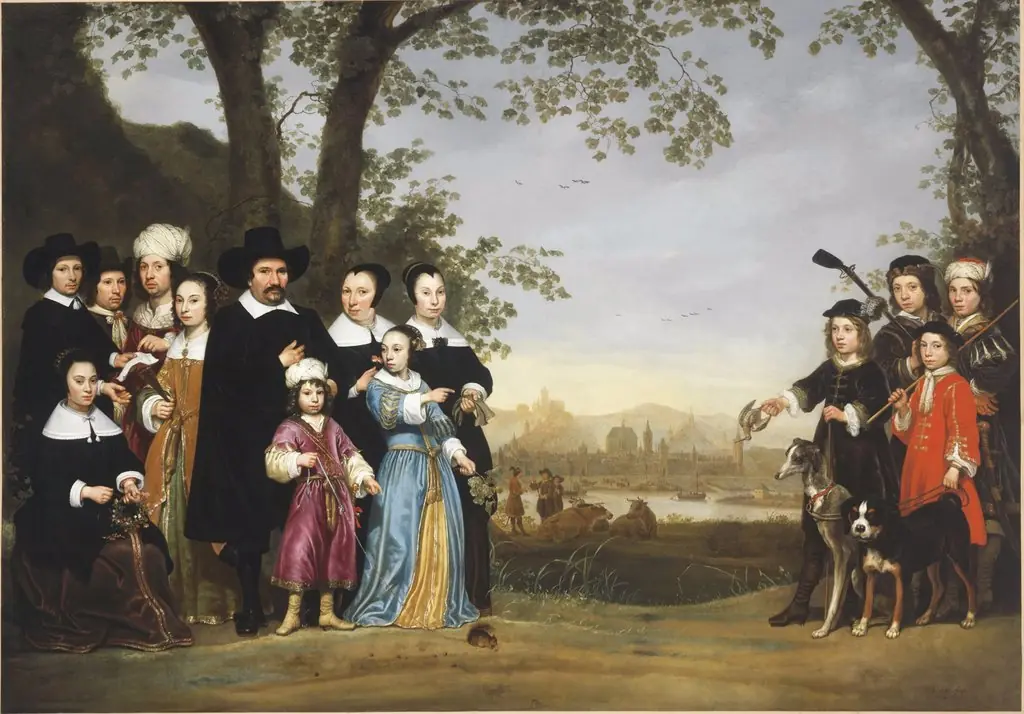 Portrait of the Sam Family
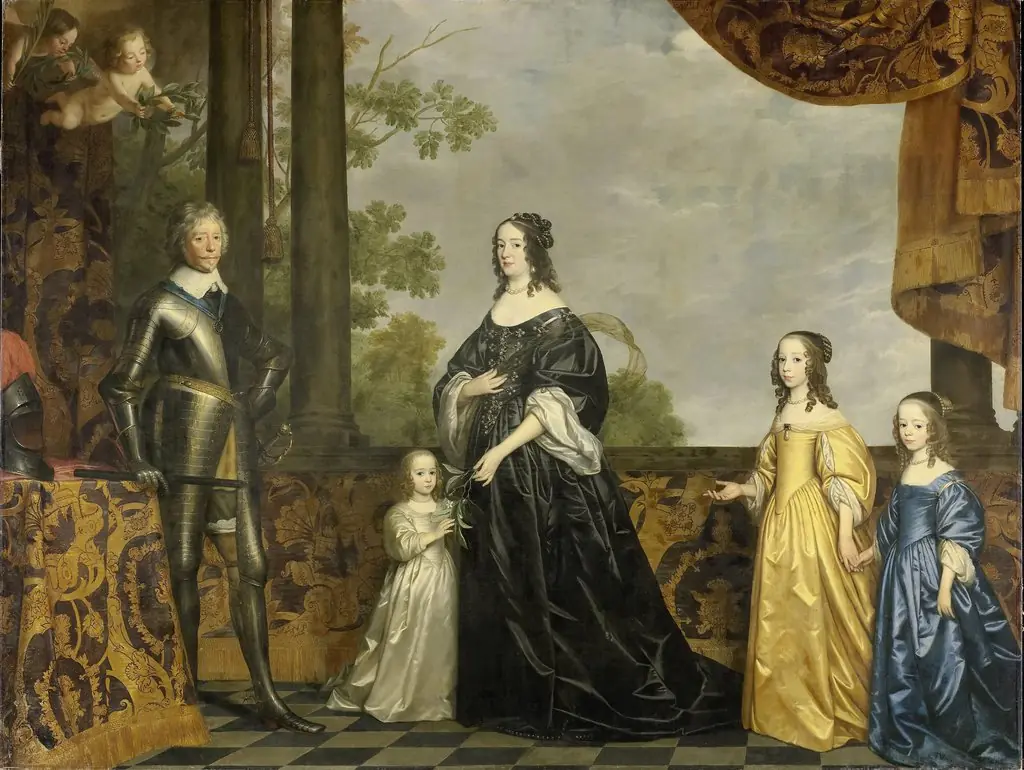
- Frederik Hendrik (1584-1647), Prince of Orange, his wife Amalia van Solms (1602-75) and their three youngest daughters, Albertina Agnes (1634-96), Henrietta Catharina (1637-1708) and Maria (1642-88)