Artwork
Capri
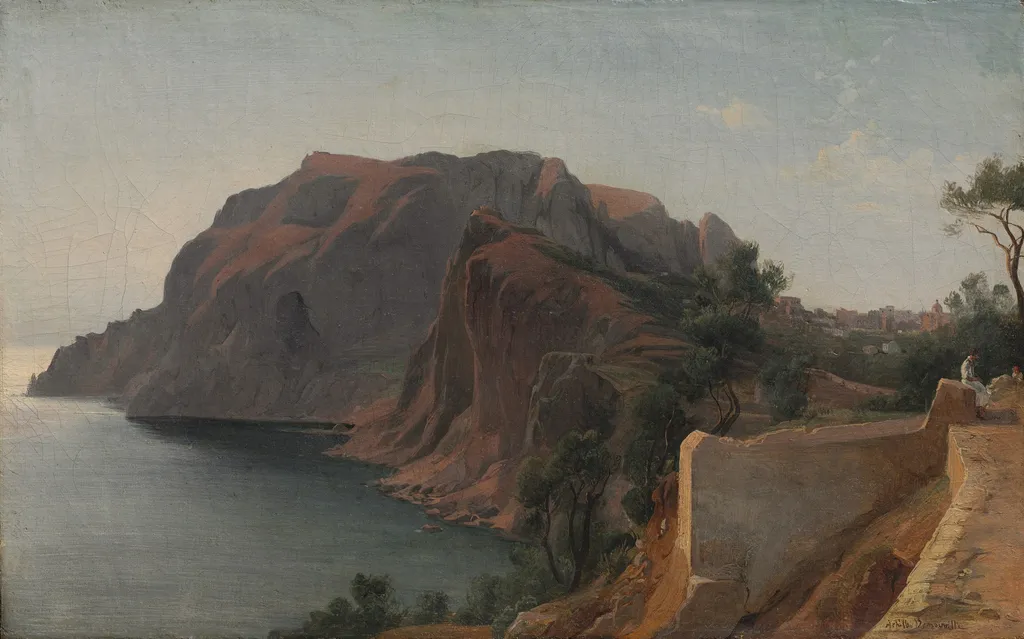
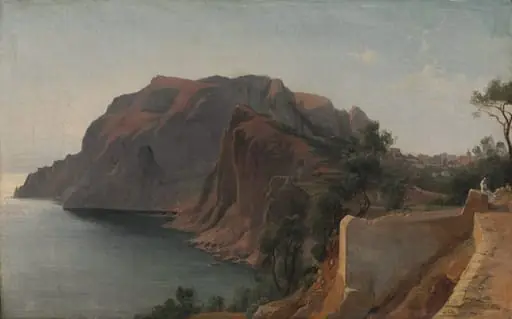
Capri is an oil painting by the French Romanticist artist Jean-Achille Benouville. It dates from 1845 and is held in the collection of the Cleveland Museum of Art.
About this work
Subject & Meaning
By capturing the island's physical features, including prominent mountains and trees, the piece serves as a visual record of the site's geography.
Jean-Achille Benouville's 1845 oil painting depicts the island of Capri, specifically rendering its mountainous terrain and arboreal elements. The work functions as a landscape representation, focusing on the natural topography of the location rather than incorporating complex allegorical figures or religious iconography. By capturing the island's physical features, including prominent mountains and trees, the piece serves as a visual record of the site's geography.
The composition emphasizes the scenic qualities of Capri, presenting the environment itself as the primary subject matter without evident layers of symbolic meaning beyond the direct portrayal of the Italian landscape.
Technique & Style
Executed in 1845 by Jean-Achille Benouville, Capri is an oil painting applied to a woven fabric support. The work measures 28.1 by 44.7 units and was produced in France. Stylistically, the composition focuses on a landscape depiction featuring a mountain and a tree, representing the island of Capri.
As a classified painting within the Cleveland Museum of Art's collection, the piece utilizes traditional oil media on textile, consistent with mid-19th-century French landscape practices. The specific handling of the oil paint on the woven ground creates the visual representation of the natural topography and vegetation characteristic of the subject matter.
History & Provenance
The work titled Capri was painted in 1845 by French artist Jean‑Achille Benouville while he was working in France. Executed in oil on canvas, the piece measures 28.1 × 44.7 cm and depicts the island’s landscape with a mountain and a tree. It entered the collection of the Cleveland Museum of Art, where it remains on view.
No documentation indicates a specific commission or patron; the painting appears to have been produced independently and later acquired by the museum. Its provenance is limited to the artist’s execution in 1845 and subsequent inclusion in the museum’s holdings.
The painting Capri, created by Jean-Achille Benouville in 1845, is held in the collection of the Cleveland Museum of Art. Within the museum's records, the work is identified by the accession number 1980.5. The available documentation confirms the institution's location in Cleveland and attributes the piece to the French artist, but does not provide specific details regarding past exhibitions or a detailed provenance history beyond its current custodianship.
Legacy
The 1845 oil painting Capri by Jean‑Achille Benouville entered the Cleveland Museum of Art, where it is catalogued as a key example of French landscape art from the mid‑19th century. Its depiction of the island’s terrain, featuring a mountain and a tree, has been cited in museum documentation as representative of contemporary travel imagery. As part of the museum’s collection, the work is regularly studied in exhibitions and scholarly publications on 19th‑century European painting, reinforcing Benouville’s reputation as a capable landscape draftsman.
The painting’s provenance, material composition, and visual program continue to inform assessments of French artistic responses to Mediterranean subjects.
Overview
Jean-Achille Benouville's oil painting, titled Capri, dates to 1845. This landscape work captures a specific view of the Italian island. Currently, the painting is part of the collection at The Cleveland Museum of Art, where it represents a facet of 19th-century European landscape art.
Own this work as a print
Artist & collection
Artist
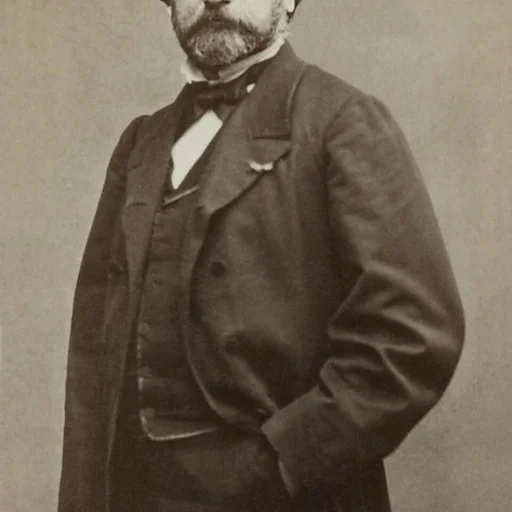
Jean-Achille Benouville (1815–1891) was a French artist, born in former 2nd arrondissement of Paris.

 View of Marina Piccola, Capri: Afternoon Light
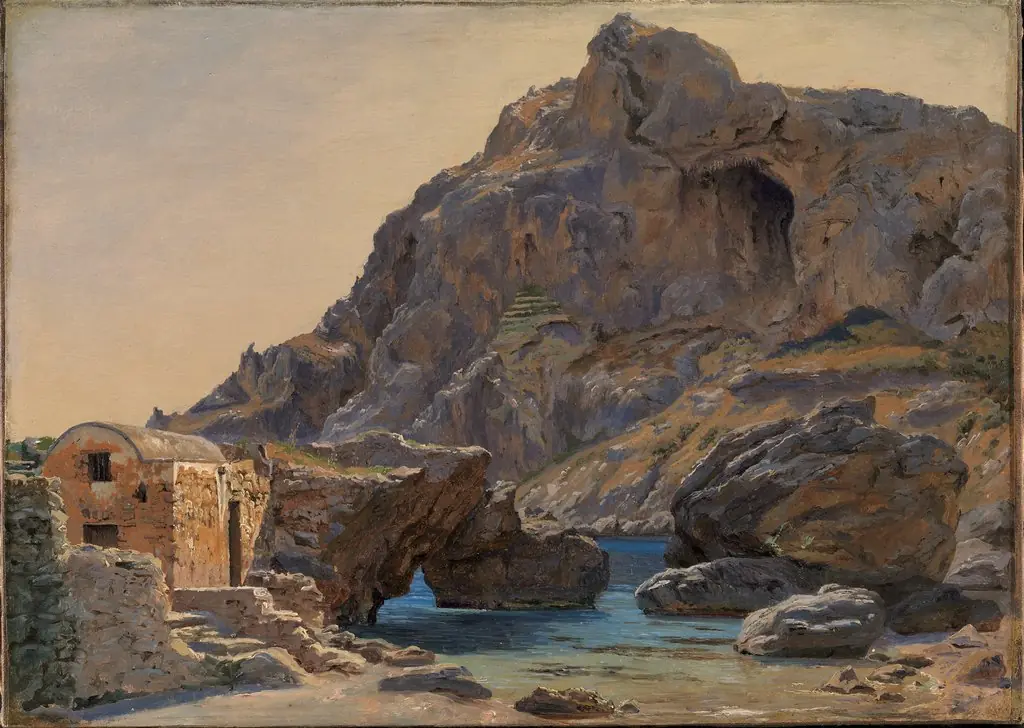 View of Marina Piccola, Capri: Afternoon Light
 Capri
Capri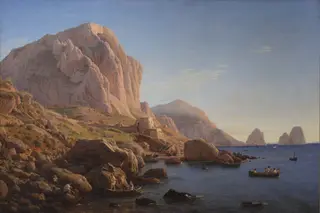 A Rocky Coast, Capri. After Sunrise
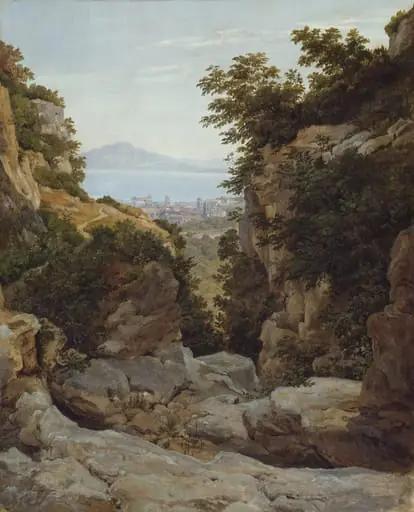 Italian Landscape
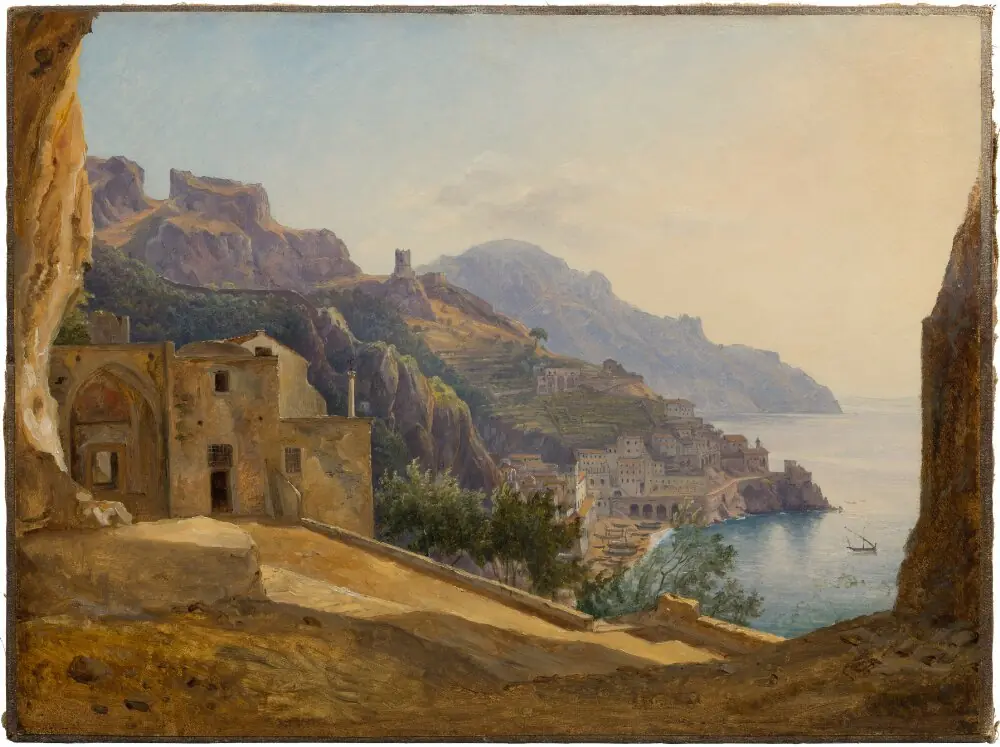 View towards Amalfi from Grotta dei Cappuccini
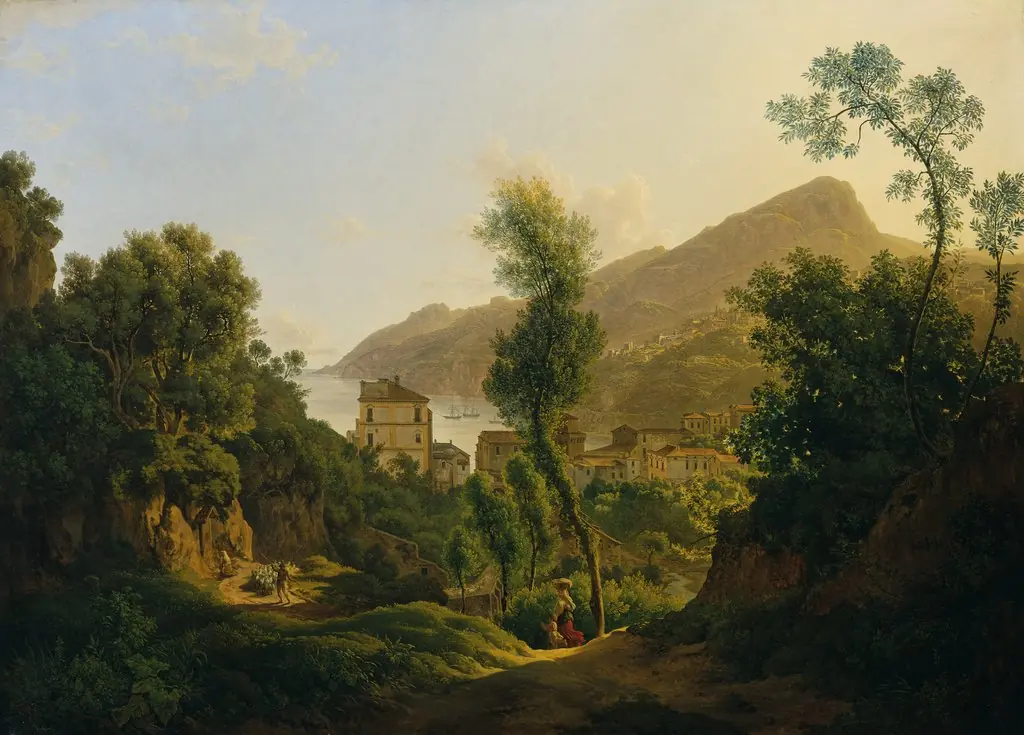 View of the Town of Vietri with a View of the Gulf of Salerno
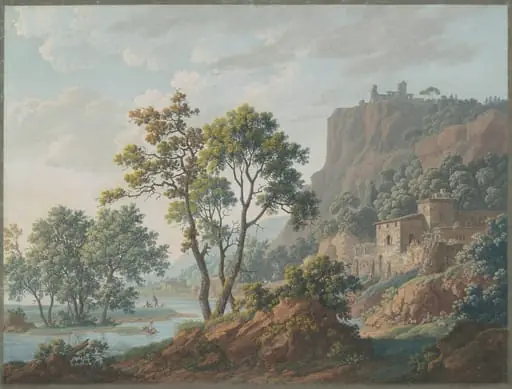 River Landscape with Castles and Fishermen
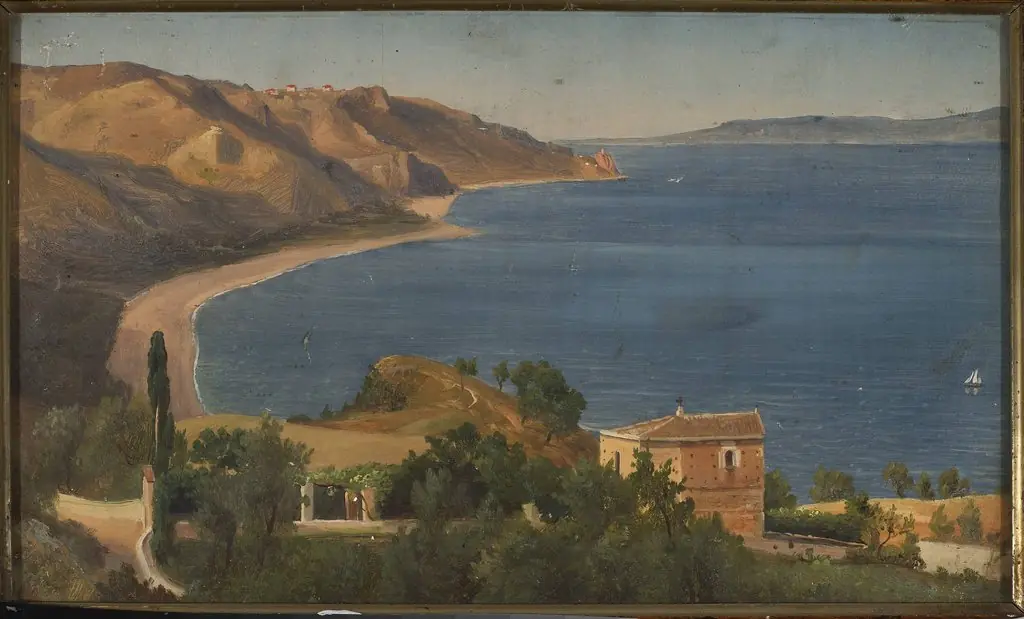 Lakeside landscape