Artwork
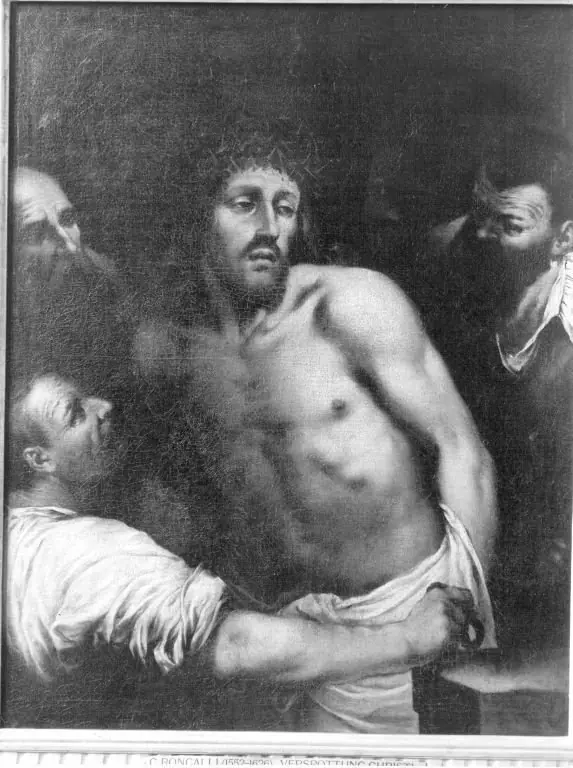
Verspottung Christi
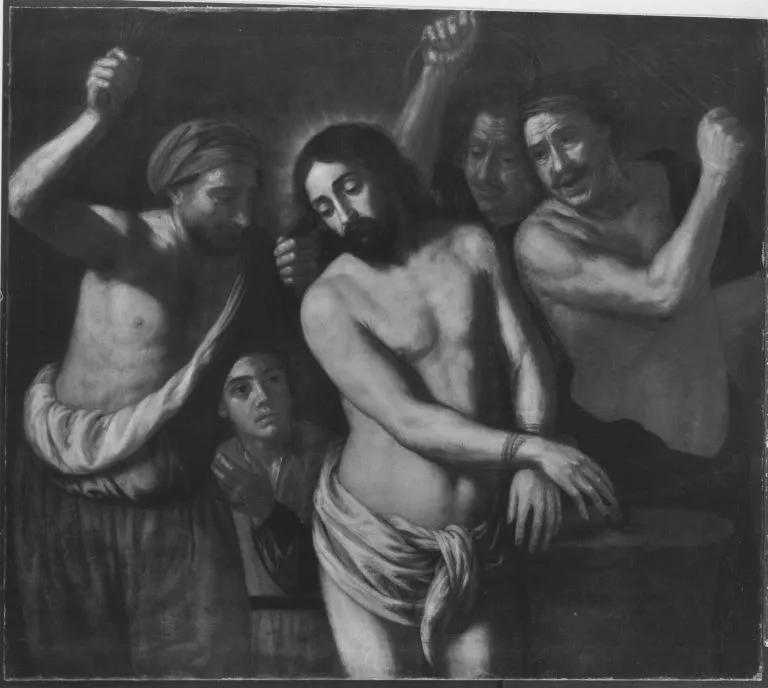
Verspottung Christi is an unspecified painting by the Dutch Golden Age artist Joannes de Cordua. It dates from 1666 and is held in the collection of the Bavarian State Painting Collections.
About this work
Subject & Meaning
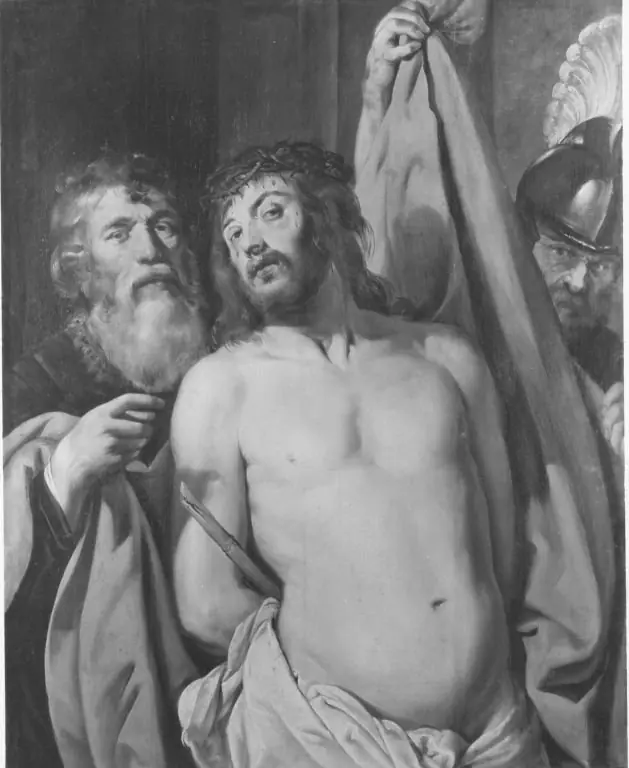
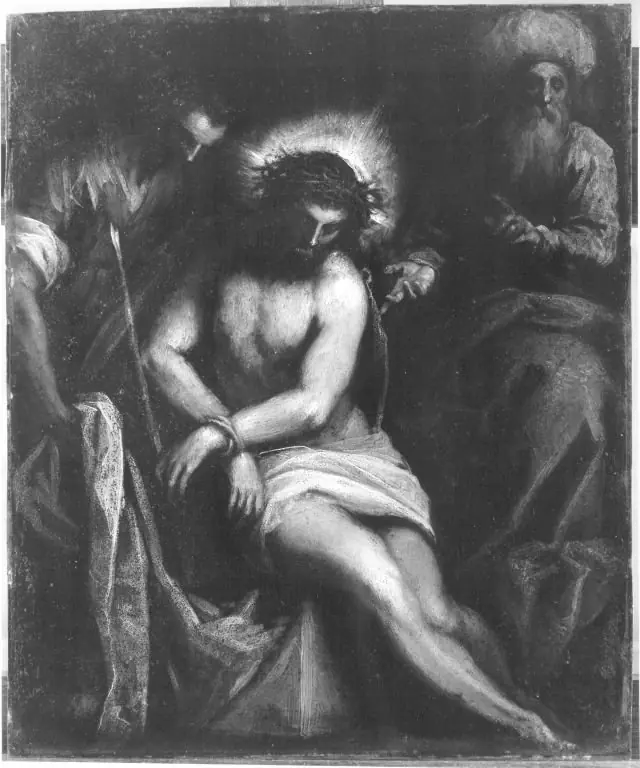
In the composition, Christ is shown seated, crowned with thorns and draped in a purple robe, a mock scepter placed in his hand.
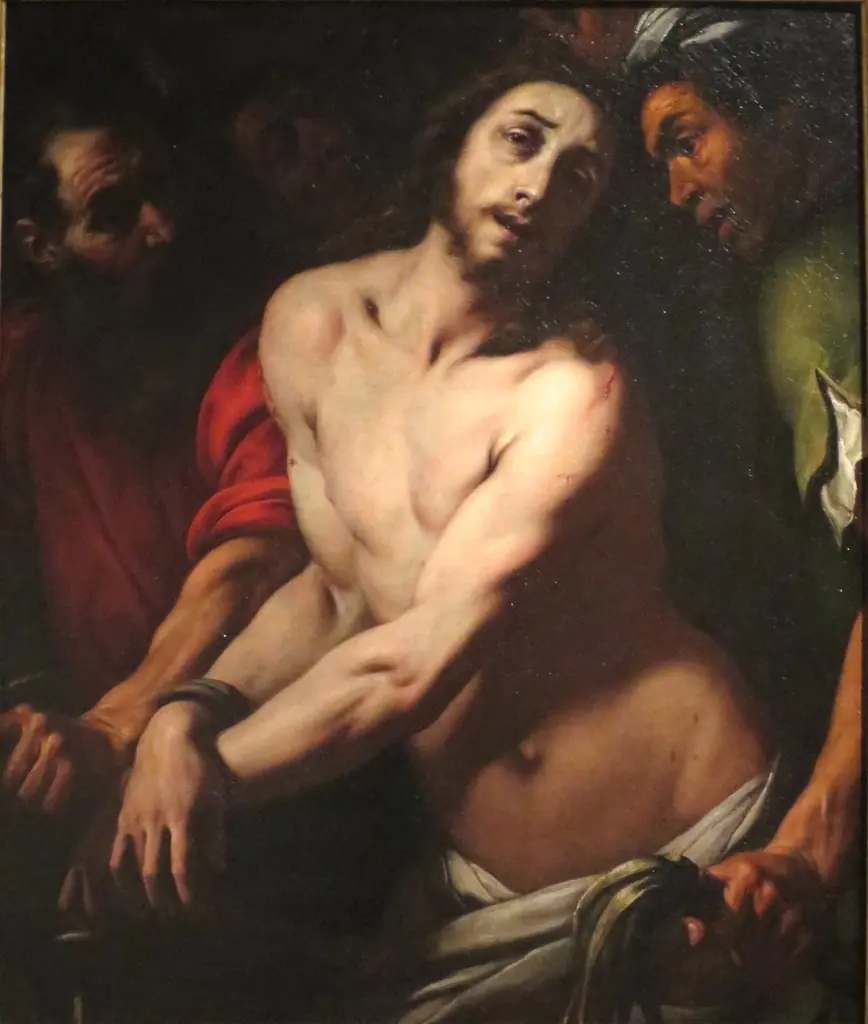
The painting depicts the biblical scene of Christ’s mocking, known as the Crowning with Thorns. In the composition, Christ is shown seated, crowned with thorns and draped in a purple robe, a mock scepter placed in his hand. Surrounding him, figures gesture in derision, underscoring the moment of humiliation and suffering before the Crucifixion.
The iconography aligns with traditional representations of the Passion, emphasizing Christ’s endurance and the scornful treatment he endures at the hands of Roman soldiers. The work conveys themes of sacrifice and divine forbearance, central to Christian devotional imagery of the period.
History & Provenance
The painting Verspottung Christi was created in 1666 by the artist Joannes de Cordua. The work, which depicts the Crowning with Thorns, is classified as a religious genre piece. It currently resides within the collection of the Bavarian State Painting Collections and is housed at the Alte Pinakothek.
The painting Verspottung Christi, created by Joannes de Cordua in 1666, is held in the collection of the Bavarian State Painting Collections. It is currently located at the Alte Pinakothek in Munich. The work depicts the Crowning with Thorns and measures 120.3 cm in height by 138.2 cm in width. No specific inventory number or exhibition history for this piece is provided in the available sources.
Overview
Created in 1666 by the Flemish artist Joannes de Cordua, Verspottung Christi is an oil painting that belongs to the corpus of his religious works. Executed during the later phase of the Dutch Golden Age, the canvas is now part of the Alte Pinakothek’s holdings in Munich. The composition presents a dramatic episode from the Passion, rendered with a stark contrast of light and dark.
Technique & Style
De Cordua employs chiaroscuro to heighten the emotional intensity, allowing the illuminated flesh and faces to emerge from a surrounding gloom. The strong directional lighting creates a three‑dimensional effect, while deep shadows suggest a light source from behind the figures. The brushwork combines precise detailing in the hands and facial expressions with broader, softer modeling in the surrounding darkness.
Context
De Cordua’s oeuvre spans still lifes, peasant genre scenes, and portraiture, yet his religious paintings, such as this one, reflect the Counter‑Reformation’s demand for vivid, affective imagery. Executed in a period when Flemish artists were active in Vienna and Prague, the painting illustrates the cross‑regional exchange of stylistic ideas that characterized the late Dutch Golden Age.
Artist & collection
Artist
Joannes de Cordua or Johann de Cordua (c. 1630–1702) was a Flemish painter who was mainly active in Vienna and Prague. He is known for his still lifes, peasant scenes, portraits, and biblical themes.