Artwork
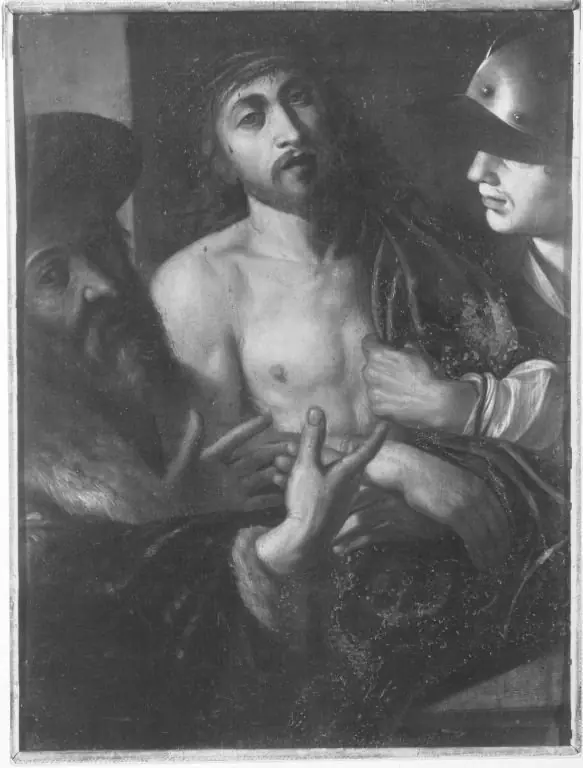
Ecce homo
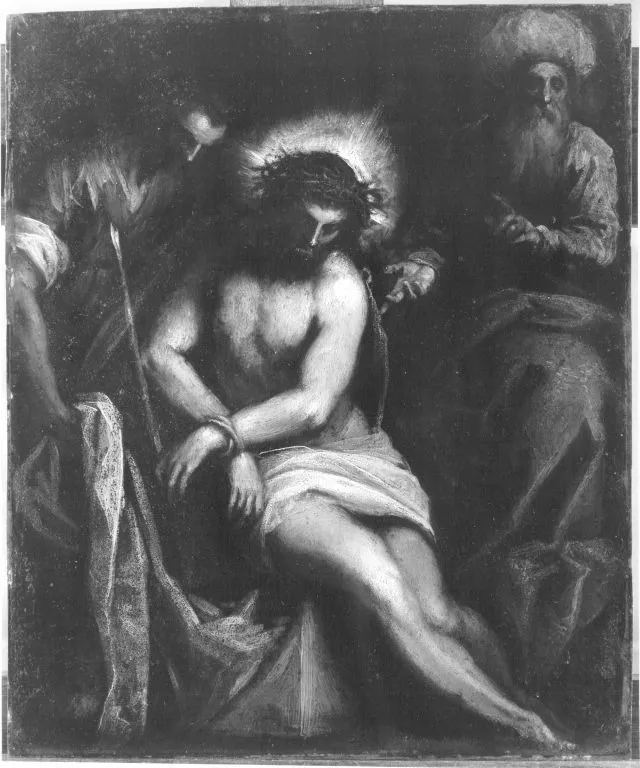
Ecce homo is an unspecified painting by the Mannerist artist Palma il Giovane. It dates from 1594 and is held in the collection of the Bavarian State Painting Collections.
About this work
Subject & Meaning
" Palma il Giovane's small devotional panel focuses on this moment of presentation, with Jesus Christ as the central figure of the composition.
The painting depicts the Ecce Homo, a scene drawn from the Gospel of John in which Pontius Pilate presents a scourged Jesus Christ to a hostile crowd, declaring "Behold the man." Palma il Giovane's small devotional panel focuses on this moment of presentation, with Jesus Christ as the central figure of the composition. The subject belongs to the Passion cycle and was a popular theme in late sixteenth-century religious art, intended to inspire contemplation of Christ's suffering and the injustice of his condemnation.
By isolating the figure of Christ as the main subject, the work emphasizes the pathos and redemptive symbolism of the episode rather than the surrounding crowd or Pilate.
The genre is identified as religious art, situating the image within devotional traditions of the period.
Technique & Style
The work is an oil painting on canvas dated 1586. It measures 39.7 cm in height and 32.6 cm in width. The handling reflects Palma il Giovane’s mature Venetian style, with smooth, blended modeling and a restrained palette that emphasizes the drama of the Ecce Homo subject.
The composition centers on a frontal Christ crowned with thorns, flanked by the instruments of the Passion; the figure’s quiet suffering is conveyed through delicate chiaroscuro rather than overt agitation. No losses or significant damages are reported in the record, and the surface appears intact for its period.
History & Provenance
The painting Ecce homo was created by the Venetian artist Palma il Giovane in 1586. Classified as a religious work depicting Jesus Christ, the piece measures 39.7 cm in height and 32.6 cm in width. It is currently held within the Bavarian State Painting Collections, specifically located at the Alte Pinakothek in Munich, though it is noted as being in locations where works are not on public display.
The work is documented as an oil painting executed at the turn of the late 16th century. Its creation is attributed solely to Palma il Giovane, with no other artists or workshops mentioned in the available records regarding its origin.
Context
The work titled Ecce homo, painted by Palma il Giovane in 1586, depicts the moment of Christ being presented to the crowd, reflecting Counter-Reformation themes of suffering and devotion. This religious composition aligns with the artist's broader oeuvre of devotional paintings created for devotional contexts within Venetian and Venetian-influenced circles. The piece is housed in the Alte Pinakothek in Munich, part of the Bavarian State Painting Collections, where it remains in storage and is not currently on display.
Its significance lies in its representation of late Renaissance religious art and its role within the evolving devotional practices of the late 16th century.
Legacy
Ecce homo by Palma il Giovane, painted in 1586, entered the Bavarian State Painting Collections and was housed in the Alte Pinakothek, Munich. Though not on public display at the time of cataloguing, its religious subject and composition contributed to scholarly discussions of Counter-Reformation imagery. The work remains part of the collection's stored holdings, reflecting evolving interpretations of Palma il Giovane's late output.
Overview
The painting 'Ecce Homo' is a work by Palma il Giovane, created in 1594. It is a representative piece of the Mannerist movement and is held in the Alte Pinakothek.
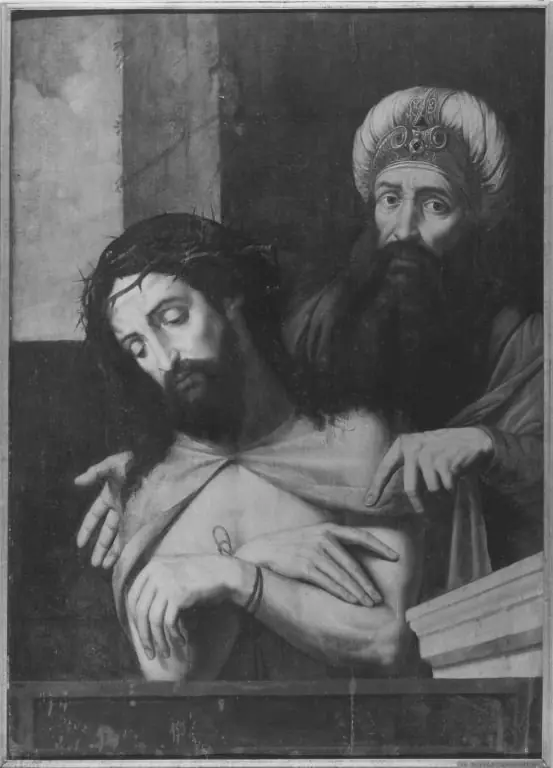
Artist & collection
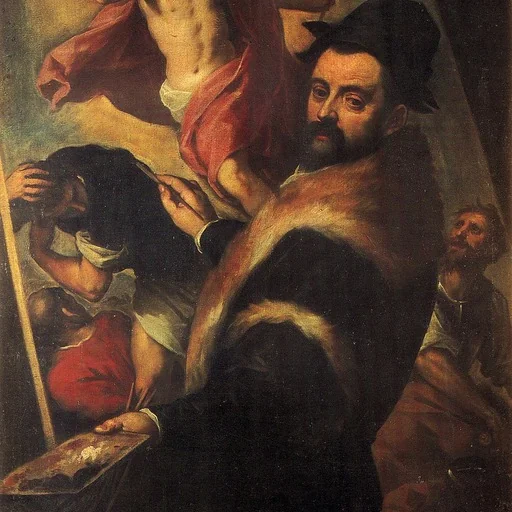
Artist
Iacopo Negretti (1548/50 – 14 October 1628), best known as Jacopo or Giacomo Palma il Giovane or simply Palma Giovane ('Young Palma'), was an Italian painter from Venice and a notable exponent of the Venetian school.

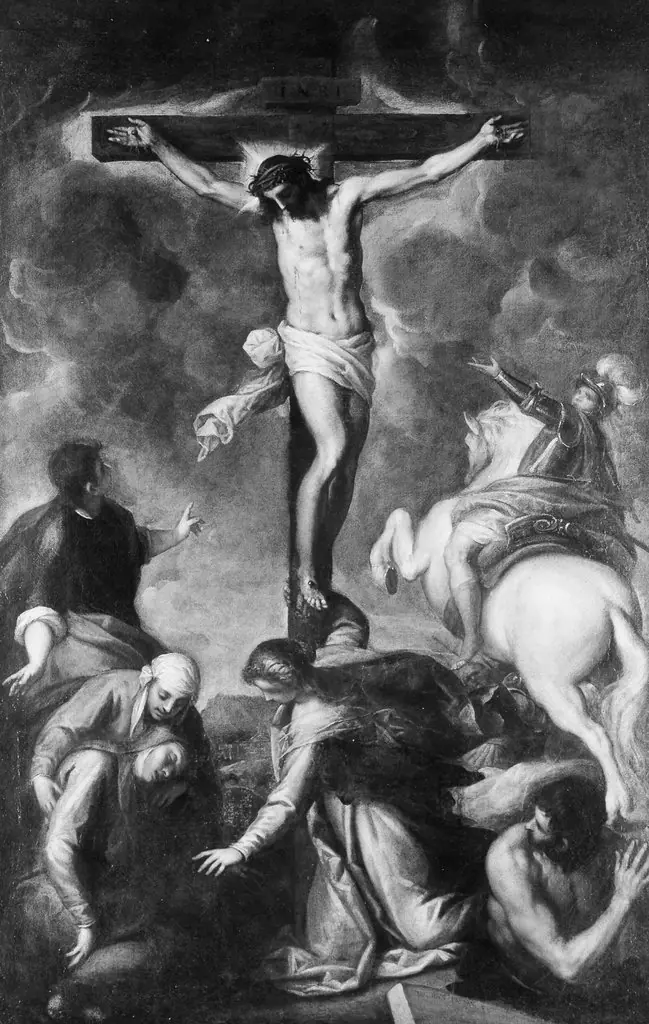
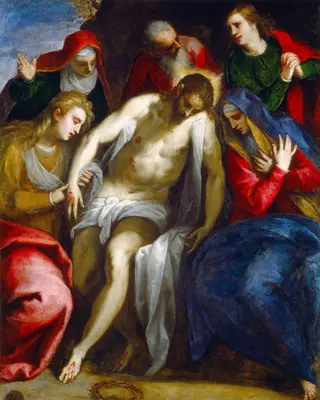
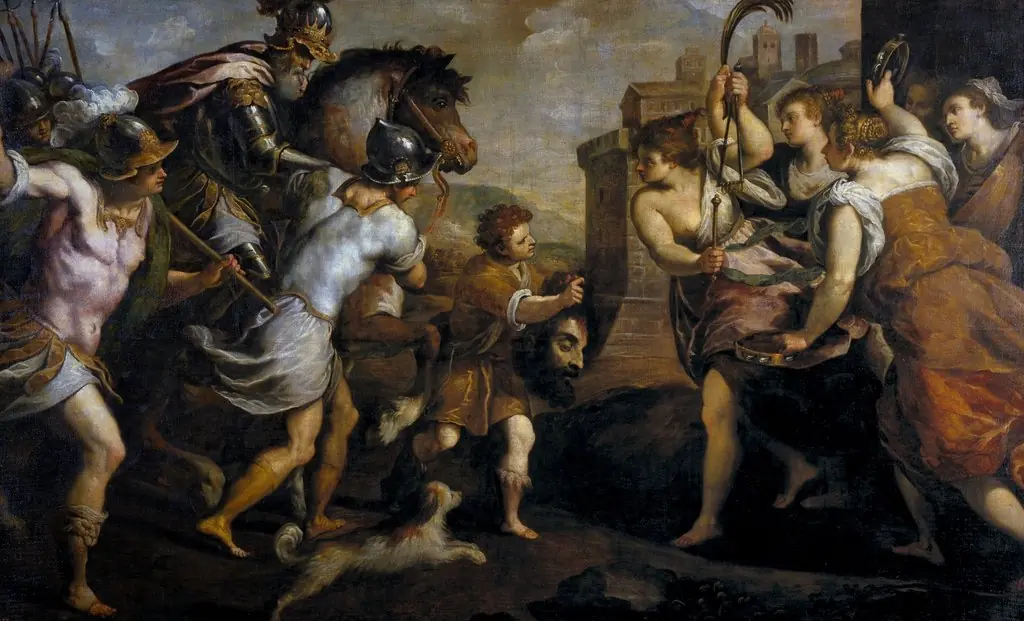
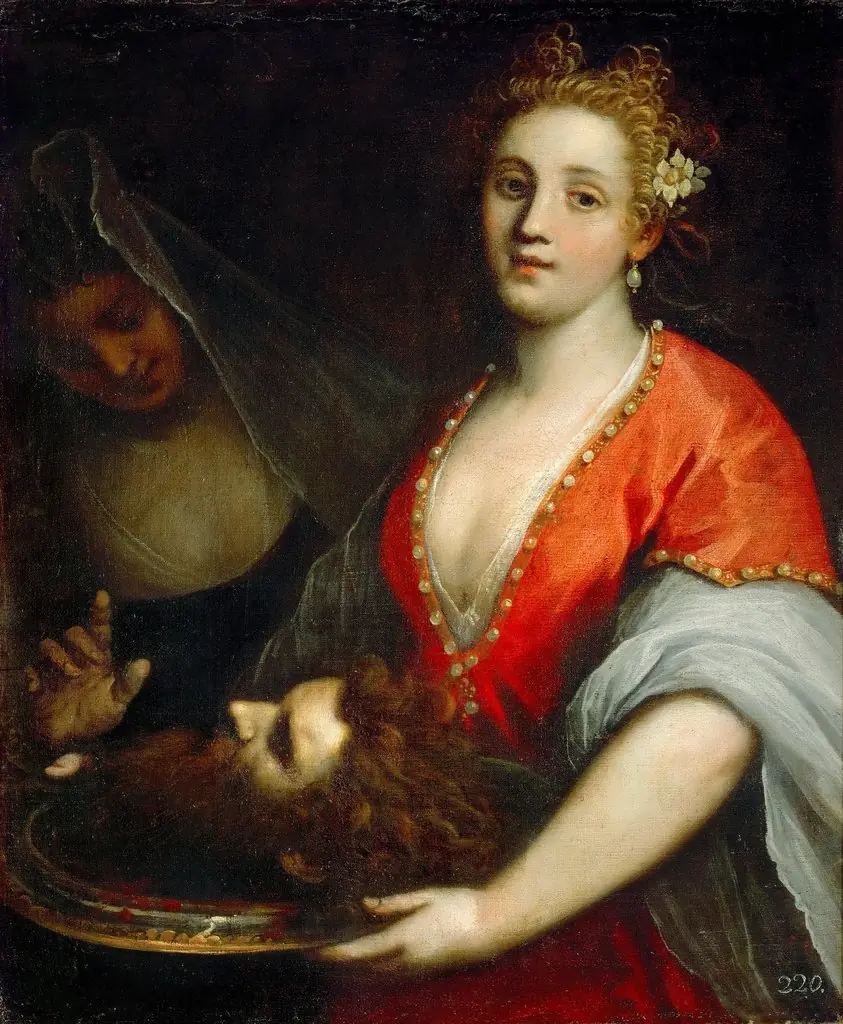
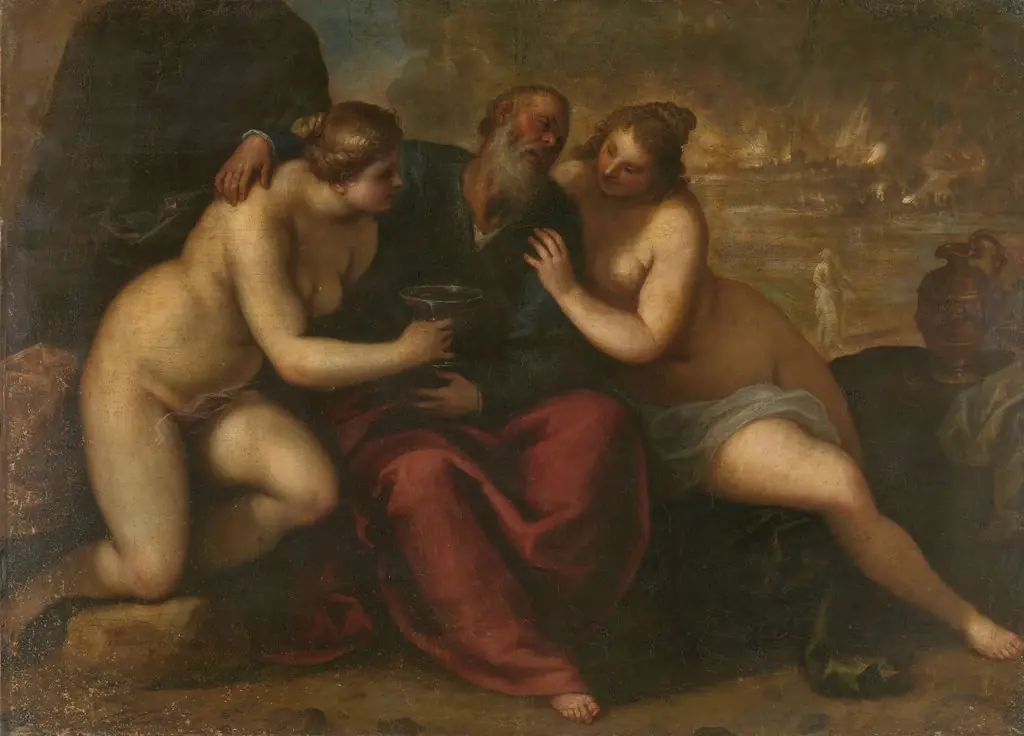
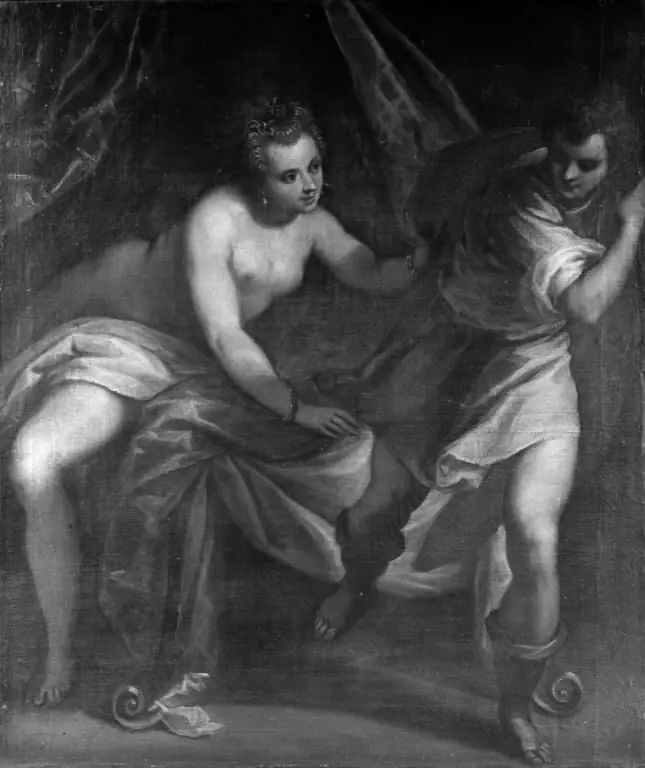
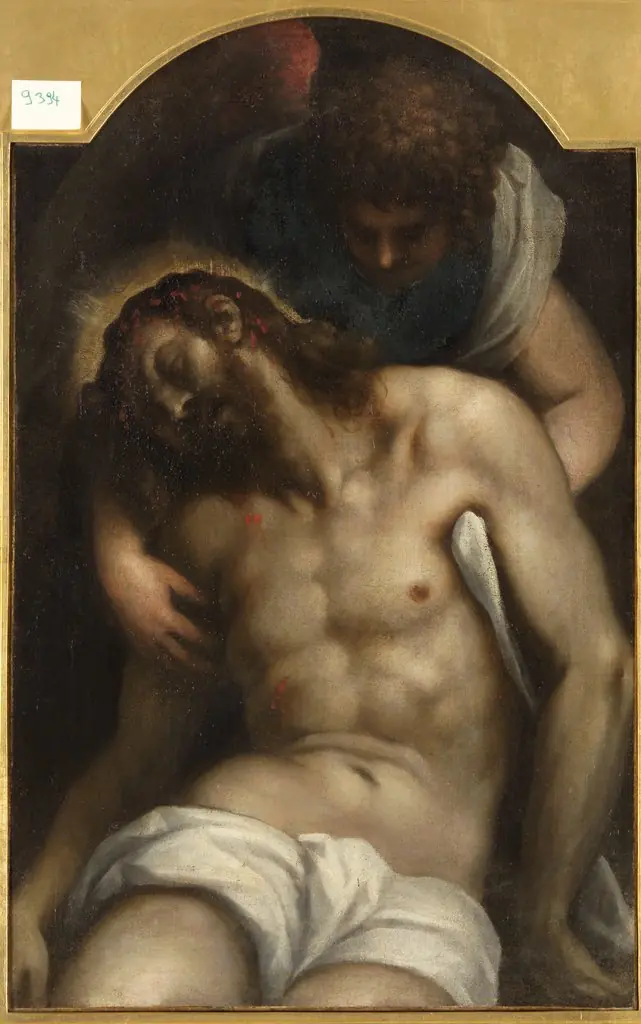
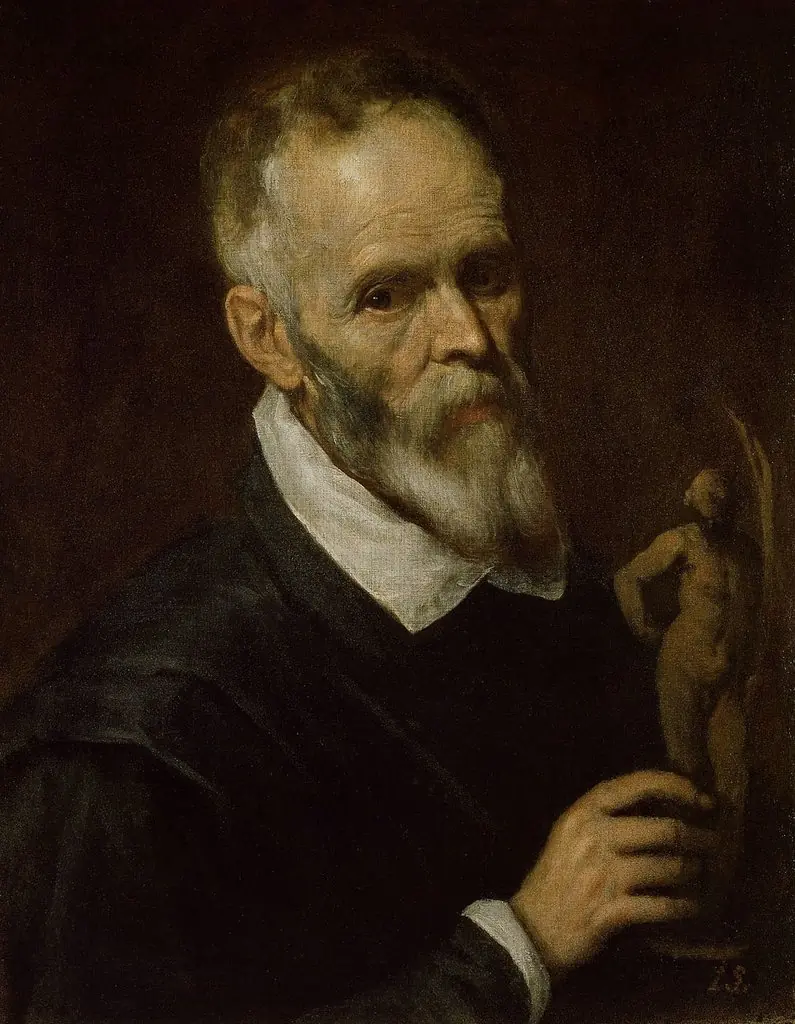
- Ecce homo
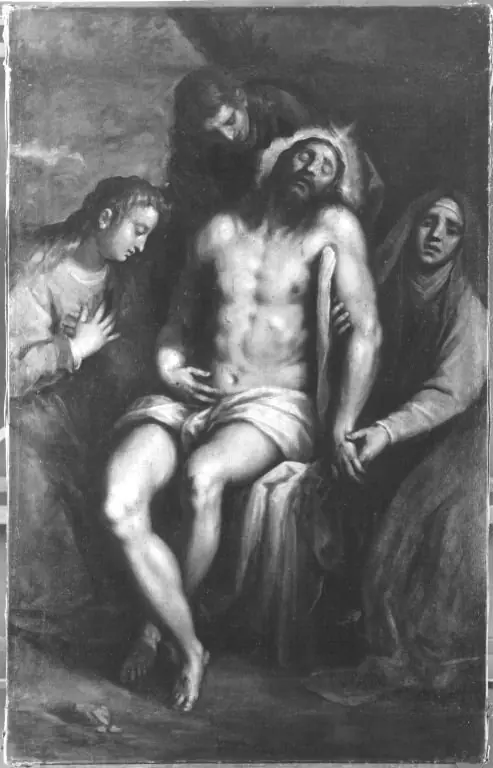 Beweinung Christi
 Christus am Kreuz (Schule)
 Ecce homo
 Christ on the Cross with Angels
 Geißelung Christi
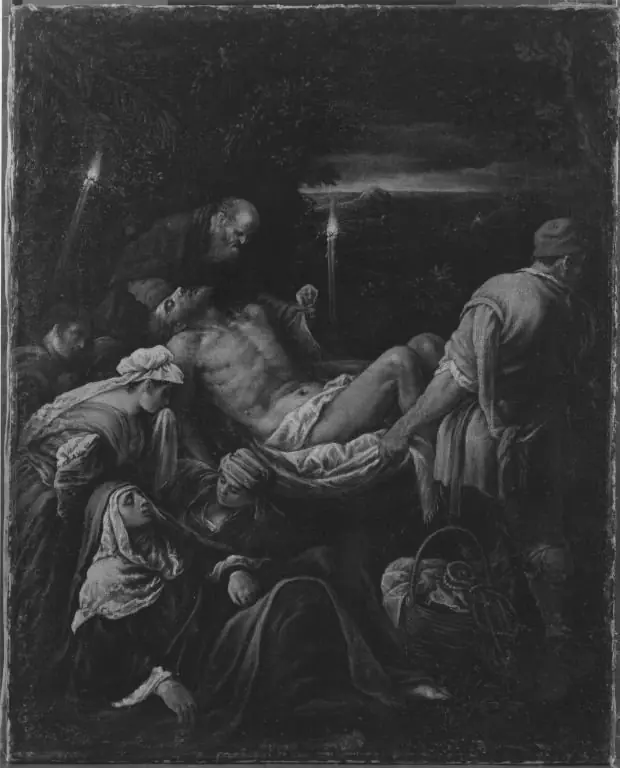 Grablegung Christi (Werkstattkopie)
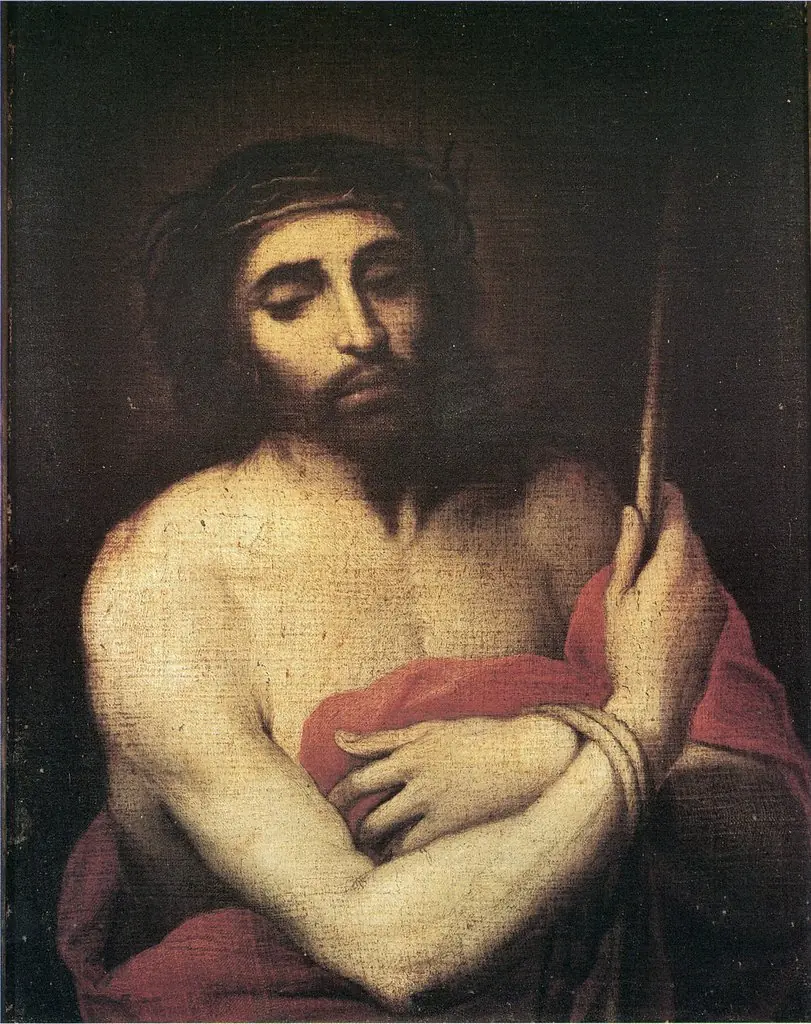 Behold the man
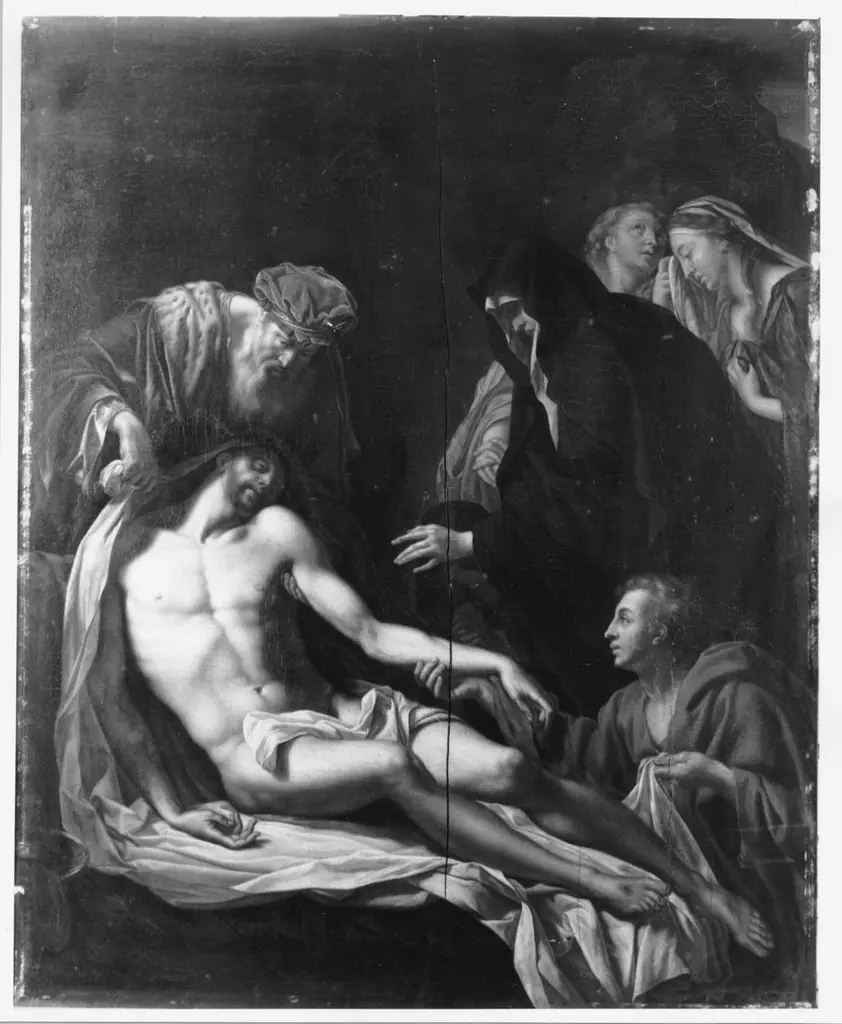 The Entombment
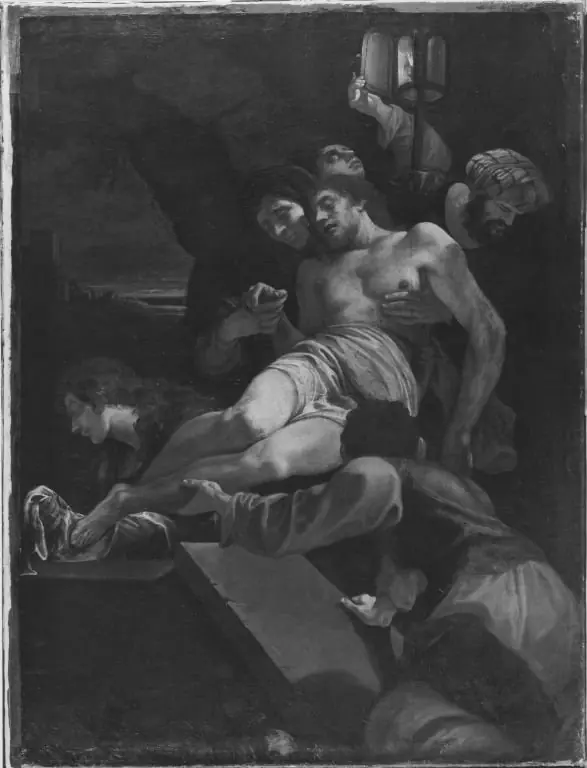 Grablegung Christi
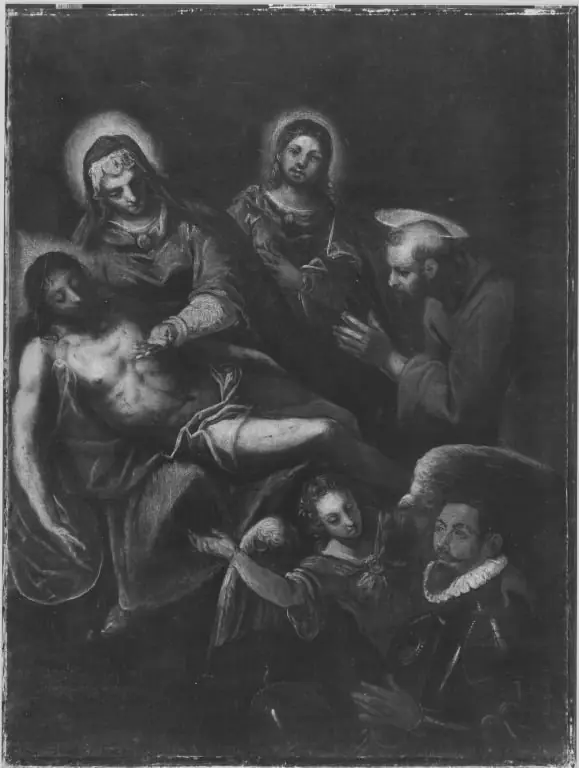 Beweinung Christi mit den hll. Johannes, Franziskus und einem Stifter (Werkstatt)
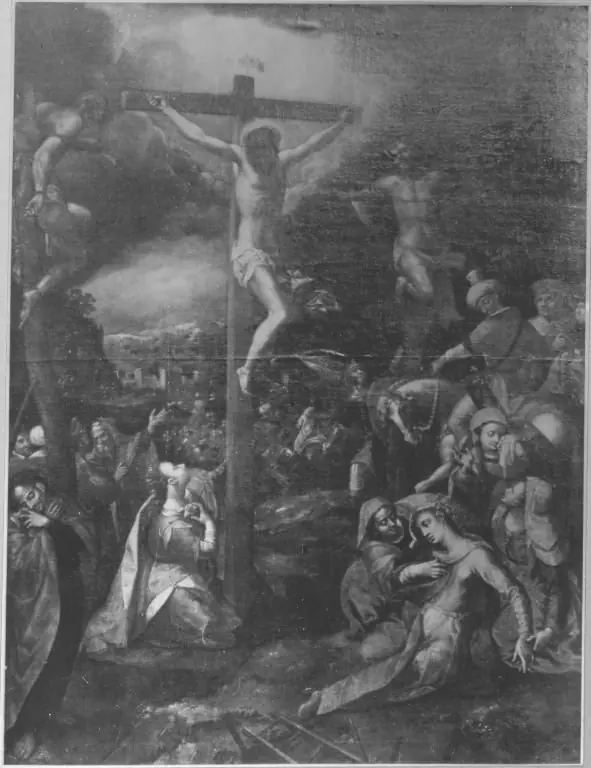 Kreuzigung Christi (Kopie nach)