Artwork
Portrait of Catherine II
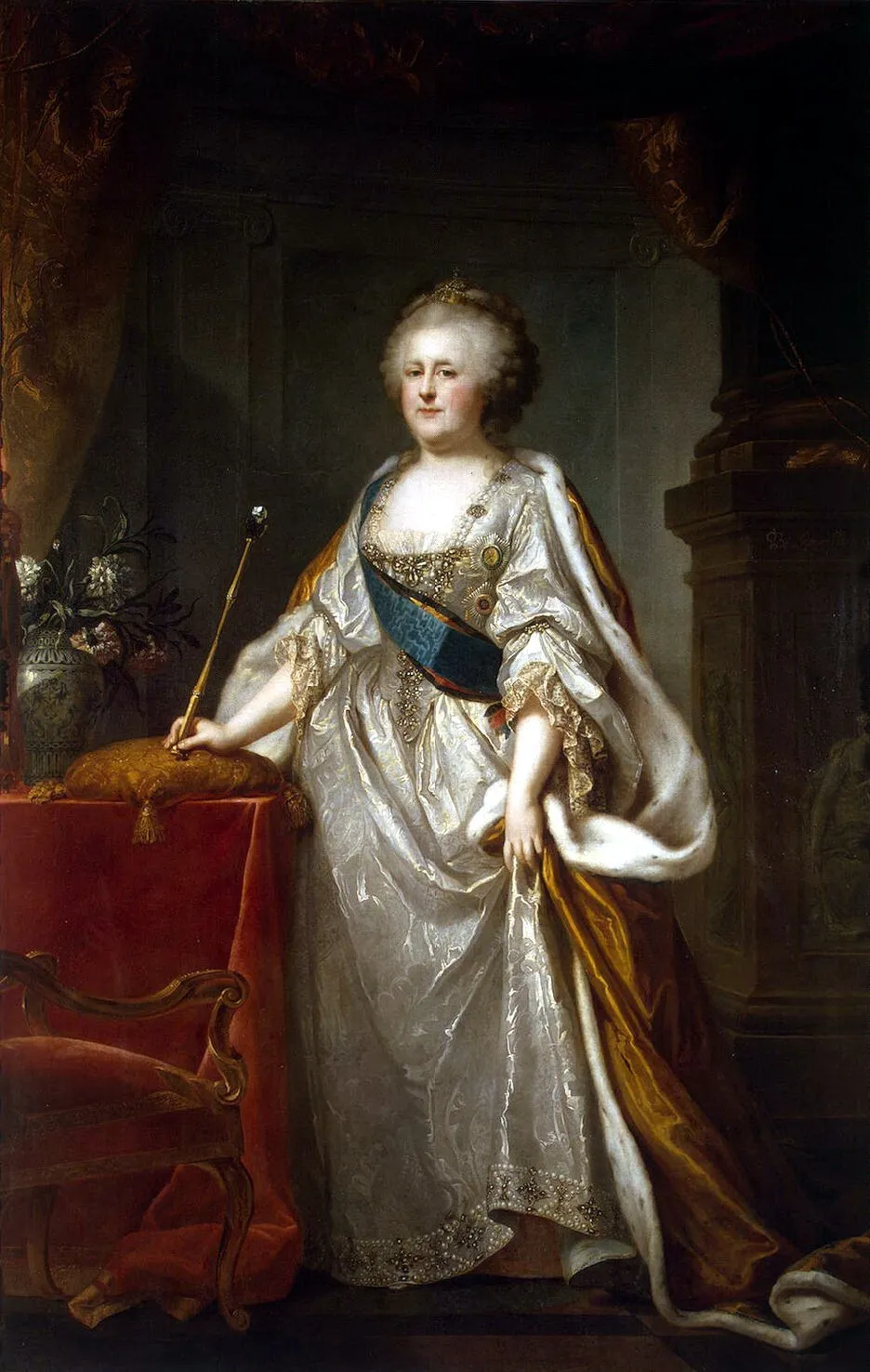
Portrait of Catherine II is an oil painting by the Neoclassicist artist Johann Baptist von Lampi the Elder. It dates from 1798 and is held in the collection of the Hermitage Museum.
About this work
Subject & Meaning
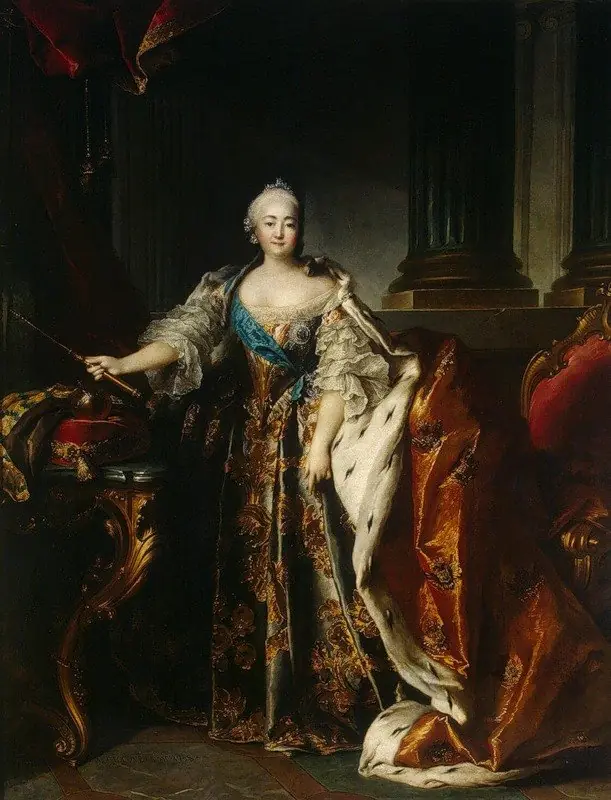
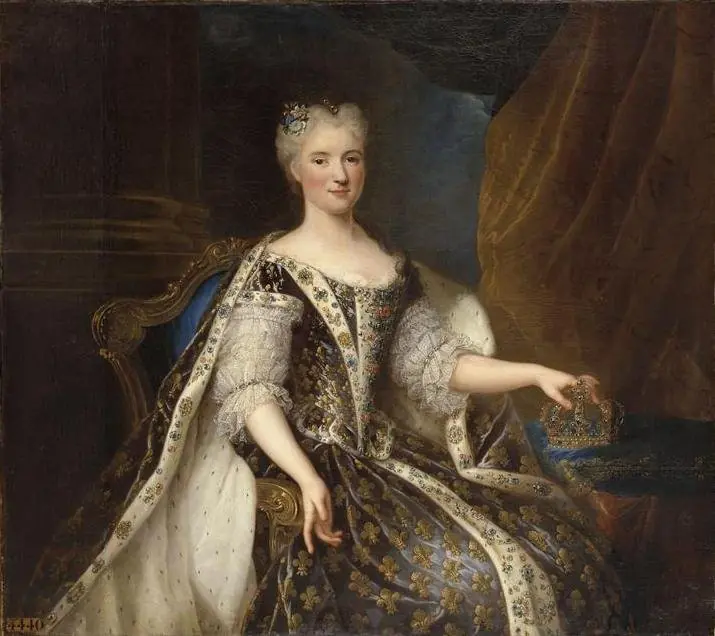
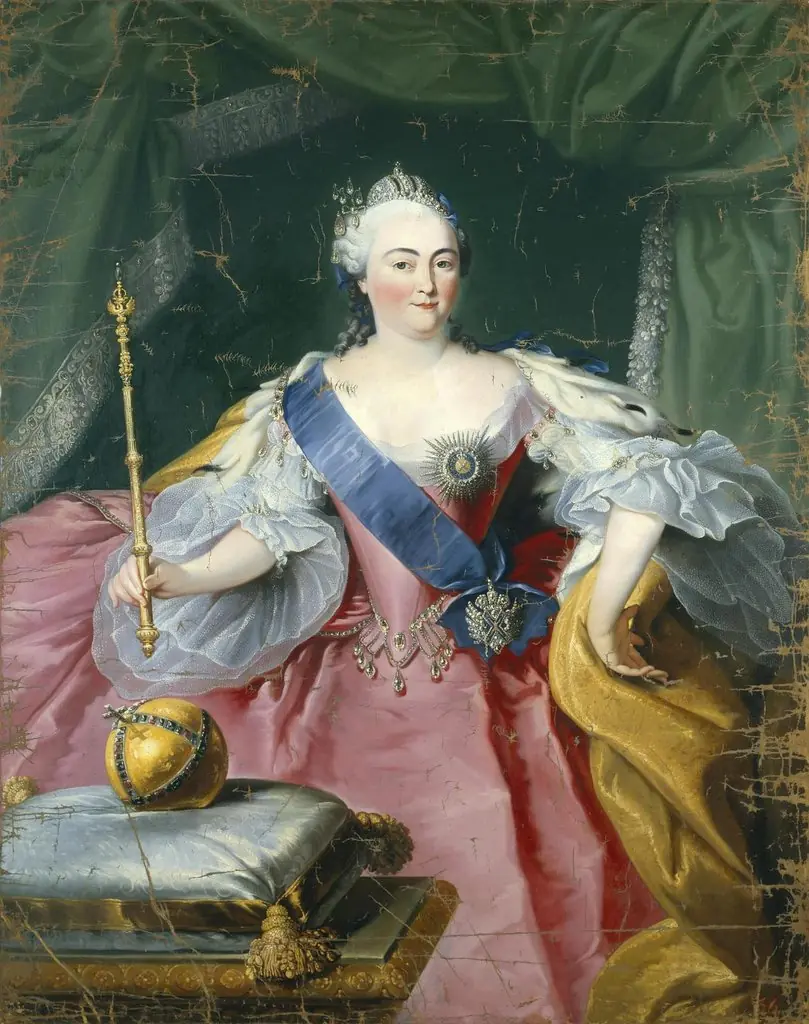
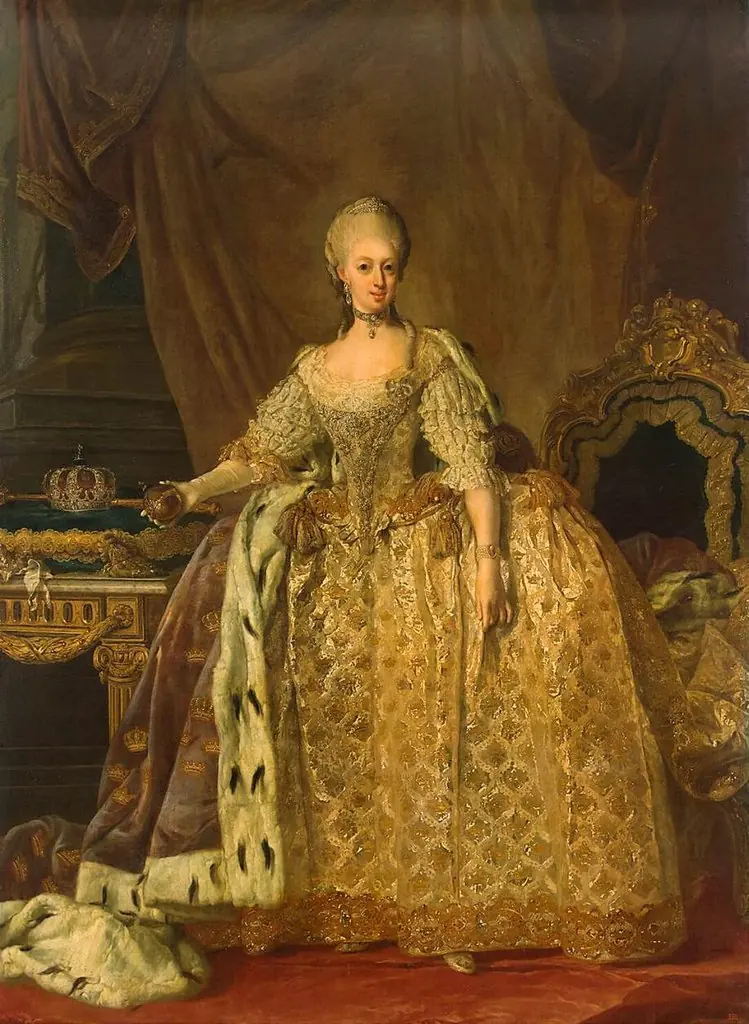
The painting presents Catherine II of Russia in regal court dress, holding a sceptre that underscores her sovereign authority.
The painting presents Catherine II of Russia in regal court dress, holding a sceptre that underscores her sovereign authority. Symbolic elements such as the table and the sceptre reference imperial power and governance, while her attire and posture convey the dignity of the Russian empress. The work was created in Austria by Johann Baptist von Lampi the Elder in 1794 and later entered the collection of the Hermitage Museum, where it has been featured in exhibitions like "Jewels! The Glitter of the Russian Court".
Technique & Style
The Portrait of Catherine II is rendered in oil paint applied to a canvas support, a medium explicitly recorded in both the internal catalog description and the Wikidata entry for the work. The painting dates to 1794 and was produced by Johann Baptist von Lampi the Elder, who employed the oil‑on‑canvas technique characteristic of his portrait practice. The available sources do not specify details of the artist’s brushwork, the painting’s present condition, or any particular stylistic nuances beyond its classification as a portrait.
History & Provenance
Commissioned as a formal likeness of Catherine II of Russia, this oil on canvas portrait was executed by Johann Baptist von Lampi the Elder in 1794. The artist created the work while based in Austria, depicting the Empress in court dress alongside a sceptre and table. Upon completion, the painting entered the collection of the Hermitage Museum, where it remains housed.
The large-scale work, measuring 230 cm by 162 cm, was later included in the exhibition history of the museum, specifically featured in the display titled "Jewels! The Glitter of the Russian Court."
The work is held in the collection of the State Hermitage Museum, St. Petersburg, where it is inventoried as accession number ЭРЖ-1118.
It was exhibited in the travelling show Jewels! The Glitter of the Russian Court, held in Austria during the project’s run.
Overview
Johann Baptist von Lampi the Elder completed this oil painting in 1798. Executed in a neoclassical idiom, the work presents Empress Catherine II of Russia in regal attire, holding a golden sceptre and positioned beside a richly appointed table. The canvas now belongs to the State Hermitage Museum in St. Petersburg.
Context
The painting reflects the broader European trend of portraying monarchs as enlightened patrons, aligning Catherine’s image with classical ideals of rationality and virtue. Lampi, an Austrian‑Italian painter active in Russia, blended Western neoclassical aesthetics with the specific ceremonial language of the Russian court.
Artist & collection
Artist
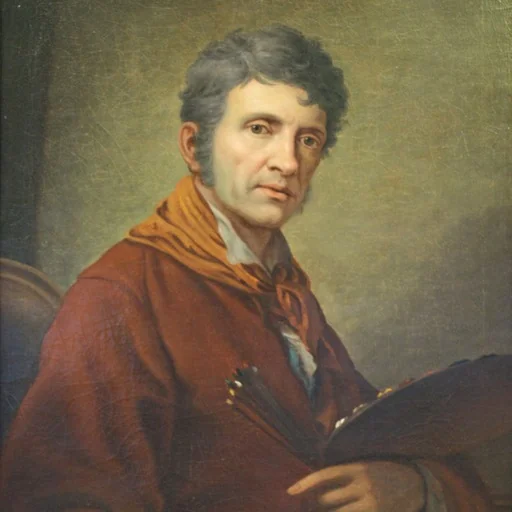
Johann Baptist von Lampi the Elder
Johann Baptist von Lampi the Elder (German: Johann Baptist von Lampi der Ältere, Polish: Jan Chrzciciel Lampi; 31 December 1751 – 11 February 1830) was an Austrian-Italian historical and portrait painter.

- Portrait of Catherine II
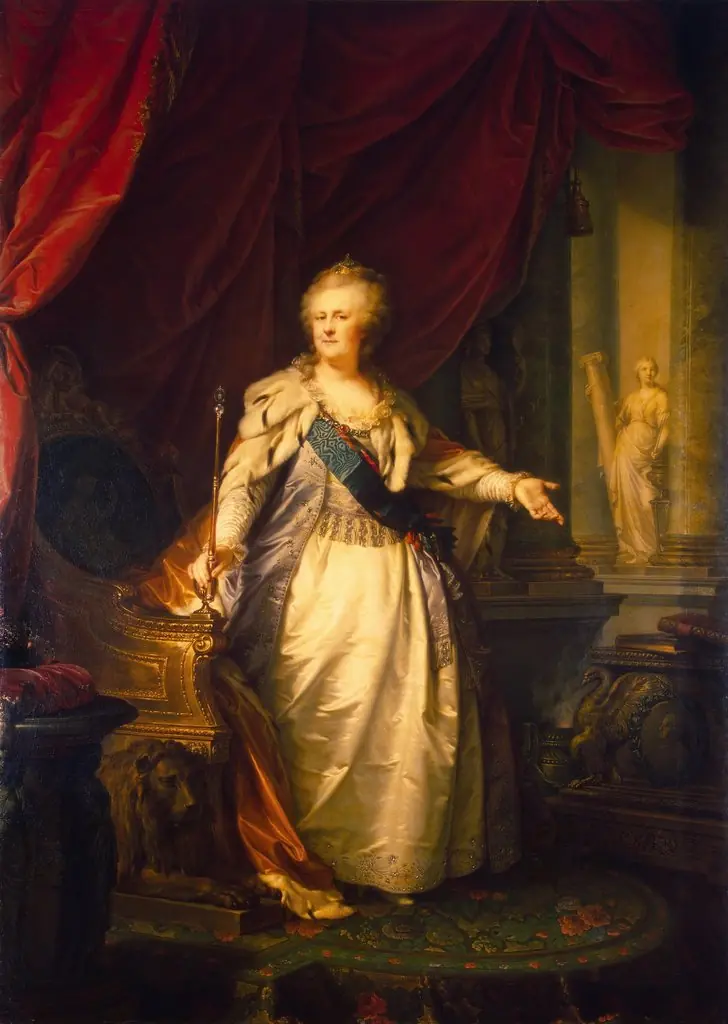 Portrait of Catherine II
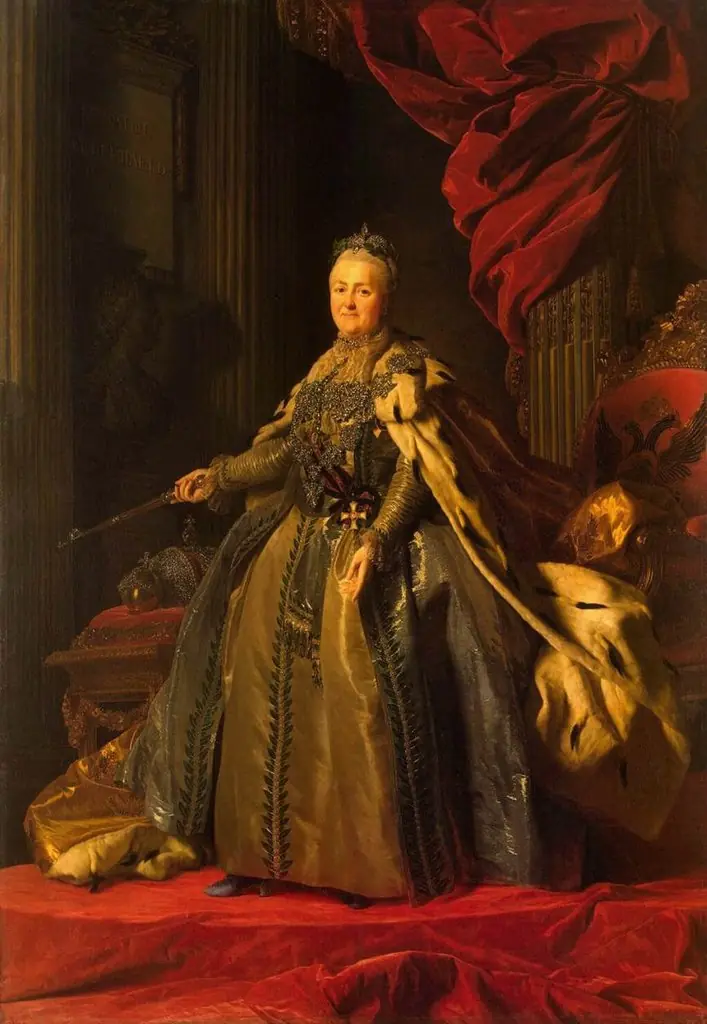 Portrait of Catherine II
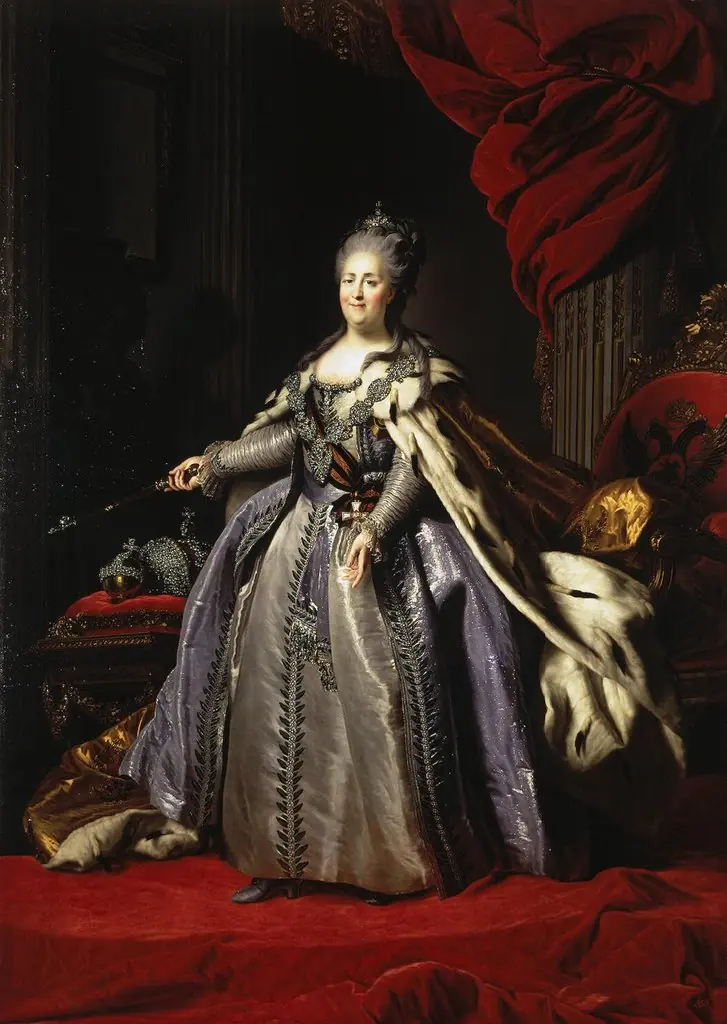 Portrait of Catherine II (copy)
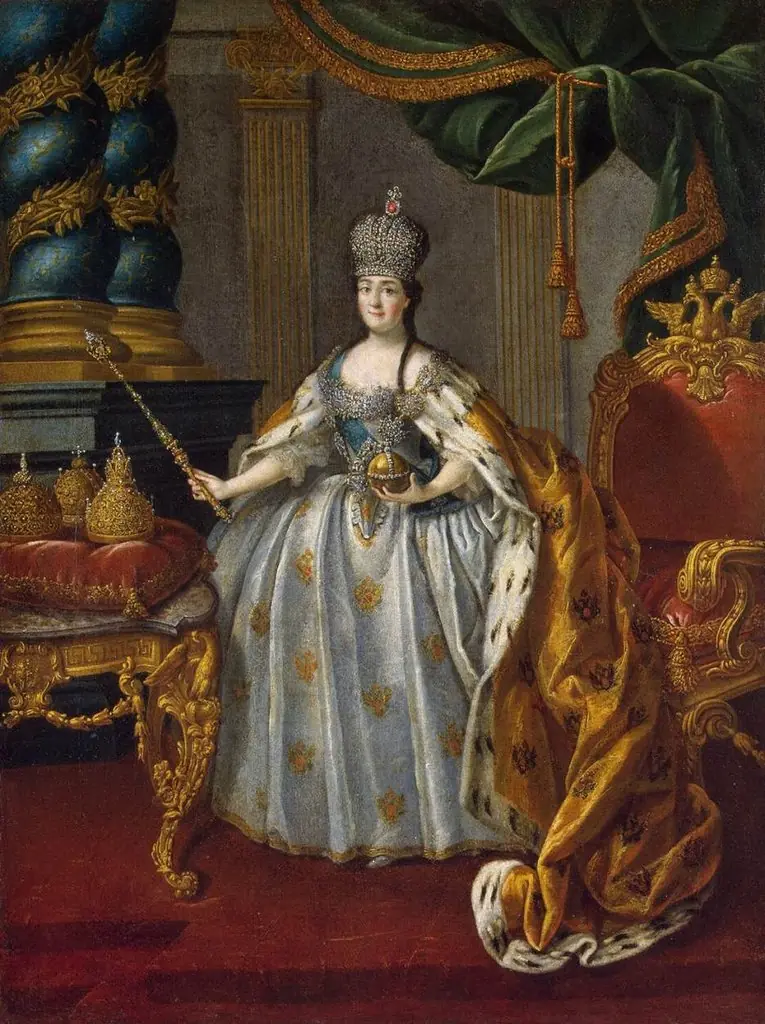 Portrait of Catherine II
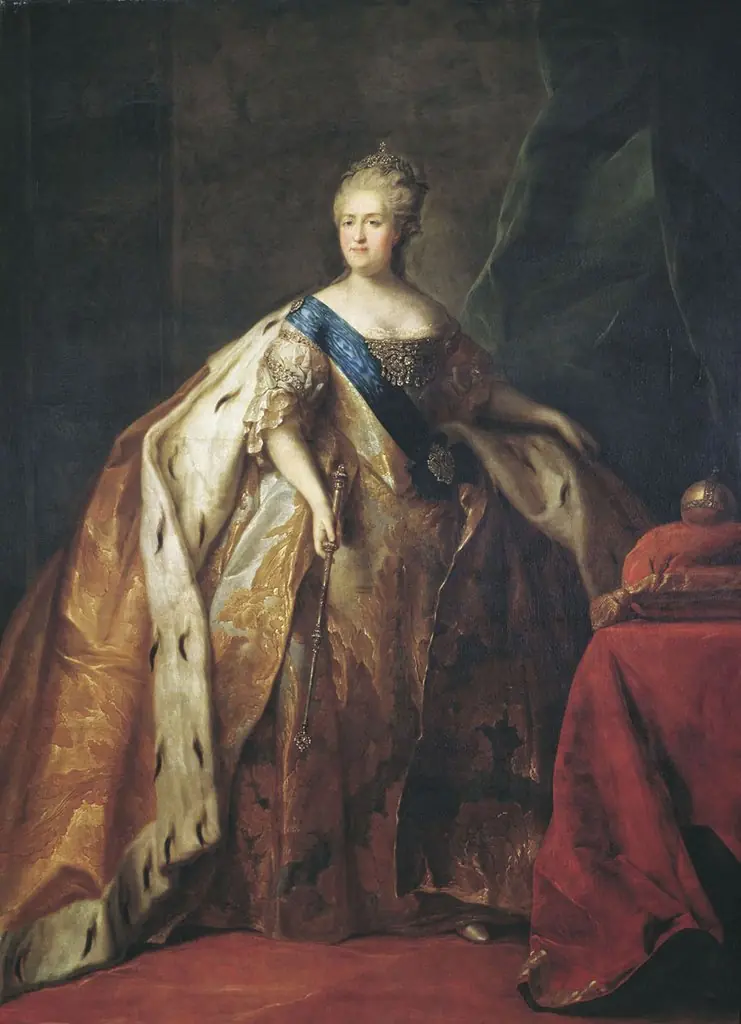 Portrait of Catherine II of Russia (1729-1796)
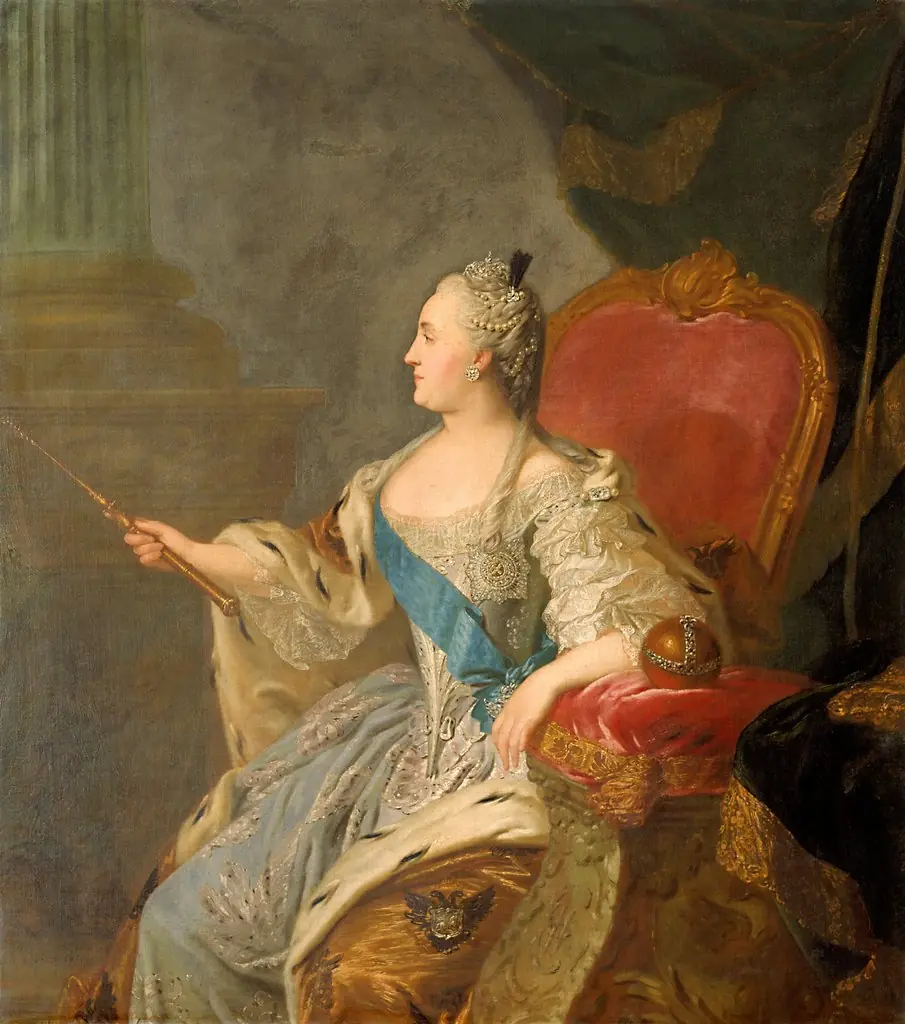 Portrait of Catherine II
 Portrait of Catherine II of Russia (1729-1796)
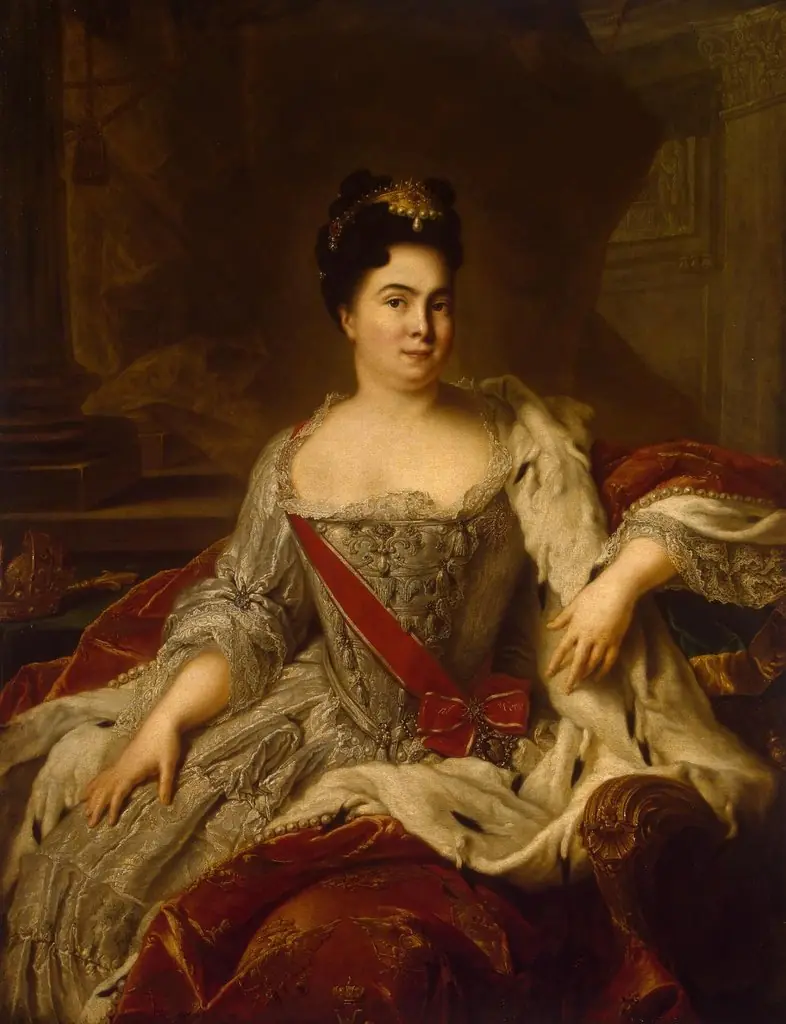 Portrait of Catherine I of Russia
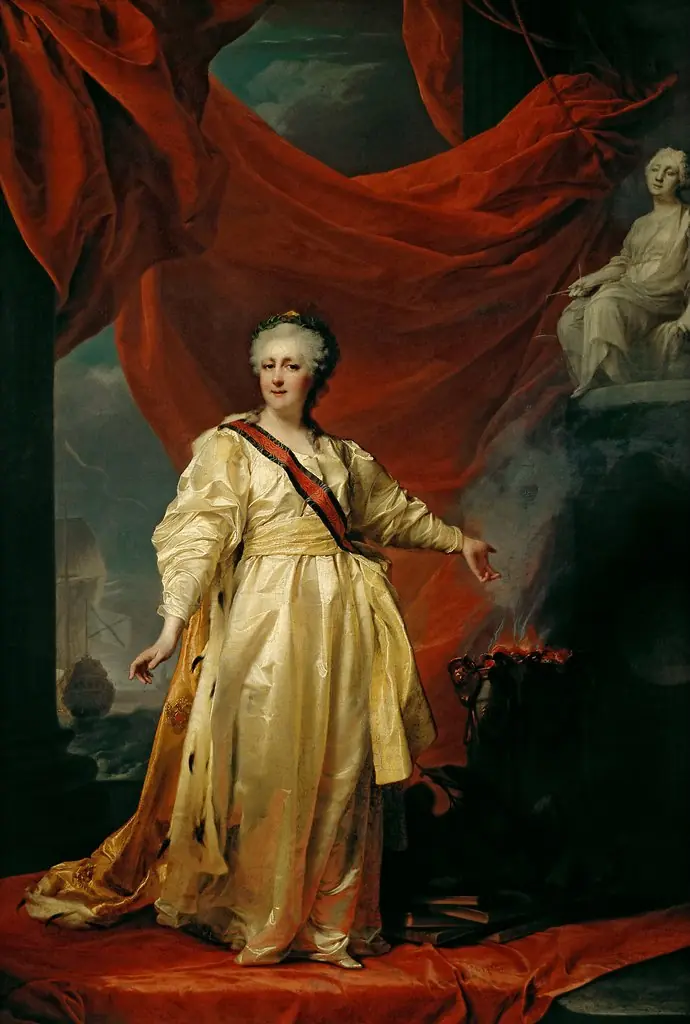 Portrait of Catherine II the Legislatress in the Temple Devoted to the Godess of Justice