Artwork
Portrait of Catherine II
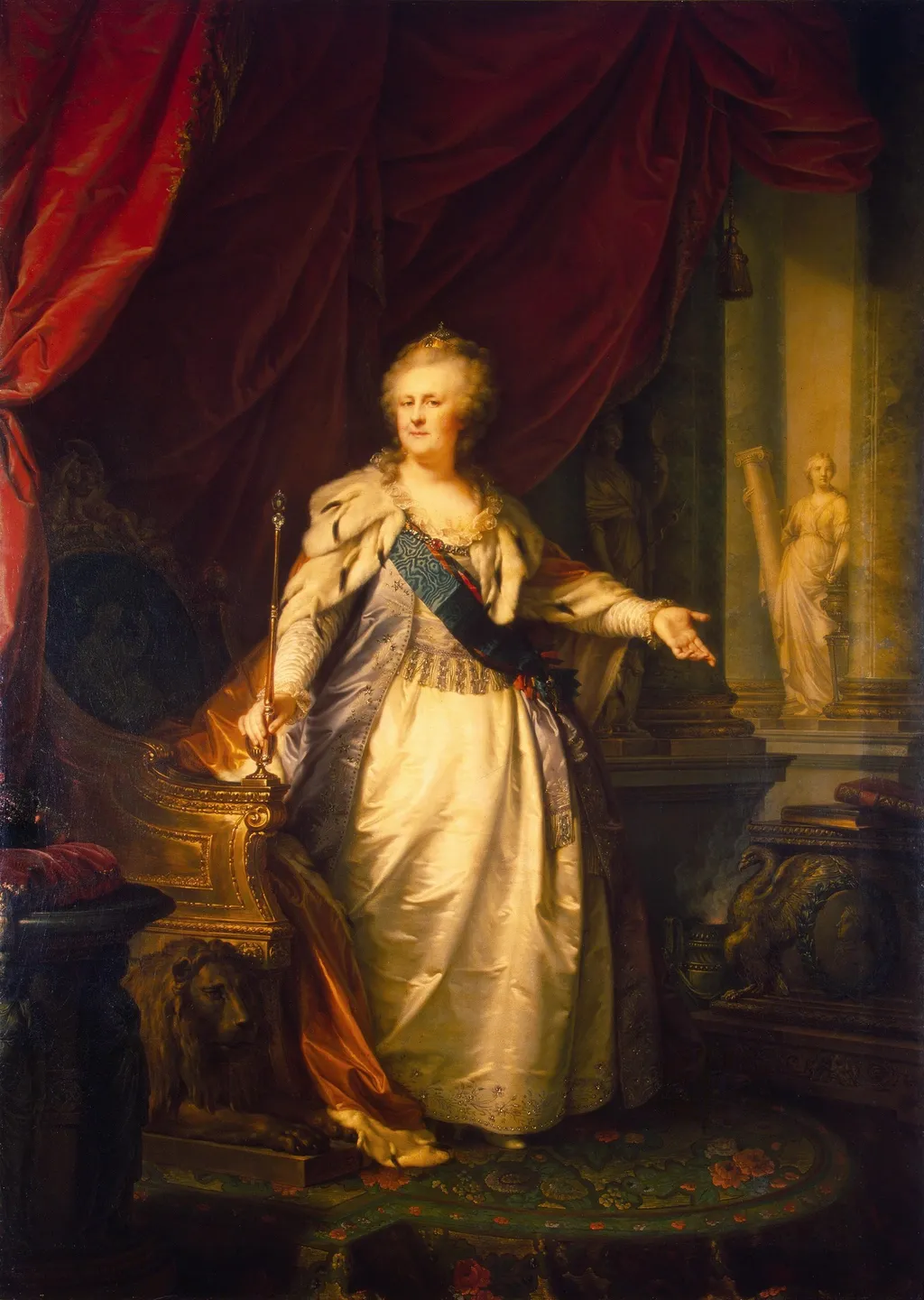
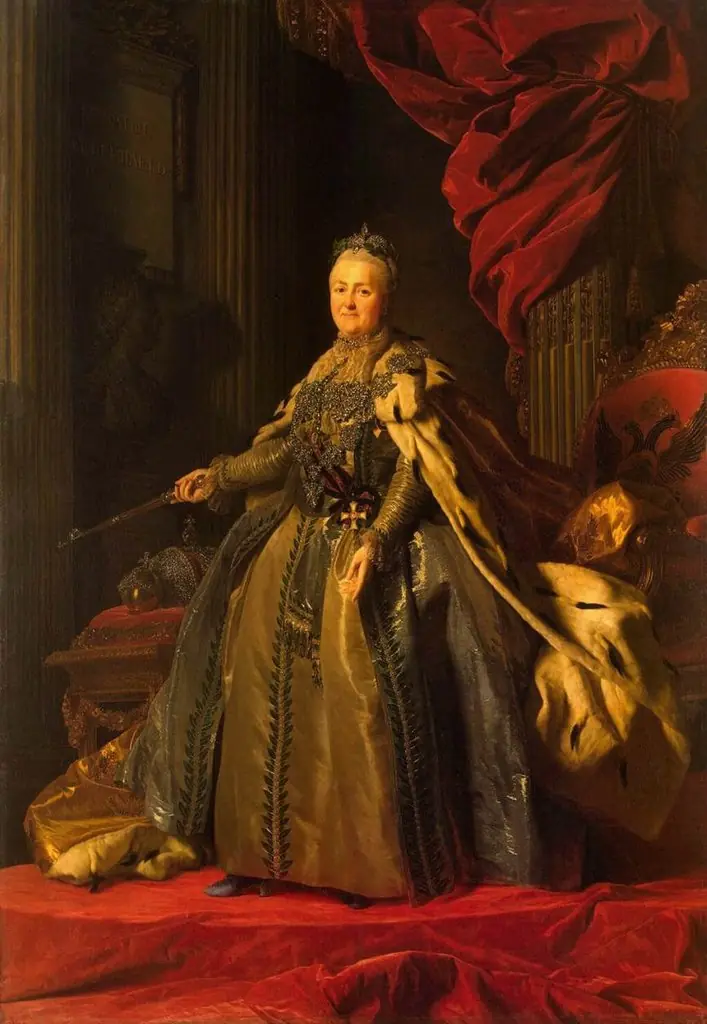
Portrait of Catherine II is an oil painting by the Neoclassicist artist Johann Baptist von Lampi the Elder. It dates from 1797 and is held in the collection of the Hermitage Museum.
About this work
Overview
Measuring 290 by 208 centimeters, the painting depicts the Empress of Russia in ceremonial regalia within an elaborate interior setting.
The Portrait of Catherine II is a full-length oil-on-canvas portrait painted in 1793 by Johann Baptist von Lampi the Elder, an Austrian-Italian artist who became one of the leading court painters in late eighteenth-century Europe. Measuring 290 by 208 centimeters, the painting depicts the Empress of Russia in ceremonial regalia within an elaborate interior setting. It is held in the collection of the Hermitage Museum in Saint Petersburg, where it stands as a significant example of state portraiture from the reign of one of Russia's most powerful monarchs.
Subject & Meaning
The portrait depicts Catherine II of Russia, who ruled from 1762 until her death in 1796, at the height of her power. The empress stands in a pose of controlled authority, her right hand grasping a scepter that rests against a gilded throne with a lion-head arm, while her left arm extends outward with palm upturned in a gesture of open governance. Her ceremonial costume, a white silk gown with a blue sash across her chest and an ermine-trimmed cloak, proclaims her imperial status, as does the small crown set upon her powdered hair. A jeweled order hangs at her neck, further signaling her rank. The setting reinforces this message of sovereignty: deep red drapery sweeps across the upper left, while to the right classical columns and a marble statue of a robed female figure holding a column evoke the ideals of stability and classical learning that Catherine cultivated for her reign. The patterned carpet, ornate furniture with carved eagle details, and the carefully arranged decorative objects on a table contribute to an atmosphere of cultivated luxury and deliberate political theater.
Technique & Style
Lampi executed the portrait in oil on canvas, employing a smoothly painted surface that pays meticulous attention to the sheen of fabrics and metallic surfaces. The palette is dominated by crimson, gold, cream, and deep green, creating a harmonious but imposing chromatic scheme. Strong light falls on Catherine's figure from the left, isolating her against a darker background and employing chiaroscuro to add depth and dramatic focus. The handling is precise in its rendering of textures, from the lustrous silk of the gown to the soft ermine trim and the reflective surfaces of the scepter and gilded throne. The composition positions the figure slightly off-center within the grand interior, a formal arrangement typical of European court portraiture that nonetheless allows for a direct, engaging gaze toward the viewer.
History & Provenance
The portrait was painted in 1793, during the period when Lampi had established himself as a favored court artist in Russia. Born in Romeno in the County of Tyrol in 1751, Lampi had trained under his father, worked in Trento, Innsbruck, and Vienna, and served the court of King Stanisław II Augustus in Warsaw before moving to Saint Petersburg in 1791. There, Catherine II granted him a hereditary knighthood, and he devoted himself to portrait painting, producing images of the empress and her court. The painting was made in Austria, according to available records, and subsequently entered the collection of the Hermitage Museum, where it remains. Its accession details and specific exhibition history are not recorded in the provided sources.
Context
Johann Baptist von Lampi the Elder occupied a significant position in the European art world of the late eighteenth century, moving between major courts and adapting his portraiture to serve different political regimes. His arrival in Russia in 1791 came at a moment when Catherine II was actively shaping her visual legacy through commissioned portraits that emphasized her legitimacy as a ruler and her engagement with Enlightenment ideals. Lampi's work in Saint Petersburg formed part of a broader pattern of foreign artists serving the Russian court, contributing to a cosmopolitan visual culture that drew upon Italian, French, and German traditions. The portrait of Catherine II exemplifies the international style of state portraiture that Lampi had developed through his peripatetic career, combining Austrian academic training with the demands of imperial representation. Critical reception and detailed scholarly analysis of this specific work are not documented in the provided sources.
Legacy
The Portrait of Catherine II remains in the Hermitage Museum as a document of Lampi's Russian period and of the visual culture of Catherine's reign. Lampi himself returned to Vienna in 1797, became an honorary citizen in 1799, and died there in 1830, having amassed a considerable fortune from his portrait practice. His two sons continued the family profession: Johann Baptist the Younger worked in Russia for thirteen years, while Franz Xaver (Franciszek Ksawery Lampi) established himself in Warsaw. The elder Lampi's portrait of Catherine II endures as a representation of one of Europe's most powerful eighteenth-century monarchs at the close of her reign, preserved within the very institution, the Hermitage, that she founded and that became synonymous with imperial Russian culture.
Own this work as a print
Artist & collection
Artist
Johann Baptist von Lampi the Elder
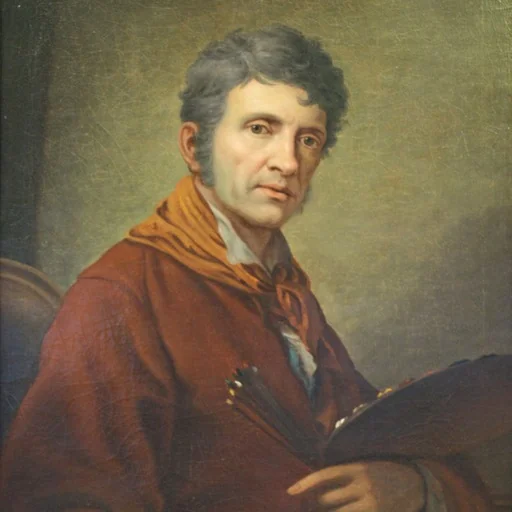
Johann Baptist von Lampi the Elder (German: Johann Baptist von Lampi der Ältere, Polish: Jan Chrzciciel Lampi; 31 December 1751 – 11 February 1830) was an Austrian-Italian historical and portrait painter.

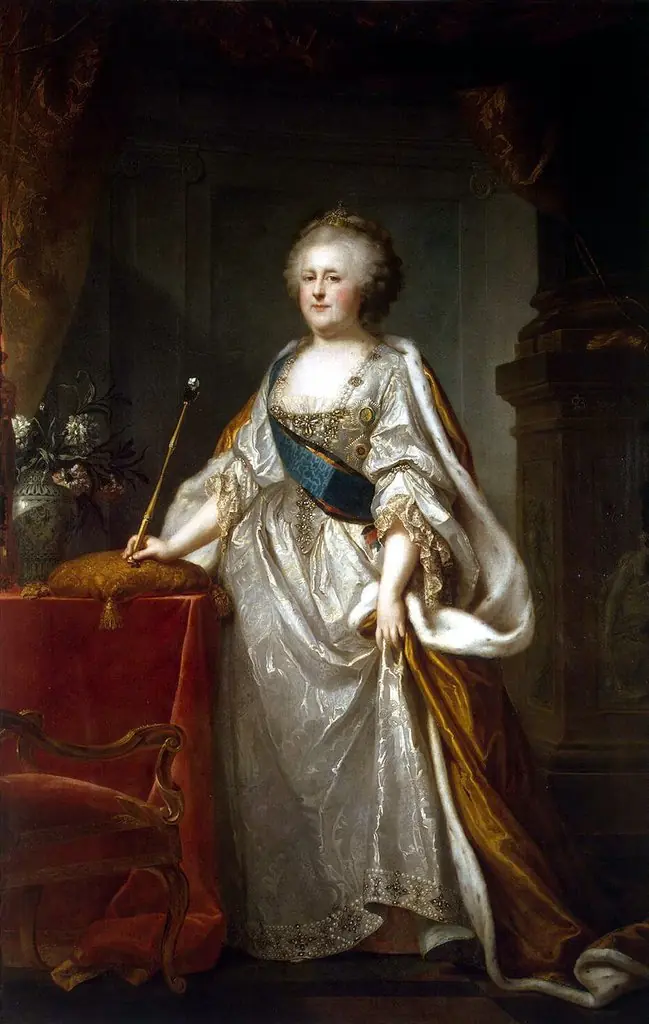 Portrait of Catherine II
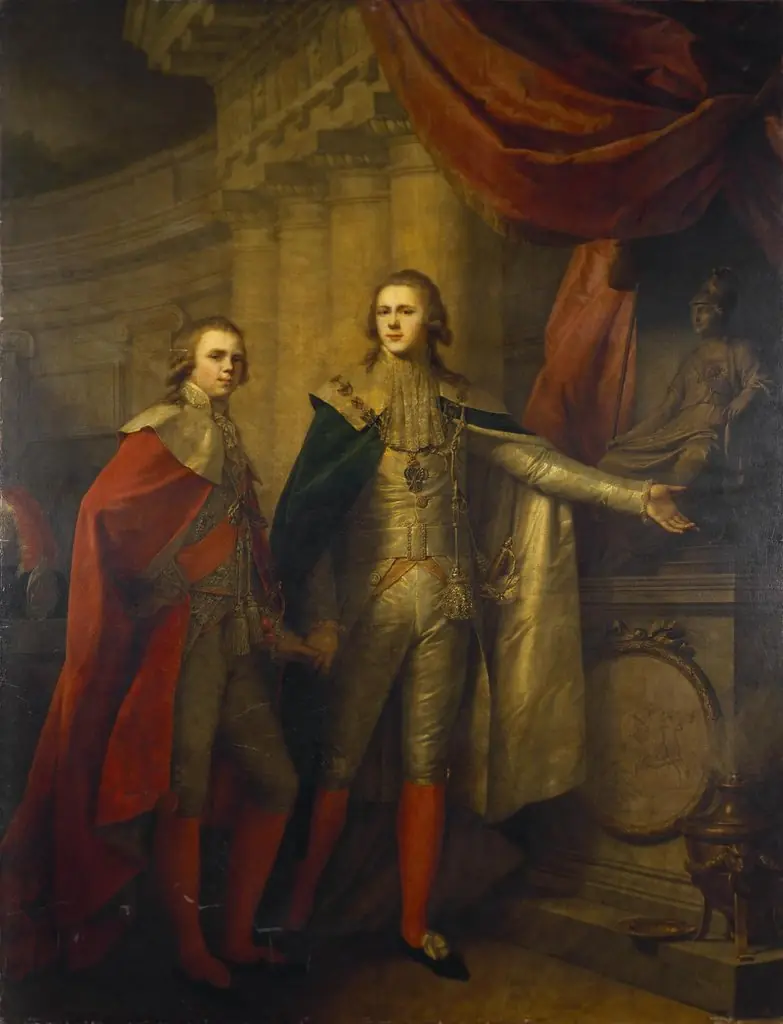 Portrait of Grand Dukes Alexander and Constantine
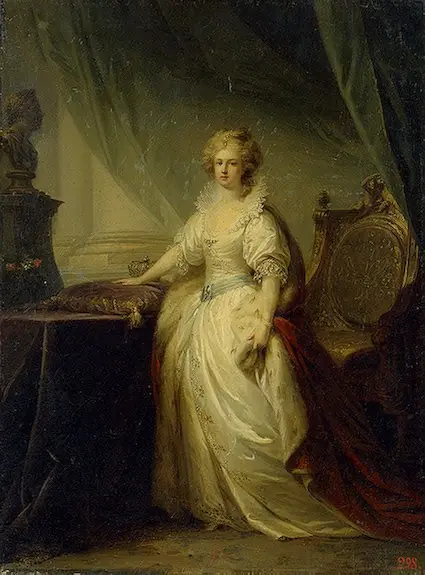 Portrait of Empress Maria Feodorovna (Sketch)
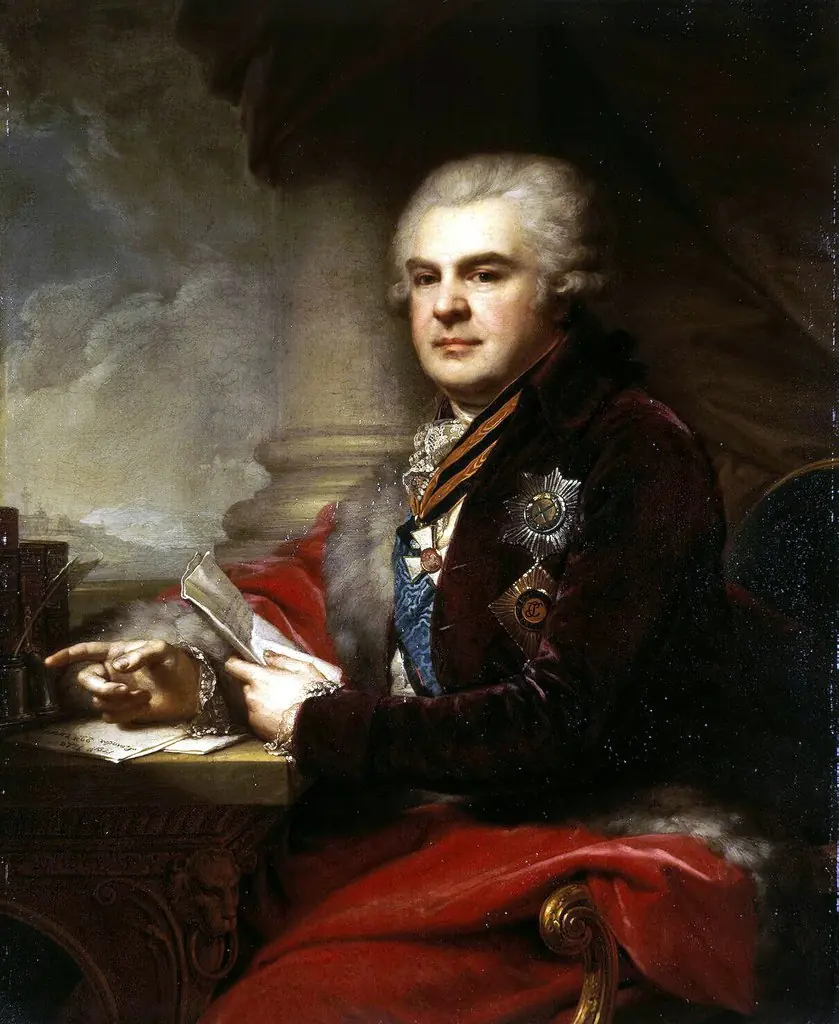 Portrait of Alexander Samoilov
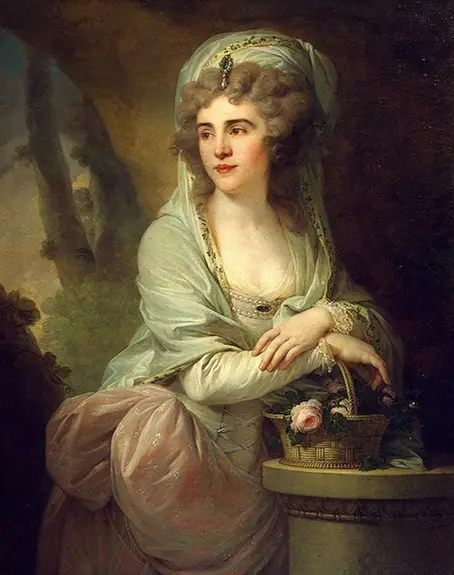 Portrait of Yekaterina Samoilova
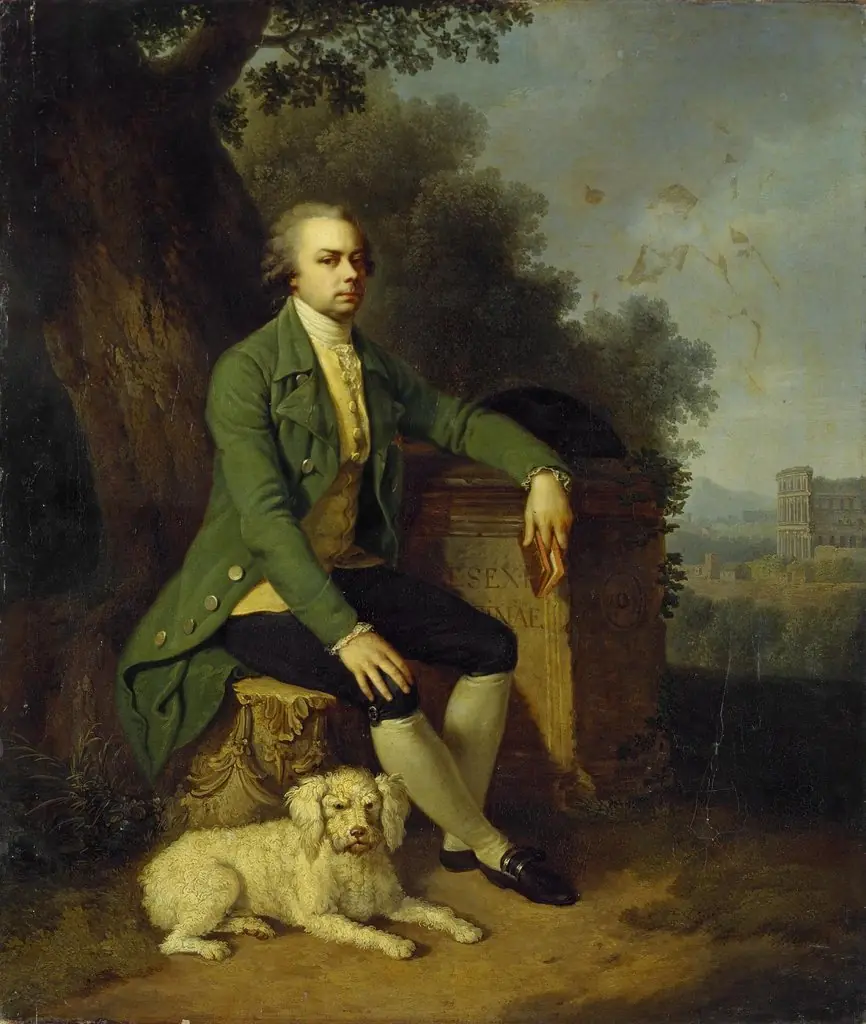 Portrait of Prince Nikolai Yusupov with a Dog
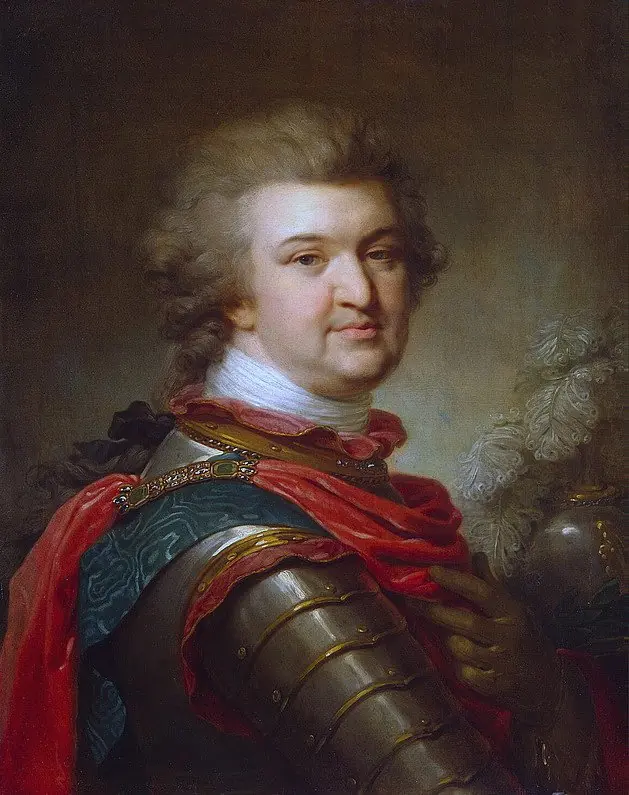 Portrait of Prince Grigory Potyomkin-Tavrichesky
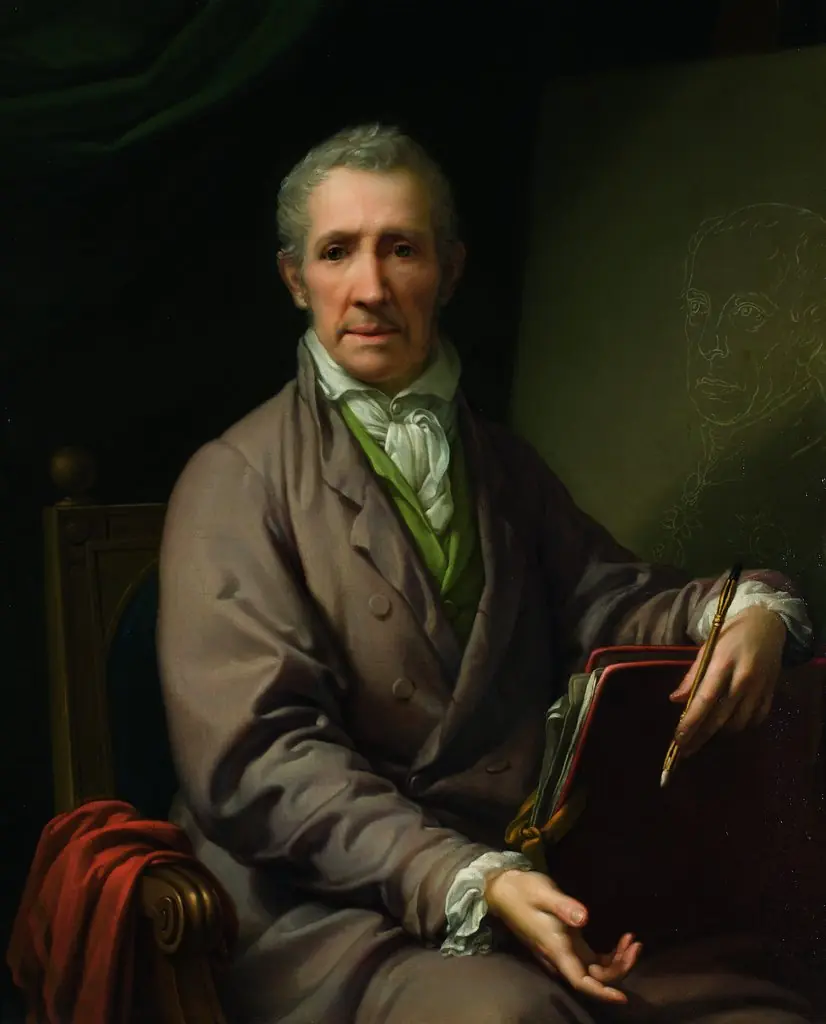 Selbstbildnis an der Staffelei
- Portrait of Catherine II
 Portrait of Catherine II
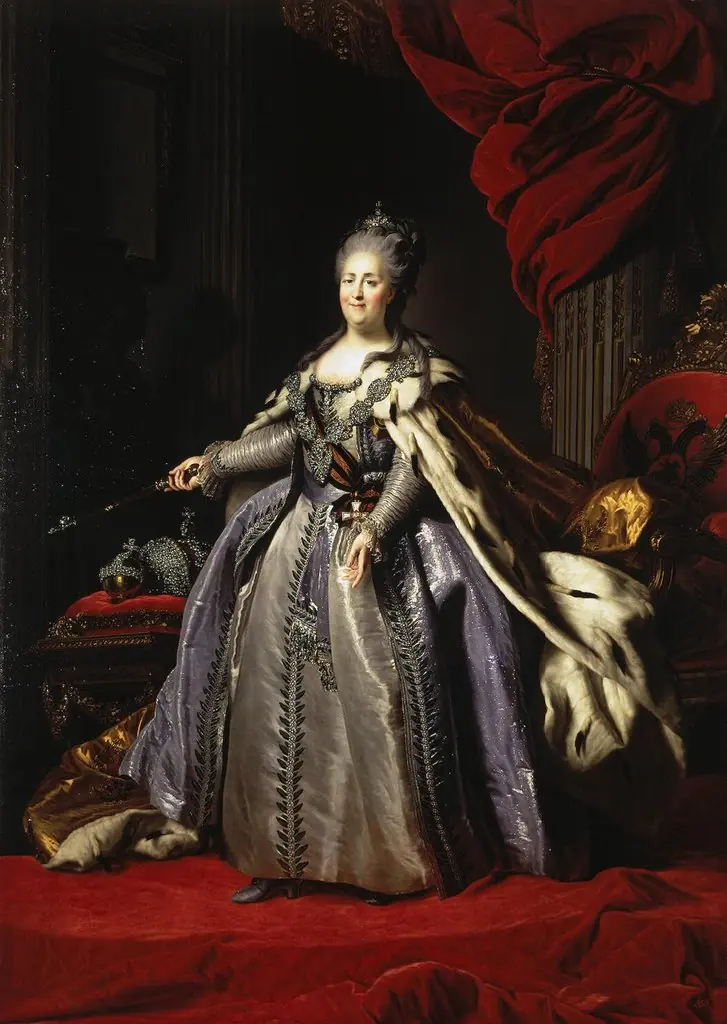 Portrait of Catherine II (copy)
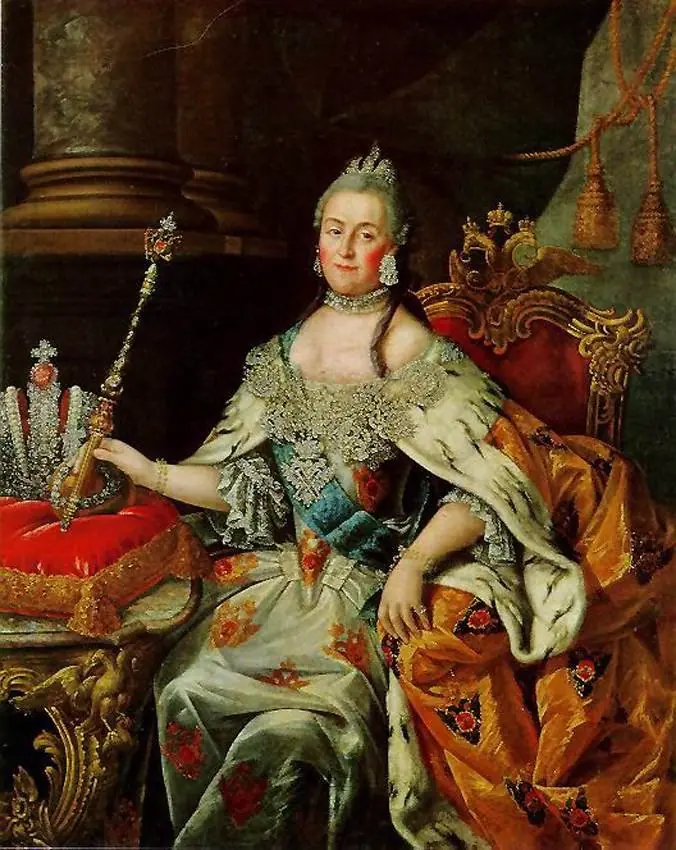 Portrait of Catherine II
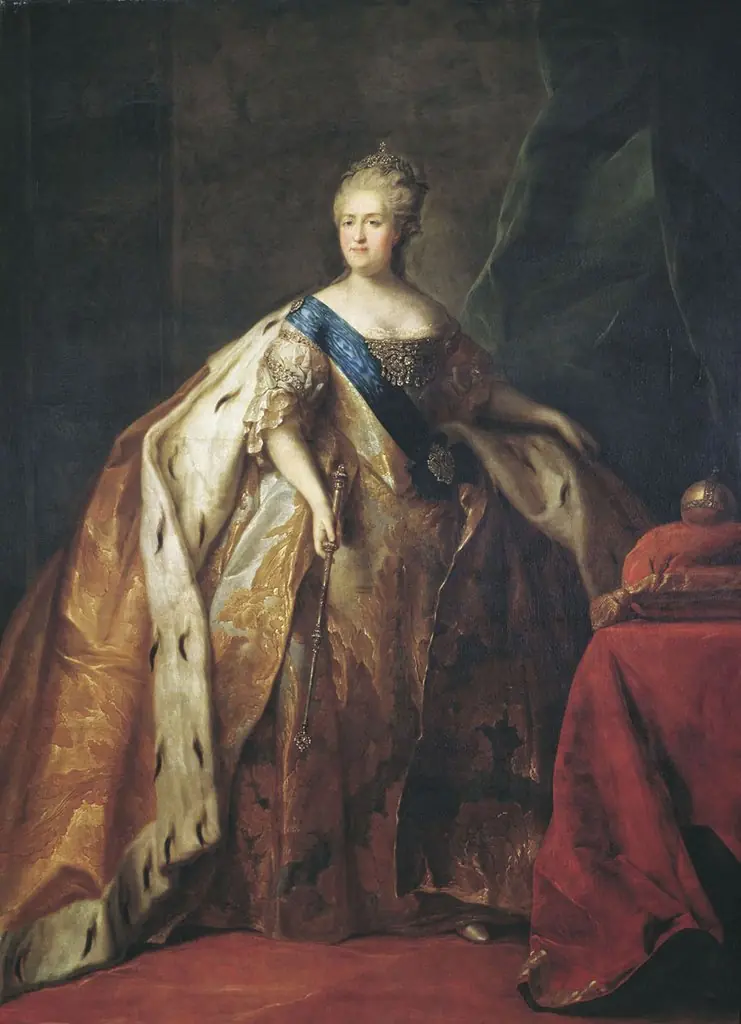 Portrait of Catherine II of Russia (1729-1796)
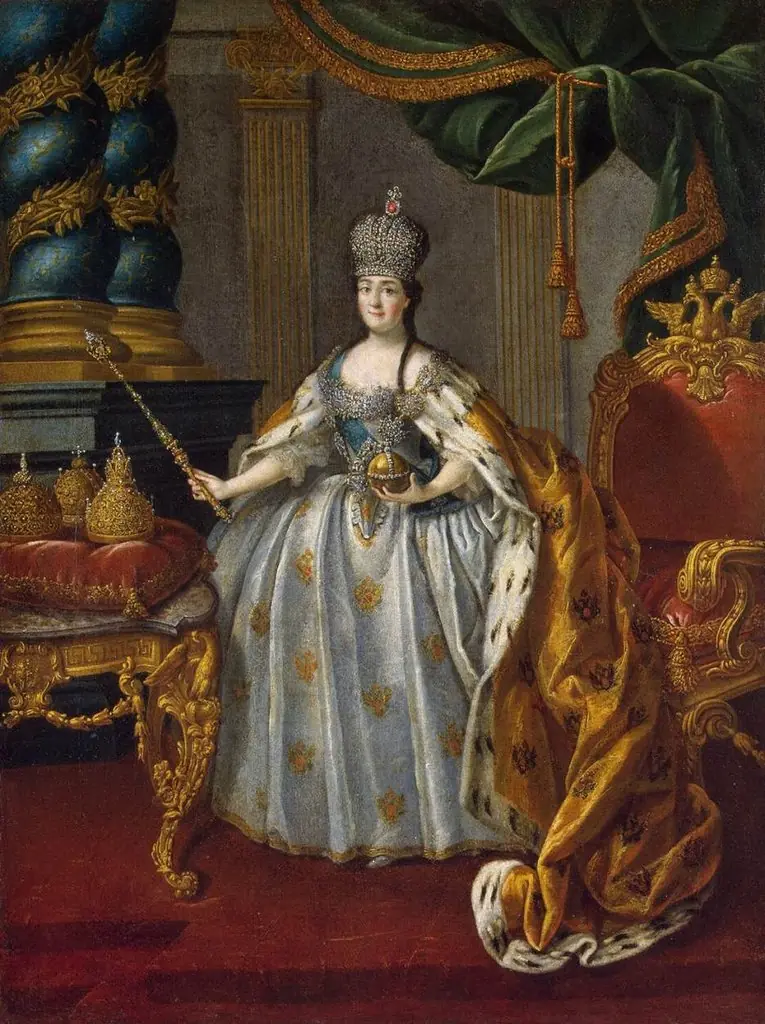 Portrait of Catherine II
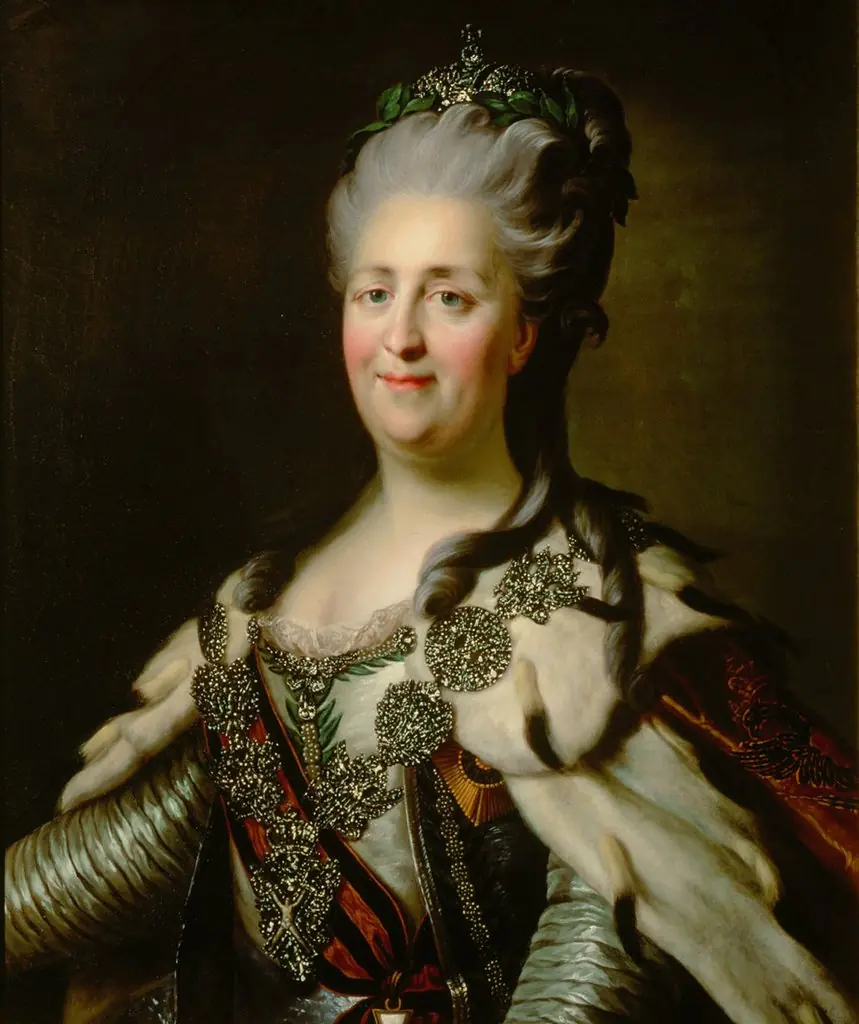 Portrait of Catherine II of Russia (1729-1796)
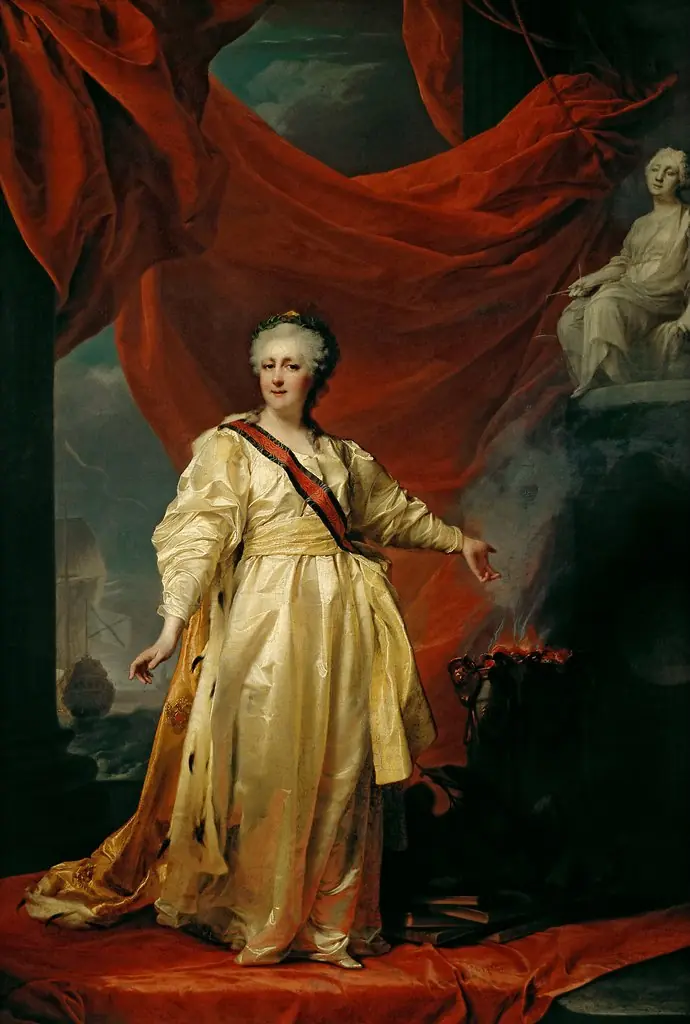 Portrait of Catherine II the Legislatress in the Temple Devoted to the Godess of Justice
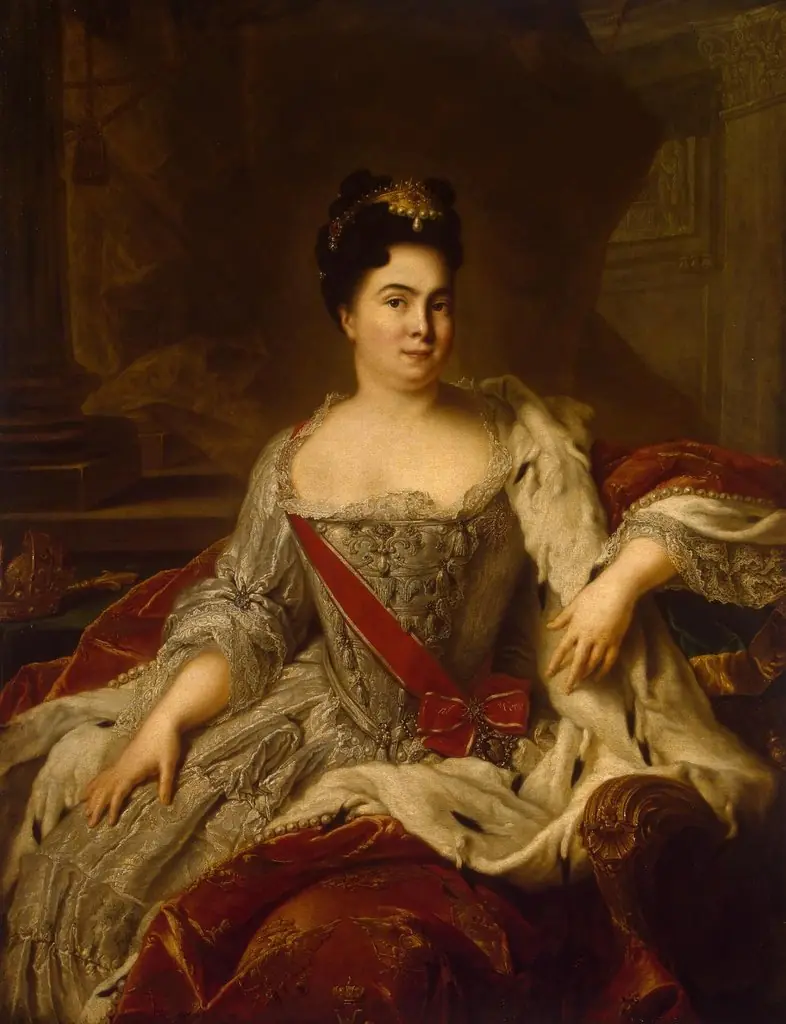 Portrait of Catherine I of Russia
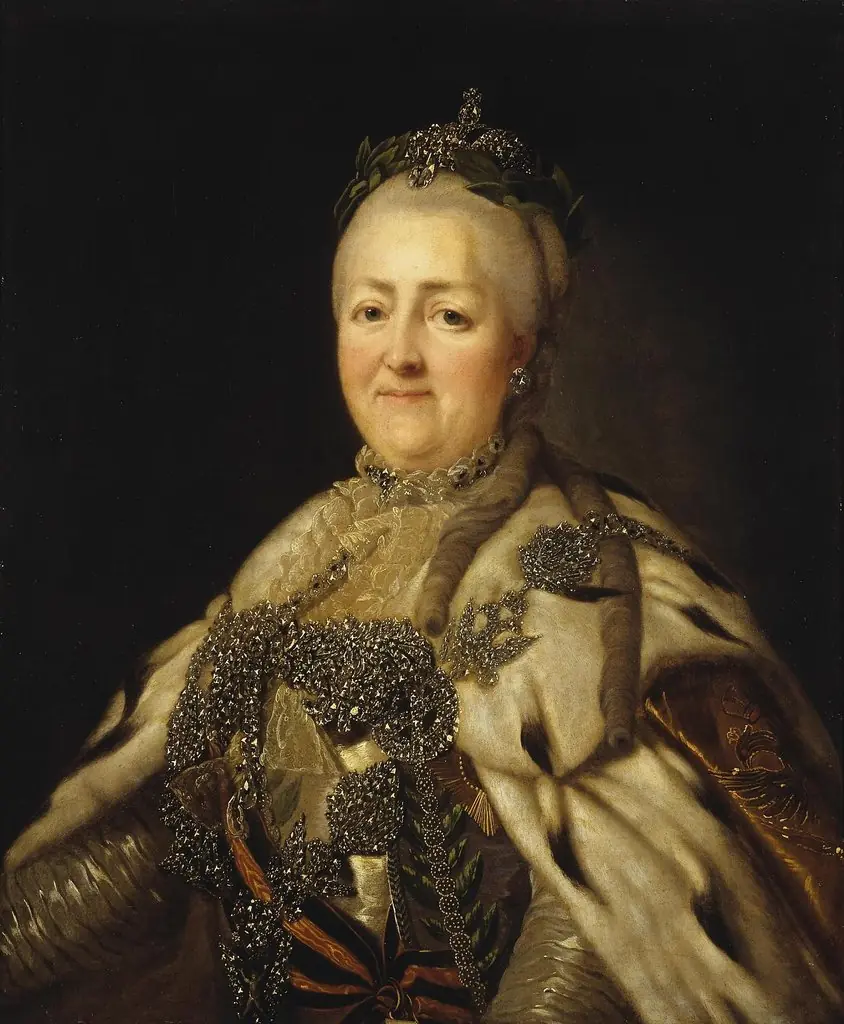 Portrait of Empress Catherine the Great