Artwork
V. Lunardi, Mrs Sage and G. Biggin in a Hot Air Balloon
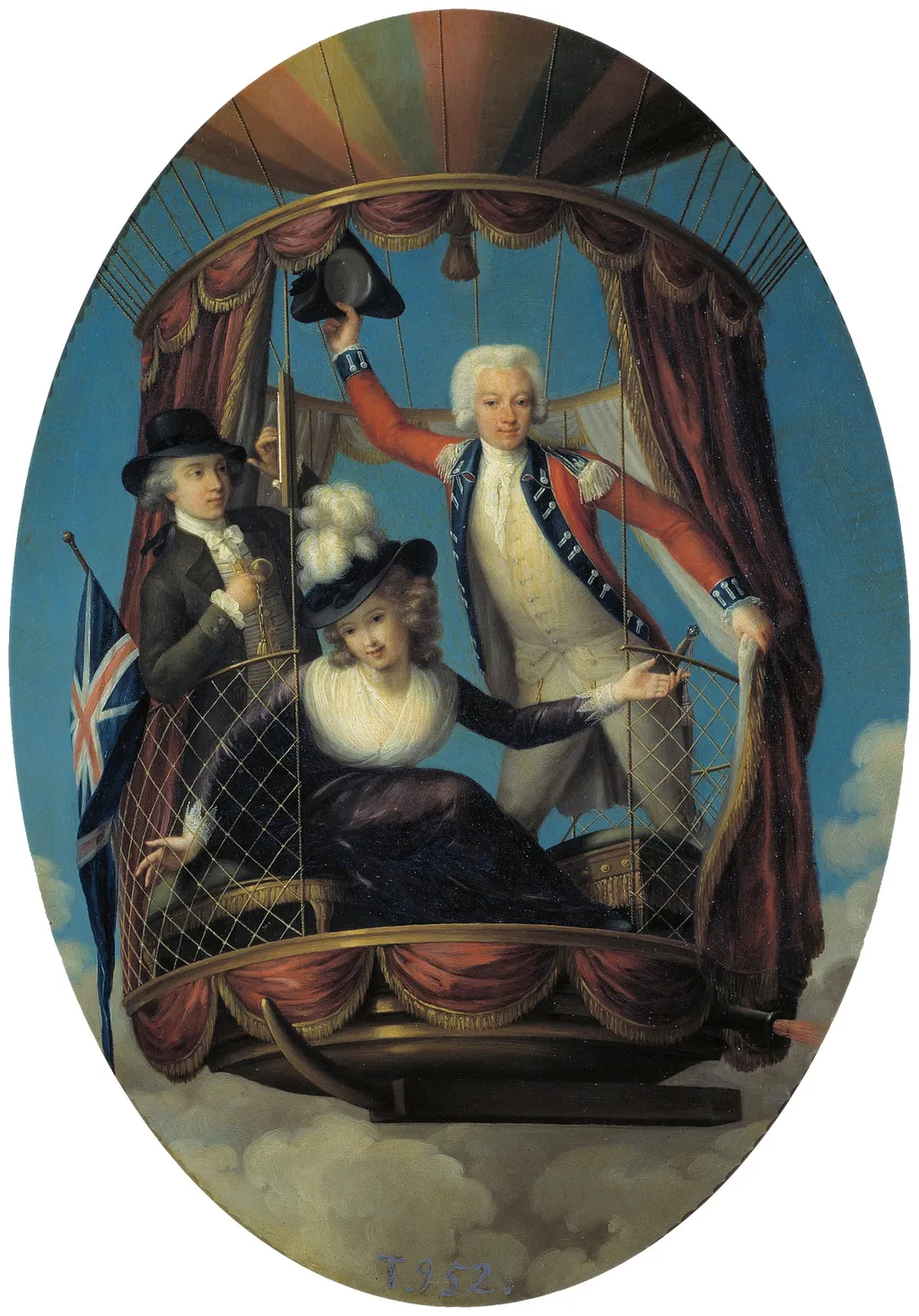
V. Lunardi, Mrs Sage and G. Biggin in a Hot Air Balloon is an unspecified painting by the Rococo painting artist John Francis Rigaud. It dates from 1793 and is held in the collection of the Museo del Prado.
About this work
Subject & Meaning
The work captures a moment of scientific curiosity and public spectacle, embodying Enlightenment ideals of exploration and human ingenuity.
The painting shows Mrs Sage and Mr Biggin standing beside a hot air balloon, with a small flag and hat visible on the basket. This subject reflects 18th-century fascination with emerging aerial technology and the social status associated with balloon ascents. The inclusion of symbolic items like the flag and hat suggests both national pride and the fashionable attire of the era, emphasizing the adventurers' prominence.
The work captures a moment of scientific curiosity and public spectacle, embodying Enlightenment ideals of exploration and human ingenuity.
Technique & Style
The work is an oil painting executed on canvas, measuring 50.5 cm by 36.5 cm, depicting Mrs. Sage and Mr. Biggin inside a hot air balloon. The composition emphasizes the balloon's ascent against a clear sky, rendered with precise detail in the figures' attire and the balloon's fabric, reflecting the Rococo-influenced precision of late 18th-century portraiture. The handling of light and atmospheric space showcases Rigaud's technical command of oil medium, while the stylized rendering of the balloon's basket and rigging conveys both scientific fascination and theatrical drama.
History & Provenance
The painting was created in 1785 by John Francis Rigaud, depicting Mrs Sage and G Biggin in a hot air balloon. It is an oil on canvas work measuring 50.5 cm by 36.5 cm. The artwork entered the collection of the Museo del Prado, where it remains on display.
The painting resides in the collection of the Museo del Prado in Madrid, where it is catalogued under the accession number P009682. Since its acquisition, the work has been featured in several exhibitions at the museum, including the 1995 retrospective on 18th‑century British portraiture and the 2002 showcase of early ballooning imagery. It was also part of the traveling exhibition "Ballooning in Art," which toured major European institutions between 2005 and 2007.
The piece measures 50.5 cm in height and 36.5 cm in width.
Context
The painting was created by John Francis Rigaud in 1785 and is housed in the Museo del Prado. It portrays Mrs. Sage and Mr. Biggin ascending in a hot air balloon, surrounded by symbolic elements like a flag and hat. The work has been studied as an example of late 18th-century fascination with aerial exploration, reflecting broader cultural interest in scientific progress and human ambition during the Enlightenment era.
Its composition and subject matter align with period artistic trends that merged portraiture with emerging themes of technological innovation and spectacle.
Legacy
John Francis Rigaud's 1785 canvas V. Lunardi, Mrs Sage and G. Biggin in a Hot Air Balloon entered the Museo del Prado collection and became a reference point for 18th-century depictions of ballooning, influencing later Romantic and Victorian aerial imagery. Its precise rendering of the balloon basket and period attire informed subsequent artists' compositions of flight, while its inclusion in the Prado's displays cemented Rigaud's reputation as a specialist in atmospheric genre scenes.
The work's composition was widely reproduced in travel literature on aerial navigation, shaping public perception of early balloon ascents and inspiring contemporaries such as J.M.W. Turner to explore similar themes of human ambition against the sky.
Overview
John Francis Rigaud’s 1793 canvas records an early aeronautical excursion, portraying Vincenzo Lunardi, his companion Mrs. Sage, and the aeronaut G. Biggin suspended in a hot‑air balloon. The scene unfolds against a luminous sky rendered in soft blues and golden hues, while the balloon’s open basket is draped with light fabric curtains. The work now belongs to the collection of the Museo del Prado.
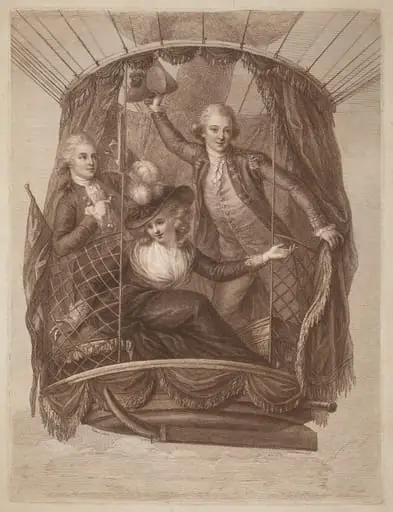
Own this work as a print
Artist & collection
Artist
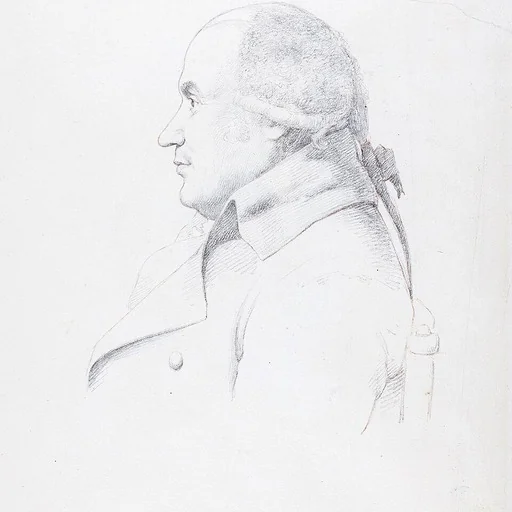
John Francis Rigaud (18 May 1742 – 6 December 1810) was a British painter who specialised in history painting and portrait painting. Of French descent, he was born in Turin and spent most of his career in England.

 H Beard Print Collection
 The Red Cross Knight
 The Seesaw
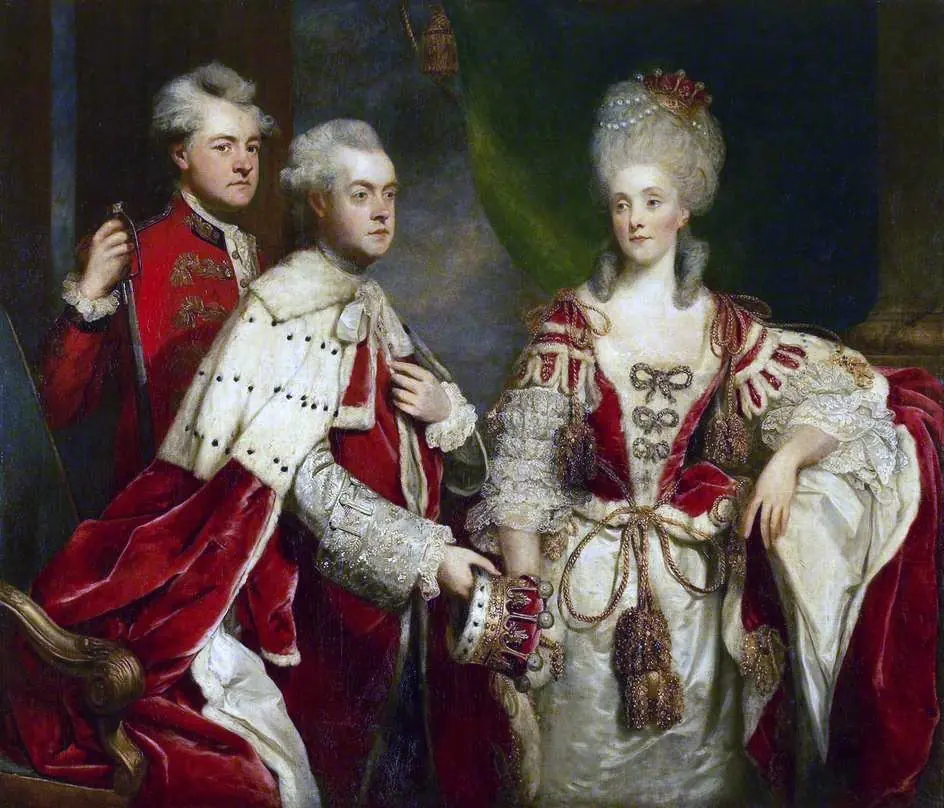 George, 2nd Earl Harcourt, his wife Elizabeth, and brother William
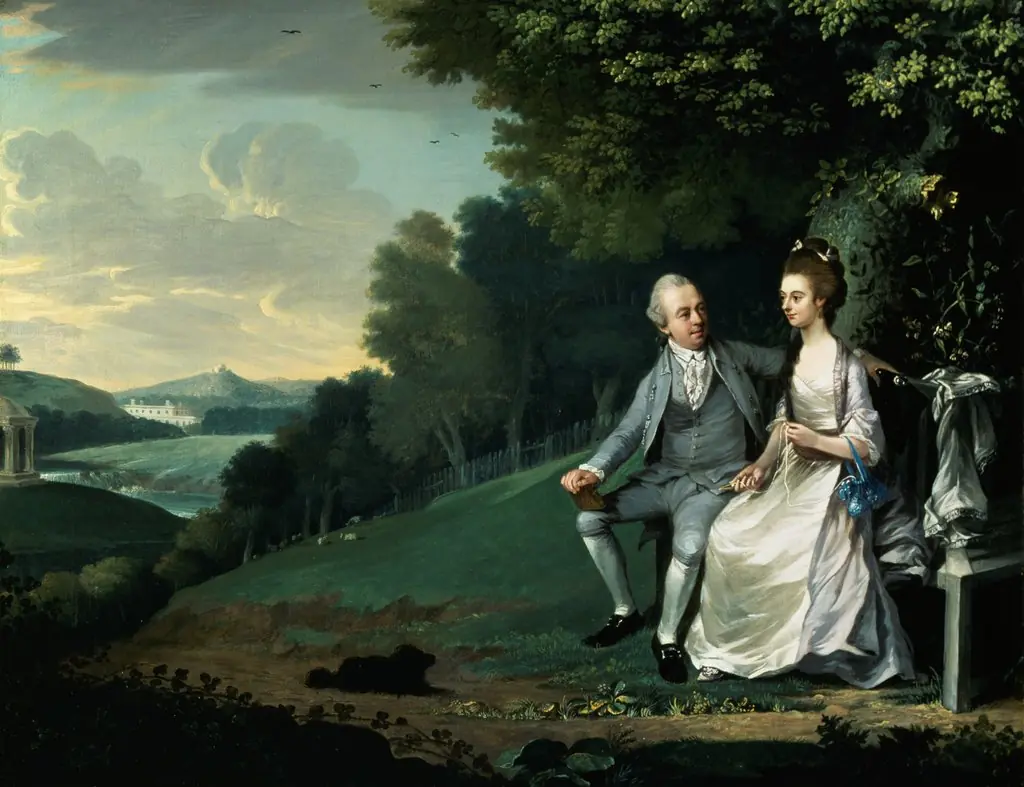 Portrait of a Couple, said to be Sir Francis and Lady Dashwood at Wycombe Park
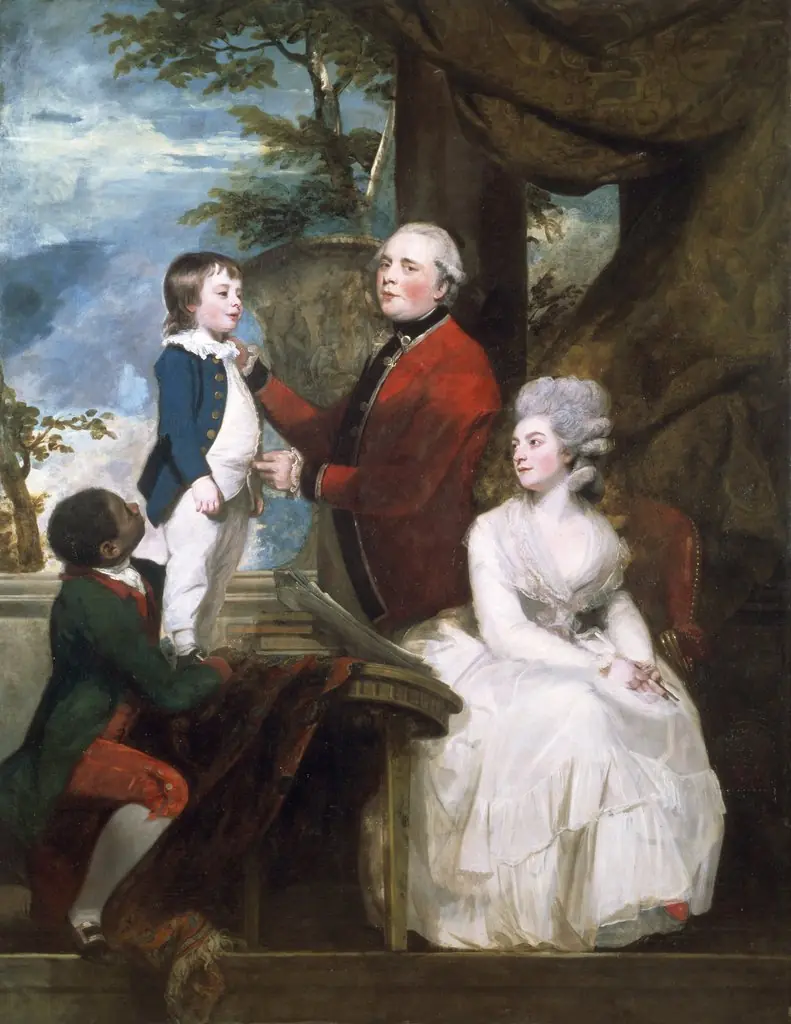 The Temple Family
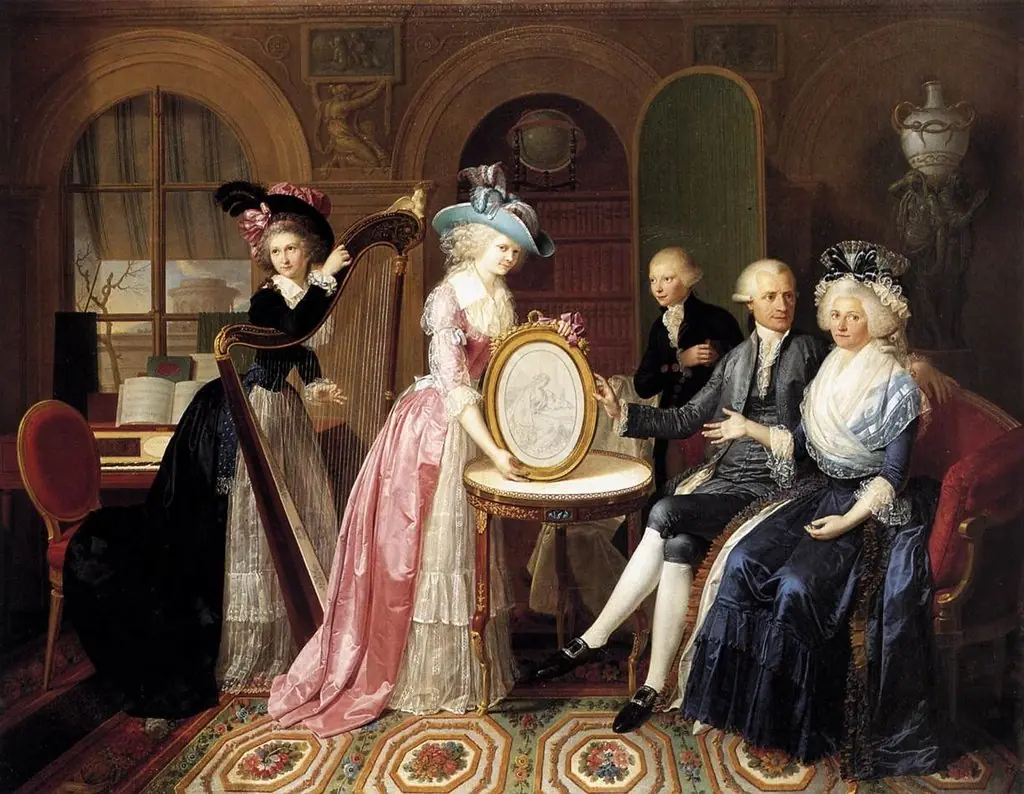 Portret van de familie Villers
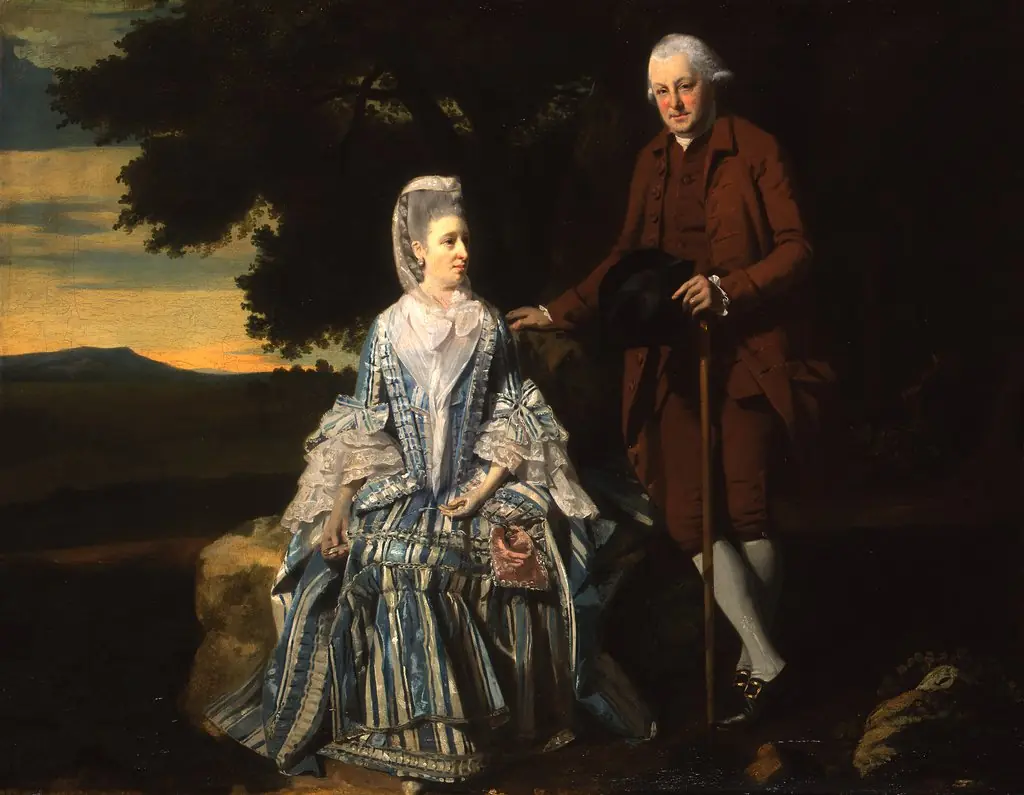 Portrait of a Married Couple in a Park
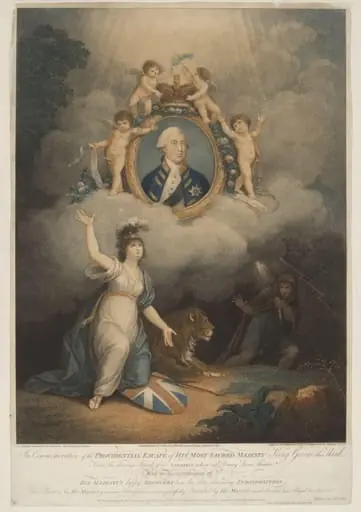 H Beard Print Collection
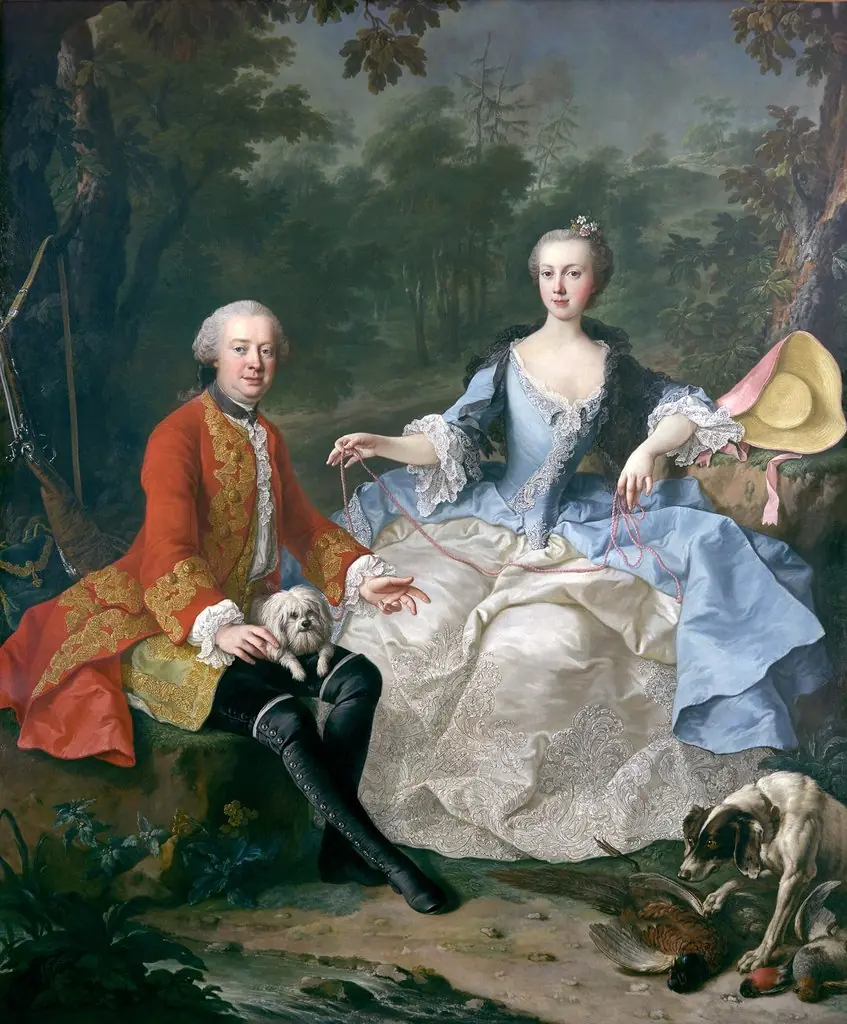 Count Giacomo Durazzo in the Guise of a Huntsman with His Wife
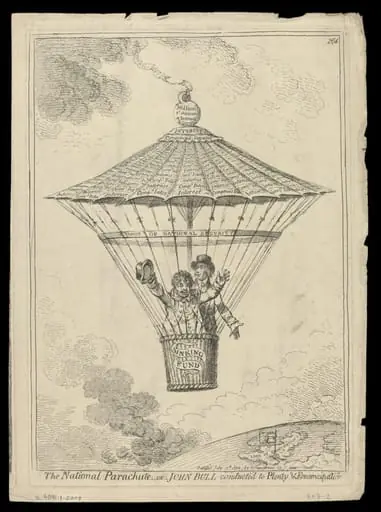 H Beard Print Collection
- The Celebrated Vincent Lunardi Esq. Accompanied by Two Friends in His Third Aerial Excursion, Taken from St. George's Fields, in London