Artwork
The Red Cross Knight
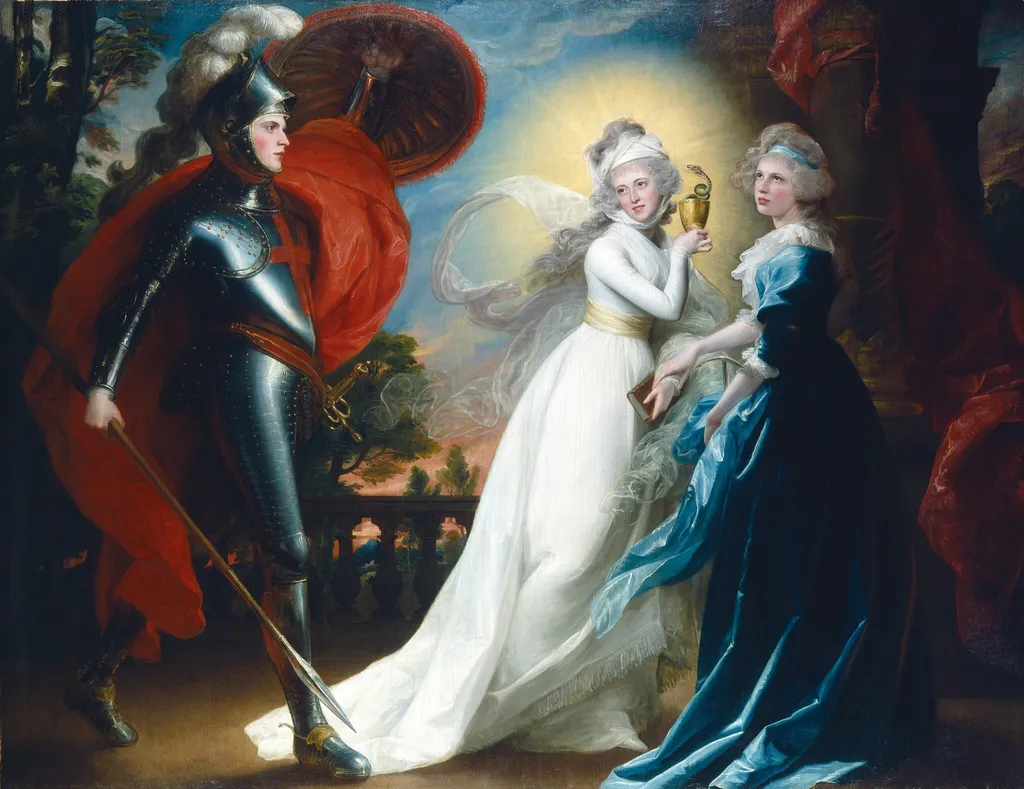
The Red Cross Knight is an oil painting by the American Impressionist artist John Singleton Copley. It dates from 1793 and is held in the collection of the National Gallery of Art.
About this work
Technique & Style
John Singleton Copley executed The Red Cross Knight in 1793 using oil paint applied to a canvas support.
John Singleton Copley executed The Red Cross Knight in 1793 using oil paint applied to a canvas support. The work measures 213.5 cm in height and 273 cm in width, presenting a substantial history painting format. As a history painting, the piece employs the traditional oil-on-canvas technique characteristic of Copley's mature period, allowing for the detailed rendering of narrative elements and figures within a large-scale composition.
History & Provenance
John Singleton Copley completed this oil on canvas history painting in 1793. The work remained with the artist until his death, after which it passed to his son, John Singleton Copley Jr., known as Lord Lyndhurst, in London. Following Lyndhurst's death, the painting was sold at Christie, Manson and Woods on March 5, 1864.
An agent identified as "Clarke" purchased the lot on behalf of Martha Babcock Greene Amory and her husband, Charles Amory, of Boston.
Ownership subsequently transferred within the family to the Amorys' daughter, Susan Greene Amory Dexter, and her husband, Franklin Gordon Dexter, in 1872. The piece then descended to their son, Gordon Dexter, and upon his death, to his widow, Isabella Hunnewell Dexter. In 1942, Isabella Dexter gifted the painting to the National Gallery of Art in Washington, D.C., where it was accessioned that year.
The provided sources do not record any specific exhibition history for this work prior to its acquisition by the museum.
Legacy
The Red Cross Knight remained within the Amory and Dexter families from the artist's lifetime into the 20th century, a rare continuity of ownership within prominent Boston circles. The work's acquisition by the National Gallery of Art in 1942 secured its institutional presence, where it remains part of the permanent collection as an example of Copley's late engagement with British history painting and transatlantic artistic traditions.
Overview
John Singleton Copley’s 1793 oil on canvas, titled The Red Cross Knight, presents a staged historical scene. A fully armored knight in a red cape stands on the left, while two women, one in white holding a trophy and another in blue, occupy the central and right portions of the composition. The backdrop consists of a pastoral landscape with trees beneath a clear blue sky.
Subject & Meaning
The central figure, the Red Cross Knight, is depicted as a chivalric hero, his spear poised as a symbol of martial virtue. The woman in white, positioned between the knight and the figure in blue, appears to celebrate his triumph by presenting a trophy, suggesting themes of honor, reward, and the recognition of noble deeds.
Context
The painting emerges at a time when European art was moving toward Romantic sensibilities, emphasizing dramatic lighting and emotive storytelling. While Copley’s earlier oeuvre focused on portraiture, this work illustrates his engagement with narrative history painting, a genre gaining prominence in the late eighteenth century.
Own this work as a print
Artist & collection

Artist
John Singleton Copley (July 3, 1738 – September 9, 1815) was an American-born British painter active in both the Thirteen Colonies and England.


- Colonel William Fitch and His Sisters Sarah and Ann Fitch
 George, 2nd Earl Harcourt, his wife Elizabeth, and brother William
 Oikeus ja viattomuus
 The Ely Family
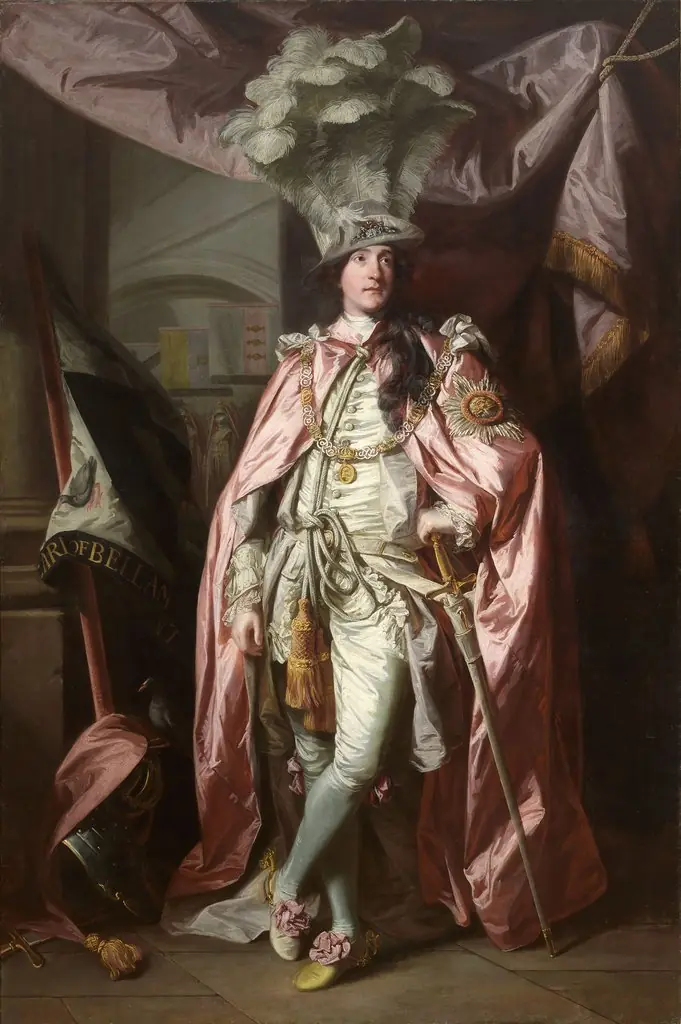 Portrait of Charles Coote, 1st Earl of Bellamont (1738-1800), in Robes of the Order of the Bath
 Portrait of Catherine Grey, Lady Manners
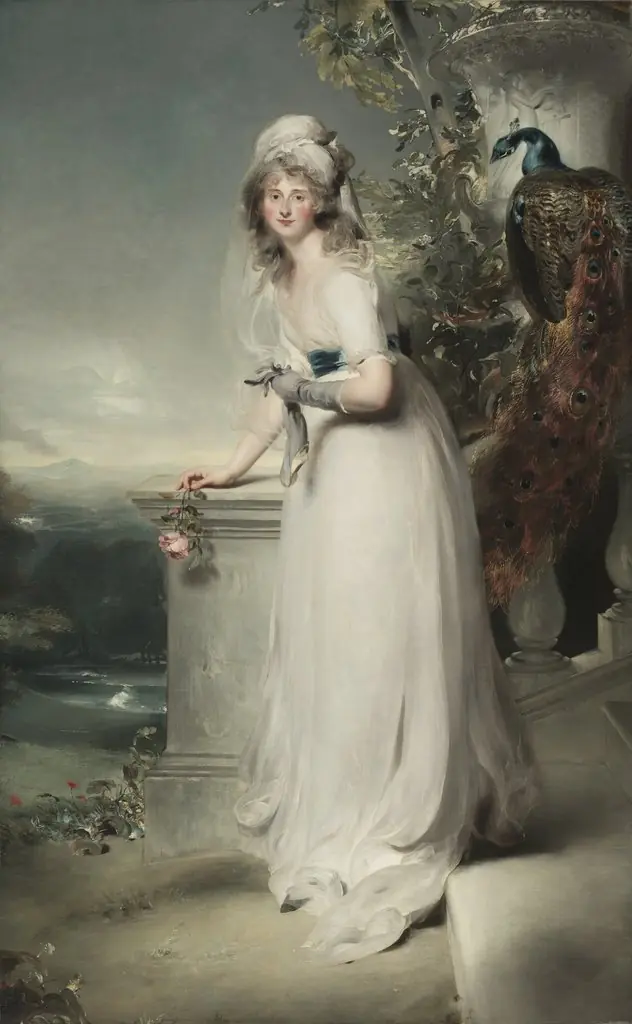 Portrait of Catherine Grey, Lady Manners
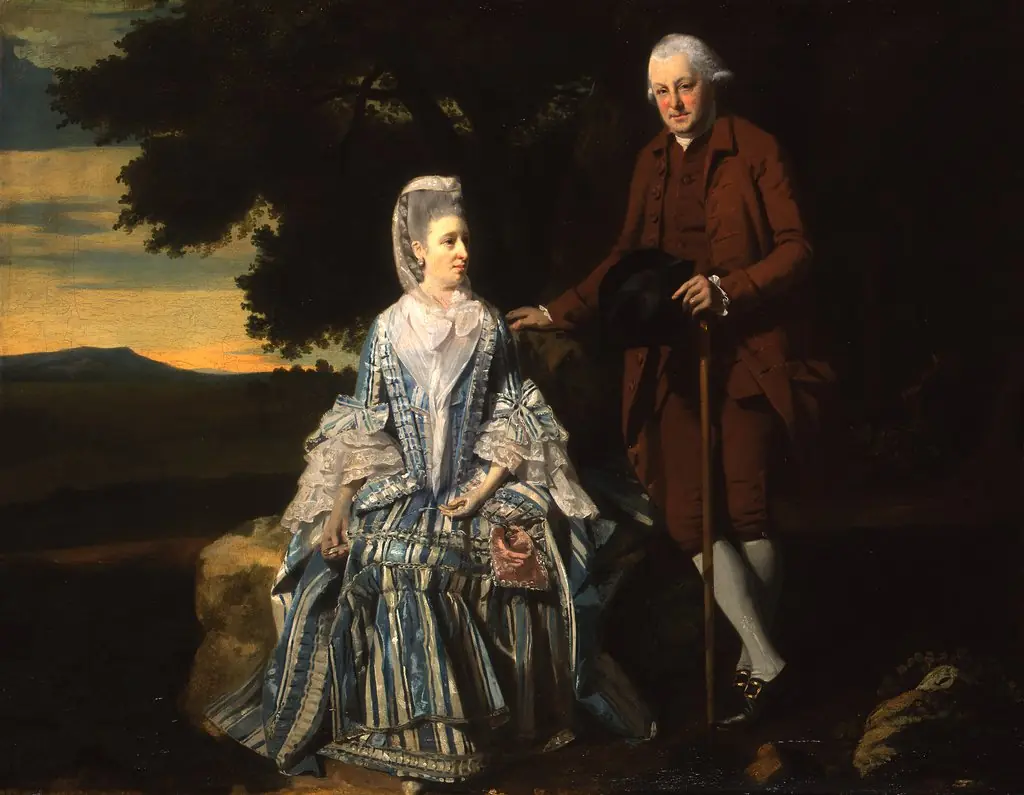 Portrait of a Married Couple in a Park
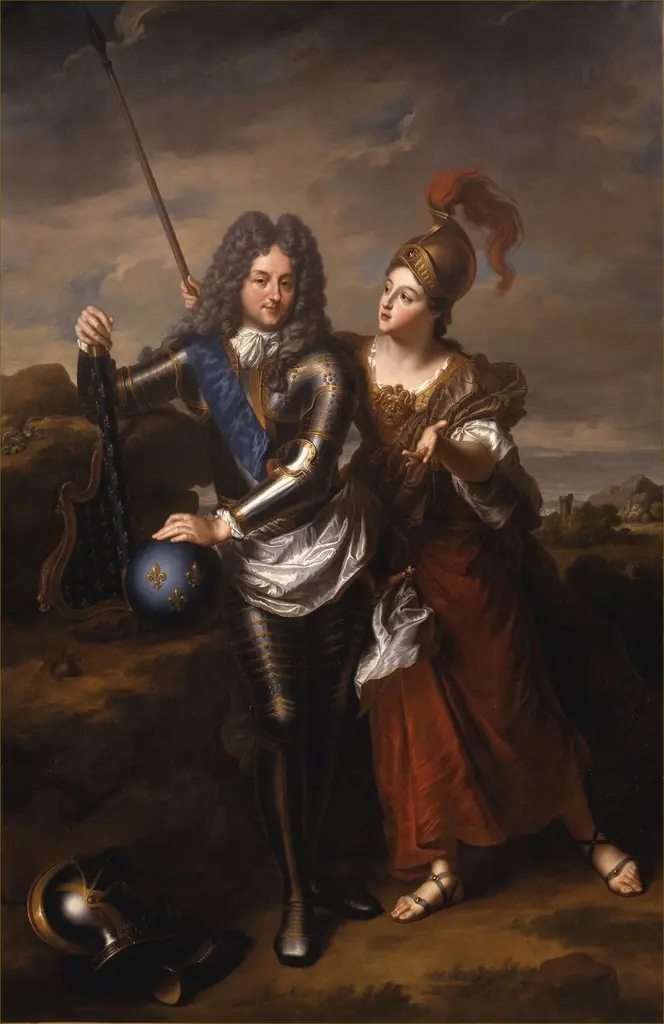 Philippe II d'Orleans, Regent of France and Madame de Parabere as Minerva
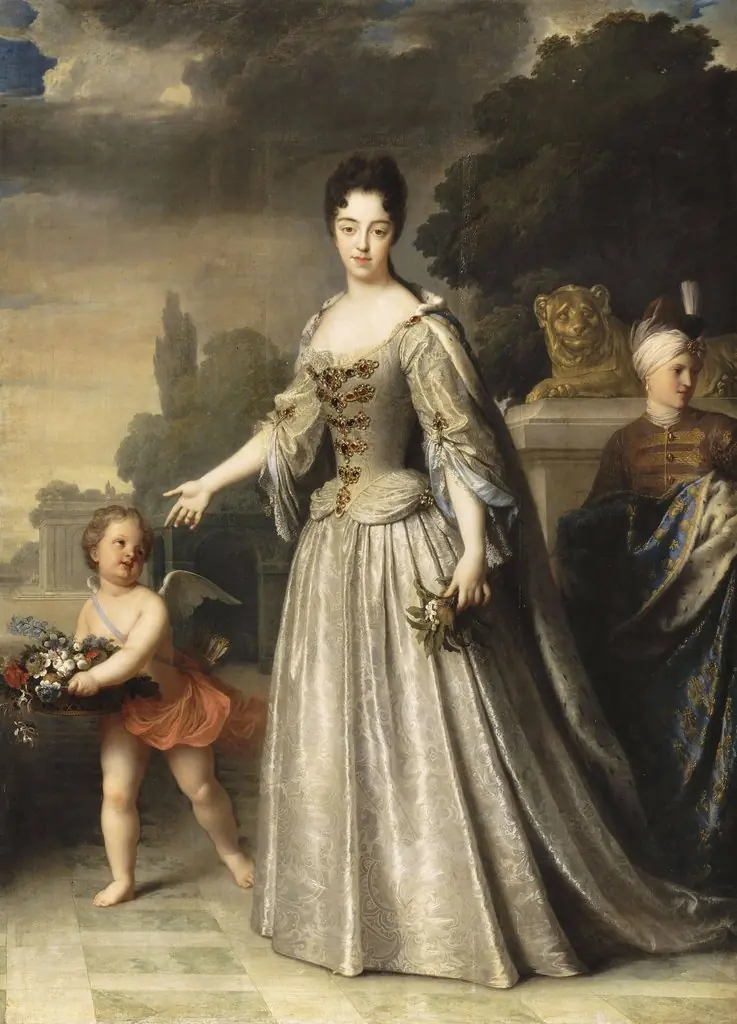 Portrait of Marie Adélaïde of Savoy, Duchess of Burgundy
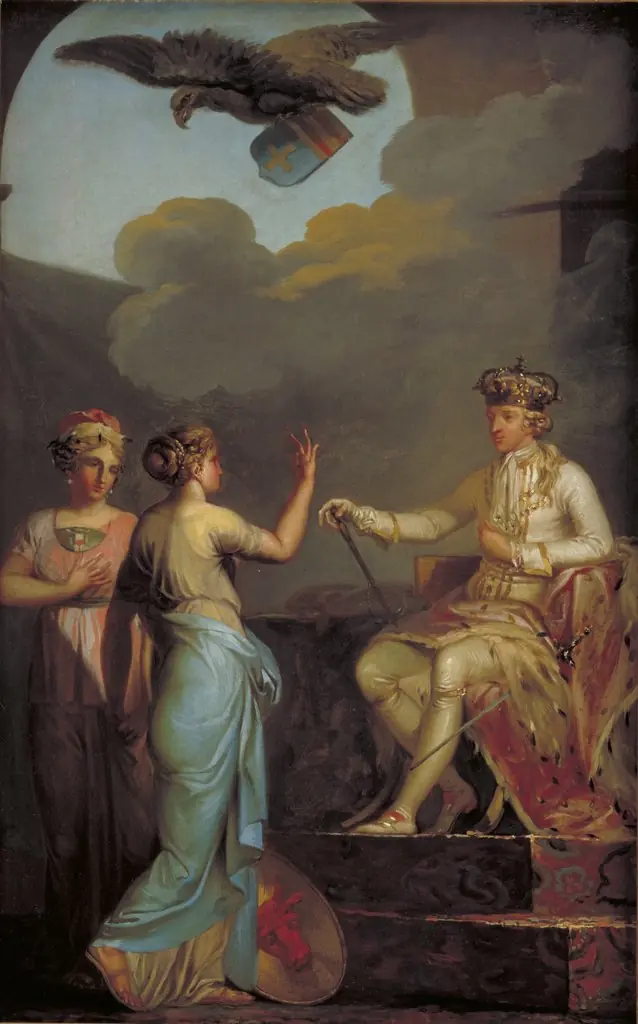 Christian VII Uniting the Ducal with the Royal Part of Holstein in 1767
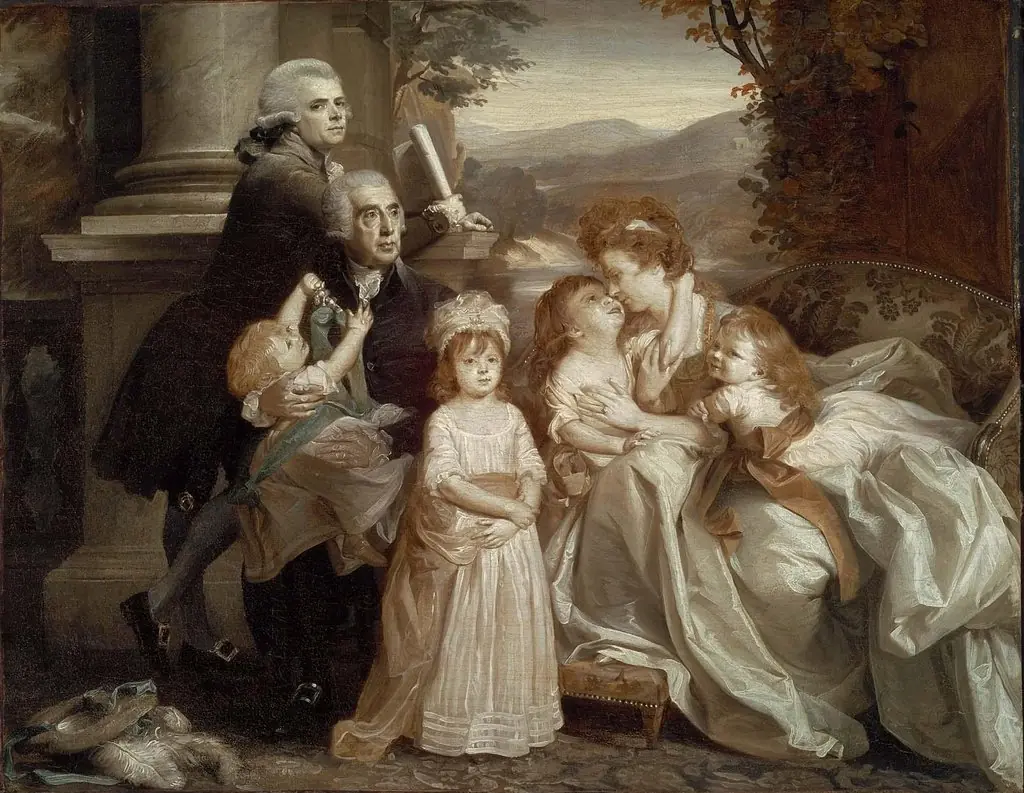 The Copley Family