Artwork
Retrato de señora
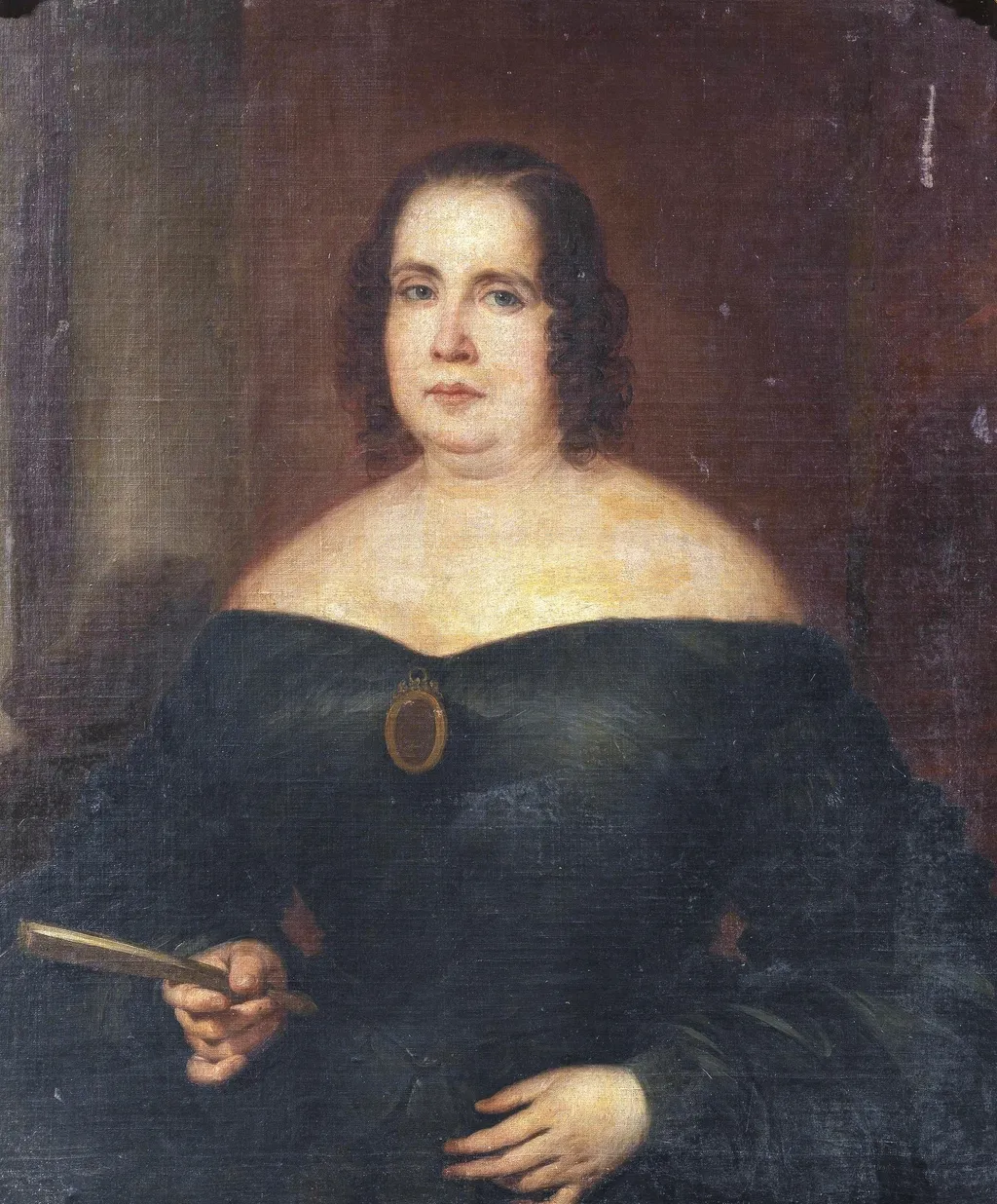
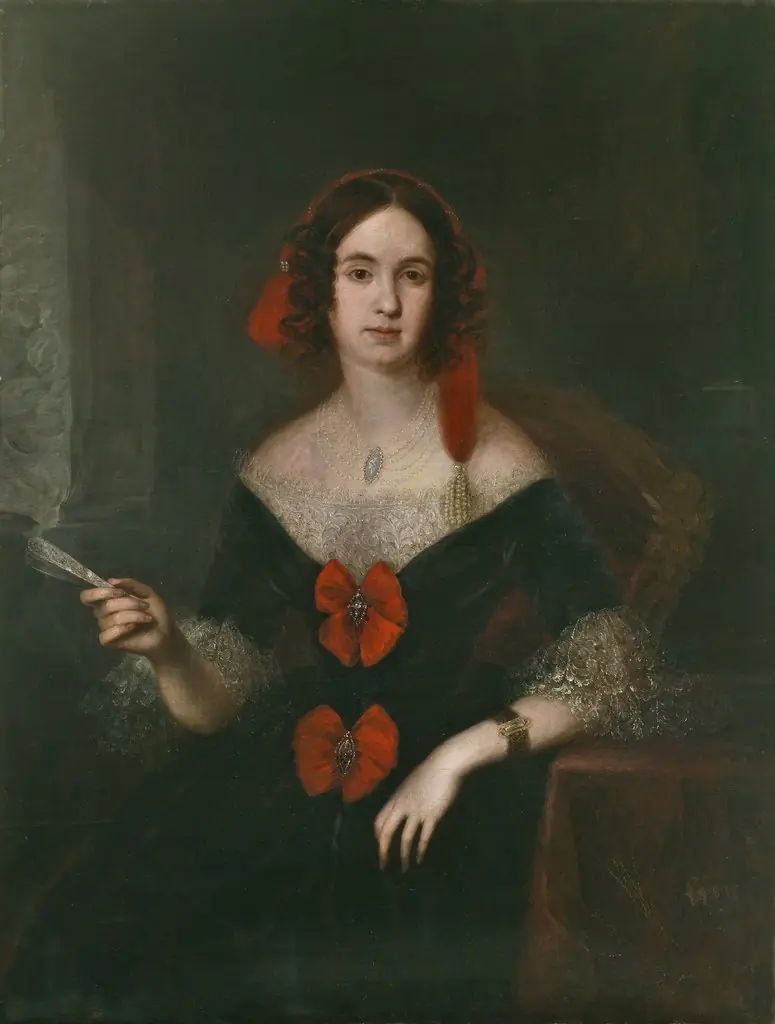
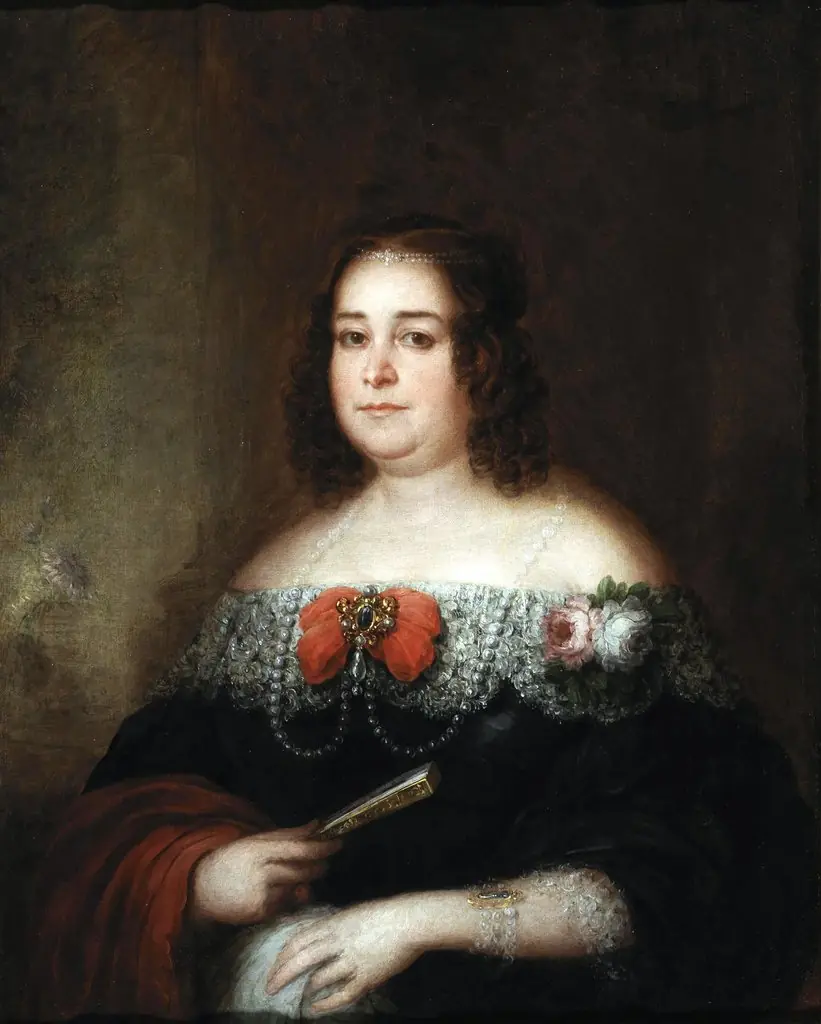
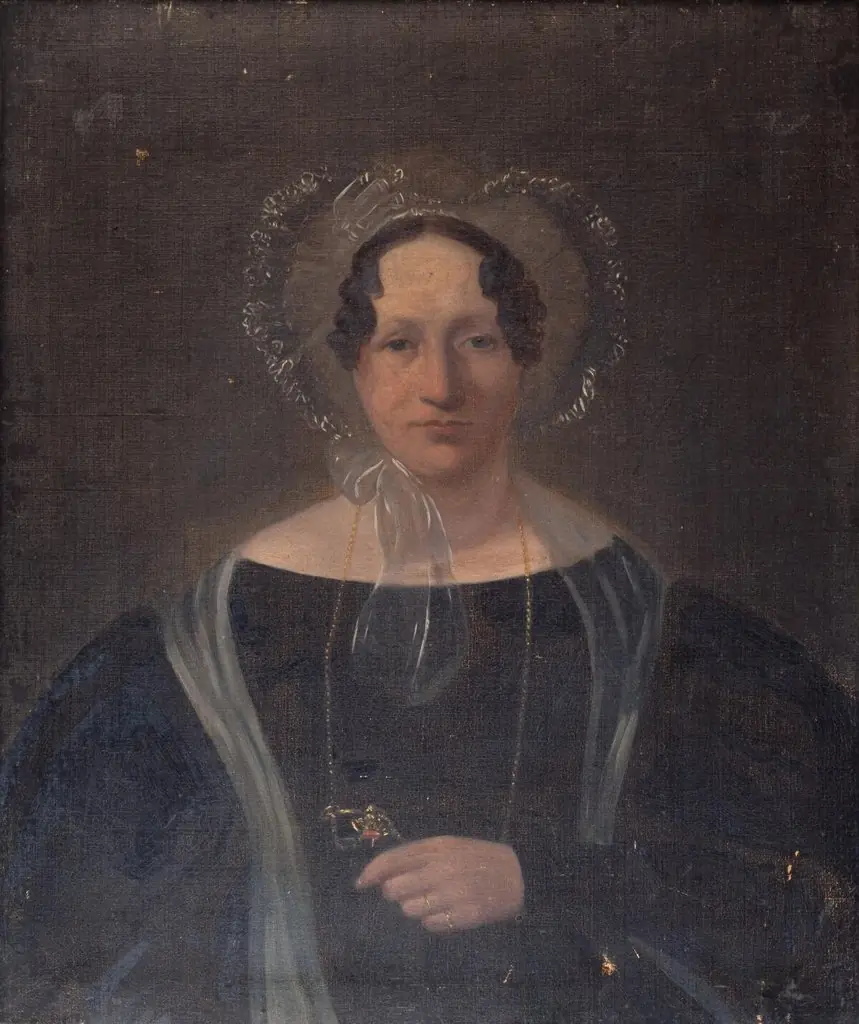
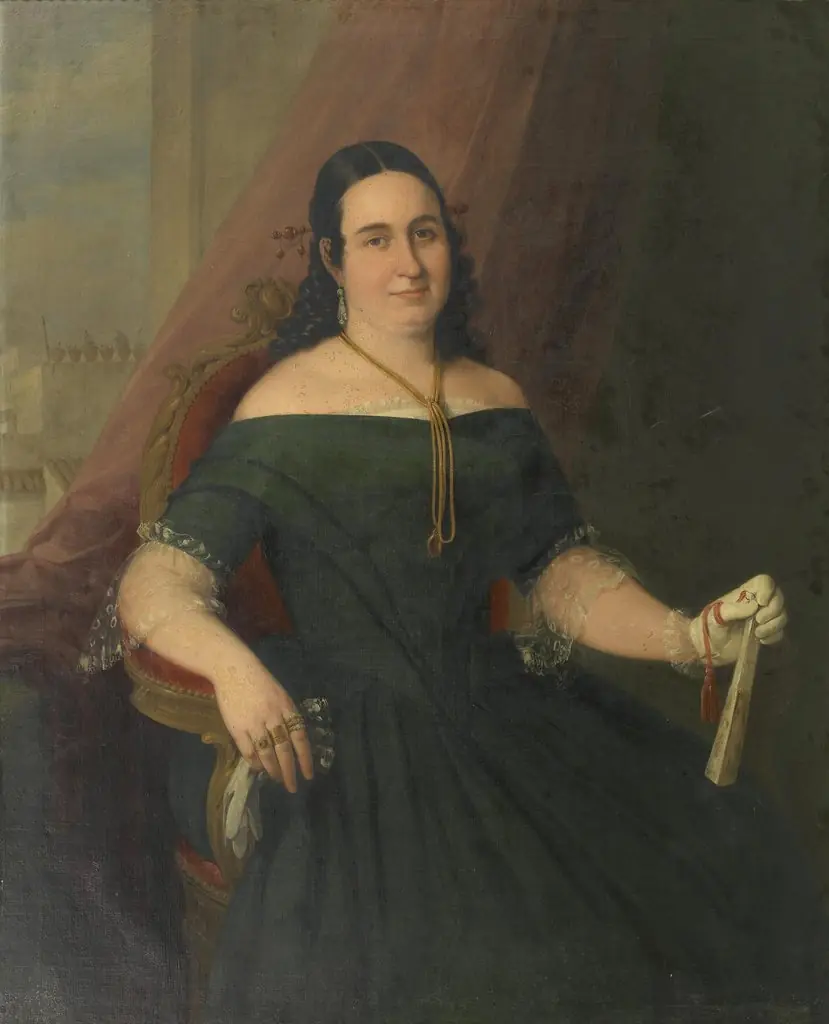
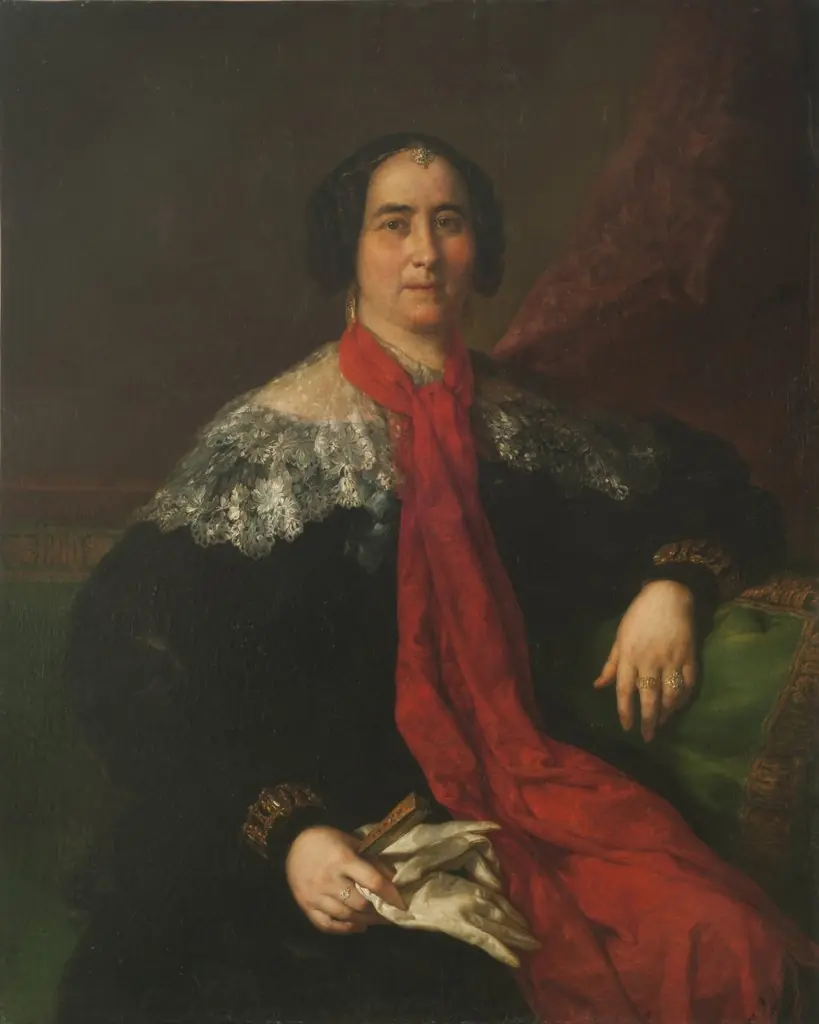
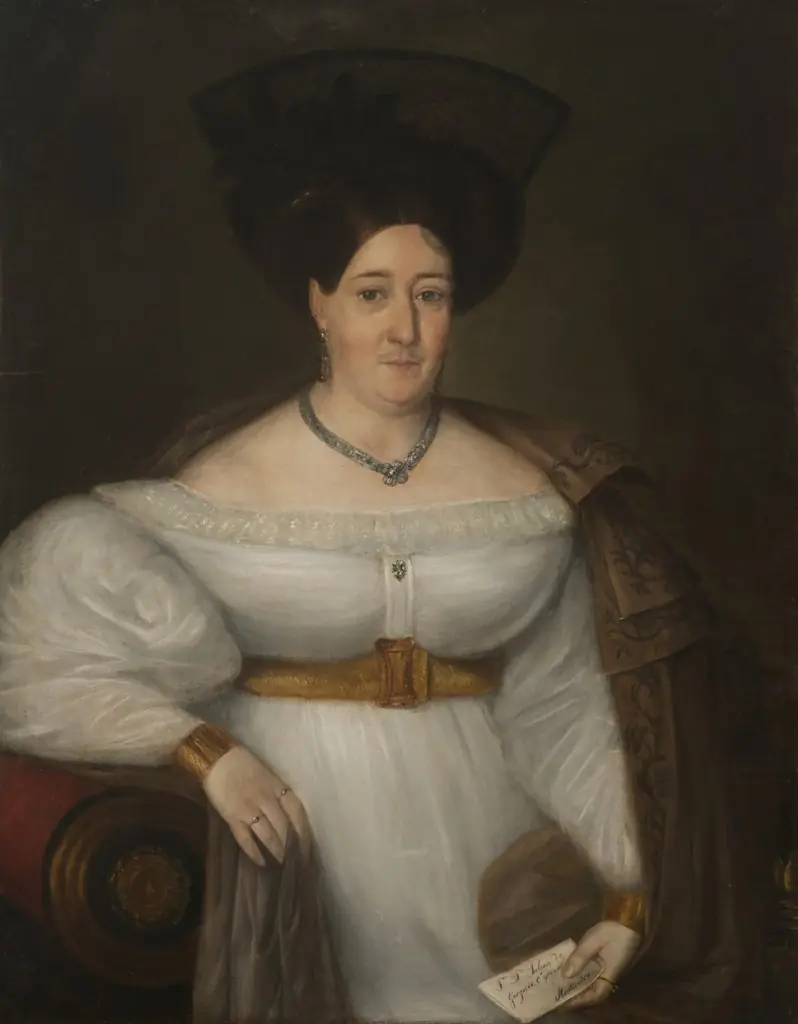
Retrato de señora is an oil painting by José Gutiérrez de la Vega. It dates from 1838 and is held in the collection of the Museo del Prado.
About this work
Subject & Meaning
The portrait presents a dignified female sitter whose attire and accessories convey both refinement and subtle cultural markers of 19th-century Madrid society.
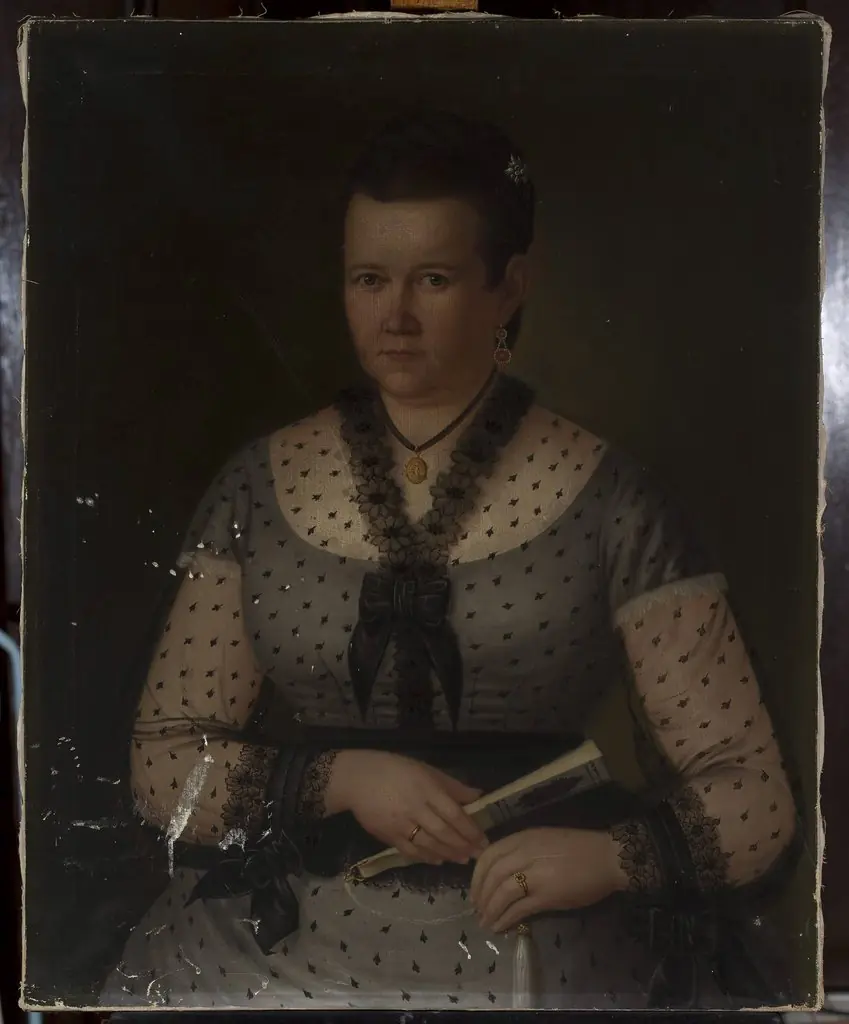
The painting depicts a woman holding a hand fan and wearing a gemstone necklace, symbols that may reflect contemporary Spanish social customs and personal status. The portrait presents a dignified female sitter whose attire and accessories convey both refinement and subtle cultural markers of 19th-century Madrid society. The work is interpreted as a representation of bourgeois identity, emphasizing poise and material elegance within the ceremonial context of the period.
Technique & Style
The work is an oil painting on canvas executed in 1838 by José Gutiérrez de la Vega.
The handling is consistent with early-nineteenth-century Spanish portrait practice, featuring smooth blending of flesh tones and controlled, linear definition of costume and accessories. The sitter is shown in half-length, turned slightly to the left, with a calm, frontal gaze. Attention to detail is given to the translucent lace collar and the reflective facets of a gemstone on the sitter’s hand, while the fan is rendered with delicate linear strokes.
The painting’s condition is not documented in the cited sources.
History & Provenance
The painting Retrato de señora was created by José Gutiérrez de la Vega in 1838. Executed in oil on canvas, the work measures 81 cm in height and 66 cm in width. It currently resides in the collection of the Museo del Prado, where it is cataloged as inventory number P004351.
The portrait depicts a woman holding a hand fan and wearing a gemstone, though the specific history regarding its original commission or the chain of ownership prior to its arrival at the museum is not detailed in the available records.
Context
Retrato de señora (1838) by José Gutiérrez de la Vega exemplifies early 19th-century Spanish portraiture within the academic tradition, reflecting contemporary portrait conventions through its depiction of a hand fan and gemstone. The work is housed in the Museo del Prado, where it is recognized as part of the museum's significant collection of Spanish portraiture, contributing to scholarly understanding of the artist's role in 19th-century Spanish art.
Legacy
The painting's influence is tied to its role in shaping 19th-century portraiture through its technical precision and psychological depth, particularly evident in the detailed rendering of accessories like the hand fan and gemstone, as well as its enduring presence in major collections such as the Museo del Prado. Its legacy is reinforced by scholarly attention to the artist's contribution to Spanish Romantic art, though specific later interpretations or movements directly citing this work are not documented in the provided sources.
Overview
Created in 1838 by Spanish artist José Gutiérrez de la Vega, this oil painting presents a solitary female figure rendered in a restrained palette. The canvas is held by the Museo del Prado in Madrid, where it forms part of the museum’s 19th‑century Spanish collection.
Own this work as a print
Artist & collection
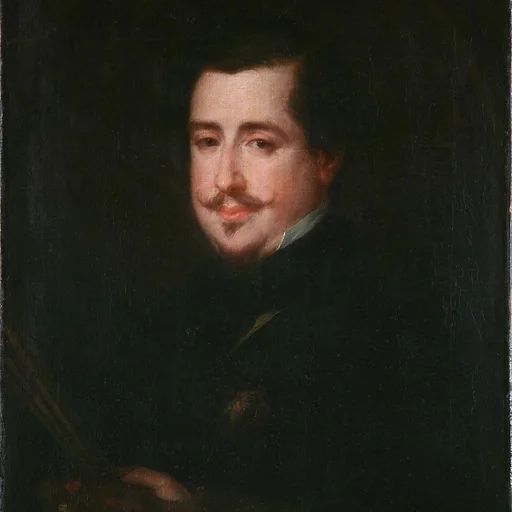
Artist
José Gutiérrez de la Vega y Bocanegra (26 December 1791 – December 1865) was a Spanish painter who specialized in portraits and religious subjects.