Artwork
Mary Lodge, Bride of Baron Charles-Louis de Keverberg de Kessel
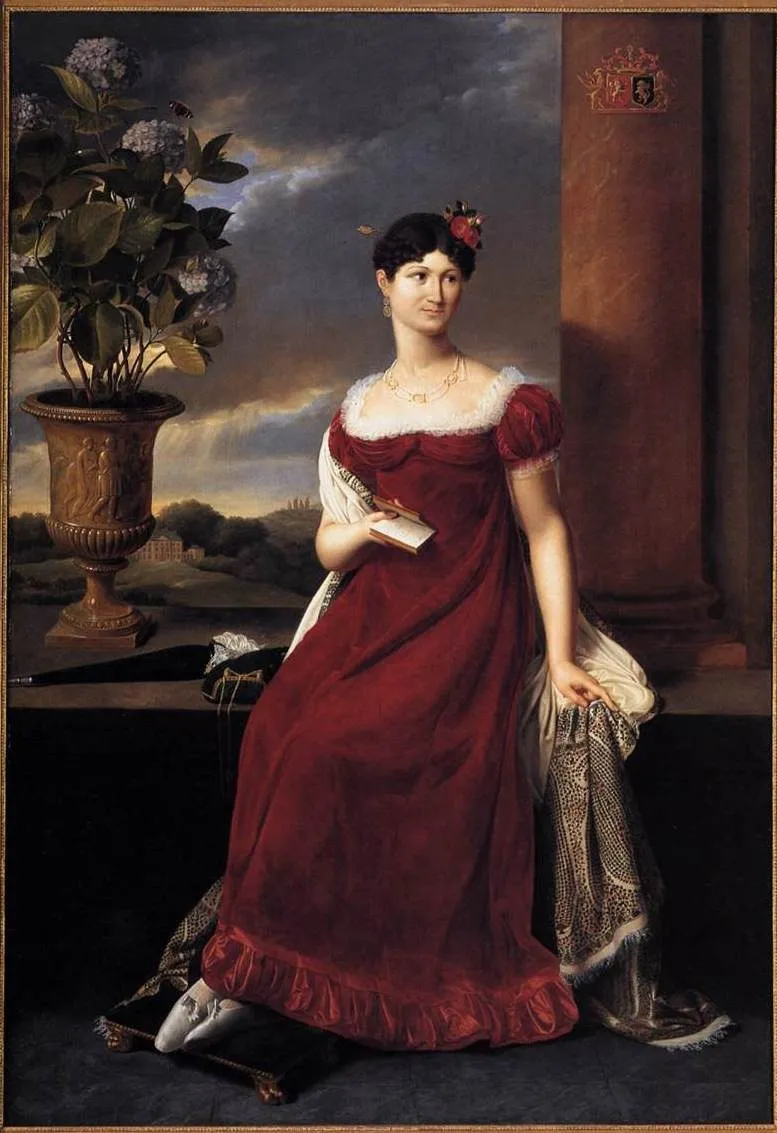
Mary Lodge, Bride of Baron Charles-Louis de Keverberg de Kessel is an oil painting by the Neoclassicist artist Joseph-François Ducq. It dates from 1818 and is held in the collection of the Groeningemuseum.
About this work
Subject & Meaning
The full-length format and scale (212 × 145 cm) elevate the sitter, presenting her as a figure of consequence within the aristocratic order.
The portrait depicts Mary Lodge at the time of her marriage to Baron Charles-Louis de Keverberg de Kessel. The inclusion of a coat of arms signals her entry into the noble Keverberg de Kessel family and asserts her new social status. A book, vase, flowers, and tree appear in the composition, likely carrying conventional associations with virtue, fertility, and the domestic sphere appropriate to a bridal portrait.
Her jewelry, necklace and earrings, further marks her wealth and position. The full-length format and scale (212 × 145 cm) elevate the sitter, presenting her as a figure of consequence within the aristocratic order.
Technique & Style
The portrait is executed in oil paint on a large-scale support measuring 212 × 145 cm. The substantial dimensions suggest a full-length or nearly full-length format typical of grand manner portraiture.
Stylistically, the work belongs to the portrait genre and incorporates symbolic and decorative elements. The depicted attributes include a coat of arms, book, vase, flowers, trees, and jewelry, a necklace and earrings. These elements indicate a composed, emblematic approach to representing the sitter's status and identity, common in early nineteenth-century European portraiture.
History & Provenance
The portrait Mary Lodge, Bride of Baron Charles-Louis de Keverberg de Kessel by Joseph-François Ducq is held in the collection of the Groeningemuseum. The museum is located in Bruges and houses this oil-on-canvas work, which dates to 1818. The provided sources do not list a specific inventory or accession number for the piece, nor do they record any exhibition history for the painting.
Consequently, details regarding public showings or cataloging identifiers beyond the museum's general holding remain unrecorded in the available documentation.
Overview
Joseph‑François Ducq, a Flemish painter active in the early nineteenth century, executed an oil portrait in 1818 that records Mary Lodge at the moment of her marriage to Baron Charles‑Louis de Keverberg de Kessel. The work is part of the collection of the Groeningemuseum and presents the bride in a formal, seated pose, surrounded by symbolic accoutrements.
Context
The work belongs to a period when Flemish artists incorporated French neoclassical principles into local portrait traditions. By integrating heraldic motifs and classical detailing, Ducq aligned the personal celebration of marriage with broader cultural ideals of order and refinement.
Artist & collection
Artist
Joseph-François Ducq, a Flemish historical and portrait painter, was born at Ledeghem in 1763.

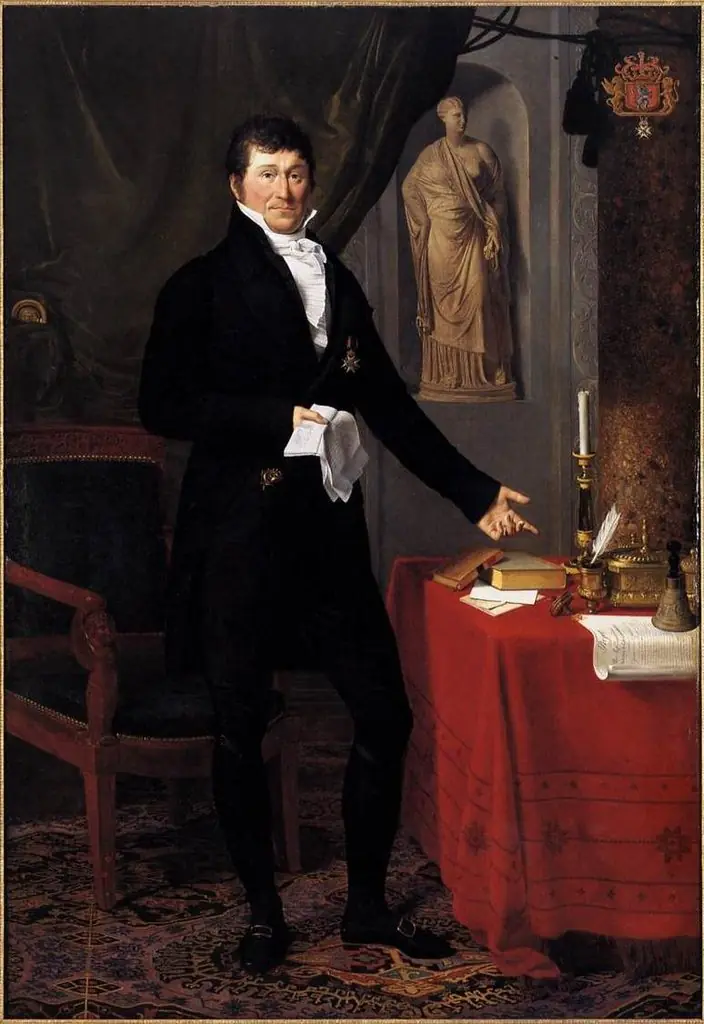 Portrait of Charles-Louis Baron de Keverberg de Kessel
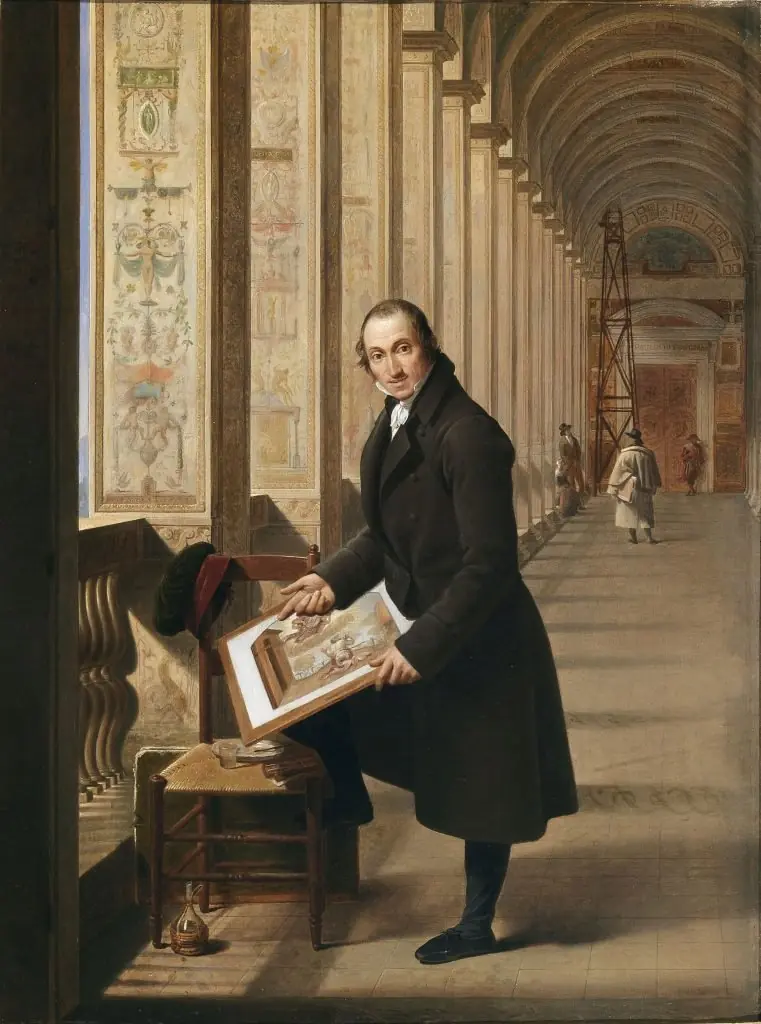 Portret van de graveur Joseph-Charles de Meulemeester aan het werk in de Loggia van het Vaticaan
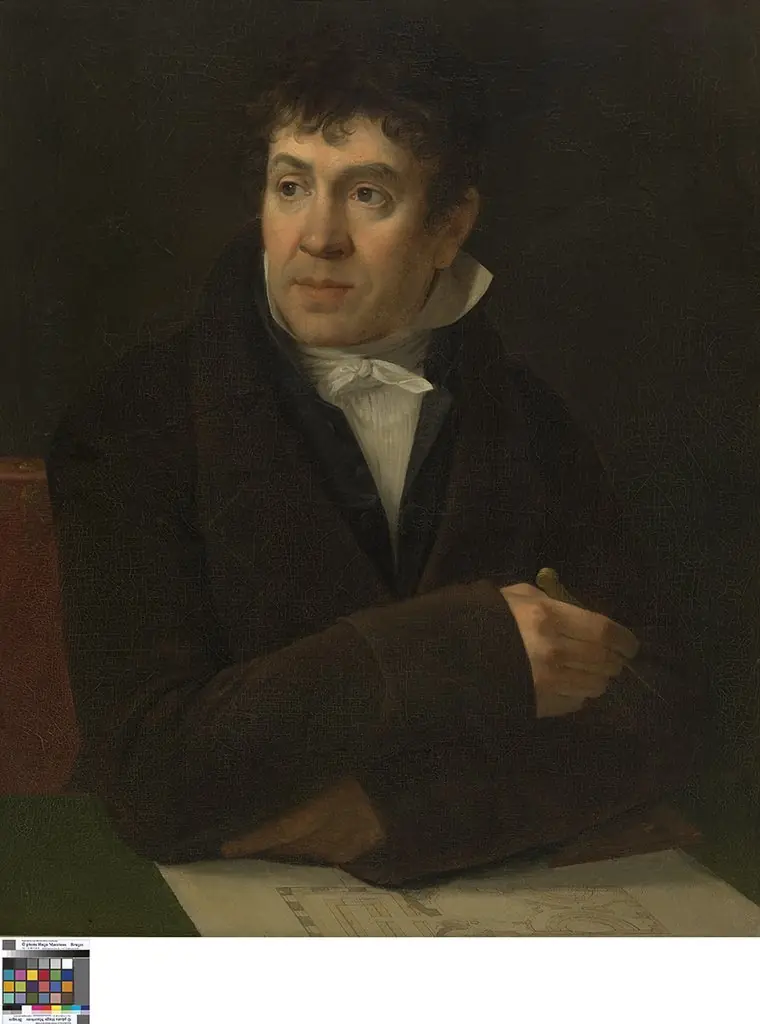 Portrait of Joseph François van Gierdegom
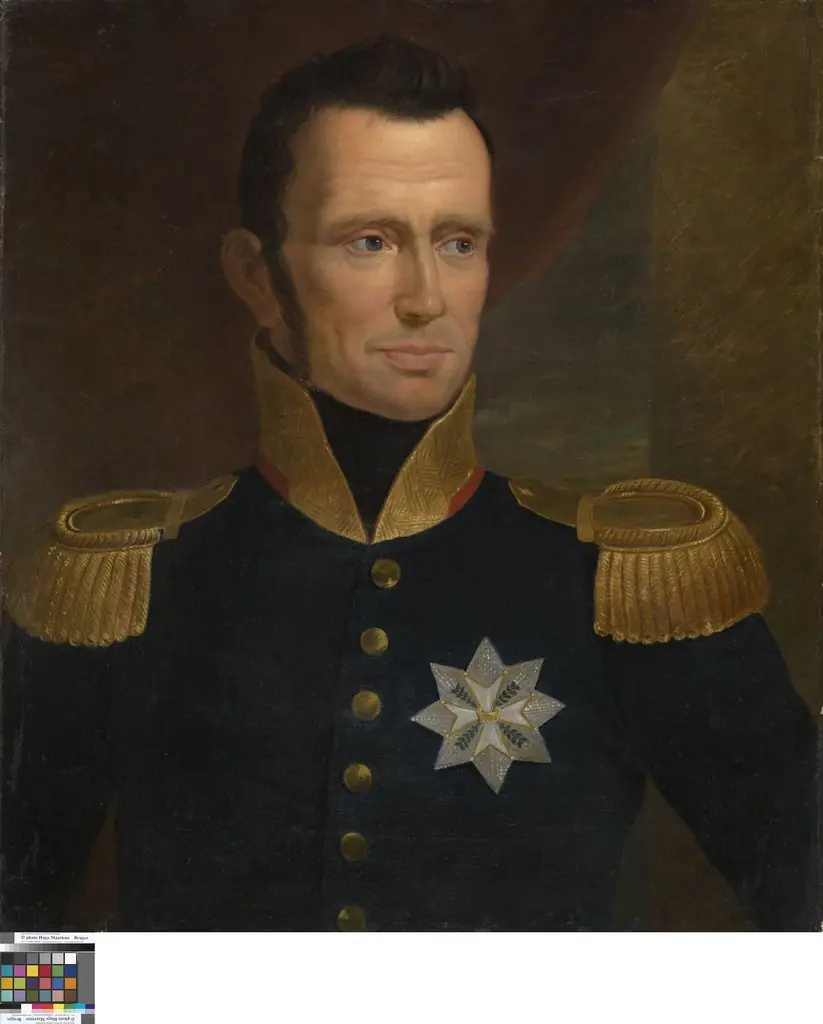 Portret van koning Willem I
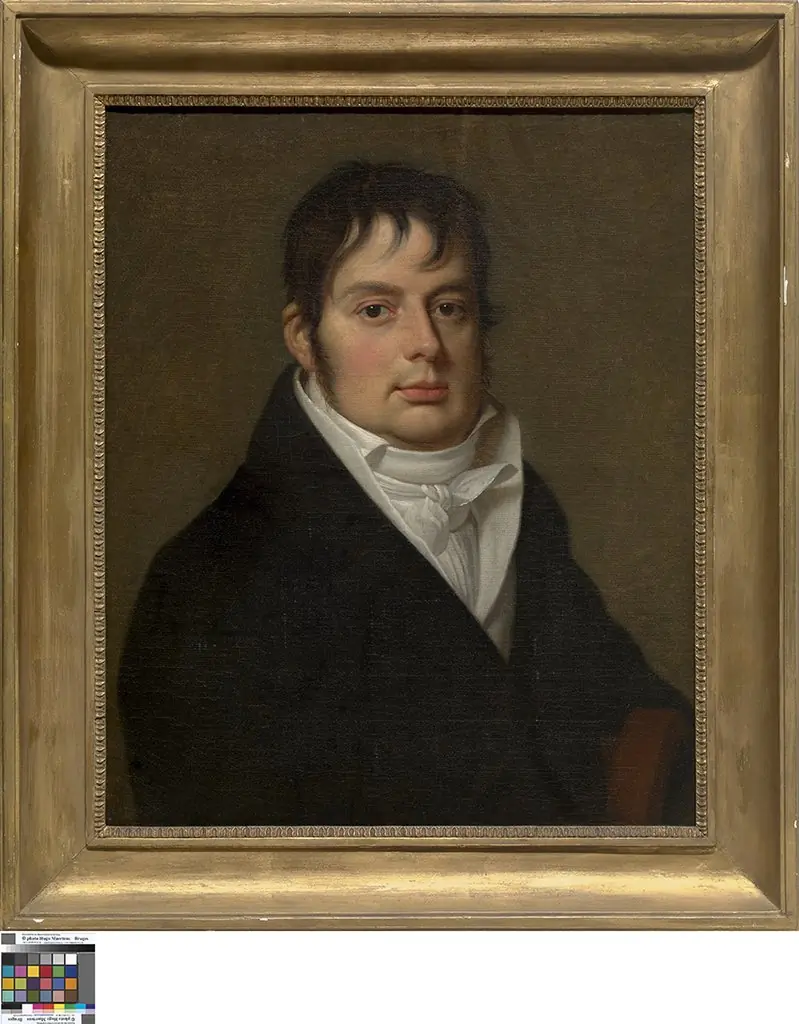 Portret van Geerebaert
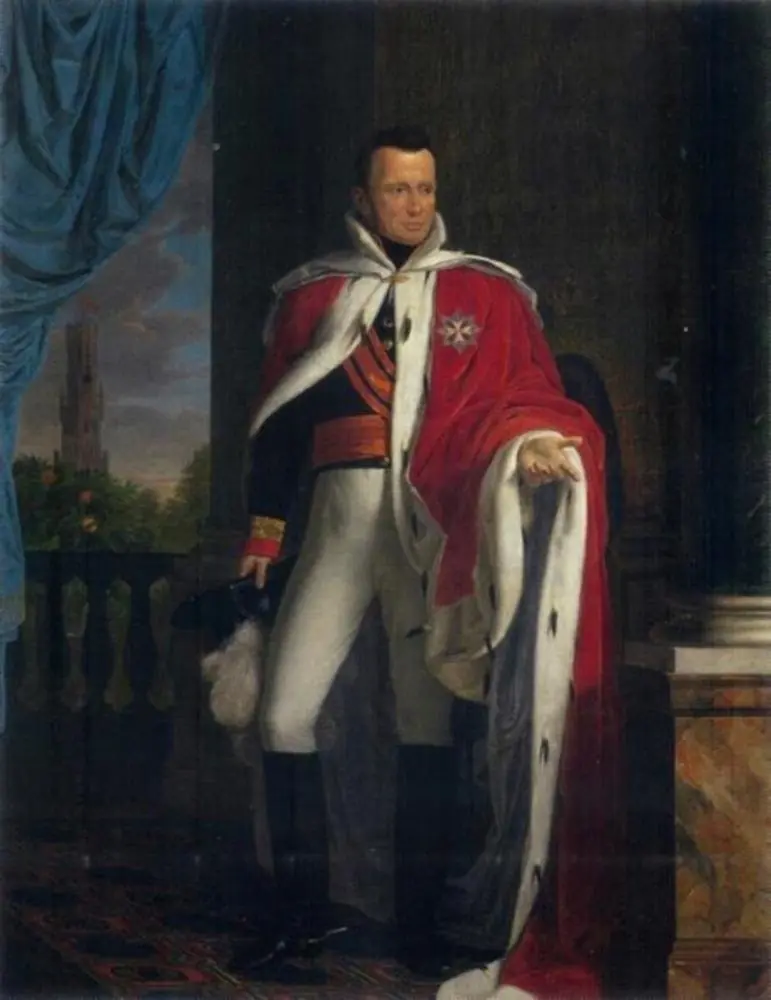 Portrait of king Willem I (1772-1843)
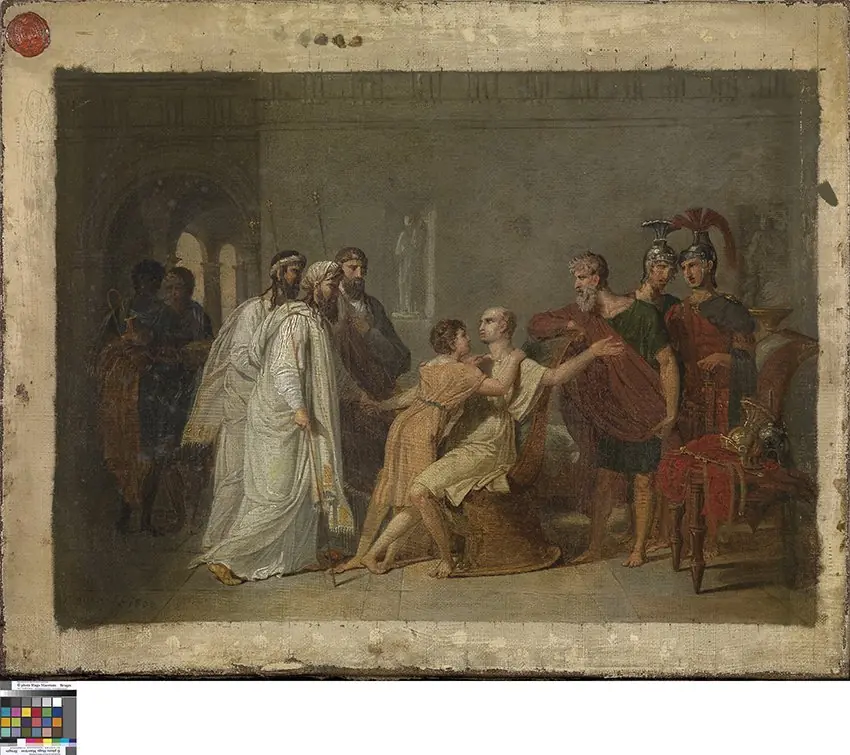 Terugkeer van Scipio's zoon
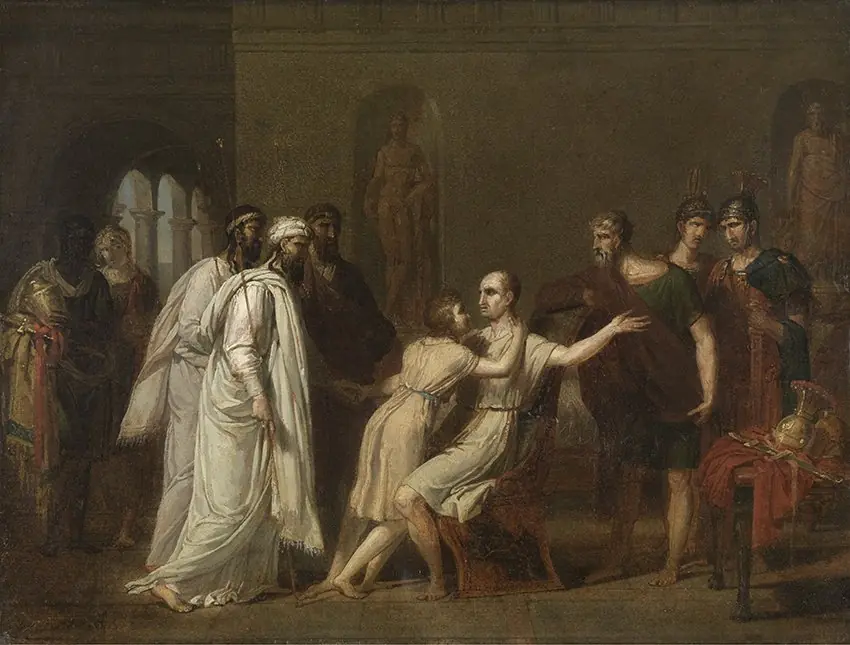 Terugkeer van Scipio's zoon
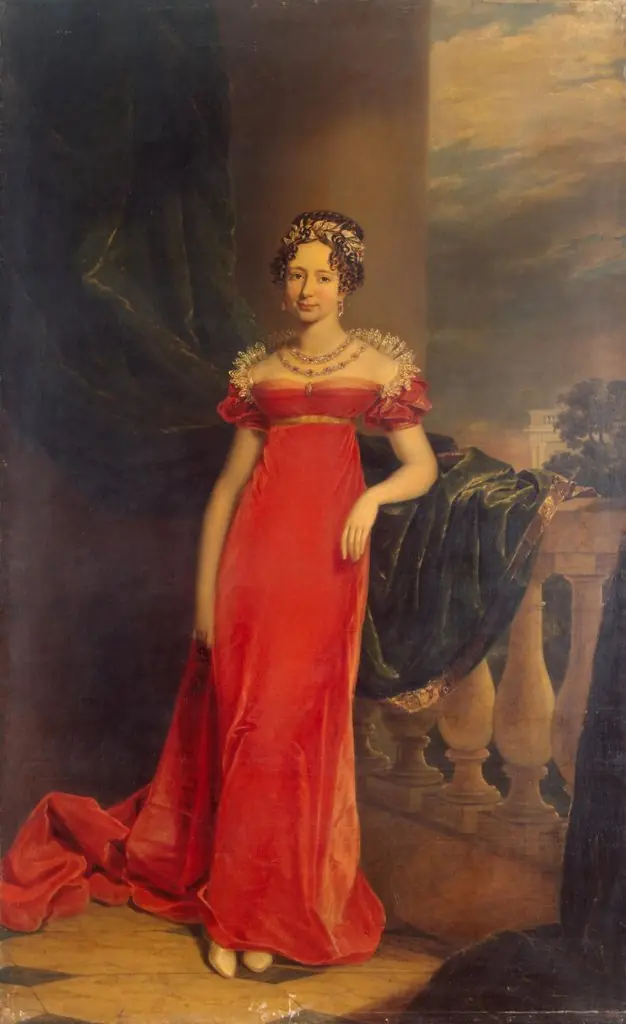 Portrait of Grand Duchess Maria Pavlovna
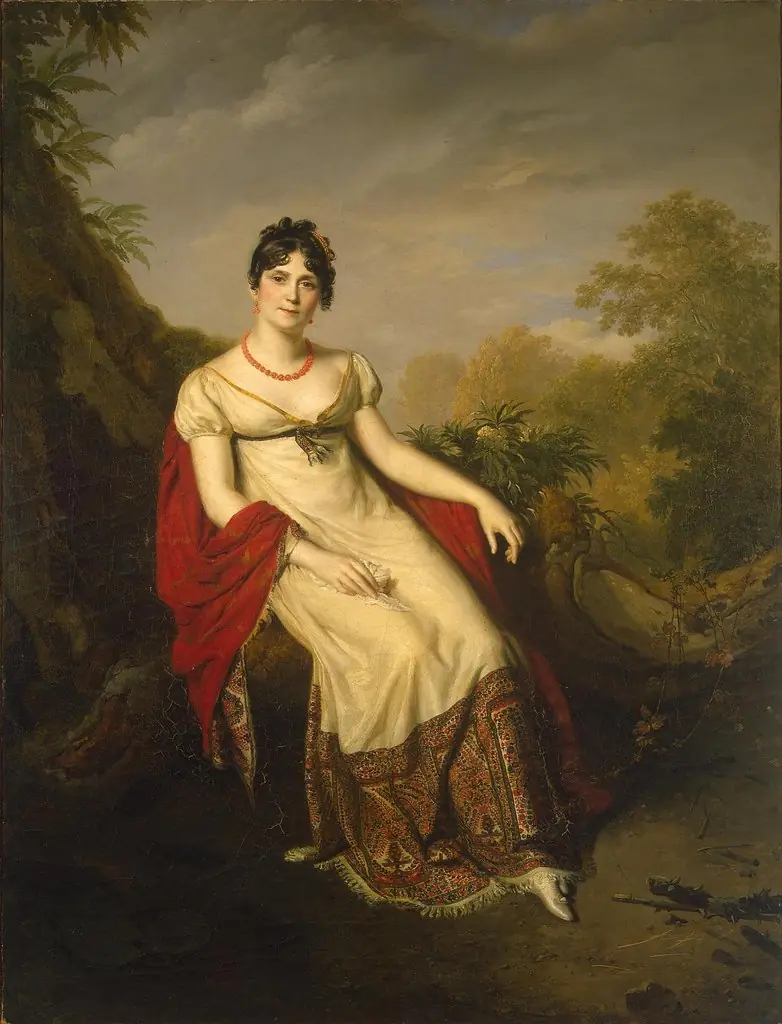 Portrait of Josephine de Beauharnais
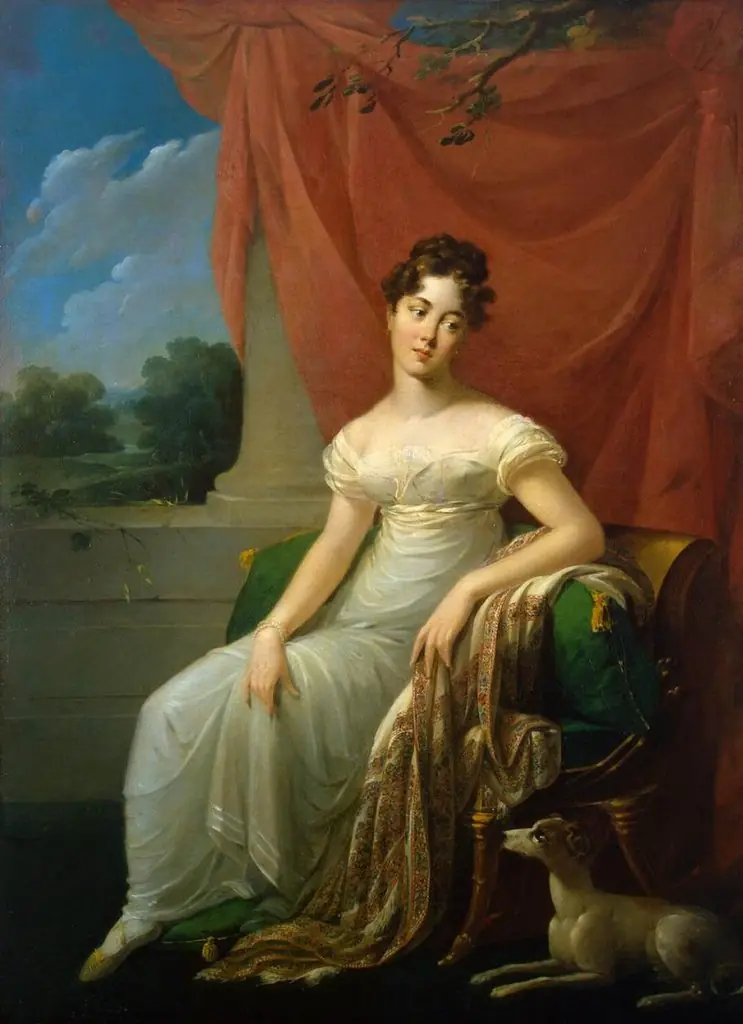 Portrait of Sofia Apraxina
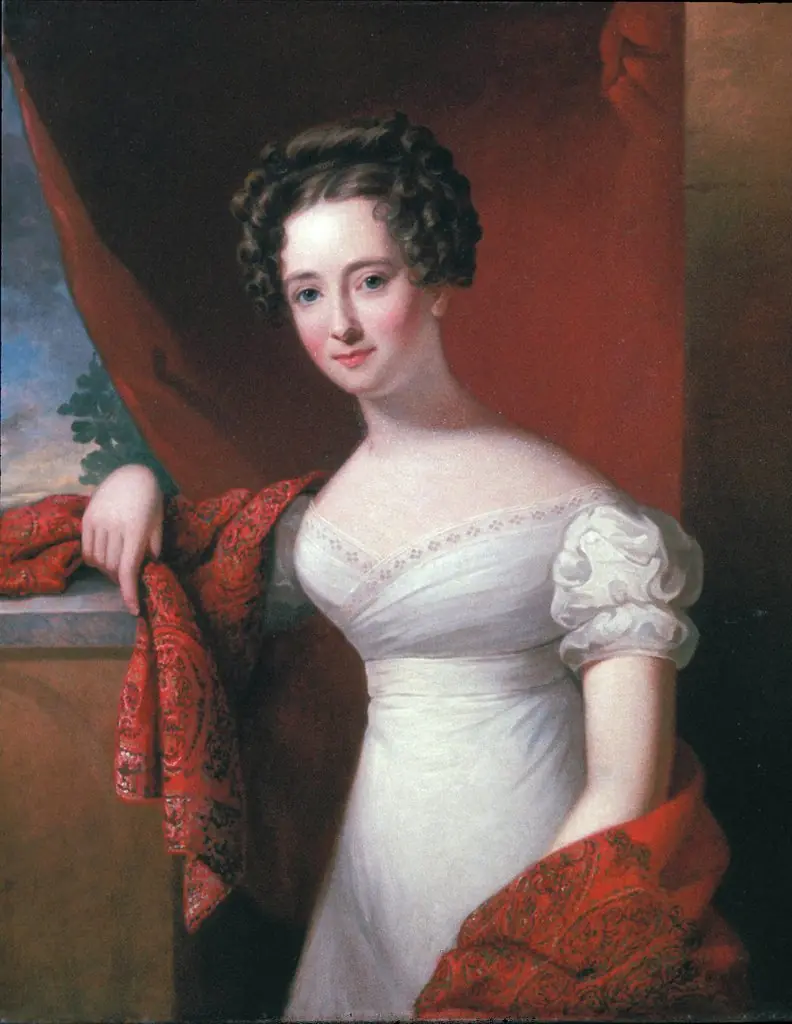 Isabella Hodgkiss Norvell
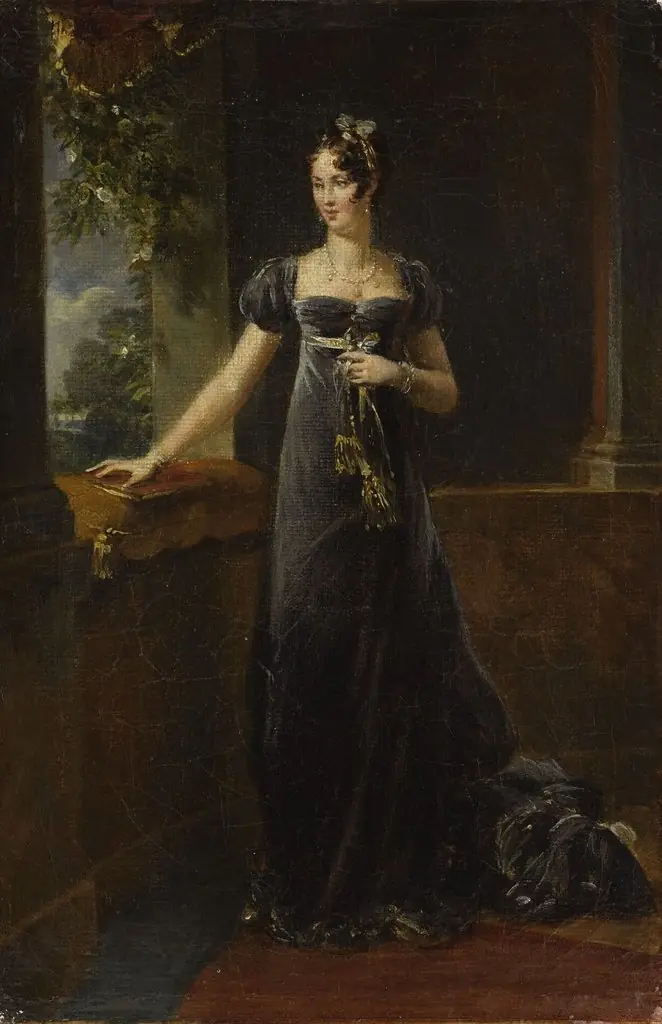 Auguste Amalia von Bayern, Vizekönigin von Italien
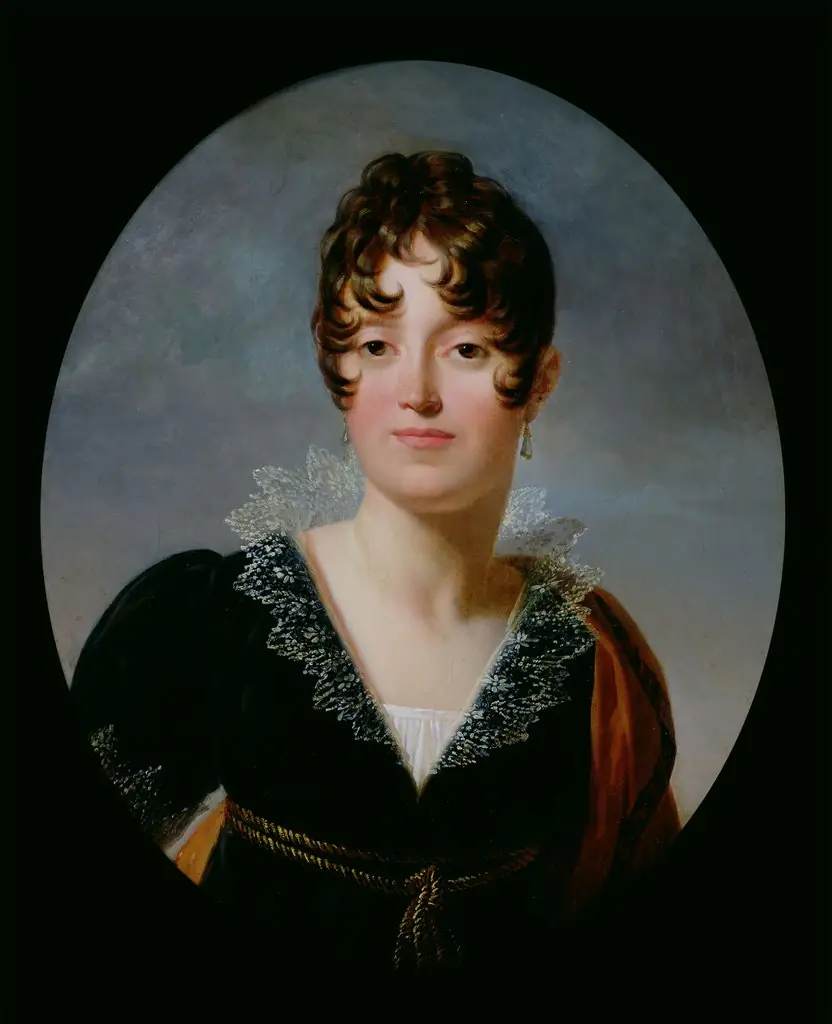 Désirée Clary
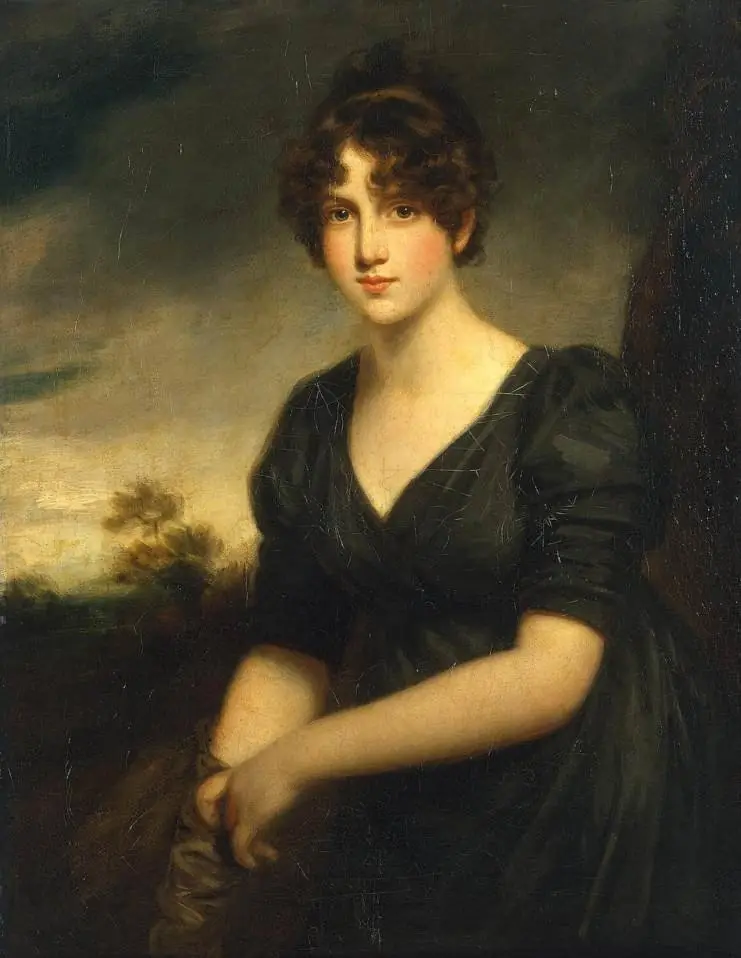 Portrait of a Woman (Miss Frances Winnicobe ?)
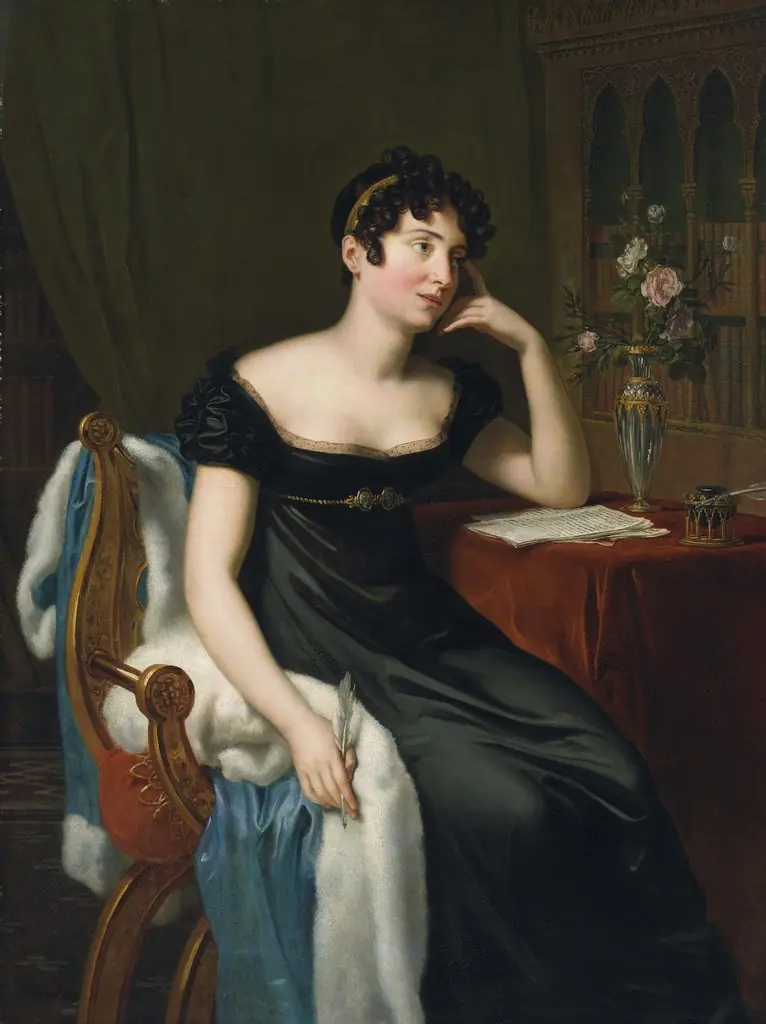 Portrait of Lady Morgan (Sydney Owenson) (1776-1859), Writer
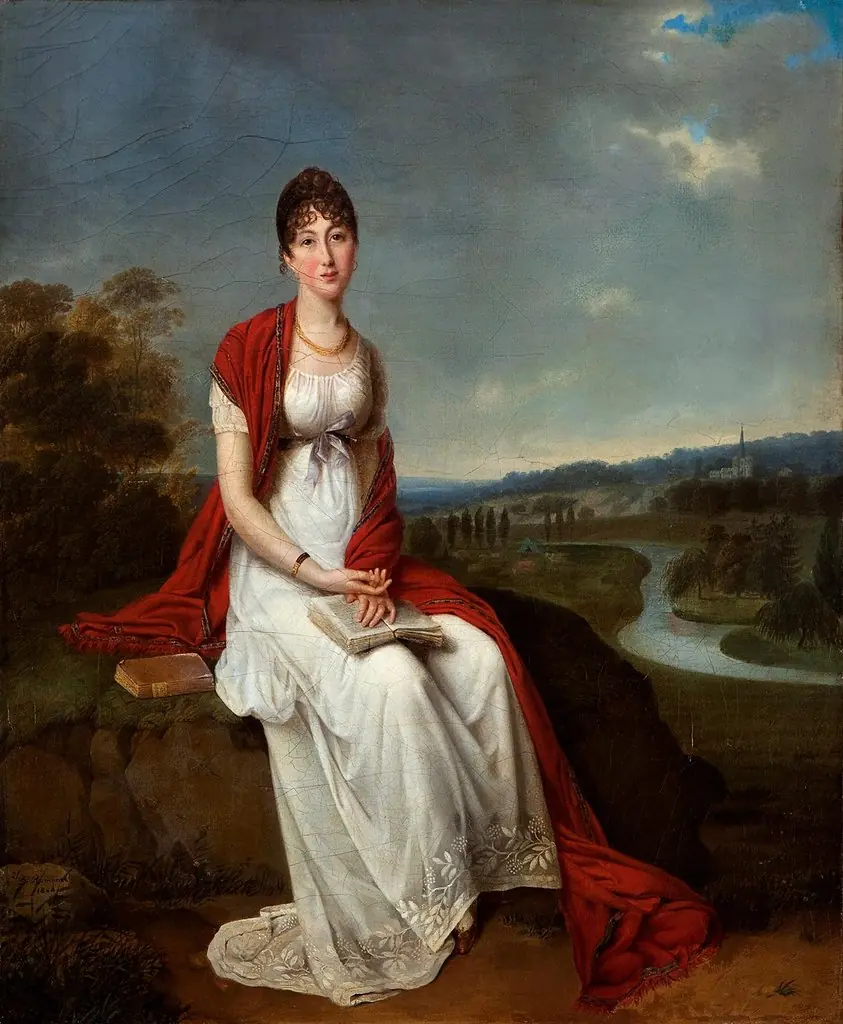 Portrait of a Young Woman
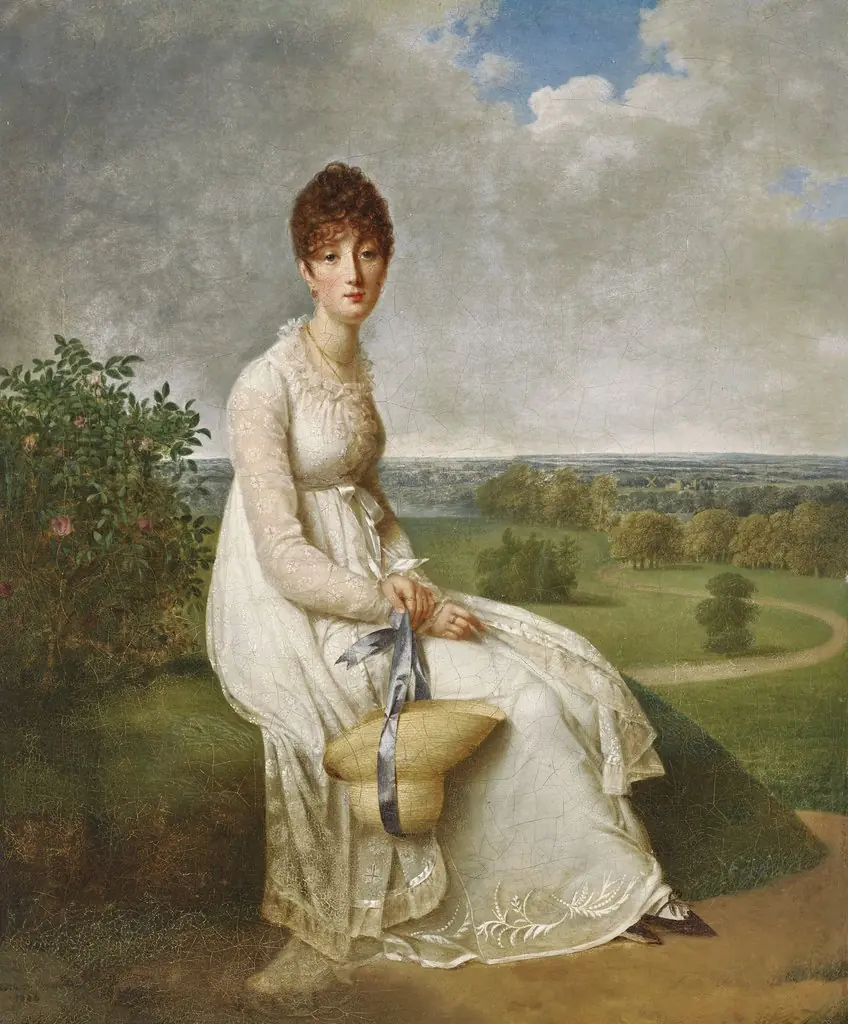 Portrait of a lady, full-length, seated on a rock in a landscape
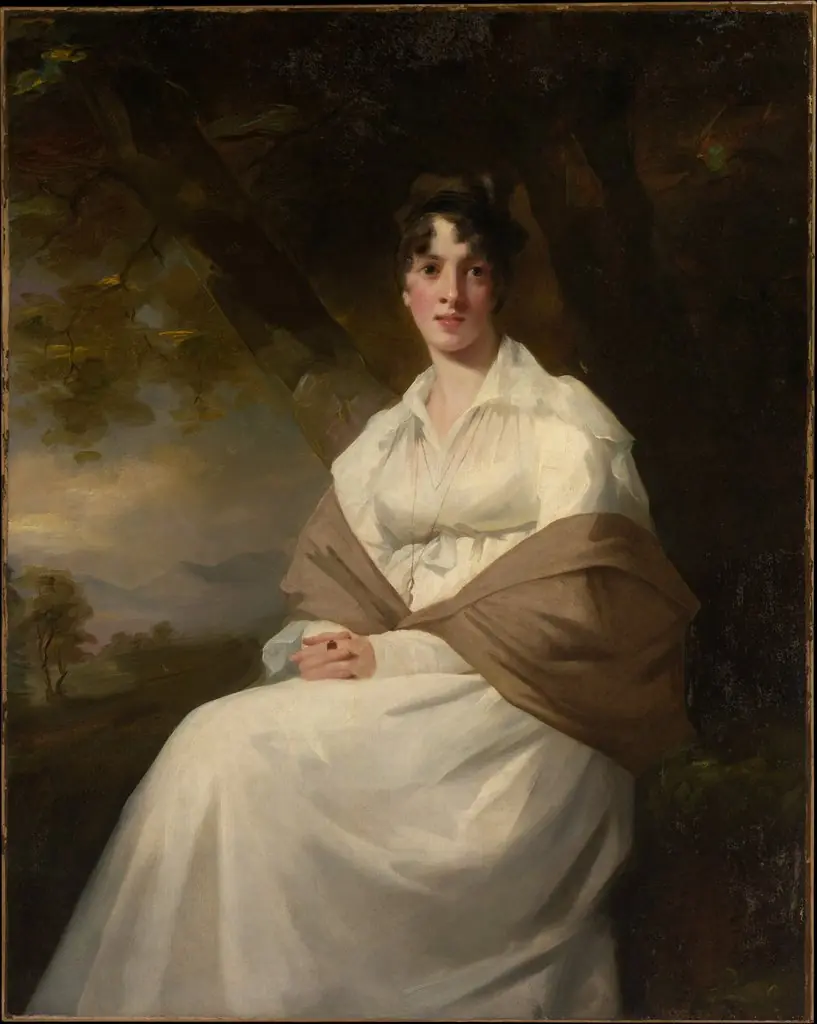 Lady Maitland (Catherine Connor, died 1865)
- Mary Nisbet, Countess of Elgin (1777 - 1855)