Artwork
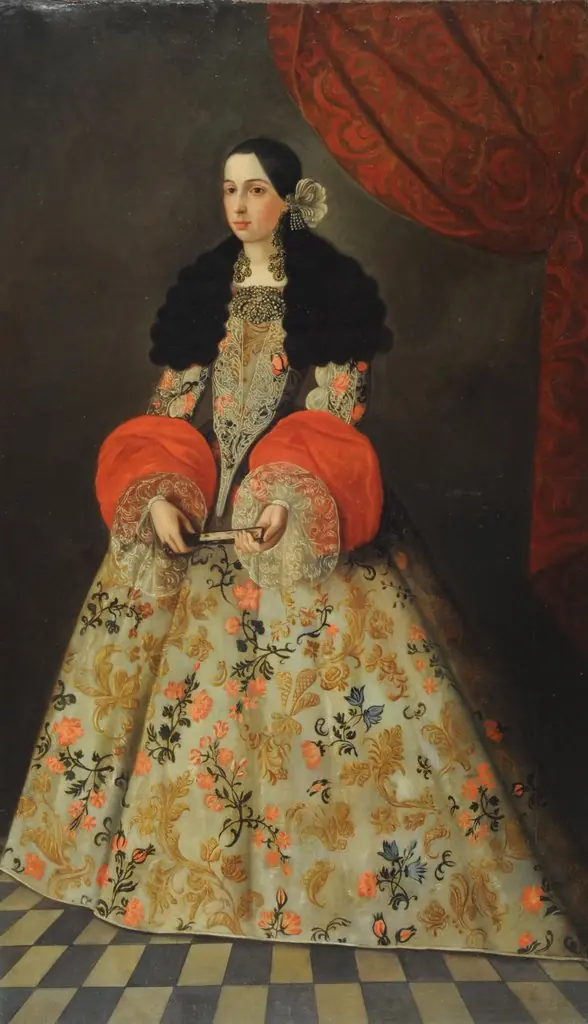
María Luisa Gabriela de Saboya primera esposa de Felipe V
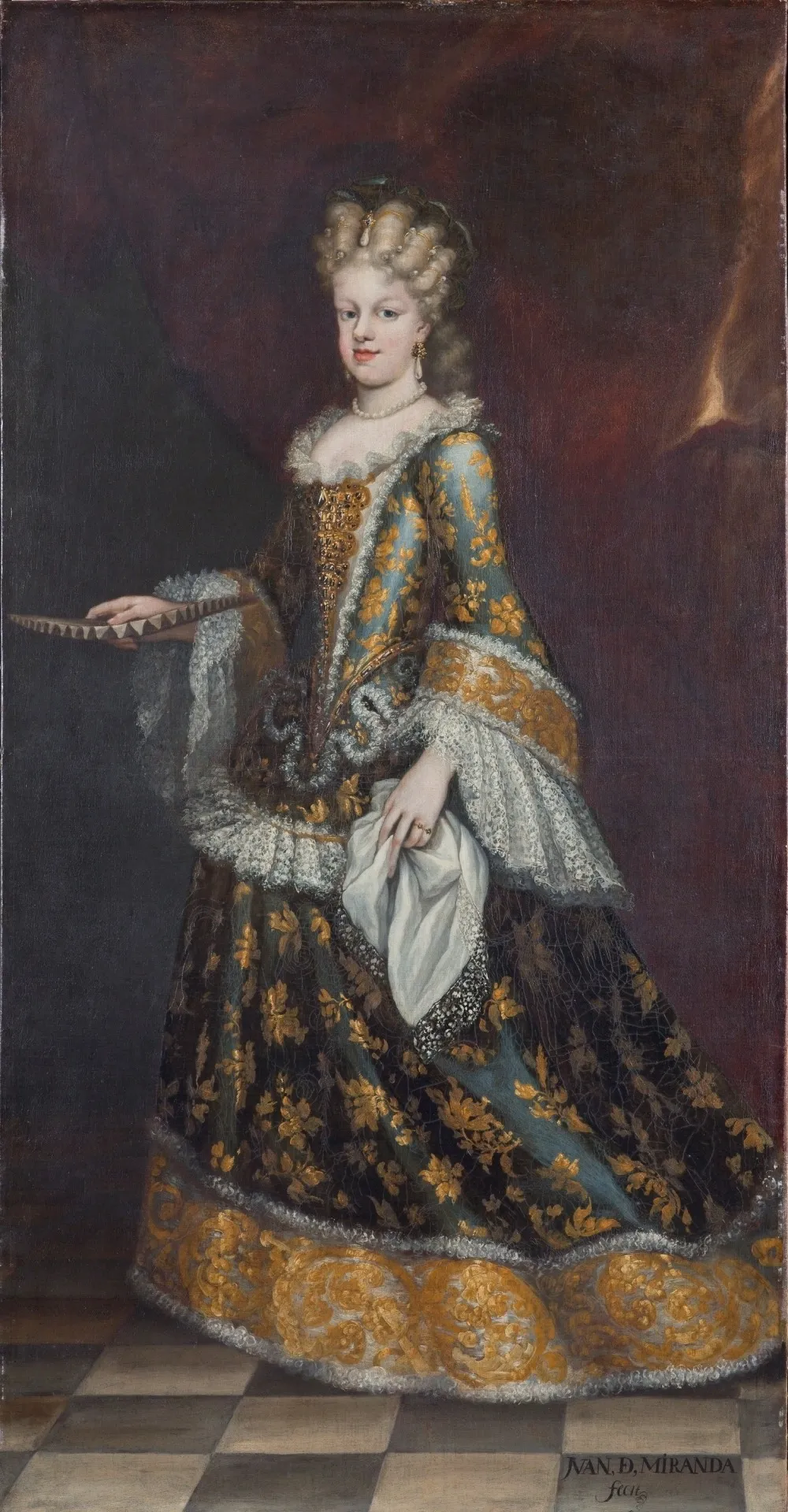
María Luisa Gabriela de Saboya primera esposa de Felipe V is an oil painting by Juan García de Miranda. It is held in the collection of the Museo del Prado. This 18th-century oil painting portrays María Luisa Gabriela de Saboya, first wife of King Felipe V of Spain, in a formal, ornate setting.
About this work
Subject & Meaning
The painting portrays Maria Luisa of Savoy, first wife of Philip V of Spain, holding a hand fan and a gemstone, symbols that emphasize her aristocratic status and personal refinement. The fan, a fashionable accessory among European aristocracy, conveys elegance and courtly grace, while the gemstone may allude to her noble lineage and the wealth of the Savoy dynasty. Executed in oil on canvas in 1800 by Juan García de Miranda, the work was created during a period when royal portraiture in Spain increasingly served diplomatic and commemorative purposes, especially in foreign postings such as the Spanish embassy in Rome where the painting was later displayed.
Its composition blends neoclassical precision with subtle personal symbolism, reflecting both the subject's position within the Spanish Bourbon family and broader Enlightenment-era ideals of order and decorum.
Technique & Style
The portrait shows oil paint applied on canvas, a standard support for formal portraiture in the early nineteenth century.
The portrait shows oil paint applied on canvas, a standard support for formal portraiture in the early nineteenth century. The composition emphasizes the sitter’s dignified posture and delicate hand gestures, rendered with a smooth, blended brushwork that conveys subtle skin tones and fabric textures. Light falls across the face to model three-dimensionality, while the background remains muted, allowing attention to rest on the hand fan and gemstone accessories.
History & Provenance
Juan García de Miranda painted María Luisa Gabriela de Saboya, first wife of Felipe V, in 1800. The work is an oil on canvas measuring 210 cm by 108 cm and was created while the artist was residing at the Spanish Embassy in Rome. It entered the collection of the Museo del Prado, where it remains on display.
The painting belongs to the collection of the Museo del Prado. According to the Wikidata record, its stated location is the Embassy of Spain in Rome, indicating it is held on deposit at the Spanish diplomatic mission in Italy rather than on public display at the Prado itself.
No specific inventory or accession number is recorded in the available sources, and no exhibition history is documented.
Legacy
The painting's legacy reflects evolving scholarly interest in Bourbon-era portraiture and the role of royal consorts in European court culture. Exhibited at the Museo del Prado, it contributes to understanding of Spanish artistic exchange in Rome circa 1800. Its depiction of Maria Luisa of Savoy with symbolic elements such as a hand fan and gemstone underscores themes of status and identity among European nobility.
Overview
This 18th-century oil painting portrays María Luisa Gabriela de Saboya, first wife of King Felipe V of Spain, in a formal, ornate setting. The work is attributed to Juan García de Miranda, a Spanish Baroque painter known for his devotional pieces and courtly portraits.
Context
The painting reflects the Baroque aesthetic prevalent in early 18th-century Spain, characterized by dramatic lighting and attention to detail. Miranda's background in devotional art influenced his approach to secular subjects, lending a sense of solemnity to the portrait.
Artist & collection
Artist
Juan García de Miranda (1677–1749), was a Spanish painter of the baroque period, a disciple of Juan Delgado and the uncle of Pedro Rodríguez de Miranda.

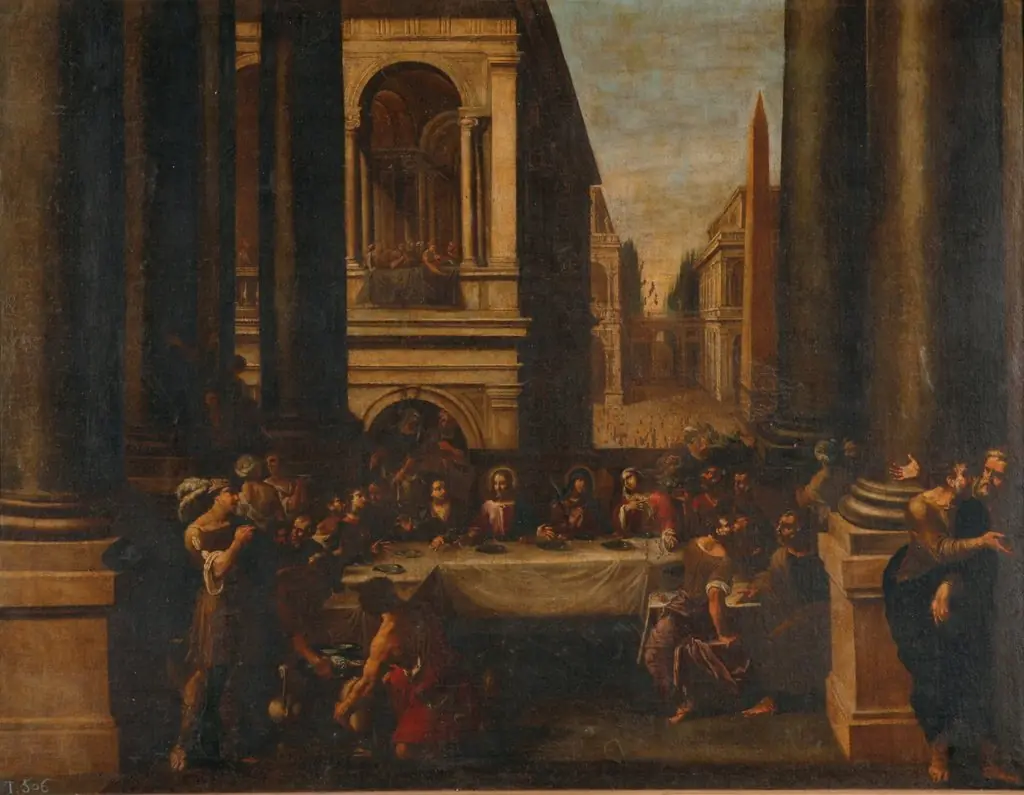 The marriage at Cana
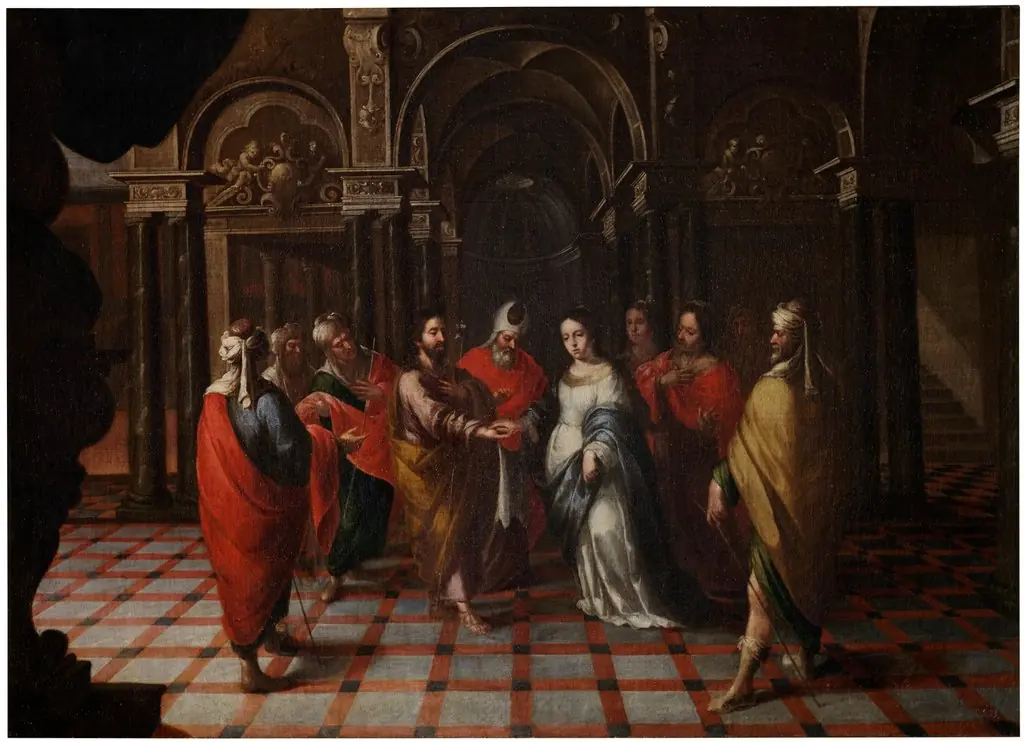 The Betrothal of the Virgin
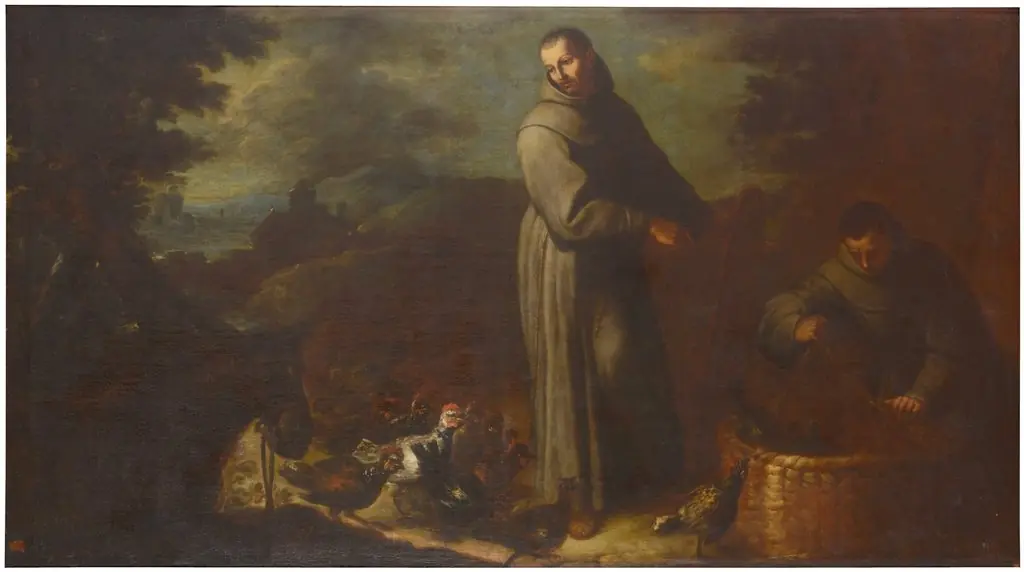 Escena de la vida de San Diego (San Diego y un fraile sacando pollos de un cesto)
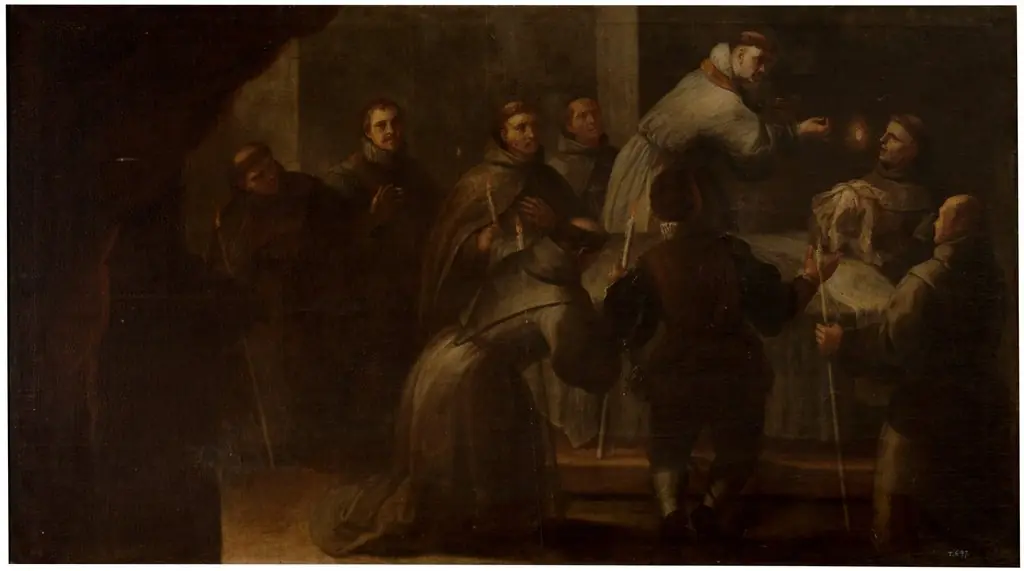 La última comunión de San Diego de Alcalá
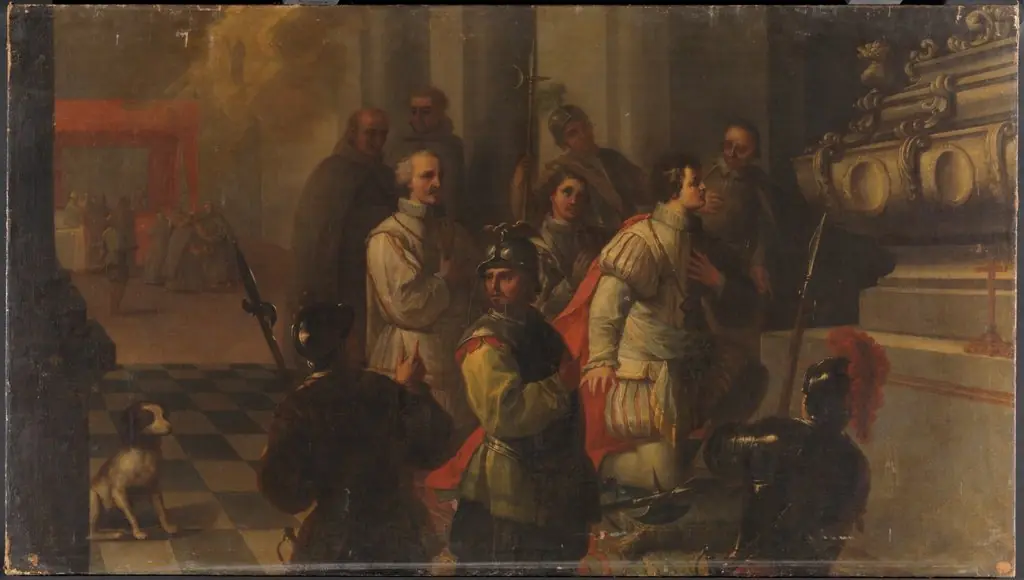 Curación y acción de gracias del príncipe don Carlos. Serie de la Vida de San Diego de Alcalá
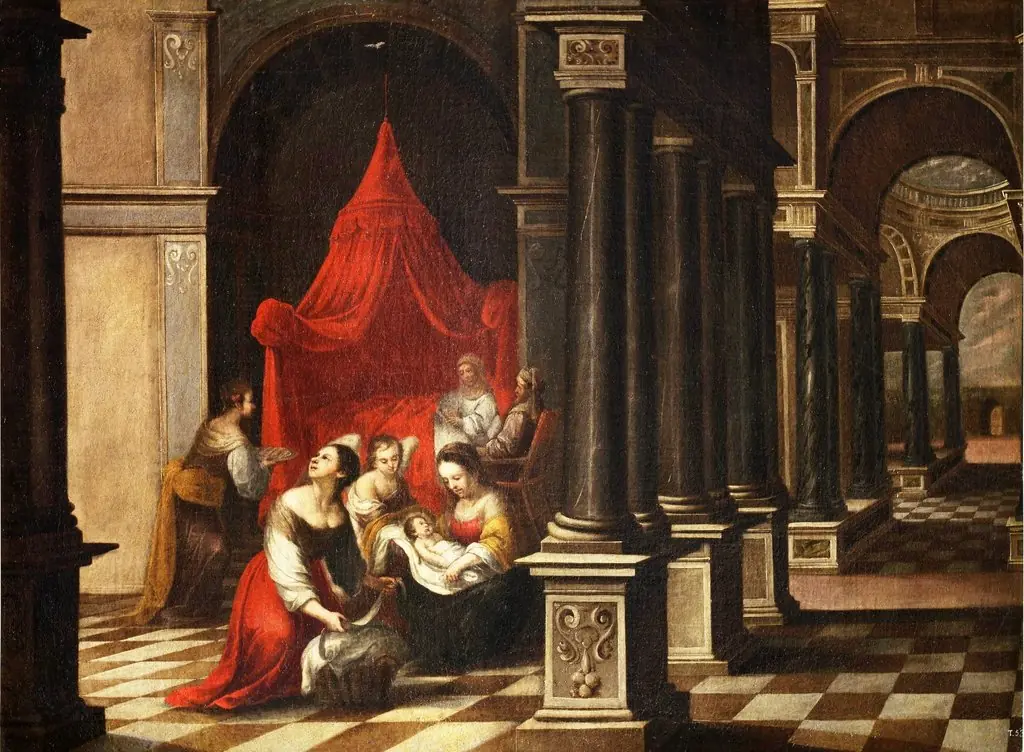 The Birth of the Virgin
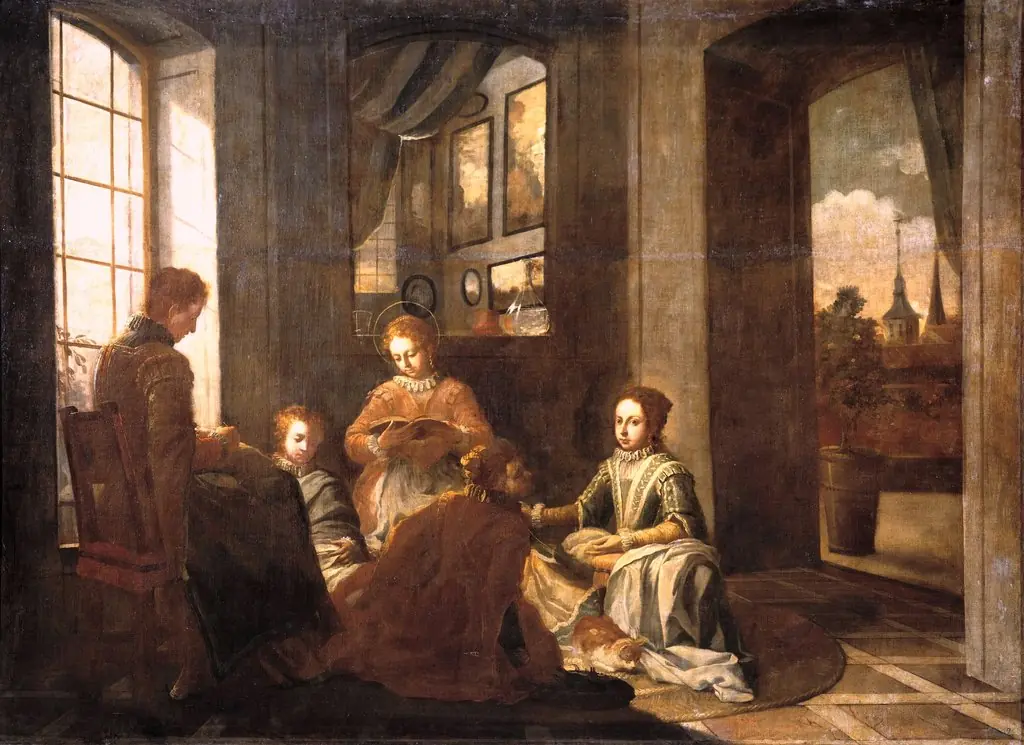 The Education of Saint Theresa
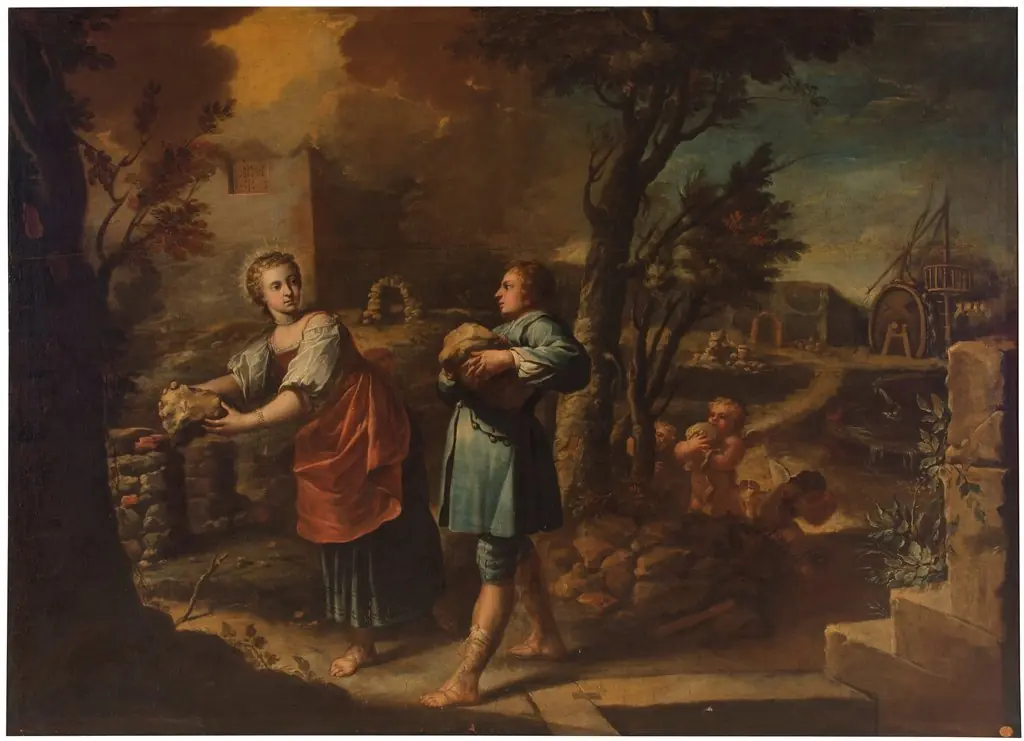 Santa Teresa y su hermano don Rodrigo intentando construir ermitas
- Henriette Adelaide
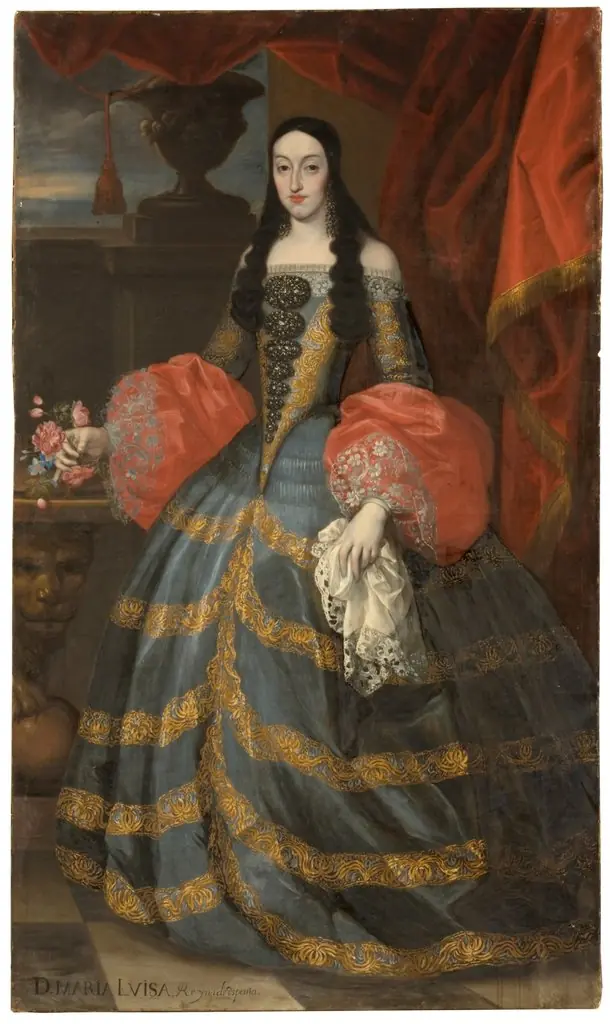 Portrait of Marie Louise d’Orléans
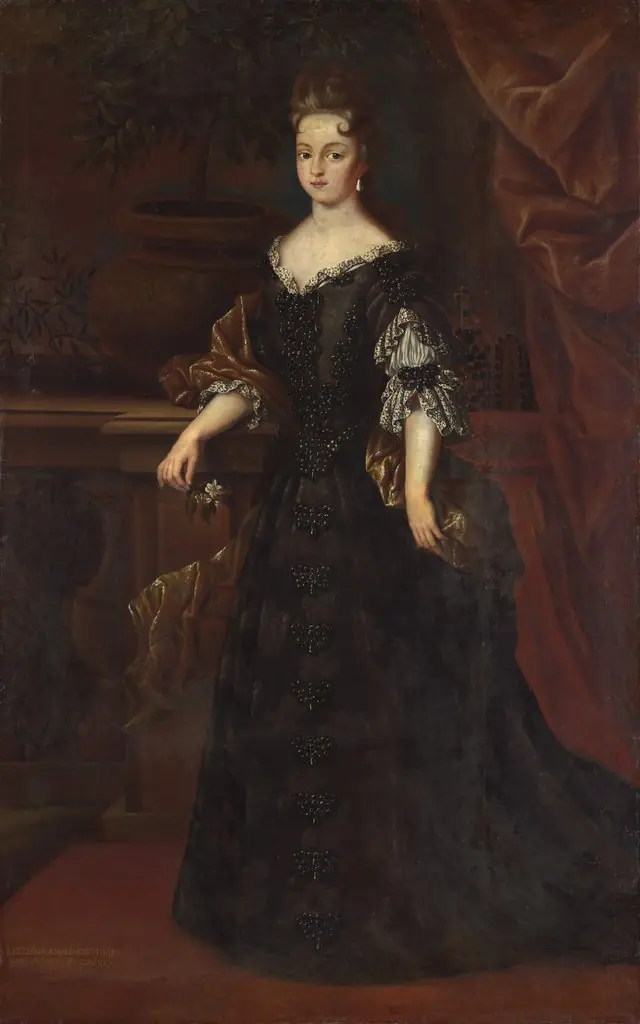 Kaiserin Amalie Wilhelmine (1673-1742) von Braunschweig-Lüneburg, Gemahlin von Joseph I.
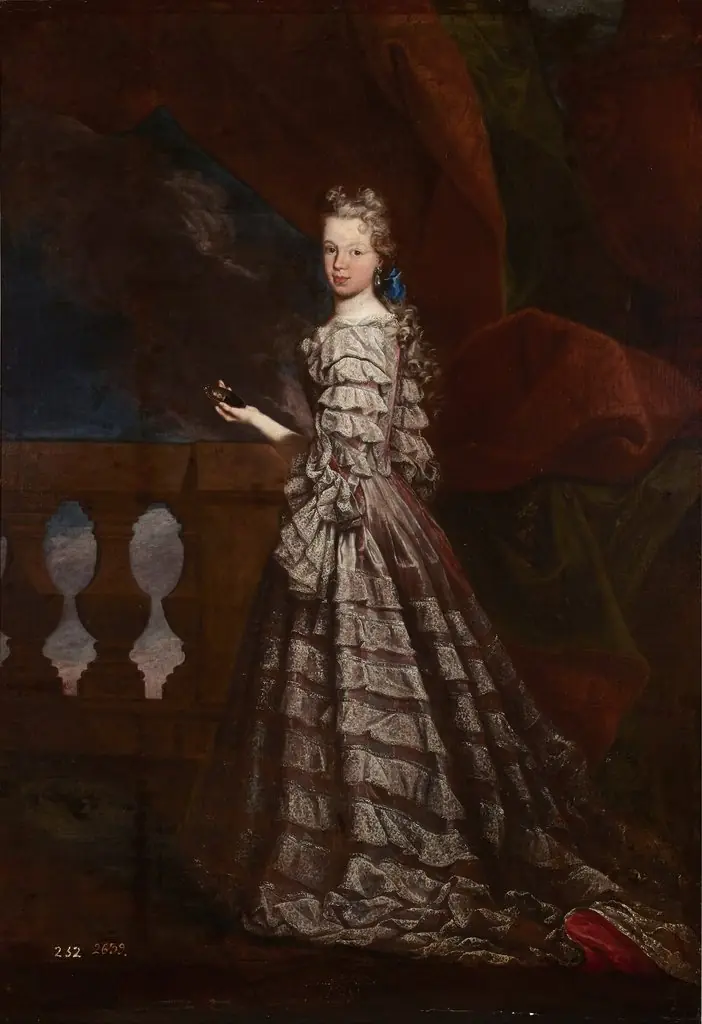 Portrait of Maria Luisa of Savoy, Queen of Savoy
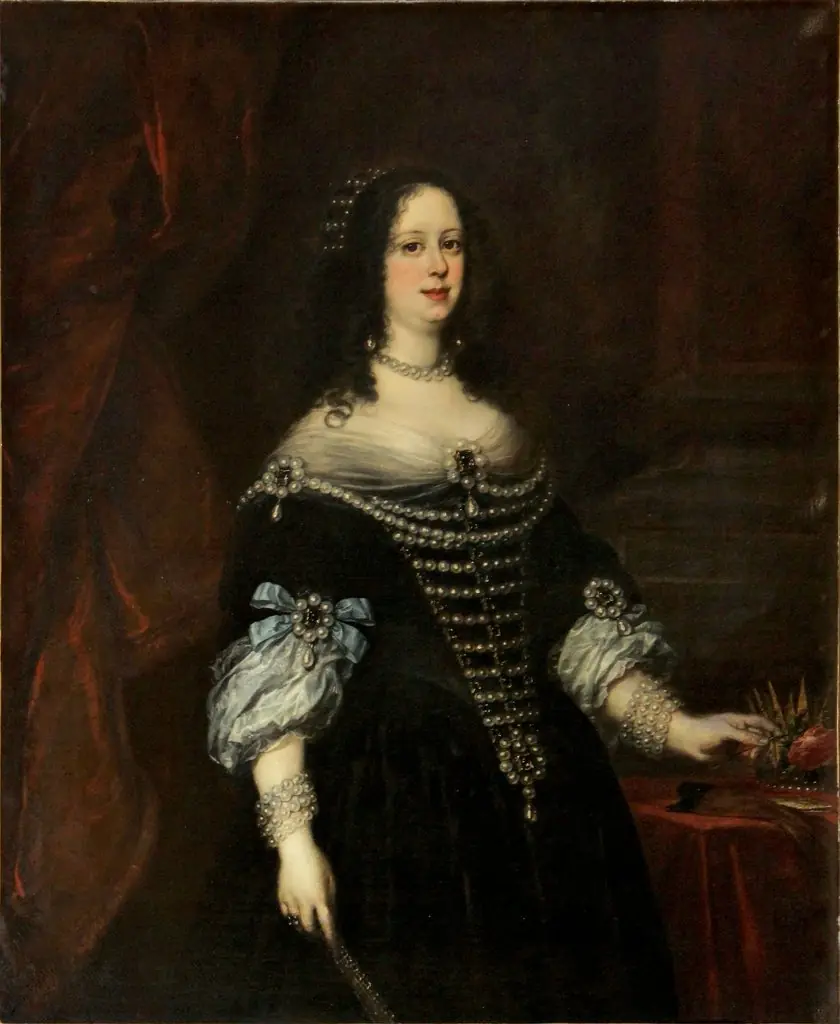 Portrait of Vittoria della Rovere
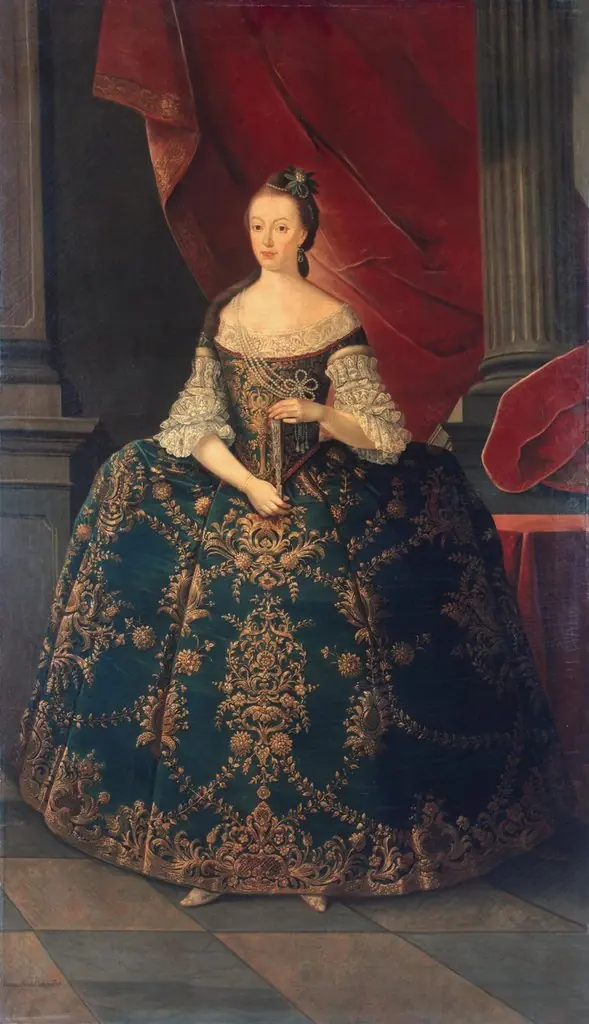 Portrait of Maria Francisca, Princess of Brasil and Beira
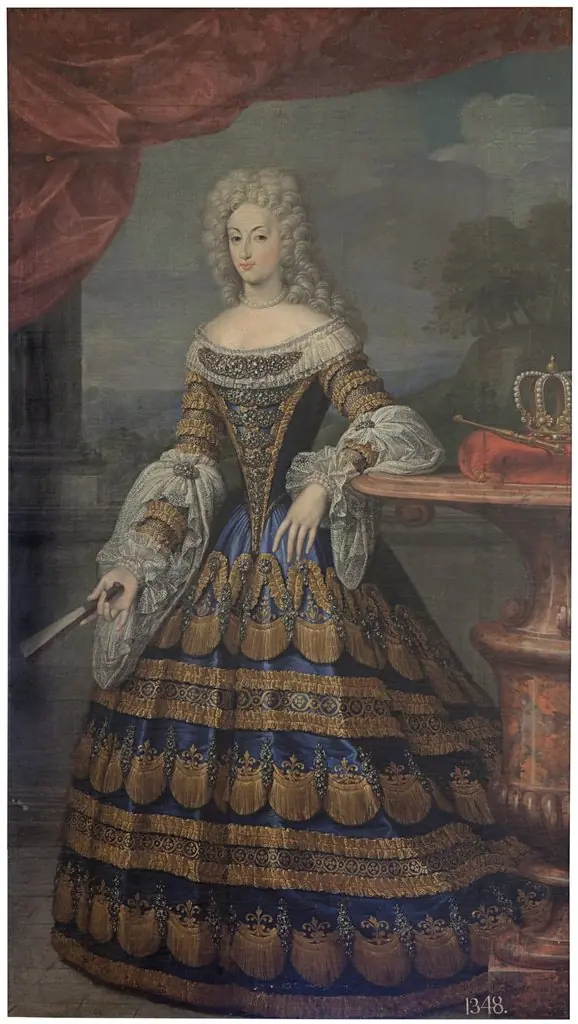 Mariana de Neoburgo reina de España
 Princess Luise Ulrike of Prussia (1720-1782)
 Portrait of a Woman Standing in a Garden
 Portrait of a Woman
 María Teresa archiduquesa de Austria
 Portrait of an unknown woman