Artwork
Summer Flowers
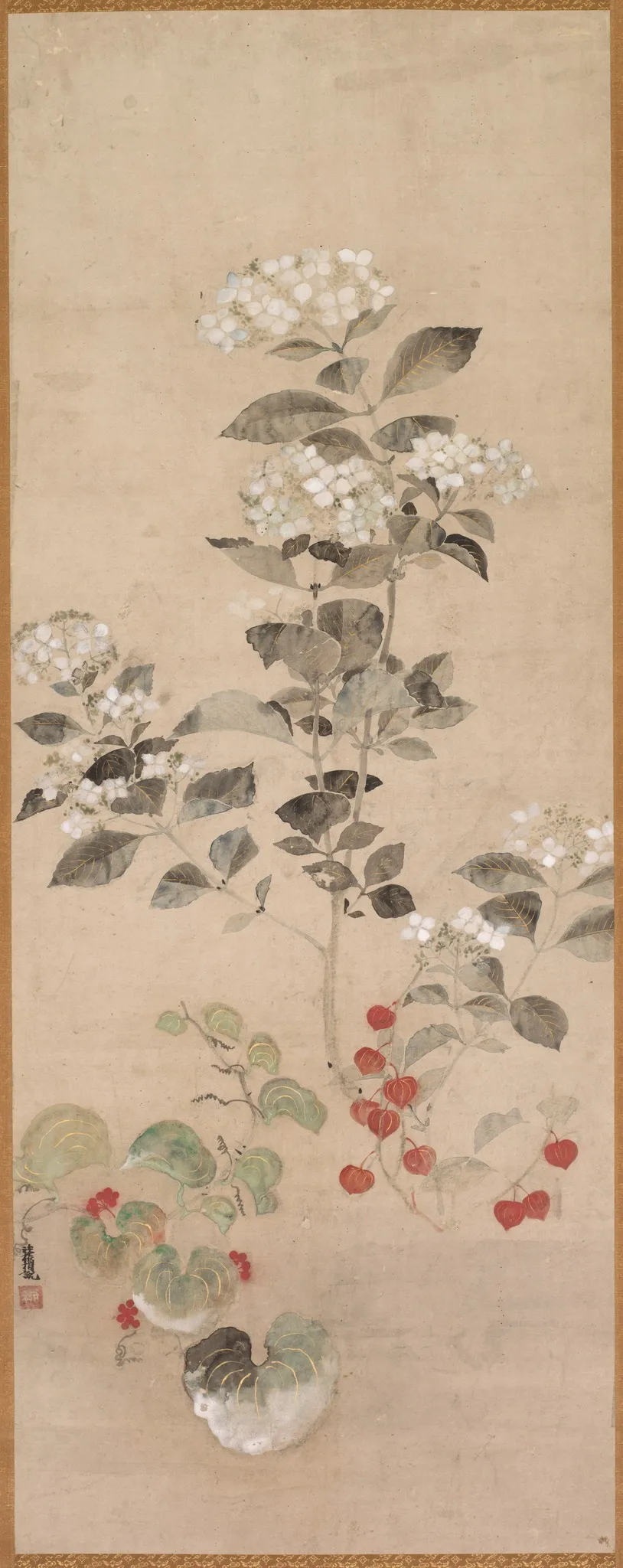
Summer Flowers is an unspecified painting by the Ukiyo-e artist Kitagawa Sōsetsu. It dates from 1650 and is held in the collection of the Cleveland Museum of Art.
About this work
History & Provenance
The painting Summer Flowers by Kitagawa Sōsetsu, dated to 1650, is held in the collection of the Cleveland Museum of Art in Cleveland.
Summer Flowers is a painting attributed to Kitagawa Sōsetsu and dated to circa 1650. The work is presently held in the collection of the Cleveland Museum of Art, where it bears the accession number 1992.380. No earlier ownership records or commission details are documented in the available sources; the painting’s provenance therefore begins with its acquisition by the museum in the late twentieth century. It remains on display in the museum’s Japanese art galleries.
The painting Summer Flowers by Kitagawa Sōsetsu, dated to 1650, is held in the collection of the Cleveland Museum of Art in Cleveland. The work is cataloged under the accession number 1992.380. No specific exhibition history is recorded in the provided sources for this artwork.
Context
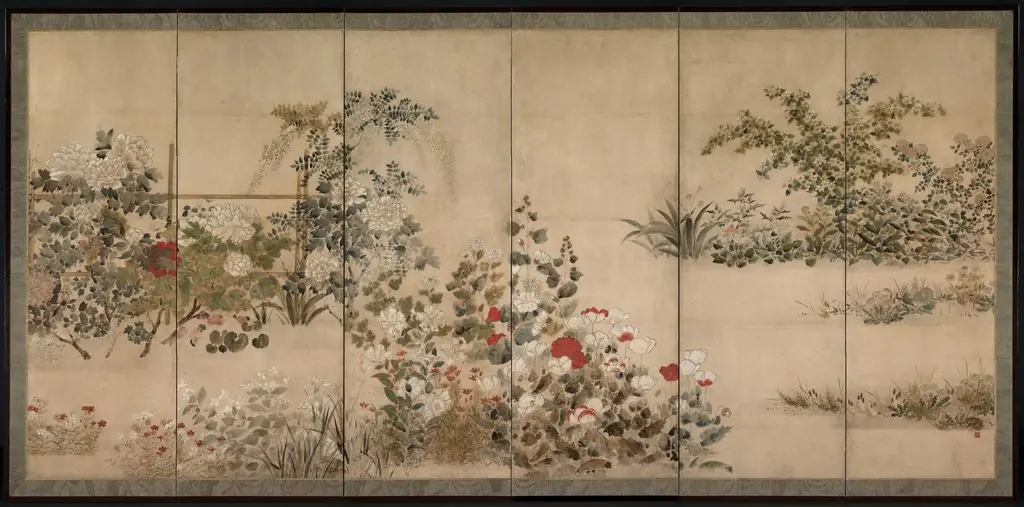
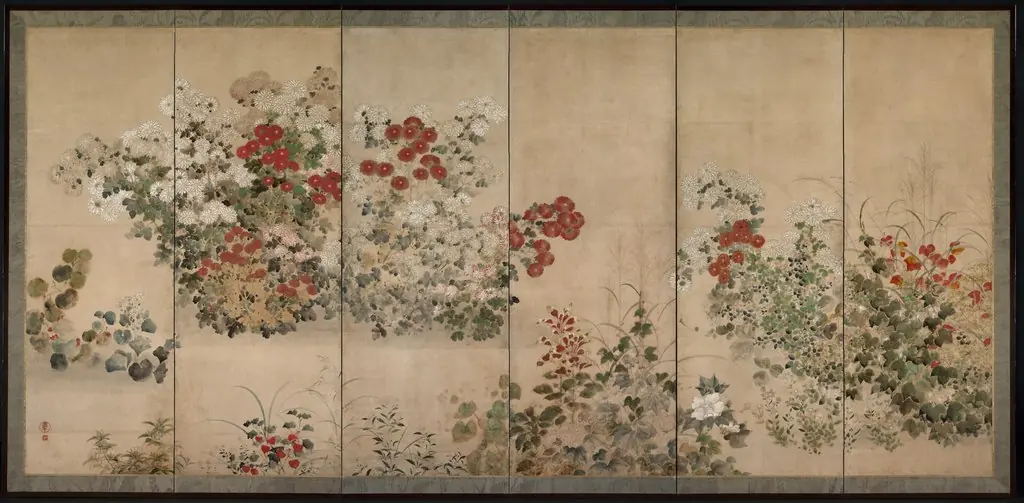
Summer Flowers (1650) by Kitagawa Sōsetsu exemplifies his mature style within the vibrant tradition of Japanese screen painting. Created during the mid-17th century, the work reflects contemporary aesthetic interests in seasonal motifs and decorative composition, particularly associated with the Rimpa school's influence, though Sōsetsu developed a distinct approach to floral subjects. Its inclusion in the Cleveland Museum of Art's collection since 1992 underscores its recognized significance within the broader narrative of Edo-period painting, where it contributes to scholarly discussions on artistic exchange and the evolution of decorative arts in early modern Japan.
Overview
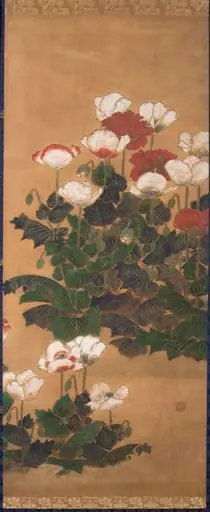
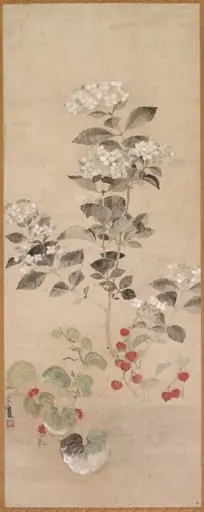
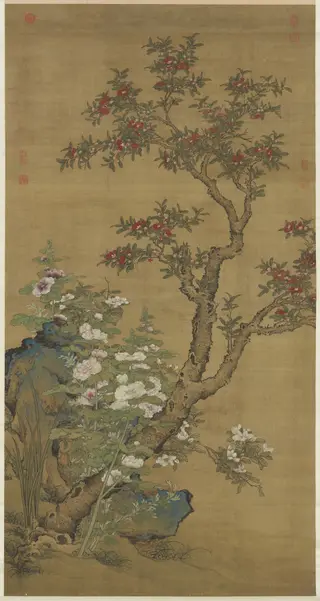
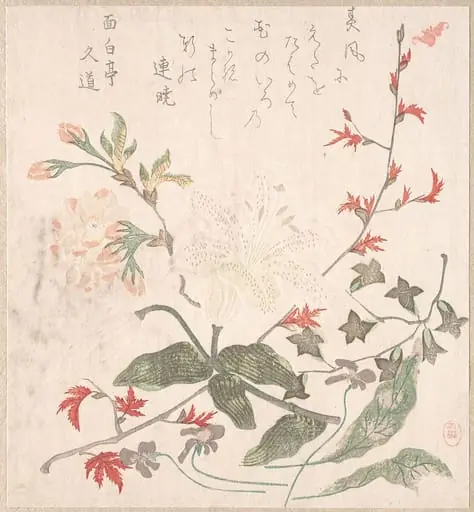
Summer Flowers, painted around 1650 by Kitagawa Sōsetsu, is part of the collection at the Cleveland Museum of Art. The composition centers on a slender stem bearing white blossoms, accented by a few red flowers near the base, all set against a muted beige background. The work exemplifies the artist’s focus on botanical subjects rendered with clarity and restraint.
Subject & Meaning
The painting depicts a single tall plant, its white flowers contrasted by darker green foliage and a cluster of red blossoms at the lower portion. While no explicit narrative is provided, the emphasis on seasonal flora suggests an appreciation of summer’s fleeting beauty, a common theme in Japanese decorative painting of the period.
Technique & Style
Sōsetsu employs bold, unmodulated lines to outline each petal and leaf, allowing the vivid pigments, bright white, deep green, and saturated red, to dominate the surface. The background’s light beige tone serves as a neutral field, enhancing the immediacy of the colors and reinforcing the work’s graphic, almost illustrative quality.
Artist & collection