
Movement
Ukiyo-e
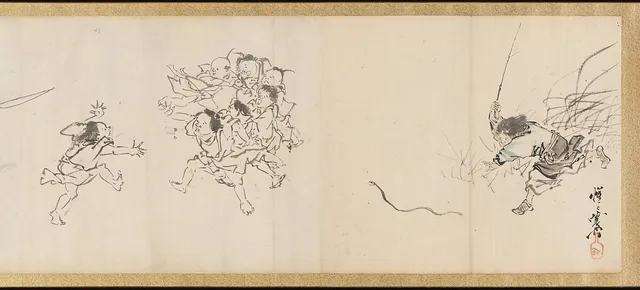
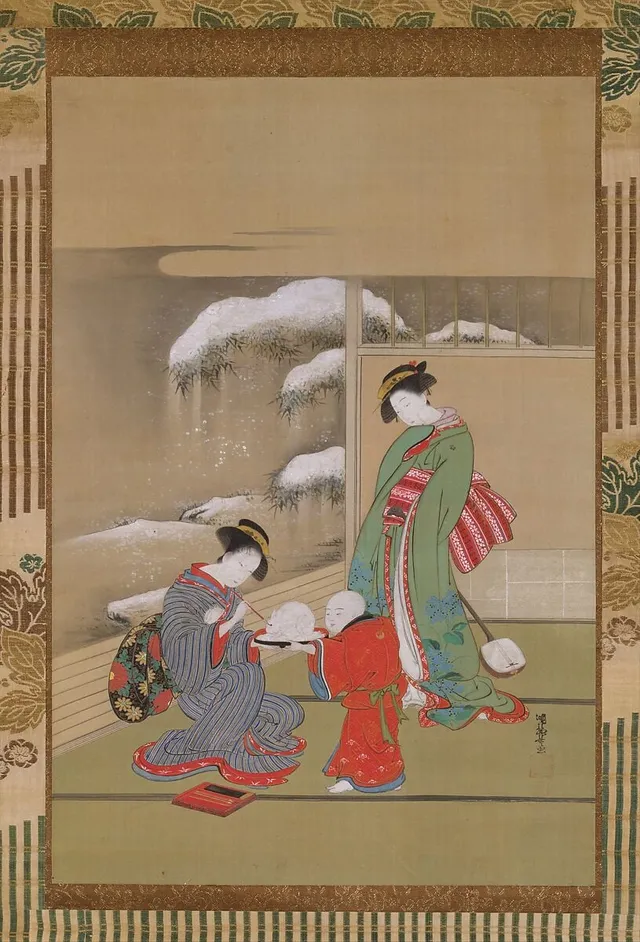
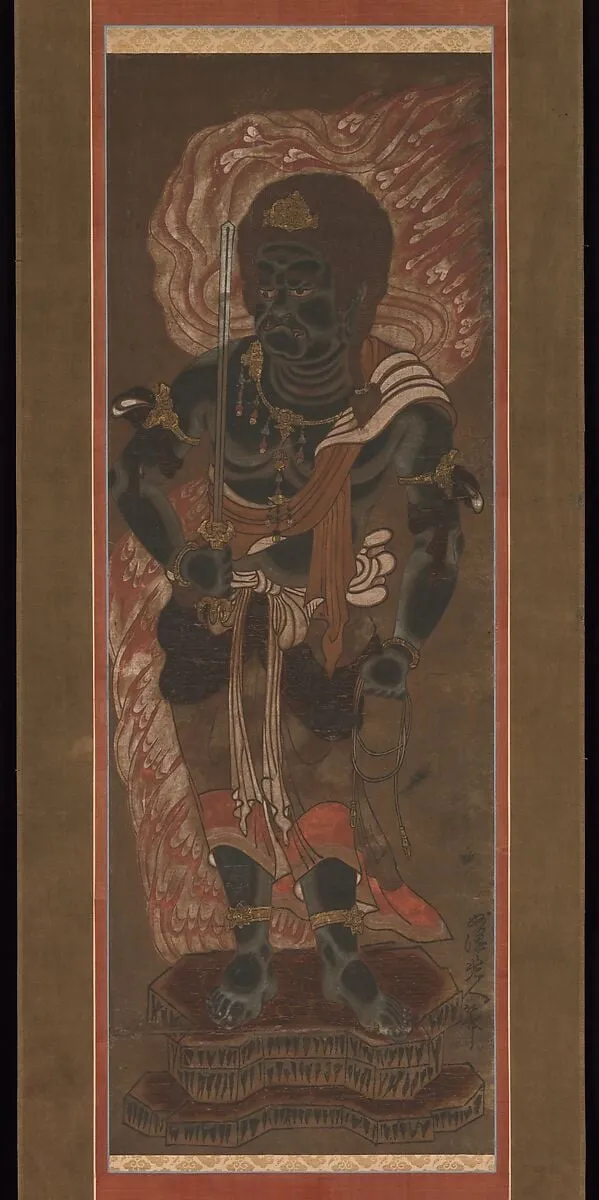
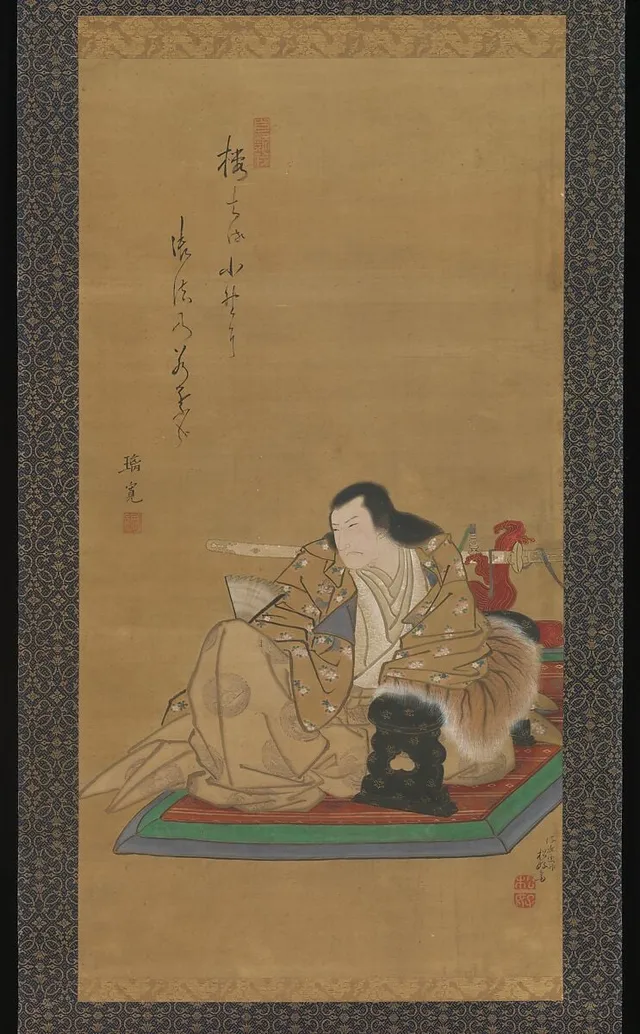
Ukiyo-e is an art movement of the 1700–1900 period. The gallery holds 1,142 works in this movement, including works by Genki, Katsushika Hokusai and Kawanabe Kyōsai 河鍋暁斎. Browse Ukiyo-e paintings, portraits, pictures and artworks from the world's public-domain museum collections.
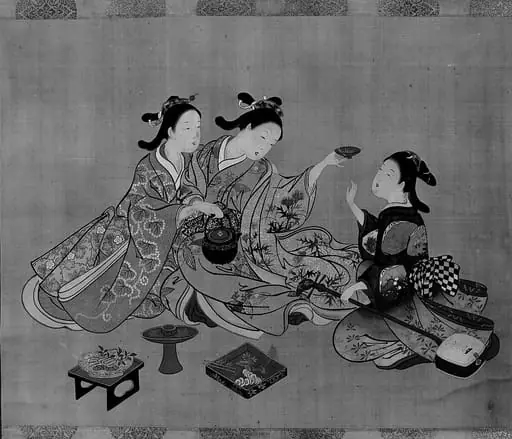
Ukiyo-e — "pictures of the floating world" — was a genre of woodblock prints and paintings that flourished in Japan during the Edo period (1603–1868), reaching its height in the prosperous cities of Edo (modern Tokyo), Osaka, and Kyoto. Its rise was inseparable from social change: the Tokugawa shogunate's long peace fostered a wealthy, literate merchant class whose tastes the rigid feudal order did not officially recognize. Barred from samurai privilege, these townspeople poured their money into the pleasures of the moment — the kabuki theatre and the licensed pleasure quarters such as Edo's Yoshiwara. The Buddhist term ukiyo, once a lament for this "sorrowful world" of transience, was punningly reinvented to mean the "floating world" of fleeting urban delight, and ukiyo-e became its mirror.
The subjects followed that world directly: bijin-ga (portraits of beautiful women and courtesans), yakusha-e (kabuki actors), sumo wrestlers, episodes from history and legend, erotica (shunga), and, later, landscapes, travel views, birds, and flowers. Early prints were monochrome sumizuri-e, sometimes hand-coloured, but technique advanced rapidly. In 1765 Suzuki Harunobu pioneered the full-colour nishiki-e ("brocade pictures"), printed from five or more carefully registered blocks. Each print was a collaboration of four hands — the designing artist, the block carver, the printer, and the publisher who financed and marketed the result.
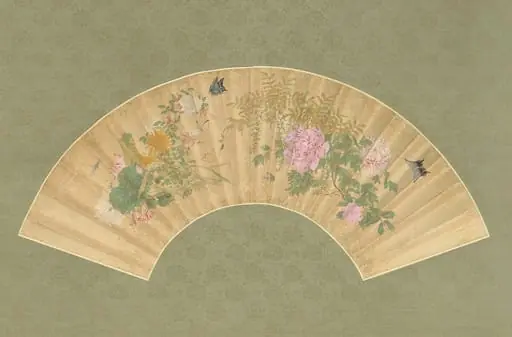
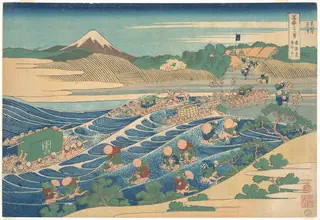
The canon runs from Hishikawa Moronobu, generally credited as the first ukiyo-e master, through Harunobu and the great bijin-ga artist Kitagawa Utamaro, to the enigmatic Tōshūsai Sharaku, whose intense actor portraits appeared in 1794–95. Katsukawa Shunshō reshaped actor prints and trained the young Hokusai; Isoda Koryūsai excelled in prints and bird-and-flower paintings. The genre culminated in two landscape masters: Katsushika Hokusai, whose Thirty-six Views of Mount Fuji (begun c. 1831) contains the world-famous Great Wave off Kanagawa, and Utagawa Hiroshige, whose Fifty-three Stations of the Tōkaidō (1833–34) defined the travel print.
When Japan reopened in the mid-19th century, ukiyo-e prints reached Europe and ignited Japonisme, profoundly shaping Manet, Degas, Monet, Whistler, and Van Gogh, who copied Hiroshige directly. Their flat colour, asymmetric composition, and bold cropping helped reorient Western painting toward modernism.
Key artists

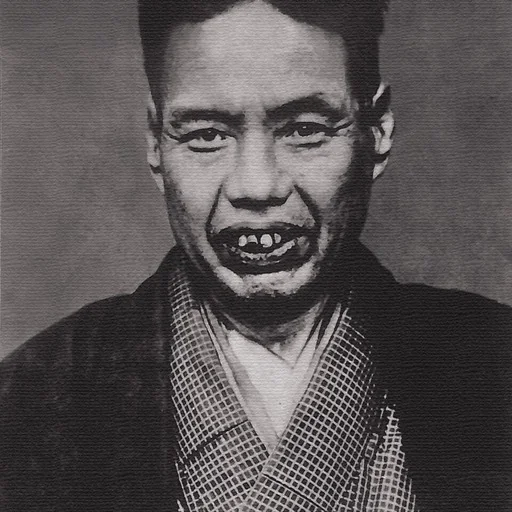
Works
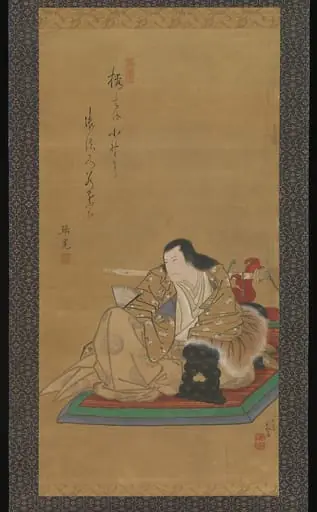 初代嵐橘三郎 (二代目嵐吉三郎) の惟高親王|The Actor Arashi Kitsusaburō I (Kichisaburō II) as Prince Koretaka
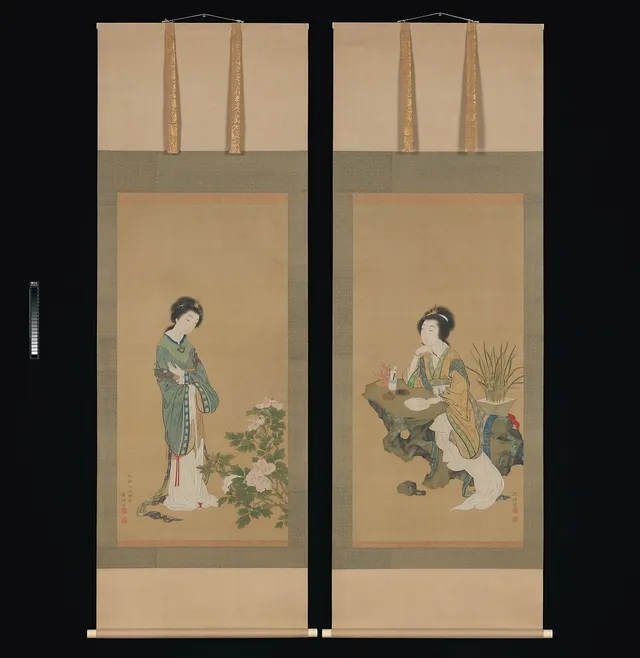
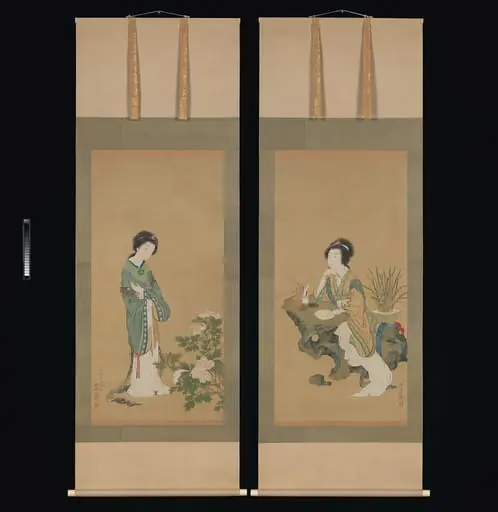 源琦筆 燕姞・楊貴妃図|Yanji with Orchids and Yang Guifei with Peonies
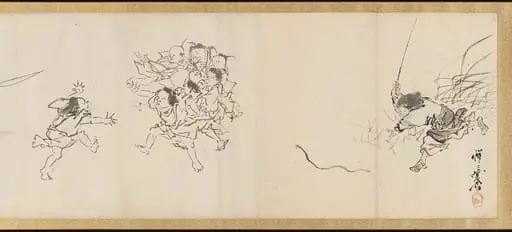 Untitled
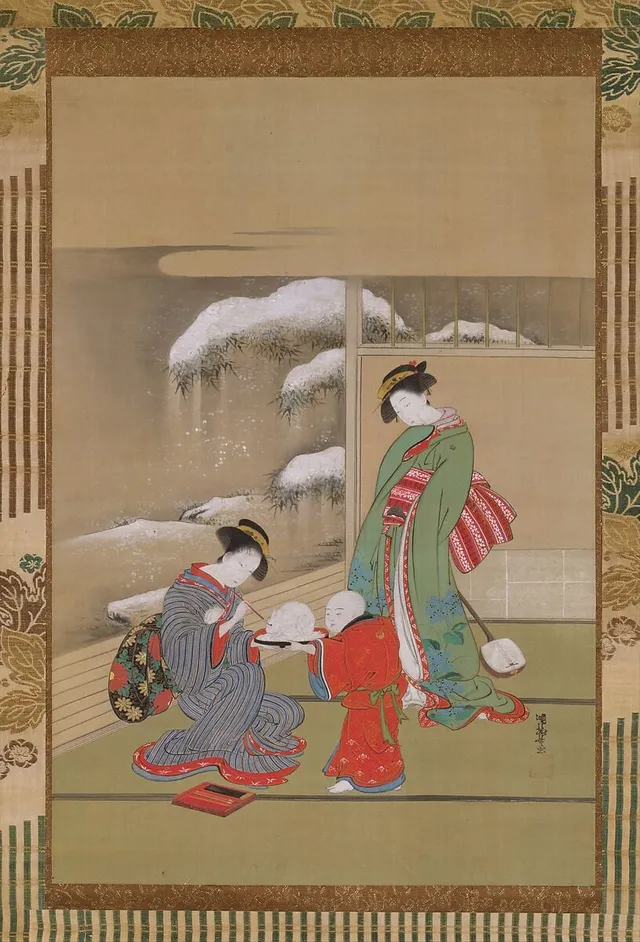
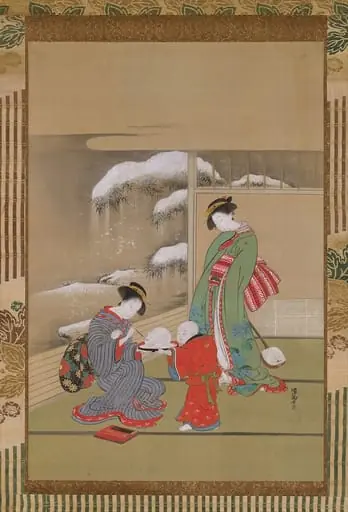 雪兎図|Painting the Eyes on a Snow Rabbit
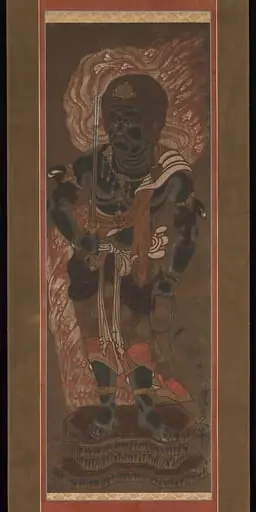 龍湫周沢写 不動明王二童子像|Fudō Myōō and Two Attendants
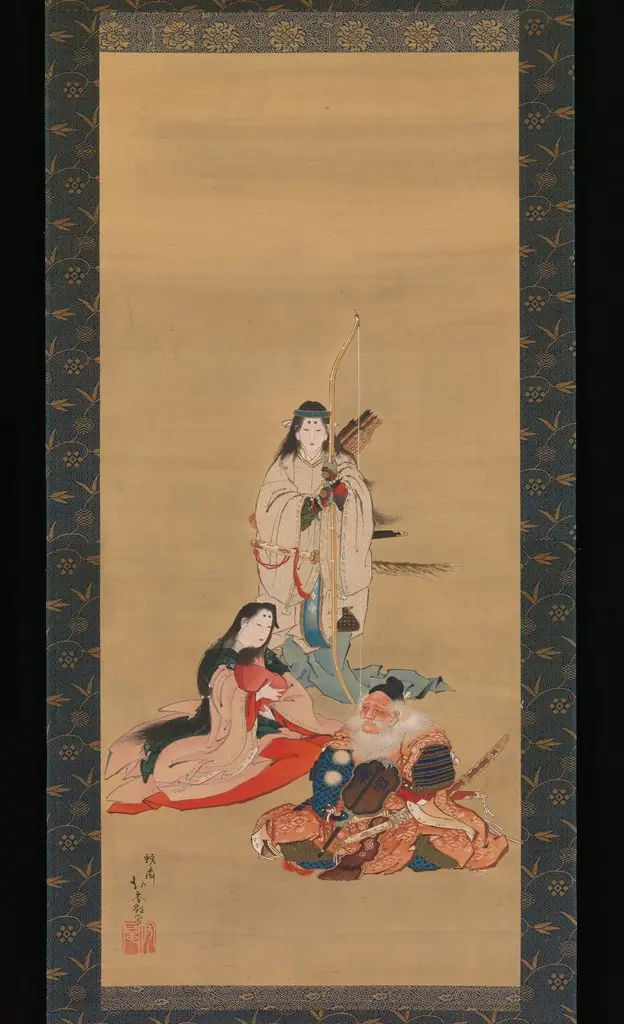 The Legendary Empress Jingū
 Untitled
 Untitled
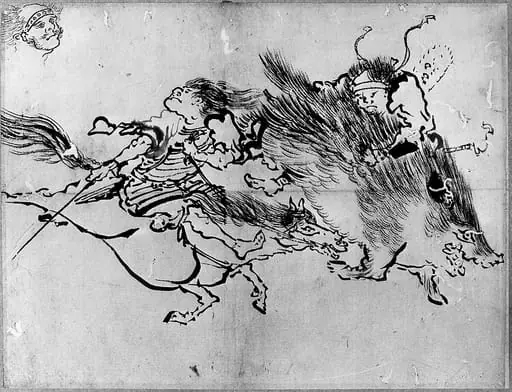 Untitled
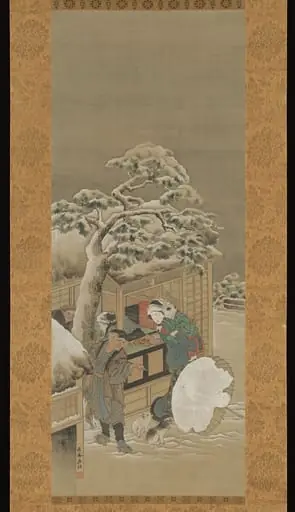 Untitled
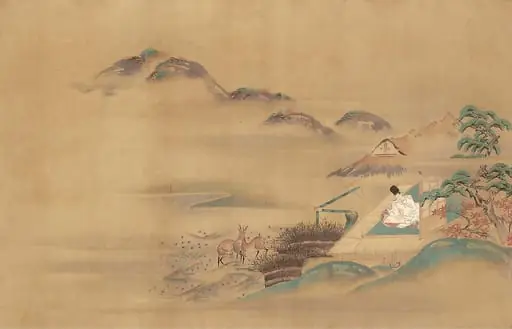 石山師香筆 源氏物語八景 絵巻|Eight Views from The Tale of Genji
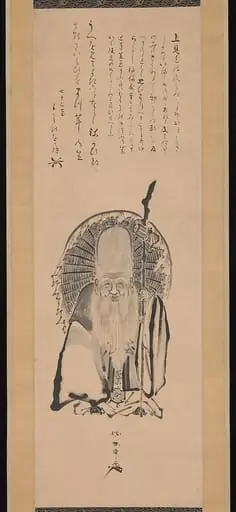 Untitled
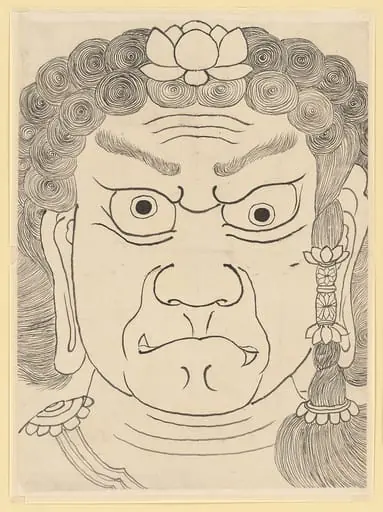 Untitled
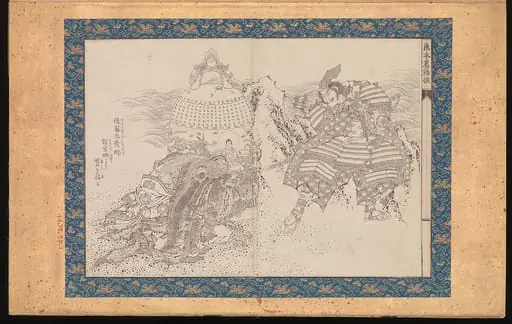 『画本葛飾振』|Picture Book in the Katsushika Style (Ehon Katsushika-buri)
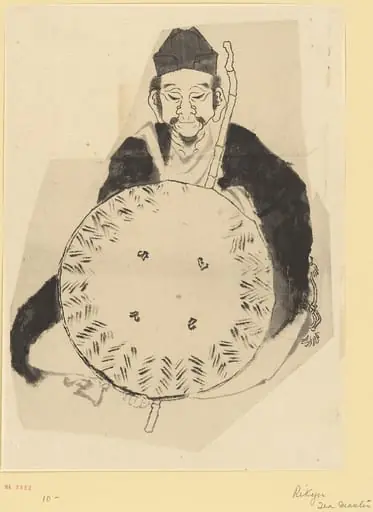 Untitled
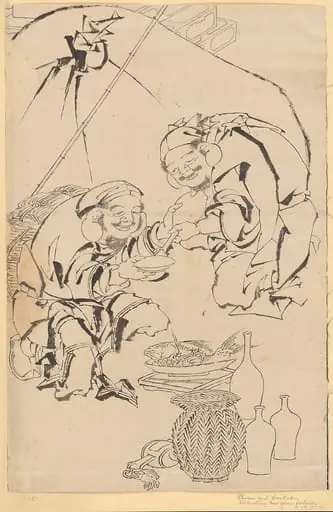 Untitled
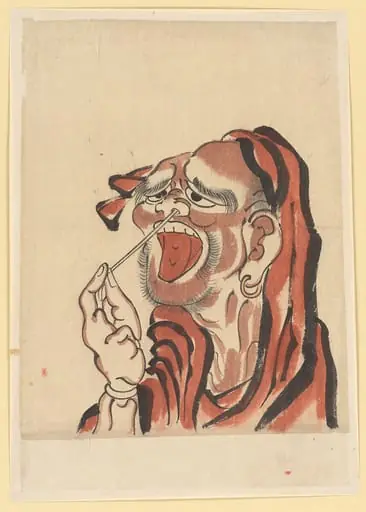 Untitled
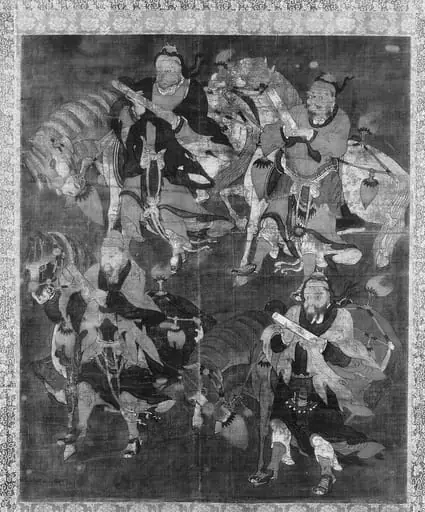 Untitled
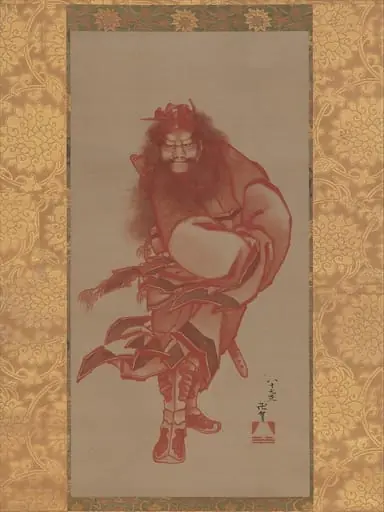 Untitled
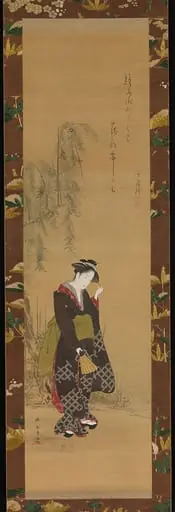 Untitled
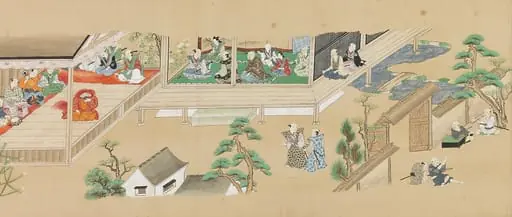 能楽風俗図絵巻|Six Noh Performances in Scenes from Daily Life
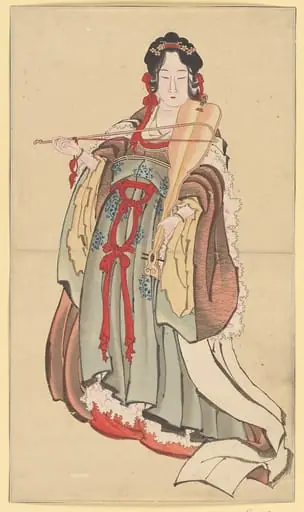 Untitled
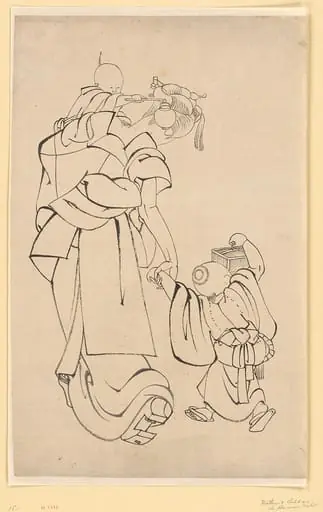 Untitled
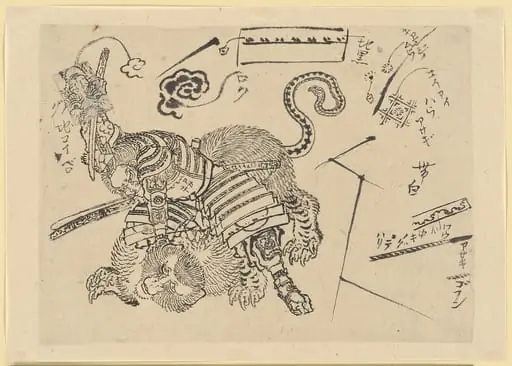 Untitled
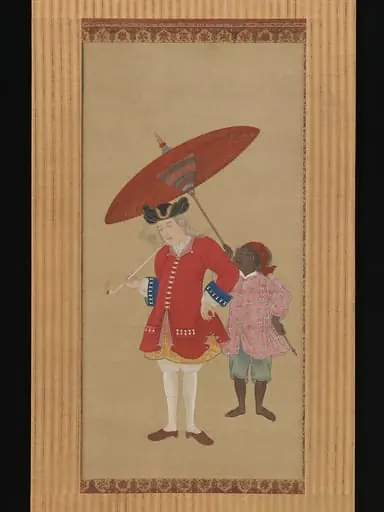 Untitled
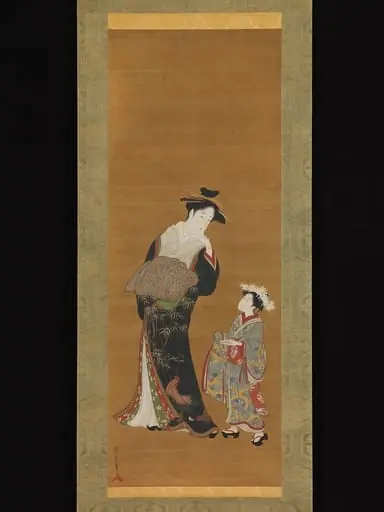 Untitled
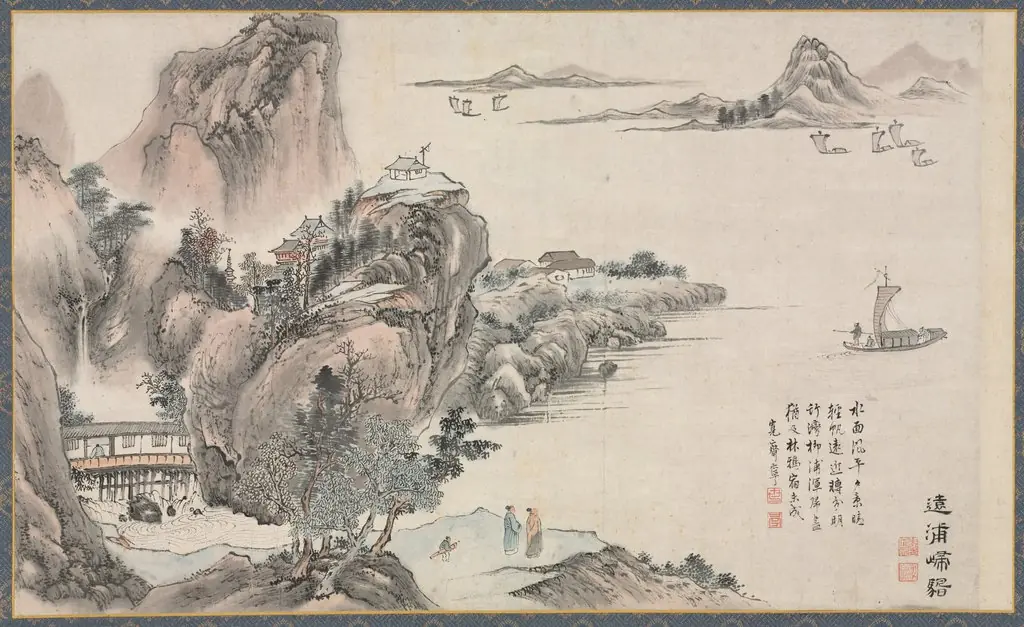 Returning Sails off a Distant Shores, from Eight Views of Xiao-Xiang
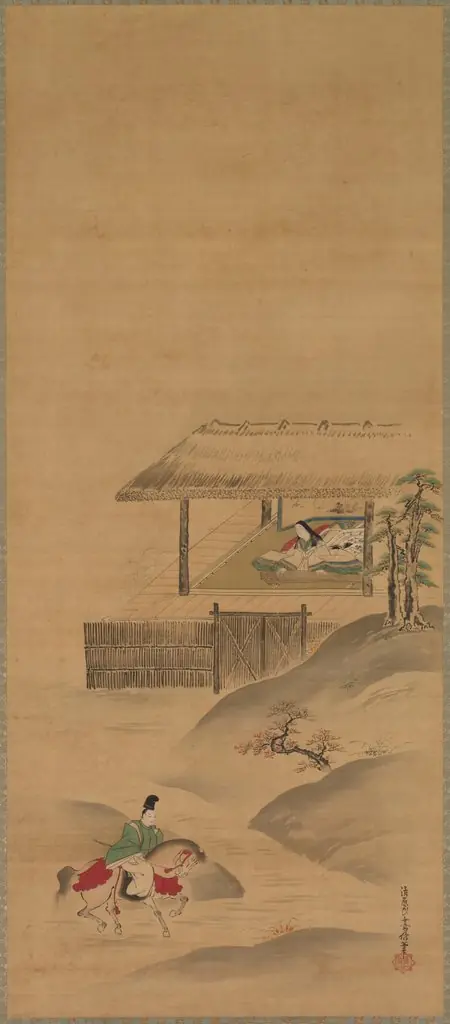 Minamoto no Nakakuni Visits Lady Kogō
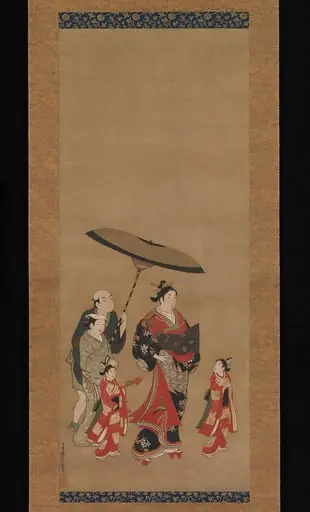 Untitled
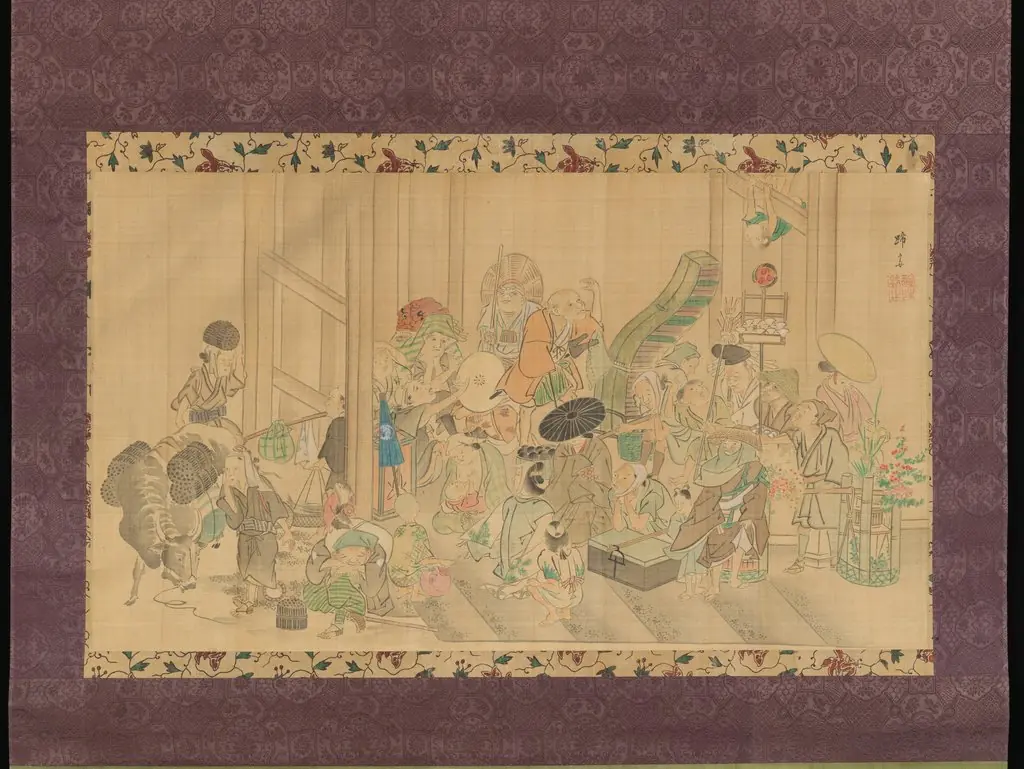 Taking Shelter from the Rain
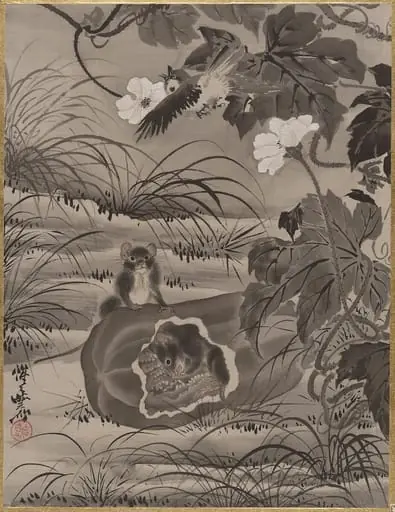 瓜に鼠図|Rats and Gourd
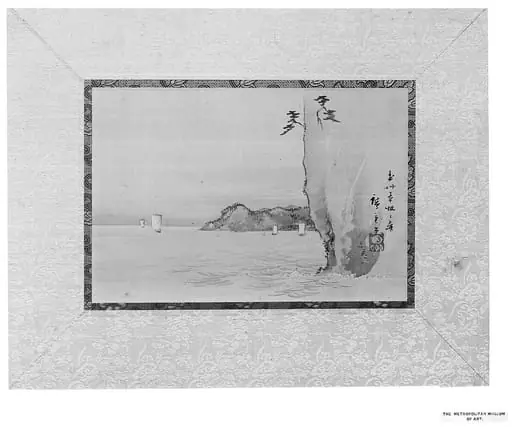 Untitled
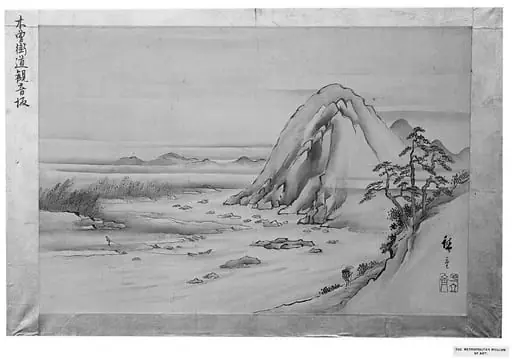 Untitled
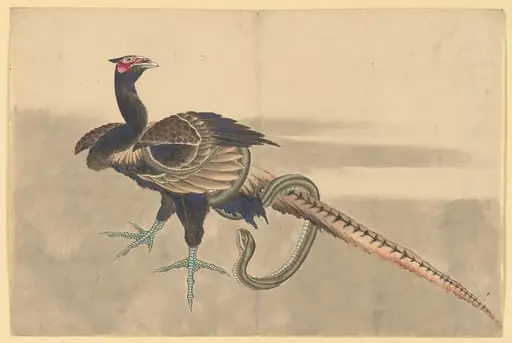 Untitled
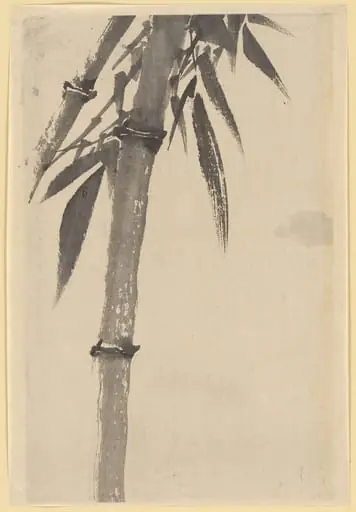 Untitled
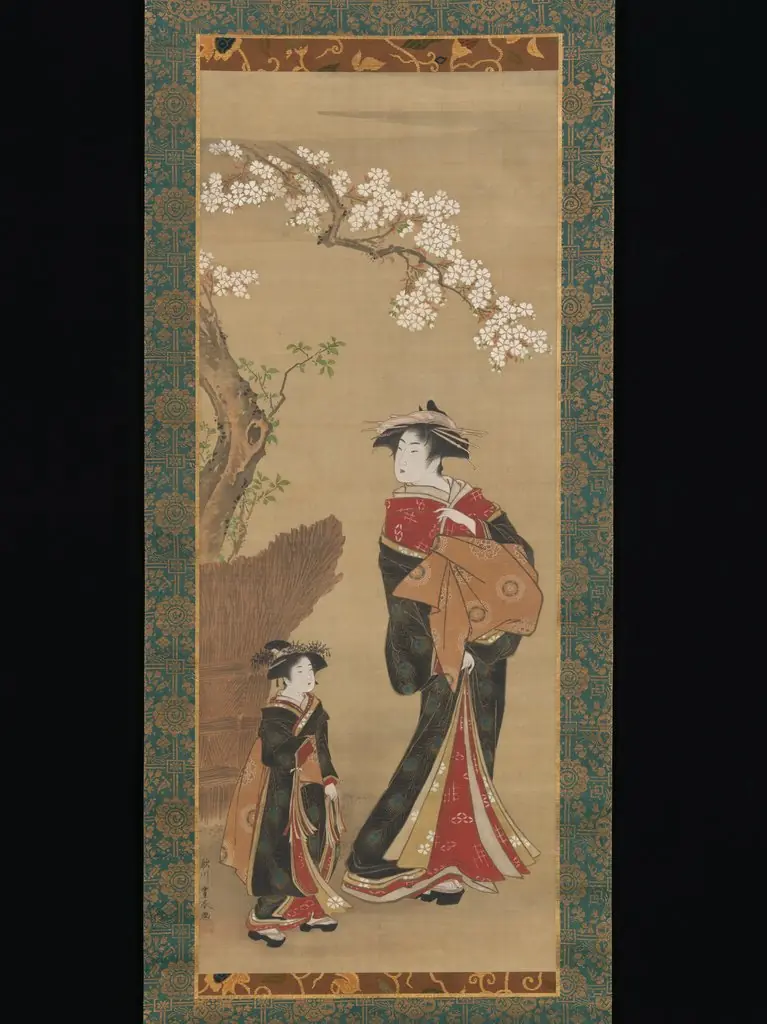 Courtesan and her Attendant under a Cherry Tree
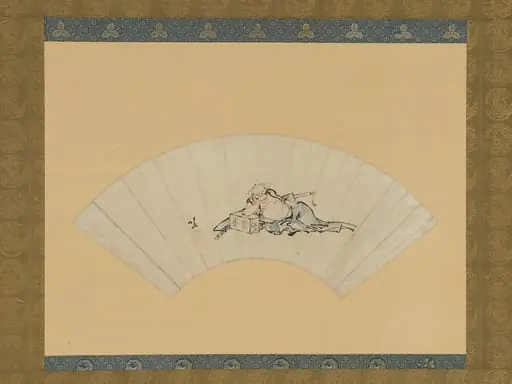 Untitled
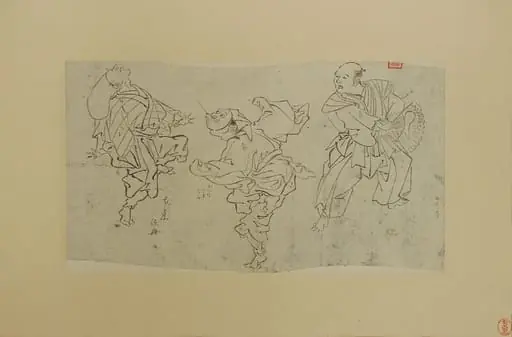 Untitled
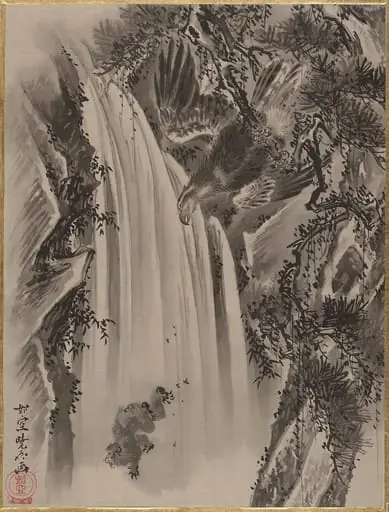 Untitled
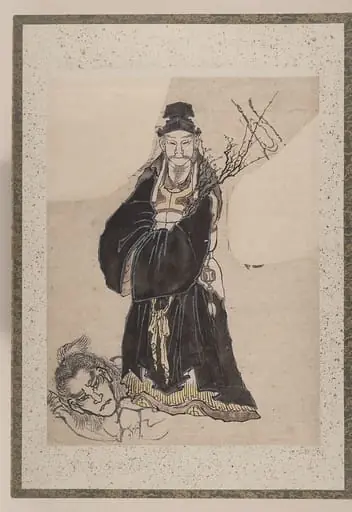 葛飾北斎筆 鶏と木材鶏図|Album of Sketches by Katsushika Hokusai and His Disciples
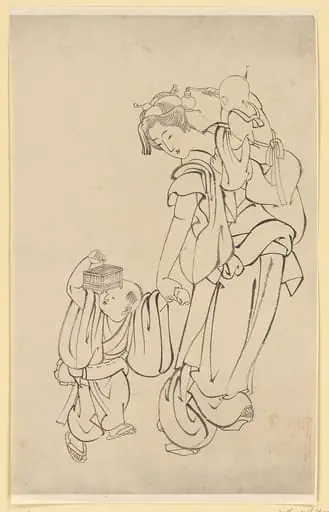 Untitled
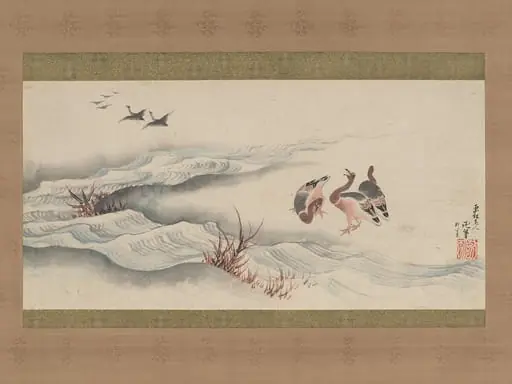 Untitled
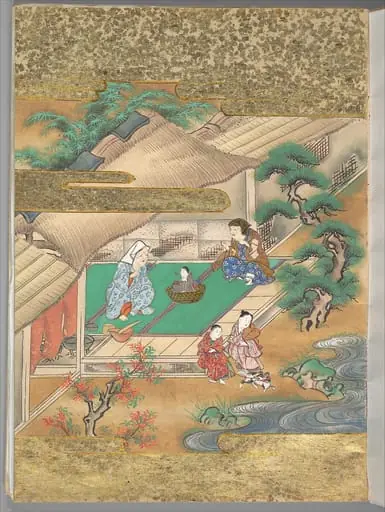 竹取物語|The Tale of the Bamboo Cutter
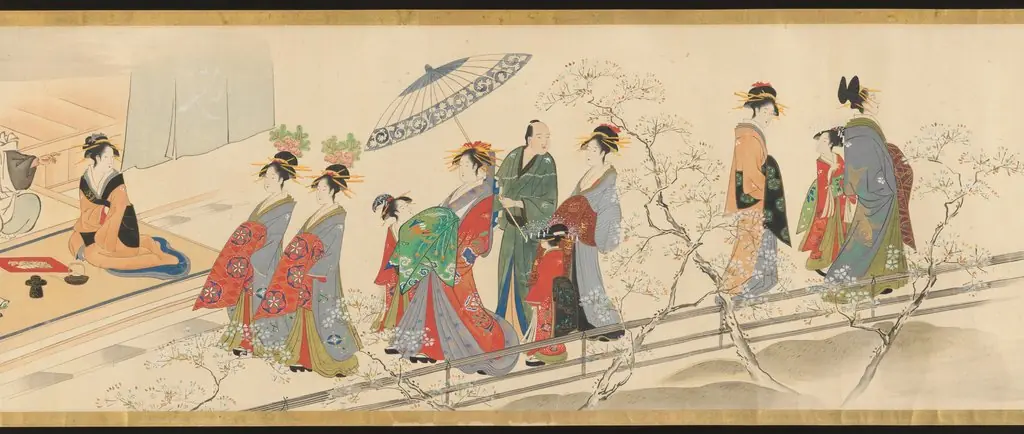 Three Gods of Good Fortune Visit the Yoshiwara; or “Scenes of Pleasure at the Height of Spring”
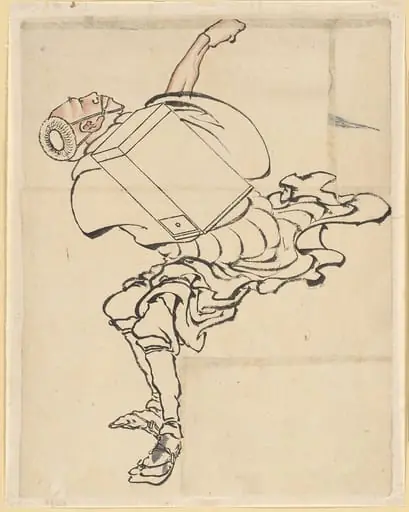 Untitled
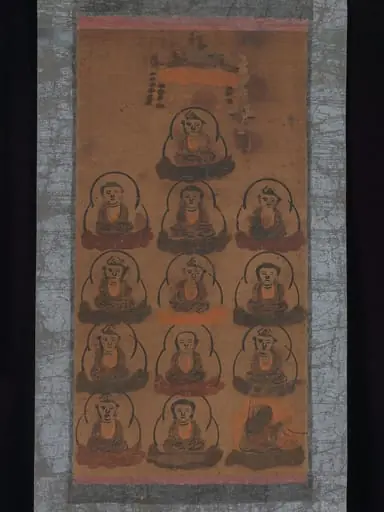 十三仏図大津絵|Ōtsu-e of Thirteen Buddhist Deities
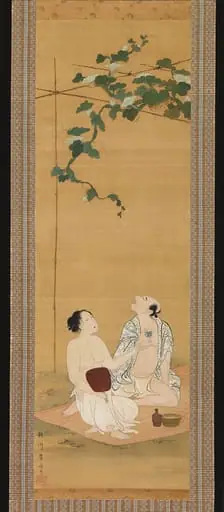 夕顔棚下納涼図|Enjoying the Evening Cool under a Gourd Trellis
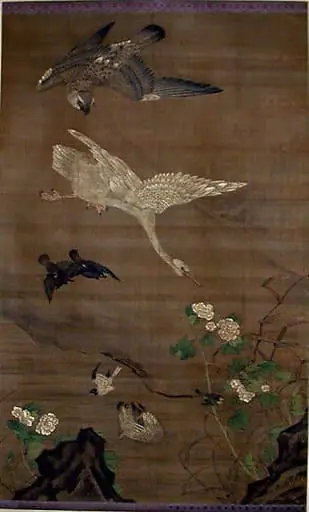 Untitled
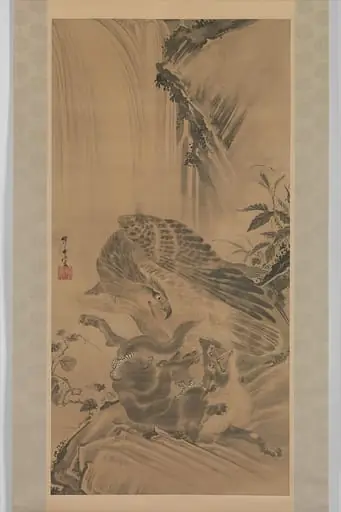 Untitled
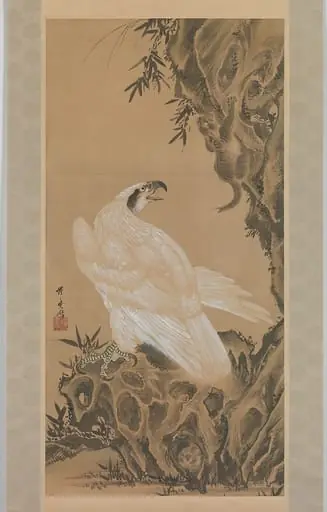 Untitled
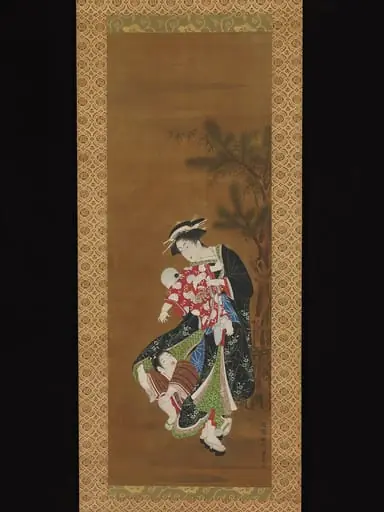 Untitled
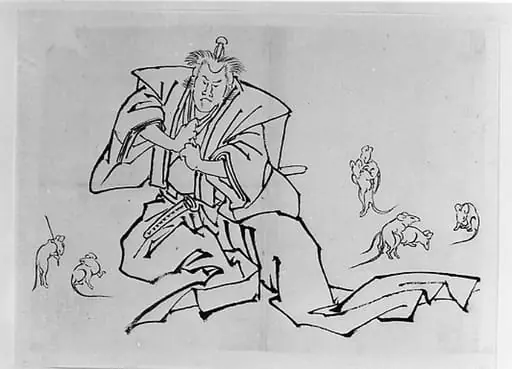 Untitled
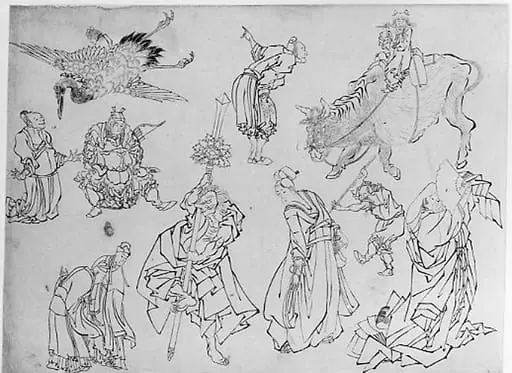 Untitled
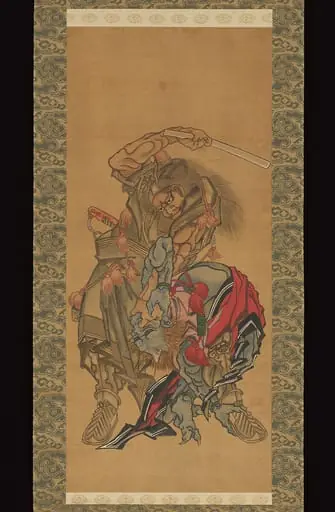 Untitled
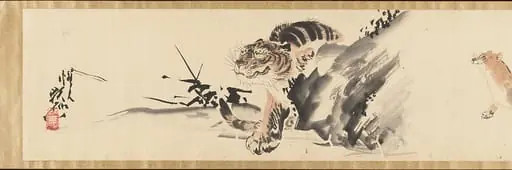 Untitled
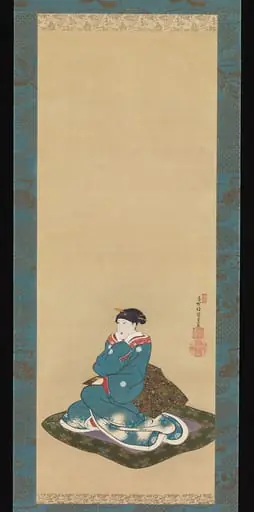 二代目岩井粂三郎の肖像|Portrait of Iwai Kumesaburō II
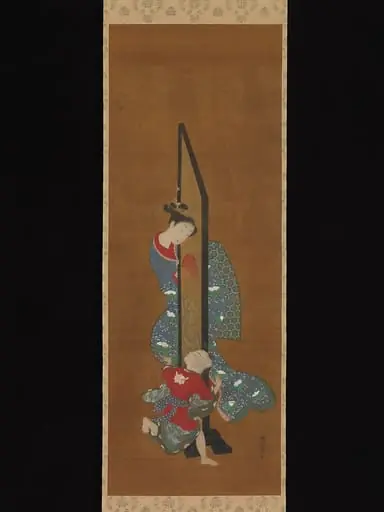 Untitled
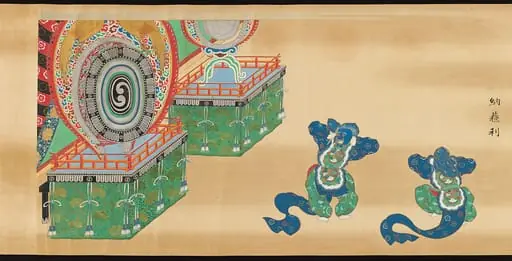 Untitled
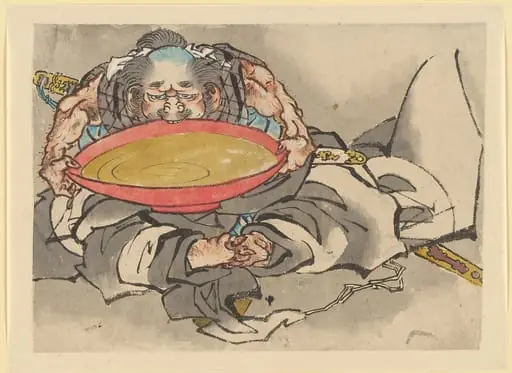 Untitled
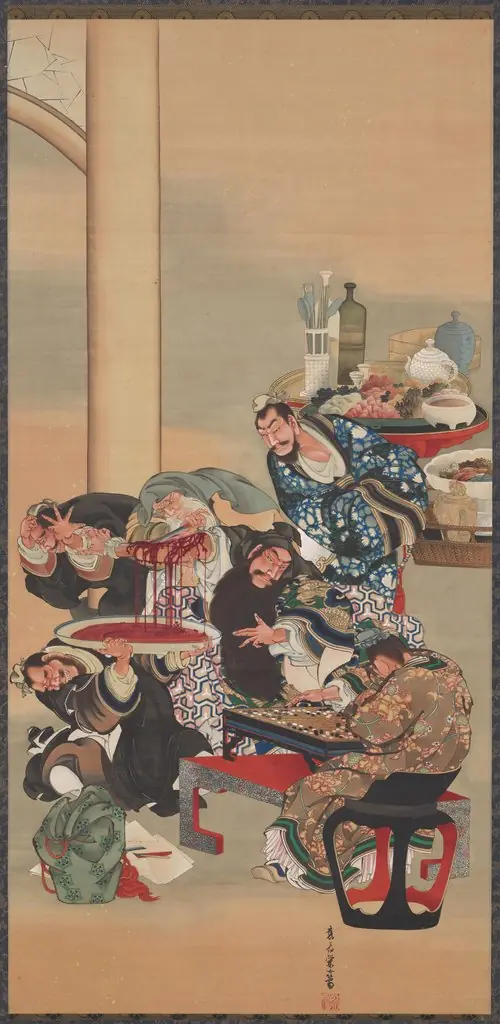 Operating on Guan Yu's Arm
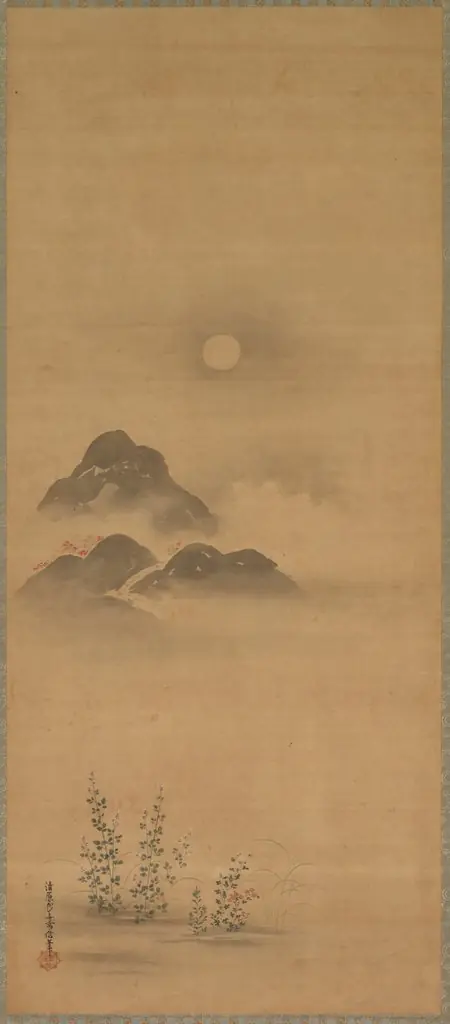 Minamoto no Nakakuni Visits Lady Kogō
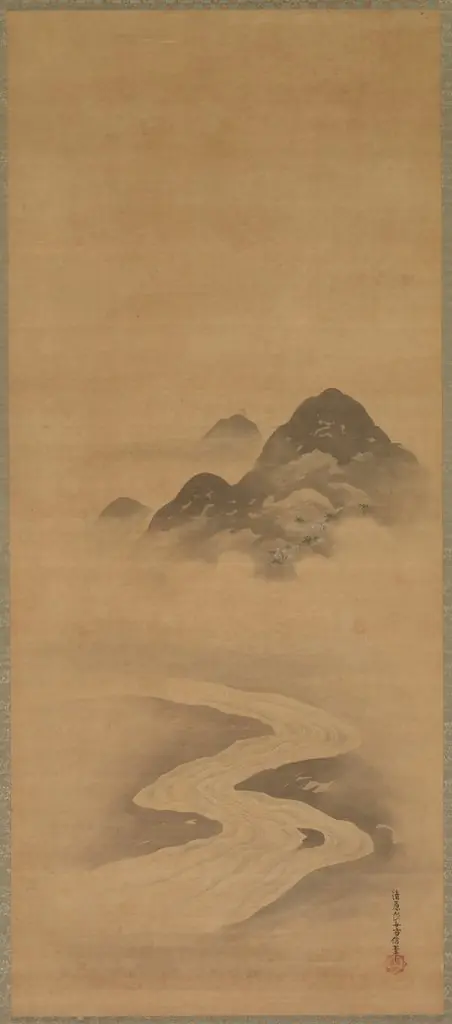 Minamoto no Nakakuni Visits Lady Kogō
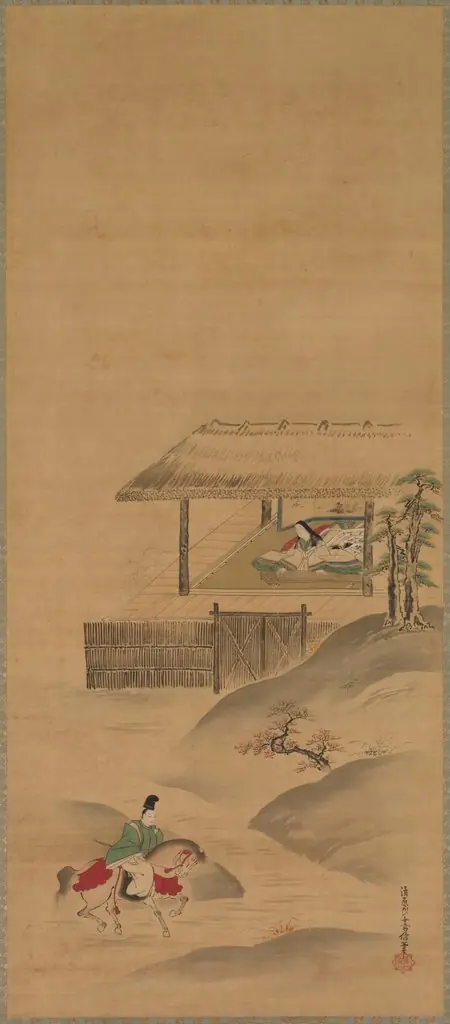 Minamoto no Nakakuni Visits Lady Kogō
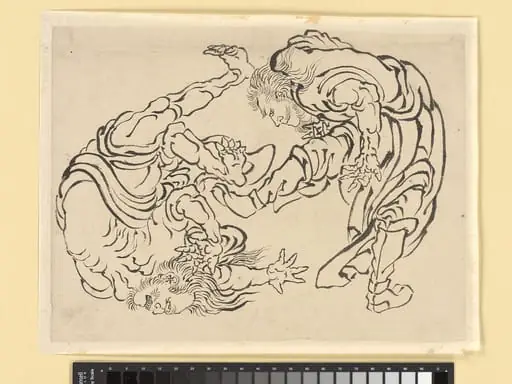 Untitled
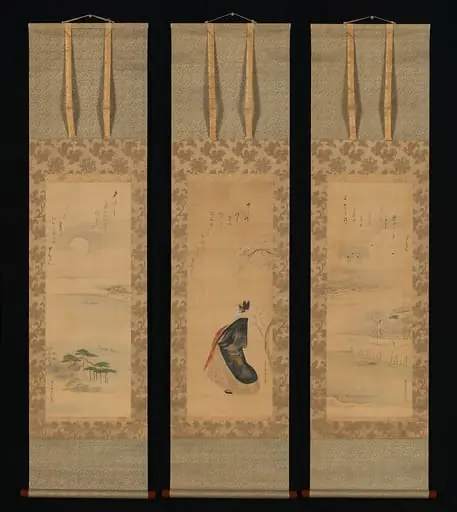 蜀山人(大田 南畝)賛 雪・月・花図 |Snow, Moon, and Cherry Blossoms (Yoshiwara in Three Seasons)
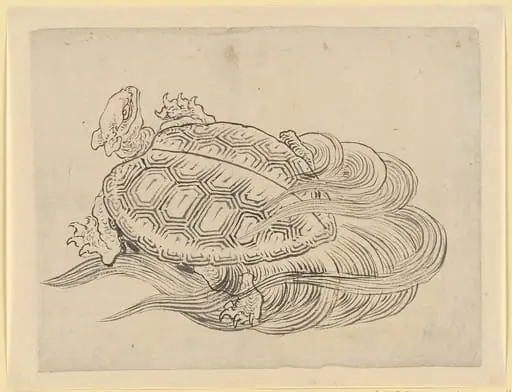 Untitled
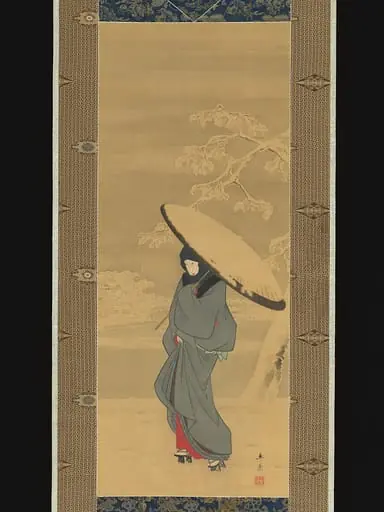 Untitled
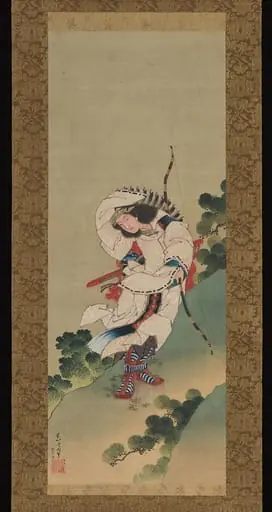 神功皇后図|The Legendary Empress Jingū
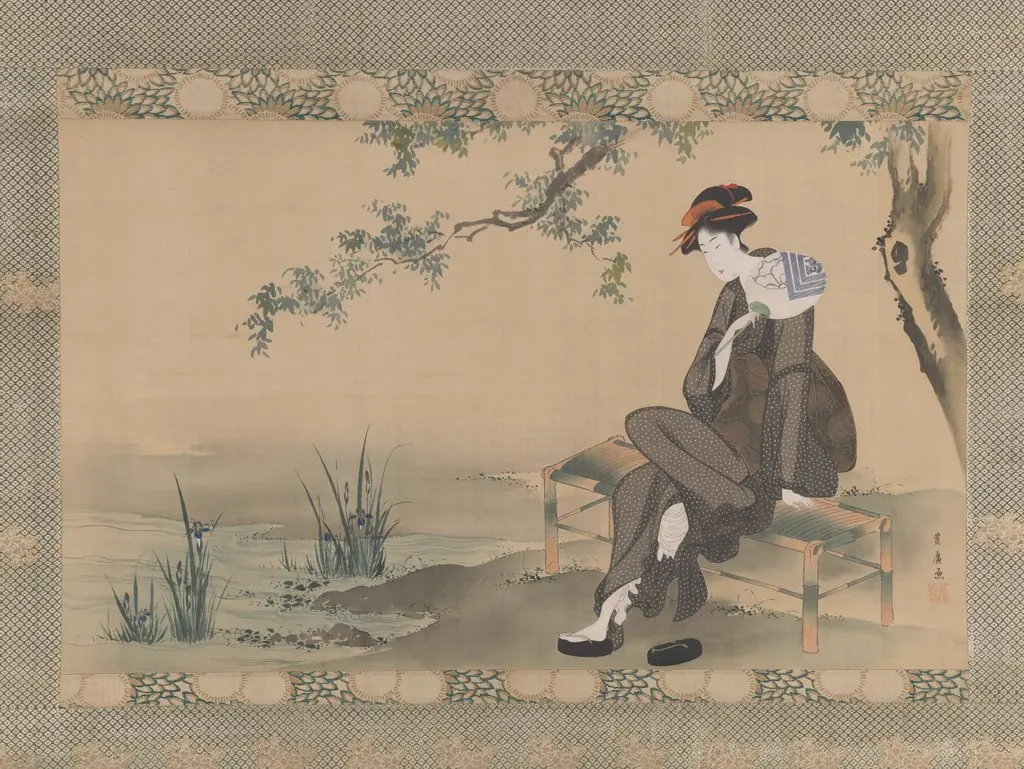 Woman Cooling Herself
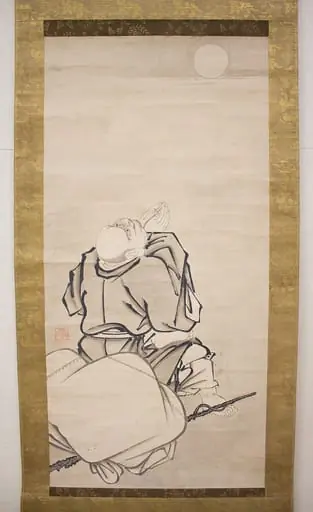 月見布袋図 (Tsukimi Hotei zu)|Hotei Admiring the Moon
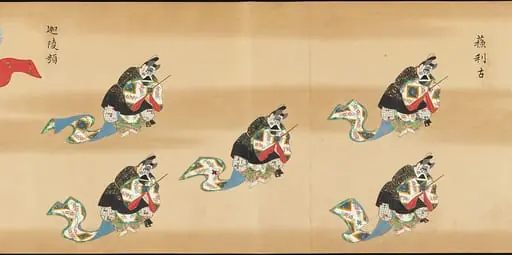 舞楽図巻|Bugaku Imperial Court Dance
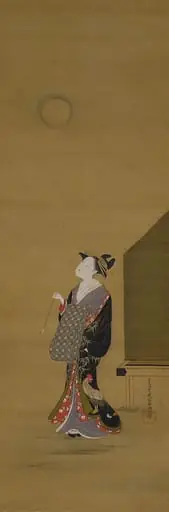 Untitled
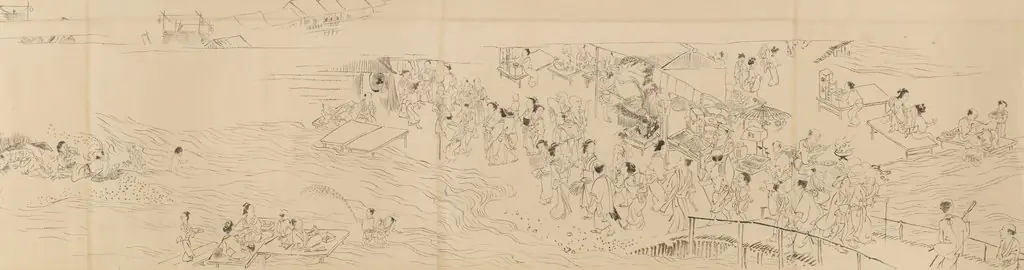 Amusements in Kyoto in the Four Seasons
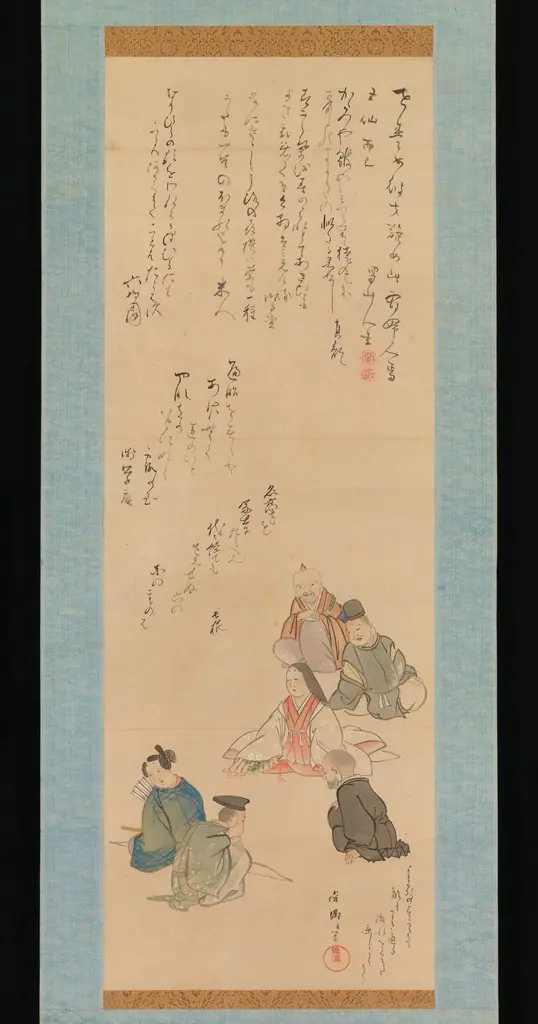 The Six Poetic Immortals
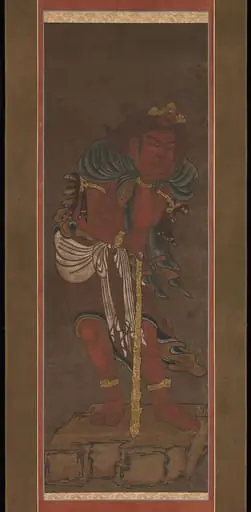 龍湫周沢写 不動明王二童子像|Fudō Myōō and Two Attendants
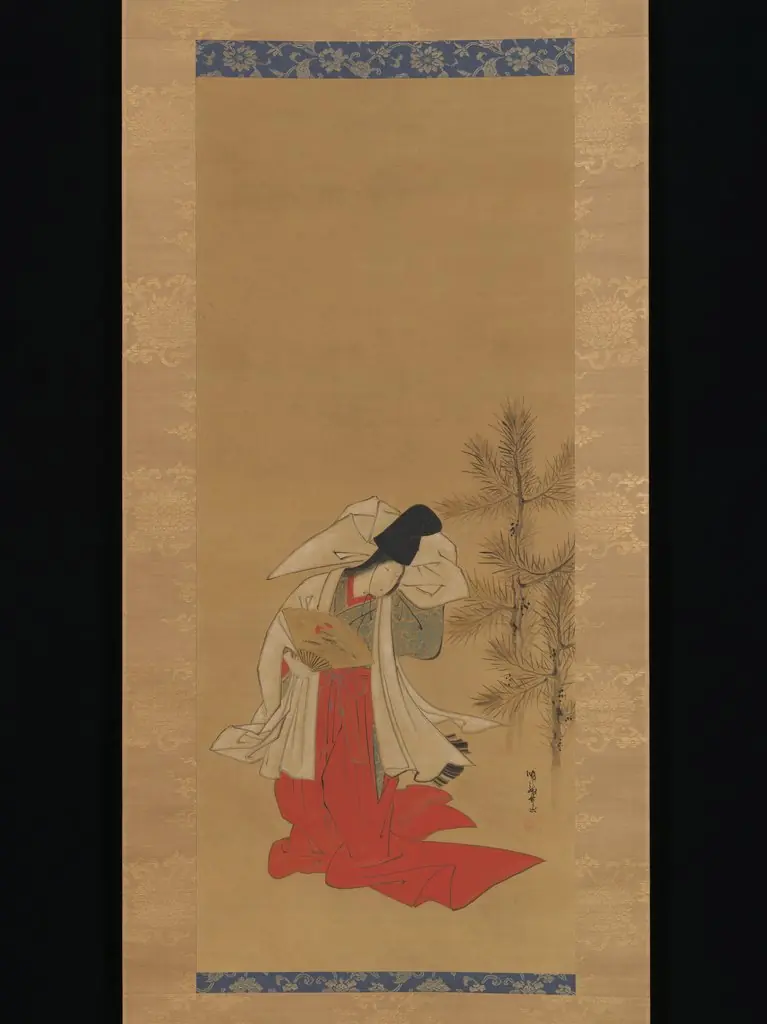 Courtesan-Dancer (Shirabyōshi) for the New Year
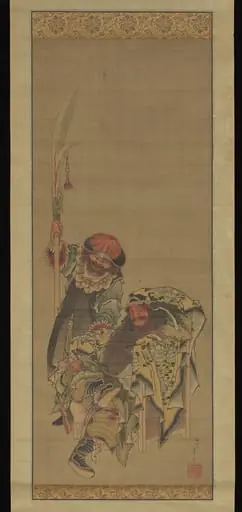 Untitled
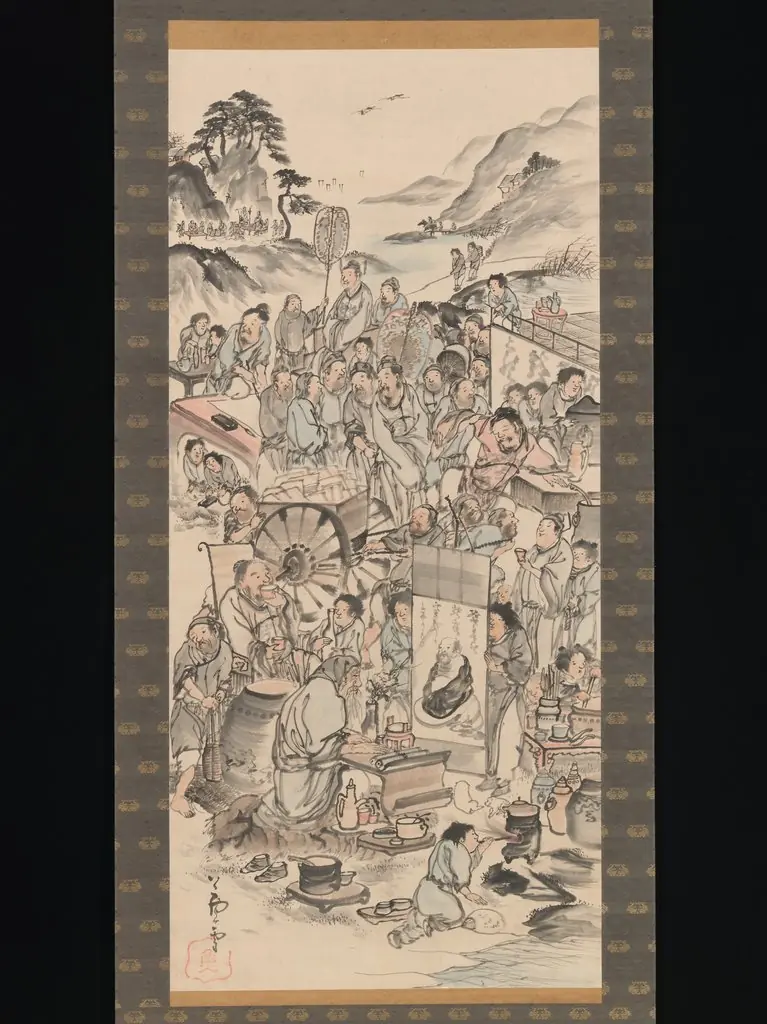 Drinking Festival of the Eight Immortals of the Wine Cup
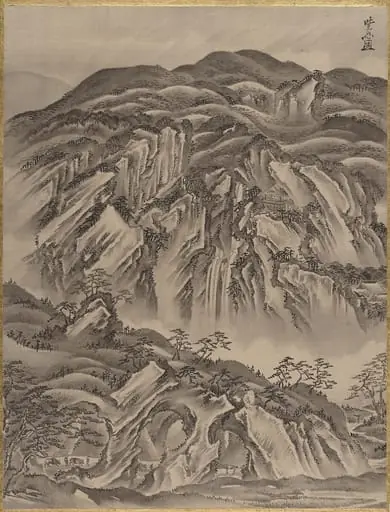 Untitled
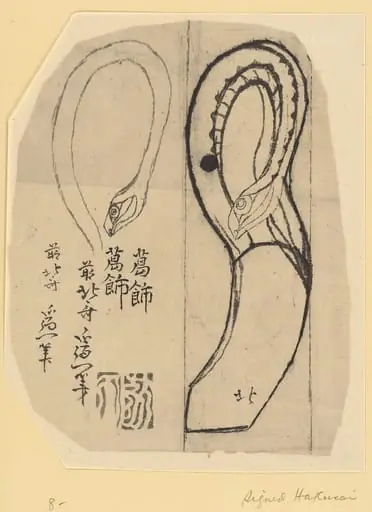 Untitled
 Untitled
 Untitled
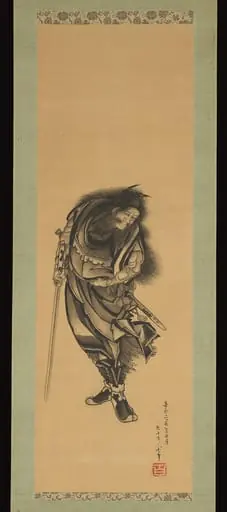 葛飾北斎筆 黒鍾馗|Black Shōki, the Demon Queller
 Untitled
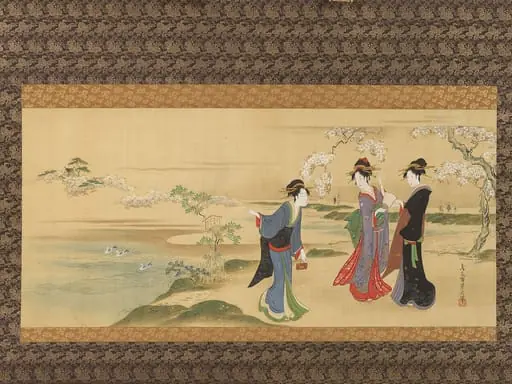 Untitled
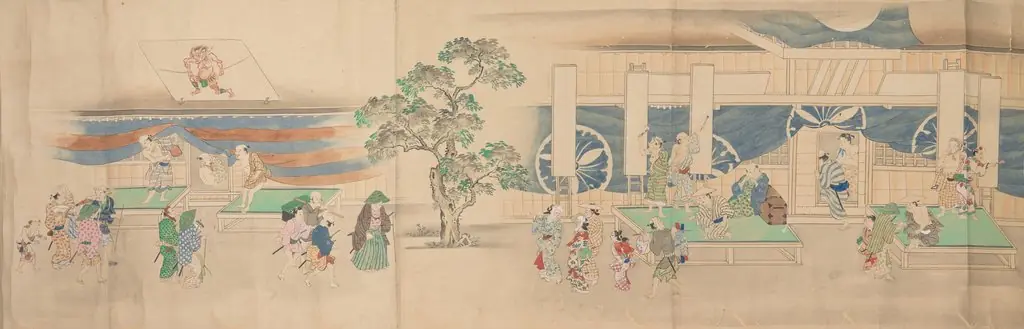 Kabuki Theater
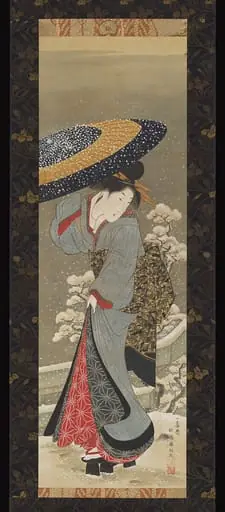 Untitled
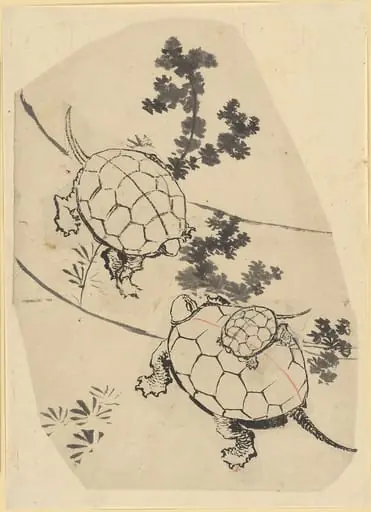 Untitled
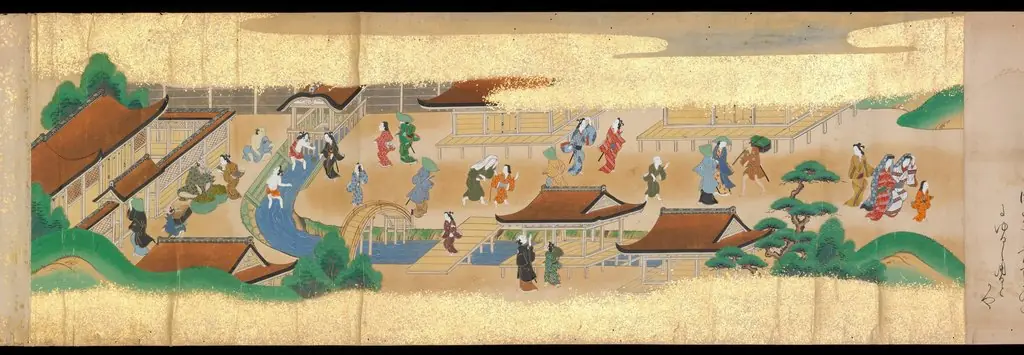 Festivities of the Twelve Months: “Sannō Hiyoshi Festivals Held on the Day of the Monkey in the Mid-Fourth Month”; Festivities of the Twelve Months: “Sumō Wrestling at Matsuno’o Shrine during the Hass
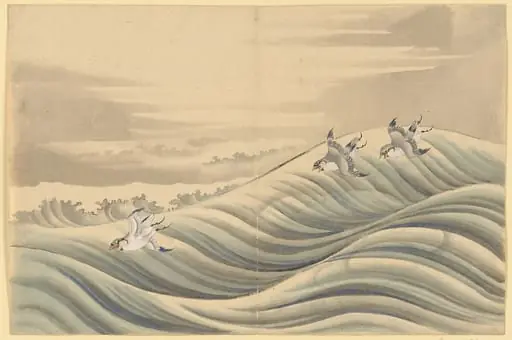 Untitled
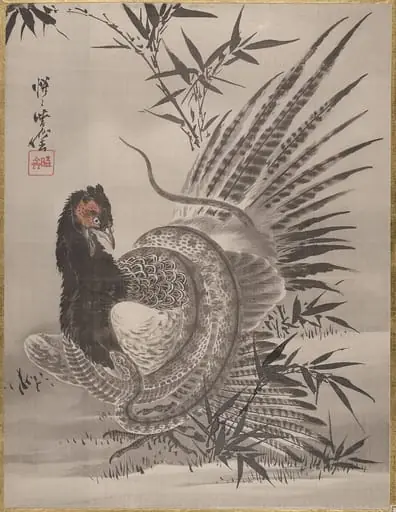 Untitled
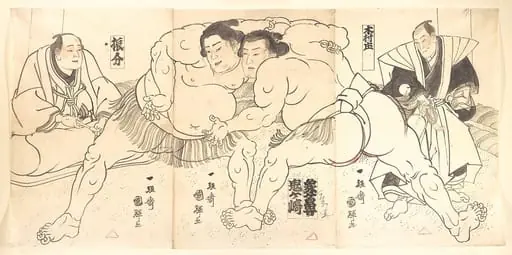 Untitled
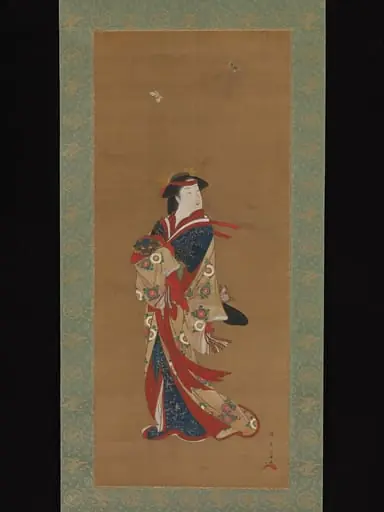 Untitled
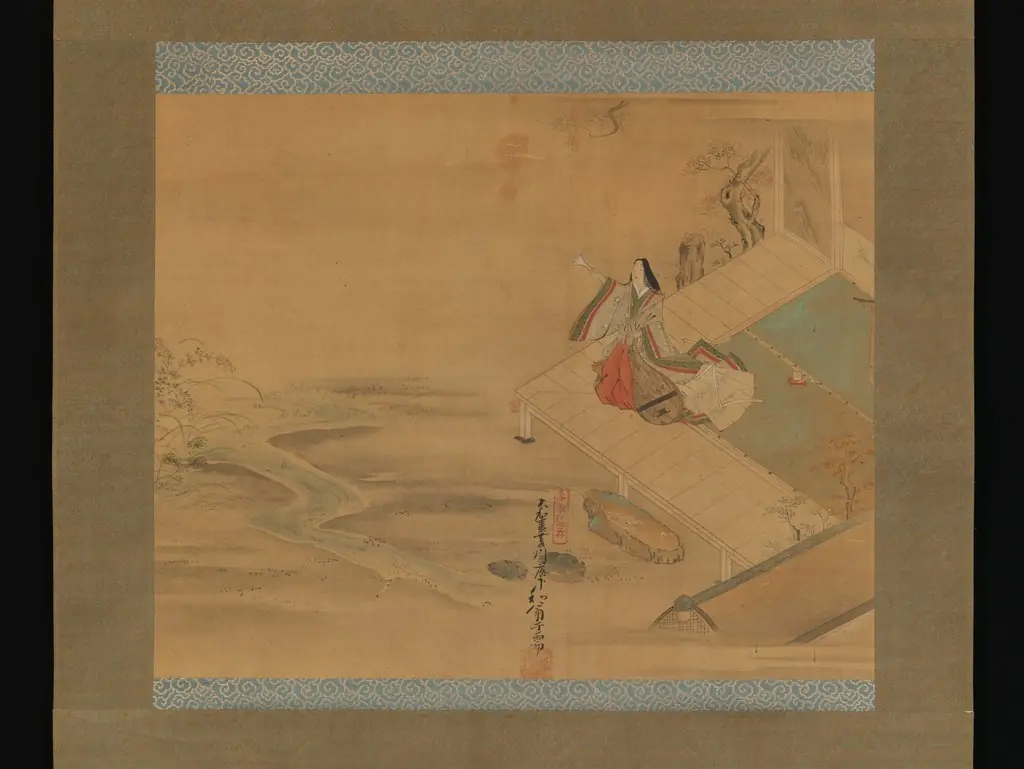 Princess Ogimi from the "Bridge Maiden" (Hashihime) chapter from The Tale of Genji (Genji Monogatari)
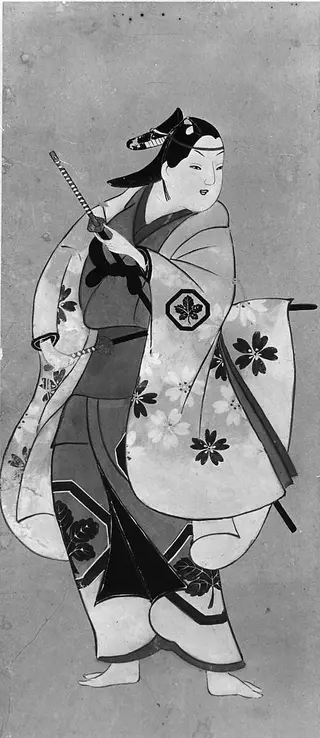 Untitled
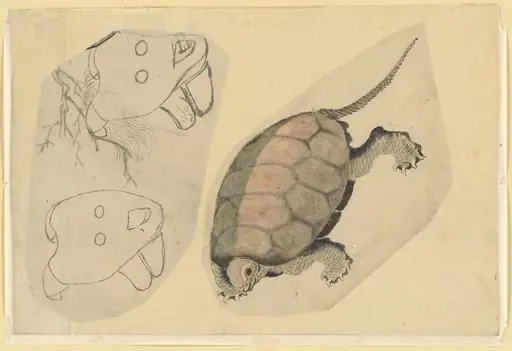 Untitled
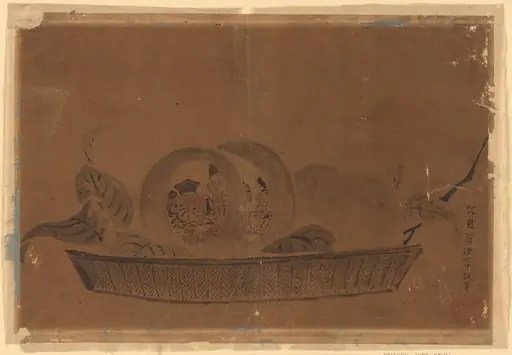 Untitled
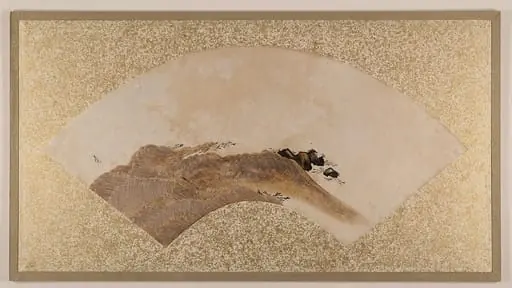 Untitled
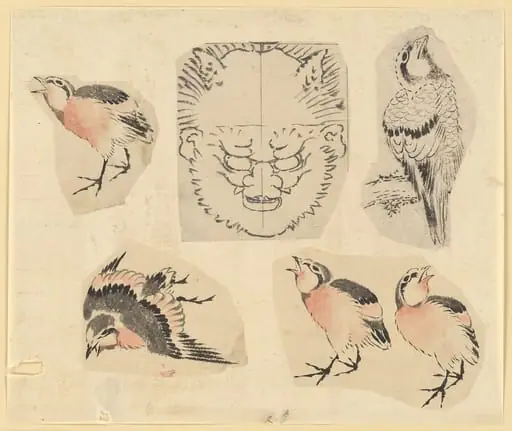 Untitled
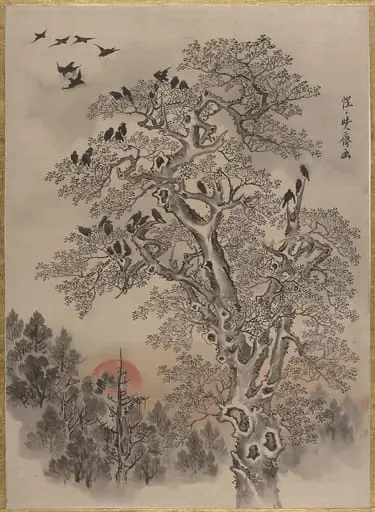 旭に群鴉図|Flock of Crows at Dawn
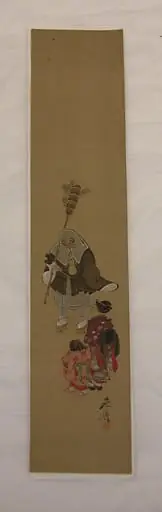 Untitled
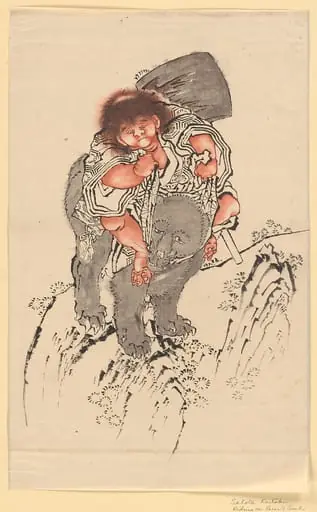 Untitled
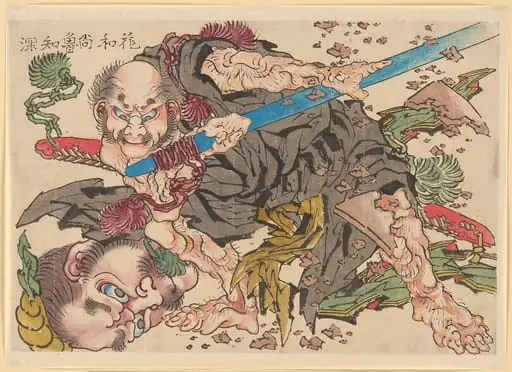 Untitled
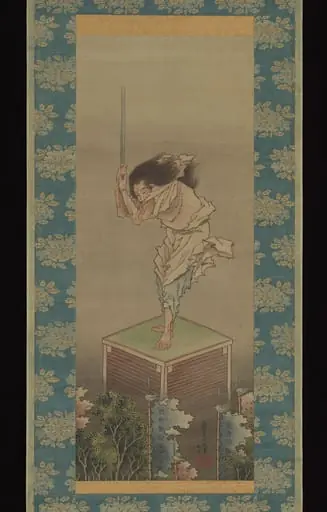 Untitled
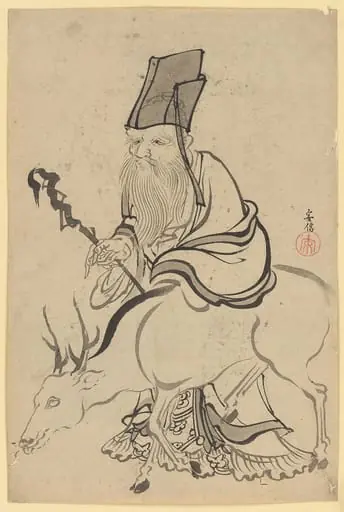 Untitled
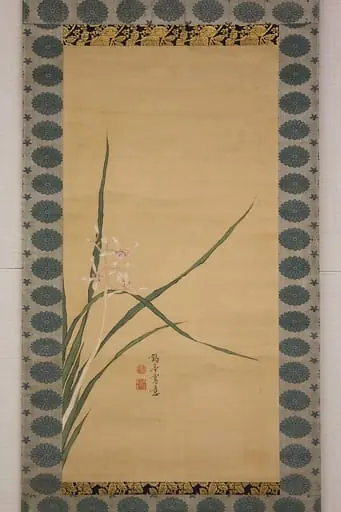 Untitled
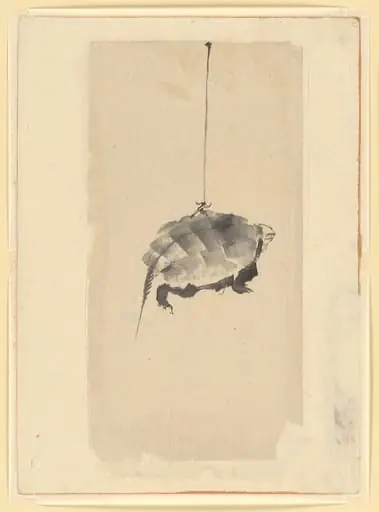 Untitled
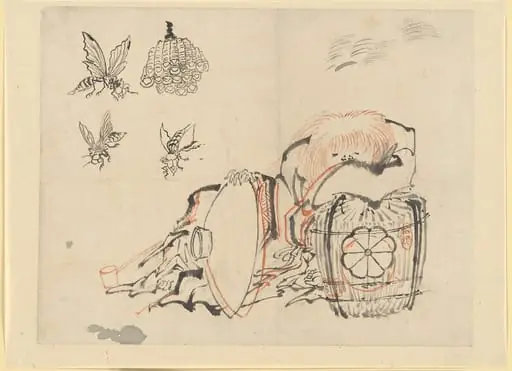 Untitled
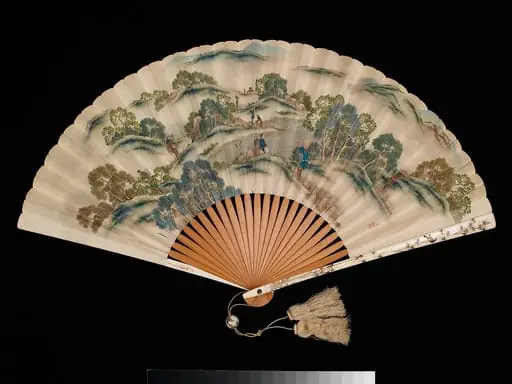 Untitled
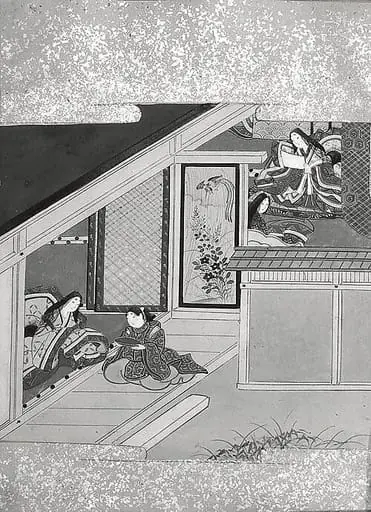 Untitled
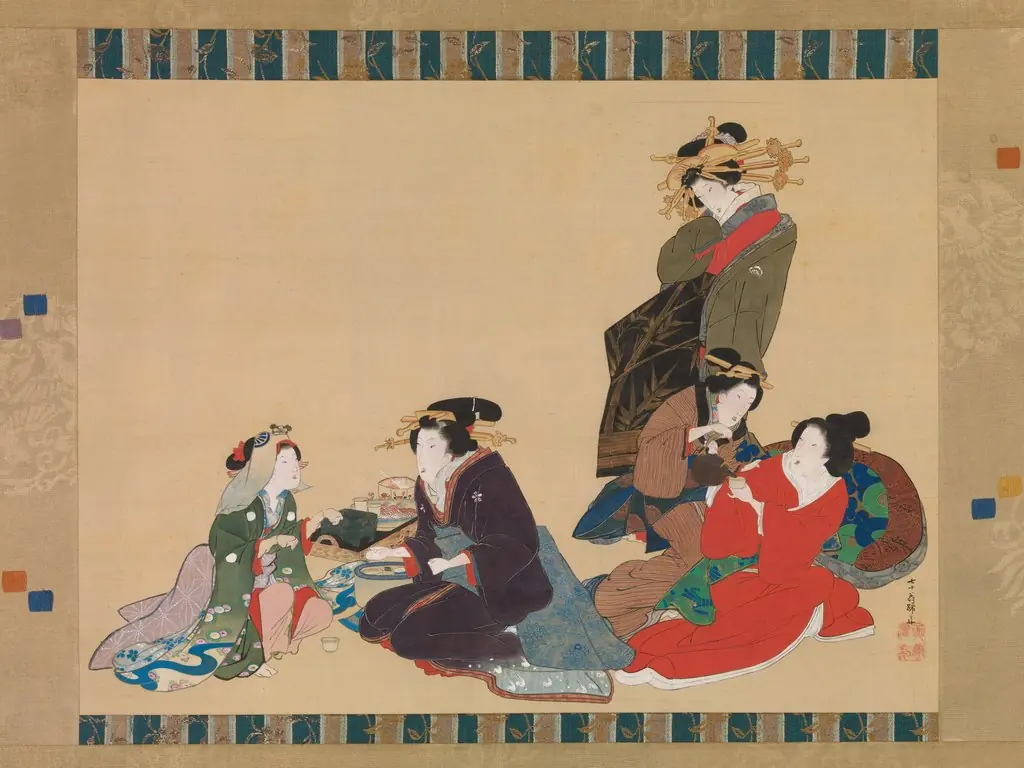 Five Beauties
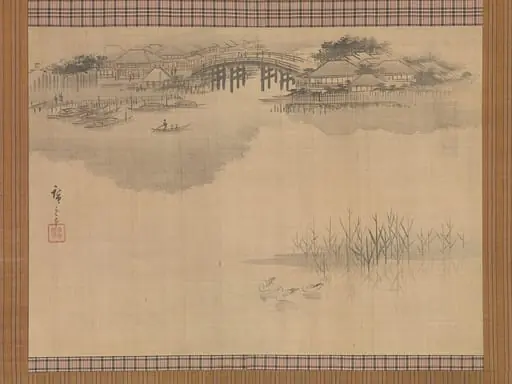 Untitled
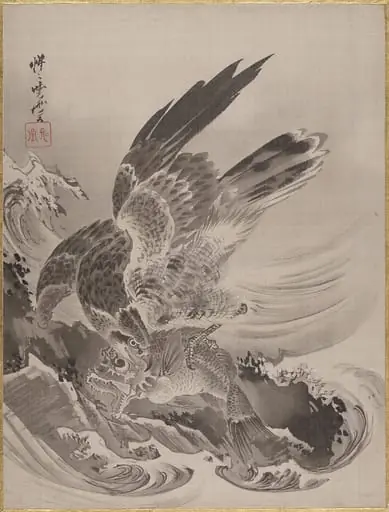 Untitled
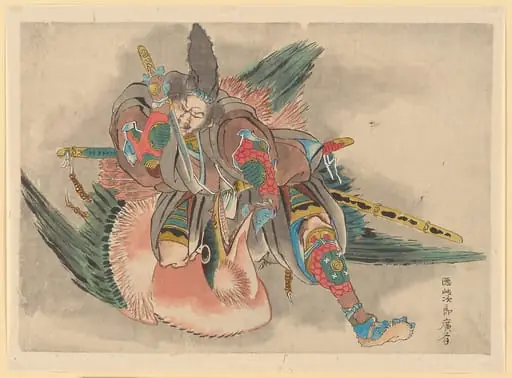 Untitled
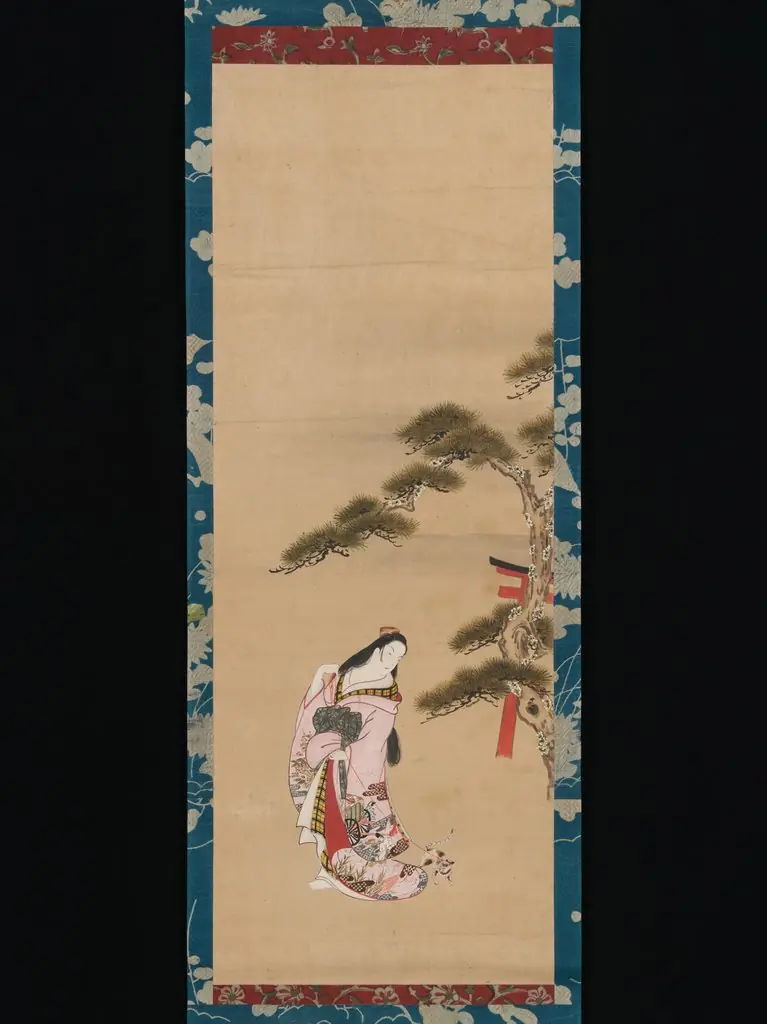 The Third Princess and a Cat, from the "New Herbs I" (Wakana I) chapter The Tale of Genji (Genji monogatari}
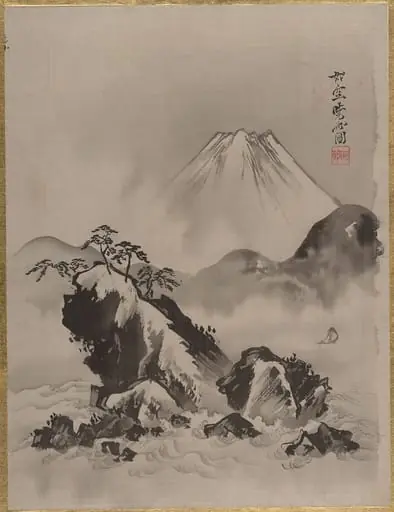 富士図|Mount Fuji
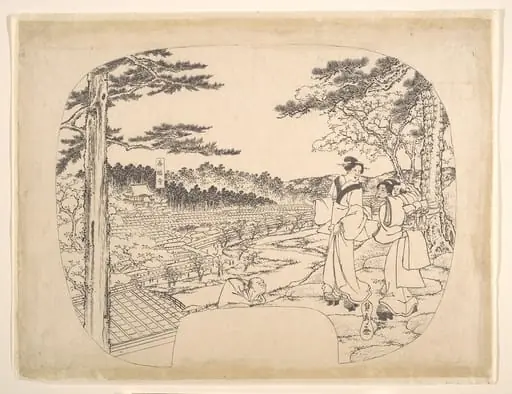 Untitled
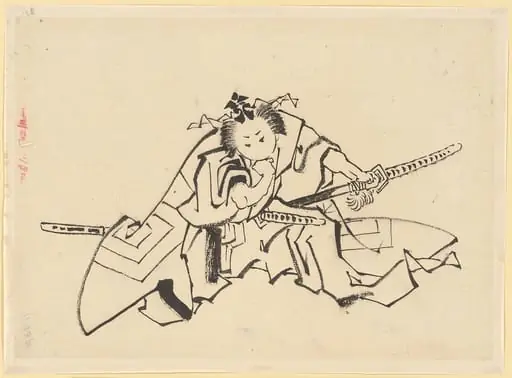 Untitled
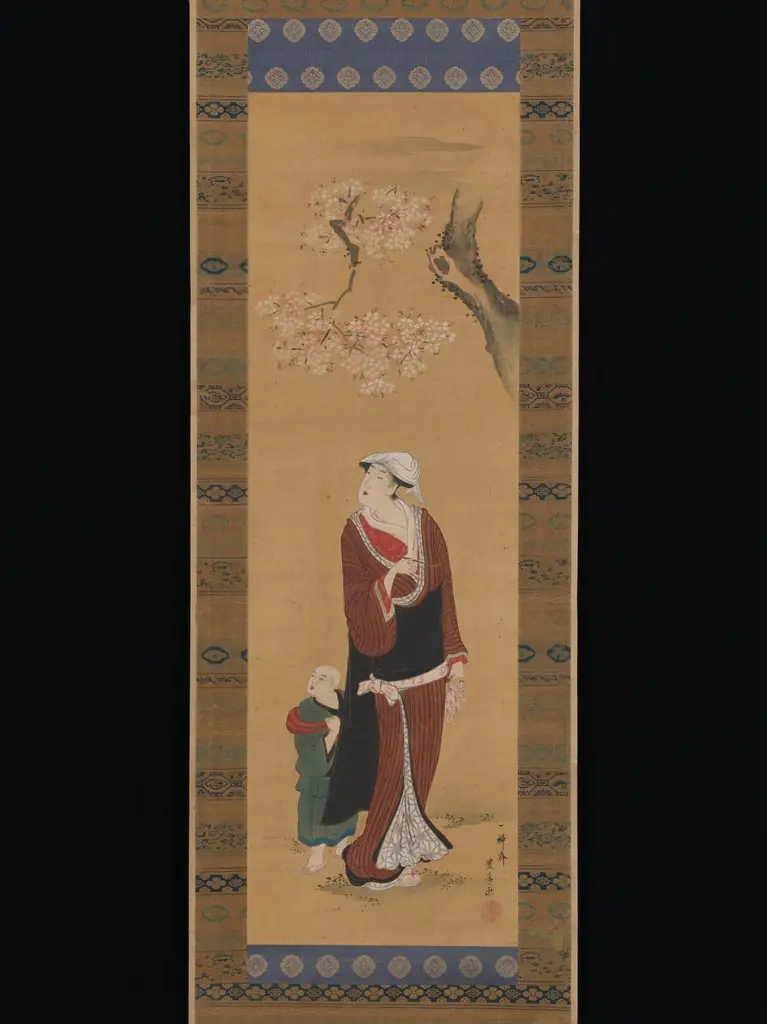 Woman and Child under a Cherry Tree
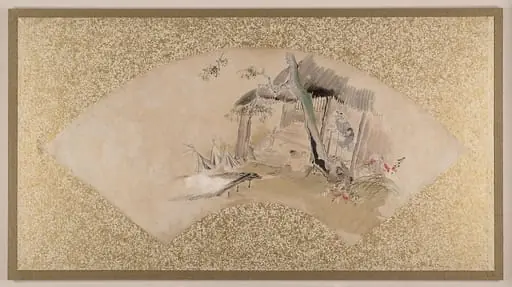 Untitled
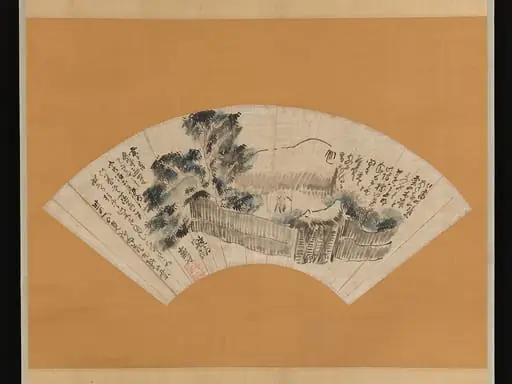 与謝蕪村筆 奥の細道図扇面|Scene from The Narrow Road to the Deep North
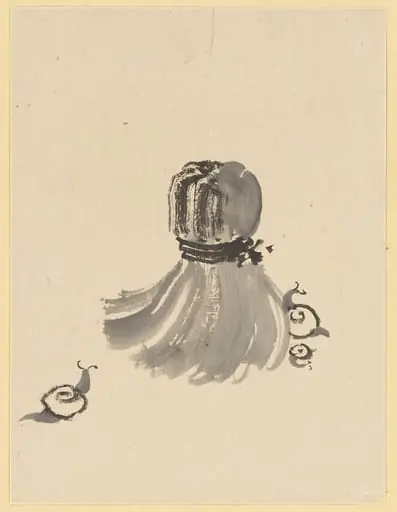 Untitled
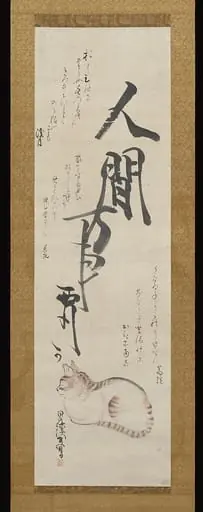 Untitled
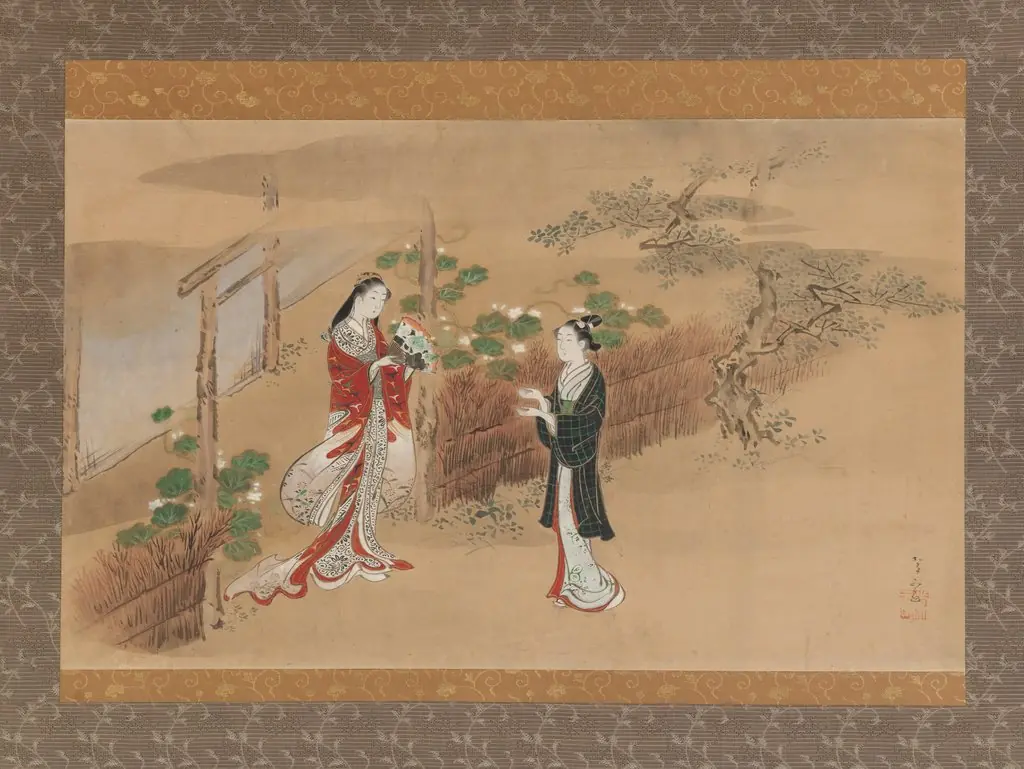 "Evening Faces" (Yūgao) chapter from The Tale of Genji (Genji monogatari)
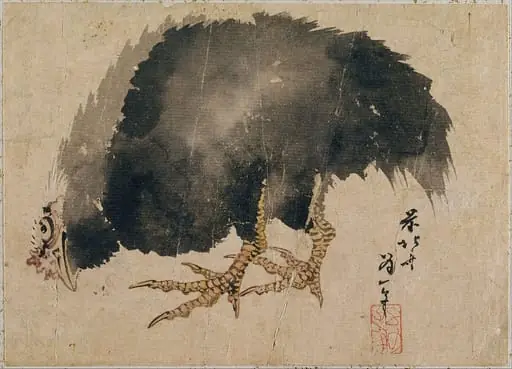 Untitled
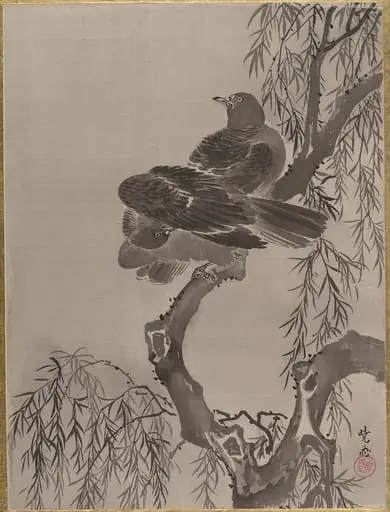 Untitled
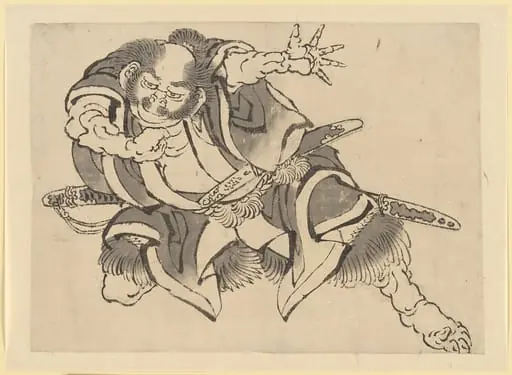 Untitled
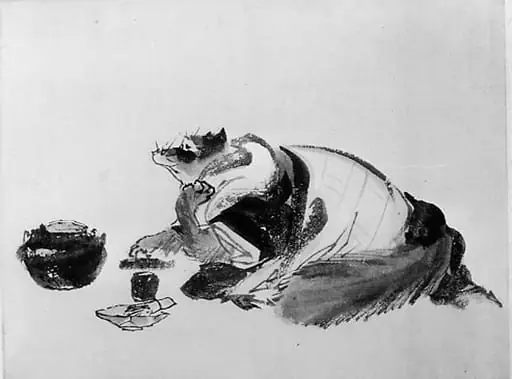 Untitled
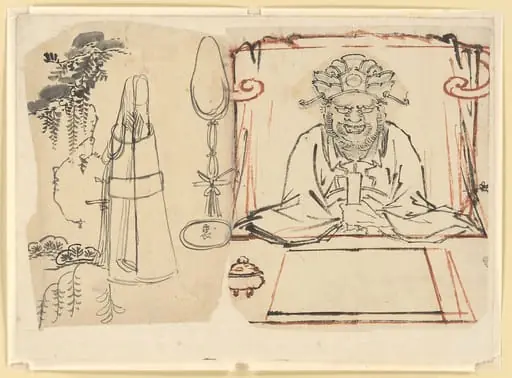 Untitled
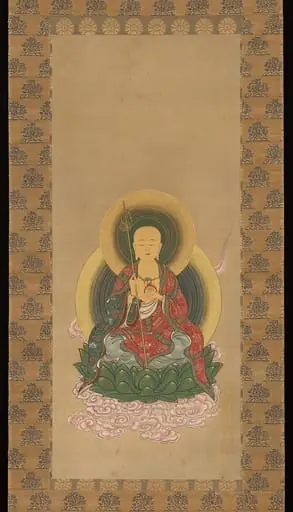 英一蝶筆 地蔵菩薩図|Jizō Bosatsu
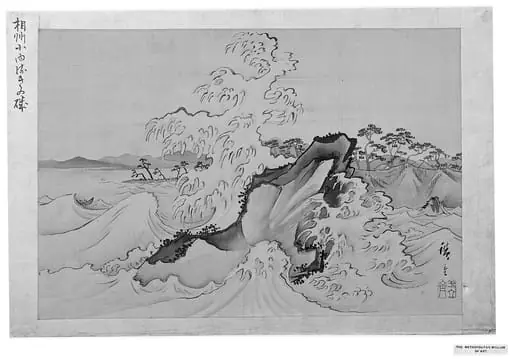 Untitled
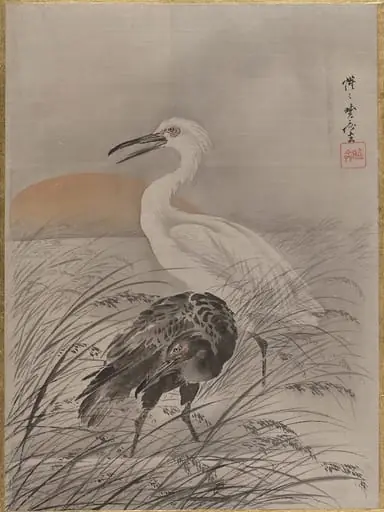 Untitled
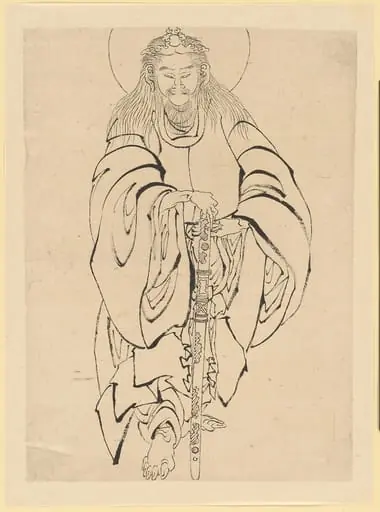 Untitled
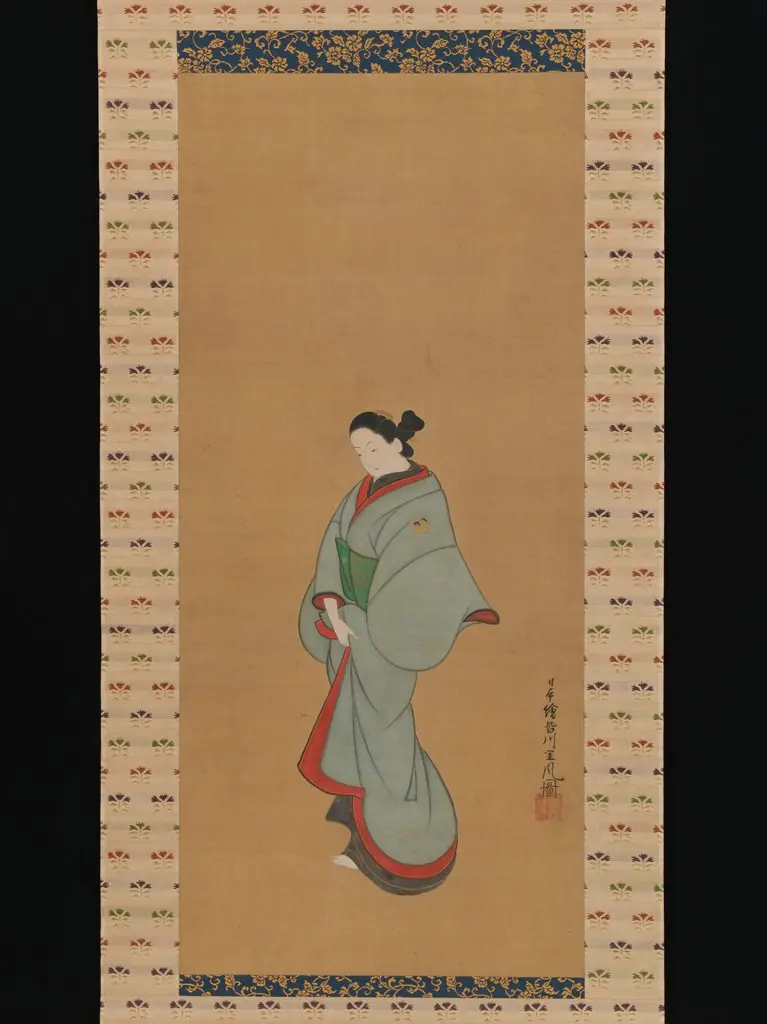 Standing Woman
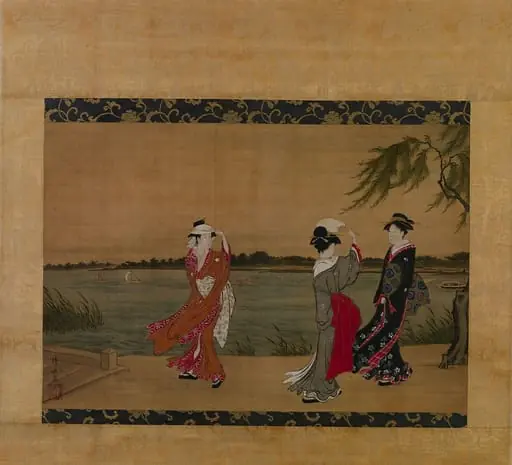 Untitled
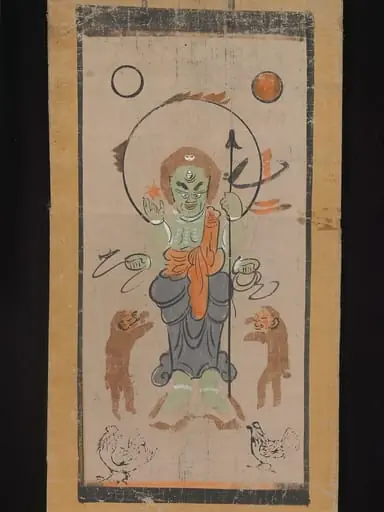 金剛夜叉図大津絵|Ōtsu-e of Shōmen Kongōyasha (Vajrayaksha)
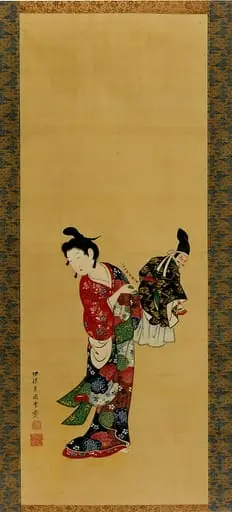 Untitled
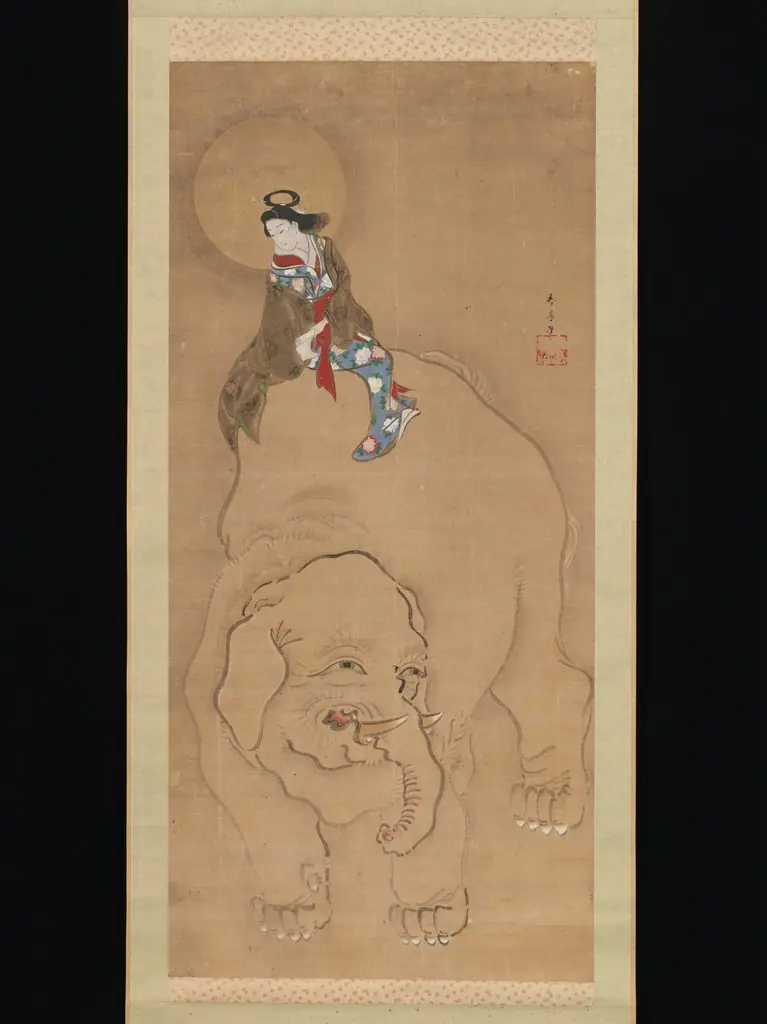 Eguchi no Kimi
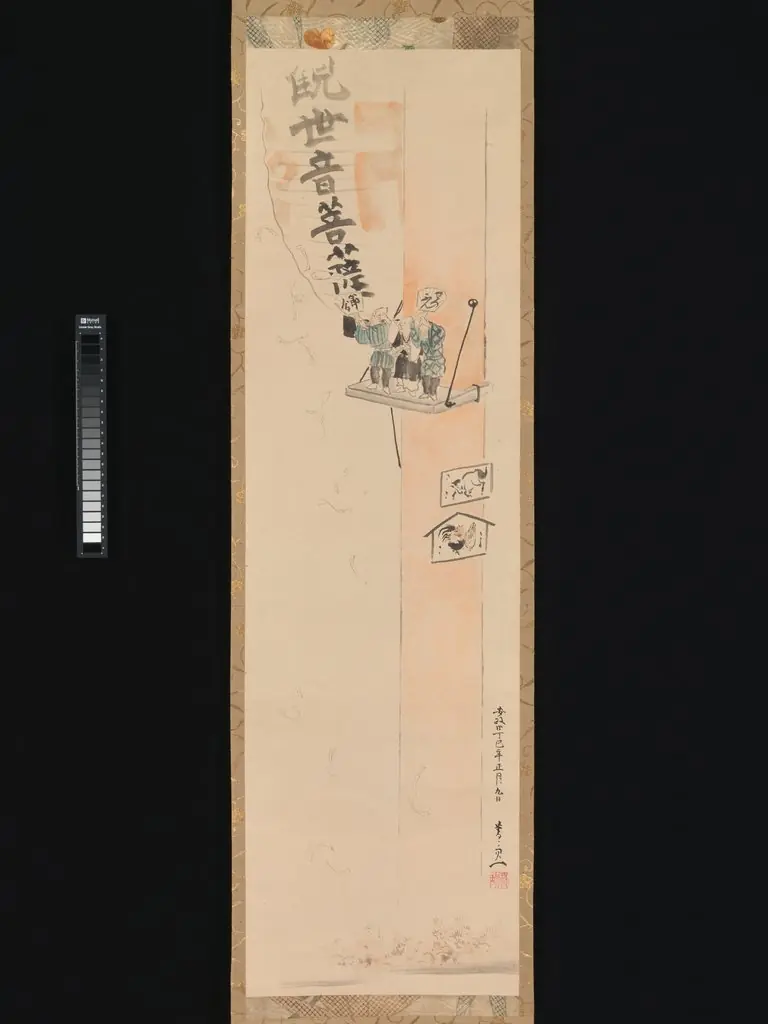 Setsubun Festival at Sensōji
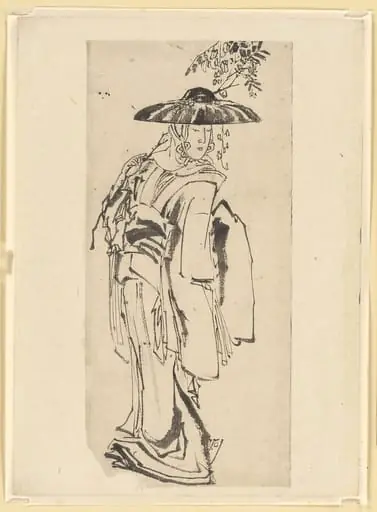 Untitled
 Fuwa Banzaemon
 Untitled
 Untitled
 Untitled
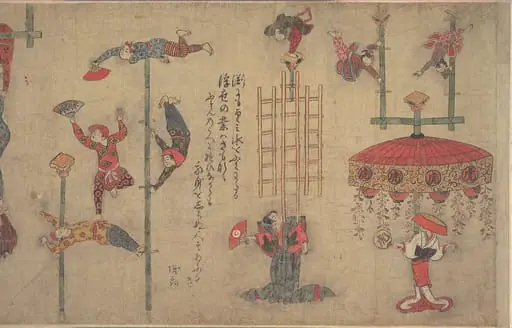 曲技図巻|Acrobats
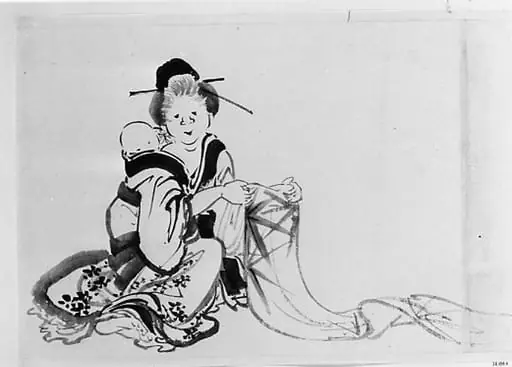 Untitled
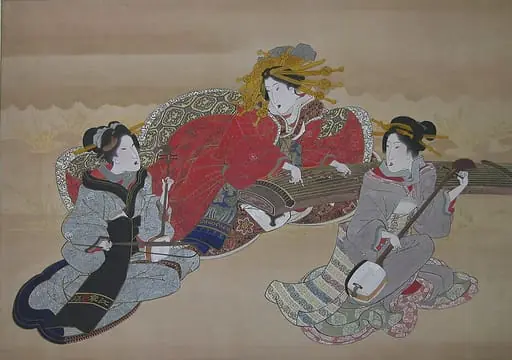 Untitled
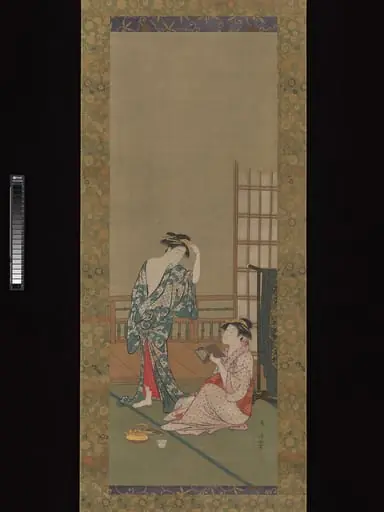 Untitled
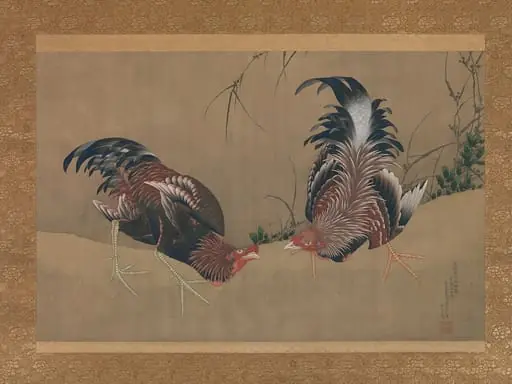 軍鶏図|Gamecocks
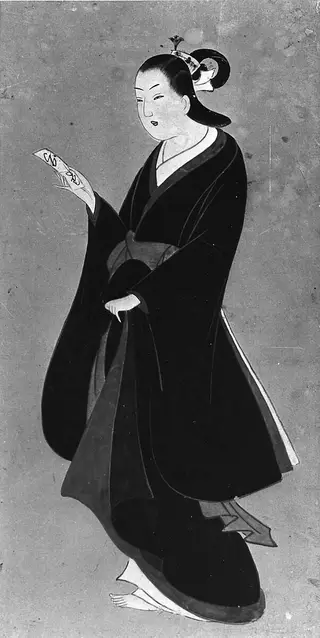 Untitled
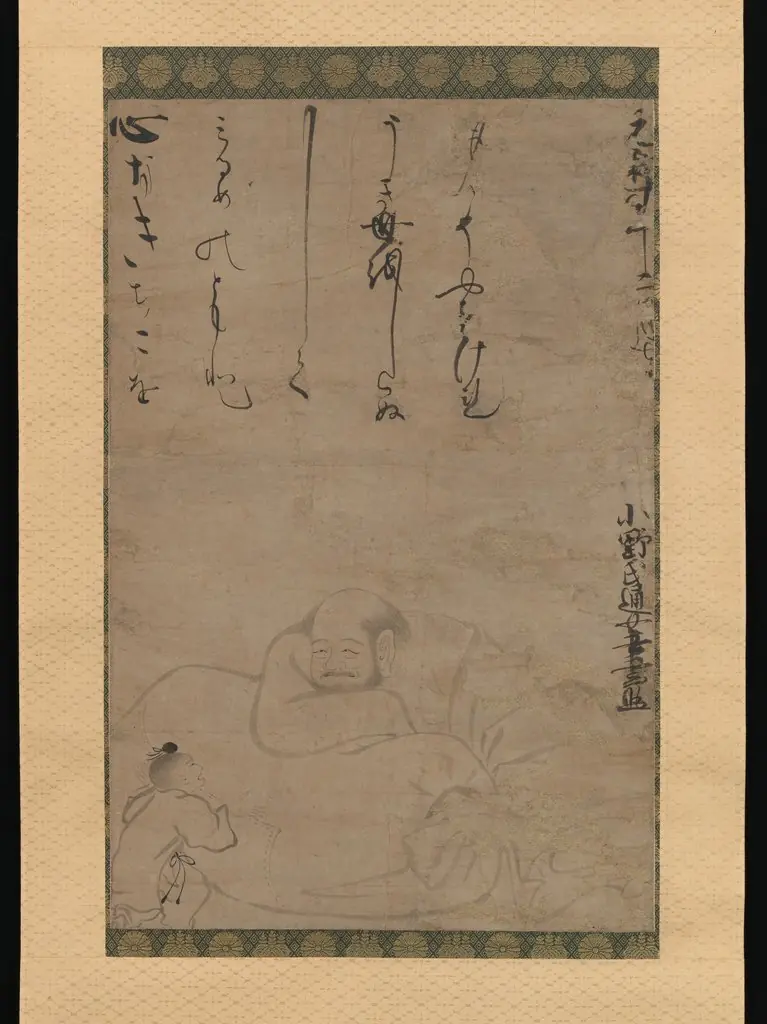 Hotei with a Child
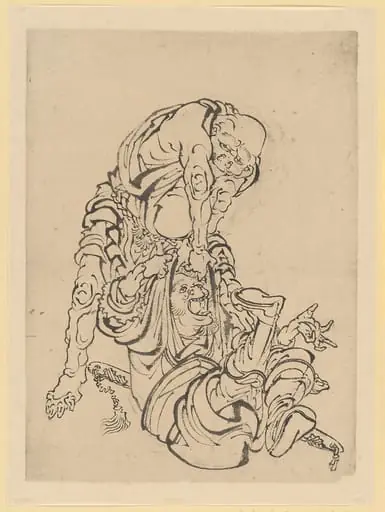 Untitled
 Untitled
 Untitled
 Untitled
 Untitled
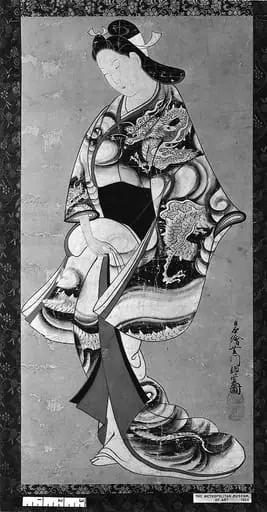 Untitled
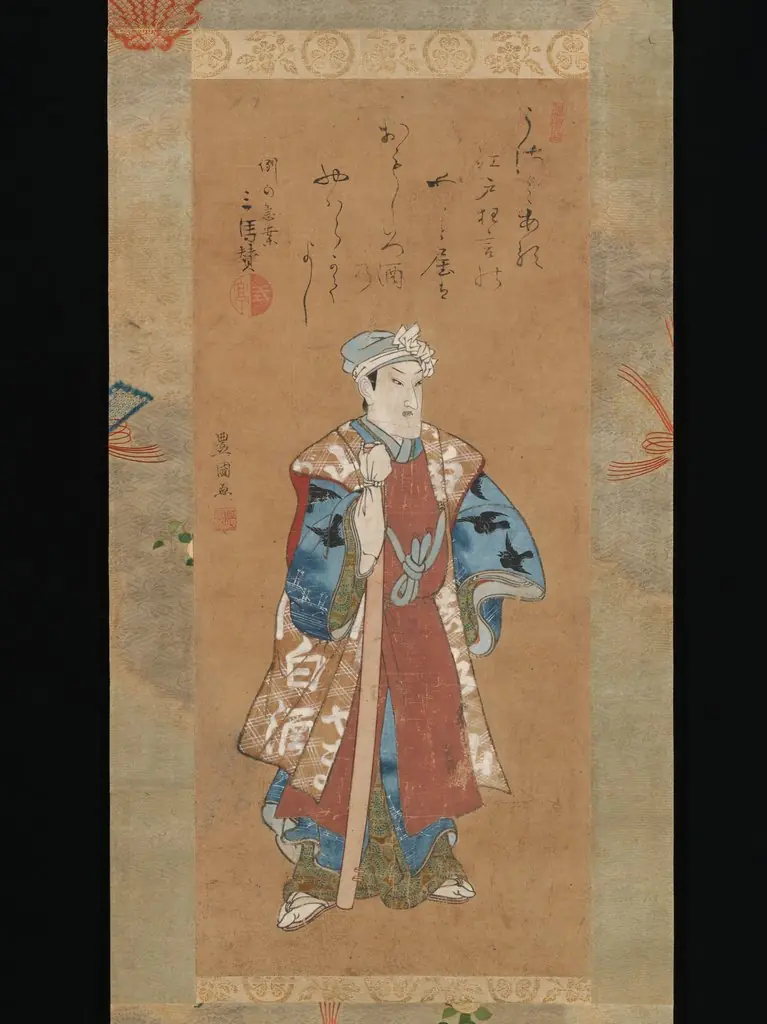 Bandō Mitsugorō II as Shinbei in the Kabuki Play "Sukeroku"
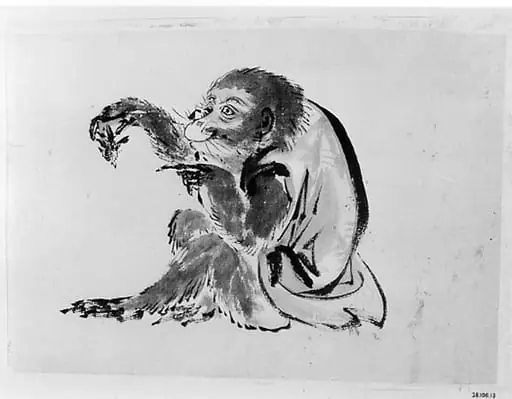 Untitled
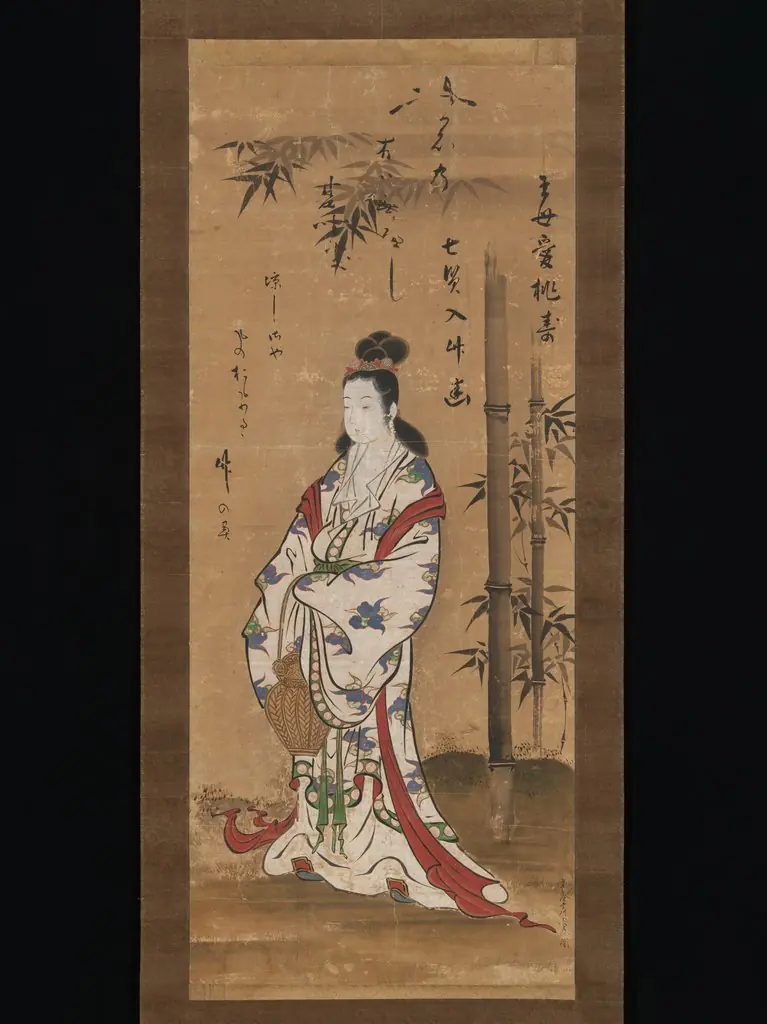 Gyoran Kannon
 Untitled
 Untitled
 Untitled
 Untitled
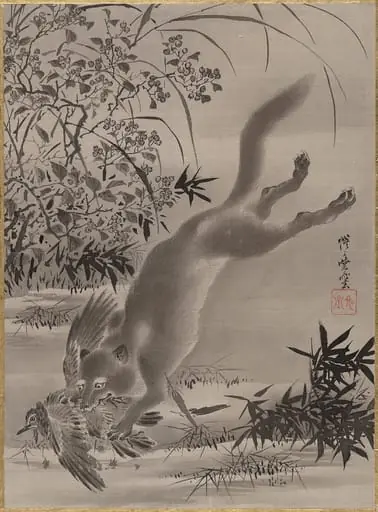 Untitled
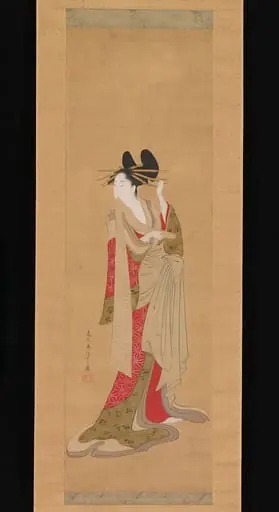 Untitled
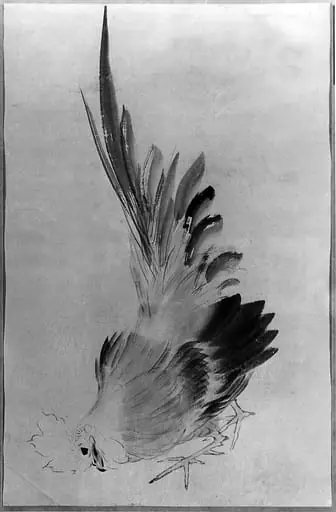 Untitled
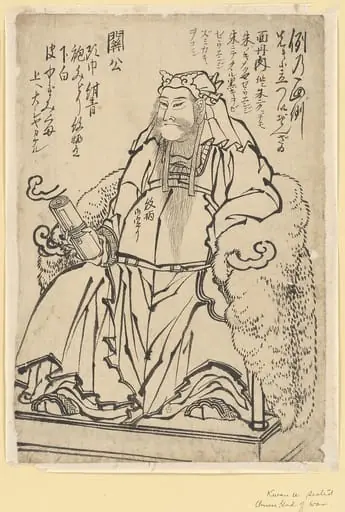 Untitled
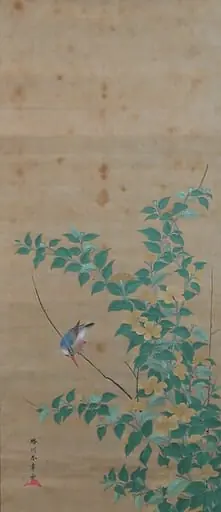 Untitled
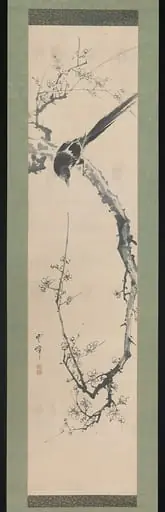 Untitled
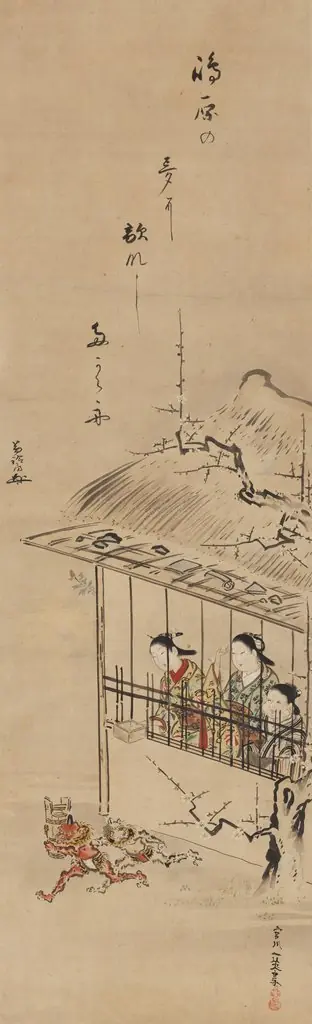 Shimabara Courtesans Exorcizing Demons
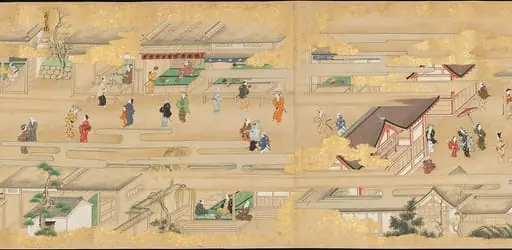 Untitled
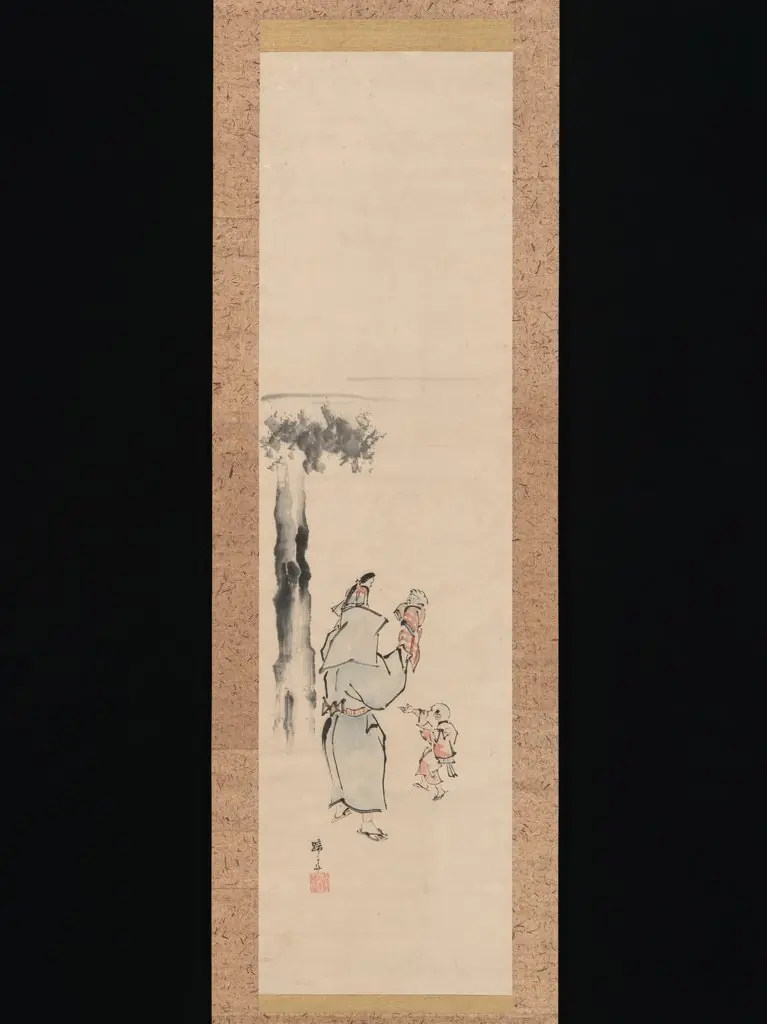 Puppeteer
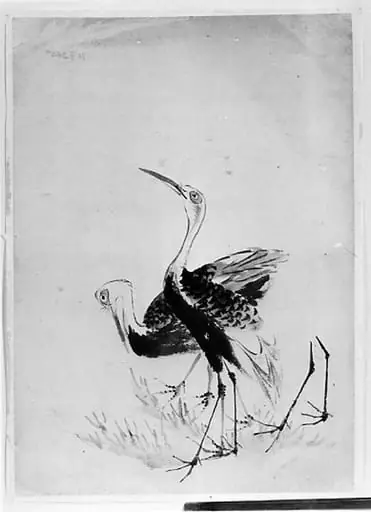 Untitled
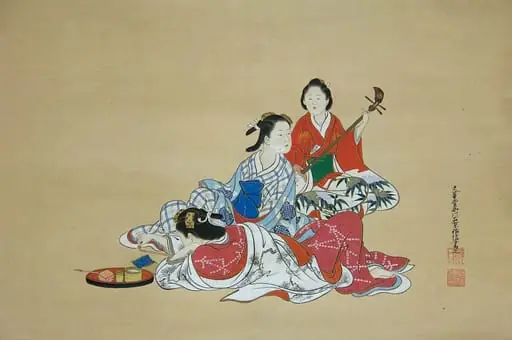 Untitled
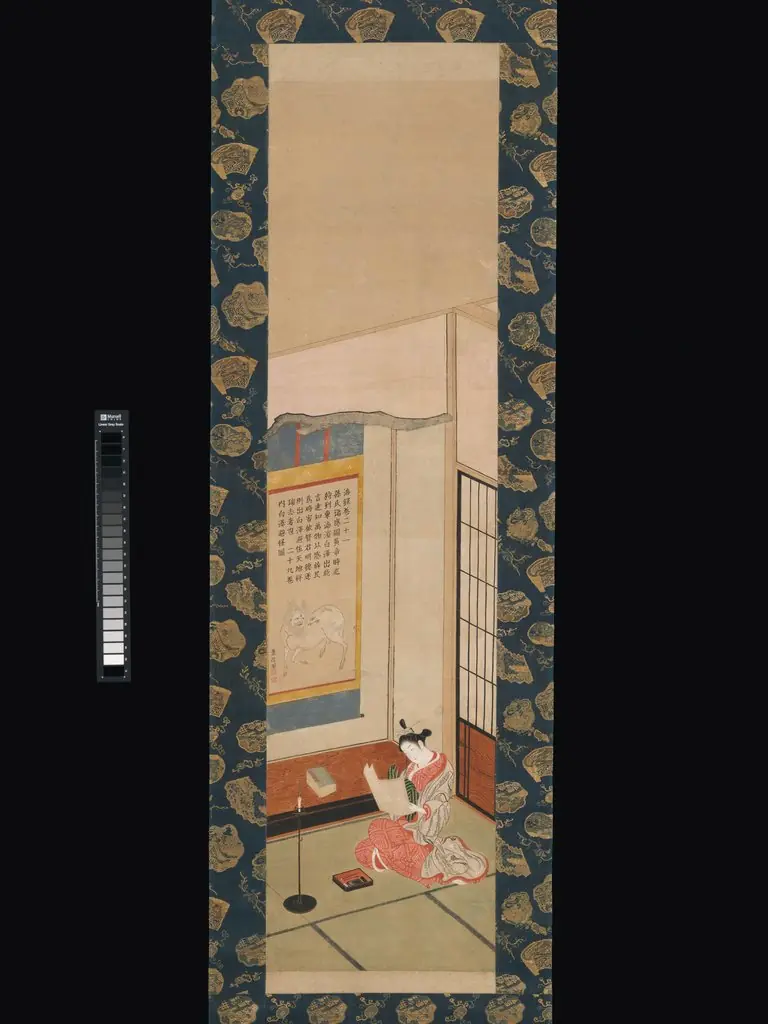 Courtesan Reading a Letter
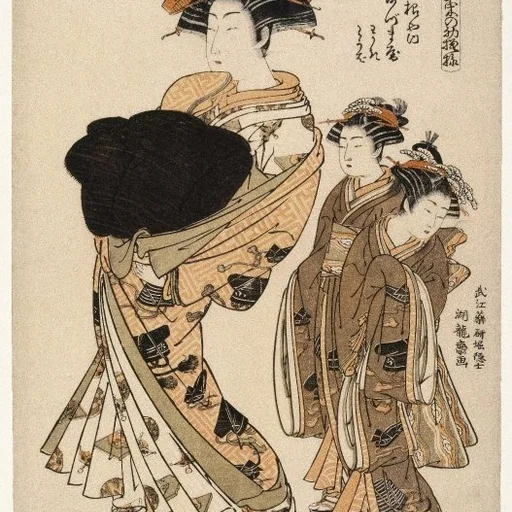
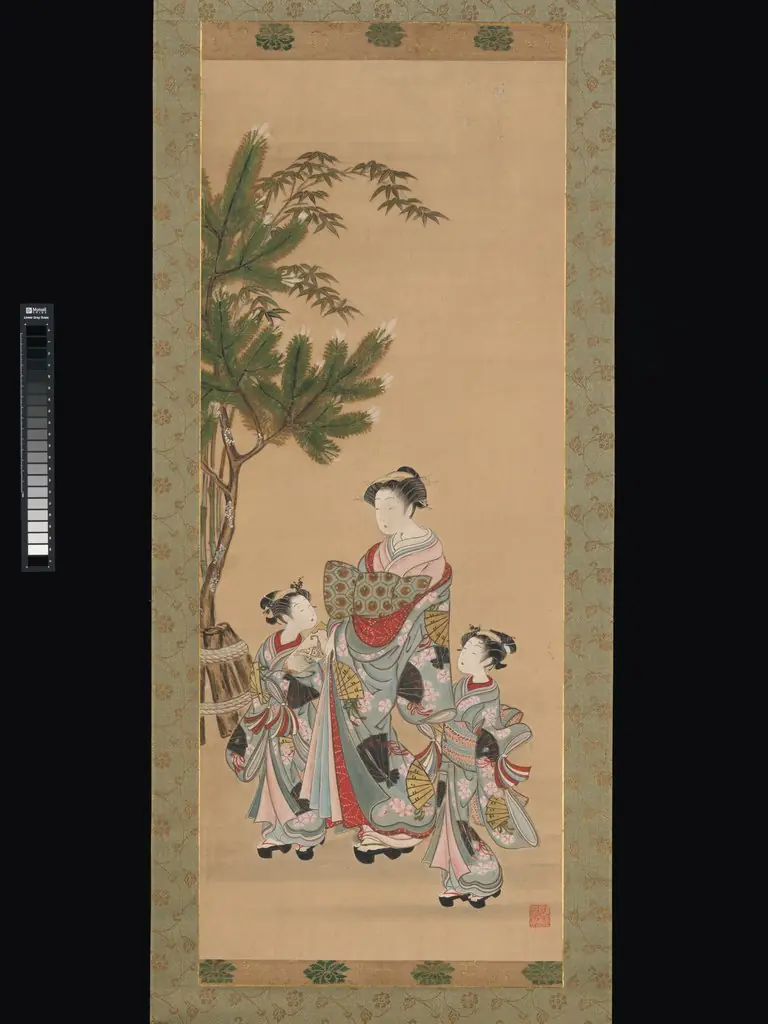 Courtesan and Two Attendants on New Year's Day
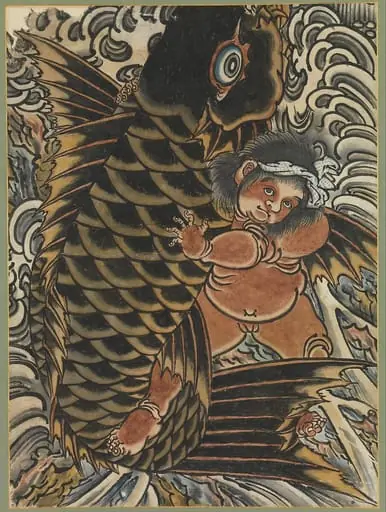 Untitled
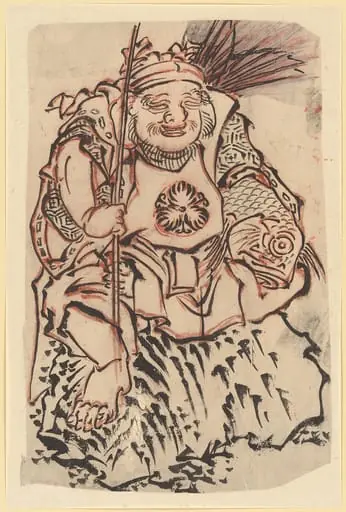 Untitled
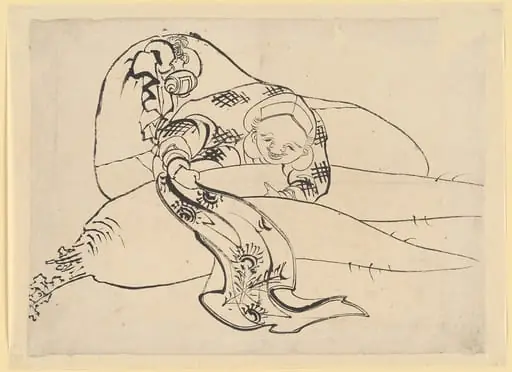 Untitled
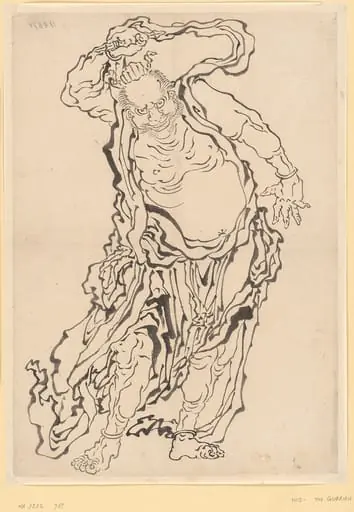 Untitled
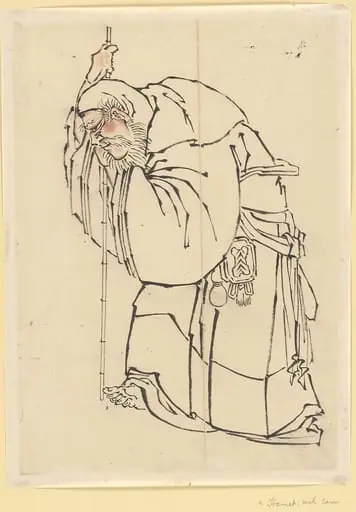 Untitled
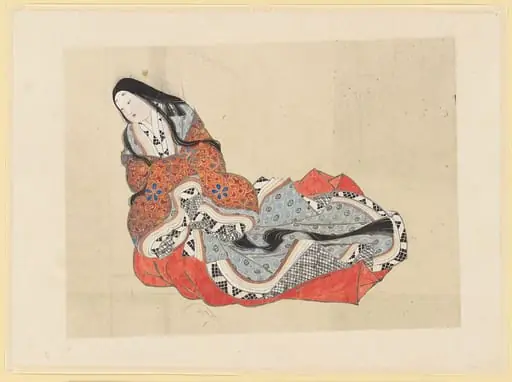 Untitled
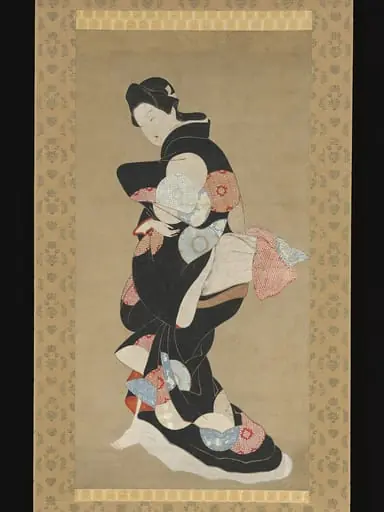 Untitled
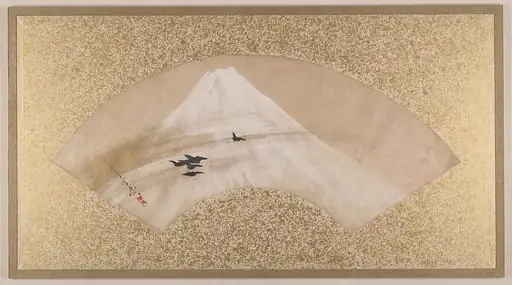 Untitled
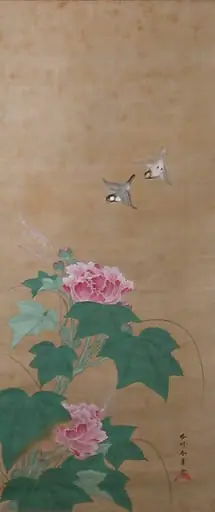 Untitled
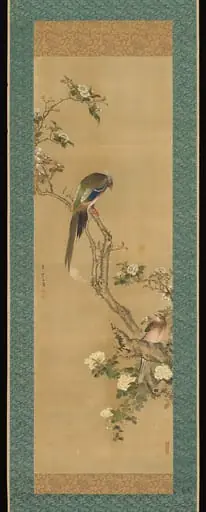 Untitled
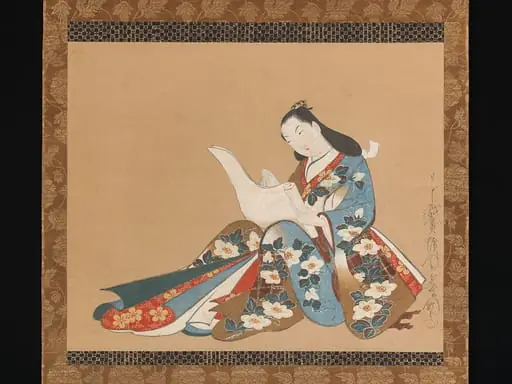 懐月堂度辰筆 文を書く遊女図|Courtesan Writing a Letter
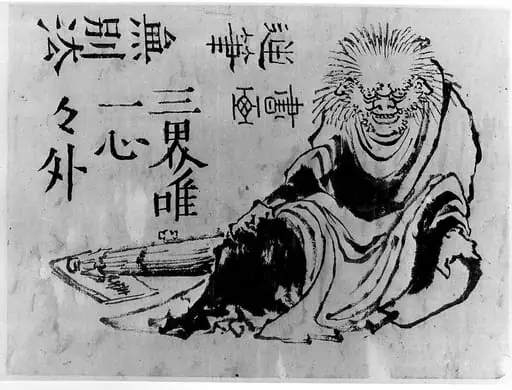 Untitled
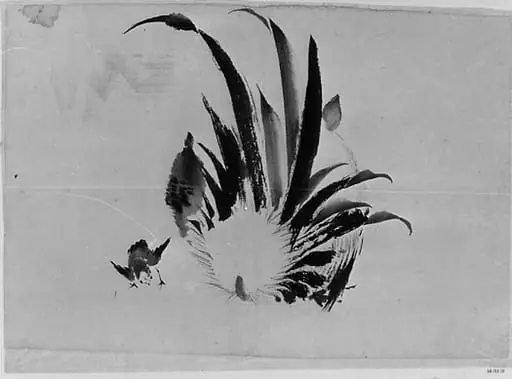 Untitled
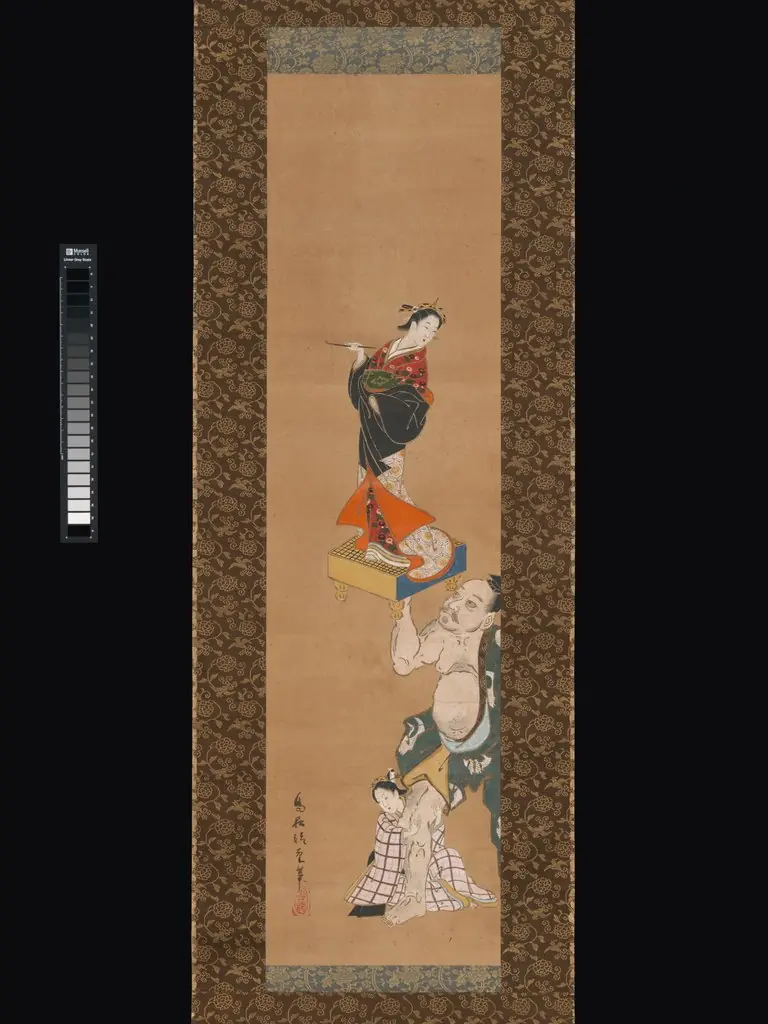 The Warrior Asahina Yoshihide Lifting a Puppet of a Courtesan on a Go Board
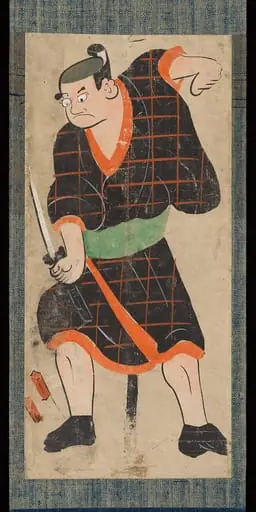 布袋市右衛門図大津絵|Ōtsu-e of Kabuki Actor Playing Hotei Ichiemon
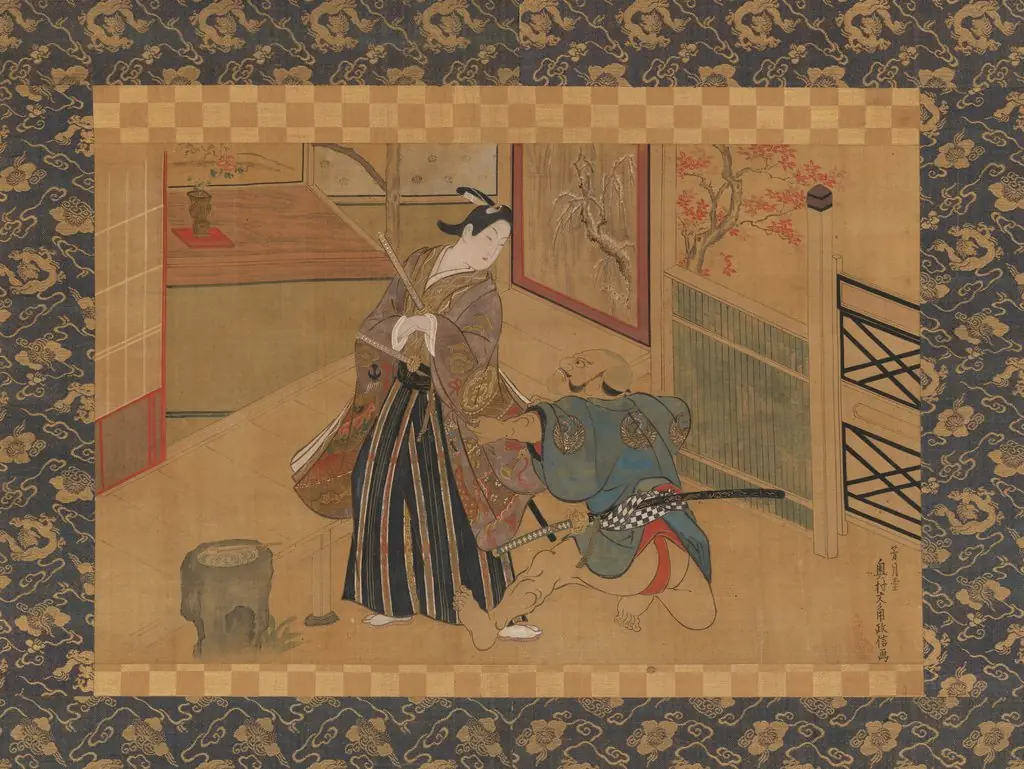 Kabuki Play Kusazuribiki from the Tales of Soga (Soga monogatari)
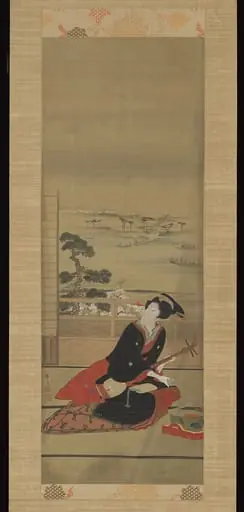 蹄斎北馬筆 三味線持つ美人図|Female Entertainer with Shamisen
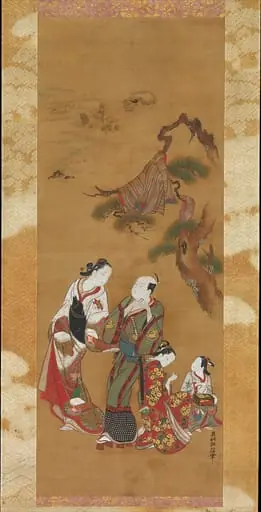 Untitled
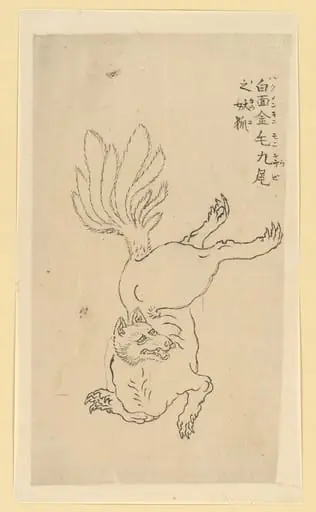 Untitled
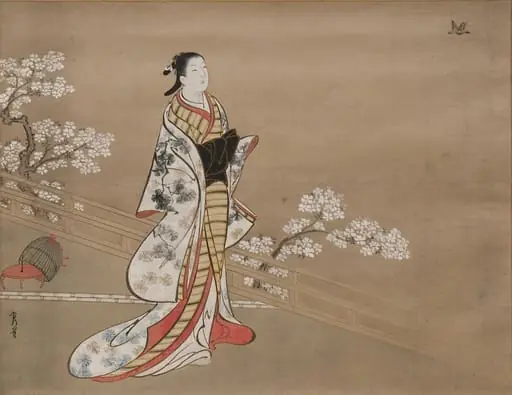 Untitled
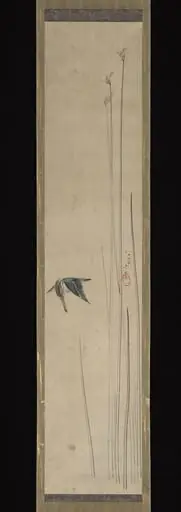 Untitled
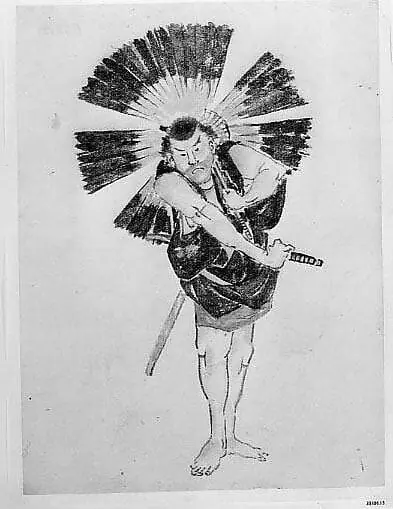 Untitled
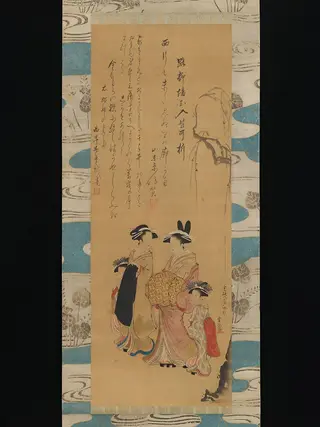 柳下美人図|Courtesan and her Attendants under a Willow Tree
Learn this movement
Frequently asked questions
What is Ukiyo-e?
Ukiyo-e is an art movement. Japanese art genre, fl.
How many Ukiyo-e works does Artifact World Gallery have?
Artifact World Gallery holds 1,142 public-domain Ukiyo-e works, all free to view and download.
Who are the key Ukiyo-e artists?
Key Ukiyo-e artists in the collection include Genki, Katsushika Hokusai and Kawanabe Kyōsai 河鍋暁斎.
When did Ukiyo-e take place?
Ukiyo-e dates from 1700–1900.
Where can I see Ukiyo-e works?
Ukiyo-e works in the collection are held by Metropolitan Museum of Art, Cleveland Museum of Art and Victoria and Albert Museum.