Artwork
Ruy Blas and the Blasé Roué
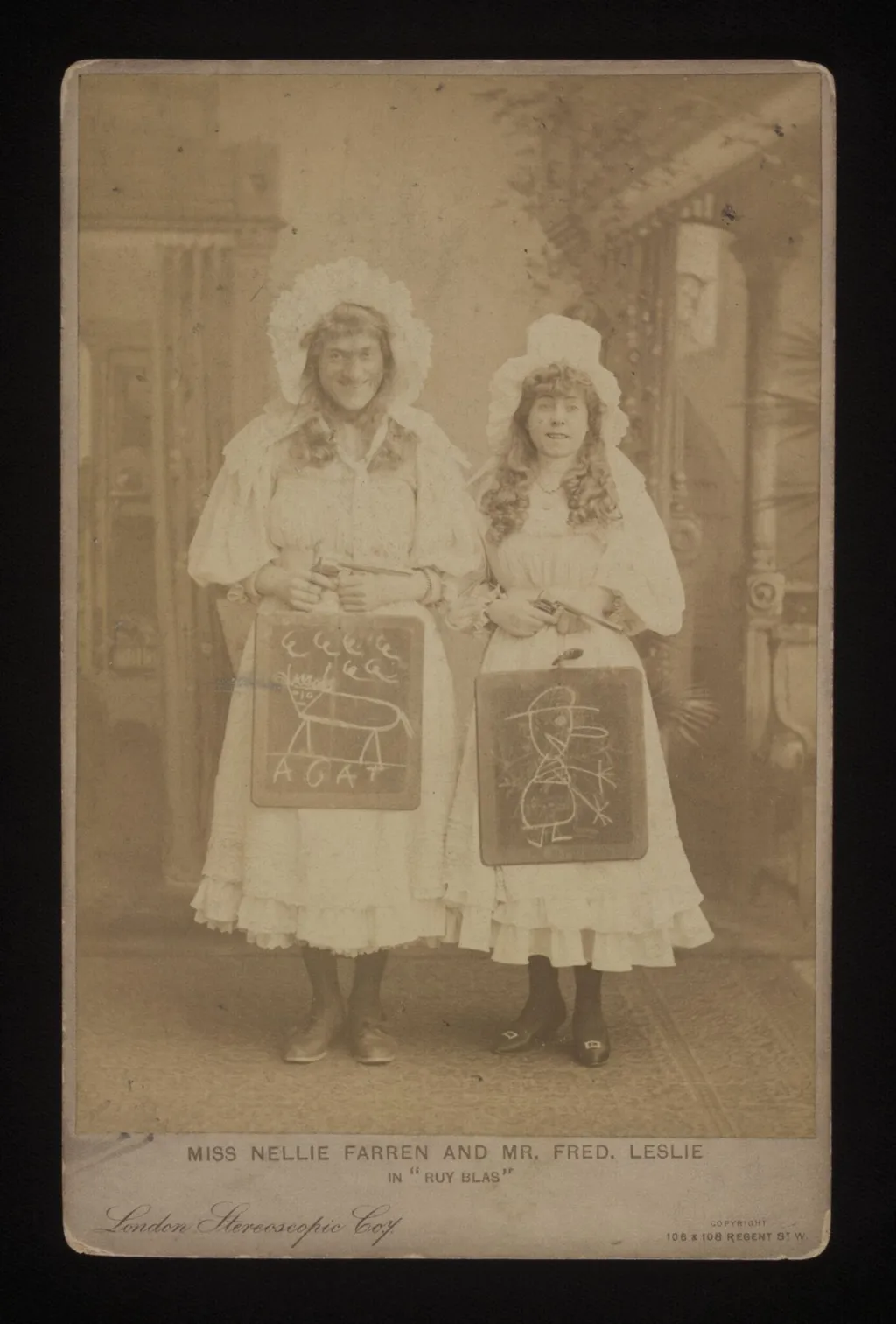
Ruy Blas and the Blasé Roué is a photographic photography by London Stereoscopic and Photographic Company. It dates from 1928 and is held in the collection of the Victoria and Albert Museum.
About this work
The London Stereoscopic and Photographic Company took it at the Gaiety Theatre.
This photo shows two actors on stage. It’s a 1928 print from a play called Ruy Blas and the Blasé Roué. The London Stereoscopic and Photographic Company took it at the Gaiety Theatre.
The actors are Nellie Farren as Ruy Blas and Fred Leslie as Don Cæsar de Bazan. The photo is part of a big collection at the Victoria and Albert Museum.
Check out more work by the London Stereoscopic and Photographic Company.
Overview
A photographic print from 1928 captures two performers in character from the theatrical production Ruy Blas and the Blasé Roué. Taken by the London Stereoscopic Company at London’s Gaiety Theatre, the image documents a stage moment from a late Victorian-era burlesque. The photograph is part of the Victoria and Albert Museum’s extensive theatrical archives, preserving ephemeral performance culture through static imagery.
Subject & Meaning
The image depicts Nellie Farren portraying Ruy Blas, a role traditionally male, and Fred Leslie as Don Cæsar de Bazan, his noble counterpart. The casting reflects the burlesque tradition of gender reversal, where female performers assumed male leads for comedic and satirical effect. The pairing underscores the play’s playful subversion of dramatic norms, turning literary tragedy into light-hearted spectacle.
Technique & Style
The photograph is a gelatin silver print, typical of early 20th-century theatrical documentation. Lighting is staged to highlight facial expressions and costume details, with minimal background distraction. The composition prioritizes clarity over artistic experimentation, serving as a record rather than a creative interpretation. Sharp focus and even exposure reflect the London Stereoscopic Company’s commercial approach to theatre photography.
History & Provenance
The photograph originates from a 1928 print run tied to a revival of the 1890s burlesque. Though the original stage production predates the image by decades, this print preserves a later iteration of the show. It entered the Victoria and Albert Museum’s collection as part of a broader effort to archive British theatre history, particularly the Gaiety Theatre’s contributions to musical comedy and farce.
Context
Ruy Blas and the Blasé Roué was a burlesque adaptation of Victor Hugo’s 1838 tragedy, reimagined for London’s music hall audiences. The Gaiety Theatre, known for its elaborate, witty productions, specialized in such transformations. The London Stereoscopic Company regularly documented these shows, supplying images to publishers and collectors, helping to extend the life of performances beyond the stage.
Legacy
This photograph remains a key artifact in understanding the persistence of gender-bending roles in British theatre. It illustrates how classical narratives were repurposed for popular entertainment, and how photography became a vital tool for preserving transient performances. The image continues to inform scholarly study of late Victorian and Edwardian stage practices.
Artist & collection
Artist
London Stereoscopic and Photographic Company
They snapped portraits for London’s theater crowd in the 1800s, turning actors and dancers into instant celebrities.

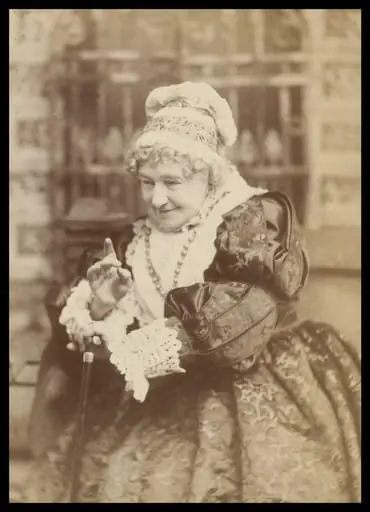
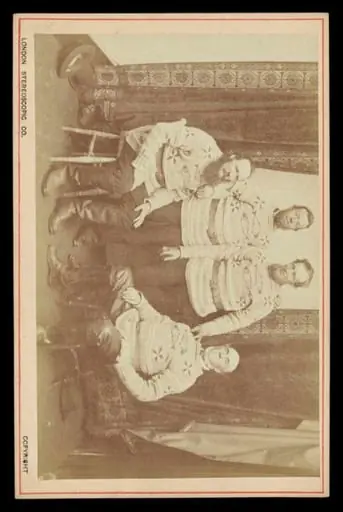
- Guy Little Theatrical Photograph
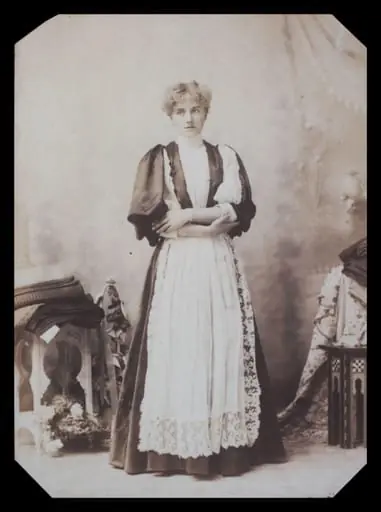 Guy Little Theatrical Photograph
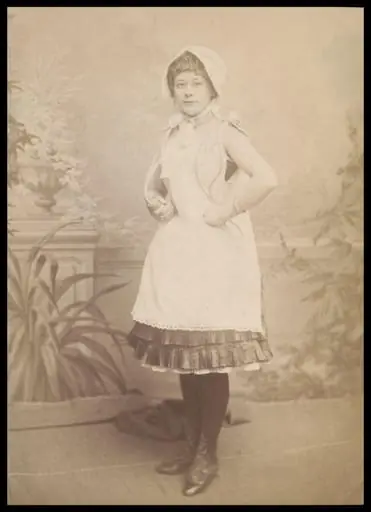 Guy Little Theatrical Photograph
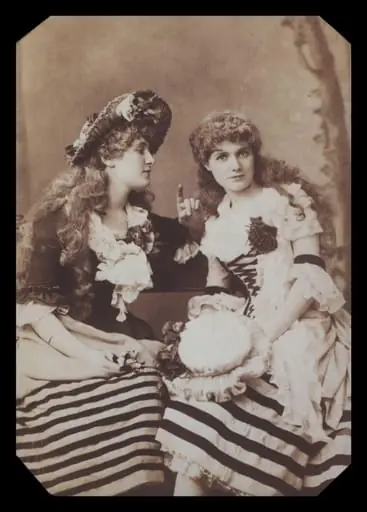 Guy Little Theatrical Photograph
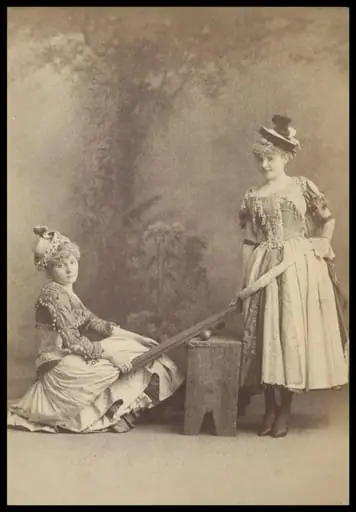 Guy Little Theatrical Photograph
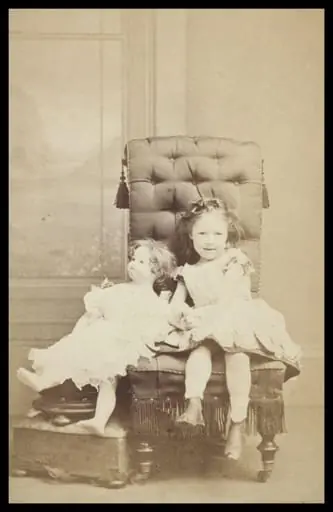 Guy Little Theatrical Photograph
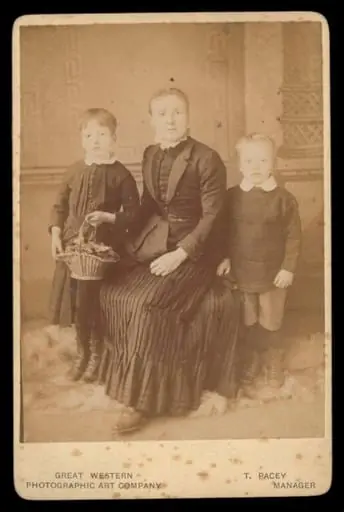 Portrait of a woman and two children
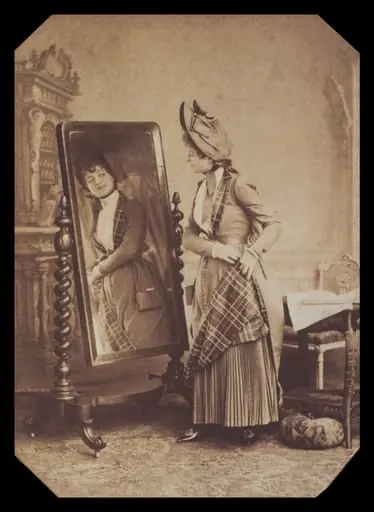 Guy Little Theatrical Photograph
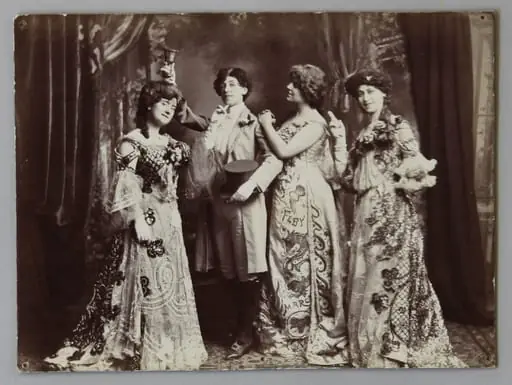 All the Year Round
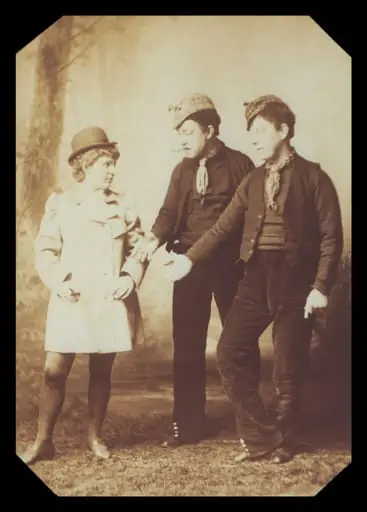 Guy Little Theatrical Photograph
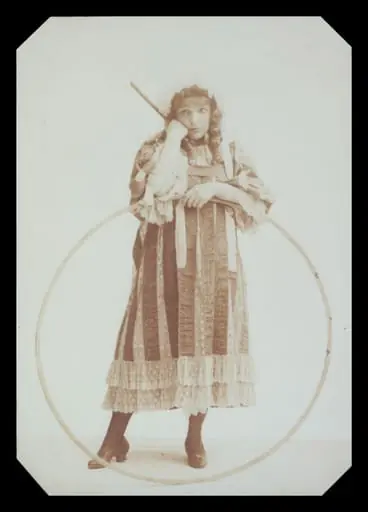 Guy Little Theatrical Photograph
 Guy Little Theatrical Photographs