Artwork
Falcon
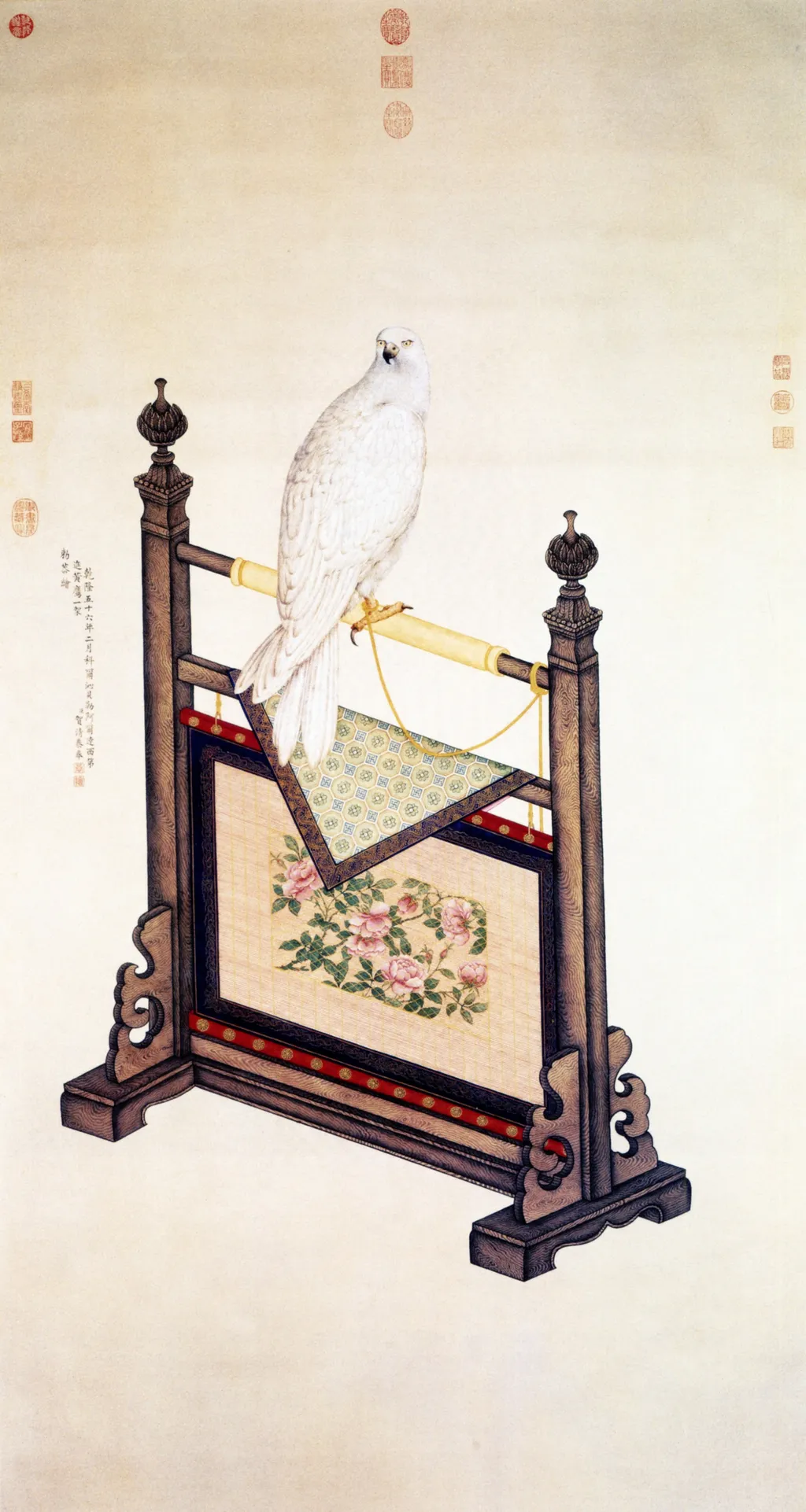
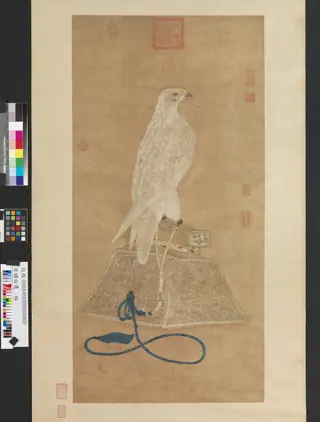
Falcon is an unspecified painting by Louis Antoine de Poirot. It dates from 1796 and is held in the collection of the National Palace Museum.
About this work
Overview
Falcon is a painting created in 1796 by Louis Antoine de Poirot, a Jesuit artist working under the Qianlong Emperor of China. Known as He Qingtai, Poirot was among the last Western artists contributing to the Qing court’s artistic output during a period of East-West stylistic exchange.
Subject & Meaning
The painting depicts a white falcon perched on an ornately carved wooden stand, adorned with a floral design. The composition conveys elegance and refinement, presenting the falcon in a formal, dignified pose against a subtly shaded light beige background.
Technique & Style
Falcon exemplifies the blending of Western artistic techniques with Chinese subjects, characteristic of European artists at the Qing court during this era. The work features meticulous attention to detail in the rendering of the falcon, the stand’s carvings, and the overall balance of the composition.
History & Provenance
Part of the National Palace Museum’s collection, Falcon represents the late phase of Western artistic influence at the Qing court, following in the footsteps of notable predecessors like Giuseppe Castiglione and Jean-Denis Attiret.
Context
Created during the Qianlong Emperor’s reign, the painting reflects the cultural exchange between European Jesuit artists and the Chinese imperial court, where Western painting styles were integrated into traditional Chinese artistic themes.
Legacy
As one of the last works by a Western artist for the Qing court, Falcon signifies the culmination of a unique period of artistic collaboration between Europe and China, preserving the aesthetic values of that exchange.
Artist & collection
Artist
Louis Antoine de Poirot (1735–1813) was a Jesuit painter and translator of the 18th and early 19th century, who worked in the service of the Qianlong Emperor of China.

- White Eagle
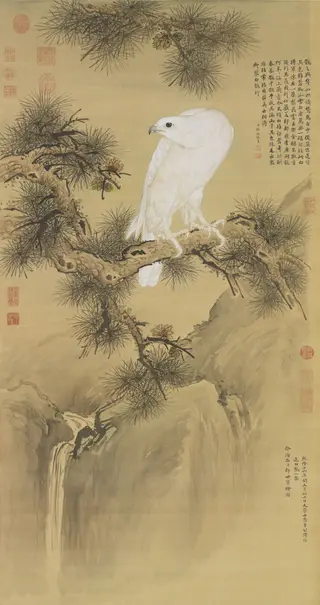 White Gyrfalcon
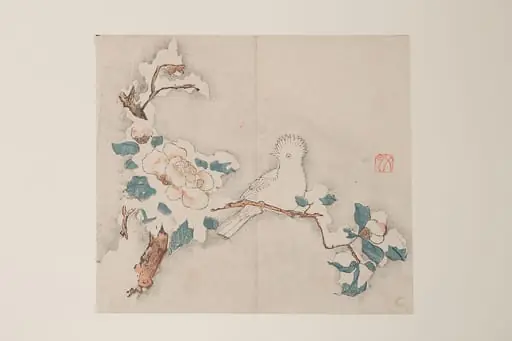 明 十竹齋書畫譜 四開|Leaf from the Ten Bamboo Studio Manual of Painting and Calligraphy
 「三ひらの内」松・牡丹に孔雀|Peacock on Pine Tree and Peonies, from the series Three Sheets (Mihira no uchi)
 摺物帖 『春雨集』 『花鳥六番之内 下野宇都宮』 桃に山鳩|Spring Rain Collection (Harusame shū), vol. 3: Mountain Dove and Peach Flowers
 Parakeet on the Branch of a Cherry Tree
 Bamboo and Shrike
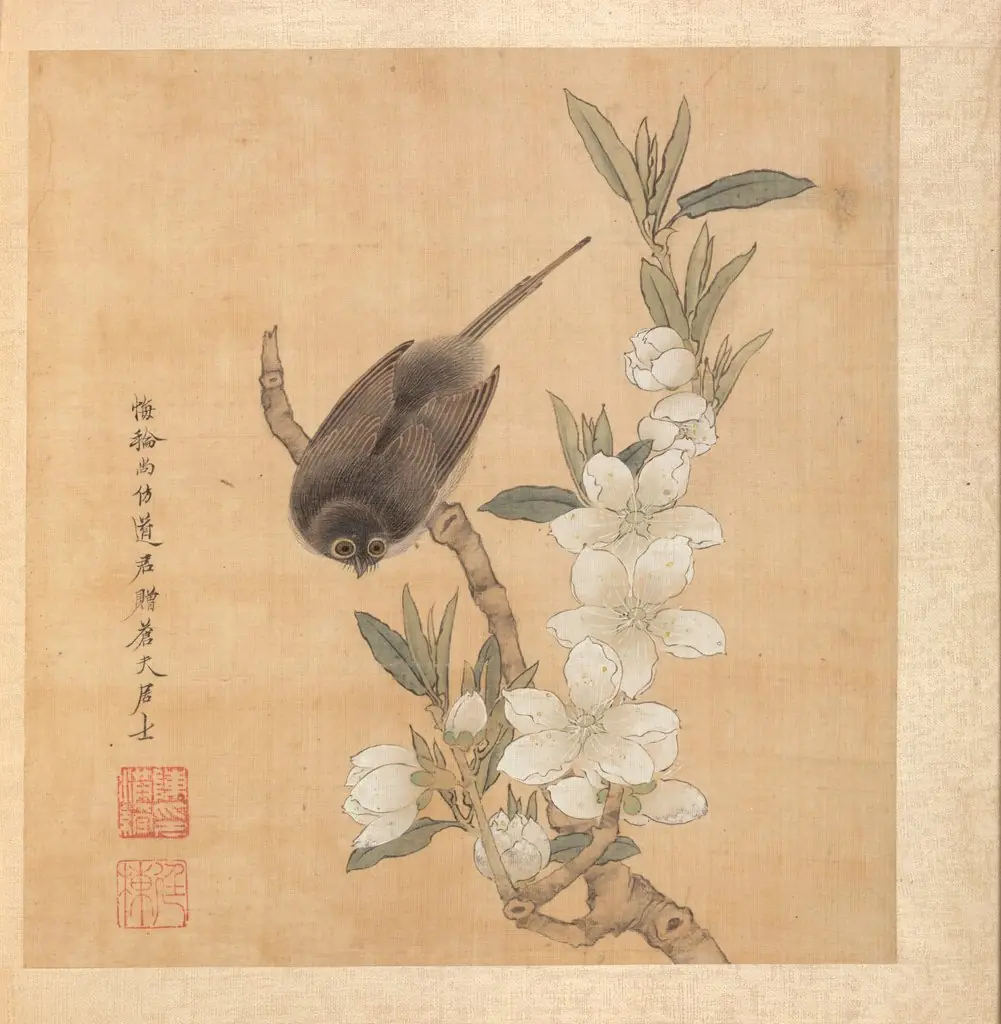 Paintings after Ancient Masters: A Bird and Peach-Blossom Branch
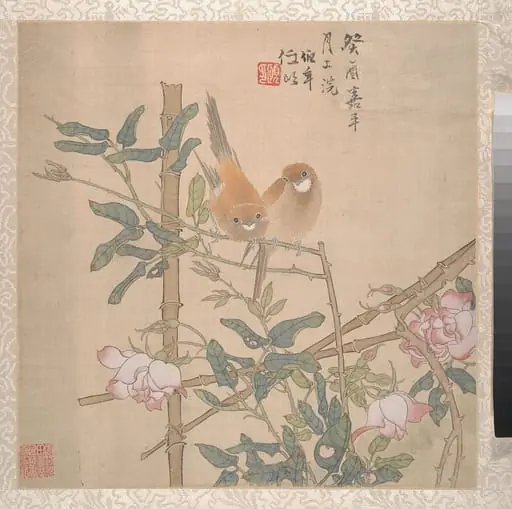 清 任頤 冊頁|Two Birds Perched on a Flowering Rose Bush
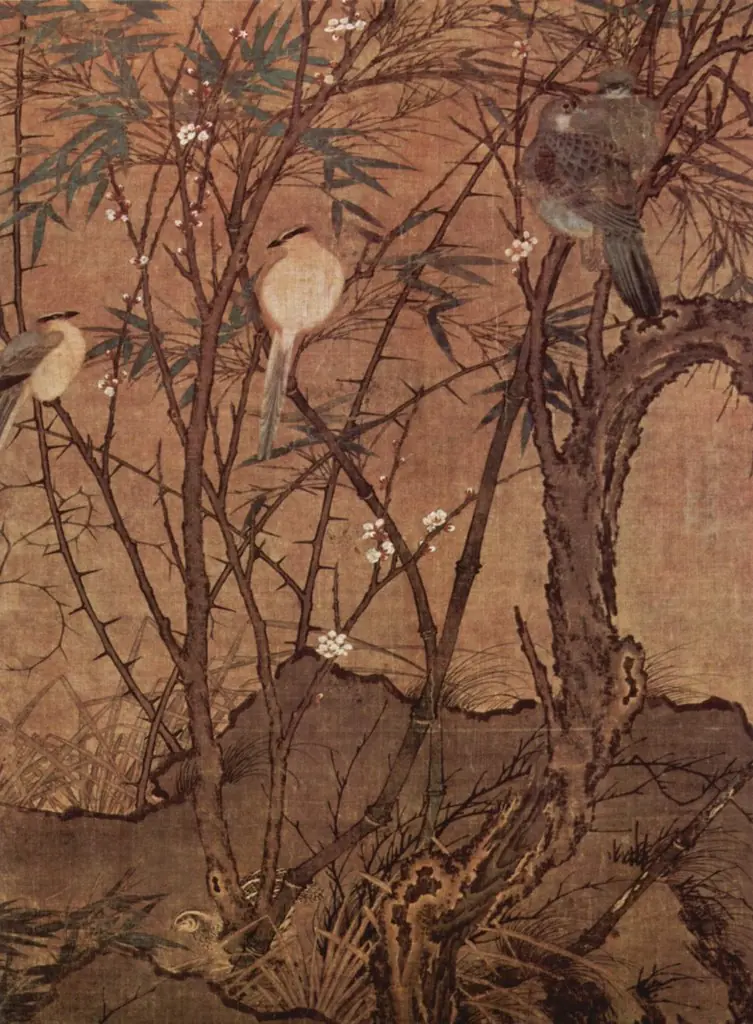 Plum Tree, Bamboo, and a Gathering of Birds
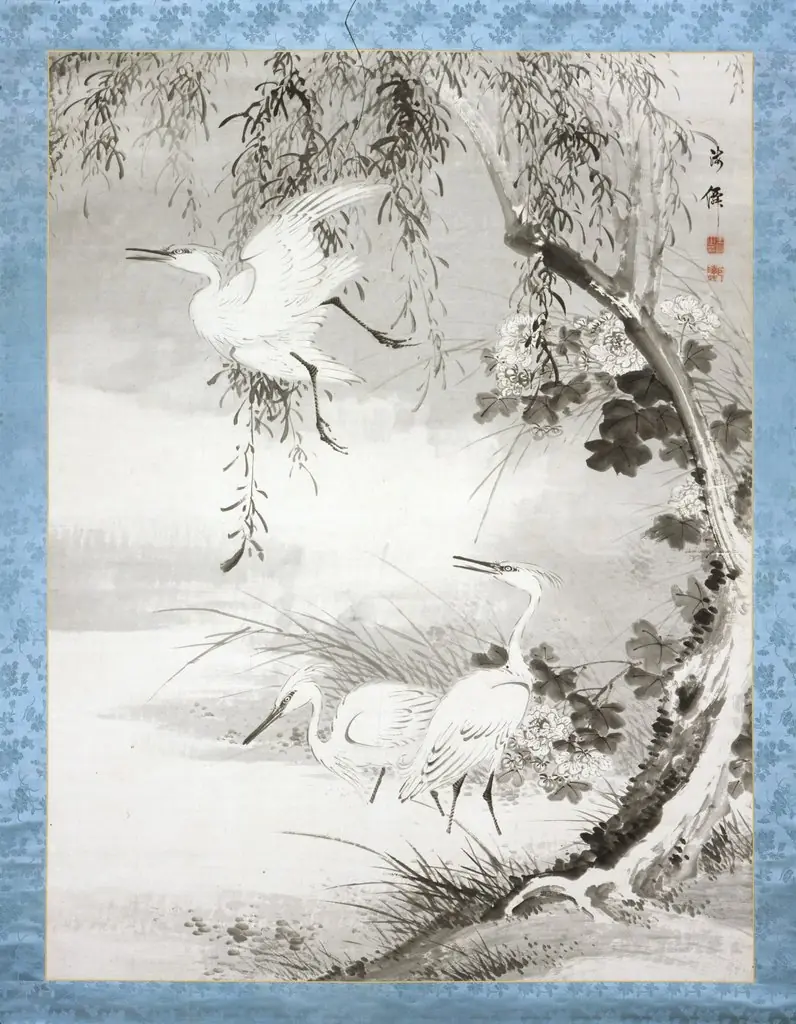 Herons and Willow
 宋繡白鷹 軸