Artwork
Portrait of a Man
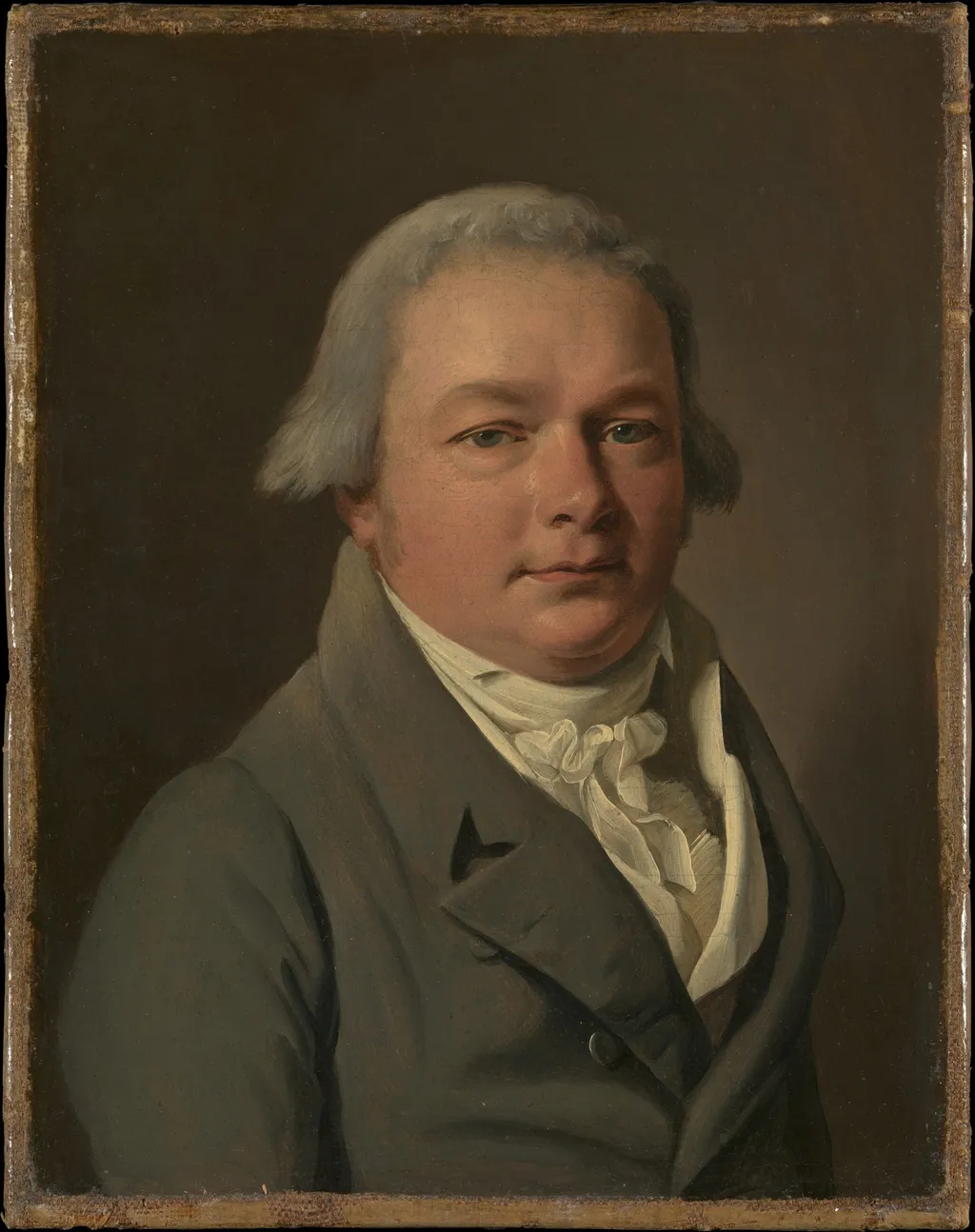
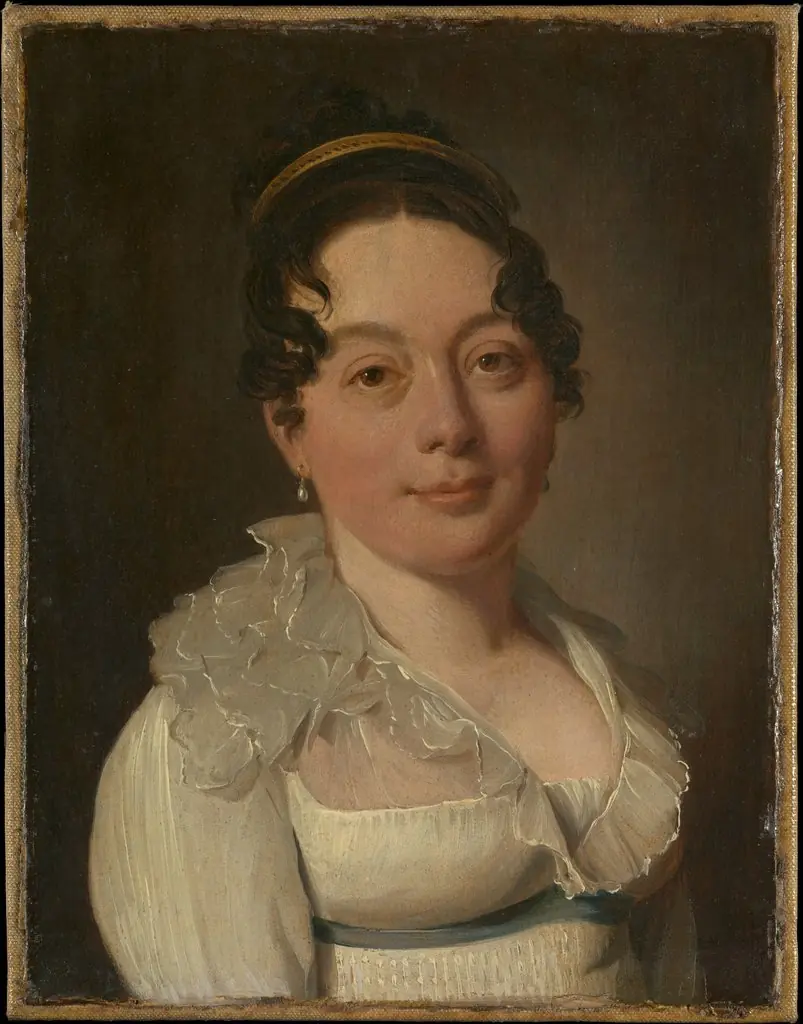
Portrait of a Man is an oil painting by the Neoclassicist artist Louis-Léopold Boilly. It dates from 1813 and is held in the collection of the Metropolitan Museum of Art.
About this work
Technique & Style
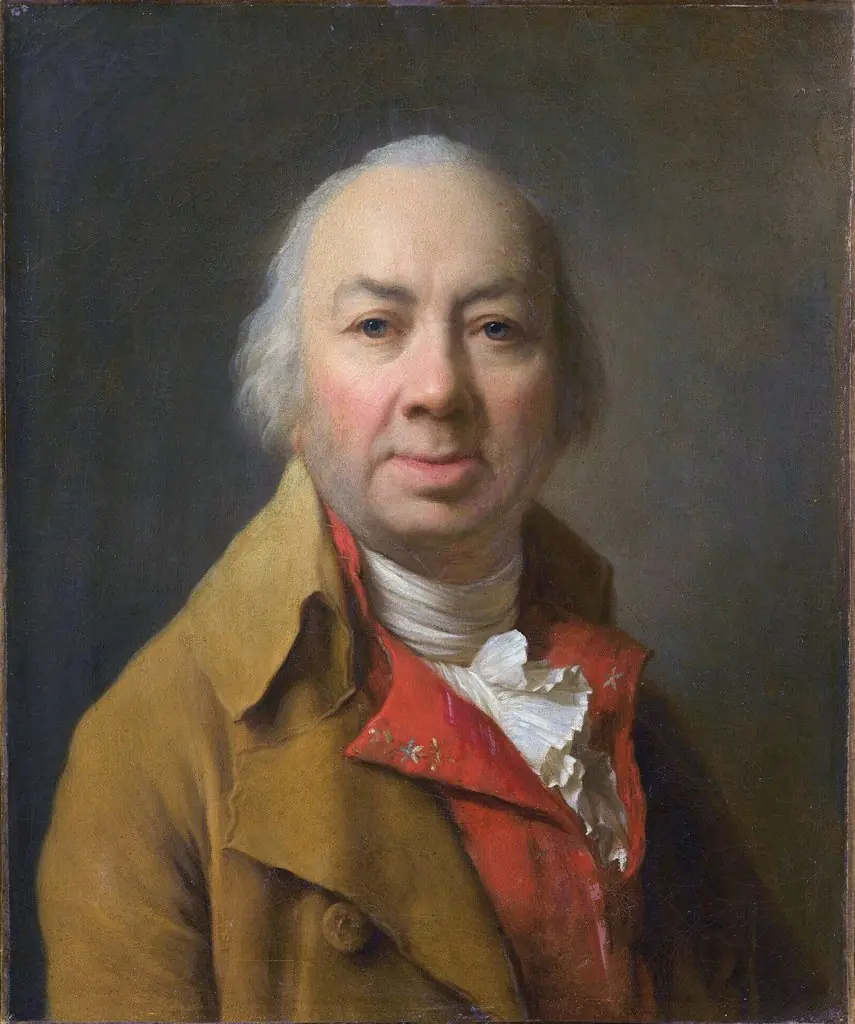
The composition centers on the subject’s direct gaze and composed demeanor, framed by a dark background that isolates the figure.
The painting is executed in oil on a prepared canvas support, measuring 22.2 cm in height and 17.5 cm in width. Boilly’s handling emphasizes smooth, refined transitions in the modeling of the sitter’s features, with delicate glazes applied to achieve subtle tonal gradations in the face and hands. The formal qualities align with the Neoclassical portrait tradition, characterized by clarity of form and restrained palette, while the small scale and intimate focus suggest a private commission.
The composition centers on the subject’s direct gaze and composed demeanor, framed by a dark background that isolates the figure.
History & Provenance
Created by Louis-Léopold Boilly in 1813, the oil-on-canvas portrait depicts an unidentified man. The work was originally owned by Harry G. Sperling before entering the collection of the Metropolitan Museum of Art. While the specific commission details and the full ownership chain prior to Sperling are not detailed in the available records, the painting's inception is firmly dated to the year 1813.
It measures 22.2 centimeters in height and 17.5 centimeters in width. The piece remains part of the museum's holdings, serving as a documented example of Boilly's portraiture from the early nineteenth century.
Portrait of a Man, painted by Louis-Léopold Boilly in 1813, is held in the collection of the Metropolitan Museum of Art. According to Wikidata records, the work was previously owned by Harry G. Sperling before entering the museum's holdings. The painting, executed in oil on canvas, measures 22.2 cm in height by 17.5 cm in width. No specific accession number or exhibition history is documented in the available sources.
Context
The 1813 oil portrait by Louis-Léopold Boilly exemplifies early nineteenth-century French portraiture, combining precise likeness rendering with neoclassical compositional clarity. As documented in the Metropolitan Museum of Art’s records, the work was originally owned by Harry G. Sperling before entering the museum’s collection, underscoring its provenance within prominent private holdings. Boilly’s reputation for detailed genre and portrait scenes is reflected in this painting’s classification as a portrait within the museum’s catalog, positioning it as a representative example of the period’s emphasis on individual representation and refined brushwork.
Overview
This oil painting, titled Portrait of a Man, was created by the French artist Louis-Léopold Boilly in 1813. It presents a singular male figure, rendered with a direct gaze. The work is part of the collection at The Metropolitan Museum of Art, where it offers insight into early 19th-century portraiture.
Subject & Meaning
The painting features a man dressed in a dark brown coat, complemented by a precisely tied white cravat. His round face, framed by short gray hair, conveys a serious demeanor. The artist employs a stark, unadorned background to eliminate distractions, ensuring the viewer's attention remains solely on the sitter's composed presence and expression.
Own this work as a print
Artist & collection
Artist
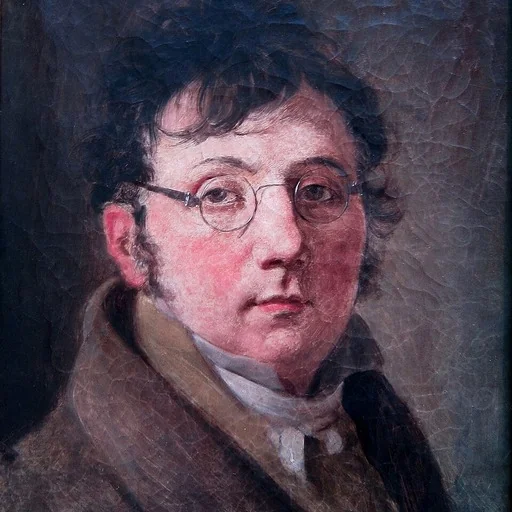
Louis-Léopold Boilly was a French painter and draftsman. A creator of popular portrait paintings, he also produced a vast number of genre paintings documenting French middle-class social life. His life and work spanned…

- Self-Portrait
 Poul Johan Schouw, guvernør i Ostindien
 Portrait of Julian Ursyn Niemcewicz
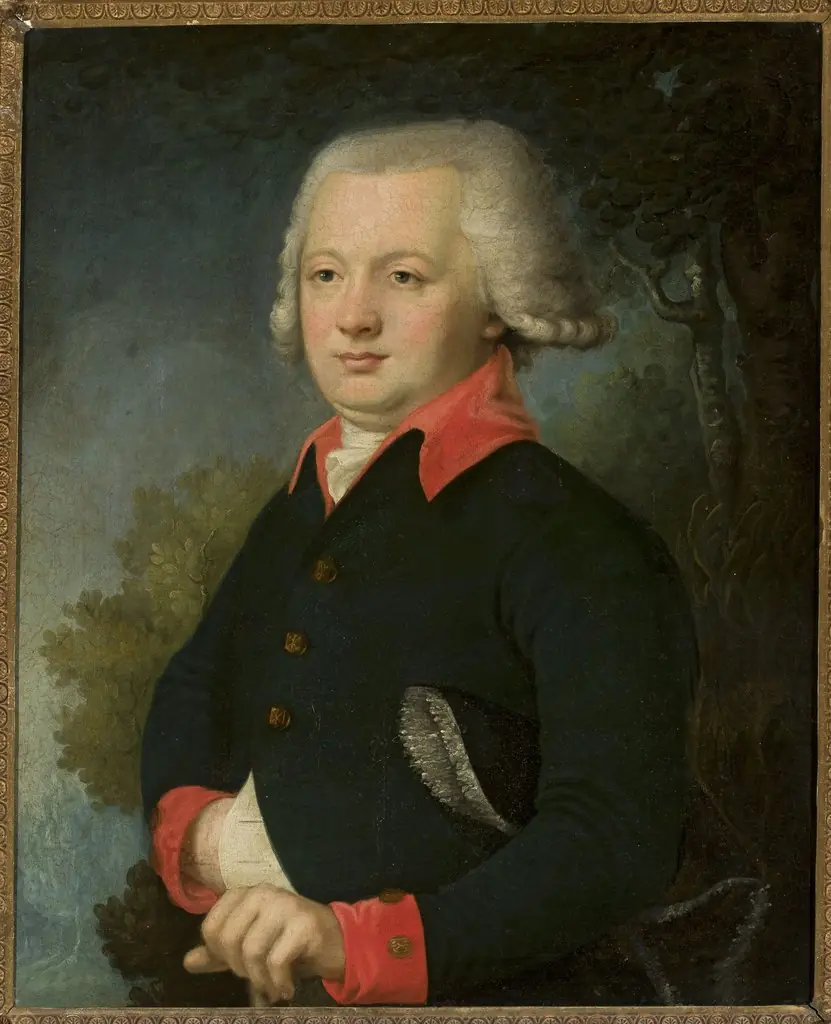 Portrait of a young man
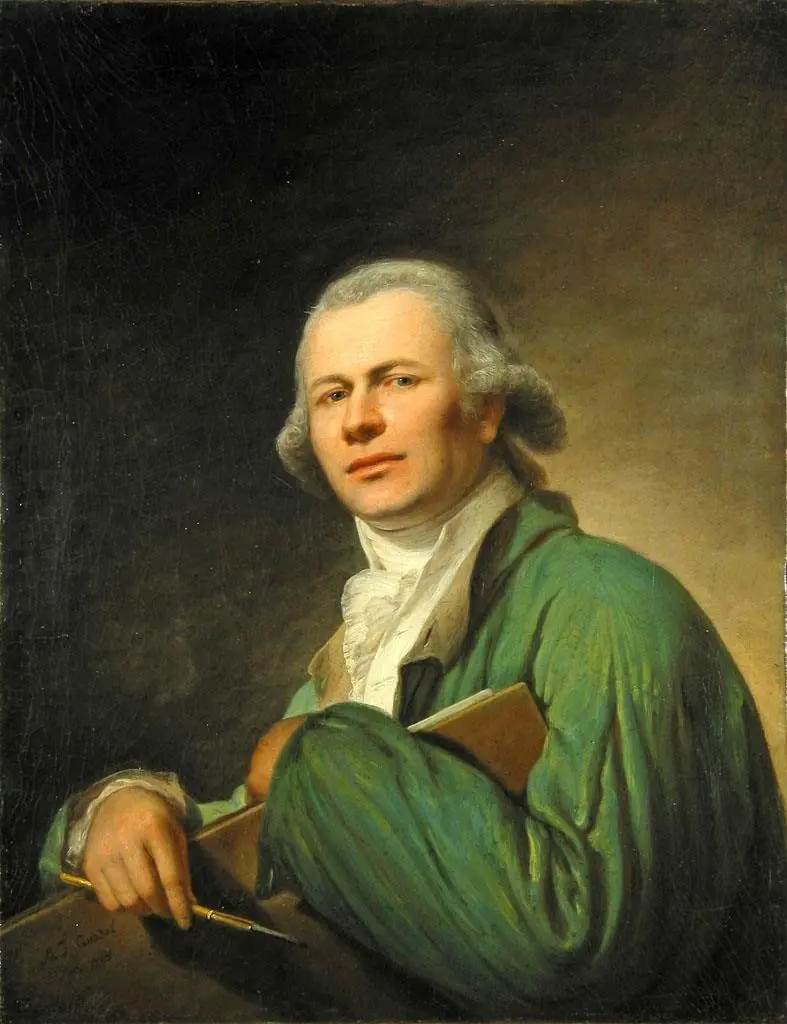 Self Portrait
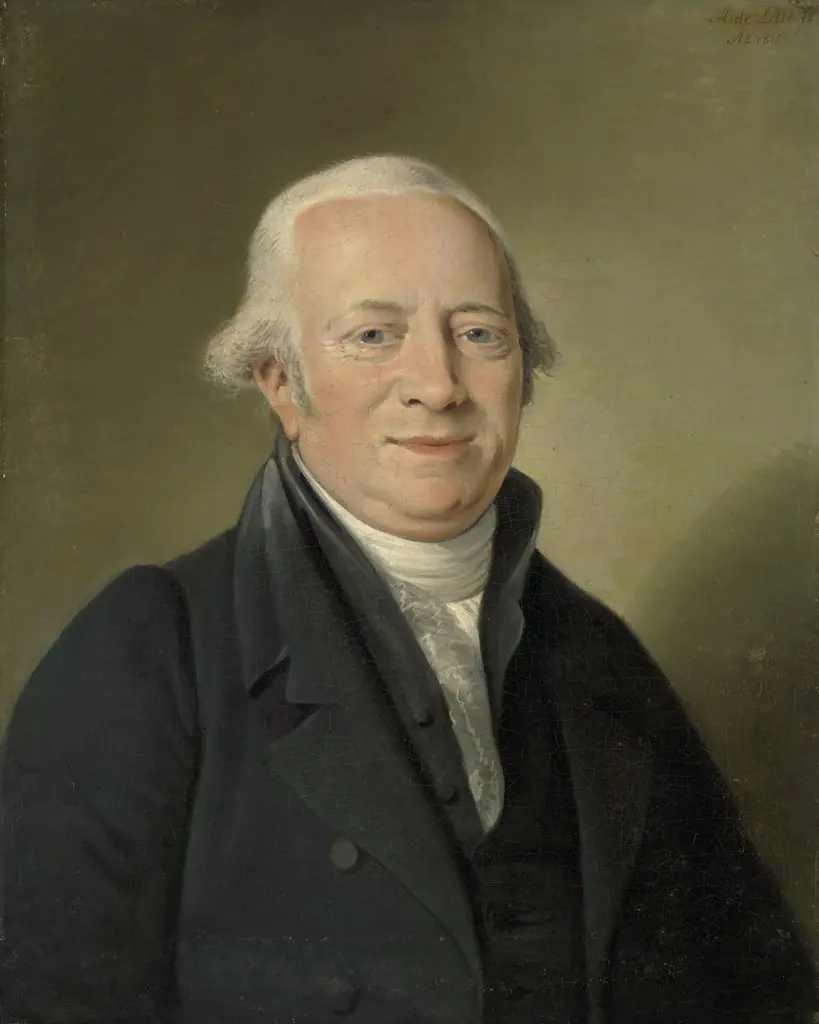 Portrait of Cornelis Sebille Roos, Art Dealer in Amsterdam and Inspector of the National Konst-Gallery and the Huis ten Bosch in The Hague
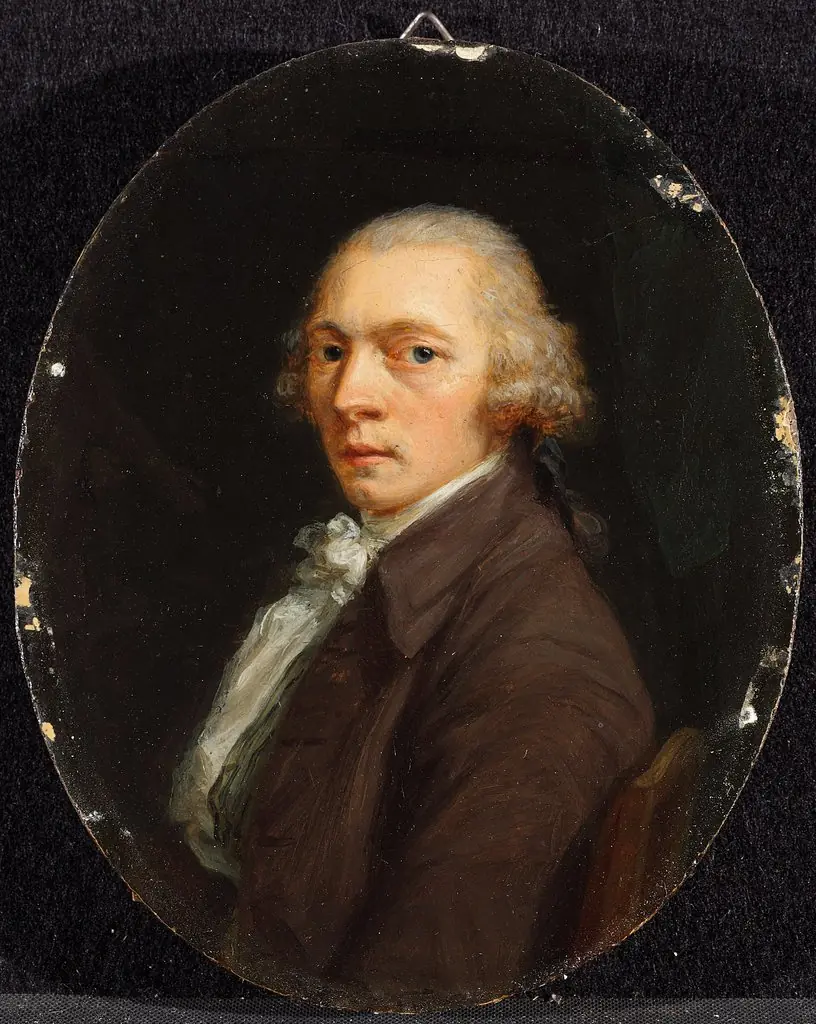 Self-Portrait
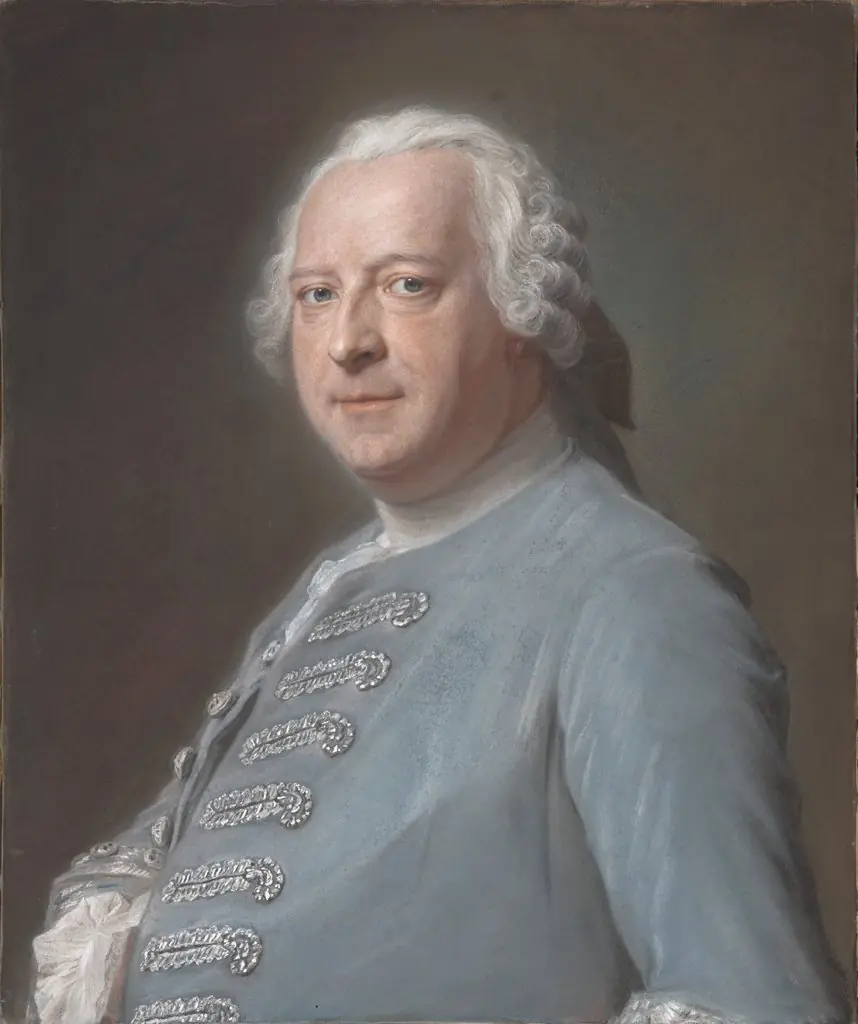 Jean Charles Garnier d'Isle (1697–1755)
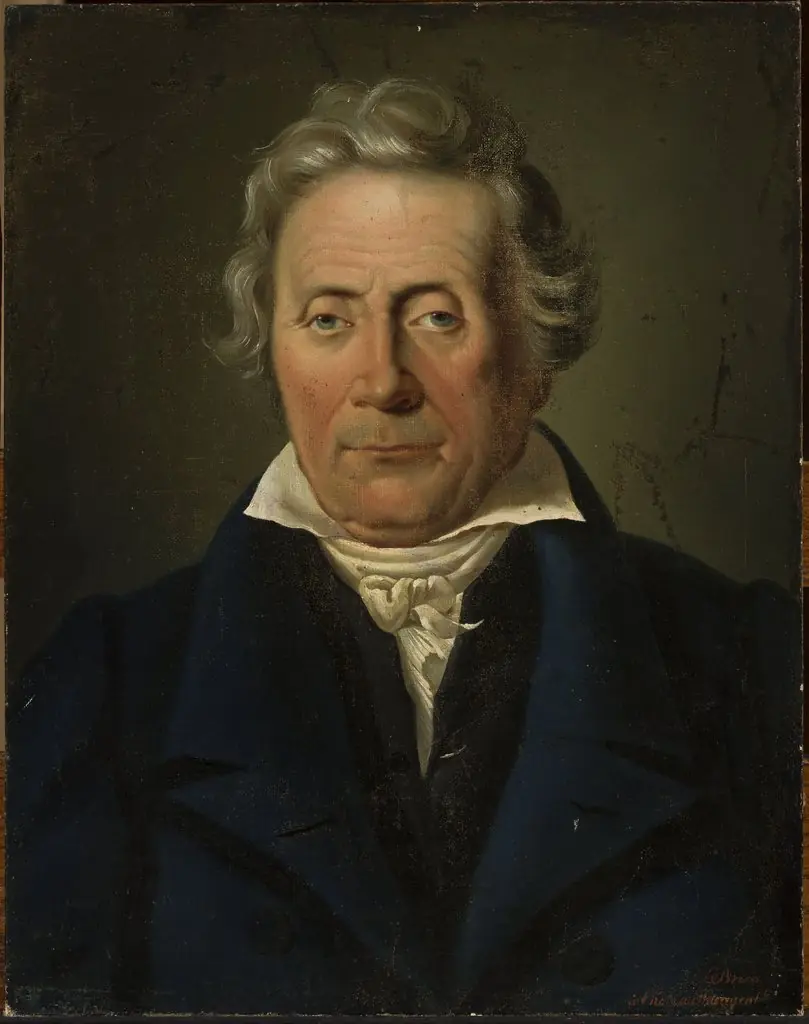 Portrait of Nicolas Demimuid
 Portrait of Cornelis Ploos van Amstel
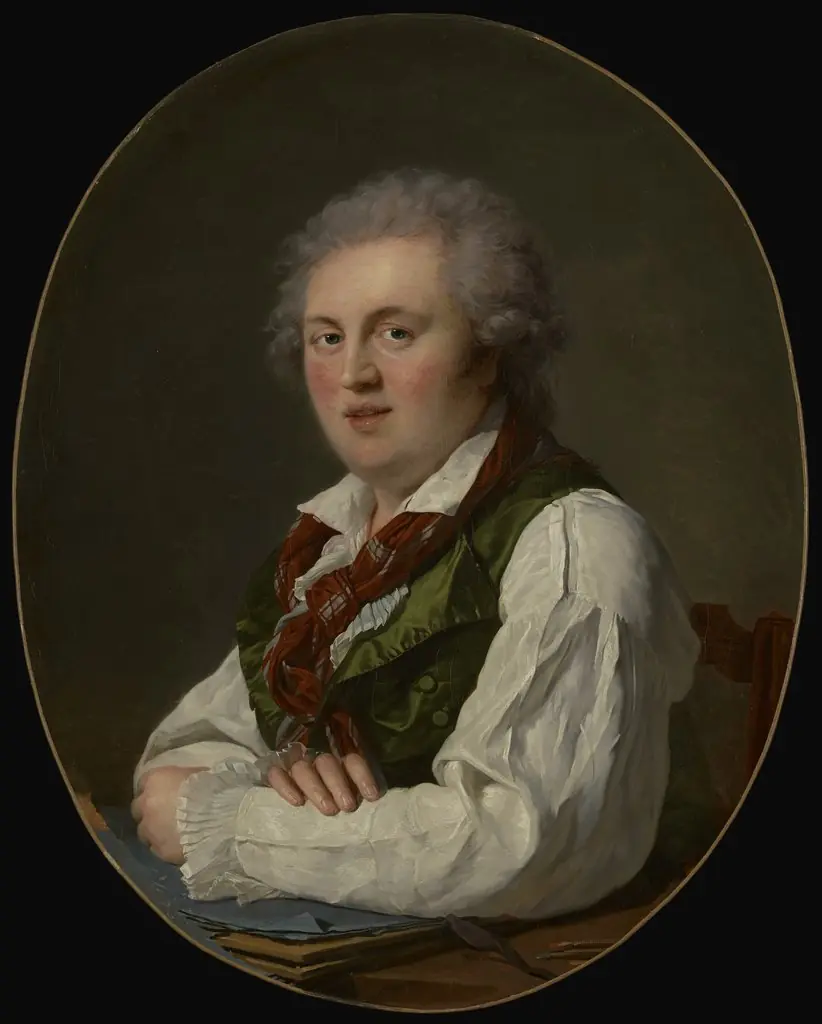 Portrait of Laurent-Nicolas de Joubert
 Self-Portrait