Artwork
Neptune with a seahorse
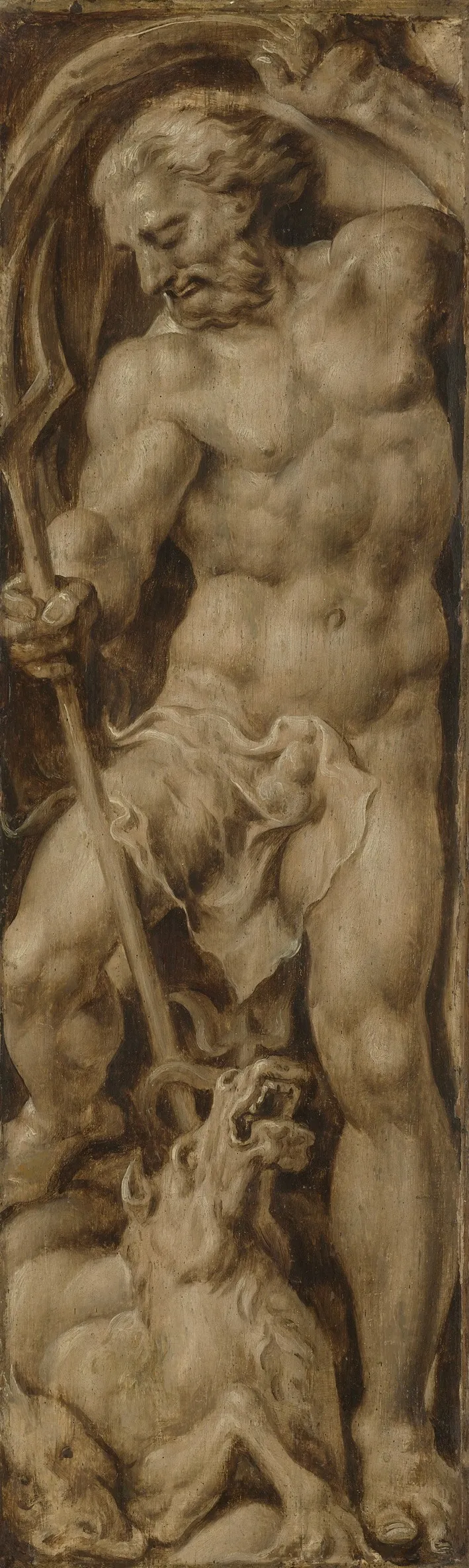
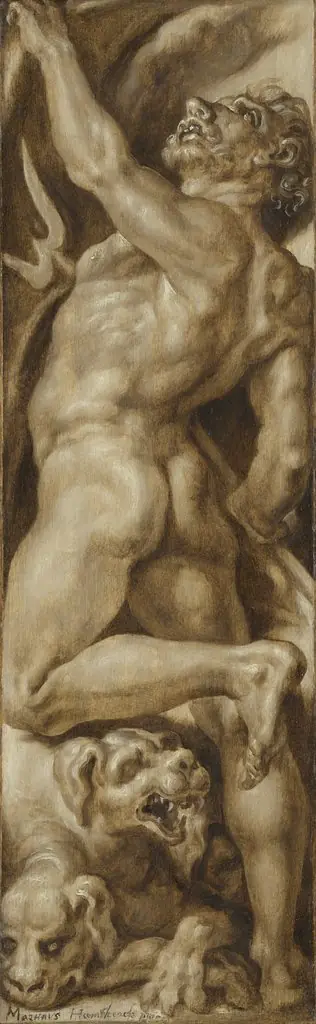
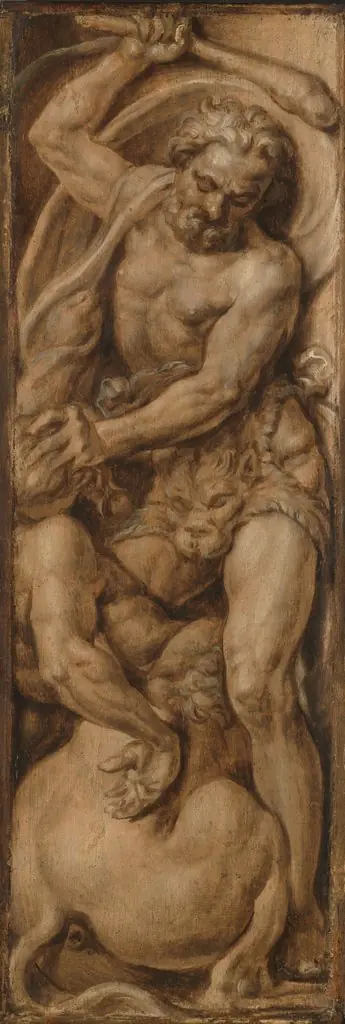
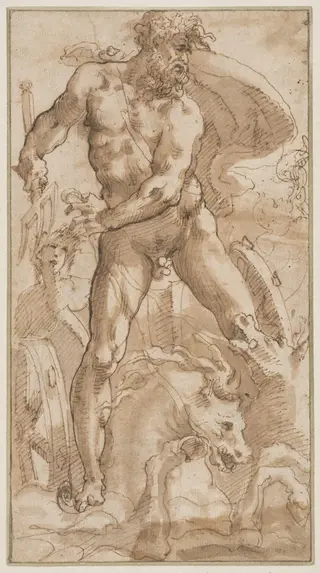
Neptune with a seahorse is an oil painting by the Mannerist artist Maarten van Heemskerck. It dates from 1550 and is held in the collection of the Rijksmuseum.
About this work
Subject & Meaning
Created in 1550, the work utilizes these figures to represent the authority and mythical presence of the deity within the natural world.
The painting depicts Neptune, the Roman god of the sea, accompanied by a hippocamp, a mythological creature with the upper body of a horse and the tail of a fish. This iconography aligns with classical traditions where the sea god is often shown traversing the waters in a chariot pulled by such beasts or riding them directly. The presence of the hippocamp serves as a primary symbol of marine power and the untamed nature of the ocean, reinforcing Neptune's dominion over aquatic realms.
Created in 1550, the work utilizes these figures to represent the authority and mythical presence of the deity within the natural world.
Technique & Style
Executed in 1550, this work by Maarten van Heemskerck is an oil painting created on a wooden panel support. The composition formally depicts the mythological figure Neptune alongside a hippocamp. Physical measurements indicate the panel stands between 46.8 and 54 centimeters in height, with a width ranging from 14.5 to 23.5 centimeters.
The piece is classified within the broader category of painting and utilizes oil paint as its primary medium.
History & Provenance
Neptune with a seahorse was painted by Maarten van Heemskerck in 1550 as an oil work on panel. The composition shows the god Neptune alongside a seahorse and was created during the artist's period in Rome. After its making the painting entered the collection of the Rijksmuseum and the Frans Hals Museum, where it remains today.
The painting is held in the collections of the Rijksmuseum and the Frans Hals Museum.
Its inventory number at the Rijksmuseum is SK-C-1571.
The work was included in the exhibition To Rome Return, which documented its display history as part of the provenance record.
Overview
Created circa 1550 by the Dutch artist Maarten van Heemskerck, this oil painting presents the Roman sea‑god Neptune astride a mythological sea‑horse. Executed in the Mannerist idiom, the work now forms part of the Rijksmuseum’s collection, offering a vivid example of mid‑sixteenth‑century Northern European engagement with classical themes.
Context
The work reflects the broader sixteenth‑century fascination with classical mythology among Northern artists, who often merged Italianate ideals with local sensibilities. Heemskerck’s exposure to Italian art during his travels informed his treatment of mythic subjects, positioning Neptune alongside other contemporary depictions that emphasized heroic anatomy and dramatic lighting.
Artist & collection
Artist
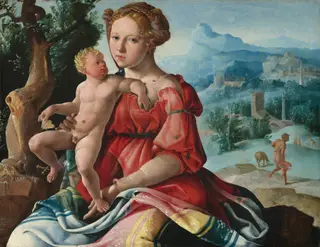
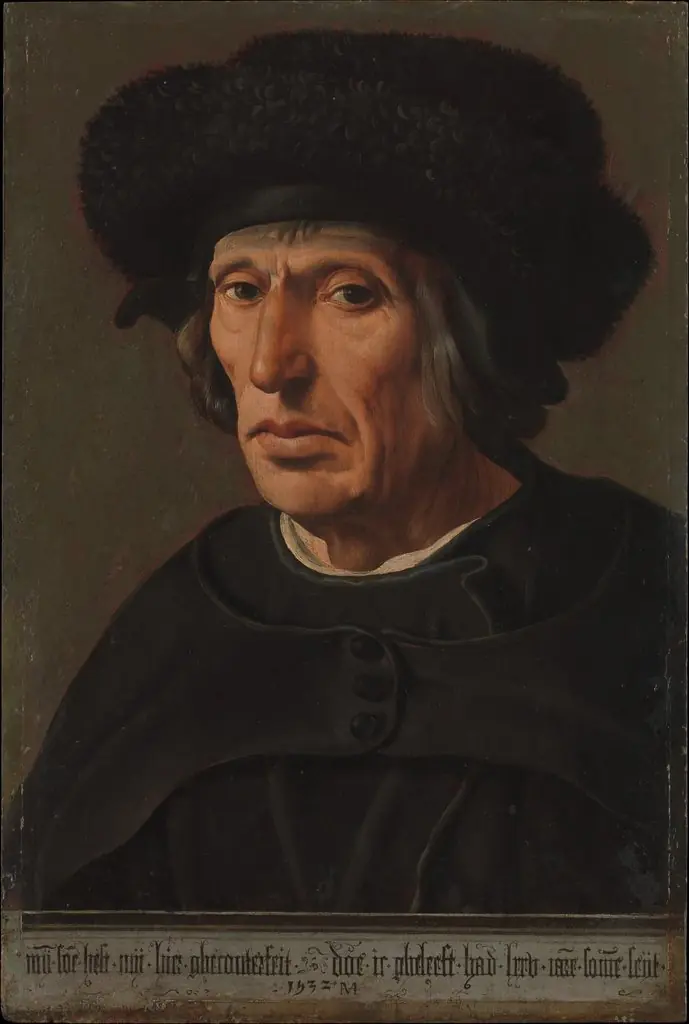
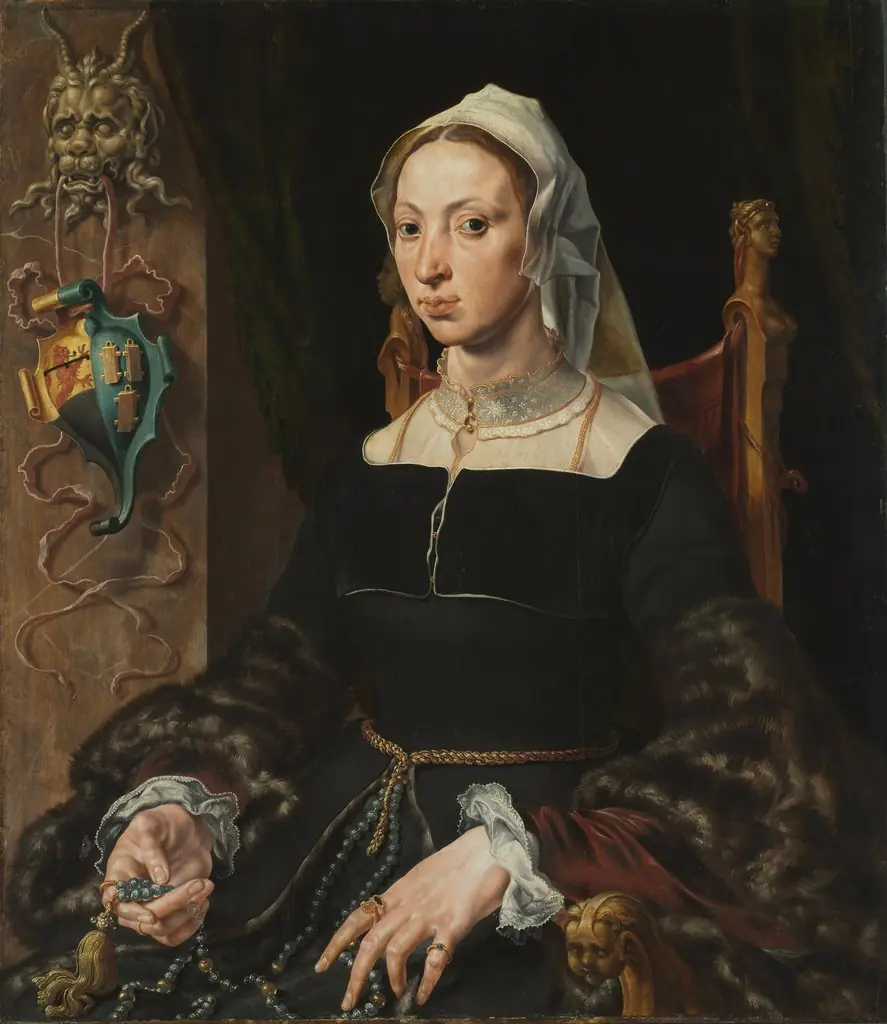
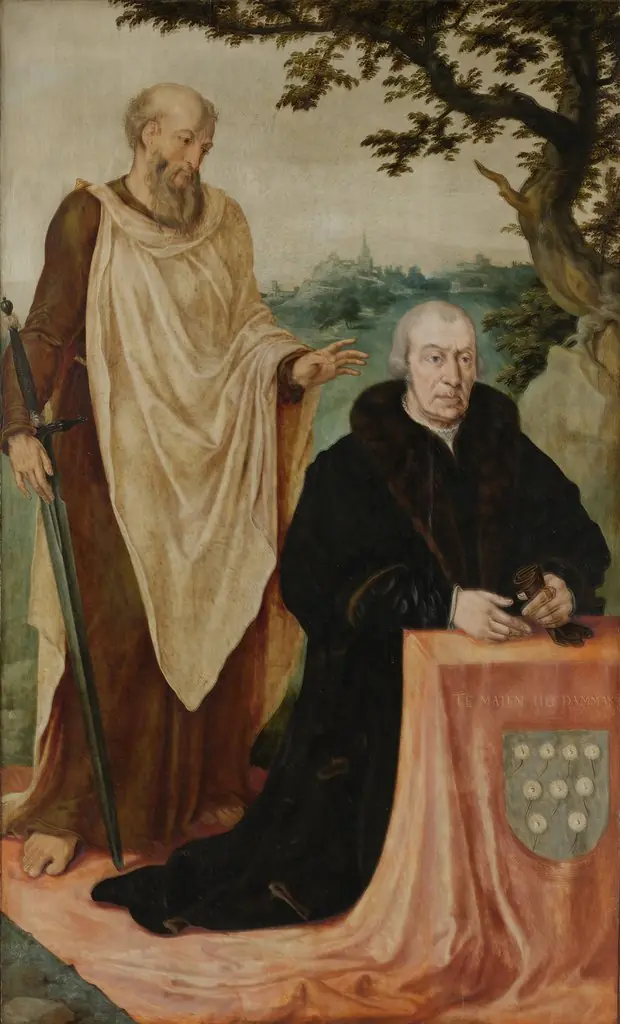
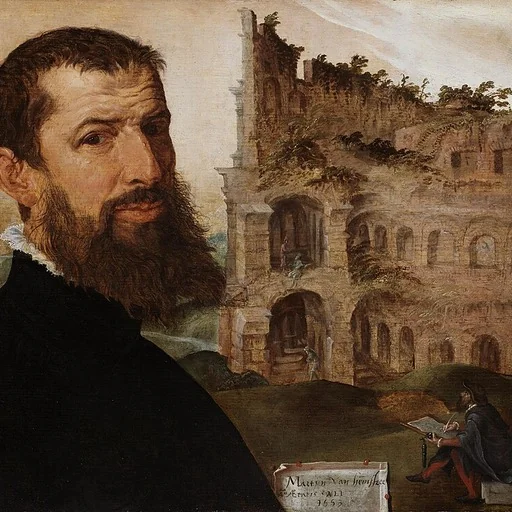
Maarten van Heemskerck (born Maerten Jacobsz van Veen; 1 June 1498 – 1 October 1574), also known as Marten Jacobsz Heemskerk van Veen, was a Dutch portrait and religious painter, who spent most of his career in Haarlem.