Artwork
Pluto and Cerberus
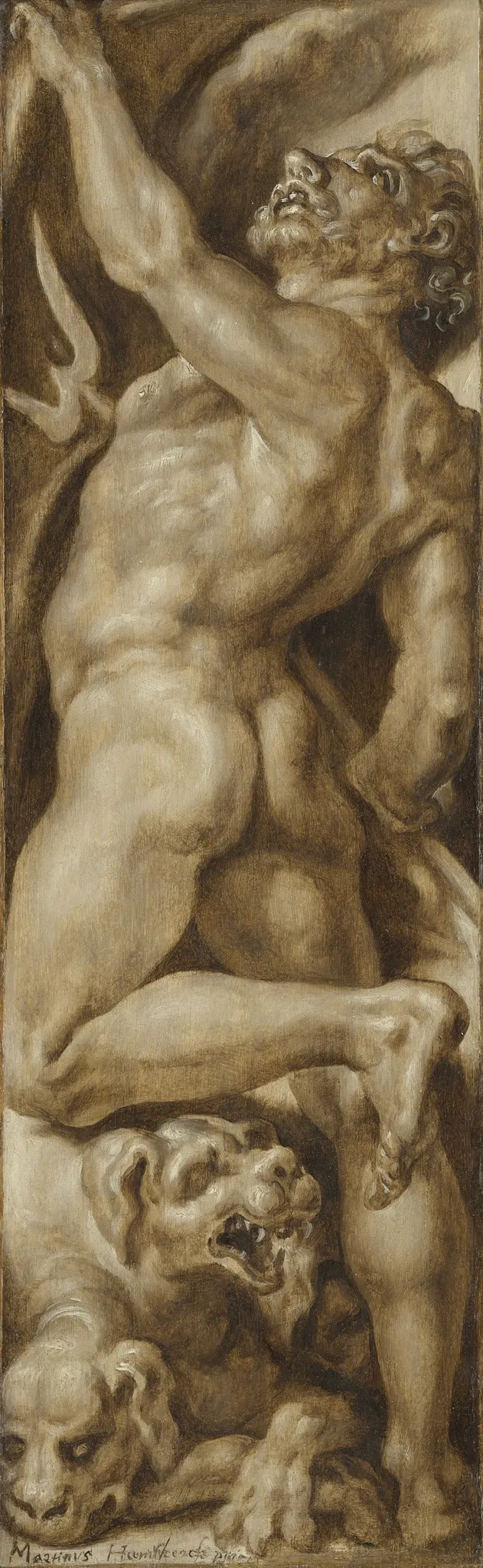
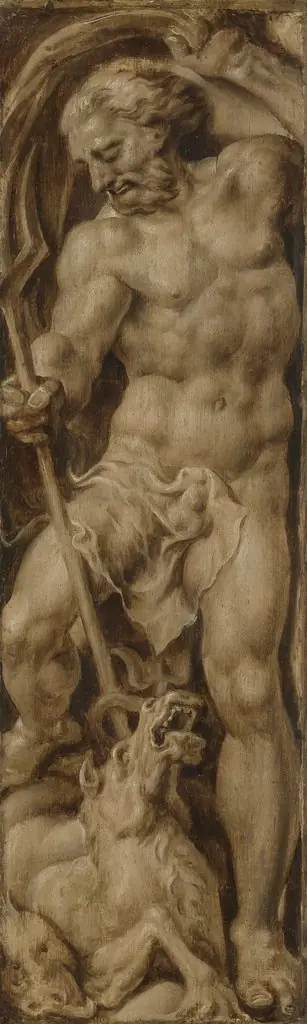
Pluto and Cerberus is an oil painting by the Mannerist artist Maarten van Heemskerck. It dates from 1555 and is held in the collection of the Rijksmuseum.
About this work
Subject & Meaning
Pluto's identification with the lord of the dead, paired with Cerberus as his sentinel beast, conveys the ominous threshold of the classical afterlife.
The painting depicts Pluto, the Roman god of the underworld, accompanied by Cerberus, the multi-headed hound that guarded the gates of Hades. Rendered in oil on panel in 1555 by Maarten van Heemskerck in Haarlem, the work belongs to the mythological genre, situating it within the Northern Renaissance tradition of classical revival.
The narrow vertical format (46.8 by 15.1 cm) suits a focused encounter between the underworld deity and his monstrous attendant, isolating the mythological pairing as the central iconographic subject. Pluto's identification with the lord of the dead, paired with Cerberus as his sentinel beast, conveys the ominous threshold of the classical afterlife.
The work's inclusion in the exhibition "To Rome" reflects the broader cultural significance of such mythological subjects, which carried the prestige of antique learning into Netherlandish art and represented the enduring fascination with Greco-Roman underworld imagery.
History & Provenance
The painting Pluto and Cerberus was created by Maarten van Heemskerck in Haarlem in 1555. Executed in oil paint on a panel, the work measures 46.8 cm in height and 15.1 cm in width. It depicts the mythological figure Pluto and is classified as a mythological painting. The artwork is currently held in the collection of the Rijksmuseum.
Overview
Maarten van Heemskerck’s Pluto and Cerberus (1555) is an oil painting that presents a dramatic encounter from classical mythology. Executed in the mid‑sixteenth century, the work is part of the Rijksmuseum’s collection and exemplifies the artist’s mature style after his formative years in Italy.
Technique & Style
Heemskerck employs a robust impasto, especially on the muscular flesh of the god and the shaggy fur of Cerberus, giving the forms a near‑sculptural presence. Stark chiaroscuro creates deep contrasts between warm brown tones and deep shadows, heightening the three‑dimensional effect characteristic of Mannerist exaggeration.
Context
Pluto and Cerberus reflects the Mannerist movement’s preference for elongated forms and heightened drama, diverging from the balanced naturalism of the High Renaissance. Heemskerck’s choice of a mythological subject aligns with contemporary Northern European interest in classical themes, filtered through his Italian experience.
Artist & collection
Artist
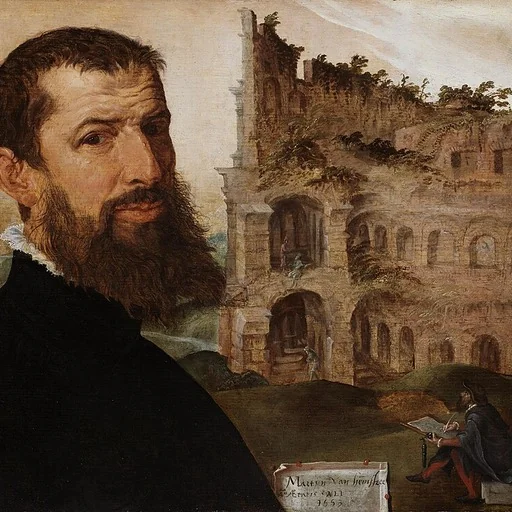
Maarten van Heemskerck (born Maerten Jacobsz van Veen; 1 June 1498 – 1 October 1574), also known as Marten Jacobsz Heemskerk van Veen, was a Dutch portrait and religious painter, who spent most of his career in Haarlem.

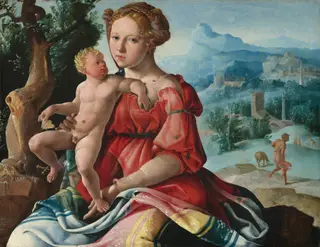 The Rest on the Flight into Egypt
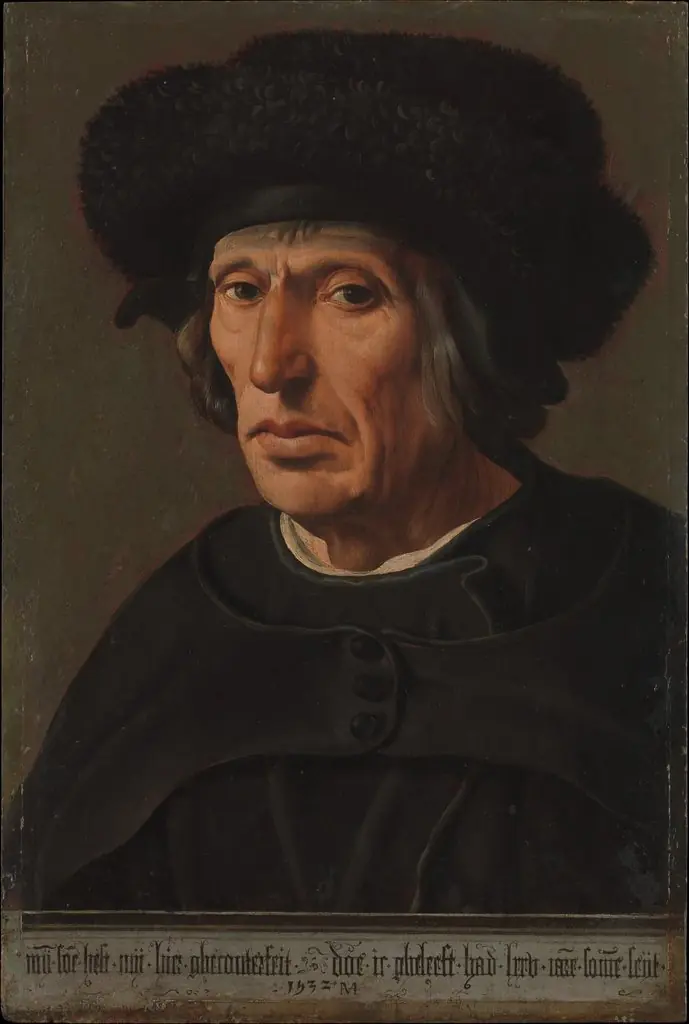 Jacob Willemsz. van Veen (1456–1535), the Artist's Father
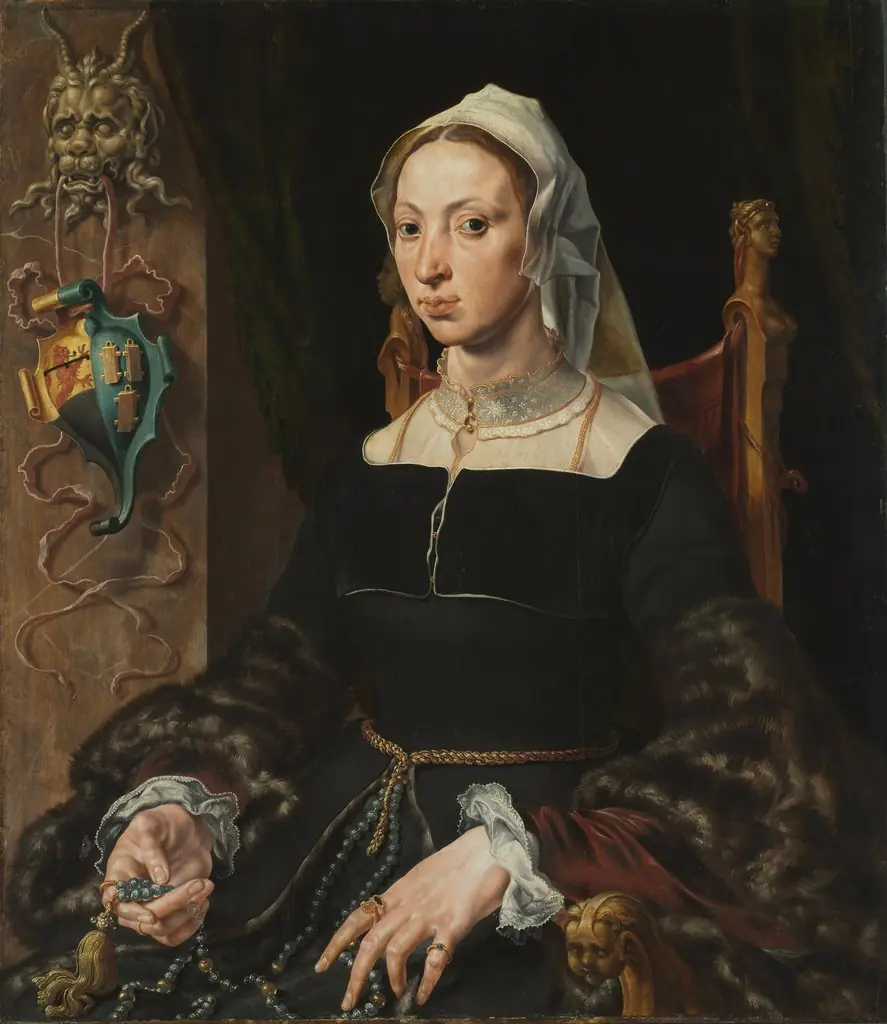 Portrait of Machtelt Suijs
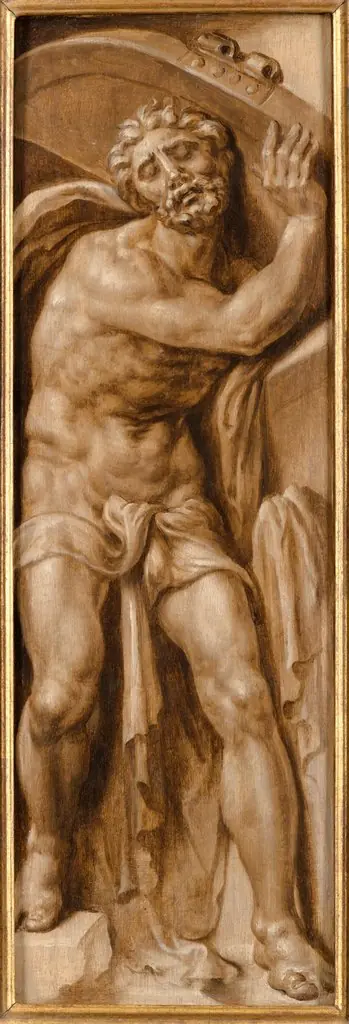
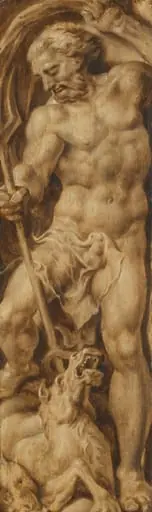 Triomf van het geloof: Neptunus
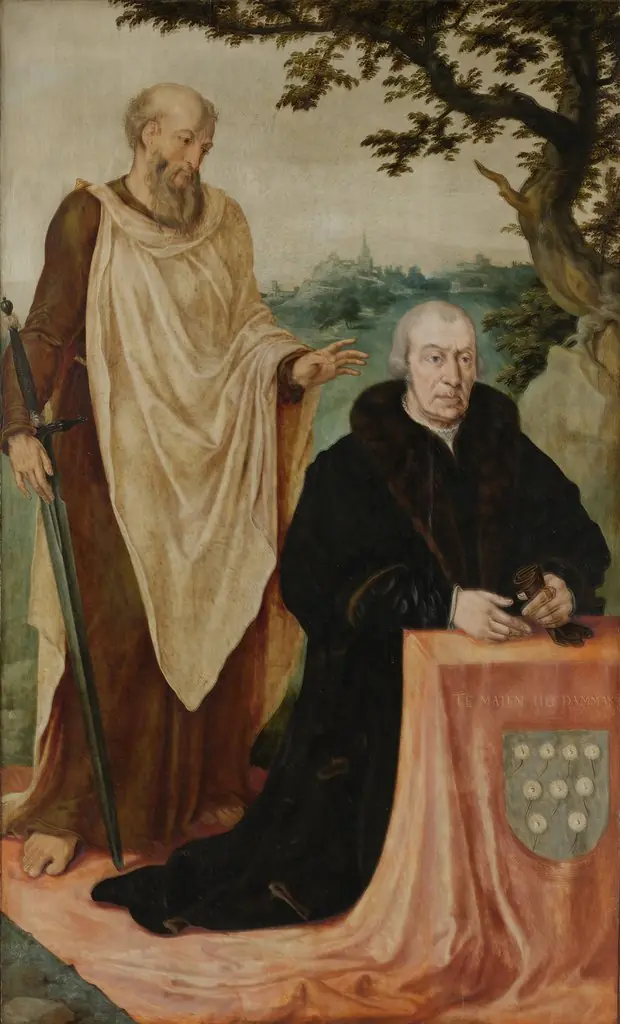 Left wing of a triptych with the donor Matelief Dammasz and St Paul (inner wing)
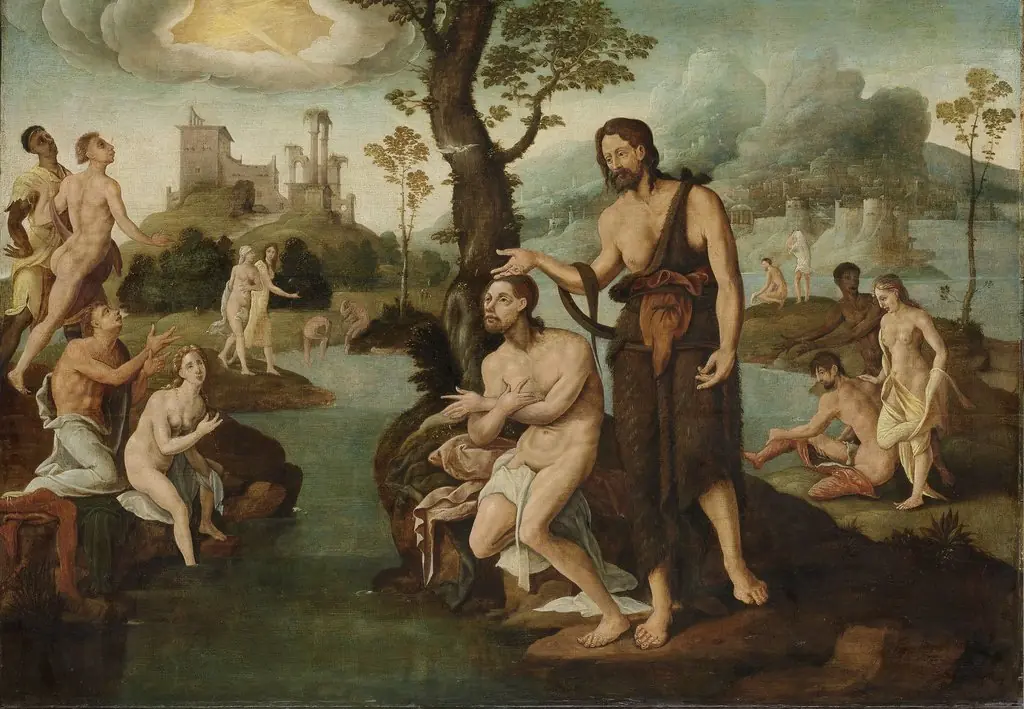 The Baptism of Christ
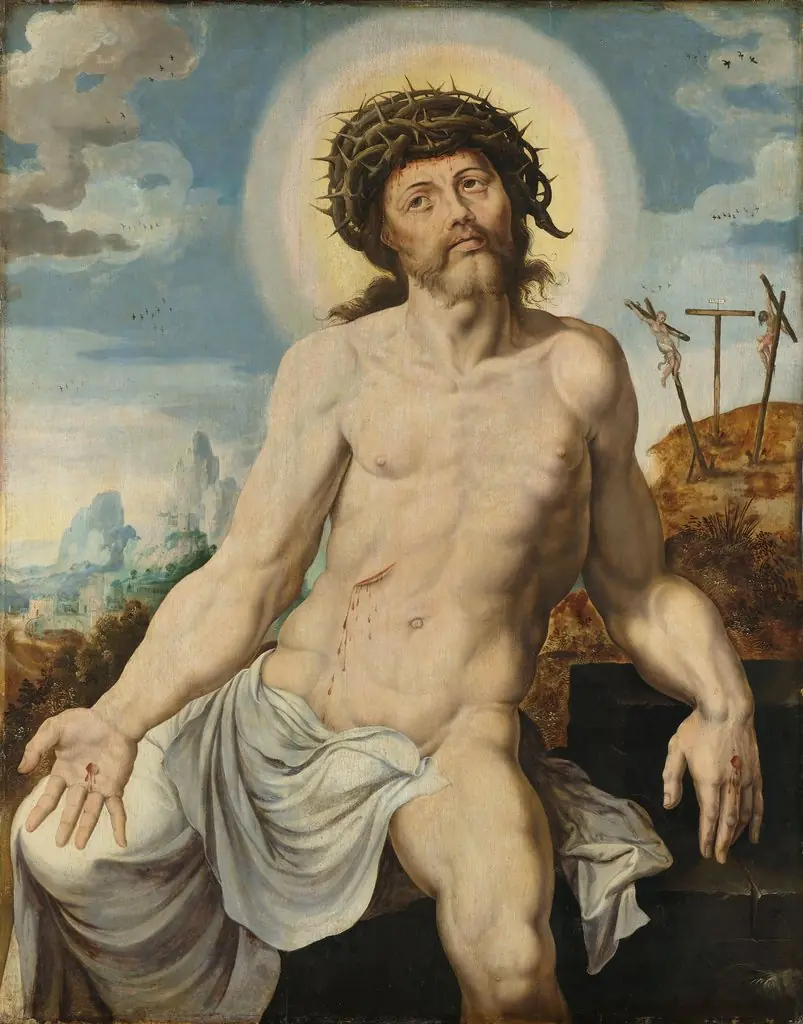 Christ as the Man of Sorrows
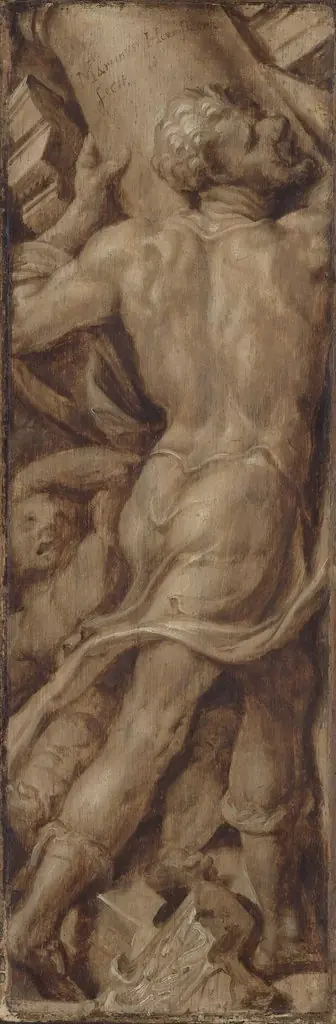 Samson destroying the Temple
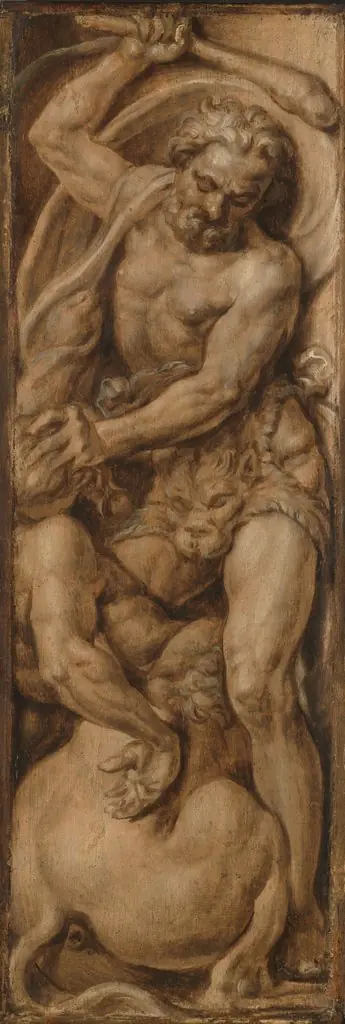
![Nude Man Seen from Behind [verso], by Palma il Giovane](https://artifactworldgallery.com/img/palma-il-giovane--nude-man-seen-from-behind-verso--2de266ff199c839b-w320.webp)