Artwork
Untitled
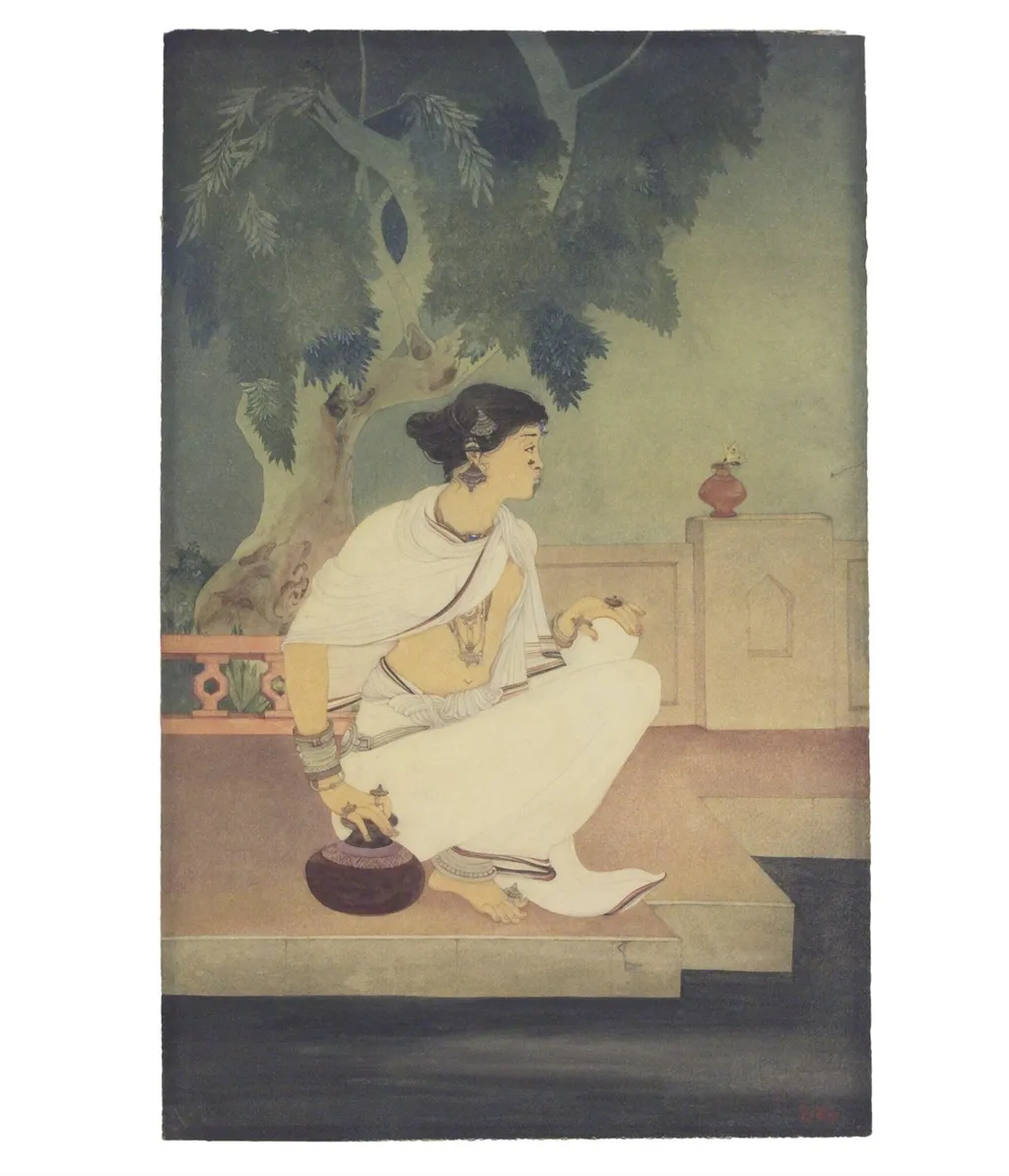
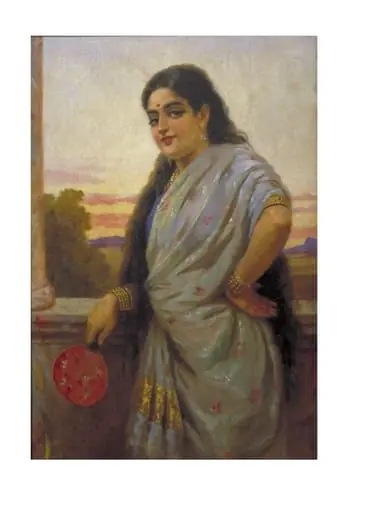
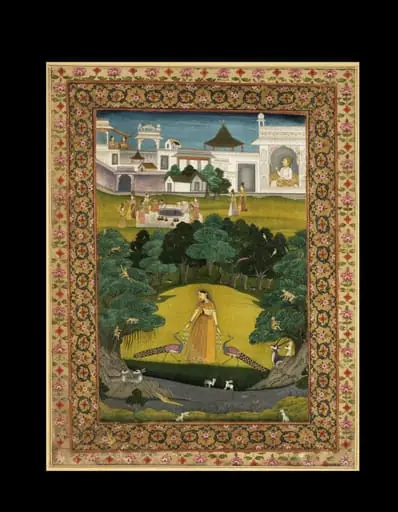
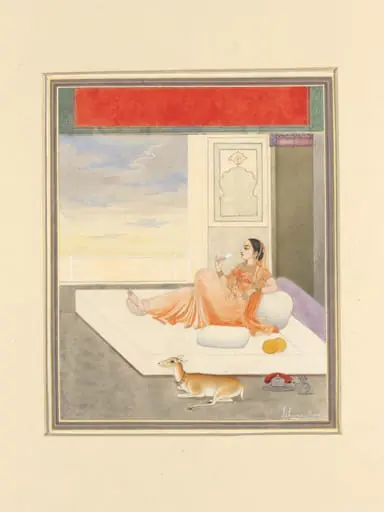
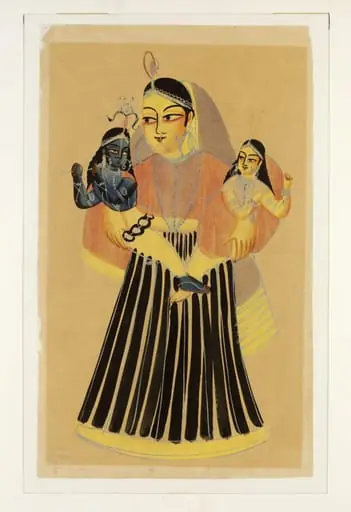
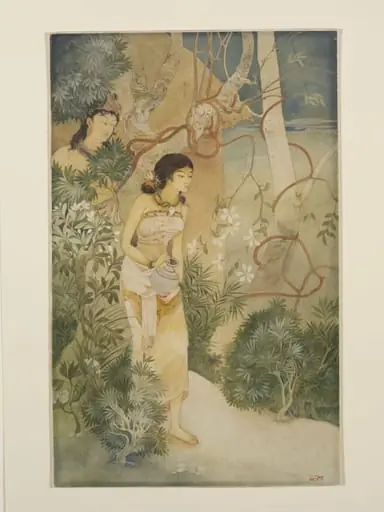
Untitled is a paint painting by the Bengal School artist Kshitindranath Majumdar. It dates from 1910 and is held in the collection of the Victoria and Albert Museum.
About this work
Overview
Rendered in muted tones and delicate contours, the scene conveys stillness rather than narrative action.
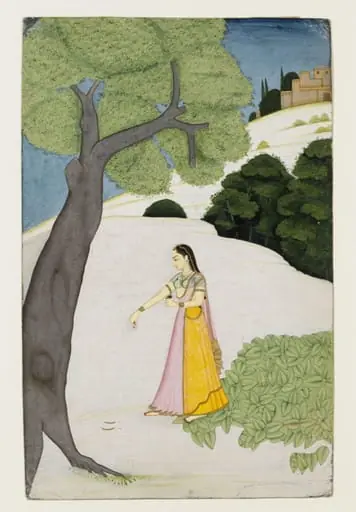
This painting, created by Kshitindranath Majumdar in early 20th-century Bengal, portrays a solitary woman seated beneath a tree on a terraced edge overlooking water. Rendered in muted tones and delicate contours, the scene conveys stillness rather than narrative action. The artist’s focus on quiet domestic solitude reflects broader aesthetic priorities of the Bengal School, which sought to distance itself from colonial academic styles through indigenous visual languages.
Subject & Meaning
The figure, clad in a white sari and holding a lota, evokes themes of purity and ritual intimacy. The waterpot, a common domestic and ceremonial object, suggests an unspoken moment of pause, perhaps preparation for worship or reflection. The setting, neither urban nor explicitly sacred, implies a private spiritual space, aligning with Vaishnavite ideals of devotion expressed through everyday stillness rather than grand mythological scenes.
Technique & Style
Majumdar employs soft, flattened forms and subtle gradations of color, avoiding sharp modeling or dramatic contrast. The elongated posture of the figure and the rhythmic flow of the sari folds recall influences from Ajanta murals and East Asian ink traditions. Background elements, tree, terrace, water, are simplified into suggestive shapes, emphasizing atmosphere over detail, reinforcing a meditative tone.
History & Provenance
Produced during the height of the Bengal School’s influence, this work emerged from a cultural movement seeking to revive Indian artistic identity through pre-colonial aesthetics. Majumdar, a key figure in this circle, rarely strayed from literary and devotional subjects. The painting’s provenance traces to private collections in Bengal before entering institutional holdings, including the Victoria and Albert Museum, which preserves several of his works.
Context
In early 1900s Bengal, artists like Majumdar rejected Western naturalism in favor of revived Indian and Asian traditions. The Bengal School’s emphasis on spiritual quietude, poetic symbolism, and handcrafted surfaces responded to nationalist sentiment and a desire for cultural autonomy. This painting exemplifies that ethos: a personal, contemplative image rooted in regional visual heritage rather than imperial artistic norms.
Legacy
Majumdar’s restrained compositions and spiritual subject matter influenced later generations of Indian modernists who sought to reconcile tradition with modern expression. Though less widely known than contemporaries like Abanindranath Tagore, his work contributed to a sustained reimagining of Indian painting as introspective and culturally grounded, shaping the trajectory of 20th-century Indian art beyond nationalist rhetoric.
Artist & collection
Artist
Kshitindranath Majumdar painted Indian scenes around 1910–1920, when art often told stories from ancient texts.