Movement
Bengal School
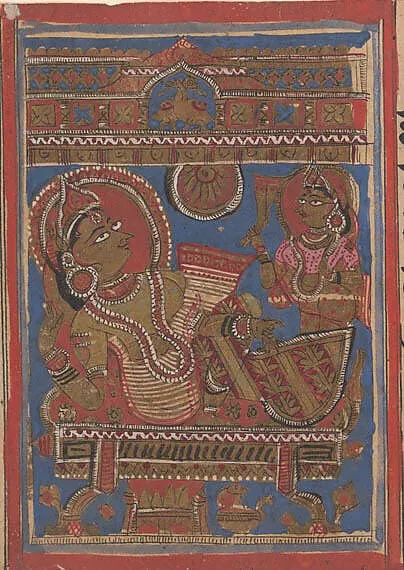
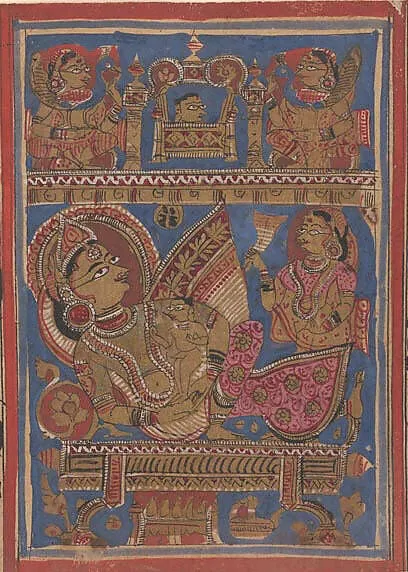
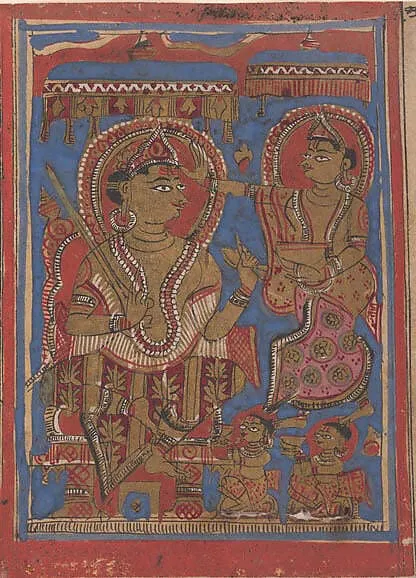
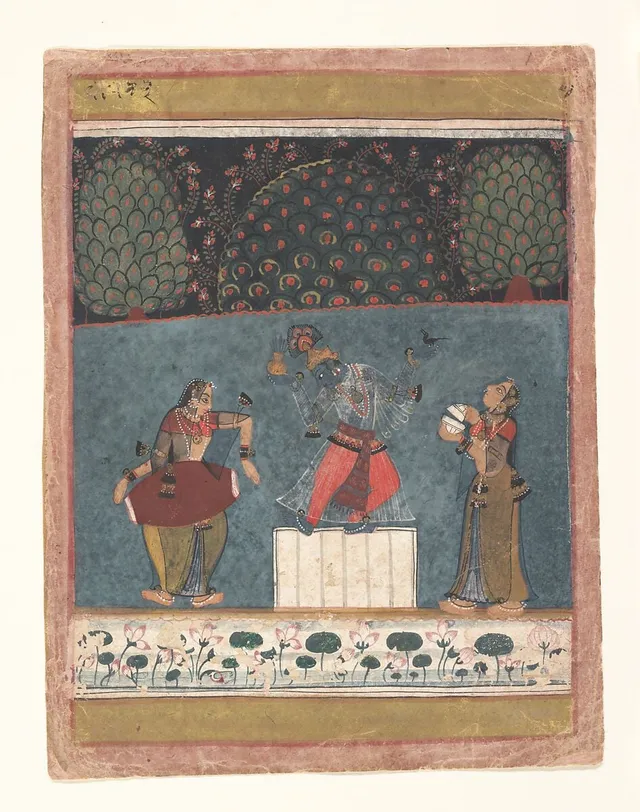
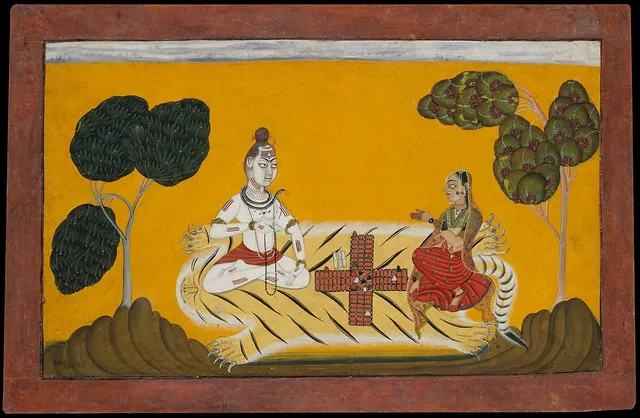
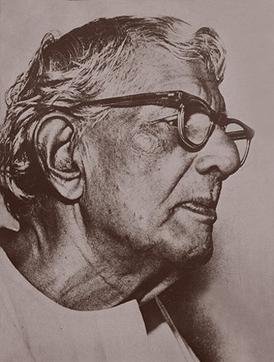
Bengal School is an art movement of the 1900–1920 period. The gallery holds 128 works in this movement, including works by Shri Gobinda Chandra Roy, Jamini Roy and Abanindranath Tagore. Browse Bengal School paintings, portraits, pictures and artworks from the world's public-domain museum collections.
The Bengal School of Art emerged in Calcutta around 1905, India's first self-consciously modern art movement and the first to mount a sustained challenge to the European academic naturalism imposed through colonial art schools. Its catalyst was a partnership between Abanindranath Tagore (1871–1951)—nephew of the poet Rabindranath Tagore—and E.B. Havell, the British principal of the Calcutta School of Art, who encouraged his students to abandon Victorian oil painting and study India's own Mughal miniatures, Rajput painting, and the Ajanta murals. The timing was political: the movement crystallised alongside the Swadeshi agitation against the 1905 partition of Bengal, and its revivalist programme—recovering an indigenous visual language against imperial taste—made it the artistic arm of cultural nationalism.
Stylistically the Bengal School favoured intimacy and atmosphere over academic illusionism. Its signature was the "wash" technique, in which thin, translucent layers of watercolour were built up on dampened paper—a method Abanindranath and his brother Gaganendranath adapted from Japanese painters connected to the theorist Okakura Kakuzō. The results were small in scale, softly modelled, lyrical, and often spiritual or mythological in subject, with flowing drapery and tonal haze recalling Ajanta and Mughal precedents rather than European chiaroscuro.
Abanindranath's *The Passing of Shah Jahan* (1902), showing the dying emperor gazing toward the Taj Mahal, established his reputation, while his *Bharat Mata* (1905)—India personified as a serene four-armed goddess—became an enduring icon of the independence struggle. His pupils carried the idiom across the subcontinent: Nandalal Bose (1882–1966), later head of art at Santiniketan and designer of imagery for the freedom movement; Kshitindranath Majumdar, whose tender Vaishnava devotional figures extended his master's romanticism; and Gaganendranath Tagore, who moved toward Cubist experiment. The Indian Society of Oriental Art, founded in 1907, gave the circle its institutional and publishing base.
The school's dominance faded through the 1920s and 1930s as a new generation found its sentimental archaism limiting. Jamini Roy (1887–1972), academically trained but disenchanted, broke decisively toward the bold flat outlines of Bengali folk painting, while artists such as Rabindranath Tagore and, later, the Progressives pursued international modernism. Yet the Bengal School's core assertion—that a modern Indian art could be built from Indian sources—shaped the entire trajectory of twentieth-century Indian painting.
Key artists

Works
 Untitled
 Untitled
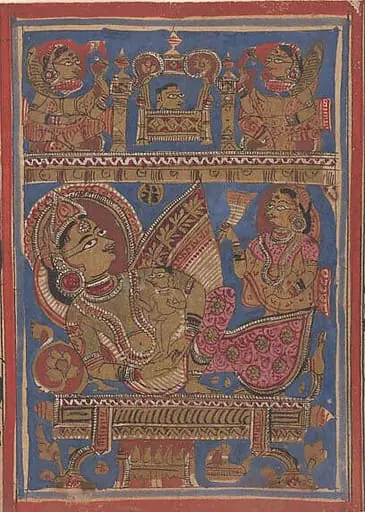 Untitled
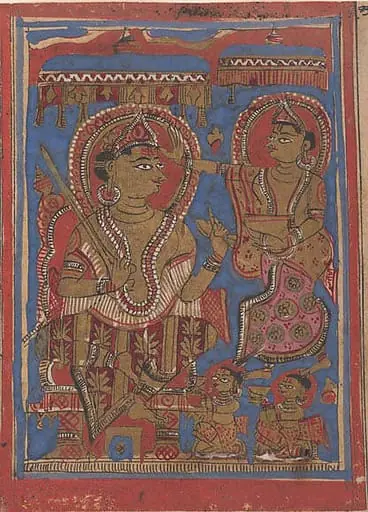 Untitled
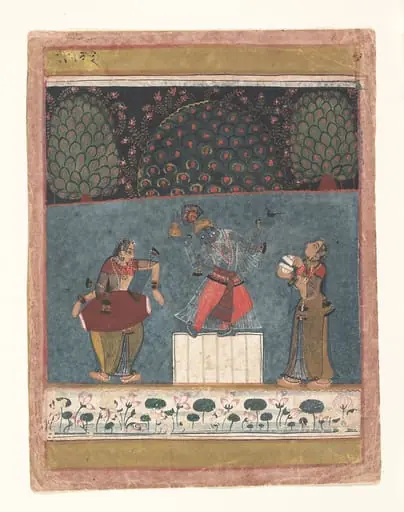 Untitled
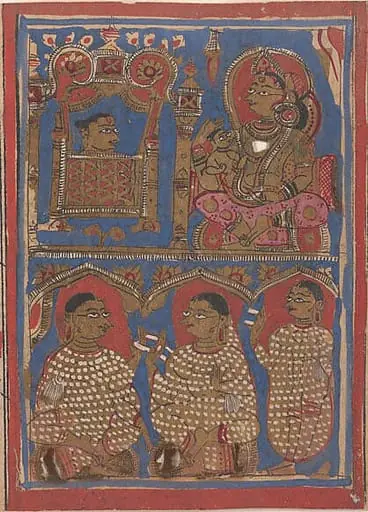 Untitled
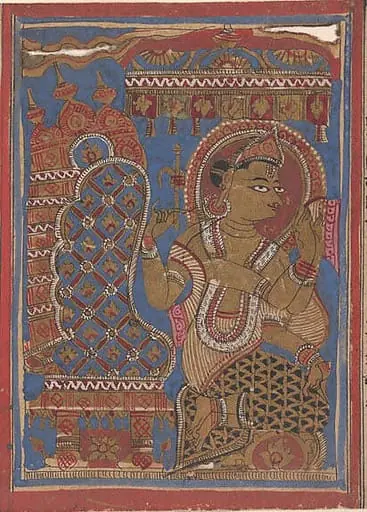 Untitled
 Untitled
 Untitled
 Untitled
 Untitled
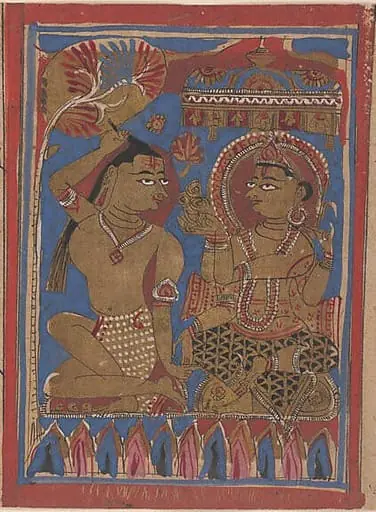 Untitled
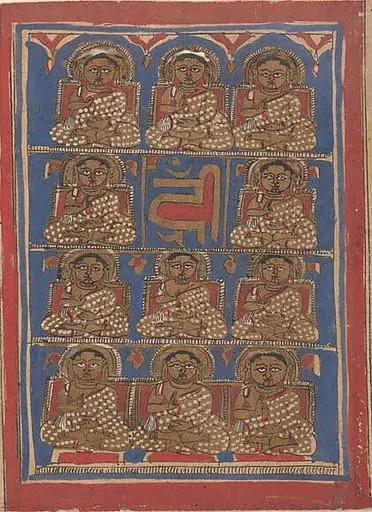 Untitled
 Untitled
 Untitled
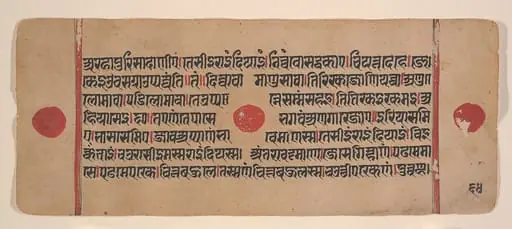 Untitled
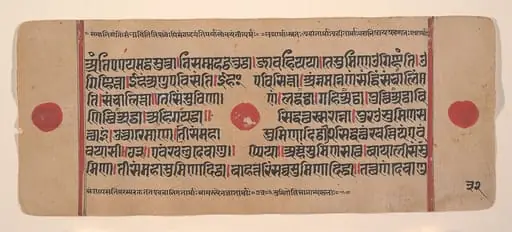 Untitled
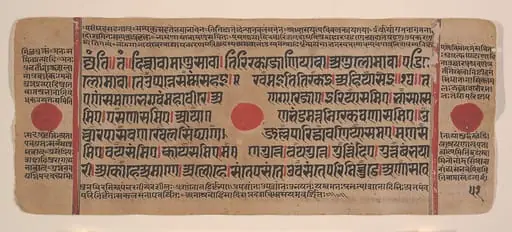 Untitled
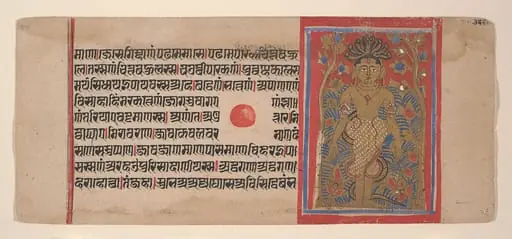 Untitled
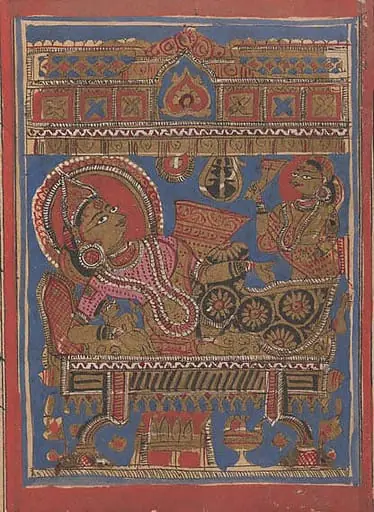 Untitled
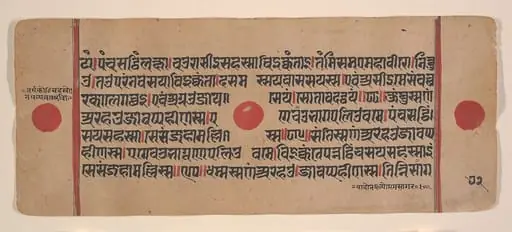 Untitled
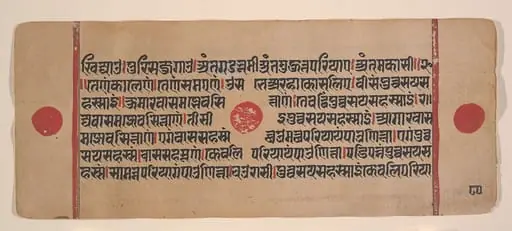 Untitled
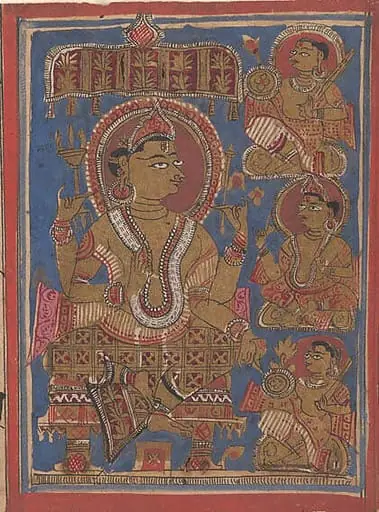 Untitled
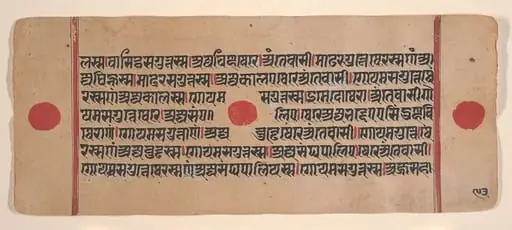 Untitled
 Untitled
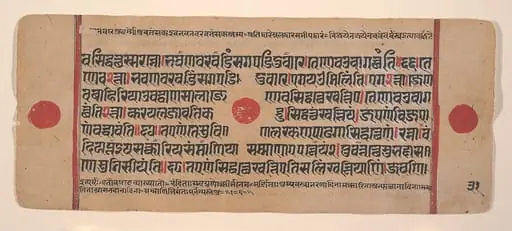 Untitled
 Untitled
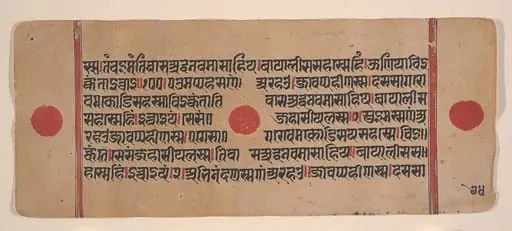 Untitled
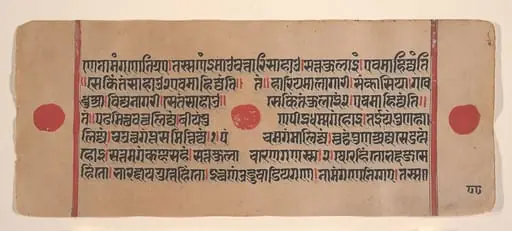 Untitled
 Untitled
 Untitled
 Untitled
 Untitled
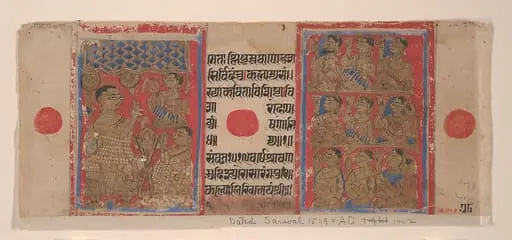 Untitled
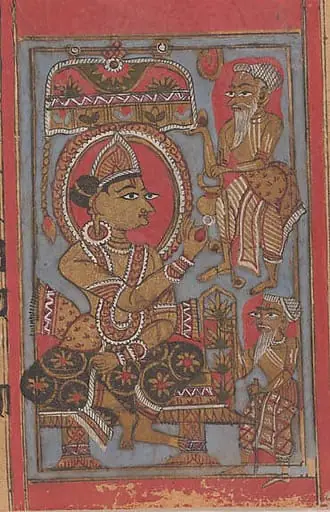 Untitled
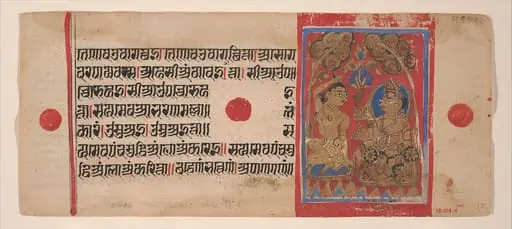 Untitled
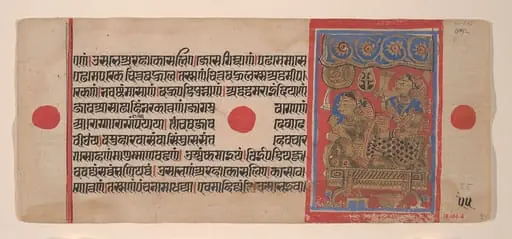 Untitled
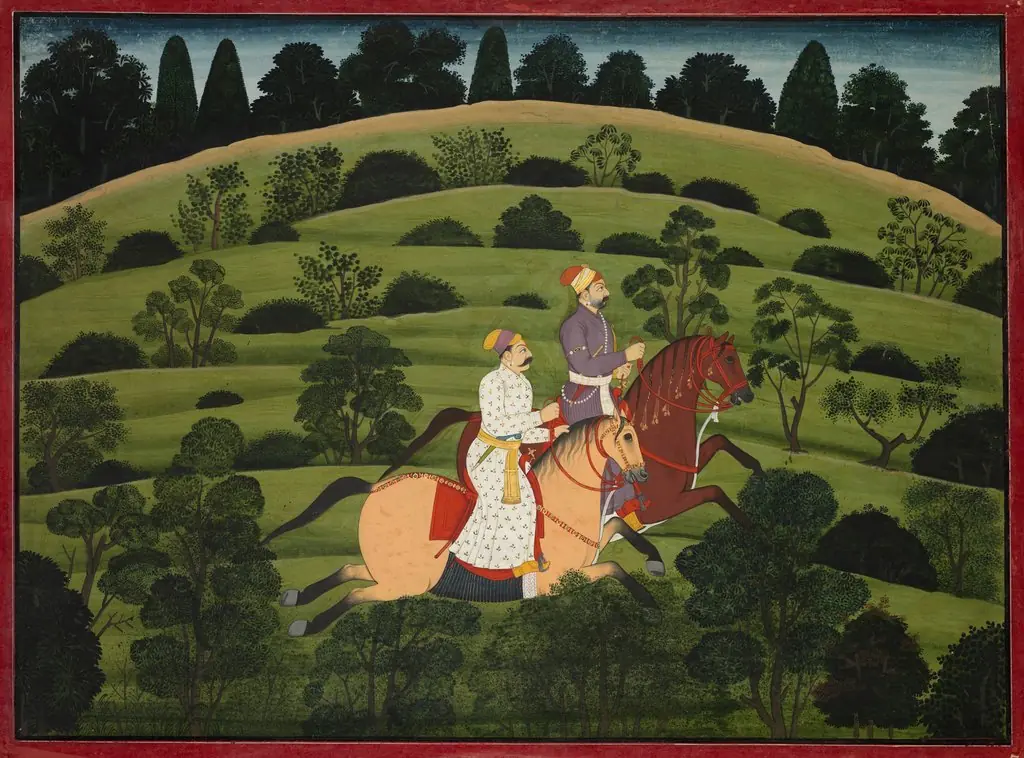 Akrura Rides toward Dwarka, page from the large Basohli Bhagavata Purana
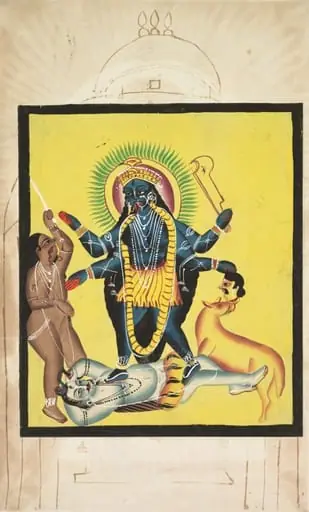 Kali Standing on Shiva (verso), from a Kalighat album
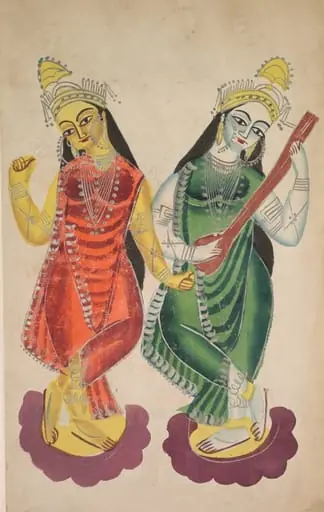 Goddesses Lakshmi and Sarasvati (verso), from a Kalighat album
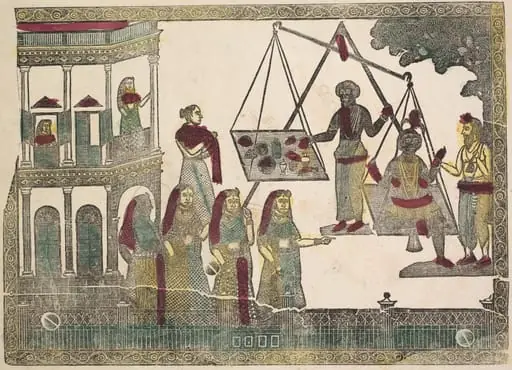 Krishna weighed against precious objects(?) (verso), from a Kalighat album
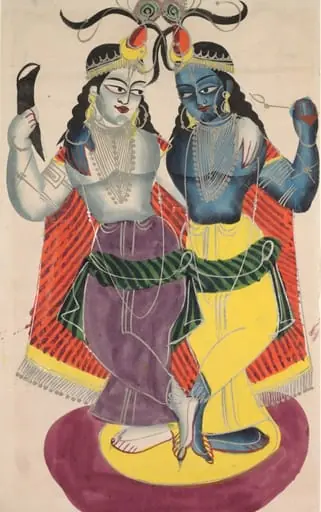 Balarama and Krishna
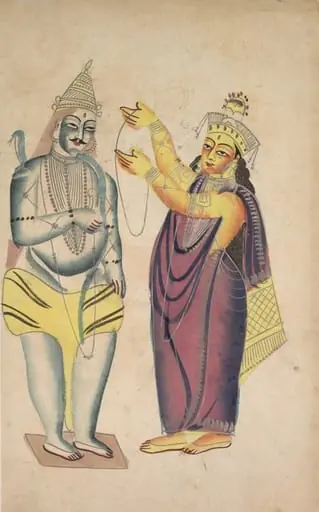 Parivati Placing a Wedding Garland on Shiva (verso)
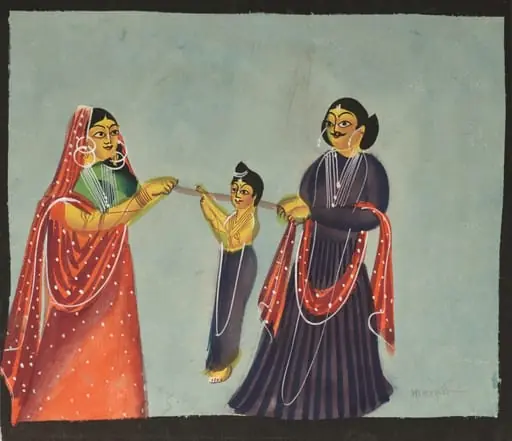 Kalighat Painting
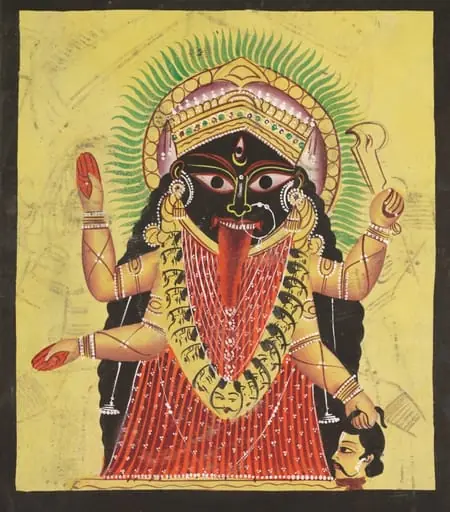 Kali Enshrined (verso), from a Kalighat album
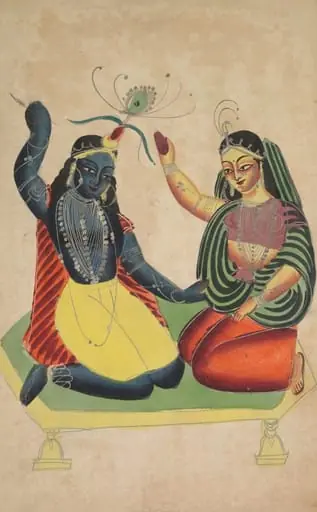 Radha and Krishna (verso), from a Kalighat album
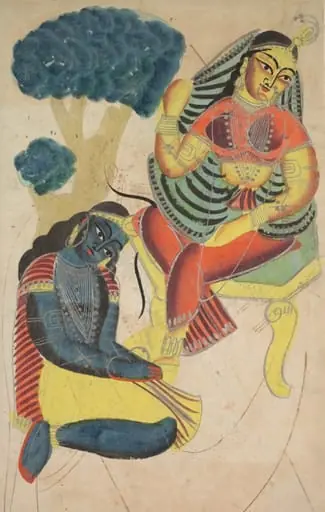 Krishna Stroking Radha's Feet (verso), from a Kalighat album
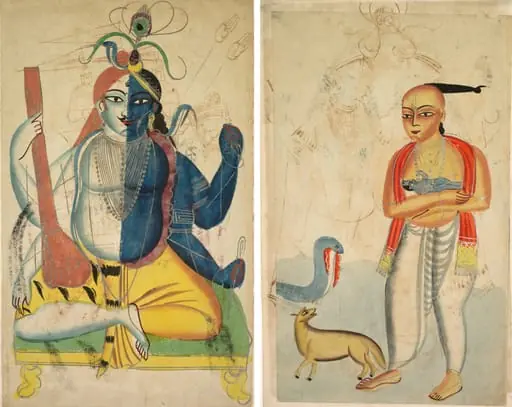 Leaf from a Kalighat album: Hari-Hara (recto); Vasudeva (Krishna's Father) Fleeing with Krishna Encounters a Cobra and a Jackal (verso)
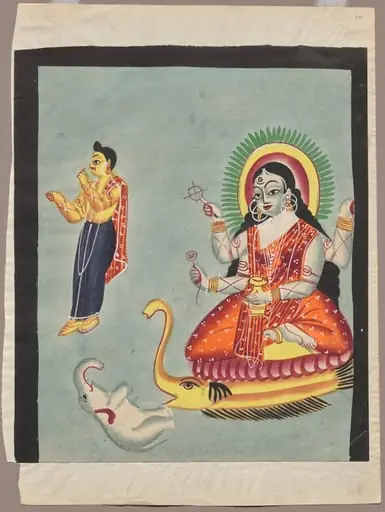 The Goddess Ganga, from a Kalighat album
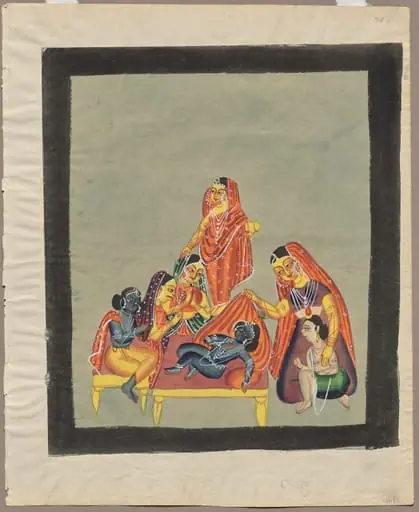 Worship of the Infant Krishna, from a Kalighat album
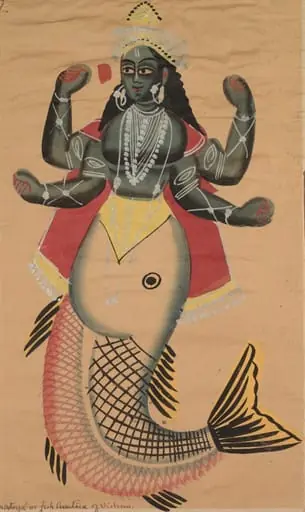 Matsya, Fish Avatara of Vishnu
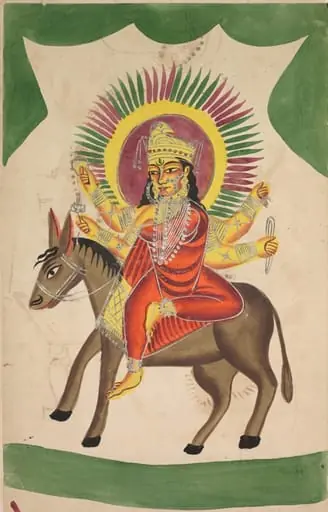 Sheetaladevi: The Smallpox Goddess (recto), from a Kalighat album
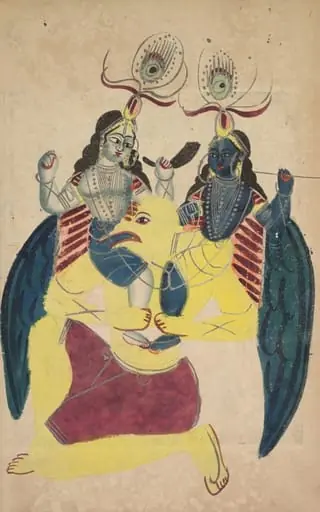 Garuda Carrying Balarama and Krishna (verso), from a Kalighat album
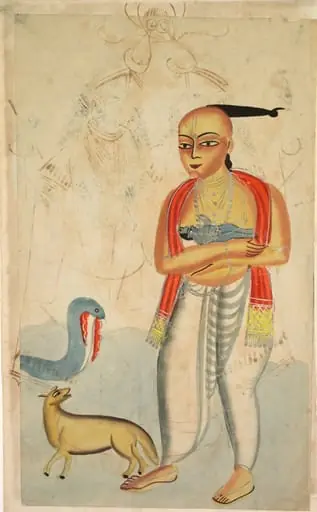 Vasudeva (Krishna's Father) Fleeing with Krishna Encounters a Cobra and a Jackal (verso), from a Kalighat album
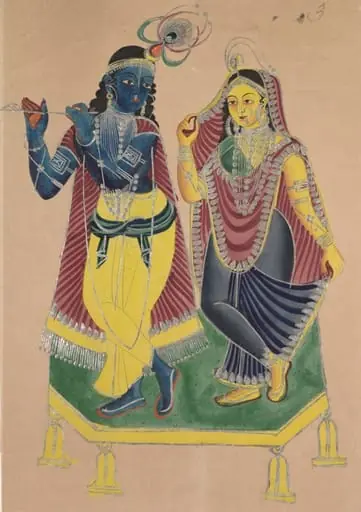 Radha and Krishna
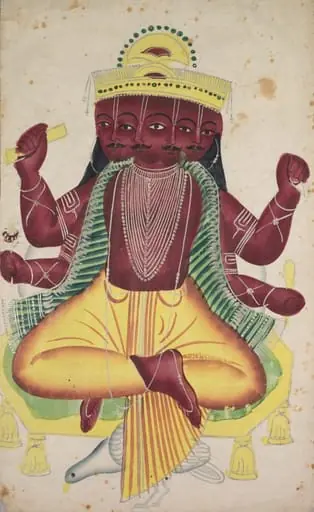 Brahma
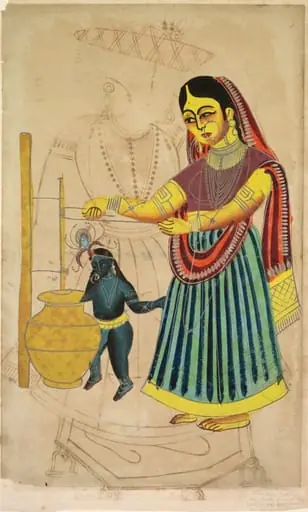 Yasoda Churning Butter (verso), from a Kalighat album
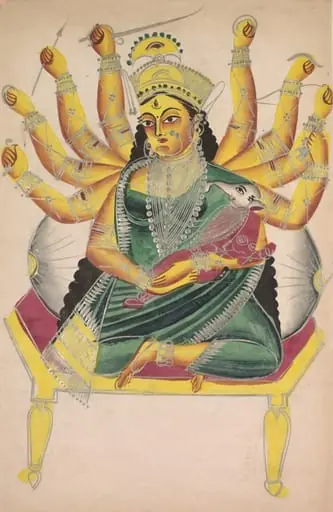 Ganesha-Janani (Mother of Ganesh)
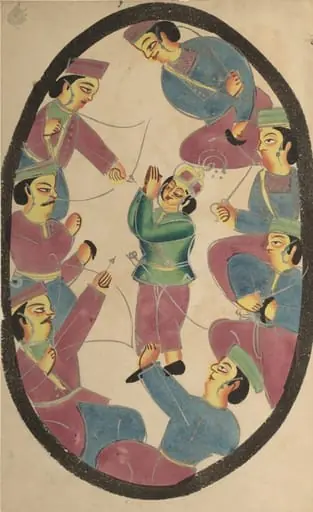 Seven Heroes or Warriors Killing Abhimanya, Son of Arjuna
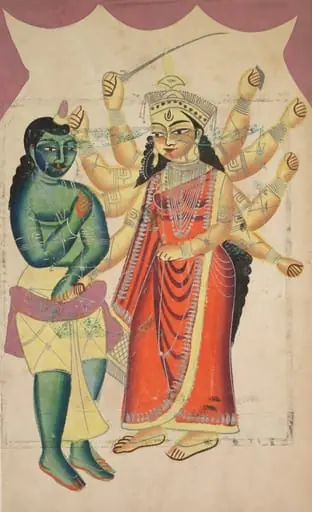 Durga (verso), from a Kalighat album
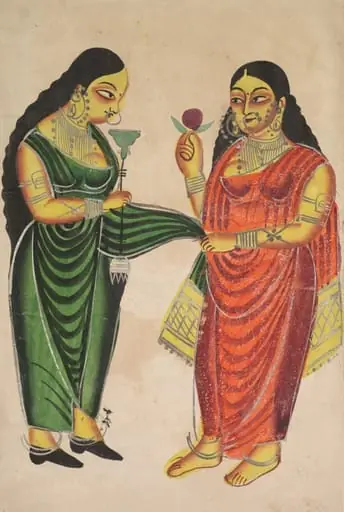 Maid bringing a hookah to a lady (recto), from a Kalighat album
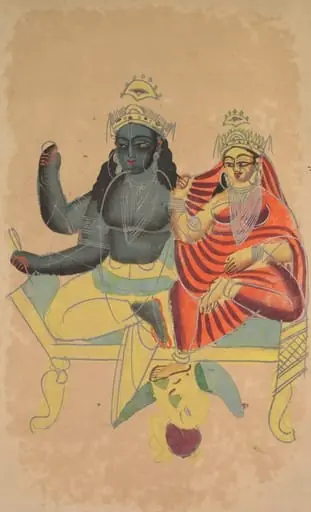 Vishnu and Lakshmi
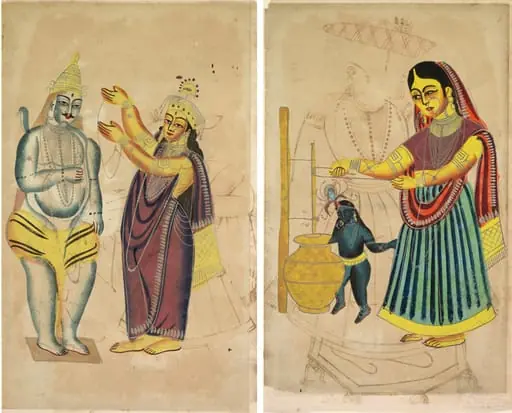 Leaf from a Kalighat album: Parvati Placing a Wedding Garland on Shiva (recto); Yasoda Churning Butter (verso)
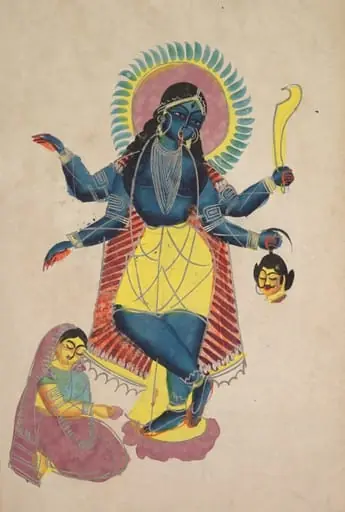 Krishna as Kali worshipped by Radha (recto), from a Kalighat album
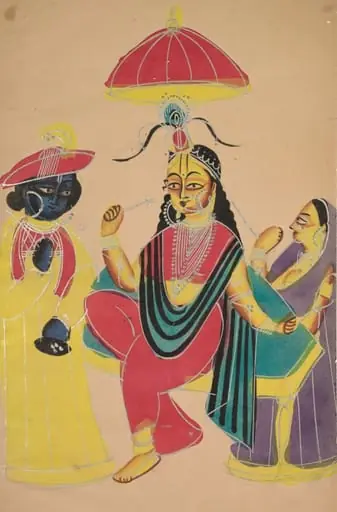 Krishna Standing by Radha who is Seated on a Chair
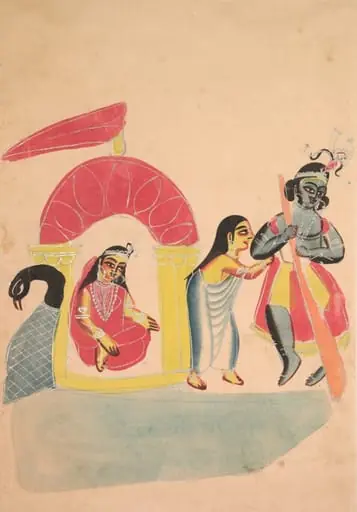 Krishna Ferrying Radha Across the Yamuna River
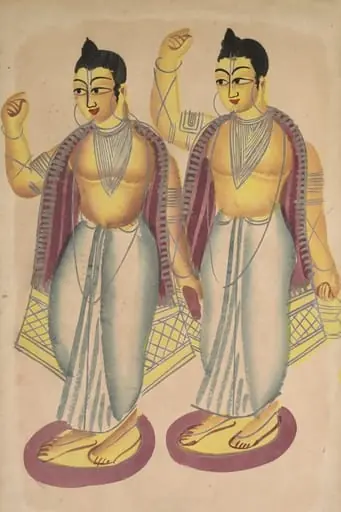 Nitai and Gaur
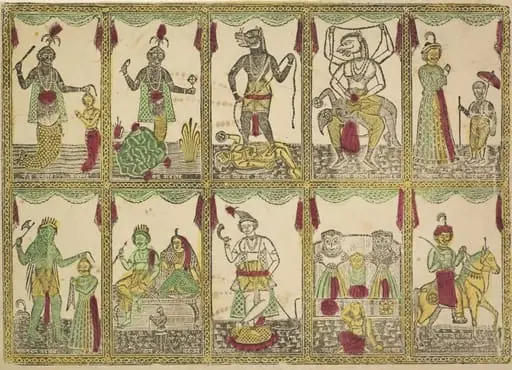 Das Avataras, Ten Incarnations of Vishnu (verso), from a Kalighat album
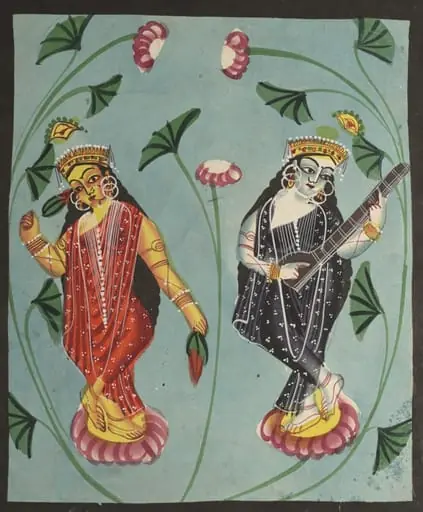 Lakshmi and Sarasvati
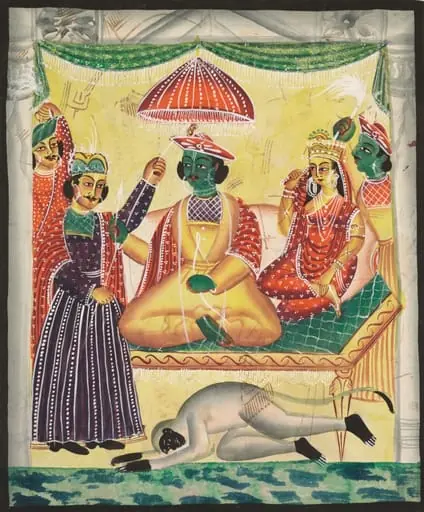 Rama and Sita enthroned (recto), from a Kalighat album
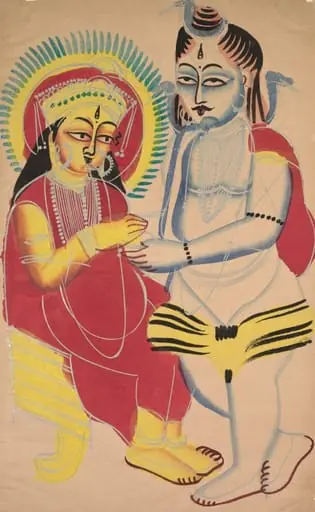 Annapurna and Shiva
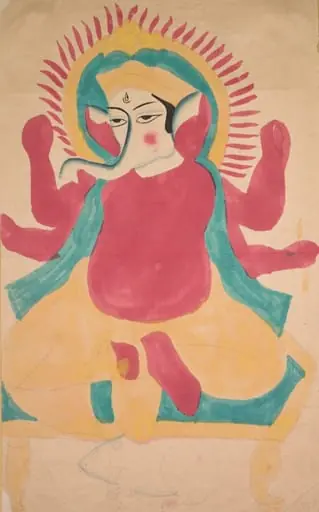 Ganesha
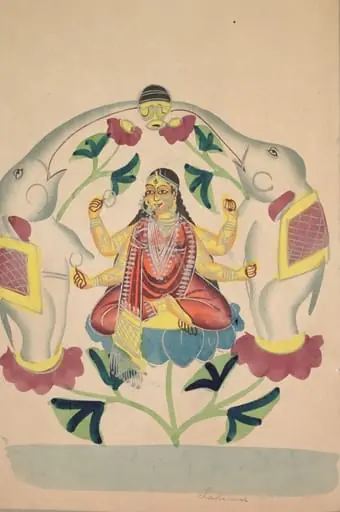 Gajalakshmi: Lakshmi with Elephants
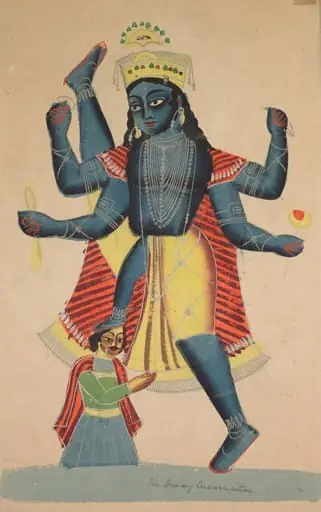 Trivikramapada (Three Steps of Vishnu)
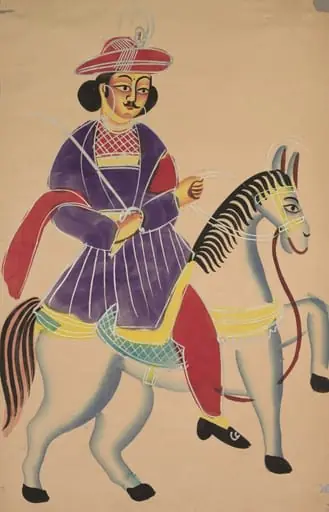 Raja Riding a Horse
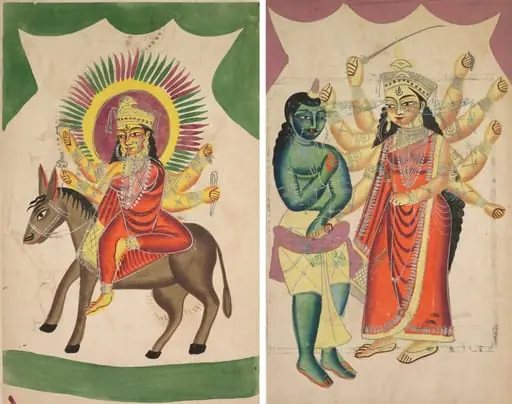 Leaf from a Kalighat album: Sheetaladevi: The Smallpox Goddess (recto); Durga (verso)
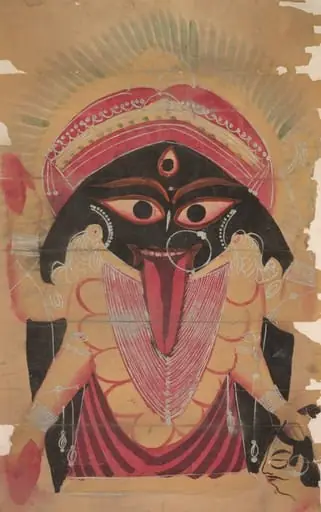 Kali
Kali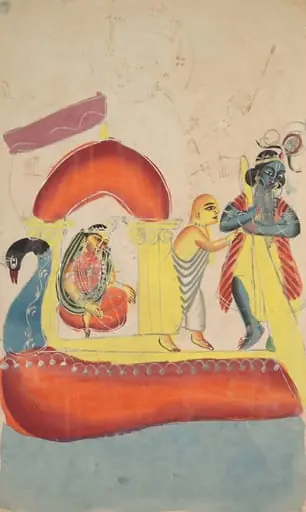 Krishna Ferrying Radha Across the Yamuna River (recto)
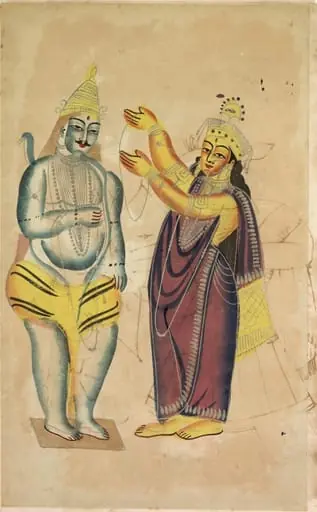 Parvati Placing a Wedding Garland on Shiva (recto), from a Kalighat album
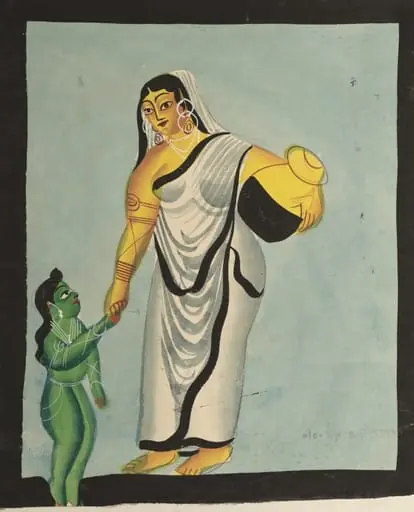 Yasoda Taking the Infant Krishna for a Walk
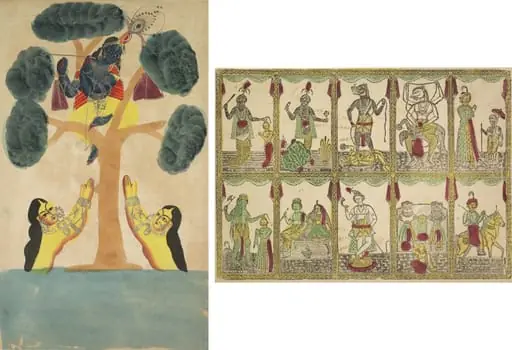 Leaf from a Kalighat album: Krishna Steals the Clothes of the Cowgirls (Gopis) (recto); Das Avataras, Ten Incarnations of Vishnu (verso)
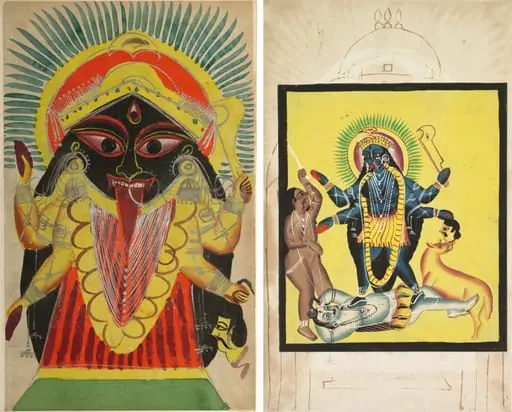 Leaf from a Kalighat album: The Goddess Kali (recto); Kali Standing on Shiva (verso)
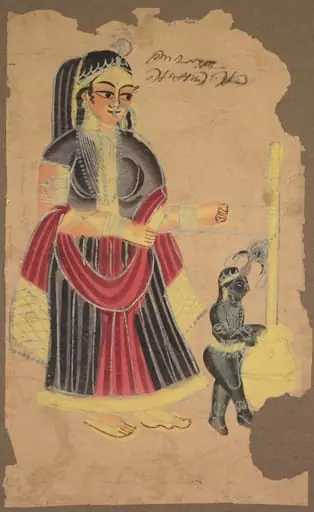 Yasoda and Krishna
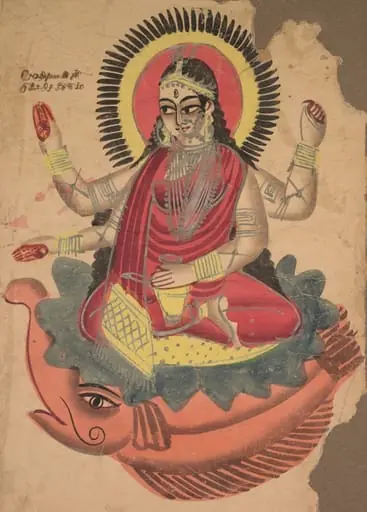 The Goddess Ganga
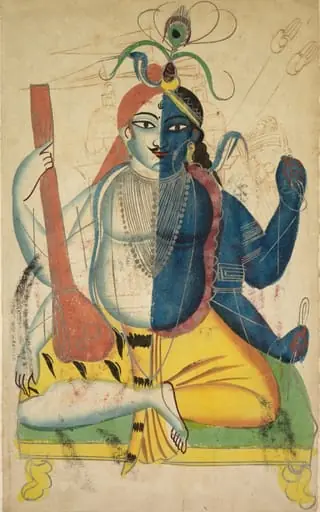 Hari-Hara (recto), from a Kalighat album
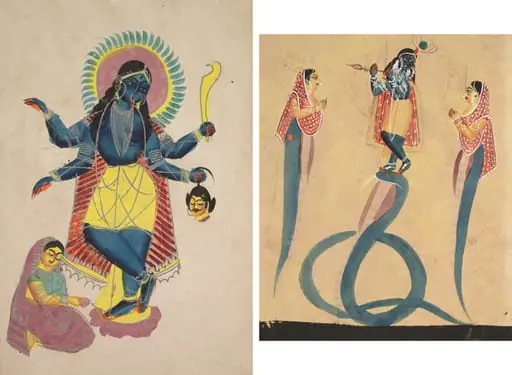 Leaf from a Kalighat album: Krishna as Kali worshipped by Radha (recto); Krishna quells the serpent Kaliya (verso)
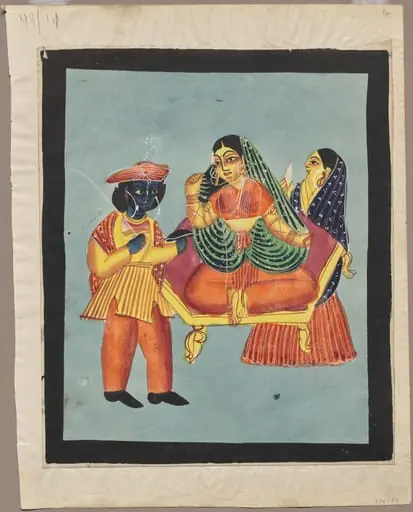 Rai Raja, from a Kalighat album
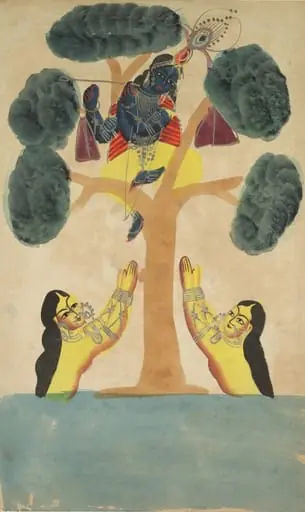 Krishna Steals the Clothes of the Cowgirls (Gopis) (recto), from a Kalighat album
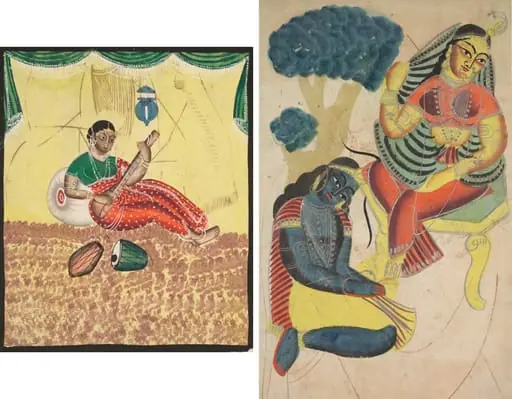 Leaf from a Kalighat album: Woman Playing Music (recto); Krishna Stroking Radha's Feet (verso)
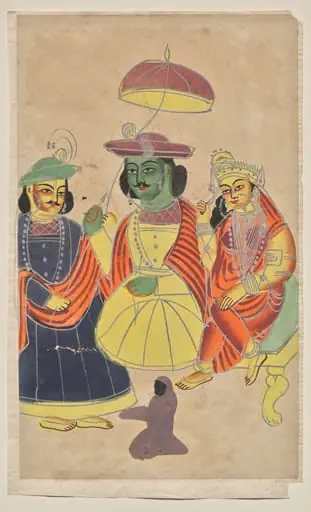 Rama and Sita enthroned with Lakshmana and Hanuman attending, from a Kalighat album
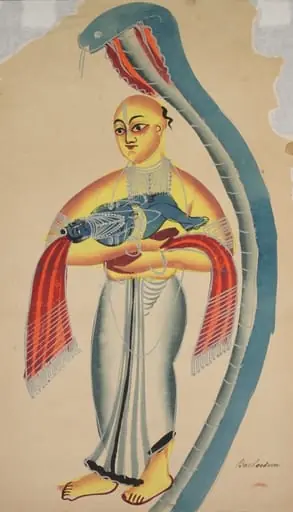 A Serpent Protects Vasudeva Taking His Infant Son Krishna to Safety
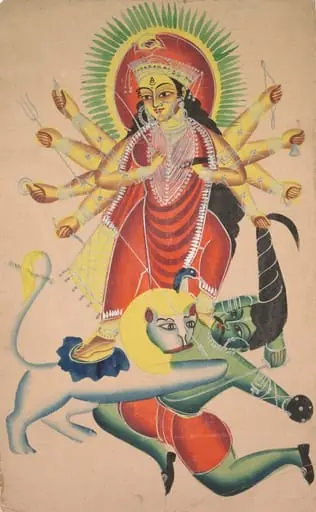 Durga Killing the Demon Mahisha
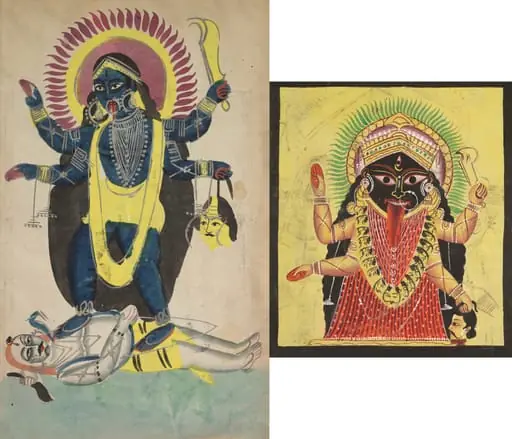 Leaf from a Kalighat album: Two Aspects of Kali
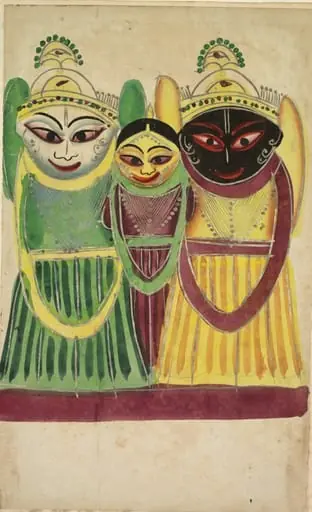 Jagannatha Trio (verso)
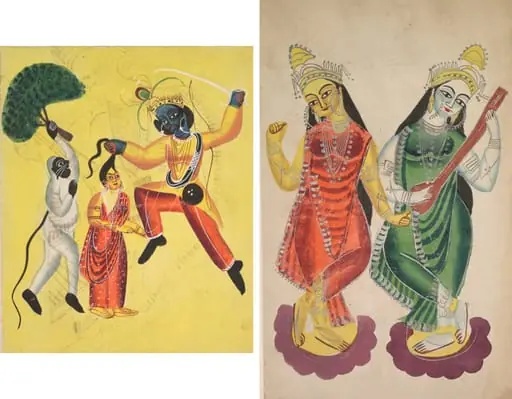 Leaf from a Kalighat album: Hanuman attacks Indrajit holding an apparition of Sita by the hair (recto); Goddesses Lakshmi and Sarasvati (verso)
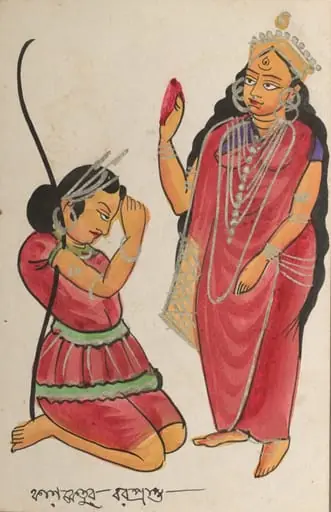 Kalaketu Receiving a Boon from the Goddess Chandi
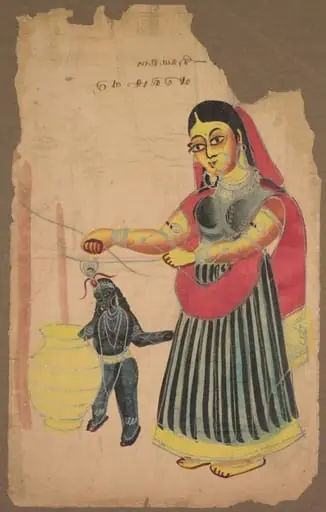 Yasoda with Krishna Churning Butter
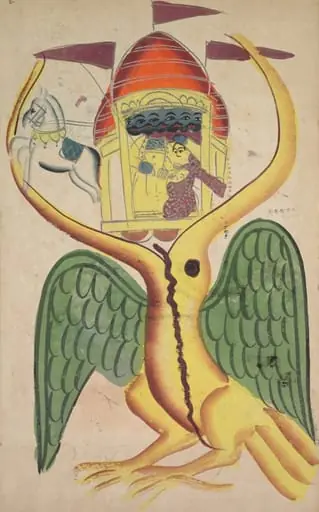 Jatayu hinders Ravana’s chariot, trying to prevent the abduction of Sita (recto), from a Kalighat album
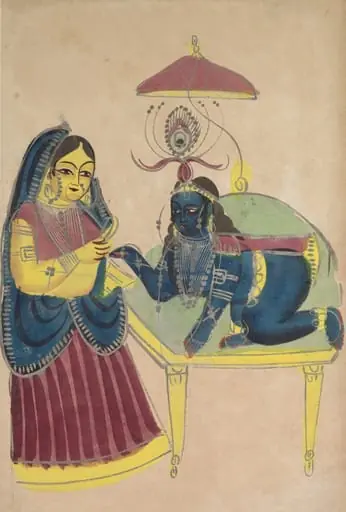 Baby Krishna Asking for Butter from Yashoda, from a Kalighat album
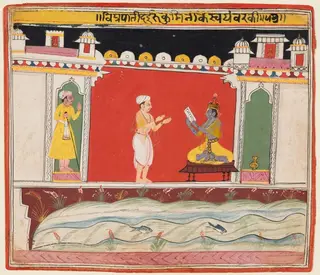 A Brahmin gives Krishna the Message or Invitation for the Competition to Rukmini’s Svayamvara, from a Bhagavata Purana
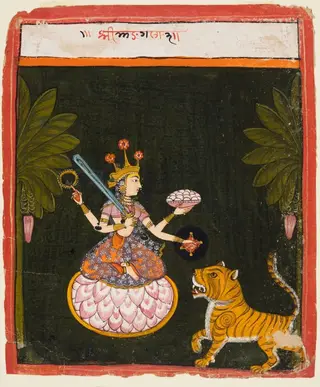 Goddess Mangala, from a Devi Series
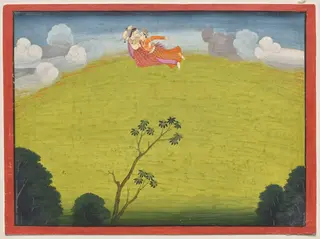 Pradyumna and Mayavati Fly to Dvaraka, from the Large Basohli Bhagavata Purana
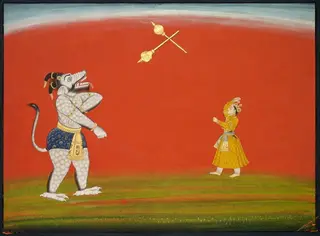 Pradyumna and Samvara fight with maces, from the "Large Basohli Bhagavata Purana"
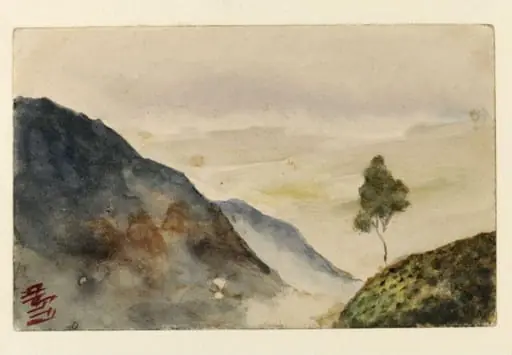 Mountain scene at Kurseong
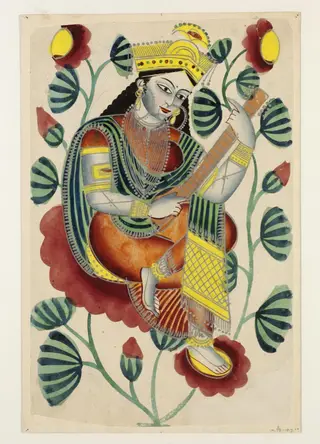 Untitled
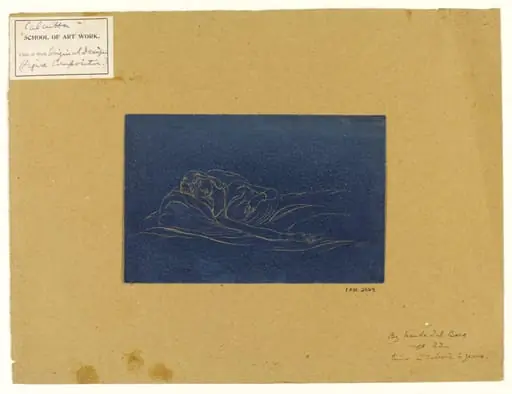 A sleeping girl
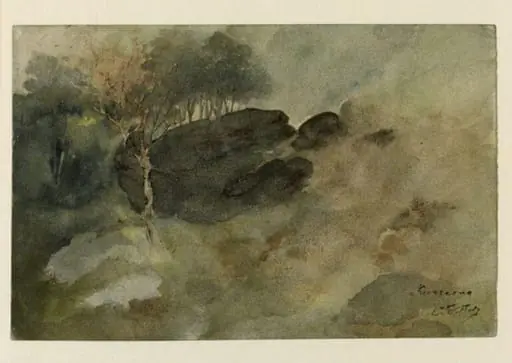 Untitled
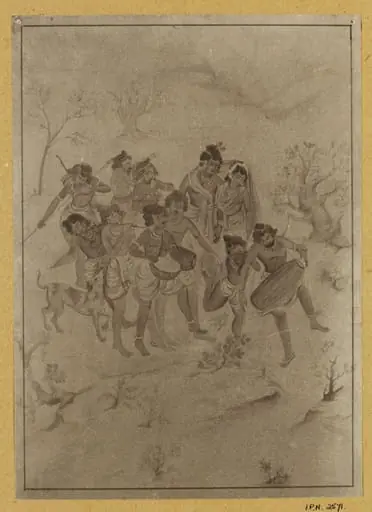 A marriage party
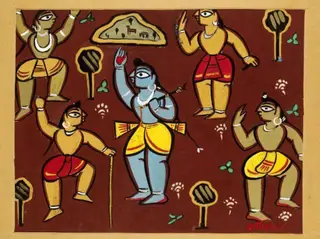 Krishna
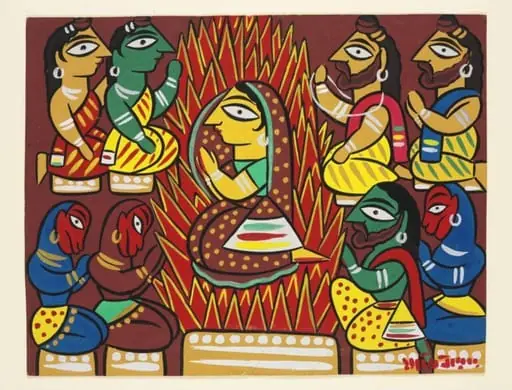 Sita
Sita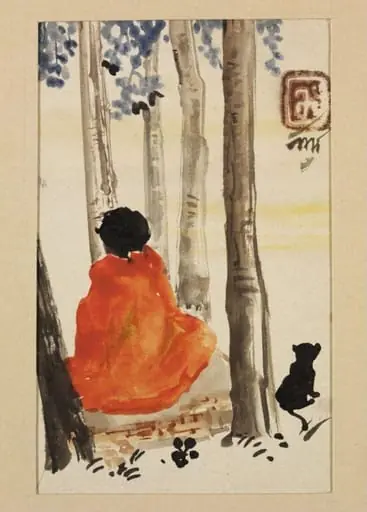 Untitled
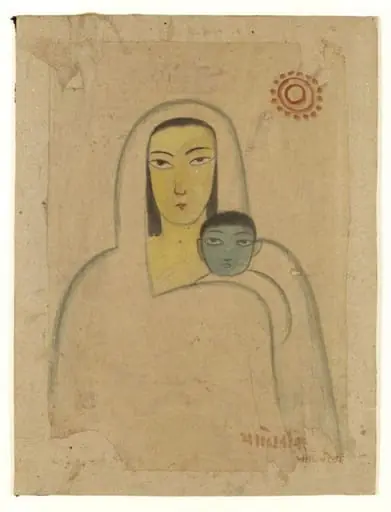 Yashoda and Krishna
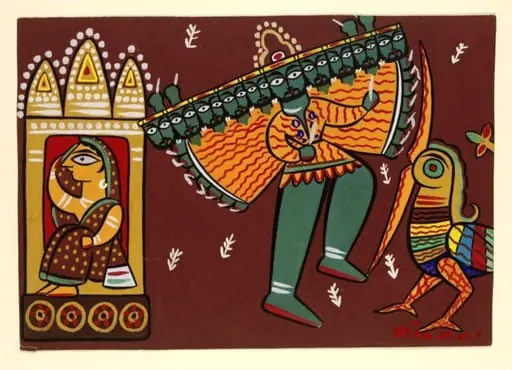 Jatayu, Sita and Ravana
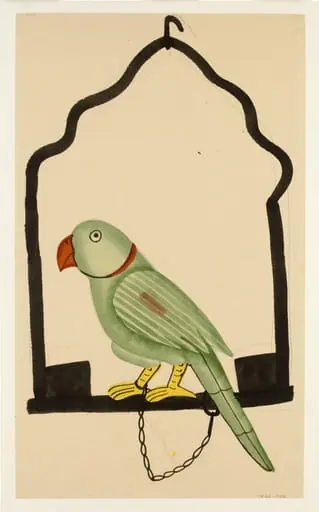 Untitled
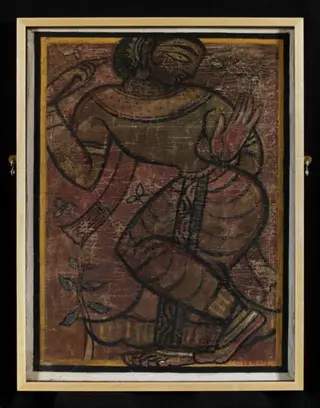 Dancing Lady
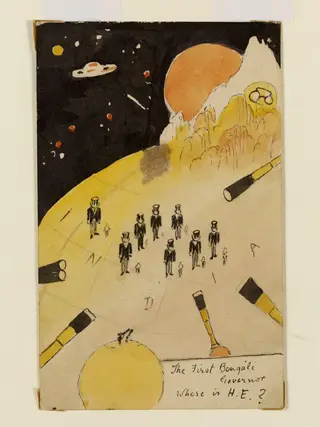 'The first Bengali Governor, where is H.E.?'
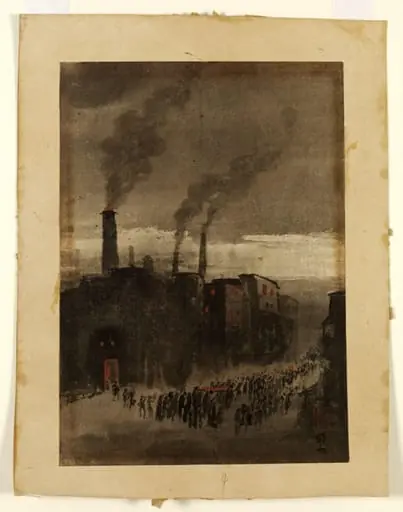 Untitled
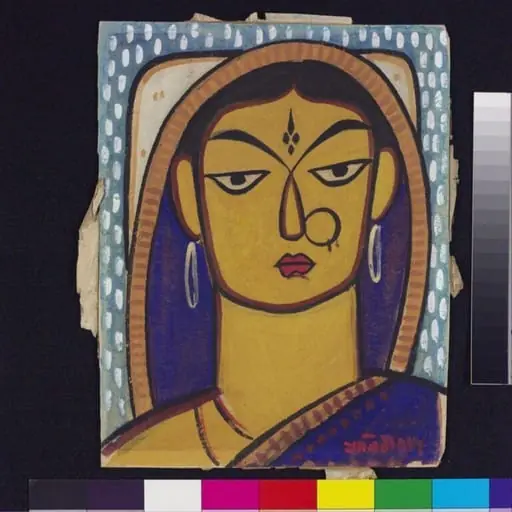 Untitled
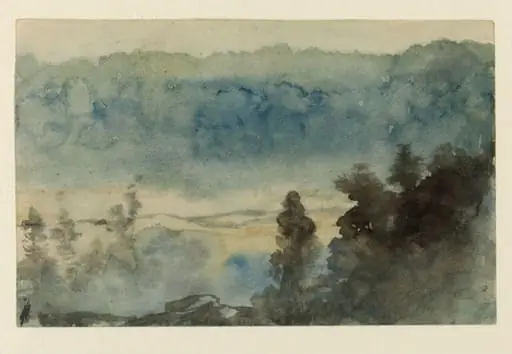 Untitled
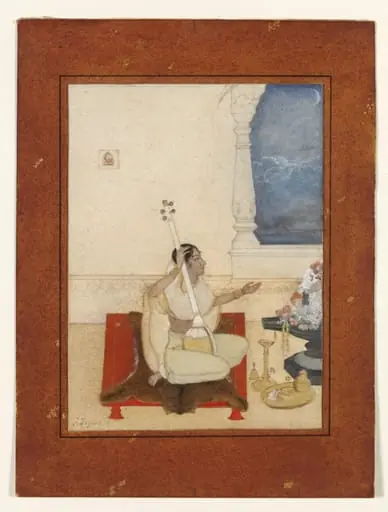 Siva-puja
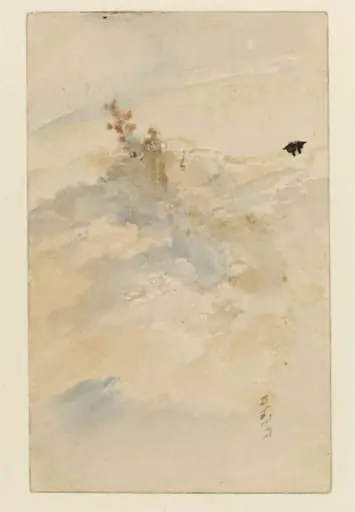 Untitled
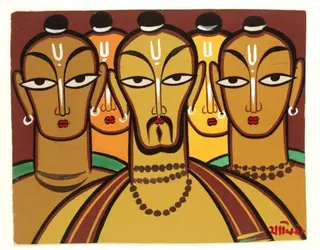 Untitled
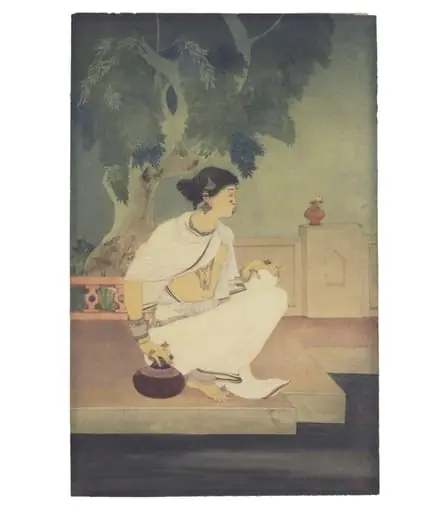 Untitled
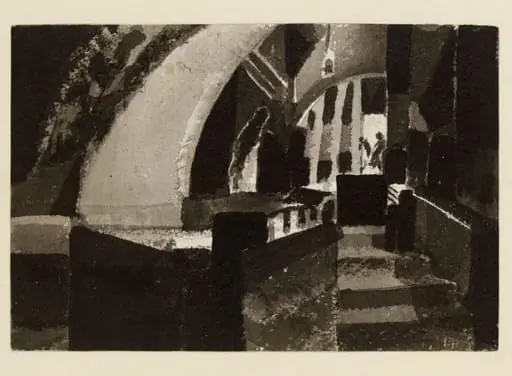 Untitled
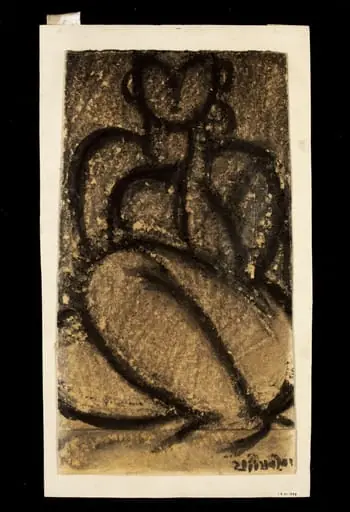 Untitled
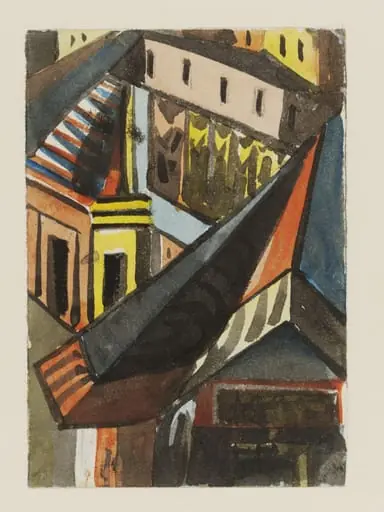 Untitled
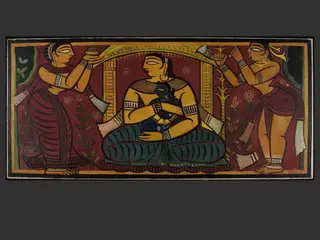 Krishna
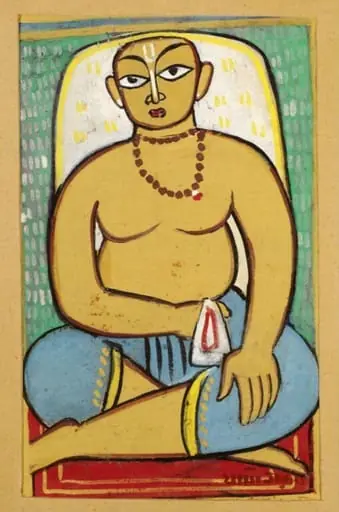 Untitled
Frequently asked questions
What is Bengal School?
Bengal School is an art movement. An early 20th-century Indian movement led by Abanindranath Tagore that revived indigenous traditions against colonial academic art.
How many Bengal School works does Artifact World Gallery have?
Artifact World Gallery holds 128 public-domain Bengal School works, all free to view and download.
Who are the key Bengal School artists?
Key Bengal School artists in the collection include Shri Gobinda Chandra Roy, Jamini Roy and Abanindranath Tagore.
When did Bengal School take place?
Bengal School dates from 1900–1920.
Where can I see Bengal School works?
Bengal School works in the collection are held by Cleveland Museum of Art, Metropolitan Museum of Art and Victoria and Albert Museum.