Artwork
Sisebuto
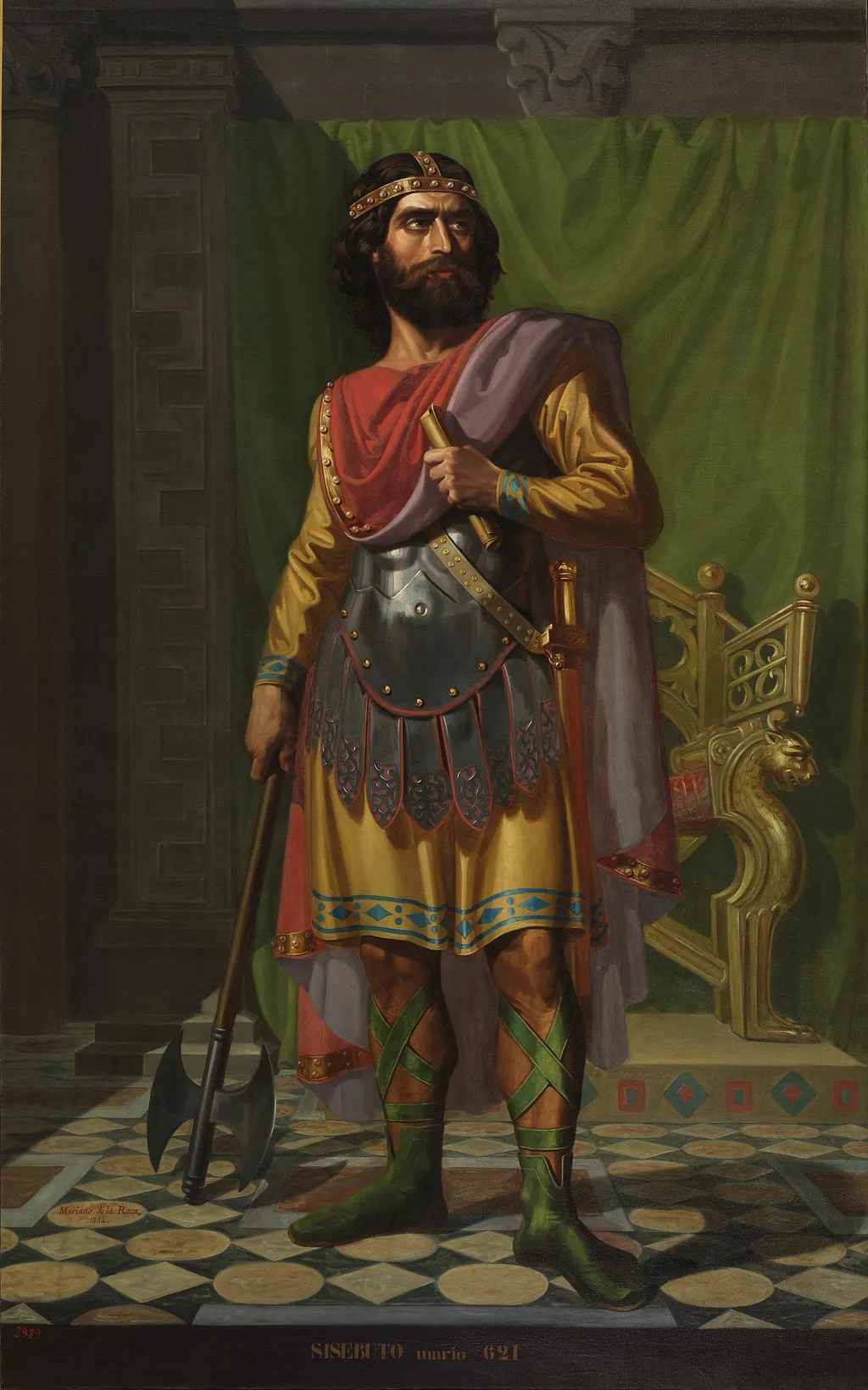
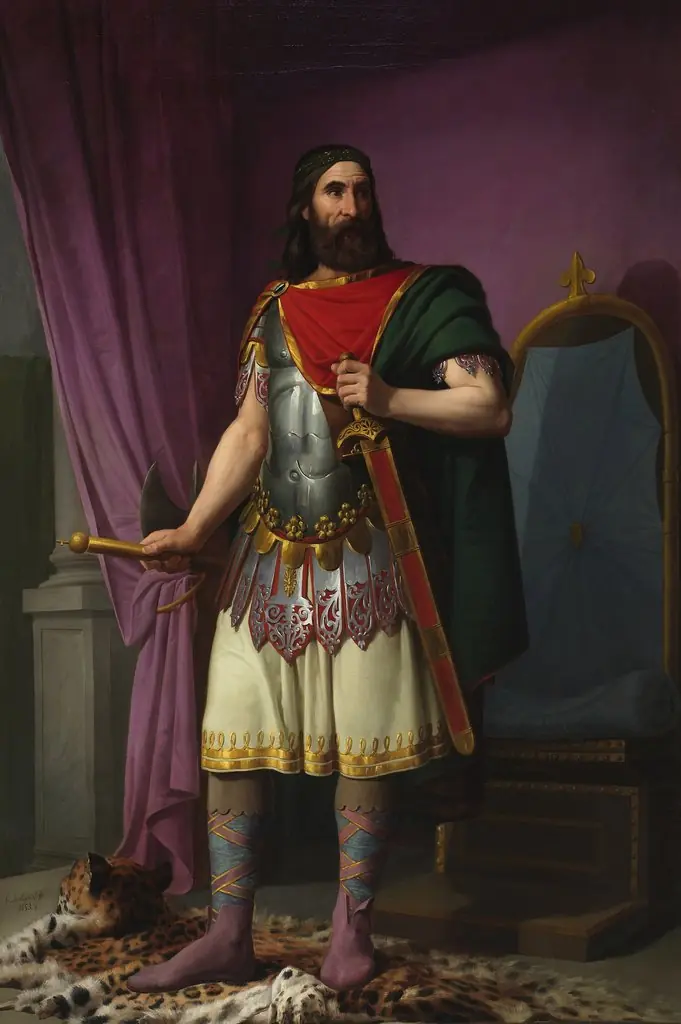
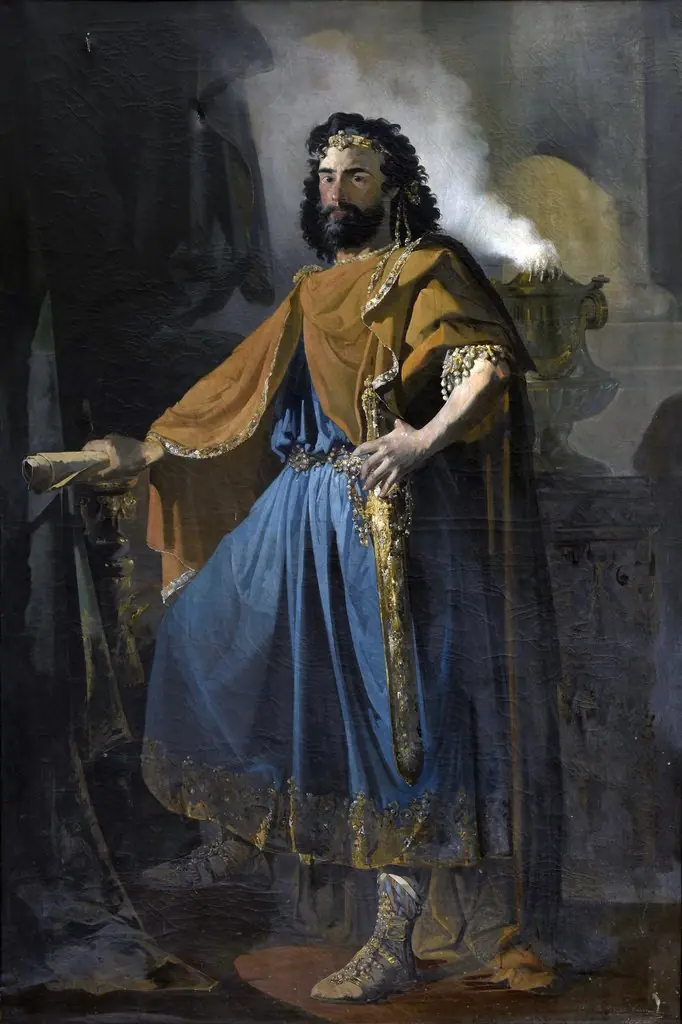
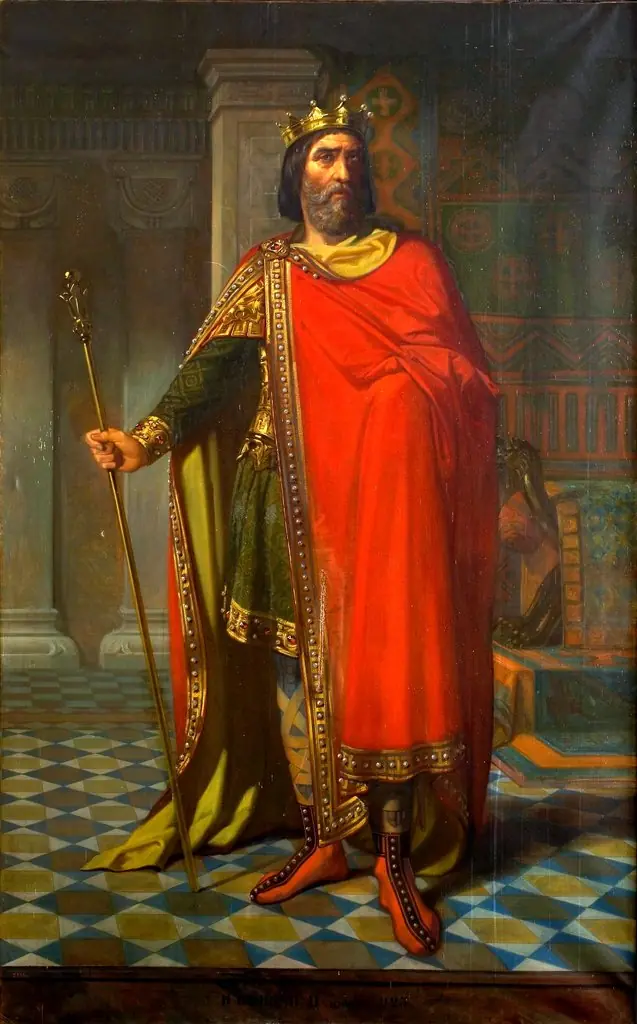
Sisebuto is an oil painting by the Realist artist Mariano de la Roca y Delgado. It dates from 1854 and is held in the collection of the Museo del Prado.
About this work
Subject & Meaning
The work’s composition draws on traditional iconography of sovereigns, using the weapon as a symbol of both protection and dominion.
Sisebuto portrays a regal figure seated upon a throne, holding a weapon that signifies authority and martial power. The juxtaposition of throne and weapon conveys notions of sovereignty and strength, reflecting the subject’s elevated status and the political undertones of mid‑19th‑century Spanish art. The work’s composition draws on traditional iconography of sovereigns, using the weapon as a symbol of both protection and dominion.
Technique & Style
Sisebuto is an oil painting executed on canvas, a medium and support combination typical of mid-nineteenth-century Spanish academic practice. The work measures 222 cm in height by 140 cm in width, giving it a pronounced vertical orientation suited to its subject matter. Among the depicted elements are a throne and a weapon, which align with the formal iconography of a regal, martial figure. The painting is held in the collection of the Museo del Prado in Madrid.
No further technical details regarding brushwork, palette, condition, or stylistic handling are documented in the available sources.
History & Provenance
The painting Sisebuto is held in the collection of the Museo del Prado in Madrid. Created in 1854 by Mariano de la Roca y Delgado, the work is executed in oil on canvas and measures 222 cm in height by 140 cm in width. The provided sources confirm its location within the museum but do not list a specific inventory number or detail any past exhibitions.
Overview
Sisebuto is an 1854 oil painting by Spanish artist Mariano de la Roca y Delgado, housed at the Museo del Prado. The work portrays a regal figure adorned in armor and royal attire, accompanied by weaponry and a throne.
Context
The painting reflects 19th-century Spanish artistic tendencies, blending historical and symbolic elements. The use of chiaroscuro links it to a broader European tradition of using light and shadow for dramatic effect.
Legacy
While not widely discussed in broad art historical narratives, Sisebuto remains a notable example of mid-19th-century Spanish painting, illustrating the continued influence of classical themes and techniques during this period.
Own this work as a print
Artist & collection
Artist
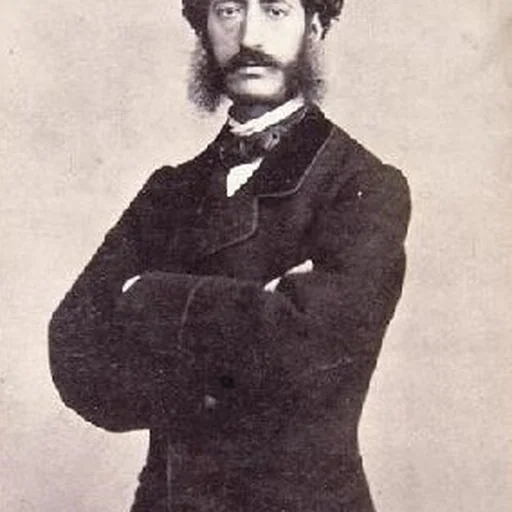
Mariano de la Roca y Delgado (1825–1872) was an artist, born in Seville.