Artwork
'Rubis'
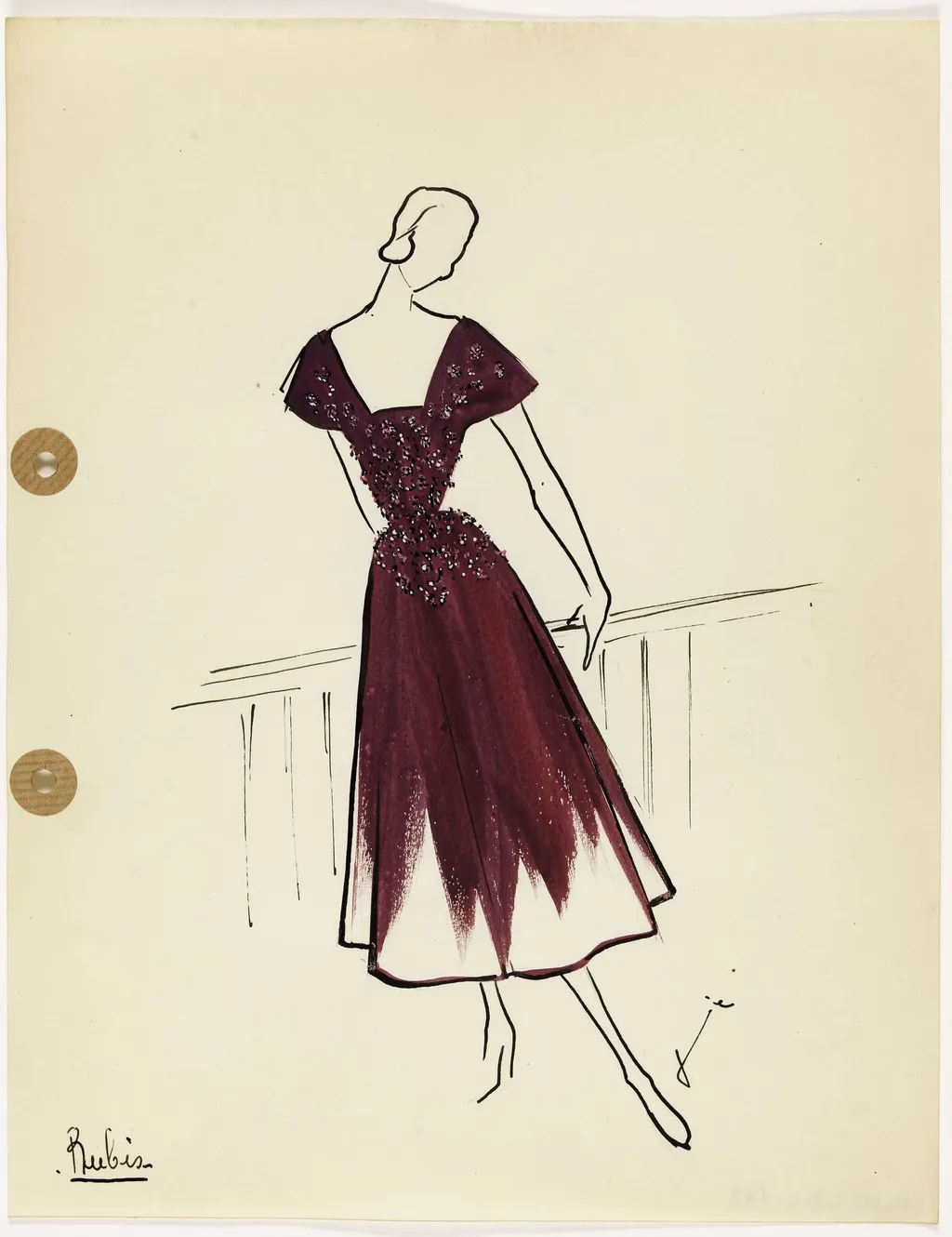
'Rubis' is a drawing by Marie-Louise Carven. It dates from 1949 and is held in the collection of the Palais Galliera - Musée de la Mode de la Ville de Paris.
About this work
Overview
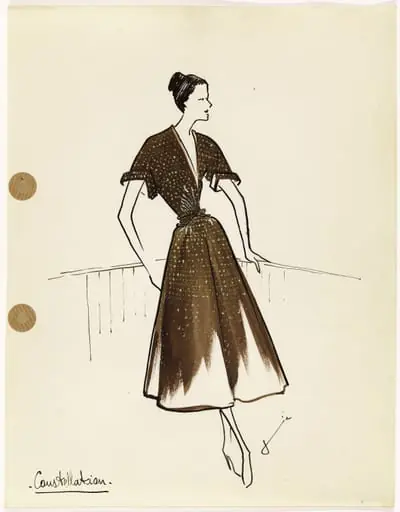
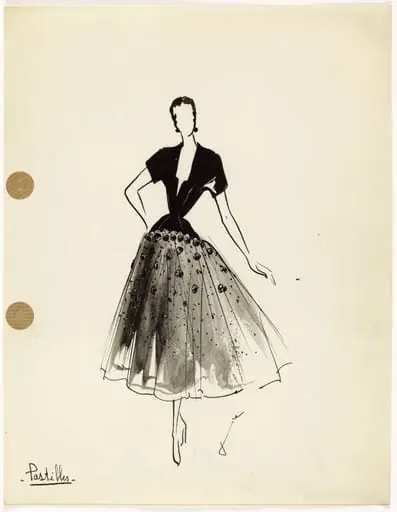
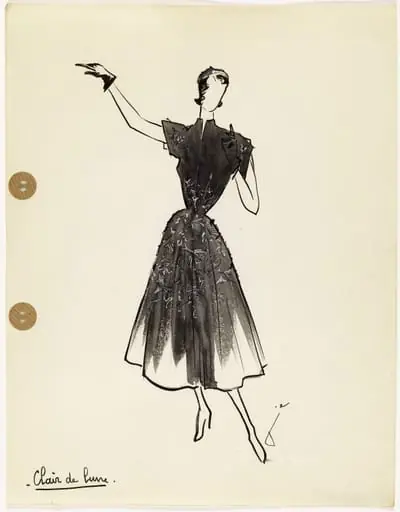
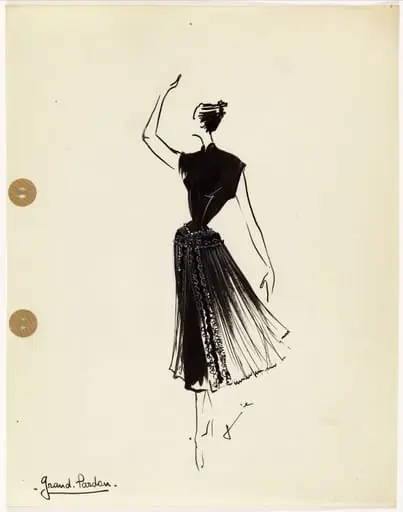
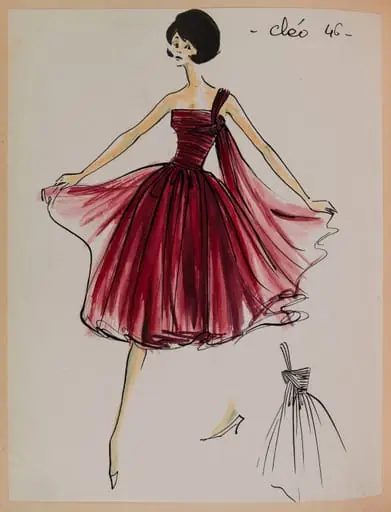
Rubis, created circa 1949 by French fashion designer Marie-Louise Carven, is a detailed drawing depicting a woman in a meticulously crafted dark red dress. Part of the Museum of Ethnography’s collection, it exemplifies Carven’s innovative fashion approach of the late 1940s.
Subject & Meaning
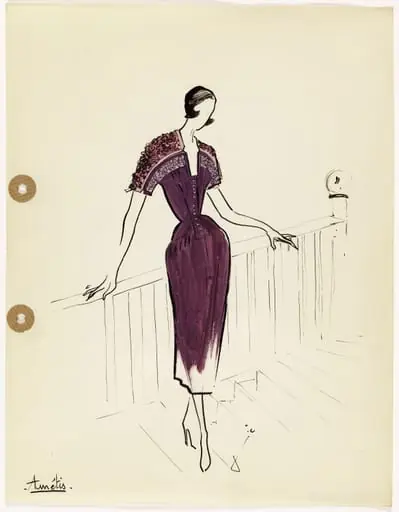
The subject, a woman facing away, showcases the dress’s design: a low neckline, short sleeves, and a full, knee-length skirt adorned with intricate beading or embroidery around the waist and bodice. The pose, with one hand on a railing and the other near her hip, conveys elegance.
Technique & Style
The drawing is characterized by its delicate detail, emphasizing the dress’s intricate elements and the woman’s refined posture. Executed against a plain off-white background, the focus remains on the subject’s attire and demeanor, reflecting Carven’s attention to detail in her designs.
History & Provenance
Created by Marie-Louise Carven, founder of the Carven fashion house (1945) and a pioneer in ready-to-wear and innovative lingerie (notably the patented push-up bra), Rubis is now housed in the Museum of Ethnography’s collection.
Context
Emerging in the late 1940s, Rubis sits within the post-war fashion landscape, where designers like Carven were redefining women’s wear with practical yet elegant designs, catering to a broader audience through ready-to-wear lines.
Legacy
While specific impact of Rubis on broader fashion trends is not detailed, it represents Carven’s contribution to late 1940s fashion innovation, highlighting her emphasis on petite women’s silhouettes and intricate, lightweight fabric designs.
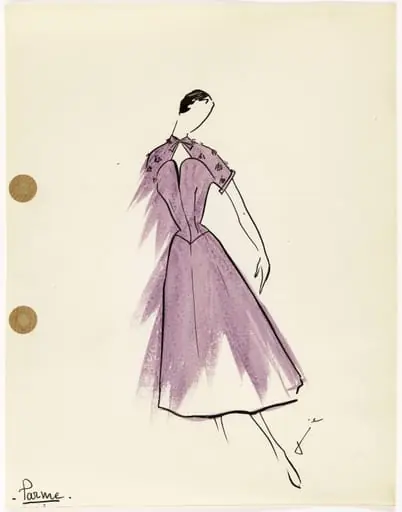
Artist & collection
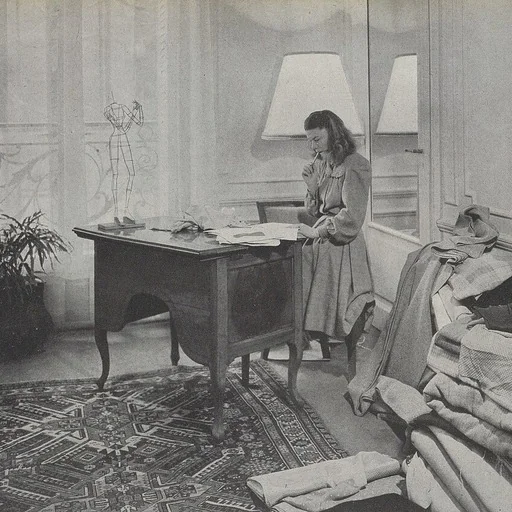
Artist
Marie-Louise Carven (31 August 1909 – 8 June 2015), born Carmen de Tommaso, was a French fashion designer who founded the house of Carven in 1945.
Museum
Palais Galliera - Musée de la Mode de la Ville de Paris
Continue through works from the same source collection.
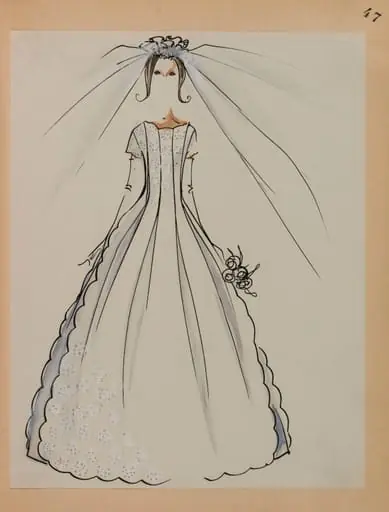 Robe de mariée festonnée et son voile
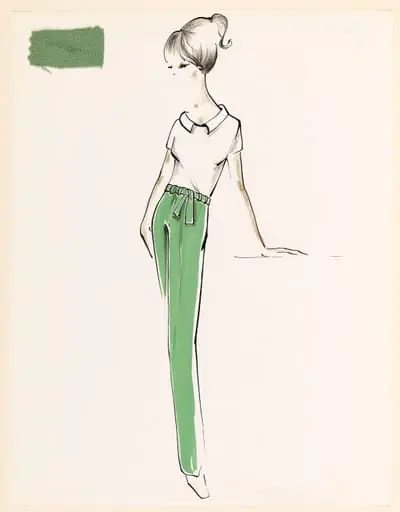 Haut blanc à manches courtes et pantalon vert à ceinture nouée
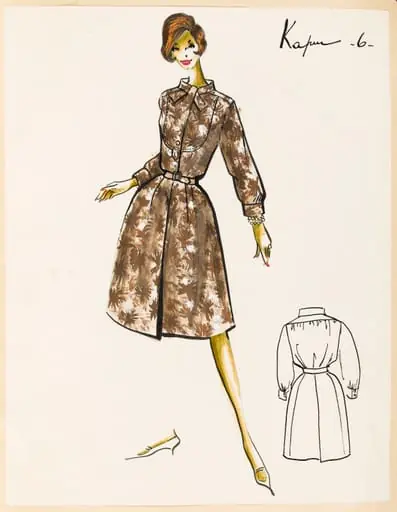 Kapur
Kapur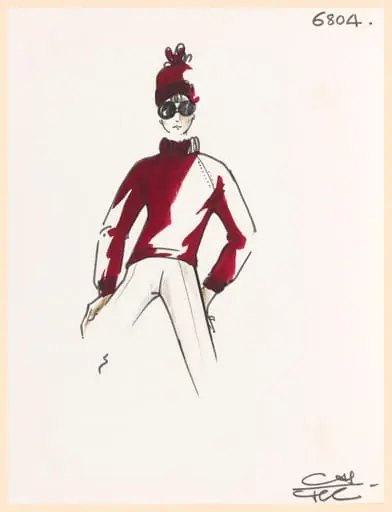 Pull-over à manches longues pourpre, bonnet assorti, pantalon et lunettes de soleil
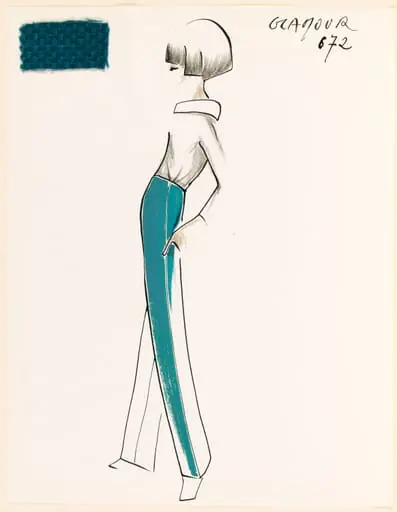 GLAMOUR
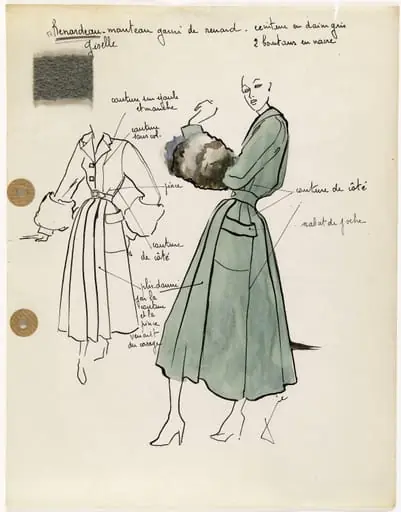 'Renardeau'
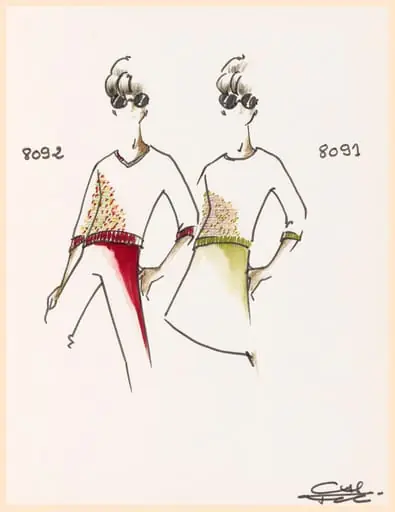 Pull-over à manches trois quarts et à encolure V à motifs multicolores, pantalon cerise et lunettes de soleil
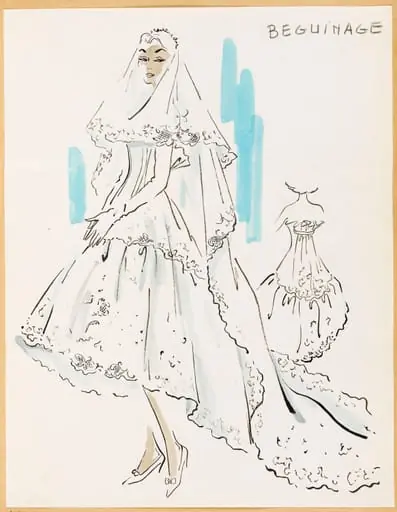 Béguinage