Subject
Dress
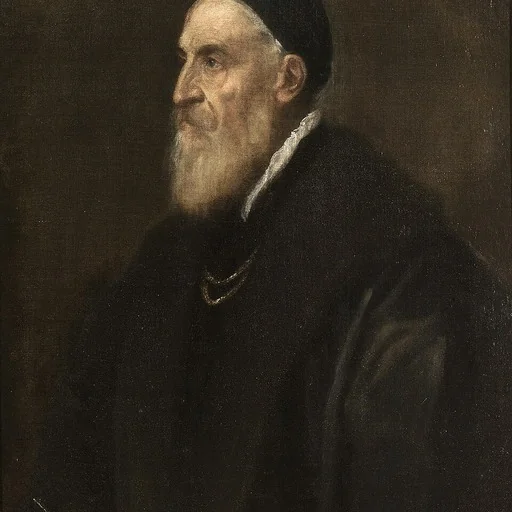
Dress is a subject in art. The gallery holds 200 works in this subject in art, including works by Titian, Paolo Veronese and Jean Baptiste Camille Corot.
Clothing — dress, garments, attire — is any item worn on the human body, typically made of fabric or textile. As a subject in art it is nearly as old as the figure itself, for to depict a person is almost always to depict what they wear. From its earliest treatments, painted and carved dress carried meaning far beyond ornament: it signalled rank, wealth, occupation, nationality, piety and gender, and it gave artists one of their richest fields for the display of skill in rendering line, light and texture.
The classical world set an enduring standard. In fifth-century BCE Greece, sculptors working under Phidias on the Parthenon (c. 438–432 BCE) perfected the so-called "wet drapery" technique, in which cloth appears to cling damply to the body, revealing the anatomy beneath while flowing in graceful, rhythmic folds — seen most famously in the reclining goddesses of the east pediment. This idealised, near-weightless drapery became a touchstone of beauty that European art would return to for two millennia.
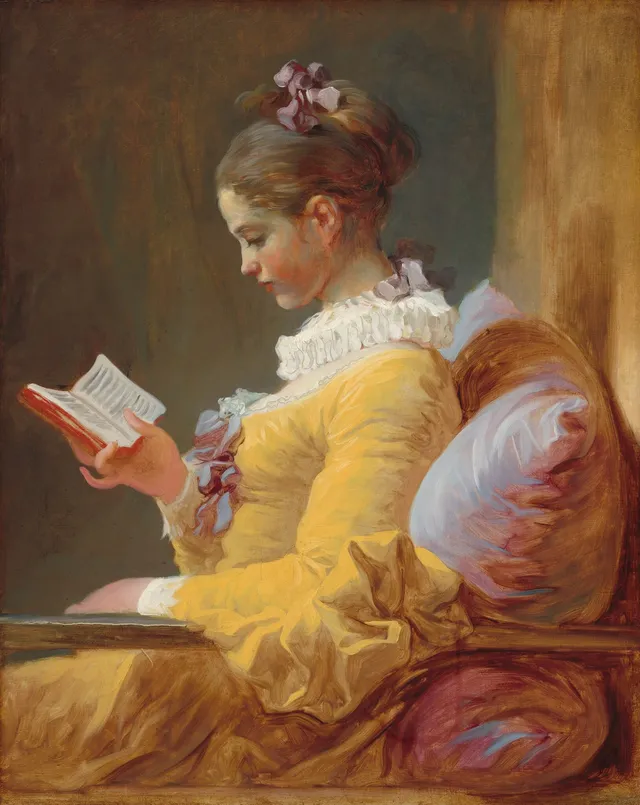
Renaissance painters revived and extended these concerns. Across the 14th and 15th centuries artists rendered garments with increasing, sculptural realism; by the 16th century in Italy, masters such as Raphael — represented here by Saint George and the Dragon — and Fra Bartolomeo, whose Madonna and Child with the Young Saint John the Baptist relies on broad, dignified mantles, began using folds expressively rather than literally, deploying cloth for drama and devotional gravity. In Baroque and Rococo portraiture, dress became a theatre of status: successful studios employed specialist "drapery painters" to render costume while the master painted faces and hands. Fragonard's shimmering lemon-yellow gown in Young Girl Reading (c. 1770) shows how fabric itself could become the painting's true subject.
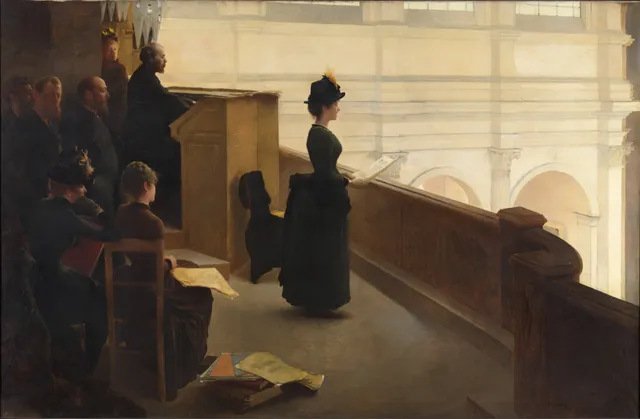
The 19th century turned dress toward modern life. The lavish gowns of Second Empire France and the rise of haute couture — pioneered by Charles Frederick Worth, who opened his Paris house in 1858 — made contemporary fashion unavoidable for painters of modernity. Monet's Woman with a Parasol — Madame Monet and Her Son (1875) dissolves Camille's white summer dress into wind and light, while later works such as Henry Lerolle's The Organ Rehearsal and Odilon Redon's Pandora carry dress into Symbolist reverie. From Phidias to the fashion plate, the depiction of clothing remains one of art's most eloquent registers of the human and the historical.
Key artists
Overview
Dress, also known as clothing, garments, apparel, or attire, refers to items worn on the human body. Typically fashioned from fabrics or textiles, dress can also incorporate leather, artificial leather, fur, or other materials. As a fundamental feature of all human societies, the amount and type of clothing worn depend on gender, body type, social factors, and geographic considerations. In art, dress recurs as a primary subject because it operates as a visual language. Few elements convey status, identity, and history as effectively, allowing artists to communicate complex social and cultural narratives through the rendering of fabric, cut, and ornament.
Iconography & meaning
Dress carries multiple layers of iconography and meaning, functioning simultaneously as protection, modesty, and social communication. Theoretical frameworks for why humans wear clothing generally fall into three categories: protection from the elements, modesty or shame based on moral conventions, and adornment to attract attention and admiration. Modern scholarship recognizes these motives as intertwined. Dress serves as a nonverbal expression of social status, wealth, group identity, and individualism. It can connote modesty, where the deprivation of clothing in public may be considered embarrassing or indecent, or it can project power and authority. Specific garments often carry deep symbolic weight, such as the ermine lining and gold fleur-de-lis of a coronation robe representing royal lineage and purity, or masculine attire signifying transgression and authority, as seen in the trial of Joan of Arc.
Across movements & periods
The treatment of dress in art has evolved significantly across movements and periods, reflecting broader shifts in society and artistic technique. In the early modern period, artists like Peter Paul Rubens and Lavinia Fontana used dress to project theatrical grandeur and maximalist wealth, rendering luminous satin folds, intricate lace, and jeweled details with precise, studio-lit precision to legitimize aristocratic power. By the 19th century, artists such as James Tissot and Alfred Stevens focused on the meticulous rendering of modern fabrics and contemporary fashion, treating dress as a central compositional element that defined the modern woman. The Impressionist era saw artists like Claude Monet and Edgar Degas capturing the play of light on flowing fabrics and colorful tutus, prioritizing the atmospheric effect of dress over exact sartorial detail. Later, Art Deco artists like Tamara de Lempicka utilized the structured, geometric qualities of modern dress to portray both femininity and strength, while Symbolist and Art Nouveau painters like Gustav Klimt transformed dress into an ornamental, almost mystical surface that merged the figure with its environment.
Notable depictions
Several canonical depictions of dress in art history highlight the garment as the focal point of the composition. Hyacinthe Rigaud's Portrait of Louis XIV transforms the king's blue velvet coronation robe, covered in gold fleur-de-lis and lined with ermine, into an embodiment of absolute authority. John Singer Sargent's portraits, notably Madame X and Lady Agnew of Lochnaw, demonstrate his mastery of texture and his ability to use fashion as the ultimate power move in society portraiture. Lavinia Fontana's Portrait of Costanza Alidosi builds the image around a cuffed black gown loaded with gold embroidery and pearls, displaying wealth and authority. Peter Paul Rubens' portrait of Brigida Spinola Doria captures luminous satin and intricate lace in early 1600s wedding finery. Franz Xaver Winterhalter crafted idealized royal portraits, such as his depiction of Empress Elisabeth of Austria in white tulle and silk with diamond stars, projecting imperial perfection. In the modern era, Klimt's designs for Adele Bloch-Bauer merged varying cultural aesthetics into an ornamental golden dress, while Degas' whimsical ballerinas captured the vibrant colors and textures of performance costumes.
Legacy
The legacy of dress in art extends beyond the canvas into modern fashion, cultural identity, and technological innovation. Historical paintings continue to inspire contemporary couture, with figures like Kendall Jenner sourcing looks from Alexander McQueen's mythological Givenchy collection for the Met Gala. The intersection of art and fashion has produced iconic garments that function as standalone cultural artifacts, such as Elsa Schiaparelli's 1937 lobster dress created with Salvador Dali, which pioneered the collaboration between fine artists and fashion designers. Throughout history, women have used dress to advance political and social causes, from Marie Antoinette's sartorial choices, which provided fodder for the revolutionary cause, to the suffragettes who wore specific colors to embody their movement. Modern figures have continued this tradition, using garments to make statements on the global stage, whether through the Afrocentric styles of Ellen Johnson Sirleaf or the provocative designs worn by celebrities that have driven technological shifts, such as the internet search demand inspired by Jennifer Lopez's green Versace dress.
Works
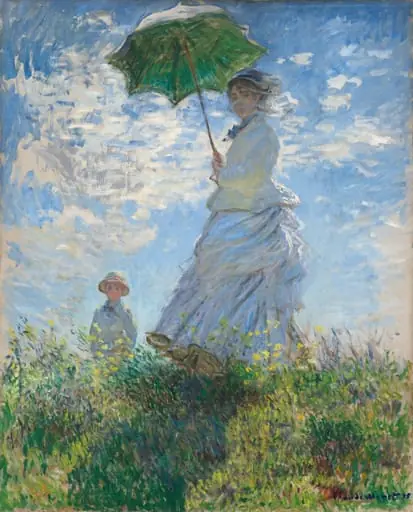 Woman with a Parasol - Madame Monet and Her Son
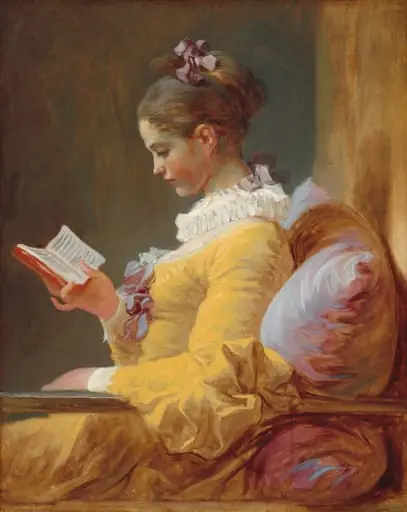 Young Girl Reading
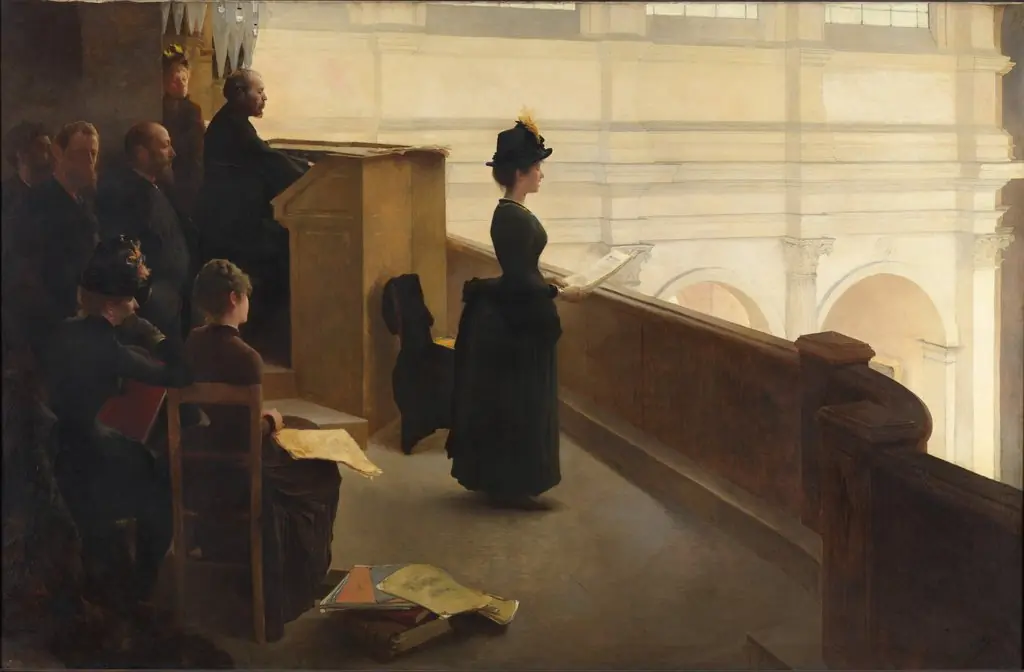 The Organ Rehearsal
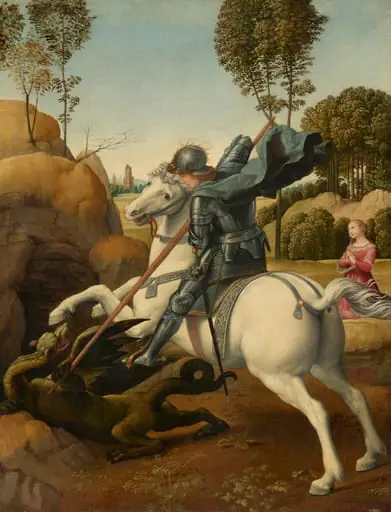 Saint George and the Dragon
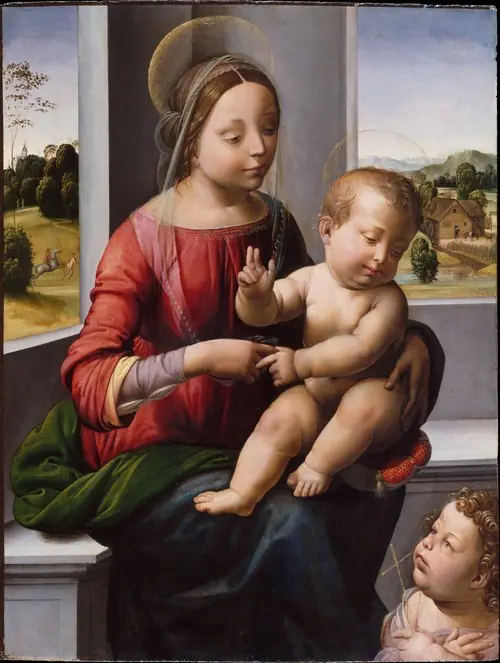 Madonna and Child with the Young Saint John the Baptist
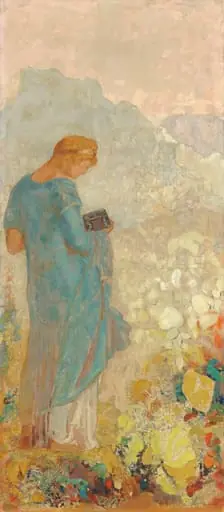 Pandora
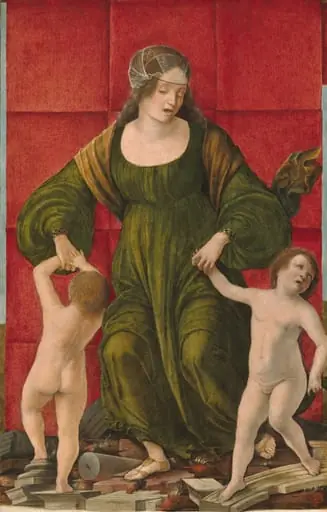 The Wife of Hasdrubal and Her Children
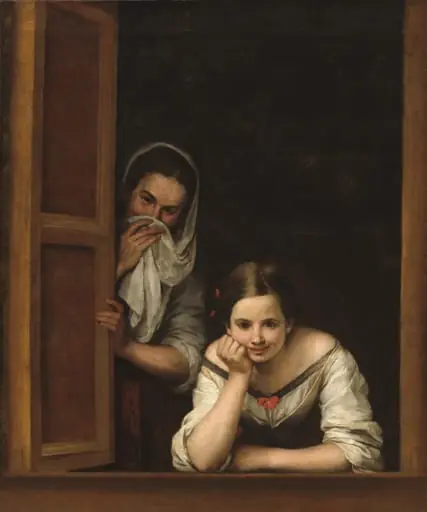 Two Women at a Window
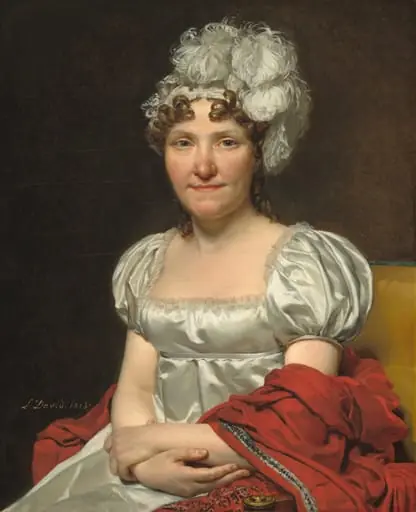 Madame David
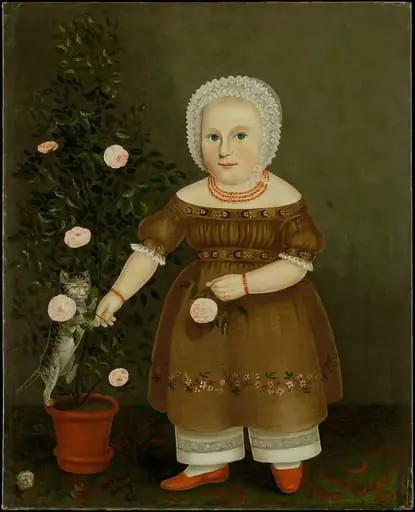 Emma Homan
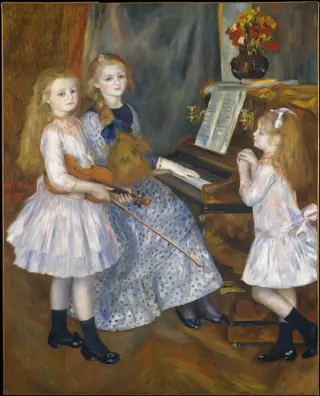 The Daughters of Catulle Mendès
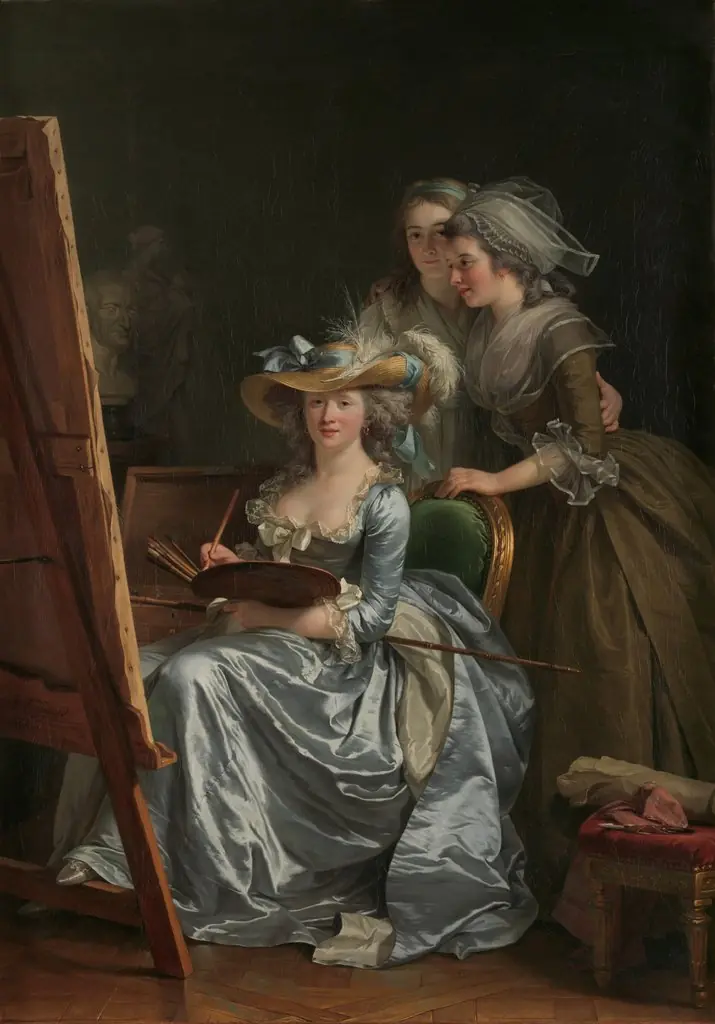 Self-Portrait with Two Pupils
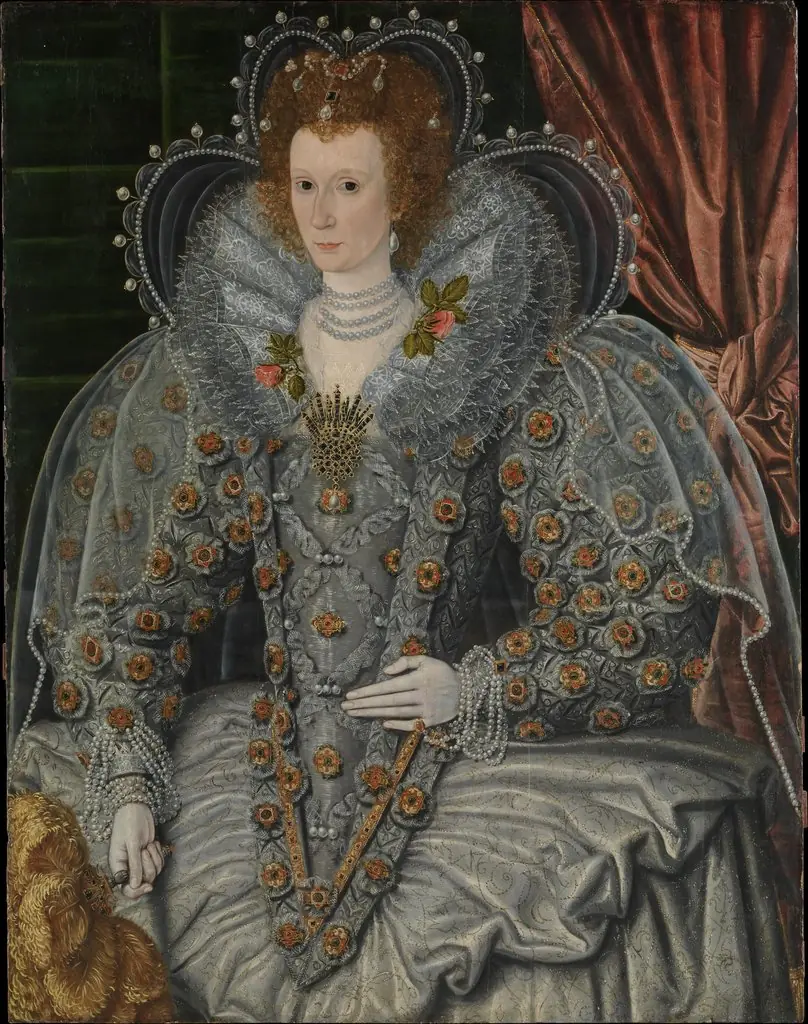 Portrait of a Woman
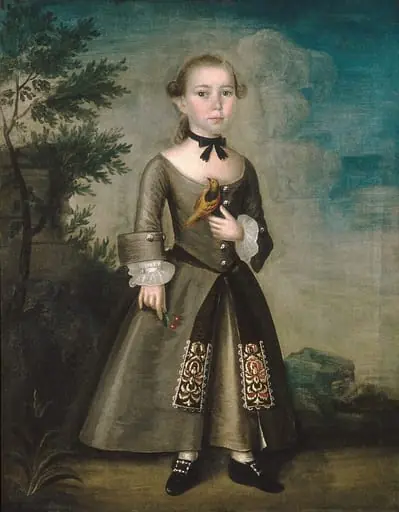 James Badger
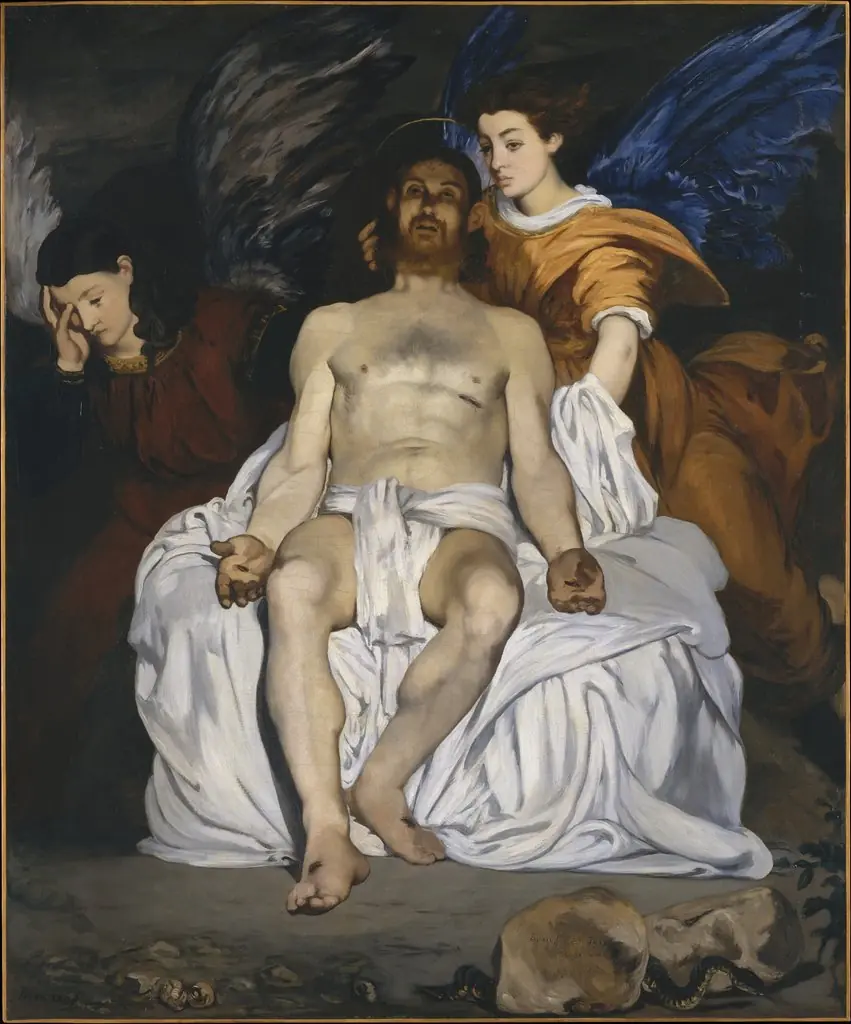 The Dead Christ with Angels
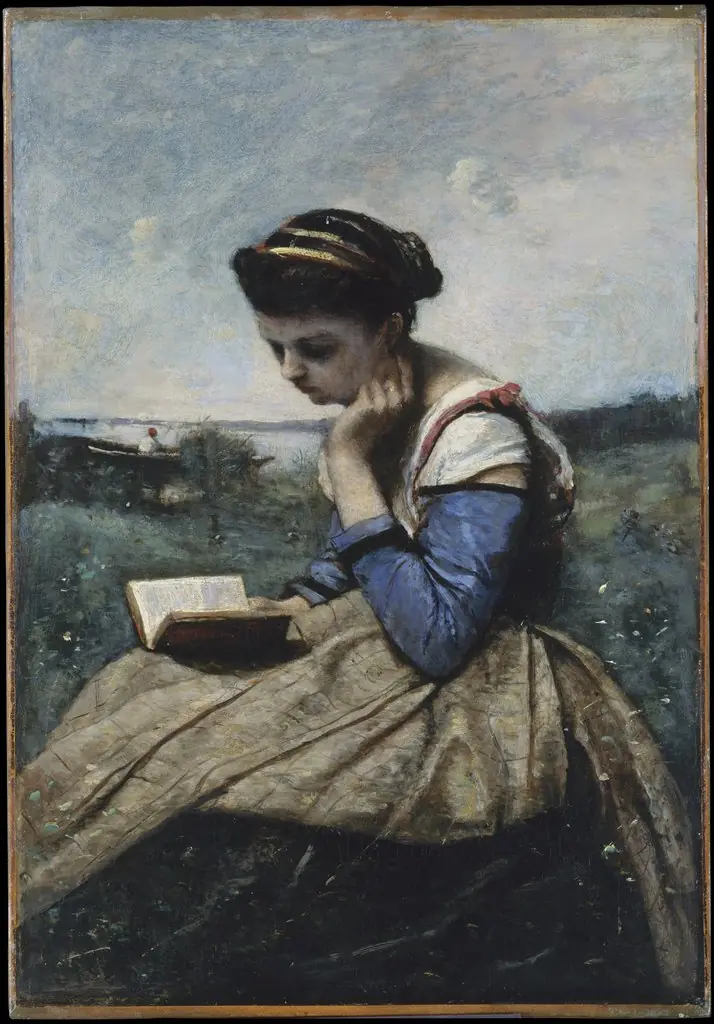 Femme Lisant
 Madame Georges Charpentier and her Children
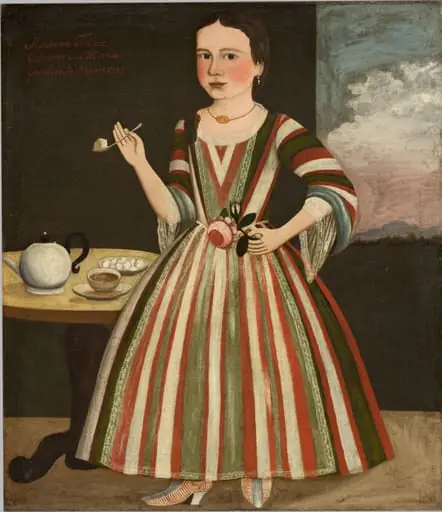 Susanna Truax
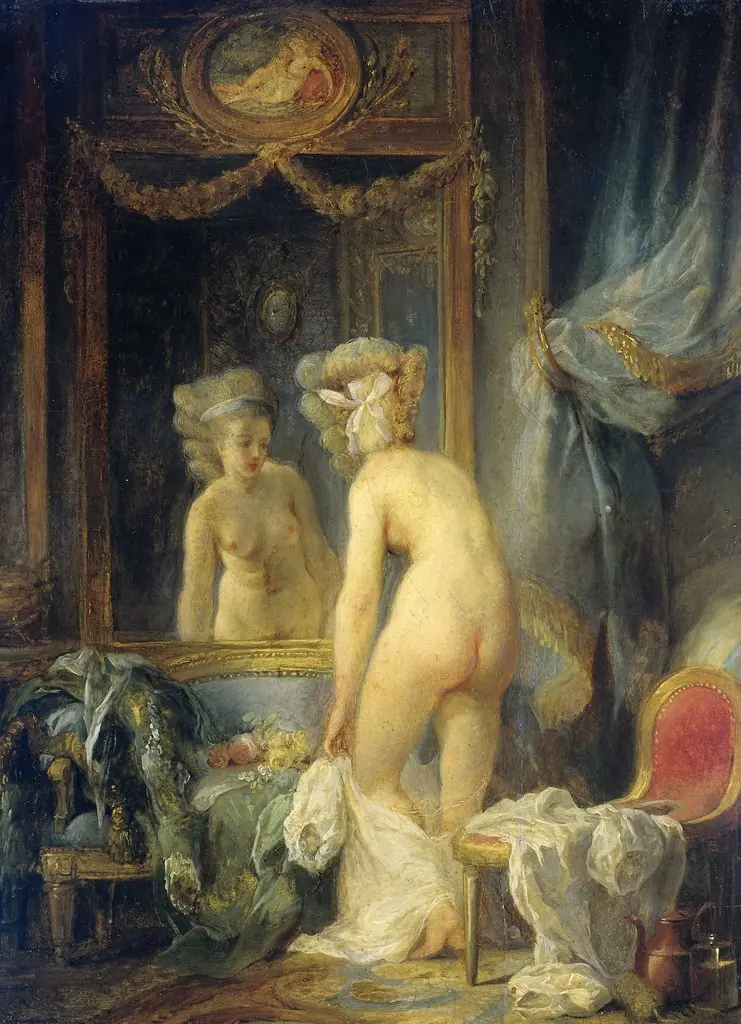 Morning Toilet
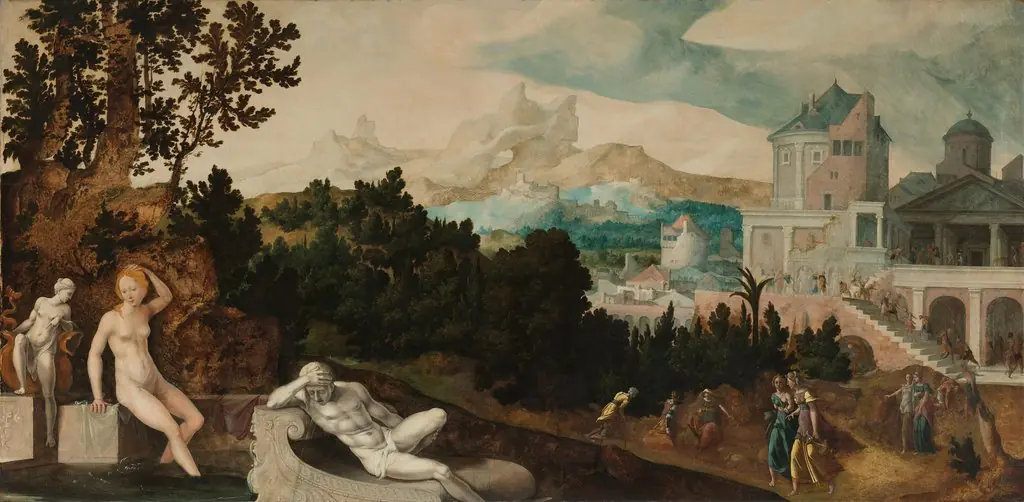 Landscape with Bathsheba
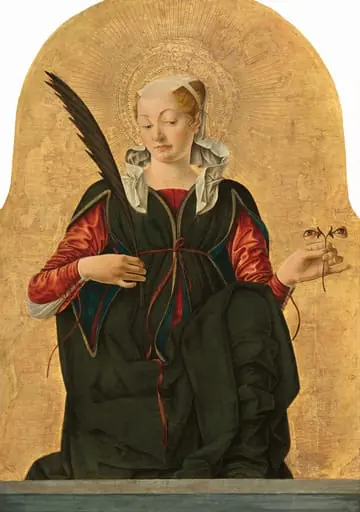 Saint Lucy
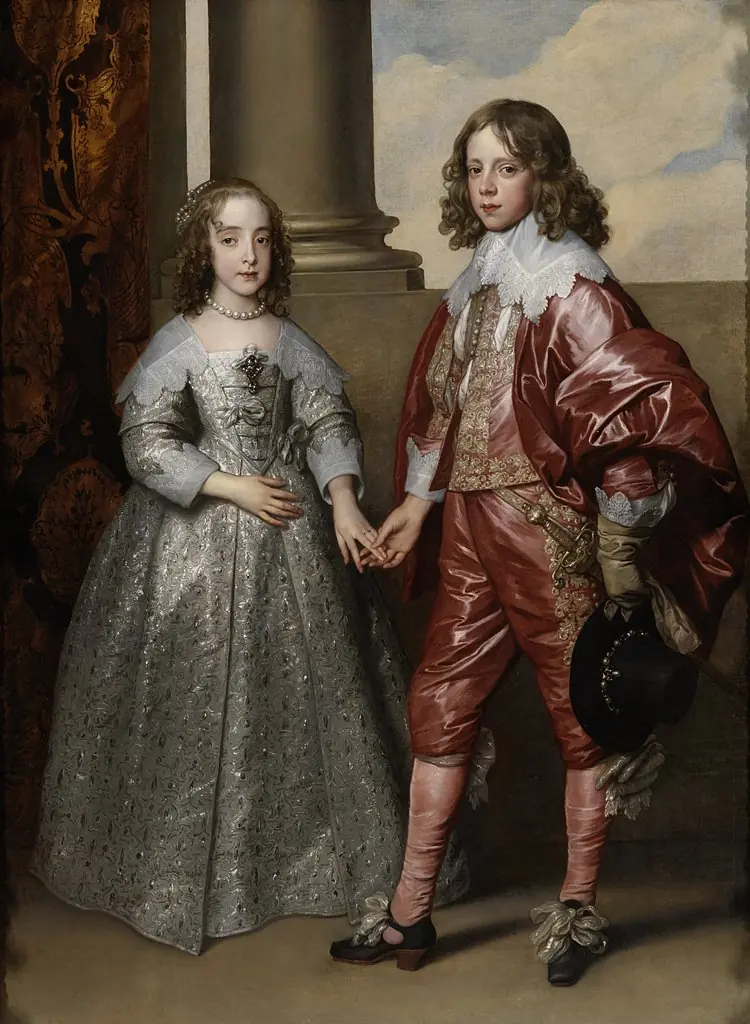 William II, Prince of Orange, and his Bride, Mary Stuart
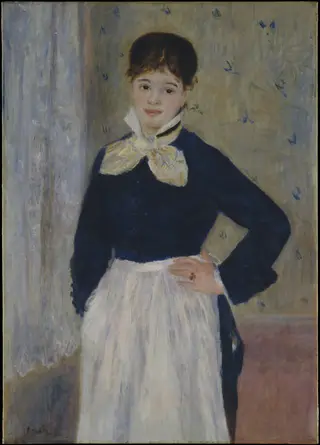 A Waitress at Duval's Restaurant
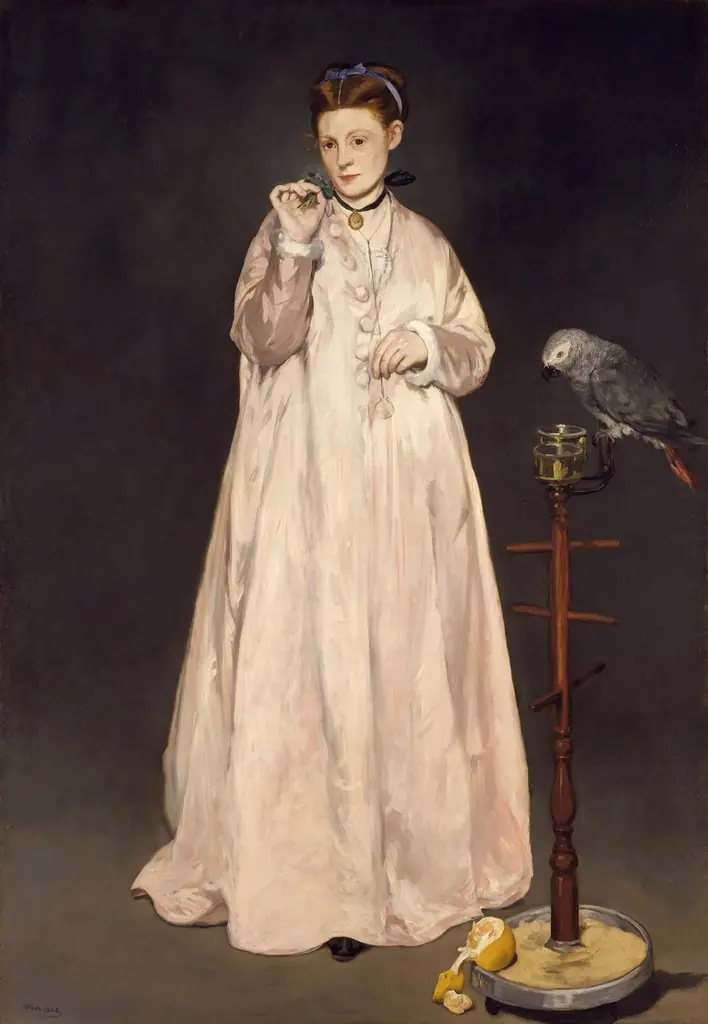 Young Lady in 1866
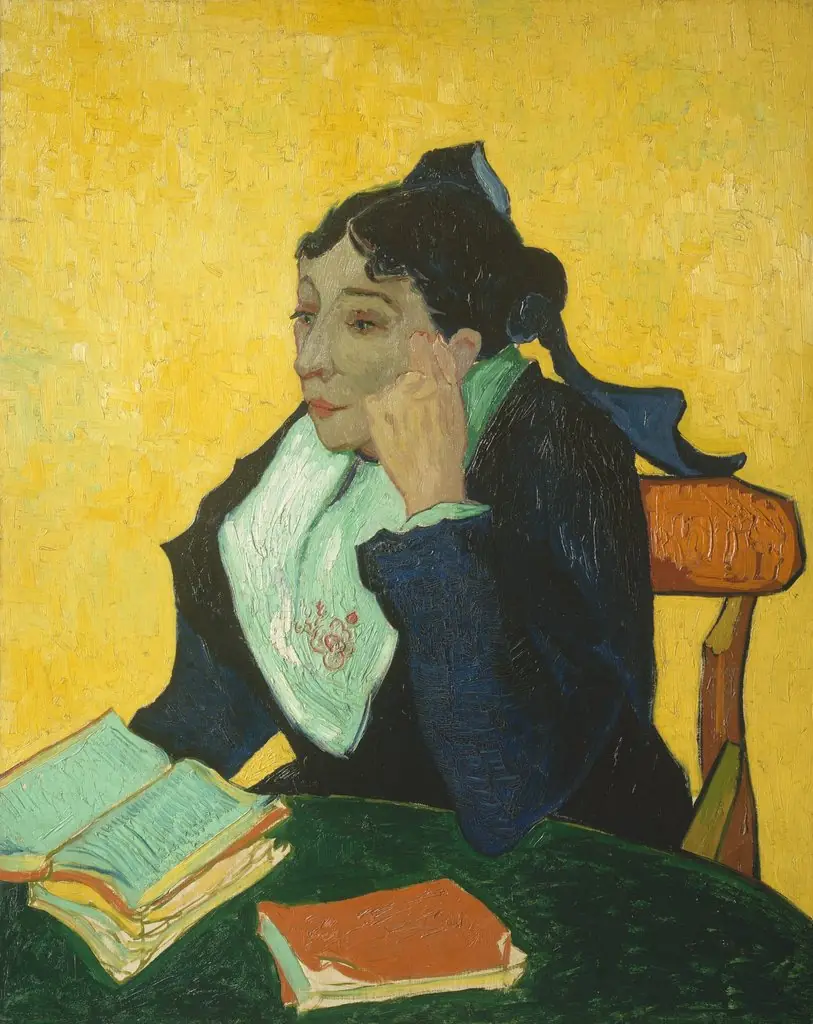 L'Arlésienne
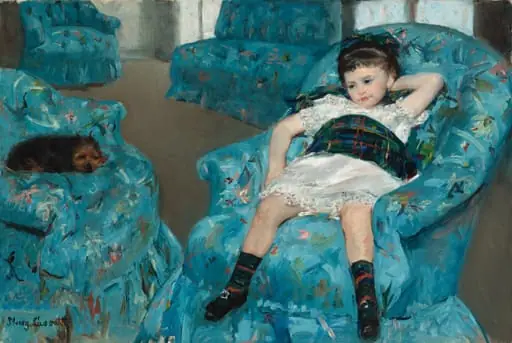 Little Girl in a Blue Armchair
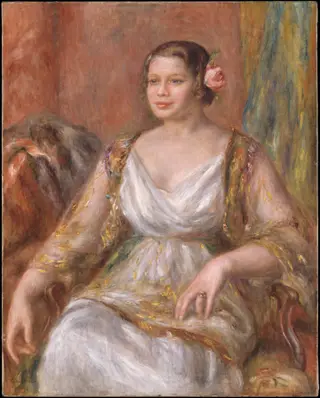 Tilla Durieux
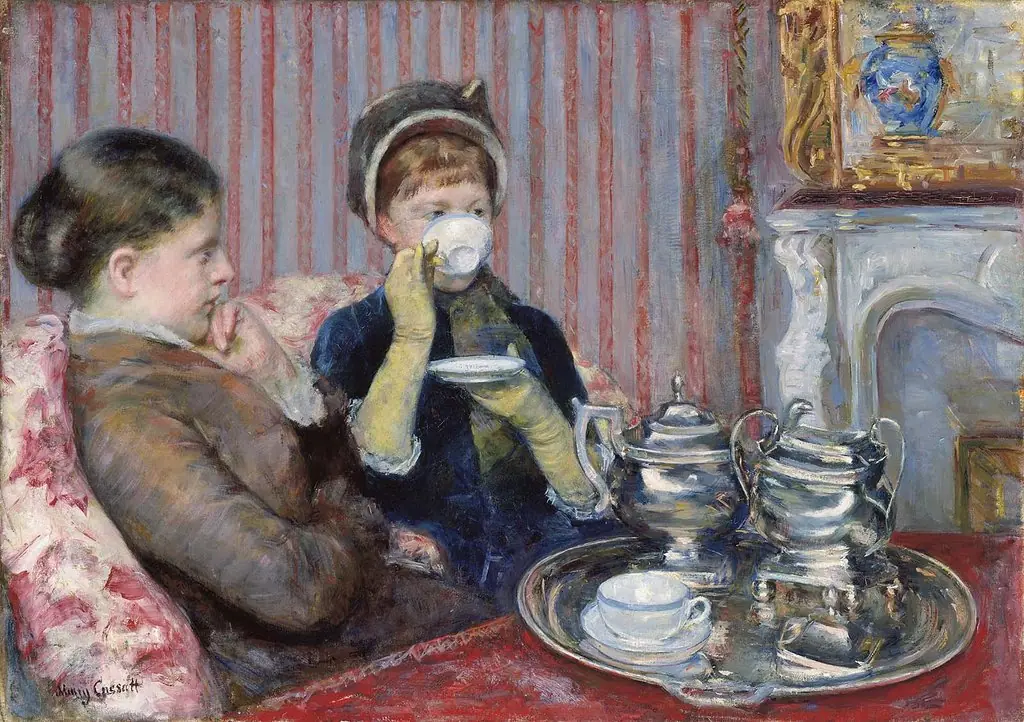 Five O'Clock Tea
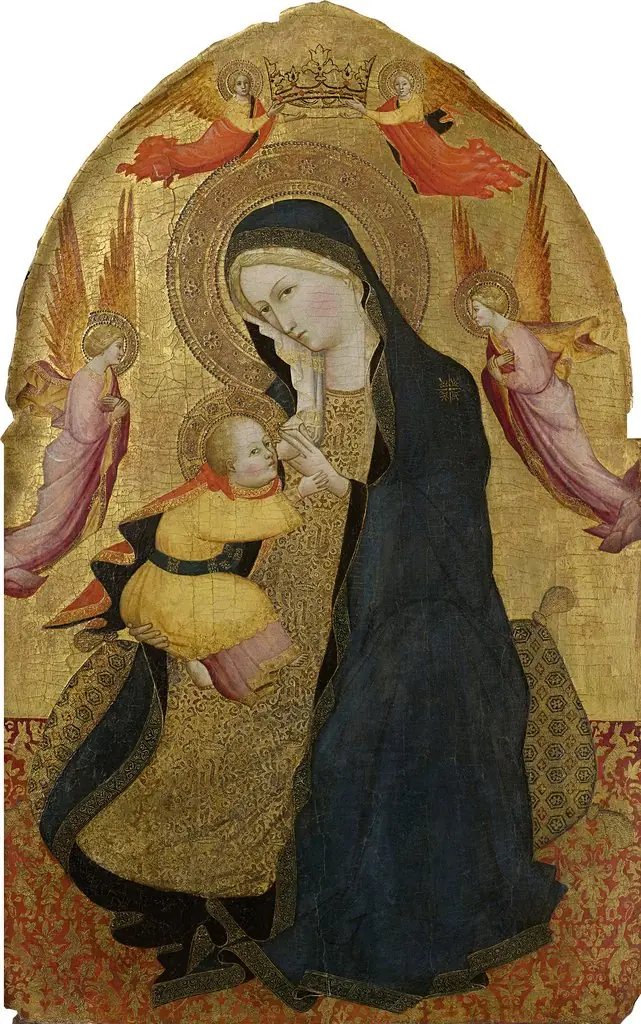 Madonna of Humility (Madonna dell'Umiltà)
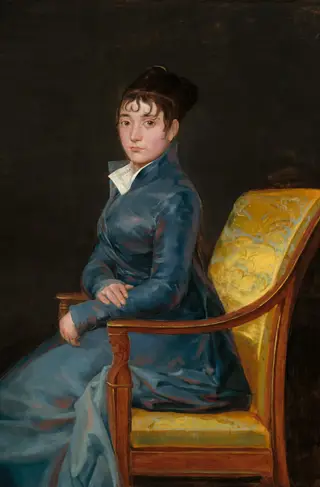 Thérèse Louise de Sureda
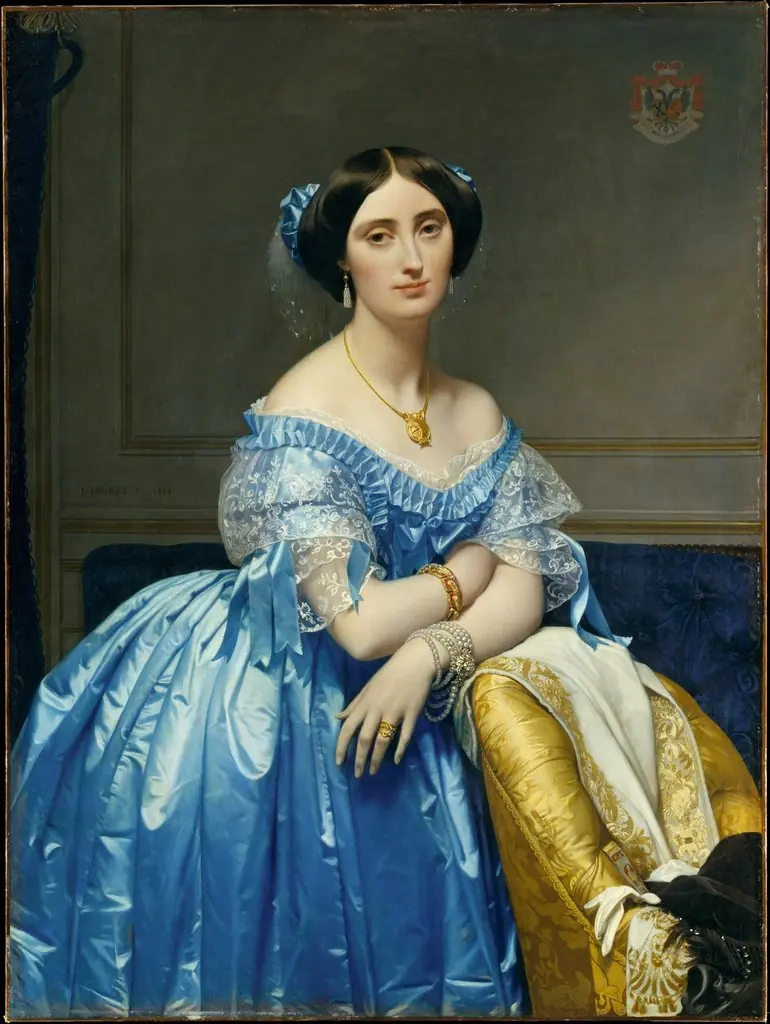 Joséphine-Éléonore-Marie-Pauline de Galard de Brassac de Béarn (1825–1860), Princesse de Broglie
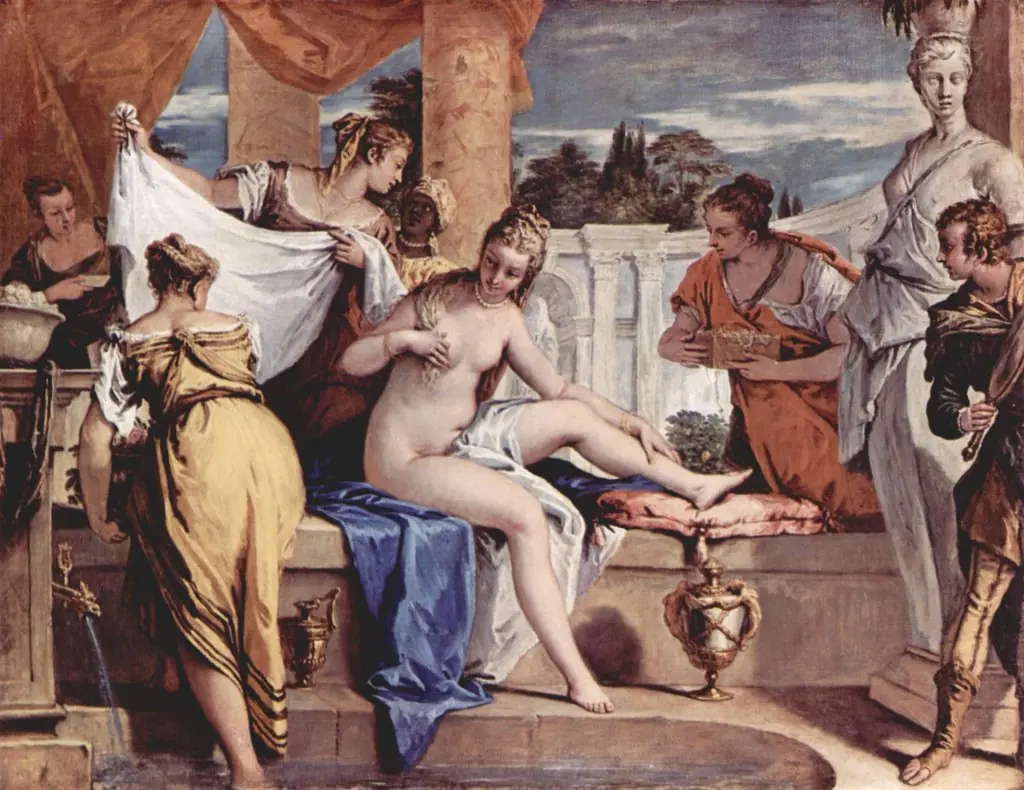 Bathsheba at her bath
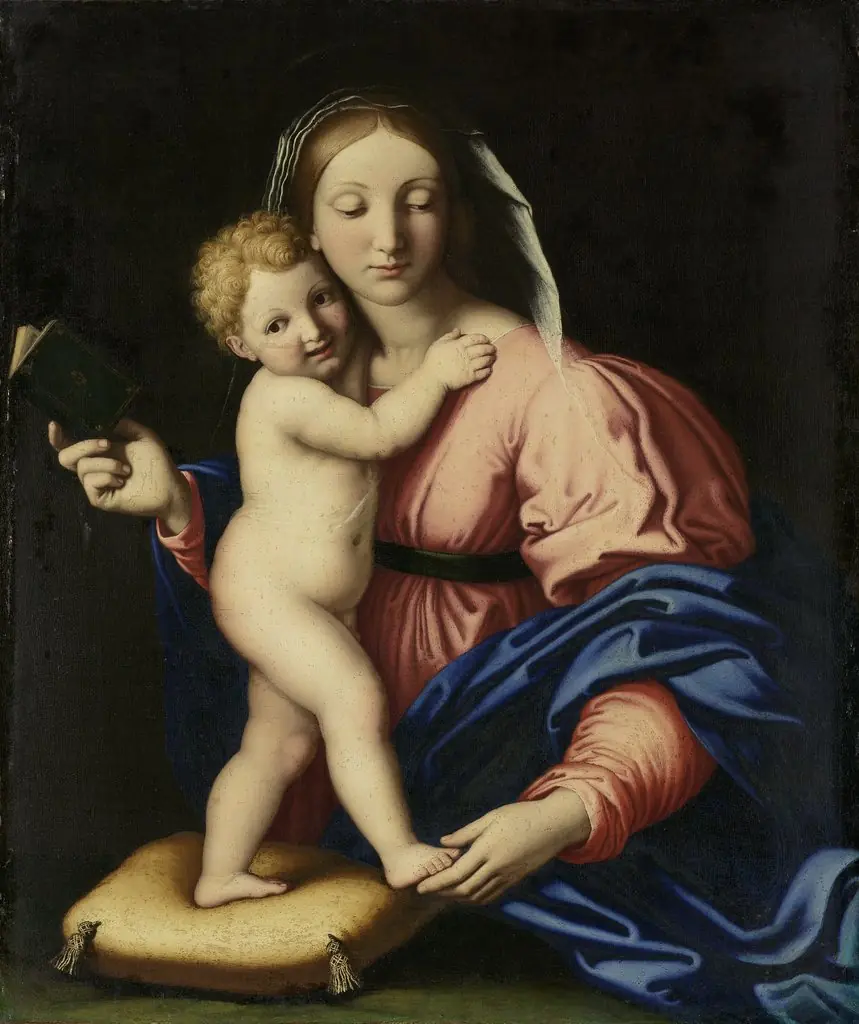 Virgin and Child
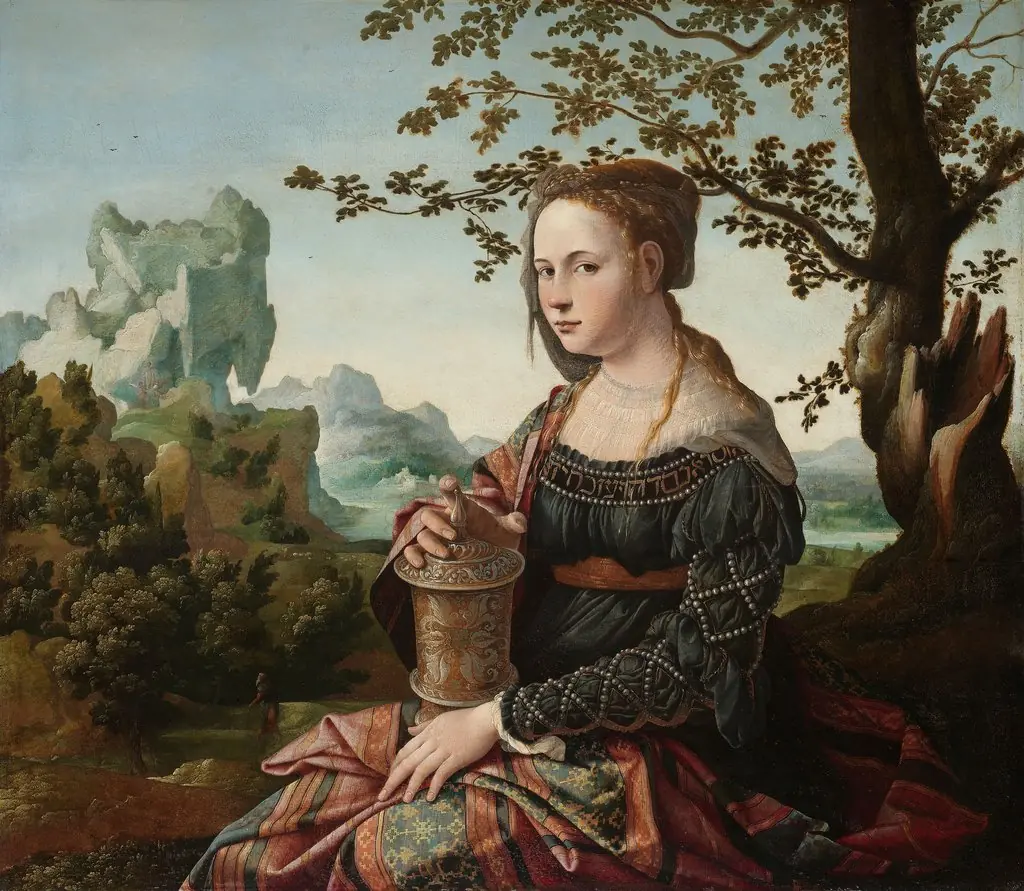 Mary Magdalene
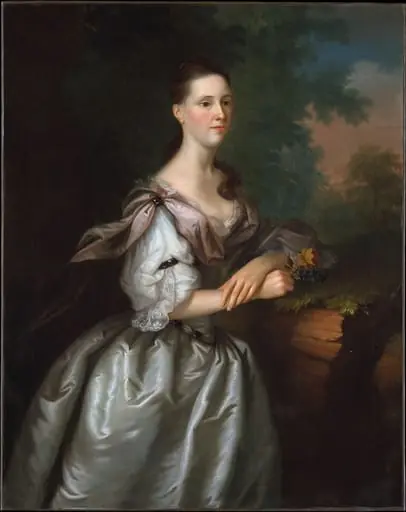 Mrs. Samuel Cutts
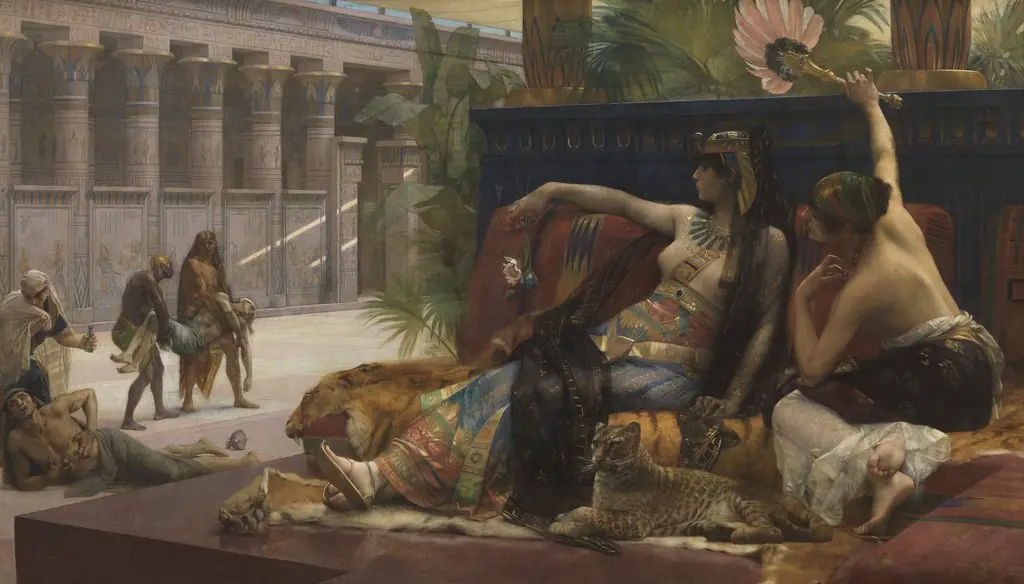 Cleopatra Testing Poisons on Condemned Prisoners
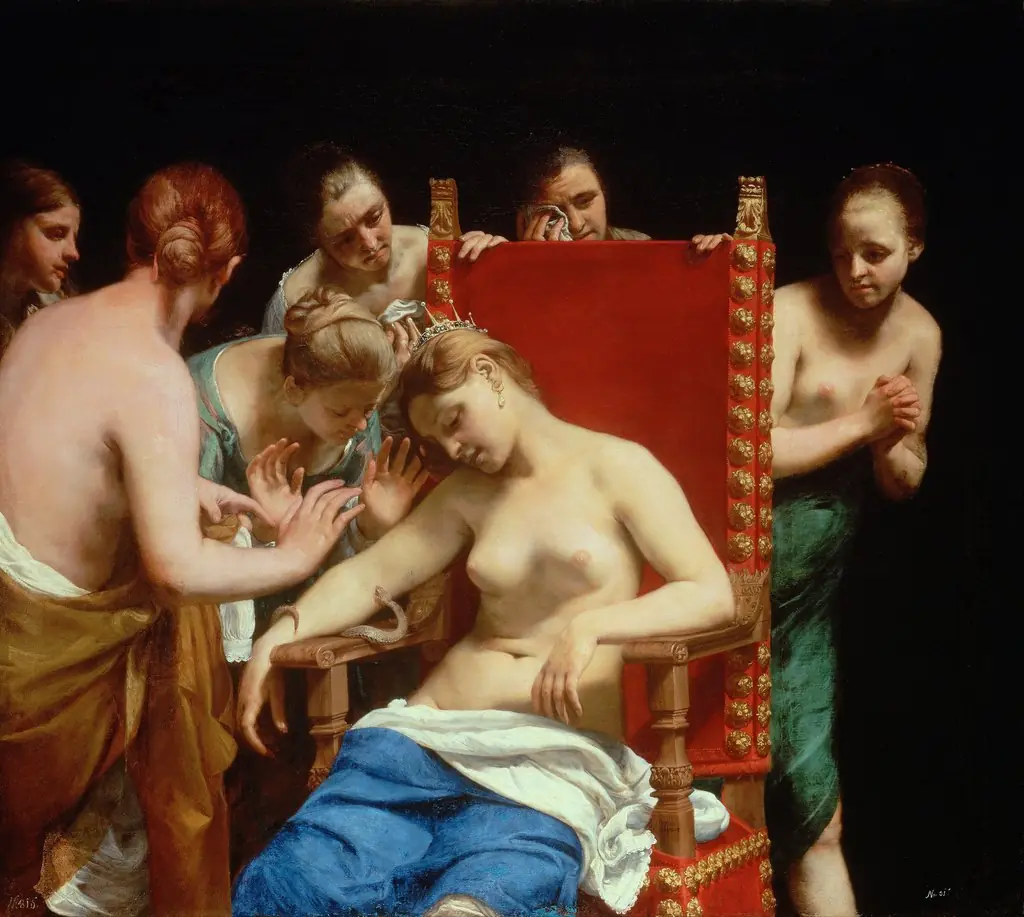 The Death of Cleopatra
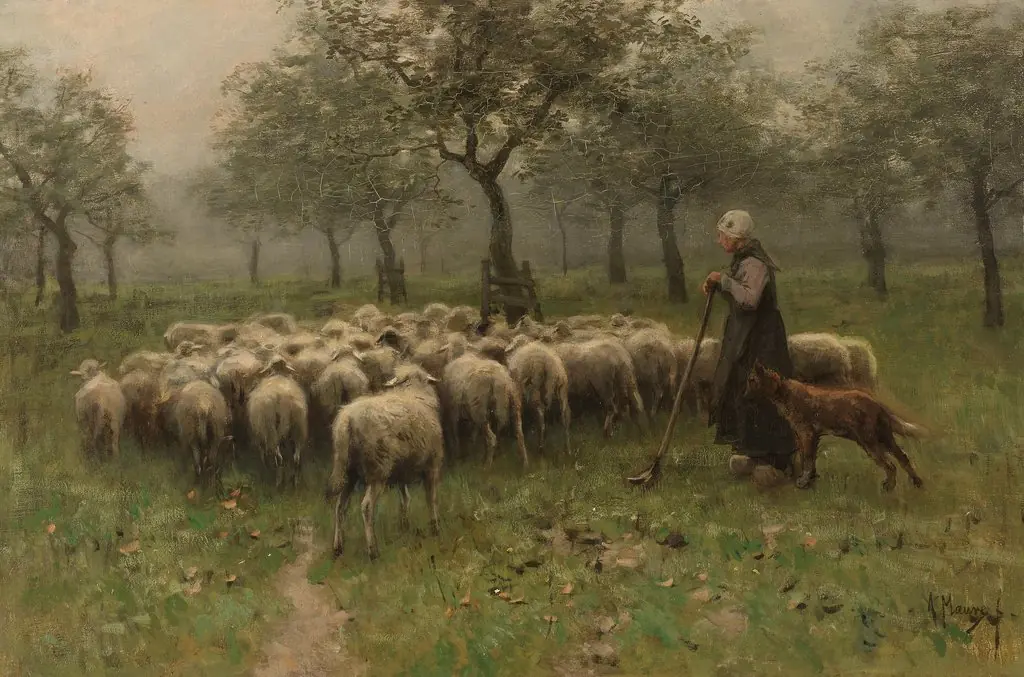 Shepherdess with a Flock of Sheep
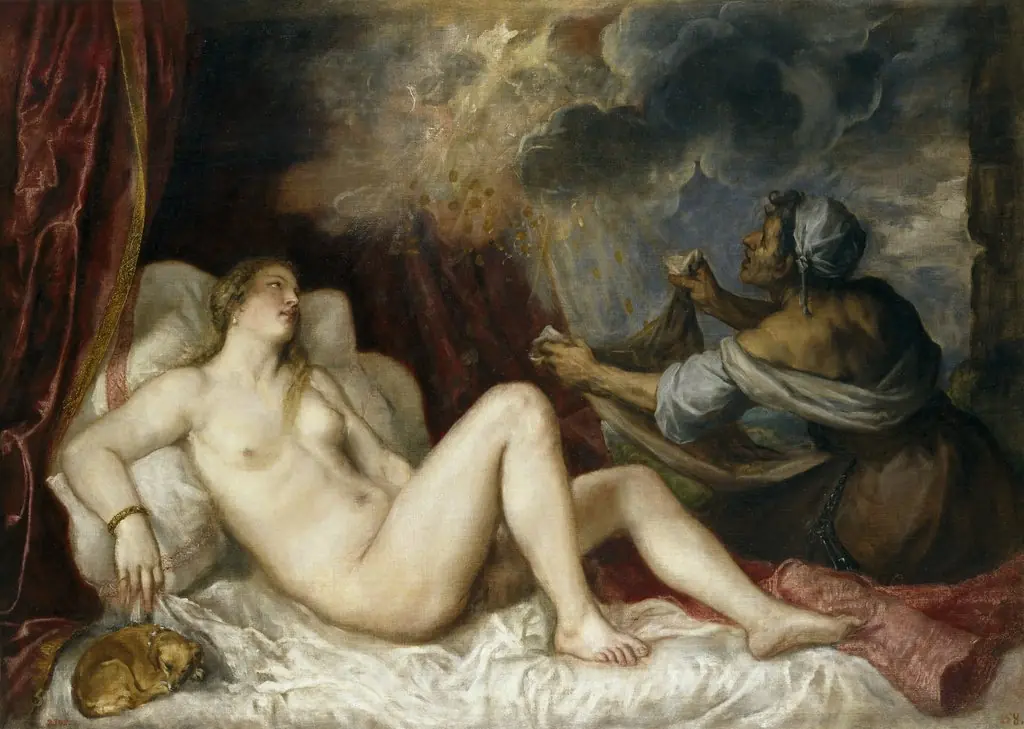 Danaë
Danaë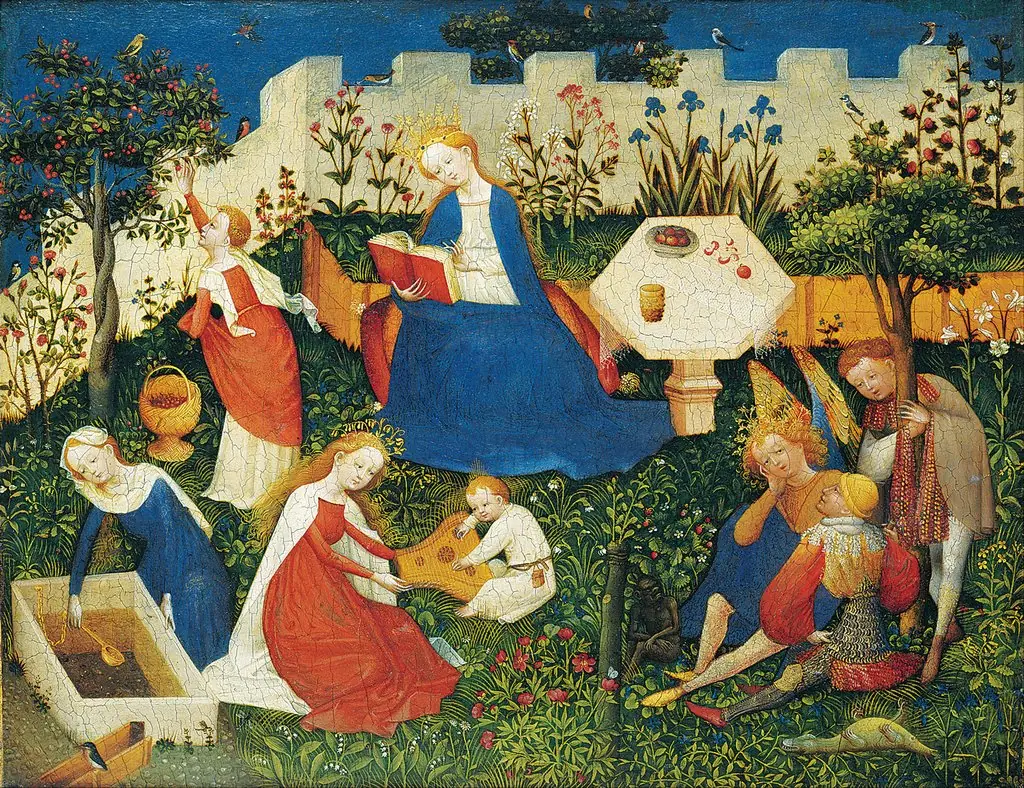 Paradiesgärtlein
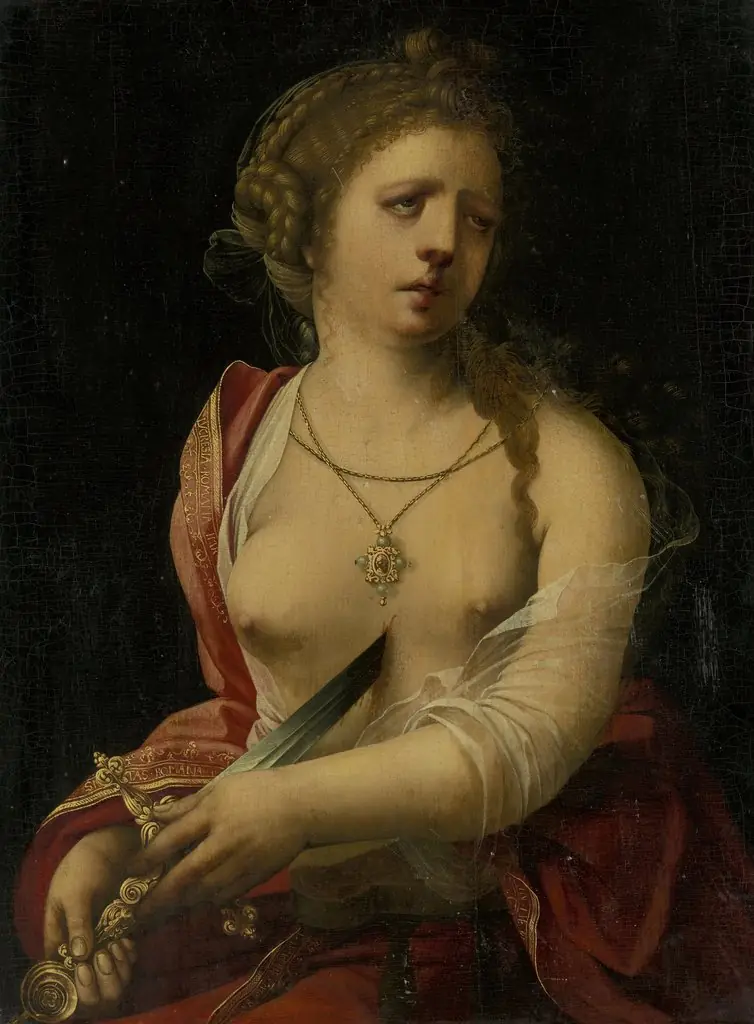 The suicide of Lucretia
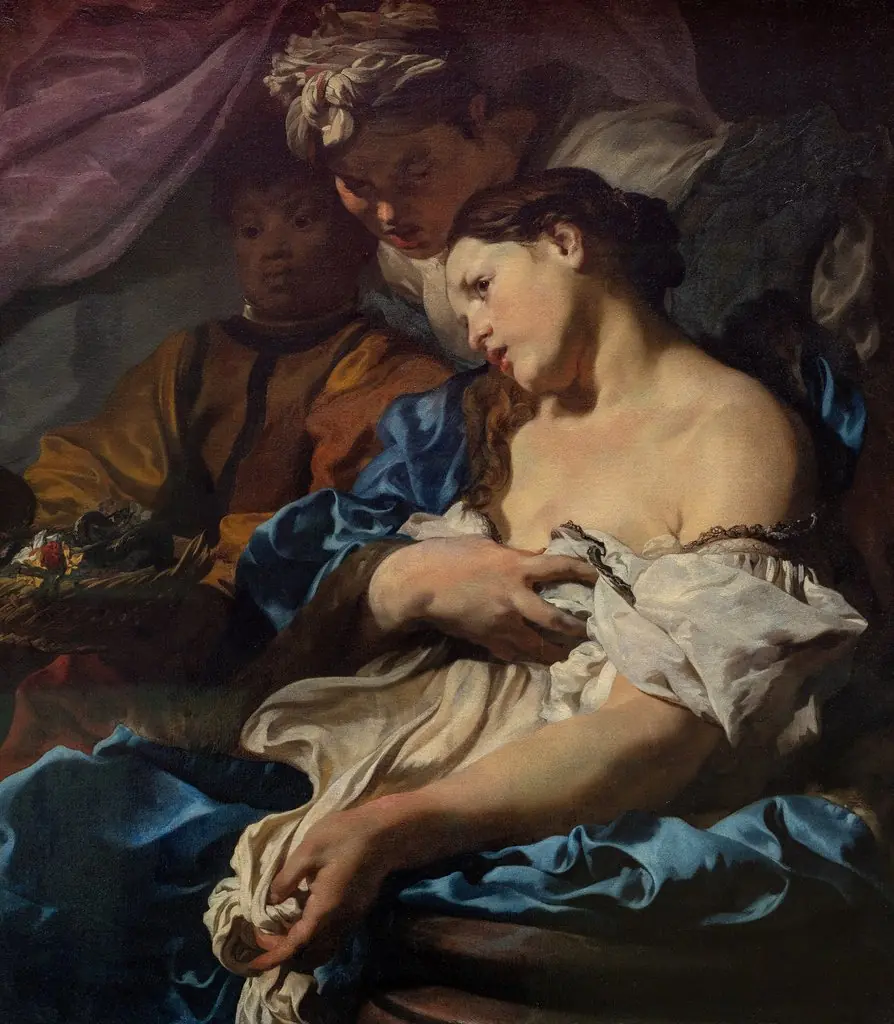 The Death of Cleopatra
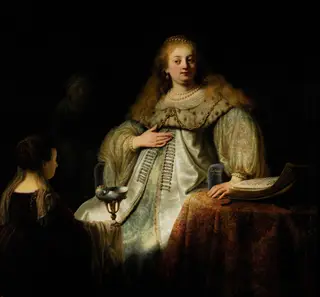 Judith at the Banquet of Holofernes
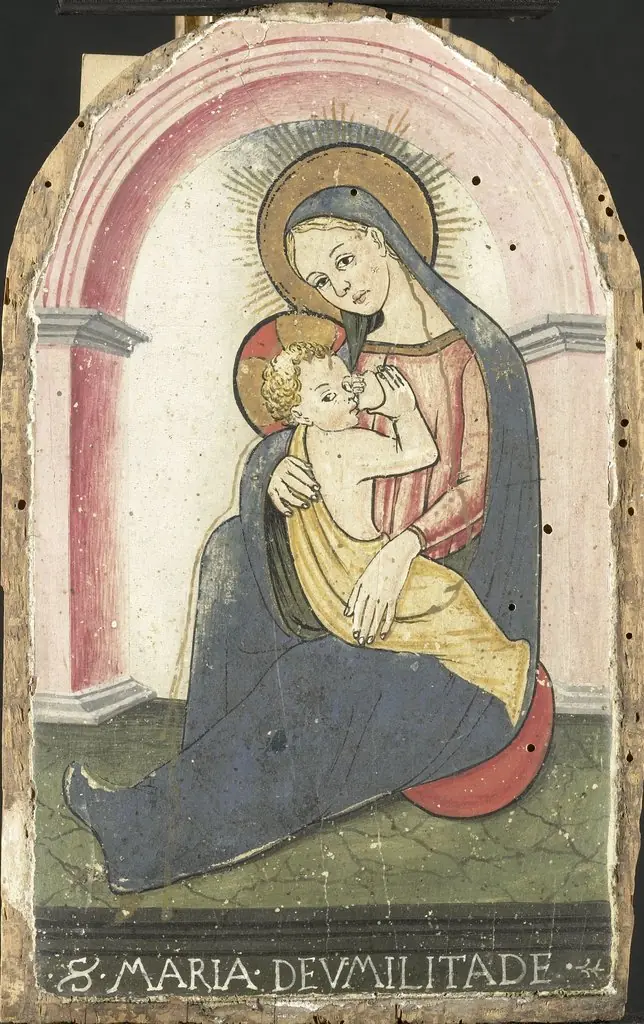 Madonna of Humility
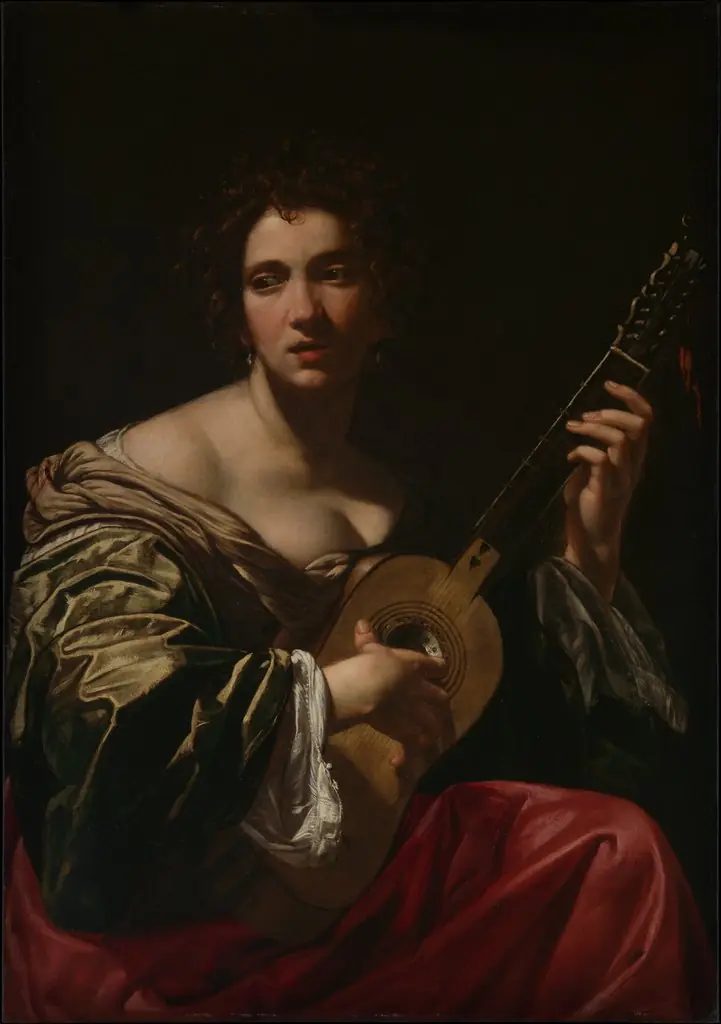 Woman Playing a Guitar
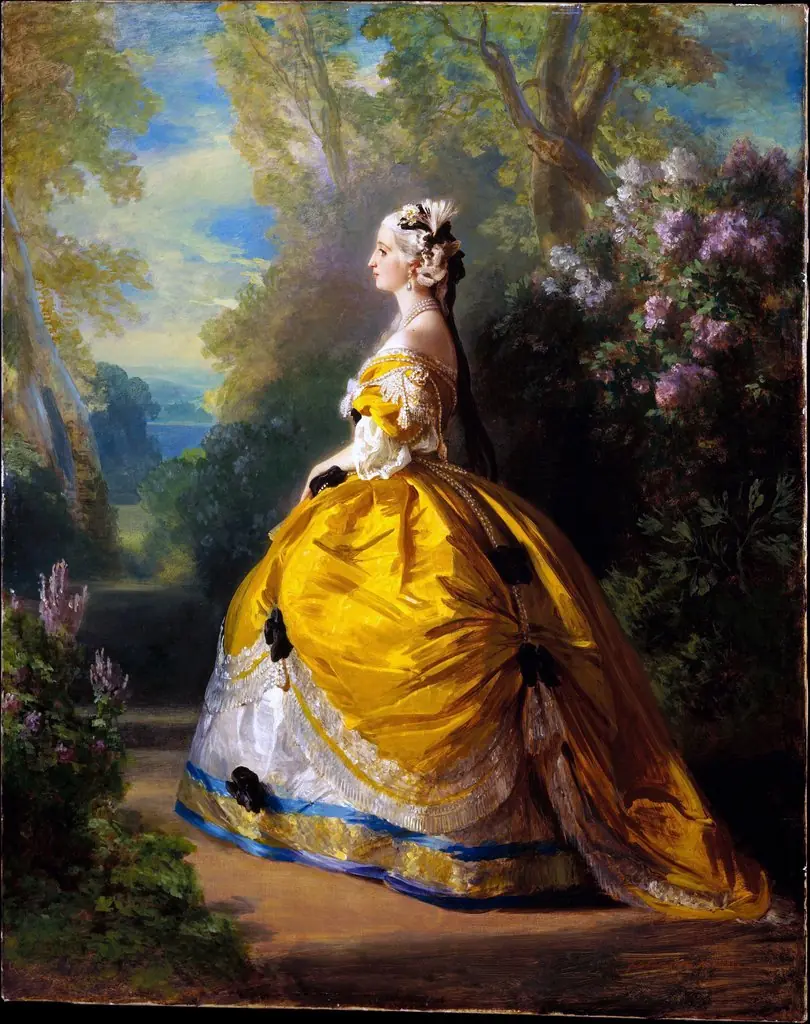 Portrait of Empress Eugénie de Montijo
 Noli me tangere
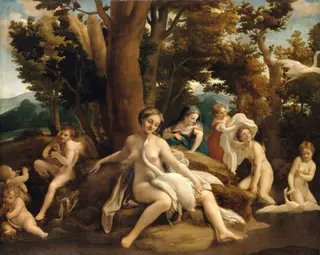 Leda and the Swan
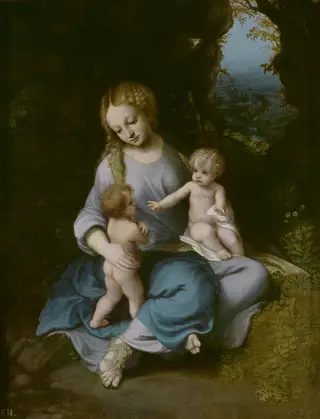 Madonna and Child with the Young Saint John
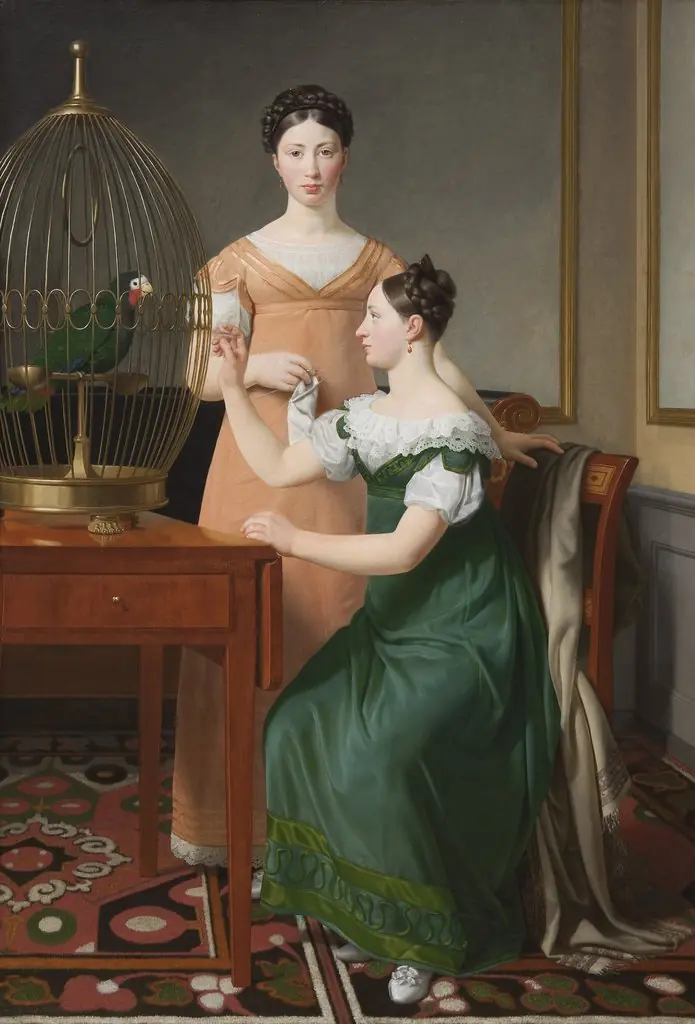 Bella and Hanna. The Eldest Daughters of M. L. Nathanson
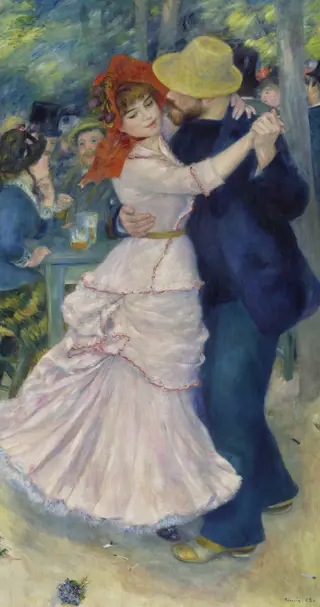 Dance at Bougival
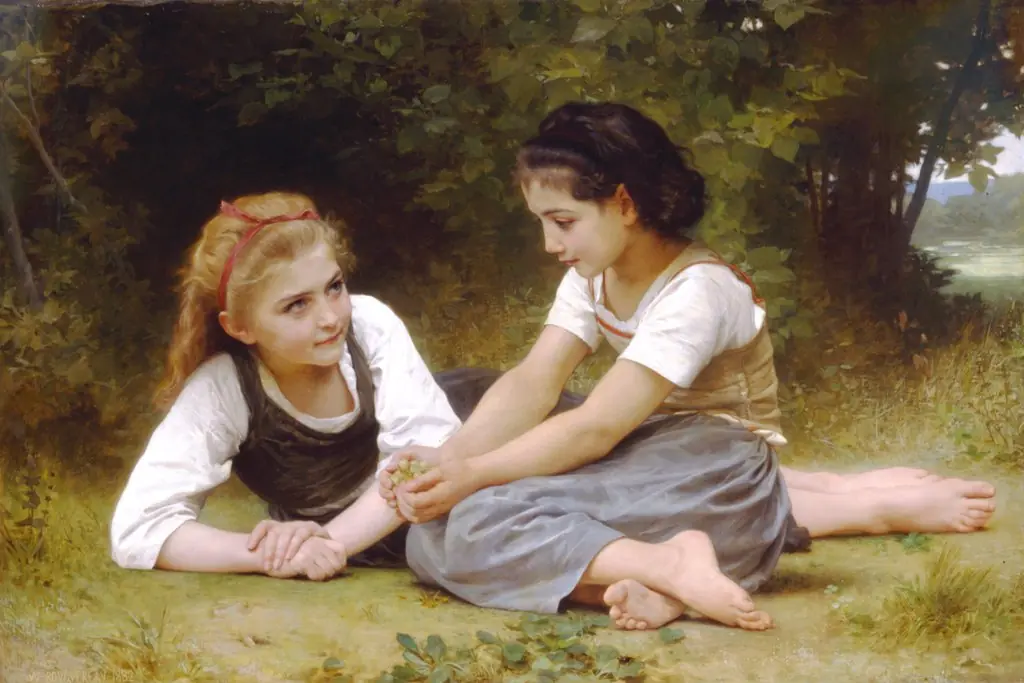 The Nut Gatherers
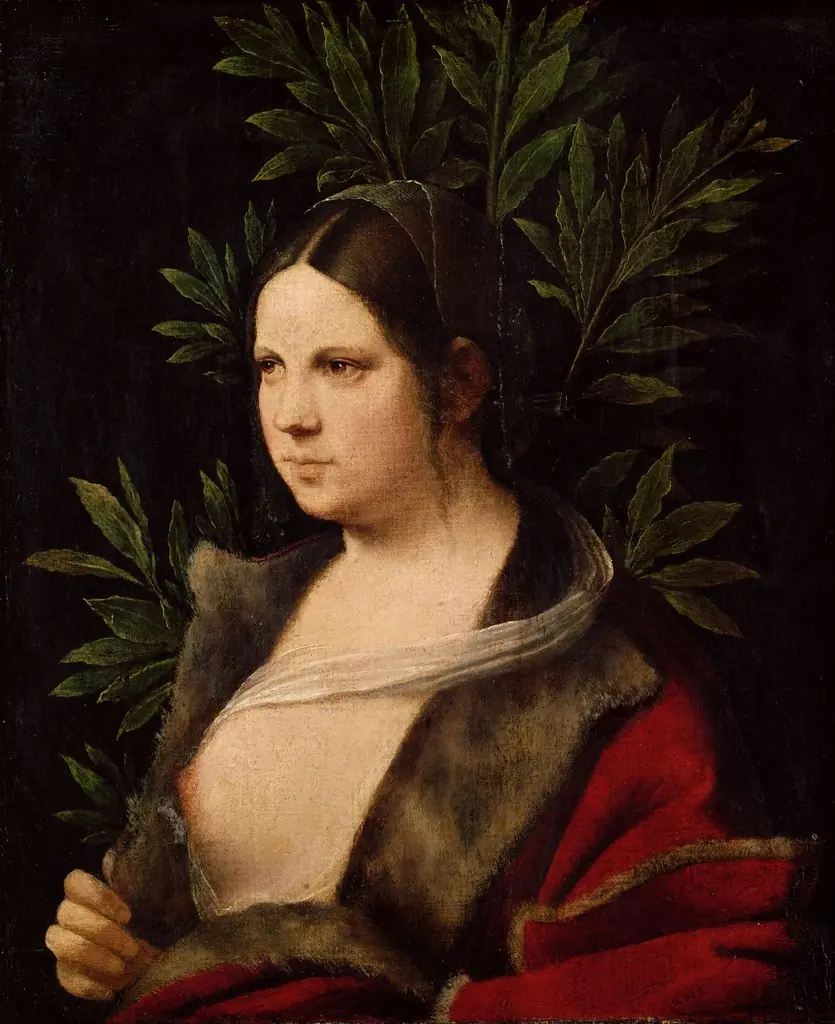 Laura
Laura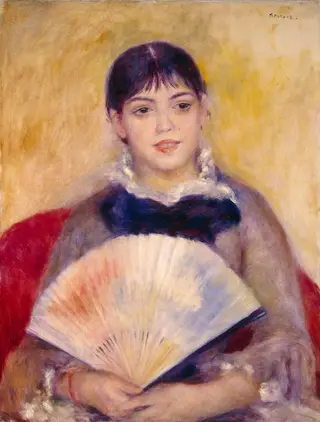 Girl with a Fan
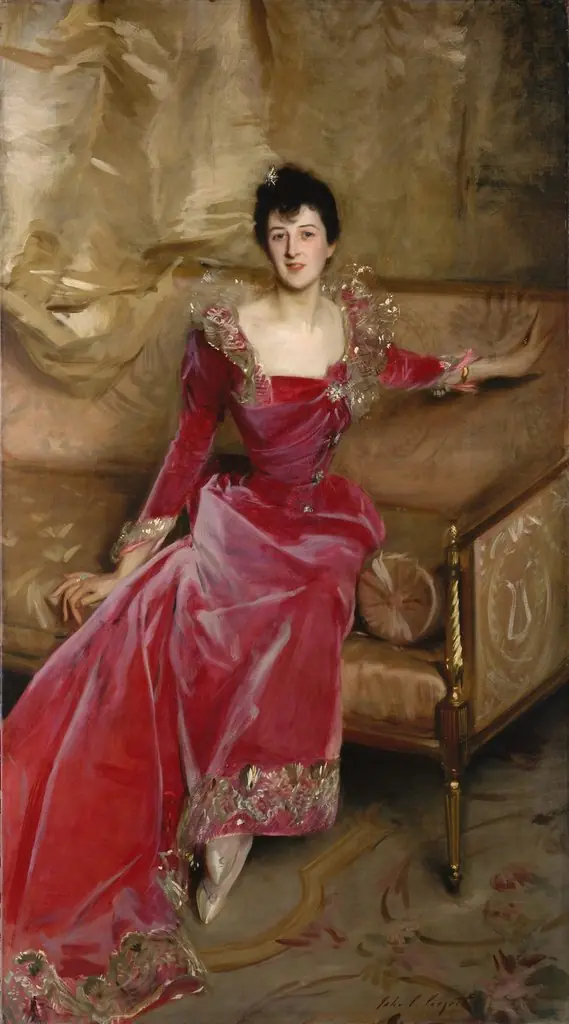 Mrs. Hugh Hammersley
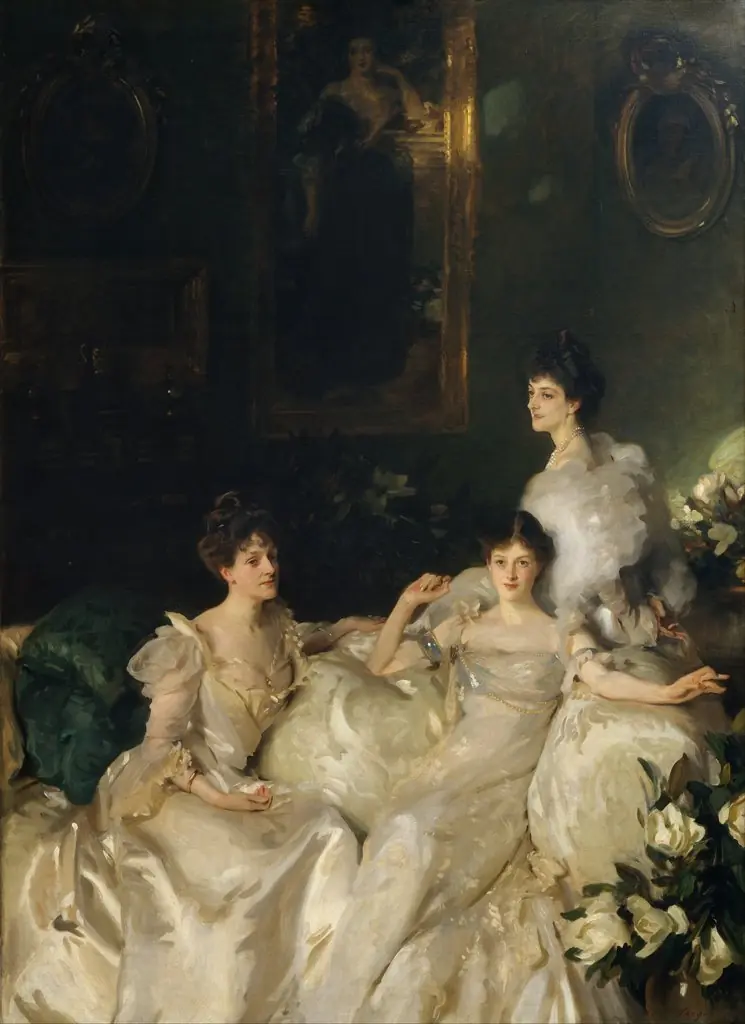 The Wyndham Sisters: Lady Elcho, Mrs. Adeane, and Mrs. Tennant
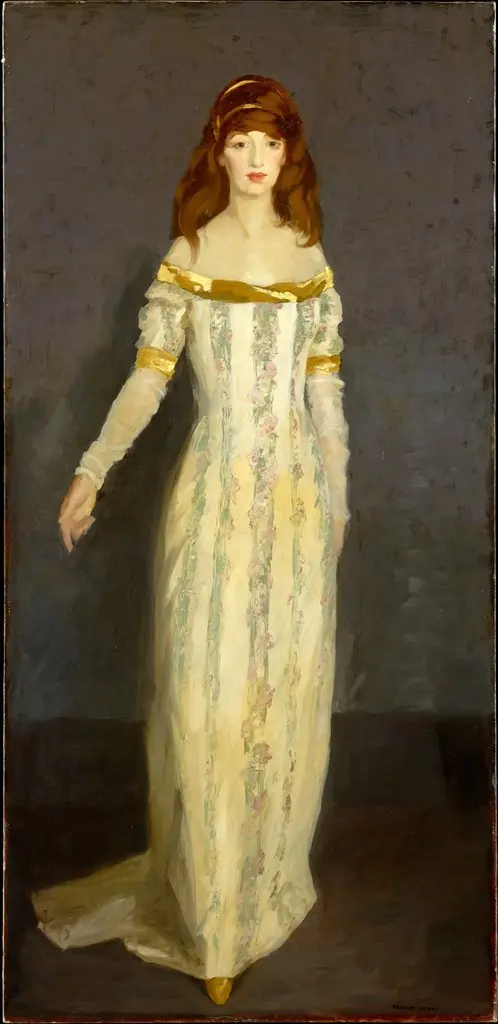 The Masquerade Dress
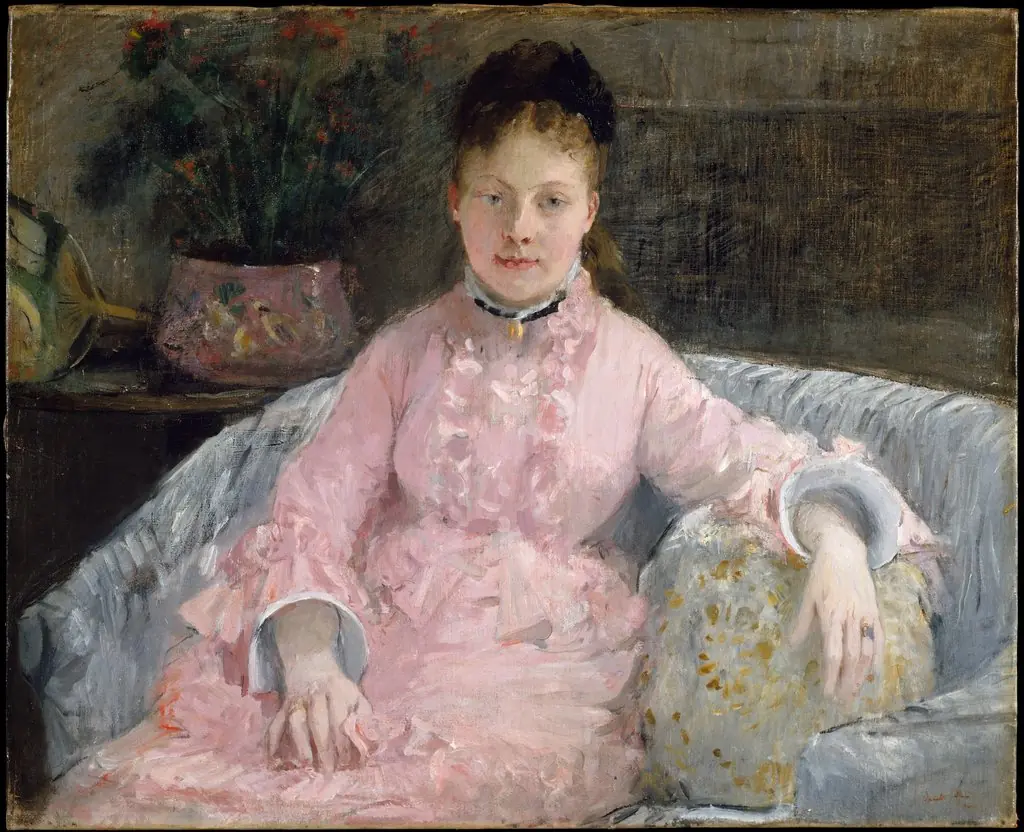 The Pink Dress (Albertie-Marguerite Carré, later Madame Ferdinand-Henri Himmes, 1854–1935)
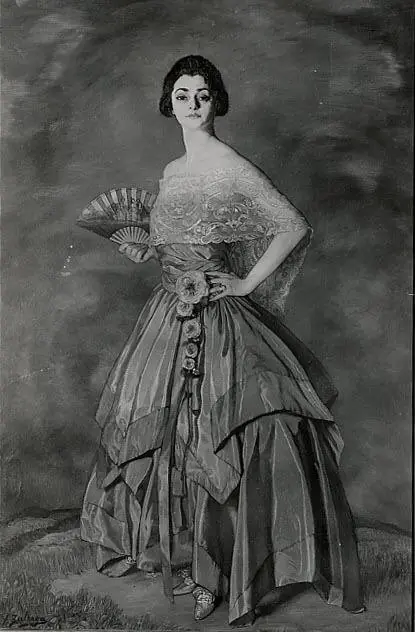 Julia Wainwright Robbins
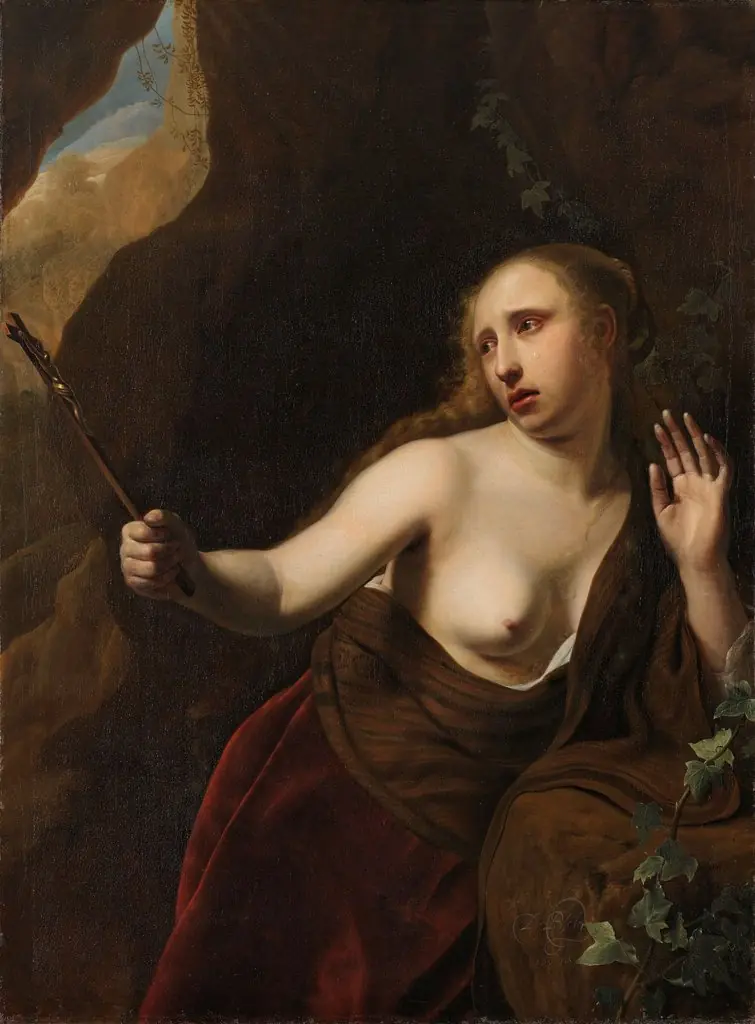 The penitent Mary Magdalene
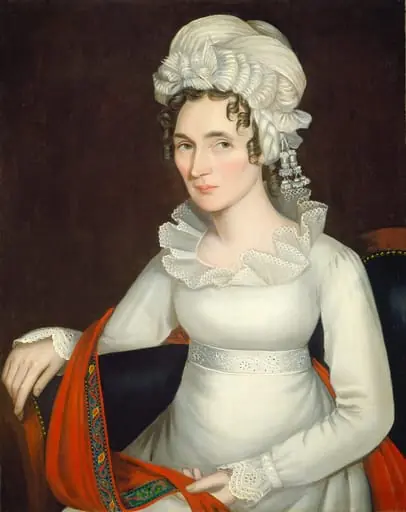 Lady in White
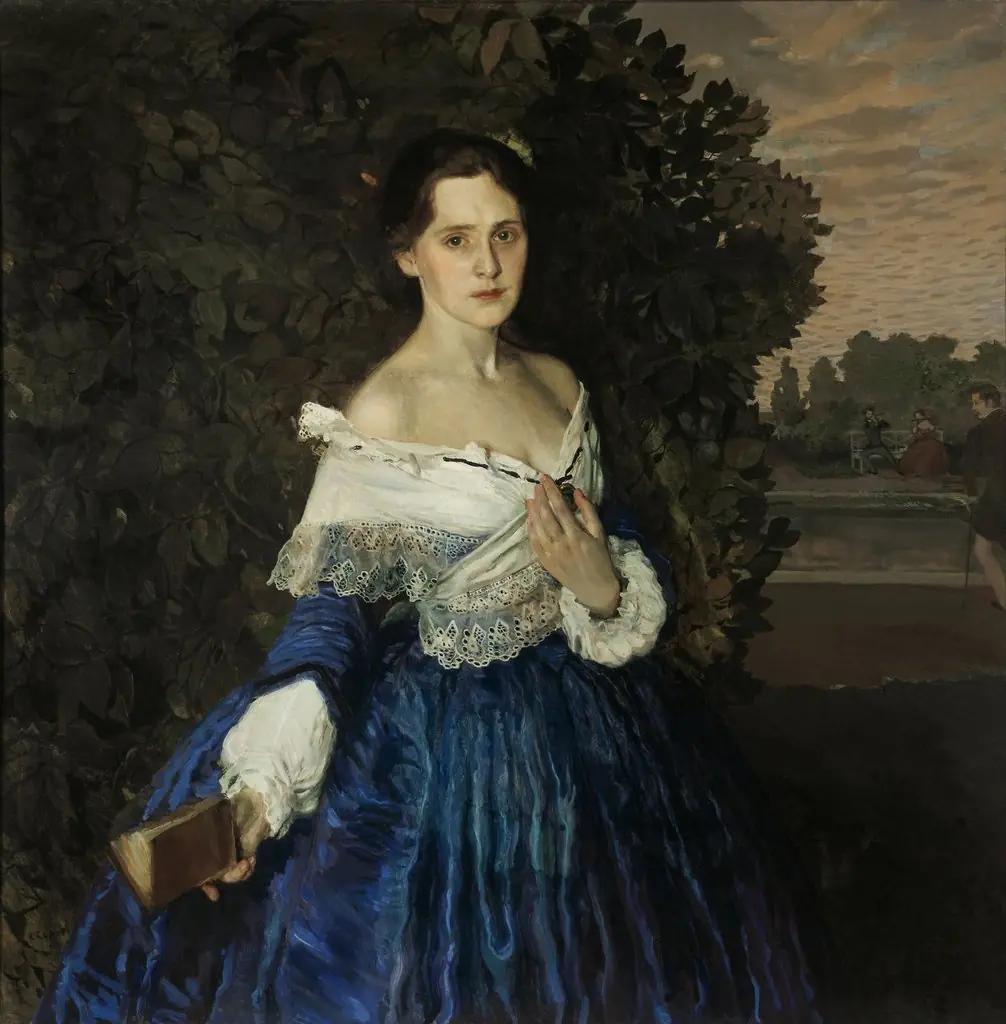 Lady in Blue
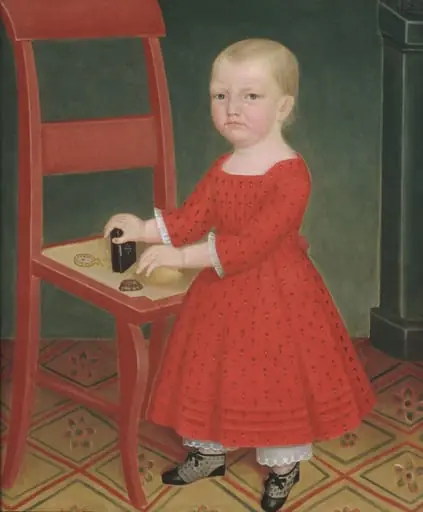 Boy with Blond Hair
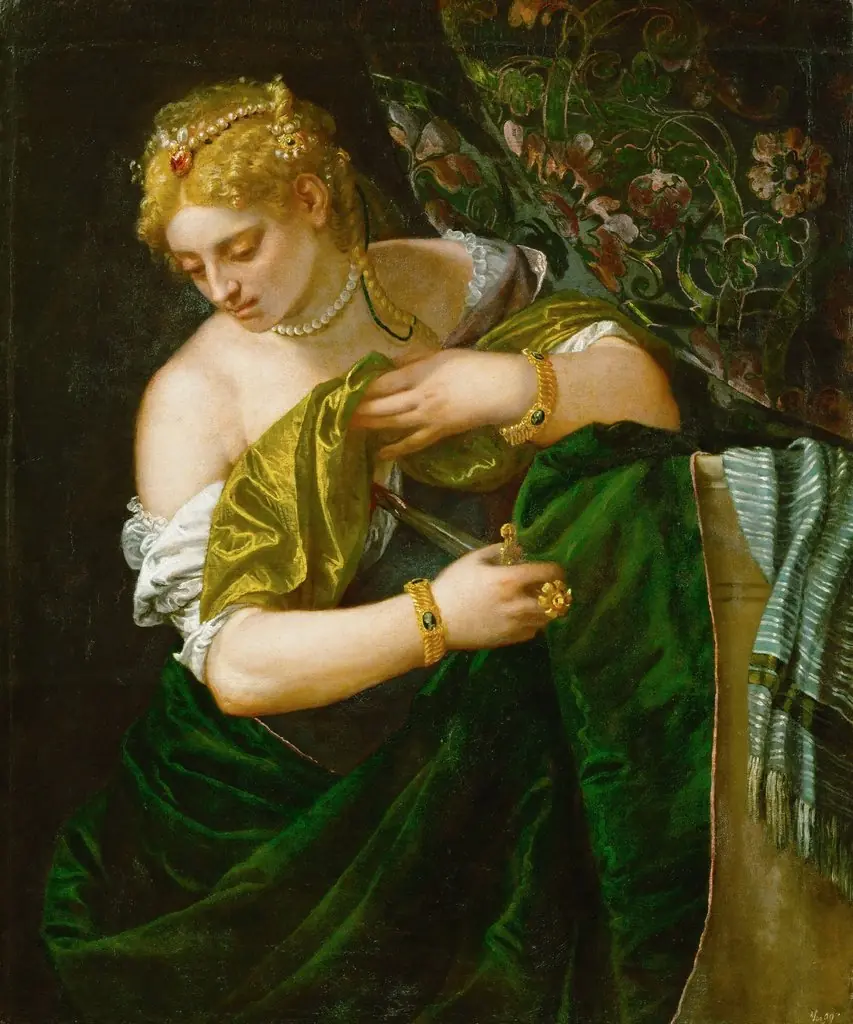 Lucretia
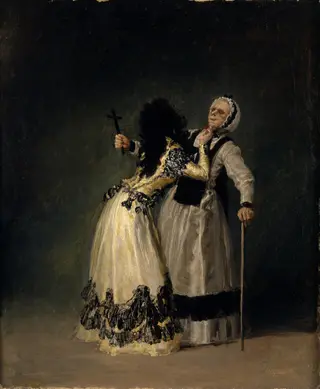 The Duchess of Alba and la Beata
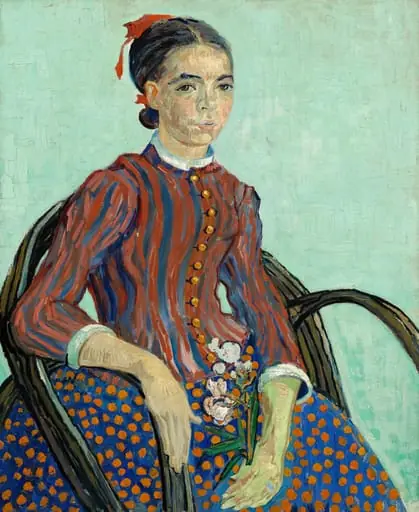 La Mousmé
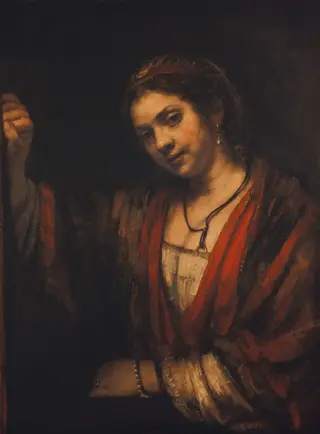 Hendrickje Stoffels by a Door
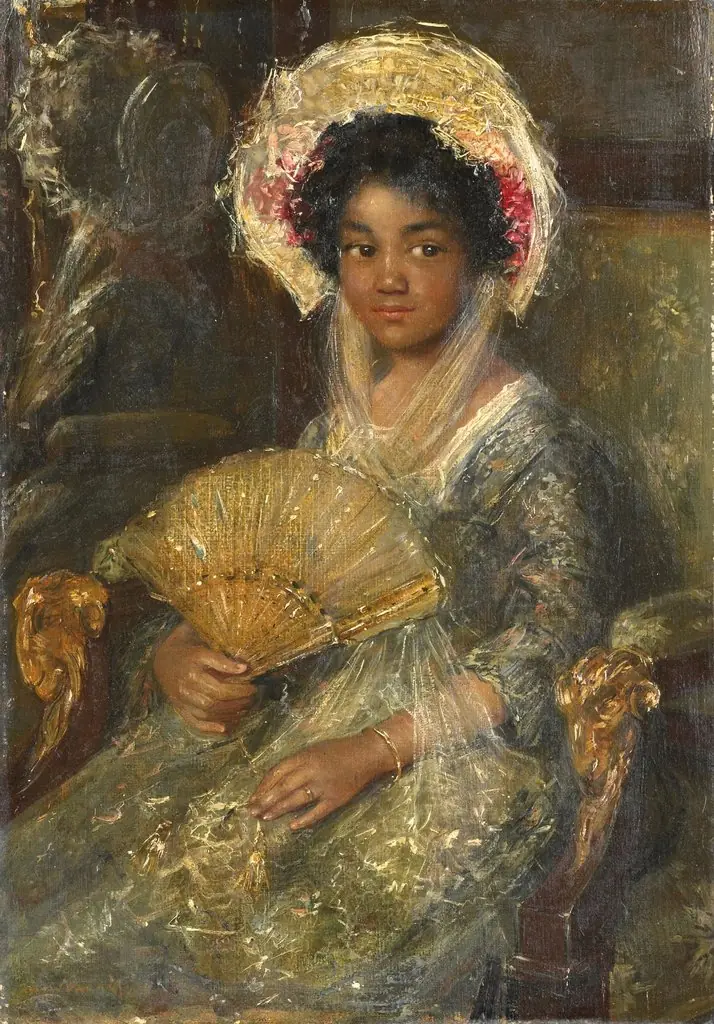 Isabella
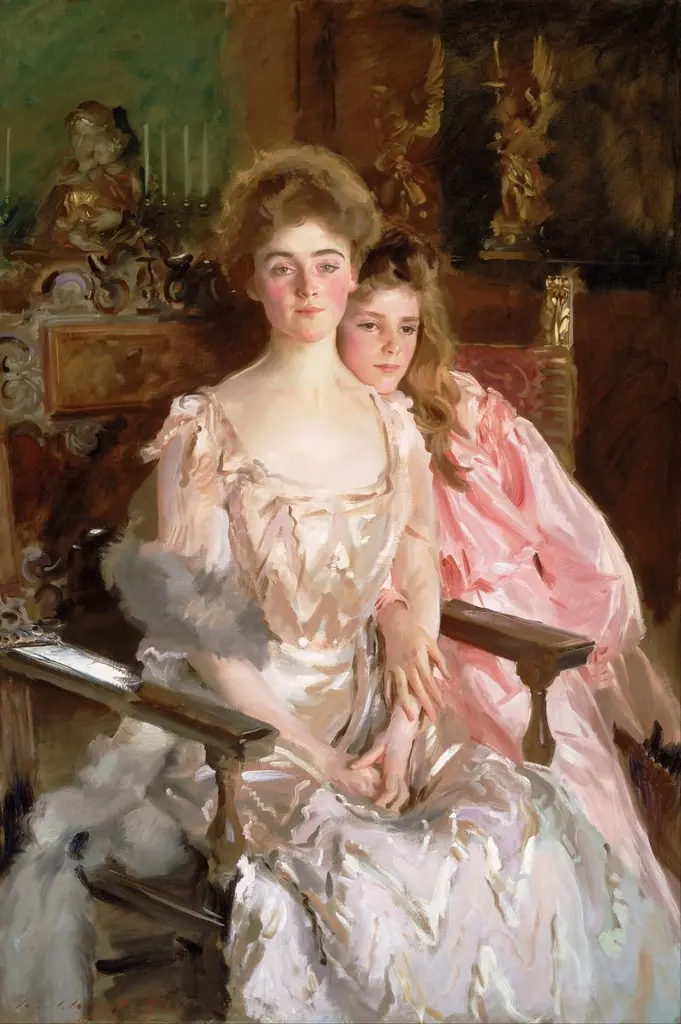 Mrs. Fiske Warren (Gretchen Osgood) and Her Daughter Rachel
 Portrait of the Marchioness of Santa Cruz
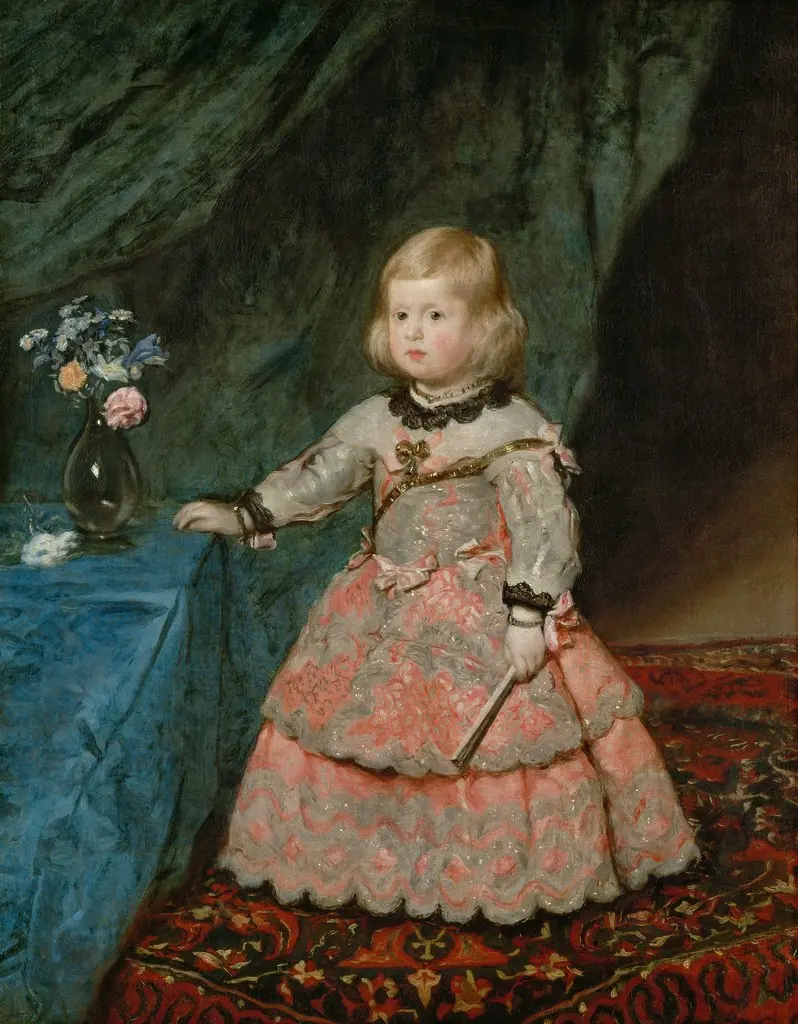 Infanta Margarita Teresa
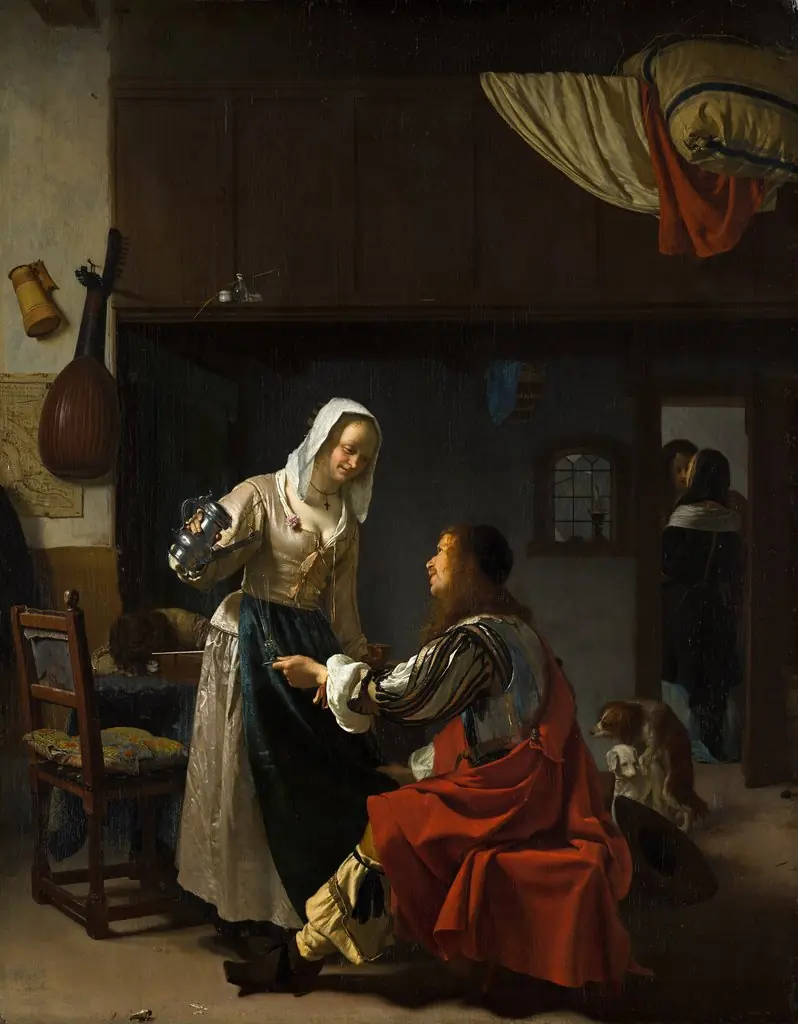 Brothel Scene
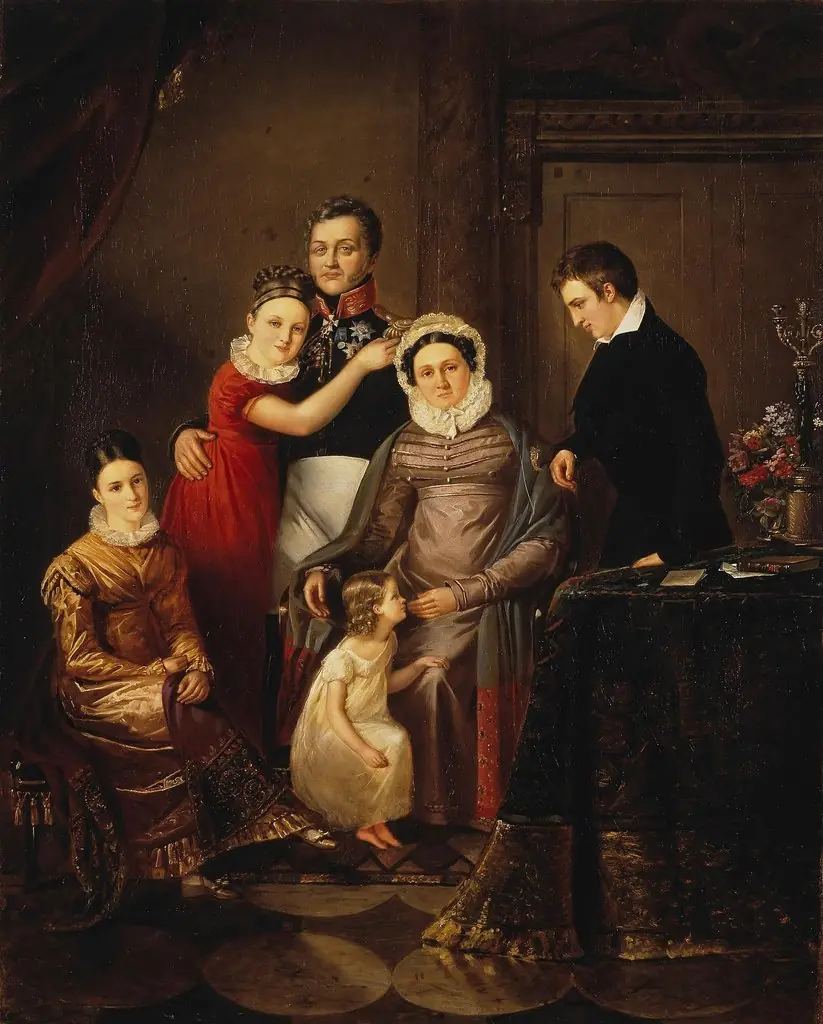 Portrait of Count Nikolai Repnin-Volkonsky with His Family
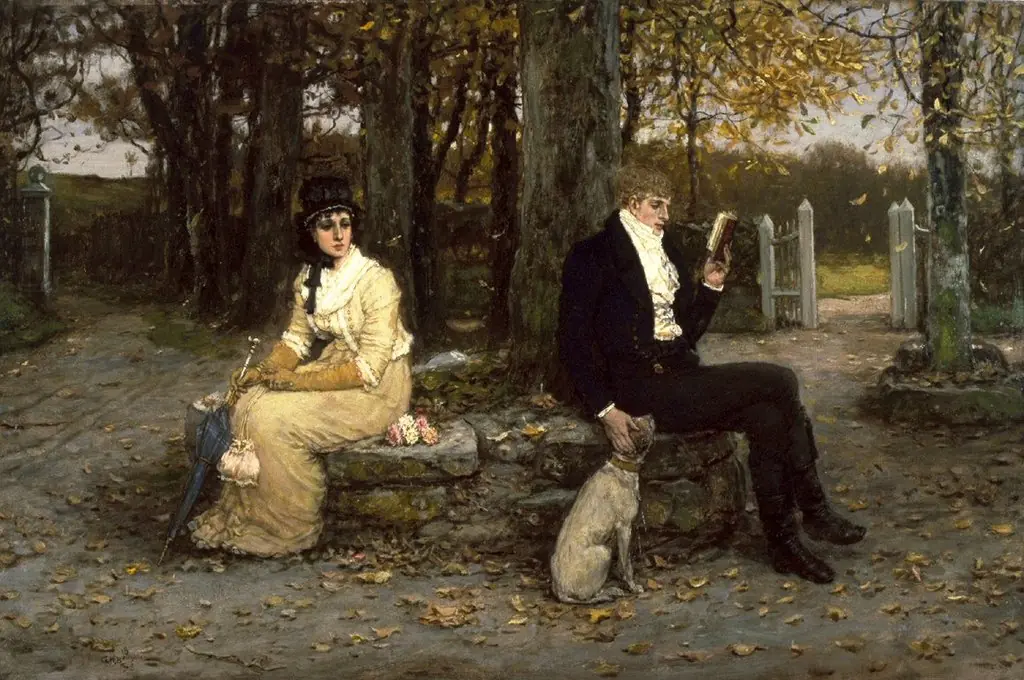 The Waning Honeymoon
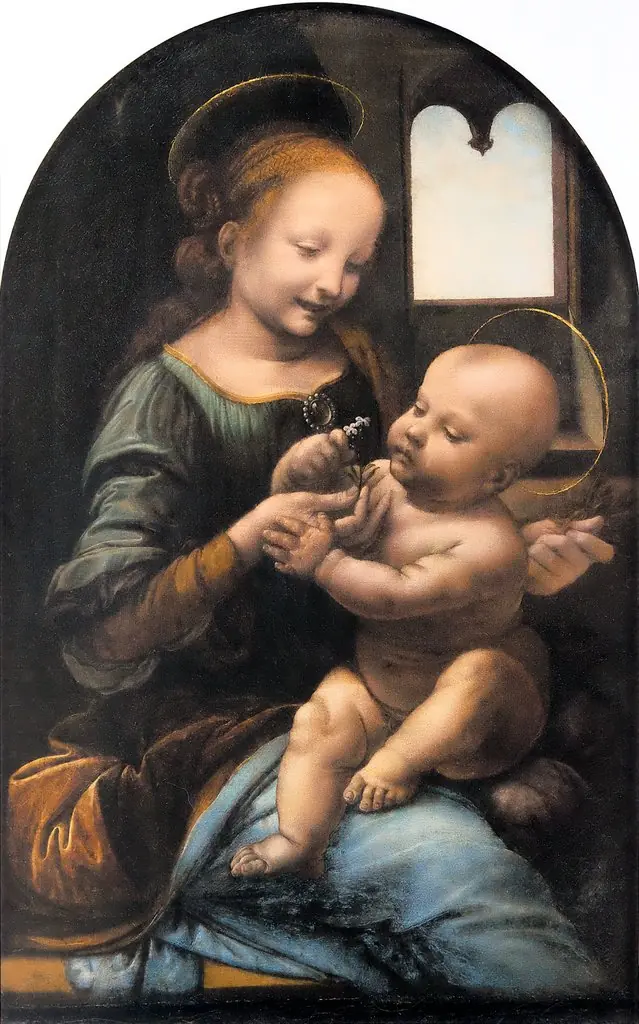 Benois Madonna
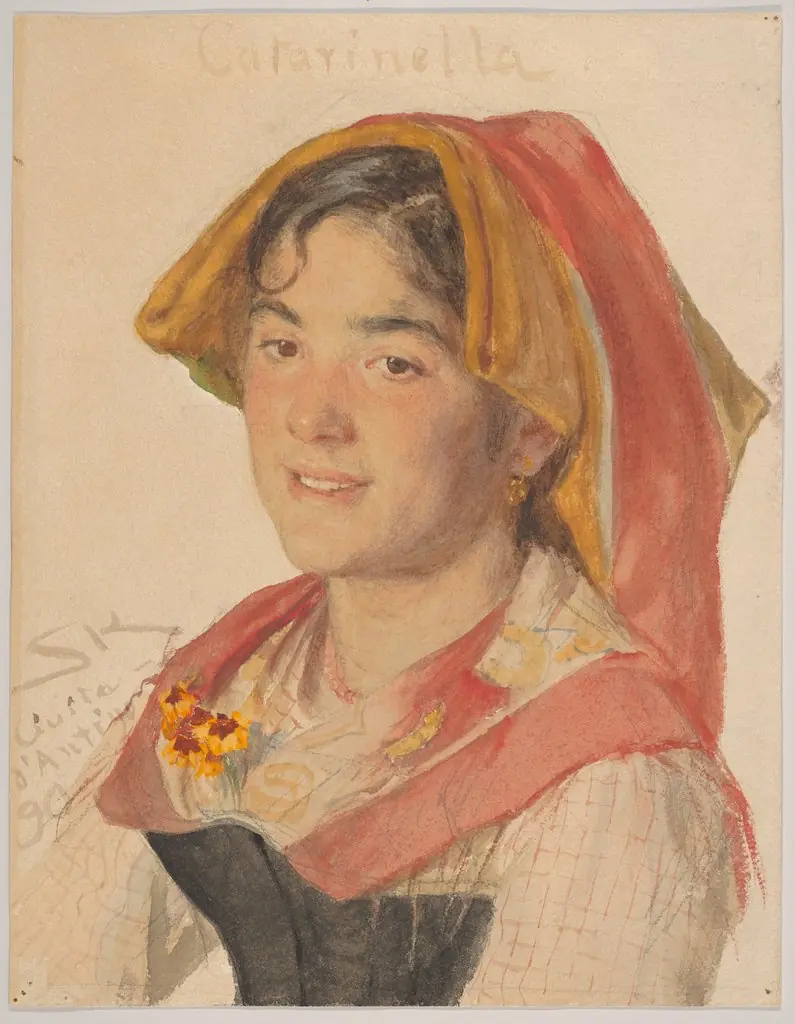 Head of an Girl from Civita d'Antino in Regional Dress (Catarinella")"
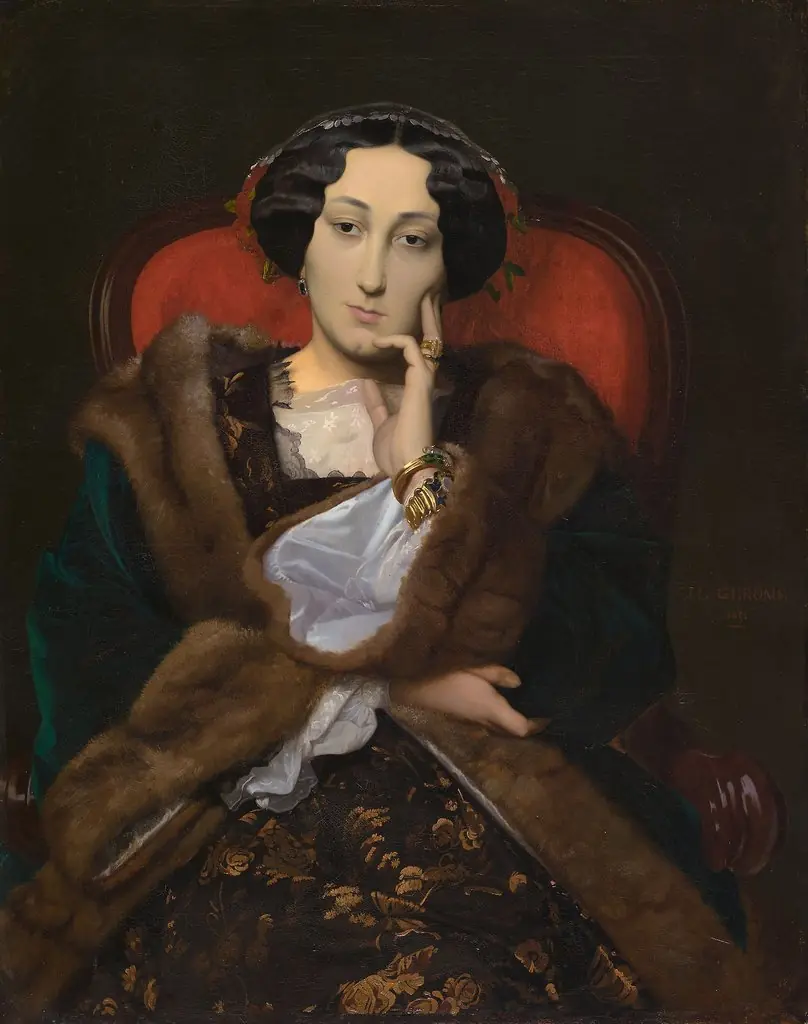 Portrait of a Woman
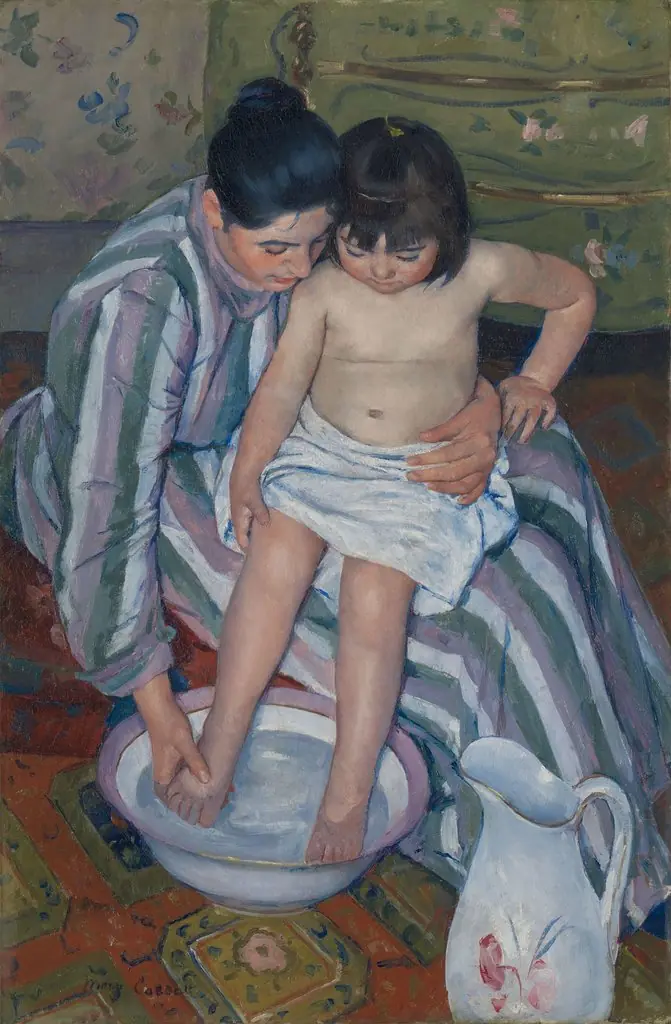 The Child's Bath
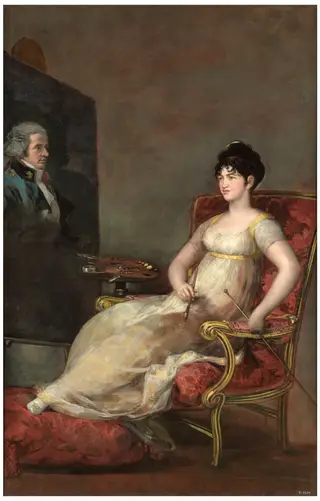 The Marchioness of Villafranca Painting her Husband
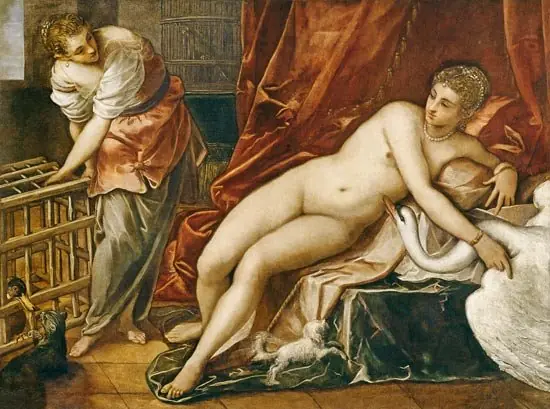 Leda and the Swan
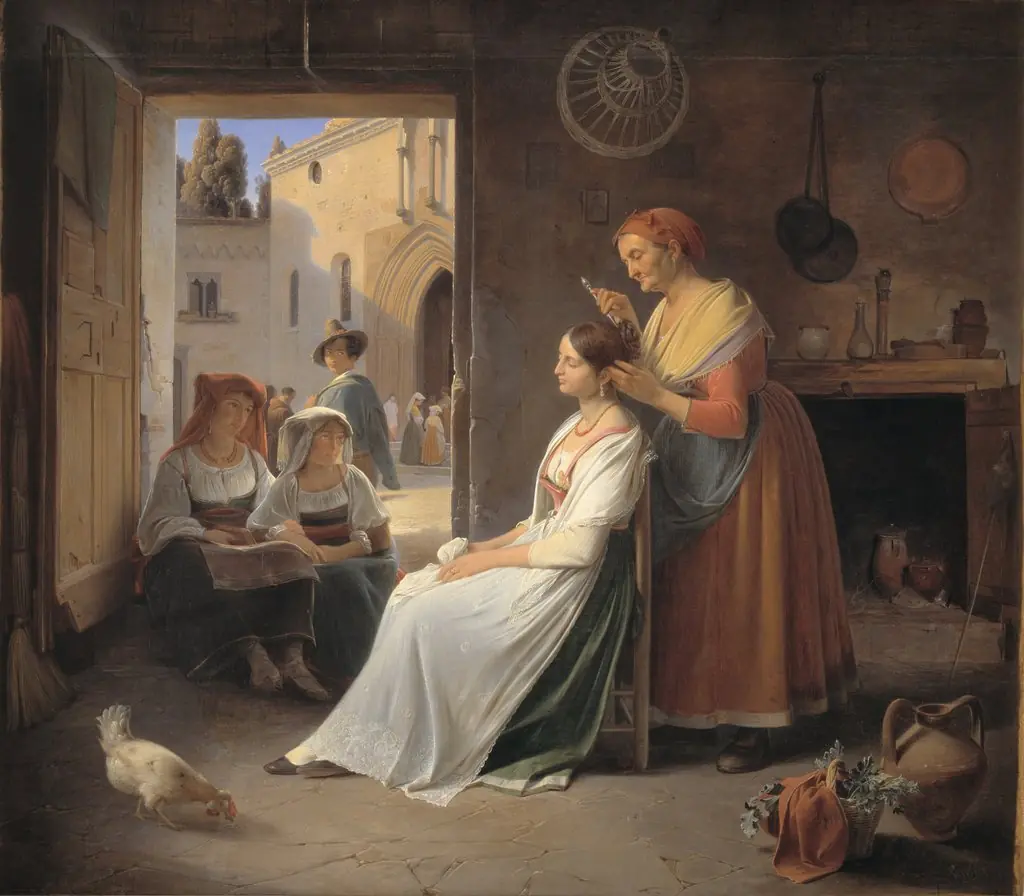 A Young Italian Woman being Adorned by her Mother
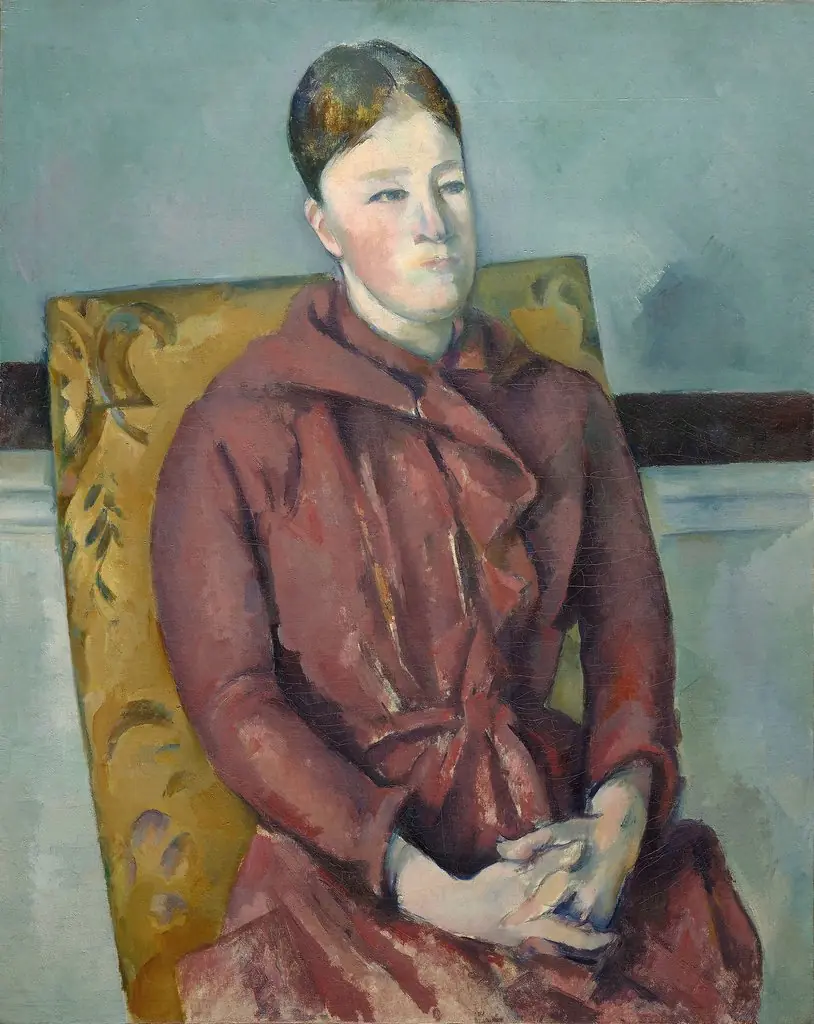 Madame Cézanne in a Yellow Chair
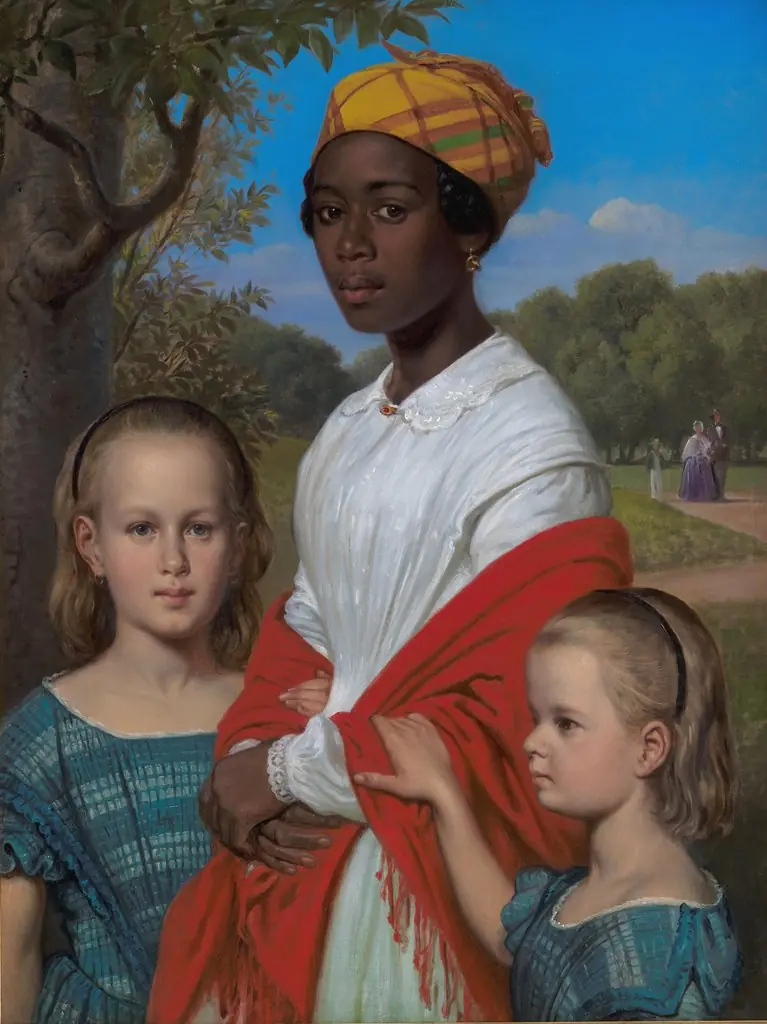 Portrait of Otto Marstrand's two daughters and their nanny
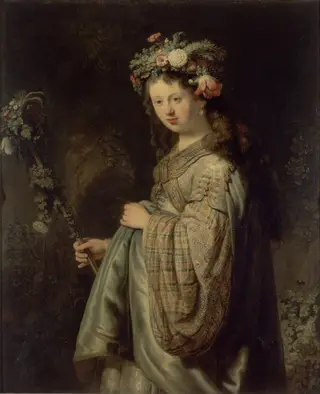 Flora
Flora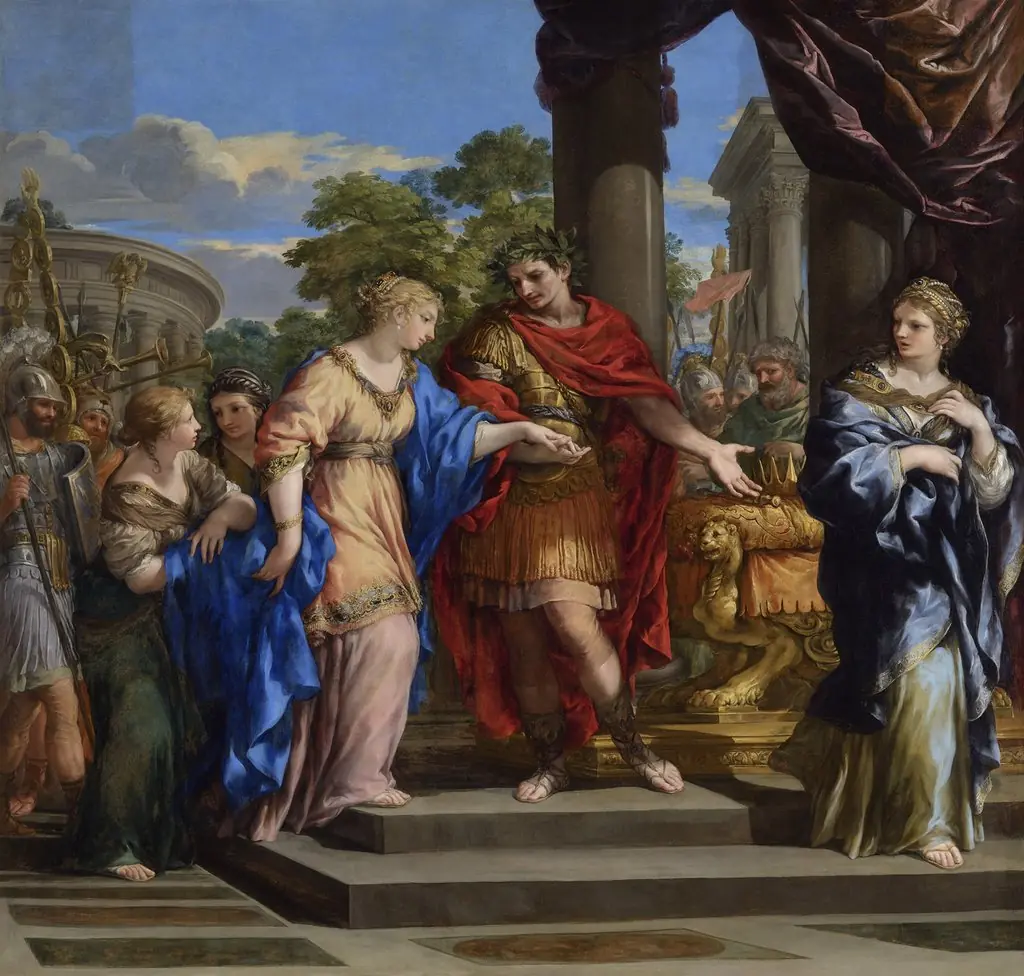 Caesar Giving Cleopatra the Throne of Egypt
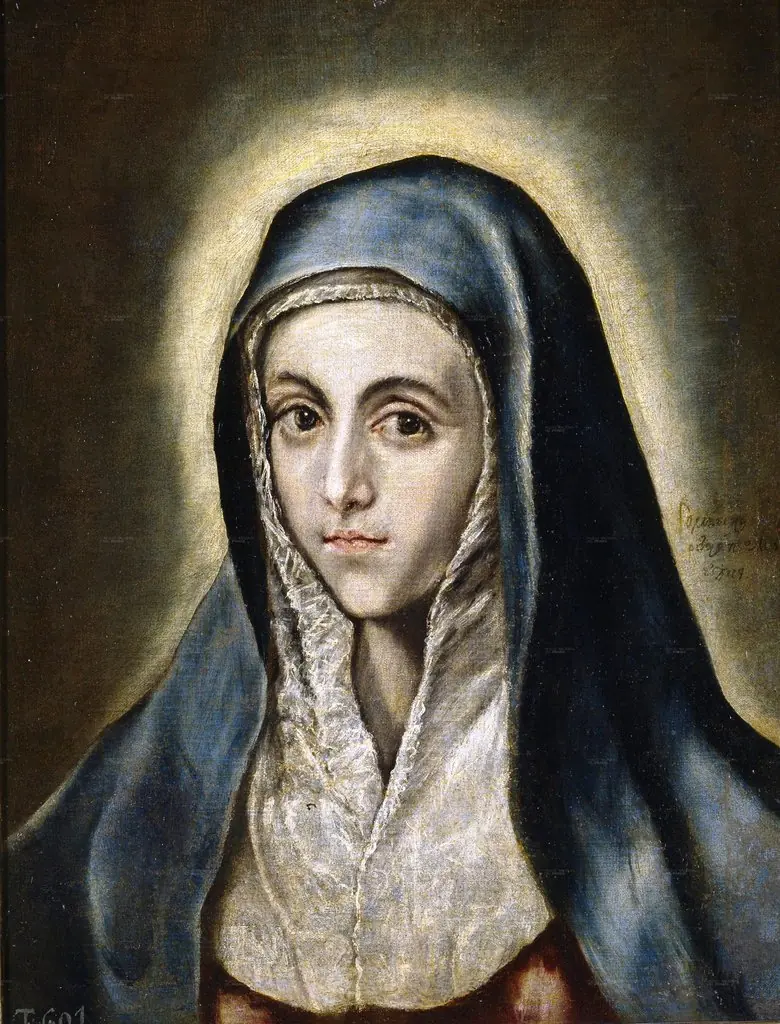 Mater dolorosa
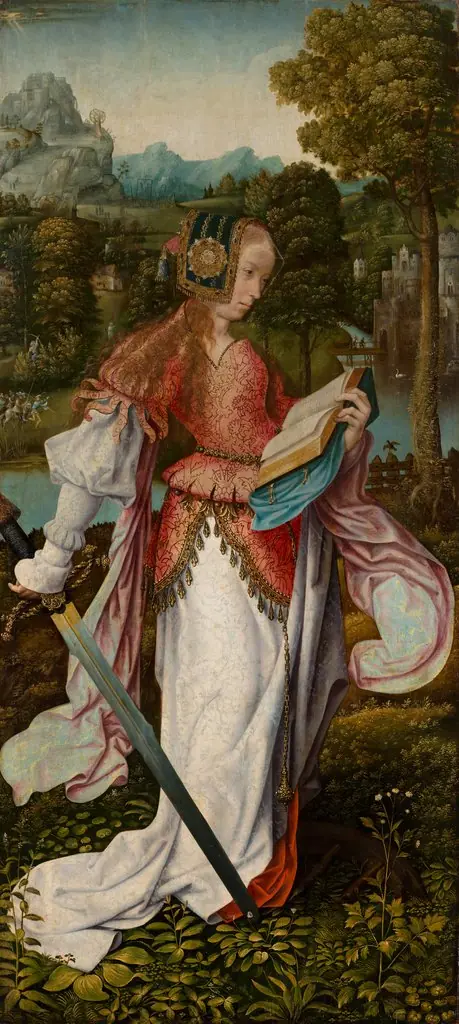 Saint Catherine
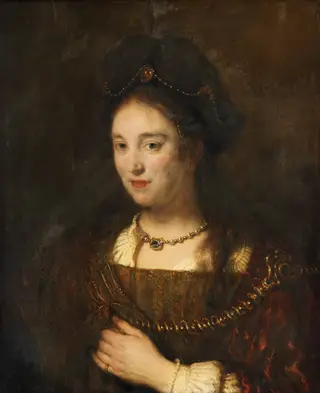 Half-figure of a woman with a beret
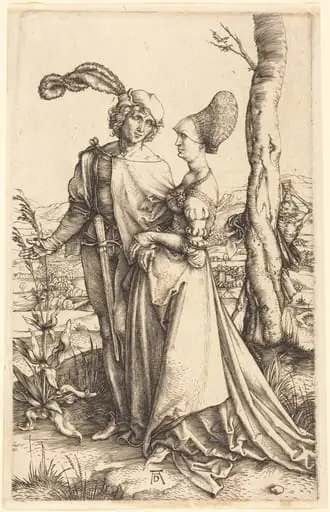 Promenade
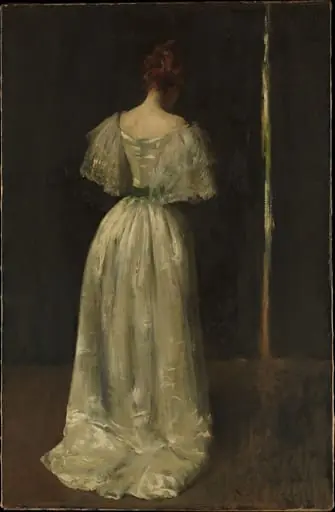 Seventeenth Century Lady
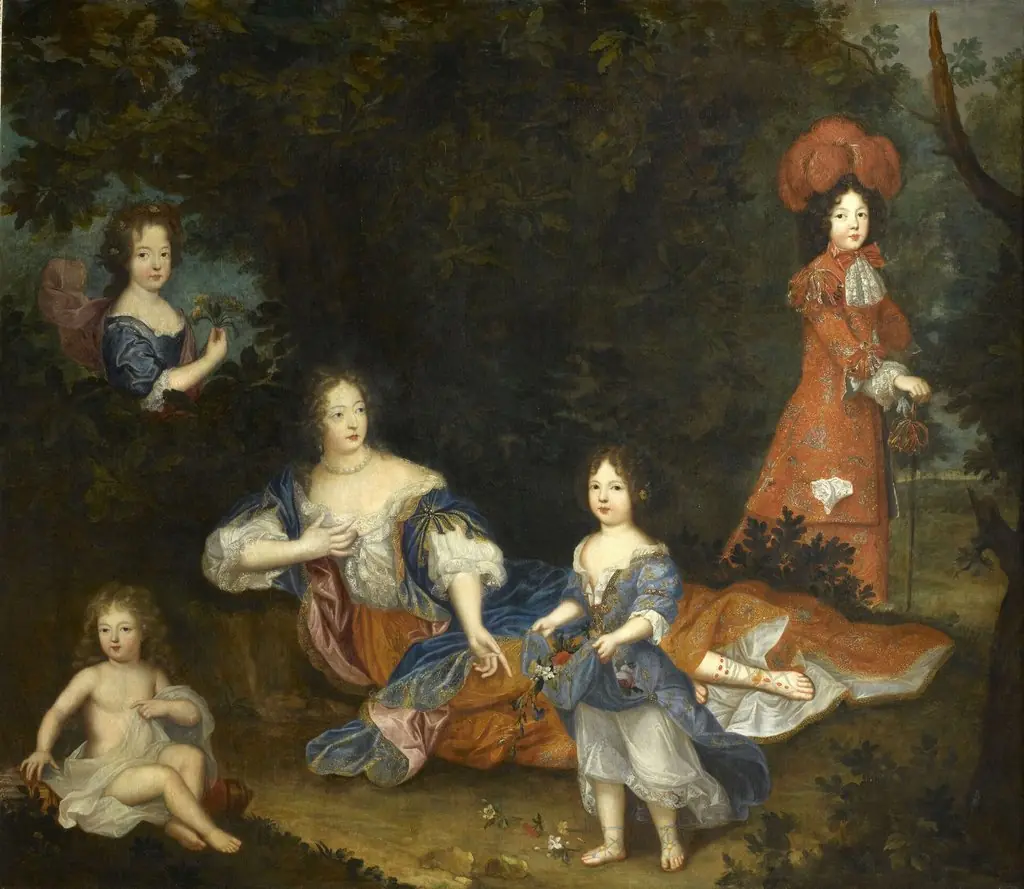 Françoise-Athénaïs de Rochechouart, Marquise de Montespan and her children
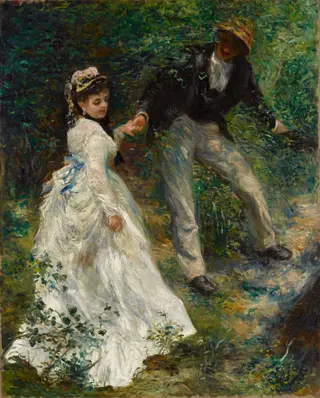 La Promenade
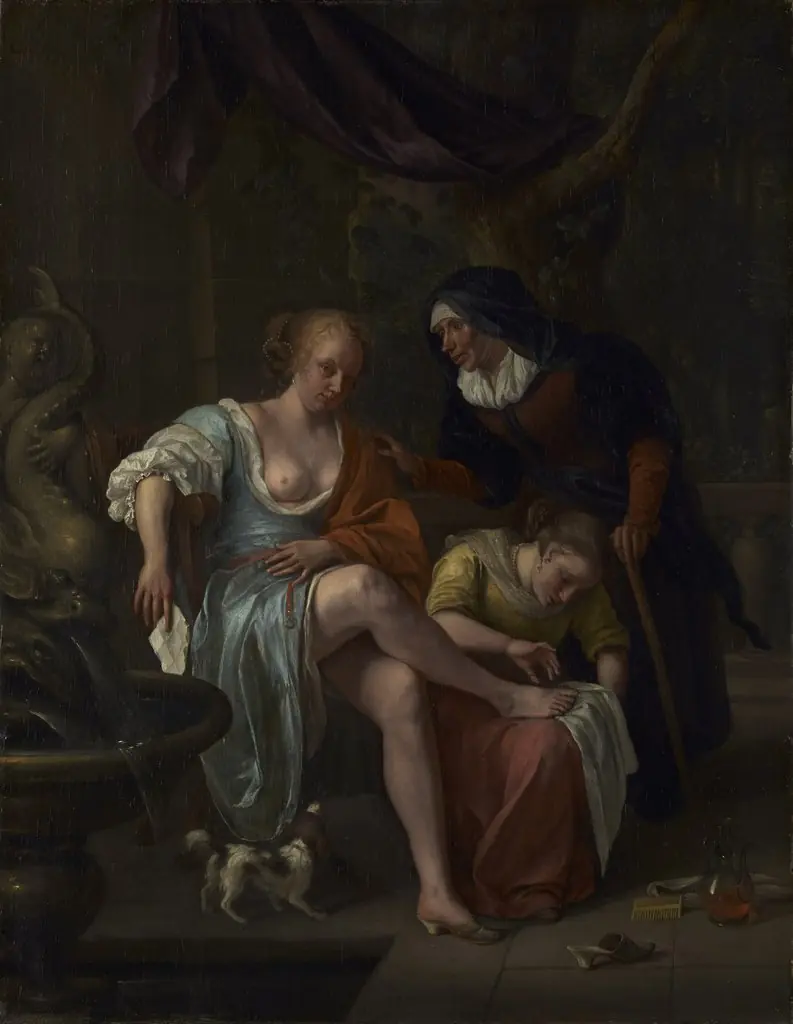 Bathsheba after the Bath
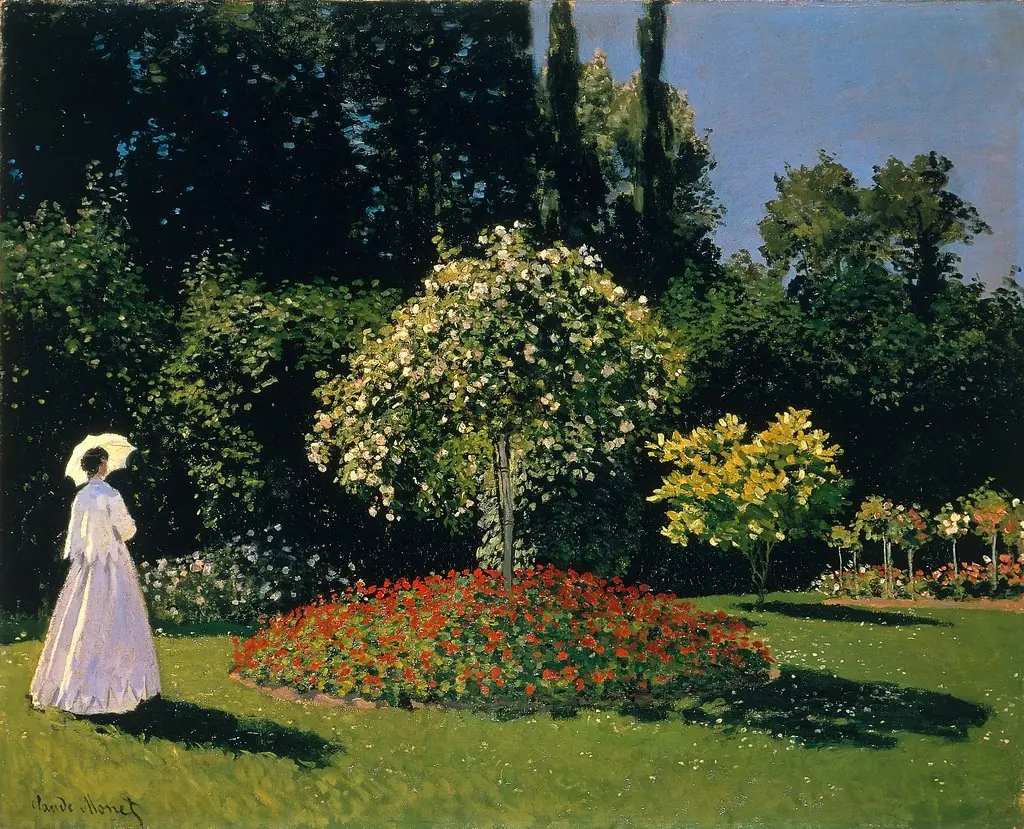 Woman in the Garden
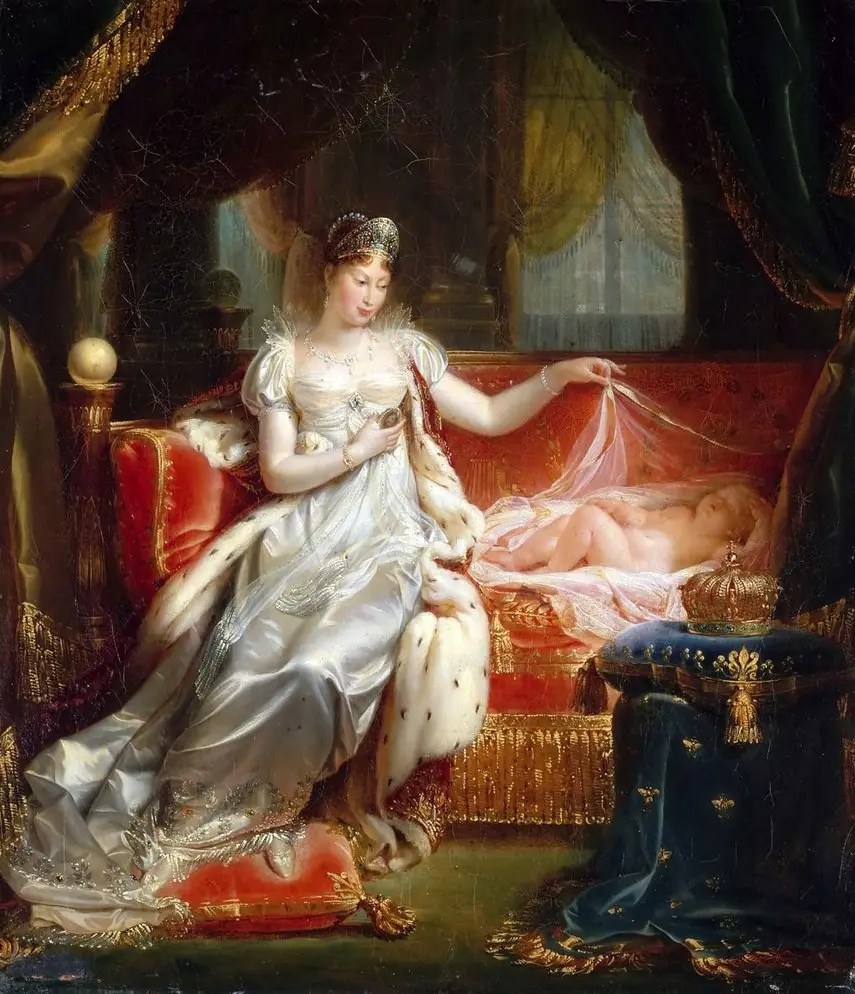 The Empress Marie-Louise watching over the sleep of the King of Rome
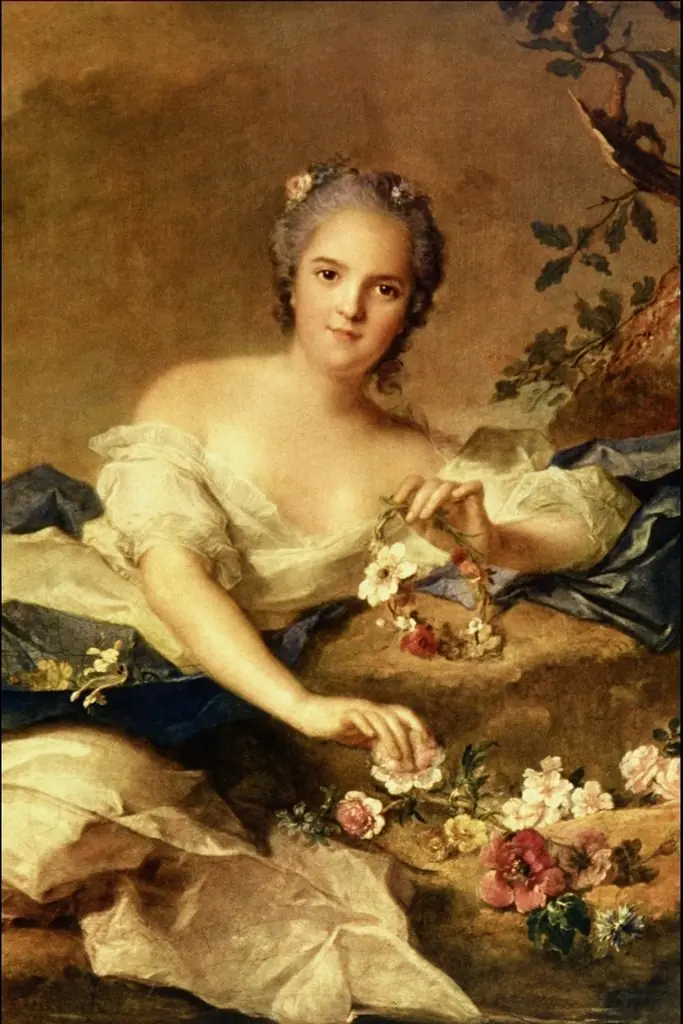 Henriette of France as Flora
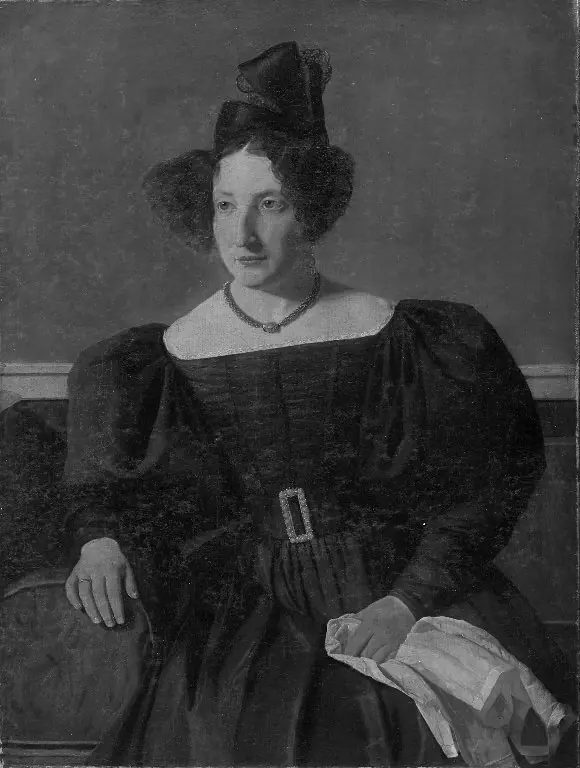 Portrait of Henriette Petersen, née Philipsen, Mrs Michael Christian Petersen
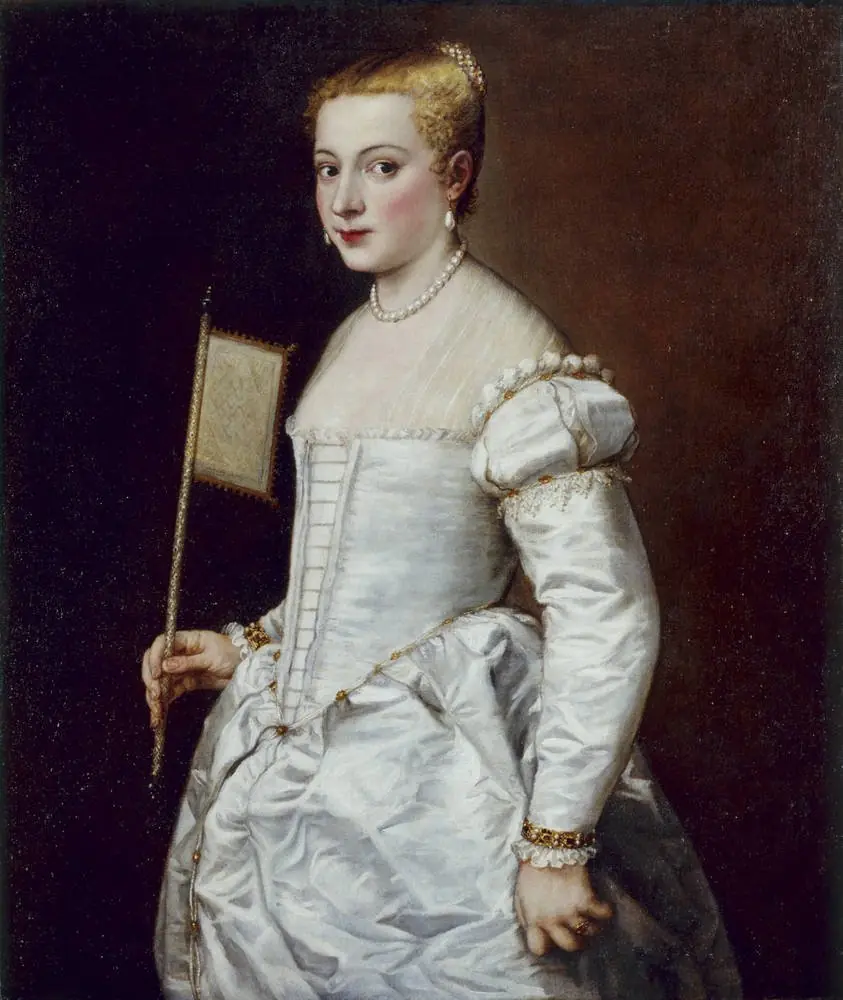 Portrait of a Lady in White
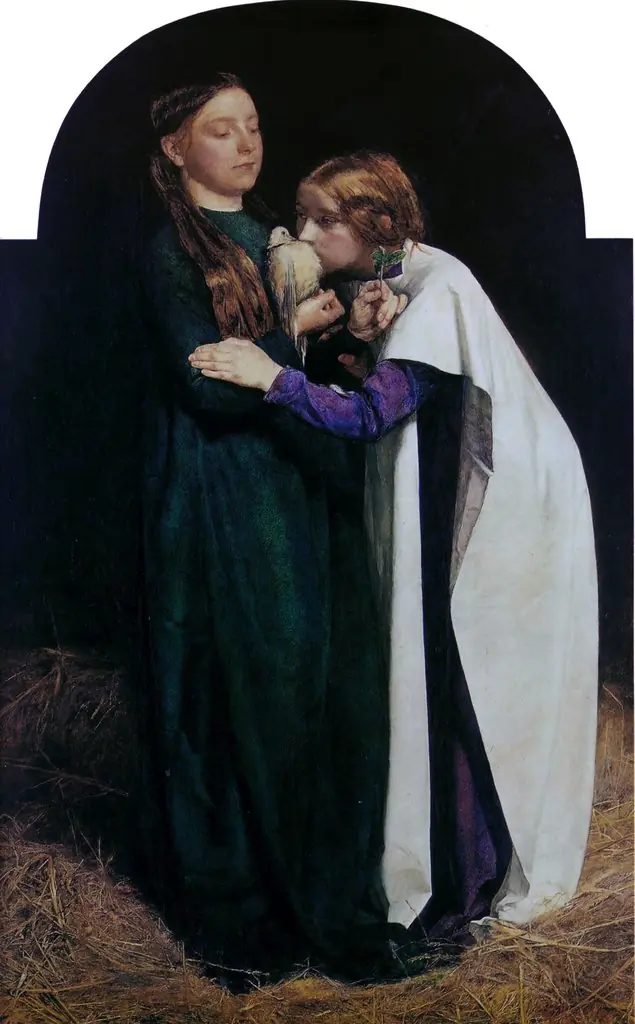 The Return of the Dove to the Ark
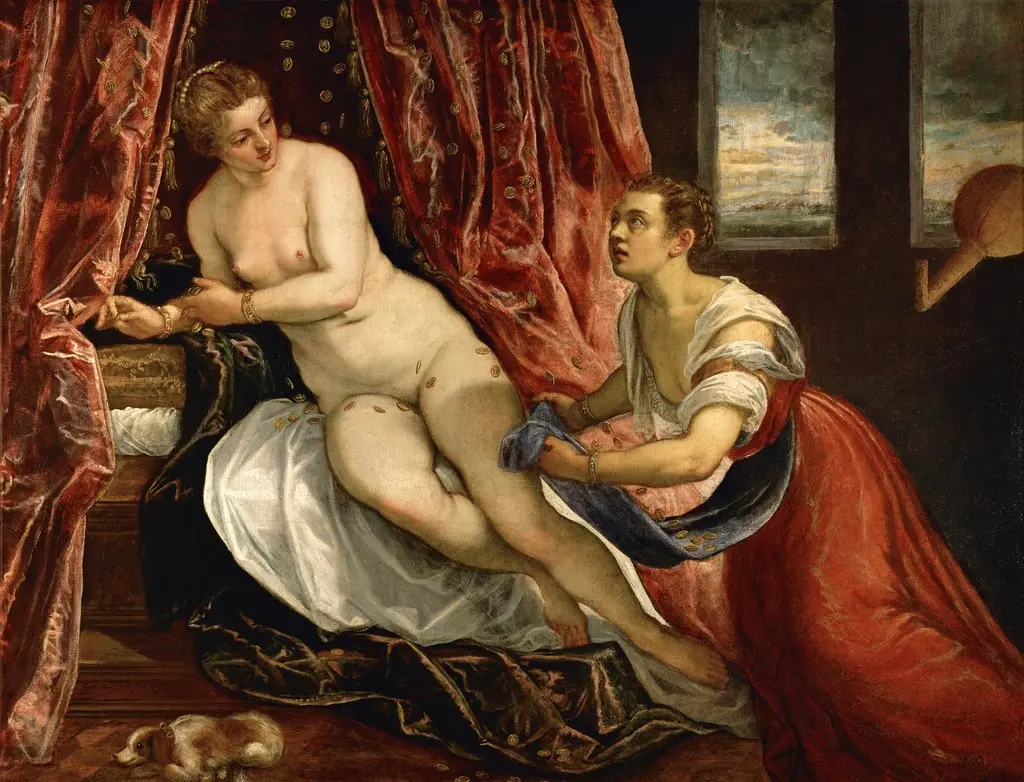 Danae
Danae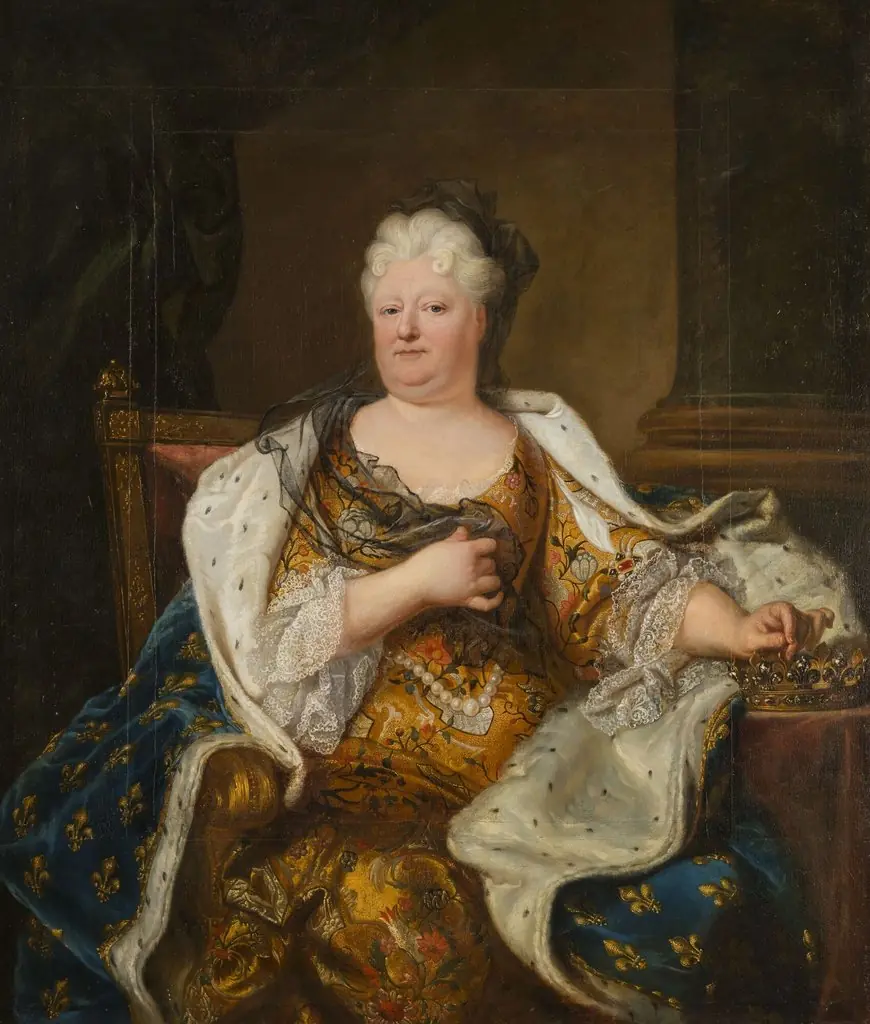 Elizabeth Charlotte, Princess Palatine
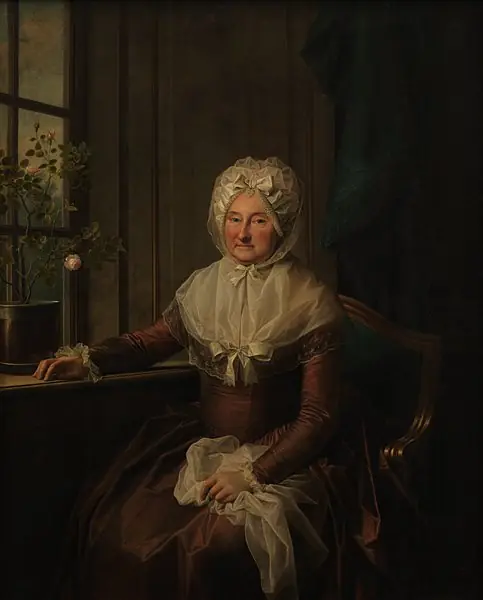 Countess Anna Joachima Danneskiold-Laurvigen, née Ahlefeldt
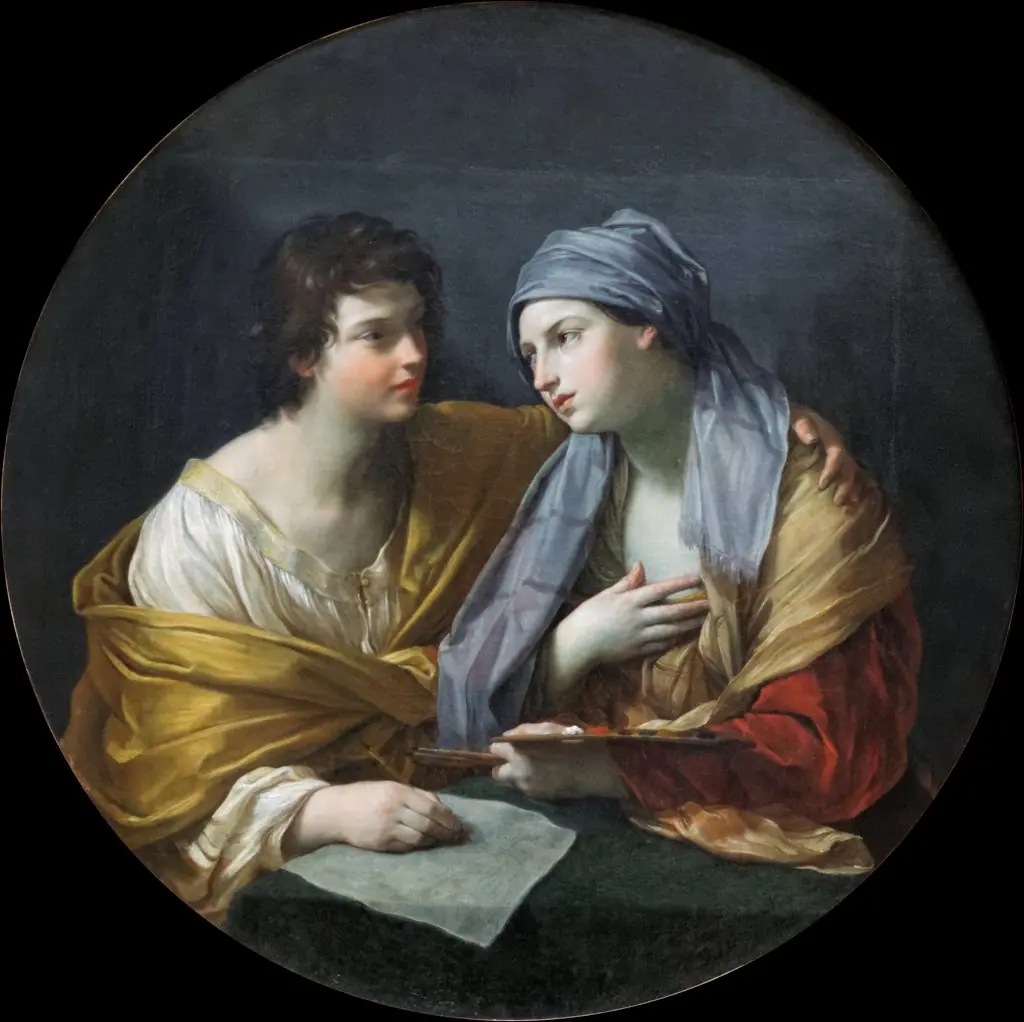 The Union of Drawing and Color
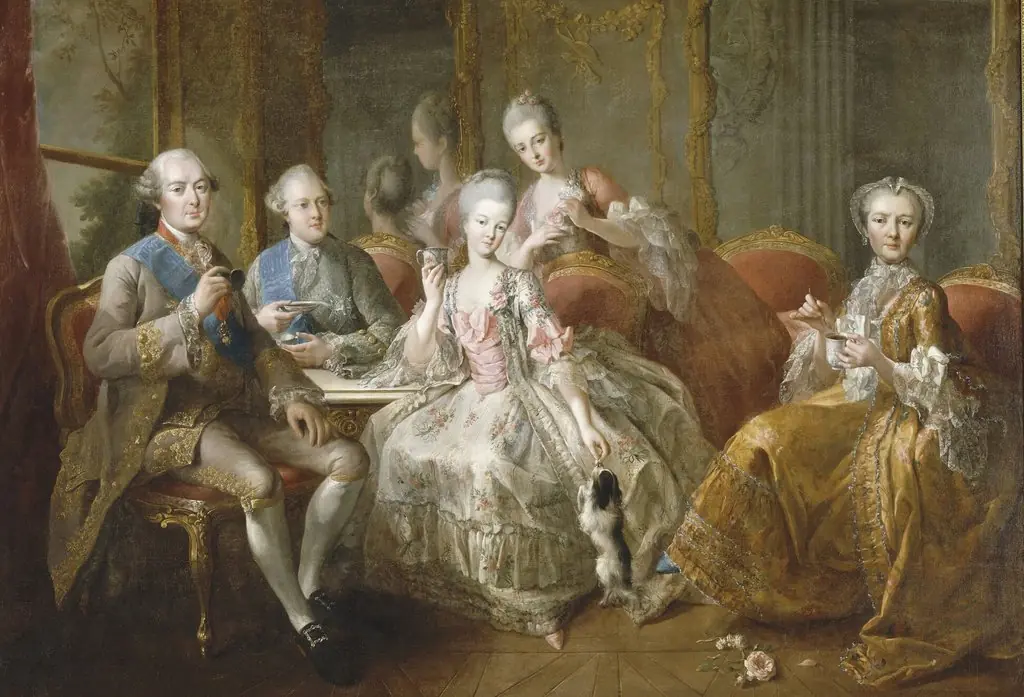 The family of the Duke of Penthièvre called la tasse de chocolat
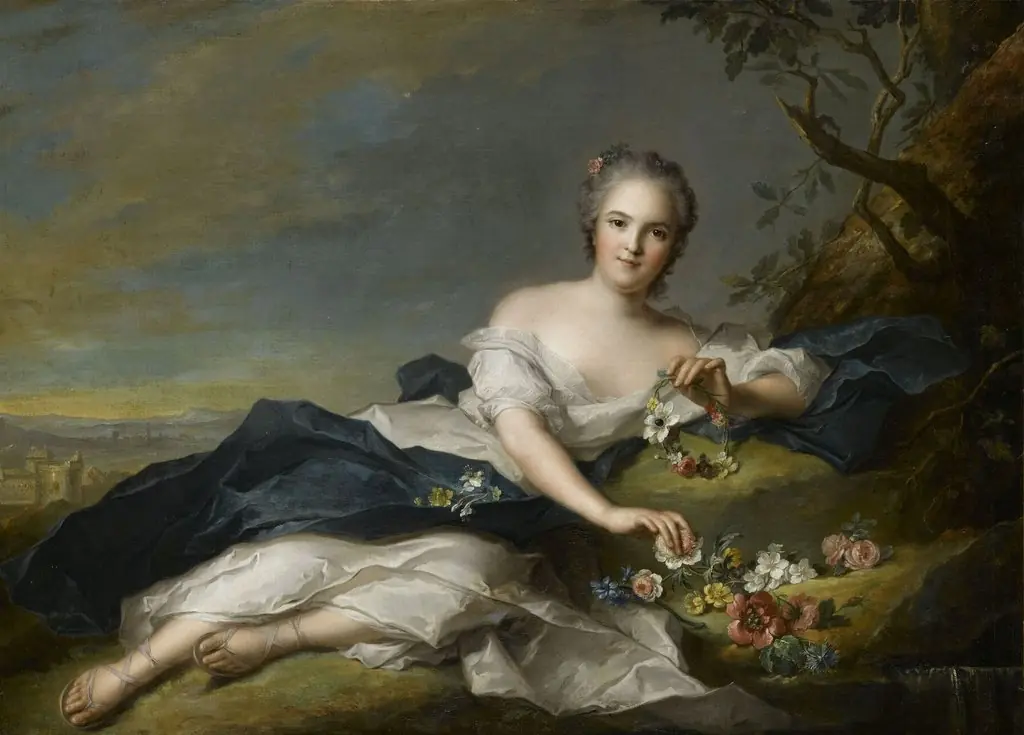 Henriette of France as Flora
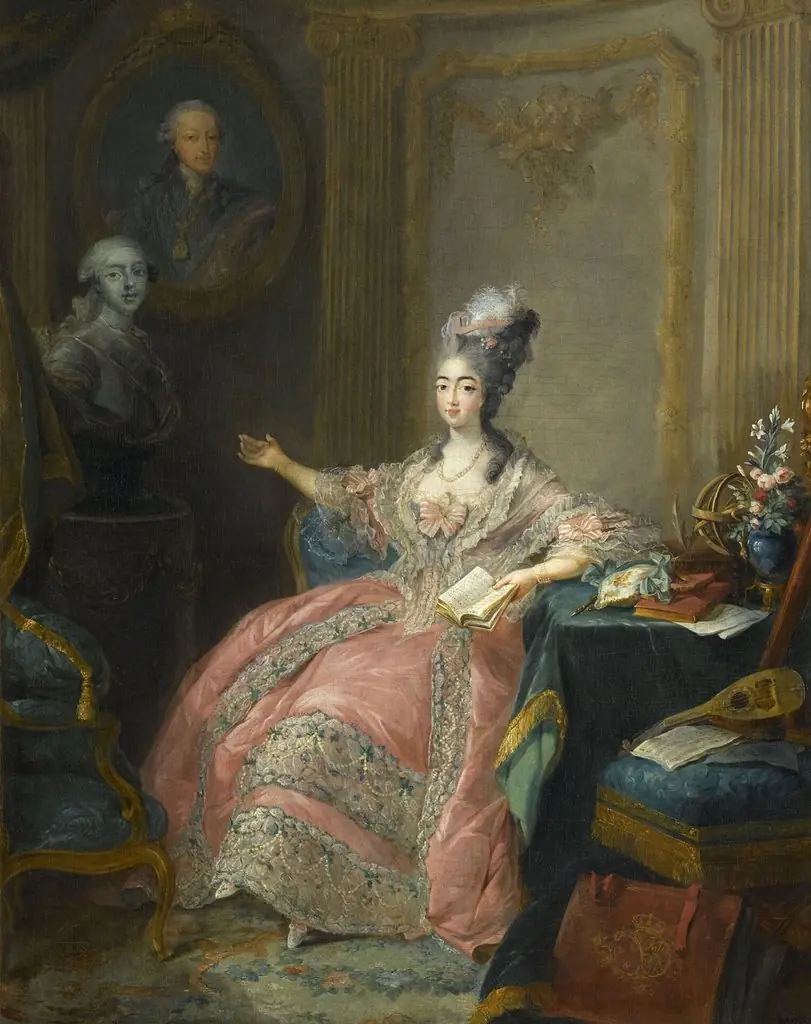 Marie-Joséphine-Louise de Savoie, Countess of Provence
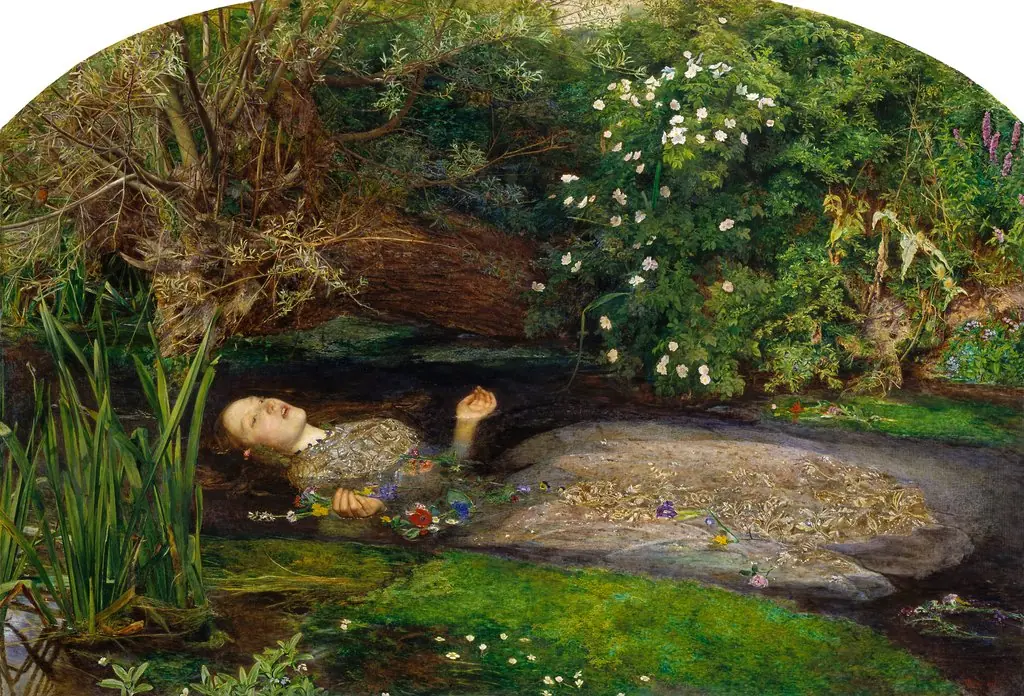 Ophelia
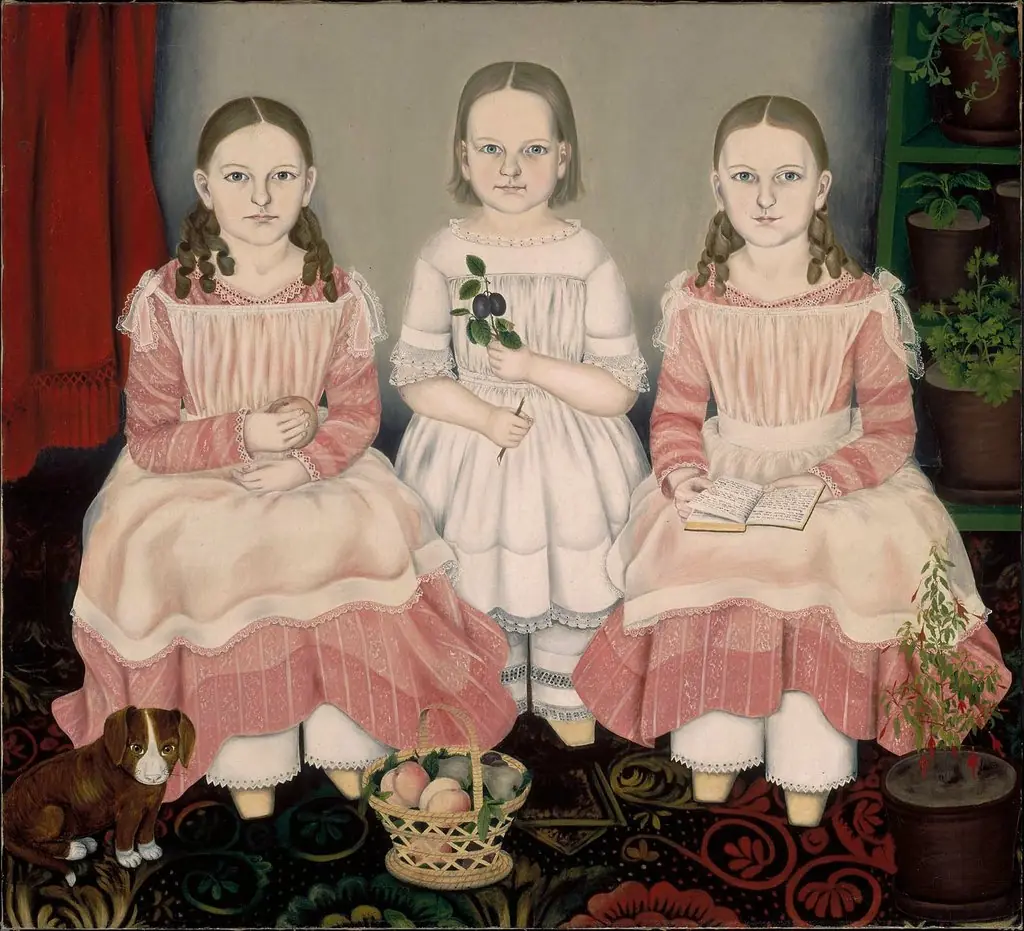 The Lincoln Children
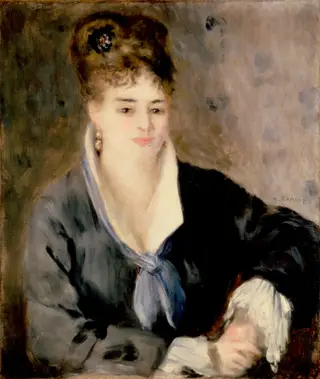 Woman in Black
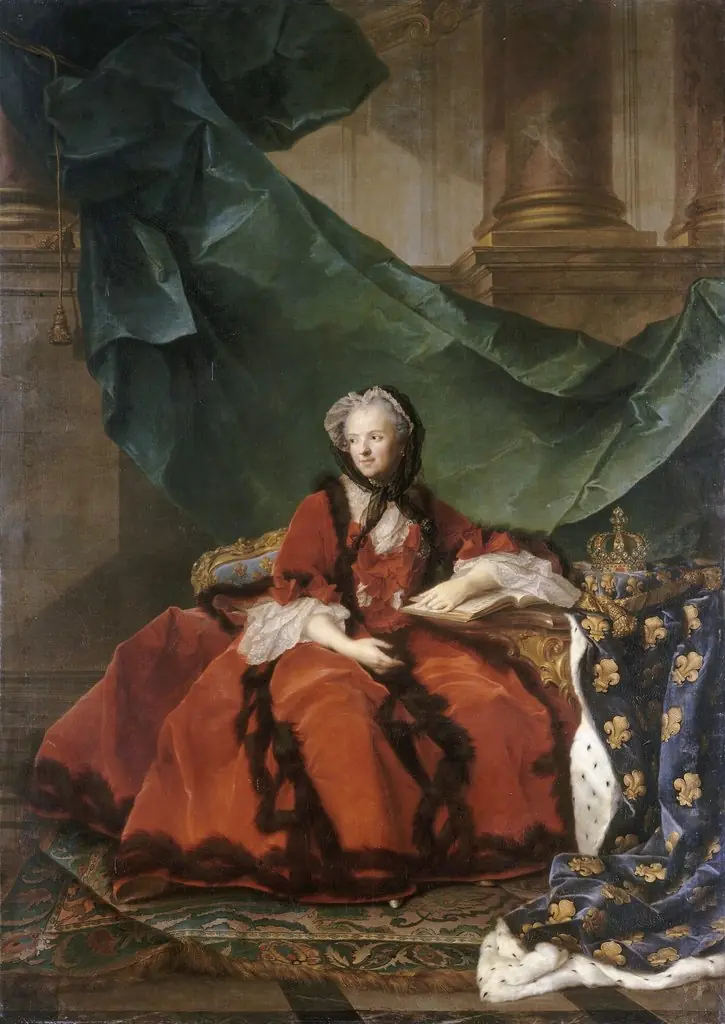 Marie Leszczyńska, Queen of France (1703–1768)
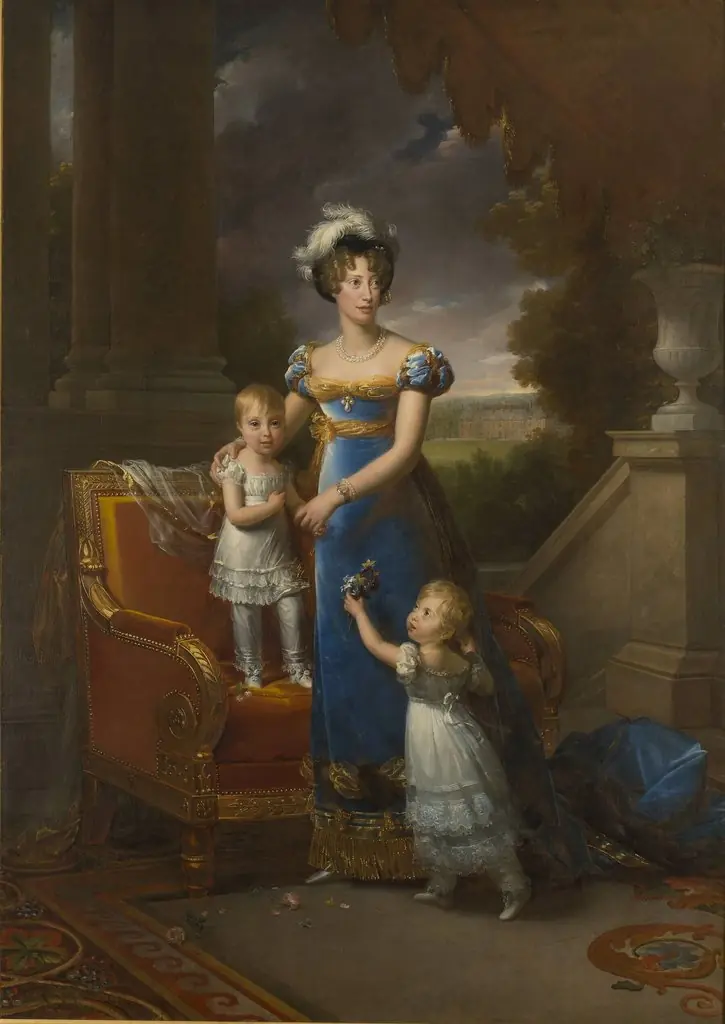 The Duchess of Berry and her Children
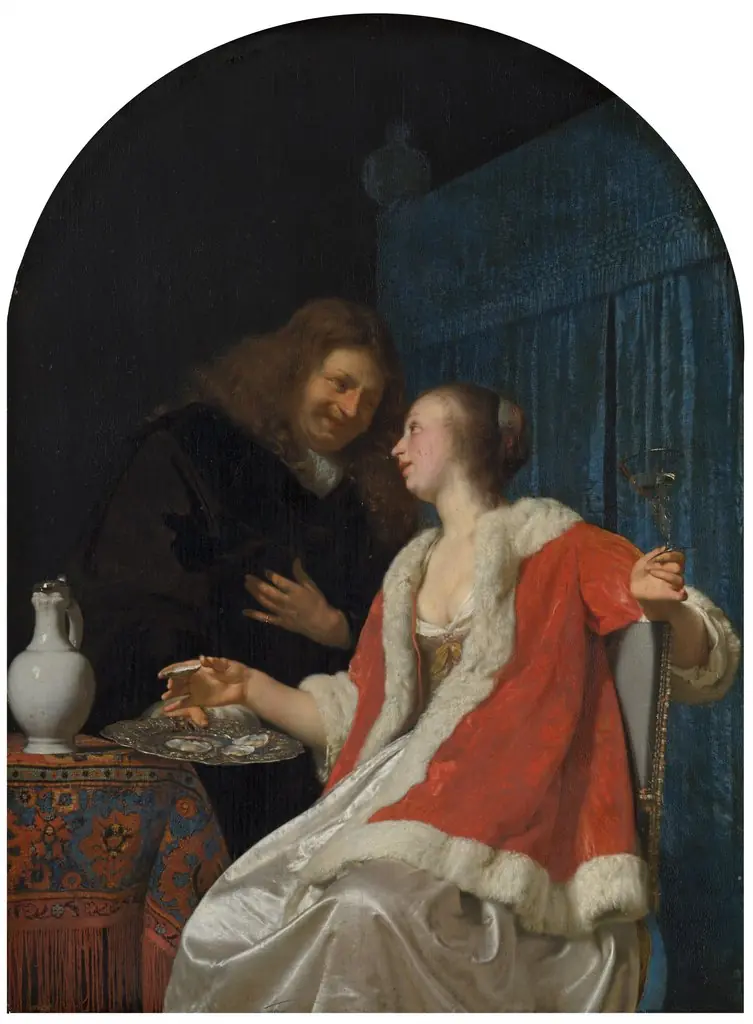 A Meal of Oysters
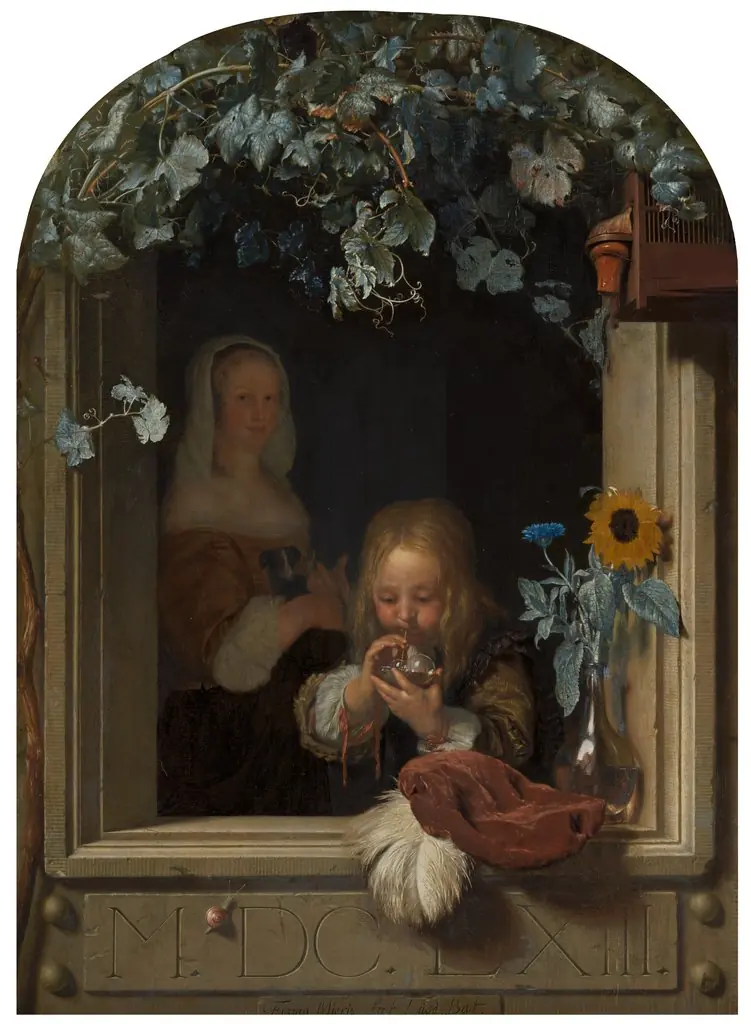 A Boy Blowing Bubbles
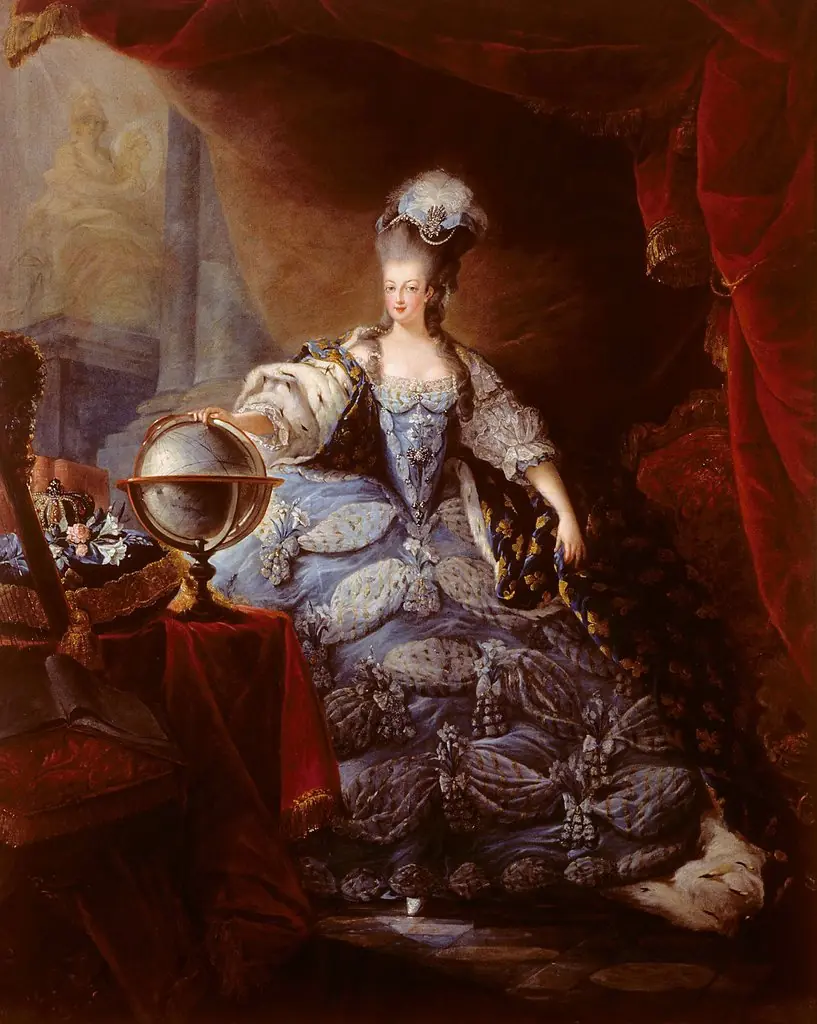 Portrait of Marie-Antoinette of Austria
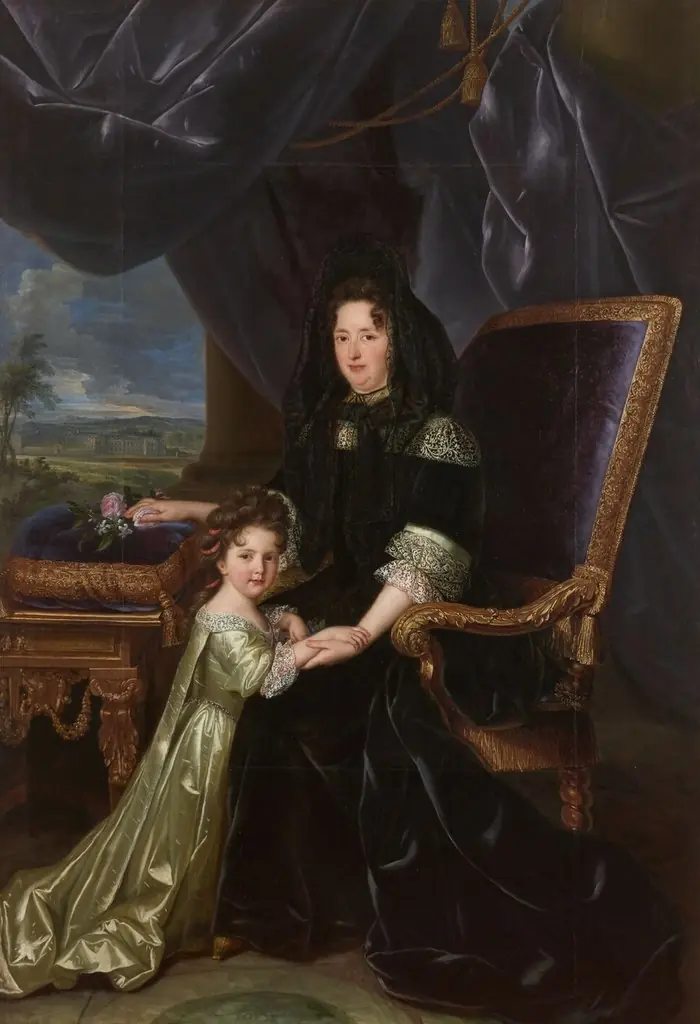 Françoise Charlotte d'Aubigné with her aunt Madame de Maintenon.
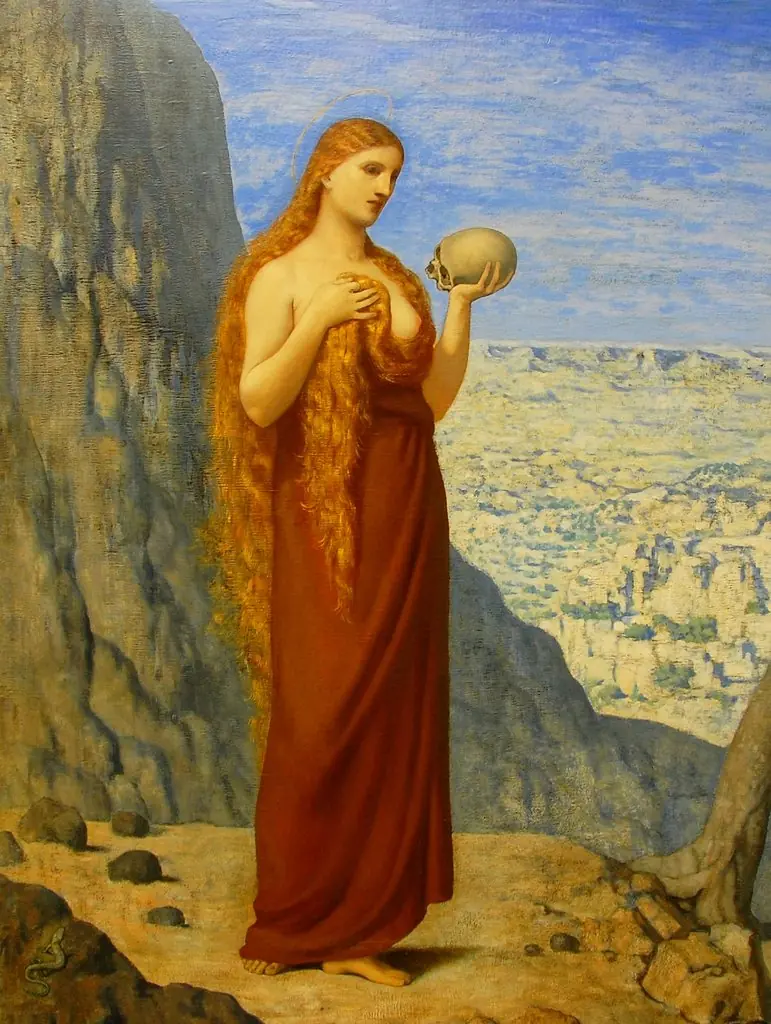 Mary Magdalene in the Desert
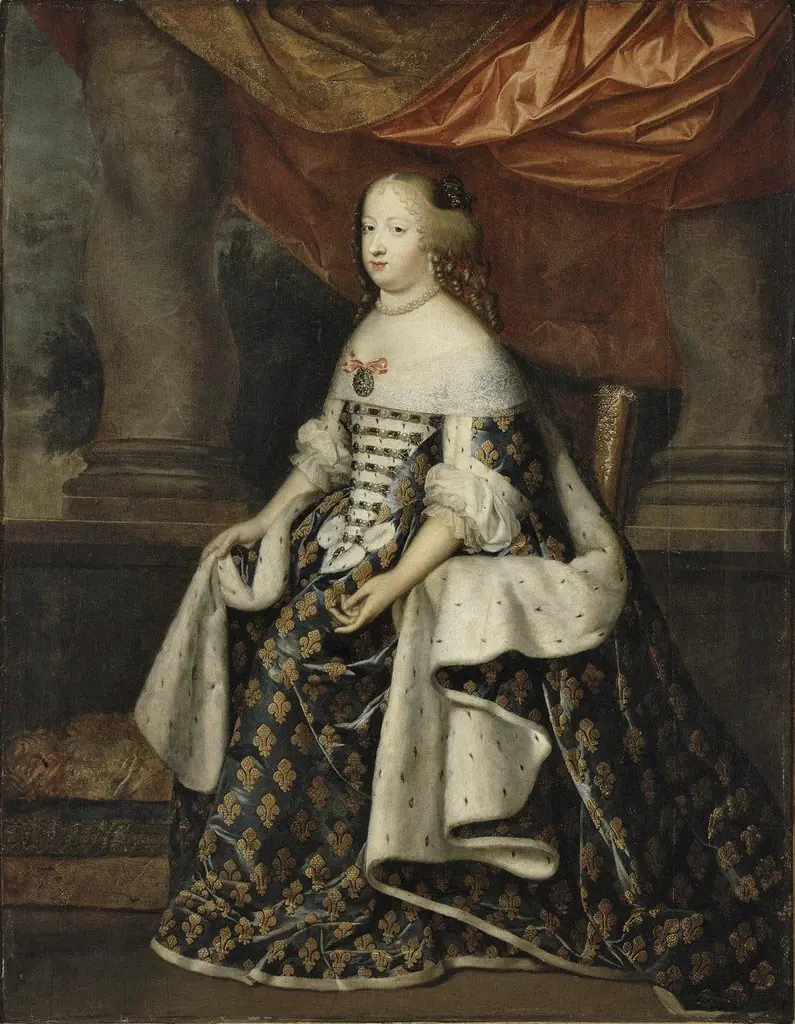 Marie Thérèse of Austria in Royal Costume
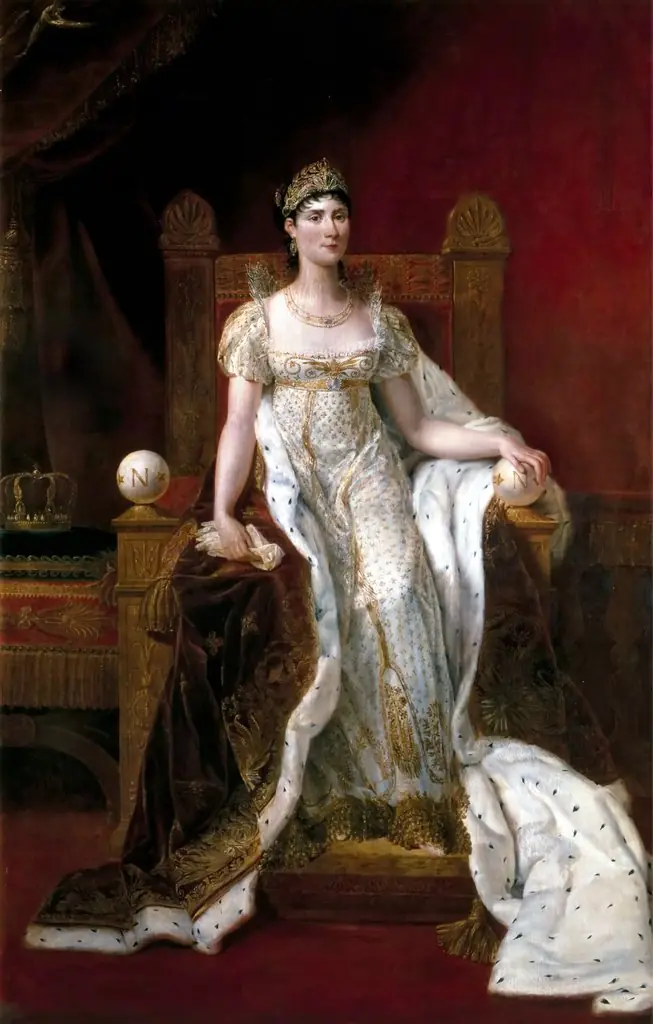 Joséphine, Empress of the French
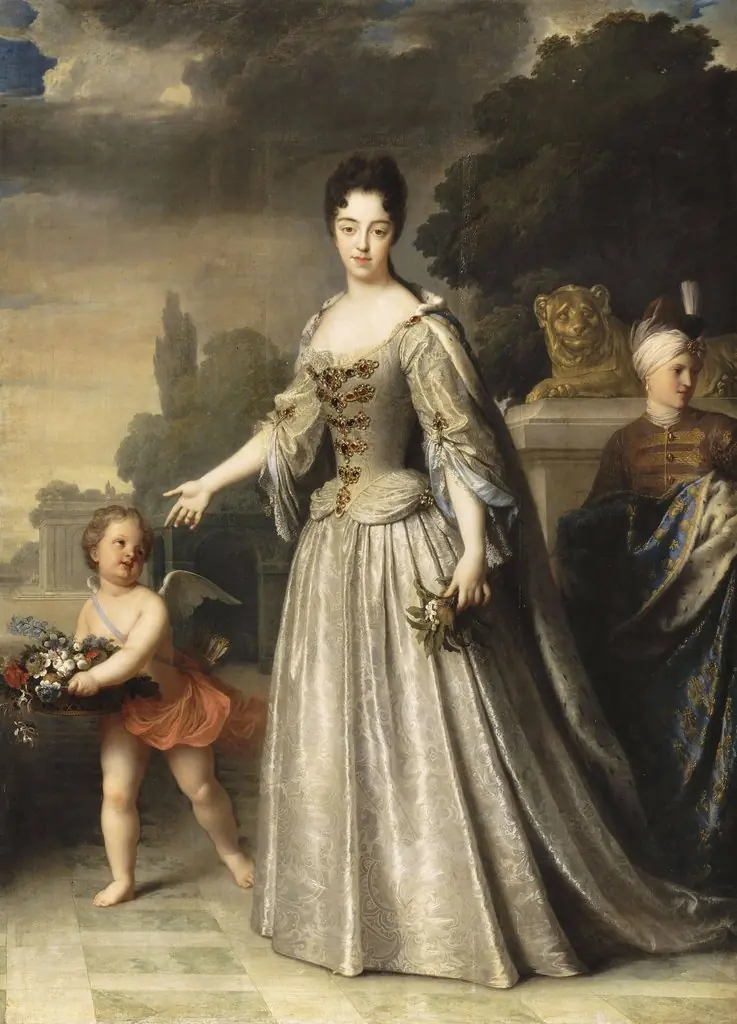 Portrait of Marie Adélaïde of Savoy, Duchess of Burgundy
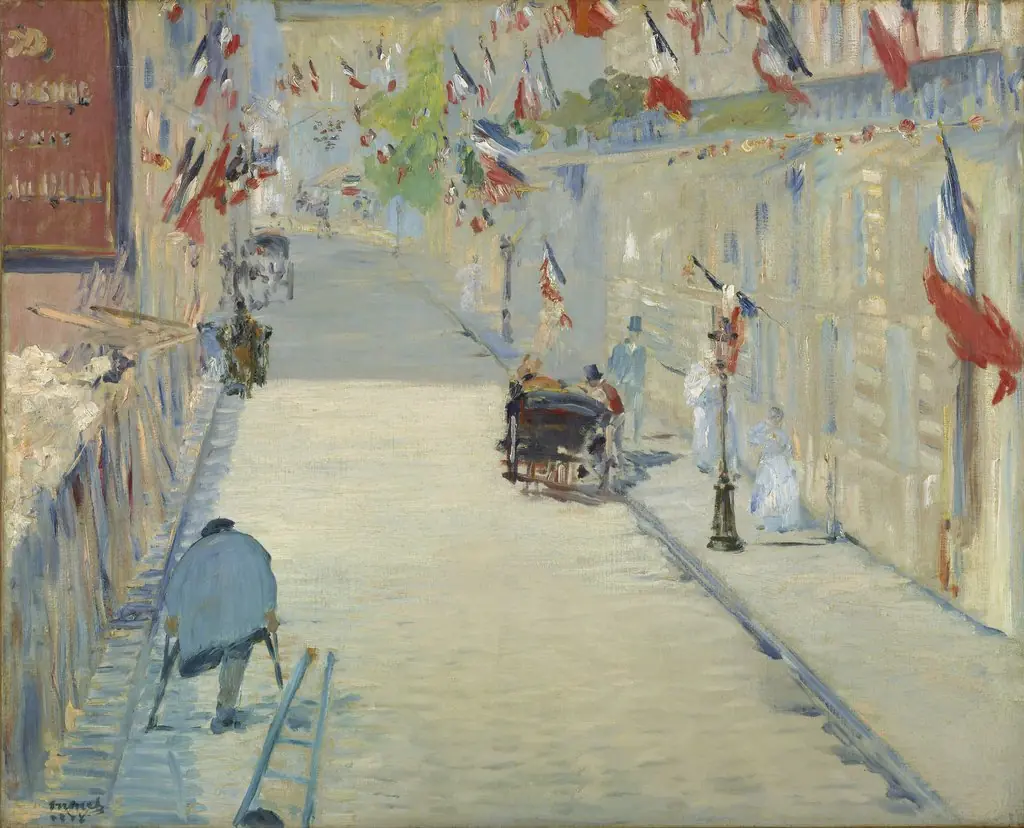 The Rue Mosnier Dressed with Flags
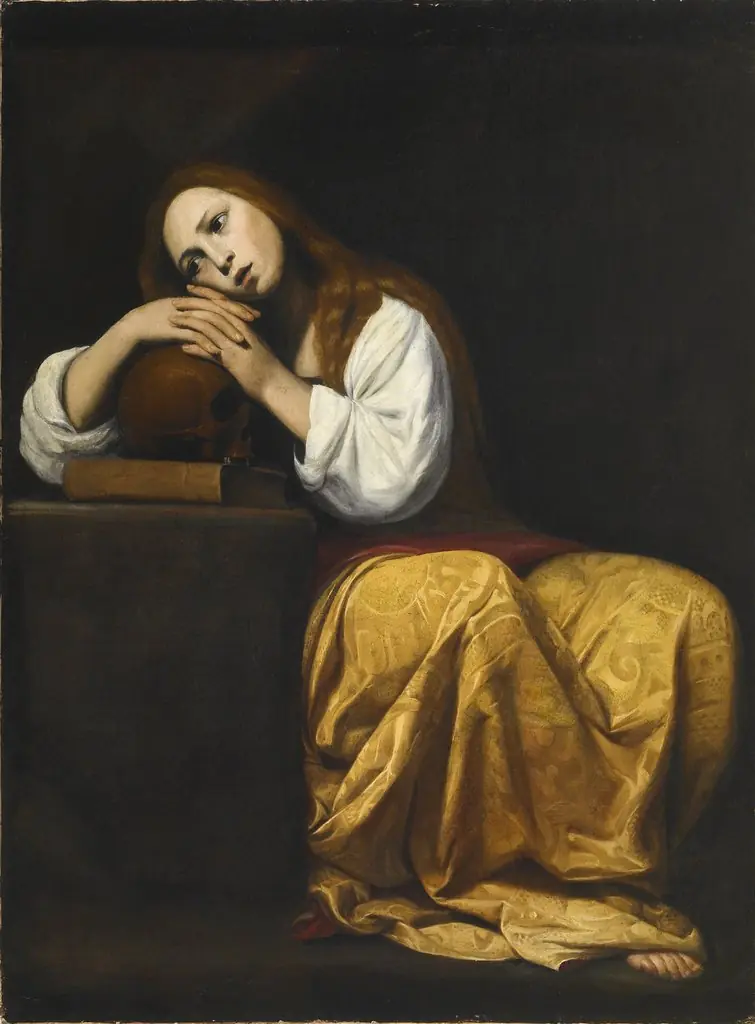 The Penitent Mary Magdalene
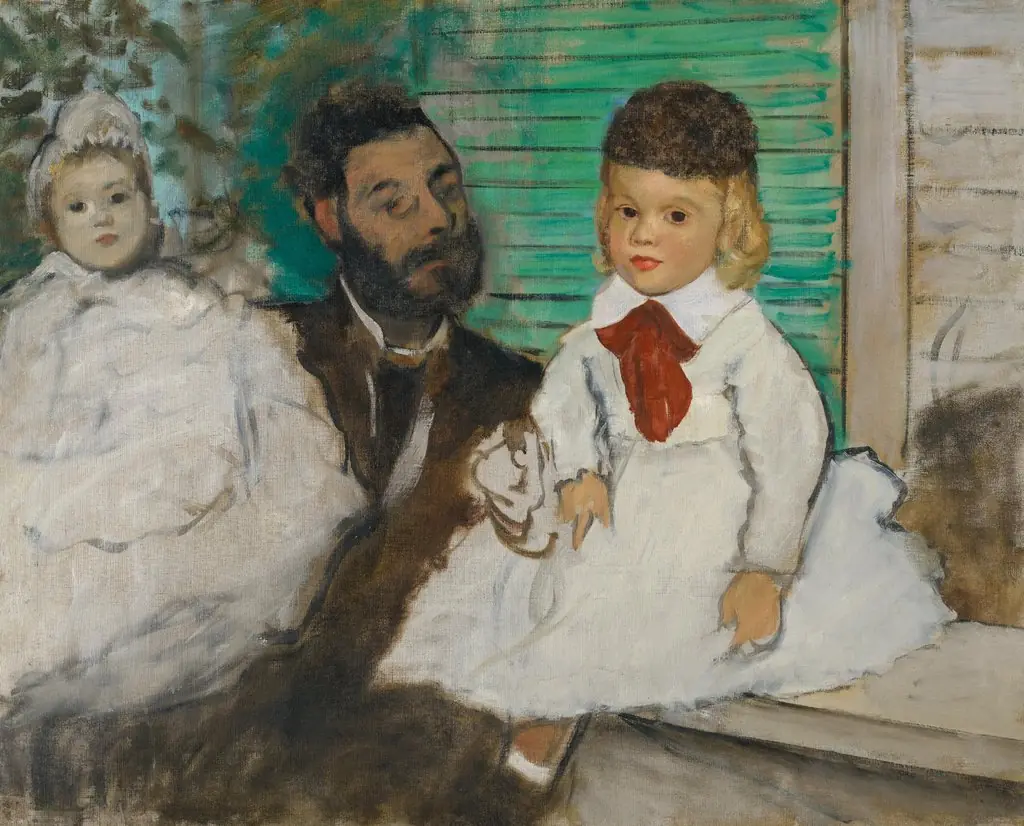 Count Lepic and His Daughters
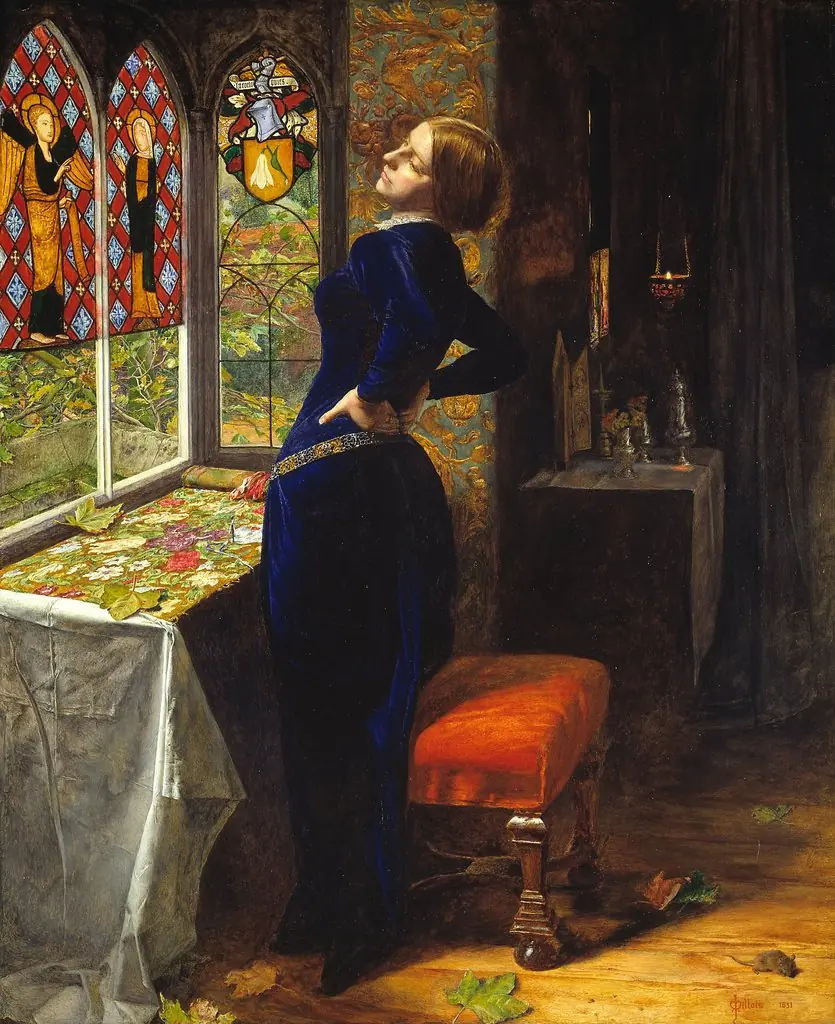 Mariana
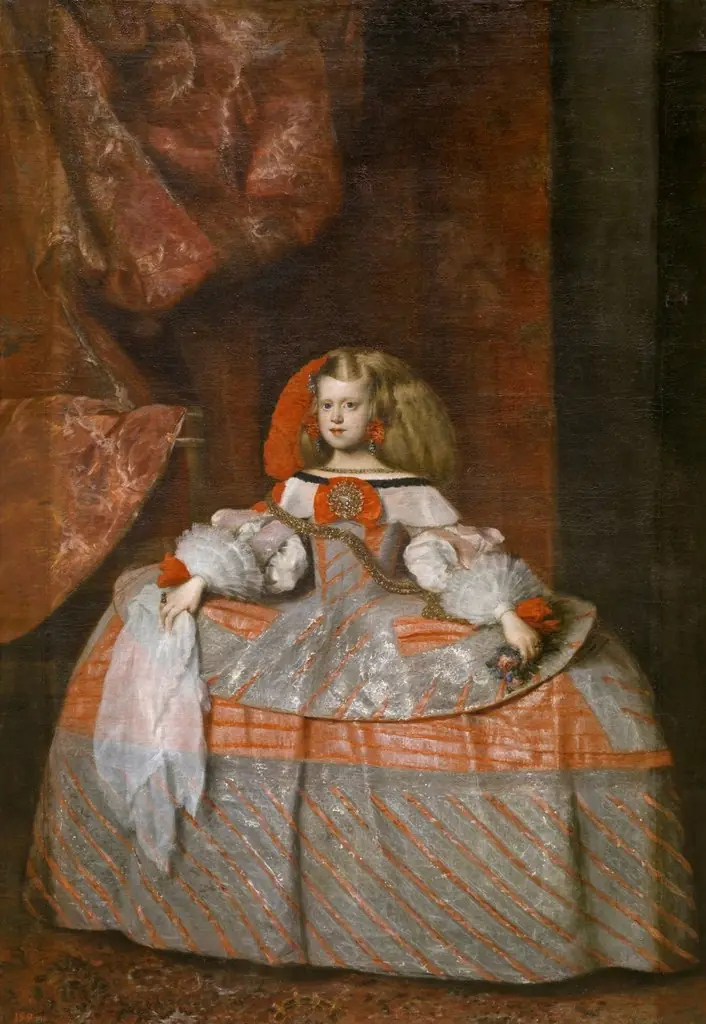 Infanta Margarita Teresa in a Pink Dress
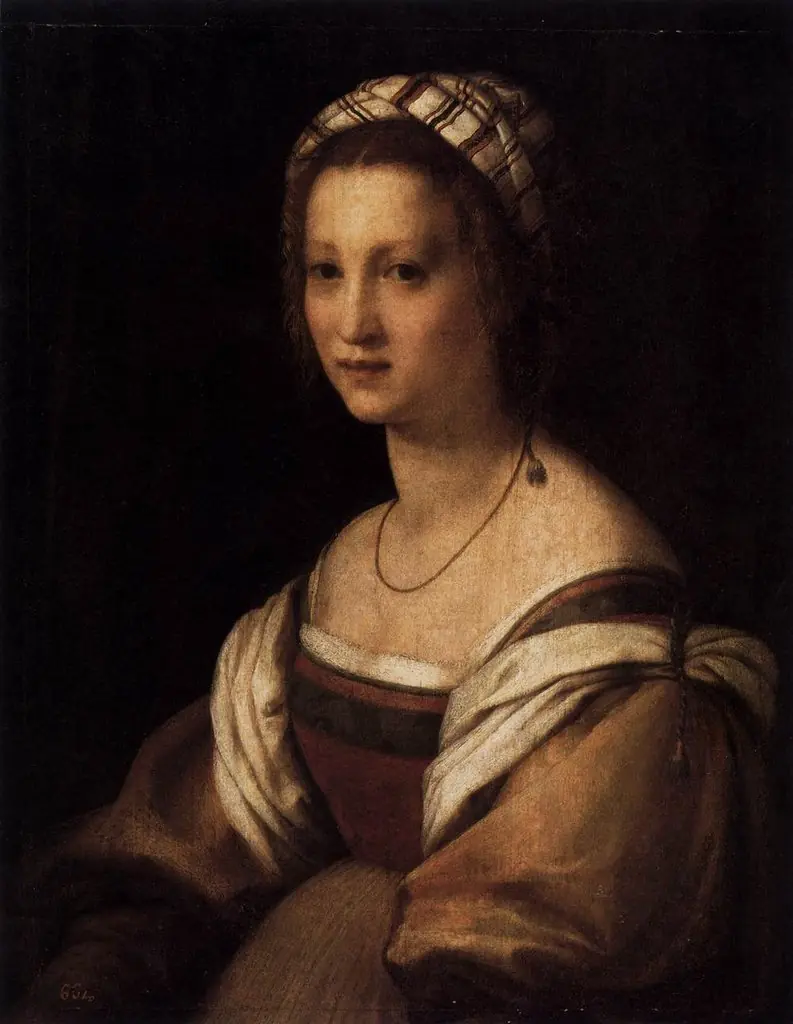 Portrait of a Woman
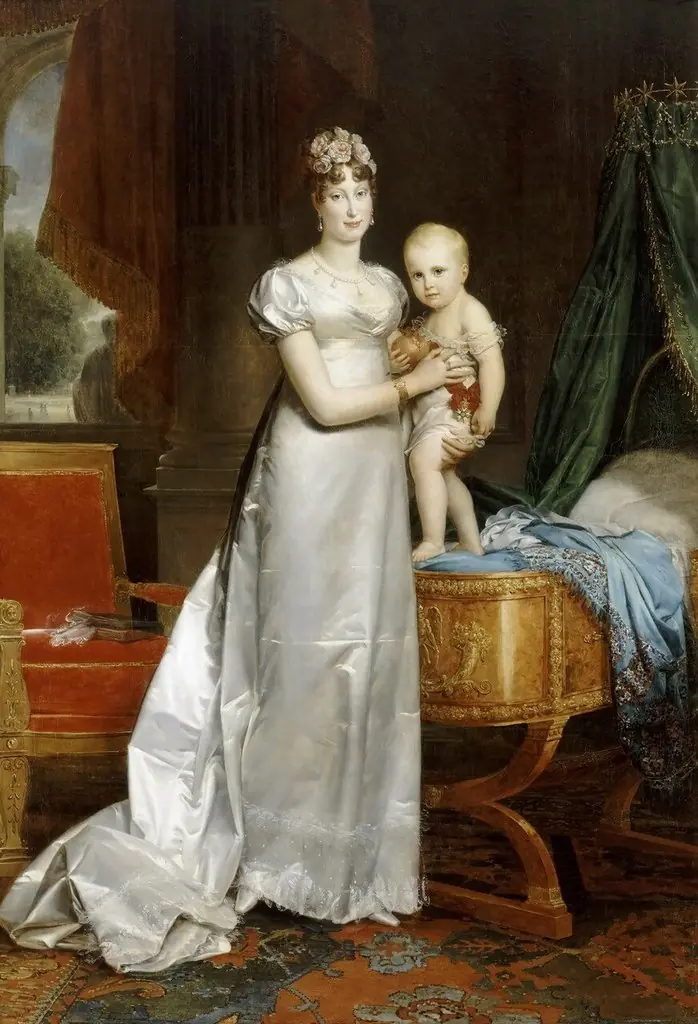 Marie-Louise, Empress of the French, and the Roi de Rome
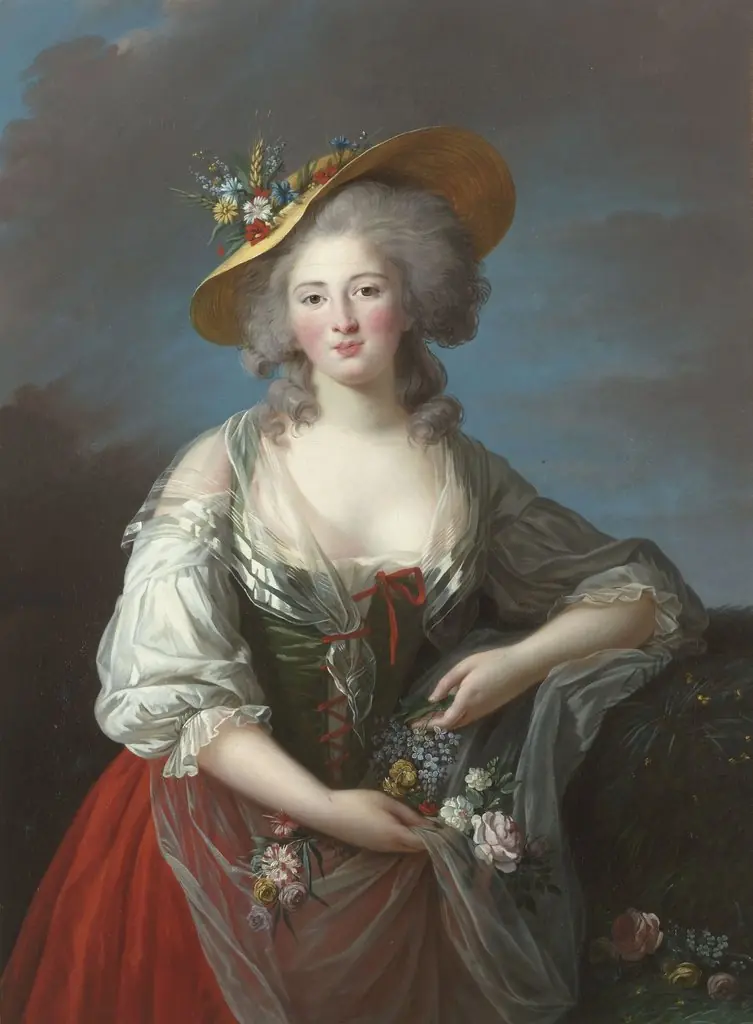 Elisabeth-Philippe-Marie-Hélène de France, dite Madame Elisabeth
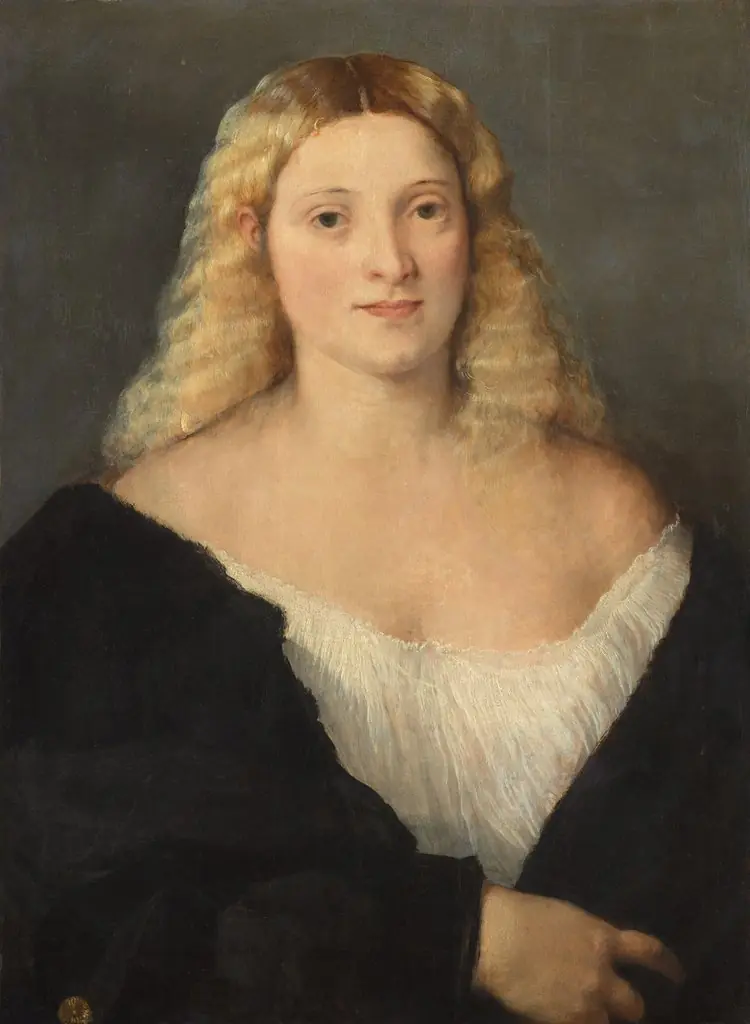 Young Woman in a Black Dress
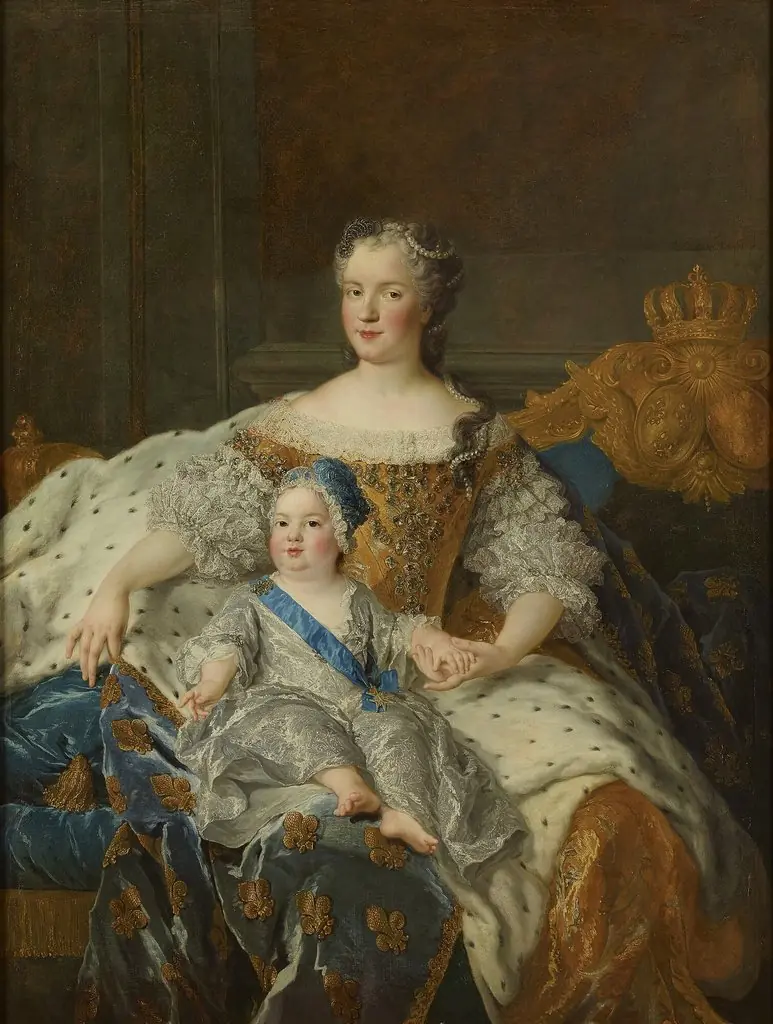 Marie Leszczynska, Queen of France, and the Dauphin
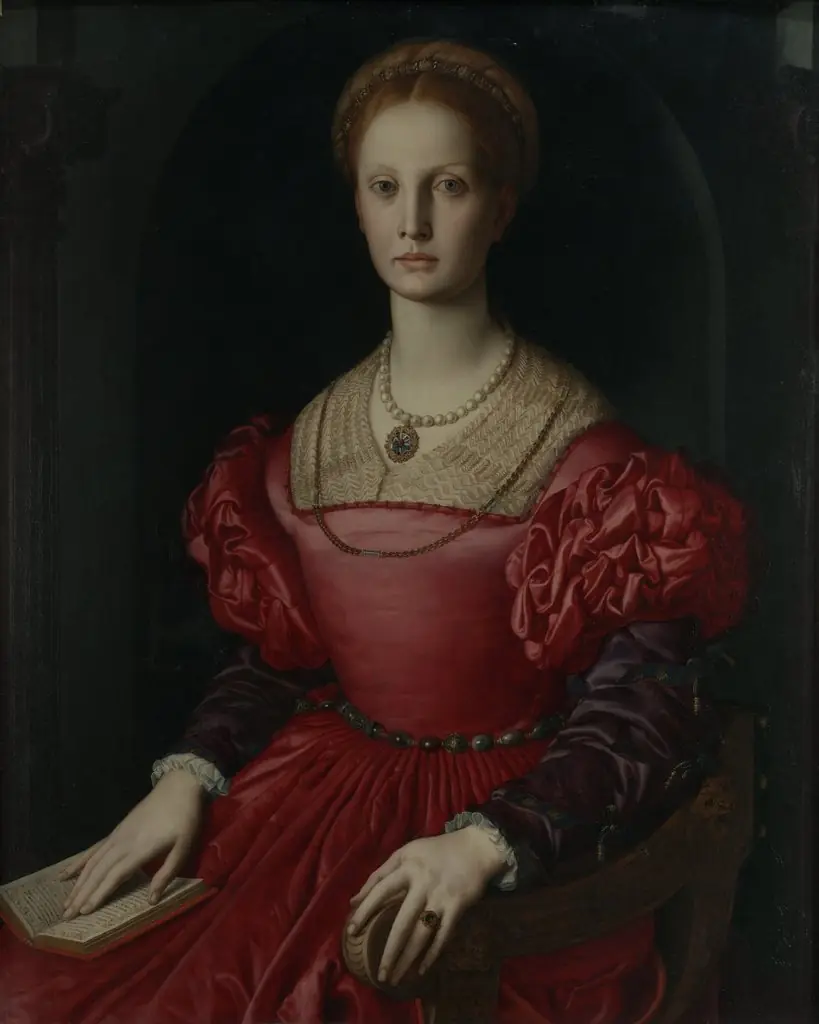 Portrait of Lucrezia Panciatichi
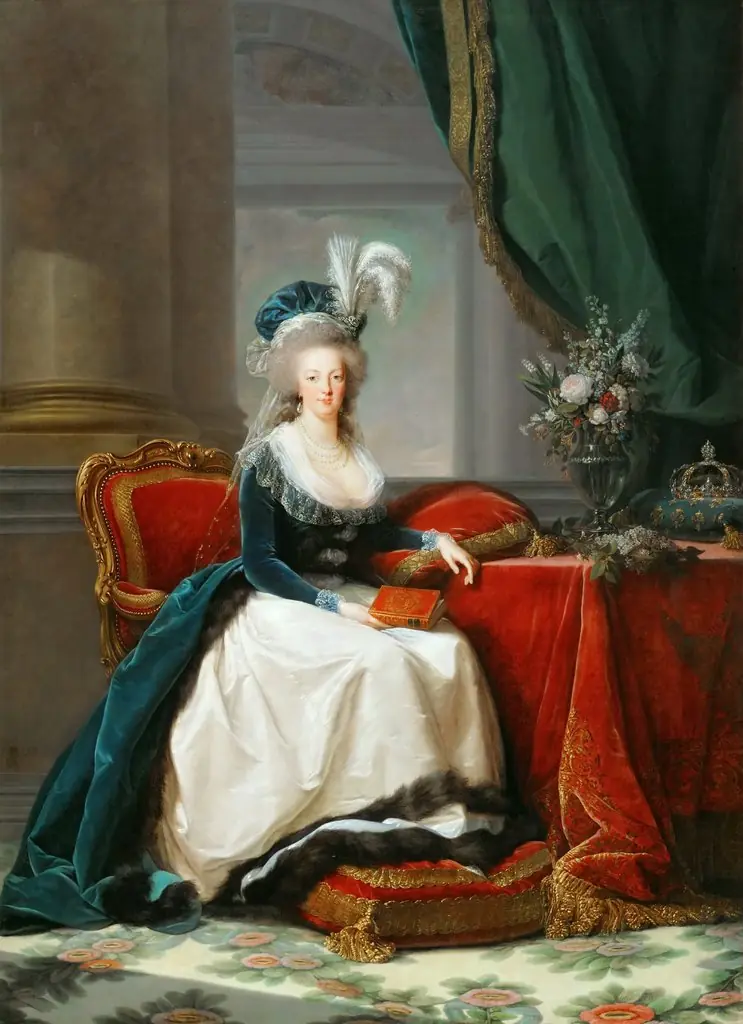 Marie-Antoinette seated, in blue coat and white dress, holding a book in her hand
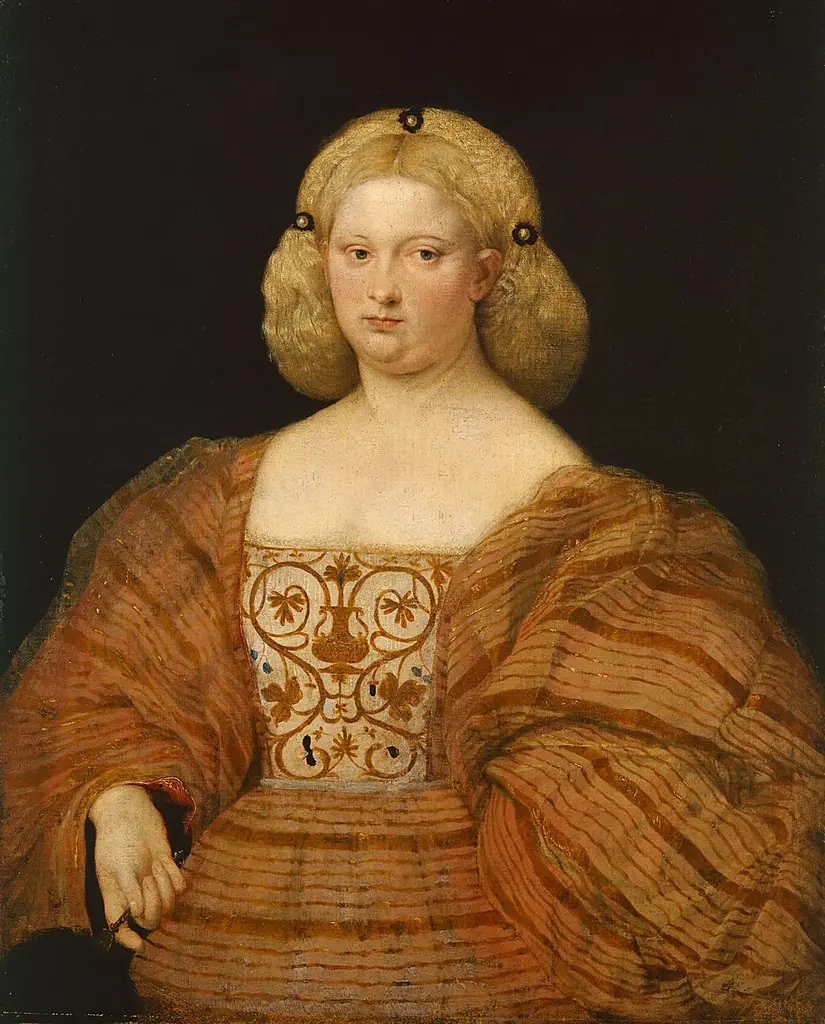 Portrait of a woman in a striped dress and holding a fan
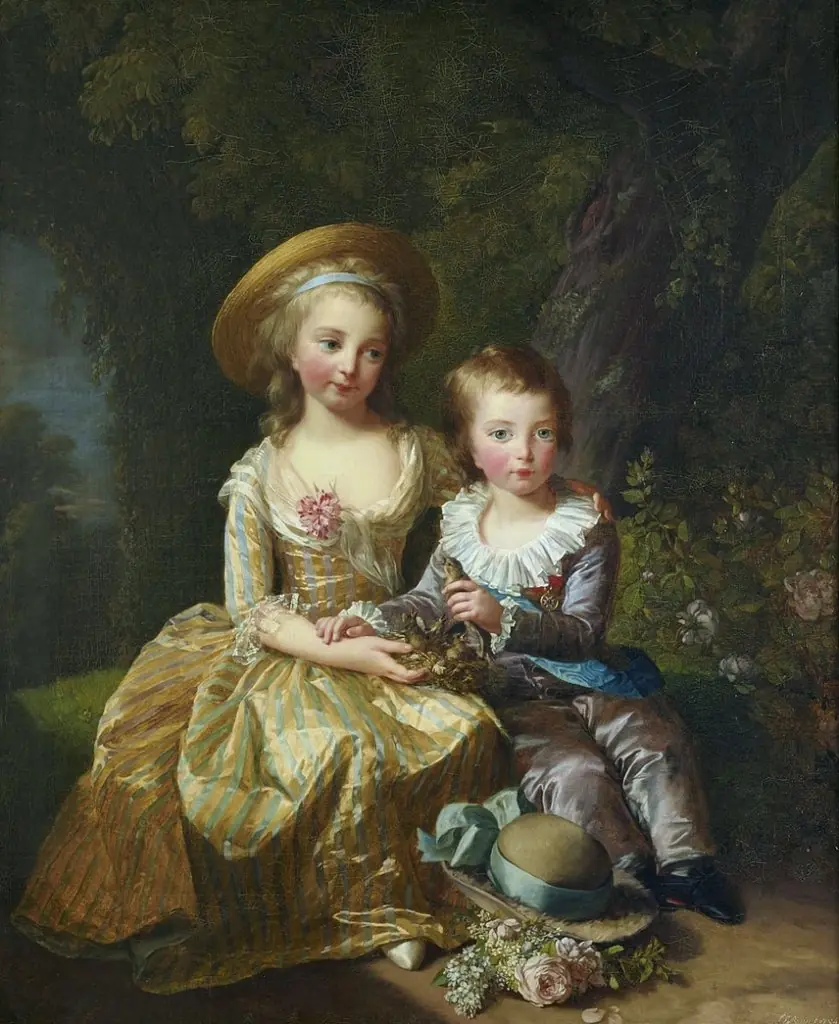 Portrait of Madame Royale and Louis Joseph, Dauphin of France
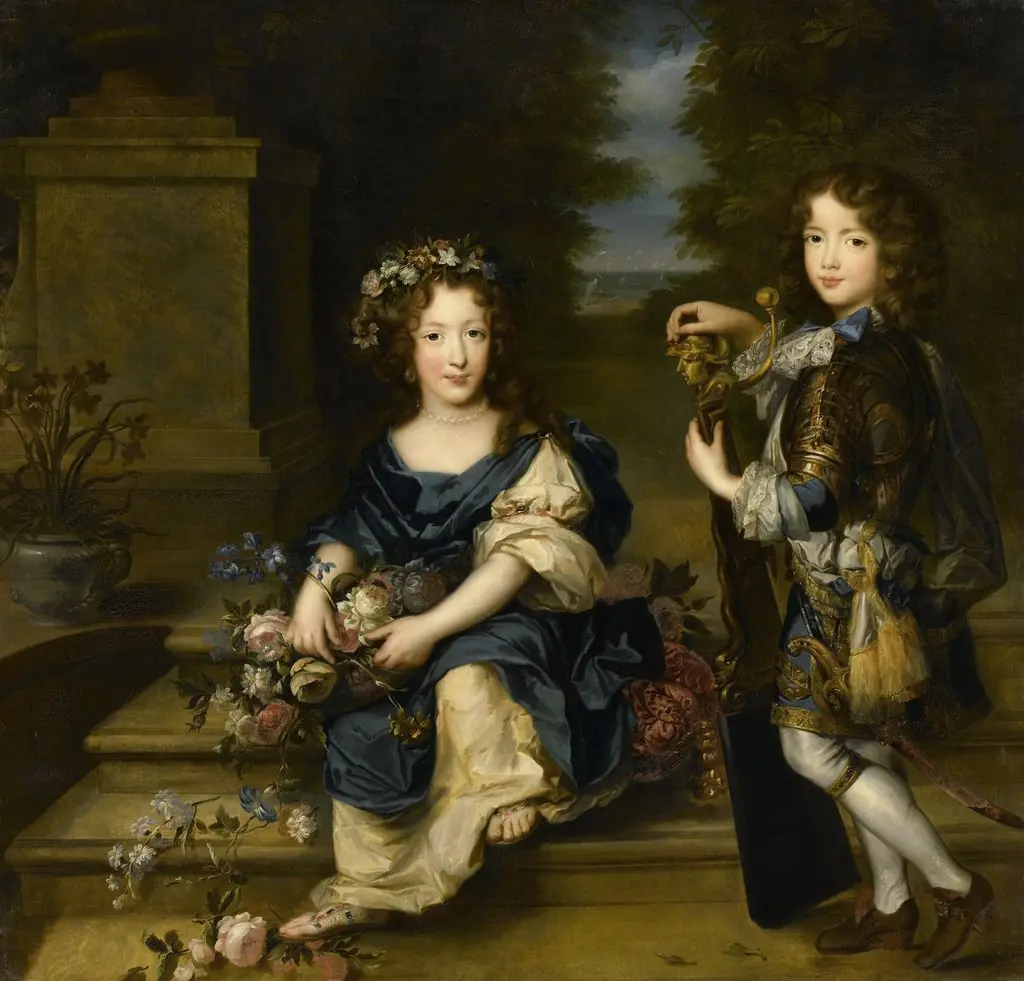 Anne-Marie de Bourbon, future princess of Conti and Louis de Bourbon, count of Vermandois
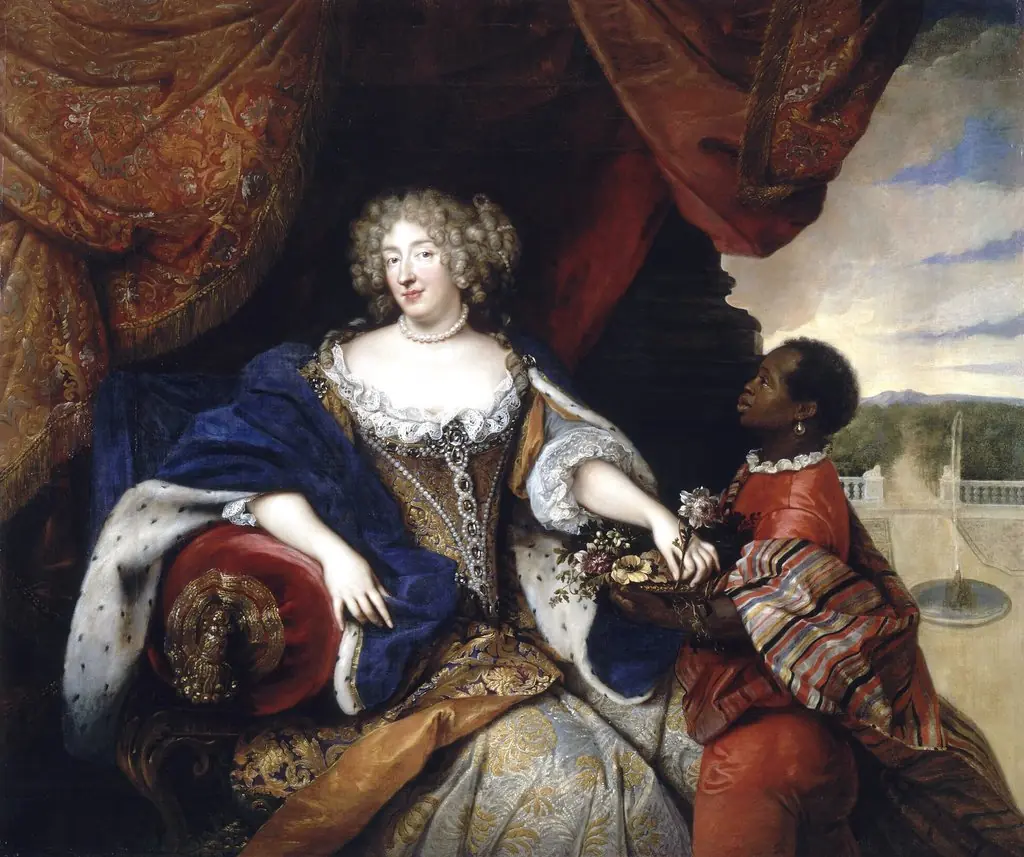 Portrait of Elizabeth Charlotte of the Palatine with her Slave
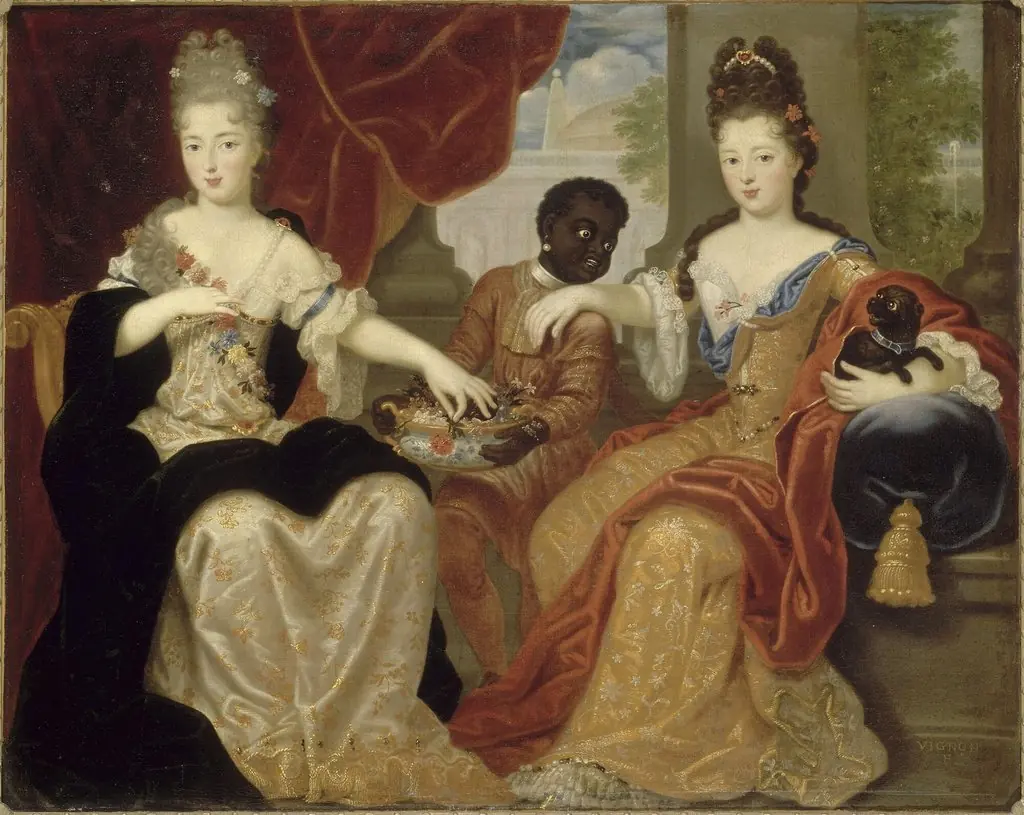 Françoise-Marie de Bourbon known as Mademoiselle de Blois and Louise-Françoise de Bourbon known as Mademoiselle de Nantes
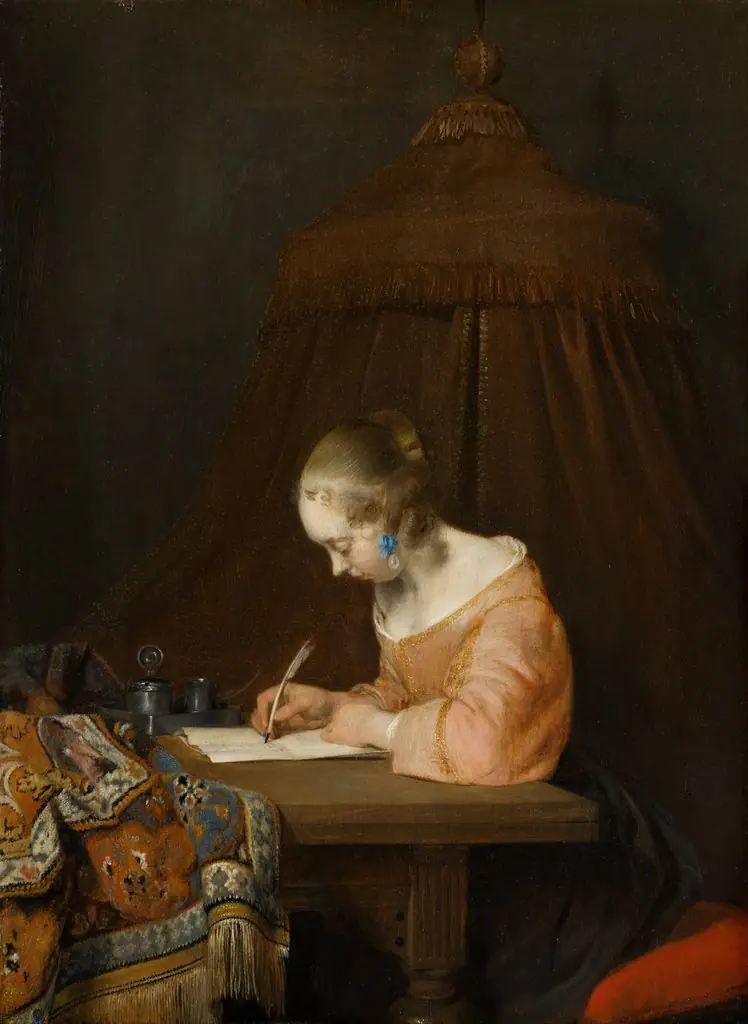 Woman writing a letter
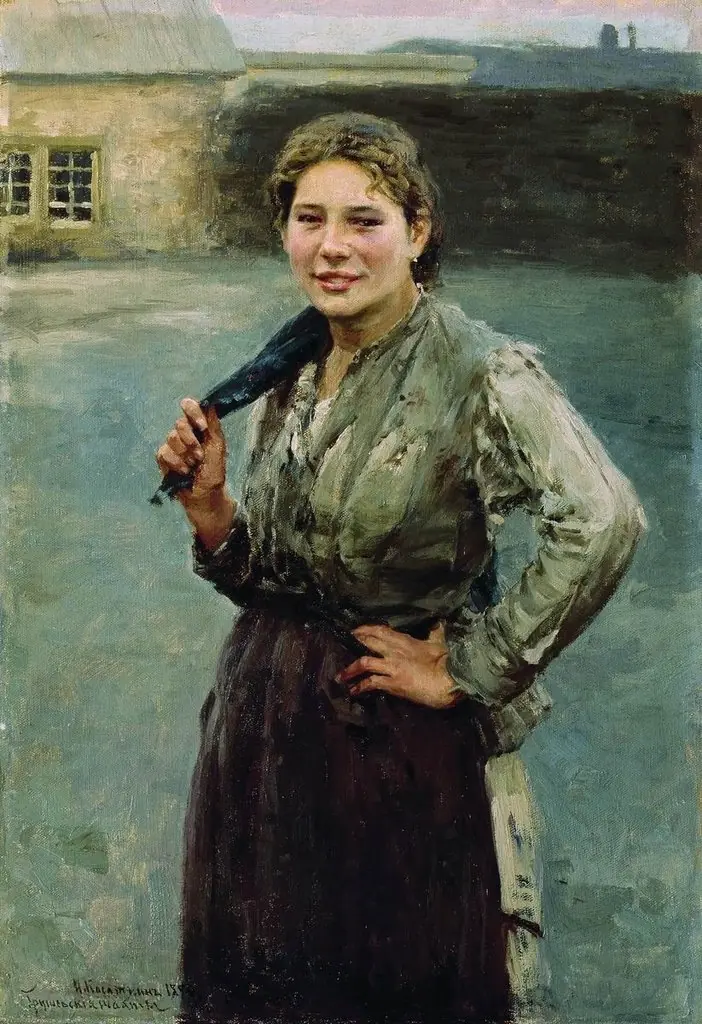 Chakhtiorka
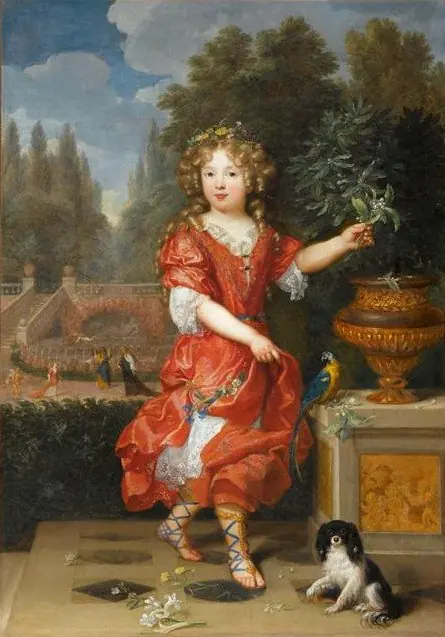 Presumed portrait of Mademoiselle de Blois
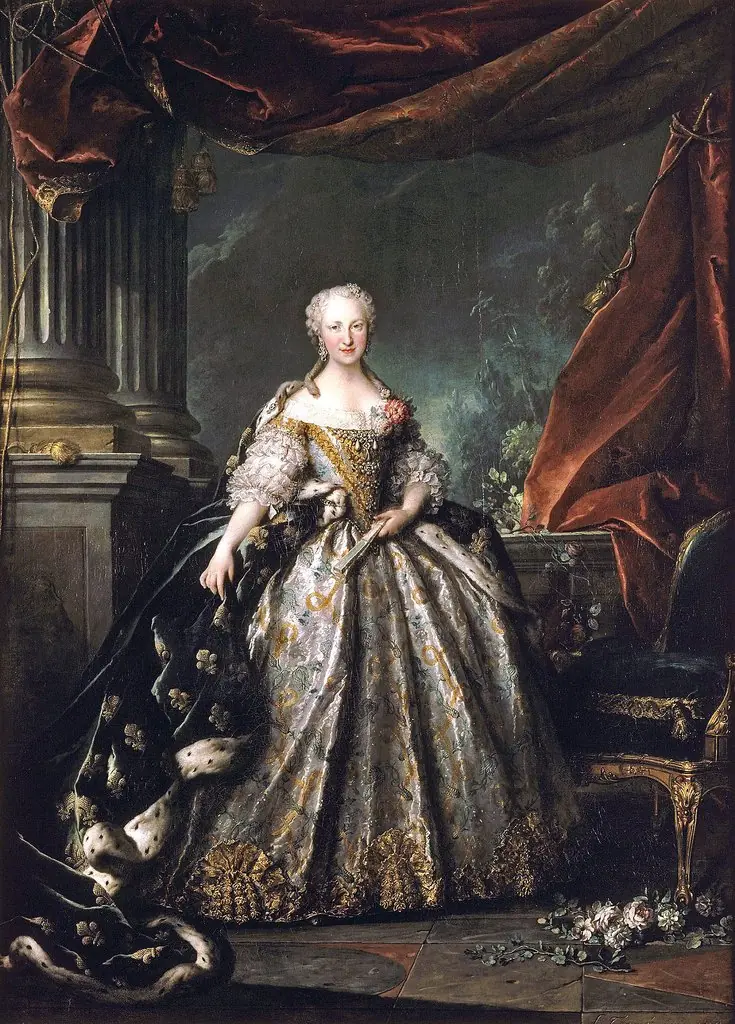 Marie-Thérèse-Raphaëlle, Infanta of Spain, Dauphine of France
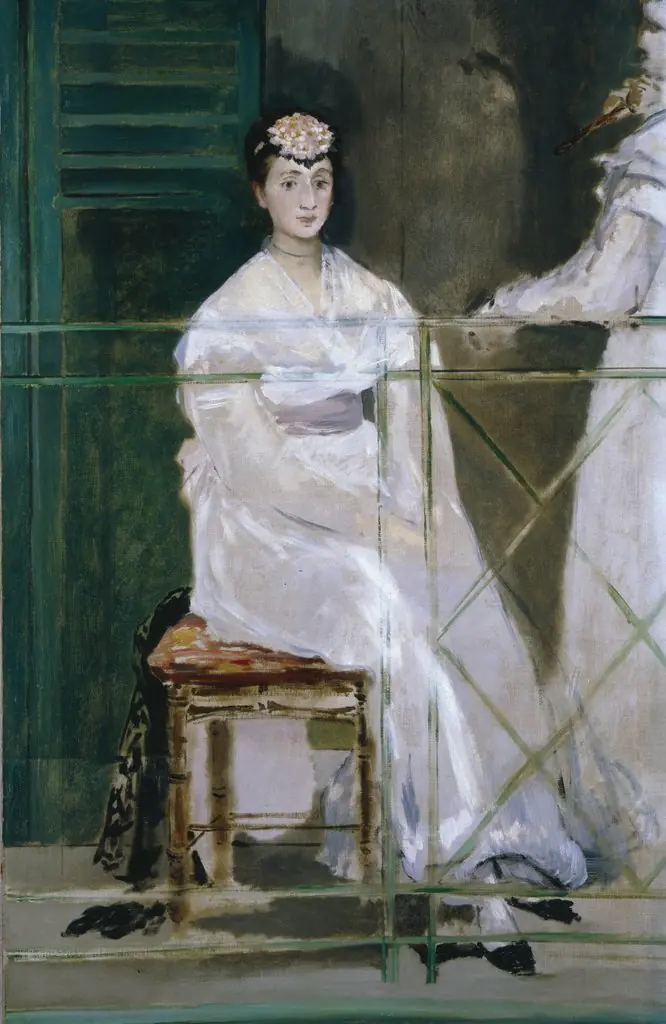 Portrait of Mademoiselle Claus
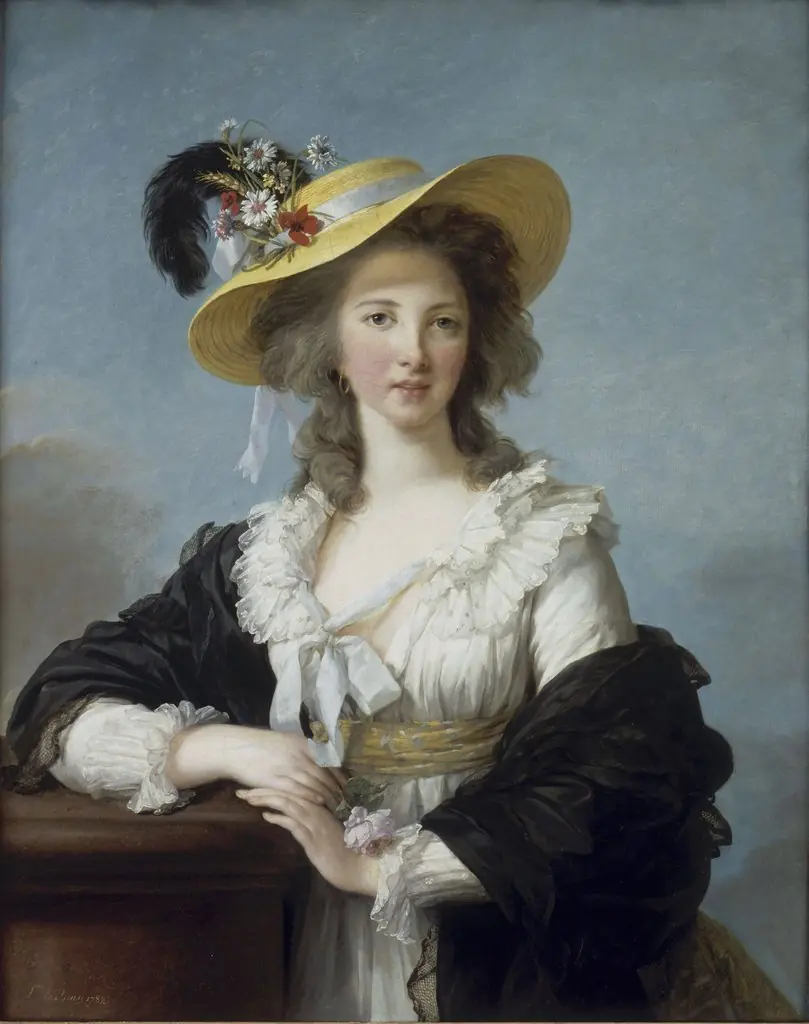 Yolande-Martine-Gabrielle de Polastron, Duchess de Polignac
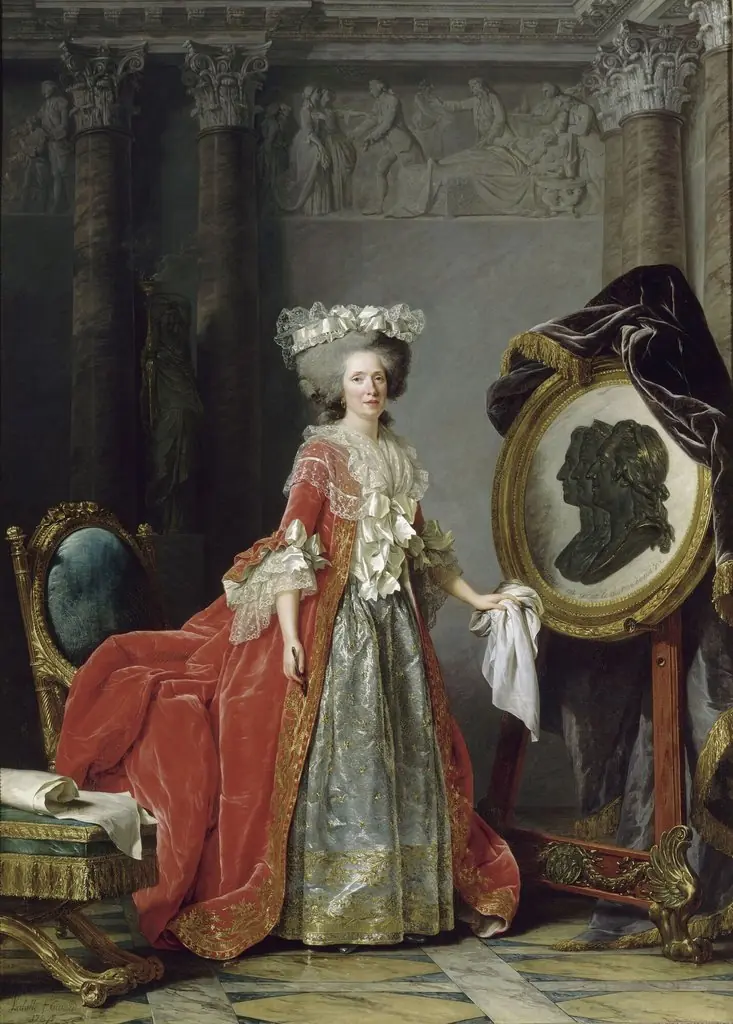 Marie-Adélaïde of France, known as Madame Adélaïde
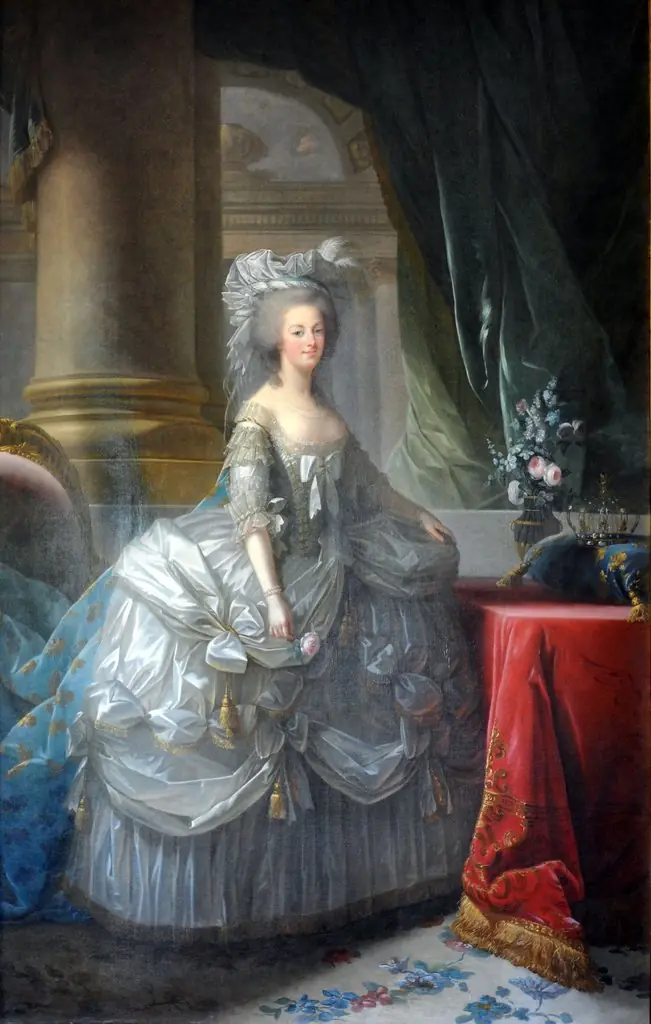 Marie Antoinette in Court Dress
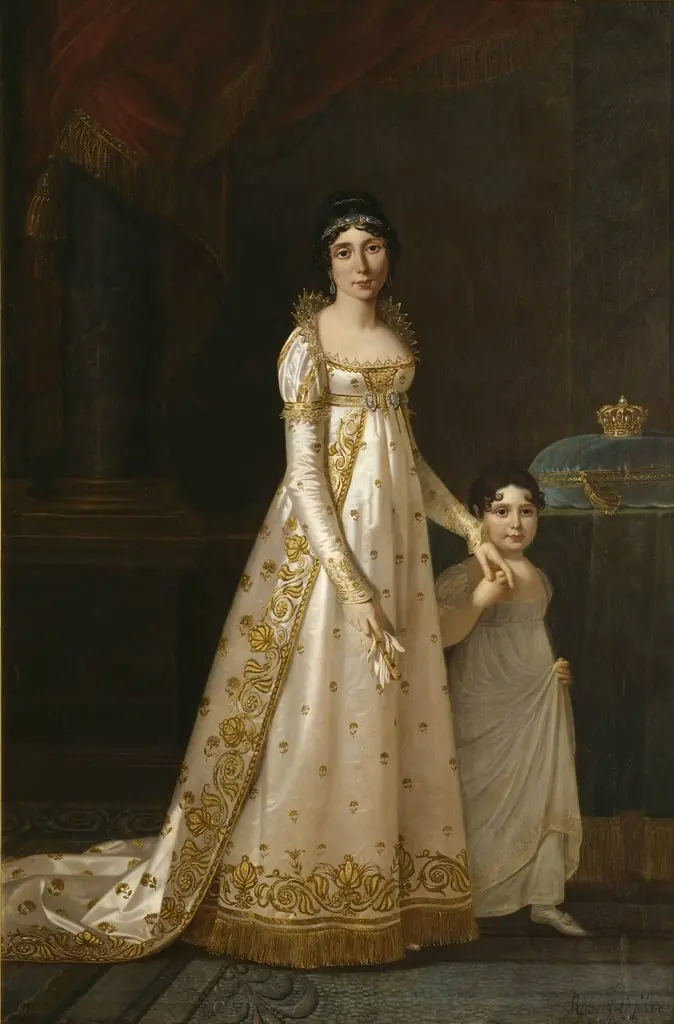 Marie-Julie Clary, Queen of Naples (1777-1845)
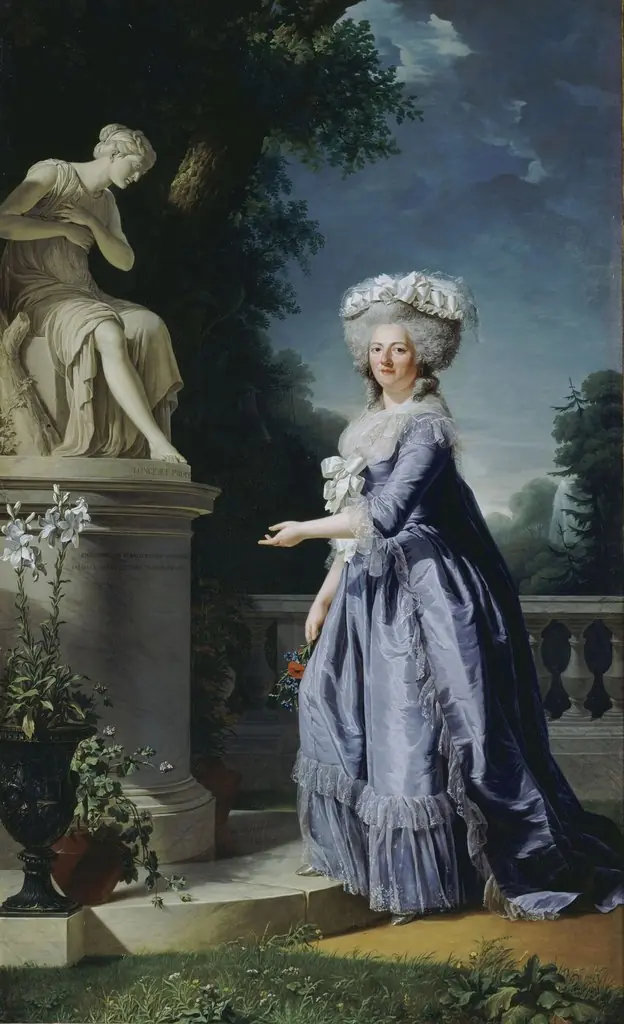 Madame Victoire of France
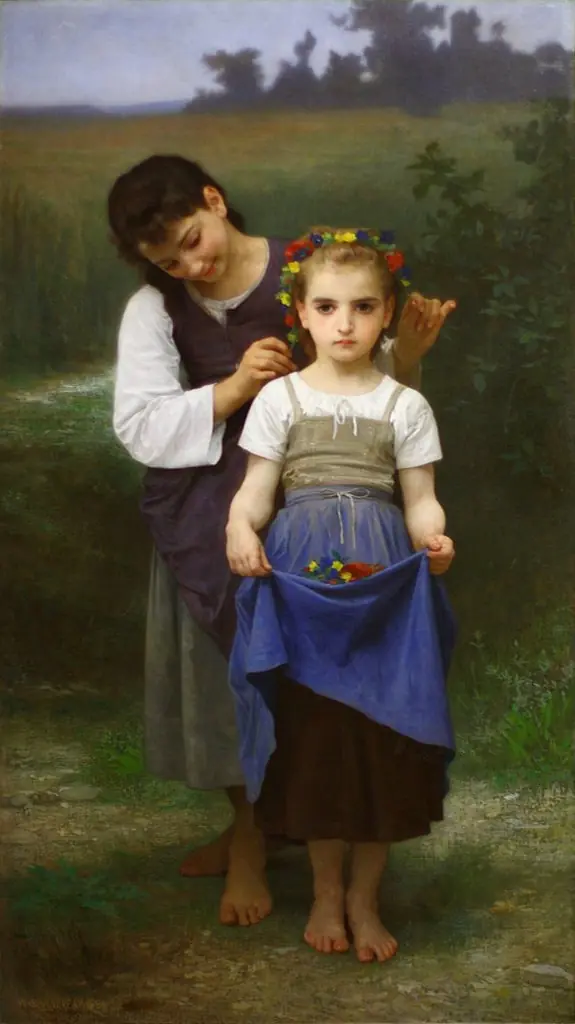 Crown of Flowers
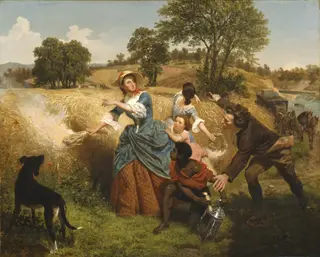 Mrs. Schuyler Burning Her Wheat Fields on the Approach of the British
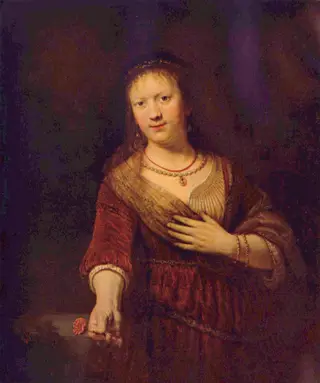 Saskia as Flora
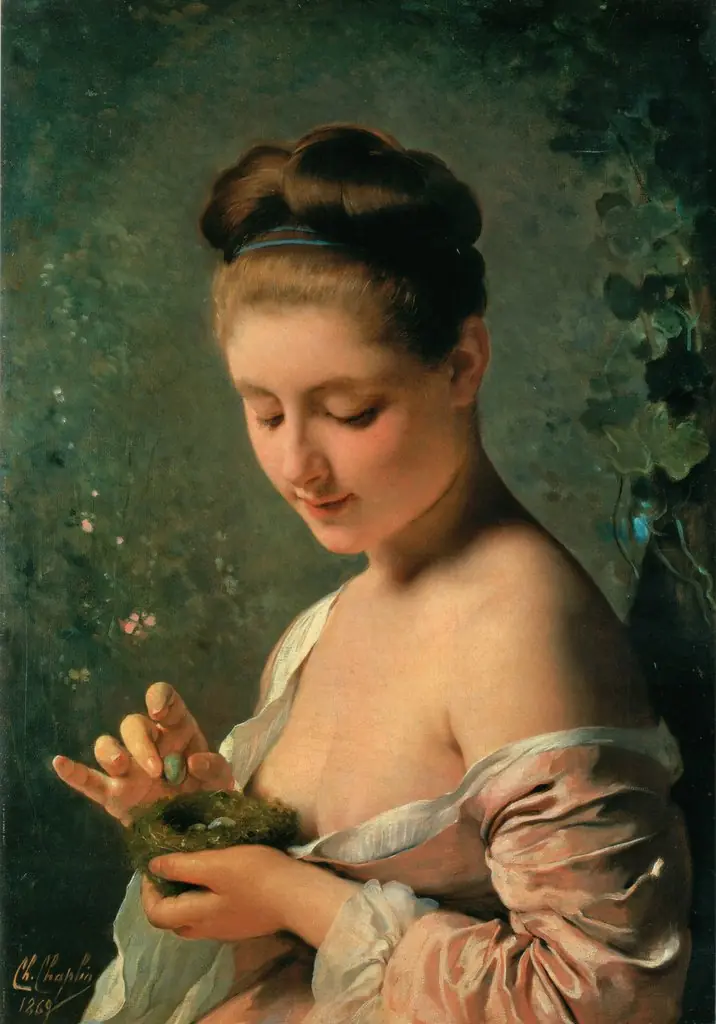 Girl with a Nest
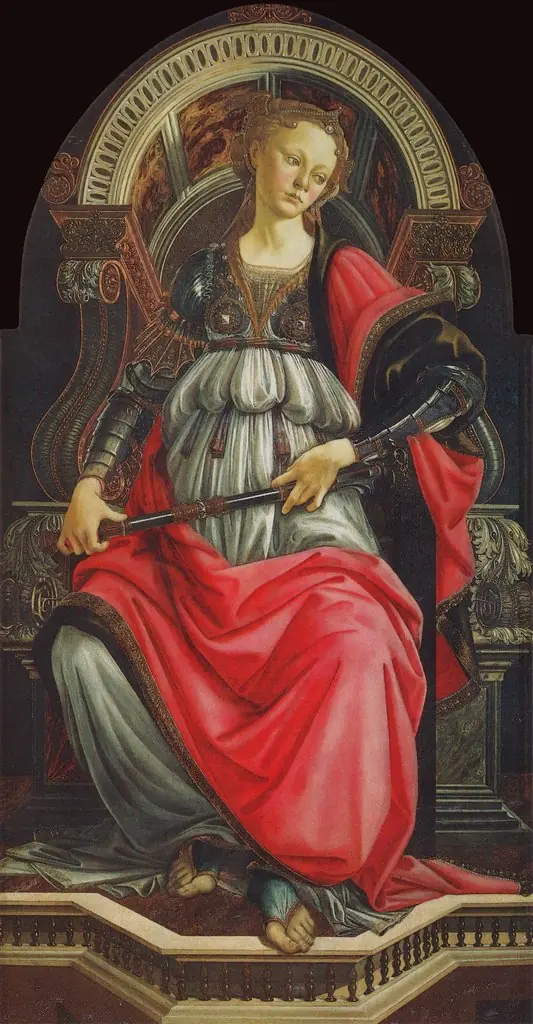 Fortitude
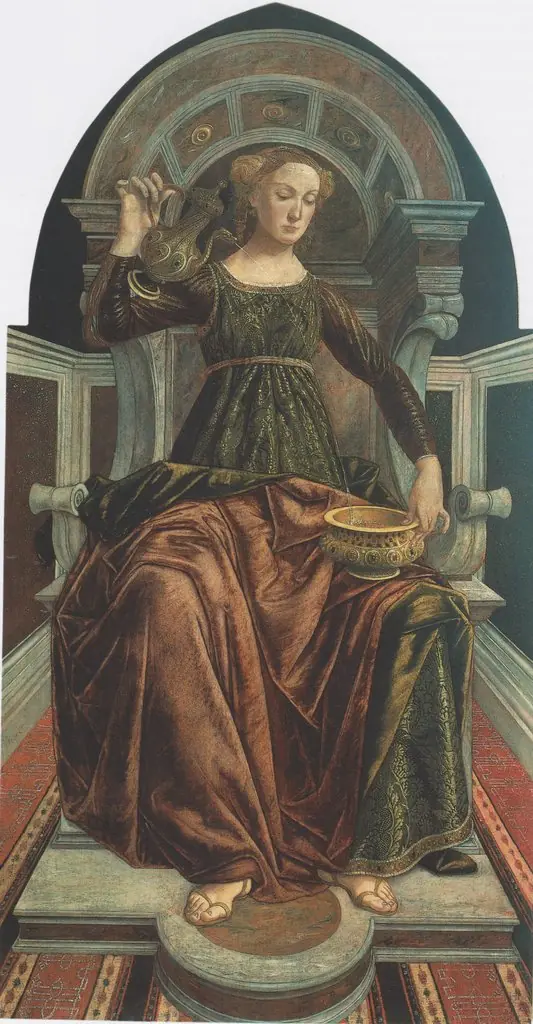 Temperance
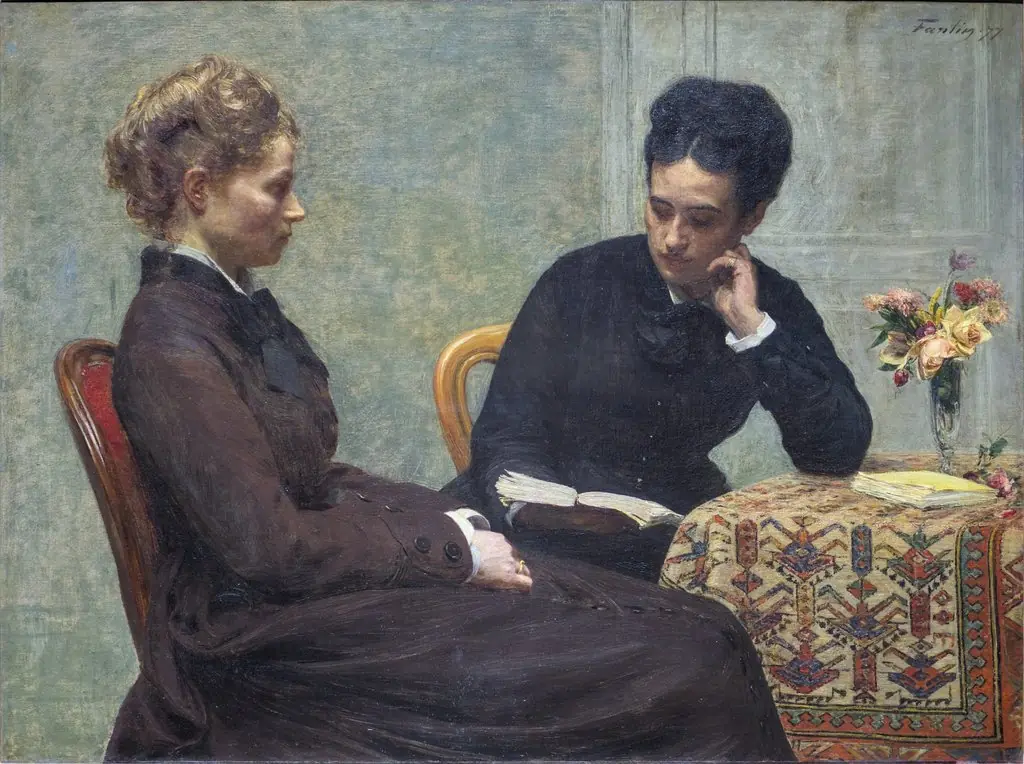 The Reading
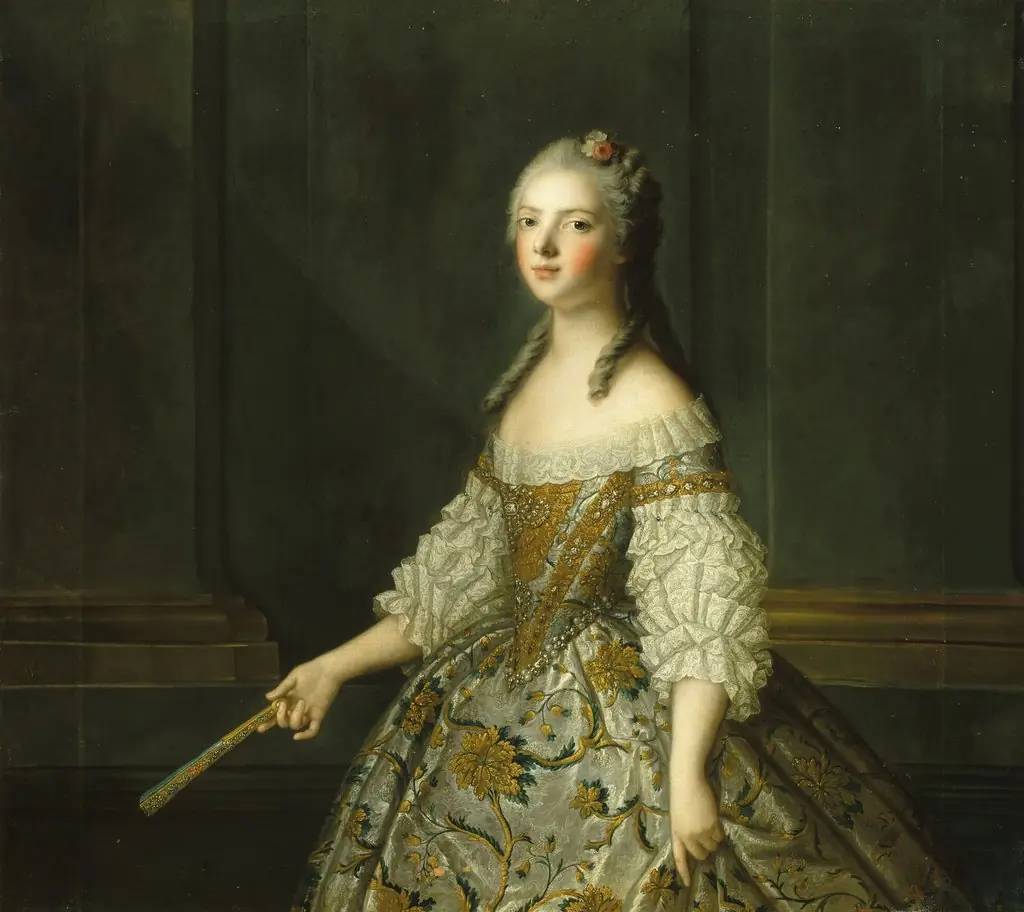 Madame Adélaïde of France Holding a Fan
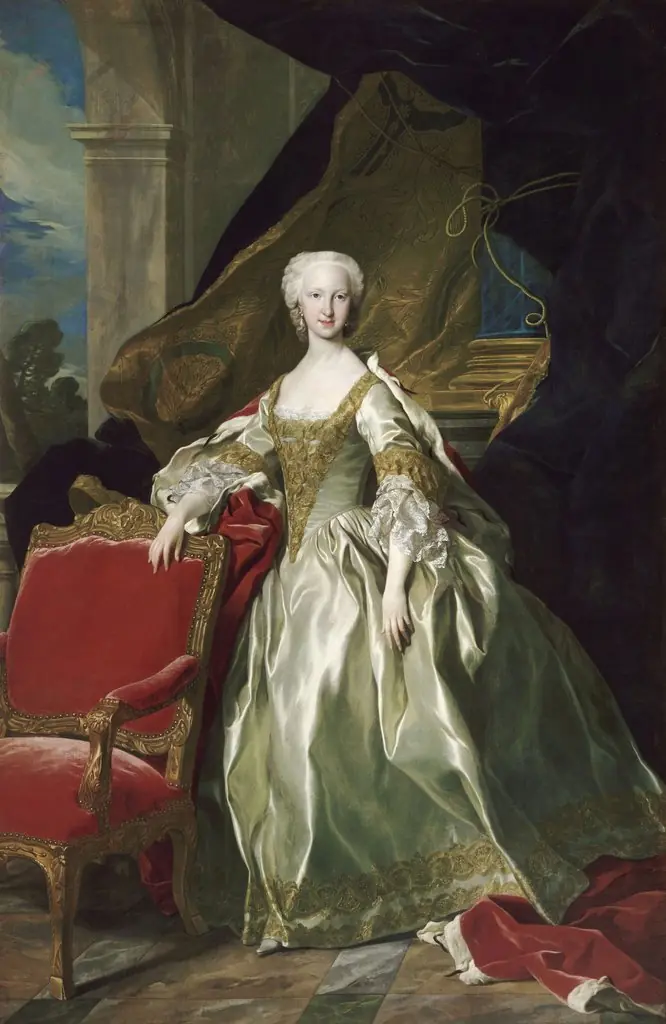 The Infanta María Teresa Rafaela of Spain, future Dauphine of France (1726-1746)
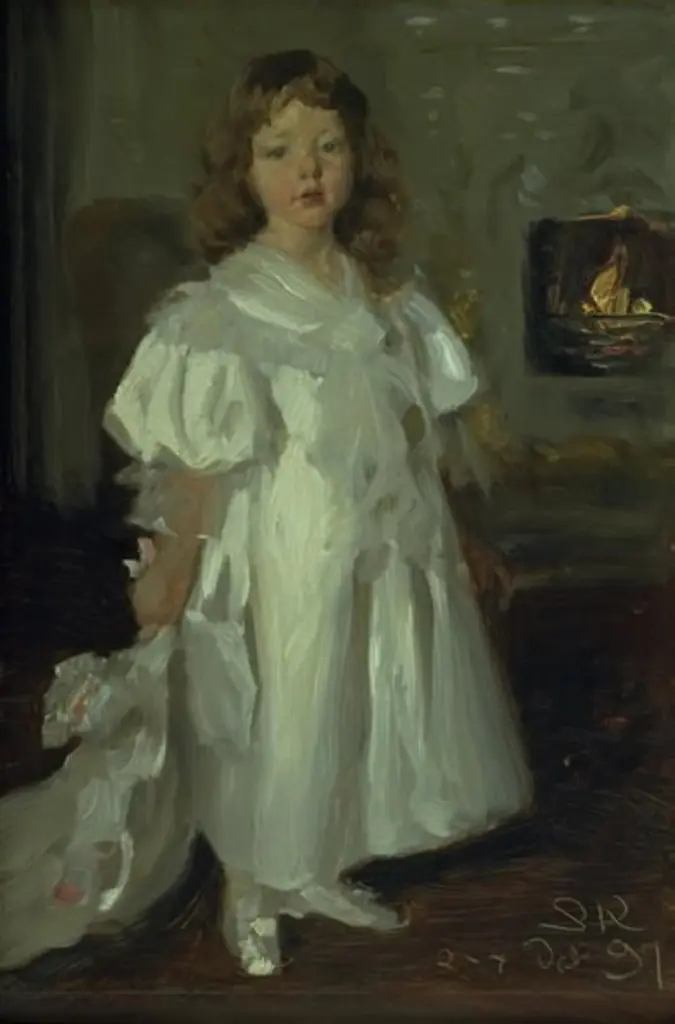 A Little Girl, Helga Melchior, in a Long Dress
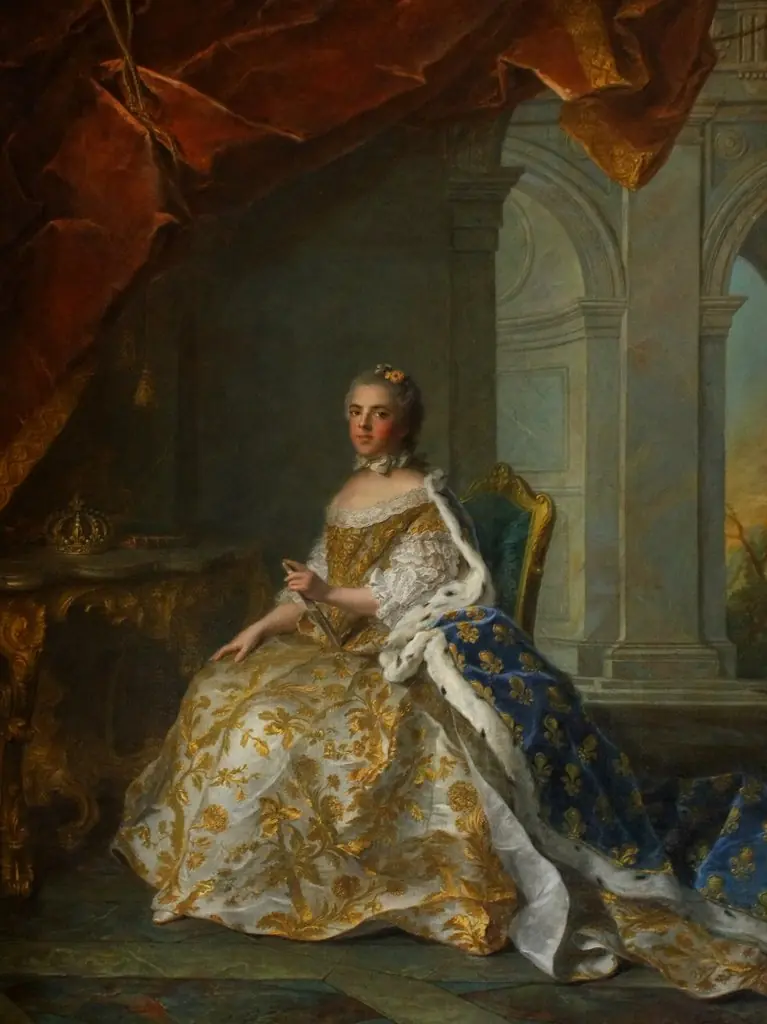 Posthumous portrait of Louise Elisabeth of France (1727-1759), Duchess of Parma, in court dress
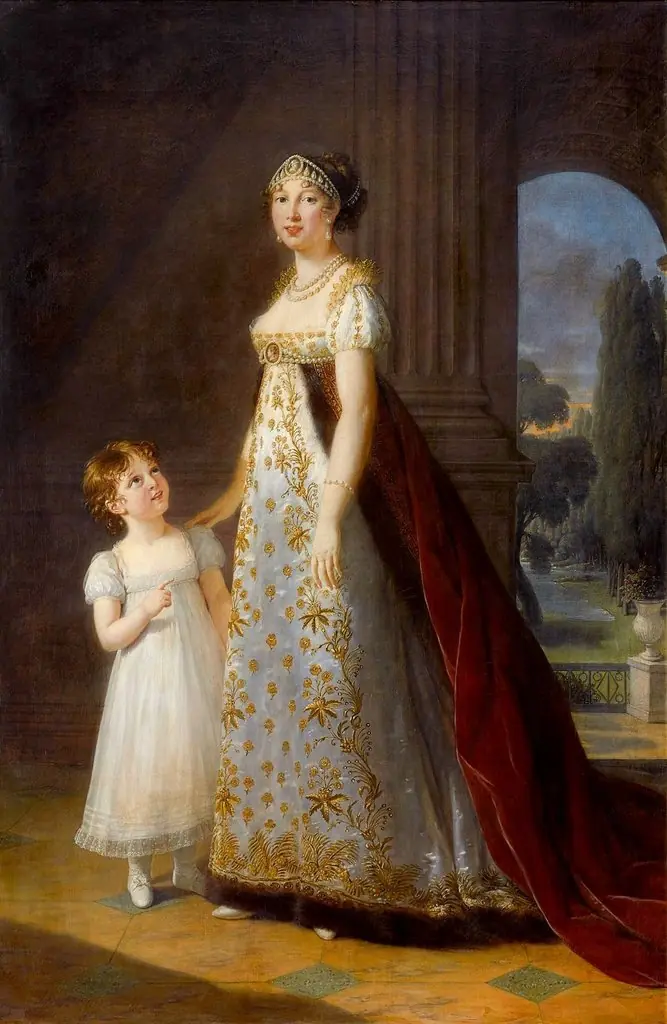 Caroline Murat with her daughter Letizia
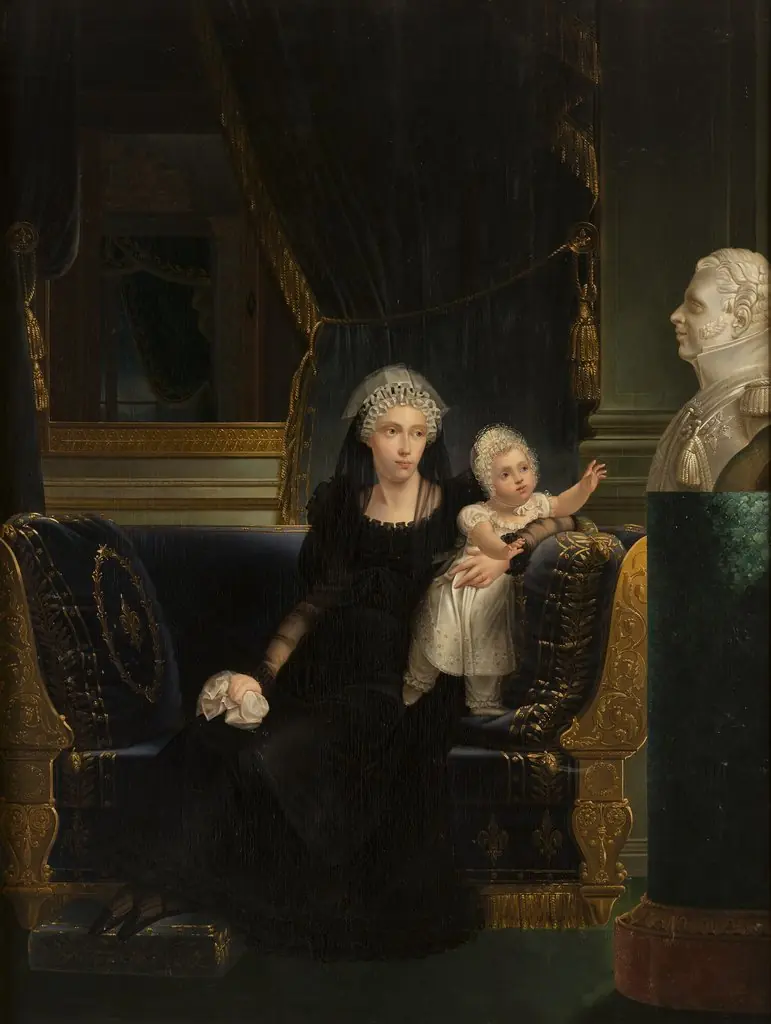 Marie-Caroline de Bourbon-Sicile, Duchess of Berry and her daughter Louise-Marie-Thérèse
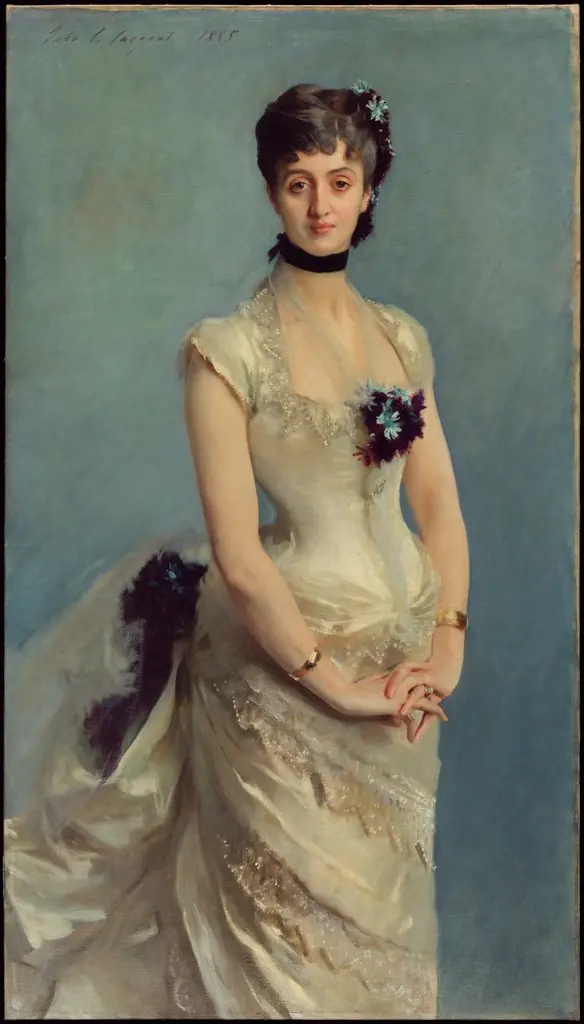 Portrait of Madame Paul Poirson
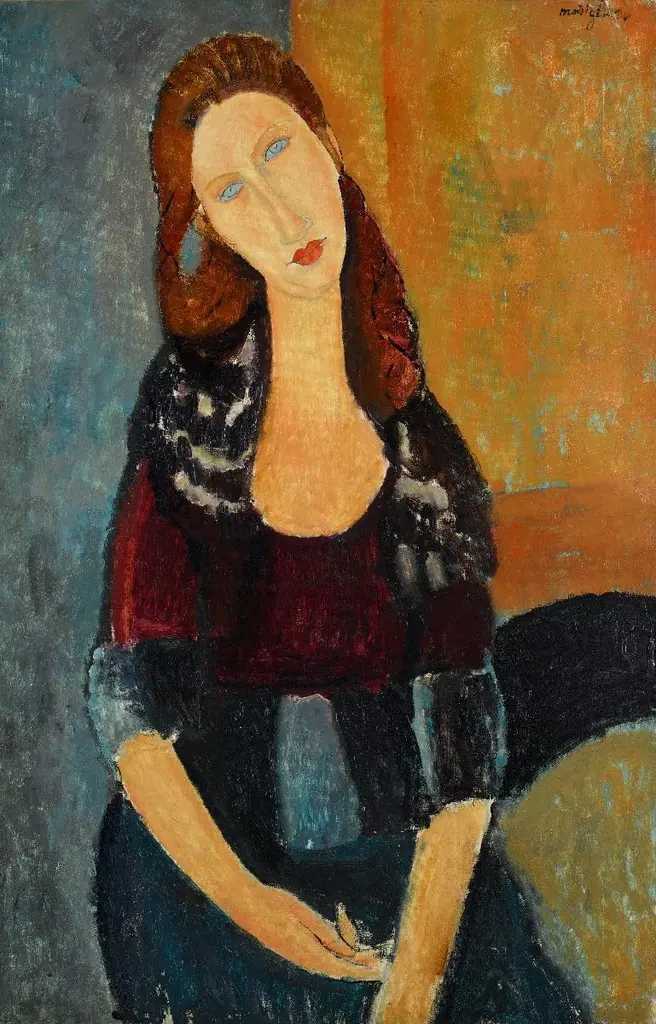 Portrait of Jeanne Hébuterne
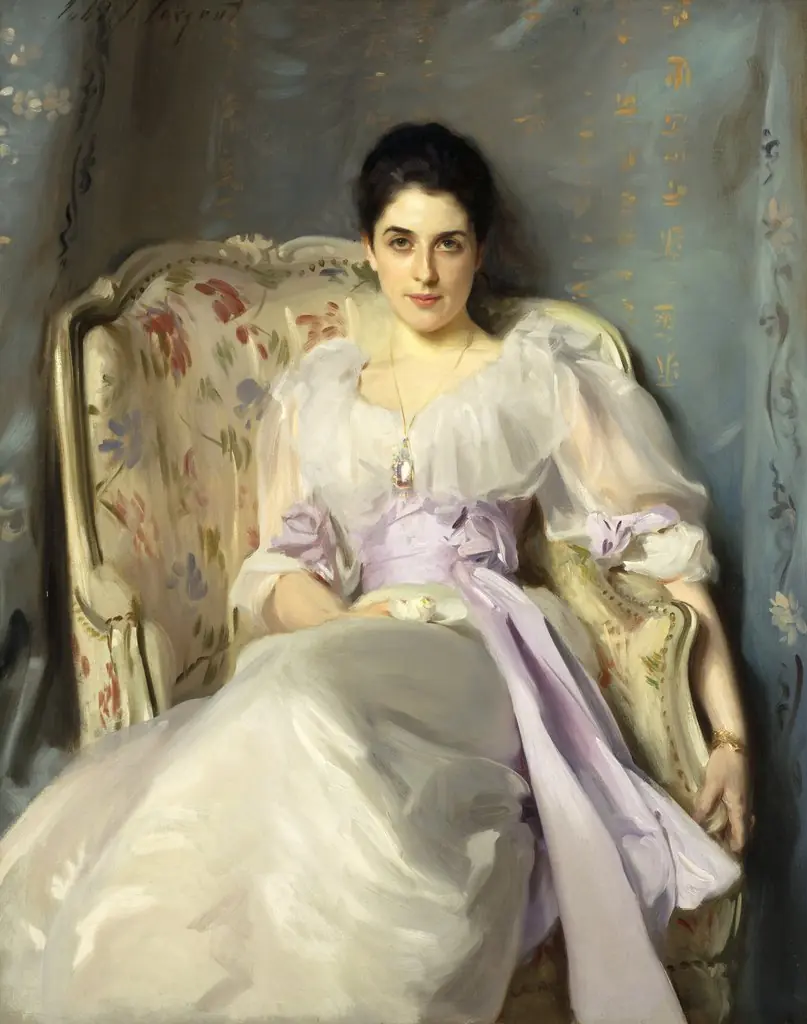 Lady Agnew of Lochnaw
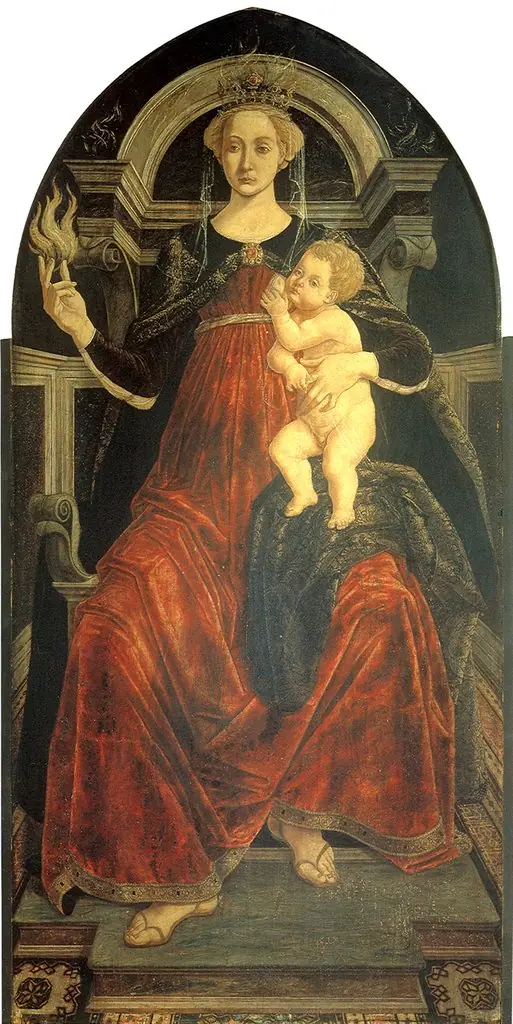 Charity
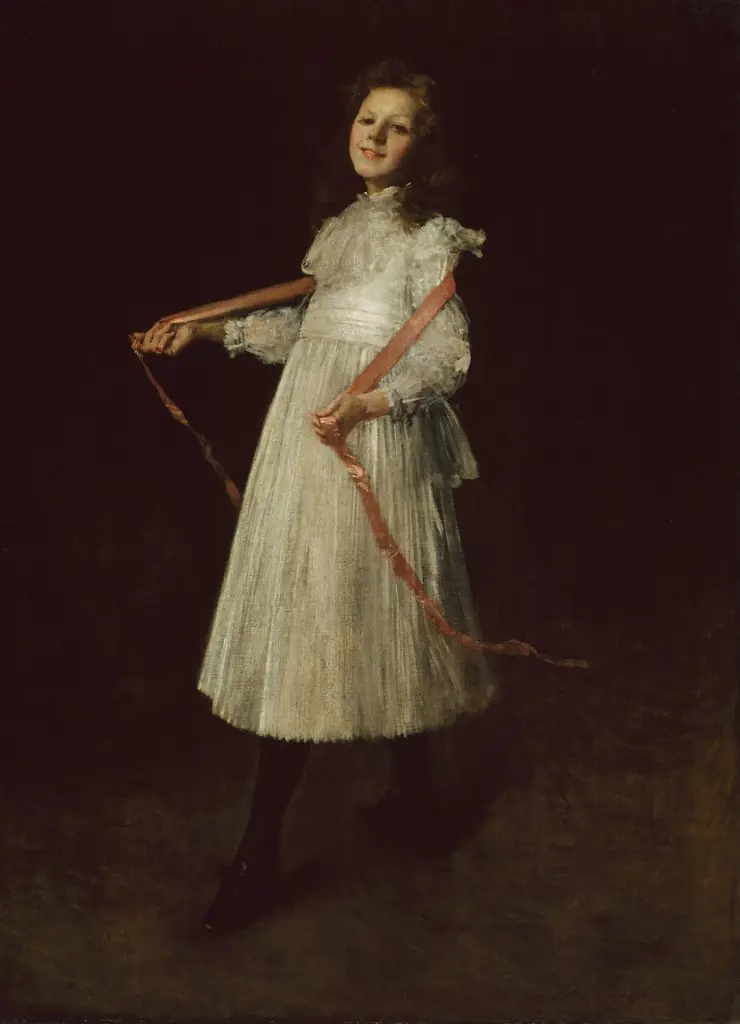 Alice
Alice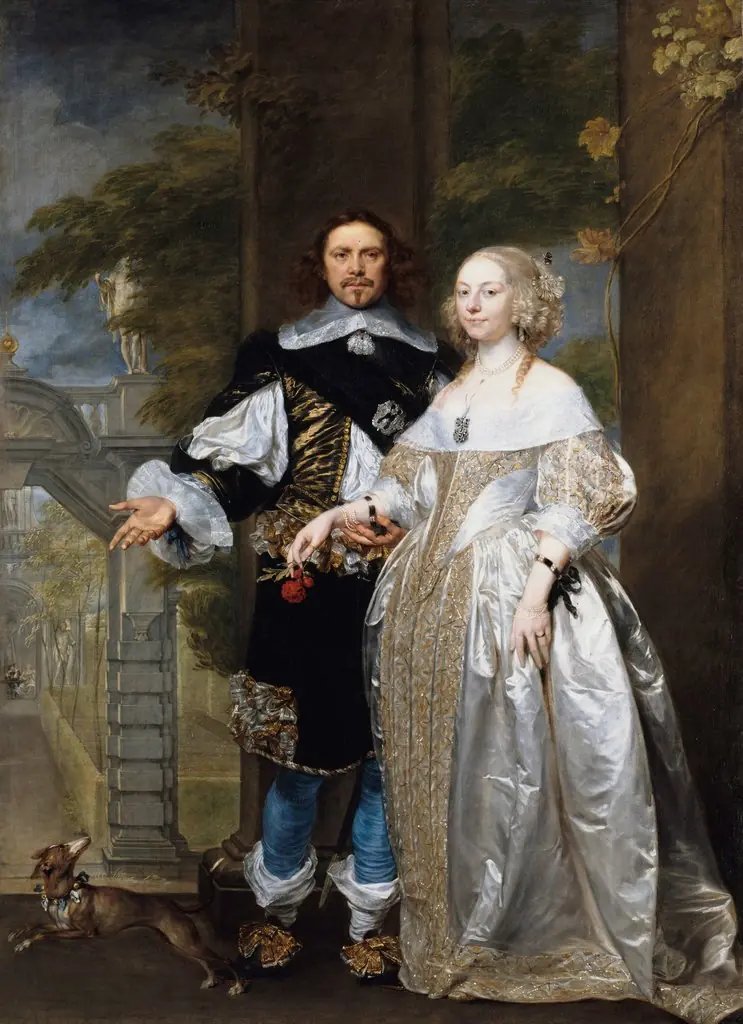 Married Couple in the Park
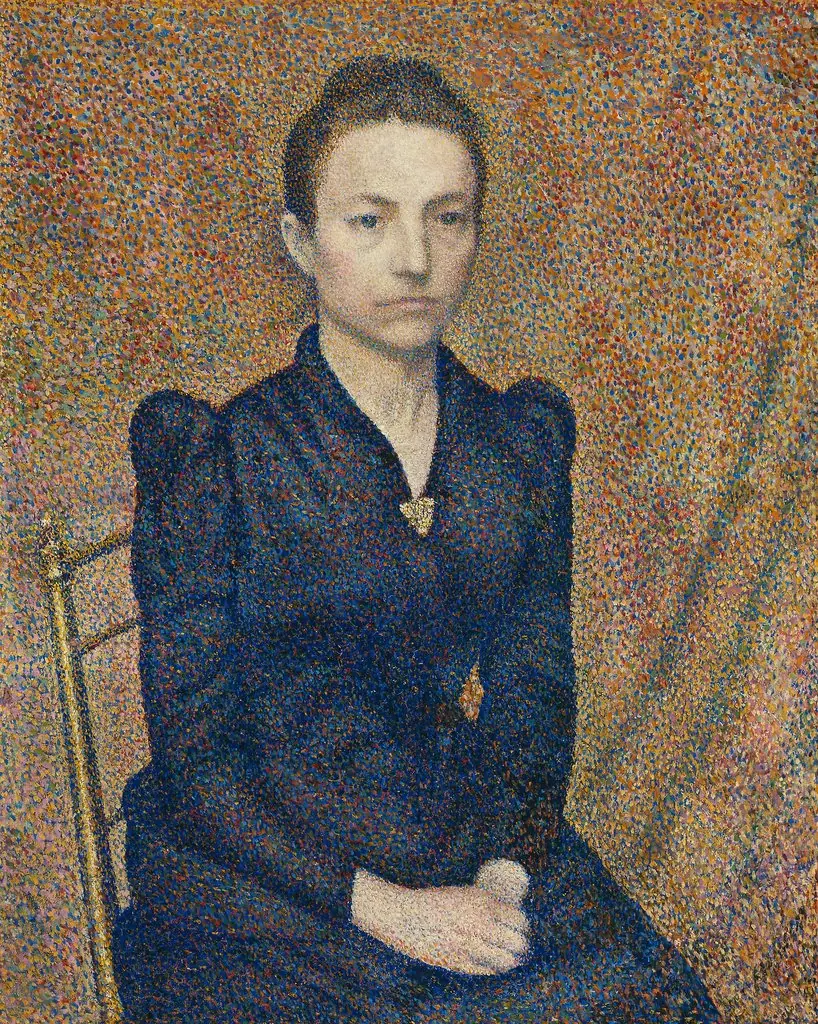 Portrait of the Artist's Sister
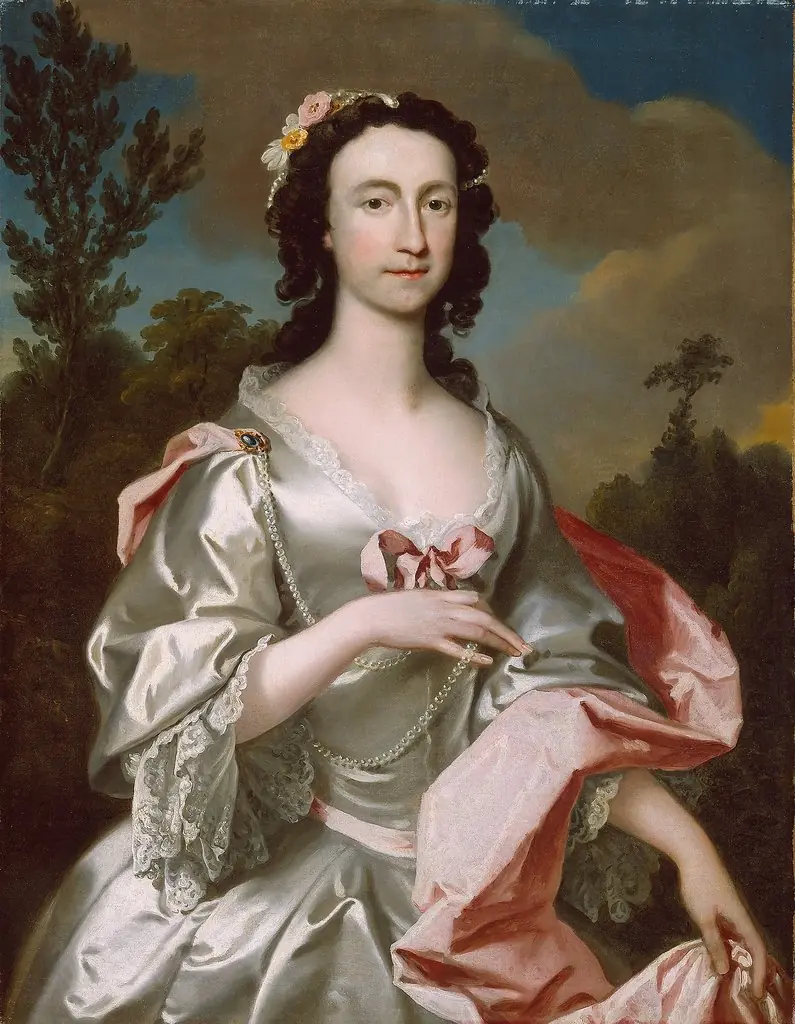 Mrs. Freeman Flower
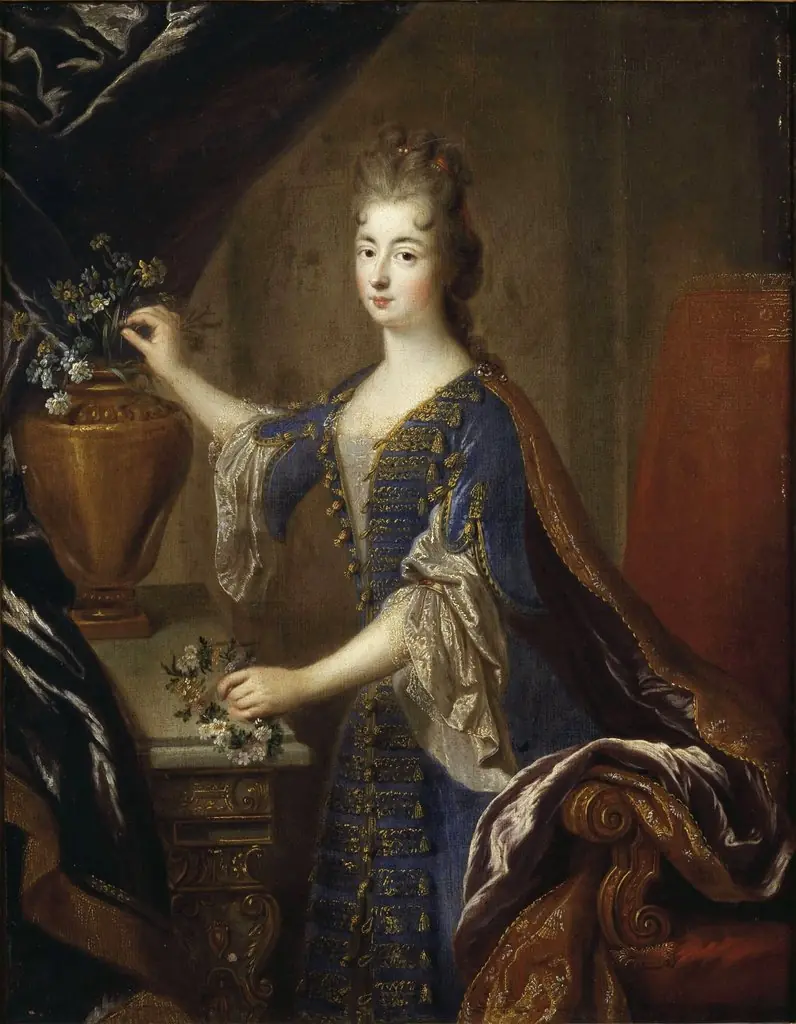 Marie-Anne de Bourbon, Princess of Conti (1666-1739)
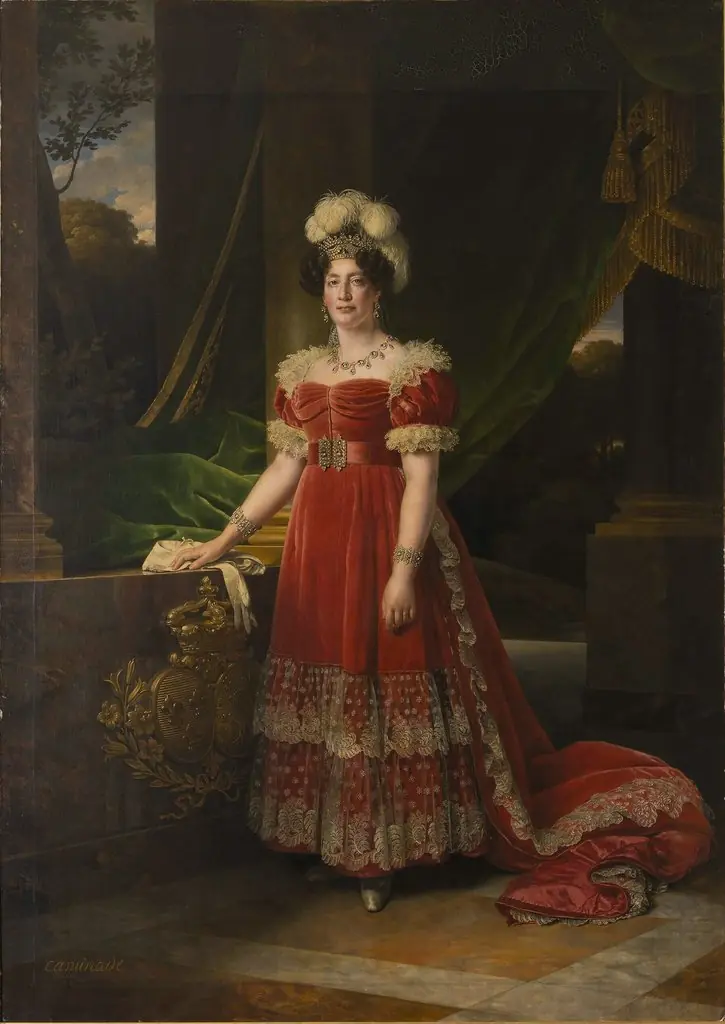 Portrait of Marie Thérèse of France, Duchess of Angoulême (1778-1851)
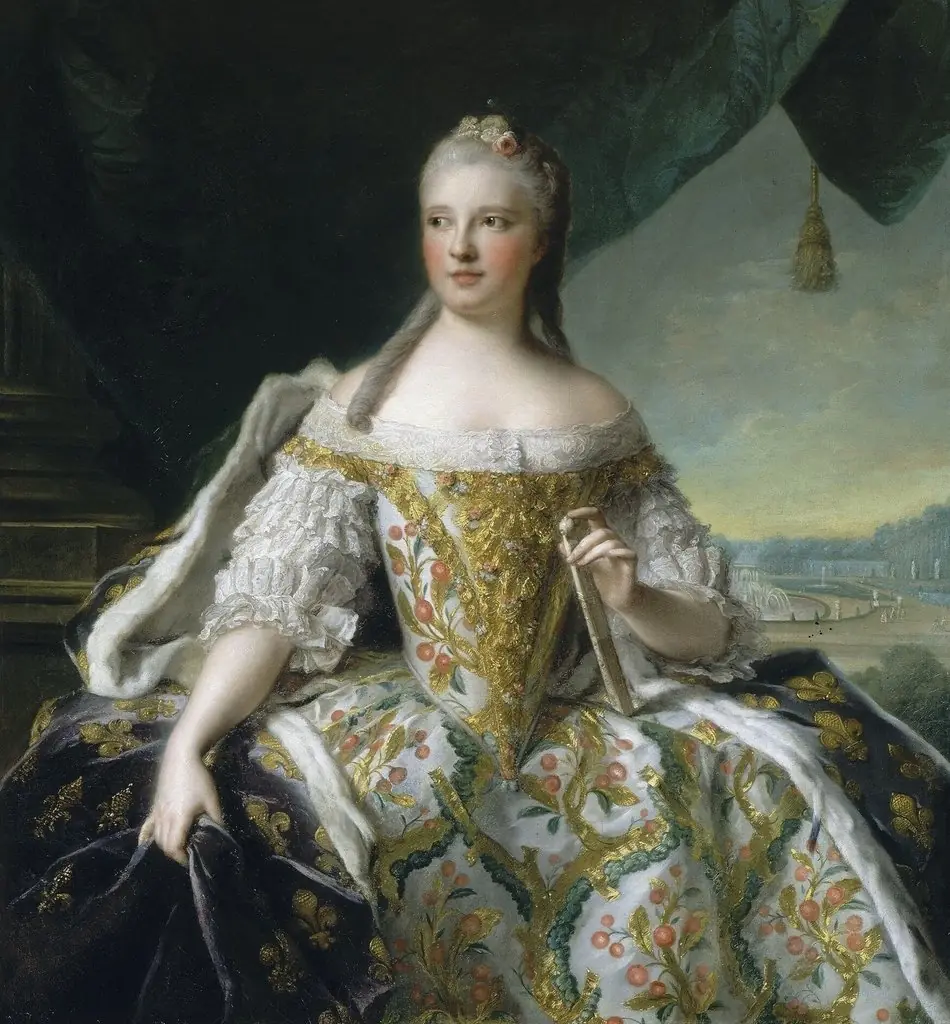 Marie Josèphe of Saxony
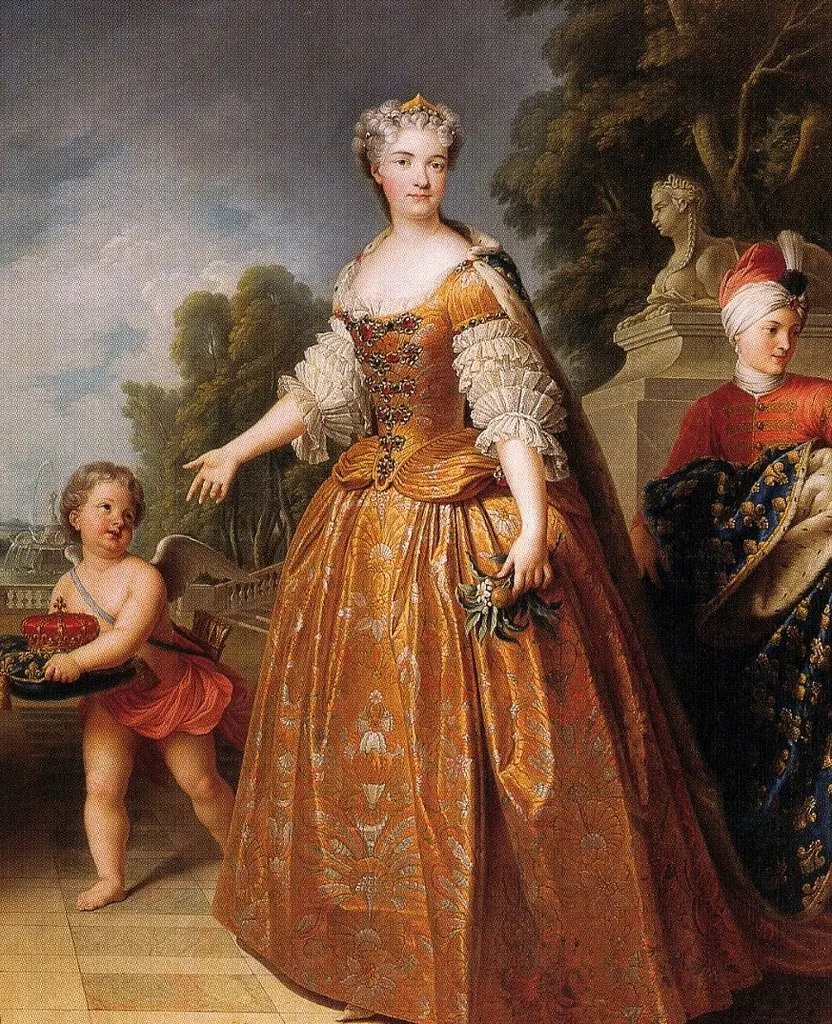 Marie Leszczyńska with page boy and putti
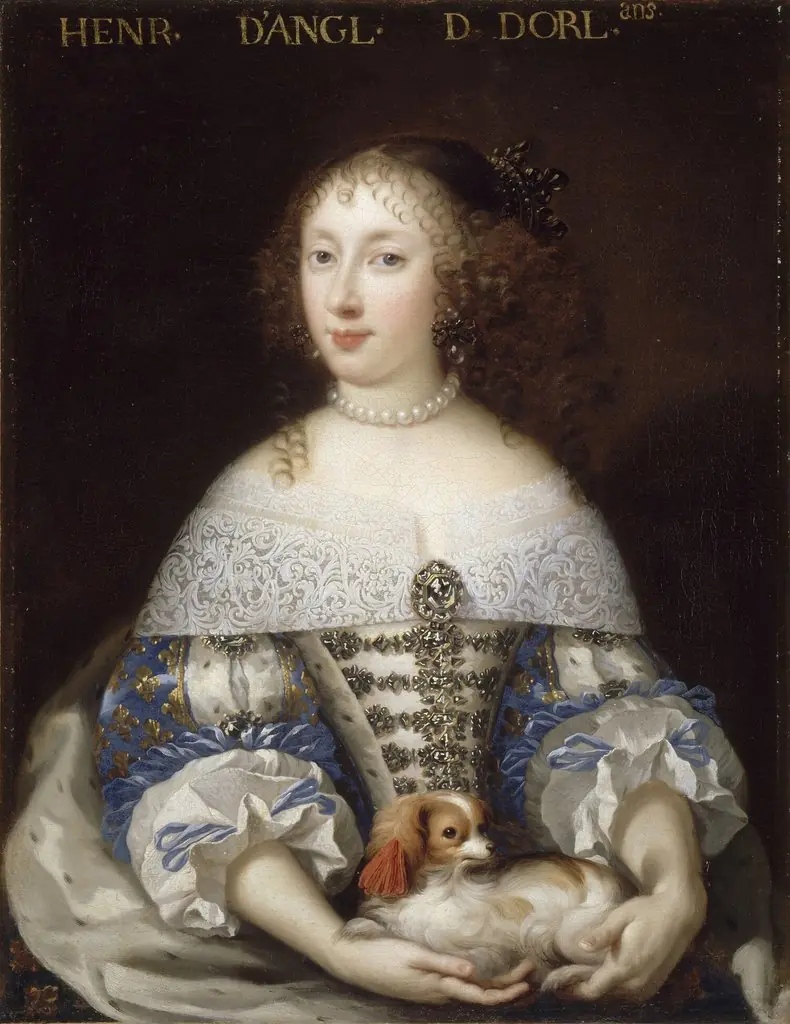 Henriette-Anne of England, Duchess of Orleans, known as Madame (1644-1670)
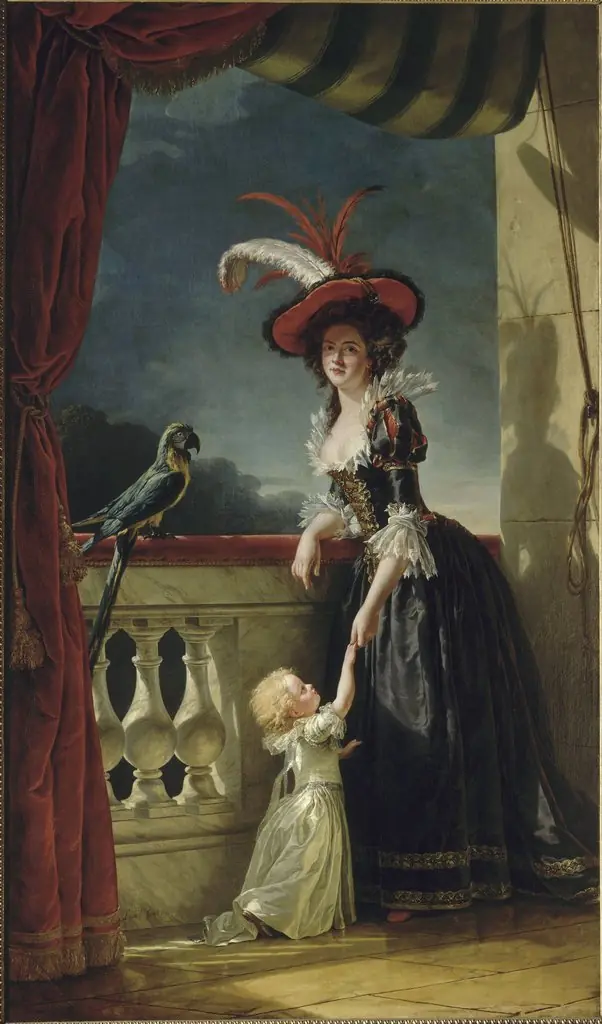 Portrait of Elisabeth of France, Duchess of Parma (1727-1759)
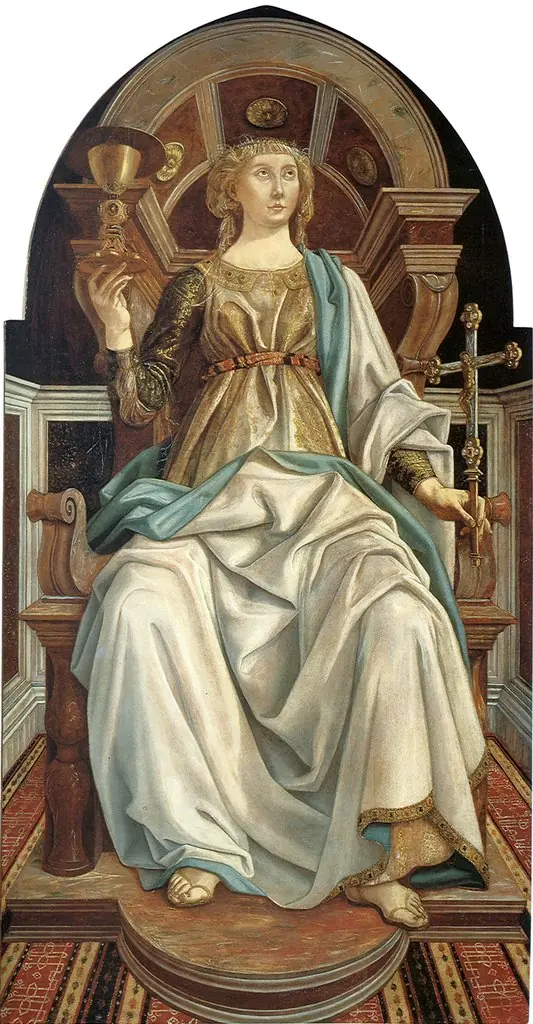 Faith
Faith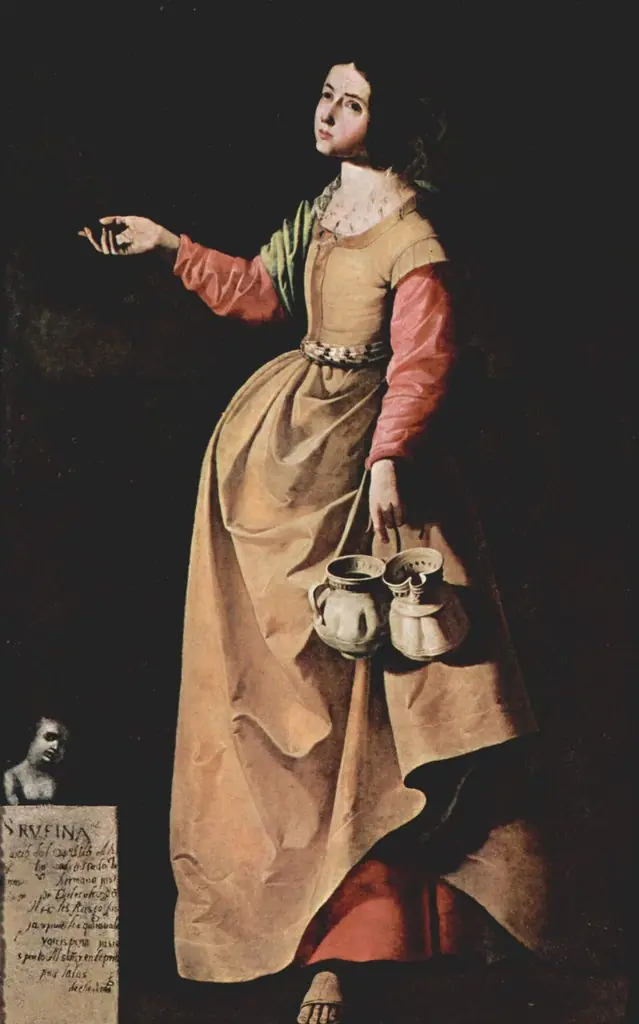 Saint Rufina
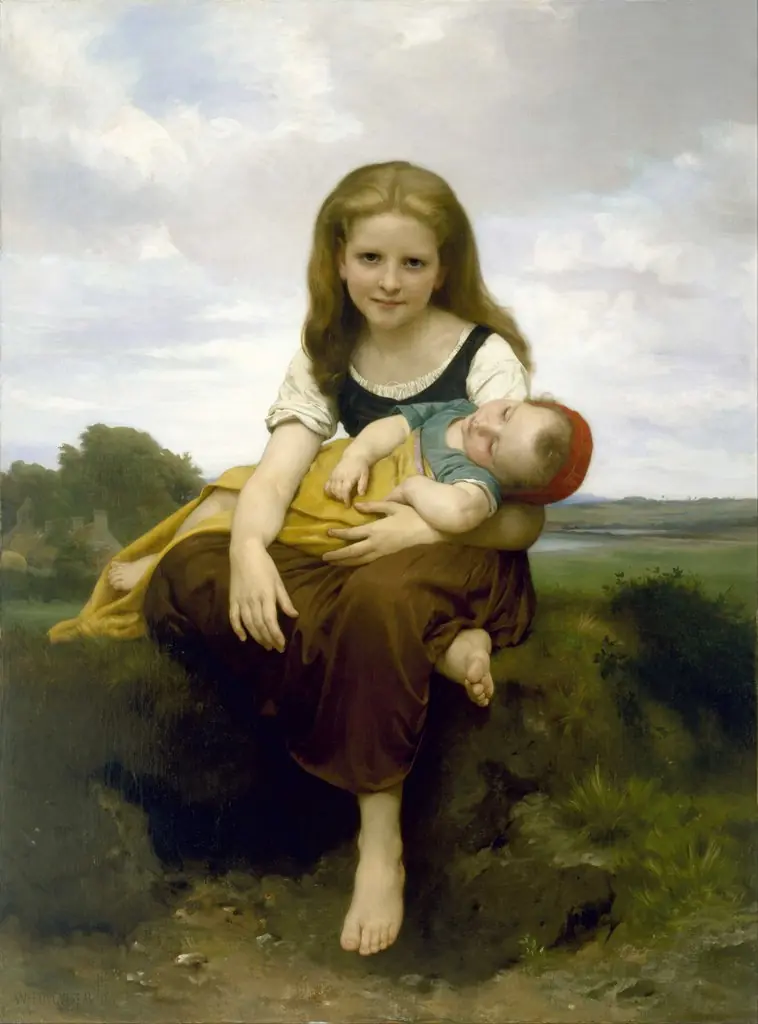 The Elder Sister
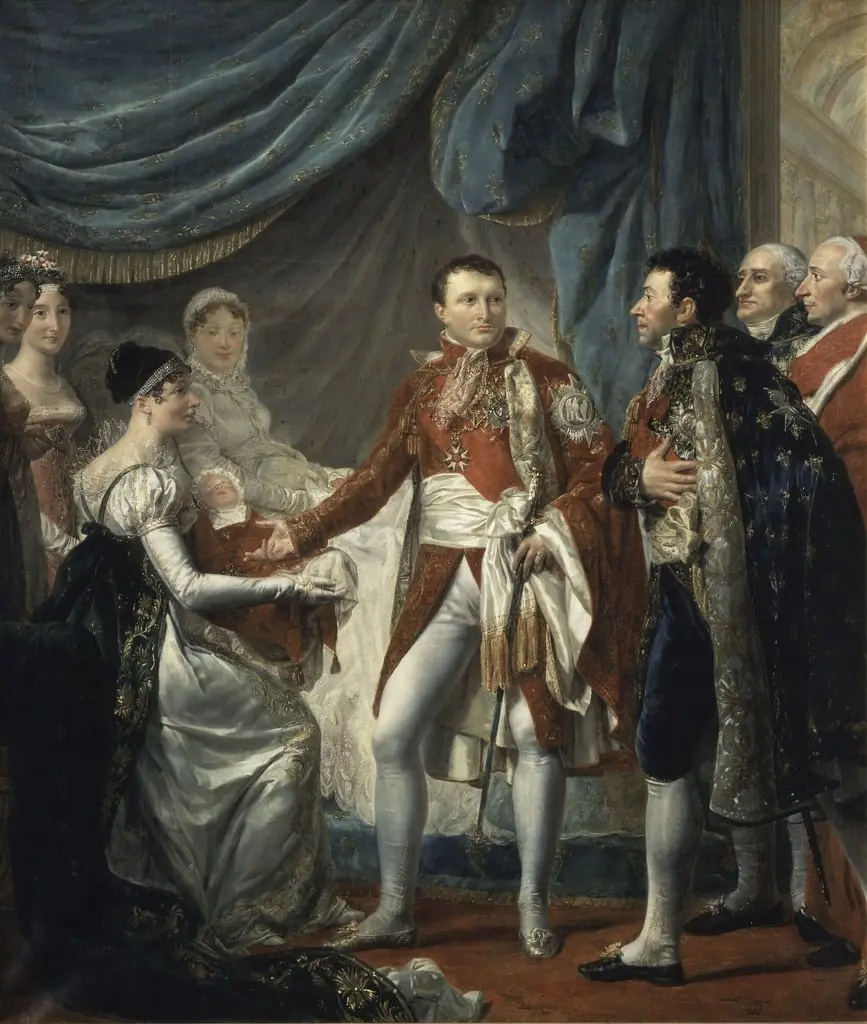 Napoleon I presents the King of Rome to the dignitaries of the Empire, March 20, 1811
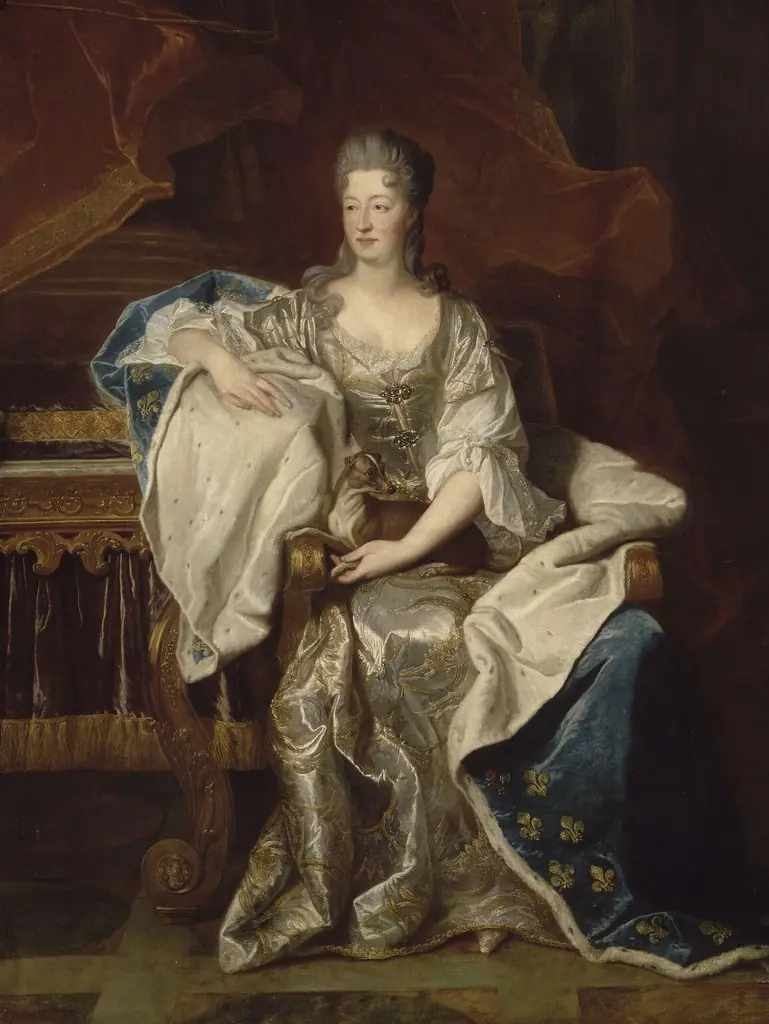 Portrait of Marie Anne de Bourbon, Princess of Conti
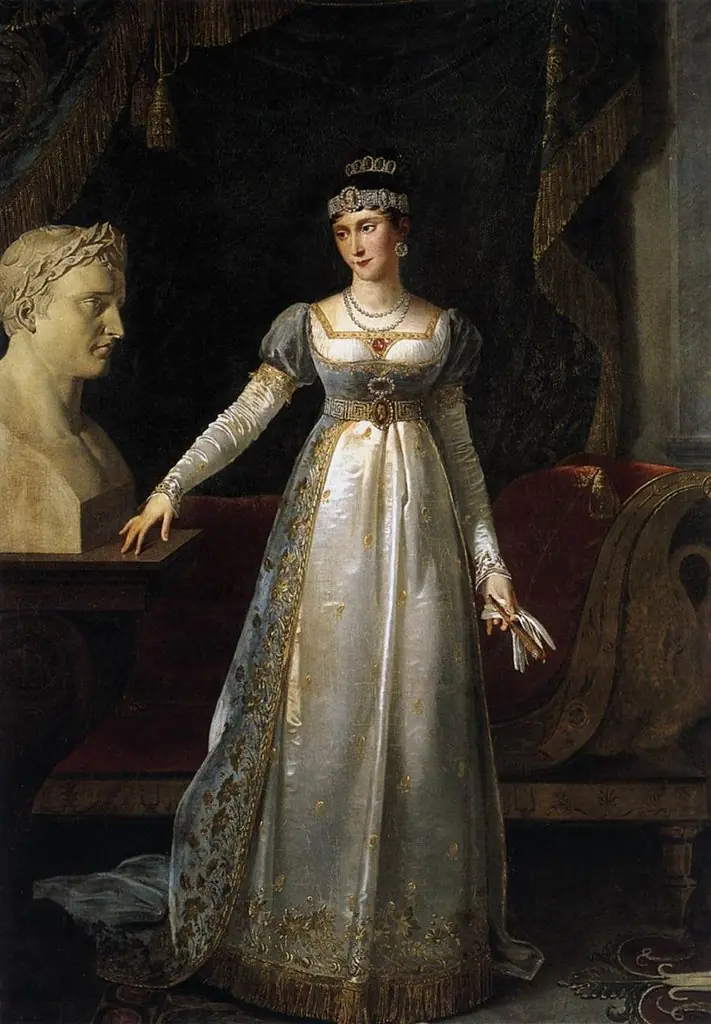 Pauline Bonaparte, Duchess of Guastalla, Princess Borghese
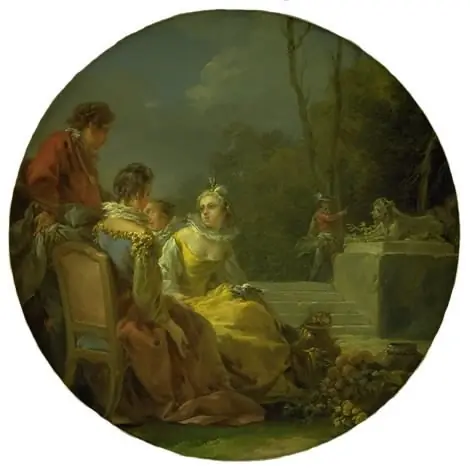 Figures in a Park
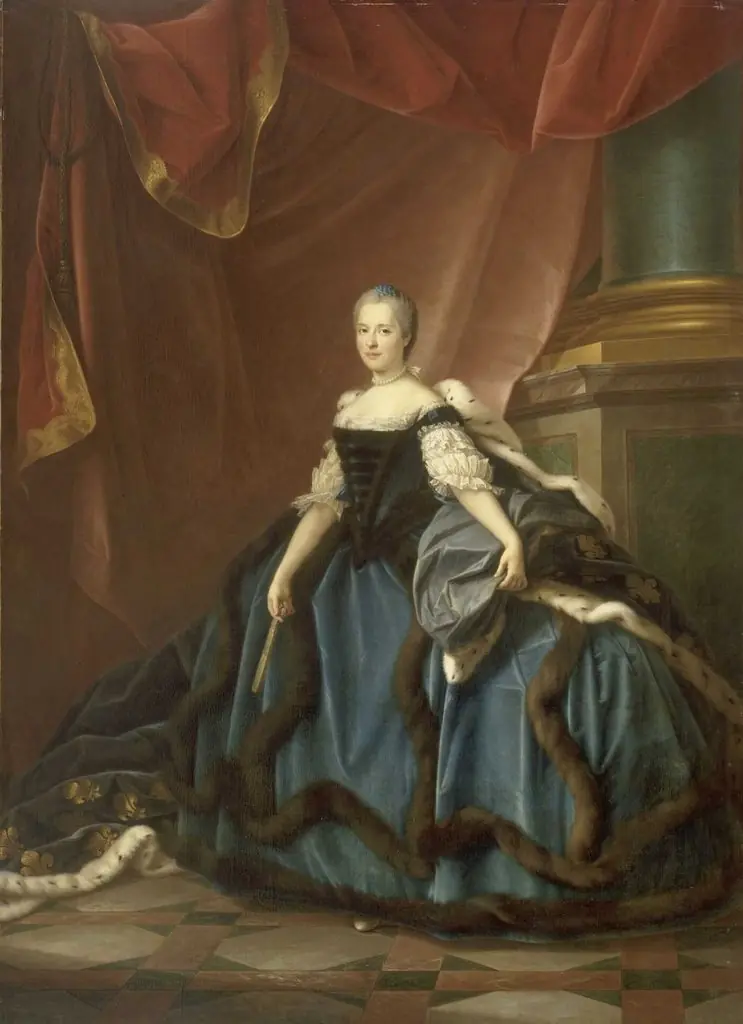 Marie-Josephus of Saxe
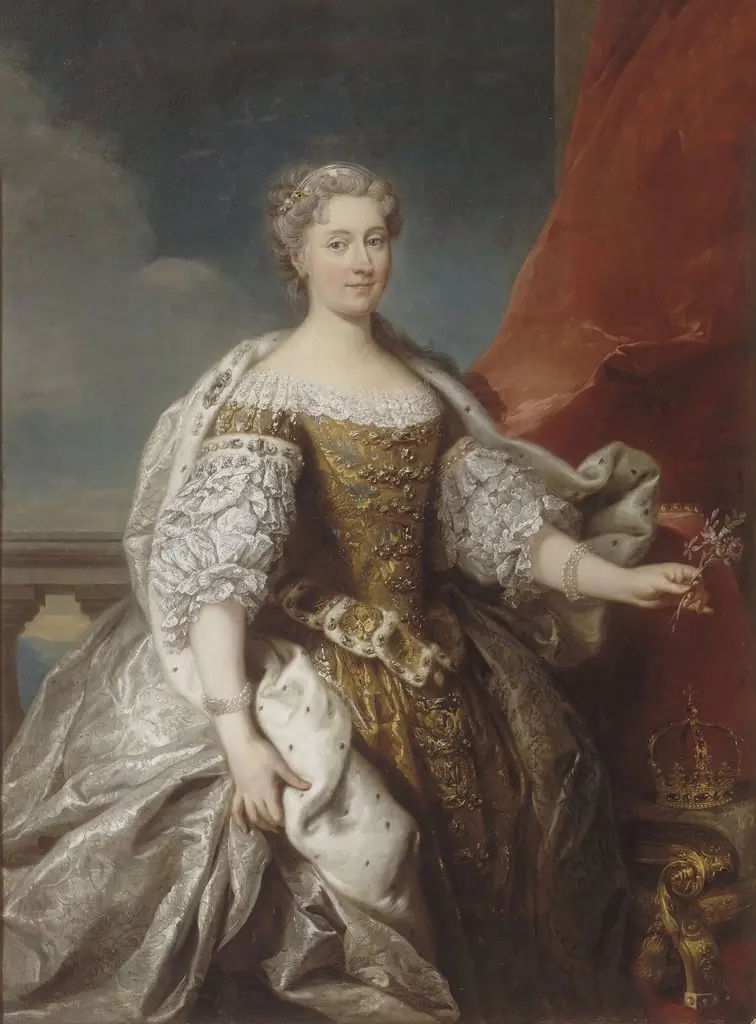 Catherine Opalińska, Queen of Poland
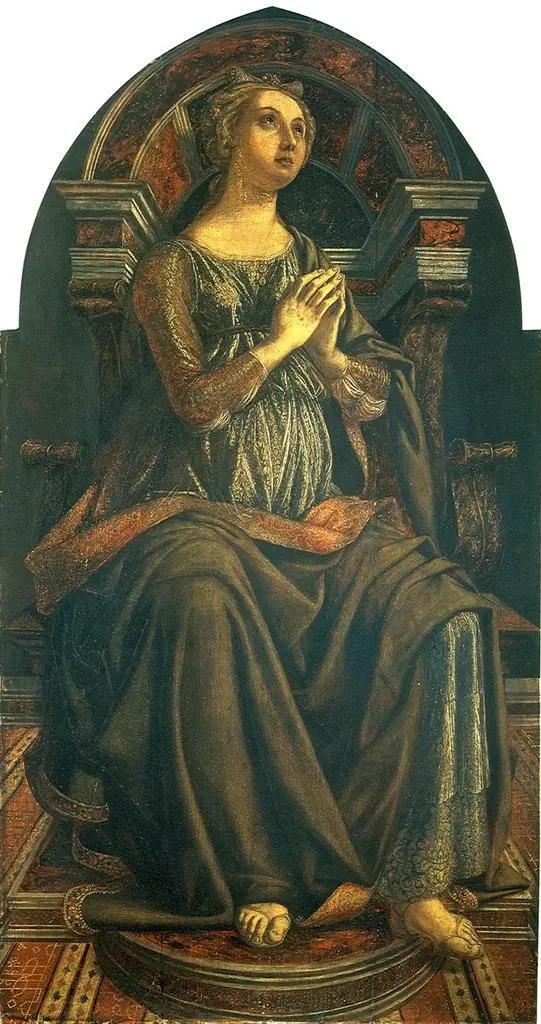 Hope
Hope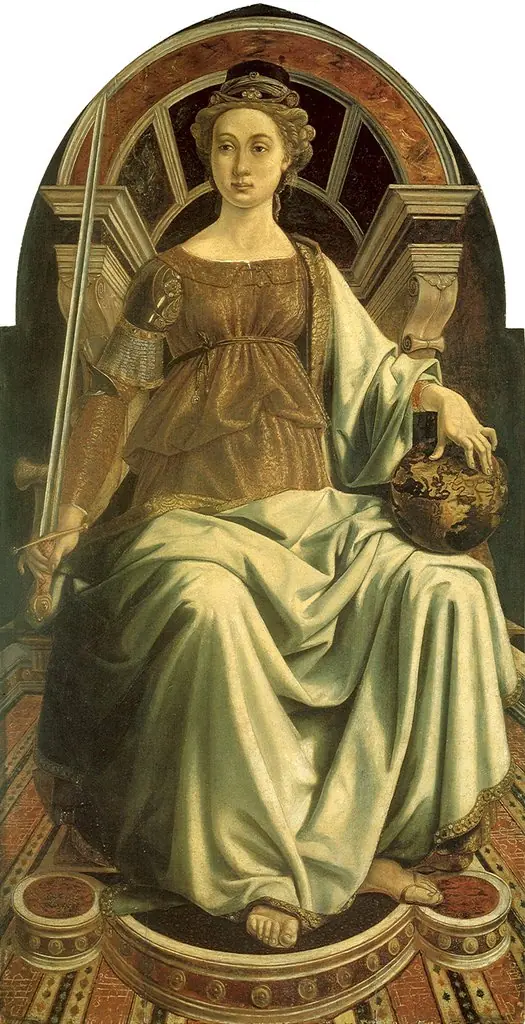 Justice
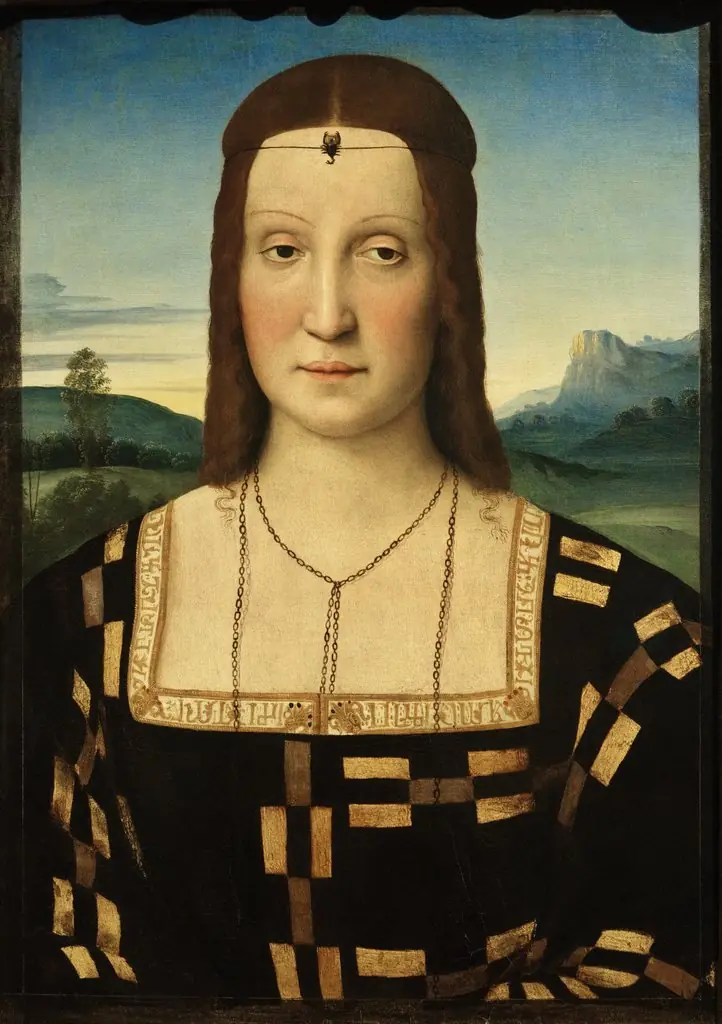 Portrait of Elisabetta Gonzaga
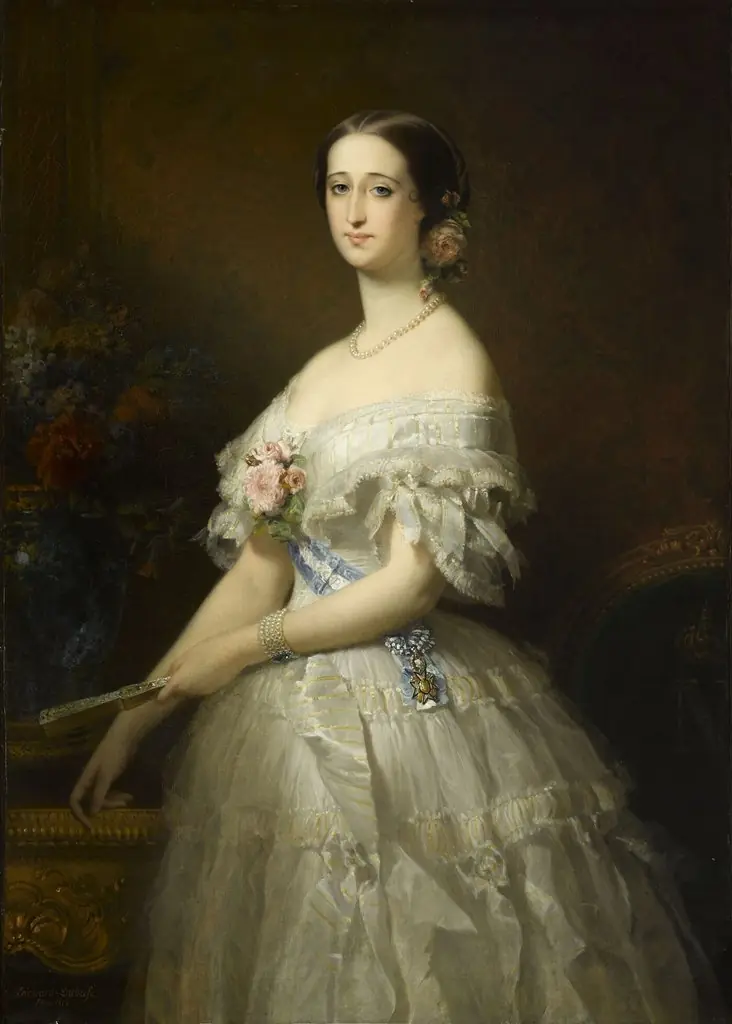 Portrait of the Empress Eugenie
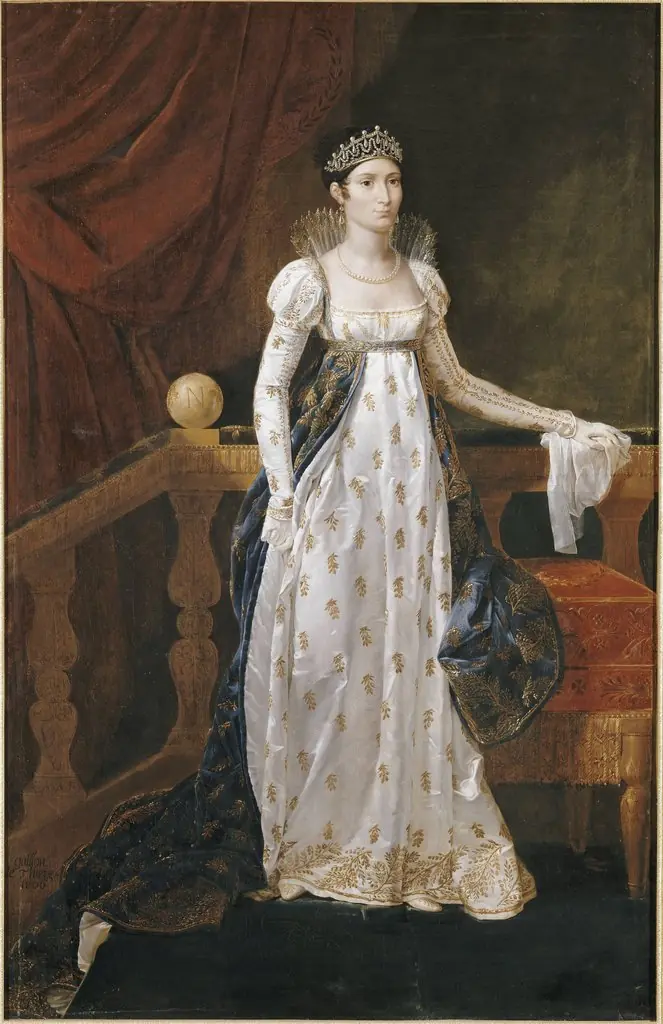 Elisa Bonaparte-Bacciocchi, Grand Duchess of Tuscany
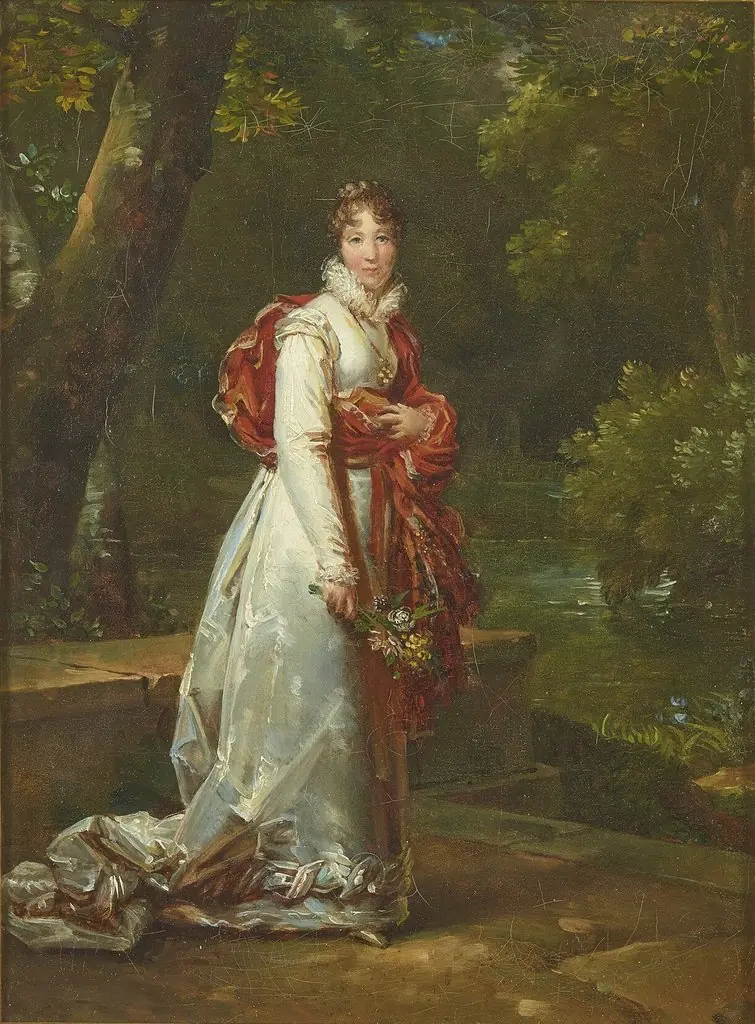 Portrait of Adélaide d'Orléans
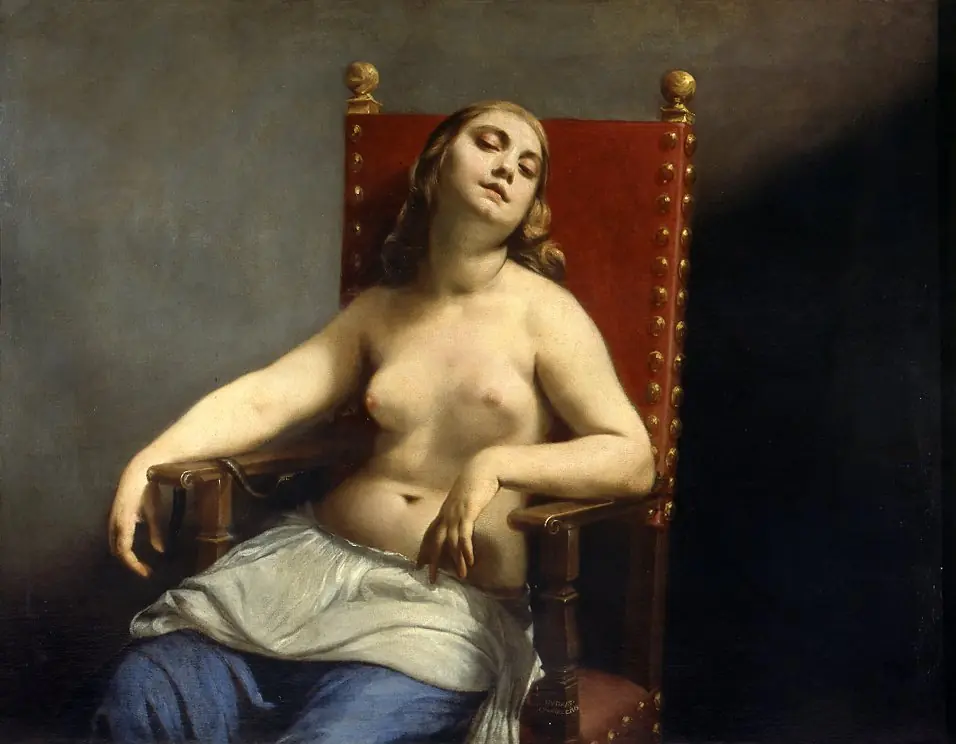 The Death of Cleopatra
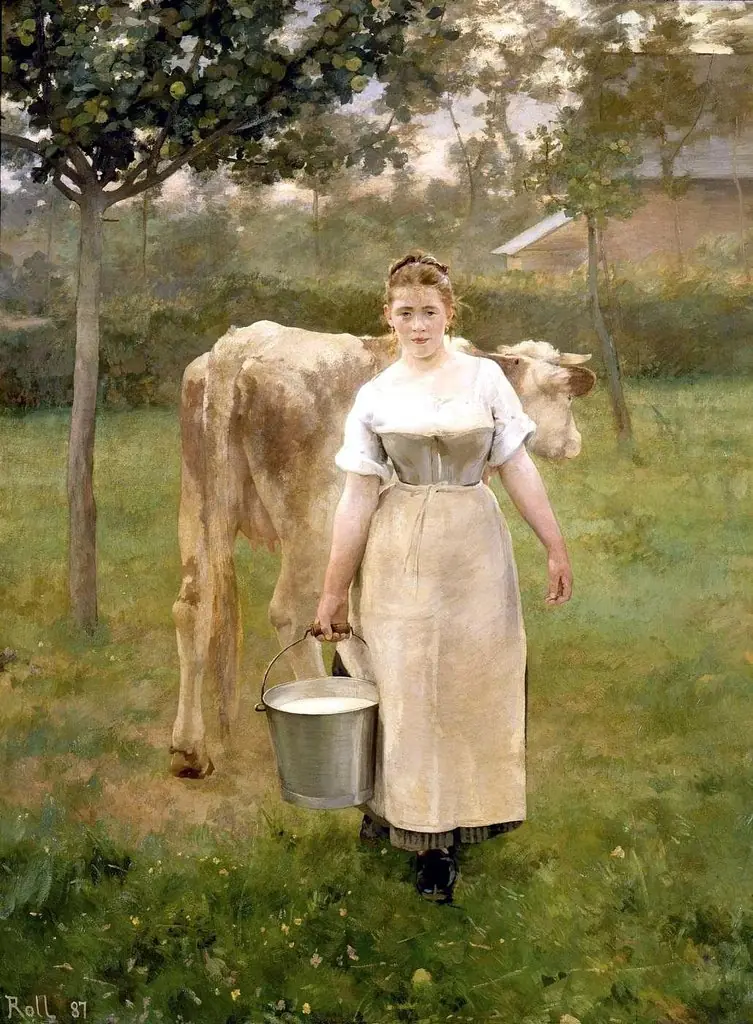 Manda Lamétrie, fermière
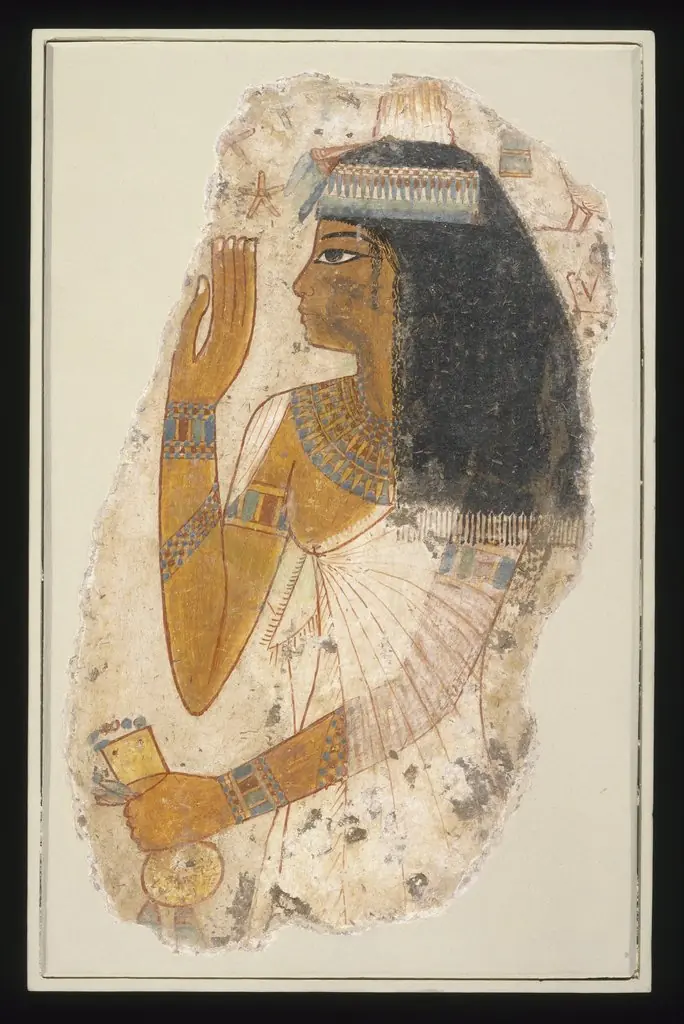 Painting of Lady Tjepu
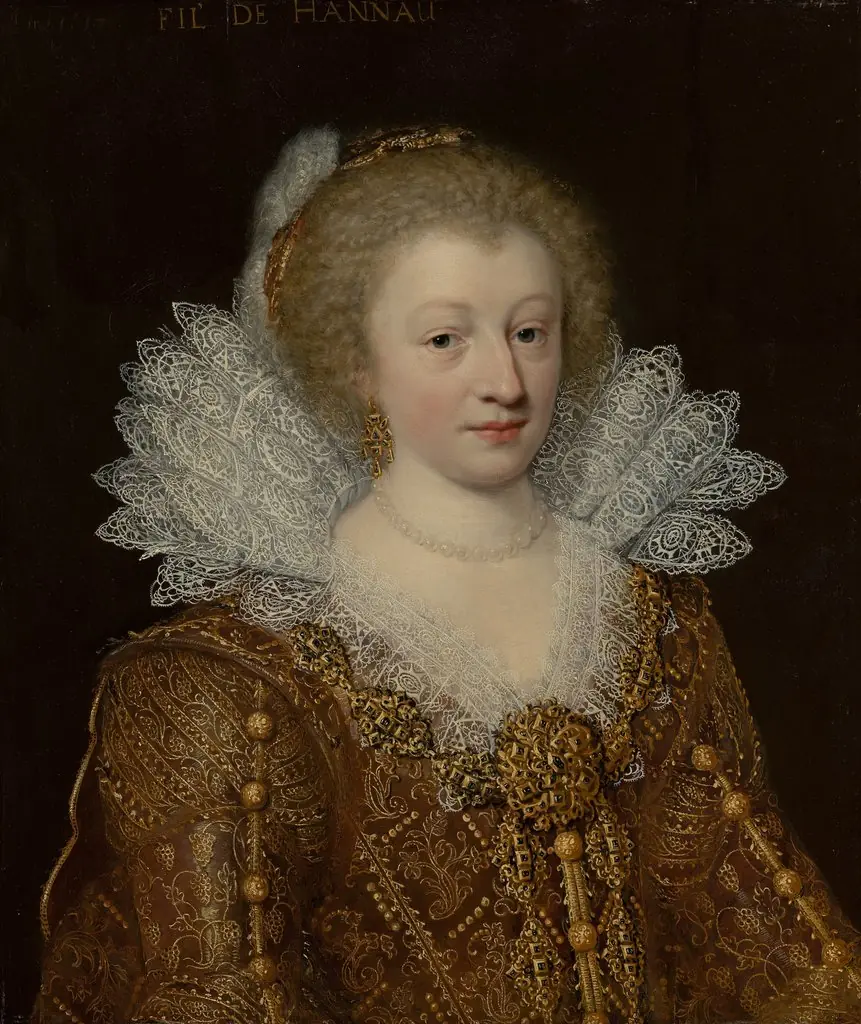 Portrait of Amélie Elisabeth of Hanau-Münzenberg
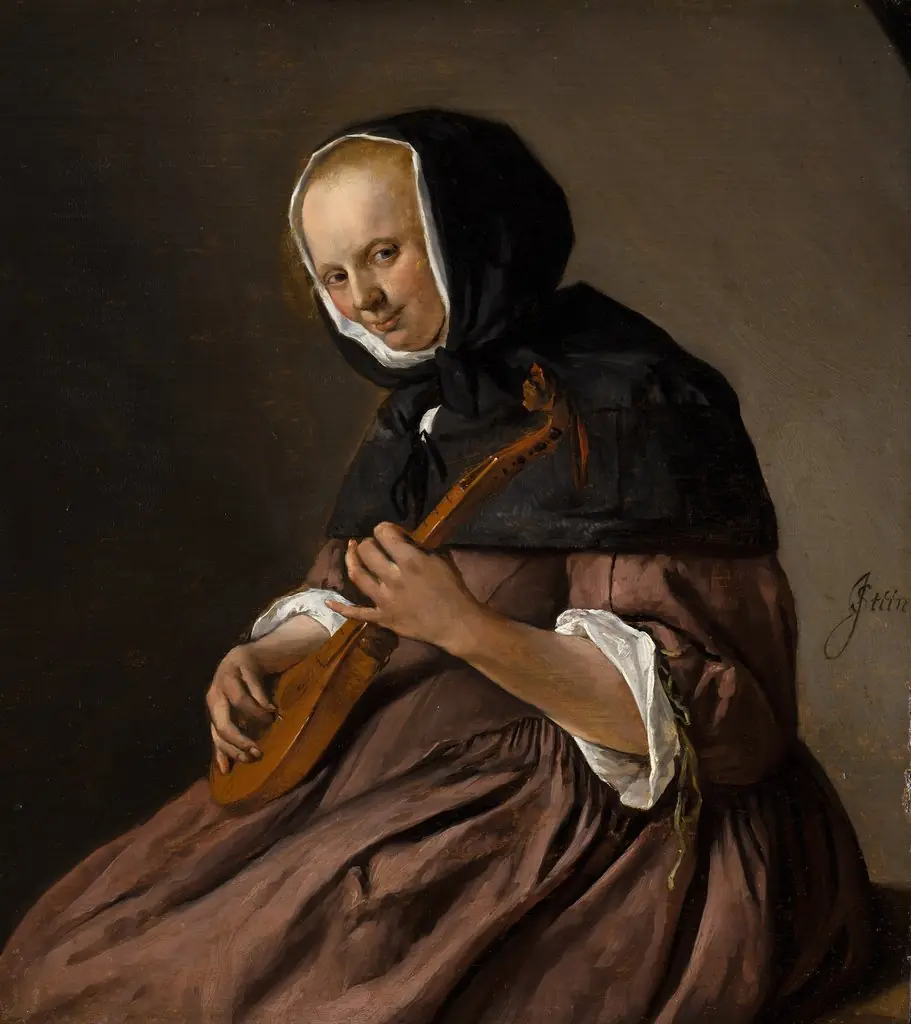 Woman Playing the Sistrum
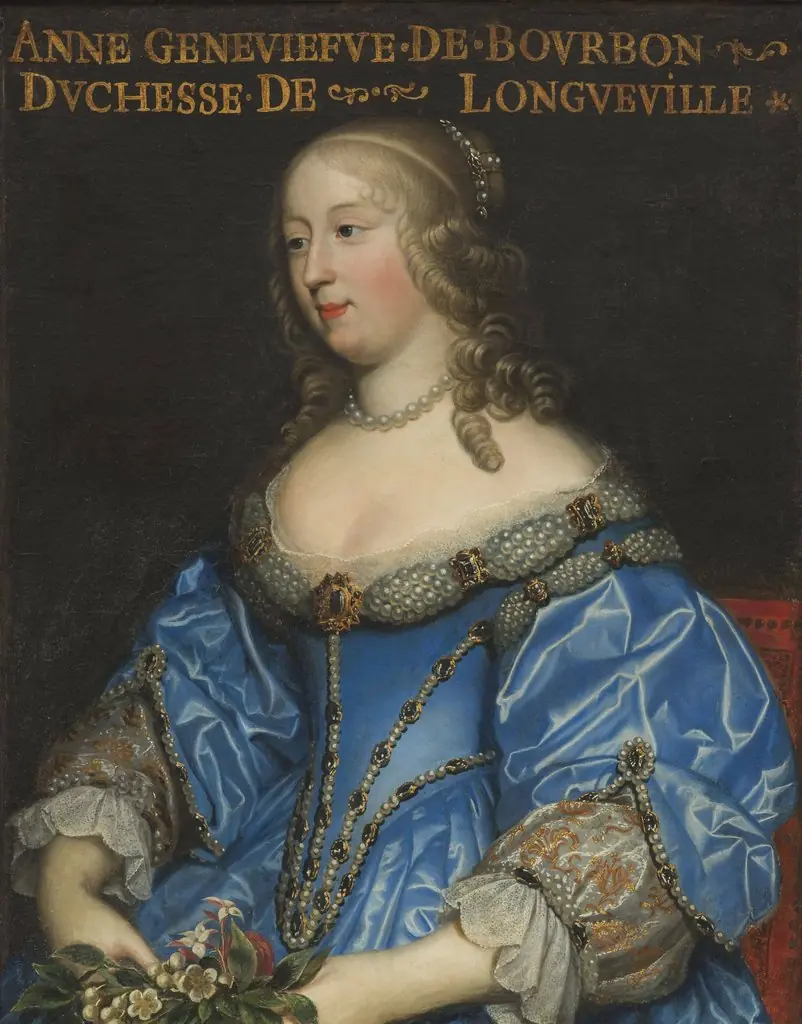 Anne-Genneviève de Bourbon-Condé, Duchess of Longueville
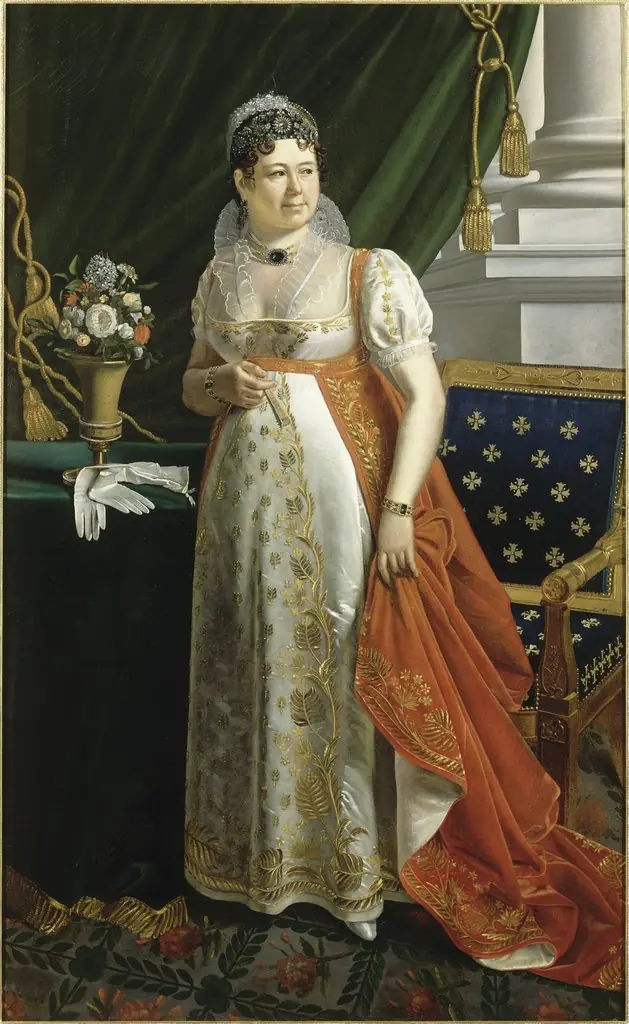 Catherine Hubscher, Marshal Lefèbvre
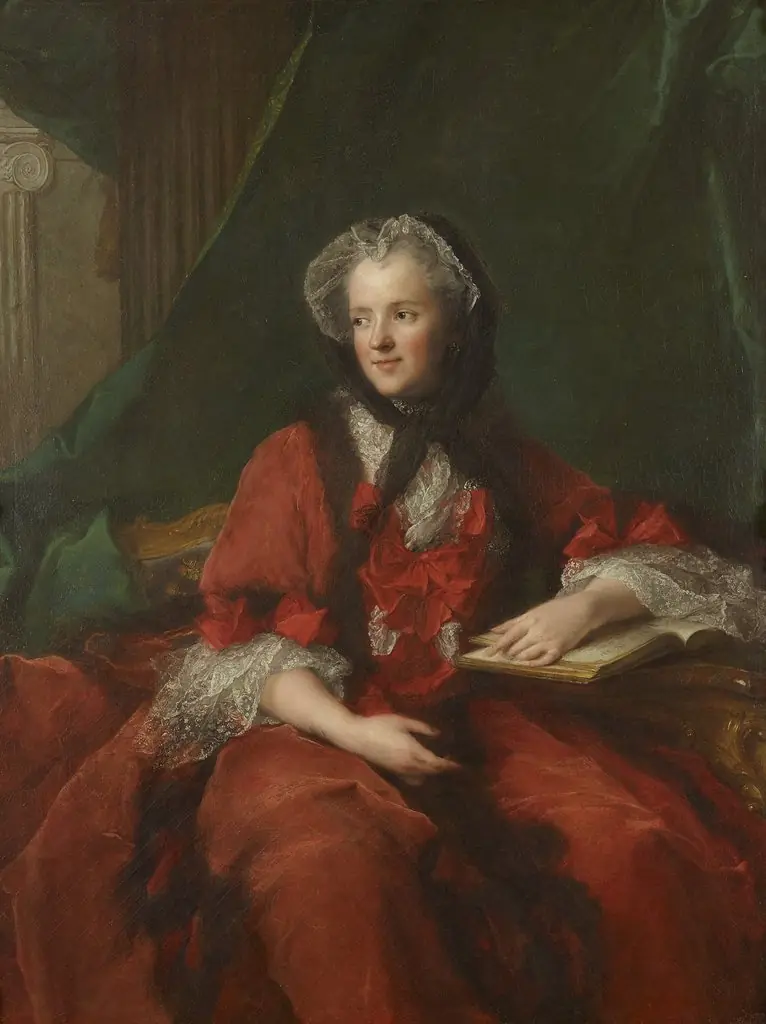 Portrait of Marie Leszczyńska
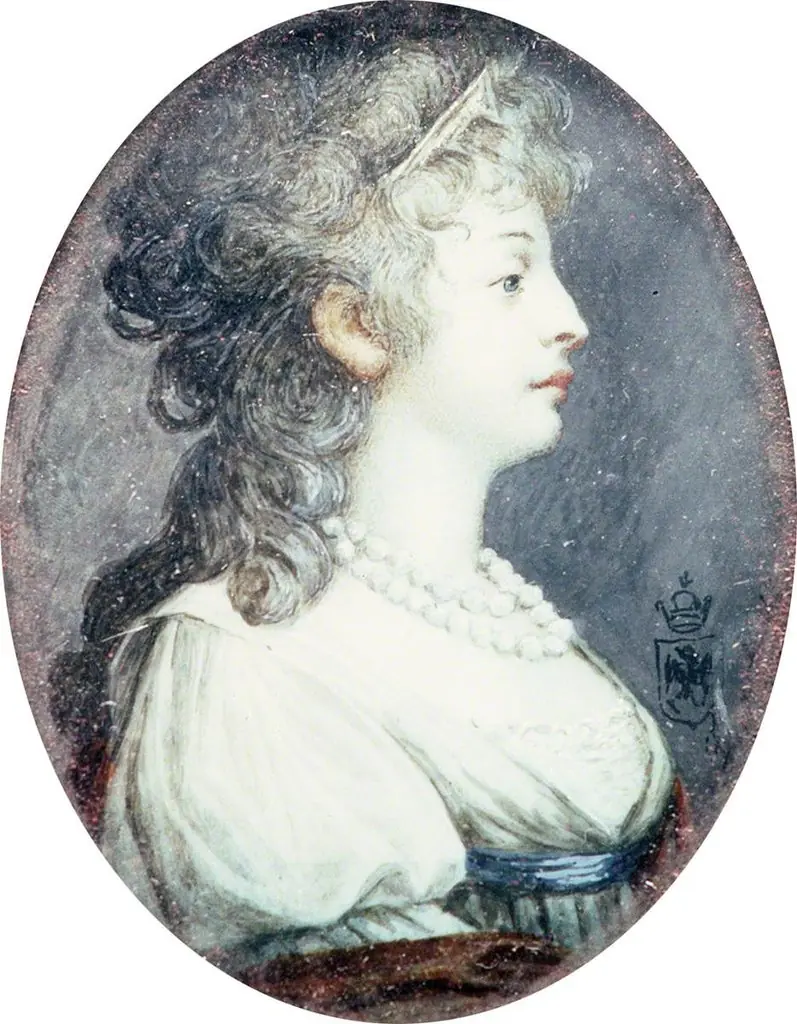 Portrait of Lady in a Pale Green Dress
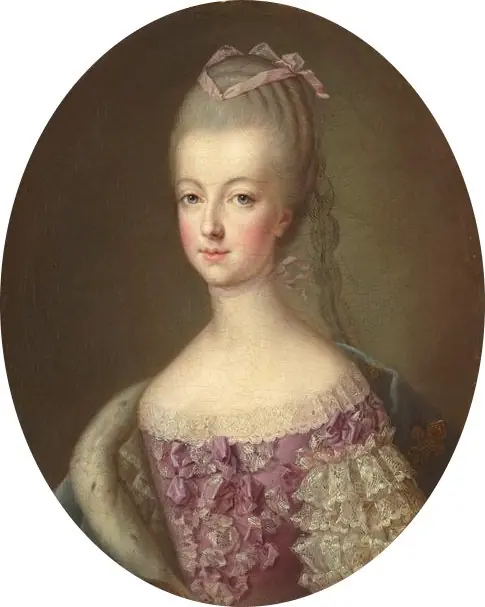 Marie Antoinette of Austria, Dauphine of France, ca. 1770
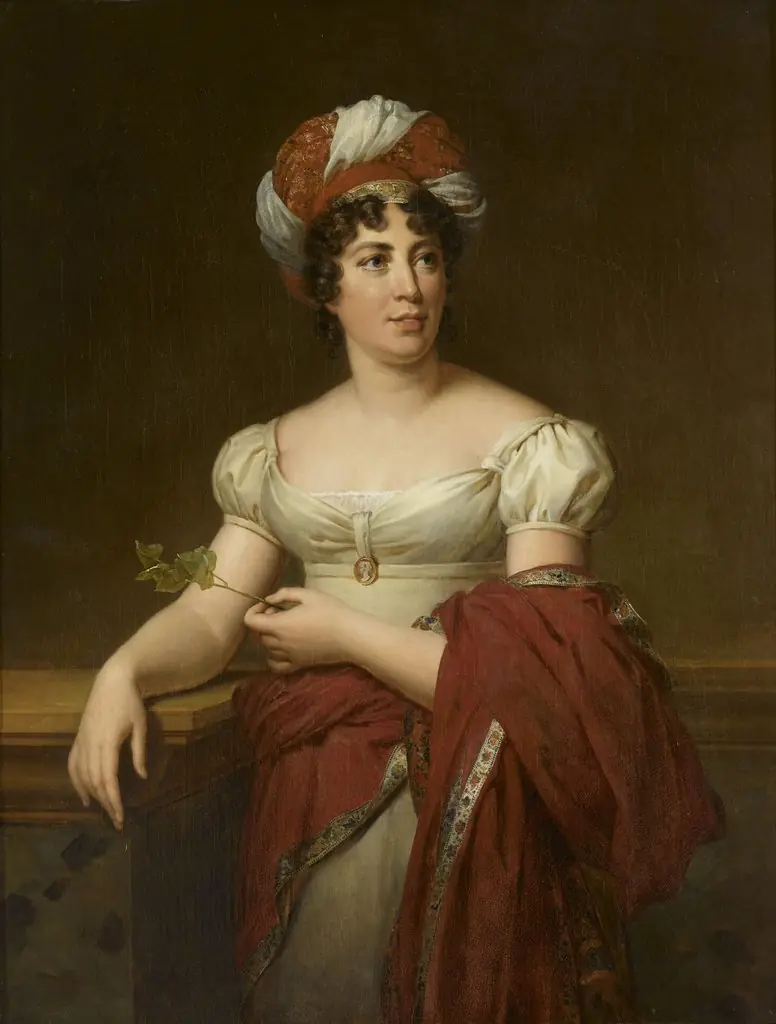 Portrait of Mme de Staël
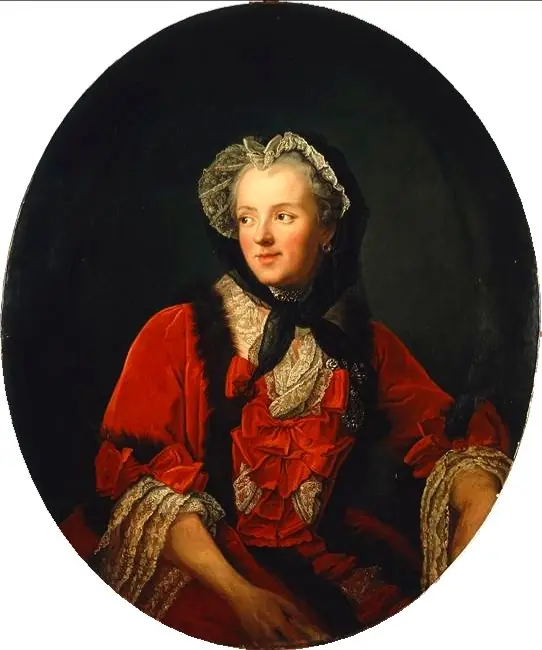 Marie Leszczyńska, Queen of France (1703–1768)
Frequently asked questions
What is Dress?
Dress is a subject in art. Clothing (also known as clothes, garments, dress, apparel, or attire) is any item worn on a human body.
How many Dress works does Artifact World Gallery have?
Artifact World Gallery holds 200 public-domain Dress works, all free to view and download.
Who are the key Dress artists?
Key Dress artists in the collection include Titian, Paolo Veronese and Jean Baptiste Camille Corot.
Where can I see Dress works?
Dress works in the collection are held by Palace of Versailles, Metropolitan Museum of Art and National Gallery of Art.