Artwork
Troïka
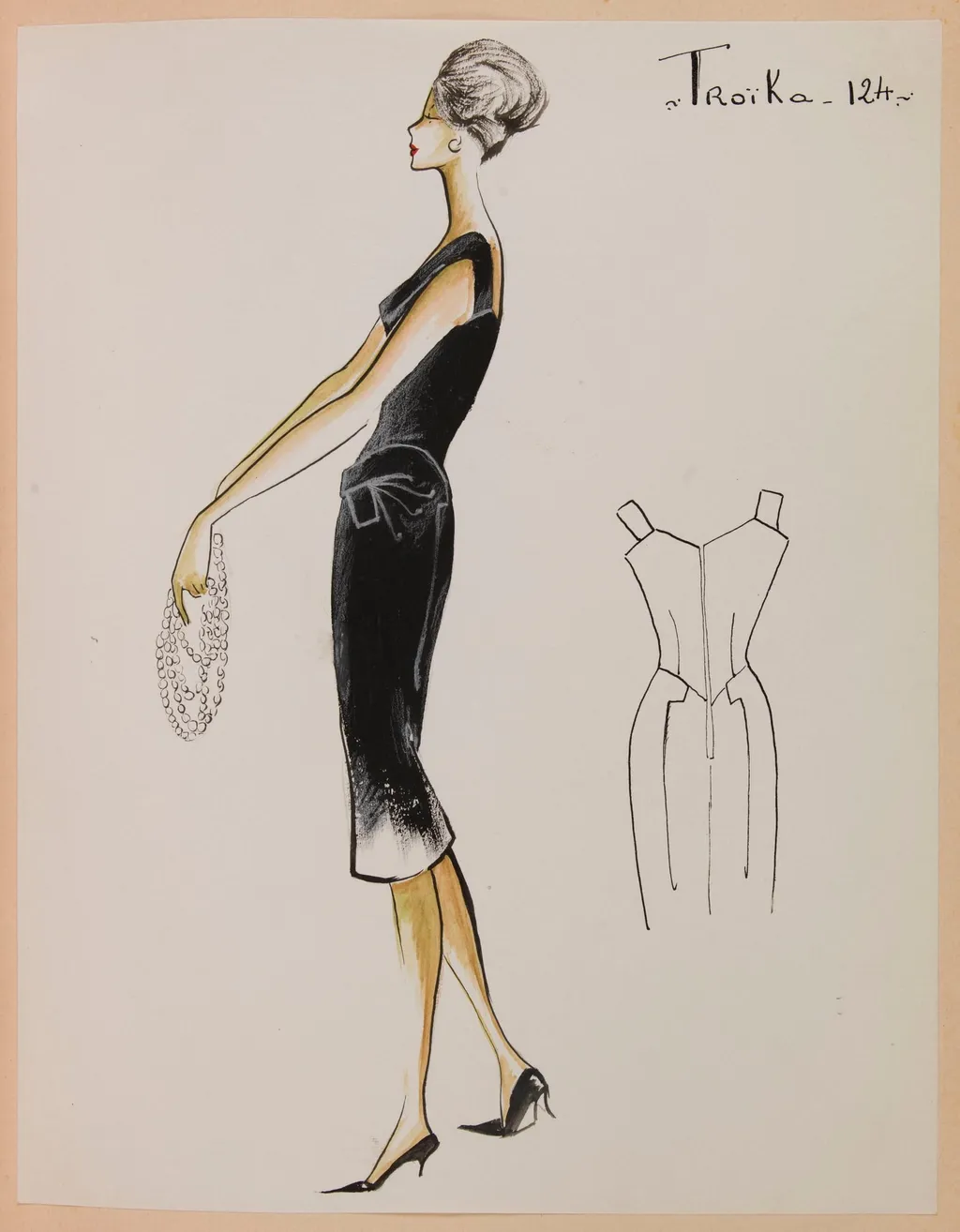
Troïka is a drawing by Marie-Louise Carven. It dates from 1958 and is held in the collection of the Palais Galliera - Musée de la Mode de la Ville de Paris.
About this work
Overview
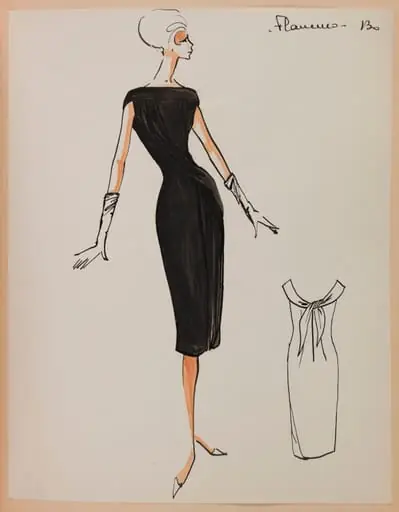
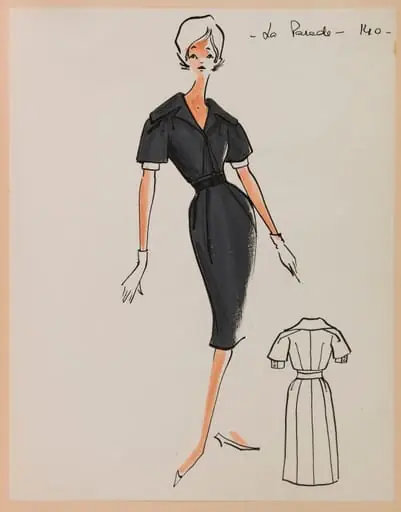
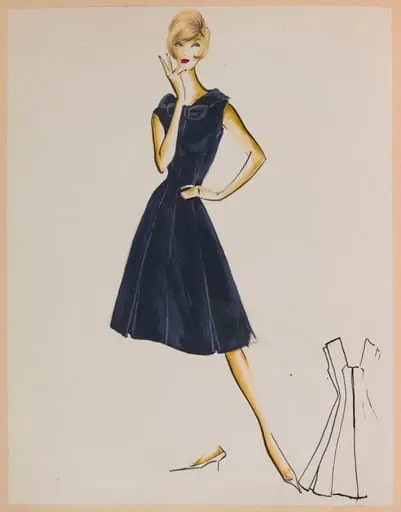
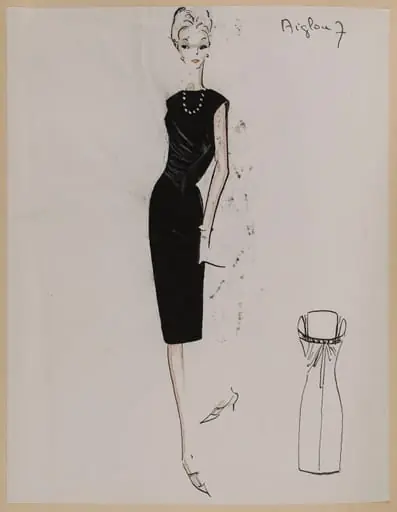
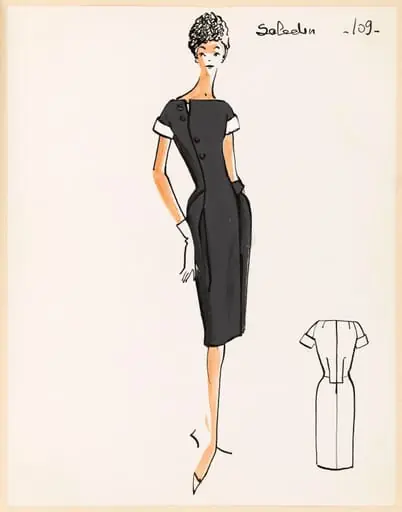
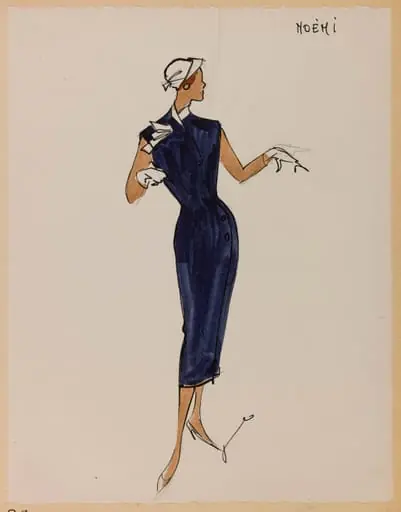
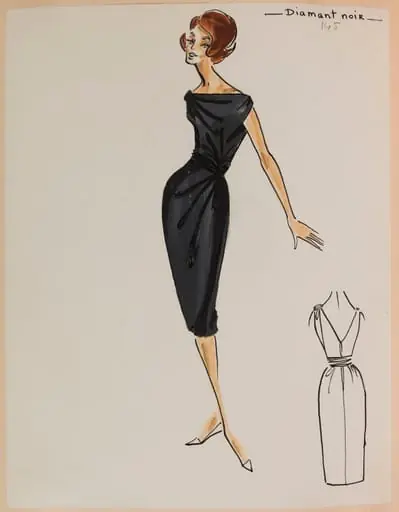
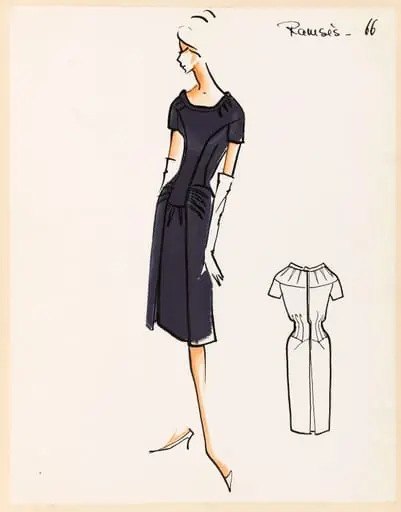
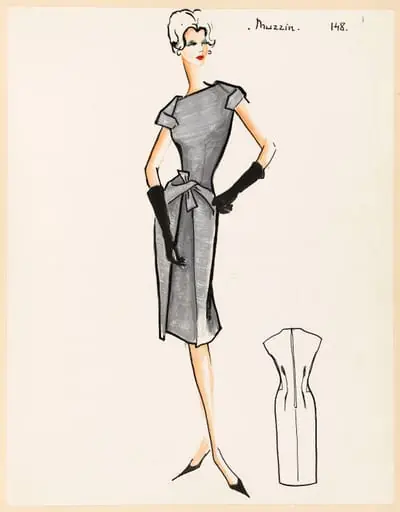
Troïka, created circa 1958, is a painting depicting a woman in a sleek black dress, characterized by simplicity and elegance. The artwork is part of the Museum of Ethnography's collection.
Subject & Meaning
The subject is a petite woman with short hair, dressed in a sleeveless black dress with a waist bow, accessorized with high heels and a purse. Her pose, facing left with head turned right, suggests a sense of quiet confidence. The adjacent sketch of a dress form may allude to the designer's profession.
Technique & Style
The painting's overall style is marked by simplicity and elegance, with a light-colored background that emphasizes the subject's attire. The inclusion of a dress form sketch adds a layer of depth, possibly blending representation with the designer's creative process.
History & Provenance
Created by French fashion designer Marie-Louise Carven around 1958, Troïka is now held in the Museum of Ethnography's collection. Carven, founder of the House of Carven (1945), was a pioneer in introducing prêt-à-porter lines, catering to petite women with her emphasis on lightweight fabrics.
Context
Troïka reflects the late 1950s fashion ethos, where simplicity and practicality began to influence haute couture. As a designer known for her work with petite women, Carven's depiction may also subtly promote her design philosophy.
Legacy
While specific lasting impacts of Troïka on the art or fashion world are not prominently documented, it remains a notable example of a fashion designer's foray into visual art, bridging the gap between haute couture and representational painting.
Artist & collection
Artist
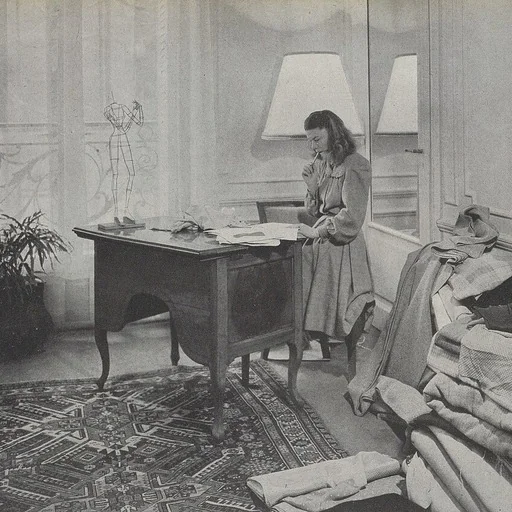
Marie-Louise Carven (31 August 1909 – 8 June 2015), born Carmen de Tommaso, was a French fashion designer who founded the house of Carven in 1945.
Museum
Palais Galliera - Musée de la Mode de la Ville de Paris
Continue through works from the same source collection.
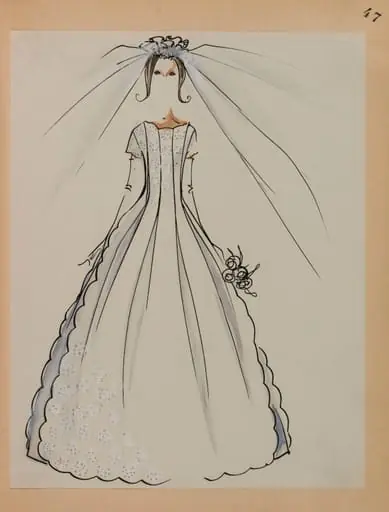 Robe de mariée festonnée et son voile
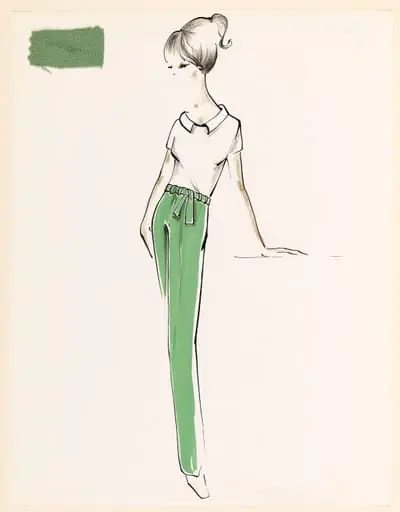 Haut blanc à manches courtes et pantalon vert à ceinture nouée
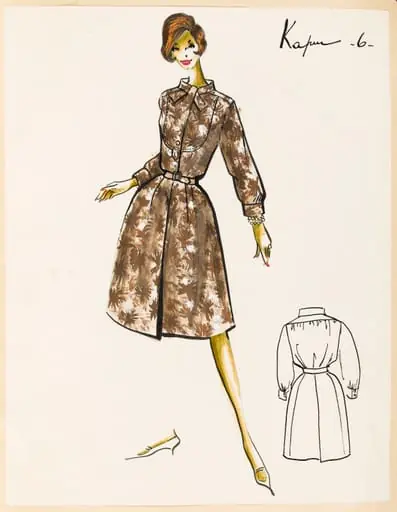 Kapur
Kapur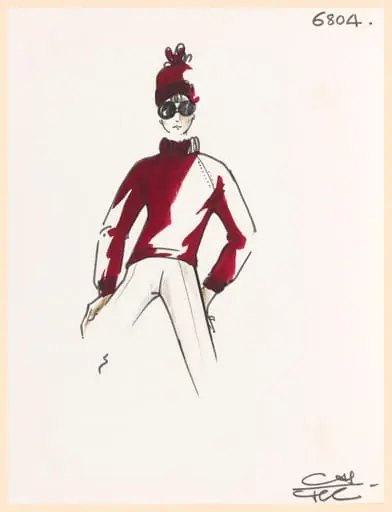 Pull-over à manches longues pourpre, bonnet assorti, pantalon et lunettes de soleil
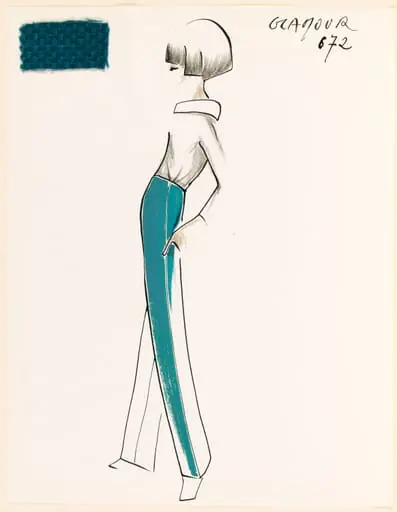 GLAMOUR
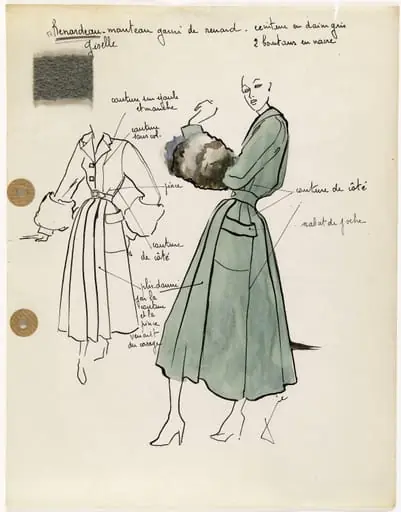 'Renardeau'
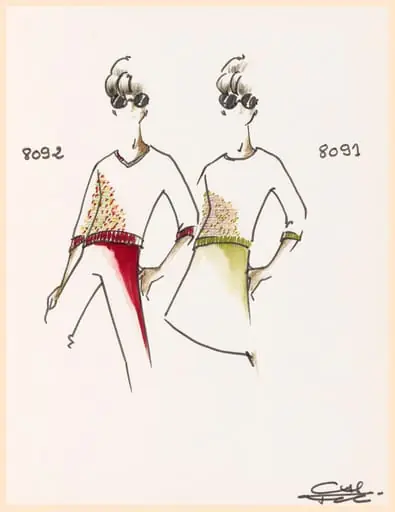 Pull-over à manches trois quarts et à encolure V à motifs multicolores, pantalon cerise et lunettes de soleil
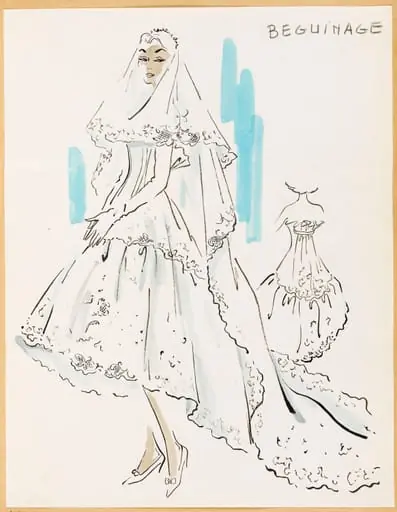 Béguinage