Artwork
From Treatise on Etching
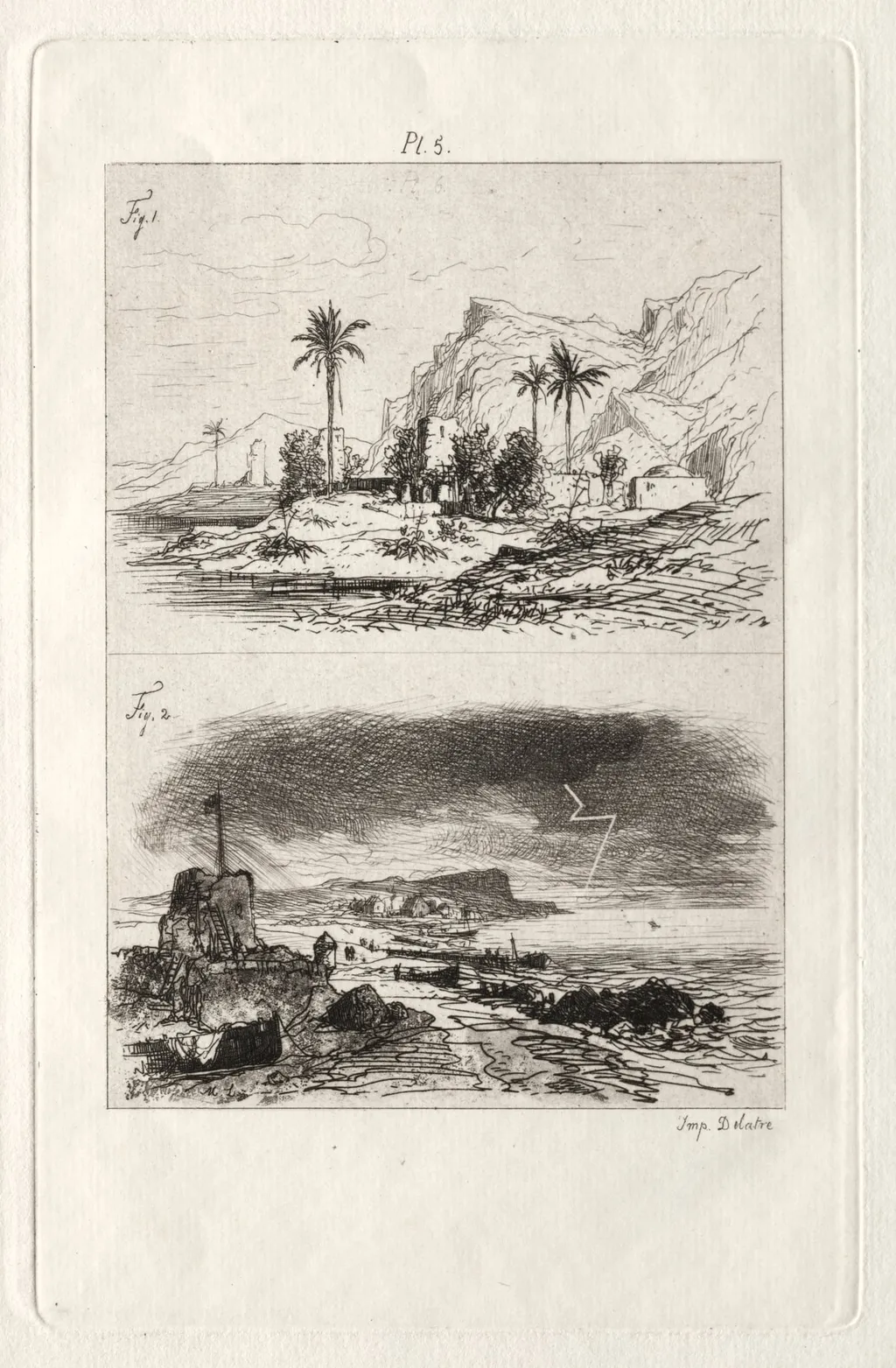
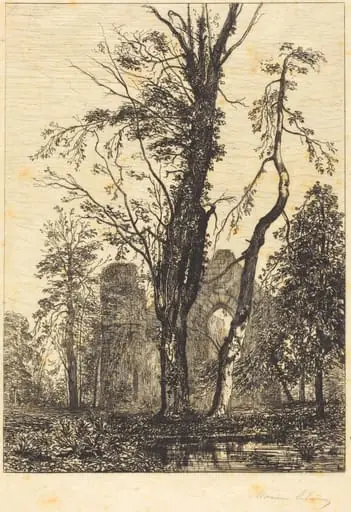
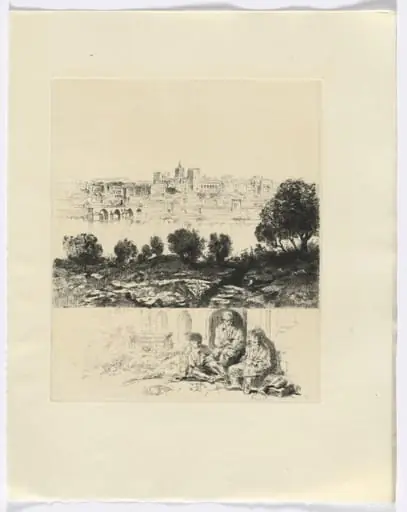
From Treatise on Etching is a print by the Impressionist artist Maxime Lalanne. It dates from 1866 and is held in the collection of the Cleveland Museum of Art.
- Accession no.
- 1920.688
About this work
Overview
The work resides in The Cleveland Museum of Art’s collection, where it is valued for its pedagogical and technical significance within 19th-century printmaking.
Created in 1866 by French artist Maxime Lalanne, this print is part of a technical guide on etching rather than a standalone artistic composition. It functions as an instructional illustration, demonstrating the medium’s capacity to render natural forms with nuance. The work resides in The Cleveland Museum of Art’s collection, where it is valued for its pedagogical and technical significance within 19th-century printmaking.
Subject & Meaning
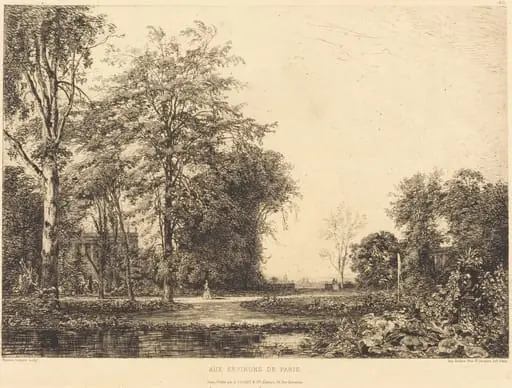
The scene depicts a quiet rural landscape: distant mountains, a reflective body of water, scattered vegetation, and a faint outline of a settlement. These elements are not idealized but presented as observational studies, emphasizing the artist’s interest in capturing atmospheric conditions and spatial depth. The composition serves as a demonstration of how etching can convey mood through tonal gradation rather than narrative.
Technique & Style
Lalanne employed fine, controlled lines and varied hatching to build texture and depth, characteristic of his mastery of etching. The sky’s soft cloudiness, the water’s muted reflections, and the layered foliage are achieved through subtle ink densities rather than color. The absence of bright hues underscores the medium’s reliance on monochrome tonality to evoke atmosphere and distance.
History & Provenance
The print originated as a plate in Lalanne’s instructional treatise on etching, widely used by students and practitioners in mid-19th-century France. It entered The Cleveland Museum of Art’s collection through documented acquisition, likely as part of a broader effort to preserve examples of technical printmaking from the period. Its preservation reflects its role in the transmission of artistic methods.
Context
During the 1860s, etching experienced a revival in France as artists sought to move beyond reproductive engraving toward expressive, hand-drawn marks. Lalanne’s treatise was part of this movement, positioning etching as both an art form and a teachable skill. This print exemplifies the era’s emphasis on direct observation and technical precision over romanticized scenery.
Legacy
Though not widely exhibited as a fine art object, the print remains a reference point in studies of 19th-century printmaking pedagogy. Lalanne’s approach influenced later generations of etchers who valued clarity and restraint. Its presence in institutional collections affirms its role in documenting the evolution of technical instruction in the visual arts.
Own this work as a print
Artist & collection
Artist
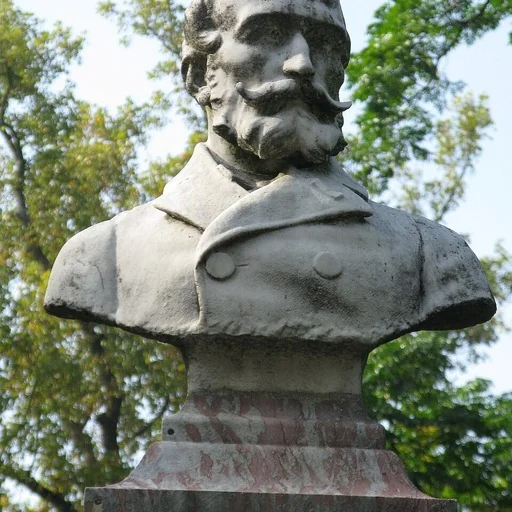
François Antoine Maxime Lalanne (November 27, 1827 – July 29, 1886) was a French artist known for his etchings and charcoal drawings (fusain).

- Weymouth Bay
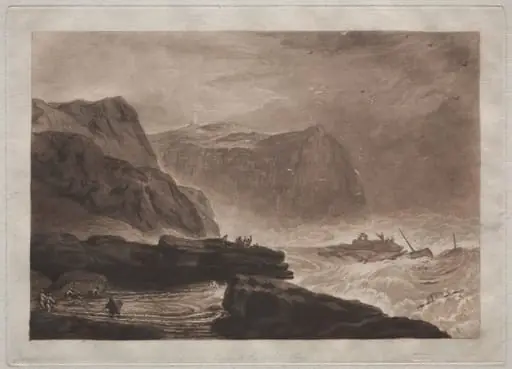 Liber Studiorum: Coast of Yorkshire, near Whitby
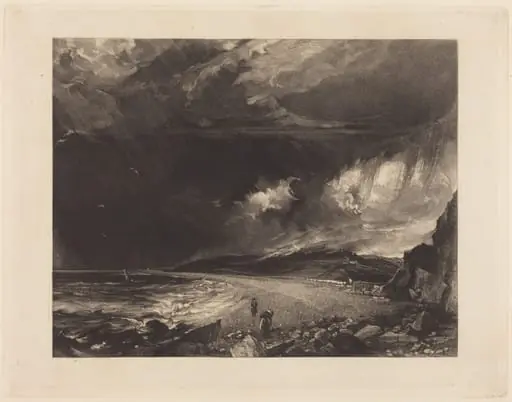 Weymouth Bay
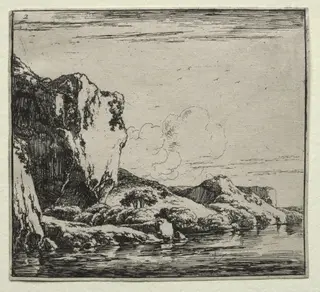 The Rock at the Border of a Large River
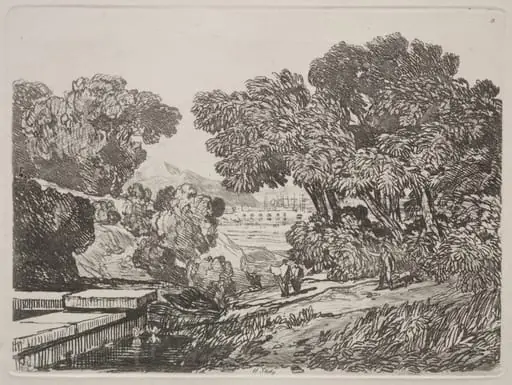 Liber Studiorum: A Study
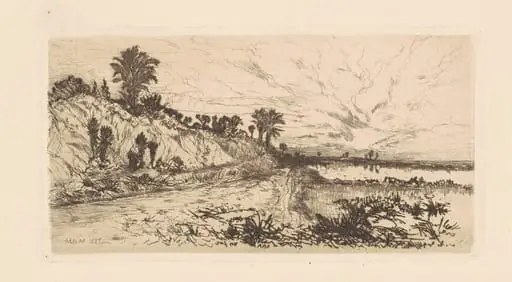 Point Isabel, Florida
![Lake Shore, Menaggio [recto], by John Singer Sargent](https://artifactworldgallery.com/img/john-singer-sargent--lake-shore-menaggio-recto--2cbfc8ee4d60729d-w320.webp) Lake Shore, Menaggio [recto]
Lake Shore, Menaggio [recto]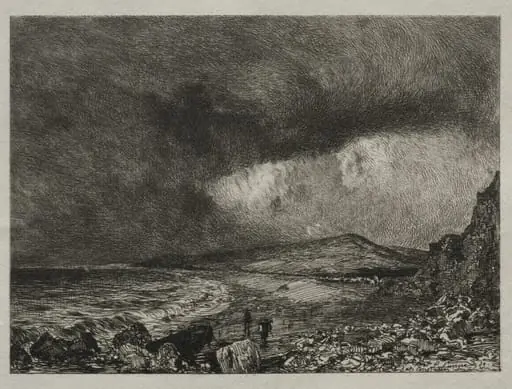 The Bay of Weymouth
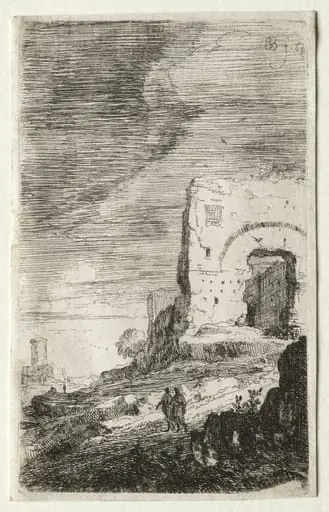 The Baths of Caracalla
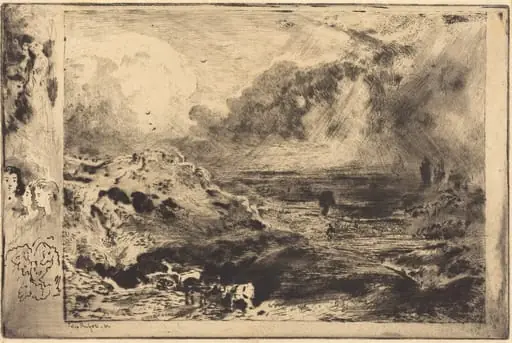 L'Orage (The Storm)
 The Cottage
 Frédéric Mistral: Mémoires et Recits by Frédéric Mistral: landscape with river and city view/ three figures (insert after p. 72)