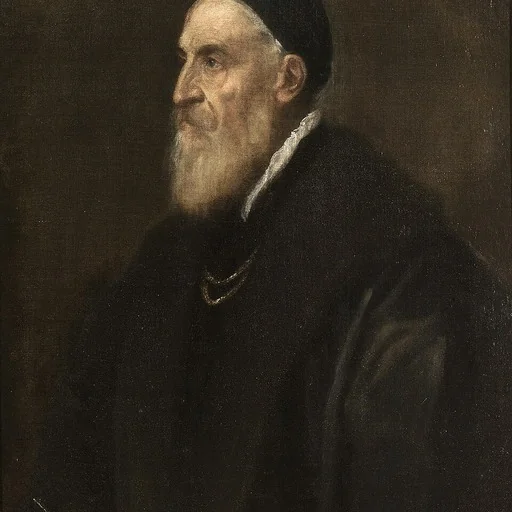
Subject
Landscape
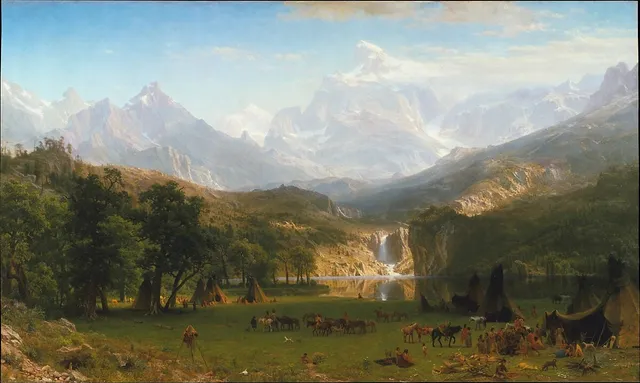
Landscape is a subject in art. The gallery holds 200 works in this subject in art, including works by Titian, Thomas Eakins and Paolo Veronese.
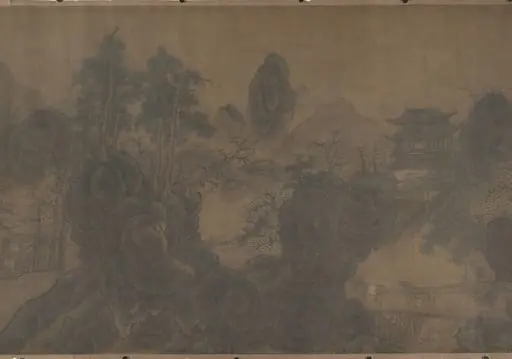
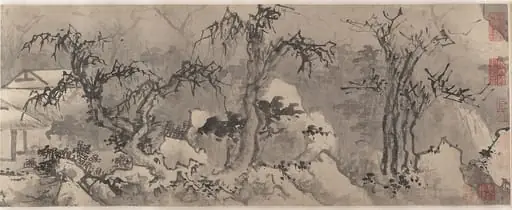
Although mountains, rivers, and skies appear as settings in art across the ancient world, landscape became an autonomous subject only gradually. In China it matured first: shan shui ("mountain-water") painting emerged as an independent genre under the Tang dynasty (618–907) and reached its zenith in the Song dynasty (960–1279), when artists rendered vast peaks and mists as expressions of Taoist and Neo-Confucian thought, humans reduced to specks within the cosmos. In Europe, landscape coalesced later, in the sixteenth-century Netherlands—the English word itself derives from the Dutch landschap. During the seventeenth-century Dutch Golden Age it became a major commercial genre: between roughly 1610 and 1679 the share of landscapes in household inventories rose from about a quarter to two-fifths, sold cheaply on the open market.
Two divergent traditions defined the European art. Dutch painters such as Jacob van Ruisdael lowered the horizon to celebrate towering cloudbanks, fields, and shifting weather with empirical naturalism. In Rome, the French expatriates Nicolas Poussin and Claude Lorrain perfected the "ideal" classical landscape—every tree, ruin, and figure carefully arranged for harmonious, golden-lit repose. Claude proved perhaps the most influential landscapist in history, shaping English Romantics John Constable and J. M. W. Turner, who pursued naturalistic observation and the atmospheric sublime respectively.
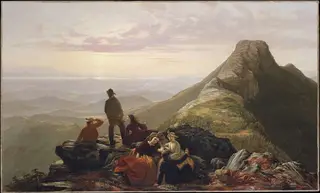
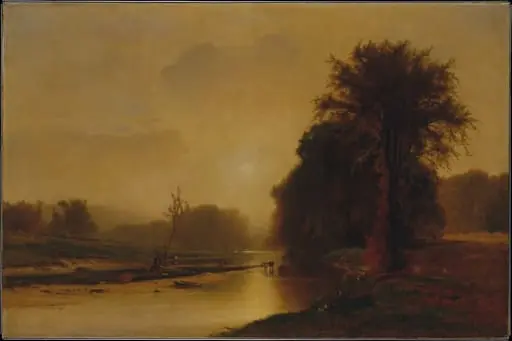
The nineteenth century made landscape a vehicle for national and spiritual meaning. In America, Thomas Cole founded the Hudson River School; his View from Mount Holyoke … —The Oxbow (1836) contrasts stormy wilderness with cultivated valley as a meditation on civilization. Albert Bierstadt carried the manner west in The Rocky Mountains, Lander's Peak (1863), whose glowing "luminist" light dramatizes the frontier. Related canvases extend this catalogue—Jasper Francis Cropsey's The Valley of Wyoming, Alfred Thompson Bricher's Marine Landscape, and George Loring Brown's View at Amalfi, Bay of Salerno.
Meanwhile in France the Barbizon School (c. 1830–1870)—Corot, Rousseau, Millet, Daubigny—pioneered plein-air painting in the Forest of Fontainebleau, their attention to fugitive light directly inspiring Claude Monet and the Impressionists. From these roots landscape flowed into Post-Impressionism and modern abstraction, remaining one of art's most enduring and adaptable subjects.
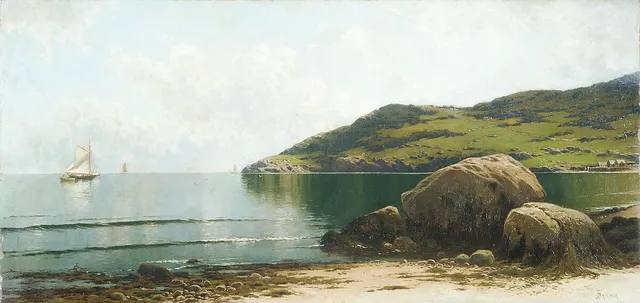
Key artists
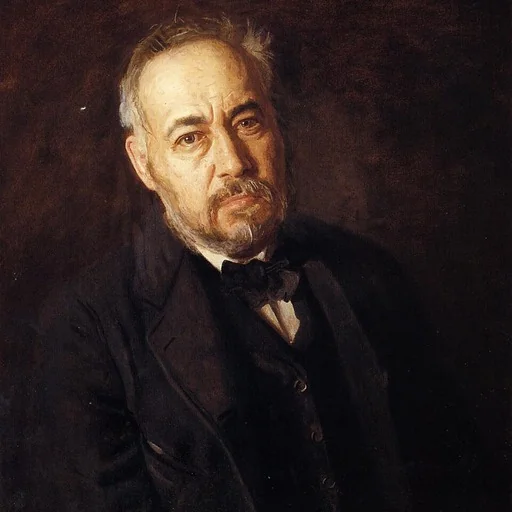
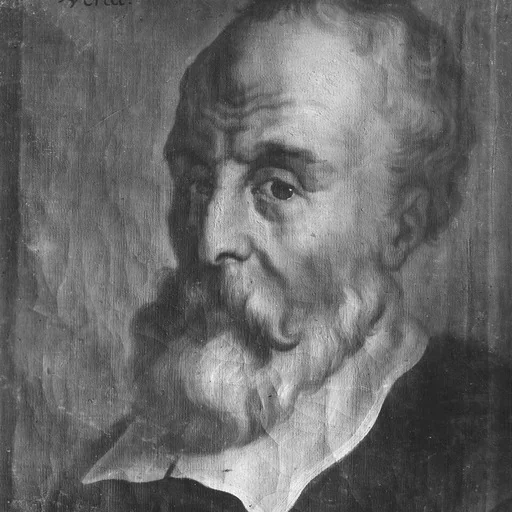
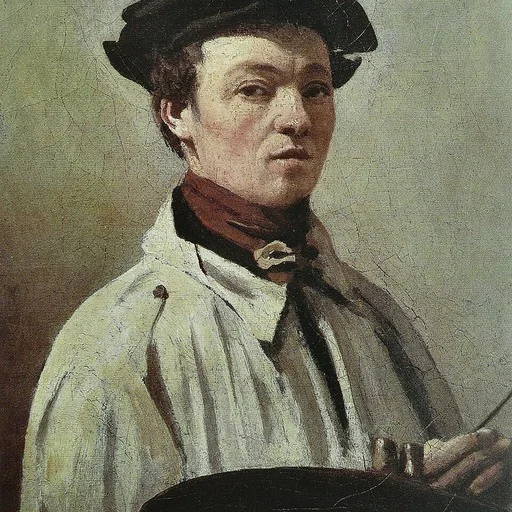
Overview
A landscape is the visible features of an area of land, encompassing its landforms and how they integrate with natural or human-made features. It includes physical elements like mountains, hills, and water bodies, living elements such as indigenous vegetation, human elements including buildings and different forms of land use, and transitory elements like lighting and weather conditions. Combining physical origins with the cultural overlay of human presence, landscapes reflect a living synthesis of people and place vital to local and national identity. The character of a landscape helps define the self-image of the people who inhabit it and a sense of place that differentiates one region from another. It functions as the dynamic backdrop to people's lives, varying widely from farmland and landscape parks to wilderness, and ranging across polar regions, mountains, deserts, islands, coasts, and forests.
Iconography & meaning
The concept of a landscape carries deep aesthetic and cultural meanings that have shifted over centuries. In early Greek and Roman antiquity, aesthetic engagement with space concentrated on the locus amoenus, a pleasant place where specific objects like trees, meadows, and springs were arranged to give the observer a feeling of wellbeing. In the Middle Ages, this aesthetic focus diminished as spatial depictions primarily served to visualize the location of a narrative or function as symbols and allegories pointing to Jesus Christ as redeemer. Later, the concept of the picturesque emerged, defined in 1768 as a term expressive of a peculiar kind of beauty agreeable in a picture. Landscapes also carry a strong political dimension, as rulers historically used pictorial representations of territory to project their own image and power over the governed society.
Across movements & periods
The treatment of landscape evolved significantly across periods. During the Middle Ages, spatial depictions were subordinated to religious symbolism rather than appreciated for their earthly features. It was not until the Renaissance that landscape painting established itself as an independent discipline, forming an idealized visual typology that shaped viewer expectations of physical spaces. The etymological shift reflects this movement: the Old High German word lantscaf, documented around 830, originally denoted a legal and political community defined by shared social norms within a territory. By the fifteenth century in the Frisian coastal regions, the term lantscap referred to both the visual aspect of a territory and the society managing it, particularly regarding polder governance. When the term landschap was borrowed into English around 1598 from Dutch painters, it specifically denoted a painting of inland natural or rural scenery, cementing the motif's transition from a socio-political reality to a pictorial genre.
Notable depictions
Among the canonical depictions of the landscape motif are View from Mount Holyoke, Northampton, Massachusetts, after a Thunderstorm, The Oxbow by Thomas Cole and The Rocky Mountains, Lander's Peak by Albert Bierstadt, which exemplify the grand scale of American landscape painting. Other significant depictions include The Valley of Wyoming and View on the Catskill, Early Autumn. In the European tradition, View at Amalfi, Bay of Salerno and Isola Bella in Lago Maggiore capture specific coastal and lake geographies. Vincent van Gogh is also noted for his deep insight into the landscape, such as his 1888 objective-geographical representation of La Crau near the Rhone delta, which mapped landscape elements comparable to topographical maps while conveying the landscape's infinity and eternity.
Legacy
The legacy of the landscape motif extends beyond the canvas into modern spatial planning and environmental psychology. The concept has expanded to include urban color landscapes, where artificial elements like buildings and roads blend with natural features, significantly impacting human emotions. As urbanization advances, cities face challenges of color pollution and the homogenization of the visual environment, prompting researchers to propose unified cityscape approaches to preserve distinctive local identities. Furthermore, the geographical understanding of landscape has expanded from earthly regions to extraterrestrial surfaces, with terms like moon landscape and mars landscape becoming established. The motif's influence also persists in administrative and ecological frameworks, where organizations manage and protect cultural and natural landscapes based on the historical understanding of a landscape as a self-sustaining system shaped by the interaction of natural and human factors.
Works
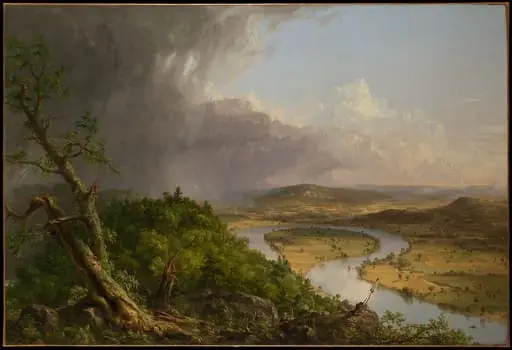 View from Mount Holyoke, Northampton, Massachusetts, after a Thunderstorm—The Oxbow
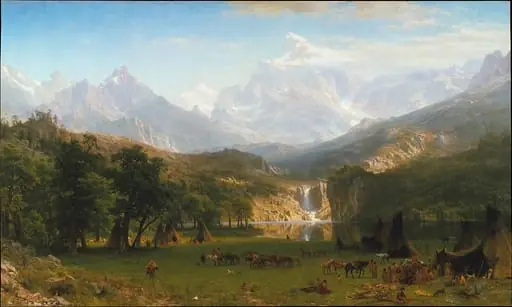 The Rocky Mountains, Lander's Peak
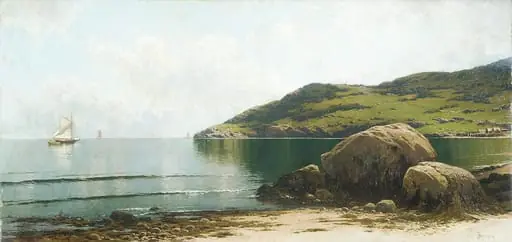 Marine Landscape
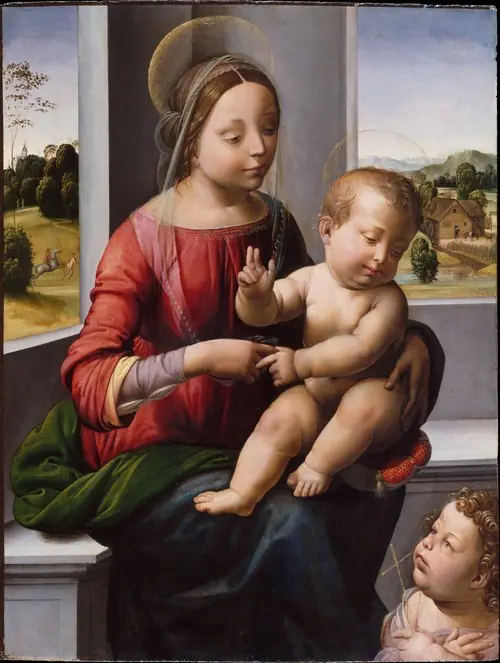 Madonna and Child with the Young Saint John the Baptist
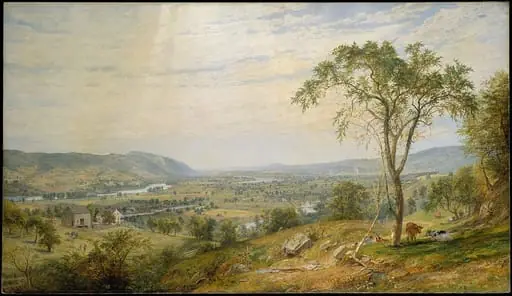 The Valley of Wyoming
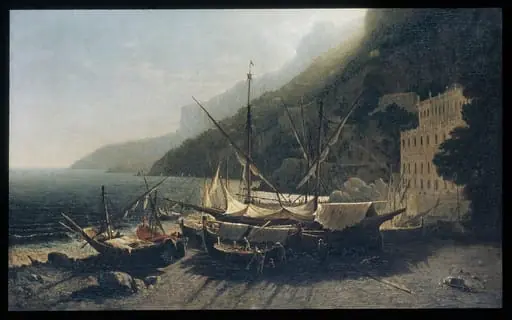 View at Amalfi, Bay of Salerno
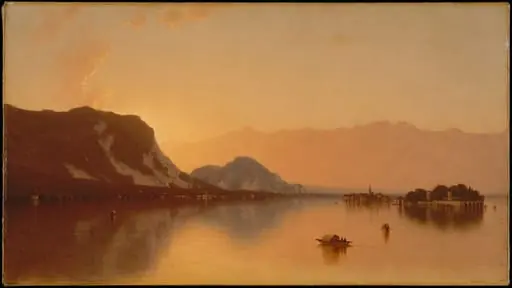 Isola Bella in Lago Maggiore
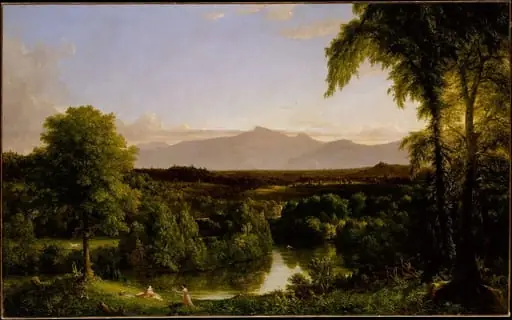 View on the Catskill—Early Autumn
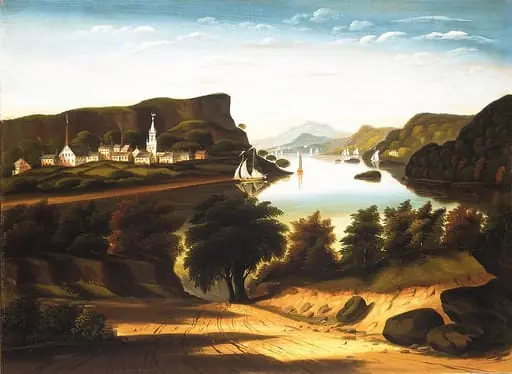 Lake George and the Village of Caldwell
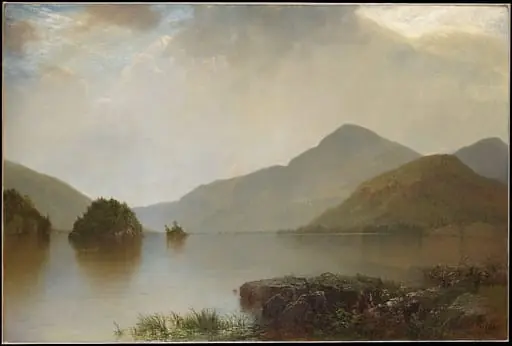 Lake George
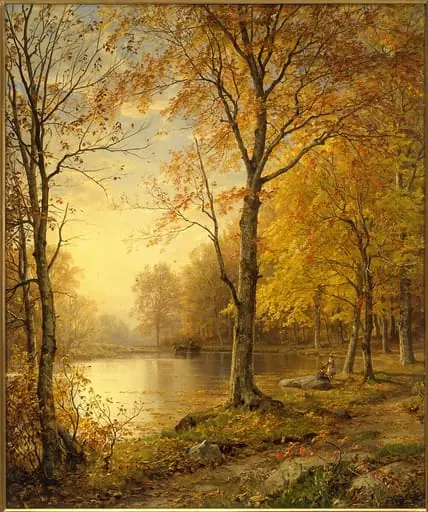 Indian Summer
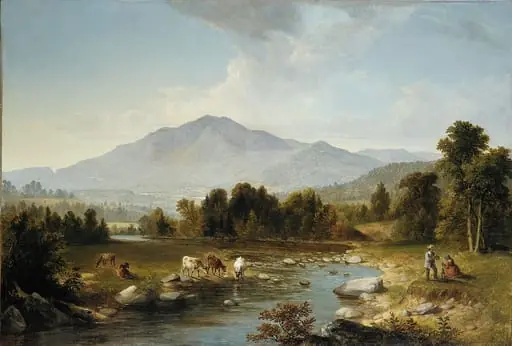 High Point: Shandaken Mountains
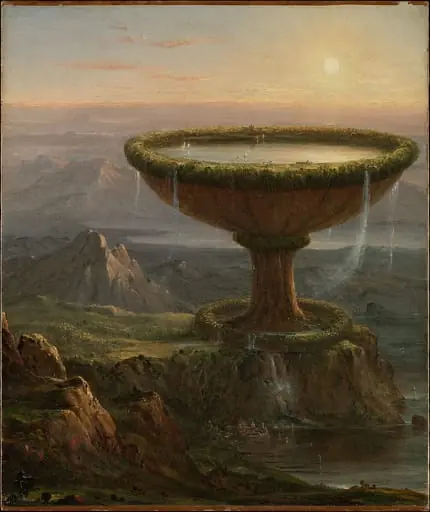 The Titan's Goblet
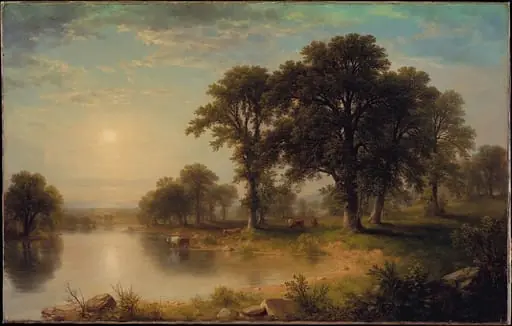 Summer Afternoon
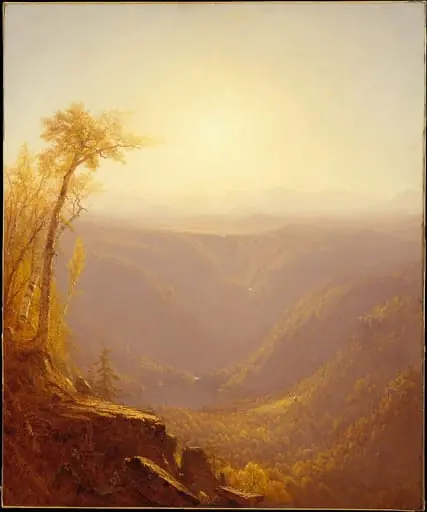 A Gorge in the Mountains (Kauterskill Clove)
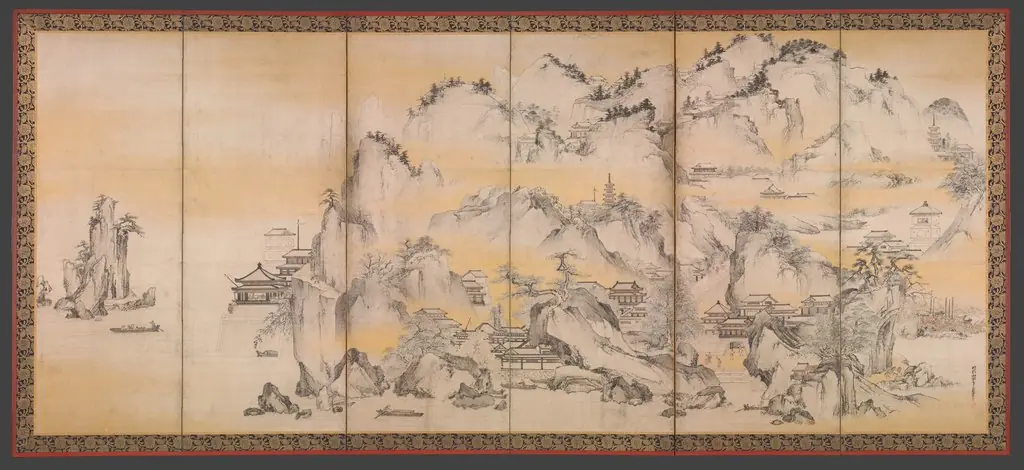 Jinshan Island and West Lake
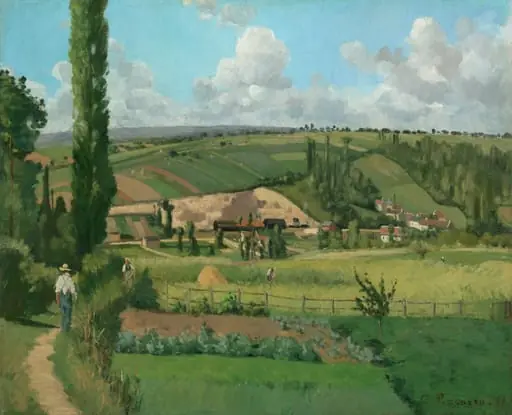 Landscape at Les Pâtis, Pontoise
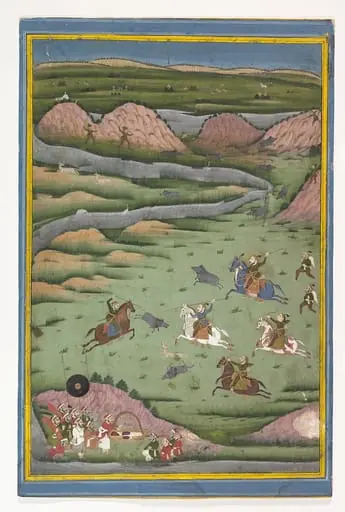 Untitled
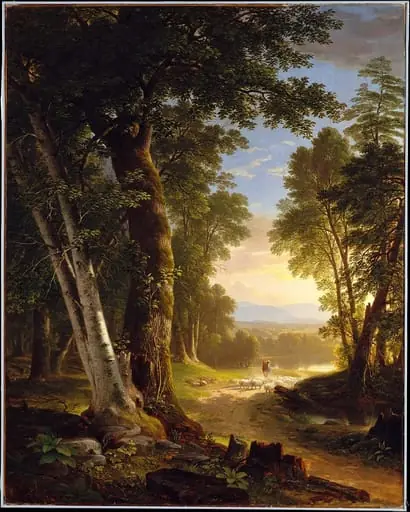 The Beeches
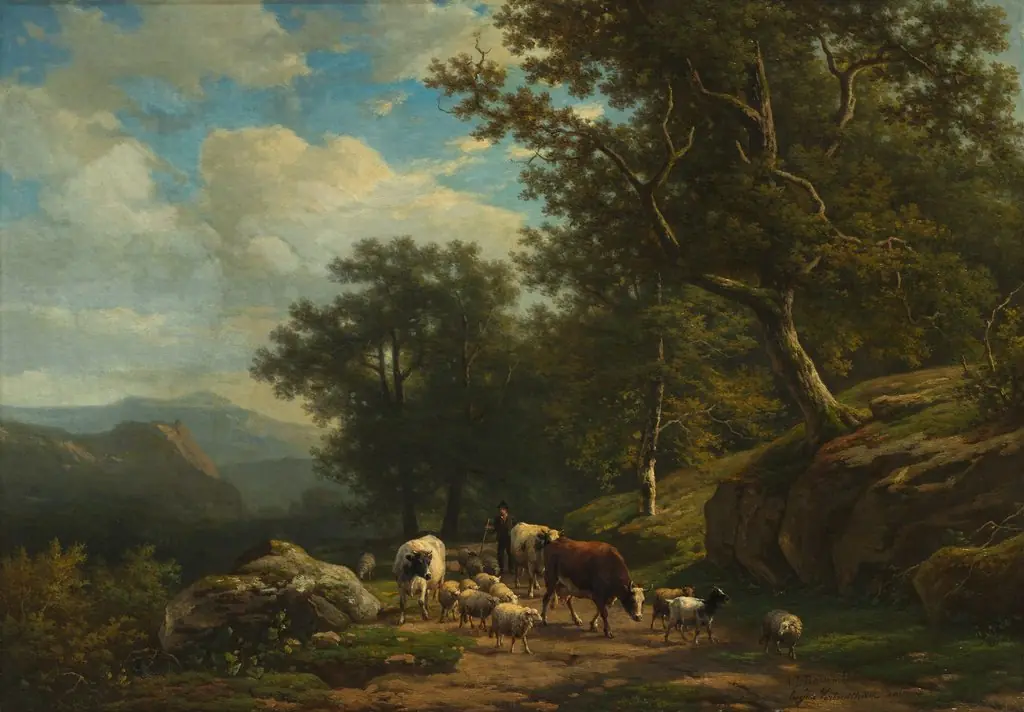 Landscape with a Peasant and His Flock
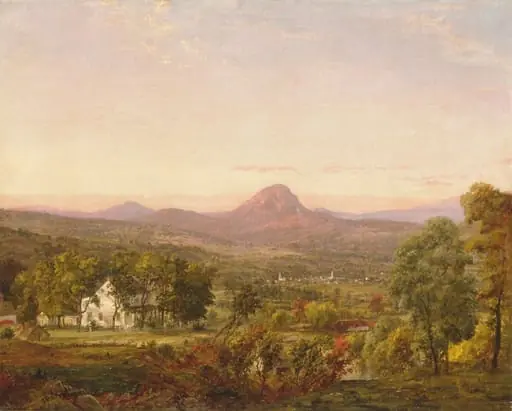 Autumn Landscape, Sugar Loaf Mountain, Orange County, New York
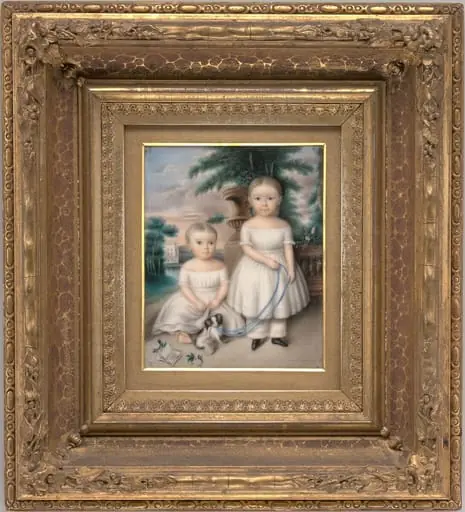 Watson Van Benthuysen II and Thomas Van Benthuysen
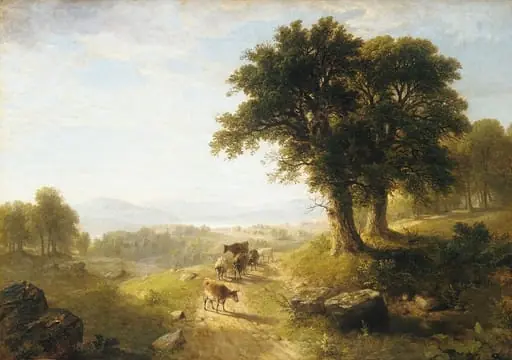 River Scene
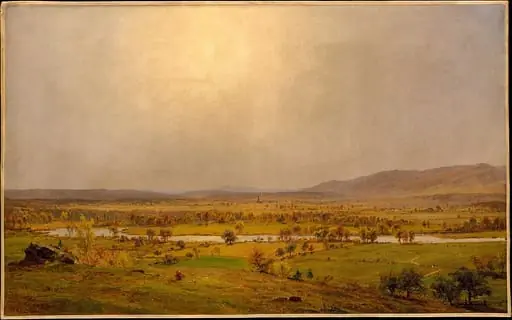 Pompton Plains, New Jersey
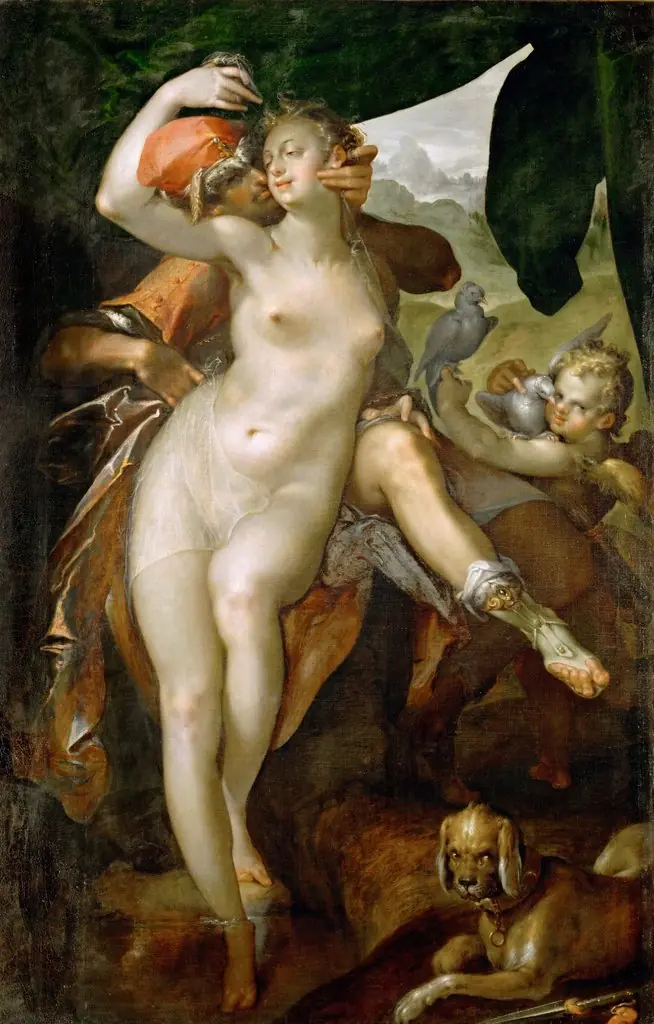 Venus and Adonis
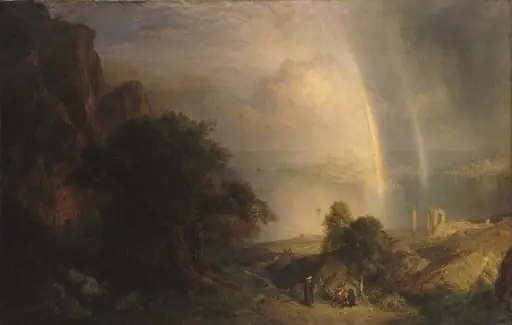 The Aegean Sea
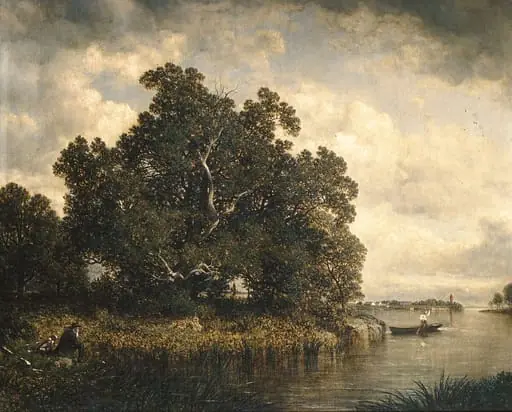 Bayside, New Rochelle, New York
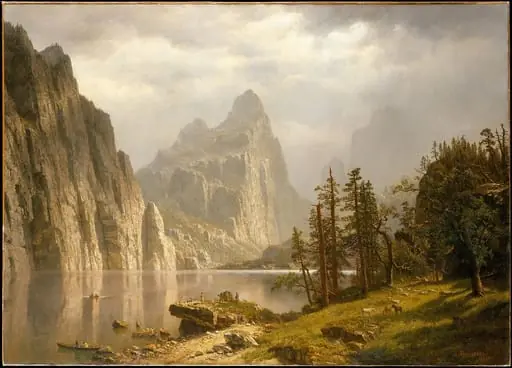 Merced River, Yosemite Valley
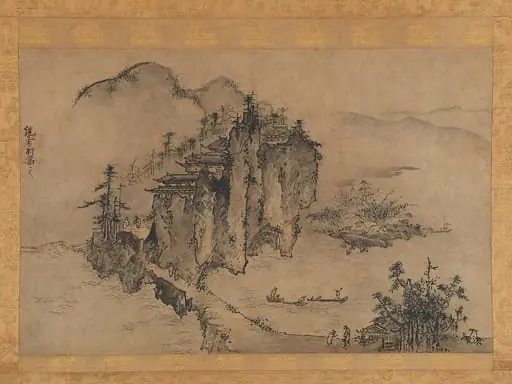 雪村周継筆 山水図|Landscape with Rocky Precipice
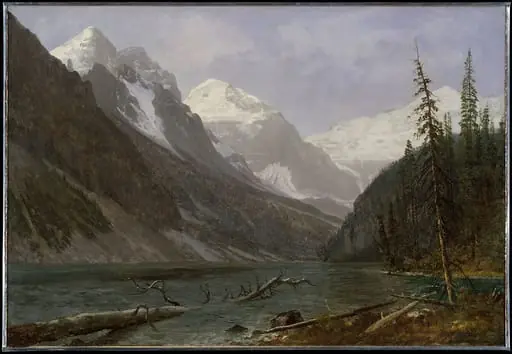 Canadian Rockies (Lake Louise)
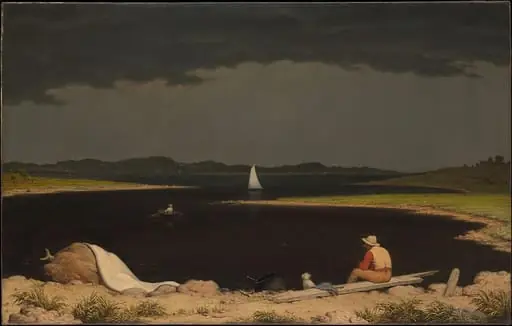 Approaching Thunder Storm
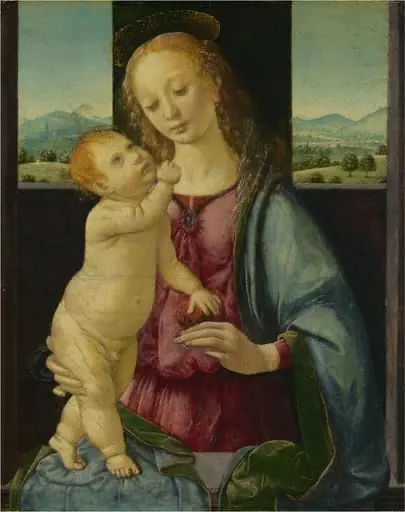 Madonna and Child with a Pomegranate
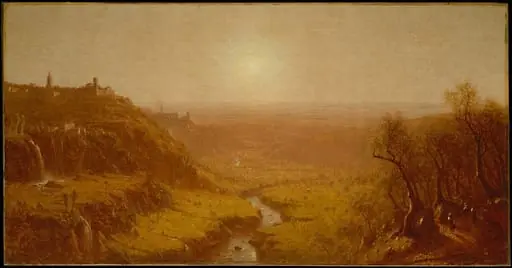 Tivoli
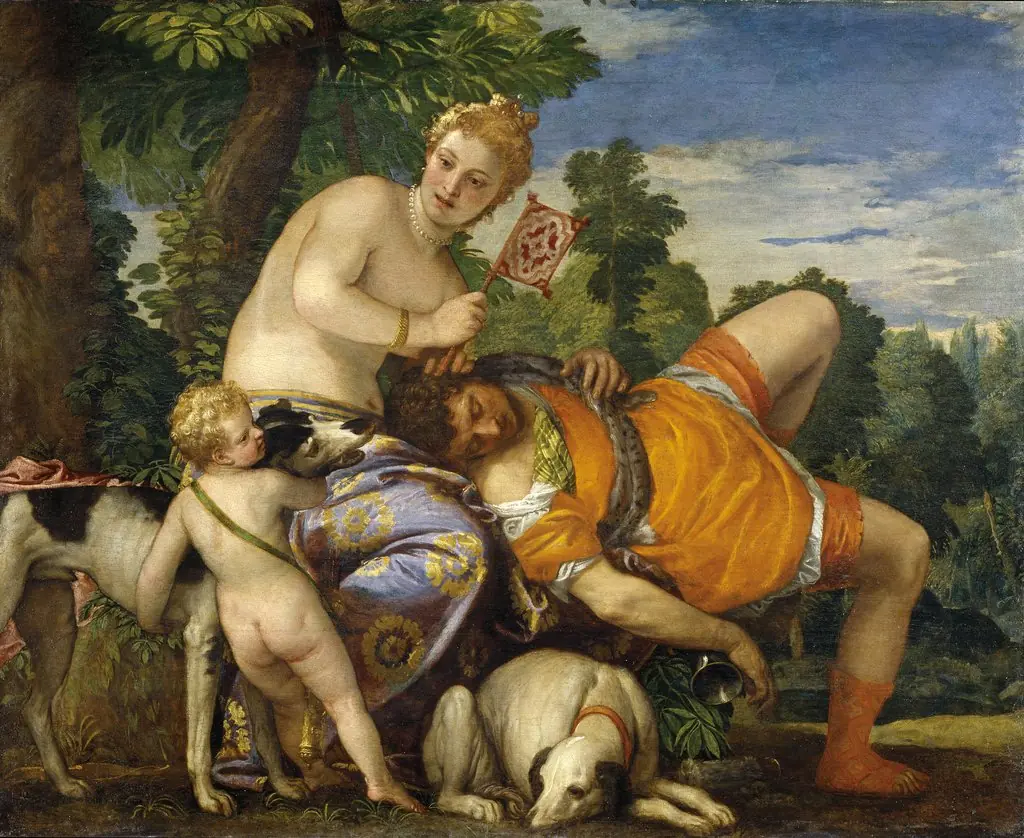 Venus and Adonis
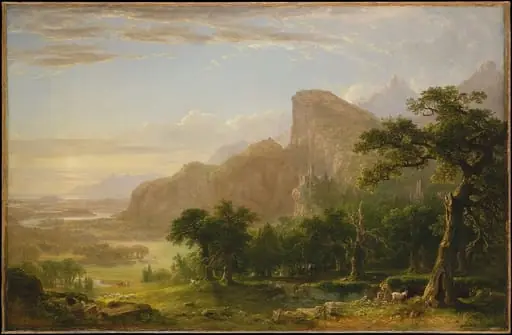 Landscape—Scene from "Thanatopsis"
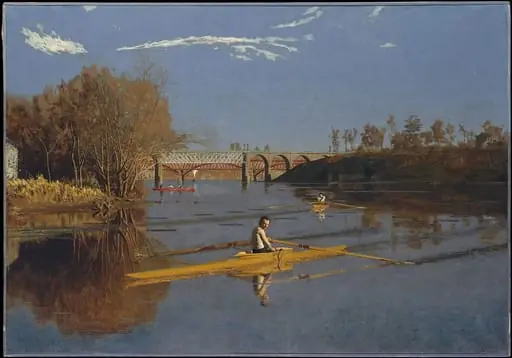 The Champion Single Sculls (Max Schmitt in a Single Scull)
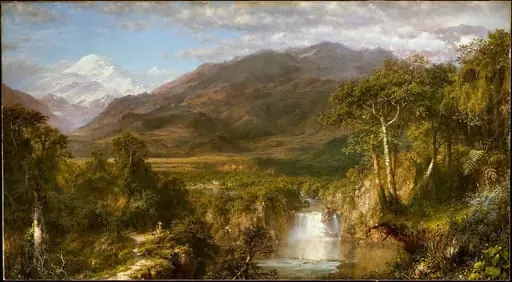 Heart of the Andes
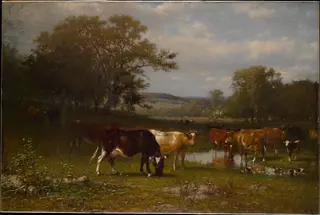 From Shifting Shade
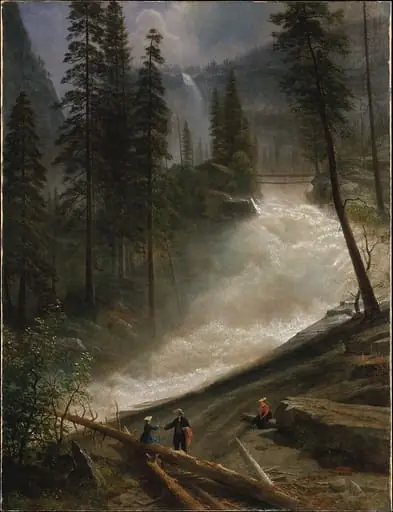 Nevada Falls, Yosemite
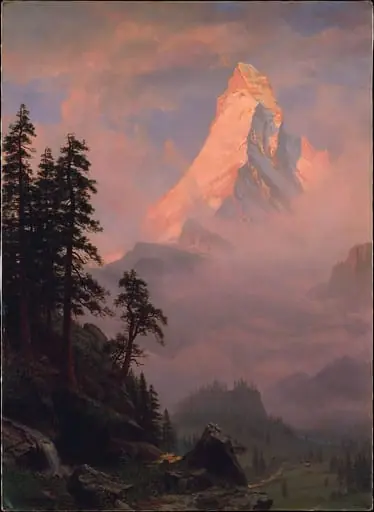 Sunrise on the Matterhorn
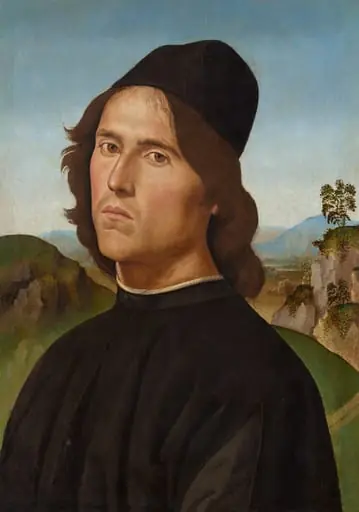 Portrait of Lorenzo di Credi
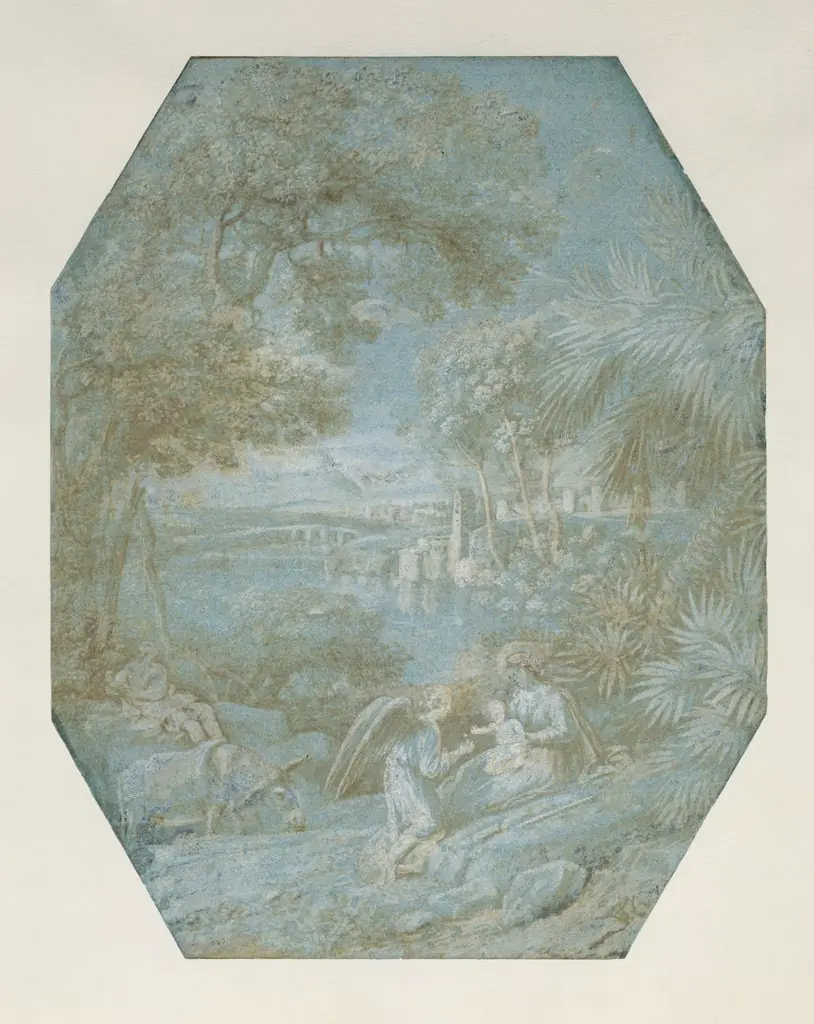 Landscape with the Rest on the Flight into Egypt
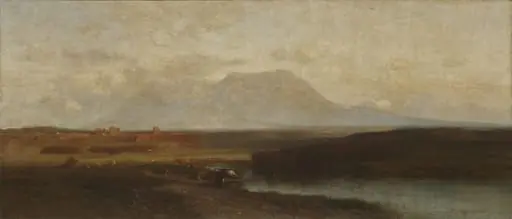 Spanish Peaks, Southern Colorado, Late Afternoon
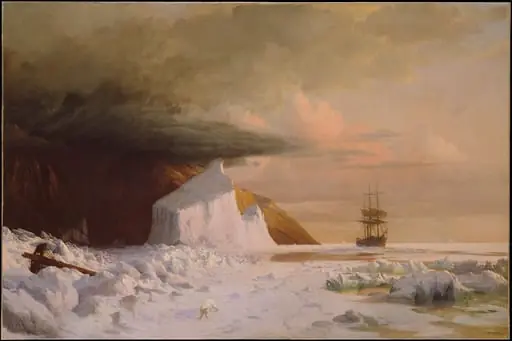 An Arctic Summer: Boring Through the Pack in Melville Bay
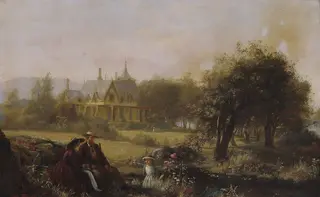 Summer Flowers
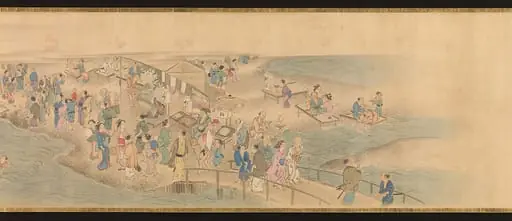 源琦筆 華洛四季遊楽図巻|Scenes of the Four Seasons in Kyoto
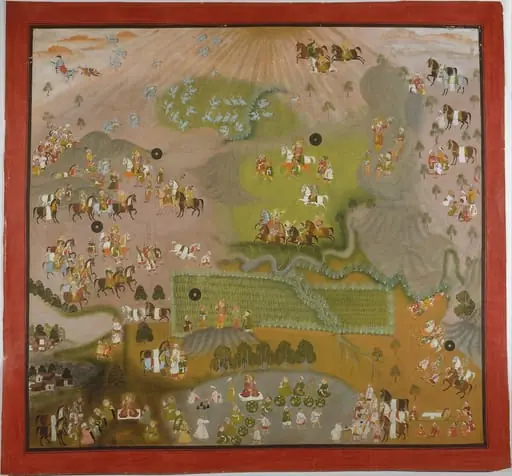 Untitled
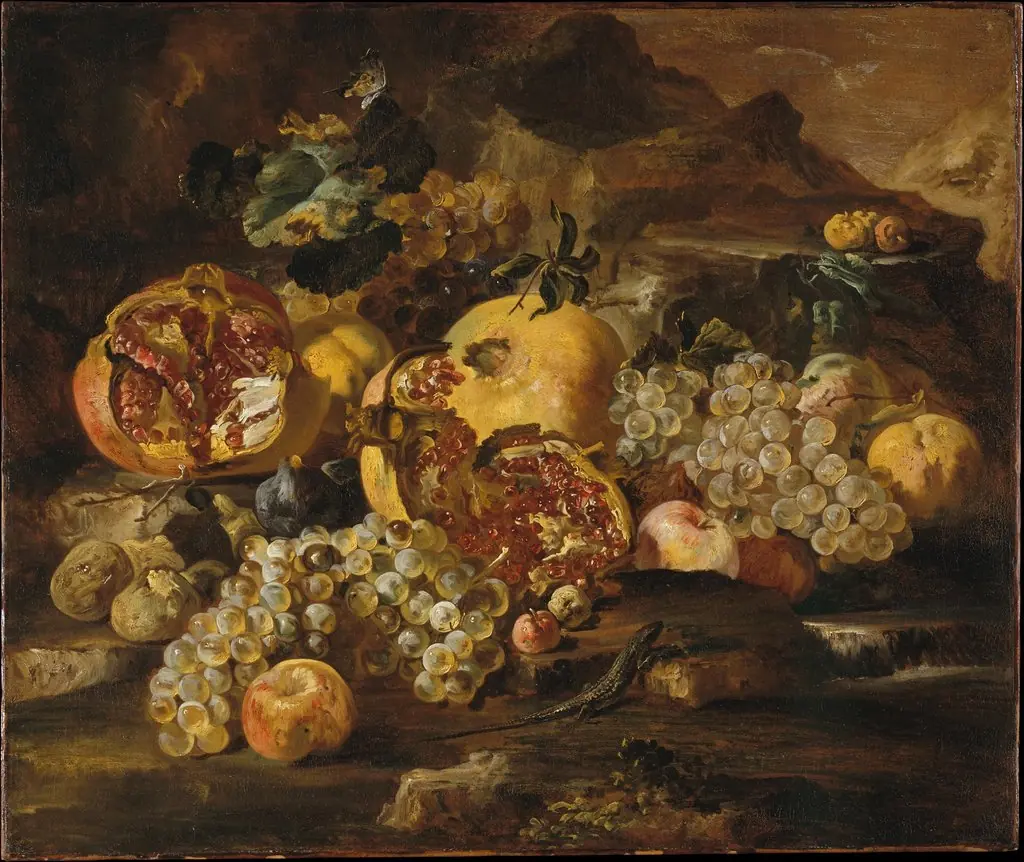 Pomegranates and Other Fruit in a Landscape
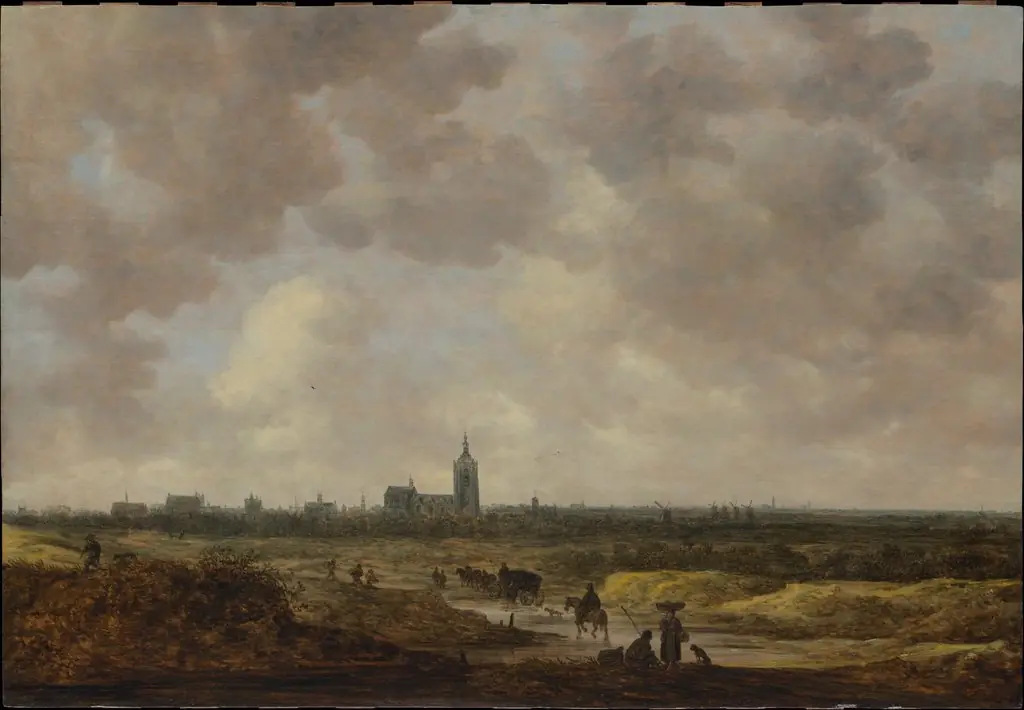 A View of The Hague from the Northwest
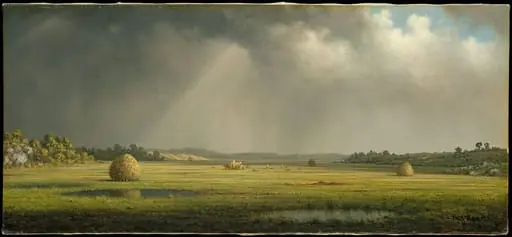 Newburyport Meadows
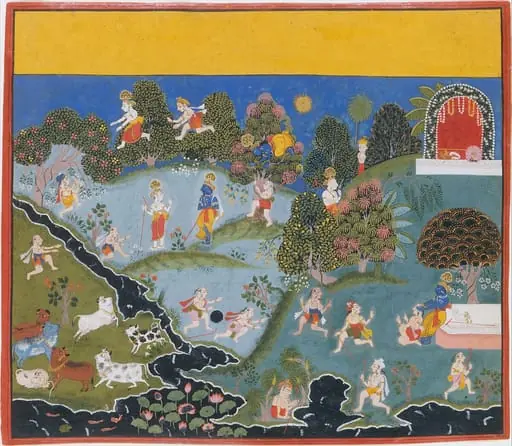 Untitled
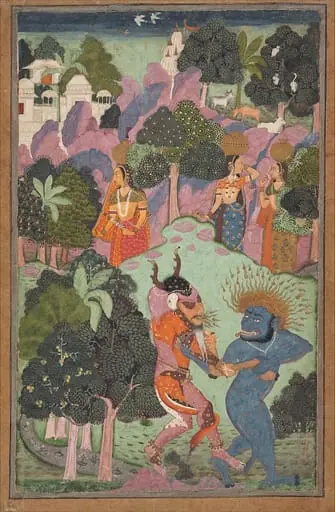 Untitled
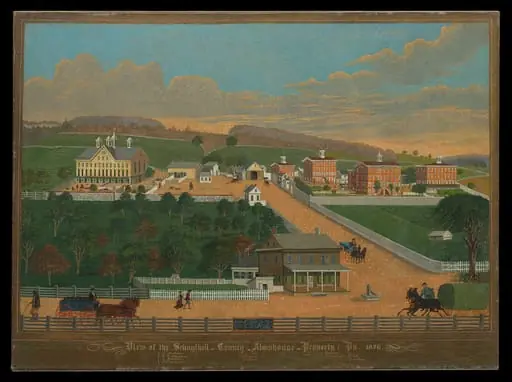 View of the Schuylkill County Almshouse Property
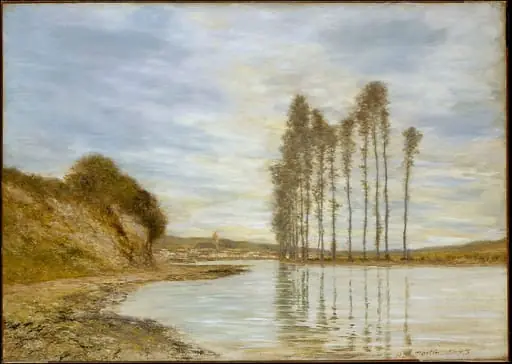 View on the Seine: Harp of the Winds
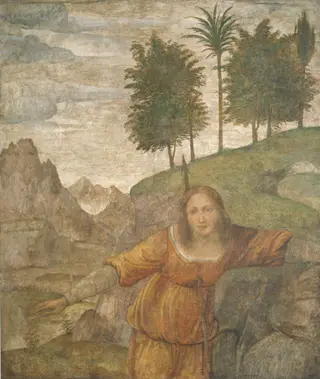 Procris Pierced by Cephalus' Javelin
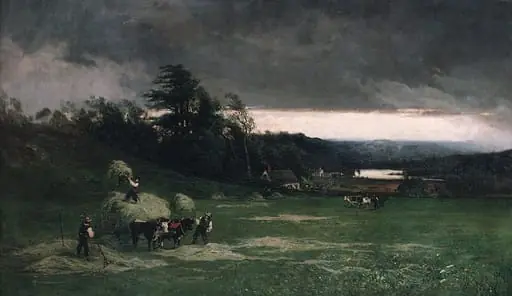 Approaching Storm
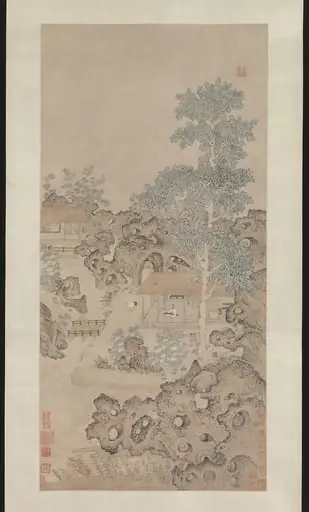 明 佚名 琴鶴圖 軸|Playing the zither for a crane
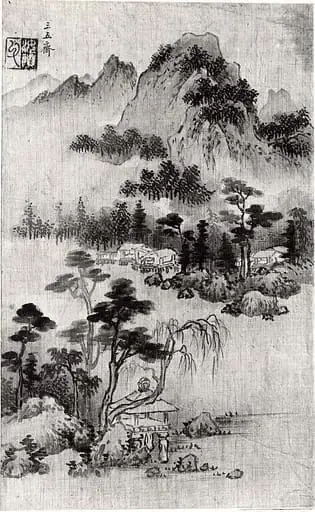 Untitled
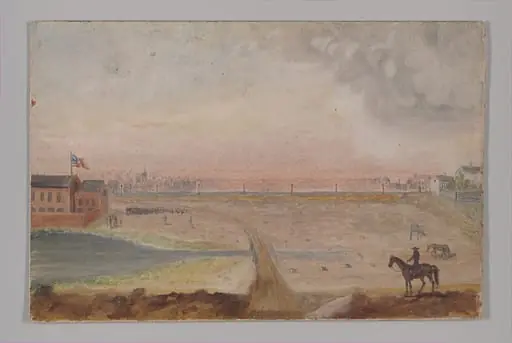 Militia Drilling
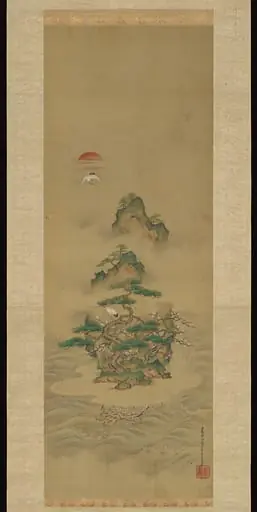 狩野探水守常筆 蓬莱山・瀟湘八景図|Mount Penglai with Eight Views of Xiao and Xiang
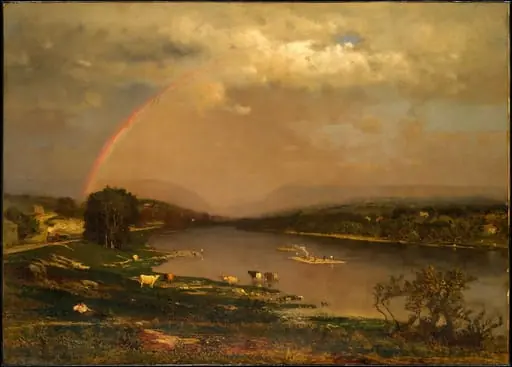 Delaware Water Gap
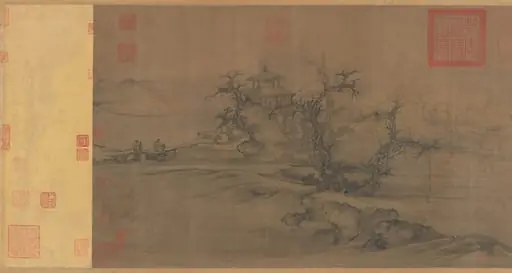 北宋 郭熙 樹色平遠圖 卷 |Old Trees, Level Distance
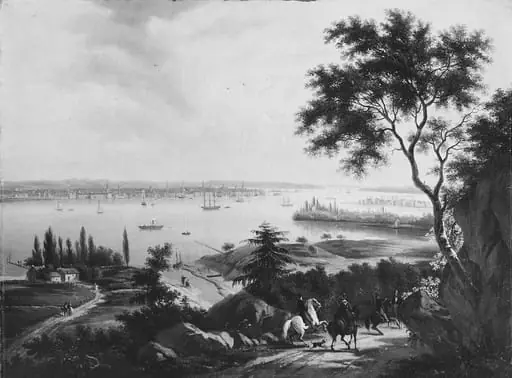 View of New York from New Jersey
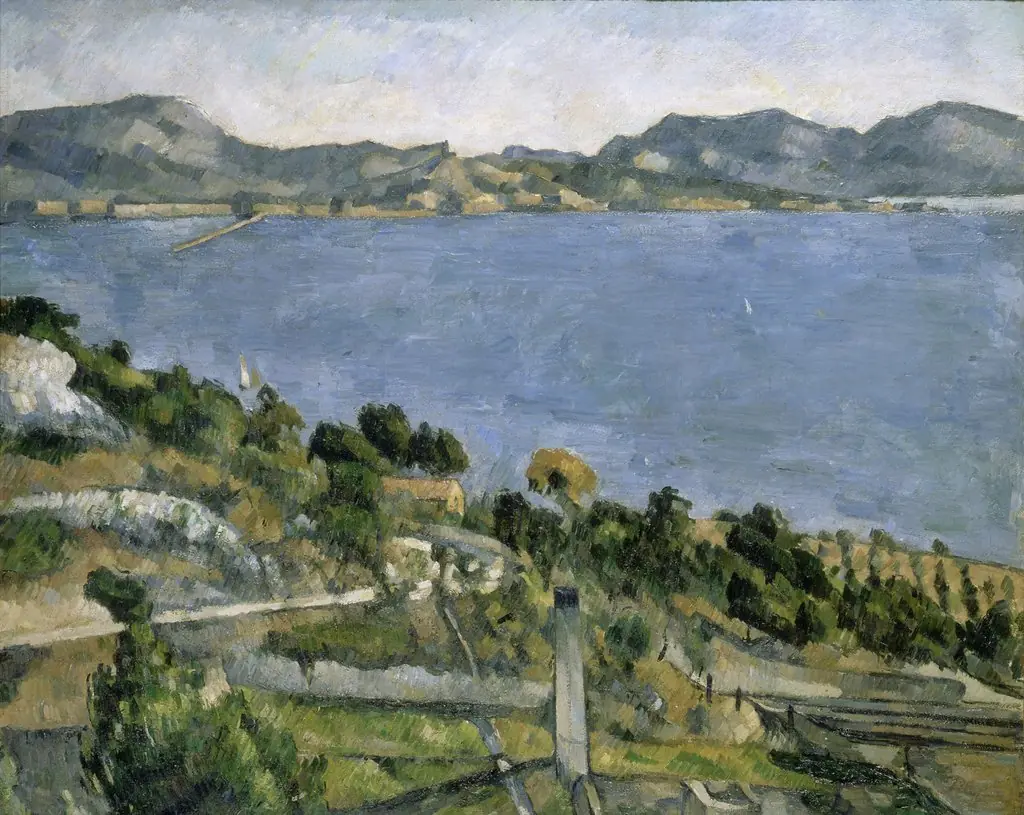 Le Golfe de Marseille vu de l'Estaque (The Gulf of Marseille Seen from L'Estaque)
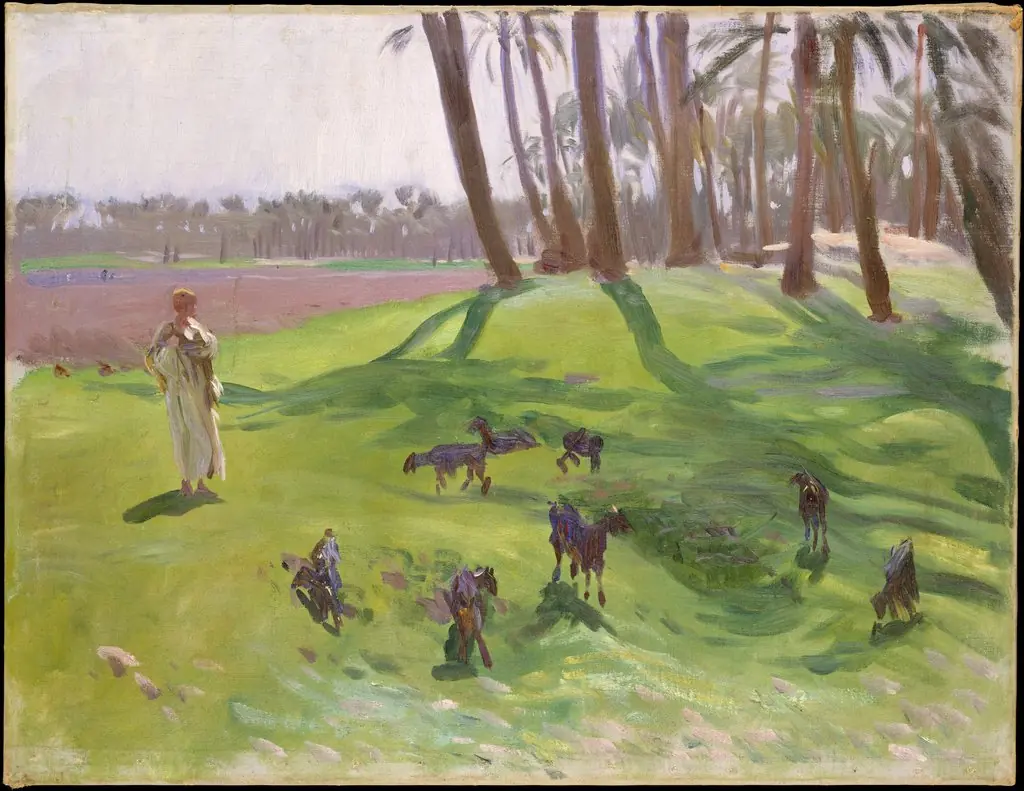 Landscape with Goatherd
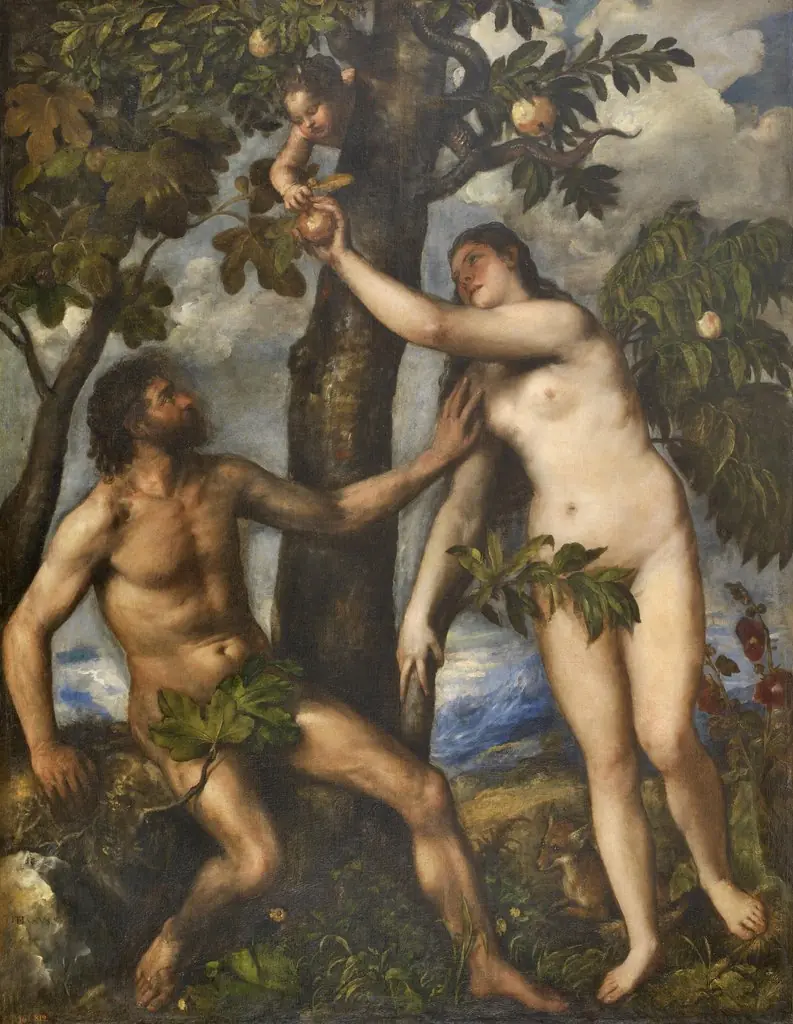 The Fall of Man
 Untitled
 Untitled
 Untitled
 Untitled
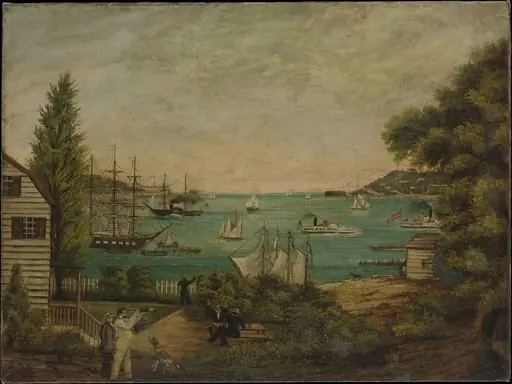 View from Staten Island
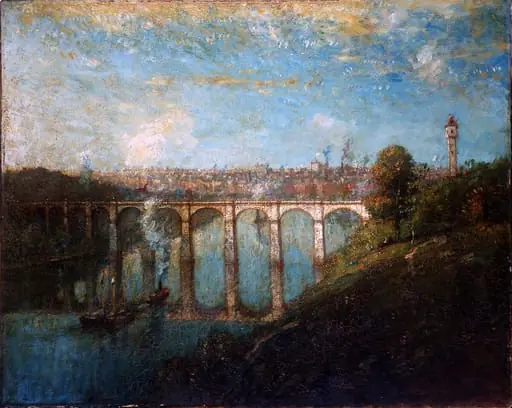 High Bridge, New York
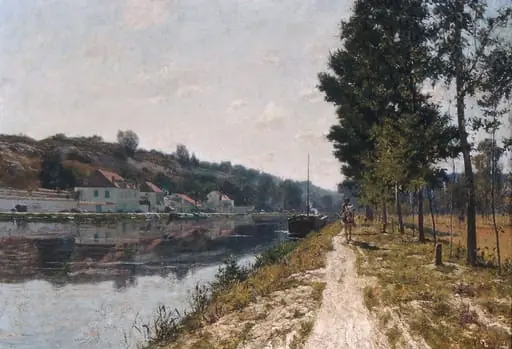 Banks of the Loing
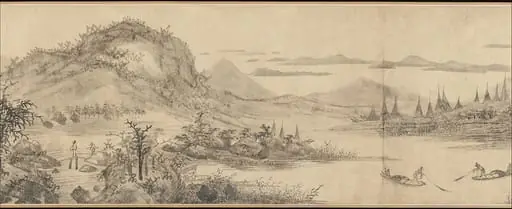 明 王紱 江山漁樂圖 卷|Joys of the Fisherman
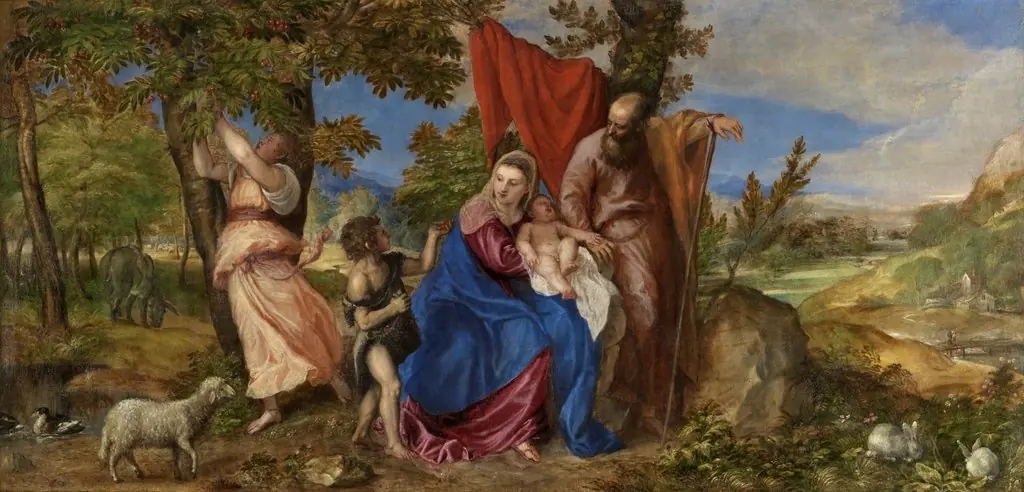 Rest on the Flight into Egypt
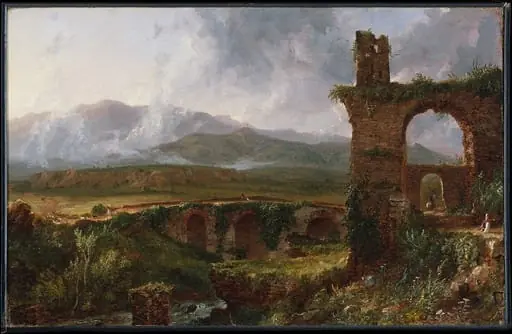 A View near Tivoli (Morning)
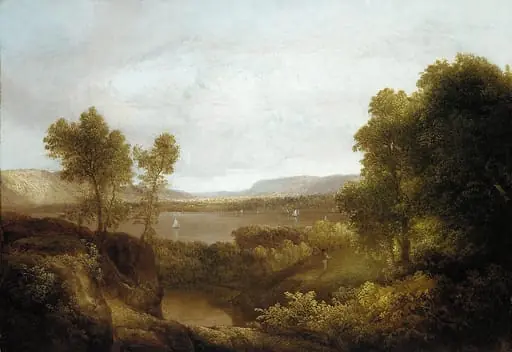 On the Hudson
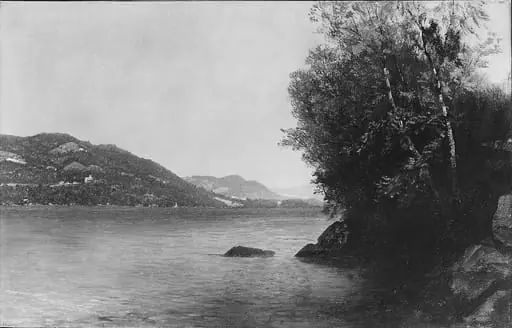 Lake George, A Reminiscence
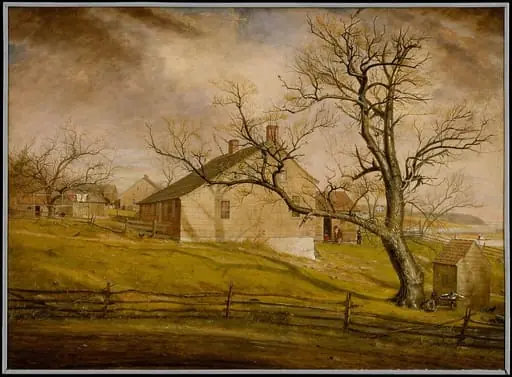 Long Island Farmhouses
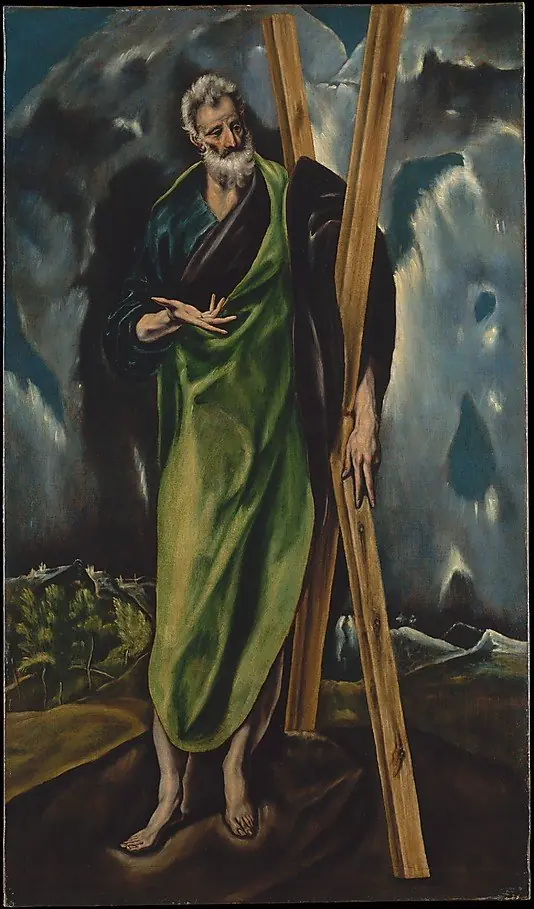 Saint Andrew
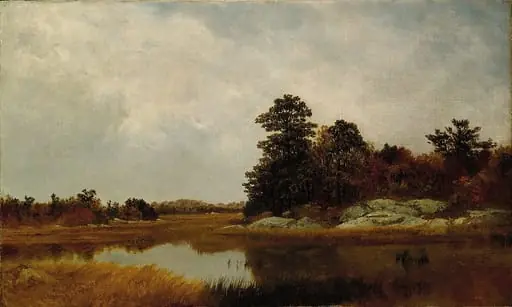 October in the Marshes
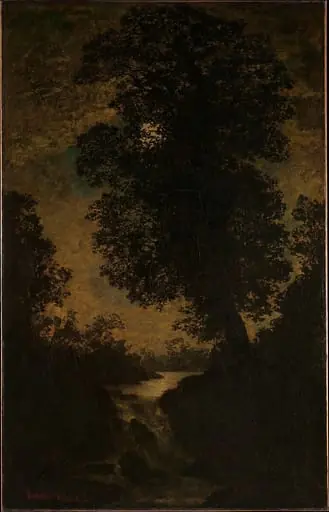 A Waterfall, Moonlight
 明/清 佚名 舊傳郭煕 關山行旅圖 卷|Traveling amid Mountains
 The Belated Party on Mansfield Mountain
 明 傳蔣嵩 冬景山水圖 卷|Winter landscape
 Autumn Meadows
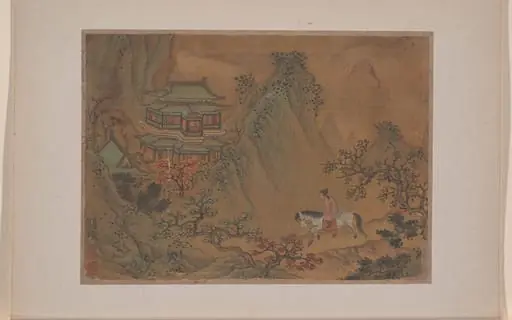 Untitled
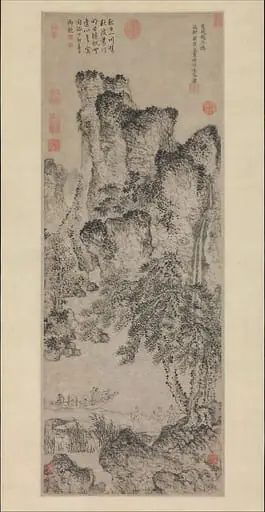 元 趙原 (元) 晴川送客圖 軸|Farewell by a Stream on a Clear Day
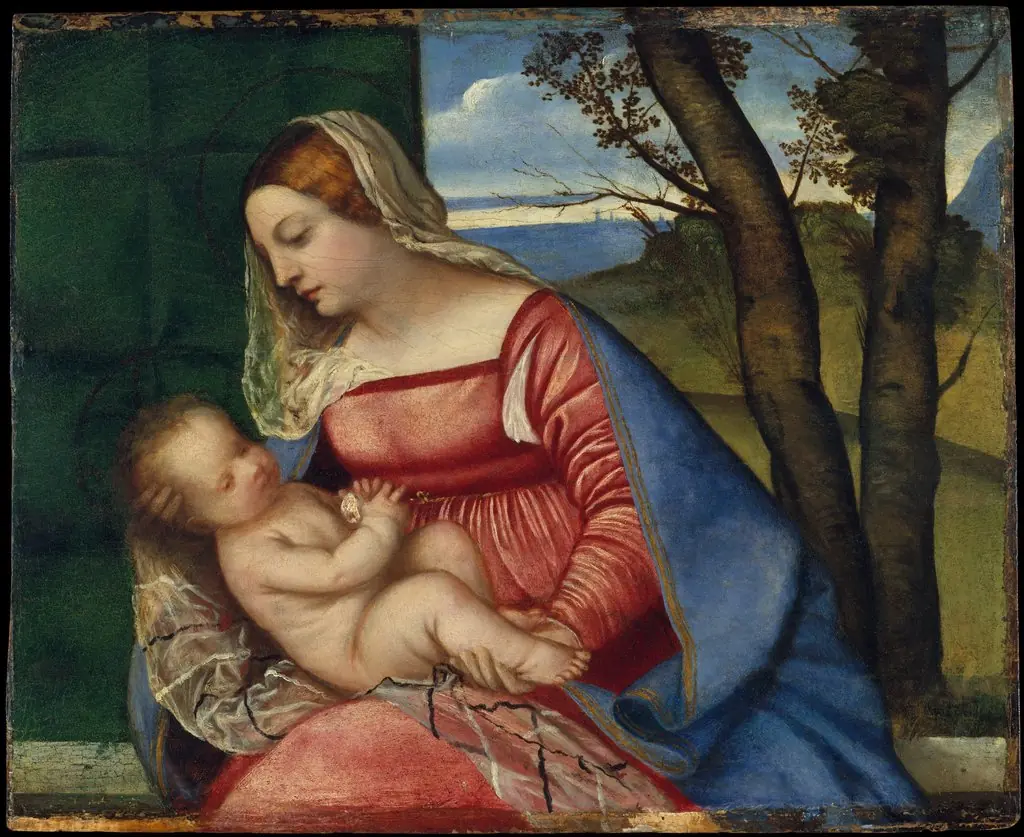 Bache Madonna
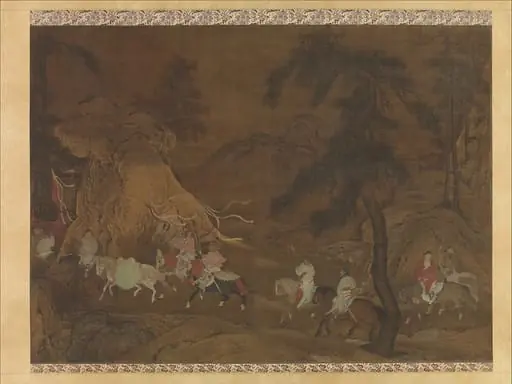 南宋 佚名 明皇幸蜀圖 軸|Emperor Xuanzong's Flight to Shu
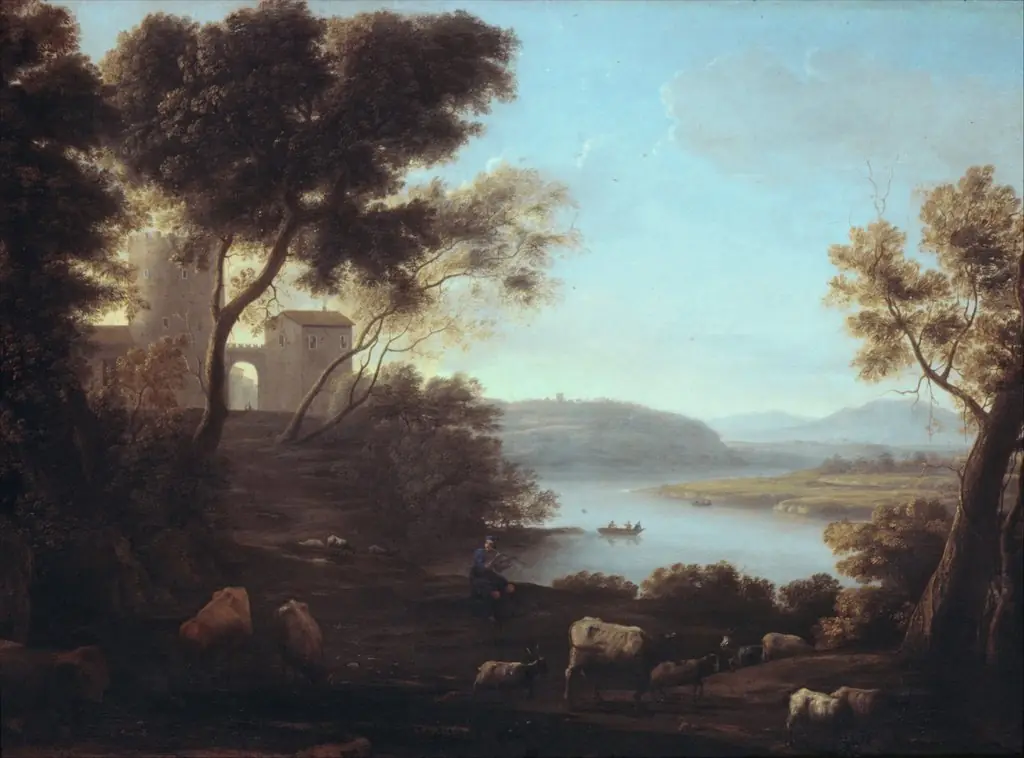 Pastoral Landscape: The Roman Campagna
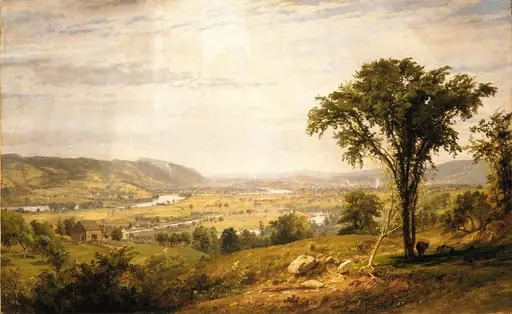 Wyoming Valley, Pennsylvania
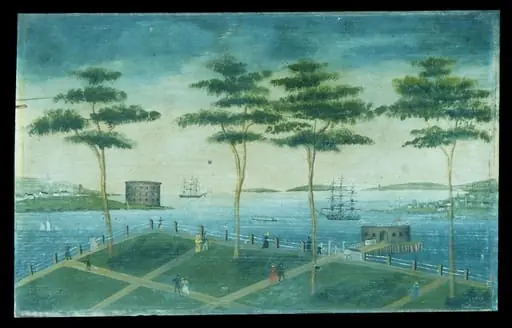 View of the Battery, New York
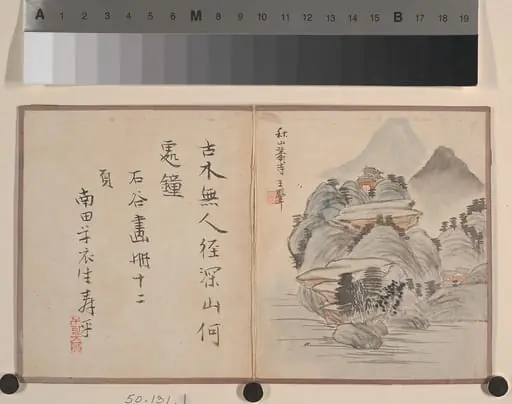 Untitled
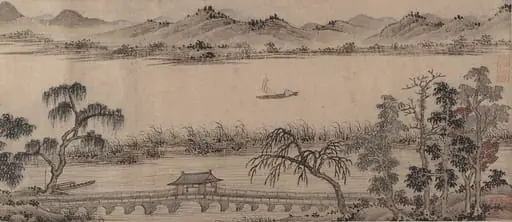 明 佚名 仿趙孟頫 垂虹亭圖 卷|Pavilion of the Hovering Rainbow Bridge
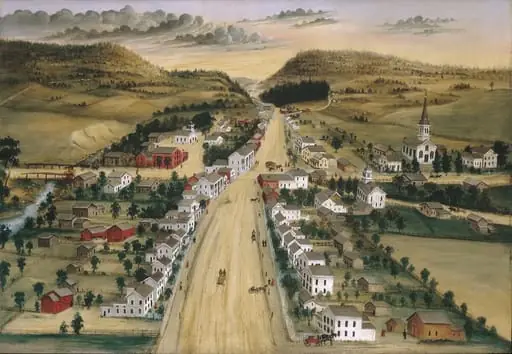 View of Poestenkill, New York
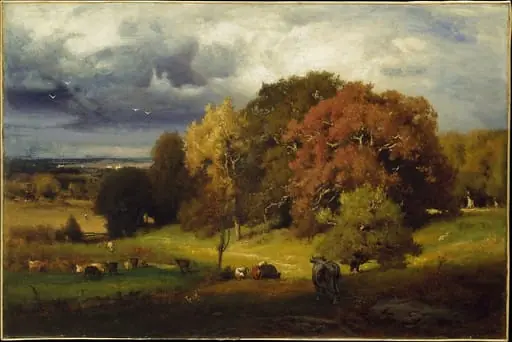 Autumn Oaks
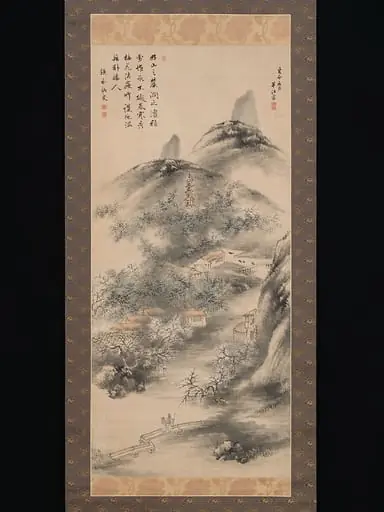 Untitled
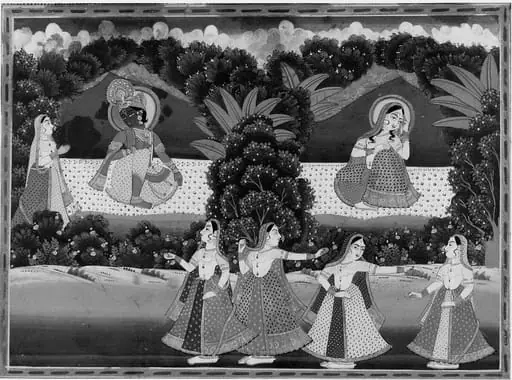 Untitled
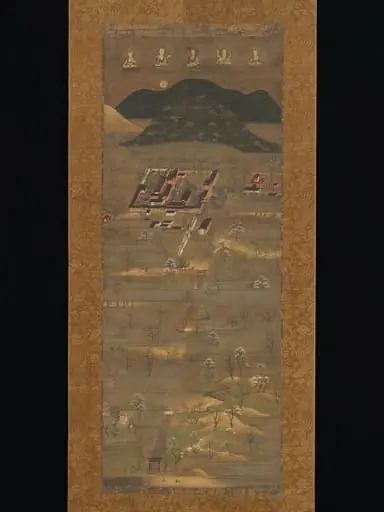 春日宮曼荼羅 (Kasuga miya mandara)|Mandala of Kasuga Shrine
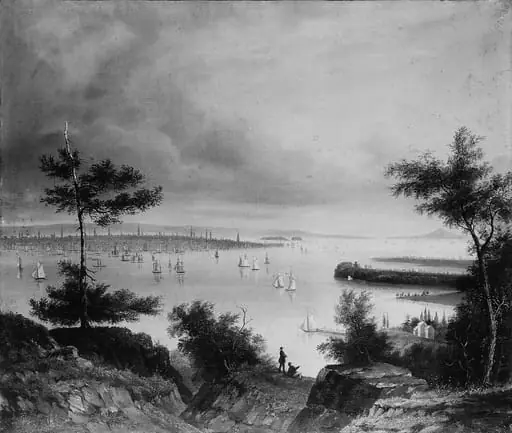 View of New York from Weehawken
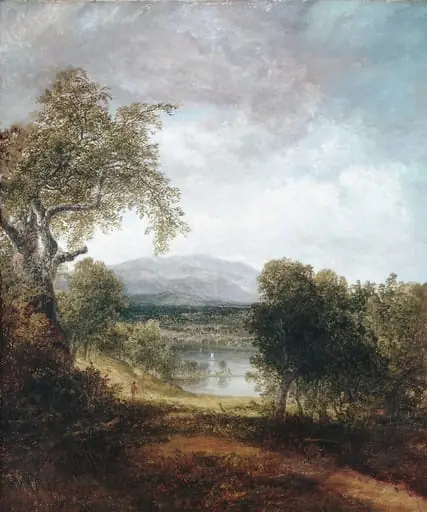 A River Glimpse
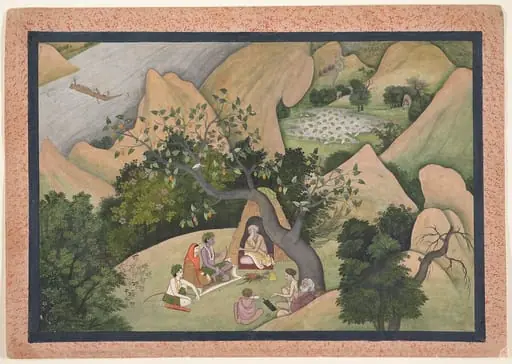 Untitled
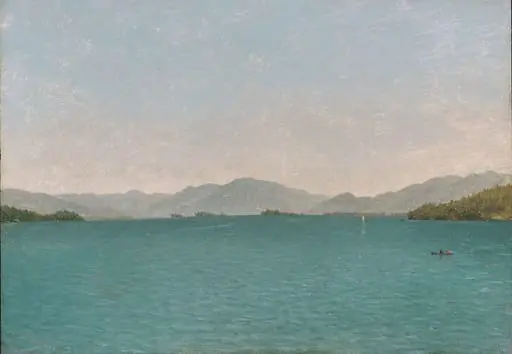 Lake George, Free Study
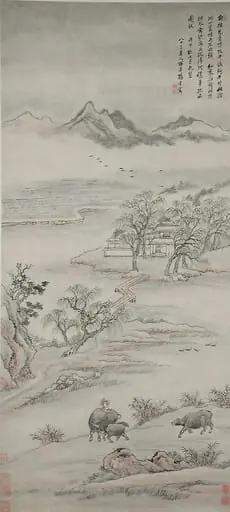 清 楊晉 滄洲牧牛圖 軸|Landscape with Figures
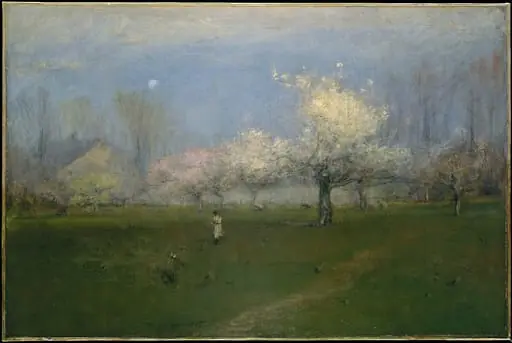 Spring Blossoms, Montclair, New Jersey
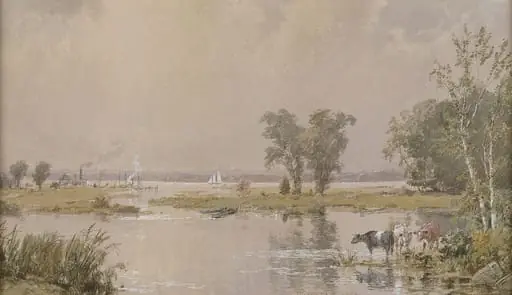 Hackensack Meadows
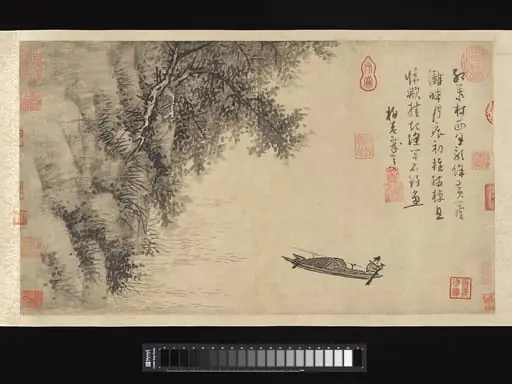 元 吳鎮 蘆灘釣艇圖 卷|Fisherman
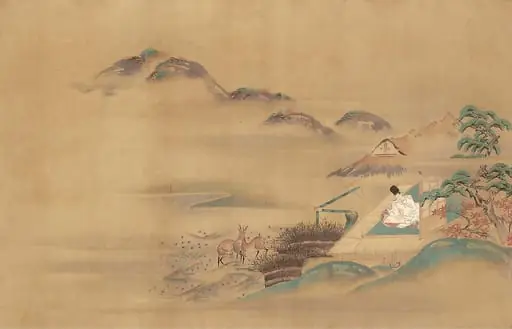 石山師香筆 源氏物語八景 絵巻|Eight Views from The Tale of Genji
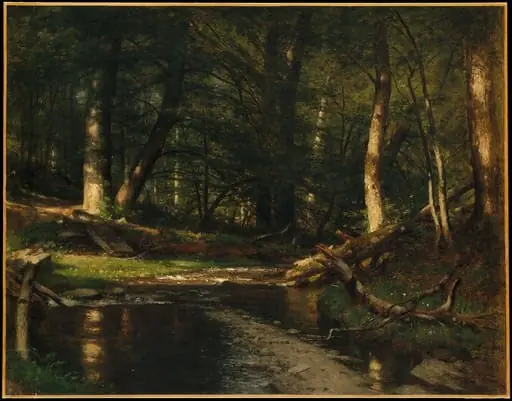 The Brook in the Woods
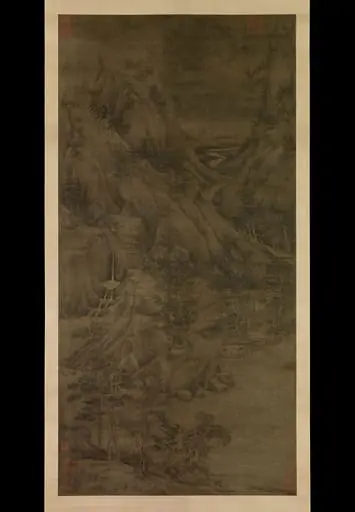 五代 傳董元 溪岸圖 軸|Riverbank
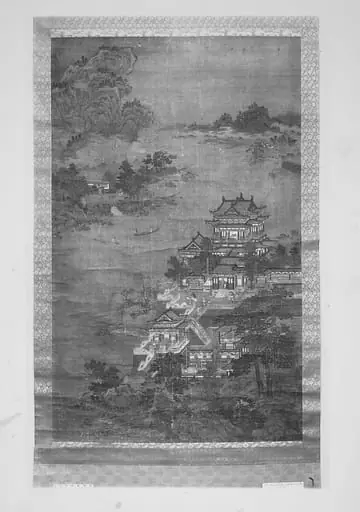 Untitled
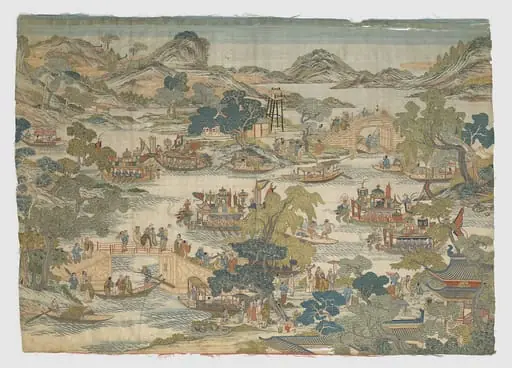 清 緙絲龍舟競渡圖|Dragon-boat festival performance
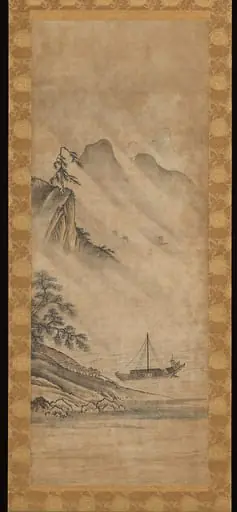 瀟湘八景図|Eight Views of the Xiao and Xiang Rivers
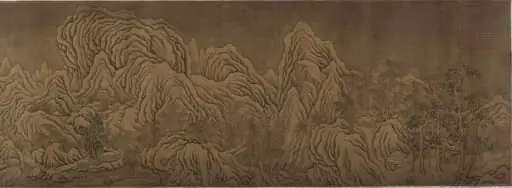 Untitled
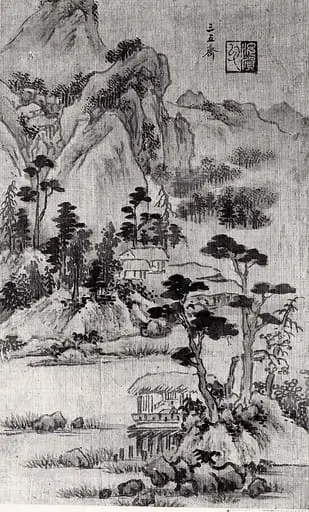 Untitled
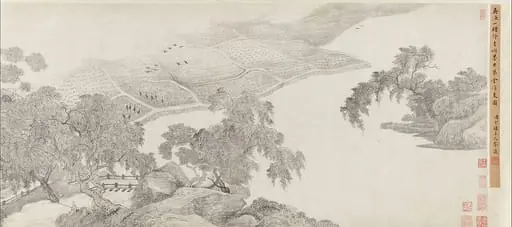 清 吳歷 墨井草堂消夏圖 卷|Whiling Away the Summer at the Ink-Well Thatched Hut
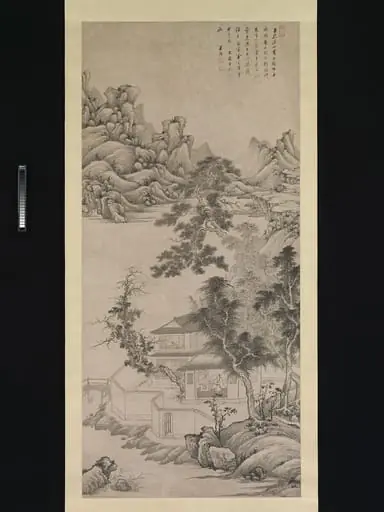 清 王鑑 倣巨然《溪山高士圖》 軸|Lofty Scholar among Streams and Mountains, in the manner of Juran
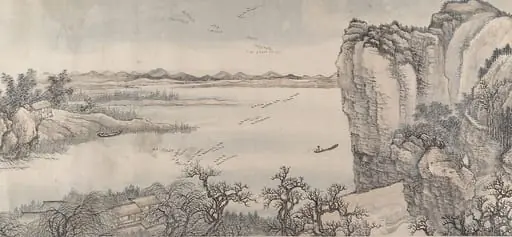 清 王翬 倣巨然燕文貴山水圖 卷|Landscape in the Style of Juran and Yan Wengui
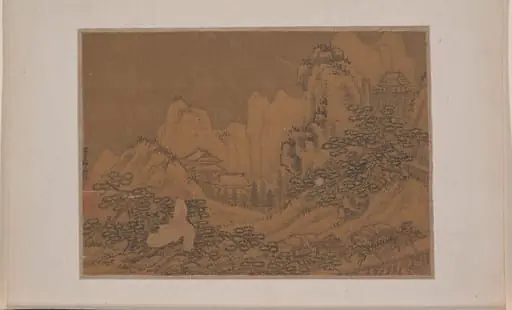 Untitled
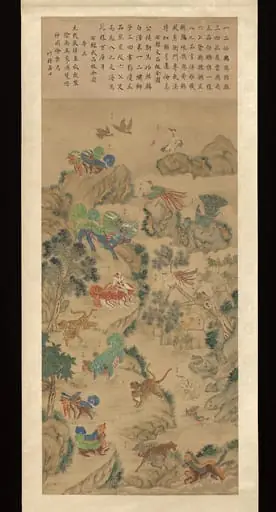 Untitled
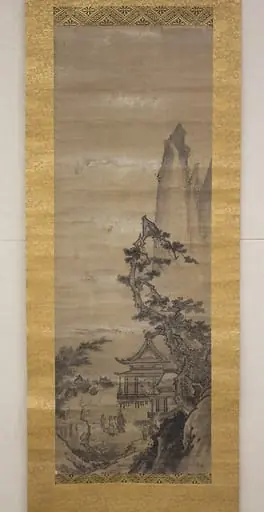 Untitled
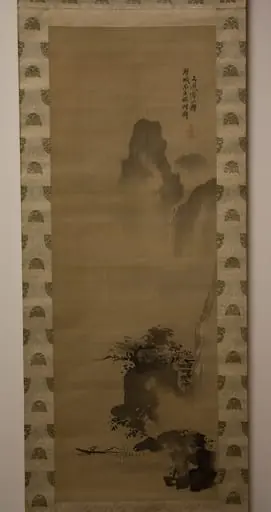 Untitled
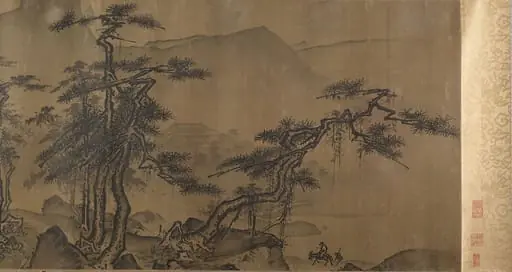 明/清 佚名 李遠(僞款) 仿夏珪江山清遠圖 卷|Landscape
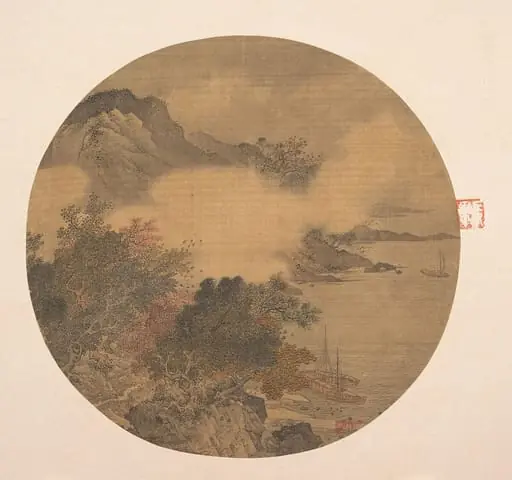 明 佚名 風雨艤舟圖 團扇|Misty Landscape
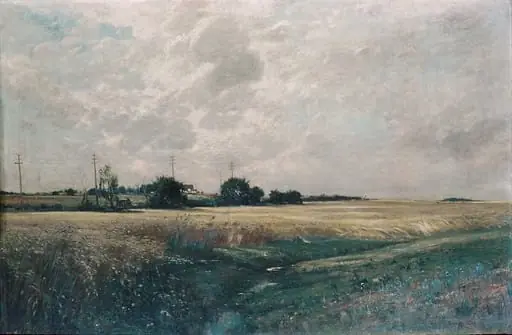 Broad Acres
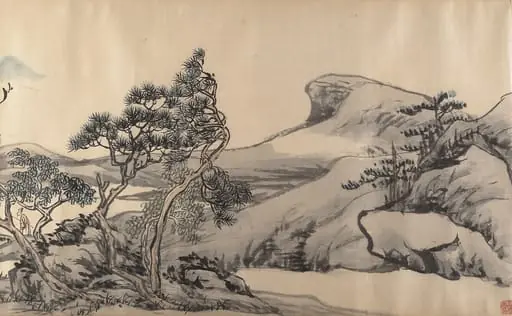 清 張賜寧 設色山水 卷|Landscape
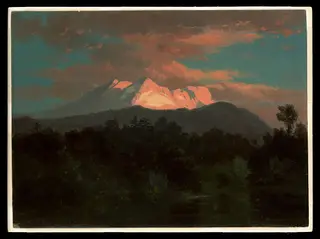 Mountain Range
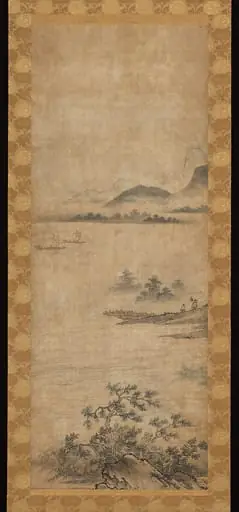 瀟湘八景図|Eight Views of the Xiao and Xiang Rivers
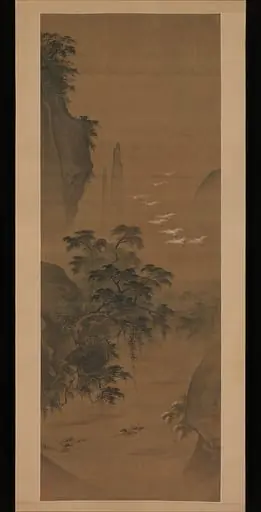 明 呂紀 秋景花鳥圖 軸|Autumn landscape with egrets and ducks
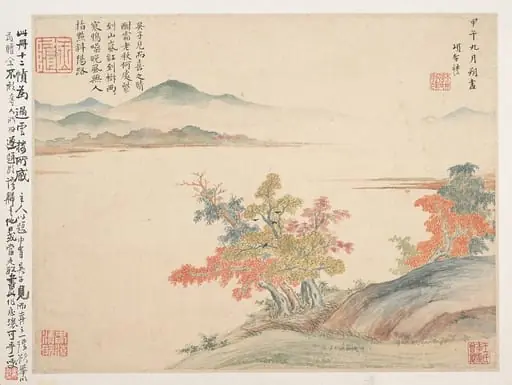 明/清 項聖謨 秋景圖 冊頁|Autumn Landscape, leaf from Album for Zhou Lianggong
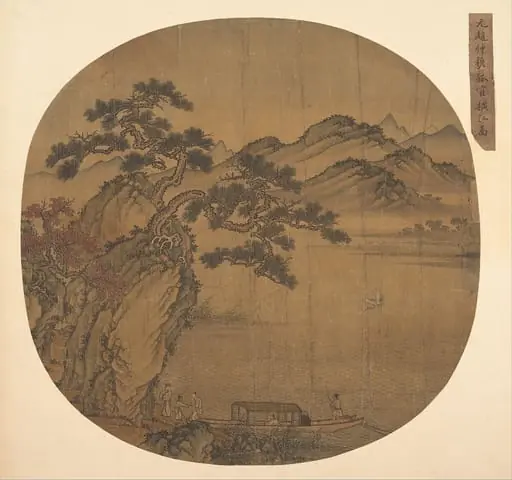 元/明 佚名 舊傳趙雍 倣盛懋 蘇軾後赤壁賦圖 團扇|元/明 佚名 後赤壁賦圖 扇|Illustration of Su Shi's "Second Ode on the Red Cliff"
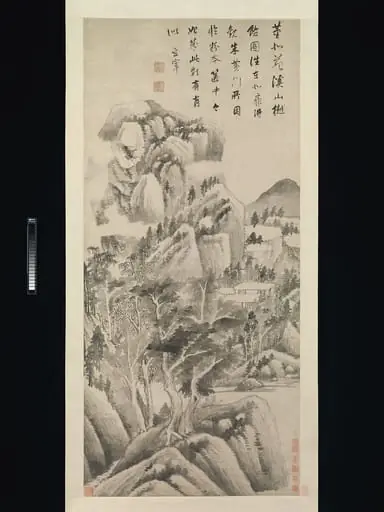 明 董其昌 溪山樾館圖 軸|Shaded Dwellings among Streams and Mountains
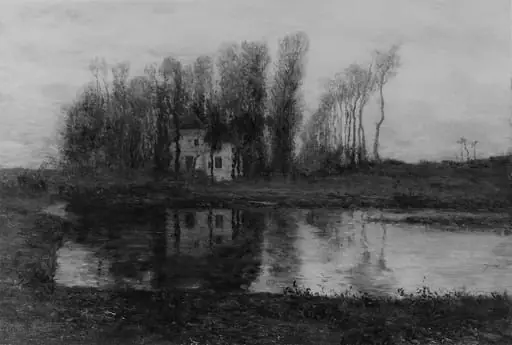 Old Manor of Criqueboeuf
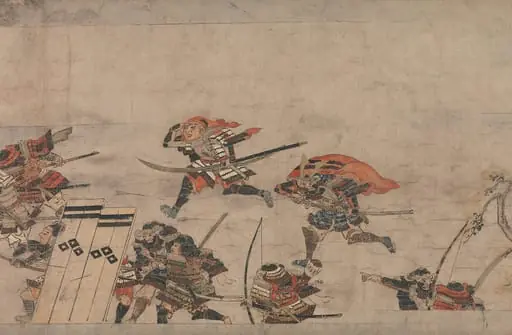 秋夜長物語|A Long Tale for an Autumn Night (Aki no yo nagamonogatari)
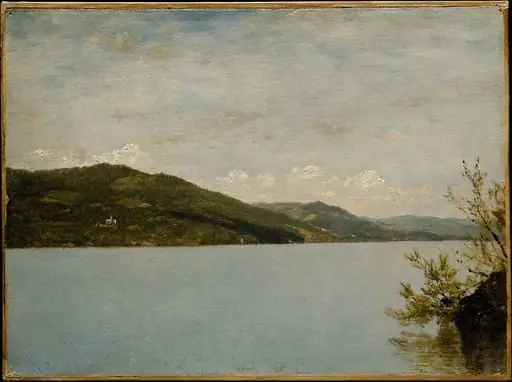 Lake George, 1872
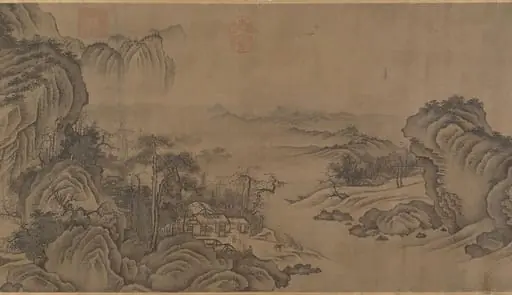 元/明 佚名 舊傳 燕文貴 秋山蕭寺圖 軸|Buddhist Temples amid Autumn Mountains
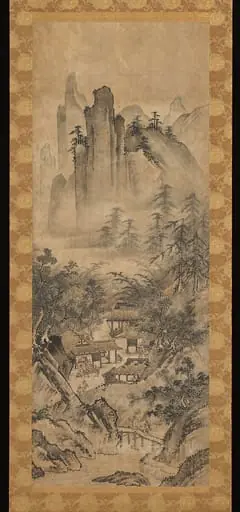 瀟湘八景図|Eight Views of the Xiao and Xiang Rivers
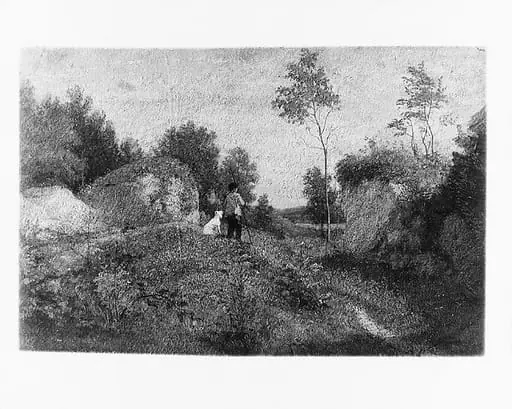 Landscape
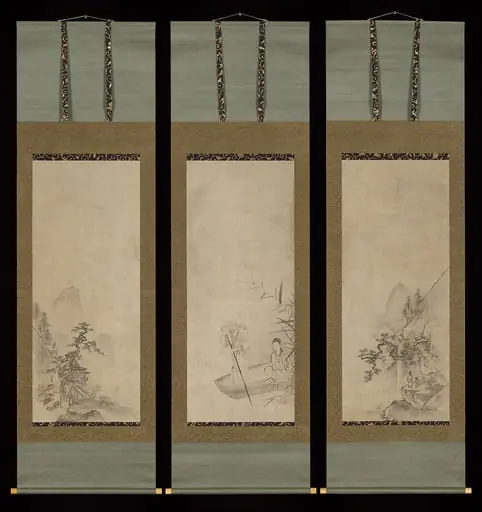 Untitled
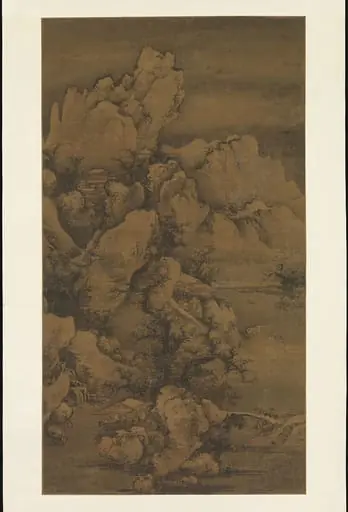 元 姚彥卿 (廷美) 雪山行旅圖 軸|요언경, 눈 덮인 산 속 나그네 중국 원|Traveling through Snow-Covered Mountains
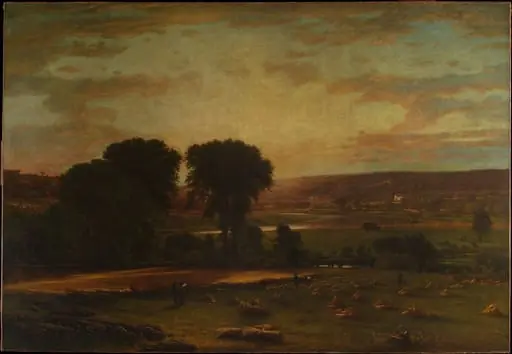 Peace and Plenty
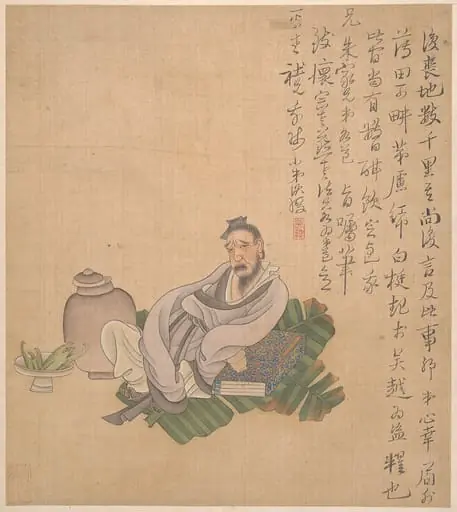 明/清 陳洪綬、陳字 雜畫 冊|Figures, flowers, and landscapes
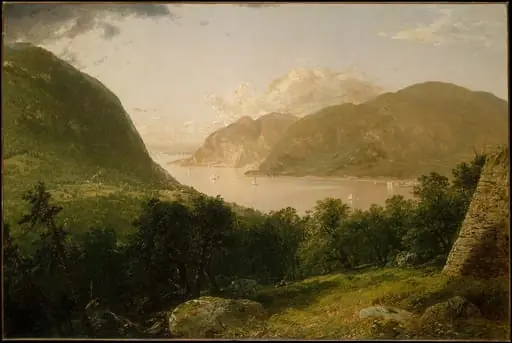 Hudson River Scene
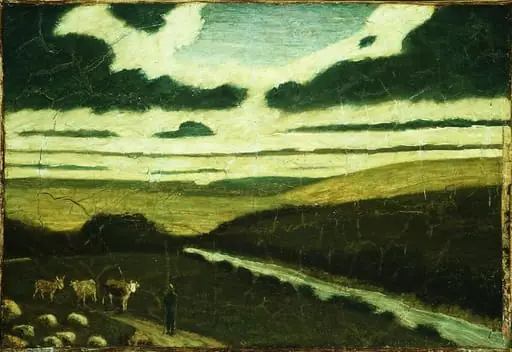 Landscape
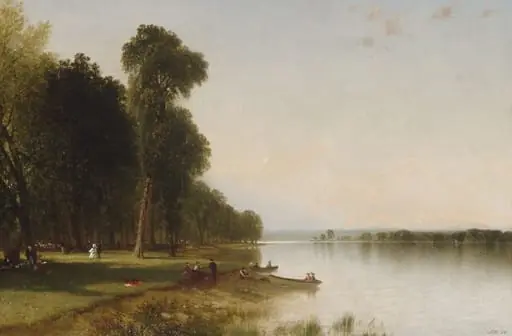 Summer Day on Conesus Lake
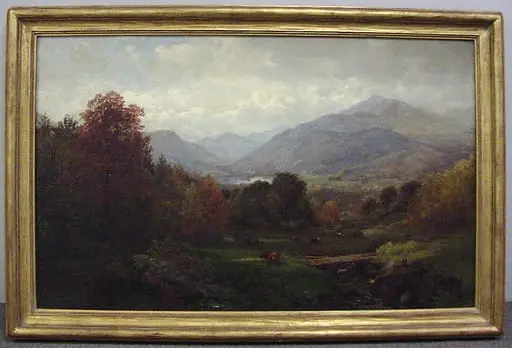 Bouquet Valley, Adirondack Mountains
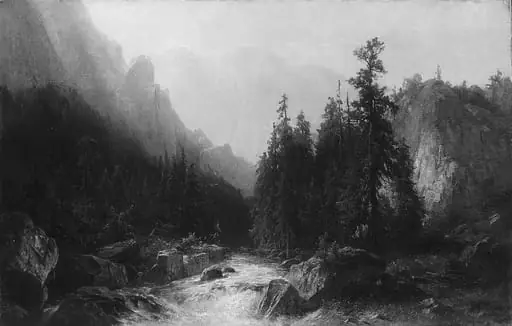 After the Storm
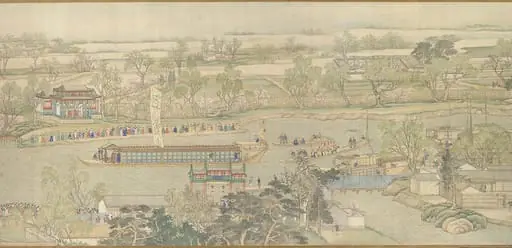 清 徐揚 等 乾隆南巡圖 (第六卷﹕大運河至蘇州) 卷|The Qianlong Emperor's Southern Inspection Tour, Scroll Six: Entering Suzhou along the Grand Canal
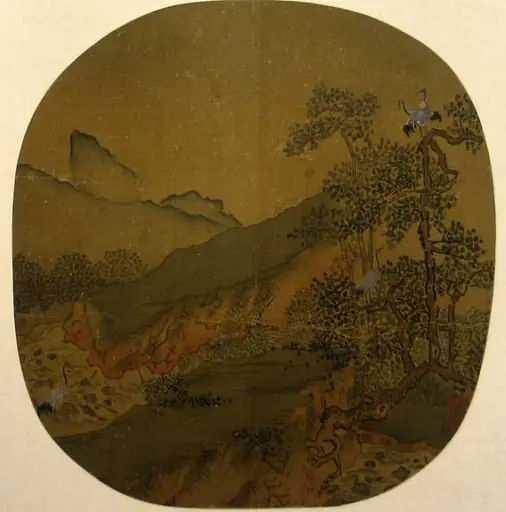 Untitled
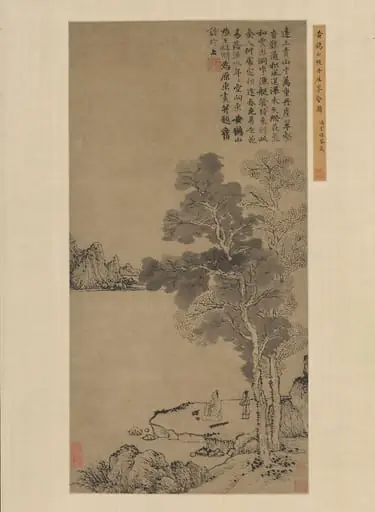 元 王蒙 丹崖翠壑圖 軸|Red Cliffs and Green Valleys
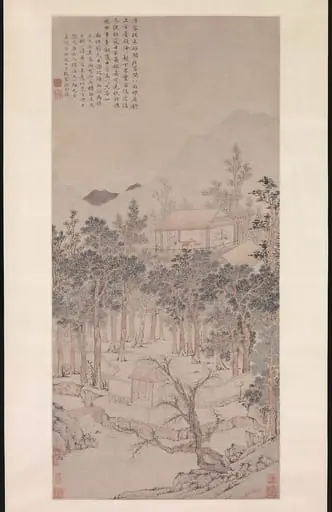 明 文徵明 樓居圖軸|Living Aloft: Master Liu's Retreat
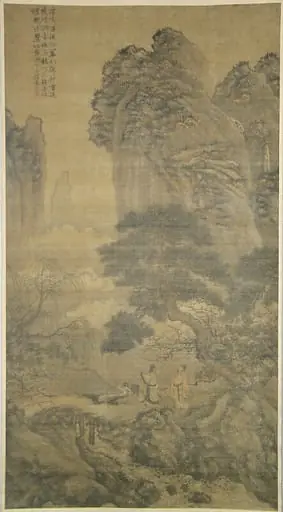 明 謝時臣 谿山春曉圖 軸|Spring Morning in the Mountains
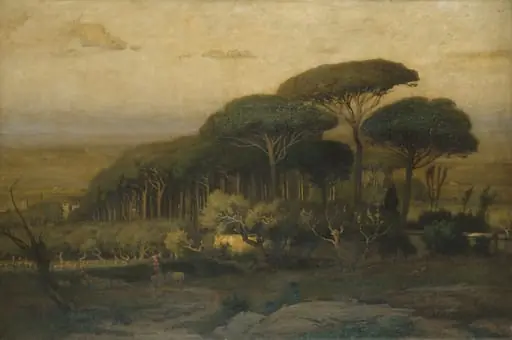 Pine Grove of the Barberini Villa
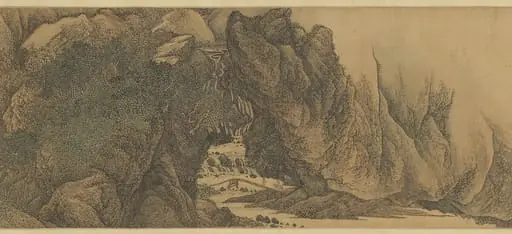 清 王翬 太行山色圖 卷|The Colors of Mount Taihang
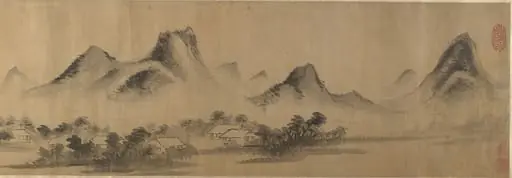 清 佚名 倣董其昌 倣米氏雲山圖 卷|Cloudy Mountain in the Style of Mi Fu (1052–1107)
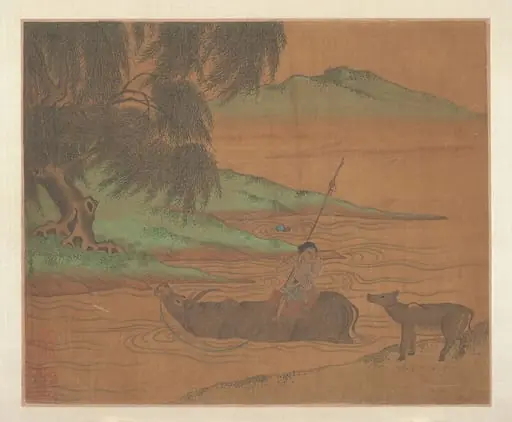 Untitled
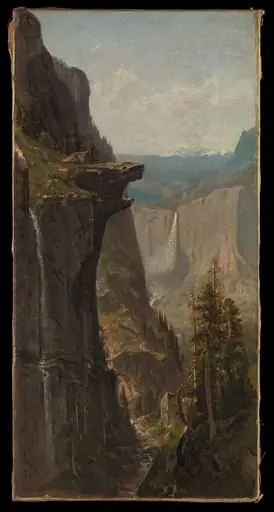 Yosemite Falls, from Glacier Point
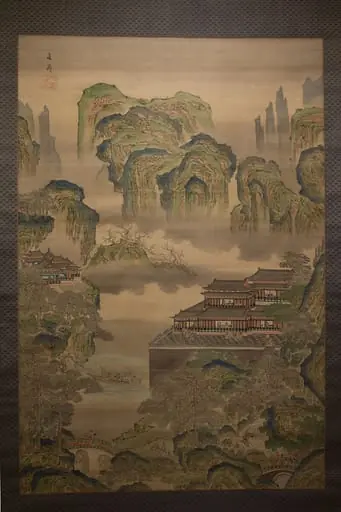 Untitled
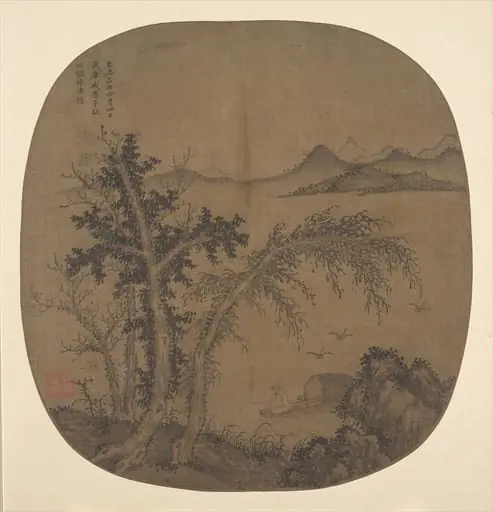 元 盛懋 秋林漁隱圖 團扇|Recluse Fisherman, Autumn Trees
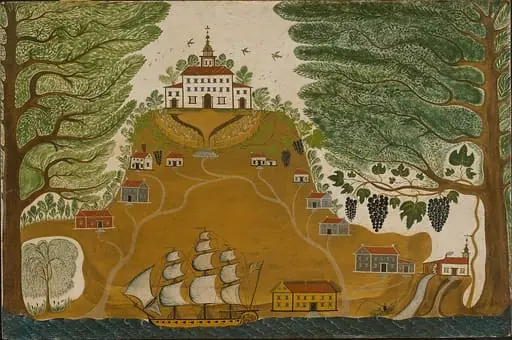 The Plantation
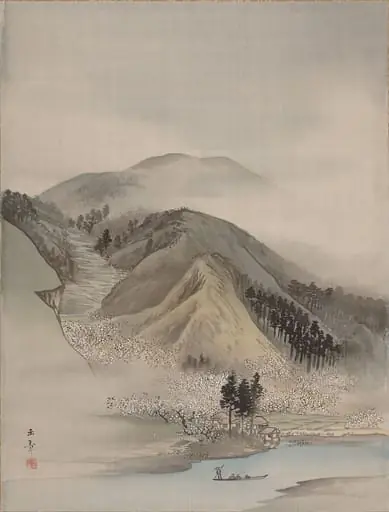 Untitled
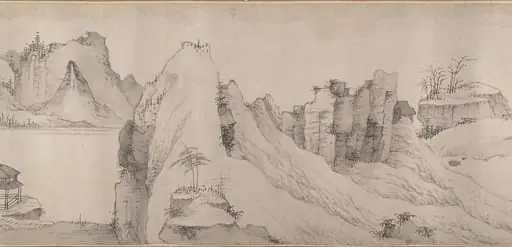 清 傳弘仁 寺橋山色圖 卷|River Scene in Winter
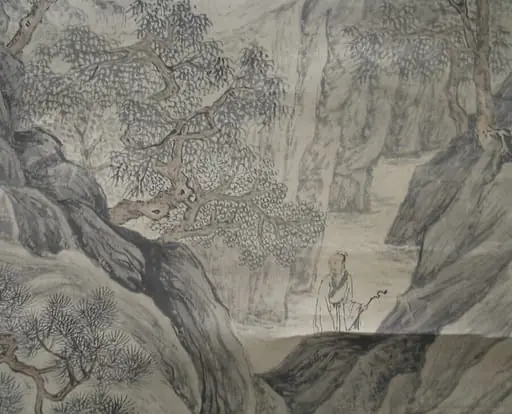 Untitled
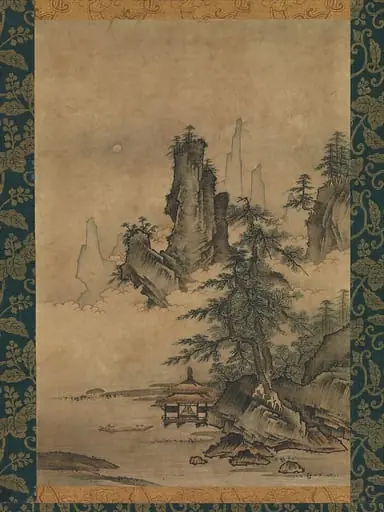 山水図|Landscape
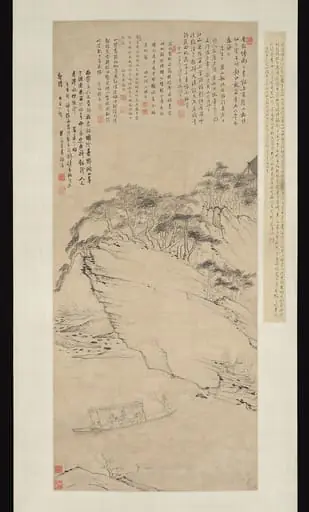 清 倣梅清 響山泛舟圖 軸|Boating beneath Echo Hill
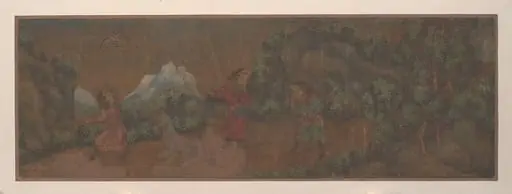 Untitled
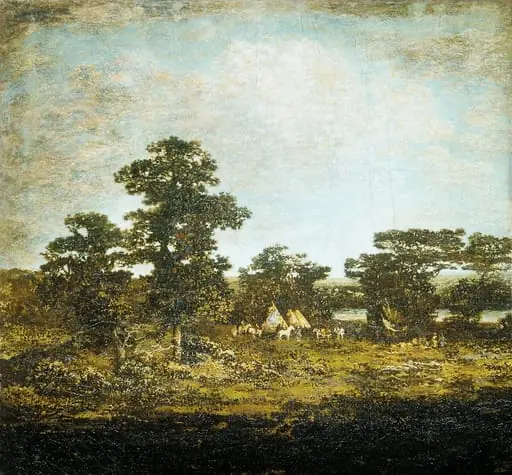 An Indian Encampment
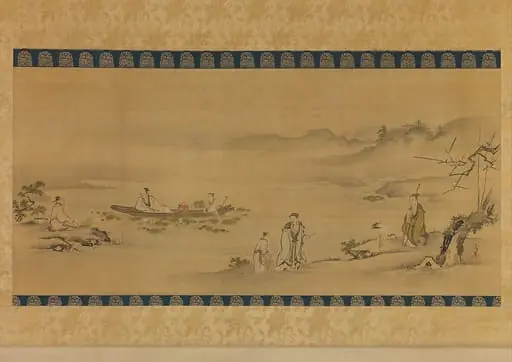 狩野常信筆 四愛図 |Four Admirers
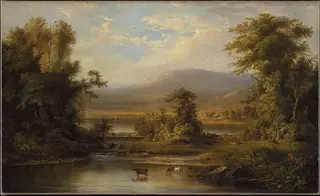 Landscape with Cows Watering in a Stream
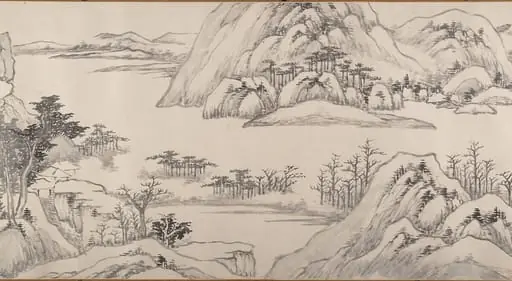 Untitled
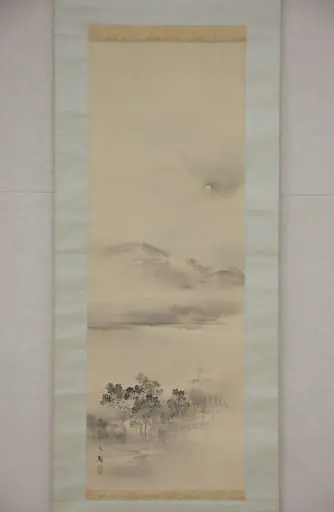 Untitled
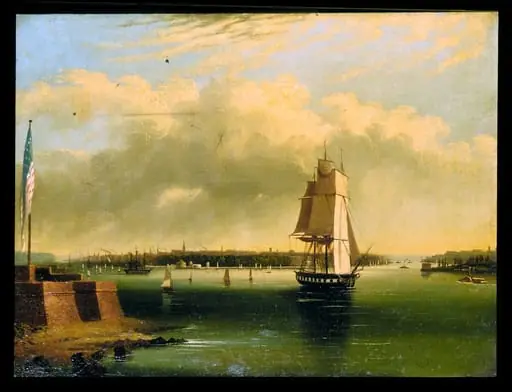 Bay and Harbor of New York from Bedlow's Island
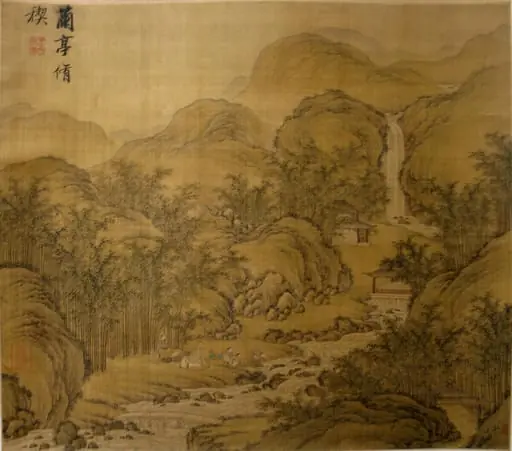 清 佚名 傳王文治 蘭亭修禊圖 軸|Spring Ablutions at the Orchid Pavilion
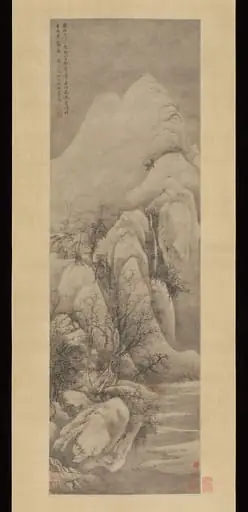 清 王翬 倣李成雪霽圖 軸|Snow Clearing: Landscape after Li Cheng
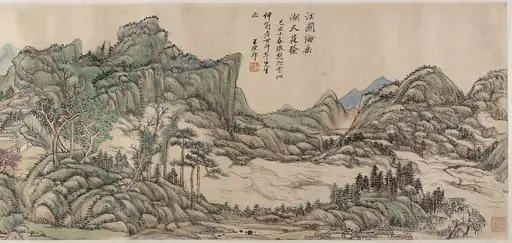 清 王原祁 江國垂綸圖 卷|Fishing in River Country at Blossom Time
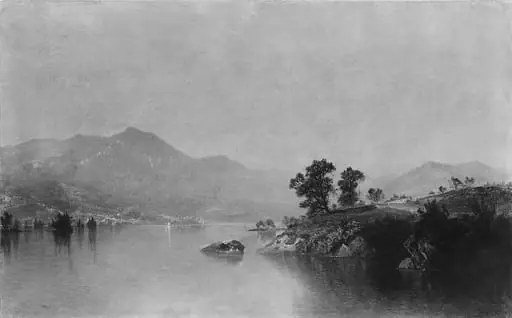 Lake George, New York
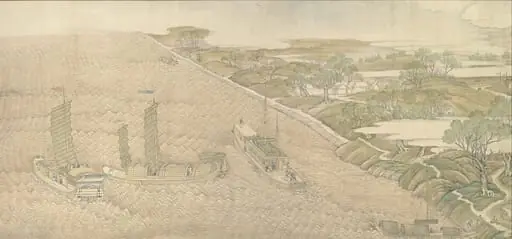 清 徐揚等 乾隆南巡圖, 第四卷﹕黃淮交流|The Qianlong Emperor's Southern Inspection Tour, Scroll Four: The Confluence of the Huai and Yellow Rivers (Qianlong nanxun, juan si: Huang Huai jiaoliu)
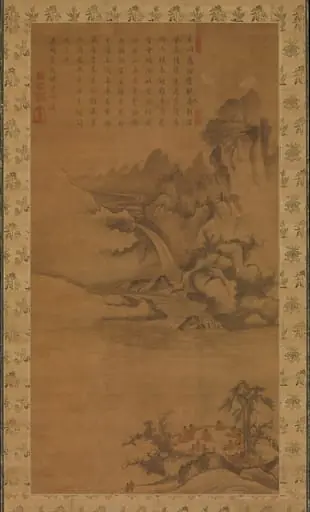 같은 해에 태어난 관리들의 친목 모임 조선|同庚契會圖 朝鮮|Gathering of government officials
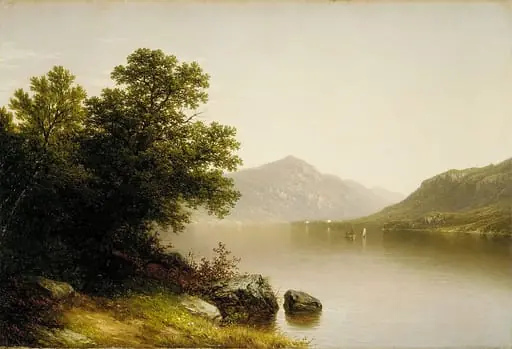 Lake George
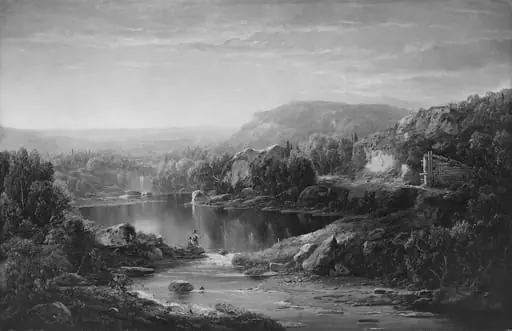 Landscape with Waterfall and Figures
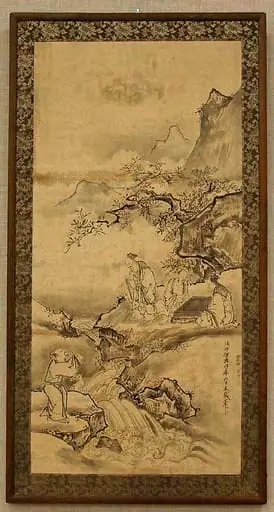 Untitled
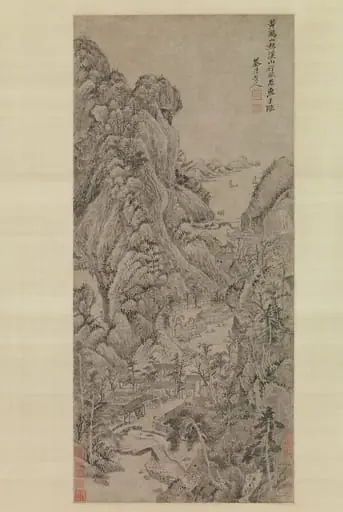 清 吳歷 倣王蒙溪山行旅圖 軸|Travelers among Streams and Mountains
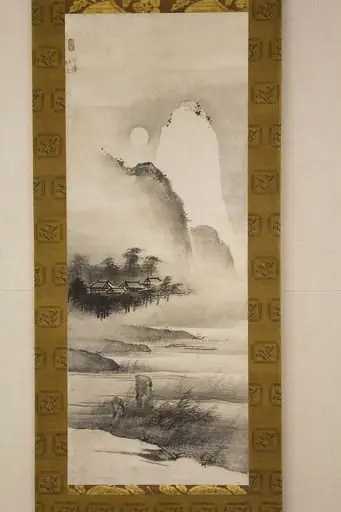 Untitled
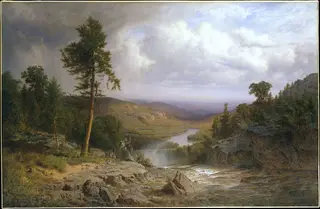 Tennessee
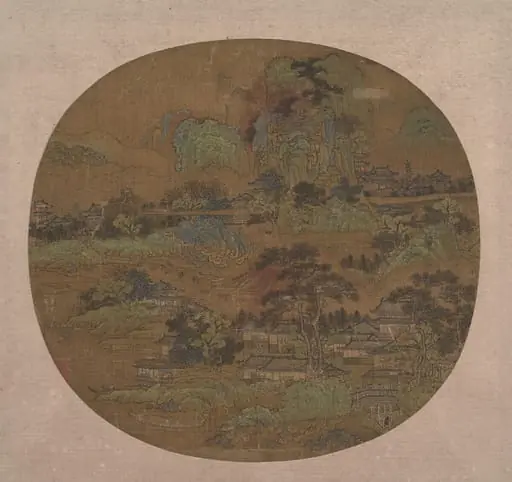 明 佚名 樓閣江帆圖 團扇|Village and Temples in Jiangnan
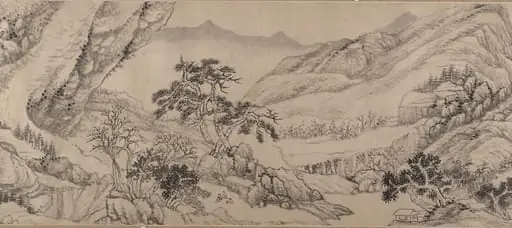 清 柳堉 山水圖 卷|Traveling Amid Streams and Mountains
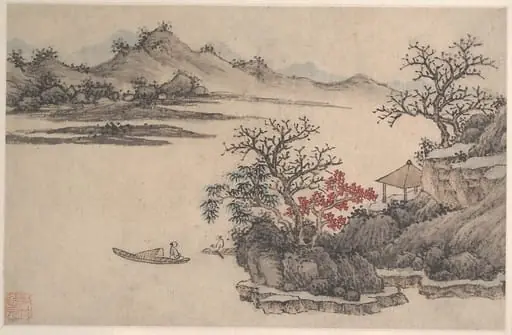 Untitled
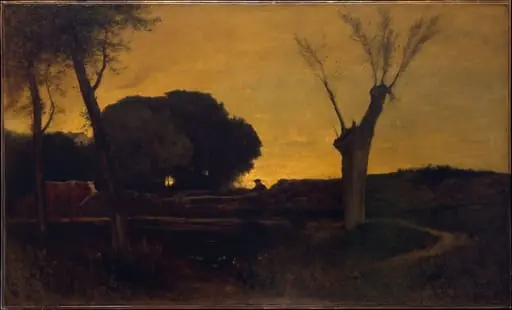 Evening at Medfield, Massachusetts
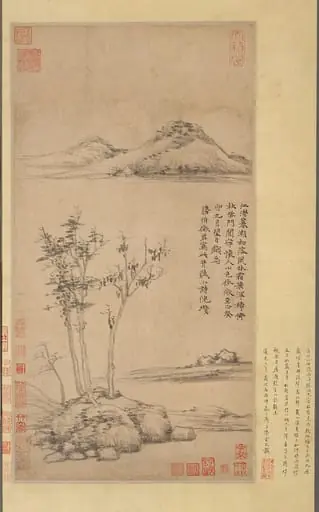 元 倪瓚 江渚風林圖 軸|Wind among the Trees on the Riverbank
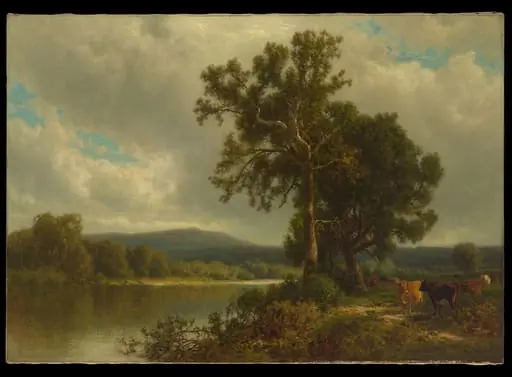 Scene at Napanoch
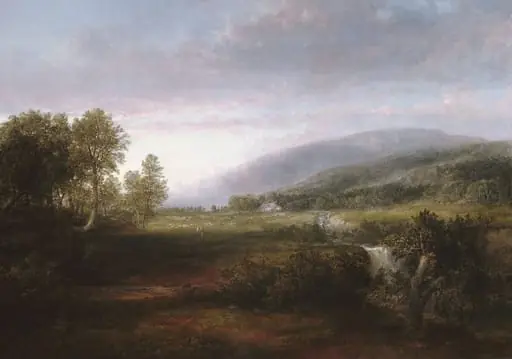 Spring Landscape
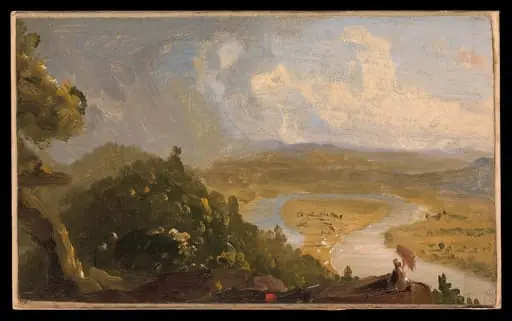 Sketch for View from Mount Holyoke, Northampton, Massachusetts, after a Thunderstorm (The Oxbow)
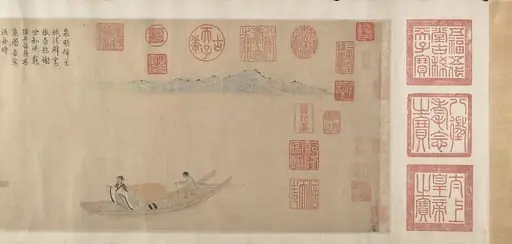 元/明 倣錢選 鮮于樞 歸去來辭 卷|Ode on Returning Home
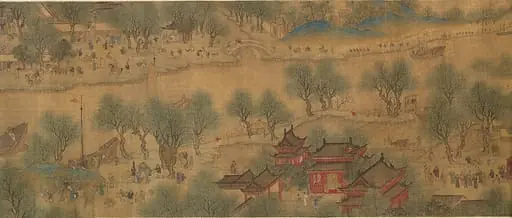 清 佚名 清明上河圖 卷|Spring Festival on the River
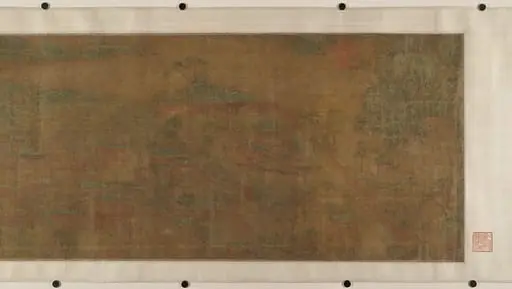 Untitled
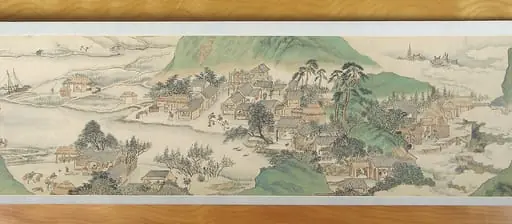 明/清 張宏 桃源勝概圖 卷|Peach Blossom Spring
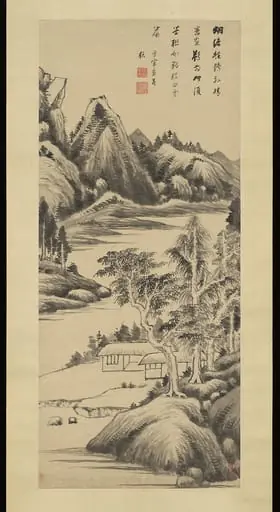 Untitled
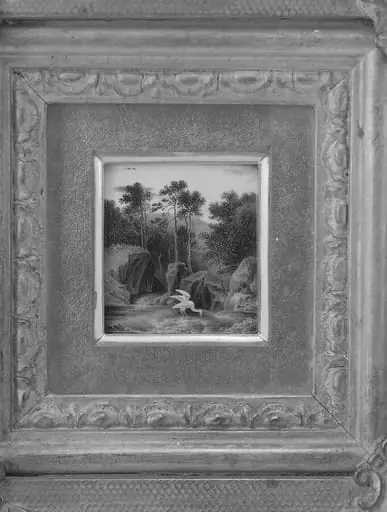 Principa Falls
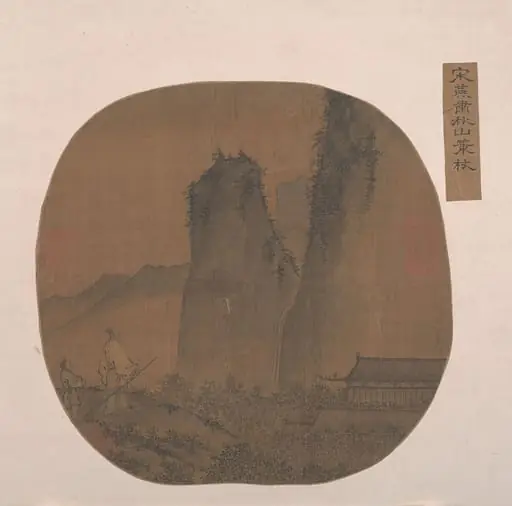 Untitled
Frequently asked questions
What is Landscape?
Landscape is a subject in art. A landscape is the visible features of an area of land, its landforms, and how they integrate with natural or human-made features, often considered in terms of their aesthetic appeal.
How many Landscape works does Artifact World Gallery have?
Artifact World Gallery holds 200 public-domain Landscape works, all free to view and download.
Who are the key Landscape artists?
Key Landscape artists in the collection include Titian, Thomas Eakins and Paolo Veronese.
Where can I see Landscape works?
Landscape works in the collection are held by Metropolitan Museum of Art, Pinacoteca de São Paulo and Uffizi Gallery.