Artwork
Strămoșul
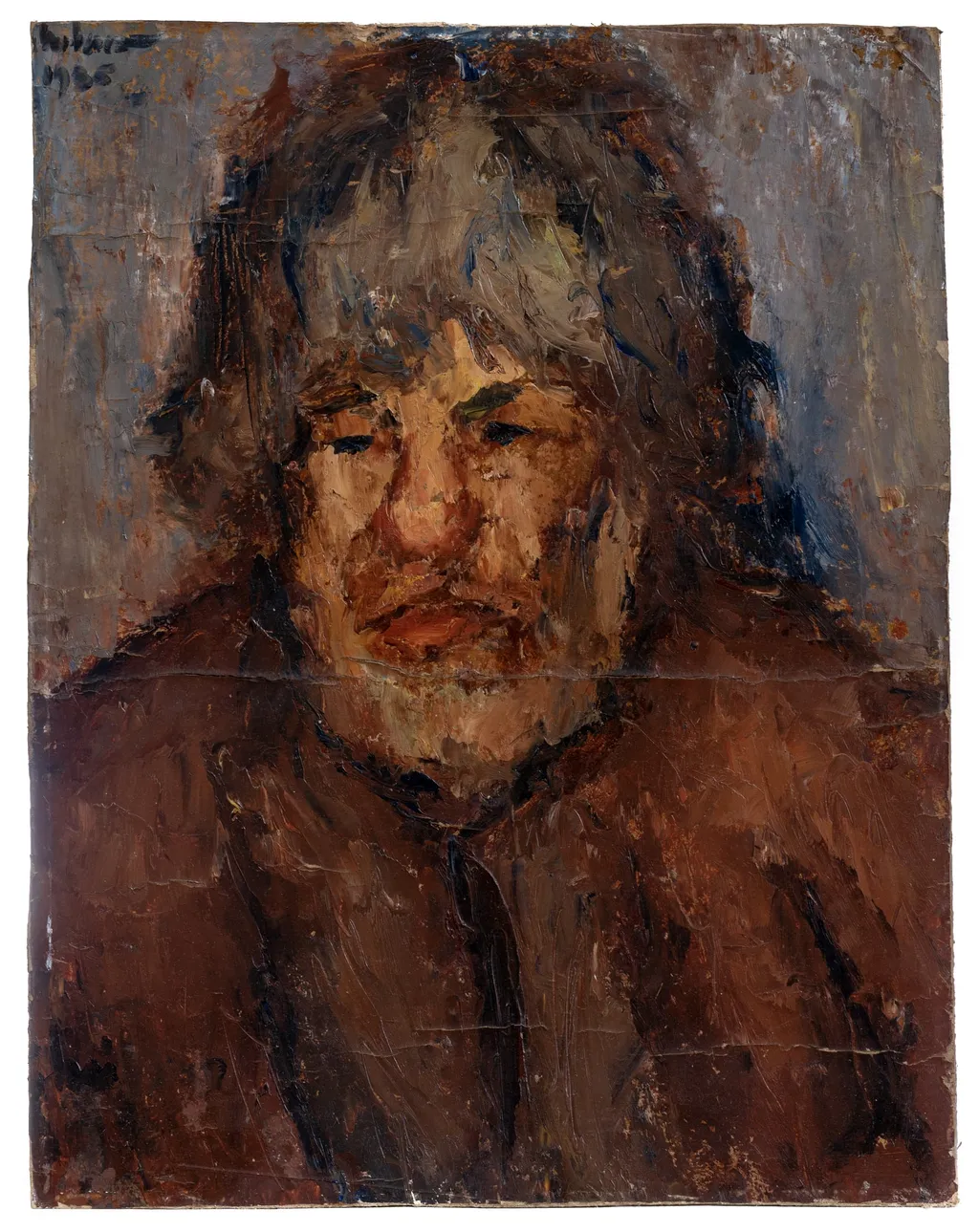
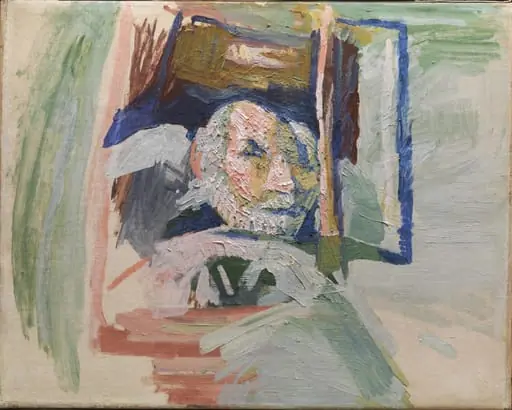
Strămoșul is an unspecified painting by Mihăilescu-Craiu Victor. It dates from 1945 and is held in the collection of the Moldova National Museum Complex.
About this work
Overview
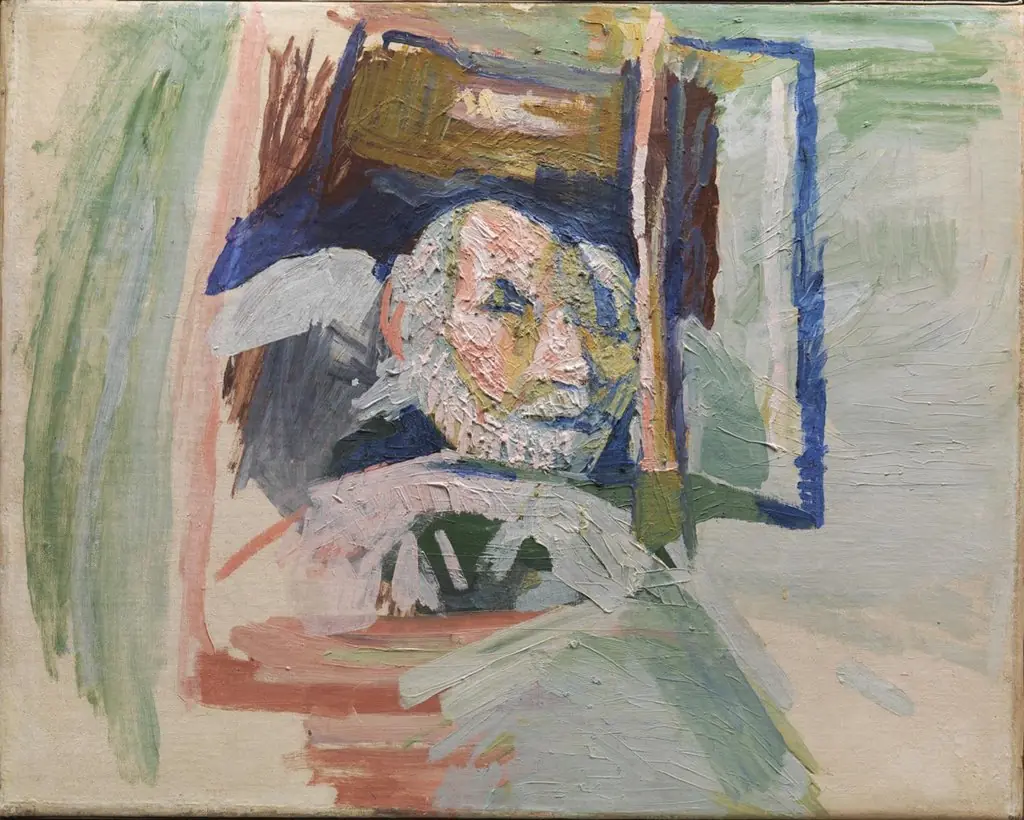
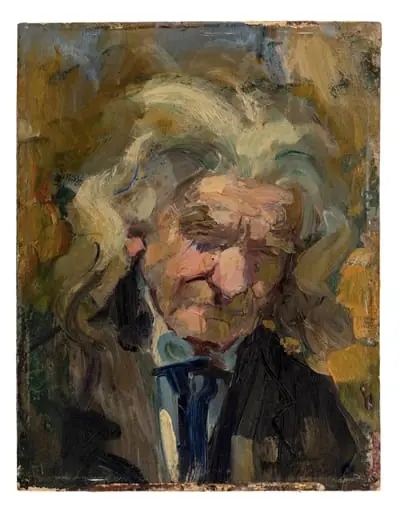
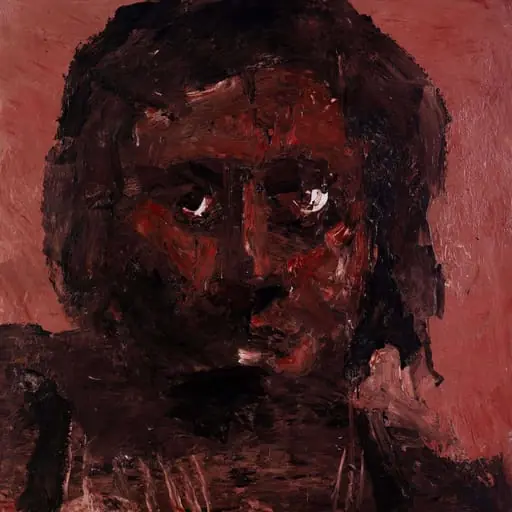
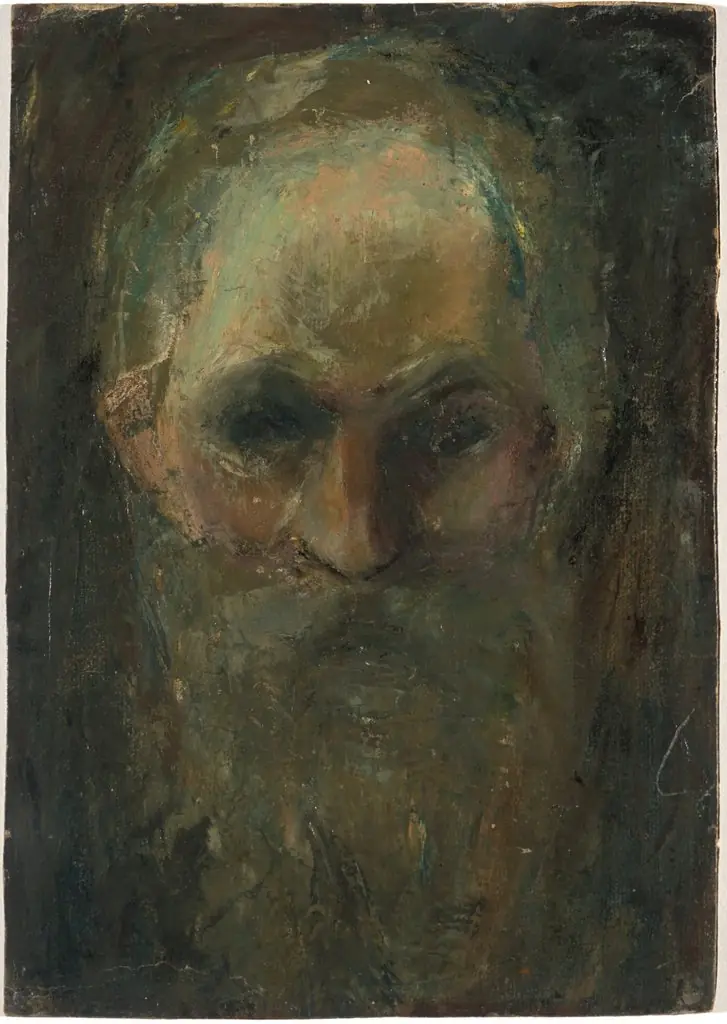
Strămoșul, painted around 1945 by Mihăilescu-Craiu Victor, is a portrait focused intensely on a single male face. Rendered in muted earth tones and dark reds, the work eliminates background detail to isolate the subject. The surface is built up with thick, irregular layers of paint, creating a tactile, almost sculptural quality that emphasizes the physicality of the figure over idealized form.
Subject & Meaning
The subject appears to be an elderly man, his face marked by time and labor. The close framing and unflinching gaze suggest a contemplative presence, possibly evoking ancestral memory or rural endurance. There is no narrative context, but the raw depiction invites interpretation as a symbol of generational resilience, rooted in quiet dignity rather than grandeur.
Technique & Style
Victor employs impasto extensively, applying paint with heavy, uneven strokes that build up the skin and beard in textured ridges. The palette is restrained, dominated by ochres, umbers, and deep crimson, enhancing the somber mood. Brushwork is deliberate yet unrefined, rejecting smoothness in favor of a tactile, almost weathered surface that mirrors the subject’s lived experience.
History & Provenance
Created in the immediate postwar period in Romania, Strămoșul emerged during a time of cultural reevaluation under shifting political conditions. While little is documented about its early ownership, the work reflects a broader trend among Romanian artists of the era who turned to intimate, psychologically charged portraiture as a form of quiet resistance to state-sanctioned idealism.
Context
In mid-1940s Romania, artistic expression was increasingly constrained by emerging socialist realism. Strămoșul diverges from official aesthetics by prioritizing emotional authenticity over heroic representation. Its focus on an ordinary, aged face aligns with regional folk traditions and the interwar interest in peasant identity, offering a subtle counterpoint to state narratives.
Legacy
Though not widely exhibited during the artist’s lifetime, Strămoșul has come to represent a significant strand of Romanian modernism that valued materiality and psychological depth. Its unadorned realism and textured surface influenced later generations of artists seeking to reclaim personal and regional narratives outside state-controlled imagery.
Artist & collection
Artist
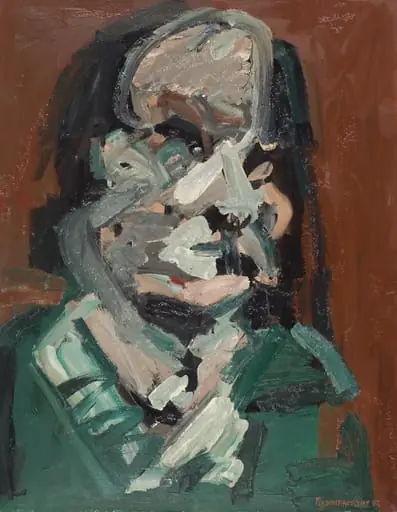
Victor M. Craiu painted Romanian landscapes and figure scenes using thick, choppy brushstrokes that give his surfaces a restless energy. In prints like Strămoșul and Peisaj urban, he layered bold autumn greens, ochres,…
 Flori de toamnă
 Natură statică
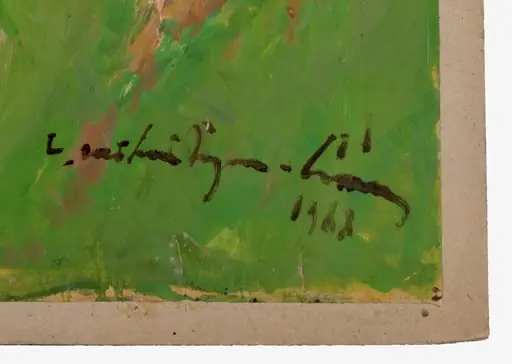 Studiu de peisaj cu un drum pe care merge o căruță trasă de cai. În prim-plan, căruța văzută din spate, dreapta. În căruță, un bărbat cu căciulă neagră și haină gri, o femeie cu batic alb și haină brun-ocru și o fetiță cu batic alb cu verde-roșu, așezată în spatele celor doi, lângă două butoaie. Drumul taie ca o diagonală lucrarea; de-o parte și de alta, iarbă. Linia orizontului foarte ridicată, după care se vede un copac verde, dealul albastru în depărtare și cerul. Semnat și datat cu brun, dreapta jos: V. Mihăilescu Craiu 1968.
 Natură statică cu flori
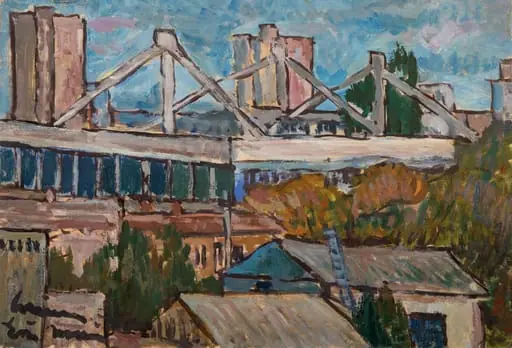 Peisaj urban; în prim-plan, acoperișuri de case și vegetație. În plan îndepărtat, o hală de producție care are pe acoperiș grinzi verticale care susțin alte grinzi de-o parte și de alta, celălalt capăt având punct de sprijin marginile construcției. Două coșuri apar în spatele halei. Colorat în gri. Tușă păstoasă. Semnat cu negru, stânga jos: Craiu.
 Peisaj industrial pe Valea Bistriței
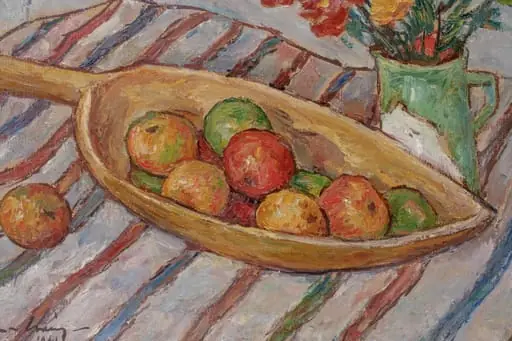 Natură moartă cu mere și flori
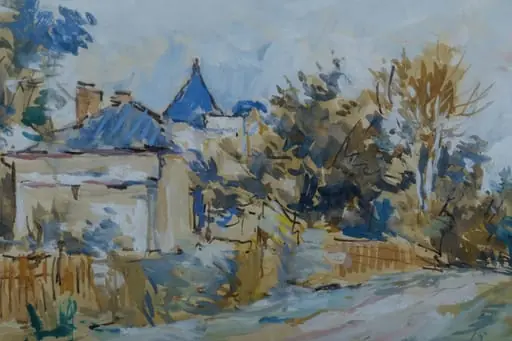 Strada G. Coșbuc Iași