Artwork
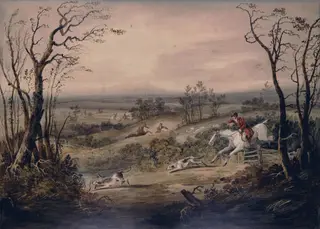
The Death of the Fox
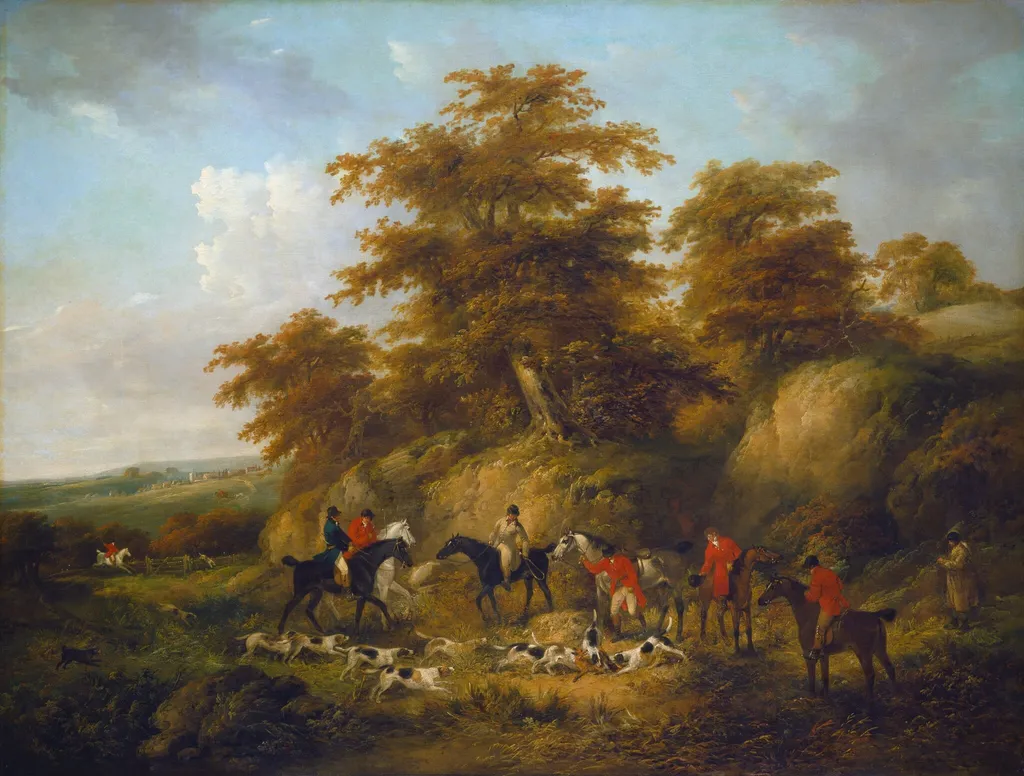
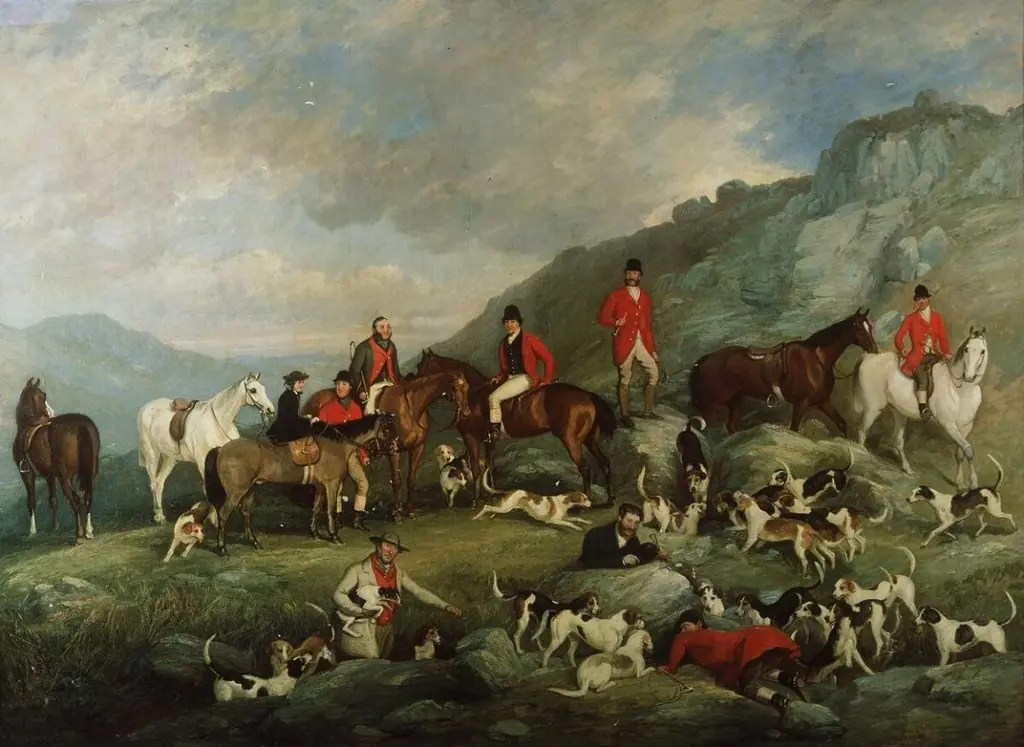
The Death of the Fox is an oil painting by the British Romanticist artist George Morland. It dates from 1792 and is held in the collection of the National Gallery of Art.
- Inscription
- Inscribed:lower right: G Morland Pinxt.
About this work
Technique & Style
George Morland's The Death of the Fox, created in 1792, is executed in oil paint on a canvas support.
George Morland's The Death of the Fox, created in 1792, is executed in oil paint on a canvas support. The work measures 142.2 cm in height and 188 cm in width. As an oil painting from the late eighteenth century, the piece exemplifies the medium's capacity for detailed narrative description typical of Morland's genre scenes involving animals and rural life. The canvas remains the sole support documented for this specific artwork.
History & Provenance
The Death of the Fox was created in 1792 by George Morland as an oil on canvas, measuring 142.2 cm in height and 188 cm in width, and is classified within the British School. The painting was first exhibited at the Royal Academy of Arts in London in 1882 as part of the Winter Exhibition, lent by John Page-Darby, in whose collection it then stood. It was sold at Christie, Manson & Woods in London on 18 July 1892, acquired by Wallis & Son, and purchased in 1893 by P.A.B. Widener of Elkins Park, Pennsylvania.
After Widener's death the painting passed by inheritance and was gifted in 1942 to the National Gallery of Art, Washington, D.C., through the power of appointment of Joseph E. Widener, where it remains.
Overview
George Morland’s oil painting The Death of the Fox, executed around 1792, presents a solitary fox lying lifeless amid a wooded landscape. The composition centers on the animal’s still form, surrounded by trees and undergrowth that frame the scene with a muted, somber atmosphere.
Subject & Meaning
The work captures the moment of a hunted fox’s demise, a motif that underscores the precariousness of rural life and the ritual of the chase. By isolating the creature against a natural backdrop, Morland invites contemplation of loss and the harsh realities of countryside existence.
Context
The Death of the Fox fits within a broader 18th‑century British fascination with hunting imagery, which served both as a celebration of sport and a commentary on the relationship between humans and the natural world. Morland’s focus on everyday rural moments places the work alongside contemporary genre paintings that documented country life.
Own this work as a print
Artist & collection
Artist
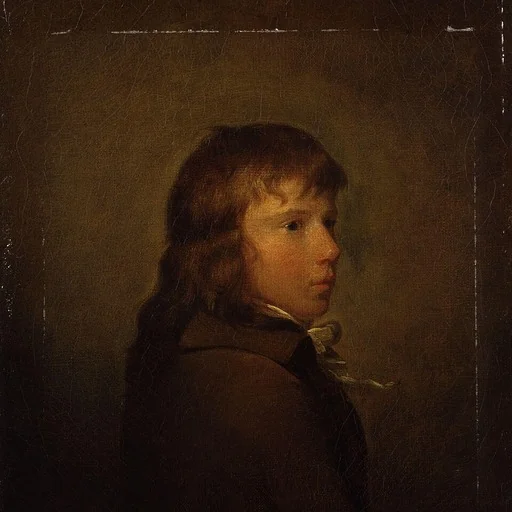
George Morland (26 June 1763 – 29 October 1804) was an English painter. His early work was influenced by Francis Wheatley, but after the 1790s he came into his own style. His best compositions focus on rustic scenes:…